

What is Benzodiazepine Withdrawal Syndrome?

Introduction

Benzodiazepine withdrawal syndrome – often abbreviated to benzo withdrawal or BZD withdrawal – is the cluster of signs and symptoms that emerge when a person who has been taking benzodiazepines, either medically or recreationally, and has developed a physical dependence, undergoes dosage reduction or discontinuation.

Refer to Benzodiazepine Use Disorder, Benzodiazepine Dependence, Benzodiazepine Overdose, and Long-Term Effects of Benzodiazepine Use.

Development of physical dependence and the resulting withdrawal symptoms, some of which may last for years, may result from taking the medication as prescribed. Benzodiazepine withdrawal is characterized by sleep disturbance, irritability, increased tension and anxiety, panic attacks, hand tremor, shaking, sweating, difficulty with concentration, confusion and cognitive difficulty, memory problems, dry retching and nausea, weight loss, palpitations, headache, muscular pain and stiffness, a host of perceptual changes, hallucinations, seizures, psychosis, and increased risk of suicide. Further, these symptoms are notable for the manner in which they wax and wane and vary in severity from day to day or week by week instead of steadily decreasing in a straightforward monotonic manner. This phenomenon is often referred to as “waves” and “windows”.

It is a potentially serious condition, and is complex and often protracted in its course. Long-term benzodiazepine use, defined as daily use for at least three months, is not desirable because of the associated increased risk of dependence, dose escalation, loss of efficacy, increased risk of accidents and falls, particularly for the elderly, as well as cognitive, neurological, and intellectual impairments. Use of short-acting hypnotics, while being effective at initiating sleep, worsens the second half of sleep due to withdrawal effects.

Benzodiazepine withdrawal can be severe and can provoke life-threatening withdrawal symptoms, such as seizures, particularly with abrupt or overly rapid dosage reduction from high doses or long-time use. A severe withdrawal response can nevertheless occur despite gradual dose reduction, or from relatively low doses in short-time users; even after a single large dose in animal models. A minority of individuals will experience a protracted withdrawal syndrome, whose symptoms may persist at a sub-acute level for months or years after cessation of benzodiazepines. The likelihood of developing a protracted withdrawal syndrome can be minimised by a slow, gradual reduction in dosage.

Chronic exposure to benzodiazepines causes neural adaptations that counteract the drug’s effects, leading to tolerance and dependence. Despite taking a constant therapeutic dose, long-term use of benzodiazepines may lead to the emergence of withdrawal-like symptoms, particularly between doses, when patients are treated with shorter-acting benzodiazepines. When the drug is discontinued or the dosage reduced, withdrawal symptoms may appear and remain until the body has reversed the long-term physiological adaptations. These rebound symptoms may be identical to the symptoms for which the drug was initially taken, or may be part of discontinuation symptoms. In severe cases, the withdrawal reaction may exacerbate or resemble serious psychiatric and medical conditions, such as mania, schizophrenia, and, especially at high doses, seizure disorders. Failure to recognise discontinuation symptoms can lead to false evidence for the need to take benzodiazepines, which in turn leads to withdrawal failure and reinstatement of benzodiazepines, often at higher doses.

Awareness of the withdrawal reactions, individualised taper strategies according to withdrawal severity, the addition of alternative strategies such as reassurance and referral to benzodiazepine withdrawal support groups, all increase the success rate of withdrawal.

Signs and Symptoms

Withdrawal effects caused by sedative-hypnotics discontinuation, such as benzodiazepines, barbiturates, or alcohol, can cause serious medical complications. They are cited to be more hazardous to withdraw from than opioids. Users typically receive little advice and support for discontinuation. Some withdrawal symptoms are identical to the symptoms for which the medication was originally prescribed, and can be acute or protracted in duration. Onset of symptoms from long half-life benzodiazepines might be delayed for up to three weeks, although withdrawal symptoms from short-acting ones often present early, usually within 24-48 hours. There may be no fundamental differences in symptoms from either high or low dose discontinuation, but symptoms tend to be more severe from higher doses.

Daytime re-emergence and rebound withdrawal symptoms, sometimes confused with interdose withdrawal, may occur once dependence has set in. ‘Re-emergence’ is the return of symptoms for which the drug was initially prescribed, in contrast, ‘rebound’ symptoms are a return of the symptoms for which the benzodiazepine was initially taken, but at a more intense level than before; whereas ‘interdose withdrawal’ is when a prior dosage of drug wears off and beginnings of an entirely new cycle of withdrawal sets in, the symptoms of which dissipate upon taking the next dosage but after which yet another entirely new cycle of withdrawal begins when that dosage wears off, a new onset of withdrawal between each dosage thus called ‘interdose withdrawal’ and if not properly treated can recur indefinitely in a vicious circle (for which a benzo with a long half life, e.g. diazepam, can be substituted so the drug does not wear off between doses).

Withdrawal symptoms may appear for the first time during dose reduction, and include insomnia, anxiety, distress, weight loss, dizziness, night sweats, shakes, muscle twitches, aphasia, panic attacks, depression, derealization, paranoia, indigestion, diarrhoea, photo phobia etc., and are more commonly associated with short-acting benzodiazepines discontinuation, like triazolam. Daytime symptoms can occur after a few days to a few weeks of administration of nightly benzodiazepines or z-drugs such as zopiclone; withdrawal-related insomnia rebounds worse than baseline, and for rapidly eliminated benzodiazepines, including triazolam and temazepam, this may occur even when used briefly and intermittently, according to a small 1991 study (n=18).

The following symptoms may emerge during gradual or abrupt dosage reduction:

  • Akathisia.
  • Agitation and anxiety, possible terror and panic attacks.
  • Blurred vision.
  • Chest pain.
  • Depersonalisation and derealisation (feelings of unreality).
  • Depression (can be severe), possible suicidal ideation.
  • Dilated pupils.
  • Dizziness.
  • Dry mouth.
  • Dysphoria.
  • Elevation in blood pressure.
  • Fatigue and weakness.
  • Gastrointestinal disturbance (including nausea, diarrhoea, vomiting).
  • Hearing disturbance.
  • Headache.
  • Hot and cold spells.
  • Hyperosmia.
  • Hyperacusis.
  • Hypertension.
  • Hypnagogic hallucinations.
  • Hypochondriasis.
  • Increased sensitivity to touch.
  • Increased urinary frequency.
  • Insomnia.
  • Impaired memory and concentration.
  • Loss of appetite and weight loss.
  • Mild to moderate aphasia.
  • Mood swings.
  • Muscular spasms, cramps, discomfort or fasciculations.
  • Nightmares.
  • Obsessive compulsive disorder (OCD).
  • Paraesthesia.
  • Paranoia.
  • Perspiration.
  • Photophobia.
  • Postural hypotension.
  • REM sleep rebound.
  • Restless legs syndrome.
  • Stiffness.
  • Taste and smell disturbances.
  • Tachycardia.
  • Tinnitus.
  • Tremor.
  • Visual disturbances.

Rapid discontinuation may result in a more serious syndrome.

  • Catatonia, which may result in death.
  • Confusion.
  • Convulsions, which may result in death.
  • Coma.
  • Delirium tremens.
  • Hyperthermia.
  • Mania.
  • Neuroleptic malignant syndrome-like event.
  • Organic brain syndrome.
  • Post-traumatic stress disorder (PTSD).
  • Psychosis.
  • Suicidal ideation or suicide.
  • Violence and aggression.

As withdrawal progresses, patients often find their physical and mental health improves with improved mood and improved cognition.

Mechanism

Refer to Benzodiazepine Dependence.

The neuroadaptive processes involved in tolerance, dependence, and withdrawal mechanisms implicate both the GABAergic and the glutamatergic systems. Gamma-Aminobutyric acid (GABA) is the major inhibitory neurotransmitter of the central nervous system; roughly one-quarter to one-third of synapses use GABA. GABA mediates the influx of chloride ions through ligand-gated chloride channels called GABAA receptors. When chloride enters the nerve cell, the cell membrane potential hyperpolarizes thereby inhibiting depolarisation, or reduction in the firing rate of the post-synaptic nerve cell. Benzodiazepines potentiate the action of GABA, by binding a site between the α and γ subunits of the 5-subunit receptor thereby increasing the frequency of the GABA-gated chloride channel opening in the presence of GABA.

When potentiation is sustained by long-term use, neuroadaptations occur which result in decreased GABAergic response. What is certain is that surface GABAA receptor protein levels are altered in response to benzodiazepine exposure, as is receptor turnover rate. The exact reason for the reduced responsiveness has not been elucidated but down-regulation of the number of receptors has only been observed at some receptor locations including in the pars reticulata of the substantia nigra; down-regulation of the number of receptors or internalization does not appear to be the main mechanism at other locations. Evidence exists for other hypotheses including changes in the receptor conformation, changes in turnover, recycling, or production rates, degree of phosphorylation and receptor gene expression, subunit composition, decreased coupling mechanisms between the GABA and benzodiazepine site, decrease in GABA production, and compensatory increased glutamatergic activity. A unified model hypothesis involves a combination of internalization of the receptor, followed by preferential degradation of certain receptor sub-units, which provides the nuclear activation for changes in receptor gene transcription.

It has been postulated that when benzodiazepines are cleared from the brain, these neuroadaptations are “unmasked”, leading to unopposed excitability of the neuron. Glutamate is the most abundant excitatory neurotransmitter in the vertebrate nervous system. Increased glutamate excitatory activity during withdrawal may lead to sensitisation or kindling of the CNS, possibly leading to worsening cognition and symptomatology and making each subsequent withdrawal period worse. Those who have a prior history of withdrawing from benzodiazepines are found to be less likely to succeed the next time around.

Diagnosis

In severe cases, the withdrawal reaction or protracted withdrawal may exacerbate or resemble serious psychiatric and medical conditions, such as mania, schizophrenia, agitated depression, panic disorder, generalised anxiety disorder, and complex partial seizures and, especially at high doses, seizure disorders. Failure to recognise discontinuation symptoms can lead to false evidence for the need to take benzodiazepines, which in turn leads to withdrawal failure and reinstatement of benzodiazepines, often to higher doses. Pre-existing disorder or other causes typically do not improve, whereas symptoms of protracted withdrawal gradually improve over the ensuing months.

Symptoms may lack a psychological cause and can fluctuate in intensity with periods of good and bad days until eventual recovery.

Prevention

According to the British National Formulary, it is better to withdraw too slowly rather than too quickly from benzodiazepines. The rate of dosage reduction is best carried out so as to minimise the symptoms’ intensity and severity. Anecdotally, a slow rate of reduction may reduce the risk of developing a severe protracted syndrome.

Long half-life benzodiazepines like diazepam or chlordiazepoxide are preferred to minimize rebound effects and are available in low dose forms. Some people may not fully stabilise between dose reductions, even when the rate of reduction is slowed. Such people sometimes simply need to persist as they may not feel better until they have been fully withdrawn from them for a period of time.

Management

Management of benzodiazepine dependence involves considering the person’s age, comorbidity and the pharmacological pathways of benzodiazepines. Psychological interventions may provide a small but significant additional benefit over gradual dose reduction alone at post-cessation and at follow-up. The psychological interventions studied were relaxation training, cognitive-behavioural treatment of insomnia, and self-monitoring of consumption and symptoms, goal-setting, management of withdrawal and coping with anxiety.

There is no standard approach to managing benzodiazepine withdrawal. With sufficient motivation and the proper approach, almost anyone can successfully withdraw from benzodiazepines. However, a prolonged and severe withdrawal syndrome can cause profound disability, which may lead to breakdown of relationships, loss of employment, financial difficulties, as well as more serious adverse effects such as hospitalisation and suicide. As such, long-term users should not be forced to discontinue against their will.

Over-rapid withdrawal, lack of explanation, and failure to reassure individuals that they are experiencing temporary withdrawal symptoms led some people to experience increased panic and fears they are going mad, with some people developing a condition similar to post-traumatic stress disorder as a result. A slow withdrawal regimen, coupled with reassurance from family, friends, and peers improves the outcome. According to a 2015 Cochrane review, cognitive behaviour therapy (CBT) plus taper was effective in achieving discontinuation in the short-term but the effect was not certain after six months.

Medications

While some substitutive pharmacotherapies may have promise, current evidence is insufficient to support their use. Some studies found that the abrupt substitution of substitutive pharmacotherapy was actually less effective than gradual dose reduction alone, and only three studies found benefits of adding melatonin, paroxetine, trazodone, or valproate in conjunction with a gradual dose reduction.

  • Antipsychotics are generally ineffective for benzodiazepine withdrawal-related psychosis.
    • Antipsychotics should be avoided during benzodiazepine withdrawal as they tend to aggravate withdrawal symptoms, including convulsions.
    • Some antipsychotic agents may be riskier than others during withdrawal, especially clozapine, olanzapine or low potency phenothiazines (e.g. chlorpromazine), as they lower the seizure threshold and can worsen withdrawal effects; if used, extreme caution is required.
  • Barbiturates are cross tolerant to benzodiazepines and should generally be avoided; however phenobarbital can be used, as it is relatively safe, see below.
  • Benzodiazepines or cross tolerant drugs should be avoided after discontinuation, even occasionally.
    • These include the nonbenzodiazepines Z-drugs, which have a similar mechanism of action.
    • This is because tolerance to benzodiazepines has been demonstrated to be still present at four months to two years after withdrawal depending on personal biochemistry.
    • Re-exposures to benzodiazepines typically resulted in a reactivation of the tolerance and benzodiazepine withdrawal syndrome.
  • Bupropion, which is used primarily as an antidepressant and smoking cessation aid, is contraindicated in persons experiencing abrupt withdrawal from benzodiazepines or other sedative-hypnotics (e.g. alcohol), due to an increased risk of seizures.
  • Buspirone augmentation was not found to increase the discontinuation success rate.
  • Caffeine may worsen withdrawal symptoms because of its stimulatory properties.
    • At least one animal study has shown some modulation of the benzodiazepine site by caffeine, which produces a lowering of seizure threshold.
  • Carbamazepine, an anticonvulsant, appears to have some beneficial effects in the treatment and management of benzodiazepine withdrawal; however, research is limited and thus the ability of experts to make recommendations on its use for benzodiazepine withdrawal is not possible at present.
  • Ethanol, the primary alcohol in alcoholic beverages, even mild to moderate use, has been found to be a significant predictor of withdrawal failure, probably because of its cross tolerance with benzodiazepines.
  • Flumazenil has been found to stimulate the reversal of tolerance and the normalisation of receptor function. However, further research is needed in the form of randomised trials to demonstrate its role in the treatment of benzodiazepine withdrawal.
    • Flumazenil stimulates the up-regulation and reverses the uncoupling of benzodiazepine receptors to the GABAA receptor, thereby reversing tolerance and reducing withdrawal symptoms and relapse rates.
    • Because of limited research and experience compared to the possible risks involved, the flumazenil detoxification method is controversial and can only be done as an inpatient procedure under medical supervision.
    • Flumazenil was found to be more effective than placebo in reducing feelings of hostility and aggression in patients who had been free of benzodiazepines for 4-266 weeks.
    • This may suggest a role for flumazenil in treating protracted benzodiazepine withdrawal symptoms.
    • A study into the effects of the benzodiazepine receptor antagonist, flumazenil, on benzodiazepine withdrawal symptoms persisting after withdrawal was carried out by Lader and Morton.
    • Study subjects had been benzodiazepine-free for between one month and five years, but all reported persisting withdrawal effects to varying degrees.
    • Persistent symptoms included clouded thinking, tiredness, muscular symptoms such as neck tension, depersonalisation, cramps and shaking and the characteristic perceptual symptoms of benzodiazepine withdrawal, namely, pins and needles feeling, burning skin, pain and subjective sensations of bodily distortion.
    • Therapy with 0.2-2 mg of flumazenil intravenously was found to decrease these symptoms in a placebo-controlled study.
    • This is of interest as benzodiazepine receptor antagonists are neutral and have no clinical effects.
    • The author of the study suggested the most likely explanation is past benzodiazepine use and subsequent tolerance had locked the conformation of the GABA-BZD receptor complex into an inverse agonist conformation, and the antagonist flumazenil resets benzodiazepine receptors to their original sensitivity.
    • Flumazenil was found in this study to be a successful treatment for protracted benzodiazepine withdrawal syndrome, but further research is required.
    • A study by Professor Borg in Sweden produced similar results in patients suffering from protracted withdrawal.
    • In 2007, Hoffmann-La Roche the makers of flumazenil, acknowledged the existence of protracted benzodiazepine withdrawal syndromes, but did not recommended flumazenil to treat the condition.
  • Fluoroquinolone antibiotics have been noted to increase the incidence of a CNS toxicity from 1% in the general population, to 4% in benzodiazepine-dependent population or in those undergoing withdrawal from them.
    • This is probably the result of their GABA antagonistic effects as they have been found to competitively displace benzodiazepines from benzodiazepine receptor sites.
    • This antagonism can precipitate acute withdrawal symptoms, that can persist for weeks or months before subsiding.
    • The symptoms include depression, anxiety, psychosis, paranoia, severe insomnia, paraesthesia, tinnitus, hypersensitivity to light and sound, tremors, status epilepticus, suicidal thoughts and suicide attempt.
    • Fluoroquinolone antibiotics should be contraindicated in patients who are dependent on or in benzodiazepine withdrawal.
    • NSAIDs have some mild GABA antagonistic properties and animal research indicate that some may even displace benzodiazepines from their binding site.
    • However, NSAIDs taken in combination with fluoroquinolones cause a very significant increase in GABA antagonism, GABA toxicity, seizures, and other severe adverse effects.
  • Imidazenil has received some research for management of benzodiazepine withdrawal, but is not currently used in withdrawal.
  • Imipramine was found to statistically increase the discontinuation success rate.
  • Melatonin augmentation was found to statistically increase the discontinuation success rate for people with insomnia.
  • Phenobarbital, (a barbiturate), is used at “detox” or other inpatient facilities to prevent seizures during rapid withdrawal or cold turkey.
    • The phenobarbital is followed by a one- to two-week taper, although a slow taper from phenobarbital is preferred.
    • In a comparison study, a rapid taper using benzodiazepines was found to be superior to a phenobarbital rapid taper.
  • Pregabalin may help reduce the severity of benzodiazepine withdrawal symptoms, and reduce the risk of relapse.
  • Propranolol was not found to increase the discontinuation success rate.
  • SSRI antidepressants have been found to have little value in the treatment of benzodiazepine withdrawal.
  • Trazodone was not found to increase the discontinuation success rate.

Inpatient Treatment

Inpatient drug detox or rehabilitation facilities may be inappropriate for those who have become tolerant or dependent while taking the drug as prescribed, as opposed to recreational use. Such inpatient referrals may be traumatic for these individuals.

Prognosis

Refer to Post-Acute Withdrawal Syndrome (PAWS).

A 2006 meta-analysis found evidence for the efficacy of stepped care: minimal intervention (e.g. send an advisory letter, or meet a large number of patients to advise discontinuation), followed by systematic tapered discontinuation alone without augmentation if the first try was unsuccessful. Cognitive behavioural therapy improved discontinuation success rates for panic disorder, melatonin for insomnia, and flumazenil or sodium valproate for general long-term benzodiazepine use. A ten-year follow-up found that more than half of those who had successfully withdrawn from long-term use were still abstinent two years later and that if they were able to maintain this state at two years, they were likely to maintain this state at the ten-year follow-up. One study found that after one year of abstinence from long-term use of benzodiazepines, cognitive, neurological and intellectual impairments had returned to normal.

Those who had a prior psychiatric diagnosis had a similar success rate from a gradual taper at a two-year follow-up. Withdrawal from benzodiazepines did not lead to an increased use of antidepressants.

Withdrawal Process

It can be too difficult to withdraw from short- or intermediate-acting benzodiazepines because of the intensity of the rebound symptoms felt between doses. Moreover, short-acting benzodiazepines appear to produce a more intense withdrawal syndrome. For this reason, discontinuation is sometimes carried out by first substituting an equivalent dose of a short-acting benzodiazepine with a longer-acting one like diazepam or chlordiazepoxide. Failure to use the correct equivalent amount can precipitate a severe withdrawal reaction. Benzodiazepines with a half-life of more than 24 hours include chlordiazepoxide, diazepam, clobazam, clonazepam, chlorazepinic acid, ketazolam, medazepam, nordazepam, and prazepam. Benzodiazepines with a half-life of less than 24 hours include alprazolam, bromazepam, brotizolam, flunitrazepam, loprazolam, lorazepam, lormetazepam, midazolam, nitrazepam, oxazepam, and temazepam. The resultant equivalent dose is then gradually reduced.

The consensus is to reduce dosage gradually over several weeks, e.g. 4 or more weeks for diazepam doses over 30 mg/day, with the rate determined by the person’s ability to tolerate symptoms. The recommended reduction rates range from 50% of the initial dose every week or so, to 10-25% of the daily dose every 2 weeks. For example, the reduction rate used in the Heather Ashton protocol calls for eliminating 10% of the remaining dose every two to four weeks, depending on the severity and response to reductions with the final dose at 0.5 mg dose of diazepam or 2.5 mg dose of chlordiazepoxide. For most people, discontinuation over 4-6 weeks or 4-8 weeks is suitable. A prolonged period of reduction over many months should be avoided to prevent the withdrawal process from becoming a “morbid focus” for the person.

Duration

After the last dose has been taken, the acute phase of the withdrawal generally lasts for about two months although withdrawal symptoms, even from low-dose use, can persist for six to twelve months gradually improving over that period, however, clinically significant withdrawal symptoms may persist for years, although gradually declining.

A clinical trial of patients taking the benzodiazepine alprazolam for as short as eight weeks triggered protracted symptoms of memory deficits which were still present up to eight weeks after cessation of alprazolam.

Protracted Withdrawal Syndrome

Protracted withdrawal syndrome (or Post-Acute Withdrawal Syndrome, PAWS) refers to symptoms persisting for months or even years. A significant minority of people withdrawing from benzodiazepines, perhaps 10% to 15%, experience a protracted withdrawal syndrome which can sometimes be severe. Symptoms may include tinnitus, psychosis, cognitive deficits, gastrointestinal complaints, insomnia, paraesthesia (tingling and numbness), pain (usually in limbs and extremities), muscle pain, weakness, tension, painful tremor, shaking attacks, jerks, dizziness and blepharospasm and may occur even without a pre-existing history of these symptoms. Tinnitus occurring during dose reduction or discontinuation of benzodiazepines is alleviated by recommencement of benzodiazepines. Dizziness is often reported as being the withdrawal symptom that lasts the longest.

A study testing neuropsychological factors found psychophysiological markers differing from normal, and concluded that protracted withdrawal syndrome was a genuine iatrogenic condition caused by the long-term use. The causes of persisting symptoms are a combination of pharmacological factors such as persisting drug induced receptor changes, psychological factors both caused by the drug and separate from the drug and possibly in some cases, particularly high dose users, structural brain damage or structural neuronal damage. Symptoms continue to improve over time, often to the point where people eventually resume their normal lives, even after years of incapacity.

A slow withdrawal rate significantly reduces the risk of a protracted or severe withdrawal state. Protracted withdrawal symptoms can be punctuated by periods of good days and bad days. When symptoms increase periodically during protracted withdrawal, physiological changes may be present, including dilated pupils as well as an increase in blood pressure and heart rate. The change in symptoms has been proposed to be due to changes in receptor sensitivity for GABA during the process of tolerance reversal. A meta-analysis found cognitive impairments in many areas due to benzodiazepine use show improvements after six months of withdrawal, but significant impairments in most areas may be permanent or may require more than six months to reverse.

Protracted symptoms continue to fade over a period of many months or several years. There is no known cure for protracted benzodiazepine withdrawal syndrome except time, however, the medication flumazenil was found to be more effective than placebo in reducing feelings of hostility and aggression in patients who had been free of benzodiazepines for 4-266 weeks. This may suggest a role for flumazenil in treating protracted benzodiazepine withdrawal symptoms.

Epidemiology

The severity and length of the withdrawal syndrome is likely determined by various factors, including rate of tapering, length of use and dosage size, and possible genetic factors. Those who have a prior history of withdrawing from benzodiazepines may have a sensitized or kindled central nervous system leading to worsening cognition and symptomatology, and making each subsequent withdrawal period worse.

Special Populations

Paediatrics

A neonatal withdrawal syndrome, sometimes severe, can occur when the mother had taken benzodiazepines, especially during the third trimester. Symptoms include hypotonia, apnoeic spells, cyanosis, impaired metabolic responses to cold stress, and seizures. The neonatal benzodiazepine withdrawal syndrome has been reported to persist from hours to months after birth.

A withdrawal syndrome is seen in about 20% of paediatric intensive care unit children after infusions with benzodiazepines or opioids. The likelihood of having the syndrome correlates with total infusion duration and dose, although duration is thought to be more important. Treatment for withdrawal usually involves weaning over a 3- to 21-day period if the infusion lasted for more than a week. Symptoms include tremors, agitation, sleeplessness, inconsolable crying, diarrhoea and sweating. In total, over fifty withdrawal symptoms are listed in this review article. Environmental measures aimed at easing the symptoms of neonates with severe abstinence syndrome had little impact, but providing a quiet sleep environment helped in mild cases.

Pregnancy

Discontinuing benzodiazepines or antidepressants abruptly due to concerns of teratogenic effects of the medications has a high risk of causing serious complications, so is not recommended. For example, abrupt withdrawal of benzodiazepines or antidepressants has a high risk of causing extreme withdrawal symptoms, including suicidal ideation and a severe rebound effect of the return of the underlying disorder if present. This can lead to hospitalisation and potentially, suicide. One study reported one-third of mothers who suddenly discontinued or very rapidly tapered their medications became acutely suicidal due to ‘unbearable symptoms’. One woman had a medical abortion, as she felt she could no longer cope, and another woman used alcohol in a bid to combat the withdrawal symptoms from benzodiazepines. Spontaneous abortions may also result from abrupt withdrawal of psychotropic medications, including benzodiazepines. The study reported physicians generally are not aware of the severe consequences of abrupt withdrawal of psychotropic medications such as benzodiazepines or antidepressants.

Elderly

A study of the elderly who were benzodiazepine dependent found withdrawal could be carried out with few complications and could lead to improvements in sleep and cognitive abilities. At 52 weeks after successful withdrawal, a 22% improvement in cognitive status was found, as well as improved social functioning. Those who remained on benzodiazepines experienced a 5% decline in cognitive abilities, which seemed to be faster than that seen in normal aging, suggesting the longer the intake of benzodiazepines, the worse the cognitive effects become. Some worsening of symptoms were seen in the first few months of benzodiazepine abstinence, but at a 24-week follow-up, elderly subjects were clearly improved compared to those who remained on benzodiazepines. Improvements in sleep were seen at the 24- and 52-week follow-ups. The authors concluded benzodiazepines were not effective in the long term for sleep problems except in suppressing withdrawal-related rebound insomnia. Improvements were seen between 24 and 52 weeks after withdrawal in many factors, including improved sleep and several cognitive and performance abilities. Some cognitive abilities, which are sensitive to benzodiazepines, as well as age, such as episodic memory, did not improve. The authors, however, cited a study in younger patients who at a 3.5-year follow-up showed no memory impairments and speculated that certain memory functions take longer to recover from chronic benzodiazepine use and further improvements in elderly people’s cognitive function may occur beyond 52 weeks after withdrawal. The reason it took 24 weeks for improvements to be seen after cessation of benzodiazepine use was due to the time it takes the brain to adapt to the benzodiazepine-free environment.

At 24 weeks, significant improvements were found, including accuracy of information processing improved, but a decline was seen in those who remained on benzodiazepines. Further improvements were noted at the 52-week follow-up, indicating ongoing improvements with benzodiazepine abstinence. Younger people on benzodiazepines also experience cognitive deterioration in visual-spatial memory but are not as vulnerable as the elderly to the cognitive effects. Improved reaction times were noted at 52 weeks in elderly patients free from benzodiazepines. This is an important function in the elderly, especially if they drive a car due to the increased risk of road traffic accidents in benzodiazepine users. At the 24-week follow-up, 80% of people had successfully withdrawn from benzodiazepines. Part of the success was attributed to the placebo method used for part of the trial which broke the psychological dependence on benzodiazepines when the elderly patients realised they had completed their gradual reduction several weeks previously and had only been taking placebo tablets. This helped reassure them they could sleep without their pills.

The authors also warned of the similarities in pharmacology and mechanism of action of the newer nonbenzodiazepine Z drugs.

The elimination half-life of diazepam and chlordiazepoxide, as well as other long half-life benzodiazepines, is twice as long in the elderly compared to younger individuals. Many doctors do not adjust benzodiazepine dosage according to age in elderly patients.
What is Benzodiazepine Overdose?

Introduction

Benzodiazepine overdose describes the ingestion of one of the drugs in the benzodiazepine class in quantities greater than are recommended or generally practiced.

The most common symptoms of overdose include central nervous system (CNS) depression, impaired balance, ataxia, and slurred speech. Severe symptoms include coma and respiratory depression. Supportive care is the mainstay of treatment of benzodiazepine overdose. There is an antidote, flumazenil, but its use is controversial.

Deaths from single-drug benzodiazepine overdoses occur infrequently, particularly after the point of hospital admission. However, combinations of high doses of benzodiazepines with alcohol, barbiturates, opioids or tricyclic antidepressants are particularly dangerous, and may lead to severe complications such as coma or death. In 2013, benzodiazepines were involved in 31% of the estimated 22,767 deaths from prescription drug overdose in the United States. The US Food and Drug Administration (FDA) has subsequently issued a black box warning regarding concurrent use of benzodiazepines and opioids. Benzodiazepines are one of the most highly prescribed classes of drugs, and they are commonly used in self-poisoning. Over 10 years in the United Kingdom, 1512 fatal poisonings have been attributed to benzodiazepines with or without alcohol. Temazepam was shown to be more toxic than the majority of benzodiazepines. An Australian (1995) study found oxazepam less toxic and less sedative, and temazepam more toxic and more sedative, than most benzodiazepines in overdose.

Refer to Benzodiazepine Use Disorder, Benzodiazepine Dependence, Benzodiazepine Withdrawal Syndrome, and Long-Term Effects of Benzodiazepine Use.

Signs and Symptoms

Following an acute overdose of a benzodiazepine the onset of symptoms is typically rapid with most developing symptoms within 4 hours. Patients initially present with mild to moderate impairment of central nervous system function. Initial signs and symptoms include intoxication, somnolence, diplopia, impaired balance, impaired motor function, anterograde amnesia, ataxia, and slurred speech. Most patients with pure benzodiazepine overdose will usually only exhibit these mild CNS symptoms. Paradoxical reactions such as anxiety, delirium, combativeness, hallucinations, and aggression can also occur following benzodiazepine overdose. Gastrointestinal symptoms such as nausea and vomiting have also been occasionally reported.

Cases of severe overdose have been reported and symptoms displayed might include prolonged deep coma or deep cyclic coma, apnoea, respiratory depression, hypoxemia, hypothermia, hypotension, bradycardia, cardiac arrest, and pulmonary aspiration, with the possibility of death. Severe consequences are rare following overdose of benzodiazepines alone but the severity of overdose is increased significantly if benzodiazepines are taken in overdose in combination with other medications. Significant toxicity may result following recreation drug misuse in conjunction with other CNS depressants such as opioids or alcohol. The duration of symptoms following overdose is usually between 12 and 36 hours in the majority of cases. The majority of drug-related deaths involve misuse of heroin or other opioids in combination with benzodiazepines or other CNS depressant drugs. In most cases of fatal overdose it is likely that lack of opioid tolerance combined with the depressant effects of benzodiazepines is the cause of death.

The symptoms of an overdose such as sleepiness, agitation and ataxia occur much more frequently and severely in children. Hypotonia may also occur in severe cases.

Toxicity

Benzodiazepines have a wide therapeutic index and taken alone in overdose rarely cause severe complications or fatalities. More often than not, a patient who inadvertently takes more than the prescribed dose will simply feel drowsy and fall asleep for a few hours. Benzodiazepines taken in overdose in combination with alcohol, barbiturates, opioids, tricyclic antidepressants, or sedating antipsychotics, anticonvulsants, or antihistamines are particularly dangerous. Additionally, emergency department visits involving benzodiazepines compared to other sedative-hypnotics have much higher odds of hospitalisation, patient transfer, or death. In the case of alcohol and barbiturates, not only do they have an additive effect but they also increase the binding affinity of benzodiazepines to the benzodiazepine binding site, which results in a very significant potentiation of the CNS and respiratory depressant effects. In addition, the elderly and those with chronic illnesses are much more vulnerable to lethal overdose with benzodiazepines. Fatal overdoses can occur at relatively low doses in these individuals.

Comparability

The various benzodiazepines differ in their toxicity since they produce varying levels of sedation in overdose. A 1993 British study of deaths during the 1980s found flurazepam and temazepam more frequently involved in drug-related deaths, causing more deaths per million prescriptions than other benzodiazepines. Flurazepam, now rarely prescribed in the United Kingdom and Australia, had the highest fatal toxicity index of any benzodiazepine (15.0), followed by temazepam (11.9), versus benzodiazepines overall (5.9), taken with or without alcohol. An Australian (1995) study found oxazepam less toxic and less sedative, and temazepam more toxic and more sedative, than most benzodiazepines in overdose. An Australian study (2004) of overdose admissions between 1987 and 2002 found alprazolam, which happens to be the most prescribed benzodiazepine in the US by a large margin, to be more toxic than diazepam and other benzodiazepines. They also cited a review of the Annual Reports of the American Association of Poison Control Centres National Data Collection System, which showed alprazolam was involved in 34 fatal deliberate self-poisonings over 10 years (1992–2001), compared with 30 fatal deliberate self-poisonings involving diazepam. In a New Zealand study (2003) of 200 deaths, Zopiclone, a benzodiazepine receptor agonist, had similar overdose potential as benzodiazepines.

Pathophysiology

Benzodiazepines bind to a specific benzodiazepine receptor, thereby enhancing the effect of the neurotransmitter gamma-aminobutyric acid (GABA) and causing CNS depression. In overdose situations this pharmacological effect is extended leading to a more severe CNS depression and potentially coma or cardiac arrest. Benzodiazepine-overdose-related coma may be characterised by an alpha pattern with the central somatosensory conduction time (CCT) after median nerve stimulation being prolonged and the N20 to be dispersed. Brain-stem auditory evoked potentials demonstrate delayed interpeak latencies (IPLs) I-III, III-V and I-V. Toxic overdoses of benzodiazepines therefore cause prolonged CCT and IPLs.

Diagnosis

The diagnosis of benzodiazepine overdose may be difficult, but is usually made based on the clinical presentation of the patient along with a history of overdose. Obtaining a laboratory test for benzodiazepine blood concentrations can be useful in patients presenting with CNS depression or coma of unknown origin. Techniques available to measure blood concentrations include thin layer chromatography, gas liquid chromatography with or without a mass spectrometer, and radioimmunoassay. Blood benzodiazepine concentrations, however, do not appear to be related to any toxicological effect or predictive of clinical outcome. Blood concentrations are, therefore, used mainly to confirm the diagnosis rather than being useful for the clinical management of the patient.

Treatment

Medical observation and supportive care are the mainstay of treatment of benzodiazepine overdose. Although benzodiazepines are absorbed by activated charcoal, gastric decontamination with activated charcoal is not beneficial in pure benzodiazepine overdose as the risk of adverse effects would outweigh any potential benefit from the procedure. It is recommended only if benzodiazepines have been taken in combination with other drugs that may benefit from decontamination. Gastric lavage (stomach pumping) or whole bowel irrigation are also not recommended. Enhancing elimination of the drug with haemodialysis, hemoperfusion, or forced diuresis is unlikely to be beneficial as these procedures have little effect on the clearance of benzodiazepines due to their large volume of distribution and lipid solubility.

Supportive Measures

Supportive measures include observation of vital signs, especially Glasgow Coma Scale and airway patency. IV access with fluid administration and maintenance of the airway with intubation and artificial ventilation may be required if respiratory depression or pulmonary aspiration occurs. Supportive measures should be put in place prior to administration of any benzodiazepine antagonist in order to protect the patient from both the withdrawal effects and possible complications arising from the benzodiazepine. A determination of possible deliberate overdose should be considered with appropriate scrutiny, and precautions taken to prevent any attempt by the patient to commit further bodily harm. Hypotension is corrected with fluid replacement, although catecholamines such as norepinephrine or dopamine may be required to increase blood pressure. Bradycardia is treated with atropine or an infusion of norepinephrine to increase coronary blood flow and heart rate.

Flumazenil

Flumazenil (Romazicon) is a competitive benzodiazepine receptor antagonist that can be used as an antidote for benzodiazepine overdose. Its use, however, is controversial as it has numerous contraindications. It is contraindicated in patients who are on long-term benzodiazepines, those who have ingested a substance that lowers the seizure threshold, or in patients who have tachycardia, widened QRS complex on ECG, anticholinergic signs, or a history of seizures. Due to these contraindications and the possibility of it causing severe adverse effects including seizures, adverse cardiac effects, and death, in the majority of cases there is no indication for the use of flumazenil in the management of benzodiazepine overdose as the risks in general outweigh any potential benefit of administration. It also has no role in the management of unknown overdoses. In addition, if full airway protection has been achieved, a good outcome is expected, and therefore flumazenil administration is unlikely to be required.

Flumazenil is very effective at reversing the CNS depression associated with benzodiazepines but is less effective at reversing respiratory depression. One study found that only 10% of the patient population presenting with a benzodiazepine overdose are suitable candidates for flumazenil. In this select population who are naïve to and overdose solely on a benzodiazepine, it can be considered. Due to its short half life, the duration of action of flumazenil is usually less than 1 hour, and multiple doses may be needed. When flumazenil is indicated the risks can be reduced or avoided by slow dose titration of flumazenil. Due to risks and its many contraindications, flumazenil should be administered only after discussion with a medical toxicologist.

Epidemiology

In a Swedish (2003) study benzodiazepines were implicated in 39% of suicides by drug poisoning in the elderly 1992-1996. Nitrazepam and flunitrazepam accounted for 90% of benzodiazepine implicated suicides. In cases where benzodiazepines contributed to death, but were not the sole cause, drowning, typically in the bath, was a common method used. Benzodiazepines were the predominant drug class in suicides in this review of Swedish death certificates. In 72% of the cases, benzodiazepines were the only drug consumed. Thus, many of deaths associated with benzodiazepine overdoses may not be a direct result of the toxic effects but either due to being combined with other drugs or used as a tool to complete suicide using a different method, e.g. drowning.

In a Swedish retrospective study of deaths of 1987, in 159 of 1587 autopsy cases benzodiazepines were found. In 44 of these cases the cause of death was natural causes or unclear. The remaining 115 deaths were due to accidents (N = 16), suicide (N = 60), drug addiction (N = 29) or alcoholism (N = 10). In a comparison of suicides and natural deaths, the concentrations both of flunitrazepam and nitrazepam (sleeping medications) were significantly higher among the suicides. In four cases benzodiazepines were the sole cause of death.

In Australia, a study of 16 deaths associated with toxic concentrations of benzodiazepines during the period of 5 years leading up to July 1994 found pre-existing natural disease as a feature of 11 cases; 14 cases were suicides. Cases where other drugs, including ethanol, had contributed to the death were excluded. In the remaining five cases, death was caused solely by benzodiazepines. Nitrazepam and temazepam were the most prevalent drugs detected, followed by oxazepam and flunitrazepam. A review of self poisonings of 12 months 1976-1977 in Auckland, New Zealand, found benzodiazepines implicated in 40% of the cases. A 1993 British study found flurazepam and temazepam to have the highest number of deaths per million prescriptions among medications commonly prescribed in the 1980s. Flurazepam, now rarely prescribed in the United Kingdom and Australia, had the highest fatal toxicity index of any benzodiazepine (15.0) followed by Temazepam (11.9), versus 5.9 for benzodiazepines overall, taken with or without alcohol.

Etizolam overdose deaths are rising – for instance, the National Records of Scotland report on drug-related deaths, implicated 548 deaths from ‘street’ Etizolam in 2018, almost double the number from 2017 (299) and only six years from the first recorded death (in 2012). The 548 deaths were 45% of all drug-related deaths in Scotland in 2018.

What is Benzodiazepine Dependence?

Introduction

Benzodiazepine dependence defines a situation in which one has developed one or more of either tolerance, withdrawal symptoms, drug seeking behaviours, such as continued use despite harmful effects, and maladaptive pattern of substance use.

In the case of benzodiazepine dependence, however, the continued use seems to be associated with the avoidance of unpleasant withdrawal reaction rather than from the pleasurable effects of the drug. Benzodiazepine dependence can develop with long-term use, even at low therapeutic doses, without the described dependence behaviour.

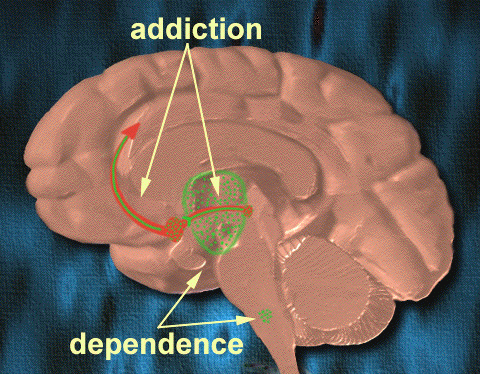
Addiction consists of people misusing or craving the drug not to relieve withdrawal symptoms, but to experience its euphoric or intoxicating effects. It is necessary to distinguish between addiction to and abuse of benzodiazepines and physical dependence on them. The increased GABA inhibition on the neural systems caused by benzodiazepines is counteracted by the body’s development of tolerance to the drug’s effects; the development of tolerance occurs as a result of neuroadaptations, which result in decreased GABA activity and increased excitability of the glutamate system; these adaptations occur as a result of the body trying to overcome the central nervous system depressant effects of the drug to restore homeostasis. When benzodiazepines are stopped, these neuroadaptations are “unmasked” leading to hyper-excitability of the nervous system and the appearance of withdrawal symptoms.

Therapeutic dose dependence is the largest category of people dependent on benzodiazepines. These individuals typically do not escalate their doses to high levels and generally use their medication as intended by their prescriber. Smaller groups include patients escalating their dosage to higher levels and drug misusers as well. Tolerance develops within days or weeks to the anticonvulsant, hypnotic, muscle relaxant and after 4 months there is little evidence that benzodiazepines retain their anxiolytic properties. Some authors, however, disagree and feel that benzodiazepines retain their anxiolytic properties. Long-term benzodiazepine treatment may remain necessary in certain clinical conditions.

Numbers of benzodiazepine prescriptions have been declining, due primarily to concerns of dependence. In the short term, benzodiazepines can be effective drugs for acute anxiety or insomnia. With longer-term use, other therapies, both pharmacological and psychotherapeutic, become more effective. This is in part due to the greater effectiveness over time of other forms of therapy, and also due to the eventual development of pharmacological benzodiazepine tolerance.

Brief History

Previously, physical dependence on benzodiazepines was largely thought to occur only in people on high-therapeutic-dose ranges. Low- or normal-dose dependence was not suspected until the 1970s, and it was not until the early 1980s that it was confirmed. Low-dose dependence has now been clearly demonstrated in both animal studies and human studies, and is a recognized clinical disadvantage of benzodiazepines. Severe withdrawal syndromes can occur from these low doses of benzodiazepines even after gradual dose reduction. An estimated 30-45% of chronic low-dose benzodiazepine users are dependent and it has been recommended that benzodiazepines even at low dosage be prescribed for a maximum of 7-14 days to avoid dependence. As a result, the global trend is toward strict regulations for the prescription of benzodiazepines due to this risk of low-dose dependence.

Some controversy remains, however, in the medical literature as to the exact nature of low-dose dependence and the difficulty in getting patients to discontinue their benzodiazepines, with some papers attributing the problem to predominantly drug-seeking behaviour and drug craving, whereas other papers having found the opposite, attributing the problem to a problem of physical dependence with drug-seeking and craving not being typical of low-dose benzodiazepine users.

Signs and Symptoms

Refer to Benzodiazepine Withdrawal Syndrome.

The signs and symptoms of benzodiazepine dependence include feeling unable to cope without the drug, unsuccessful attempts to cut down or stop benzodiazepine use, tolerance to the effects of benzodiazepines, and withdrawal symptoms when not taking the drug. Some withdrawal symptoms that may appear include anxiety, depressed mood, depersonalisation, derealisation, sleep disturbance, hypersensitivity to touch and pain, tremor, shakiness, muscular aches, pains, twitches, and headache. Benzodiazepine dependence and withdrawal have been associated with suicide and self-harming behaviours, especially in young people. The Department of Health substance misuse guidelines recommend monitoring for mood disorder in those dependent on or withdrawing from benzodiazepines.

Benzodiazepine dependence is a frequent complication for those prescribed for or using for longer than four weeks, with physical dependence and withdrawal symptoms being the most common problem, but also occasionally drug-seeking behaviour. Withdrawal symptoms include anxiety, perceptual disturbances, distortion of all the senses, dysphoria, and, in rare cases, psychosis and epileptic seizures.

Elderly

Long-term use and benzodiazepine dependence is a serious problem in the elderly. Failure to treat benzodiazepine dependence in the elderly can cause serious medical complications. The elderly have less cognitive reserve and are more sensitive to the short (e.g. in between dose withdrawal) and protracted withdrawal effects of benzodiazepines, as well as the side-effects both from short-term and long-term use. This can lead to excessive contact with their doctor. Research has found that withdrawing elderly people from benzodiazepines leads to a significant reduction in doctor visits per year, it is presumed, due to an elimination of drug side-effects and withdrawal effects.

Tobacco and alcohol are the most common substances that elderly people get a dependence on or misuse. The next-most-common substance that elderly people develop a drug dependence to or misuse is benzodiazepines. Drug-induced cognitive problems can have serious consequences for elderly people and can lead to confusional states and “pseudo-dementia”. About 10% of elderly patients referred to memory clinics actually have a drug-induced cause that most often is benzodiazepines. Benzodiazepines have also been linked to an increased risk of road traffic accidents and falls in the elderly. The long-term effects of benzodiazepines are still not fully understood in the elderly or any age group. Long-term benzodiazepine use is associated with attentional and visuospatial functional impairments. Withdrawal from benzodiazepines can lead to improved alertness and decreased forgetfulness in the elderly. Withdrawal led to statistical significant improvements in memory function and performance related skills in those having withdrawn successfully from benzodiazepines, whereas those having remained on benzodiazepines experienced worsening symptoms. People having withdrawn from benzodiazepines also felt their sleep was more refreshing, making statements such as “I feel sharper when I wake up” or “I feel better, more awake”, or “It used to take me an hour to fully wake up.” This suggests that benzodiazepines may actually make insomnia worse in the elderly.

Cause

Tolerance occurs to the muscle-relaxant, anticonvulsant, and sleep-inducing effects of benzodiazepines, and upon cessation a benzodiazepine withdrawal syndrome occurs. This can lead to benzodiazepines being taken for longer than originally intended, as people continue to take the drugs over a long period of time to suppress withdrawal symptoms. Some people use benzodiazepines at very high doses and devote a lot of time to doing so, satisfying the diagnostic criteria in DSM V for substance use disorder. Another group of people include those on low to moderate therapeutic doses of benzodiazepines who do not use their benzodiazepines differently than recommended by their prescriber but develop a physical tolerance and benzodiazepine dependence. A considerable number of individuals using benzodiazepines for insomnia escalate their dosage, sometimes above therapeutically-prescribed dose levels. Tolerance to the anxiolytic effect of benzodiazepines has been clearly demonstrated in rats. In humans, there is little evidence that benzodiazepines retain their anti-anxiety effects beyond four months of continuous treatment; there is evidence that suggests that long-term use of benzodiazepines may actually worsen anxiety, which in turn may lead to dosage escalation, with one study finding 25% of patients escalated their dosage. Some authors, however, consider benzodiazepines to be effective long-term; however, it is more likely that the drugs are acting to prevent rebound anxiety withdrawal effects which can be mistaken as continued drug efficacy. Tolerance to the anticonvulsant and muscle-relaxing effects of benzodiazepines occurs within a few weeks in most patients.

Risk Factors

The risk factors for benzodiazepine dependence are long-term use beyond four weeks, use of high doses, use of potent short-acting benzodiazepines, dependent personalities, and proclivity for substance use. Use of short-acting benzodiazepines leads to repeated withdrawal effects that are alleviated by the next dose, which reinforce in the individual the dependence. A physical dependence develops more quickly with higher potency benzodiazepines such as alprazolam (Xanax) than with lower potency benzodiazepines such as chlordiazepoxide (Librium).

Symptom severity is worse with the use of high doses, or with benzodiazepines of high potency or short half-life. Other cross-tolerant sedative hypnotics, such as barbiturates or alcohol, increase the risk of benzodiazepine dependence. Similar to opioids’ use for pain, therapeutic use of benzodiazepines rarely leads to a substance use disorder.

Refer to Benzodiazepine Overdose and Long-Term Effects of Benzodiazepine Use.

Mechanism

Tolerance and Physical Dependence

Tolerance develops rapidly to the sleep-inducing effects of benzodiazepines. The anticonvulsant and muscle-relaxant effects last for a few weeks before tolerance develops in most individuals. Tolerance results in a desensitization of GABA receptors and an increased sensitization of the excitatory neurotransmitter system, such as NMDA glutamate receptors. These changes occur as a result of the body trying to overcome the drug’s effects. Other changes that occur are the reduction of the number of GABA receptors (downregulation) as well as possibly long-term changes in gene transcription coding of brain cells. The differing speed at which tolerance occurs to the therapeutic effects of benzodiazepines can be explained by the speed of changes in the range of neurotransmitter systems and subsystems that are altered by chronic benzodiazepine use. The various neurotransmitter systems and subsystems may reverse tolerance at different speeds, thus explaining the prolonged nature of some withdrawal symptoms. As a result of a physical dependence that develops due to tolerance, a characteristic benzodiazepine withdrawal syndrome often occurs after removal of the drug or a reduction in dosage. Changes in the expression of neuropeptides such as corticotropin-releasing hormone and neuropeptide Y may play a role in benzodiazepine dependence. Individuals taking daily benzodiazepine drugs have a reduced sensitivity to further additional doses of benzodiazepines. Tolerance to benzodiazepines can be demonstrated by injecting diazepam into long-term users. In normal subjects, increases in growth hormone occurs, whereas, in benzodiazepine-tolerant individuals, this effect is blunted.

Animal studies have shown that repeated withdrawal from benzodiazepines leads to increasingly severe withdrawal symptoms, including an increased risk of seizures; this phenomenon is known as kindling. Kindling phenomena are well established for repeated ethanol (alcohol) withdrawal; alcohol has a very similar mechanism of tolerance and withdrawal to benzodiazepines, involving the GABAA, NMDA, and AMPA receptors.

The shift of benzodiazepine receptors to an inverse agonist state after chronic treatment leads the brain to be more sensitive to excitatory drugs or stimuli. Excessive glutamate activity can result in excitotoxicity, which may result in neurodegeneration. The glutamate receptor subtype NMDA is well known for its role in causing excito-neurotoxicity. The glutamate receptor subtype AMPA is believed to play an important role in neuronal kindling as well as excitotoxicity during withdrawal from alcohol as well as benzodiazepines. It is highly possible that NMDA receptors are involved in the tolerance to some effects of benzodiazepines.

Animal studies have found that glutamergic changes as a result of benzodiazepine use are responsible for a delayed withdrawal syndrome, which in mice peaks 3 days after cessation of benzodiazepines. This was demonstrated by the ability to avoid the withdrawal syndrome by the administration of AMPA antagonists. It is believed that different glutamate subreceptors, e.g. NMDA and AMPA, are responsible for different stages/time points of the withdrawal syndrome. NMDA receptors are upregulated in the brain as a result of benzodiazepine tolerance. AMPA receptors are also involved in benzodiazepine tolerance and withdrawal. A decrease in benzodiazepine binding sites in the brain may also occur as part of benzodiazepine tolerance.

Cross Tolerance

Benzodiazepines share a similar mechanism of action with various sedative compounds that act by enhancing the GABAA receptor. Cross tolerance means that one drug will alleviate the withdrawal effects of another. It also means that tolerance of one drug will result in tolerance of another similarly-acting drug. Benzodiazepines are often used for this reason to detoxify alcohol-dependent patients and can have life-saving properties in preventing or treating severe life-threatening withdrawal syndromes from alcohol, such as delirium tremens. However, although benzodiazepines can be very useful in the acute detoxification of alcoholics, benzodiazepines in themselves act as positive reinforcers in alcoholics, by increasing the desire for alcohol. Low doses of benzodiazepines were found to significantly increase the level of alcohol consumed in alcoholics. Alcoholics dependent on benzodiazepines should not be abruptly withdrawn but be very slowly withdrawn from benzodiazepines, as over-rapid withdrawal is likely to produce severe anxiety or panic, which is well known for being a relapse risk factor in recovering alcoholics.

There is cross tolerance between alcohol, the benzodiazepines, the barbiturates, the nonbenzodiazepine drugs, and corticosteroids, which all act by enhancing the GABAA receptor’s function via modulating the chloride ion channel function of the GABAA receptor.

Neuroactive steroids, e.g. progesterone and its active metabolite allopregnanolone, are positive modulators of the GABAA receptor and are cross tolerant with benzodiazepines. The active metabolite of progesterone has been found to enhance the binding of benzodiazepines to the benzodiazepine binding sites on the GABAA receptor. The cross-tolerance between GABAA receptor positive modulators, including benzodiazepines, occurs because of the similar mechanism of action and the subunit changes that occur from chronic use from one or more of these compounds in expressed receptor isoforms. Abrupt withdrawal from any of these compounds, e.g. barbiturates, benzodiazepines, alcohol, corticosteroids, neuroactive steroids, and nonbenzodiazepines, precipitate similar withdrawal effects characterized by central nervous system hyper-excitability, resulting in symptoms such as increased seizure susceptibility and anxiety. While many of the neuroactive steroids do not produce full tolerance to their therapeutic effects, cross-tolerance to benzodiazepines still occurs as had been demonstrated between the neuroactive steroid ganaxolone and diazepam. Alterations of levels of neuroactive steroids in the body during the menstrual cycle, menopause, pregnancy, and stressful circumstances can lead to a reduction in the effectiveness of benzodiazepines and a reduced therapeutic effect. During withdrawal of neuroactive steroids, benzodiazepines become less effective.

Physiology of Withdrawal

Withdrawal symptoms are a normal response in individuals having chronically used benzodiazepines, and an adverse effect and result of drug tolerance. Symptoms typically emerge when dosage of the drug is reduced. GABA is the second-most-common neurotransmitter in the central nervous system (the most common being glutamate) and by far the most abundant inhibitory neurotransmitter; roughly one-quarter to one-third of synapses use GABA. The use of benzodiazepines has a profound effect on almost every aspect of brain and body function, either directly or indirectly.

Benzodiazepines cause a decrease in norepinephrine (noradrenaline), serotonin, acetylcholine, and dopamine. These neurotransmitters are needed for normal memory, mood, muscle tone and coordination, emotional responses, endocrine gland secretions, heart rate, and blood pressure control. With chronic benzodiazepine use, tolerance develops rapidly to most of its effects, so that, when benzodiazepines are withdrawn, various neurotransmitter systems go into overdrive due to the lack of inhibitory GABA-ergic activity. Withdrawal symptoms then emerge as a result, and persist until the nervous system physically reverses the adaptions (physical dependence) that have occurred in the CNS.

Withdrawal symptoms typically consist of a mirror image of the drug’s effects: Sedative effects and suppression of REM and SWS stages of sleep can be replaced by insomnia, nightmares, and hypnogogic hallucinations; its antianxiety effects are replaced with anxiety and panic; muscle-relaxant effects are replaced with muscular spasms or cramps; and anticonvulsant effects are replaced with seizures, especially in cold turkey or overly-rapid withdrawal.

Benzodiazepine withdrawal represents in part excitotoxicity to brain neurons. Rebound activity of the hypothalamic-pituitary-adrenocortical axis also plays an important role in the severity of benzodiazepine withdrawal. Tolerance and the resultant withdrawal syndrome may be due to alterations in gene expression, which results in long-term changes in the function of the GABAergic neuronal system.

During withdrawal from full or partial agonists, changes occur in benzodiazepine receptor with upregulation of some receptor subtypes and downregulation of other receptor subtypes.

Withdrawal

Refer to Benzodiazepine Withdrawal Syndrome.

Long-term use of benzodiazepines leads to increasing physical and mental health problems, and as a result, discontinuation is recommended for many long-term users. The withdrawal syndrome from benzodiazepines can range from a mild and short-lasting syndrome to a prolonged and severe syndrome. Withdrawal symptoms can lead to continued use of benzodiazepines for many years, long after the original reason for taking benzodiazepines has passed. Many patients know that the benzodiazepines no longer work for them but are unable to discontinue benzodiazepines because of withdrawal symptoms.

Withdrawal symptoms can emerge despite slow reduction but can be reduced by a slower rate of withdrawal. As a result, withdrawal rates have been recommended to be customized to each individual patient. The time needed to withdrawal can vary from a couple of months to a year or more and often depends on length of use, dosage taken, lifestyle, health, and social and environmental stress factors.

Diazepam is often recommended due to its long elimination half-life and also because of its availability in low potency doses. The non-benzodiazepine Z drugs such as zolpidem, zaleplon, and zopiclone should not be used as a replacement for benzodiazepines, as they have a similar mechanism of action and can induce a similar dependence. The pharmacological mechanism of benzodiazepine tolerance and dependence is the internalisation (removal) of receptor site in the brain and changes in gene transcription codes in the brain.

With long-term use and during withdrawal of benzodiazepines, treatment-emergent depression and emotional blunting may emerge and sometimes also suicidal ideation. There is evidence that the higher the dose used the more likely it is benzodiazepine use will induce these feelings. Reducing the dose or discontinuing benzodiazepines may be indicated in such cases. Withdrawal symptoms can persist for quite some time after discontinuing benzodiazepines. Some common protracted withdrawal symptoms include anxiety, depression, insomnia, and physical symptoms such as gastrointestinal, neurologic, and musculoskeletal effects. The protracted withdrawal state may still occur despite slow titration of dosage. It is believed that the protracted withdrawal effects are due to persisting neuroadaptations.

Diagnosis

For a diagnosis of benzodiazepine dependence to be made, the ICD-10 requires that at least 3 of the below criteria are met and that they have been present for at least a month, or, if less than a month, that they appeared repeatedly during a 12-month period.

  • Behavioural, cognitive, and physiological phenomena that are associated with the repeated use and that typically include a strong desire to take the drug.
  • Difficulty controlling use.
  • Continued use despite harmful consequences.
  • Preference given to drug use rather than to other activities and obligations.
  • Increased tolerance to effects of the drug and sometimes a physical withdrawal state.

These diagnostic criteria are good for research purposes, but, in everyday clinical practice, they should be interpreted according to clinical judgement. In clinical practice, benzodiazepine dependence should be suspected in those having used benzodiazepines for longer than a month, in particular, if they are from a high-risk group. The main factors associated with an increased incidence of benzodiazepine dependence include:

  • Dose.
  • Duration.
  • Concomitant use of antidepressants.

Benzodiazepine dependence should be suspected also in individuals having substance use disorders including alcohol, and should be suspected in individuals obtaining their own supplies of benzodiazepines. Benzodiazepine dependence is almost certain in individuals who are members of a tranquiliser self-help group.

Research has found that about 40% of people with a diagnosis of benzodiazepine dependence are not aware that they are dependent on benzodiazepines, whereas about 11% of people judged not to be dependent believe that they are. When assessing a person for benzodiazepine dependence, asking specific questions rather than questions based on concepts is recommended by experts as the best approach of getting a more accurate diagnosis. For example, asking persons if they “think about the medication at times of the day other than when they take the drug” would provide a more meaningful answer than asking “do you think you are psychologically dependent?”. The Benzodiazepine Dependence Self Report Questionnaire is one questionnaire used to assess and diagnose benzodiazepine dependence.

Definition

Benzodiazepine dependence is the condition resulting from repeated use of benzodiazepine drugs. It can include both a physical dependence as well as a psychological dependence and is typified by a withdrawal syndrome upon a fall in blood plasma levels of benzodiazepines, e.g. during dose reduction or abrupt withdrawal.

Prevention

Due to the risk of developing tolerance, dependence, and adverse health effects, such as cognitive impairment, benzodiazepines are indicated for short-term use only – a few weeks, followed by a gradual dose reduction.

The Committee on the Review of Medicines (UK)

The Committee on the Review of Medicines carried out a review into benzodiazepines due to significant concerns of tolerance, drug dependence, benzodiazepine withdrawal problems, and other adverse effects and published the results in the British Medical Journal in March 1980. The committee found that benzodiazepines do not have any antidepressant or analgesic properties and are, therefore, unsuitable treatments for conditions such as depression, tension headaches, and dysmenorrhea. Benzodiazepines are also not beneficial in the treatment of psychosis. The committee also recommended against benzodiazepines for use in the treatment of anxiety or insomnia in children.

The committee was in agreement with the Institute of Medicine (US) and the conclusions of a study carried out by the White House Office of Drug Policy and the National Institute on Drug Abuse (US) that there is little evidence that long-term use of benzodiazepine hypnotics are beneficial in the treatment of insomnia due to the development of tolerance. Benzodiazepines tend to lose their sleep-promoting properties within 3-14 days of continuous use, and, in the treatment of anxiety, the committee found that there was little convincing evidence that benzodiazepines retains efficacy in the treatment of anxiety after 4 months of continuous use due to the development of tolerance.

The committee found that the regular use of benzodiazepines causes the development of dependence characterized by tolerance to the therapeutic effects of benzodiazepines and the development of the benzodiazepine withdrawal syndrome including symptoms such as anxiety, apprehension, tremors, insomnia, nausea, and vomiting upon cessation of benzodiazepine use. Withdrawal symptoms tend to develop within 24 hours upon cessation of short-acting benzodiazepines, and 3-10 days after cessation of longer-acting benzodiazepines. Withdrawal effects could even occur after treatment lasting only 2 weeks at therapeutic dose levels; however, withdrawal effects tend to occur with habitual use beyond 2 weeks and are more likely the higher the dose. The withdrawal symptoms may appear to be similar to the original condition.

The committee recommended that all benzodiazepine treatment be withdrawn gradually and recommended that benzodiazepine treatment be used only in carefully selected patients and that therapy be limited to short-term use only. It was noted in the review that alcohol can potentiate the central nervous system-depressant effects of benzodiazepines and should be avoided. The central nervous system-depressant effects of benzodiazepines may make driving or operating machinery dangerous, and the elderly are more prone to these adverse effects. High single doses or repeated low doses have been reported to produce hypotonia, poor sucking, and hypothermia in the neonate, and irregularities in the foetal heart. The committee recommended that benzodiazepines be avoided in lactation.

The committee recommended that withdrawal from benzodiazepines be gradual, as abrupt withdrawal from high doses of benzodiazepines may cause confusion, toxic psychosis, convulsions, or a condition resembling delirium tremens. Abrupt withdrawal from lower doses may cause depression, nervousness, rebound insomnia, irritability, sweating, and diarrhoea.

The committee also made a mistake concluding:

on the present available evidence, the true addiction potential of benzodiazepines was low. The number dependent on the benzodiazepines in the UK from 1960 to 1977 has been estimated to be 28 persons. This is equivalent to a dependence rate of 5-10 cases per million patient months.

Treatment

Benzodiazepines are regarded as a highly addictive drug class. A psychological and physical dependence can develop in as short as a few weeks but may take years to develop in other individuals. Patients wanting to withdraw from benzodiazepines typically receive little advice or support, and such withdrawal should be by small increments over a period of months.

Benzodiazepines are usually prescribed only short-term, as there is little justification for their prescribing long-term. Some doctors however, disagree and believe long-term use beyond 4 weeks is sometimes justified, although there is little data to support this viewpoint. Such viewpoints are a minority in the medical literature.

There is no evidence that “drug holidays” or periods of abstinence reduced the risk of dependence; there is evidence from animal studies that such an approach does not prevent dependence from happening. Use of short-acting benzodiazepines is associated with interdose withdrawal symptoms. Kindling has clinical relevance with regard to benzodiazepines; for example, there is an increasing shift to use of benzodiazepines with a shorter half-life and intermittent use, which can result in interdose withdrawal and rebound effects.

Cognitive Behavioural Therapy

Cognitive behavioural therapy (CBT) has been found to be more effective for the long-term management of insomnia than sedative hypnotic drugs. No formal withdrawal programmes for benzodiazepines exists with local providers in the UK. Meta-analysis of published data on psychological treatments for insomnia show a success rate between 70 and 80%. A large-scale trial utilising CBT in chronic users of sedative hypnotics including nitrazepam, temazepam, and zopiclone found CBT to be a significantly more effective long-term treatment for chronic insomnia than sedative hypnotic drugs. Persisting improvements in sleep quality, sleep onset latency, increased total sleep, improvements in sleep efficiency, significant improvements in vitality, physical and mental health at 3-, 6-, and 12-month follow-ups were found in those receiving CBT. A marked reduction in total sedative hypnotic drug use was found in those receiving CBT, with 33% reporting zero hypnotic drug use. Age has been found not to be a barrier to successful outcome of CBT. It was concluded that CBT for the management of chronic insomnia is a flexible, practical, and cost-effective treatment, and it was also concluded that CBT leads to a reduction of benzodiazepine drug intake in a significant number of patients.

Chronic use of hypnotic medications is not recommended due to their adverse effects on health and the risk of dependence. A gradual taper is usual clinical course in getting people off of benzodiazepines, but, even with gradual reduction, a large proportion of people fail to stop taking benzodiazepines. The elderly are particularly sensitive to the adverse effects of hypnotic medications. A clinical trial in elderly people dependent on benzodiazepine hypnotics showed that the addition of CBT to a gradual benzodiazepine reduction program increased the success rate of discontinuing benzodiazepine hypnotic drugs from 38% to 77% and at the 12-month follow-up from 24% to 70%. The paper concluded that CBT is an effective tool for reducing hypnotic use in the elderly and reducing the adverse health effects that are associated with hypnotics such as drug dependence, cognitive impairments, and increased road traffic accidents.

A study of patients undergoing benzodiazepine withdrawal who had a diagnosis of generalized anxiety disorder showed that those having received CBT had a very high success rate of discontinuing benzodiazepines compared to those not having receive CBT. This success rate was maintained at the 12-month follow-up. Furthermore, it was found that, in patients having discontinued benzodiazepines, they no longer met the diagnosis of general anxiety disorder, and that the number of patients no longer meeting the diagnosis of general anxiety disorder was higher in the group having received CBT. Thus, CBT can be an effective tool to add to a gradual benzodiazepine dosage reduction programme leading to improved and sustained mental health benefits (although this disputed by some).

Letter to Patients

Sending a letter to patients warning of the adverse effects of long-term use of benzodiazepines and recommending dosage reduction has been found to be successful and a cost-effective strategy in reducing benzodiazepine consumption in general practice. Within a year of the letter’s going out, there was found to be a 17% fall in the number of benzodiazepines being prescribed, with 5% of patients having totally discontinued benzodiazepines. A study in the Netherlands reported a higher success rate by sending a letter to patients who are benzodiazepine-dependent. The results of the Dutch study reported 11.3% of patients discontinuing benzodiazepines completely within a year.

Flumazenil

Flumazenil delivered via slow subcutaneous infusion represents a safe procedure for those withdrawing from long-term, high dose benzodiazepine dependency. It has a low risk of seizures even amongst those who have experienced convulsions when previously attempting benzodiazepine withdrawal.

Epidemiology

Research studies have come to different conclusions on the number of therapeutic dose users who develop a physical dependence and withdrawal syndrome. Researches estimate 20-100% (that’s a wide range) of patients, taking benzodiazepines at therapeutic dosages for the long term, are physically dependent and will experience withdrawal symptoms.

Benzodiazepines can be addictive and induce dependence even at low doses, with 23% becoming addicted within 3 months of use. Benzodiazepine addiction is considered a public health problem. Approximately 68.5% of prescriptions of benzodiazepines originate from local health centres, with psychiatry and general hospitals accounting for 10% each. A survey of general practitioners reported that the reason for initiating benzodiazepines was due to an empathy for the patients suffering and a lack of other therapeutic options rather than patients demanding them. However, long-term use was more commonly at the insistence of the patient, it is presumed, because physical dependence or addiction had developed.

Approximately twice as many women as men are prescribed benzodiazepines. It is believed that this is largely because men typically turned to alcohol to cope with stress and women to prescription drugs. Biased perception of women by male doctors may also play a role in increased prescribing rates to women; however, increased anxiety features in women does not account for the wide gap alone between men and women.

Based on findings in the US from the Treatment Episode Data Set (TEDS), an annual compilation of patient characteristics in substance use disorder treatment facilities in the United States, admissions due to “primary tranquilizer” (including, but not limited to, benzodiazepine-type) drug use increased 79% from 1992 to 2002.

A study published in the British Journal of General Practice in July 2017 found that in a sample taken from a survey conducted in 2014-2015 in Bradford a mean of 0.69% of registered patients had been prescribed benzodiazepines for more than a year. This would suggest that there were around 300,000 long-term users of diazepine in the UK.

Society and Culture

Misuse and Addiction

Refer to Benzodiazepine Use Disorder.

Benzodiazepines are one of the largest classes of illicitly used substances; they are classed as schedule IV controlled drugs because of their recognized medical uses. Across the world the most frequently diverted and non-medically used benzodiazepines include temazepam, diazepam, nimetazepam, nitrazepam, triazolam, flunitrazepam, midazolam, and in the United States alprazolam, clonazepam, and lorazepam.

Benzodiazepines can cause serious addiction problems. A survey of doctors in Senegal found that many doctors feel that their training and knowledge of benzodiazepines is, in general, poor; a study in Dakar found that almost one-fifth of doctors ignored prescribing guidelines regarding short-term use of benzodiazepines, and almost three-quarters of doctors regarded their training and knowledge of benzodiazepines to be inadequate. More training regarding benzodiazepines has been recommended for doctors. Due to the serious concerns of addiction, national governments were recommended to urgently seek to raise knowledge via training about the addictive nature of benzodiazepines and appropriate prescribing of benzodiazepines.

A six-year study on 51 Vietnam veterans who had a substance use disorder related mainly to stimulants (11 people), opiates (26 people), or benzodiazepines (14 people) was carried out to assess psychiatric symptoms related to the specific substances. After six years, people who used opiates had little change in psychiatric symptomatology; five of the people who used stimulants developed psychosis, and eight of the people who used benzodiazepine developed depression. Therefore, long-term benzodiazepine use and dependence seems to carry a negative effect on mental health, with a significant risk of causing depression. Benzodiazepines are also sometimes taken intra-nasally when not recommended for use this way by their prescriber.

In the elderly, alcohol and benzodiazepines are the most commonly used addictive substances, and the elderly population is more susceptible to benzodiazepine withdrawal syndrome and delirium than are younger patients.

What is Benzodiazepine Use Disorder?

Introduction

Benzodiazepine use disorder (BUD), also called misuse or abuse, is the use of benzodiazepines without a prescription, often for recreational purposes, which poses risks of dependence, withdrawal and other long-term effects.

Benzodiazepines are one of the more common prescription drugs used recreationally. When used recreationally benzodiazepines are usually administered orally but sometimes they are taken intranasally or intravenously. Recreational use produces effects similar to alcohol intoxication.

In tests in pentobarbital trained rhesus monkeys benzodiazepines produced effects similar to barbiturates. In a 1991 study, triazolam had the highest self-administration rate in cocaine trained baboons, among the five benzodiazepines examined: alprazolam, bromazepam, chlordiazepoxide, lorazepam, triazolam. A 1985 study found that triazolam and temazepam maintained higher rates of self-injection in both human and animal subjects compared to a variety of other benzodiazepines (others examined: diazepam, lorazepam, oxazepam, flurazepam, alprazolam, chlordiazepoxide, clonazepam, nitrazepam, flunitrazepam, bromazepam, and clorazepate). A 1991 study indicated that diazepam, in particular, had a greater abuse liability among people who were drug abusers than did many of the other benzodiazepines. Some of the available data also suggested that lorazepam and alprazolam are more diazepam-like in having relatively high abuse liability, while oxazepam, halazepam, and possibly chlordiazepoxide, are relatively low in this regard. A 1991-1993 British study found that the hypnotics flurazepam and temazepam were more toxic than average benzodiazepines in overdose. A 1995 study found that temazepam is more rapidly absorbed and oxazepam is more slowly absorbed than most other benzodiazepines. Benzodiazepines have been abused both orally and intravenously. Different benzodiazepines have different abuse potential; the more rapid the increase in the plasma level following ingestion, the greater the intoxicating effect and the more open to abuse the drug becomes. The speed of onset of action of a particular benzodiazepine correlates well with the ‘popularity’ of that drug for abuse. The two most common reasons for preference were that a benzodiazepine was ‘strong’ and that it gave a good ‘high’.

According to Dr. Chris Ford, former clinical director of Substance Misuse Management in General Practice, among drugs of abuse, benzodiazepines are often seen as the ‘bad guys’ by drug and alcohol workers. Illicit users of benzodiazepines have been found to take higher methadone doses, as well as showing more HIV/HCV risk-taking behaviour, greater poly-drug use, higher levels of psychopathology and social dysfunction. However, there is only limited research into the adverse effects of benzodiazepines in drug misusers and further research is needed to demonstrate whether this is the result of cause or effect.

Signs and Symptoms

Refer to Benzodiazepine Withdrawal Syndrome and Benzodiazepine Dependence.

Sedative-hypnotics such as alcohol, benzodiazepines, and the barbiturates are known for the severe physical dependence that they are capable of inducing which can result in severe withdrawal effects. This severe neuroadaptation is even more profound in high dose drug users and misusers. A high degree of tolerance often occurs in chronic benzodiazepine abusers due to the typically high doses they consume which can lead to a severe benzodiazepine dependence. The benzodiazepine withdrawal syndrome seen in chronic high dose benzodiazepine abusers is similar to that seen in therapeutic low dose users but of a more severe nature. Extreme antisocial behaviours in obtaining continued supplies and severe drug-seeking behaviour when withdrawals occur. The severity of the benzodiazepine withdrawal syndrome has been described by one benzodiazepine drug misuser who stated that:

I’d rather withdraw off heroin any day. If I was withdrawing from benzos you could offer me a gram of heroin or just 20mg of diazepam and I’d take the diazepam every time – I’ve never been so frightened in my life.

Benzodiazepines can induce a severe benzodiazepine withdrawal syndrome as well as drug seeking behaviour.

Those who use benzodiazepines intermittently are less likely to develop a dependence and withdrawal symptoms upon dose reduction or cessation of benzodiazepines than those who use benzodiazepines on a daily basis.

Misuse of benzodiazepines is widespread amongst drug misusers; however, many of these people will not require withdrawal management as their use is often restricted to binges or occasional misuse. Benzodiazepine dependence when it occurs requires withdrawal treatment. There is little evidence of benefit from long-term substitution therapy of benzodiazepines, and conversely, there is growing evidence of the harm of long-term use of benzodiazepines, especially higher doses. Therefore, gradual reduction is recommended, titrated against withdrawal symptoms. For withdrawal purposes, stabilisation with a long-acting agent such as diazepam is recommended before commencing withdrawal. Chlordiazepoxide (Librium), a long-acting benzodiazepine, is gaining attention as an alternative to diazepam in substance abusers dependent on benzodiazepines due to its decreased abuse potential. In individuals dependent on benzodiazepines who have been using benzodiazepines long-term, taper regimens of 6-12 months have been recommended and found to be more successful. More rapid detoxifications e.g. of a month are not recommended as they lead to more severe withdrawal symptoms.

Tolerance leads to a reduction in GABA receptors and function; when benzodiazepines are reduced or stopped this leads to an unmasking of these compensatory changes in the nervous system with the appearance of physical and mental withdrawal effects such as anxiety, insomnia, autonomic hyperactivity and possibly seizures.

Common Withdrawal Symptoms

Include the following:

  • Depression.
  • Shaking.
  • Feeling unreal.
  • Appetite loss.
  • Muscle twitching.
  • Memory loss.
  • Motor impairment.
  • Nausea.
  • Muscle pains.
  • Dizziness.
  • Apparent movement of still objects.
  • Feeling faint.
  • Noise sensitivity.
  • Light sensitivity.
  • Peculiar taste.
  • Pins and needles.
  • Touch sensitivity.
  • Sore eyes.
  • Hallucinations.
  • Smell sensitivity.

All sedative-hypnotics, e.g. alcohol, barbiturates, benzodiazepines and Z-drugs have a similar mechanism of action, working on the GABAA receptor complex and are cross tolerant with each other and also have abuse potential. Use of prescription sedative-hypnotics – for example, the nonbenzodiazepine Z-drugs – often leads to a relapse back into substance misuse with one author stating this occurs in over a quarter of those who have achieved abstinence.

Background

Benzodiazepines are a commonly abused class of drugs, although there is debate as to whether certain benzodiazepines have higher abuse potential than others. In animal and human studies the abuse potential of benzodiazepines is classed as moderate in comparison to other drugs of abuse. Benzodiazepines are commonly abused by poly drug users, especially heroin addicts, alcoholics or amphetamine addicts when “coming down”. but sometimes are misused in isolation as the primary drug of misuse. They can be misused to achieve the high that benzodiazepines produce or more commonly they are used to either enhance the effects of other CNS depressant drugs, to stave off withdrawal effects of other drugs or combat the effects of stimulants. As many as 30-50% of alcoholics are also benzodiazepine misusers. Drug abusers often abuse high doses which makes serious benzodiazepine withdrawal symptoms such as psychosis or convulsions more likely to occur during withdrawal.

Benzodiazepine abuse increases risk-taking behaviours such as unprotected sex and sharing of needles amongst intravenous abusers of benzodiazepines. Abuse is also associated with blackouts, memory loss, aggression, violence, and chaotic behaviour associated with paranoia. There is little support for long-term maintenance of benzodiazepine abusers and thus a withdrawal regime is indicated when benzodiazepine abuse becomes a dependence. The main source of illicit benzodiazepines are diverted benzodiazepines obtained originally on prescription; other sources include thefts from pharmacies and pharmaceutical warehouses. Benzodiazepine abuse is steadily increasing and is now a major public health problem. Benzodiazepine abuse is mostly limited to individuals who abuse other drugs, i.e. poly-drug abusers. Most prescribed users do not abuse their medication, however, some high dose prescribed users do become involved with the illicit drug scene. Abuse of benzodiazepines occurs in a wide age range of people and includes teenagers and the old. The abuse potential or drug-liking effects appears to be dose related, with low doses of benzodiazepines having limited drug liking effects but higher doses increasing the abuse potential/drug-liking properties.

Health-Related Complications

Refer to Long-Term Effects of Benzodiazepine Use.

Complications of benzodiazepine abuse include drug-related deaths due to overdose especially in combination with other depressant drugs such as opioids. Other complications include: blackouts and memory loss, paranoia, violence and criminal behaviour, risk-taking sexual behaviour, foetal and neonatal risks if taken in pregnancy, dependence, withdrawal seizures and psychosis. Injection of the drug carries risk of: thrombophlebitis, deep vein thrombosis, deep and superficial abscesses, pulmonary microembolism, rhabdomyolysis, tissue necrosis, gangrene requiring amputation, hepatitis B and C, as well as blood borne infections such as HIV infection (caused by sharing injecting equipment). Long-term use of benzodiazepines can worsen pre-existing depression and anxiety and may potentially also cause dementia with impairments in recent and remote memory functions.

Use is widespread among amphetamine users, with those that use amphetamines and benzodiazepines having greater levels of mental health problems and social deterioration. Benzodiazepine injectors are almost four times more likely to inject using a shared needle than non-benzodiazepine-using injectors. It has been concluded in various studies that benzodiazepine use causes greater levels of risk and psycho-social dysfunction among drug misusers. Poly-drug users who also use benzodiazepines appear to engage in more frequent high-risk behaviours. Those who use stimulant and depressant drugs are more likely to report adverse reactions from stimulant use, more likely to be injecting stimulants and more likely to have been treated for a drug problem than those using stimulant but not depressant drugs.

Risk Factors

Individuals with a substance abuse history are at an increased risk of misusing benzodiazepines.

Several (primary research) studies, even into the last decade, claimed, that individuals with a history of familial abuse of alcohol or who are siblings or children of alcoholics appeared to respond differently to benzodiazepines than so called genetically healthy persons, with males experiencing increased euphoric effects and females having exaggerated responses to the adverse effects of benzodiazepines.

Whilst all benzodiazepines have abuse potential, certain characteristics increase the potential of particular benzodiazepines for abuse. These characteristics are chiefly practical ones – most especially, availability (often based on popular perception of ‘dangerous’ versus ‘non-dangerous’ drugs) through prescribing physicians or illicit distributors. Pharmacological and pharmacokinetic factors are also crucial in determining abuse potentials. A short elimination half-life, high potency and a rapid onset of action are characteristics which increase the abuse potential of benzodiazepines. The following table provides the elimination half-life, approximate equivalent doses, speed of onset of action, and duration of behavioural effects.

Refer to Benzodiazepine Overdose.

Epidemiology

Little attention has focused on the degree that benzodiazepines are abused as a primary drug of choice, but they are frequently abused alongside other drugs of abuse, especially alcohol, stimulants and opiates. The benzodiazepine most commonly abused can vary from country to country and depends on factors including local popularity as well as which benzodiazepines are available. Nitrazepam for example is commonly abused in Nepal and the United Kingdom, whereas in the United States of America where nitrazepam is not available on prescription other benzodiazepines are more commonly abused. In the United Kingdom and Australia there have been epidemics of temazepam abuse. Particular problems with abuse of temazepam are often related to gel capsules being melted and injected and drug-related deaths. Injecting most benzodiazepines is dangerous because of their relative insolubility in water (with the exception of midazolam), leading to potentially serious adverse health consequences for users.

Benzodiazepines are a commonly misused class of drug. A study in Sweden found that benzodiazepines are the most common drug class of forged prescriptions in Sweden. Concentrations of benzodiazepines detected in impaired motor vehicle drivers often exceeding therapeutic doses have been reported in Sweden and in Northern Ireland. One of the hallmarks of problematic benzodiazepine drug misuse is escalation of dose. Most licit prescribed users of benzodiazepines do not escalate their dose of benzodiazepines.

Society and Culture

Drug-Related Crime

Problem benzodiazepine use can be associated with various deviant behaviours, including drug-related crime. In a survey of police detainees carried out by the Australian Government, both legal and illegal users of benzodiazepines were found to be more likely to have lived on the streets, less likely to have been in full-time work and more likely to have used heroin or methamphetamines in the past 30 days from the date of taking part in the survey. Benzodiazepine users were also more likely to be receiving illegal incomes and more likely to have been arrested or imprisoned in the previous year. Benzodiazepines were sometimes reported to be used alone, but most often formed part of a poly drug-using problem. Female users were more likely than men to be using heroin, whereas male users were more likely to report amphetamine use. Benzodiazepine users were more likely than non-users to claim government financial benefits and benzodiazepine users who were also poly-drug users were the most likely to be claiming government financial benefits. Those who reported using benzodiazepines alone were found to be in the mid-range when compared to other drug using patterns in terms of property crimes and criminal breaches. Of the detainees reporting benzodiazepine use, one in five reported injection use, mostly of illicit temazepam, with some who reported injecting prescribed benzodiazepines. The injection was a concern in this survey due to increased health risks. The main problems highlighted in this survey were concerns of dependence, the potential for overdose of benzodiazepines in combination with opiates and the health problems associated with injection of benzodiazepines.

Benzodiazepines are also sometimes used for drug facilitated sexual assaults and robbery, however, alcohol remains the most common drug involved in drug facilitated assaults. The muscle relaxant, disinhibiting and amnesia producing effects of benzodiazepines are the pharmacological properties which make these drugs effective in drug-facilitated crimes. Serial killer Jeffrey Dahmer admitted to using triazolam (Halcion), and occasionally temazepam (Restoril), in order to sedate his victims prior to murdering them.

In a 2017 publication, an analysis of the blood samples of 22 victims of drug-facilitated robberies in Bangladesh revealed that criminals use different mixtures of Benzodiazepines including Lorazepam, Midazolam, Diazepam and Nordiazepam to immobilise and then rob their victims.

Drug Regulation and Enforcement

Europe

Temazepam abuse and seizures have been falling in the UK probably due to its reclassification as Schedule 3 controlled drug with tighter prescribing restrictions and the resultant reduction in availability. A total of 2.75 million temazepam capsules were seized in the Netherlands by authorities between 1996 and 1999. In Northern Ireland statistics of individuals attending drug addiction treatment centres found that benzodiazepines were the 2nd most commonly reported main problem drugs (31% of attendees). Cannabis was the top with 35% of individuals reporting it as their main problem drug. The statistics showed that treatment for benzodiazepines as the main problematic drug had more than doubled from the previous year and was a growing problem in Northern Ireland.

Oceania

Benzodiazepines are common drugs of abuse in Australia and New Zealand, particularly among those who may also be using other illicit drugs. The intravenous use of temazepam poses the greatest threat to those who misuse benzodiazepines. Simultaneous consumption of temazepam with heroin is a potential risk factor of overdose. An Australian study of non-fatal heroin overdoses noted that 26% of heroin users had consumed temazepam at the time of their overdose. This is consistent with an NSW investigation of coronial files from 1992. Temazepam was found in 26% of heroin-related deaths. Temazepam, including tablet formulations, are used intravenously. In an Australian study of 210 heroin users who used temazepam, 48% had injected it. Although abuse of benzodiazepines has decreased over the past few years, temazepam continues to be a major drug of abuse in Australia. In certain states like Victoria and Queensland, temazepam accounts for most benzodiazepine sought by forgery of prescriptions and through pharmacy burglary. Darke, Ross & Hall found that different benzodiazepines have different abuse potential. The more rapid the increase in the plasma level following ingestion, the greater the intoxicating effect and the more open to abuse the drug becomes. The speed of onset of action of a particular benzodiazepine correlates well with the ‘popularity’ of that drug for abuse. The two most common reasons for preference for a benzodiazepine were that it was the ‘strongest’ and that it gave a good ‘high’.

North America

The most frequently abused of the benzodiazepines in both the United States and Canada are alprazolam, clonazepam, lorazepam and diazepam.

East and Southeast Asia

The Central Narcotics Bureau of Singapore seized 94,200 nimetazepam tablets in 2003. This is the largest nimetazepam seizure recorded since nimetazepam became a controlled drug under the Misuse of Drugs Act in 1992. In Singapore nimetazepam is a Class C controlled drug.

In Hong Kong abuse of prescription medicinal preparations continued in 2006 and seizures of midazolam (120,611 tablets), nimetazepam/nitrazepam (17,457 tablets), triazolam (1,071 tablets), diazepam (48,923 tablets) and chlordiazepoxide (5,853 tablets) were made. Heroin addicts used such tablets (crushed and mixed with heroin) to prolong the effect of the narcotic and ease withdrawal symptoms.

On This Day … 18 July

People (Births)

People (Deaths)

  • 1990 – Karl Menninger, American psychiatrist and author (b. 1896).

Aaron T. Beck

Aaron Temkin Beck is an American psychiatrist who is professor emeritus in the department of psychiatry at the University of Pennsylvania. He is regarded as the father of both cognitive therapy and cognitive behavioural therapy. His pioneering theories are widely used in the treatment of clinical depression and various anxiety disorders. Beck also developed self-report measures of depression and anxiety, notably the Beck Depression Inventory (BDI) which became one of the most widely used instruments for measuring depression severity. In 1994, he and his daughter, psychologist Judith S. Beck, founded the non-profit Beck Institute for Cognitive Behaviour Therapy providing CBT treatment, training, and research. Beck currently serves as President Emeritus of the organisation.

Beck is noted for his research in psychotherapy, psychopathology, suicide, and psychometrics. He has published more than 600 professional journal articles, and authored or co-authored 25 books. He has been named one of the “Americans in history who shaped the face of American Psychiatry”, and one of the “five most influential psychotherapists of all time” by The American Psychologist in July 1989. His work at the University of Pennsylvania inspired Martin Seligman to refine his own cognitive techniques and later work on learned helplessness.

Karl Menninger

Karl Augustus Menninger (22 July 1893 to 18 July 1990) was an American psychiatrist and a member of the Menninger family of psychiatrists who founded the Menninger Foundation and the Menninger Clinic in Topeka, Kansas.

Beginning with an internship in Kansas City, Menninger worked at the Boston Psychopathic Hospital and taught at Harvard Medical School. In 1919, he returned to Topeka where, together with his father, he founded the Menninger Clinic. By 1925, they had attracted enough investors, including brother William C. Menninger, to build the Menninger Sanitarium. His book, The Human Mind, which explained the science of psychiatry, was published in 1930.

The Menninger Foundation was established in 1941. After World War II, Karl Menninger was instrumental in founding the Winter Veterans Administration Hospital, in Topeka. It became the largest psychiatric training centre in the world. He was among the first members of the Society for General Systems Research.

In 1946 he founded the Menninger School of Psychiatry. It was renamed in his honour in 1985 as the Karl Menninger School of Psychiatry and Mental Health Science. In 1952, Karl Targownik, who would become one of his closest friends, joined the Clinic.

On This Day … 17 July

People (Births)

  • 1911 – Heinz Lehmann, German-Canadian psychiatrist and academic (d. 1999).
  • 1923 – Jeanne Block, American psychologist (d. 1981).

People (Deaths)

  • 1991 – John Patrick Spiegel, American psychiatrist and academic (b. 1911).

Heinz Lehmann

Heinz Edgar Lehmann OC FRSC (17 July 1911 to 07 April 1999) was a German-born Canadian psychiatrist best known for his use of chlorpromazine for the treatment of schizophrenia in 1950s and “truly the father of modern psychopharmacology.”

Early Life

Born in Berlin, Germany, he was educated at the University of Freiburg, the University of Marburg, the University of Vienna, and the University of Berlin. He emigrated to Canada in 1937.

Hospital Work in Canada

In 1947, he was appointed the clinical director of Montreal’s Douglas Hospital. From 1971 to 1975, he was the chair of the McGill University Department of Psychiatry. He was also a humane lecturer in psychiatry in 1952, and was able to give empathetic lectures on the plight of people suffering from anxiety, depression obsessions, paranoia etc. No one to that time had been able to understand or help schizophrenic patients, who filled mental hospitals around the world, so when chlorpromazine showed some promise he helped to promote it in North America and start the drug revolution. He was ahead of his time in that he supported research in the use of the active ingredient psilocybin to alleviate anxiety.

Le Dain Commission

From 1969 to 1972, he was one of the five members of the Le Dain Commission, a royal commission appointed in Canada to study the non-medical use of drugs. He was an advocate for decriminalisation of marijuana.

DSM Work

In 1973, he was a member of the Nomenclature Committee of the American Psychiatric Association that decided to drop homosexuality from the Diagnostic and Statistical Manual of Mental Disorders, i.e. to depathologise it.

Honours and Awards

In 1970 he was made a Fellow of the Royal Society of Canada and, in 1976, he was made an Officer of the Order of Canada. He was inducted into the Canadian Medical Hall of Fame in 1998.

Heinz Lehmann Award

In 1999, the Canadian College of Neuropsychopharmacology established the Heinz Lehmann Award in his honour, given in recognition of outstanding contributions to research in neuropsychopharmacology in Canada.

Jeanne Block

Jeanne Lavonne Humphrey Block (17 July 1923 to 04 December 1981) was an American psychologist and expert on child development. She conducted research into sex-role socialisation and, with her husband Jack Block, created a person-centred personality framework. Block was a fellow of the American Association for the Advancement of Science and conducted her research with the National Institute of Mental Health and the University of California, Berkeley. She was an active researcher when she was diagnosed with cancer in 1981.

Early Life and Education

Block was born in 1923 in Tulsa, Oklahoma. She was raised in a small town in Oregon. After graduating from high school, she entered Oregon State University as a home economics major, but she was dissatisfied with her education. She joined SPARS, the women’s branch of the United States Coast Guard, in 1944. While serving in World War II, Block was badly burned and nearly died. She was treated with skin grafts, and she was able to return to military service until 1946.

In 1947, after completing a psychology degree at Reed College, she attended graduate school at Stanford University. At Stanford, Block met two mentors, Ernest Hilgard and Maud Merrill James. Hilgard wrote a popular general psychology textbook and co-wrote a textbook on learning theories, and he became president of the American Psychological Association. James had been an associate of intelligence researcher Lewis Terman. Block also met her future husband and research collaborator, Jack Block, during her time at Stanford.

Career

Pregnant at the time she finished her Ph.D. at Stanford in 1951, Block worked mostly part-time in the 1950s while she raised four children. Block and her husband created a person-centred personality theory that became popular among personality researchers. The theory examined personality in terms of two variables, ego-resiliency (the ability to respond flexibly to changing situations) and ego-control (the ability to suppress impulses). In 1963, she was awarded a National Institute of Mental Health fellowship and she moved with her family to Norway for a year. She joined the faculty as a research psychologist at the University of California, Berkeley’s Institute of Human Development in 1965. She became a professor-in-residence in the department of psychology in 1979.

In the 1970s, Block published an analysis the sex-role socialisation occurring in several groups of children in the United States and Northern Europe. Even across countries, boys were typically raised to be independent, high-achieving and unemotional, and girls were generally encouraged to express feelings, to foster close relationships and to pursue typical feminine ideals.

Block was made a fellow of the American Association for the Advancement of Science in 1980 and received the Lester N. Hofheimer Prize for outstanding psychiatric research from the American Psychological Association (APA) in 1979. She was elected president of the APA Division of Developmental Psychology.

In 1984 her book, Sex Role Identity and Ego Development was published posthumously.

John Patrick Spiegel

John Paul Spiegel (17 March 1911 to 17 July 1991) was an American psychiatrist, and expert on violence and combat stress and the 103rd President of the American Psychiatric Association (APA). As president-elect of the APA in 1973, he helped to change the definition of homosexuality in the Diagnostic and Statistical Manual of Mental Disorders (DSM) which had previously described homosexuality as sexual deviance and that homosexuals were pathological.

Spiegel was born in Chicago, Illinois, attended Dartmouth College and graduated in 1934. He received his medical degree in 1938 from Northwestern University School of Medicine. He later taught at the University of Chicago and Harvard University, and practiced medicine at Michael Reese Hospital.

During World War II, he served as a medical officer in the Army Air Corps. He joined the faculty of Brandeis University, where he headed the Lemberg Centre for the Study of Violence from 1966 to 1979.

On This Day … 16 July

People (Births)

  • 1902 – Alexander Luria, Russian psychologist and physician (d. 1977).
  • 1923 – Chris Argyris, American psychologist, theorist, and academic (d. 2013).

Alexander Luria

Alexander Romanovich Luria (Russian: Алекса́ндр Рома́нович Лу́рия; 16 July 1902 to 14 August 1977) was a Soviet Russian neuropsychologist, often credited as a father of modern neuropsychological assessment. He developed an extensive and original battery of neuropsychological tests during his clinical work with brain-injured victims of World War II, which are still used in various forms. He made an in-depth analysis of the functioning of various brain regions and integrative processes of the brain in general. Luria’s magnum opus, Higher Cortical Functions in Man (1962), is a much-used psychological textbook which has been translated into many languages and which he supplemented with The Working Brain in 1973.

It is less known that Luria’s main interests, before the war, were in the field of psycho-semantics (that is, research into how people attribute meaning to words and instructions). He became famous for his studies of low-educated populations in the south of the Soviet Union showing that they use different categorisation than the educated world (determined by functionality of their tools). He was one of the founders of Cultural-Historical Psychology, and a leader of the Vygotsky Circle, also known as “Vygotsky-Luria Circle”. Apart from his work with Vygotsky, Luria is widely known for two extraordinary psychological case studies: The Mind of a Mnemonist, about Solomon Shereshevsky, who had highly advanced memory; and The Man with a Shattered World, about Lev Zasetsky, a man with a severe traumatic brain injury.

During his career Luria worked in a wide range of scientific fields at such institutions as the Academy of Communist Education (1920-1930s), Experimental Defectological Institute (1920-1930s, 1950-1960s, both in Moscow), Ukrainian Psychoneurological Academy (Kharkiv, early 1930s), All-Union Institute of Experimental Medicine, and the Burdenko Institute of Neurosurgery (late 1930s). A Review of General Psychology survey, published in 2002, ranked Luria as the 69th most cited psychologist of the 20th century.

Chris Argyris

Chris Argyris (16 July 1923 to 16 November 2013) was an American (of Greek ancestry) business theorist and professor emeritus at Harvard Business School. Argyris, like Richard Beckhard, Edgar Schein and Warren Bennis, is known as a co-founder of organisation development, and known for seminal work on learning organisations.

In World War II he served in the US Army Signal Corps. After his service he studied psychology at Clark University, where he met Kurt Lewin. He obtained his MA in 1947, and joined the Kansas University, where he obtained his MSc in Psychology and Economics in 1949. In 1951 received his PhD from Cornell University, with a thesis under the supervision of William F. Whyte on organisational behaviour.

In 1951 Argyris started his academic career at Yale University as part of the Yale Labour and Management Centre where he worked under its director and an early influence, E. Wight Bakke. At Yale he subsequently became appointed Professor of Management science. In 1971 he moved to Harvard University, where he was Professor of Education and Organisational Behaviour, until his retirement. Argyris was active as director of the consulting firm Monitor in Cambridge, Massachusetts.

Argyris received an Honorary Doctor of Laws degree from the University of Toronto in 2006 and a Doctor of Science award from Yale University in 2011.

On This Day … 15 July

People (Births)

  • 1904 – Rudolf Arnheim, German-American psychologist and author (d. 2007).
  • 1918 – Brenda Milner, English-Canadian neuropsychologist and academic.

People (Deaths)

  • 1940 – Eugen Bleuler, Swiss psychiatrist and physician (b. 1857).

Rudolf Arnheim

Rudolf Arnheim (15 July 1904 to 09 June 2007) was a German-born author, art and film theorist, and perceptual psychologist. He learned Gestalt psychology from studying under Max Wertheimer and Wolfgang Köhler at the University of Berlin and applied it to art. His magnum opus was his book Art and Visual Perception: A Psychology of the Creative Eye (1954). Other major books by Arnheim have included Visual Thinking (1969), and The Power of the Center: A Study of Composition in the Visual Arts (1982). Art and Visual Perception was revised, enlarged and published as a new version in 1974, and it has been translated into fourteen languages. He lived in Germany, Italy, England, and America where he taught at Sarah Lawrence College, Harvard University, and the University of Michigan. He has greatly influenced art history and psychology in America.

In Art and Visual Perception, Arnheim tries to use science to better understand art. In his later book Visual Thinking (1969), Arnheim critiques the assumption that language goes before perception. For Arnheim, the only access to reality we have is through our senses. Arnheim also argues that perception is strongly identified with thinking, and that artistic expression is another way of reasoning. In The Power of the Centre, Arnheim addresses the interaction of art and architecture on concentric and grid spatial patterns. He argues that form and content are indivisible, and that the patterns created by artists reveal the nature of human experience.

Brenda Milner

Brenda Milner CC GOQ FRS FRSC (née Langford; 15 July 1918) is a British-Canadian neuropsychologist who has contributed extensively to the research literature on various topics in the field of clinical neuropsychology. As of 2010, Milner is a professor in the Department of Neurology and Neurosurgery at McGill University and a professor of Psychology at the Montreal Neurological Institute. As of 2005, she holds more than 20 degrees and continues to work in her nineties. Her current work covers many aspects of neuropsychology including her lifelong interest in the involvement of the temporal lobes in episodic memory. She is sometimes referred to as “the founder of neuropsychology” and has proven to be an essential key in its development. She received the Balzan Prize for Cognitive Neuroscience, in 2009, and the Kavli Prize in Neuroscience, together with John O’Keefe, and Marcus E. Raichle, in 2014. She turned 100 in July 2018 and at the time was still overseeing the work of researchers.

Eugen Bleuler

Paul Eugen Bleuler (30 April 1857 to 15 July 1939) was a Swiss psychiatrist and eugenicist most notable for his contributions to the understanding of mental illness. He coined many psychiatric terms, such as “schizophrenia”, “schizoid”, “autism”, depth psychology and what Sigmund Freud called “Bleuler’s happily chosen term ambivalence”.

Bleuler studied medicine in Zürich. He trained for his psychiatric residency at Waldau Hospital under Gottileb Burckhardt, a Swiss psychiatrist, from 1881-1884. He left his job in 1884 and spent one year on medical study trips with Jean-Martin Charcot, a French neurologist in Paris, Bernhard von Gudden, a German psychiatrist in Munich, and to London. After these trips, he returned to Zürich to briefly work as assistant to Auguste Forel while completing his psychiatric residency at the Burghölzli, a university hospital.

Bleuler became the director of a psychiatric clinic in Rheinau, a hospital located in an old monastery on an island in the Rhine. At the time, the clinic was known for being functionally backward and largely ineffective. Because of this, Bleuler set about improving conditions for the patients residing there.

In the year 1898, Bleuler returned to the Burghölzli and became a psychiatry professor at Burghölzli, the same university hospital he completed his residency. He was also appointed director of the mental asylum in Rheinau. He served as the director from the years 1898 to 1927. While working at this asylum, Bleuler cared for long-term psychiatric patients. He also implemented both psychoanalytic treatment and research, and was influenced by Sigmund Freud.

During his time as the director of psychiatry at Burghölzli, Bleuler made great contributions to the field of psychiatry and psychology that made him known today. Because of these findings, Bleuler has been described as one of the most influential Swiss psychiatrists.

On This Day … 12 July

People (Births)

  • 1947 – Richard C. McCarty, American psychologist and academic.
  • 1959 – Karl J. Friston, English psychiatrist and neuroscientist.

Richard C. McCarthy

Richard C. McCarty (born 12 July 1947) is a professor of psychology and the former provost and vice chancellor of academic affairs at Vanderbilt University in Nashville, Tennessee. Prior to serving as provost, he was dean of Vanderbilt’s College of Arts and Science.

McCarty grew up in Portsmouth, Virginia, and earned both his bachelor’s and his master’s degrees from Old Dominion University. He earned his Ph.D. in pathobiology from what is now the Bloomberg School of Public Health at Johns Hopkins University in Maryland in 1976.

McCarty began his career at the National Institute of Mental Health, where he worked as a research associate in pharmacology. He also served as a lieutenant commander in the US Public Health Service. In 1978, he was appointed assistant professor of psychology at the University of Virginia, where he remained until 1998. During his time at Virginia, he served as chair of the Department of Psychology from 1990-1998.

In 1998, McCarty was named Executive Director for Science at the American Psychological Association in Washington, D.C., where he helped the APA launch the “Decade of Behaviour”. The Decade of Behaviour, a nickname for the 2000s and successor to the 1990s’ “Decade of the Brain”, was a public education campaign – endorsed by more than 70 professional associations across a variety of disciplines – to bring attention to the importance of behavioural and social science research. McCarty also spent time visiting universities and regional psychological associations to discuss how the APA might better represent psychologists nationally.

Vanderbilt’s College of Arts and Science named McCarty as its new dean in 2001. In addition to his decanal duties, McCarty taught a psychology seminar for first-year undergraduate students entitled “Stress, Health, and Behaviour” and had a dual appointment in the Department of Pharmacology in the School of Medicine. On 06 May 2008, McCarty was elevated to the university provostship, replacing Nicholas S. Zeppos, who was himself elevated to the university chancery. McCarty stepped down from the position of provost on 30 June 2014; he joined the Vanderbilt Psychology Department faculty after a yearlong leave.

Much of McCarty’s research has centred on behavioural and physiological adaptations to stress, and he has written more than 30 chapters and 150 articles for various publications. In addition, McCarty served as the editor of American Psychologist and was the founding editor-in-chief of Stress. In 2020, his monograph, Stress and Mental Disorders: Insights From Animal Models, was published by Oxford University Press. He is currently working on a textbook, Stress, Health, and Disease, which is under contract with Guilford Press and has an expected publication date of 2022.

Karl J. Friston

Karl John Friston FRS, FMedSci, FRSB, is a British neuroscientist at University College London and an authority on brain imaging. He gained reputation as the main proponent of the free energy principle and predictive coding theory.

Friston studied natural sciences (physics and psychology) at the University of Cambridge in 1980, and completed his medical studies at King’s College Hospital, London.

Friston subsequently qualified under the Oxford University Rotational Training Scheme in Psychiatry, and is now a Professor of Neuroscience at University College London. He is currently a Wellcome Trust Principal Fellow and Scientific Director of the Wellcome Trust Centre for Neuroimaging. He also holds an honorary consultant post at the National Hospital for Neurology and Neurosurgery. He invented statistical parametric mapping: SPM is an international standard for analysing imaging data and rests on the general linear model and random field theory (developed with Keith Worsley). In 1994 his group developed voxel-based morphometry. VBM detects differences in neuroanatomy and is used clinically and as a surrogate in genetic studies.

These technical contributions were motivated by schizophrenia research and theoretical studies of value-learning (with Gerry Edelman). In 1995, this work was formulated as the disconnection hypothesis of schizophrenia (with Chris Frith). In 2003, he invented dynamic causal modelling (DCM), which is used to infer the architecture of distributed systems like the brain. Mathematical contributions include variational (generalised) filtering and dynamic expectation maximisation (DEM), which are Variational Bayesian methods for time-series analysis. Friston currently works on models of functional integration in the human brain and the principles that underlie neuronal interactions. His main contribution to theoretical neurobiology is a variational free energy principle (active inference in the Bayesian brain). According to Google Scholar Karl Friston’s h-index is 232.

In 2020 he became a member of Independent SAGE, an independent alternative to the official COVID-19 pandemic government advisory body Scientific Advisory Group for Emergencies. He has worked on applying his dynamic causal modelling technique and an alternative approach to modelling the pandemic. On 07 April 2021 The Daily Telegraph publicised his work as predicting the United Kingdom would reach herd immunity on 12 April 2021, with a significantly different outcome to other academic pandemic models.

In 1996, Friston received the first Young Investigators Award in Human Brain Mapping, and was elected a Fellow of the Academy of Medical Sciences (1999) in recognition of contributions to the bio-medical sciences. In 2000 he was President of the international Organisation for Human Brain Mapping. In 2003 he was awarded the Minerva Golden Brain Award and was elected a Fellow of the Royal Society in 2006 and received a Collège de France Medal in 2008. In 2011 he received an Honorary Doctorate from the University of York and became a Fellow of the Society of Biology.

On This Day … 11 July

People (Births)

  • 1943 – Howard Gardner, American psychologist and academic.

Howard Gardener

Howard Earl Gardner (born 11 July 1943) is an American developmental psychologist and the John H. and Elisabeth A. Hobbs Research Professor of Cognition and Education at the Harvard Graduate School of Education at Harvard University. He is currently the senior director of Harvard Project Zero, and since 1995, he has been the co-director of The Good Project.

Gardner has written hundreds of research articles and thirty books that have been translated into more than thirty languages. He is best known for his theory of multiple intelligences, as outlined in his 1983 book Frames of Mind: The Theory of Multiple Intelligences.

Gardner retired from teaching in 2019. In 2020, he published his intellectual memoir A Synthesizing Mind.

Career

Gardner graduated from Harvard College in 1965 with an BA in social relations, and studied under the renowned Erik Erikson. After spending one year at the London School of Economics, he went on to obtain his PhD in developmental psychology at Harvard while working with psychologists Roger Brown and Jerome Bruner, and philosopher Nelson Goodman.

For his postdoctoral fellowship, Gardner worked alongside Norman Geschwind at Boston Veterans Administration Hospital and continued his work there for another 20 years. In 1986, Gardner became a professor at the Harvard Graduate School of Education. Since 1995, much of the focus of his work has been on The GoodWork Project, now part of a larger initiative known as The Good Project that encourages excellence, ethics, and engagement in work, digital life, and beyond.

In 2000, Gardner, Kurt Fischer, and their colleagues at the Harvard Graduate School of Education established the master’s degree program in Mind, Brain and Education. This program was thought to be the first of its kind around the world. Many universities in both the United States and abroad have since developed similar programs. Since then, Gardner has published books on a number of topics including Changing Minds: The Art and Science of Changing Our Own and Other People’s Minds, Five Minds for the Future, Truth, Beauty and Goodness Reframed, and The App Generation (written with Katie Davis).