The method of levels (MOL) is a cognitive approach to psychotherapy (or an approach to cognitive behavioural therapy) based on perceptual control theory (PCT). Using MOL, the therapist aims to help the patient shift their awareness to higher levels of perception in order to resolve conflicts and allow reorganisation to take place.
Brief History
The Method of Levels is an application of perceptual control theory, with theoretical roots primarily in cybernetics and engineering. The Method of Levels was first developed by William Treval Powers for his 1973 book, Behavior: The Control of Perception. However, the editor persuaded Powers to remove the chapter discussing the Method of Levels from the book prior to publication. However, Powers shared the technique verbally, particularly within the Control Systems Group.
In the 1990s, David Goldstein of New Jersey, United States, began using the Method of Levels in clinical practice with patients. Later in the 1990s, Timothy A. Carey, an Australian psychologist, became interested in the Method of Levels. Carey obtained a doctorate in clinical psychology primarily so that he could test the Method of Levels.
Theory
PCT contributes a useful perspective on psychological disorders by providing a model of satisfactory psychological functioning as successful control. Dysfunction then is understood as disruption of successful control, and distress as the experience that results from a person’s inability to control important experiences. No attempt is made to treat the symptoms of distress as though they were in themselves the problem. The PCT perspective is that restoring the ability to control eliminates the source of distress. Internal conflict has the effect of denying control to both systems that are in conflict with each other. Conflict is usually transitory. When conflict becomes chronic, then symptoms of psychological disorder may appear.
Method
The core process is to redirect attention to the higher level control systems by recognizing “background thoughts”, bringing them into the foreground, and then being alert for more background thoughts while the new foreground thoughts are explored. When the level-climbing process reaches an end state without encountering any conflicts, the need for therapy may have ended. When, however, this “up-a-level” process bogs down, a conflict has probably surfaced, and the exploration can be turned to finding the systems responsible for generating the conflict—and away from a preoccupation with the symptoms and efforts immediately associated with the conflict.
Research
A randomised controlled trial in subjects with first-episode psychosis demonstrated that the retention in the trial at final follow-up was 97%, suggesting a successful feasibility outcome. The feedback provided by participants delivered initial evidence of the intervention for this population. The approach may also be effective in the treatment of sleep disorders and suicidality.
This page is based on the copyrighted Wikipedia article < https://en.wikipedia.org/wiki/Method_of_levels >; it is used under the Creative Commons Attribution-ShareAlike 3.0 Unported License (CC-BY-SA). You may redistribute it, verbatim or modified, providing that you comply with the terms of the CC-BY-SA.
Coherence therapy is a system of psychotherapy based in the theory that symptoms of mood, thought and behaviour are produced coherently according to the person’s current mental models of reality, most of which are implicit and unconscious. It was founded by Bruce Ecker and Laurel Hulley in the 1990s. It has been considered among the most well respected postmodern/constructivist therapies.
General Description
The basis of coherence therapy is the principle of symptom coherence. This is the view that any response of the brain–mind–body system is an expression of coherent personal constructs (or schemas), which are nonverbal, emotional, perceptual and somatic knowings, not verbal-cognitive propositions. A therapy client’s presenting symptoms are understood as an activation and enactment of specific constructs. The principle of symptom coherence can be found in varying degrees, explicitly or implicitly, in the writings of a number of historical psychotherapy theorists, including Sigmund Freud (1923), Harry Stack Sullivan (1948), Carl Jung (1964), R.D. Laing (1967), Gregory Bateson (1972), Virginia Satir (1972), Paul Watzlawick (1974), Eugene Gendlin (1982), Vittorio Guidano & Giovanni Liotti (1983), Les Greenberg (1993), Bessel van der Kolk (1994), Robert Kegan & Lisa Lahey (2001), Sue Johnson (2004), and others.
The principle of symptom coherence maintains that an individual’s seemingly irrational, out-of-control symptoms are actually sensible, cogent, orderly expressions of the person’s existing constructions of self and world, rather than a disorder or pathology. Even a person’s psychological resistance to change is seen as a result of the coherence of the person’s mental constructions. Thus, coherence therapy, like some other postmodern therapies, approaches a person’s resistance to change as an ally in psychotherapy and not an enemy.
Coherence therapy is considered a type of psychological constructivism. It differs from some other forms of constructivism in that the principle of symptom coherence is fully explicit and rigorously operationalised, guiding and informing the entire methodology. The process of coherence therapy is experiential rather than analytic, and in this regard is similar to Gestalt therapy, Focusing or Hakomi. The aim is for the client to come into direct, emotional experience of the unconscious personal constructs (akin to complexes or ego-states) which produce an unwanted symptom and to undergo a natural process of revising or dissolving these constructs, thereby eliminating the symptom. Practitioners claim that the entire process often requires a dozen sessions or less, although it can take longer when the meanings and emotions underlying the symptom are particularly complex or intense.
Symptom Coherence
Symptom coherence is defined by Ecker and Hulley as follows:
A person produces a particular symptom because, despite the suffering it entails, the symptom is compellingly necessary to have, according to at least one unconscious, nonverbal, emotionally potent schema or construction of reality.
Each symptom-requiring construction is cogent—a sensible, meaningful, well-knit, well-defined schema that was formed adaptively in response to earlier experiences and is still carried and applied in the present.
The person ceases producing the symptom as soon as there no longer exists any construction of reality in which the symptom is necessary to have.
There are several forms of symptom coherence. Some symptoms are necessary because they serve a crucial function (such as depression that protects against feeling and expressing anger), while others have no function but are necessary in the sense of being an inevitable effect, or by-product, caused by some other adaptive, coherent but unconscious response (such as depression resulting from isolation, which itself is a strategy for feeling safe). Both functional and functionless symptoms are coherent, according to the client’s own material.
In other words, the theory states that symptoms are produced by how the individual strives, without conscious awareness, to carry out self-protecting or self-affirming purposes formed in the course of living. This model of symptom production fits into the broader category of psychological constructivism, which views the person as having profound, if unrecognized, agency in shaping experience and behaviour.
Symptom coherence does not apply to those symptoms that are not directly or indirectly caused by implicit schemas or emotional learnings—for example, hypothyroidism-induced depression, autism, and biochemical addiction.
Hierarchical Organisation of Constructs
As a tool for identifying all of a person’s relevant schemas or constructions of reality, Ecker and Hulley defined several logically hierarchical domains or orders of construction (inspired by Gregory Bateson):
The first order consists of a person’s overt responses: thoughts, feelings, and behaviours.
The second order consists of the person’s specific meaning of the concrete situation to which they are responding.
The third order consists of the person’s broad purposes and strategies for construing that specific meaning (teleology).
The fourth order consists of the person’s general meaning of the nature of self, others, and the world (ontology and primal world beliefs).
The fifth order consists of the person’s broad purposes and strategies for construing that general meaning.
Higher orders (beyond the fifth order) are rarely involved in psychotherapy.
A person’s first-order symptoms of thought, mood, or behaviour follow from a second-order construal of the situation, and that second-order construal is powerfully influenced by the person’s third- and fourth-order constructions. Hence the third and higher orders constitute what Ecker and Hulley call “the emotional truth of the symptom”, which are the meanings and purposes that are intended to be discovered, integrated, and transformed in therapy.
Brief History
Coherence therapy was developed in the late 1980s and early 1990s as Ecker and Hulley investigated why certain psychotherapy sessions seemed to produce deep transformations of emotional meaning and immediate symptom cessation, while most sessions did not. Studying many such transformative sessions for several years, they concluded that in these sessions, the therapist had desisted from doing anything to oppose or counteract the symptom, and the client had a powerful, felt experience of some previously unrecognised “emotional truth” that was making the symptom necessary to have.
Ecker and Hulley began developing experiential methods to intentionally facilitate this process. They found that a majority of their clients could begin having experiences of the underlying coherence of their symptoms from the first session. In addition to creating a methodology for swift retrieval of the emotional schemas driving symptom production, they also identified the process by which retrieved schemas then undergo profound change or dissolution: the retrieved emotional schema must be activated while concurrently the individual vividly experiences something that sharply contradicts it. Neuroscientists subsequently determined that these same steps are precisely what unlocks and deletes the neural circuit in implicit memory that stores an emotional learning—the process of reconsolidation.
Due to the swiftness of change that Ecker and Hulley began experiencing with many of their clients, they initially named this new system depth-oriented brief therapy (DOBT).
In 2005, Ecker and Hulley began calling the system coherence therapy in order for the name to more clearly reflect the central principle of the approach, and also because many therapists had come to associate the phrase “brief therapy” with depth-avoidant methods that they regard as superficial.
Evidence from Neuroscience
In a series of three articles published in the Journal of Constructivist Psychology from 2007 to 2009, Bruce Ecker and Brian Toomey presented evidence that coherence therapy may be one of the systems of psychotherapy which, according to current neuroscience, makes fullest use of the brain’s built-in capacities for change.
Ecker and Toomey argued that the mechanism of change in coherence therapy correlates with the recently discovered neural process of “memory reconsolidation”, a process that can “unwire” and delete longstanding emotional conditioning held in implicit memory. The assertions that coherence therapy achieves implicit memory deletion align with the growing body of evidence supporting memory reconsolidation. Ecker and colleagues claim that:
(a) their procedural steps match those identified by neuroscientists for reconsolidation;
(b) their procedural steps result in effortless cessation of symptoms; and
(c) the emotional experience of the retrieved, symptom-generating emotional schemas can no longer be evoked by cues that formerly evoked it strongly.
The process of removing the neural basis of the symptom in coherence therapy (and in similar postmodern therapies) is different from the counteractive strategy of some behavioural therapies. In such behavioural therapies, new preferred behavioural patterns are typically practiced to compete against and hopefully override the unwanted ones; this counteractive process, like the “extinction” of conditioned responses in animals, is known to be inherently unstable and prone to relapse, because the neural circuit of the unwanted pattern continues to exist even when the unwanted pattern is in abeyance. Through reconsolidation, the unwanted neural circuits are “unwired” and cannot relapse.
This page is based on the copyrighted Wikipedia article < https://en.wikipedia.org/wiki/Coherence_therapy >; it is used under the Creative Commons Attribution-ShareAlike 3.0 Unported License (CC-BY-SA). You may redistribute it, verbatim or modified, providing that you comply with the terms of the CC-BY-SA.
The role is broadly similar to the role of the approved social worker but is distinguished in no longer being the exclusive preserve of social workers. It can be undertaken by other professionals including registered mental health or learning disability nurses, occupational therapists and chartered psychologists after completing appropriate post-qualifying masters level training at level 7 NQF and being approved by a local authority for a period of up to five years, subject to re-warranting. An AMHP is approved to carry out functions under the Mental Health Act 1983, and as such, they carry with them a warrant card, like police officers. The role of the AMHP is to coordinate the assessment of individuals who are being considered for detention under the Mental Health Act 1983. The reason why some specialist mental health professionals are eligible to undertake this role is broadly to avoid excessive medicalisation of the assessment and treatment for individuals living with a mental disorder, as defined by section 1 of the Mental Health Act 1983. It is the role of the AMHP to decide, founded on the medical recommendations of doctors (or a doctor for the purpose of section 4 of the Act), whether a person should be detained under the Mental Health Act 1983.
Professional Role
Approved mental health professionals (AMHPs) are trained to implement elements of the Mental Health Act 1983, as amended by the Mental Health Act 2007, in conjunction with medical practitioners. They have received specific training at least at Level 7 on the National Qualifications Framework, such as a MSc Mental Health (AHMP) or PGDip in Mental Health Studies relating to the application the Mental Health Acts, usually lasting one or two years and perform the role in assessing and deciding whether there are grounds to detain mentally disordered people who meet the statutory criteria. The AMHP is also an important healthcare professional when making decisions under guardianship or community treatment orders.
Assessment and detention under the Act is colloquially known as being ‘sectioned’, or ‘sectioning’, in reference to the application of sections of the Mental Health Act relevant to this process. The role to apply for the ‘section’ remains with the AMHP, not the medical doctor, as many professionals and lay individuals think, thus a doctor may feel a section is needed, although it is actually the AMHP who is the individual who will decide if this is required after detailed assessment and consultations with the medical doctors.
Mental Health Act Assessments
AMHPs are responsible for organising, co-ordinating and contributing to Mental Health Act assessments. It is the AMHP’s duty, when two medical recommendations have been made, to decide whether or not to make an application to a named hospital for the detention of the person who has been assessed. To be detained under the Mental Health Act individuals need to have a mental disorder, the nature or degree of which warrants detention in hospital on the grounds of their health and/or the risk they present to themselves and/or the risk they present to others. The AMHP’s role includes arranging for the assessment of the person concerned by two medical practitioners who must be independent of each other and at least one of whom should be a specialist in mental health, called being ‘section 12 approved’ under section 12 of the Mental Health Act 1983. Preferably one of the medical assessors should have previous acquaintance with the person being assessed. Efforts should be made to seek less restrictive alternatives to detention if it is safe and appropriate to do so, such as using an individual’s own support networks, in line with the principle of care in the least restrictive environment. AMHP’s are expected to take account of factors such as gender, culture, ethnicity, age, sexuality and disability in their assessments. Efforts should be also made to overcome any communication barriers, such as deafness or the assessors and the assessed not sharing a language, and an interpreter may be required. It is not good practice for one of the assessors to act as interpreter.
The Nearest Relative
An important factor in assessments is the role of the Nearest Relative. Which person qualifies as the Nearest Relative is determined according to a hierarchy outlined in the Mental Health Act. If the individual is to be detained under Section 2 (assessment) of the Act, the AMHP is expected to make reasonable efforts to contact the Nearest Relative and invite their views. It is also the AMHP’s role to inform them of their right to discharge the person concerned in some circumstances. If the individual is to be detained under Section 3 (treatment) of the Act, the AMHP must ask the Nearest Relative if they object to the individual being detained and if they do then the detention cannot go ahead. There are occasions when the Nearest Relative need not be contacted or might need to be displaced by a court. A Nearest Relative can delegate their role to another appropriate person.
Detention in Hospital
The assessors are encouraged by the Code of Practice to discuss the assessment together once the two medical examinations and the AMHP’s interview have taken place. For Section 2 and Section 3, assessments by medical practitioners need to take place with no more than five clear days between each other. AMHPs then have up to fourteen days from the time of the second medical assessment to make the decision whether or not to make an application for detention. If proceeding with the application, AMHPs are then responsible for organising the detained individual’s safe conveyance to hospital. The best method of conveyance is that which ensures the individual’s dignity, comfort and safety. This might be by ambulance or by the police or by some other method. The AMHP will attend at the named hospital and will give the paperwork to nursing staff who check it and receive the application on behalf of the hospital managers. Some errors in the paperwork can be rectified later and the application remains valid. Some other errors invalidate the application and the detention is then no longer lawful.
Community Treatment Orders
The revised Mental Health Act makes provision for community treatment orders (CTOs). CTOs can be arranged for patients detained under Section 3 (treatment) of the Act, allowing them to return to a place of residence in the community, depending on particular specified conditions, such as to the taking of medication or participating in therapies. If conditions are breached, patients can be formally recalled to hospital for a period of up to 72 hours, during which a decision should be made as to whether their CTO should be revoked. If the CTO is revoked, patients return to being at the beginning of a Section 3 and are automatically referred for a mental health review tribunal. AMHPs work with the responsible clinician and others in the process of assessment and decision making in setting up CTOs and in making decisions on revocation.
This page is based on the copyrighted Wikipedia article < https://en.wikipedia.org/wiki/Approved_mental_health_professional >; it is used under the Creative Commons Attribution-ShareAlike 3.0 Unported License (CC-BY-SA). You may redistribute it, verbatim or modified, providing that you comply with the terms of the CC-BY-SA.
Transactional analysis is a psychoanalytic theory and method of therapy wherein social interactions (or “transactions”) are analysed to determine the ego state of the communicator (whether parent-like, childlike, or adult-like) as a basis for understanding behaviour. In transactional analysis, the communicator is taught to alter the ego state as a way to solve emotional problems. The method deviates from Freudian psychoanalysis, which focuses on increasing awareness of the contents of subconsciously held ideas. Eric Berne developed the concept and paradigm of transactional analysis in the late 1950s (refer to reachback and afterburn).
Brief History
Eric Berne presented Transactional Analysis to the world as a phenomenological approach, supplementing Freud’s philosophical construct with observable data. His theory built on the science of Wilder Penfield and René Spitz along with the neo-psychoanalytic thought of people such as Paul Federn, Edoardo Weiss, and Erik Erikson. By moving to an interpersonal motivational theory, he placed it both in opposition to the psychoanalytic traditions of his day and within what would become the psychoanalytic traditions of the future. From Berne, transactional analysts have inherited a determination to create an accessible and user-friendly system, an understanding of script or life-plan, ego states, transactions, and a theory of groups.
Berne’s theory was based on the ideas of Freud but with distinct differences. Freudian psychotherapists focused on client personalities. Berne believed that insight could be better discovered by analysing a client’s social transactions. Berne mapped interpersonal relationships to three ego-states of the individuals involved: the Parent, Adult, and Child state. He then investigated communications between individuals based on the current state of each. He called these interpersonal interactions transactions and used the label games to refer to certain patterns of transactions which popped up repeatedly in everyday life in every human interaction.
The origins of transactional analysis can be traced to the first five of Berne’s six articles on intuition, which he began writing in 1949. Even at this early juncture and while still working to become a psychoanalyst, his writings challenged Freudian concepts of the unconscious.
In 1956, after 15 years of psychoanalytic training, Berne was refused admission to the San Francisco Psychoanalytic Institute as a fully-fledged psychoanalyst. He interpreted the request for several more years of training as a rejection and decided to walk away from psychoanalysis. Before the end of the year, he had written two seminal papers, both published in 1957.
In the first article, Intuition V: The Ego Image, Berne referenced P. Federn, E. Kahn, and H. Silberer, and indicated how he arrived at the concept of ego states, including his idea of separating “adult” from “child”.
The second paper, Ego States in Psychotherapy, was based on material presented earlier that year at the Psychiatric Clinic, Mt. Zion Hospital, San Francisco, and at the Langley Porter Neuropsychiatric Clinic, UCSF School of Medicine. In that second article, he developed the tripartite scheme used today (Parent, Adult, and Child), introduced the three-circle method of diagramming it, showed how to sketch contaminations, labelled the theory, “structural analysis”, and termed it “a new psychotherapeutic approach”.
A few months later, he wrote a third article, titled “Transactional Analysis: A New and Effective Method of Group Therapy”, which was presented by invitation at the 1957 Western Regional Meeting of the American Group Psychotherapy Association of Los Angeles. With the publication of this paper in the 1958 issue of the American Journal of Psychotherapy, Berne’s new method of diagnosis and treatment, transactional analysis, became a permanent part of the psychotherapeutic literature. In addition to restating his concepts of ego states and structural analysis, the 1958 paper added the important new features of transactional analysis proper (i.e. the analysis of transactions), games, and scripts.
His seminar group from the 1950s developed the term transactional analysis (TA) to describe therapies based on his work. By 1964, this expanded into the International Transactional Analysis Association. While still largely ignored by the psychoanalytic community, many therapists have put his ideas in practice.
In the early 1960s, he published both technical and popular accounts of his conclusions. His first full-length book on TA was published in 1961, titled Transactional Analysis in Psychotherapy. Structures and Dynamics of Organisations and Groups (1963) examined the same analysis in a broader context than one-on-one interaction.
Overview
TA (Transactional Analysis) is not only post-Freudian, but, according to its founder’s wishes, consciously extra-Freudian. That is to say that, while it has its roots in psychoanalysis, since Berne was a psychoanalytically-trained psychiatrist, it was designed as a dissenting branch of psychoanalysis in that it put its emphasis on transactional rather than “psycho-” analysis.
With its focus on transactions, TA shifted the attention from internal psychological dynamics to the dynamics contained in people’s interactions. Rather than believing that increasing awareness of the contents of unconsciously held ideas was the therapeutic path, TA concentrated on the content of people’s interactions with each other. Changing these interactions was TA’s path to solving emotional problems.
TA also differs from Freudian analysis in explaining that an individual’s final emotional state is the result of inner dialogue between different parts of the psyche, as opposed to the Freudian hypothesis that imagery is the overriding determinant of inner emotional state. (For example, depression may be due to ongoing critical verbal messages from the inner Parent to the inner Child.) Berne believed that it is relatively easy to identify these inner dialogues and that the ability to do so is parentally suppressed in early childhood.
In addition, Berne believed in making a commitment to “curing” his clients, rather than just understanding them. To that end he introduced one of the most important aspects of TA: the contract—an agreement entered into by both client and therapist to pursue specific changes that the client desires.
Revising Freud’s concept of the human psyche as composed of the id, ego, and super-ego, Berne postulated in addition three “ego states” – the Parent, Adult, and Child states—which were largely shaped through childhood experiences. These three are all part of Freud’s ego; none represent the id or the superego.
Unhealthy childhood experiences can lead to being pathologically fixated in the Child and Parent ego states, bringing discomfort to an individual and/or others in a variety of forms, including many types of mental illness.
Berne considered how individuals interact with one another, and how the ego states affect each set of transactions. Unproductive or counterproductive transactions were considered to be signs of ego state problems. Analysing these transactions according to the person’s individual developmental history would enable the person to “get better”. Berne thought that virtually everyone has something problematic about their ego states and that negative behaviour would not be addressed by “treating” only the problematic individual.
Berne identified a typology of common counterproductive social interactions, identifying these as “games”.
Berne presented his theories in two popular books on transactional analysis: Games People Play (1964) and What Do You Say After You Say Hello? (1975).
By the 1970s, because of TA’s non-technical and non-threatening jargon and model of the human psyche, many of its terms and concepts were adopted by eclectic therapists as part of their individual approaches to psychotherapy. It also served well as a therapy model for groups of patients, or marital/family counselees, where interpersonal (rather than intrapersonal) disturbances were the focus of treatment.
TA’s popularity in the US waned in the 1970s. The more dedicated TA purists banded together in 1964 with Berne to form a research and professional accrediting body, the International Transactional Analysis Association, or ITAA.
Fifty Years Later
Within the framework of transactional analysis, more recent transactional analysts have developed different and overlapping theories of transactional analysis: cognitive, behavioural, relational, redecision, integrative, constructivist, narrative, body-work, positive psychological, personality adaptational, self-reparenting, psychodynamic and neuroconstructivist.
Some transactional analysts highlight the many things they have in common with cognitive behavioural therapy: the use of contracts with clear goals, the attention to cognitive distortions (called “adult decontamination” or “child deconfusion”), the focus on the client’s conscious attitudes and behaviours and the use of “strokes”.
Cognitive-based transactional analysts use ego state identification to identify communication distortions and teach different functional options in the dynamics of communication. Some make additional contracts for more profound work involving life plans or scripts or with unconscious processes, including those which manifest in the client-therapist relationship as transference and countertransference, and define themselves as psychodynamic or relational transactional analysts. Some highlight the study and promotion of subjective well-being and optimal human functioning rather than pathology and so identify with positive psychology. Some are increasingly influenced by current research in attachment, mother-infant interaction and by the implications of interpersonal neurobiology and non-linear dynamic systems.
Outline
Transactional analysis integrates the theories of psychology and psychotherapy because it has elements of psychoanalytic, humanist and cognitive ideas.
According to the International Transactional Analysis Association, TA “is a theory of personality and a systematic psychotherapy for personal growth and personal change.”
As a theory of personality, TA describes how people are structured psychologically. It uses what is perhaps its best known model, the ego-state (Parent-Adult-Child) model, to do this. The same model helps explain how people function and express their personality in their behaviour.
As Berne set up his psychology, there are four life positions that a person can hold, and holding a particular psychological position has profound implications for how an individual operationalizes his or her life. The positions are stated as:
I’m OK and you are OK. This is the healthiest position about life and it means that I feel good about myself and that I feel good about others and their competence.
I’m OK and you are not OK. In this position I feel good about myself but I see others as damaged or less than me and this is usually not healthy.
I’m not OK and you are OK. In this position the person sees him/herself as the weak partner in relationships as the others in life are definitely better than the self. The person who holds this position will unconsciously accept abuse as OK.
I’m not OK and you are not OK. This is the worst position to be in as it means that I believe that I am in a terrible state and the rest of the world is as bad. Consequently, there is no hope for any ultimate supports.
It is a theory of communication that can be extended to the analysis of systems and organisations.
It offers a theory for child development by explaining how our adult patterns of life originated in childhood. This explanation is based on the idea of a “Life (or Childhood) Script”: the assumption that we continue to re-play childhood strategies, even when this results in pain or defeat. Thus it claims to offer a theory of psychopathology.
In practical application, it can be used in the diagnosis and treatment of many types of psychological disorders and provides a method of therapy for individuals, couples, families and groups.
Outside the therapeutic field, it has been used in education to help teachers remain in clear communication at an appropriate level, in counselling and consultancy, in management and communications training and by other bodies.
Philosophy
People are OK; thus each person has validity, importance, equality of respect.
Positive reinforcement increases feelings of being OK.
All people have a basic lovable core and a desire for positive growth.
Everyone (with only few exceptions, such as the severely brain-damaged) has the capacity to think.
All of the many facets of an individual have a positive value for them in some way.
People decide their story and destiny, therefore these decisions can be changed.
All emotional difficulties are curable.
Freedom from historical maladaptations embedded in the childhood script is required in order to become free of inappropriate, inauthentic and displaced emotions which are not a fair and honest reflection of here-and-now life (such as echoes of childhood suffering, pity-me and other mind games, compulsive behaviour and repetitive dysfunctional life patterns). The aim of change under TA is to move toward autonomy (freedom from childhood script), spontaneity, intimacy, problem solving as opposed to avoidance or passivity, cure as an ideal rather than merely making progress and learning new choices.
Ego-State or Parent–Adult–Child (PAC) Models
Many of the core TA models and concepts can be categorised into
Structural analysis – analysis of the individual psyche.
Transactional analysis proper – analysis of interpersonal transactions based on structural analysis of the individuals involved in the transaction.
Game analysis – repeating sequences of transactions that lead to a result subconsciously agreed to by the parties involved in the game.
Script analysis – a life plan that may involve long-term involvement in particular games in order to reach the life pay-off of the individual.
At any given time, a person experiences and manifests his or her personality through a mixture of behaviours, thoughts, and feelings. Typically, according to TA, there are three ego-states that people consistently use:
Parent (“exteropsyche”): a state in which people behave, feel, and think in response to an unconscious mimicking of how their parents (or other parental figures) acted, or how they interpreted their parent’s actions. For example, a person may shout at someone out of frustration because they learned from an influential figure in childhood the lesson that this seemed to be a way of relating that worked.
Adult (“neopsyche”): a state of the ego which is most like an artificially intelligent system processing information and making predictions about major emotions that could affect its operation. Learning to strengthen the Adult is a goal of TA. While people are in the Adult ego state, they are directed towards an objective appraisal of reality.
Child (“archaeopsyche”): a state in which people behave, feel, and think similarly to how they did in childhood. For example, a person who receives a poor evaluation at work may respond by looking at the floor and crying or pouting, as when scolded as a child. Conversely, a person who receives a good evaluation may respond with a broad smile and a joyful gesture of thanks. The Child is the source of emotions, creation, recreation, spontaneity, and intimacy.
Berne differentiated his Parent, Adult, and Child ego states from actual adults, parents, and children, by using capital letters when describing them. These ego states may or may not represent the relationships that they act out. For example, in the workplace, an adult supervisor may take on the Parent role, and scold an adult employee as though he were a Child. Or a child, using the Parent ego-state, could scold her actual parent as though the parent were a Child.
Within each of these ego states are subdivisions. Thus Parental figures are often either:
more nurturing (permission-giving, security-giving) or
more criticising (comparing to family traditions and ideals in generally negative ways);
Childhood behaviours are either
more natural (free) or
more adapted to others.
These subdivisions categorise individuals’ patterns of behaviour, feelings, and ways of thinking, which can be functional (beneficial or positive) or dysfunctional/counterproductive (negative).
Berne states that there are four types of diagnosis of ego states. They are: “behavioural” diagnosis, “social” diagnosis, “historical” diagnosis, and “phenomenological” diagnosis. A complete diagnosis would include all four types. It has subsequently been demonstrated that there is a fifth type of diagnosis, namely “contextual”, because the same behaviour will be diagnosed differently according to the context of the behaviour.
Ego states do not correspond directly to Sigmund Freud’s ego, superego, and id, although there are obvious parallels: Superego/Parent; Ego/Adult; Id/Child. Ego states are consistent for each person, and (argue TA practitioners) are more observable than the components of Freud’s model. In other words, the ego state from which someone is communicating is evident in their behaviour, manner and expression.
Emotional Blackmail
Emotional blackmail is a term coined by psychotherapist Dr. Susan Forward, about controlling people in relationships and the theory that fear, obligation, and guilt (FOG) are the transactional dynamics at play between the controller and the person being controlled. Understanding these dynamics are useful to anyone trying to extricate from the controlling behaviour of another person, and deal with their own compulsions to do things that are uncomfortable, undesirable, burdensome, or self-sacrificing for others.
Forward and Frazier identify four blackmail types each with their own mental manipulation style:
Type
Example
Punisher’s Threat
Eat the food I cooked for you or I will hurt you.
Self-Punisher’s Threat
Eat the food I cooked for you or I will hurt myself.
Sufferer’s THreat
Eat the food I cooked for you. I was saving it for myself. I wonder what will happen now.
Tantaliser’s Threat
Eat the food I cooked for you and you may get a really yummy desert.
There are different levels of demands – demands that are of little consequence, demands that involve important issues or personal integrity, demands that affect major life decisions, and/or demands that are dangerous or illegal.
Effectiveness
A 1995 research article by the staff of Consumer Reports, with Martin Seligman as consultant, assessed that psychotherapy conducted by a group of Transactional Analysts is more effective than that of groups of psychiatrists, psychologists, social workers, marriage counsellors, and physicians; and that psychotherapy lasting more than six months is 40% more effective than that lasting less than six months.
A 2010 review found 50 studies on transactional analysis that concluded it had a positive effect, and 10 where no positive effect was found. No studies that concluded a negative effect were found.
Criticism
The three major limitations of Berne’s work are:
Berne’s emphasis on structural explanation (rather than on those derived from an energy theory).
His failure to develop a script reversal technique which would satisfy his own criteria of conciseness and theoretical consistency.
An apparent dependence upon content analysis.
In Popular Culture
When Will Hunting from the movie Good Will Hunting is being choked by Sean Maguire, you can see the spine of the book I’m OK, You’re OK in the bookcase that Will is being pinned against.
Thomas Harris’s successful popular work from the late 1960s, I’m OK, You’re OK, is largely based on transactional analysis. A fundamental divergence, however, between Harris and Berne is that Berne postulates that everyone starts life in the “I’m OK” position, whereas Harris believes that life starts out “I’m not OK, you’re OK”.
New Age author James Redfield has acknowledged Harris and Berne as important influences in his best-seller The Celestine Prophecy (1993). The protagonists in the novel survive by striving (and succeeding) in escaping from “control dramas” that resemble the games of TA.
Singer/songwriter Warren Zevon mentions transactional analysis in his 1980 song “Gorilla, You’re a Desperado” from the album Bad Luck Streak in Dancing School.
Singer-songwriter Joe South’s 1968 song, “Games People Play”, was based directly on transactional-analytic concepts and Berne’s book of the same name.
TA makes an appearance in Antonio Campos’ 2016 biographical drama Christine, a film covering the events that led TV journalist Christine Chubbuck to die by suicide on TV. She is brought to a transactional analysis therapy session by a colleague, where they introduce her to the “Yes, But…” technique.
Singer John Denver references transactional analysis in his autobiography. His wife at the time, Annie Denver, was getting into the movement. John says he tried it but found it wanting.
Eric Berne’s Games People Play was featured prominently on an episode of Mad Men. The book was seen in Season 4, Episode 11, titled “Chinese Wall”. The approximate time period for this episode is September 1965. By late September 1965, Games People Play had been on the New York Times non-fiction bestseller list for nine weeks already.
This page is based on the copyrighted Wikipedia article < https://en.wikipedia.org/wiki/Transactional_analysis >; it is used under the Creative Commons Attribution-ShareAlike 3.0 Unported License (CC-BY-SA). You may redistribute it, verbatim or modified, providing that you comply with the terms of the CC-BY-SA.
Reachback is a psychological term coined by Eric Berne. Reachback, in Berne’s lexicon, is the period of time during which an impending event begins to influence an individual’s behaviour, including their level of stress.
Berne’s Formulation
Berne, the founder of transactional analysis, coined the term in his book What Do You Say After You Say Hello?. He considered that reachback “is most dramatically seen in people with phobias whose whole functioning may be disturbed for days ahead at the prospect of getting into a feared situation, such as a medical examination or a journey.”
For instance, a person expecting to take a trip on Monday starts getting irritable and worried on Friday. He may start trying to clear his overflowing inbox, cut short his evening relaxation, start preparing and packing for the trip, worry about what clothes to take, and so on. However, “for people who have unusual difficulties with anticipatory stress, the reach-back of an event such as a major vacation trip or a wedding may be several weeks.”
Berne differentiates reachback from forward planning, which is done to mitigate negative effects such as reachback.
The flip side of reachback is afterburn, which is defined as the effect a past atypical event continues to have on a person’s schedule, activities and mental state even after it is materially over. Berne considered that “each person has a sort of standard ‘reachback time’ and ‘afterburn time’ for various kinds of situations […] domestic quarrels, examination or hearings, work deadlines, travel, visits from or to relatives, etc.”
Prevention
Following William Osler’s prescription for equable living day-by-day, Berne explained that “living day by day means living a well-planned and organized life, and sleeping well between each day, so that the day ends without reachback, since tomorrow is well planned, and begins without afterburn, since yesterday was well-organized”.
Defence Usage
Reachback is also used in the US Department of Defence as the process of obtaining products, services, applications, forces, equipment, or material from organisations that are not forward deployed.
This page is based on the copyrighted Wikipedia article < https://en.wikipedia.org/wiki/Reachback >; it is used under the Creative Commons Attribution-ShareAlike 3.0 Unported License (CC-BY-SA). You may redistribute it, verbatim or modified, providing that you comply with the terms of the CC-BY-SA.
Afterburn is a psychological term coined by Eric Berne, who defined it as “the period of time before a past event is assimilated”.
Berne’s Formulation
Eric Berne, the founding father of transactional analysis, used the term “afterburn” to indicate the effect an atypical past event continues to exert on a person’s daily schedule, activities and mental state even after it is over: to “those occasions when it disturbs normal patterns for an appreciable period, rather than being assimilated into them or excluded from them by repression and other psychological mechanisms”.
For Berne, afterburn is the flip side of reachback, which is the effect that the event, thanks to the stress of anticipation, has on the person’s life before it. He considered that “in most cases one or the other can be tolerated without serious consequences. It can be dangerous for almost anyone, however, if the after-burn of the last event overlaps with the reach-back from the next … this is a good definition of overwork”.
Remedies
Berne considered that “dreaming is probably the normal mechanism for adjusting after-burn and reach-back”, but that sex and holidays were also useful remedies. “Most normal after-burns and reach-backs run their courses in about six days, so that a two-week vacation allows the superficial after-burns to burn out, after which there are a few days of carefree living. …For the assimilation of more chronic after-burns and deeper, repressed reach-backs, however, a vacation of at least six weeks is probably necessary.”
Other Views
In terms of exam stress management, “afterburn is the time needed after the exam to… set it to rest”, a period of “afterburn time… [with] a host of unexpressed feelings and incomplete tasks”.
“Referring to soldiers recently returned from Iraq, Sara Corbett described this type of delayed reaction as ‘psychological afterburn’… [quoting soldiers who spoke of it to the effect of:] ‘My body’s here, but my mind is there.'”
With respect to therapy, some consider that “you are not ending well when you find that you are thinking about the person’s problems after sessions. This is called afterburn”. Others however see opportunity in such occasions: “You’re sorting out your countertransference, you’re owning your projections, you’re separating out you from the family”—in short, one is usefully employing “those lagging emotions that afterburn following a session”.
Goffman
Erving Goffman has a related but rather different usage of the term “to refer to a sotto voce comment, one meant not to be a ratified part of an encounter, an afterburn … a remonstrance conveyed collusively by virtue of the fact that its targets are in the process of leaving the field”.
This page is based on the copyrighted Wikipedia article < https://en.wikipedia.org/wiki/Afterburn_(psychotherapy) >; it is used under the Creative Commons Attribution-ShareAlike 3.0 Unported License (CC-BY-SA). You may redistribute it, verbatim or modified, providing that you comply with the terms of the CC-BY-SA.
“Fake it till you make it” (or “Fake it until you make it”) is an aphorism that suggests that by imitating confidence, competence, and an optimistic mindset, a person can realise those qualities in their real life and achieve the results they seek.
The phrase is first attested some time before 1973. The earliest reference to a similar phrase occurs in the Simon & Garfunkel song “Fakin’ It”, released in 1968 as a single and also on their Bookends album. Simon sings, “And I know I’m fakin’ it, I’m not really makin’ it.”
Similar advice has been offered by a number of writers over time:
Action seems to follow feeling, but really action and feeling go together; and by regulating the action, which is under the more direct control of the will, we can indirectly regulate the feeling, which is not. Thus the sovereign voluntary path to cheerfulness, if our spontaneous cheerfulness be lost, is to sit up cheerfully, to look round cheerfully, and to act and speak as if cheerfulness were already there. If such conduct does not make you soon feel cheerful, nothing else on that occasion can. So to feel brave, act as if we were brave, use all our will to that end, and a courage-fit will very likely replace the fit of fear. ( William James, “The Gospel of Relaxation”, On Vital Reserves, 1922).
In the law of attraction movement, “act as if you already have it”, or simply “act as if”, is a central concept:
How do you get yourself to a point of believing? Start make-believing. Be like a child, and make-believe. Act as if you have it already. As you make-believe, you will begin to believe you have received. ( Rhonda Byrne, The Secret, 2006).
In Psychology
In the 1920s, Alfred Adler developed a therapeutic technique that he called “acting as if”, asserting that “if you want a quality, act as if you already have it”. This strategy gave his clients an opportunity to practice alternatives to dysfunctional behaviours. Adler’s method is still used today and is often described as role play.
“Faking it till you make it” is a psychological tool discussed in neuroscientific research. A 1988 experiment by Fritz Strack claimed to show that mood can be improved by holding a pen between the user’s teeth to force a smile, but a posterior experiment failed to replicate it, due to which Strack was awarded the Ig Nobel Prize for psychology in 2019. A later 2022 study about strategies to counter emotional distress found forced smiling not more effective than forced neutral expressions and other strategies of emotional regulation.
This page is based on the copyrighted Wikipedia article < https://en.wikipedia.org/wiki/Fake_it_till_you_make_it >; it is used under the Creative Commons Attribution-ShareAlike 3.0 Unported License (CC-BY-SA). You may redistribute it, verbatim or modified, providing that you comply with the terms of the CC-BY-SA.
Emotion work is understood as the art of trying to change in degree or quality an emotion or feeling.
Emotion work may be defined as the management of one’s own feelings, or work done in an effort to maintain a relationship; there is dispute as to whether emotion work is only work done regulating one’s own emotion, or extends to performing the emotional work for others.
Hochschild
Arlie Russell Hochschild, who introduced the term in 1979, distinguished emotion work – unpaid emotional work that a person undertakes in private life – from emotional labour: emotional work done in a paid work setting. Emotion work has use value and occurs in situations in which people choose to regulate their emotions for their own non-compensated benefit (e.g. in their interactions with family and friends). By contrast, emotional labour has exchange value because it is traded and performed for a wage.
In a later development, Hochschild distinguished between two broad types of emotion work, and among three techniques of emotion work. The two broad types involve evocation and suppression of emotion, while the three techniques of emotion work that Hochschild describes are cognitive, bodily and expressive.
However, the concept (if not the term) has been traced back as far as Aristotle: as Aristotle saw, the problem is not with emotionality, but with the appropriateness of emotion and its expression.
Examples
Examples of emotion work include showing affection, apologizing after an argument, bringing up problems that need to be addressed in an intimate relationship or any kind of interpersonal relationship, and making sure the household runs smoothly.
Emotion work also involves the orientation of self/others to accord with accepted norms of emotional expression: emotion work is often performed by family members and friends, who put pressure on individuals to conform to emotional norms. Arguably, then, an individual’s ultimate obeisance and/or resistance to aspects of emotion regimes are made visible in their emotion work.
Cultural norms often imply that emotion work is reserved for females. There is certainly evidence to the effect that the emotional management that women and men do is asymmetric; and that in general, women come into a marriage groomed for the role of emotional manager.
Criticism
The social theorist Victor Jeleniewski Seidler argues that women’s emotion work is merely another demonstration of false consciousness under patriarchy, and that emotion work, as a concept, has been adopted, adapted or criticised to such an extent that it is in danger of becoming a “catch-all-cliché”.
More broadly, the concept of emotion work has itself been criticised as a wide over-simplification of mental processes such as repression and denial which continually occur in everyday life.
Literary Analogues
Rousseau in The New Heloise suggests that the attempt to master instrumentally one’s affective life always results in a weakening and eventually the fragmentation of one’s identity, even if the emotion work is performed at the demand of ethical principles.
This page is based on the copyrighted Wikipedia article < https://en.wikipedia.org/wiki/Emotion_work >; it is used under the Creative Commons Attribution-ShareAlike 3.0 Unported License (CC-BY-SA). You may redistribute it, verbatim or modified, providing that you comply with the terms of the CC-BY-SA.
Cognitive imitation is a form of social learning, and a subtype of imitation. Cognitive imitation is contrasted with motor and vocal or oral imitation. As with all forms of imitation, cognitive imitation involves learning and copying specific rules or responses done by another. The principal difference between motor and cognitive imitation is the type of rule (and stimulus) that is learned and copied by the observer. So, whereas in the typical imitation learning experiment subjects must copy novel actions on objects or novel sequences of specific actions (novel motor imitation), in a novel cognitive imitation paradigm subjects have to copy novel rules, independently of specific actions or movement patterns.
A toddler imitates his father.
The following example illustrates the difference between cognitive and motor-spatial imitation: Imagine someone overlooking someone’s shoulder and stealing their automated teller machine (ATM) password. As with all forms of imitation, the individual learns and successfully reproduces the observed sequence. The observer in our example, like most of us, presumably knows how to operate an ATM (namely, that you have to push X number of buttons on the ATM screen in a specific sequence), so the specific motor responses of touching the screen isn’t what the thief is learning. Instead, the thief could learn two types of abstract rules. On the one hand, the thief can learn a spatial rule: touch item in the top right, followed by item on the top left, then the item in the middle of the screen, and finally the one on lower right. This would be an example of motor-spatial imitation because the thief’s response is guided by an abstract motor-spatial rule. On the other, the thief could ignore the spatial patterning of the observed responses and instead focus on the particular items that were touched, generating an abstract numerical rule, independently of where they are in space: 3-1-5-9. This would constitute an example of cognitive imitation because the individuals is copying an abstract serial rule without copying specific motor-responses. In this example, the thief’s responses match those he observed only because the numbers are in the same location. If the numbers were in a different location—that is, if the numbers on the ATM’s keypad were scrambled with every attempt to enter a password—the thief would, nonetheless, reproduce the target password because they learned a cognitive (i.e. an abstract, item-specific serial rule), rather than a spatial rule (i.e. an observable motor-spatial pattern).
In Rhesus Monkeys
The term “cognitive imitation” was first introduced by Subiaul and his colleagues (Subiaul, Cantlon, et al., 2004), defining it as “a type of observational learning in which a naïve student copies an expert’s use of a rule”. To isolate cognitive from motor imitation, Subiaul and colleagues trained two rhesus macaques to respond, in a prescribed order, to different sets of photographs that were displayed simultaneously on a touch-sensitive monitor. Because the position of the photographs varied randomly from trial to trial, sequences could not be learned by motor imitation. Both monkeys learned new sequences more rapidly after observing an expert execute those sequences than when they had to learn new sequences entirely by trial and error. A mircro-analysis of each monkeys’ performance showed that each monkey learned the order of two of the four photographs faster than baseline levels. A second experiment ruled out social facilitation as an explanation for this result. A third experiment, however, demonstrated that monkeys did not learn when the computer highlighted each picture in the correct sequence in the absence of a monkey (“ghost control”).
Dissociating Cognitive and Motor-Spatial Imitation
Subiaul and colleagues, using two computerised tasks that measure the learning of two abstract rules: cognitive—item-based—rules (e.g. apple-boy-cat;) and motor-spatial-based rules (e.g. up-down-right) have shown that there are important dissociations between the imitation of these two types of rules. Specifically, results have shown that while 3-year-olds successfully imitate item-specific rules (i.e. cognitive imitation), these same 3-year-olds fail to imitate motor-spatial rules (i.e. motor-spatial imitation). This dissociation isn’t because there’s something inherently harder about learning spatial versus cognitive rules. Follow-up studies have shown that 3-year-olds easily learn new spatial rules by trial and error, correctly recalling such rules after a 30s delay, (Exp. 2). This result excludes the possibility that 3-year-olds’ motor-spatial imitation problems are due to difficulty learning (i.e. encoding and recalling) novel spatial rules in general. In another study, 3-year-olds observed a model correctly touch the first item (e.g. Top Right) in the sequence, but then skip the middle item (e.g. Top Left picture) and, instead, touch the last item in the sequence (e.g. Bottom Left picture), resulting in an error, marked as unintentional by the model who said, “Whoops! That’s not right!”. This is a goal emulation learning condition, as the child had to copy the model’s intended goal (Top-Right, Bottom-Left, Top-Left), rather than the observed (incorrect) response (Top-Right, Top-Left), similar to Meltzoff’s “re-enactment” paradigm. When given an opportunity to respond, 3-year-olds generated the intended (i.e. correct) sequence (Exp. 3.) 3-year-old’s success in the goal emulation condition excludes the possibility that 3-year-olds’ motor-spatial imitation problem is due to difficulty vicariously learning (i.e. because of a lack of interest, failure to attend, problems inferring goals, etc.) a novel spatial rule from a model. Children’s success in the goal emulation condition shows that social learning may be achieved by social reasoning (inferring goals) and causal inferences (error detection), independently of any domain-specific imitation learning mechanism.
To further explore this dissociation between cognitive- and motor-spatial imitation Subiaul and colleagues conducted a large-scale cross-sectional, within-subject study with pre-schoolers (2–6 years) using the same two tasks: cognitive (item-specific) and motor-spatial (spatial-specific). Results showed that children’s cognitive imitation performance did not predict their motor-spatial imitation learning, and vice versa. Importantly, while age predicted improved cognitive and motor-spatial imitation performance, children’s ability to individually learn each type of rule via trial and error did not predict their ability to imitate those same rules.
Subiaul and colleagues have argued that these results are consistent with the hypothesis that imitation learning is domain-specific, not domain-general. A critical caveat may be that the imitation of NOVEL rules and responses is domain-specific while the imitation of FAMILIAR responses is likely to be mediated by domain-general, non-specialised mechanisms, as Heyes and others have argued.
This page is based on the copyrighted Wikipedia article < https://en.wikipedia.org/wiki/Cognitive_imitation >; it is used under the Creative Commons Attribution-ShareAlike 3.0 Unported License (CC-BY-SA). You may redistribute it, verbatim or modified, providing that you comply with the terms of the CC-BY-SA.
Social rejection occurs when an individual is deliberately excluded from a social relationship or social interaction. The topic includes interpersonal rejection (or peer rejection), romantic rejection, and familial estrangement. A person can be rejected or shunned by individuals or an entire group of people. Furthermore, rejection can be either active by bullying, teasing, or ridiculing, or passive by ignoring a person, or giving the “silent treatment”. The experience of being rejected is subjective for the recipient, and it can be perceived when it is not actually present. The word “ostracism” is also commonly used to denote a process of social exclusion (in Ancient Greece, ostracism was a form of temporary banishment following a people’s vote).
Although humans are social beings, some level of rejection is an inevitable part of life. Nevertheless, rejection can become a problem when it is prolonged or consistent, when the relationship is important, or when the individual is highly sensitive to rejection. Rejection by an entire group of people can have especially negative effects, particularly when it results in social isolation.
The experience of rejection can lead to a number of adverse psychological consequences such as loneliness, low self-esteem, aggression, and depression. It can also lead to feelings of insecurity and a heightened sensitivity to future rejection.
Need for Acceptance
Social rejection may be emotionally painful, due to the social nature of human beings, as well as the essential need for social interaction between other humans. Abraham Maslow and other theorists have suggested that the need for love and belongingness is a fundamental human motivation. According to Maslow, all humans, even introverts, need to be able to give and receive affection to be psychologically healthy.
Psychologists believe that simple contact or social interaction with others is not enough to fulfil this need. Instead, people have a strong motivational drive to form and maintain caring interpersonal relationships. People need both stable relationships and satisfying interactions with the people in those relationships. If either of these two ingredients is missing, people will begin to feel lonely and unhappy. Thus, rejection is a significant threat. In fact, the majority of human anxieties appear to reflect concerns over social exclusion.
Being a member of a group is also important for social identity, which is a key component of the self-concept. Mark Leary of Duke University has suggested that the main purpose of self-esteem is to monitor social relations and detect social rejection. In this view, self-esteem is a sociometer which activates negative emotions when signs of exclusion appear.
Social psychological research confirms the motivational basis of the need for acceptance. Specifically, fear of rejection leads to conformity to peer pressure (sometimes called normative influence, cf. informational influence), and compliance to the demands of others. The need for affiliation and social interaction appears to be particularly strong under stress.
In Childhood
Peer rejection has been measured using sociometry and other rating methods. Studies typically show that some children are popular, receiving generally high ratings, many children are in the middle, with moderate ratings, and a minority of children are rejected, showing generally low ratings. One measure of rejection asks children to list peers they like and dislike. Rejected children receive few “like” nominations and many “dislike” nominations. Children classified as neglected receive few nominations of either type.
According to Karen Bierman of Pennsylvania State University, most children who are rejected by their peers display one or more of the following behavior patterns:
Low rates of prosocial behaviour, e.g. taking turns, sharing.
High rates of aggressive or disruptive behaviour.
High rates of inattentive, immature, or impulsive behaviour.
High rates of social anxiety.
Bierman states that well-liked children show social savvy and know when and how to join play groups. Children who are at risk for rejection are more likely to barge in disruptively, or hang back without joining at all. Aggressive children who are athletic or have good social skills are likely to be accepted by peers, and they may become ringleaders in the harassment of less skilled children. Minority children, children with disabilities, or children who have unusual characteristics or behaviour may face greater risks of rejection. Depending on the norms of the peer group, sometimes even minor differences among children lead to rejection or neglect. Children who are less outgoing or simply prefer solitary play are less likely to be rejected than children who are socially inhibited and show signs of insecurity or anxiety.
Peer rejection, once established, tends to be stable over time, and thus difficult for a child to overcome. Researchers have found that active rejection is more stable, more harmful, and more likely to persist after a child transfers to another school, than simple neglect. One reason for this is that peer groups establish reputational biases that act as stereotypes and influence subsequent social interaction. Thus, even when rejected and popular children show similar behaviour and accomplishments, popular children are treated much more favourably.
Rejected children are likely to have lower self-esteem, and to be at greater risk for internalising problems like depression. Some rejected children display externalising behaviour and show aggression rather than depression. The research is largely correlational, but there is evidence of reciprocal effects. This means that children with problems are more likely to be rejected, and this rejection then leads to even greater problems for them. Chronic peer rejection may lead to a negative developmental cycle that worsens with time.
Rejected children are more likely to be bullied and to have fewer friends than popular children, but these conditions are not always present. For example, some popular children do not have close friends, whereas some rejected children do. Peer rejection is believed to be less damaging for children with at least one close friend.
An analysis of 15 school shootings between 1995 and 2001 found that peer rejection was present in all but two of the cases (87%). The documented rejection experiences included both acute and chronic rejection and frequently took the form of ostracism, bullying, and romantic rejection. The authors stated that although it is likely that the rejection experiences contributed to the school shootings, other factors were also present, such as depression, poor impulse control, and other psychopathology.
There are programs available for helping children who suffer from social rejection. One large scale review of 79 controlled studies found that social skills training is very effective (r = 0.40 effect size), with a 70% success rate, compared to 30% success in control groups. There was a decline in effectiveness over time, however, with follow-up studies showing a somewhat smaller effect size (r = 0.35).
In the Laboratory
Laboratory research has found that even short-term rejection from strangers can have powerful (if temporary) effects on an individual. In several social psychology experiments, people chosen at random to receive messages of social exclusion become more aggressive, more willing to cheat, less willing to help others, and more likely to pursue short-term over long-term goals. Rejection appears to lead very rapidly to self-defeating and antisocial behaviour.
Researchers have also investigated how the brain responds to social rejection. One study found that the dorsal anterior cingulate cortex is active when people are experiencing both physical pain and “social pain,” in response to social rejection. A subsequent experiment, also using fMRI neuroimaging, found that three regions become active when people are exposed to images depicting rejection themes. These areas are the posterior cingulate cortex, the parahippocampal gyrus, and the dorsal anterior cingulate cortex. Furthermore, individuals who are high in rejection sensitivity (see below) show less activity in the left prefrontal cortex and the right dorsal superior frontal gyrus, which may indicate less ability to regulate emotional responses to rejection.
An experiment performed in 2007 at the University of California at Berkeley found that individuals with a combination of low self-esteem and low attentional control are more likely to exhibit eye-blink startle responses while viewing rejection themed images. These findings indicate that people who feel bad about themselves are especially vulnerable to rejection, but that people can also control and regulate their emotional reactions.
A study at Miami University indicated that individuals who recently experienced social rejection were better than both accepted and control participants in their ability to discriminate between real and fake smiles. Though both accepted and control participants were better than chance (they did not differ from each other), rejected participants were much better at this task, nearing 80% accuracy. This study is noteworthy in that it is one of the few cases of a positive or adaptive consequence of social rejection.
Ball Toss/Cyberball Experiments
A common experimental technique is the “ball toss” paradigm, which was developed by Kip Williams and his colleagues at Purdue University. This procedure involves a group of three people tossing a ball back and forth. Unbeknownst to the actual participant, two members of the group are working for the experimenter and following a pre-arranged script. In a typical experiment, half of the subjects will be excluded from the activity after a few tosses and never get the ball again. Only a few minutes of this treatment are sufficient to produce negative emotions in the target, including anger and sadness. This effect occurs regardless of self-esteem and other personality differences.
Gender differences have been found in these experiments. In one study, women showed greater nonverbal engagement whereas men disengaged faster and showed face-saving techniques, such as pretending to be uninterested. The researchers concluded that women seek to regain a sense of belonging whereas men are more interested in regaining self-esteem.
A computerised version of the task known as “cyberball” has also been developed and leads to similar results. Cyberball is a virtual ball toss game where the participant is led to believe they are playing with two other participants sitting at computers elsewhere who can toss the ball to either player. The participant is included in the game for the first few minutes, but then excluded by the other players for the remaining three minutes. A significant advantage of the Cyberball software is its openness; Williams made the software available to all researchers. In the software, the researcher can adjust the order of throwing the balls, the user’s avatar, the background, the availability of chat, the introductory message and much other information. In addition, researchers can obtain the programme’s latest version by visiting the official website of CYBERBALL 5.0.
This simple and short time period of ostracism has been found to produce significant increases to self-reported levels of anger and sadness, as well as lowering levels of the four needs. These effects have been found even when the participant is ostracised by out-group members, when the out-group member is identified as a despised person such as someone in the Ku Klux Klan, when they know the source of the ostracism is just a computer, and even when being ostracised means they will be financially rewarded and being included would incur a financial cost. People feel rejected even when they know they are playing only against the computer. A recent set of experiments using cyberball demonstrated that rejection impairs willpower or self-regulation. Specifically, people who are rejected are more likely to eat cookies and less likely to drink an unpleasant tasting beverage that they are told is good for them. These experiments also showed that the negative effects of rejection last longer in individuals who are high in social anxiety.
Life-Alone Paradigm
Another mainstream research method is the Life Alone Paradigm, which was first developed by Twenge and other scholars to evoke feelings of rejection by informing subjects of false test results. In contrast to ball toss and cyberball, it focuses on future rejection, i.e. the experience of rejection that participants may potentially experience in the future. Specifically, at the beginning of the experiment, participants complete a personality scale (in the original method, the Eysenck Personality Questionnaire). They are then informed of their results based on their experimental group rather than the real results. Participants in the rejected group will be told that their test results indicate that they will be alone in the future, regardless of their current state of life. Participants in the accepted group will be told they will have a fulfilling relationship. In the control group, participants were told they would encounter some accidences. In this way, the participants’ sense of rejection is awakened to take the subsequent measurement. After the experiment, the researcher will explain the results to the participants and apologise.
Scholars point out that this method may cause more harm to the subjects. For example, the participants will likely experience a more severe effect on executive functioning during the test. Therefore, this method faces more significant issue with research ethics and harms than other rejection experiments. Consequently, researchers should use this test with caution in experiments and pay attention to the subjects’ reaction afterwards.
Psychology of Ostracism
Most of the research on the psychology of ostracism has been conducted by the social psychologist Kip Williams. He and his colleagues have devised a model of ostracism which provides a framework to show the complexity in the varieties of ostracism and the processes of its effects. There he theorises that ostracism can potentially be so harmful that humans have evolved an efficient warning system to immediately detect and respond to it.
In the animal kingdom as well as in primitive human societies, ostracism can lead to death due to the lack of protection benefits and access to sufficient food resources from the group. Living apart from the whole of society also means not having a mate, so being able to detect ostracism would be a highly adaptive response to ensure survival and continuation of the genetic line.
Temporal Need-Threat Model
The predominant theoretical model of social rejection is the temporal-need threat model proposed by Williams and his colleagues, in which the process of social exclusion is divided into three stages:
Reflexive;
Reflective; and
Resignation.
The reflexive stage happens when social rejection first occurs. It is an immediate effect happened on individuals. Then, the reflective stage enters when the individual starts to reflect and cope with social rejection. Finally, if the rejection last for the long term and the individual cannot successfully cope with it, the social rejection would turn to the resignation stage, where the individual is likely to suffer from severe depression and helplessness. These will likely push the individual into suicide or other extreme behaviour.
Reflexive Stage
The reflexive stage is the first stage of social rejection and refers to the period immediately after social exclusion has occurred. During this stage, Williams proposed that ostracism uniquely poses a threat to four fundamental human needs; the need to belong, the need for control in social situations, the need to maintain high levels of self-esteem, and the need to have a sense of a meaningful existence. When social rejection is related to the individual’s social relationships, the individual’s need for belonging and self-esteem is threatened; when it is not associated with it, it is primarily a threat to a sense of control and meaningful existence.
Another challenge that individuals need to face at this stage is the sense of pain. Previous scholars have used neurobiological methods to find that social exclusion, whether intentional or unintentional, evokes pain in individuals. Specifically, neurobiological evidence suggests that social exclusion increases the dorsal anterior cingulate cortex (dACC) activation. This brain region, in turn, is associated with physiological pain in individuals. Notably, the right ventral prefrontal cortex (RVPFC) is also further activated when individuals find that social rejection is intentional; this brain region is associated with the regulation of pain perception, implying that pain perception decreases when individuals understand the source of this social rejection. Further research suggests that personal traits or environmental factors do not affect this pain.
Thus, people are motivated to remove this pain with behaviours aimed at reducing the likelihood of others ostracising them any further and increasing their inclusionary status.
Reflective Stage
In the reflective stage, individuals begin to think about and try to cope with social rejection. In the need-threat model, their response is referred to as need fortification, i.e. the creation of interventions that respond to the needs they are threatened by in the reflective stage. Specifically, when individuals’ self-esteem and sense of belonging are threatened, they will try to integrate more into the group. As a result, these rejected individuals develop more pro-social behaviours, such as helping others and giving gifts. In contrast, when their sense of control and meaning is threatened, they show more antisocial behaviour, such as verbal abuse, fighting, etc., to prove they are essential.
Resignation Stage
When individuals have been in social rejection for a long time and cannot improve their situation through effective coping, they move to the third stage, resignation, in which they do not try to change the problem they are facing but choose to accept it. In Zadro’s interview study, in which she interviewed 28 respondents in a state of chronic rejection, she found that the respondents were depressed, self-deprecating and helpless. This social rejection can significantly impact the physical and psychological health of the individual.
Controversy
The controversy over temporal need-threat model has focused on whether it enhances or reduces people’s perception of pain. DeWall and Baumeister’s research suggests that individuals experience a reduction in pain after rejection, a phenomenon they refer to as emotional numbness, which contradicts Williams et al.’s theory that social rejection enhances pain perception. In this regard, Williams suggests that this phenomenon is likely due to differences in the paradigm used in the study, as when using a long-term paradigm such as Life-Alone, individuals do not feel the possibility of rejoining the group, thus creating emotional numbness. This is further supported by Bernstein and Claypool, who found that in separate cyberball and life-alone experiments, stronger stimuli of rejection, such as life-alone, protected people through emotional numbness. In contrast, in the case of minor rejection, such as that in cyberball, the individual’s system detects the rejection cue and draws attention to it through a sense of pain.
Popularity Resurgence
There has been recent research into the function of popularity on development, specifically how a transition from ostracisation to popularity can potentially reverse the deleterious effects of being socially ostracised. While various theories have been put forth regarding what skills or attributes confer an advantage at obtaining popularity, it appears that individuals who were once popular and subsequently experienced a transient ostracisation are often able to employ the same skills that led to their initial popularity to bring about a popularity resurgence.
Romantic
In contrast to the study of childhood rejection, which primarily examines rejection by a group of peers, some researchers focus on the phenomenon of a single individual rejecting another in the context of a romantic relationship. In both teenagers and adults, romantic rejection occurs when a person refuses the romantic advances of another, ignores/avoids or is repulsed by someone who is romantically interested in them, or unilaterally ends an existing relationship. The state of unrequited love is a common experience in youth, but mutual love becomes more typical as people get older.
Romantic rejection is a painful, emotional experience that appears to trigger a response in the caudate nucleus of the brain, and associated dopamine and cortisol activity. Subjectively, rejected individuals experience a range of negative emotions, including frustration, intense anger, jealousy, hate, and eventually, resignation, despair, and possible long-term depression. However, there have been cases where individuals go back and forth between depression and anger.
Rejection Sensitivity
Karen Horney was the first theorist to discuss the phenomenon of rejection sensitivity. She suggested that it is a component of the neurotic personality, and that it is a tendency to feel deep anxiety and humiliation at the slightest rebuff. Simply being made to wait, for example, could be viewed as a rejection and met with extreme anger and hostility.
Albert Mehrabian developed an early questionnaire measure of rejection sensitivity. Mehrabian suggested that sensitive individuals are reluctant to express opinions, tend to avoid arguments or controversial discussions, are reluctant to make requests or impose on others, are easily hurt by negative feedback from others, and tend to rely too much on familiar others and situations so as to avoid rejection.
A more recent (1996) definition of rejection sensitivity is the tendency to “anxiously expect, readily perceive, and overreact” to social rejection. People differ in their readiness to perceive and react to rejection. The causes of individual differences in rejection sensitivity are not well understood. Because of the association between rejection sensitivity and neuroticism, there is a likely genetic predisposition. Rejection sensitive dysphoria, while not a formal diagnosis, is also a common symptom of attention deficit hyperactivity disorder (ADHD), estimated to affect a majority of people with ADHD. Others posit that rejection sensitivity stems from early attachment relationships and parental rejection; also peer rejection is thought to play a role. Bullying, an extreme form of peer rejection, is likely connected to later rejection sensitivity. However, there is no conclusive evidence for any of these theories.
Health
Social rejection has a large effect on a person’s health. Baumeister and Leary originally suggested that an unsatisfied need to belong would inevitably lead to problems in behaviour as well as mental and physical health. Corroboration of these assumptions about behaviour deficits were seen by John Bowlby in his research. Numerous studies have found that being socially rejected leads to an increase in levels of anxiety. Additionally, the level of depression a person feels as well as the amount they care about their social relationships is directly proportional to the level of rejection they perceive. Rejection affects the emotional health and well being of a person as well. Overall, experiments show that those who have been rejected will suffer from more negative emotions and have fewer positive emotions than those who have been accepted or those who were in neutral or control conditions.
In addition to the emotional response to rejection, there is a large effect on physical health as well. Having poor relationships and being more frequently rejected is predictive of mortality. Also, as long as a decade after the marriage ends, divorced women have higher rates of illness than their non-married or currently married counterparts. In the case of a family estrangement, a core part of the mother’s identity may be betrayed by the rejection of an adult child. The chance for reconciliation, however slight, results in an inability to attain closure. The resulting emotional state and societal stigma from the estrangement may harm psychological and physical health of the parent through end of life.
The immune system tends to be harmed when a person experiences social rejection. This can cause severe problems for those with diseases such as HIV. One study by Cole, Kemeny, and Taylor investigated the differences in the disease progression of HIV positive gay men who were sensitive to rejection compared to those who were not considered rejection sensitive. The study, which took place over nine years, indicated significantly faster rate of low T helper cells, therefore leading to an earlier AIDS diagnosis. They also found that those patients who were more sensitive to rejection died from the disease an average of 2 years earlier than their non-rejection sensitive counterparts.
Other aspects of health are also affected by rejection. Both systolic and diastolic blood pressure increase upon imagining a rejection scenario. Those who are socially rejected have an increased likelihood of suffering from tuberculosis, as well as suicide. Rejection and isolation were found to affect levels of pain following an operation as well as other physical forms of pain. Social rejection may cause a reduction in intelligence. MacDonald and Leary theorise that rejection and exclusion cause physical pain because that pain is a warning sign to support human survival. As humans developed into social creatures, social interactions and relationships became necessary for survival, and the physical pain systems already existed within the human body.
In Popular Culture
Artistic depictions of rejection occur in a variety of art forms. One genre of film that most frequently depicts rejection is romantic comedies. In the film He’s Just Not That Into You, the main characters deal with the challenges of reading and misreading human behaviour. This presents a fear of rejection in romantic relationships as reflected in this quote by the character Mary, “And now you have to go around checking all these different portals just to get rejected by seven different technologies. It’s exhausting.”
Social rejection is also depicted in theatrical plays and musicals. For example, the film Hairspray shares the story of Tracy Turnblad, an overweight 15-year-old dancer set in the 1960s. Tracy and her mother are faced with overcoming society’s expectations regarding weight and physical appearances.
This page is based on the copyrighted Wikipedia article < https://en.wikipedia.org/wiki/Social_rejection >; it is used under the Creative Commons Attribution-ShareAlike 3.0 Unported License (CC-BY-SA). You may redistribute it, verbatim or modified, providing that you comply with the terms of the CC-BY-SA.






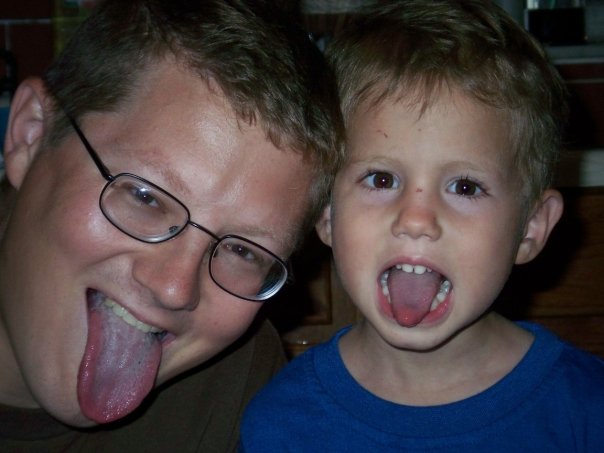
 Mental Health Matters
You must be logged in to post a comment.