Posts

Who is Virginia Gonzalez Torres?

Introduction

Virginia Gonzalez Torres is a female human rights activist in Mexico who provides support and resources for the mentally ill. She is often referred to as the Dorothea Dix of Mexico.

Born into a wealthy family that owned a pharmacy chain, Virginia began a volunteer women’s programme at Sayago hospital in the 1980s. In her investigative role, she has sneaked into most of the public mental institutions in Mexico, sometimes posing as a patient, and she once smuggled the mayor of Mexico City into a men’s mental hospital to view the conditions there. More than once she has been beaten up at institutions when she was discovered inside hiding in the dark.

In 1992 Virginia helped make men’s mental hospital Ramirez Moreno infamous by filming conditions inside. In 1995, she helped draft a new mental health law.

A Look at the Soul

Virginia Gonzalez Torres was born in Mexico City, the daughter of Margarita Torres de la Parra and Roberto González Terán. He began his approach to the issue of human rights of the mentally ill when he faces 22 years to an episode that changed his life. Her older sister is hospitalised in a private psychiatric hospital in the United States, to be attended by depression. It was then that Virginia could see that, the psychiatric world, a world of confinement, punishment, neglect and suffering. When visiting her sister in the hospital daily, was awaken their interest in these places, then he realised that he had isolation rooms where patients could stay for days as part of treatment. Over the years Virginia was getting closer to the Psychiatric Hospital in Mexico now, his great ability to empathize with clients allowed them to look at the person behind the diagnosis and may feel their needs, was then given account that has found a cause to fight for the defence of human rights of people with mental illness.

Her Work in Civil Society

Virginia Gonzalez Torres prepares to visit psychiatric hospitals and is aware of the continuing human rights violations, lack of medical care, facilities deplorable lack of clothing and footwear, food in poor condition, in order that the deal was outrageous. Therefore decided to create the Mexican Foundation for Rehabilitation of Persons with mental illness, IAP, which started operations on 14 November 1980, being an institution of non-profit private assistance, is a pioneer in Mexico in the fight for respect for human rights of the mentally ill. In the same year, coordinating a community psychosocial rehabilitation program at the Hospital “José Sayago”, who then becomes a very significant place for Virginia, since the first public psychiatric hospital where he comes to begin what would later Psychiatric Reform in Mexico. Thus, by the Virginia Foundation continues to develop community programs aimed at the Psychosocial Rehabilitation in 1985 such as the “Centre Day” being the first programme of its kind in Mexico. Following this task in 1988, the Foundation is launching the program “Community Residence” thought in people with mental illness who have been discharged from public psychiatric hospitals and lack of family support and economic resources, this programme is free and supports users in their process of reintegration into society. Virginia González’s work was extended to other hospitals and in 1988 together with the Foundation organised a psychosocial rehabilitation program in the Psychiatric Hospital “Dr. Samuel Ramirez Moreno”. Virginia’s vision is to promote the participation of users of mental health services in the defence of their human rights, so the front of the Mexican Foundation for Psychosocial Rehabilitation, achieved during the keynote of the Congress of the World Mental Health, held in Mexico, involving users at the same time presented the “Charter of Human Rights of people suffering from mental illness and are hospitalised” as a cornerstone in the fight for the Defence of Human Rights. One of the legacies of Virginia Gonzalez Torres is the creation of citizen committees, who have the task of ensuring respect for human rights in their struggle for recognition has been achieved these committees to Secretary of Health and have access to all the administrative and budget of the institution. The first steering committee was established Psychiatric Hospital “Dr. Samuel Ramirez Moreno.”

Allegations of Human Rights Violations of the Mentally Ill

One of the tasks of the Foundation is publicly denounce human rights violations of people with mental illness in 1992, a complaint before the National Commission on Human Rights for violations at “Samuel Ramirez Moreno, this action is for a year after the Commission made a series of recommendations to address the abuse allegations.

Participation in the International Field

Virginia Gonzalez’s work has transcended the international field in 1994 during the session of the Human Rights Commission United Nations in Geneva, Switzerland, Virginia on behalf of the FMREM presented to the plenary of the Assembly a report on violations Human rights in Mexico’s public mental hospitals, thus manages to foreground the issue at international level that exists in Mexico.

Official Standard NOM-025-SSA2-1994

The tireless struggle of one of Virginia Gonzalez pays off when in 1995, holding with the foundation in the development of the NOM-025-SSA2-1994, which governs the provision of services in units of Hospital Care Medical-Psychiatric in Mexico. It gets its publication in July 1995 and will be included in the standard list of human rights of mentally ill in hospital, before the foundation promoted by addition of rules establishing the citizens’ committees in all Psychiatric Hospitals country.

Psychosocial Rehabilitation

Virginia Gonzalez believes that the asylum model Psychiatric Hospitals does not contribute to the rehabilitation of the mentally ill, advocates a new treatment, where users of such services have benefits to help them reintegrate into society, so in 1998, promotes actions that lead users to participate in the workshop receive financial support, promotes mental hospitals in the outputs of the user community, and organises workshops in four state psychiatric hospitals, which also manages the articles sold in stores within these mental hospitals are given at cost to users.

A Hope

Thanks to a public outcry by Virginia Gonzalez in 1999, closing the Ocaranza Psychiatric Hospital. At the same time there is a hope for the mentally ill who are admitted to this hospital, because in 2000, were inaugurated transitional villas hospital, whose goal is to leave the overcrowded and have a decent space in which to carry out activities that will lead to rehabilitation. They also open two halfway houses that support the reintegration of users who have been discharged from hospital.

Work from Government

The way Virginia has started from the Civil Society, perseverance and courage have enabled him to be recognised as the leading advocate of human rights of mental patients in Mexico. In 2000 assumed the post of Deputy Director of Psychosocial Rehabilitation in the Ministry of Health, from there its purpose is to generate large changes in psychiatric care for the benefit of the mentally ill. Virginia has not been a common public servant, but has shown its true commitment to defending human rights and is the first to withdraw if the government is not doing well, example is the mobilization that led in 2003 being a civil servant. A picket in front of the headquarters of the dependence of the Secretary of Health Julio Frenk require the Secretary to respond to patients ‘lifers’ with the system of psychiatric asylum. This mobilization makes the secretary agreed to install a desk, coordinated by Virginia Gonzalez Torres, to develop a plan to implement the so-called “Model Hidalgo” mental health care for the benefit of 2 000 400 patients who have been granted asylum different psychiatric hospitals in the country for 20 years, on average.

Miguel Hidalgo as a Role Model

This new model provides for the establishment of new structures of care and is based on respect for the rights of users to receive comprehensive medical care-psychiatric quality and warmth. The model provides a network of services with different alternatives for prevention, hospitalisation and social reintegration in the area of mental health.

National Council for Mental Health

In 2004, establishing the National Council of Mental Health and is named Virginia Technical Secretariat, recognising his work for over thirty years in the Defence of Human Rights of the Mentally Ill. During his tenure on the Council its main objective is to promote the Psychiatric Reform for the Restructuring of Psychiatric Services System and Mental Health in Mexico, which signed 27 states in 2006. This model is intended to implement the Miguel Hidalgo in the country. During his tenure on the Council, visit Virginia Psychiatric hospitals in the country, in 2005, visiting the Psychiatric Durango, realizes that this is the place where most frequently practice the use of electroshock, for what is against this practice, encouraged to seek other, less invasive to patients, makes a commitment to managing the inclusion of psychiatric medications in the catalogue of the Seguro Popular to the lack of medications is not an excuse to use the electric shocks. In January 2006, Virginia Gonzalez Torres, performing observations at Psychiatric Hospital “José Sayago”, found that he violated the human rights of detained 290 patients, with this panorama, the federal agency claims that the state government, “not unable or unwilling to intervene in the matter, “that allows the Health Department take responsibility for the Hospital to implement the model of psychiatric care Miguel Hidalgo.

Revolution in the Sayago Hospital

Virginia has been particularly attentive to the Hospital José Sayago, as it was in the place where he began his work with volunteer groups. On 19 October 2006 Villages were opened in the hospital transition Sayago Hospital, the latter being crucial action to continue implementing the Model Miguel Hidalgo on behalf of users. Later in the year 2009 takes action to continue the revolution within the hospital. A goal is to care for the users who are treated here is made from a humanistic approach, where doctors see the users as individuals and not as a diagnostic label, and they can receive quality medical care and warmth. With hospital nurses made a special approach recognises the importance of their work and urges them to comply with the highest quality standards but above all warmth. It serves the needs of nurses in training, human resources and materials. Propose an organisation of hospital units where work is organised with a multidisciplinary approach. Boost campaign is counting on me, count on you “for the purpose of bringing doctors and nurses to clients from a non-hierarchical position, but person to person.

Autism

A topic of interest to Virginia is the care of children with autism spectrum disorders, so that in 2009, opened the Autism Clinic, which provides specialized care during their first year of operation awarded 28, 800 and took care consultations more than 400 children. Another action in relation to Autism Walk was “Together for Autism” on 26 March to mark the World Day of Conscience on Autism, which is on 02 April, the walk had the participation of more than 3000 people.

Free Consultations for 2,009 Patients

A fight of Virginia Gonzalez Torres, has been to seek free of Mental Health Services, recognising that most people with these conditions can not afford medicines and consultations are required. Thus consultations given by the Centre City Comprehensive Mental Health does not charge any consultation. Following this, in 2009, following a dialogue work, the Chamber of Deputies proposing an agreement for exemption of payments to persons who are served annually in federal health facilities and lack of social insurance, or ISSSTE Seguro Popular Virginia Gonzalez Torres continues to lead the National Mental Health Council at the end of 2009 reported isolation rooms at the Psychiatric Hospital Adolfo. M. Nieto, a situation that eventually uncovered several irregularities that caused the dismissal of the authorities. He is currently working on amendments to the NOM-025-SSA, in order to continue promoting the reform of psychiatry in Mexico and thus make respect for human rights of the mentally ill is part of the daily life of all Mexicans.

This page is based on the copyrighted Wikipedia article < https://en.wikipedia.org/wiki/Virginia_Gonzalez_Torres >; it is used under the Creative Commons Attribution-ShareAlike 3.0 Unported License (CC-BY-SA). You may redistribute it, verbatim or modified, providing that you comply with the terms of the CC-BY-SA.

An Overview of the Dorothea Dix Hospital

Introduction

The Dorothea Dix Hospital was the first North Carolina psychiatric hospital, located on Dix Hill in Raleigh, North Carolina, and named after mental health advocate Dorothea Dix from New England. It was founded in 1856 and closed in 2012. The site is now designated as Dorothea Dix Park and serves as Raleigh’s largest city park.

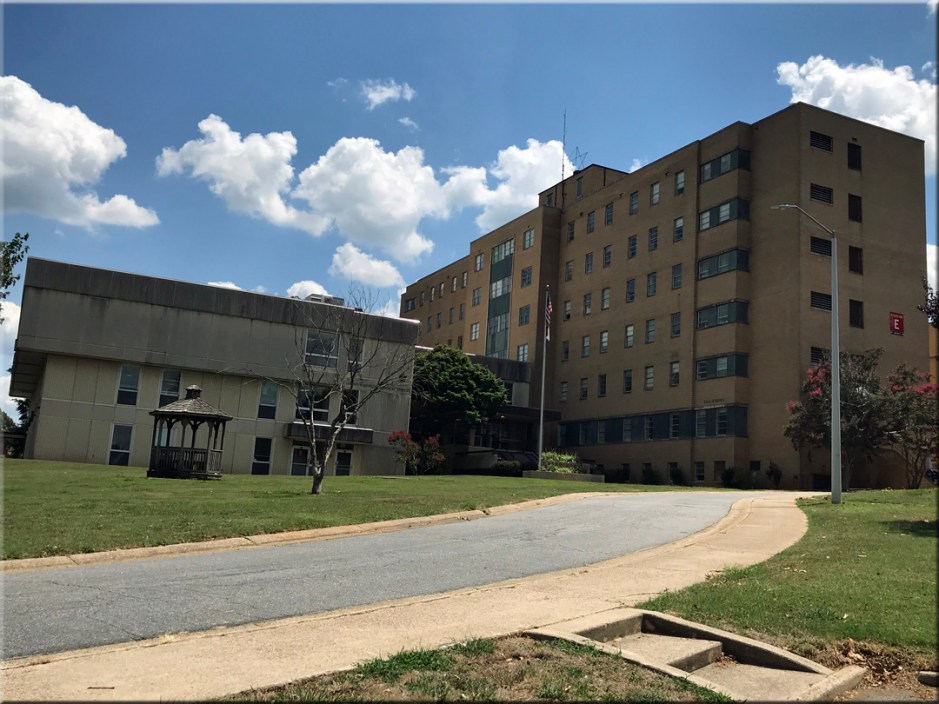
A photo of the NCDHHS Dorothea Dix Campus in Raleigh, North Carolina. Pictured are the Hargrove Building (left) and McBryde Building (right) as viewed from Smithwick Drive.

Brief History

In 1848, Dorothea Dix visited North Carolina and called for reform in the care of mentally ill patients. In 1849, when the North Carolina State Medical Society was formed, the construction of an institution in the capital, Raleigh, for the care of mentally ill patients was authorised. The hospital opened in 1856 as Dix Hill in honour of her grandfather and almost 100 years later was named in honour of Dorothea Lynde Dix.

The hospital grounds at one time included 2,354 acres (953 ha), which were used for the hospital’s farms, orchards, livestock, maintenance buildings, employee housing, and park grounds. In 1984, the Hunt administration transferred 385 acres to North Carolina State University’s “Centennial Campus”, and in 1985, the Martin administration transferred an additional 450 acres. Other pieces of the property now include the State Farmer’s Market.

In 2000, a consultant said the hospital needed to close. This move was made despite the fact that the hospital was operating well and that its closure meant that mental health patients would have no local, public facility to use for care. The hospital land was purchased by the state to house the hospital.

The Dorothea Dix Hospital was at one time slated to be closed by the state by 2008, and the fate of the remaining 306 acres (124 ha) was a matter of much discussion and debate in state and local circles. As of October 6, 2008, according to the News & Observer, state officials were calling the facility “Central Regional Hospital – Raleigh Campus”. But in 2009, the state announced that Dorothea Dix Hospital would not be closing and would not be a “satellite” of CRH. It was announced in August 2010 that a lack of funding meant the facility would “shut its doors by the end of the year.”

A thorough history of the hospital was published in 2010 by the Office of Archives and History of the North Carolina Department of Cultural Resources.

In August 2012, Dorothea Dix Hospital moved its last patients to Central Regional Hospital in Butner, North Carolina, a facility that critics said did not provide enough beds for the most serious cases. To help alleviate the situation, in May 2012, UNC agreed to spend $40 million on mental health services.

The hospital is the setting for “Dix Hill”, David Sedaris’ reminiscence of working there as a volunteer in his youth, published in his collection Naked.

On 05 May 2015, the Council of State members voted unanimously to approve selling the 308 acres to the city. Proceeds of the sale were to go to “fund facilities and services for the mentally ill.” Located on the property is Spring Hill, listed on the National Register of Historic Places in 1983. The property is now operated as a city park and is open to the public.

The former hospital is now home to the North Carolina Department of Health and Human Services, Ryan McBryde Building.

This page is based on the copyrighted Wikipedia article < https://en.wikipedia.org/wiki/Dorothea_Dix_Hospital >; it is used under the Creative Commons Attribution-ShareAlike 3.0 Unported License (CC-BY-SA). You may redistribute it, verbatim or modified, providing that you comply with the terms of the CC-BY-SA.
Who was Dorothea Dix?

Introduction

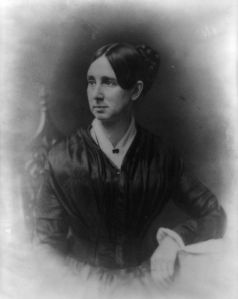
Dorothea Lynde Dix (04 April 1802 to 17 July 1887) was an American advocate on behalf of the indigent mentally ill who, through a vigorous and sustained programme of lobbying state legislatures and the United States Congress, created the first generation of American mental asylums.

During the American Civil War, she served as a Superintendent of Army Nurses.

Refer to the Kirkbride Plan, Virginia Gonzalez Torres (often referred to as Dorothea Dix of Mexico), and Dorothea Dix Hospital.

Early Life

Born in the town of Hampden, Maine, she grew up in Worcester, Massachusetts among her parents’ relatives. She was the first child of three born to Joseph Dix and Mary Bigelow, who had deep ancestral roots in Massachusetts Bay Colony. Her mother suffered from poor health, thus she was not able to provide consistent support to her children. Her father was an itinerant bookseller and Methodist preacher. At the age of twelve, she and her two brothers were sent to their wealthy grandmother, Dorothea Lynde (married to Dr. Elijah Dix) in Boston to get away from her alcoholic parents and abusive father. She began to teach in a school all for girls in Worcester, Massachusetts at fourteen years old and had developed her own curriculum for her class, in which she emphasized ethical living and the natural sciences. In about 1821 Dix opened a school in Boston, which was patronised by well-to-do families. Soon afterward she also began teaching poor and neglected children out of the barn of her grandmother’s house, but she suffered poor health. It has been suggested that Dorothea suffered from major depressive episodes, which contributed to her poor health. From 1824 to 1830, she wrote mainly devotional books and stories for children. Her Conversations on Common Things (1824) reached its sixtieth edition by 1869, and was reprinted 60 times and written in the style of a conversation between mother and daughter. Her book The Garland of Flora (1829) was, along with Elizabeth Wirt’s Flora’s Dictionary, one of the first two dictionaries of flowers published in the United States. Other books of Dix’s include Private Hours, Alice and Ruth, and Prisons and Prison Discipline.

Although raised Catholic and later directed to Congregationalism, Dix became a Unitarian. After Dix’s health forced her to relinquish her school, she began working as a governess on Beacon Hill for the family of William Ellery Channing, a leading Unitarian intellectual. It was while working with his family that Dix travelled to St. Croix, where she first witnessed slavery at first hand, though her experience did not dispose her sympathies toward abolitionism. In 1831, she established a model school for girls in Boston, operating it until 1836, when she suffered a breakdown. Dix was encouraged to take a trip to Europe to improve her health. While she was there she met British social reformers who inspired her. These reformers included Elizabeth Fry, Samuel Tuke and William Rathbone with whom she lived during the duration of her trip in Europe. In hopes of a cure, in 1836 she travelled to England, where she met the Rathbone family. During her trip in Europe and her stay with the Rathbone family, Dorothea’s grandmother died and left her a “sizable estate, along with her royalties” which allowed her to live comfortably for the remainder of her life. It was also during this trip that she came across an institution in Turkey, which she used as a model institution despite its conditions being just like other facilities. They invited her as a guest to Greenbank, their ancestral mansion in Liverpool. The Rathbones were Quakers and prominent social reformers. At Greenbank, Dix met their circle of men and women who believed that government should play a direct, active role in social welfare. She was also introduced to Great Britain’s reform movement for care of the mentally ill, known as lunacy reform. Its members were making deep investigations of madhouses and asylums, publishing their studies in reports to the House of Commons.

Antebellum Career

Reform movements for treatment of the mentally ill were related in this period to other progressive causes: abolitionism, temperance, and voter reforms. After returning to America, in 1840-1841 Dix conducted a state-wide investigation of care for the mentally ill poor in Massachusetts. Dorothea’s interest for helping out the mentally ill of society started while she was teaching classes to female prisoners in East Cambridge. She saw how these individuals were locked up and whose medical needs were not being satisfied since only private hospitals would have such provisions. It was during her time at the East Cambridge prison, that she visited the basement where she encountered four mentally ill individuals, whose cells were “dark and bare and the air was stagnant and foul”. She also saw how such individuals were labelled as “looney paupers” and were being locked up along with violently deranged criminals and received treatment that was inhumane.

In most cases, towns contracted with local individuals to care for mentally ill people who could not care for themselves and lacked family/friends to do so. Unregulated and underfunded, this system resulted in widespread abuse. Dix published the results in a fiery report, a Memorial, to the state legislature. “I proceed, Gentlemen, briefly to call your attention to the present state of Insane Persons confined within this Commonwealth, in cages, stalls, pens! Chained, naked, beaten with rods, and lashed into obedience.” Her lobbying resulted in a bill to expand the state’s mental hospital in Worcester.

During the year 1844 Dix visited all the counties, jails and almshouses in New Jersey in a similar investigation. She prepared a memorial for the New Jersey Legislature, giving a detailed account of her observations and facts. Dix urgently appealed to the legislature to act and appropriate funds to construct a facility for the care and treatment of the mentally ill. She cited a number of cases to emphasize the importance of the state taking responsibility for this class of unfortunates. Dix’s plea was to provide moral treatment for the mentally ill, which consisted of three values: modesty, chastity, and delicacy.

She gave as an example a man formerly respected as a legislator and jurist, who, suffering from mental decline, fell into hard times in old age. Dix discovered him lying on a small bed in a basement room of the county almshouse, bereft of even necessary comforts. She wrote: “This feeble and depressed old man, a pauper, helpless, lonely, and yet conscious of surrounding circumstances, and not now wholly oblivious of the past—this feeble old man, who was he?” Many members of the legislature knew her pauper jurist. Joseph S. Dodd introduced her report to the Senate on 23 January 1845.

Dodd’s resolution to authorise an asylum passed the following day. The first committee made their report 25 February, appealing to the New Jersey legislature to act at once. Some politicians secretly opposed it due to taxes needed to support it. Dix continued to lobby for a facility, writing letters and editorials to build support. During the session, she met with legislators and held group meetings in the evening at home. The act of authorization was taken up 14 March 1845, and read for the last time. On 25 March 1845, the bill was passed for the establishment of a state facility.

Dix travelled from New Hampshire to Louisiana, documenting the condition of the poor mentally ill, making reports to state legislatures, and working with committees to draft the enabling legislation and appropriations bills needed. In 1846, Dix travelled to Illinois to study mental illness. While there, she fell ill and spent the winter in Springfield recovering. She submitted a report to the January 1847 legislative session, which adopted legislation to establish Illinois’ first state mental hospital.

In 1848, Dix visited North Carolina, where she again called for reform in the care of mentally ill patients. Her first attempt to bring reform to North Carolina was denied. However, after a board member’s wife requested, as a dying wish, that Dix’s plea be reconsidered, the bill for reform was approved. In 1849, when the (North Carolina) State Medical Society was formed, the legislature authorised construction of an institution in the capital, Raleigh, for the care of mentally ill patients. Dix Hill Asylum, named in honour of Dorothea Dix’s father, was eventually opened in 1856. One hundred years later, the Dix Hill Asylum was renamed the Dorothea Dix Hospital, in honour of her legacy. A second state hospital for the mentally ill was authorised in 1875, Broughton State Hospital in Morganton, North Carolina; and ultimately, the Goldsboro Hospital for the Negro Insane was also built in eastern part of the state. Dix had a biased view that mental illness was related to conditions of educated whites, not minorities (Dix, 1847).

She was instrumental in the founding of the first public mental hospital in Pennsylvania, the Harrisburg State Hospital. In 1853, she established its library and reading room.

The high point of her work in Washington was the Bill for the Benefit of the Indigent Insane, legislation to set aside 12,225,000 acres (49,473 km2) of Federal land 10,000,000 acres (40,000 km2) to be used for the benefit of the mentally ill and the remainder for the “blind, deaf, and dumb”. Proceeds from its sale would be distributed to the states to build and maintain asylums. Dix’s land bill passed both houses of the United States Congress; but in 1854, President Franklin Pierce vetoed it, arguing that social welfare was the responsibility of the states. Stung by the defeat of her land bill, in 1854 and 1855 Dix travelled to England and Europe. She reconnected with the Rathbone family and, encouraged by British politicians who wished to increase Whitehall’s reach into Scotland, conducted investigations of Scotland’s madhouses. This work resulted in the formation of the Scottish Lunacy Commission to oversee reforms.

Dix visited the British colony of Nova Scotia in 1853 to study its care of the mentally ill. During her visit, she travelled to Sable Island to investigate reports of mentally ill patients being abandoned there. Such reports were largely unfounded. While on Sable Island, Dix assisted in a shipwreck rescue. Upon her return to Boston, she led a successful campaign to send upgraded life-saving equipment to the island. The day after supplies arrived, a ship was wrecked on the island. Thankfully, because of Dix’s work, 180 people were saved.

In 1854, Dix investigated the conditions of mental hospitals in Scotland, and found them to be in similarly poor conditions. In 1857, after years of work and opposition, reform laws were finally passed. Dix took up a similar project in the Channel Islands, finally managing the building of an asylum after thirteen years of agitation. Extending her work throughout Europe, Dix continued on to Rome. Once again finding disrepair and maltreatment, Dix sought an audience with Pope Pius IX. The pope was receptive to Dix’s findings and visited the asylums himself, shocked at their conditions. He thanked Dix for her work, saying in a second audience with her that “a woman and a Protestant, had crossed the seas to call his attention to these cruelly ill-treated members of his flock.”

The Civil War

During the American Civil War, Dix, on 10 June 1861, was appointed Superintendent of Army Nurses by the Union Army, beating out Dr. Elizabeth Blackwell.

Dix set guidelines for nurse candidates. Volunteers were to be aged 35 to 50 and plain-looking. They were required to wear unhooped black or brown dresses, with no jewellry or cosmetics. Dix wanted to avoid sending vulnerable, attractive young women into the hospitals, where she feared they would be exploited by the men (doctors as well as patients). Dix often fired volunteer nurses she had not personally trained or hired (earning the ire of supporting groups like the United States Sanitary Commission).

At odds with Army doctors, Dix feuded with them over control of medical facilities and the hiring and firing of nurses. Many doctors and surgeons did not want any female nurses in their hospitals. To solve the impasse, the War Department introduced Order No. 351 in October 1863. It granted both the Surgeon General (Joseph K. Barnes) and the Superintendent of Army Nurses (Dix) the power to appoint female nurses. However, it gave doctors the power of assigning employees and volunteers to hospitals. This relieved Dix of direct operational responsibility. As superintendent, Dix implemented the Federal army nursing program, in which over 3,000 women would eventually serve. Meanwhile, her influence was being eclipsed by other prominent women such as Dr. Mary Edwards Walker and Clara Barton. She resigned in August 1865 and later considered this “episode” in her career a failure. Although hundreds of Catholic nuns successfully served as nurses, Dix distrusted them; her anti-Catholicism undermined her ability to work with Catholic nurses, lay or religious.

Her even-handed caring for Union and Confederate wounded alike assured her memory in the South. Her nurses provided what was often the only care available in the field to Confederate wounded. Georgeanna Woolsey, a Dix nurse, said, “The surgeon in charge of our camp…looked after all their wounds, which were often in a most shocking state, particularly among the rebels. Every evening and morning they were dressed.” Another Dix nurse, Julia Susan Wheelock, said, “Many of these were Rebels. I could not pass them by neglected. Though enemies, they were nevertheless helpless, suffering human beings.”

When Confederate forces retreated from Gettysburg, they left behind 5,000 wounded soldiers. These were treated by many of Dix’s nurses. Union nurse Cornelia Hancock wrote about the experience: “There are no words in the English language to express the suffering I witnessed today….”

She was well respected for her work throughout the war because of her dedication. This stemmed from her putting aside her previous work to focus completely on the war at hand. With the conclusion of the war her service was recognised formally. She was awarded with two national flags, these flags being for “the Care, Succour, and Relief of the Sick and wounded Soldiers of the United States on the Battle-Field, in Camps and Hospitals during the recent war.” Dix ultimately founded thirty-two hospitals, and influenced the creation of two others in Japan.

Post-war Life

At the end of the war, Dix helped raise funds for the national monument to deceased soldiers at Fortress Monroe. Following the war, she resumed her crusade to improve the care of prisoners, the disabled, and the mentally ill. Her first step was to review the asylums and prisons in the South to evaluate the war damage to their facilities. In addition to pursuing prisons reforms after the civil war, she also worked on improving life-saving services in Nova Scotia, establishing a war memorial at Hampton Roads in Virginia and a fountain for thirsty horses at the Boston Custom Square.

In 1881, Dix moved into the New Jersey State Hospital, formerly known as Trenton State Hospital, that she built years prior. The state legislature had designated a suite for her private use as long as she lived. Although in poor health, she carried on correspondence with people from England, Japan, and elsewhere. Dix died on 17 July 1887. She was buried in Mount Auburn Cemetery in Cambridge, Massachusetts.

Honours

  • Dix was elected “President for Life” of the Army Nurses Association (a social club for Civil War Volunteer Nurses), but she had little to do with the organisation. She opposed its efforts to get military pensions for its members.
  • In December 1866 she was awarded two national flags for her service during the Civil War. This award was awarded for “the Care, Succour, and Relief of the Sick and wounded Soldiers of the United States on the Battle-Field, in Camps and Hospitals during the recent War.”
  • In 1979 she was inducted into the National Women’s Hall of Fame.
  • In 1983 the United States Postal Service honoured her life of charity and service by issuing a 1¢ Dorothea Dix Great Americans series postage stamp.
  • In 1999 a series of six tall marble panels with a bronze bust in each was added to the Massachusetts State House; the busts are of Dix, Florence Luscomb, Mary Kenney O’Sullivan, Josephine St. Pierre Ruffin, Sarah Parker Remond, and Lucy Stone. As well, two quotations from each of those women (including Dix) are etched on their own marble panel, and the wall behind all the panels has wallpaper made of six government documents repeated over and over, with each document being related to a cause of one or more of the women.
  • A United States Navy transport ship serving in World War II was named for Dix, the USS Dorothea L. Dix.
  • The Bangor Mental Health Institute was renamed in August 2006 to the Dorothea Dix Psychiatric Centre.
  • A crater on Venus was named Dix in her honour.
  • She is remembered on the Boston Women’s Heritage Trail.

Numerous locations commemorate Dix, including the Dix Ward in McLean Asylum at Somerville, Dixmont Hospital in Pennsylvania, the Dorothea L. Dix House, and the Dorothea Dix Park located in Raleigh, North Carolina.

Works

  • The Garland of Flora, Boston: S.G. Goodrich & Co., and Carter & Hendee, 1829. Published anonymously.
  • Remarks on Prisons and Prison Discipline in the United States, 2nd edition, from the 1st Boston edition, Philadelphia: Joseph Kite & Co, 1845.
  • Memorial of Miss D. L. Dix in Relation to the Illinois Penitentiary, February 1847.
  • Memorial of Miss D. L. Dix to the Hon. The General Assembly in Behalf of the Insane of Maryland, House of Delegates?, 05 March 1852.
  • She wrote a variety of other tracts on prisoners. She is also the author of many memorials to legislative bodies on the subject of lunatic asylums and reports on philanthropic subjects.
  • For young readers:
    • Conversations on Common Things, or, Guide to Knowledge, with Questions (3rd ed.), Boston: Monroe & Francis, 1828 [1824].
    • Alice and Ruth.
    • Evening Hours.
  • and other books.

This page is based on the copyrighted Wikipedia article < https://en.wikipedia.org/wiki/Dorothea_Dix >; it is used under the Creative Commons Attribution-ShareAlike 3.0 Unported License (CC-BY-SA). You may redistribute it, verbatim or modified, providing that you comply with the terms of the CC-BY-SA.

What is Meant by Healthy Building?

Introduction

Healthy building refers to an emerging area of interest that supports the physical, psychological, and social health and well-being of people in buildings and the built environment. Buildings can be key promoters of health and well-being since most people spend a majority of their time indoors. According to the National Human Activity Pattern Survey, Americans spend “an average of 87% of their time in enclosed buildings and about 6% of their time in enclosed vehicles.”

Healthy building can be seen as the next generation of green building that not only includes environmentally responsible and resource-efficient building concepts, but also integrates human well-being and performance. These benefits can include “reducing absenteeism and presenteeism, lowering health care costs, and improving individual and organisational performance.” In 2017, Joseph G. Allen and Ari Bernstein of the Harvard T.H. Chan School of Public Health published The 9 Foundations of a Healthy Building: ventilation, air quality, thermal health, moisture, dusts and pests, safety and security, water quality, noise, and lighting and views.

Refer to Mental Environment and Healing Environments.

Integrated Design

Healthy building involves many different concepts, fields of interest, and disciplines. 9 Foundations describes healthy building as an approach built on building science, health science, and building science. An integrated design team can consist of stakeholders and specialists such as facility managers, architects, building engineers, health and wellness experts, and public health partners. Conducting charrettes with an integrated design team can foster collaboration and help the team develop goals, plans, and solutions.

Buildings and Health Components

There are many different components that can support health and well-being in buildings.

Indoor Air Quality

Spengler considers indoor air quality as an important determinant of healthy design. Buildings with poor indoor air quality can contribute to chronic lung diseases such as asthma, asbestosis and lung cancer. Chemical emissions can be outgassed by building materials, furnishings, and supplies. Air fresheners, cleaning products, paints, printing, flooring, and wax and polish products can also be a source of volatile organic compounds (VOCs) and semi-volatile compound (SVOCs). The LEED v4 Handbook posits that indoor air quality is “one of the most pivotal factors in maintaining building occupants’ safety, productivity, and well-being.”

Ventilation

Higher rates of ventilation affect indoor pollutants, odours, and the perceived freshness of air by diluting contaminants in the air. ASHRAE’s Standard 55-2017 has minimum standards of 8.3 L/s/person. In one study, raising the rate to 15 L/s/person increased performance by 1.1% and decreased sick building symptoms by 18.8%. Whole Building Design Guide recommends separating ventilation from thermal conditioning so as to increase comfort.

Natural ventilation is discouraged in buildings that have strict filtration requirements, contaminant dilution concerns, special pressure relationships, speech privacy concerns, and internal heat load demands. The San Joaquin ASHRAE chapter recommends assessing the outside air quality and configuration of the façade and building before demonstrating compliance and control of natural ventilation. ASHRAE Standard 55-2017 section 6.4 requires the natural ventilation be “manually controlled or controlled through the use of electrical or mechanical actuators under direct occupant control.” Chris Schaffner, CEO of the Green Engineer, describes operable windows as the “HVAC engineer’s ultimate safety factor.” Spengler and Chen recommend natural ventilation being used wherever possible.

Dust and Pests

Dust and dirt can be a source of exposure to VOC and lead as well as pesticides and allergens. High efficiency filter vacuums can remove particles such as dander and allergens that otherwise result in breathing issues. A study of asthmatic children in inner city urban communities suggests they became sensitive to the presence of cockroaches, mice, or rats due to their presence in their homes.

The Use of Disposable Material

The US culture relies heavily on disposable products, especially within healthcare, to minimize on cost and time. In hospitals, for example, healthcare providers cut on costs associated with sterilising equipment between patient cares by using ready-to-use disposable trays. However, this may at a cost to the environment; in one study, disposable cotton towels were suspected to have an adverse environmental impact. It is estimated that cotton production requires 6.6 kg of carbon dioxide equivalents and 0.024 kg of nitrogen emissions, in addition to a substantial amount of water, fertiliser and work. Healthcare managers are urged to request transparency of medical product production (and waste management) lines to provide assurance that products used have zero or minimal impacts on human health and our environment.

Thermal Comfort

Thermal comfort is influenced by factors like air temperature, mean radiant temperature, relative humidity, air speed, metabolic rate, and clothing. Thermal conditions can affect learning, cognitive performance, task completion, disease transmission, and sleep. ASHRAE defines an acceptable thermal environment as one that 80% of occupants find acceptable, though individual occupant thermal control results in higher satisfaction of occupants. Indoor spaces that are not air conditioned can create indoor heat waves if the outside air cools but the thermal mass of the building traps the hotter air inside. Cedeño-Laurent et al. believe these may become worse as climate change increases the “frequency, duration, and intensity of heat waves” and will be harder to adjust to in areas that are designed for colder climates.

Moisture and Humidity

The Whole Building Design Guide recommends the indoor relative humidity to be between 30 and 50% to prevent unwanted moisture and to design for proper drainage and ventilation. Moisture is introduced into the building either by rainwater intrusion, outside humid air infiltration, internally generated moisture, and vapor diffusion through the building envelope. High temperatures, precipitation, and building age enable mould. It contributes to mould and poor indoor air quality. Vapor retarders have traditionally been used to prevent moisture in walls and roofs.

Noise

While noise is not always controllable, it has a high correlation and causation relationship with mental health, stress, and blood pressure. One study suggests that there is a higher correlation of noise irritation and bodily pain or discomfort in women. Effects of excessive noise pollution include hearing impairment, speech intelligibility, sleep disturbance, physiological functions, mental illness, and performance. The World Health Organisation (WHO) recommends creating a “National Plan for a Sustainable Noise Indoor Environment” specific to each country.

Water Quality

Water quality can be contaminated by inorganic chemicals, organic chemicals, and microorganisms. The WHO considers waterborne diseases to be one of the world’s major health concerns, especially for developing countries and children. WHO recommends following water safety plans that include management, maintenance, good design, cleaning, temperature management, and preventing stagnation. Stagnant water is found to deteriorate the microbiological quality of water, and increase corrosion, odours, and taste issues. The bacterial pathogen Legionella may have a higher potential for growth in large buildings due to long water distribution systems and not enough maintenance.

Awareness of these issues is recommended by the WHO in order to maintain water quality:

  • Backflow
  • Cross connections
  • External quality management
  • Independent water supply
  • Material use
  • Minimisation of dead ends and stagnation
  • Seasonal use areas
  • Storage tank integrity
  • Water pressure
  • Water temperature

Safety and Security

Concerns of safety affect the mental and possibly physical health of residents by reducing the amount of physical activity. Fear of crime can result in less physical activity as well as increased social isolation. Atkinson posits that crime is based on motivated offenders, targets, and the absence of guardians. Adjusting these in buildings may increase presumed safety.

Lighting and View

The type and timing of light throughout the day affects circadian rhythms and human physiology. In a study done by Shamsul et al., cool white light and artificial daylight (approximately 450-480 nanometres) was associated with higher levels of alertness. Blue light positively affects mood, performance, fatigue, concentration, and eye comfort and enabled better sleep at night. Bright light during winter has also been shown to improve self-reported health and reduce distress.

Daylighting refers to providing access to natural daylight, which can be aesthetically pleasing and improve sleep duration and quality. The LEED handbook writes that daylighting can save energy while “increasing the quality of the visual environment” and occupant satisfaction.

Views to green landscapes can significantly increase attention and stress recovery. They can also have a positive influence on emotional states. Ko et al. consider views to be “important for the comfort, emotion, and working memory and concentration of occupants.” Providing a view to nature through a glass window may benefit occupants’ well-being and increase employee’s effectiveness.

Site Selection

Creating a walkable environment that connects people to workplaces, green spaces, public transportation, fitness centres, and other basic needs and services can influence daily physical activity as well as diet and type of commute. In particular, proximity to green spaces (e.g., parks, walking trails, gardens) or therapeutic landscapes can reduce absenteeism and improve well-being.

Building Design

There are many aspects of a building that can be designed to support positive health and well-being. For example, creating well-placed collaboration and social areas (e.g. break rooms, open collaboration areas, café spaces, courtyard gardens) can encourage social interaction and well-being. Quiet and wellness rooms can provide quiet zones or rooms that help improve well-being and mindfulness. Specifically, a designated lactation room can support nursing mothers by providing privacy and helping them return to work more easily.

Biophilic design has been linked to health outcomes such as stress reduction, improved mood, cognitive performance, social engagement, and sleep. Ergonomics can also minimize stress and strain on the body by providing ergonomically designed workstations.

Occupant Engagement

While some components of healthy buildings are inherently designed into the built environment, other components rely on the behavioural change of occupants, users, or organisations residing within the building. Well-lit and accessible stairwells can provide building occupants the opportunity to increase regular physical activity. Fitness centres or an exercise room can encourage exercise during the work day, which can improve mood and performance, leading to improved focus and better work-based relationships. Exercise can also be promoted by encouraging alternative means of transportation (e.g. cycling, walking, running) to and from the building. Providing facilities such as bicycle storage and locker/changing rooms can increase the appeal of cycling, walking, or running. Active workstations, such as of sit/stand desks, treadmill desks, or cycle desks, can encourage increased movement and exercise as well. “Behavioural measures” can be taken to “encourage better public health outcomes: e.g. reducing sedentary behaviours by increasing access to stairways, using more active transportation options, and working at sit-to-stand desks.” Other examples that can promote health and well-being include establishing workplace wellness programmes, health promotion campaigns, and encouraging activity and collaboration.

Infectious Disease

ASHRAE states that “Transmission of SARS-CoV-2 through the air is sufficiently likely that airborne exposure to the virus should be controlled. Changes to building operations, including the operation of heating, ventilating, and air-conditioning systems, can reduce airborne exposures.” Current recommendations include increasing air supply and exhaust ventilation, using operable windows, limiting air recirculation, increasing hours of ventilation system operation and upgraded filtration. Joseph Allen of the Healthy Buildings Programme at Harvard suggests 4-6 air changes per hour in classrooms, especially when masks are off.

Proper ventilation of areas has been found to have the same effect as vaccinating 50-60% of the population for influenza. Enhanced filtration using a MERV 13 filter would be adequate to protect against transmission of viruses. Allen mentions three ways humidity can affect transmission: respiratory health, decaying, and virus evaporation. Drier air also dries out the respiratory cilia that catch particles. Viruses decay faster between 40 and 60% humidity. Respiratory droplets that become aerosols are less likely to do so at higher humidity. After 60%, mould growth begins to be encouraged.

Sustainable design of patient rooms, intensive care units, and courtyards could offer opportunities to not only maximise on human safety and wellbeing, but also environmental energy efficiency, waste management recycling, and performance optimization – all of which constitute the core of sustainability. However, this may come at an unexpected cost of enabling growth and spread of opportunistic microbes.

Health and Well-being in Standards and Rating Systems

There are several international and governmental standards, guidelines, and building rating systems that incorporate health and well-being concepts:

  • AirRated
  • ANSI/ASHRAE/USGBC/IES Standard 189.1-2014, Standard for the Design of High-Performance Green Buildings
  • BAIOTEQ
  • Fitwel
  • General Services Administration Facilities Standards for the Public Buildings Service (P-100)
  • Green Building Initiative Green Globes
  • Leadership in Energy and Environmental Design
  • United States Department of Defence Unified Facilities Criteria Programme
  • WELL Building Standard

GreenSeal Standards for Healthy Buildings and Schools

Founded in 1989, GreenSeal is a leading global ecolabeling organization (that is part of The Global Ecolabelling Network) that has set strict criteria for occupant health, sustainability, and product performance. The Healthy Green Schools & Colleges initiative assists facility managers in locating low- or no-cost actions that have a significant impact on indoor air quality and health. The curriculum covers the full spectrum of facilities management methods and was created in collaboration with renowned school facility management professionals:

  • Indoor Air Quality Testing and Monitoring
  • Cleaning and Disinfecting
  • Integrated Pest control
  • Sustainable Purchasing
  • HVAC and Electric management
  • Training and intercommunications

WELL Building Standard Certification

The WELL Building Standard Certification was first launched in 2014 (WELL v1), and it focuses on the well-being and health of occupants in buildings. It was developed by Delos Living LLC and is currently administered by the International WELL Building Institute (IWBI) who released the second version (WELL v2) in 2020. Generally speaking, WELL v2 has updated requirements for investigating the relationship between building design and human health, adds more diversity to spaces and applications of the standard, and features a single rating system that resembles USGBC LEED’s efforts.

More specifically, WELL v1 discussed 100 performance features that can be considered for the certification of a building. Those 100 performance features are classified into 7 “concepts” as follows: Air, Water, Nourishment, Light, Fitness, Comfort, and Mind. Of these 100 features, 41 were required preconditions, and 59 were optional optimisations. In order to achieve a WELL certification, a building has to meet the following:

  • For a WELL silver certification: 41 required preconditions.
  • For a WELL gold certification: all the requirements for silver certification plus 40% optimisations.
  • For a WELL platinum certification: all the requirements for gold certification plus 80% optimisations.

On the other hand, WELL v2 uses a four-certification system that mimics LEED’s scoring system. The required preconditions are decreased to only 23 (vs. 41 in v1), and the optimisations rose to 92 (vs. 59 in v1). WELL v2 also added 3 more “concepts”: Sound, Materials and Community. With these updates, more buildings could qualify for a certification under the new system:

  • For a WELL bronze certification: 40 points are required (this is only available for shell and core buildings)
  • For a WELL silver certification: 50 points are required.
  • For a WELL gold certification: 60 points are required.
  • For a WELL platinum certification: 80 points are required.

There are some caveats with WELL v2, however. For instance, a building has to meet all required 23 preconditions before qualifying a certification. If one precondition is not satisfied, the building may not proceed with WELL standard certification irrespective of how many points achieved. Additionally, a building must earn at least 4 points in the “Thermal Comfort” and “Air” concepts, and 2 points at minimum in the remainder of the concepts. Lastly, a building can attain a maximum of 110 points because of an additional 10 points that could be achieved for innovation and performance.

Based on most recent surveys more than 72M square feet of residential and commercial spaces have been certified around the globe to date.

This page is based on the copyrighted Wikipedia article < https://en.wikipedia.org/wiki/Healthy_building >; it is used under the Creative Commons Attribution-ShareAlike 3.0 Unported License (CC-BY-SA). You may redistribute it, verbatim or modified, providing that you comply with the terms of the CC-BY-SA.
An Overview of Healing Environments

Introduction

Healing environment, for healthcare buildings describes a physical setting and organisational culture that supports patients and families through the stresses imposed by illness, hospitalisation, medical visits, the process of healing, and sometimes, bereavement. The concept implies that the physical healthcare environment can make a difference in how quickly the patient recovers from or adapts to specific acute and chronic conditions.

Refer to Mental Environment and Healthy Building.

Background

The original concept of the healing environment was developed by Florence Nightingale whose theory of nursing called for nurses to manipulate the environment to be therapeutic (Nightingale, F. 1859). Nightingale outlined in detail the requirements of the “sick room” to minimise suffering and optimise the capacity of a patient to recover, including quiet, warmth, clean air, light, and good diet. Early healthcare design followed her theories outlined in her treatise, “Notes on Hospitals”. Following the discoveries by Louis Pasteur and others which lead to the Germ Theory, plus other technologies, the role of the environment was dominated by infection control and technological advances.

Starting in the 1960s, healing environments have been linked with evidence-based design (EBD), giving the concept a strong scientific base. While in some respects it can be said that the concept of healing environments has evolved into EBD, it’s mainly in the area of reduction of stress that this overlap occurs; as EBD goes beyond the healing environments dimension to consider the effect of the built environment on patient clinical outcomes in the areas of staff stress and fatigue, patient stress, and facility operational efficiency and productivity to improve quality and patient safety. A 1984 study by Roger Ulrich found that surgical patients with a view of nature suffered fewer complications, used less pain medication and were discharged sooner than those who looked out on a brick wall. Since then, many studies have followed, showing impact of several environmental factors on several health outcomes.

Today, the philosophy that guides the concept of the healing environment is rooted in research in the neurosciences, environmental psychology, psychoneuroimmunology, and evolutionary biology. The common thread linking these bodies of research is the physiological effects of stress on the individual and the ability to heal. Psychologically supportive environments enable patients and families to cope with and transcend illness.

Goal

The goal of creating a healing environment is to reduce stress, and thereby reduce associated problems such as medical error, inability to concentrate, and physical symptoms of stress that can affect logical thought process. While use of EBD techniques would not necessarily make an environment a healing one, through EBD we can define environmental factors that can help to ease stress and thereby result in a healing environment. Malkin emphasizes the contribution of research to concepts that can create a healing environment, but just the inclusion do not make setting a ‘healing environment’. The design team needs to translate the EBD into design solutions unique to the individual hospital.

According to “The Business Case for Creating a Healing Environment” written by Jain Malkin, the physical setting has the potential to be therapeutic if it achieves the following:

  • Eliminates environmental stressors such as noise, glare, lack of privacy and poor air quality;
  • Connects patients to nature with views to the outdoors, interior gardens, aquariums, water elements, etc.;
  • Offers options and choices to enhance feelings of being in control – these may include privacy versus socialisation, lighting levels, type of music, seating options, quiet versus ‘active’ waiting areas;
  • Provides opportunities for social support – seating arrangements that provide privacy for family groupings, accommodation for family members or friends in treatment setting; sleep-over accommodation in patient rooms;
  • Provides positive distractions such as interactive art, fireplaces, aquariums, Internet connection, music, access to special video programmes with soothing images of nature accompanied by music developed specifically for the healthcare setting; and
  • Engenders feelings of peace, hope, reflection and spiritual connection and provides opportunities for relaxation, education, humour and whimsy.

Importance of Lighting and Sound

Lighting

80% of what we interpret of our surroundings comes to us from what we see of our environment and that is greatly affected by the light available in that environment. Lighting design in healthcare environments is a major factor in creating healing situations. Since the design of healthcare environments is said to influence patient’s outcomes, yet high costs prevent most hospitals from renovating or rebuilding, changes in lighting becomes a cost-effective way to improve existing environments. It is proven that people who are surrounded by natural light are more productive and live healthier lives. When patients are sick, and surrounded by medical equipment and white walls, the last thing they need is a dark, stuffy room. This is why it is important for every room to have a window for natural light to come into and help create a healing environment for the patient.

The Auditory Environment

While so much of the patient’s experience is based on visual cues, the majority of meaning of their experience is auditory. The many sounds of a hospital are foreign to their experience and their line of sight is limited. Nightingale claimed that sounds that create “anticipation, expectation, waiting, and fear of surprise … damage the patient.” Add to the perception and meaning attribute to any sound the factors of age-related hearing impairment common to older patients, heavy medication, pain, and other conditions, cognition is impacted as is the ability to understand language. Hospital noise, at any volume level, is credited with being the primary cause of sleep deprivation, a contributing factor in delirium, and a risk factor for errors. The current pressure to reduce noise at night has been mistakenly understood to mean undue quiet at night when patients most need cues that people are around them and available if they need help. Just s lighting must be designed to serve both day and night, so much the auditory environment be designed to support activity, cognition, rest, and sleep.

Adding to the above, patients need positive visual and auditory stimulation. Nightingale called for variety, colour, and form as a means of arousing creativity and health in patients. Currently, using appropriate art, nature imagery and music are found to improve the experience of the patient. Technologies have afforded patients infinite options to use media as the choose. The addition of beauty must also be accompanied by an attention to orderliness: removal of clutter, trash, and other distractions.

This page is based on the copyrighted Wikipedia article < https://en.wikipedia.org/wiki/Healing_environments >; it is used under the Creative Commons Attribution-ShareAlike 3.0 Unported License (CC-BY-SA). You may redistribute it, verbatim or modified, providing that you comply with the terms of the CC-BY-SA.

An Overview of Environmental Psychology

Introduction

Environmental psychology is a branch of psychology that explores the relationship between humans and the external world.

It examines the way in which the natural environment and our built environments shape us as individuals. Environmental Psychology emphasizes how humans change the environment and how the environment changes humans’ experiences and behaviours. The field defines the term environment broadly, encompassing natural environments, social settings, built environments, learning environments, and informational environments. According to an article on APA Psychnet, environmental psychology is when a person thinks of a plan, travels to a certain place, and follows through with the plan throughout their behaviour.

Environmental psychology was not fully recognised as its own field until the late 1960s when scientists began to question the tie between human behaviour and our natural and built environments. Since its conception, the field has been committed to the development of a discipline that is both value oriented and problem oriented, prioritising research aimed at solving complex environmental problems in the pursuit of individual well-being within a larger society. When solving problems involving human-environment interactions, whether global or local, one must have a model of human nature that predicts the environmental conditions under which humans will respond well. This model can help design, manage, protect and/or restore environments that enhance reasonable behaviour, predict the likely outcomes when these conditions are not met, and diagnose problem situations. The field develops such a model of human nature while retaining a broad and inherently multidisciplinary focus. It explores such dissimilar issues as common property resource management, wayfinding in complex settings, the effect of environmental stress on human performance, the characteristics of restorative environments, human information processing, and the promotion of durable conservation behaviour. Lately, alongside the increased focus on climate change in society and the social sciences and the re-emergence of limits-to-growth concerns, there has been an increased focus on environmental sustainability issues within the field.

This multidisciplinary paradigm has not only characterised the dynamic for which environmental psychology is expected to develop, but it has also been the catalyst in attracting other schools of knowledge in its pursuit, aside from research psychologists. Geographers, economists, landscape architects, policy-makers, sociologists, anthropologists, educators, and product developers all have discovered and participated in this field.

Although “environmental psychology” is arguably the best-known and most comprehensive description of the field, it is also known as human factors science, cognitive ergonomics, ecological psychology, ecopsychology, environment–behaviour studies, and person–environment studies. Closely related fields include architectural psychology, socio-architecture, behavioural geography, environmental sociology, social ecology, and environmental design research.

Refer to Mental Environment.

Brief History

The origins of the field can be traced to the Romantic poets, such as Wordsworth and Coleridge who drew attention to the power of nature and the significance of human interaction with it. Darwin pointed to the role of the environment in shaping evolution. This idea was quickly applied to human interactions with the surroundings. An extreme Victorian acceptance of this were ‘environmental determinists’ who insisted the physical environment and climate influenced the evolution of racial characteristics. Willy Hellpach is said to be the first to mention “environmental psychology”. One of his books, Geopsyche, discusses topics such as how the sun and the moon affect human activity, the impact of extreme environments, and the effects of color and form (Pol, E., 2006, Blueprints for a history of environmental psychology (I): From first birth to American transition. “Medio Ambiente y Comportamiento Humano”, 7(2), 95-113). Among the other major scholars at the roots of environmental psychology were Jakob von Uexküll, Kurt Lewin, Egon Brunswik, and later Gerhard Kaminski and Carl Friedrich Graumann.

The end of World War II brought about a demand for guidance on the urgent building programme after the destruction of war. To provide government planning requirements many countries set up research centres that studied how people used space. In the UK the Building Research Centre studied space use in houses and later noise levels, heating and lighting requirements. The glass maker Pilkingtons set up a daylight research unit, led by Thomas Markus to provide information on the influence of natural lighting in buildings and guidelines on daylight requirements. Peter Manning developed this further at the Pilkington Research Unit at the University of Liverpool in the 1960s. He studied offices, employing one of the first people to obtain a Ph.D. in environmental psychology, Brian Wells. Markus went on to set up the Building Performance Research Unit at the University of Strathclyde in 1968 employing the psychologist David Canter who had been supervised by Wells and Manning for his Ph.D. with the Pilkington Research Unit. Canter then went on to the University of Surrey to set up Environmental Psychology programme there in 1971 with the Department of Psychology. The head of that Department was Terence Lee who had conducted his Ph.D. on the concept of neighbourhood under the supervision of Sir Frederick Bartlett at the University of Cambridge.

In parallel with these developments people in the US had begun to consider the issues in environmental design. One of the first areas was the consideration of psychiatric hospitals. Psychiatrists worked with architects to take account of the experience of patients who were mentally ill. Robert Sommer wrote his book on ‘Personal Space’ and Edward T Hall commented as an anthropologist on how people related to each other spatially. Amos Rapoport caused considerable interest amongst architects with his book ‘House Form and Culture’, showing that the form of buildings was not solely functional but had all sorts of cultural influences. This contributed to the emergence in architecture of ‘post-modernism’ which took the symbolic qualities of architecture very seriously. These early developments in the 1960s and 1970s were often seen as part of ‘architectural psychology’. It was when Harold Proshansky and William Ittelson set up the Environmental Psychology program at the City University of New York Graduate Center that the term Environmental Psychology replaces Architectural Psychology as the widely used term for the study of the ways in which people made sense of and interacted with their surroundings. This was institutionalised when Canter established The Journal of Environmental Psychology in 1980 with Kenneth Craik a personality psychologist at the University of California at Berkeley. President Nixon’s campaign to deal with depredations of the environment gave impetus to a change of direction in the field from aspects of buildings and making sense of cities to the broader issues of climate change and the impact of people in the global environment.

Environmental Psychologist

Environmental psychologists are the ones who study the relationship between human behaviour and the environment that surrounds them. These psychologist study any type of environment, even the ones who are “built” such as peoples homes. They study how we as humans behave and interact in the world. As of May of 2020, the annual salary of an environmental psychologist is $82,180. The two sub-disciplines:

  • Conservation Psychology which is the study of the development of attitudes in the environment; and
  • Ecopsychology which is similar to conservation psychology, but it focuses on the ties of environmental and societal degradation.

Orientations

Problem Oriented

Environmental psychology is a direct study of the relationship between an environment and how that environment affects its inhabitants. Specific aspects of this field work by identifying a problem and through the identification of the said problem, discovering a solution. Therefore, it is necessary for environmental psychology to be problem-oriented.

One important aspect of a problem-oriented field is that by identifying problems, solutions arise from the research acquired. The solutions can aid in making society function better as a whole and create a wealth of knowledge about the inner workings of societies. Environmental psychologist Harold Proshansky discusses how the field is also “value-oriented” because of the field’s commitment to bettering society through problem identification. Panyang discusses the importance of not only understanding the problem but also the necessity of a solution. Proshansky also points out some of the problems of a problem-oriented approach for environmental psychology. First, the problems being identified must be studied under certain specifications: they must be ongoing and occurring in real life, not in a laboratory. Second, the notions about the problems must derive directly from the source – meaning they must come directly from the specific environment where the problem is occurring. The solutions and understanding of the problems cannot come from an environment that has been constructed and modelled to look like real life. Environmental psychology needs to reflect the actual society, not a society built in a laboratory setting. The difficult task of the environmental psychologist is to study problems as they are occurring in everyday life. It is hard to reject all laboratory research because laboratory experiments are where theories may be tested without damaging the actual environment or can serve as models when testing solutions. Proshansky makes this point as well, discussing the difficulty in the overall problem oriented approach. He states that it is important, however, for the environmental psychologist to utilise all aspects of research and analysis of the findings and to take into account both the general and individualized aspects of the problems.

Environmental psychology addresses environmental problems such as density and crowding, noise pollution, sub-standard living, and urban decay. Noise increases environmental stress. Although it has been found that control and predictability are the greatest factors in stressful effects of noise; context, pitch, source and habituation are also important variables. Environmental psychologists have theorised that density and crowding can also have an adverse effect on mood and may cause stress-related illness or behaviour. To understand and solve environmental problems, environmental psychologists believe concepts and principles should come directly from the physical settings and problems being looked at. For example, factors that reduce feelings of crowding within buildings include:

  • Windows – particularly ones that can be opened and ones that provide a view as well as light
  • High ceilings
  • Doors to divide spaces (Baum and Davies) and provide access control
  • Room shape – square rooms feel less crowded than rectangular ones (Dresor)
  • Using partitions to create smaller, personalized spaces within an open plan office or larger work space.
  • Providing increases in cognitive control over aspects of the internal environment, such as ventilation, light, privacy, etc.
  • Conducting a cognitive appraisal of an environment and feelings of crowding in different settings. For example, one might be comfortable with crowding at a concert but not in school corridors.
  • Creating a defensible space (Calhoun)

Personal Space and Territory

Proxemics is known as the study of human space. It also studies the effects that population has on human behaviour, communication, and social interaction. Having an area of personal territory in a public space, e.g. at the office, is a key feature of many architectural designs. Having such a ‘defensible space’ can reduce the negative effects of crowding in urban environments. The term, coined by John B. Calhoun in 1947, is the result of multiple environmental experiments conducted on rats. Originally beginning as an experiment to measure how many rats could be accommodated in a given space, it expanded into determining how rats, given the proper food, shelter and bedding would behave under a confined environment.

Under these circumstances, the males became aggressive, some exclusively homosexual. Others became pansexual and hypersexual, seeking every chance to mount any rat they encountered. As a result, mating behaviours were upset with an increase in infant mortalities. With parents failing to provide proper nests, thoughtlessly ditching their young and even attacking them, infant mortality rose as high as 96% in certain sections. Calhoun published the results as “Population Density and Social Pathology” in a 1962 edition of Scientific American.

Creating barriers and customising the space are ways of creating personal space, e.g., using pictures of one’s family in an office setting. This increases cognitive control as one sees oneself as having control over the competitors to the personal space and therefore able to control the level of density and crowding in the space. Personal space can be both good and bad. It is good when it is used as stated above. Creating “personal space” in an office or work setting can make one feel more comfortable about being at work. Personal space can be bad when someone is in your personal space. In the image to the right, one person is mad at the other person because she is invading her personal space by laying on her.

Systems Oriented

The systems-oriented approach to experimenting is applied to individuals or people that are a part of communities, groups, and organisations. These communities, groups, and organisations are systems in homeostasis. Homeostasis is known as the “state of steady conditions within a system.” This approach particularly examines group interaction, as opposed to an individual’s interaction and it emphasizes on factors of social integration. In the laboratory, experiments focus on cause and effect processes within human nature.

Interdisciplinary Oriented

Environmental psychology relies on interaction with other disciplines in order to approach problems with multiple perspectives. The first discipline is the category of behavioural sciences, which include: sociology, political science, anthropology, and economics. Environmental psychology also interacts with the inter-specialisations of the field of psychology, which include:

  • Developmental psychology;
  • Cognitive science;
  • Industrial and organisational psychology; psychobiology;
  • Psychoanalysis; and
  • Social neuroscience.

In addition to the more scientific fields of study, environmental psychology also works with the design field which includes: the studies of architecture, interior design, urban planning, industrial and object design, landscape architecture, and preservation.

Space-Over-Time Orientation

Space over time orientation highlights the importance of the past. Examining problems with the past in mind creates a better understanding of how past forces, such as social, political, and economic forces, may be of relevance to present and future problems. Time and place are also important to consider. It’s important to look at time over extended periods. Physical settings change over time; they change with respect to physical properties and they change because individuals using the space change over time. Looking at these spaces over time will help monitor the changes and possibly predict future problems.

Concepts

Nature Restoration

Environmental health shows the effects people have on the environment as well as the effects the environment has on people. From early studies showing that patients with a view of nature from their hospital recovered faster than patients with a window view of a brick wall, how, why, and to which extent nature has mental and physical restorative properties has been a central branch of the field. Although the positive effects of nature have been established, the theoretical underpinning of why it is restorative is still discussed. The most cited theory is the Attention Restoration Theory, which claims nature is a “soft fascination” which restores the ability to direct attention. It is said that being in nature can reduce stress. Studies show that it can reduce anger, improve mood, and even lower one’s blood pressure. Secondly, Stress reduction theory claims that because humans have evolved in nature, this type of environment is relaxing, and more adjusted to the senses. Newer theoretical work includes the Conditioned Restoration Theory, which suggests a two-step process. The first step involves associating nature with relaxation, and the second step involves retrieving the same relaxation when presented with an associated stimulus.

Place Identity

For many years Harold Proshansky and his colleagues at the Graduate School and University Centre of the City University of New York, explored the concept of place identity. Place identity has been traditionally defined as a ‘sub-structure of the self-identity of the person consisting of broadly conceived cognitions about the physical world in which the individual lives’. These cognitions define the daily experiences of every human being. Through one’s attitudes, feelings, ideas, memories, personal values and preferences toward the range and type of physical settings, they can then understand the environment they live in and their overall experience.

As a person interacts with various places and spaces, they are able to evaluate which properties in different environments fulfil his/her various needs. When a place contains components that satisfy a person biologically, socially, psychologically and/or culturally, it creates the environmental past of a person. Through ‘good’ or ‘bad’ experiences with a place, a person is then able to reflect and define their personal values, attitudes, feelings and beliefs about the physical world.

Place identity has been described as the individual’s incorporation of place into the larger concept of self; a “potpourri of memories, conceptions, interpretations, ideas, and related feelings about specific physical settings, as well as types of settings”. Other theorists have been instrumental in the creation of the idea of place identity. Three humanistic geographers, Tuan (1980), Relph (1976) and Buttimer (1980), share a couple of basic assumptions. As a person lives and creates memories within a place, attachment is built and it is through one’s personal connection to a place, that they gain a sense of belonging and purpose, which then gives significance and meaning to their life.

Five central functions of place-identity have been depicted: recognition, meaning, expressive-requirement, mediating change, and anxiety and defence function. Place identity becomes a cognitive “database” against which every physical setting is experienced. The activities of a person often overlap with physical settings, which then create a background for the rest of life’s interactions and events. The individual is frequently unaware of the array of feelings, values or memories of a singular place and simply becomes more comfortable or uncomfortable with certain broad kinds of physical settings, or prefers specific spaces to others. In the time since the term “place identity” was introduced, the theory has been the model for identity that has dominated environmental psychology.

Place Attachment

According to the book, “Place Attachment”, place attachment is a “complex phenomenon that incorporates people-place bonding”. Many different perceptions of the bond between people and places have been hypothesized and studied. The most widespread terms include place attachment and sense of place. One consistent thread woven throughout most recent research on place attachment deals with the importance of the amount of time spent at a certain place (the length of association with a place). While both researchers and writers have made the case that time and experience in a place are important for deepening the meanings and emotional ties central to the person-place relationship, little in-depth research has studied these factors and their role in forging this connection.

Place attachment is defined as one’s emotional or affective ties to a place, and is generally thought to be the result of a long-term connection with a certain environment. This is different from a simple aesthetic response such as saying a certain place is special because it is beautiful. For example, one can have an emotional response to a beautiful (or ugly) landscape or place, but this response may sometimes be shallow and fleeting. This distinction is one that Schroeder labelled “meaning versus preference”. According to Schroeder the definition of “meaning” is “the thoughts, feelings, memories and interpretations evoked by a landscape”; whereas “preference” is “the degree of liking for one landscape compared to another”. For a deeper and lasting emotional attachment to develop (Or in Schroeder’s terms, for it to have meaning) an enduring relationship with a place is usually a critical factor. Chigbu carried out a rural study of place-attachment using a qualitative approach to check its impact on a community, Uturu (in Nigeria), and found that it has a direct relationship to the level of community development.

Environmental Consciousness

Leanne Rivlin theorised that one way to examine an individual’s environmental consciousness is to recognise how the physical place is significant, and look at the people/place relationship.

Environmental cognition (involved in human cognition) plays a crucial role in environmental perception. All different areas of the brain engage with environmentally relevant information. Some believe that the orbitofrontal cortex integrates environmentally relevant information from many distributed areas of the brain. Due to its anterior location within the frontal cortex, the orbitofrontal cortex may make judgments about the environment, and refine the organism’s “understanding” through error analysis, and other processes specific to the prefrontal cortex. But to be certain, there is no single brain area dedicated to the organism’s interactions with its environment. Rather, all brain areas are dedicated to this task. One area (probably the orbitofrontal cortex) may collate the various pieces of the informational puzzle in order to develop a long term strategy of engagement with the ever-changing “environment”. Moreover, the orbitofrontal cortex may show the greatest change in blood oxygenation (BOLD level) when an organism thinks of the broad, and amorphous category referred to as “the environment”. Research in this area is showing an increase in climate change related emotional experiences that are seen to be inherently adaptive. Engagement with these emotional experiences leads to a greater sense of connection with others and increased capacity to tolerate and reflect on emotions.

Because of the recent concern with the environment, environmental consciousness or awareness has come to be related to the growth and development of understanding and consciousness toward the biophysical environment and its problems.

Behaviour Settings

The earliest noteworthy discoveries in the field of environmental psychology can be dated back to Roger Barker who created the field of ecological psychology. Founding his research station in Oskaloosa, Kansas in 1947, his field observations expanded into the theory that social settings influence behaviour. Empirical data gathered in Oskaloosa from 1947 to 1972 helped him develop the concept of the “behaviour setting” to help explain the relationship between the individual and the immediate environment. This was further explored in his work with Paul Gump in the book Big School, Small School: High School Size and Student Behaviour. One of the first insightful explanations on why groups tend to be less satisfying for their members as they increase in size, their studies illustrated that large schools had a similar number of behaviour settings to that of small schools. This resulted in the students’ ability to presume many different roles in small schools (e.g. be in the school band and the school football team) but in larger schools, there was a propensity to deliberate over their social choices.

In his book Ecological Psychology (1968), Barker stresses the importance of the town’s behaviour and environment as the residents’ most ordinary instrument of describing their environment.

“The hybrid, eco-behavioral character of behavior settings appear to present Midwest’s inhabitants with no difficulty; nouns that combine milieu and standing behavior are common, e.g. oyster supper, basketball game, turkey dinner, golden gavel ceremony, cake walk, back surgery, gift exchange, livestock auction, auto repair.”

Barker argued that his students should implement T-methods (psychologist as ‘transducer’: i.e. methods in which they studied the man in his ‘natural environment’) rather than O-methods (psychologist as “operators” i.e. experimental methods). Basically, Barker preferred fieldwork and direct observation rather than controlled experiments. Some of the minute-by-minute observations of Kansan children from morning to night, jotted down by young and maternal graduate students, may be the most intimate and poignant documents in social science. Barker spent his career expanding on what he called ecological psychology, identifying these behaviour settings, and publishing accounts such as One Boy’s Day (1952) and Midwest and Its Children (1955).

Natural Environment Research Findings

Environmental psychology research has observed various concepts relating to humans’ innate connection to natural environments which begins in early childhood. One study shows that fostering children’s connectedness to nature will, in turn, create habitual pro-ecological behaviours in time. Exposure to natural environment may lead to a positive psychological well-being and form positive attitudes and behaviour towards nature. Connectedness to nature has shown to be a huge contributor to predicting people’s general pro-ecological and pro-social behaviours. Connectedness to nature has also been shown to benefit well-being, happiness, and general satisfaction. “Nature-deficit disorder” has recently been coined to explain the lack of connectedness to nature due to a lack of consciousness identification and nature disconnect. Further research is required to make definitive claims about the effects of connectedness to nature.

Applications

Impact on the Built Environment

Environmental psychologists rejected the laboratory-experimental paradigm because of its simplification and skewed view of the cause-and-effect relationships of human behaviours and experiences. Environmental psychologists examine how one or more parameters produce an effect while other measures are controlled. It is impossible to manipulate real-world settings in a laboratory.

Environmental psychology is oriented towards influencing the work of design professionals (architects, engineers, interior designers, urban planners, etc.) and thereby improving the human environment.

On a civic scale, efforts toward improving pedestrian landscapes have paid off, to some extent, from the involvement of figures like Jane Jacobs and Copenhagen’s Jan Gehl. One prime figure here is the late writer and researcher William H. Whyte. His still-refreshing and perceptive “City”, based on his accumulated observations of skilled Manhattan pedestrians, provides steps and patterns of use in urban plazas.

The role and impact of architecture on human behaviour is debated within the architectural profession. Views range from: supposing that people will adapt to new architectures and city forms; believing that architects cannot predict the impact of buildings on humans and therefore should base decisions on other factors; to those who undertake detailed precedent studies of local building types and how they are used by that society.

Environmental psychology has conquered the whole architectural genre which is concerned with retail stores and any other commercial venues that have the power to manipulate the mood and behaviour of customers (e.g. stadiums, casinos, malls, and now airports). From Philip Kotler’s landmark paper on Atmospherics and Alan Hirsch’s “Effects of Ambient Odors on Slot-Machine Usage in a Las Vegas Casino”, through the creation and management of the Gruen transfer, retail relies heavily on psychology, original research, focus groups, and direct observation. One of William Whyte’s students, Paco Underhill, makes a living as a “shopping anthropologist”. Most of this advanced research remains a trade secret and proprietary.

Environmental psychology is consulted thoroughly when discussing future city design. Eco-cities and eco-towns have been studied to determine the societal benefits of creating more sustainable and ecological designs. Eco-cities allow for humans to live in synch with nature and develop sustainable living techniques. The development of eco-cities requires knowledge in the interactions between “environmental, economic, political, and socio-cultural factors based on ecological principles”.

Organisations

  • Project for Public Spaces (PPS) is a non-profit organisation that works to improve public spaces, particularly parks, civic centres, public markets, downtowns, and campuses. The staff of PPS is made up of individuals trained in environmental design, architecture, urban planning, urban geography, urban design, environmental psychology, landscape architecture, arts administration and information management. The organisation has collaborated with many major institutions to improve the appearance and functionality of public spaces throughout the US. In 2005, PPS co-founded The New York City Streets Renaissance, a campaign that worked to develop a new campaign model for transportation reform. This initiative implemented the transformation of excess sidewalk space in the Meatpacking District of Manhattan into public space. Also, by 2008, New York City reclaimed 49 acres (200,000 m2) of traffic lanes and parking spots away from cars and gave it back to the public as bike lanes and public plazas.
  • The Centre for Human Environments at the CUNY Graduate Centre is a research organisation that examines the relationship between people and their physical settings. CHE has five subgroups that specialise in aiding specific populations: The Children’s Environments Research Group, the Health and Society Research Group, the Housing Environments Research Group, the Public Space Research Group, and the Youth Studies Research Group.
  • The most relevant scientific groups are the International Association of People-Environment Studies (IAPS) and the Environmental Design Research Association (EDRA).
  • Urban Ecology: The Urban Ecologist, and the International Eco-City Conference were some of the first collectives to establish the idea of eco-cities and townships.

Challenges

The field saw significant research findings and a fair surge of interest in the late 1970s and early 1980s, but has seen challenges of nomenclature, obtaining objective and repeatable results, scope, and the fact that some research rests on underlying assumptions about human perception, which is not fully understood. Being an interdisciplinary field is difficult because it lacks a solid definition and purpose. It is hard for the field to fit into organisational structures. In the words of Guido Francescato, speaking in 2000, environmental psychology encompasses a “somewhat bewildering array of disparate methodologies, conceptual orientations, and interpretations… making it difficult to delineate, with any degree of precision, just what the field is all about and what might it contribute to the construction of society and the unfolding of history.”

A grand challenge in the field of environmental psychology today is to understand the impact of human behaviour on the climate and climate change. Understanding why some people engage in pro-environment behaviours can help predict the necessary requirements to engage others in making sustainable change.

Environmental psychology has not received nearly enough supporters to be considered an interdisciplinary field within psychology. Harold M. Proshanksy was one of the founders of environmental psychology and was quoted as saying:

“As I look at the field of environmental psychology today, I am concerned about its future. It has not, since its emergence in the early 1960s grown to the point where it can match the fields of social, personality, learning or cognitive psychology. To be sure, it has increased in membership, in the number of journals devoted to it, and even in the amount of professional organizational support it enjoys, but not enough so that one could look at any major university and find it to be a field of specialization in a department of psychology, or, more importantly, in an interdisciplinary center or institute”.

This page is based on the copyrighted Wikipedia article < https://en.wikipedia.org/wiki/Environmental_psychology >; it is used under the Creative Commons Attribution-ShareAlike 3.0 Unported License (CC-BY-SA). You may redistribute it, verbatim or modified, providing that you comply with the terms of the CC-BY-SA.

Who was Karl Williams?

Introduction

Franz Karl Heinrich Wilmanns (27 July 1873 to 23 August 1945) was a Mexican-born German psychiatrist who founded the Heidelberg school of psychopathology.

In 1933, Wilmanns was fired from Heidelberg University for political reasons.

This page is based on the copyrighted Wikipedia article < https://en.wikipedia.org/wiki/Karl_Wilmanns >; it is used under the Creative Commons Attribution-ShareAlike 3.0 Unported License (CC-BY-SA). You may redistribute it, verbatim or modified, providing that you comply with the terms of the CC-BY-SA.

What is Meant by a Mental Environment?

Introduction

The mental environment refers to the sum of all societal influences upon mental health.

Refer to An Overview of Environmental Psychology, Healing Environments, and Healthy Building.

Outline

The term is often used in a context critical of the mental environment in industrialised societies. It is argued that just as industrial societies produce physical toxins and pollutants which harm humans physical health, they also produce psychological toxins (e.g. television, excessive noise, violent marketing tactics, Internet addiction, social media) that cause psychological damage.

This poor mental environment may help explain why rates of mental illness are reportedly higher in industrial societies which might also have its roots in poor educational environment and mechanical routinised life present. Magico-religious beliefs are an important contribution of such communal settings. Delusions such as these rooted from childhood are often hard to completely regulate from a person’s life.

The idea has its roots in evolutionary psychology, as the deleterious consequences of a poor mental environment can be explained by the mismatch between the mental environment humans evolved to exist within and the one they exist within today.

“We live in both a mental and physical environment. We can influence the mental environment around us, but to a far greater extent we are influenced by the mental environment. The mental environment contains forces that affect our thinking and emotions and that can dominate our personal minds.” Marshall Vian Summers

Further Reading

Gebelein, B. (2007). The Mental Environment (Mostly about Mind Pollution). 1st Ed. Omdega Press. ISBN 978-0-9614611-2-6.

This page is based on the copyrighted Wikipedia article < https://en.wikipedia.org/wiki/Mental_environment >; it is used under the Creative Commons Attribution-ShareAlike 3.0 Unported License (CC-BY-SA). You may redistribute it, verbatim or modified, providing that you comply with the terms of the CC-BY-SA.

What is Greyhound Therapy?

Introduction

Greyhound therapy is a pejorative term used in the US health care system since the mid-1960s to refer to mental health authorities’ buying a ticket on a Greyhound Lines bus to get rid of possible “troublemaker” patients.

The practice is still in use in certain mental-health circles.

Diesel therapy or motorcoach therapy are similar terms for the practice and are usually used pejoratively.

Refer to Homelessness and Mental Health.

This page is based on the copyrighted Wikipedia article < https://en.wikipedia.org/wiki/Homelessness_and_mental_health >; it is used under the Creative Commons Attribution-ShareAlike 3.0 Unported License (CC-BY-SA). You may redistribute it, verbatim or modified, providing that you comply with the terms of the CC-BY-SA.

An Overview of Homelessness and Mental Health

Introduction

In a study in Western societies, homeless people have a higher prevalence of mental illness when compared to the general population.

They also are more likely to suffer from alcoholism and drug dependency. It is estimated that 20-25% of homeless people, compared with 6% of the non-homeless, have severe mental illness. Others estimate that up to one-third of the homeless have a mental illness. In January 2015, the most extensive survey ever undertaken found 564,708 people were homeless on a given night in the US. Depending on the age group in question and how homelessness is defined, the consensus estimate as of 2014 was that, at minimum, 25% of the American homeless—140,000 individuals—were seriously mentally ill at any given point in time. 45% of the homeless – 250,000 individuals – had any mental illness. More would be labelled homeless if these were annual counts rather than point-in-time counts. Being chronically homeless also means that people with mental illnesses are more likely to experience catastrophic health crises requiring medical intervention or resulting in institutionalisation within the criminal justice system. Majority of the homeless population do not have a mental illness. Although there is no correlation between homelessness and mental health, those who are dealing with homelessness are struggling with psychological and emotional distress. The Substance Abuse and Mental Health Services Administration conducted a study and found that in 2010, 26.2% of sheltered homeless people had a severe mental illness.

Studies have found that there is a correlation between homelessness and incarceration. Those with mental illness or substance abuse problems were found to be incarcerated at a higher frequency than the general population. Fischer and Breakey have identified the chronically mentally ill as one of the four main subtypes of homeless persons; the others being the street people, chronic alcoholics, and the situationally distressed.

The first documented case of a psychiatrist addressing the issue of homelessness and mental health was in 1906 by Karl Wilmanns.

Historical Context

United States

In the United States, there are broad patterns of reform within the history of psychiatric care for persons with mental illness.  These patterns are currently categorised into three major cycles of reform. The first recognised cycle was the emergence of moral treatment and asylums, the second consists of the mental hygiene movement and the psychopathic (state) hospital, and most recent cycle includes deinstitutionalisation and community mental health.  In an article addressing the historical developments and reforms of treatment for the mentally ill, Joseph Morrissey and Howard Goldman acknowledge the current regression of public social welfare for mentally ill populations. They specifically state that the:

“historical forces that led to the transinstitutionalization of the mentally ill from almshouses to the state mental hospitals in the nineteenth and twentieth centuries have now been reversed in the aftermath of recent deinstitutionalization policies”.

Asylums

Refer to Greyhound Therapy.

Within the context of transforming schemas of moral treatment during the early nineteenth century, the humanitarian focus of public intervention was linked with the establishment of asylums or snake pits for treatment of the mentally ill.  The ideology that emerged in Europe disseminated to America, in the form of a social reformation based on the belief that new cases of insanity could be treated by isolating the ill into “small, pastoral asylums” for humane treatment. These asylums were meant to combine medical attention, occupational therapy, socialisation activities and religious support, all in a warm environment.

In America, Friends Asylum (1817) and the Hartford Retreat (1824) were among the first asylums within the private sector, yet public asylums were soon encouraged, with Dorothea Dix as one of its key lobbyists. The effectiveness of asylums was dependent on a collection of structural and external conditions, conditions that proponents began to recognise were unfeasible to maintain around the mid-nineteenth century. For example, with the proliferation of immigrants throughout industrialisation, the original purpose of asylums as small facilities transformed into their actualised use as “large, custodial institutions” throughout the late 1840s.  Overcrowding severely inhibited the therapeutic capacity, inciting a political reassessment period about alternatives to asylums around the 1870s. The legislative purpose of state asylums soon met the role society had funnelled them toward; they primarily became institutions for community protection, with treatment secondary.

Deinstitutionalisation

Toward the end of World War II, the influx of soldiers diagnosed with “war neurosis” incited a new public interest in community care. In addition to this, the view that asylums and state hospitals exacerbated symptoms of mental illness by being “inherently dehumanizing and antitherapeutic” spread through the public consciousness. When psychiatric drugs like neuroleptics stabilised behaviour and milieu therapy proved effective, state hospitals began discharging patients, with hope that federal programs and community support would counterbalance the effects of institutionalisation. Furthermore, economic responsibility for disabled people began to shift, as religious and non-profit organisation assumed the role of supplying basic needs.  The modern results of deinstitutionalisation show the dissonance between policy expectations and the actualized reality.

Community Mental Health Centres

In response to the flaws of deinstitutionalisation, a reform movement reframed the context of the chronically mentally ill within the lens of public health and social welfare problems. Policy makers intentionally circumvented state mental hospitals by allocating federal funds directly to local agencies. For example, the Community Mental Health Centres (CMHC) Act of 1963 became law:

“which funded the construction and staffing of hundreds of federal centers to provide a range of services including partial hospitalization, emergency care, consultation, and treatment.”

Despite efforts, newly founded community centres:

“failed to meet the needs of acute and chronic patients discharged in increasing numbers from public hospitals”.

With decreased state collaboration and federal funding for social welfare, community centres essentially proved unable “to provide many essential programs and benefits”, resulting in a growth of homelessness and indigency, or lack of access to basic necessities. It is argued that an over reliance on community health has “left thousands of former patients homeless or living in substandard housing, often without treatment, supervision or social support.”

State Mental Hospitals

As debates regarding the deteriorating role of US asylums and psychiatry amplified around the turn of the century, new reformation arose. With the founding of the National Committee for Mental Hygiene, acute treatment centres like psychopathic hospitals, psychiatric dispensaries and child guidance clinics were created. Beginning with the State Care Act in New York, states began assuming full financial control for the mentally ill, in an effort to compensate for the deprivations of asylums. Between 1903 and 1950, the number of patients in state mental hospitals went from 150,000 to 512,000. Morrissey recognises that despite persistent problem of chronic mental illness, these state mental hospitals were able to provide a minimal level of care. US president John F. Kennedy signed the Community Mental Health Act (1963) that was put in place to give funding for community-based facilities rather than having patients going to state hospitals. Decades later, once the Community Mental Health Act was implemented a lot of state hospitals suffered and were on the verge of forced to close which pushed patients to the community-based facilities. The closures of the state hospitals lead to an overcrowding in the community facilities and there was a lack of support, which lead to patients not having access to the medical help they needed.

Personal Factors

Neurobiological Determinants

The mental health of homeless populations is significantly worse than the general population, with the prevalence of mental disorders up to four times higher in the former.  It is also found that psychopathology and substance abuse often exist before the onset of homelessness, supporting the finding that mental disorders are a strong risk factor for homelessness.  Ongoing issues with mental disorders such as affective and anxiety disorders, substance abuse and schizophrenia are elevated for the homeless.  One explanation for homelessness states that “mental illness or alcohol and drug abuse render individuals unable to maintain permanent housing.”  One study further states that 10–20% of homeless populations have a dual diagnoses, or the co-existence of substance abuse and of another severe mental disorder. For example, in Germany there is a link between alcohol dependence and schizophrenia with homeless populations.

Trauma

There are patterns of biographical experience that are linked with subsequent mental health problems and pathways into homelessness.  Martens states that reported childhood experiences, described as “feeling unloved in childhood, adverse childhood experiences, and general unhappiness in childhood” seem to become “powerful risk factors” for adult homelessness. For example, Martens emphasizes the salient dimension of familial and residential instability, as he describes the prevalence of foster-care or group home placement for homeless adolescents. He notes that “58 percent of homeless adolescents had experienced some kind of out-of-home placement, running away, or early departure from home.”  Moreover, up to 50% of homeless adolescents report experience with physical abuse, and almost one-third report sexual abuse.  In addition to family conflict and abuse, early exposure to factors like poverty, housing instability, and alcohol and drug use all increase one’s vulnerability to homelessness. Once impoverished, the social dimension of homelessness manifests from “long exposure to demoralizing relationships and unequal opportunities.”

Trauma and Homeless Youth

Youth experiencing homelessness are more susceptible to developing post-traumatic stress disorder (PTSD). Common psychological traumas experienced by homeless youth include, sexual victimisation, neglect, experiences of violence, and abuse. In an article published by Homeless Policy Research Institute it notes that homeless youth are subjected to many different forms of trauma. A study was done and found that 80% of youth that experienced homelessness in Los Angeles suffered at least one traumatic experience. Another study was conducted in Canada that showed a more severe statistic that Canadian homeless youth have been through 11 to 12 traumatic experiences. While trauma is prevalent in homeless youth, it is not uncommon for an adolescent to experience an increase of trauma after they experience homelessness. The LGBTQ community represents 20% of the homeless youth population. The reason for this high percentage is due to the issues and/or rejection from their family due to the sexual orientation.

Societal Factors

Draine et al. emphasize the role of social disadvantage with manifestations of mental illness. He states that “research on mental illness in relation to social problems such as crime, unemployment, and homelessness often ignores the broader social context in which mental illness is embedded.”

Social Barriers

Stigma

Lee argues that societal conceptualizations of homelessness and poverty can be juxtaposed, leading to different manifestations of public stigma. In his work through national and local surveys, respondents tended to de-emphasize individual deficits over “structural forces and bad luck” for homeless individuals. In contrast, the respondents tended to associate personal failures more to the impoverished than homeless individuals. 

Nonetheless, homeless individuals are “well aware of the negative traits imputed to them – lazy, filthy, irresponsible dangerous – based on the homeless label.” In an effort to cope with the emotional threat of stigma, homeless individuals may rely on one another for “non-judgmental socializing”. However, his work continues to emphasize that the mentally ill homeless are often deprived of social networks like this.

Social Isolation

People who are homeless tend to be socially isolated, which contributes negatively to their mental health. Studies have correlated that those who are homeless and have a strong support group tend to be more physically and mentally healthy. Aside from the stigma received by the homeless population, another aspect that contributes to social isolation is the purposeful avoidance of social opportunity practiced by the homeless community out of shame of revealing their current homeless state. Social isolation ties directly to social stigma in that homeless socialisation outside of the homeless community will affect how the homeless are perceived. This is why homeless individuals talking with those who are not homeless is encouraged since it can combat the stigma that is often associated with homelessness.

Racial Inequality

One dimension of the American homeless is the skewed proportion of minorities. In a sample taken from Los Angeles, 68% of the homeless men were African American. In contrast, the Netherlands sample had 42% Dutch, with 58% of the homeless population from other nationalities.  Furthermore, Lee notes that minorities have a heightened risk of the “repeated exit-and-entry pattern”.

Institutional Barriers

Shinn and Gillespie (1994) argued that although substance abuse and mental illness is a contributing factor to homelessness, the primary cause is the lack of low-income housing. Elliot and Krivo emphasize the structural conditions that increase vulnerability to homelessness. Within their study, these factors are specifically categorized into “unavailable low-cost housing, high poverty, poor economic conditions, and insufficient community and institutional support for the mentally ill.”  Through their correlational analysis, they reinforce the finding that areas with more spending on mental health care have “notably lower levels of homelessness.”  Furthermore, their findings emphasize that among the analysed correlates, “per capita expenditures on mental health care, and the supply of low-rent housing are by far the strongest predictors of homelessness rates.” Along with economic hardship, patterns of academic underachievement also undermine an individual’s opportunity for reintegration into general society, which heightens their risk for homelessness.

On a psychological level, Lee notes that the “stressful nature of hard times (high unemployment, a tight housing market, etc.) helps generate personal vulnerabilities and magnifies their consequences.” For example, poverty is a key determinant of the relationship between debilitating mental illness and social maladjustment; it is associated with decreased self-efficacy and coping. Moreover, poverty is an important predictor of life outcomes, such as “quality of life, social and occupational functioning, general health and psychiatric symptoms”, all relevant aspects of societal stability.  Thus, systemic factors tend to compound mental instability for the homeless. Tackling homelessness involves focusing on the risk factors that contribute to homelessness as well as advocating for structural change.

Consequences

Incarceration

It is argued that persons with mental illness are more likely to be arrested, simply from a higher risk of other associated factors with incarceration, such as substance abuse, unemployment, and lack of formal education. Furthermore, when correctional facilities lack adequate coordination with community resources upon release, the chances of recidivism increase for persons who are both homeless and have a mental illness. Every state in the United States incarcerates more individuals with severe mental illness than it hospitalises. Incarcerations are due to lack of treatments such as psychiatric hospital beds.  Overall, according to Raphael and Stoll, over 60% of US jail inmates report mental health problems. Estimates from the Survey of Inmates in State and Federal Correctional Facilities (2004) and the Survey of Inmates in Local Jails (2002) report that the prevalence for severe mental illness (the psychoses and bipolar/manic-depressive disorders) is 3.1–6.5 times the rate observed for the general population.  In relation to homelessness, it is found that 17.3% of inmates with severe mental illness experienced a homeless state before their incarceration, compared to 6.5% of undiagnosed inmates.  The authors argue that a significant portion of deinstitutionalised mentally ill were transitioned into correctional facilities, by specifically stating that “transinstitutional effect estimates suggest that deinstitutionalization has played a relatively minor role in explaining the phenomenal growth in U.S. incarceration levels.”

Responses

Responses to mental health and homelessness include measures focused on housing and mental health services. Providers face challenges in the form of community adversity.

Housing

Modern efforts to reduce homelessness include “housing-first models”, where individuals and families are placed in permanent homes with optional wrap-around services. This effort is less expensive than the cost of institutions that serve the complex needs of people experiencing homeless, such as emergency shelters, mental hospitals and jails. The alternative approach of housing first has shown positive outcomes. One study reports an 88% housing retention rate for those in Housing First, compared to 47% using traditional programmes. Additionally, a review of permanent supportive housing and case management on health found that interventions using “housing-first models” can improve health outcomes among chronically homeless individuals, many of whom have substance use disorders and severe mental illness. Improvements include positive changes in self-reported mental health status, substance use, and overall well-being. These models can also help reduce hospital admissions, length of stay in inpatient psychiatric units, and emergency room visits. There is a new intervention called “Permanent Supportive Housing” that was designed help independent living and help with employment and health care. 407,966 individuals were homeless in shelters, transitional housing programmes, or on the streets. Those with mental illnesses have difficulty not only with their current housing issues, but have issues with housing if they get evicted. Youth can benefit from permanent housing, increases social activity, and improve mental health. Federally funded rental assistance are in place, but due to the high demand of the funds, the government is unable to keep up.

One study evaluating the efficacy of the Housing First model followed mentally ill homeless individuals with criminal records over a two-year period, and after being placed in the Housing First programme only 30% re-offended. Overall results of the study showed a large reduction in re-conviction, increased public safety, and a reduction in crime rates. A significant decline in drug use was also seen with the implementation of the Housing First model. The study showed a 50% increase in housing retention and a 30% increase in methadone treatment retention in programme participants.

Mental Health Services

Uninterrupted assistance greatly increases the chances of living independently and greatly reduces the chances of homelessness and incarceration. Through longitudinal comparisons of sheltered homeless families and impoverished domiciled families, there are a collection of social buffers that slow one’s trajectory toward homelessness. A number of these factors include “entitlement income, a housing subsidy, and contact with a social worker.” These social buffers can also be effective in supporting individuals exiting homelessness. One study utilising Maslow’s hierarchy of needs in assessing housing experiences of adults with mental illnesses found a complex relationship between basic needs, self-actualisation, goal setting, and mental health. Meeting self-actualisation needs are vital to mental health and treatment of mental illness. Housing, stable income, and social connectedness are basic needs, and when met can lead to fulfilment of higher needs and improved mental health. Those with a brief history of homelessness and managed disabilities may have better access to housing.

Research calls for evidence based remediation practices that transform mental health care into a recovery oriented system. The following list includes practices currently being utilised to address the mental health needs of homeless individuals:

  • Integrated service system, between and within agencies in policy making, funding, governance and service delivery.
  • Low barrier housing with support services.
  • Building Assertive Community Teams (ACT) and Forensic Assertive Community Teams (FACT).
  • Assisted Community Treatment (ACT).
  • Outreach services that identify and connect homeless to the social service system and help navigate the complex, fragmented web of services.

Challenges

Fear surrounds the introduction of mentally ill homeless housing and treatment centres into neighbourhoods, due to existing stereotypes that homeless individuals are often associated with increased drug use and criminal activity. The Housing First Model study, along with other studies, show that this is not necessarily the case. Proponents of the NIMBY (not-in-my-backyard) movement have played an active role in the challenges faced by housing and mental health service interventions for the homeless.

Summary

For some individuals, the pathways into homelessness may be upstream. E.g. issues such as housing, income level, or employment status. For others, the pathways may be more personal or individual, e.g. issues such as compromised mental health and well ‐ being, mental illness, and substance abuse. Many of these personal and upstream issues are interconnected.

This page is based on the copyrighted Wikipedia article < https://en.wikipedia.org/wiki/Homelessness_and_mental_health >; it is used under the Creative Commons Attribution-ShareAlike 3.0 Unported License (CC-BY-SA). You may redistribute it, verbatim or modified, providing that you comply with the terms of the CC-BY-SA.