What is Social Stress?

Introduction

Social stress is stress that stems from one’s relationships with others and from the social environment in general. Based on the appraisal theory of emotion, stress arises when a person evaluates a situation as personally relevant and perceives that they do not have the resources to cope or handle the specific situation.

Refer to Social Defeat.

The activation of social stress does not necessarily have to occur linked to a specific event, the mere idea that the event may occur could trigger it. This means that any element that takes a subject out of their personal and intimate environment could become a stressful experience. This situation makes them socially incompetent individuals.

There are three main categories of social stressors. Life events are defined as abrupt, severe life changes that require an individual to adapt quickly (ex. sexual assault, sudden injury). Chronic strains are defined as persistent events which require an individual to make adaptations over an extended period of time (ex. divorce, unemployment). Daily hassles are defined as minor events that occur, which require adaptation throughout the day (ex. bad traffic, disagreements). When stress becomes chronic, one experiences emotional, behavioural, and physiological changes that can put one under greater risk for developing a mental disorder and physical illness.

Humans are social beings by nature, as they typically have a fundamental need and desire to maintain positive social relationships. Thus, they usually find maintaining positive social ties to be beneficial. Social relationships can offer nurturance, foster feelings of social inclusion, and lead to reproductive success. Anything that disrupts or threatens to disrupt their relationships with others can result in social stress. This can include low social status in society or in particular groups, giving a speech, interviewing with potential employers, caring for a child or spouse with a chronic illness, meeting new people at a party, the threat of or actual death of a loved one, divorce, and discrimination. Social stress can arise from one’s micro-environment (e.g. family ties) and macro-environment (e.g. hierarchical societal structure). Social stress is typically the most frequent type of stressor that people experience in their daily lives and affects people more intensely than other types of stressors.

Definitions

Researchers define social stress and social stressors in various ways. Wadman, Durkin, and Conti-Ramsden (2011) defined social stress as “the feelings of discomfort or anxiety that individuals may experience in social situations, and the associated tendency to avoid potentially stressful social situations”. Ilfield (1977) defined social stressors as “circumstances of daily social roles that are generally considered problematic or undesirable”. Dormann and Zapf (2004) defined social stressors as “a class of characteristics, situations, episodes, or behaviors that are related to psychological or physical strain and that are somehow social in nature”.

Measurement

Social stress is typically measured through self-report questionnaires. In the laboratory, researchers can induce social stress through various methods and protocols.

Self-Reports

There are several questionnaires used to assess environmental and psychosocial stress. Such self-report measures include the Test of Negative Social Exchange, the Marital Adjustment Test, the Risky Families Questionnaire, the Holmes–Rahe Stress Inventory, the Trier Inventory for the Assessment of Chronic Stress, the Daily Stress Inventory, the Job Content Questionnaire, the Perceived Stress Scale, and the Stress and Adversity Inventory.

In addition to self-report questionnaires, researchers can employ structured interview assessments. The Life Events and Difficulties Schedule (LEDS) is one of the most popular instruments used in research. The purpose of this type of measure is to probe the participant to elaborate on their stressful life events, rather than answering singular questions. The UCLA Life Stress Interview (LSI), which is similar to the LEDS, includes questions about romantic partners, closest friendships, other friendships, and family relationships.

Induction

In rodent models, social disruption and social defeat are two common social stress paradigms. In the social disruption paradigm, an aggressive rodent is introduced into a cage housing male rodents that have already naturally established a social hierarchy. The aggressive “intruder” disrupts the social hierarchy, causing the residents social stress. In the social defeat paradigm, an aggressive “intruder” and another non-aggressive male rodent fight.

In human research, the Trier Social Stress Task (TSST) is widely used to induce social stress in the laboratory. In the TSST, participants are told that they have to prepare and give a speech about why they would be a great candidate for their ideal job. The experimenter films the participant while they give the speech and informs the participant that a panel of judges will evaluate that speech. After the public speaking component, the experimenter administers a mathematics task that involves counting backwards by certain increments. If the participant makes a mistake, the experimenter prompts them to start again. The threat of negative evaluation is the social stressor. Researchers can measure the stress response by comparing pre-stress salivary cortisol levels and post-stress salivary cortisol levels. Other common stress measures used in the TSST are self-report measures like the State-Trait Anxiety Inventory and physiological measures like heart rate.

In a laboratory conflict discussion, couples identify several specific areas of conflict in their relationship. The couples then pinpoint a couple topics to discuss later on in the experiment (ex. finances, child-rearing). Couples are told to discuss the conflict(s) for 10 minutes while being videotaped.

Brouwer and Hogervorst (2014) designed the Sing-a-Song Stress Test (SSST) to induce stress in the laboratory setting. After viewing neutral images with subsequent 1-minute rest periods, the participant is instructed to sing a song after the next 1-minute rest period is complete. Researchers found that skin conductance and heart rate are significantly higher during the post-song message interval than the previous 1-minute intervals. The stress levels are comparable to that induced in the Trier Social Stress Task. In 2020, a systematic review about the TSST provided several guidelines to standardise the use of the TSST across studies.

Statistical Indicators of Stress in Large Groups

A statistical indicator of stress, simultaneous increase of variance and correlations, was proposed for diagnosis of stress and successfully used in physiology and finance. Its applicability for early diagnosis of social stress in large groups was demonstrated by the analysis of crises. It was examined in the prolonged stress period preceding the 2014 Ukrainian economic and political crisis. There was a simultaneous increase in the total correlation between the 19 major public fears in the Ukrainian society (by about 64%) and also in their statistical dispersion (by 29%) during the pre-crisis years.

Mental Health

Research has consistently demonstrated that social stress increases risk for developing negative mental health outcomes. One prospective study asked over fifteen hundred Finnish employees whether they had “considerable difficulties with [their] coworkers/superiors/inferiors during the last 6 months, 5 years, earlier, or never”. Information on suicides, hospitalisations due to psychosis, suicidal behaviour, alcohol intoxication, depressive symptoms, and medication for chronic psychiatric disorders was then gathered from the national registries of mortality and morbidity. Those who had experienced conflict in the workplace with co-workers or supervisors in the last five years were more likely to be diagnosed with a psychiatric condition.

Research on the LGBT population has suggested that people who identify as LGBT suffer more from mental health disorders, such as substance abuse and mood disorders, compared to those who identify as heterosexual. Researchers deduce that the LGBT people’s higher risk of mental health issues derives from their stressful social environments. Minority groups can face high levels of stigma, prejudice, and discrimination on a regular basis, therefore leading to the development of various mental health disorders.

Depression

Risk for developing clinical depression significantly increases after experiencing social stress; depressed individuals often experience interpersonal loss before becoming depressed. One study found that depressed individuals who had been rejected by others had developed depression about three times more quickly than those who had experienced stress not involving social rejection. Several studies have suggested that unemployment roughly doubles the risk of developing depression. In non-clinically depressed populations, people with friends and family who make too many demands, criticise, and create tension and conflict tend to have more depressive symptoms. Conflict between spouses leads to more psychological distress and depressive symptoms, especially for wives. In particular, unhappy married couples are 10–25 times more at risk for developing clinical depression. Similarly, social stress arising from discrimination is related to greater depressive symptoms. In one study, African-Americans and non-Hispanic whites reported on their daily experiences of discrimination and depressive symptoms. Regardless of race, those who perceived more discrimination had higher depressive symptoms. Posselt and Lipson found, in 2016, that undergraduates had a 37% higher chance of developing developing if they perceived their classroom environments as highly competitive.

Anxiety

The biological basis for anxiety disorders is rooted in the consistent activation of the stress response. Fear, which is the defining emotion of an anxiety disorder, occurs when someone perceives a situation (a stressor) as threatening. This activates the stress response. If a person has difficulty regulating this stress response, it may activate inappropriately. Stress can therefore arise when a real stressor is not present or when something isn’t actually threatening. This can lead to the development of an anxiety disorder (panic attacks, social anxiety, OCD, etc.). Social anxiety disorder is defined as the fear of being judged or evaluated by others, even if no such threat is actually present.

Research shows a connection between social stress, such as traumatic life events and chronic strains, and the development of anxiety disorders. A study that examined a subpopulation of adults, both young and middle-age, found that those who had diagnosed panic disorder in adulthood also experienced sexual abuse during childhood. Children who experience social stressors, such as physical and psychological abuse, as well as parental loss, are also more at risk for developing anxiety disorders during adulthood than children who did not experience such stressors.

In 2016, an analysis of 40,350 undergraduates from 70 institutions by Posselt and Lipson found that they had a 69% higher chance of developing anxiety if they perceived their classroom environments as highly competitive.

Long-Term Effects

Social stress occurring early in life can have psychopathological effects that develop or persist in adulthood. One longitudinal study found that children were more likely to have a psychiatric disorder (e.g. anxiety, depressive, disruptive, personality, and substance use disorders) in late adolescence and early adulthood when their parents showed more maladaptive child-rearing behaviours (e.g. loud arguments between parents, verbal abuse, difficulty controlling anger toward the child, lack of parental support or availability, and harsh punishment). Child temperament and parental psychiatric disorders did not explain this association. Other studies have documented the robust relationships between children’s social stress within the family environment and depression, aggression, antisocial behaviour, anxiety, suicide, and hostile, oppositional, and delinquent behaviour.

Relapse and Recurrence

Social stress can also exacerbate current psychopathological conditions and compromise recovery. For instance, patients recovering from depression or bipolar disorder are two times more likely to relapse if there is familial tension. People with eating disorders are also more likely to relapse if their family members make more critical comments, are more hostile, or are over-involved. Similarly, outpatients with schizophrenia or schizoaffective disorder show greater psychotic symptoms if the most influential person in their life is critical and are more likely to relapse if their familial relationships are marked by tension.

In regard to substance abuse, cocaine-dependent individuals report greater cravings for cocaine following exposure to a social stressor. Traumatic life events and social stressors can also trigger the exacerbation of the symptoms of mental health disorders. Socially phobic children who experience a stressful event can become even more avoidant and socially inactive.

Physical Health

Research has also found a robust relationship between various social stressors and aspects of physical health.

Mortality

Social status, a macro-social stressor, is a robust predictor of death. In a study of over 1700 British civil servants, socioeconomic status (SES) was inversely related to mortality. Those with the lowest SES have worse health outcomes and greater mortality rates than those with the greatest SES. Other studies have replicated this relationship between SES and mortality in a range of diseases, including infectious, digestive, and respiratory diseases. A study examining the link between SES and mortality in the elderly found that education level, household income, and occupational prestige were all related to lower mortality in men. In women, however, only household income was related to lower mortality.

Similarly, social stressors in the micro-environment are also linked to increased mortality. A seminal longitudinal study of nearly 7,000 people found that socially isolated people had greater risk of dying from any cause.

Social support, which is defined as “the comfort, assistance, and/or information one receives through formal or informal contacts with individuals or groups”, has been linked to physical health outcomes. Research shows the three aspects of social support, available attachments, perceived social support, and frequency of social interactions, can predict mortality thirty months after assessment.

Morbidity

Social stress also makes people more sick. People who have fewer social contacts are at greater risk for developing illness, including cardiovascular disease. The lower one’s social status, the more likely he or she is to have a cardiovascular, gastrointestinal, musculoskeletal, neoplastic, pulmonary, renal, or other chronic diseases. These links are not explained by other, more traditional risk factors such as race, health behaviours, age, sex, or access to health care.

In one laboratory study, researchers interviewed participants to determine whether they had been experiencing social conflicts with spouses, close family members and friends. They then exposed the participants to the common cold virus and found that participants with conflict-ridden relationships were two times more likely to develop a cold than those without such social stress. Social support, especially in terms of support for socioeconomic stressors, is inversely related to physical morbidity. A study that investigated social determinants of health in an urban slum in India found that social exclusion, stress, and lack of social support are significantly related to illnesses, such as hypertension, coronary heart disease, and diabetes.

Students who are being bullied may show signs of depression, impaired academic achievement, impaired quality of sleep, and anxiety disorders.

Long-Term Effects

Exposure to social stress in childhood can also have long-term effects, increasing risk for developing diseases later in life. In particular, adults who were maltreated (emotionally, physically, sexually abused or neglected) as children report more disease outcomes, such as stroke, heart attack, diabetes, and hypertension or greater severity of those outcomes. The Adverse Childhood Experiences study (ACE), which includes over seventeen thousand adults, also found that there was a 20% increase in likelihood for experiencing heart disease for each kind of chronic familial social stressor experienced in childhood, and this was not due to typical risk factors for heart disease such as demographics, smoking, exercise, adiposity, diabetes, or hypertension.

Recovery and Other Disease

Social stress has also been tied to worse health outcomes among patients who already have a disease. Patients with end-stage renal disease faced a 46% increased risk for mortality when there was more relationship negativity with their spouse even when controlling for severity of disease and treatment. Similarly, women who had experienced an acute coronary event were three times more likely to experience another coronary event if they experienced moderate to severe marital strain. This finding remained even after controlling for demographics, health behaviours, and disease status.

With regard to HIV/AIDS, stress may affect the progression from the virus to the disease. Research shows the HIV-positive males who have more negative life events, social stress, and lack of social support progress to a clinical AIDS diagnosis more quickly than HIV-positive males who do not have as high levels of social stress. For HIV-positive females, who have also contracted the HSV virus, stress is a risk factor for genital herpes breakouts.

Physiology

Social stress leads to a number of physiological changes that mediate its relationship to physical health. In the short term, the physiological changes outlined below are adaptive, as they enable the stressed organism to cope better. Dysregulation of these systems or repeated activation of them over the long-term can be detrimental to health.

Sympathetic Nervous System

The sympathetic nervous system (SNS) becomes activated in response to stress. Sympathetic arousal stimulates the medulla of the medulla to secrete epinephrine and norepinephrine into the blood stream, which facilitates the fight-or-flight response. Blood pressure, heart rate, and sweating increase, veins constrict to allow the heart to beat with more force, arteries leading to muscles dilate, and blood flow to parts of the body not essential for the fight or flight response decreases. If stress persists in the long run, then blood pressure remains elevated, leading to hypertension and atherosclerosis, both precursors to cardiovascular disease.

A number of animal and human studies have confirmed that social stress increases risk for negative health outcomes by increasing SNS activity. Studies of rodents show that social stress causes hypertension and atherosclerosis. Studies of non-human primates also show that social stress clogs arteries. Although humans cannot be randomized to receive social stress due to ethical concerns, studies have nevertheless shown that negative social interactions characterised by conflict lead to increases in blood pressure and heart rate. Social stress stemming from perceived daily discrimination is also associated with elevated levels of blood pressure during the day and a lack of blood pressure dipping at night.

Hypothalamic-Pituitary Adrenocortical Axis (HPA)

In response to stress, the hypothalamus releases corticotropin-releasing hormone (CRH), stimulating the anterior pituitary to release adrenocorticotropic hormone (ACTH). ACTH then stimulates the adrenal cortex to secrete glucocorticoids, including cortisol. Social stress can lead to adverse health outcomes by chronically activating the HPA axis or disrupting the HPA system. There are a number of studies that link social stress and indications of a disrupted HPA axis; for instance, monkey infants neglected by their mothers show prolonged cortisol responses following a challenging event.

In humans, abused women exhibit a prolonged elevation in cortisol following a standardised psychosocial laboratory stressor compared to those without an abuse history. Maltreated children show higher morning cortisol values than non-maltreated children. Their HPA systems also fail to recover after a stressful social interaction with their caregiver. Over time, low-SES children show progressively greater output of cortisol. Although these studies point to a disrupted HPA system accounting for the link between social stress and physical health, they did not include disease outcomes. Nevertheless, a dysfunctional HPA response to stress is thought to increase risk for developing or exacerbating diseases such as diabetes, cancer, cardiovascular disease, and hypertension.

Inflammation

Inflammation is an immune response that is critical to fighting infections and repairing injured tissue. Although acute inflammation is adaptive, chronic inflammatory activity can contribute to adverse health outcomes, such as hypertension, atherosclerosis, coronary heart disease, depression, diabetes, and some cancers.

Research has elucidated a relationship between different social stressors and cytokines (the markers of inflammation). Chronic social stressors, such as caring for a spouse with dementia, lead to greater circulating levels of cytokine interleukin-6 (IL-6), whereas acute social stress tasks in the laboratory have been shown to elicit increases in proinflammatory cytokines. Similarly, when faced with another type of social stress, namely social evaluative threat, participants showed increases in IL-6 and a soluble receptor for tumour necrosis factor-α. Increases in inflammation may persist over time, as studies have shown that chronic relationship stress has been tied to greater IL-6 production 6 months later and children reared in a stressful family environment marked by neglect and conflict tend to show elevated levels of C-reactive protein, a marker of IL-6, in adulthood.

Interactions of Physiological Systems

There is extensive evidence that the above physiological systems affect one another’s functioning. For instance, cortisol tends to have a suppressive effect on inflammatory processes, and proinflammatory cytokines can also activate the HPA system. Sympathetic activity can also upregulate inflammatory activity. Given the relationships among these physiological systems, social stress may also influence health indirectly via affecting a particular physiological system that in turn affects a different physiological system.

This page is based on the copyrighted Wikipedia article < https://en.wikipedia.org/wiki/Social_stress >; it is used under the Creative Commons Attribution-ShareAlike 3.0 Unported License (CC-BY-SA). You may redistribute it, verbatim or modified, providing that you comply with the terms of the CC-BY-SA.
An Overview of Posttraumatic Growth

Introduction

In psychology, posttraumatic growth (PTG) is positive psychological change experienced as a result of struggling with highly challenging, highly stressful life circumstances.

These circumstances represent significant challenges to the adaptive resources of the individual, and pose significant challenges to the individual’s way of understanding the world and their place in it. Posttraumatic growth involves “life-changing” psychological shifts in thinking and relating to the world and the self, that contribute to a personal process of change, that is deeply meaningful.

Brief History

The general understanding that suffering and distress can potentially yield positive change is thousands of years old. For example, some of the early ideas and writing of the ancient Hebrews, Greeks, and early Christians, as well as some of the teachings of Hinduism, Buddhism, Islam and the Baháʼí Faith contain elements of the potentially transformative power of suffering. Attempts to understand and discover the meaning of human suffering represent a central theme of much philosophical inquiry and appear in the works of novelists, dramatists and poets.

Traditional psychology’s equivalent to thriving is resilience, which is reaching the previous level of functioning before a trauma, stressor, or challenge. The difference between resilience and thriving is the recovery point – thriving goes above and beyond resilience, and involves finding benefits within challenges.

The term “posttraumatic growth” was coined by psychologists at the University of North Carolina at Charlotte. According to Tedeschi, as many as 89% of survivors report at least one aspect of posttraumatic growth, such as a renewed appreciation for life.

Variants of the idea have included Crystal Park’s proposed stress related growth model, which highlighted the derived sense of meaning in the context of adjusting to challenging and stressful situations, and Joseph and Linley’s proposed adversarial growth model, which linked growth with psychological wellbeing. According to the adversarial growth model, whenever an individual is experiencing a challenging situation, they can either integrate the traumatic experience into their current belief system and worldviews or they can modify their beliefs based on their current experiences. If the individual positively accommodates the trauma-related information and assimilates prior beliefs, psychological growth can occur following adversity.

Causes

Posttraumatic growth occurs with the attempts to adapt to highly negative sets of circumstances that can engender high levels of psychological distress such as major life crises, which typically engender unpleasant psychological reactions.[1] Growth does not occur as a direct result of trauma; rather, it is the individual’s struggle with the new reality in the aftermath of trauma that is crucial in determining the extent to which posttraumatic growth occurs. Encouragingly, reports of growth experiences in the aftermath of traumatic events far outnumber reports of psychiatric disorders, since continuing personal distress and growth often coexist.

As far as predictors of posttraumatic growth, a number of factors have been associated with adaptive growth following exposure to a trauma. Spirituality has been shown to highly correlate with posttraumatic growth and in fact, many of the most deeply spiritual beliefs are a result of trauma exposure. Social support has been well documented as a buffer to mental illness and stress response. In regards to posttraumatic growth, not only are high levels of pre-exposure social support associated with growth, but there is some neurobiological evidence to support the idea that support will modulate a pathological response to stress in the hypothalamic-pituitary-adrenocortical (HPA) pathway in the brain. As Richard G. Tedeschi and other posttraumatic growth researchers have found, the ability to accept situations that cannot be changed is crucial for adapting to traumatic life events. They call it “acceptance coping”, and have determined that coming to terms with reality is a significant predictor of posttraumatic growth. It is also alleged, though currently under further investigation, that opportunity for emotional disclosure can lead to posttraumatic growth though did not significantly reduce post-traumatic stress symptomology. Gender roles did not reliably predict posttraumatic growth though are indicative of the type of trauma that an individual experiences. Women tend to experience victimisation on a more individual and interpersonal level (e.g. sexual victimisation) while men tend to experience more systemic and collective traumas (e.g. military and combat). Given that group dynamics appear to play a predictive role in posttraumatic growth, it can be argued that the type of exposure may indirectly predict growth in men.

Posttraumatic Growth and Personality

Historically, personality traits have been depicted as being stable following the age of 30. Since 1994, research findings suggested that personality traits can change in response to life transition events during middle and late adulthood. Life transition events may be related to work, relationships, or health. Moderate amounts of stress were associated with improvements in the traits of mastery and toughness. Individuals experiencing moderate amounts of stress were found to be more confident about their abilities and had a better sense of control over their lives. Further, moderate amounts of stress were also associated with better resilience, which can be defined as successful recovery to baseline following stress. An individual who experienced moderate amounts of stressful events was more likely to develop coping skills, seek support from their environment, and experience more confidence in their ability to overcome adversity.

Posttraumatic Growth

Posttraumatic growth refers to positive psychological change resulting from a struggle with traumatic or highly challenging life circumstances. Experiencing a traumatic event can have a transformational role in personality among certain individuals and facilitate growth. For example, individuals who have experienced trauma have been shown to exhibit greater optimism, positive affect, and satisfaction with social support, as well as increases in the number of social supportive resources. Similarly, research reveals personality changes among spouses of terminal cancer patients suggesting such traumatic life transitions facilitated increases in interpersonal orientation, prosocial behaviours, and dependability scores.

Importantly, experiencing a traumatic life event per se does not lead to posttraumatic growth. Not everyone who experiences a traumatic event will directly develop posttraumatic growth. Rather, an individual’s emotional response to the traumatic event is significant in determining the long-term outcome of that trauma. The outcome of traumatic events can be negatively impacted by factors occurring during and after the trauma, potentially increasing the risk of developing posttraumatic stress disorder, or other mental health difficulties.

Further, characteristics of the trauma and personality dynamics of the individual experiencing the trauma each independently contributed to posttraumatic growth. If the amounts of stress are too low or too overwhelming, a person cannot cope with the situation. Personality dynamics can either facilitate or impede posttraumatic growth, regardless of the impact of traumatic events.

Mixed Findings

Research of posttraumatic growth is emerging in the field of personality psychology, with mixed findings. Several researchers examined posttraumatic growth and its associations with the big five personality model. Posttraumatic growth was found to be associated with greater agreeableness, openness, and extraversion. Agreeableness relates to interpersonal behaviours which include trust, altruism, compliance, honesty, and modesty. Individuals who are agreeable are more likely to seek support when needed and to receive it from others. Higher scores on the agreeableness trait can facilitate the development of posttraumatic growth.

Individuals who score high on openness scales are more likely to be curious, open to new experiences, and emotionally responsive to their surroundings. It is hypothesized that following a traumatic event, individuals who score high on openness would more readily reconsider their beliefs and values that may have been altered. Openness to experiences is thus key for facilitating posttraumatic growth. Individuals who score high on extraversion were more likely to adopt more problem-solving strategies, cognitive restructuring, and seek more support from others. Individuals who score high on extraversion use coping strategies that enable posttraumatic growth. Research among veterans and among children of prisoners of war suggested that openness and extraversion contributed to posttraumatic growth.

Research among community samples suggested that openness, agreeableness, and conscientiousness contributed to posttraumatic growth. Individuals who score high on conscientiousness tend to be better at self-regulating their internal experience, have better impulse control, and are more likely to seek achievements across various domains. The conscientiousness trait has been associated with better problem-solving and cognitive restructuring. As such, individuals who are conscientious are more likely to better adjust to stressors and exhibit posttraumatic growth.

Other research among bereaved caregivers and among undergraduates indicated that posttraumatic growth was associated with extraversion, agreeableness, and conscientiousness. As such, the findings linking the big five personality traits with posttraumatic growth are mixed.

Trauma Types, Personality Dynamics, and Posttraumatic Growth

Recent research is examining the influence of trauma types and personality dynamics on posttraumatic growth. Individuals who aspire to standards and orderliness are more likely to develop posttraumatic growth and better overall mental health. It is hypothesized that such individuals can better process the meaning of hardships as they experience moderate amounts of stress. This tendency can facilitate positive personal growth. On the other hand, it was found that individuals who have trouble in regulating themselves are less likely to develop posttraumatic growth and more likely to develop trauma-spectrum disorders and mood disorders. This is in line with past research that suggested that individuals who scored higher on self-discrepancy were more likely to score higher on neuroticism and exhibit poor coping. Neuroticism relates to an individual’s tendency to respond with negative emotions to threat, frustration, or loss. As such, individuals with high neuroticism and self-discrepancy are less likely to develop posttraumatic growth. Research has highlighted the important role that collective processing of emotional experiences has on posttraumatic growth. Those who are more capable of engaging with their emotional experiences due to crisis and trauma, and make meaning of these are more likely to increase in their resilience and community engagement following the disaster. Furthermore, collective processing of these emotional experiences leads to greater individual growth and collective solidarity and belongingness.

Characteristics

People who have experienced posttraumatic growth report changes in the following 5 factors: Appreciation of life; Relating to others; Personal strength; New possibilities; and Spiritual, existential or philosophical change. Two personality characteristics that may affect the likelihood that people can make positive use of the aftermath of traumatic events that befall them include extraversion and openness to experience. Also, optimists may be better able to focus attention and resources on the most important matters, and disengage from uncontrollable or unsolvable problems. The ability to grieve and gradually accept trauma could also increase the likelihood of growth. It also benefits a person to have supportive others that can aid in posttraumatic growth by providing a way to craft narratives about the changes that have occurred, and by offering perspectives that can be integrated into schema change. These relationships help develop narratives; these narratives of trauma and survival are always important in posttraumatic growth because the development of these narratives forces survivors to confront questions of meaning and how answers to those questions can be reconstructed. Individual differences in coping strategies set some people on a maladaptive spiral, whereas others proceed on an adaptive spiral. With this in mind, some early success in coping could be a precursor to posttraumatic growth. A person’s level of confidence could also play a role in her or his ability to persist into growth or, out of lack of confidence, give up.

In 2011 Iversen and Christiansen & Elklit suggested that predictors of growth have different effects on PTG on micro-, meso-, and macro level, and a positive predictor of growth on one level can be a negative predictor of growth on another level. This might explain some of the inconsistent research results within the area.

Posttraumatic growth has been studied in children to a lesser extent. A review by Meyerson and colleagues found various relations between social and psychological factors and posttraumatic growth in children and adolescents, but concluded that fundamental questions about its value and function remain.

Theories and Findings

Resilience

In general, research in psychology shows that people are resilient overall. For example, Southwick and Charney, in a study of 250 prisoners of war from the Vietnam War, showed that participants developed much lower rates of depression and PTSD symptoms than expected. Donald Meichenbaum estimated that 60% of North Americans will experience trauma in their lifetime, and of these while no one is unscathed, some 70% show resilience and 30% show harmful effects. Similarly, 68 million women of the 150 million in America will be victimised over their lifetime, but a shocking 10% will suffer insofar as they must seek help from mental health professionals.

In general, traditional psychology’s approach to resiliency as exhibited in the studies above is a problem-oriented one, assuming that PTSD is the problem and that resiliency just means to avoid or fix that problem in order to maintain baseline well-being. This type of approach fails to acknowledge any growth that might occur beyond the previously set baseline, however. Positive psychology’s idea of thriving attempts to reconcile that failure. A meta-analysis of studies conducted by Shakespeare-Finch and Lurie-Beck in this area indicates that there is actually an association between PTSD symptoms and posttraumatic growth. The null hypothesis that there is no relationship between the two was rejected for the study. The correlation between the two was significant and was found to be dependent upon the nature of the event and the person’s age. For example, survivors of sexual assault show less posttraumatic growth than survivors of natural disaster. Ultimately, however, the meta-analysis serves to show that PTSD and posttraumatic growth are not mutually exclusive ends of a recovery spectrum and that they may actually co-occur during a successful process to thriving.

It is important to note that while aspects of resilience and growth aid an individual’s psychological well-being, they are not the same thing. Dr. Richard Tedeschi and Dr. Erika Felix specifically note that resilience suggests bouncing back and returning to one’s previous state of being, whereas post-traumatic growth fosters a transformed way of being or understanding for an individual. Often, traumatic or challenging experiences force an individual to re-evaluate core beliefs, values, or behaviours on both cognitive and emotional levels; the idea of post-traumatic growth is therefore rooted in the notion that these beliefs, values, or behaviours come with a new perspective and expectation after the event. Thus, post-traumatic growth centres around the concept of change, whereas resilience suggests the return to previous beliefs, values, or lifestyles.

Thriving

To understand the significance of thriving in the human experience, it is important to understand its role within the context of trauma and its separation from traditional psychology’s idea of resilience. Implicit in the idea of thriving and resilience both is the presence of adversity. O’Leary and Ickovics created a four-part diagram of the spectrum of human response to adversity, the possibilities of which include:

  1. Succumbing to adversity;
  2. Surviving with diminished quality of life;
  3. Resiliency (returning to baseline quality of life); and
  4. Thriving.

Thriving includes not only resiliency, but an additional further improvement over the quality of life previous to the adverse event.

Thriving in positive psychology definitely aims to promote growth beyond survival, but it is important to note that some of the theories surrounding the causes and effects of it are more ambiguous. Literature by Carver indicates that the concept of thriving is a difficult one to define objectively. He makes the distinction between physical and psychological thriving, implying that while physical thriving has obvious measurable results, psychological thriving does not as much. This is the origin of much ambiguity surrounding the concept. Carver lists several self-reportable indicators of thriving: greater acceptance of self, change in philosophy, and a change in priorities. These are factors that generally lead a person to feel that they have grown, but obviously are difficult to measure quantitatively.

The dynamic systems approach to thriving attempts to resolve some of the ambiguity in the quantitative definition of thriving, citing thriving as an improvement in adaptability to future trauma based on their model of attractors and attractor basins. This approach suggests that reorganisation of behaviours is required to make positive adaptive behaviour a more significant attractor basin, which is an area the system shows a tendency toward.

In general, as pointed out by Carver, the idea of thriving seems to be one that is hard to remove from subjective experience. However, work done by Meichenbaum to create his Posttraumatic Growth Inventory helps to set forth a more measurable map of thriving. The five fields of posttraumatic growth that Meichenbaum outlined include: relating to others, new possibilities, personal strength, spiritual change, and appreciation for life. Though literature that addresses “thriving” specifically is sparse, there is much research in the five areas Meichenbaum cites as facilitating thriving, all of which supports the idea that growth after adversity is a viable and significant possibility for human well-being.

Aspects of Posttraumatic Growth

Another attempt at quantitatively charting the concept of thriving is via the Posttraumatic Growth Inventory. The inventory has 21 items and is designed to measure the extent to which one experiences personal growth after adversity. The inventory includes elements from five key areas: relating to others, new possibilities, personal strength, spiritual change, and appreciation for life. These five categories are reminiscent of the subjective experiences Carver struggled to quantify in his own literature on thriving, but are imposed onto scales to maintain measurability. When considering the idea of thriving from the five-point approach, it is easier to place more research from psychology within the context of thriving. Additionally, a short form version of the Posttraumatic Growth Inventory has been created with only 10 items, selecting two questions for each of the five subscales. Studies have been conducted to better understand the validity of this scale and some have found that self-reported measures of posttraumatic growth are unreliable. Frazier et al. (2009) reported that further improvement could be made to this inventory to better capture actual change.

One of the key facets of posttraumatic growth set forth by Meichenbaum is relating to others. Accordingly, much work has been done to indicate that social support resources are extremely important to the facilitation of thriving. House, Cohen, and their colleagues indicate that perception of adequate social support is associated with improved adaptive tendency. This idea of better adaptive tendency is central to thriving in that it results in an improved approach to future adversity. Similarly, Hazan and Shaver reason that social support provides a solid base of security for human endeavour. The idea of human endeavour here is echoed in another of Meichenbaum’s facets of posttraumatic growth, new possibilities, the idea being that a person’s confidence to “endeavour” in the face of novelty is a sign of thriving.

Concurrent with a third facet of Meichenbaum’s posttraumatic growth, personal strength, a meta analysis of six qualitative studies done by Finfgeld focuses on courage as a path to thriving. Evidence from the analysis indicates that the ability to be courageous includes acceptance of reality, problem-solving, and determination. This not only directly supports the significance of personal strength in thriving, but can also be drawn to Meichenbaum’s concept of “new possibilities” through the idea that determination and adaptive problem-solving aid in constructively confronting new possibilities. Besides this, it was found in Finfgeld’s study that courage is promoted and sustained by intra- and interpersonal forces, further supporting Meichenbaum’s concept of “relating to others” and its effect on thriving.

On Meichenbaum’s idea of appreciation for life, research done by Tyson on a sample of people 2–5 years into grieving processing reveals the importance of creating meaning. The studies show that coping with bereavement optimally does not only involve just “getting over it and moving on”, but should also include creating meaning to facilitate the best recovery. The study showed that stories and creative forms of expression increase growth following bereavement. This evidence is supported strongly by work done by Michael and Cooper focused on facets of bereavement that facilitate growth including “the age of the bereaved”, “social support”, “time since death”, “religion”, and “active cognitive coping strategies”. The idea of coping strategies is echoed through the importance thriving places on improving adaptability. The significance of social support to growth found by Michael and Cooper clearly supports Meichenbaum’s concept of “relating to others”. Similarly, the significance of religion echoes Meichenbaum’s “spiritual change” facet of posttraumatic growth.

Positive Psychology

Posttraumatic growth can be seen as a form of positive psychology. In the 1990s, the field of psychology began a movement towards understanding positive psychological outcomes after trauma. Researchers initially referred to this phenomenon in number of different ways, “positive life changes”, “growing in the aftermath of suffering”, and “positive adaptation to trauma”. But it wasn’t until Tedeschi & Calhoun created the “Posttraumatic Growth Inventory (PTGI)” in 1996 in which the term “Posttraumatic Growth (PTG)” was born. Around the same time, a new area of strengths-based psychology emerged.

Positive Psychology

Positive psychology involves studying positive mental processes aimed at understanding positive psychological outcomes and “healthy” individuals. This framework was intended to serve as an answer to “mental illness” focused psychology. The core ideals of positive psychology are included, but not limited to:

  • Positive personality traits (optimism, subjective well-being, happiness, self-determination)
  • Authenticity
  • Finding meaning and purpose (self-actualisation)
  • Spirituality
  • Healthy interpersonal relationships
  • Satisfaction with life
  • Gratitude

Posttraumatic Growth

The concept of PTG has been described as a part of the positive psychology movement. Since PTG describes positive outcomes post trauma rather than negative outcomes, it falls under the category of positive psychological changes. Positive psychology intends to lay claim on all capacities of positive mental functioning. So, even though PTG (as a defined concept) was not initially described in the positive psychology framework, it is presently included in positive psychological theories. This is reinforced by the parallels between the core concepts of positive psychology and PTG. This is observable through comparing the 5 domains of the PTGI with the core ideals of positive psychology.

The Domains of the Posttraumatic Growth Inventory and Their Relationship to the Ideals of Positive Psychology

Positive psychological changes and outcomes are defined as a part of positive psychology. PTG is specifically the positive psychological changes post-trauma. The domains of PTG are defined as the different areas of positive psychological changes that are possible post-trauma. The PTGI, a measure designed by Tedeschi and Calhoun in 1996, measures PTG across the following areas or domains:

DomainOutline
New PossibilitiesThe positive psychological changes described by the domain of “New Possibilities” are developing new interests, establishing a new path in life, doing better things with one’s life, new opportunities, and an increased likelihood to change what is needed. This can be compared to the “finding meaning and purpose” core ideal of positive psychology.
Relating to OthersThe positive psychological changes described by the domain “Relating to Others” are increased reliability on others in times of trouble, greater sense of closeness with others, willingness to express emotions to others, increased compassion for others, increased effort in relationships, greater appreciation of how wonderful people are, and increased acceptance about needing others. This can be compared to the “healthy interpersonal relationships” core ideal of positive psychology.
Personal StrengthThe positive psychological changes described by the domain “Personal Strength” are a greater feeling of self-reliance, increased ability to handle difficulties, improved acceptance of life outcomes and new discovery of mental strength. This can be compared to the “positive personality traits (self-determination, optimism)” core ideals of positive psychology.
Spiritual ChangeThe positive psychological changes described by the domain “Spiritual Change” are a better understanding of spiritual matters and a stronger religious (or spiritual) faith. This can be compared to the “spirituality and authenticity” core ideal of positive psychology.
Appreciation of LifeThe positive psychological changes described by the domain “Appreciation of Life” are changed priorities regarding what is important in life, a greater appreciation of the value of one’s own life, and increased appreciation of each day. This can be compared to the “satisfaction with life” core ideal of positive psychology.

In 2004, Tedeschi & Calhoun released an updated framework of PTG. The overlaps between positive psychology and posttraumatic growth demonstrate an overwhelming association between these frameworks. However, Tedeschi and Calhoun note that even though these domains describe positive psychological changes post-trauma, the presence of PTG does not necessarily rule out the occurrence of any simultaneous negative post-trauma mental processes nor negative outcomes (such as psychological distress).

Clinical Application of Posttraumatic Growth within Positive Psychology

In a clinical setting, PTG is often included as a part of positive psychology in terms of methodology and treatment goals. Positive psychology interventions (PPI) generally include a multidimensional, therapeutic approach in which psychological tests are measurements to track progress. For clinical PPI involving recovery from trauma, there is usually at least one measure of PTG. Most trauma research and clinical intervention focuses on evaluating the negative outcomes post-trauma. But from a positive psychological perspective, a strengths-based approach might be more relevant for clinical intervention aimed at recovery. While PTG has been effectively measured in a number of relevant areas of psychology, it has been especially successful in health psychology.

In the exploration of PTG in health psychology settings (hospitals, long-term care clinics, etc.), well-being (a core ideal of positive psychology [60]) was linked to increased PTG in patients. PTG is seen more often in health psychology settings when PPI are utilised. While the focus in health psychology settings is to foster resilience, new research indicates that health psychology practitioners, doctors, and nurses should also aim to increase positive psychological outcomes (such as PTG) as a part of their recovery goals. Resilience is also central to positive psychology and is involved with PTG. Resilience has been distinguished as a pathway to PTG, but its exact relationship is currently still being explored. That being said, they are both positive psychological processes with strong ties to positive psychology.

Positive Psychology Treatment Results

The use of PPI post-trauma is not only effective in increasing PTG, but it has also been shown to reduce negative posttraumatic symptoms. These reductions on posttraumatic stress symptoms and increases in PTG have been demonstrated to be long-lasting. When participants were followed up at 12 months post PPI, not only was the PTG still present, it actually increased over time. PPI targeted at reducing stress have demonstrated promising results across a large number of studies.

Conclusion

Over the last 25 years, PTG has demonstrated its place in the framework of positive psychology in theory and in practice. The theoretical framework put forth by Seligman & Csikszentmihalyi and Tedeschi & Calhoun, have substantial overlap and both cite “positive psychological changes”. While positive psychology speaks to a general focus on positive aspects of human psychology, PTG speaks specifically to positive psychological change after trauma. This would inherently make PTG a sub-category of positive psychology. PTG has also been referred to in the literature as perceived benefits, positive changes, stress-related growth, and adversarial growth. However, it is made clear that regardless of the terminology, it is based is positive mental changes, which is the essence of positive psychology.

Positive Disintegration

The theory of positive disintegration by Kazimierz Dąbrowski is a theory that postulates that symptoms such as psychological tension and anxiety could be signs that a person might be in positive disintegration. The theory proposes that this can happen when an individual rejects previously adopted values (relating to their physical survival and their place in society), and adopts new values that are based on the higher possible version of who they can be. Rather than seeing disintegration as a negative state, the theory proposes that is a transient state which allows an individual to grow towards their personality ideal. The theory stipulates that individuals who have a high development potential (i.e. those with overexcitabilities), have a higher chance of re-integrating at a higher level of development, after disintegration. Scholarly work is needed to ascertain whether disintegrative processes, as specified by the theory, are traumatic, and whether reaching higher integration, e.g. Level IV (directed multilevel disintegration) or V (secondary integration), can be equated to posttraumatic growth.

Criticisms and Concerns

While posttraumatic growth is commonly self-reported by people from different cultures across the world, concerns have been raised on the basis that objectively measurable evidence of posttraumatic growth is limited. This has led some to question whether posttraumatic growth is real or illusory. However, biological research is finding real differences at the level of gene expression and brain activity.

This page is based on the copyrighted Wikipedia article < https://en.wikipedia.org/wiki/Post-traumatic_growth >; it is used under the Creative Commons Attribution-ShareAlike 3.0 Unported License (CC-BY-SA). You may redistribute it, verbatim or modified, providing that you comply with the terms of the CC-BY-SA.

Who was Hans Selye?

Introduction

János Hugo Bruno “Hans” Selye CC (Hungarian: Selye János; 26 January 1907 to 16 October 1982) was a pioneering Hungarian-Canadian endocrinologist who conducted important scientific work on the hypothetical non-specific response of an organism to stressors.

Although he did not recognise all of the many aspects of glucocorticoids, Selye was aware of their role in the stress response. Charlotte Gerson considers him the first to demonstrate the existence of biological stress.

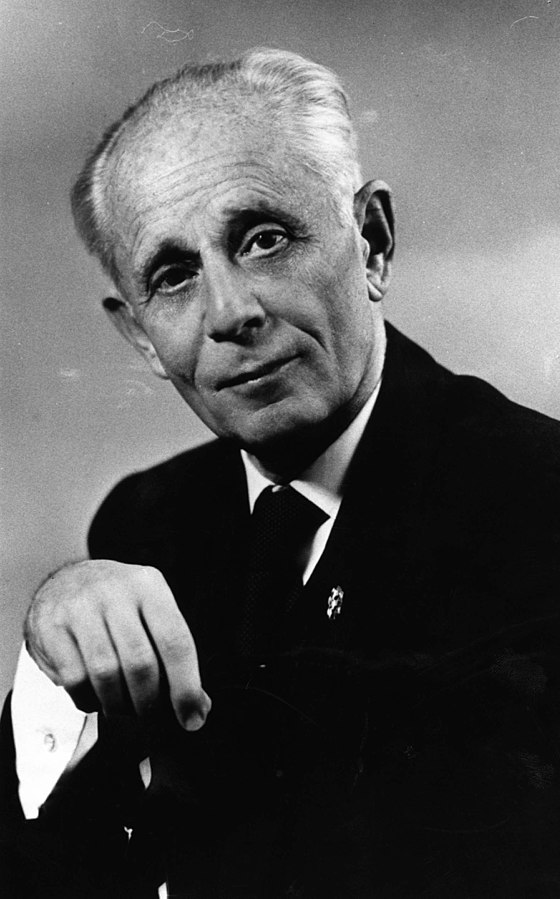
Hans Selye in the 1970s
Hans Selye in the 1970s.

Biography

Selye was born in Vienna, Austria-Hungary on 26 January 1907 and grew up in Komárom (the town with Hungarian majority in present day Slovakia was cut by the Treaty of Trianon in 1920). Selye’s father was a doctor of Hungarian ethnicity and his mother was Austrian. He became a Doctor of Medicine and Chemistry in Prague in 1929 and went on to do pioneering work in stress and endocrinology at Johns Hopkins University, McGill University, and the Université de Montréal. He was nominated for the Nobel Prize in Physiology or Medicine for the first time in 1949. Although he received a total of 17 nominations in his career, he never won the prize.

Selye died on 16 October 1982 in Montreal, Quebec, Canada. He often returned to visit Hungary, giving lectures as well as interviews in Hungarian television programs. He conducted a lecture in 1973 at the Hungarian Scientific Academy in Hungarian and observers noted that he had no accent, despite spending many years abroad. His book The Stress of Life appeared in Hungarian as Az Életünk és a stressz in 1964 and became a bestseller. Selye János University, the only Hungarian-language university in Slovakia, was named after him. Selye’s mother was killed by gunfire during Hungary’s anti-Communist revolt of 1956.

Stress Research

Selye’s interest in stress began when he was in medical school; he had observed that patients with various chronic illnesses like tuberculosis and cancer appeared to display a common set of symptoms that he attributed to what is now commonly called stress. After completing his medical degree and a doctorate degree in organic chemistry at the German University of Prague, he received a Rockefeller Foundation fellowship to study at Johns Hopkins in Baltimore and later moved to the Department of Biochemistry at McGill University in Montreal where he studied under the sponsorship of James Bertram Collip. While working with laboratory animals, Selye observed a phenomenon that he thought resembled what he had previously seen in chronic patients. Rats exposed to cold, drugs, or surgical injury exhibited a common pattern of responses to these stressors (A stressor is a chemical or biological agent, environmental condition, external stimulus or an event seen as causing stress to an organism).

Selye initially (circa 1940s) called this the “general adaptation syndrome” (at the time it was also called “Selye’s syndrome”), but he later rebaptised it with the simpler term “stress response”. According to Selye the general adaptation syndrome is triphasic, involving an initial alarm phase followed by a stage of resistance or adaptation and, finally, a stage of exhaustion and death (these phases were established largely on the basis of glandular states). Working with doctoral student Thomas McKeown (1912-1988), Selye published a report that used the word “stress” to describe these responses to adverse events.

His last inspiration for general adaptation syndrome came from an experiment in which he injected mice with extracts of various organs. He at first believed he had discovered a new hormone, but was proved wrong when every irritating substance he injected produced the same symptoms (swelling of the adrenal cortex, atrophy of the thymus, gastric and duodenal ulcers). This, paired with his observation that people with different diseases exhibit similar symptoms, led to his description of the effects of “noxious agents” as he at first called it. He later coined the term “stress”, which has been accepted into the lexicon of most other languages.

Selye argued that stress differs from other physical responses in that it is identical whether the provoking impulse is positive or negative. He called negative stress “distress” and positive stress “eustress“.

The system whereby the body copes with stress, the hypothalamic-pituitary-adrenal axis (HPA axis) system, was also first described by Selye.

Selye has acknowledged the influence of Claude Bernard (who developed the idea of milieu intérieur) and Walter Cannon’s “homeostasis”. Selye conceptualised the physiology of stress as having two components: a set of responses which he called the “general adaptation syndrome”, and the development of a pathological state from ongoing, unrelieved stress.

While the work attracted continued support from advocates of psychosomatic medicine, many in experimental physiology concluded that his concepts were too vague and unmeasurable. During the 1950s, Selye turned away from the laboratory to promote his concept through popular books and lecture tours. He wrote for both non-academic physicians and, in an international bestseller entitled The Stress of Life (1956). From the late 1960s, academic psychologists started to adopt Selye’s concept of stress, and he followed The Stress of Life with two other books for the general public, From Dream to Discovery: On Being a Scientist (1964) and Stress without Distress (1974).

He worked as a professor and director of the Institute of Experimental Medicine and Surgery at the Université de Montréal. In 1975 he created the International Institute of Stress, and in 1979, Selye and Arthur Antille started the Hans Selye Foundation. Later Selye and eight Nobel laureates founded the Canadian Institute of Stress.

In 1968 he was made a Companion of the Order of Canada. In 1976, he was awarded the Loyola Medal by Concordia University.

Controversy and Involvement with the Tobacco Industry

Although it was not widely known at the time, Selye began consulting for the tobacco industry starting in 1958; he had previously sought funding from the industry, but had been denied. Later, New York attorney Edwin Jacob contacted Selye as he prepared a defence against liability actions brought against tobacco companies. The companies wanted Selye’s help in arguing that the recognized correlation between smoking and cancer was not proof of causality. The firm offered to pay Selye $1000 to make a statement supporting this claim. He agreed but refused to testify. Tobacco industry lawyers reported that Selye was willing to incorporate industry advice when writing about smoking and stress. One lawyer advised him to “comment on the unlikelihood of there being a mechanism by which smoking could cause cardiovascular disease” and to emphasize the “stressful” effect that anti-smoking messages had on the US population.

Publicly, Selye never declared his consultancy work for the tobacco industry. In a 1967 letter to “Medical Opinion and Review”, he argued against government over-regulation of science and public health, implying that his views on smoking were objective: “I purposely avoided any mention of government-supported research because, being too largely dependent upon it, I may not be able to view the subject objectively. However, I do not use … cigarettes so let these examples suffice.” In June 1969, Selye (then director of the Institute of Experimental Pathology, University of Montreal) testified before the Canadian House of Commons Health Committee against anti-smoking legislation, opposing advertising restrictions, health warnings, and restrictions on tar and nicotine. For his testimony Selye was funded $50 000 per year for a 3-year “special project”, by William Thomas Hoyt (executive of Council for Tobacco Research) with another $50,000 a year pledged by the Canadian tobacco industry. His comments on smoking were used worldwide, Philip Morris (Tobacco company) used Selye’s statements on the benefits of smoking to argue against the use of health warnings on tobacco products in Sweden. Similarly, in 1977 the Australian Cigarette Manufacturers quoted Selye extensively in their submission to the Australian Senate Standing Committee on Social Welfare.

In 1999, the United States Department of Justice brought an anti-racketeering case against 7 tobacco companies (British American Tobacco, Brown & Williamson, Philip Morris, Liggett, American Tobacco Company, RJ Reynolds, and Lorillard), the Council for Tobacco Research, and the Tobacco Institute. As a result, the industry’s influence on stress research was revealed.

This page is based on the copyrighted Wikipedia article <https://en.wikipedia.org/wiki/Hans_Selye >; it is used under the Creative Commons Attribution-ShareAlike 3.0 Unported License (CC-BY-SA). You may redistribute it, verbatim or modified, providing that you comply with the terms of the CC-BY-SA.