
An Overview of Emotional Self-Regulation

Introduction

The self-regulation of emotion or emotion regulation is the ability to respond to the ongoing demands of experience with the range of emotions in a manner that is socially tolerable and sufficiently flexible to permit spontaneous reactions as well as the ability to delay spontaneous reactions as needed. It can also be defined as extrinsic and intrinsic processes responsible for monitoring, evaluating, and modifying emotional reactions. The self-regulation of emotion belongs to the broader set of emotion regulation processes, which includes both the regulation of one’s own feelings and the regulation of other people’s feelings.

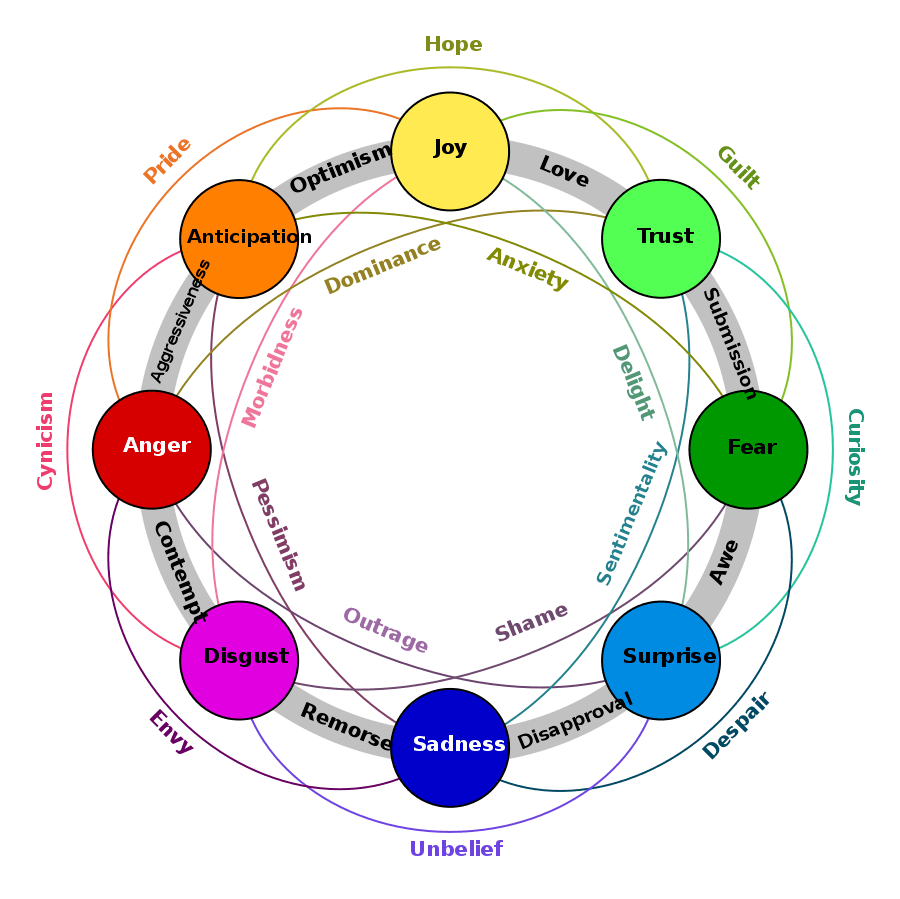
Emotion regulation is a complex process that involves initiating, inhibiting, or modulating one’s state or behaviour in a given situation — for example, the subjective experience (feelings), cognitive responses (thoughts), emotion-related physiological responses (for example heart rate or hormonal activity), and emotion-related behaviour (bodily actions or expressions). Functionally, emotion regulation can also refer to processes such as the tendency to focus one’s attention to a task and the ability to suppress inappropriate behaviour under instruction. Emotion regulation is a highly significant function in human life.

Every day, people are continually exposed to a wide variety of potentially arousing stimuli. Inappropriate, extreme or unchecked emotional reactions to such stimuli could impede functional fit within society; therefore, people must engage in some form of emotion regulation almost all of the time. Generally speaking, emotion dysregulation has been defined as difficulties in controlling the influence of emotional arousal on the organisation and quality of thoughts, actions, and interactions. Individuals who are emotionally dysregulated exhibit patterns of responding in which there is a mismatch between their goals, responses, and/or modes of expression, and the demands of the social environment. For example, there is a significant association between emotion dysregulation and symptoms of depression, anxiety, eating pathology, and substance abuse. Higher levels of emotion regulation are likely to be related to both high levels of social competence and the expression of socially appropriate emotions.

Theory

Process Model

The process model of emotion regulation is based upon the modal model of emotion. The modal model of emotion suggests that the emotion generation process occurs in a particular sequence over time. This sequence occurs as follows:

  1. Situation: the sequence begins with a situation (real or imagined) that is emotionally relevant.
  2. Attention: attention is directed towards the emotional situation.
  3. Appraisal: the emotional situation is evaluated and interpreted.
  4. Response: an emotional response is generated, giving rise to loosely coordinated changes in experiential, behavioural, and physiological response systems.

Because an emotional response (4.) can cause changes to a situation (1.), this model involves a feedback loop from (4.) Response to (1.) Situation. This feedback loop suggests that the emotion generation process can occur recursively, is ongoing, and dynamic.

The process model contends that each of these four points in the emotion generation process can be subjected to regulation. From this conceptualization, the process model posits five different families of emotion regulation that correspond to the regulation of a particular point in the emotion generation process. They occur in the following order:

  1. Situation selection
  2. Situation modification
  3. Attentional deployment
  4. Cognitive change
  5. Response modulation

The process model also divides these emotion regulation strategies into two categories: antecedent-focused and response-focused. Antecedent-focused strategies (i.e. situation selection, situation modification, attentional deployment, and cognitive change) occur before an emotional response is fully generated. Response-focused strategies (i.e. response modulation) occur after an emotional response is fully generated.

Strategies

Situation Selection

Situation selection is an emotional regulation strategy that involves choosing to avoid or approach a future emotional situation. If a person selects to avoid or disengage from an emotionally relevant situation, they are decreasing the likelihood of experiencing an emotion. Alternatively, if a person selects to approach or engage with an emotionally relevant situation, they are increasing the likelihood of experiencing an emotion.

Typical examples of situation selection may be seen interpersonally, such as when a parent removes his or her child from an emotionally unpleasant situation. Use of situation selection may also be seen in psychopathology. For example, avoidance of social situations to regulate emotions is particularly pronounced for those with social anxiety disorder and avoidant personality disorder.

Effective situation selection is not always an easy task. For instance, humans display difficulties predicting their emotional responses to future events. Therefore, they may have trouble making accurate and appropriate decisions about which emotionally relevant situations to approach or to avoid.

Situation Modification

Situation modification involves efforts to modify a situation so as to change its emotional impact. Situation modification refers specifically to altering one’s external, physical environment. Altering one’s “internal” environment to regulate emotion is called cognitive change.

Examples of situation modification may include injecting humour into a speech to elicit laughter or extending the physical distance between oneself and another person.

Attentional Deployment

Attentional deployment involves directing one’s attention towards or away from an emotional situation.

Distraction

Distraction, an example of attentional deployment, is an early selection strategy, which involves diverting one’s attention away from an emotional stimulus and towards other content. Distraction has been shown to reduce the intensity of painful and emotional experiences, to decrease facial responding and neural activation in the amygdala associated with emotion, as well as to alleviate emotional distress. As opposed to reappraisal, individuals show a relative preference to engage in distraction when facing stimuli of high negative emotional intensity. This is because distraction easily filters out high-intensity emotional content, which would otherwise be relatively difficult to appraise and process.

Rumination

Rumination, an example of attentional deployment, is defined as the passive and repetitive focusing of one’s attention on one’s symptoms of distress and the causes and consequences of these symptoms. Rumination is generally considered a maladaptive emotion regulation strategy, as it tends to exacerbate emotional distress. It has also been implicated in a host of disorders including major depression.

Worry

Worry, an example of attentional deployment, involves directing attention to thoughts and images concerned with potentially negative events in the future. By focusing on these events, worrying serves to aid in the down-regulation of intense negative emotion and physiological activity. While worry may sometimes involve problem solving, incessant worry is generally considered maladaptive, being a common feature of anxiety disorders, particularly generalised anxiety disorder.

Thought Suppression

Thought suppression, an example of attentional deployment, involves efforts to redirect one’s attention from specific thoughts and mental images to other content so as to modify one’s emotional state. Although thought suppression may provide temporary relief from undesirable thoughts, it may ironically end up spurring the production of even more unwanted thoughts. This strategy is generally considered maladaptive, being most associated with obsessive-compulsive disorder.

Cognitive Change

Cognitive change involves changing how one appraises a situation so as to alter its emotional meaning.

Reappraisal

Reappraisal, an example of cognitive change, is a late selection strategy, which involves a change of the meaning of an event that alters its emotional impact. It encompasses different sub-strategies, such as positive reappraisal (creating and focusing on a positive aspect of the stimulus), decentring (reinterpreting an event by broadening one’s perspective to see “the bigger picture”), or fictional reappraisal (adopting or emphasizing the belief that event is not real, that it is for instance “just a movie” or “just my imagination”). Reappraisal has been shown to effectively reduce physiological, subjective, and neural emotional responding. As opposed to distraction, individuals show a relative preference to engage in reappraisal when facing stimuli of low negative emotional intensity because these stimuli are relatively easy to appraise and process.

Reappraisal is generally considered to be an adaptive emotion regulation strategy. Compared to suppression (including both thought suppression and expressive suppression), which is positively correlated with many psychological disorders, reappraisal can be associated with better interpersonal outcomes, and can be positively related to well-being. However, some researchers argue that context is important when evaluating the adaptiveness of a strategy, suggesting that in some contexts reappraisal may be maladaptive. Furthermore, some research has shown reappraisal does not influence or affect physiological responses to recurrent stress.

Distancing

Distancing, an example of cognitive change, involves taking on an independent, third-person perspective when evaluating an emotional event. Distancing has been shown to be an adaptive form of self-reflection, facilitating the emotional processing of negatively valenced stimuli, reducing emotional and cardiovascular reactivity to negative stimuli, and increasing problem-solving behaviour.

Humour

Humour, an example of cognitive change, has been shown to be an effective emotion regulation strategy. Specifically, positive, good-natured humour has been shown to effectively up-regulate positive emotion and down-regulate negative emotion. On the other hand, negative, mean-spirited humour is less effective in this regard.

Response Modulation

Response modulation involves attempts to directly influence experiential, behavioural, and physiological response systems.

Expressive Suppression

Expressive suppression, an example of response modulation, involves inhibiting emotional expressions. It has been shown to effectively reduce facial expressivity, subjective feelings of positive emotion, heart rate, and sympathetic activation. However, the research findings are mixed regarding whether this strategy is effective for down-regulating negative emotion. Research has also shown that expressive suppression may have negative social consequences, correlating with reduced personal connections and greater difficulties forming relationships.

Expressive suppression is generally considered to be a maladaptive emotion regulation strategy. Compared to reappraisal, it is positively correlated with many psychological disorders, associated with worse interpersonal outcomes, is negatively related to well-being, and requires the mobilisation of a relatively substantial amount of cognitive resources. However, some researchers argue that context is important when evaluating the adaptiveness of a strategy, suggesting that in some contexts suppression may be adaptive.

Drug Use

Drug use, an example of response modulation, can be used to alter emotion-associated physiological responses. For example, alcohol can produce sedative and anxiolytic effects and beta blockers can affect sympathetic activation.

Exercise

Exercise, an example of response modulation, can be used to down-regulate the physiological and experiential effects of negative emotions. Regular physical activity has also been shown to reduce emotional distress and improve emotional control.

Sleep

Sleep plays a role in emotion regulation, although stress and worry can also interfere with sleep. Studies have shown that sleep, specifically REM sleep, down-regulates reactivity of the amygdala, a brain structure known to be involved in the processing of emotions, in response to previous emotional experiences. On the flip side, sleep deprivation is associated with greater emotional reactivity or overreaction to negative and stressful stimuli. This is a result of both increased amygdala activity and a disconnect between the amygdala and the prefrontal cortex, which regulates the amygdala through inhibition, together resulting in an overactive emotional brain. Due to the subsequent lack of emotional control, sleep deprivation may be associated with depression, impulsivity, and mood swings. Additionally, there is some evidence that sleep deprivation may reduce emotional reactivity to positive stimuli and events and impair emotion recognition in others.

In Psychotherapy

Emotion regulation strategies are taught, and emotion regulation problems are treated, in a variety of counselling and psychotherapy approaches, including cognitive behavioural therapy (CBT), dialectical behaviour therapy (DBT), emotion-focused therapy (EFT), and mindfulness-based cognitive therapy (MBCT).

For example, a relevant mnemonic formulated in DBT is “ABC PLEASE”:

  • Accumulate positive experiences.
  • Build mastery by being active in activities that make one feel competent and effective to combat helplessness.
  • Cope ahead, preparing an action plan, researching, and rehearsing (with a skilled helper if necessary).
  • Physical illness treatment and prevention through check-ups.
  • Low vulnerability to diseases, managed with health care professionals.
  • Eating healthy.
  • Avoiding (non-prescribed) mood-altering drugs.
  • Sleep healthy.
  • Exercise regularly.

Developmental Process

Infancy

Intrinsic emotion regulation efforts during infancy are believed to be guided primarily by innate physiological response systems. These systems usually manifest as an approach towards and an avoidance of pleasant or unpleasant stimuli. At three months, infants can engage in self-soothing behaviours like sucking and can reflexively respond to and signal feelings of distress. For instance, infants have been observed attempting to suppress anger or sadness by knitting their brow or compressing their lips.

Between three and six months, basic motor functioning and attentional mechanisms begin to play a role in emotion regulation, allowing infants to more effectively approach or avoid emotionally relevant situations. Infants may also engage in self-distraction and help-seeking behaviours for regulatory purposes. At one year, infants are able to navigate their surroundings more actively and respond to emotional stimuli with greater flexibility due to improved motor skills. They also begin to appreciate their caregivers’ abilities to provide them regulatory support. For instance, infants generally have difficulties regulating fear. As a result, they often find ways to express fear in ways that attract the comfort and attention of caregivers.

Extrinsic emotion regulation efforts by caregivers, including situation selection, modification, and distraction, are particularly important for infants. The emotion regulation strategies employed by caregivers to attenuate distress or to up-regulate positive affect in infants can impact the infants’ emotional and behavioural development, teaching them particular strategies and methods of regulation. The type of attachment style between caregiver and infant can therefore play a meaningful role in the regulatory strategies infants may learn to use.

Recent evidence supports the idea that maternal singing has a positive effect on affect regulation in infants. Singing play-songs can have a visible affect-regulatory consequence of prolonged positive affect and even alleviation of distress. In addition to proven facilitation of social bonding, when combined with movement and/or rhythmic touch, maternal singing for affect regulation has possible applications for infants in the NICU and for adult caregivers with serious personality or adjustment difficulties.

Toddler-hood

By the end of the first year, toddlers begin to adopt new strategies to decrease negative arousal. These strategies can include rocking themselves, chewing on objects, or moving away from things that upset them. At two years, toddlers become more capable of actively employing emotion regulation strategies. They can apply certain emotion regulation tactics to influence various emotional states. Additionally, maturation of brain functioning and language and motor skills permits toddlers to manage their emotional responses and levels of arousal more effectively.

Extrinsic emotion regulation remains important to emotional development in toddlerhood. Toddlers can learn ways from their caregivers to control their emotions and behaviours. For example, caregivers help teach self-regulation methods by distracting children from unpleasant events (like a vaccination shot) or helping them understand frightening events.

Childhood

Emotion regulation knowledge becomes more substantial during childhood. For example, children aged six to ten begin to understand display rules. They come to appreciate the contexts in which certain emotional expressions are socially most appropriate and therefore ought to be regulated. For example, children may understand that upon receiving a gift they should display a smile, irrespective of their actual feelings about the gift. During childhood, there is also a trend towards the use of more cognitive emotion regulation strategies, taking the place of more basic distraction, approach, and avoidance tactics.

Regarding the development of emotion dysregulation in children, one robust finding suggests that children who are frequently exposed to negative emotion at home will be more likely to display, and have difficulties regulating, high levels of negative emotion.

Adolescence

Adolescents show a marked increase in their capacities to regulate their emotions, and emotion regulation decision making becomes more complex, depending on multiple factors. In particular, the significance of interpersonal outcomes increases for adolescents. When regulating their emotions, adolescents are therefore likely to take into account their social context. For instance, adolescents show a tendency to display more emotion if they expect a sympathetic response from their peers.

Additionally, spontaneous use of cognitive emotion regulation strategies increases during adolescence, which is evidenced both by self-report data and neural markers.

Adulthood

Social losses increase and health tends to decrease as people age. As people get older their motivation to seek emotional meaning in life through social ties tends to increase. Autonomic responsiveness decreases with age, and emotion regulation skill tends to increase.

Emotional regulation in adulthood can also be examined in terms of positive and negative affectivity. Positive and negative affectivity refers to the types of emotions felt by an individual as well as the way those emotions are expressed. With adulthood comes an increased ability to maintain both high positive affectivity and low negative affectivity “more rapidly than adolescents.” This response to life’s challenges seems to become “automatized” as people progress throughout adulthood. Thus, as individuals age, their capability of self-regulating emotions and responding to their emotions in healthy ways improves.

Additionally, emotional regulation may vary between young adults and older adults. Younger adults have been found to be more successful than older adults in practicing “cognitive reappraisal” to decrease negative internal emotions. On the other hand, older adults have been found to be more successful in the following emotional regulation areas:

  • Predicting the level of “emotional arousal” in possible situations;
  • Having a higher focus on positive information rather than negative; and
  • Maintaining healthy levels of “hedonic well-being” (subjective well-being based on increased pleasure and decreased pain).

Overview of Perspectives

Neuropsychological Perspective

Affective

As people age, their affect – the way they react to emotions – changes, either positively or negatively. Studies show that positive affect increases as a person grows from adolescence to their mid 70s. Negative affect, on the other hand, decreases until the mid 70s. Studies also show that emotions differ in adulthood, particularly affect (positive or negative). Although some studies found that individuals experience less affect as they grow older, other studies have concluded that adults in their middle age experience more positive affect and less negative affect than younger adults. Positive affect was also higher for men than women while the negative affect was higher for women than it was for men and also for single people.

A reason that older people – middle adulthood – might have less negative affect is because they have overcome, “the trials and vicissitudes of youth, they may increasingly experience a more pleasant balance of affect, at least up until their mid-70s”. Positive affect might rise during middle age but towards the later years of life – the 70s – it begins to decline while negative affect also does the same. This might be due to failing health, reaching the end of their lives and the death of friends and relatives.

In addition to baseline levels of positive and negative affect, studies have found individual differences in the time-course of emotional responses to stimuli. The temporal dynamics of emotion regulation, also known as affective chronometry, include two key variables in the emotional response process: rise time to peak emotional response, and recovery time to baseline levels of emotion. Studies of affective chronometry typically separate positive and negative affect into distinct categories, as previous research has shown (despite some correlation) the ability of humans to experience changes in these categories independently of one another. Affective chronometry research has been conducted on clinical populations with anxiety, mood, and personality disorders, but is also utilised as a measurement to test the effectiveness of different therapeutic techniques (including mindfulness training) on emotional dysregulation.

Neurological

The development of functional magnetic resonance imaging has allowed for the study of emotion regulation on a biological level. Specifically, research over the last decade strongly suggests that there is a neural basis. Sufficient evidence has correlated emotion regulation to particular patterns of prefrontal activation. These regions include the orbital prefrontal cortex, the ventromedial prefrontal cortex, and the dorsolateral prefrontal cortex. Two additional brain structures that have been found to contribute are the amygdala and the anterior cingulate cortex. Each of these structures are involved in various facets of emotion regulation and irregularities in one or more regions and/or interconnections among them are affiliated with failures of emotion regulation. An implication to these findings is that individual differences in prefrontal activation predict the ability to perform various tasks in aspects of emotion regulation.

Sociological

People intuitively mimic facial expressions; it is a fundamental part of healthy functioning. Similarities across cultures in regards to nonverbal communication has prompted the debate that it is in fact a universal language. It can be argued that emotion regulation plays a key role in the ability to generate the correct responses in social situations. Humans have control over facial expressions both consciously and unconsciously: an intrinsic emotion program is generated as the result of a transaction with the world, which immediately results in an emotional response and usually a facial reaction. It is a well documented phenomenon that emotions have an effect on facial expression, but recent research has provided evidence that the opposite may also be true.

This notion would give rise to the belief that a person may not only control his emotion but in fact influence them as well. Emotion regulation focuses on providing the appropriate emotion in the appropriate circumstances. Some theories allude to the thought that each emotion serves a specific purpose in coordinating organismic needs with environmental demands (Cole, 1994). This skill, although apparent throughout all nationalities, has been shown to vary in successful application at different age groups. In experiments done comparing younger and older adults to the same unpleasant stimuli, older adults were able to regulate their emotional reactions in a way that seemed to avoid negative confrontation. These findings support the theory that with time people develop a better ability to regulate their emotions. This ability found in adults seems to better allow individuals to react in what would be considered a more appropriate manner in some social situations, permitting them to avoid adverse situations that could be seen as detrimental.

Expressive Regulation (in Solitary Conditions)

In solitary conditions, emotion regulation can include a minimization-miniaturization effect, in which common outward expressive patterns are replaced with toned down versions of expression. Unlike other situations, in which physical expression (and its regulation) serve a social purpose (i.e. conforming to display rules or revealing emotion to outsiders), solitary conditions require no reason for emotions to be outwardly expressed (although intense levels of emotion can bring out noticeable expression anyway). The idea behind this is that as people get older, they learn that the purpose of outward expression (to appeal to other people), is not necessary in situations in which there is no one to appeal to. As a result, the level of emotional expression can be lower in these solitary situations.

Stress

The way an individual reacts to stress can directly overlap with their ability to regulate emotion. Although the two concepts differ in a multitude of ways, “both coping [with stress] and emotion regulation involve affect modulation and appraisal processes” that are necessary for healthy relationships and self-identity.

According to Yu. V. Shcherbatykh, emotional stress in situations like school examinations can be reduced by engaging in self-regulating activities prior to the task being performed. To study the influence of self-regulation on mental and physiological processes under exam stress, Shcherbatykh conducted a test with an experimental group of 28 students (of both sexes) and a control group of 102 students (also of both sexes).

In the moments before the examination, situational stress levels were raised in both groups from what they were in quiet states. In the experimental group, participants engaged in three self-regulating techniques (concentration on respiration, general body relaxation, and the creation of a mental image of successfully passing the examination). During the examination, the anxiety levels of the experimental group were lower than that of the control group. Also, the percent of unsatisfactory marks in the experimental group was 1.7 times less than in the control group. From this data, Shcherbatykh concluded that the application of self-regulating actions before examinations helps to significantly reduce levels of emotional strain, which can help lead to better performance results.

Emotion regulation has also been associated with physiological responses to stress during laboratory stress paradigms.

Decision Making

Identification of our emotional self-regulating process can facilitate in the decision-making process. Current literature on emotion regulation identifies that humans characteristically make efforts in controlling emotion experiences. There is then a possibility that our present state emotions can be altered by emotion regulation strategies resulting in the possibility that different regulation strategies could have different decision implications.

Digital Emotion Regulation

Following widespread adoption in the 21st century of digital devices and services for use in everyday life, evidence is mounting that people are increasingly using these tools to manage and regulate moods and emotions. A wide range of digital resources are used for emotion regulation including smartphones, social media, streaming services, online shopping, and videogames. Such spontaneous forms of digital emotion regulation can be distinguished from the use of digital interventions such as smartphone apps that have been explicitly designed to support emotional regulation or teach emotion regulation skills in clinical and non-clinical populations. Digital implementation of emotion regulation strategies can occur at all stages of the process model and in all strategy families, including interpersonal emotion regulation.

Effects of Low Self-Regulation

With a failure in emotion regulation, there is a rise in psychosocial and emotional dysfunctions caused by traumatic experiences due to an inability to regulate emotions. These traumatic experiences typically happen in grade school and are sometimes associated with bullying. Children who can not properly self-regulate express their volatile emotions in a variety of ways, including screaming if they do not have their way, lashing out with their fists, throwing objects (such as chairs), or bullying other children. Such behaviours often elicit negative reactions from the social environment, which, in turn, can exacerbate or maintain the original regulation problems over time, a process termed cumulative continuity. These children are more likely to have conflict-based relationships with their teachers and other children. This can lead to more severe problems such as an impaired ability to adjust to school and predicts school dropout many years later. Children who fail to properly self-regulate grow as teenagers with more emerging problems. Their peers begin to notice this “immaturity”, and these children are often excluded from social groups and teased and harassed by their peers. This “immaturity” certainly causes some teenagers to become social outcasts in their respective social groups, causing them to lash out in angry and potentially violent ways. Being teased or being an outcast in childhood is especially damaging because it could lead to psychological symptoms such as depression and anxiety (in which dysregulated emotions play a central role), which, in turn, could lead to more peer victimisation. This is why it is recommended to foster emotional self-regulation in children as early as possible.

Occupational Therapy in Schools

Occupational therapists (OTs) are integrated educators in most public and private schools across the United States. They are trained in mental health and activity analysis to assess the needs of their clients. OTs and students work together to create meaningful and healthy habits for stress management, social skills, emotional labelling, coping strategies, awareness, problem-solving, self-monitoring, judgement, emotional control, and others in the school and home environment. OTs can complete formal assessments for emotional regulation and treat in a client-centred manner for each student. In addition, they can create individualised home programmes for carryover with their families. For example, OTs can work with students to engage in the occupational therapist-developed curriculum The Zones of Regulation, which utilises evidence-based knowledge, formal assessment, and in-classroom treatment to improve self-regulation of emotional behaviours and create long-lasting changes in habits.

Early childhood access to education on emotional regulation mitigates risk factors for increased anxiety, depression, and negative behaviours. It allows the student to create healthy habits for school and home environments. Children should be able to learn to regulate their feelings for full participation in activities, including social skills, play, sports, and school.

This page is based on the copyrighted Wikipedia article < https://en.wikipedia.org/wiki/Emotional_self-regulation >; it is used under the Creative Commons Attribution-ShareAlike 3.0 Unported License (CC-BY-SA). You may redistribute it, verbatim or modified, providing that you comply with the terms of the CC-BY-SA.

What is Emotionally Focused Therapy?

Introduction

Emotionally focused therapy and emotion-focused therapy (EFT) are a family of related approaches to psychotherapy with individuals, couples, or families.

EFT approaches include elements of experiential therapy (such as person-centred therapy and Gestalt therapy), systemic therapy, and attachment theory. EFT is usually a short-term treatment (8-20 sessions). EFT approaches are based on the premise that human emotions are connected to human needs, and therefore emotions have an innately adaptive potential that, if activated and worked through, can help people change problematic emotional states and interpersonal relationships. Emotion-focused therapy for individuals was originally known as process-experiential therapy, and it is still sometimes called by that name.

EFT should not be confused with emotion-focused coping, a category of coping proposed by some psychologists, although clinicians have used EFT to help improve clients’ emotion-focused coping.

Brief History

EFT began in the mid-1980s as an approach to helping couples. EFT was originally formulated and tested by Sue Johnson and Les Greenberg in 1985, and the first manual for emotionally focused couples therapy was published in 1988.

To develop the approach, Johnson and Greenberg began reviewing videos of sessions of couples therapy to identify, through observation and task analysis, the elements that lead to positive change. They were influenced in their observations by the humanistic experiential psychotherapies of Carl Rogers and Fritz Perls, both of whom valued (in different ways) present-moment emotional experience for its power to create meaning and guide behaviour. Johnson and Greenberg saw the need to combine experiential therapy with the systems theoretical view that meaning-making and behaviour cannot be considered outside of the whole situation in which they occur. In this “experiential–systemic” approach to couples therapy, as in other approaches to systemic therapy, the problem is viewed as belonging not to one partner, but rather to the cyclical reinforcing patterns of interactions between partners. Emotion is viewed not only as a within-individual phenomena, but also as part of the whole system that organises the interactions between partners.

In 1986, Greenberg chose “to refocus his efforts on developing and studying an experiential approach to individual therapy”. Greenberg and colleagues shifted their attention away from couples therapy toward individual psychotherapy. They attended to emotional experiencing and its role in individual self-organisation. Building on the experiential theories of Rogers and Perls and others such as Eugene Gendlin, as well as on their own extensive work on information processing and the adaptive role of emotion in human functioning, Greenberg, Rice & Elliott (1993) created a treatment manual with numerous clearly outlined principles for what they called a process-experiential approach to psychological change. Elliott et al. (2004) and Goldman & Greenberg (2015) have further expanded the process-experiential approach, providing detailed manuals of specific principles and methods of therapeutic intervention. Goldman & Greenberg (2015) presented case formulation maps for this approach.

Johnson continued to develop EFT for couples, integrating attachment theory with systemic and humanistic approaches, and explicitly expanding attachment theory’s understanding of love relationships. Johnson’s model retained the original three stages and nine steps and two sets of interventions that aim to reshape the attachment bond: one set of interventions to track and restructure patterns of interaction and one to access and reprocess emotion (Refer to Stages and Steps below). Johnson’s goal is the creation of positive cycles of interpersonal interaction wherein individuals are able to ask for and offer comfort and support to safe others, facilitating interpersonal emotion regulation.

Greenberg & Goldman (2008) developed a variation of EFT for couples that contains some elements from Greenberg and Johnson’s original formulation but adds several steps and stages. Greenberg and Goldman posit three motivational dimensions that impact emotion regulation in intimate relationships:

  • Attachment;
  • Identity or Power; and
  • Attraction or Liking.

Similar Terminology, Different Meanings

The terms emotion-focused therapy and emotionally focused therapy have different meanings for different therapists.

In Les Greenberg’s approach the term emotion-focused is sometimes used to refer to psychotherapy approaches in general that emphasize emotion. Greenberg “decided that on the basis of the development in emotion theory that treatments such as the process experiential approach, as well as some other approaches that emphasized emotion as the target of change, were sufficiently similar to each other and different from existing approaches to merit being grouped under the general title of emotion-focused approaches.” He and colleague Rhonda Goldman noted their choice to “use the more American phrasing of emotion-focused to refer to therapeutic approaches that focused on emotion, rather than the original, possibly more English term (reflecting both Greenberg’s and Johnson’s backgrounds) emotionally focused.” Greenberg uses the term emotion-focused to suggest assimilative integration of an emotional focus into any approach to psychotherapy. He considers the focus on emotions to be a common factor among various systems of psychotherapy: “The term emotion-focused therapy will, I believe, be used in the future, in its integrative sense, to characterize all therapies that are emotion-focused, be they psychodynamic, cognitive-behavioural, systemic, or humanistic.” Greenberg co-authored a chapter on the importance of research by clinicians and integration of psychotherapy approaches that stated:

In addition to these empirical findings, leaders of major orientations have voiced serious criticisms of their preferred theoretical approaches, while encouraging an open-minded attitude toward other orientations…. Furthermore, clinicians of different orientations recognised that their approaches did not provide them with the clinical repertoire sufficient to address the diversity of clients and their presenting problems.

Sue Johnson’s use of the term emotionally focused therapy refers to a specific model of relationship therapy that explicitly integrates systems and experiential approaches and places prominence upon attachment theory as a theory of emotion regulation. Johnson views attachment needs as a primary motivational system for mammalian survival; her approach to EFT focuses on attachment theory as a theory of adult love wherein attachment, care-giving, and sex are intertwined. Attachment theory is seen to subsume the search for personal autonomy, dependability of the other and a sense of personal and interpersonal attractiveness, love-ability and desire. Johnson’s approach to EFT aims to reshape attachment strategies towards optimal inter-dependency and emotion regulation, for resilience and physical, emotional, and relational health.

Features

Experiential Focus

All EFT approaches have retained emphasis on the importance of Rogerian empathic attunement and communicated understanding. They all focus upon the value of engaging clients in emotional experiencing moment-to-moment in session. Thus, an experiential focus is prominent in all EFT approaches. All EFT theorists have expressed the view that individuals engage with others on the basis of their emotions, and construct a sense of self from the drama of repeated emotionally laden interactions.

The information-processing theory of emotion and emotional appraisal (in accordance with emotion theorists such as Magda B. Arnold, Paul Ekman, Nico Frijda, and James Gross) and the humanistic, experiential emphasis on moment-to-moment emotional expression (developing the earlier psychotherapy approaches of Carl Rogers, Fritz Perls, and Eugene Gendlin) have been strong components of all EFT approaches since their inception. EFT approaches value emotion as the target and agent of change, honouring the intersection of emotion, cognition, and behaviour. EFT approaches posit that emotion is the first, often subconscious response to experience. All EFT approaches also use the framework of primary and secondary (reactive) emotion responses.

Maladaptive Emotion Responses and Negative Patterns of Interaction

Greenberg and some other EFT theorists have categorized emotion responses into four types (refer to Emotion Response Types below) to help therapists decide how to respond to a client at a particular time: primary adaptive, primary maladaptive, secondary reactive, and instrumental. Greenberg has posited six principles of emotion processing:

  1. Awareness of emotion or naming what one feels;
  2. Emotional expressionl;
  3. Regulation of emotion;
  4. Reflection on experience;
  5. Transformation of emotion by emotion; and
  6. Corrective experience of emotion through new lived experiences in therapy and in the world.

While primary adaptive emotion responses are seen as a reliable guide for behaviour in the present situation, primary maladaptive emotion responses are seen as an unreliable guide for behaviour in the present situation (alongside other possible emotional difficulties such as lack of emotional awareness, emotion dysregulation, and problems in meaning-making).

Johnson rarely distinguishes between adaptive and maladaptive primary emotion responses, and rarely distinguishes emotion responses as dysfunctional or functional. Instead, primary emotional responses are usually construed as normal survival reactions in the face of what John Bowlby called “separation distress”. EFT for couples, like other systemic therapies that emphasize interpersonal relationships, presumes that the patterns of interpersonal interaction are the problematic or dysfunctional element. The patterns of interaction are amenable to change after accessing the underlying primary emotion responses that are subconsciously driving the ineffective, negative reinforcing cycles of interaction. Validating reactive emotion responses and reprocessing newly accessed primary emotion responses is part of the change process.

Individual Therapy

Goldman & Greenberg 2015 proposed a 14-step case formulation process that regards emotion-related problems as stemming from at least four different possible causes:

  • Lack of awareness or avoidance of emotion;
  • Dysregulation of emotion;
  • Maladaptive emotion response; or
  • A problem with making meaning of experiences.

The theory features four types of emotion response (refer to Emotion Response Types below), categorizes needs under “attachment” and “identity”, specifies four types of emotional processing difficulties, delineates different types of empathy, has at least a dozen different task markers (refer to Therapeutic tasks below), relies on two interactive tracks of emotion and narrative processes as sources of information about a client, and presumes a dialectical-constructivist model of psychological development and an emotion schematic system.

The emotion schematic system is seen as the central catalyst of self-organisation, often at the base of dysfunction and ultimately the road to cure. For simplicity, we use the term emotion schematic process to refer to the complex synthesis process in which a number of co-activated emotion schemes co-apply, to produce a unified sense of self in relation to the world.

Techniques used in “coaching clients to work through their feelings” may include the Gestalt therapy empty chair technique, frequently used for resolving “unfinished business”, and the two-chair technique, frequently used for self-critical splits.

Emotion Response Types

Emotion-focused theorists have posited that each person’s emotions are organised into idiosyncratic emotion schemes that are highly variable both between people and within the same person over time, but for practical purposes emotional responses can be classified into four broad types:

  • Primary adaptive;
  • Primary maladaptive;
  • Secondary reactive; and
  • Instrumental.
TypeOutline
Primary AdaptativePrimary adaptive emotion responses are initial emotional responses to a given stimulus that have a clear beneficial value in the present situation – for example, sadness at loss, anger at violation, and fear at threat. Sadness is an adaptive response when it motivates people to reconnect with someone or something important that is missing. Anger is an adaptive response when it motivates people to take assertive action to end the violation. Fear is an adaptive response when it motivates people to avoid or escape an overwhelming threat. In addition to emotions that indicate action tendencies (such as the three just mentioned), primary adaptive emotion responses include the feeling of being certain and in control or uncertain and out of control, and/or a general felt sense of emotional pain – these feelings and emotional pain do not provide immediate action tendencies but do provide adaptive information that can be symbolised and worked through in therapy. Primary adaptive emotion responses “are attended to and expressed in therapy in order to access the adaptive information and action tendency to guide problem solving.”
Primary MaladaptivePrimary maladaptive emotion responses are also initial emotional responses to a given stimulus; however, they are based on emotion schemes that are no longer useful (and that may or may not have been useful in the person’s past) and that were often formed through previous traumatic experiences. Examples include sadness at the joy of others, anger at the genuine caring or concern of others, fear at harmless situations, and chronic feelings of insecurity/fear or worthlessness/shame. For example, a person may respond with anger at the genuine caring or concern of others because as a child he or she was offered caring or concern that was usually followed by a violation; as a result, he or she learned to respond to caring or concern with anger even when there is no violation. The person’s angry response is understandable, and needs to be met with empathy and compassion even though his or her angry response is not helpful. Primary maladaptive emotion responses are accessed in therapy with the aim of transforming the emotion scheme through new experiences.
Secondary ReactiveSecondary reactive emotion responses are complex chain reactions where a person reacts to his or her primary adaptive or maladaptive emotional response and then replaces it with another, secondary emotional response. In other words, they are emotional responses to prior emotional responses (“Secondary” means that a different emotion response occurred first). They can include secondary reactions of hopelessness, helplessness, rage, or despair that occur in response to primary emotion responses that are experienced (secondarily) as painful, uncontrollable, or violating. They may be escalations of a primary emotion response, as when people are angry about being angry, afraid of their fear, or sad about their sadness. They may be defences against a primary emotion response, such as feeling anger to avoid sadness or fear to avoid anger; this can include gender role-stereotypical responses such as expressing anger when feeling primarily afraid (stereotypical of men’s gender role), or expressing sadness when primarily angry (stereotypical of women’s gender role). “These are all complex, self-reflexive processes of reacting to one’s emotions and transforming one emotion into another. Crying, for example, is not always true grieving that leads to relief, but rather can be the crying of secondary helplessness or frustration that results in feeling worse.” Secondary reactive emotion responses are accessed and explored in therapy in order to increase awareness of them and to arrive at more primary and adaptive emotion responses.
InstrumentalInstrumental emotion responses are experienced and expressed by a person because the person has learned that the response has an effect on others, “such as getting them to pay attention to us, to go along with something we want them to do for us, to approve of us, or perhaps most often just not to disapprove of us.” Instrumental emotion responses can be consciously intended or unconsciously learned (i.e. through operant conditioning). Examples include crocodile tears (instrumental sadness), bullying (instrumental anger), crying wolf (instrumental fear), and feigned embarrassment (instrumental shame). When a client responds in therapy with instrumental emotion responses, it may feel manipulative or superficial to the therapist. Instrumental emotion responses are explored in therapy in order to increase awareness of their interpersonal function and/or the associated primary and secondary gain.

The Therapeutic Process with different Emotion Responses

Emotion-focused theorists have proposed that each type of emotion response calls for a different intervention process by the therapist. Primary adaptive emotion responses need be more fully allowed and accessed for their adaptive information. Primary maladaptive emotion responses need to be accessed and explored to help the client identify core unmet needs (e.g. for validation, safety, or connection), and then regulated and transformed with new experiences and new adaptive emotions. Secondary reactive emotion responses need empathic exploration in order to discover the sequence of emotions that preceded them. Instrumental emotion responses need to be explored interpersonally in the therapeutic relationship to increase awareness of them and address how they are functioning in the client’s situation.

It is important to note that primary emotion responses are not called “primary” because they are somehow more real than the other responses; all of the responses feel real to a person, but therapists can classify them into these four types in order to help clarify the functions of the response in the client’s situation and how to intervene appropriately.

Therapeutic Tasks

A therapeutic task is an immediate problem that a client needs to resolve in a psychotherapy session. In the 1970s and 1980s, researchers such as Laura North Rice (a former colleague of Carl Rogers) applied task analysis to transcripts of psychotherapy sessions in an attempt to describe in more detail the process of clients’ cognitive and emotional change, so that therapists might more reliably provide optimal conditions for change. This kind of psychotherapy process research eventually led to a standardized (and evolving) set of therapeutic tasks in emotion-focused therapy for individuals.

The following table summarizes the standard set of these therapeutic tasks as of 2012. The tasks are classified into five broad groups:

  • Empathy-based;
  • Relational;
  • Experiencing;
  • Reprocessing; and
  • Action.

The task marker is an observable sign that a client may be ready to work on the associated task. The intervention process is a sequence of actions carried out by therapist and client in working on the task. The end state is the desired resolution of the immediate problem.

In addition to the task markers listed below, other markers and intervention processes for working with emotion and narrative have been specified: same old stories, empty stories, unstoried emotions, and broken stories.

Task(s)Task MarkerIntervention ProcessEnd State
Empath-Based TasksProblem-relevant experience (e.g., interesting, troubling, intense, puzzling)Empathic explorationClear marker, or new meaning explicated
Vulnerability (painful emotion related to self)Empathic affirmationSelf-affirmation (feels understood, hopeful, stronger)
Relational TasksBeginning of therapyAlliance formationProductive working environment
Therapy complaint or withdrawal difficulty (questioning goals or tasks; persistent avoidance of relationship or work)Alliance dialogue (each explores own role in difficulty)Alliance repair (stronger therapeutic bond or investment in therapy; greater self-understanding)
Experiencing TasksAttentional focus difficulty (e.g., confused, overwhelmed, blank)Clearing a spaceTherapeutic focus; ability to work productively with experiencing (working distance)
Unclear feeling (vague, external or abstract)Experiential focusingSymbolisation of felt sense; sense of easing (feeling shift); readiness to apply outside of therapy (carrying forward)
Difficulty expressing feelings (avoiding feelings, difficulty answering feeling questions)Allowing and expressing emotion (also experiential focusing, systematic evocative unfolding, chairwork)Successful, appropriate expression of emotion to therapist and others
Reprocessing Tasks (Situational Perceptual)Difficult/traumatic experiences (narrative pressure to tell painful life stories)Trauma retellingRelief, validation, restoration of narrative gaps, understanding of broader meaning
Problematic reaction point (puzzling over-reaction to specific situation)Systematic evocative unfoldingNew view of self in-the-world-functioning
Meaning protest (life event violates cherished belief)Meaning creation workRevision of cherished belief
Action Tasks (Action Tendency)Self-evaluative split (self-criticism, tornness)Two-chair dialogueSelf-acceptance, integration
Self-interruption split (blocked feelings, resignation)Two-chair enactmentSelf-expression, empowerment
Unfinished business (lingering bad feeling regarding significant other)Empty-chair workLet go of resentments, unmet needs regarding other; affirm self; understand or hold other accountable
Stuck, dysregulated anguishCompassionate self-soothingEmotional/bodily relief, self-empowerment

Experienced therapists can create new tasks; EFT therapist Robert Elliott, in a 2010 interview, noted that “the highest level of mastery of the therapy – EFT included – is to be able to create new structures, new tasks. You haven’t really mastered EFT or some other therapy until you actually can begin to create new tasks.”

Emotion-Focused Therapy for Trauma

Refer to Complex Post Traumatic Stress Disorder.

The interventions and the structure of emotion-focused therapy have been adapted for the specific needs of psychological trauma survivors. A manual of emotion-focused therapy for individuals with complex trauma (EFTT) has been published. For example, modifications of the traditional Gestalt empty chair technique have been developed.

Other Versions of EFT for Individuals

Brubacher (2017) proposed an emotionally focused approach to individual therapy that focuses on attachment, while integrating the experiential focus of empathic attunement for engaging and reprocessing emotional experience and tracking and restructuring the systemic aspects and patterns of emotion regulation. The therapist follows the attachment model by addressing deactivating and hyperactivating strategies. Individual therapy is seen as a process of developing secure connections between therapist and client, between client and past and present relationships, and within the client. Attachment principles guide therapy in the following ways: forming the collaborative therapeutic relationship, shaping the overall goal for therapy to be that of “effective dependency” (following John Bowlby) upon one or two safe others, depathologising emotion by normalizing separation distress responses, and shaping change processes. The change processes are: identifying and strengthening patterns of emotion regulation, and creating corrective emotional experiences to transform negative patterns into secure bonds.

Gayner (2019) integrated EFT principles and methods with mindfulness-based cognitive therapy and mindfulness-based stress reduction.

Couples Therapy

A systemic perspective is important in all approaches to EFT for couples. Tracking conflictual patterns of interaction, often referred to as a “dance” in Johnson’s popular literature, has been a hallmark of the first stage of Johnson and Greenberg’s approach since its inception in 1985. In Goldman and Greenberg’s newer approach, therapists help clients “also work toward self-change and the resolution of pain stemming from unmet childhood needs that affect the couple interaction, in addition to working on interactional change.” Goldman and Greenberg justify their added emphasis on self-change by noting that not all problems in a relationship can be solved only by tracking and changing patterns of interaction:

In addition, in our observations of psychotherapeutic work with couples, we have found that problems or difficulties that can be traced to core identity concerns such as needs for validation or a sense of worth are often best healed through therapeutic methods directed toward the self rather than to the interactions. For example, if a person’s core emotion is one of shame and they feel “rotten at the core” or “simply fundamentally flawed,” soothing or reassuring from one’s partner, while helpful, will not ultimately solve the problem, lead to structural emotional change, or alter the view of oneself.

In Greenberg and Goldman’s approach to EFT for couples, although they “fully endorse” the importance of attachment, attachment is not considered to be the only interpersonal motivation of couples; instead, attachment is considered to be one of three aspects of relational functioning, along with issues of identity/power and attraction/liking. In Johnson’s approach, attachment theory is considered to be the defining theory of adult love, subsuming other motivations, and it guides the therapist in processing and reprocessing emotion.

In Greenberg and Goldman’s approach, the emphasis is on working with core issues related to identity (working models of self and other) and promoting both self-soothing and other-soothing for a better relationship, in addition to interactional change. In Johnson’s approach, the primary goal is to reshape attachment bonds and create “effective dependency” (including secure attachment).

Stages and Steps

EFT for couples features a nine-step model of restructuring the attachment bond between partners. In this approach, the aim is to reshape the attachment bond and create more effective co-regulation and “effective dependency”, increasing individuals’ self-regulation and resilience. In good-outcome cases, the couple is helped to respond and thereby meet each other’s unmet needs and injuries from childhood. The newly shaped secure attachment bond may become the best antidote to a traumatic experience from within and outside of the relationship.

Adding to the original three-stage, nine-step EFT framework developed by Johnson and Greenberg, Greenberg and Goldman’s emotion-focused therapy for couples has five stages and 14 steps. It is structured to work on identity issues and self-regulation prior to changing negative interactions. It is considered necessary, in this approach, to help partners experience and reveal their own underlying vulnerable feelings first, so they are better equipped to do the intense work of attuning to the other partner and to be open to restructuring interactions and the attachment bond.

Johnson (2008) summarizes the nine treatment steps in Johnson’s model of EFT for couples: “The therapist leads the couple through these steps in a spiral fashion, as one step incorporates and leads into the other. In mildly distressed couples, partners usually work quickly through the steps at a parallel rate. In more distressed couples, the more passive or withdrawn partner is usually invited to go through the steps slightly ahead of the other.”

Stage 1. Stabilisation (Assessment and De-Escalation Phase)

  • Step 1: Identify the relational conflict issues between the partners.
  • Step 2: Identify the negative interaction cycle where these issues are expressed.
  • Step 3: Access attachment emotions underlying the position each partner takes in this cycle.
  • Step 4: Reframe the problem in terms of the cycle, unacknowledged emotions, and attachment needs.

During this stage, the therapist creates a comfortable and stable environment for the couple to have an open discussion about any hesitations the couples may have about the therapy, including the trustworthiness of the therapist. The therapist also gets a sense of the couple’s positive and negative interactions from past and present and is able to summarize and present the negative patterns for them. Partners soon no longer view themselves as victims of their negative interaction cycle; they are now allies against it.

Stage 2. Restructuring the Bond (Changing Interactional positions Phase)

  • Step 5: Access disowned or implicit needs (e.g., need for reassurance), emotions (e.g., shame), and models of self.
  • Step 6: Promote each partner’s acceptance of the other’s experience.
  • Step 7: Facilitate each partner’s expression of needs and wants to restructure the interaction based on new understandings and create bonding events.

This stage involves restructuring and widening the emotional experiences of the couple. This is done through couples recognising their attachment needs and then changing their interactions based on those needs. At first, their new way of interacting may be strange and hard to accept, but as they become more aware and in control of their interactions they are able to stop old patterns of behaviour from re-emerging.

Stage 3. Integration and Consolidation

  • Step 8: Facilitate the formulation of new stories and new solutions to old problems.
  • Step 9: Consolidate new cycles of behaviour.

This stage focuses on the reflection of new emotional experiences and self-concepts. It integrates the couple’s new ways of dealing with problems within themselves and in the relationship.

Styles of Attachment

Johnson & Sims (2000) described four attachment styles that affect the therapy process:

  • Secure attachment: People who are secure and trusting perceive themselves as lovable, able to trust others and themselves within a relationship. They give clear emotional signals, and are engaged, resourceful and flexible in unclear relationships. Secure partners express feelings, articulate needs, and allow their own vulnerability to show.
  • Avoidant attachment: People who have a diminished ability to articulate feelings, tend not to acknowledge their need for attachment, and struggle to name their needs in a relationship. They tend to adopt a safe position and solve problems dispassionately without understanding the effect that their safe distance has on their partners.
  • Anxious attachment: People who are psychologically reactive and who exhibit anxious attachment. They tend to demand reassurance in an aggressive way, demand their partner’s attachment and tend to use blame strategies (including emotional blackmail) in order to engage their partner.
  • Fearful-avoidant attachment: People who have been traumatised and have experienced little to no recovery from it vacillate between attachment and hostility. This is sometimes referred to as disorganised attachment.

Family Therapy

The emotionally focused family therapy (EFFT) of Johnson and her colleagues aims to promote secure bonds among distressed family members. It is a therapy approach consistent with the attachment-oriented experiential-systemic emotionally focused model in three stages:

  1. De-escalating negative cycles of interaction that amplify conflict and insecure connections between parents and children;
  2. Restructuring interactions to shape positive cycles of parental accessibility and responsiveness to offer the child or adolescent a safe haven and a secure base;
  3. Consolidation of the new responsive cycles and secure bonds.

Its primary focus is on strengthening parental responsiveness and care-giving, to meet children and adolescents’ attachment needs. It aims to “build stronger families through (1) recruiting and strengthening parental emotional responsiveness to children, (2) accessing and clarifying children’s attachment needs, and (3) facilitating and shaping care-giving interactions from parent to child”. Some clinicians have integrated EFFT with play therapy.

One group of clinicians, inspired in part by Greenberg’s approach to EFT, developed a treatment protocol specifically for families of individuals struggling with an eating disorder. The treatment is based on the principles and techniques of four different approaches: emotion-focused therapy, behavioural family therapy, motivational enhancement therapy, and the New Maudsley family skills-based approach. It aims to help parents “support their child in the processing of emotions, increasing their emotional self-efficacy, deepening the parent–child relationships and thereby making ED [eating disorder] symptoms unnecessary to cope with painful emotional experiences”. The treatment has three main domains of intervention, four core principles, and five steps derived from Greenberg’s emotion-focused approach and influenced by John Gottman:

  1. Attending to the child’s emotional experience;
  2. Naming the emotions;
  3. Validating the emotional experience;
  4. Meeting the emotional need; and
  5. Helping the child to move through the emotional experience, problem solving if necessary.

Efficacy

Johnson, Greenberg, and many of their colleagues have spent their long careers as academic researchers publishing the results of empirical studies of various forms of EFT.

The American Psychological Association considers emotion-focused therapy for individuals to be an empirically supported treatment for depression. Studies have suggested that it is effective in the treatment of depression, interpersonal problems, trauma, and avoidant personality disorder.

Practitioners of EFT have claimed that studies have consistently shown clinically significant improvement post therapy. Studies, again mostly by EFT practitioners, have suggested that emotionally focused therapy for couples is an effective way to restructure distressed couple relationships into safe and secure bonds with long-lasting results. Johnson et al. (1999) conducted a meta-analysis of the four most rigorous outcome studies before 2000 and concluded that the original nine-step, three-stage emotionally focused therapy approach to couples therapy had a larger effect size than any other couple intervention had achieved to date, but this meta-analysis was later harshly criticized by psychologist James C. Coyne, who called it “a poor quality meta-analysis of what should have been left as pilot studies conducted by promoters of a therapy in their own lab”. A study with an fMRI component conducted in collaboration with American neuroscientist Jim Coan suggested that emotionally focused couples therapy reduces the brain’s response to threat in the presence of a romantic partner; this study was also criticised by Coyne.

Strengths

Some of the strengths of EFT approaches can be summarized as follows:

  • EFT aims to be collaborative and respectful of clients, combining experiential person-centred therapy techniques with systemic therapy interventions.
  • Change strategies and interventions are specified through intensive analysis of psychotherapy process.
  • EFT has been validated by 30 years of empirical research. There is also research on the change processes and predictors of success.
  • EFT has been applied to different kinds of problems and populations, although more research on different populations and cultural adaptations is needed.
  • EFT for couples is based on conceptualisations of marital distress and adult love that are supported by empirical research on the nature of adult interpersonal attachment.

Criticism

Psychotherapist Campbell Purton, in his 2014 book The Trouble with Psychotherapy, criticised a variety of approaches to psychotherapy, including behaviour therapy, person-centred therapy, psychodynamic therapy, cognitive behavioural therapy, emotion-focused therapy, and existential therapy; he argued that these psychotherapies have accumulated excessive and/or flawed theoretical baggage that deviates too much from an everyday common-sense understanding of personal troubles. With regard to emotion-focused therapy, Purton argued that “the effectiveness of each of the ‘therapeutic tasks’ can be understood without the theory” and that what clients say “is not well explained in terms of the interaction of emotion schemes; it is better explained in terms of the person’s situation, their response to it, and their having learned the particular language in which they articulate their response.” 

In 2014, psychologist James C. Coyne criticised some EFT research for lack of rigor (for example, being underpowered and having high risk of bias), but he also noted that such problems are common in the field of psychotherapy research.

In a 2015 article in Behavioural and Brain Sciences on “memory reconsolidation, emotional arousal and the process of change in psychotherapy”, Richard D. Lane and colleagues summarized a common claim in the literature on emotion-focused therapy that “emotional arousal is a key ingredient in therapeutic change” and that “emotional arousal is critical to psychotherapeutic success”. In a response accompanying the article, Bruce Ecker and colleagues (creators of coherence therapy) disagreed with this claim and argued that the key ingredient in therapeutic change involving memory reconsolidation is not emotional arousal but instead a perceived mismatch between an expected pattern and an experienced pattern; they wrote:

The brain clearly does not require emotional arousal per se for inducing deconsolidation. That is a fundamental point. If the target learning happens to be emotional, then its reactivation (the first of the two required elements) of course entails an experience of that emotion, but the emotion itself does not inherently play a role in the mismatch that then deconsolidates the target learning, or in the new learning that then rewrites and erases the target learning (discussed at greater length in Ecker 2015). […] The same considerations imply that “changing emotion with emotion” (stated three times by Lane et al.) inaccurately characterizes how learned responses change through reconsolidation. Mismatch consists most fundamentally of a direct, unmistakable perception that the world functions differently from one’s learned model. “Changing model with mismatch” is the core phenomenology.

Other responses to Lane et al. (2015) argued that their emotion-focused approach “would be strengthened by the inclusion of predictions regarding additional factors that might influence treatment response, predictions for improving outcomes for non-responsive patients, and a discussion of how the proposed model might explain individual differences in vulnerability for mental health problems”, and that their model needed further development to account for the diversity of states called “psychopathology” and the relevant maintaining and worsening processes.