

What is Positivity Offset?

Introduction

In psychology, the positivity offset is a phenomenon where people tend to interpret neutral situations as mildly positive, and rate their lives as good, most of the time. The positivity offset stands in notable asymmetry to the negativity bias.
Similarities and Differences to Negativity Bias

Two studies were presented within a single study that looked at the difference between positivity offset and negative bias to see if it is good or bad for some people. The first study measured an individual’s reactions to different stimuli such as pictures, sounds, and words. The results from this study have also seen evidence, in comparison to other studies, that the positivity offset is in favour of positive stimuli over negative stimuli. The opposite effect is true for negative bias. An interesting observation that was made in this study was that positivity offset and negative bias was predicted in different behaviors rather than from established measures focused on personality. The second study sought to replicate the findings and compare those to the findings that have been found in other studies. The result of this study has also found evidence to suggest that positivity offset is preferred when the affective level input is not significant, whereas negative bias is favoured when the level of input is significant. One of the keys to understanding both the positivity offset and the negative bias is that the inputs of both are not meant to be separate, but both exist within the affective input level. The affective input level is a process to see what effect a certain stimulus has on an individual.

Two measures that have been used to look at the validity of both positivity offset and negative bias are based on judgement and personality. The measure of judgment focused on if there was a connection between locations of both spatial and affect. In other words, they measure to see if an individual understands what the stimulus is and how it affects them. The personality measure, on the other hand, speculates whether an individual defines a stimulus as being either positive or negative.

Positivity Offset and Negativity Bias in Depression

Regarding depression, there has been evidence to suggest that there is a connection between positivity offset and negative bias affecting the way that stimuli are perceived. The negative bias had a stronger influence than the positivity offset when the participants were depressed. For those who were healthy individuals, the results of both positivity offset, and negative bias were the same. This suggests that the positivity offset occurs when someone’s mind is considered to be healthy. The researchers go on to mention that their results regarding those individuals who were on the depressed side showed evidence that pleasing or neutral stimuli as being less positive compared to the results of the healthy individuals. The results of this study do show similarity to that of other studies in that positive emotions are not likely found in those who are in a depressed state. Those who are depressed may have an aversive side, but their motivational side to do things is not there. The concepts of both positivity offset and negative bias can also be analysed from an element of positive valence.

It is proposed that if this element is defined as being inactive, then there will be more assessments of stimuli that are perceived as being negative rather than as positive. While there may be more ratings with the negative stimuli, at the same time, assessments for positive stimuli of positive valence are hindered. This is the case even with stimuli that are in the middle that is perceived with positivity offset.

In Perception

Social neuroscience researcher John Cacioppo has assembled evidence that people typically see their surroundings as positive, whenever a clear threat is not present. Because of the positivity offset, people are motivated to explore and engage with their surroundings, instead of being balanced inactive between approach and avoidance.

In Life Satisfaction

Across most cultures, nations, and groups of people, the average and median ratings of life satisfaction are not neutral, as one might expect, but mildly positive.

Groups of people who do not show a positivity offset include people with depression, people in severe poverty, and people who live in perpetually threatening situations. However, many groups of people that outsiders would not expect to show the positivity offset do, such as people with paraplegia and spinal injury, very elderly people, and people with many chronic illnesses. In some cases these individuals never become as satisfied or happy with their lives as before their illness or injury, but over time (generally approximately two years), they still stabilise at a level substantially above neutral. That is, they judge themselves overall as satisfied or happy and not dissatisfied or unhappy.

Many of the major psychological publications on life satisfaction ratings have come from Ed Diener and colleagues. This empirical work gathered life-satisfaction judgements from many modern and traditional cultures worldwide.

This page is based on the copyrighted Wikipedia article < https://en.wikipedia.org/wiki/Positivity_offset >; it is used under the Creative Commons Attribution-ShareAlike 3.0 Unported License (CC-BY-SA). You may redistribute it, verbatim or modified, providing that you comply with the terms of the CC-BY-SA.
What is Positivity Offset?

Introduction

In psychology, the positivity offset is a phenomenon where people tend to interpret neutral situations as mildly positive, and rate their lives as good, most of the time. The positivity offset stands in notable asymmetry to the negativity bias.

Refer to Hedonic Treadmill and Negativity Bias.

Similarities and Differences to Negativity Bias

Two studies were presented within a single study that looked at the difference between positivity offset and negative bias to see if it is good or bad for some people. The first study measured an individual’s reactions to different stimuli such as pictures, sounds, and words. The results from this study have also seen evidence, in comparison to other studies, that the positivity offset is in favour of positive stimuli over negative stimuli. The opposite effect is true for negative bias. An interesting observation that was made in this study was that positivity offset and negative bias was predicted in different behaviours rather than from established measures focused on personality. The second study sought to replicate the findings and compare those to the findings that have been found in other studies. The result of this study has also found evidence to suggest that positivity offset is preferred when the affective level input is not significant, whereas negative bias is favoured when the level of input is significant. One of the keys to understanding both the positivity offset and the negative bias is that the inputs of both are not meant to be separate, but both exist within the affective input level. The affective input level is a process to see what effect a certain stimulus has on an individual.

Two measures that have been used to look at the validity of both positivity offset and negative bias are based on judgement and personality. The measure of judgement focused on if there was a connection between locations of both spatial and affect. In other words, they measure to see if an individual understands what the stimulus is and how it affects them. The personality measure, on the other hand, speculates whether an individual defines a stimulus as being either positive or negative.

Positivity Offset and Negativity Bias in Depression

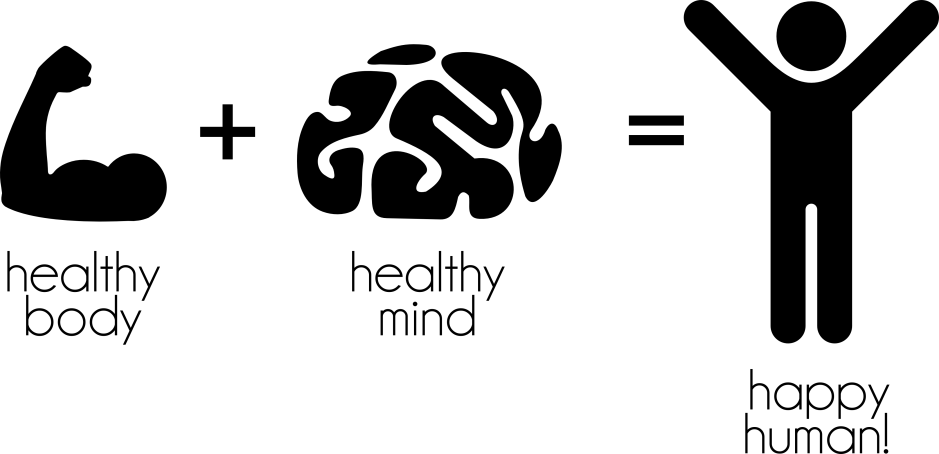
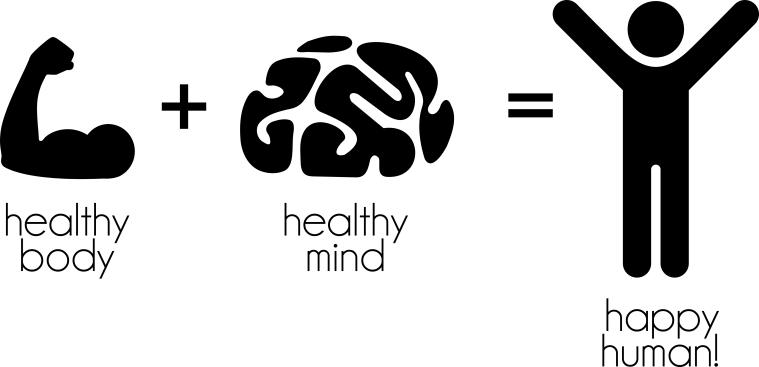
Regarding depression, there has been evidence to suggest that there is a connection between positivity offset and negative bias affecting the way that stimuli are perceived. The negative bias had a stronger influence than the positivity offset when the participants were depressed. For those who were healthy individuals, the results of both positivity offset, and negative bias were the same. This suggests that the positivity offset occurs when someone’s mind is considered to be healthy. The researchers go on to mention that their results regarding those individuals who were on the depressed side showed evidence that pleasing or neutral stimuli as being less positive compared to the results of the healthy individuals. The results of this study do show similarity to that of other studies in that positive emotions are not likely found in those who are in a depressed state. Those who are depressed may have an aversive side, but their motivational side to do things is not there. The concepts of both positivity offset and negative bias can also be analysed from an element of positive valence.

It is proposed that if this element is defined as being inactive, then there will be more assessments of stimuli that are perceived as being negative rather than as positive. While there may be more ratings with the negative stimuli, at the same time, assessments for positive stimuli of positive valence are hindered. This is the case even with stimuli that are in the middle that is perceived with positivity offset.

In Perception

Social neuroscience researcher John Cacioppo has assembled evidence that people typically see their surroundings as positive, whenever a clear threat is not present. Because of the positivity offset, people are motivated to explore and engage with their surroundings, instead of being balanced inactive between approach and avoidance.

In Life Satisfaction

Across most cultures, nations, and groups of people, the average and median ratings of life satisfaction are not neutral, as one might expect, but mildly positive.

Groups of people who do not show a positivity offset include people with depression, people in severe poverty, and people who live in perpetually threatening situations. However, many groups of people that outsiders would not expect to show the positivity offset do, such as people with paraplegia and spinal injury, very elderly people, and people with many chronic illnesses. In some cases these individuals never become as satisfied or happy with their lives as before their illness or injury, but over time (generally approximately two years), they still stabilise at a level substantially above neutral. That is, they judge themselves overall as satisfied or happy and not dissatisfied or unhappy.

Many of the major psychological publications on life satisfaction ratings have come from Ed Diener and colleagues. This empirical work gathered life-satisfaction judgements from many modern and traditional cultures worldwide.

This page is based on the copyrighted Wikipedia article < https://en.wikipedia.org/wiki/Positivity_offset >; it is used under the Creative Commons Attribution-ShareAlike 3.0 Unported License (CC-BY-SA). You may redistribute it, verbatim or modified, providing that you comply with the terms of the CC-BY-SA.

What is the Pollyanna Principle?

Introduction

The Pollyanna principle (also called Pollyannaism or positivity bias) is the tendency for people to remember pleasant items more accurately than unpleasant ones.

Research indicates that at the subconscious level, the mind tends to focus on the optimistic; while at the conscious level, it tends to focus on the negative. This subconscious bias is similar to the Barnum effect.

What is the Barnum Effect?

The Barnum effect, also called the Forer effect or, less commonly, the Barnum-Forer effect, is a common psychological phenomenon whereby individuals give high accuracy ratings to descriptions of their personality that supposedly are tailored specifically to them, yet which are in fact vague and general enough to apply to a wide range of people.

Development

The name derives from the 1913 novel Pollyanna by Eleanor H. Porter describing a girl who plays the “glad game” – trying to find something to be glad about in every situation. The novel has been adapted to film several times, most famously in 1920 and 1960. An early use of the name “Pollyanna” in psychological literature was in 1969 by Boucher and Osgood who described a Pollyanna hypothesis as a universal human tendency to use positive words more frequently and diversely than negative words in communicating. Empirical evidence for this tendency has been provided by computational analyses of large corpora of text.

The story of Pollyanna is about an orphaned little girl, who is sent to live with her Aunt Polly, who is known for being stiff, strict, and proper. When thrown into this environment, Pollyanna seeks to keep and spread her optimism to others. This beloved literary character’s story shares the message that despite how hard things may seem, a sunny disposition can turn anyone and anything around.

Psychological Research and Findings

The Pollyanna principle was described by Margaret Matlin and David Stang in 1978 using the archetype of Pollyanna more specifically as a psychological principle which portrays the positive bias people have when thinking of the past (aka nostalgia). According to the Pollyanna principle, the brain processes information that is pleasing and agreeable in a more precise and exact manner as compared to unpleasant information. We actually tend to remember past experiences as more rosy than they actually occurred. The researchers found that people expose themselves to positive stimuli and avoid negative stimuli, they take longer to recognise what is unpleasant or threatening than what is pleasant and safe, and they report that they encounter positive stimuli more frequently than they actually do. Matlin and Stang also determined that selective recall was a more likely occurrence when recall was delayed: the longer the delay, the more selective recall that occurred.

The Pollyanna principle has been observed on online social networks as well. For example, Twitter users preferentially share more, and are emotionally affected more frequently by, positive information.

However, the only exception to the Pollyanna principle tends to be individuals suffering from depression or anxiety, who are more likely to either have more depressive realism or a negative bias.

Positivity Bias

Positivity bias is the part of the Pollyanna principle that attributes reasons to why people may choose positivity over negative or realistic mindsets. In positive psychology, it is broken down into three ideas: positive illusions, self deception, and optimism. Having a positive bias increases with age, as it is more prevalent in adults approaching older adulthood than younger children or adolescents. Older adults tend to pay attention to positive information, and this could be due to a specific focus in cognitive processing. In studies compiled by Andrew Reed and Laura Carstensen, they found that older adults (in comparison to younger adults) purposefully directed their attention away from negative material.

Criticisms

Although the Pollyanna principle can be seen as helpful in some situations, some psychologists say it may inhibit an individual from coping effectively with life obstacles. The Pollyanna principle in some instances can be known as “Pollyanna syndrome” and is defined by such sceptics as a person who is excessively positive and blind towards the negative or real. In regards to therapy or counselling, it is viewed as dangerous to both the therapist and patient.

This page is based on the copyrighted Wikipedia article < https://en.wikipedia.org/wiki/Pollyanna_principle >; it is used under the Creative Commons Attribution-ShareAlike 3.0 Unported License (CC-BY-SA). You may redistribute it, verbatim or modified, providing that you comply with the terms of the CC-BY-SA.