
Introduction
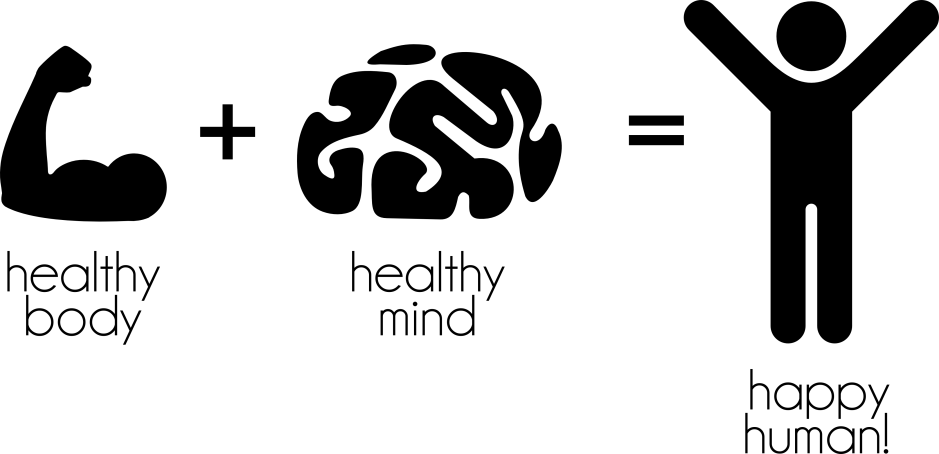
We often think of mental health and physical health as two separate things, but in reality, they are deeply interconnected. When we experience stress, anxiety, or depression, it does not just affect our mood – it can have a real, tangible impact on our physical well-being. Understanding the relationship between the mind and body is important, as it can help us maintain overall health and well-being.

The Mind-Body Connection
The connection between mental and physical health is not just a theory – it is backed by science. Any healthcare professional, from your local GP to registered nurses who have completed online post masters NP programmes, can tell you just how important of a role mental health plays in your overall health.
Our brain, which governs our thoughts, emotions, and behaviours, is also responsible for regulating many of the body’s functions. When we experience stress or mental health issues, the brain releases hormones like cortisol, which can trigger physical responses in the body. These include an increased heart rate, muscle tension, and a weakened immune system. Over time, chronic stress can lead to more serious physical health problems, such as heart disease, digestive issues, or even chronic pain.
On the flip side, physical health can significantly impact mental health. Inadequate sleep, for example, can affect cognitive function, mood, and memory, making it harder to manage stress and maintain a positive outlook.
Research has shown that people who engage in regular physical activity are less likely to experience anxiety and depression, demonstrating how physical health can contribute to better mental well-being.
It is Not Just in Your Head
Mental health issues can manifest in various ways physically. For example, stress can cause headaches, muscle tension, and fatigue. Chronic stress can also lead to high blood pressure, which increases the risk of heart disease and stroke.
People struggling with anxiety or depression may also experience gastrointestinal problems, such as nausea or irritable bowel syndrome (IBS), due to the gut-brain connection. The brain and gut are connected through the vagus nerve. Changes in one can affect the other, which is why mental health problems often involve digestive issues.
Mental health problems like depression can lead to a lack of motivation to take care of oneself. People may skip workouts, eat poorly, or neglect sleep – all of which contribute to further physical health deterioration. In severe cases, mental health issues can lead to unhealthy coping behaviours like smoking, excessive drinking, or dysregulated eating, which have long-term consequences for both mental and physical health.
Yes, It Works Both Ways
In the same way, physical health plays a significant role in mental well-being. Regular exercise has been shown to release endorphins, the body’s natural mood boosters. These chemicals help reduce feelings of anxiety and depression, making physical activity one of the most effective treatments for mental health problems. Exercise also improves sleep quality, which in turn supports cognitive function and emotional regulation.
Eating a balanced diet also plays a crucial role in maintaining mental health. Foods rich in vitamins, minerals, and antioxidants, such as leafy greens, fruits, and whole grains, can improve brain function and reduce inflammation.
On the other hand, a poor diet high in processed foods and sugar can lead to mood swings, fatigue, and difficulty concentrating, exacerbating mental health issues.
Sleep impacts our health more than most people realise. When we sleep, our bodies repair and rejuvenate, and our brains consolidate memories and process emotions. Chronic sleep deprivation can lead to a host of problems, increasing the risk of many other chronic, and sometimes fatal, illnesses.
Maintaining Overall Health
To maintain both mental and physical health, focus on consistent exercise. Eating a balanced diet while limiting sugar and processed foods can also be helpful as well as prioritising quality and consistent sleep each night. Even simply establishing a calming bedtime routine or avoiding things like screens and caffeine before bed can make a huge difference.
Never underestimate the power of mindfulness and stress management through practising techniques like meditation or deep breathing. It is also just as crucial to make time for social connections, as spending time with loved ones can improve your mood and reduce stress. If needed, seek professional help from a therapist or counsellor to develop coping strategies and receive support.
Summary
Maintaining both mental and physical health is a lifelong journey, but the payoff is well worth it. By understanding the strong connection between the two, we can take proactive steps to improve our well-being. Taking care of your mind and body is one of the best investments you can make for your overall health. After all, every mind matters, and so does everybody.
 Mental Health Matters
One thought on “Every Mind Matters: The Connection Between Mental and Physical Health”