
An Overview of the Biology of Bipolar Disorder

Introduction

Bipolar disorder is an affective disorder characterised by periods of elevated and depressed mood.

The cause and mechanism of bipolar disorder is not yet known, and the study of its biological origins is ongoing. Although no single gene causes the disorder, a number of genes are linked to increase risk of the disorder, and various gene environment interactions may play a role in predisposing individuals to developing bipolar disorder. Neuroimaging and post-mortem studies have found abnormalities in a variety of brain regions, and most commonly implicated regions include the ventral prefrontal cortex and amygdala. Dysfunction in emotional circuits located in these regions have been hypothesized as a mechanism for bipolar disorder. A number of lines of evidence suggests abnormalities in neurotransmission, intracellular signalling, and cellular functioning as possibly playing a role in bipolar disorder.

Studies of bipolar disorder, particularly neuroimaging studies, are vulnerable to the confounding effects such as medication, comorbidity, and small sample size, leading to underpowered independent studies, and significant heterogeneity.
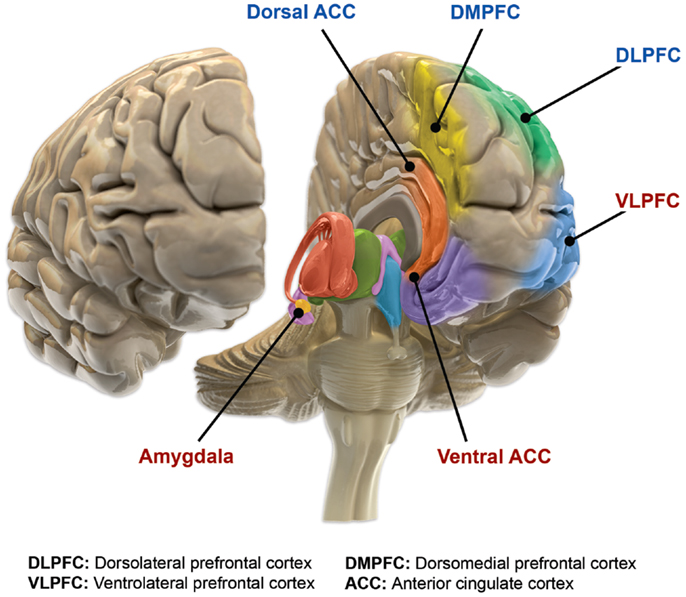
Brain imaging studies have revealed differences in the volume of various brain regions between patients with bipolar disorder and healthy control subjects.

Aetiology

Genetic

The etiology of bipolar disorder is unknown. The overall heritability of bipolar is estimated at 79%-93%, and first degree relatives of bipolar probands have a relative risk of developing bipolar around 7-10. While the heritability is high, no specific genes have been conclusively associated with bipolar, and a number of hypothesis have been posited to explain this fact. “The polygenic common rare variant” hypothesis suggests that a large number of risk conferring genes are carried in a population, and that a disease manifests when a person has a sufficient number of these genes. The “multiple rare variant” model suggests that multiple genes that are rare in the population are capable of causing a disease, and that carrying one or a few can lead to disease. The familial transmission of mania and depression are largely independent of each other. This raises the possibility that bipolar is actually two biologically distinct but highly comorbid conditions.

A number of genome wide associations have been reported, including CACNA1C and ODZ4, and TRANK1. Less consistently reported loci include ANK3 and NCAN, ITIH1, ITIH3 and NEK4. Significant overlaps with schizophrenia have been reported at CACNA1C, ITIH, ANK3, and ZNF804A. This overlap is congruent with the observation that relatives of probands with schizophrenia are at higher risk for bipolar disorder and vice versa.

In light of associations between bipolar and circadian abnormalities (such as decreased need for sleep and increased sleep latency), polymorphisms in the CLOCK gene have been tested for association, although findings have been inconsistent, and one meta analysis has reported no association with either bipolar or major depressive disorder. Other circadian genes associated with bipolar at relaxed significance thresholds include ARTNL, RORB, and DEC1. One meta analysis reported a significant association of the short allele of the serotonin transporter, although the study was specific to European populations. Two polymorphisms in the tryptophan hydroxylase 2 gene have been associated with bipolar disorder. NFIA has been linked with seasonal patterns of mania.

One particular SNP located on CACNA1C that confers risk for bipolar disorder is also associated with elevated CACNA1C mRNA expression in the prefrontal cortex, and increased calcium channel expression in neurons made from patient induced pluripotent stem cells.

No significant association exists for the BDNF Val66Met allele and bipolar disorder, except possibly in a subgroup of bipolar II cases, and suicide.

Due to the inconsistent findings in GWAS, multiple studies have undertaken the approach of analysing SNPs in biological pathways. Signalling pathways traditionally associated with bipolar disorder that have been supported by these studies include CRH signalling, cardiac β-adrenergic signalling, phospholipase C signalling, glutamate receptor signalling, cardiac hypertrophy signalling, Wnt signalling, notch signalling, and endothelin 1 signalling. Of the 16 genes identified in these pathways, three were found to be dysregulated in the dorsolateral prefrontal cortex portion of the brain in post-mortem studies, CACNA1C, GNG2, and ITPR2.

Advanced paternal age has been linked to a somewhat increased chance of bipolar disorder in offspring, consistent with a hypothesis of increased new genetic mutations.

A meta-analysis was performed to determine the association between bipolar disorder and oxidative DNA damage measured by 8-hydroxy-2′-8-deoxyguanosine (8-OHdG) or 8-oxo-7,8-dihydro-2′-deoxyguanosine (8-oxodG). Levels of 8-OHdG and 8-oxodG are widely used as measures of oxidative stress in mental illnesses. It was determined from this meta-analysis that oxidative DNA damage was significantly increased in bipolar disorder.

Environmental

Manic episodes can be produced by sleep deprivation in around 30% of people with bipolar. While not all people with bipolar demonstrate seasonality of affective symptoms, it is a consistently reported feature that supports theories of circadian dysfunction in bipolar.

Risk factors for bipolar include obstetric complications, abuse, drug use, and major life stressors.

The “kindling model” of mood disorders suggests that major environmental stressors trigger initial mood episodes, but as mood episodes occur, weaker and weaker triggers can precipitate an affective episode. This model was initially created for epilepsy, to explain why weaker and weaker electrical stimulation was necessary to elicit a seizure as the disease progressed. While parallels have been drawn between bipolar disorder and epilepsy, supporting the kindling hypothesis, this model is generally not supported by studies directly assessing it in bipolar subjects.

Neurological Disorders

Mania occurs secondary to neurological conditions between a rate of 2% to 30%. Mania is most commonly seen in right sided lesions, lesions that disconnect the prefrontal cortex, or excitatory lesions in the left hemisphere.

Diseases associated with “secondary mania” include Cushing’s disease, dementia, delirium, meningitis, hyperparathyroidism, hypoparathyroidism, thyrotoxicosis, multiple sclerosis, Huntington’s disease, epilepsy, neurosyphilis, HIV dementia, uraemia, as well as traumatic brain injury and vitamin B12 deficiency.

Pathophysiology

Neurobiological and Neuroanatomical Models

The main loci of neuroimaging and neuropathological findings in bipolar have been proposed to constitute dysfunction in a “visceromotor” network, composed of the mPFC, anterior cingulate cortex (ACC), orbitofrontal cortex (OFC), hippocampus, amygdala, hypothalamus, striatum and thalamus.

A model of functional neuroanatomy produced by a workgroup led by Stephen M. Strakowski concluded that bipolar was characterized by reduced connectivity, due to abnormal pruning or development, in the prefrontal-striatal-pallidal-thalamic-limbic network leading to dysregulated emotional responses. This model was supported by a number of common neuroimaging findings. Dysregulation of limbic structures is evinced by the fact that hyperactivity in the amygdala in response to facial stimuli has been consistently reported in mania. While amygdala hyperactivity is not a uniform finding, a number of methodological challenges could explain discrepancies. As most studies utilize fMRI to measure blood-oxygen-level dependent signal, excess baseline activity could result in null findings due to subtraction analysis. Furthermore, heterogenous study design could mask consistent hyperactivity to specific stimuli. Regardless of directionality of amygdala abnormalities, as the amygdala plays a central role in emotional systems, these findings support dysfunctional emotional circuits in bipolar. A general reduction in ventrolateral prefrontal cortex activity is observed in bipolar, and is lateralised with regard to mood (i.e. left-depression, right-mania), and may underlie amygdala abnormalities. The dorsal ACC is commonly under-activated in bipolar, and is generally implicated in cognitive functions, while the ventral ACC is hyperactived and implicated in emotional functions. Combined, these abnormalities support the prefrontal-striatal-pallidial-thalamic limbic network underlying dysfunction in emotional regulation in bipolar disorder. Strakowski, along with DelBello and Adler have put forward a model of “anterior limbic” dysfunction in bipolar disorder in a number of papers.

In 2007, Green and colleagues suggested a model of bipolar disorder based on the convergence of cognitive and emotional processing on certain structures. For example, the dACC and sgACC were cognitively associated with impairment of inhibition of emotional responses and self monitoring, which could translate to emotional stimuli having excessive impact on mood. Deficits in working memory associated with abnormal dlPFC function could also translate to impaired ability to represent emotional stimuli, and therefore the impaired ability to reappraise emotional stimuli. Dysfunction in the amygdala and striatum has been associated with attentional biases, and may represent a bottom up mechanism of dysfunctional emotional processing.

Blond et al. proposed a model centred on dysfunction in an “amygdala-anterior paralimbic” system. This model was based on the consistent functional and structural abnormalities in the ventral prefrontal cortex and amygdala. The model also proposes a developmental component of bipolar disorder, wherein limbic abnormalities are present early on, but rostral prefrontal abnormalities develop later in the course. The importance of limbic dysfunction early in development is highlighted by the observation that amygdala lesions early in adulthood produce emotional abnormalities that are not present in people who develop amygdala damage in adulthood.

Lateralised seizure sequelae similar to bipolar has been reported in people with mesial temporal lobe seizures, and provides support for kindling hypotheses about bipolar. This observation led to the first experiments with anticonvulsants in bipolar, which are effective in stabilising mood. Studies reporting reduced markers of inhibitory interneurons post-mortem link the analogy with epilepsy to a possible reduction in inhibitory activity in emotional circuits. Overlap with epilepsy extends to include abnormalities in intracellular signalling, biochemistry in the hippocampus and prefrontal cortex, and structure and function of the amygdala.

The phenomenology and neuroanatomy of mania secondary to neurological disorders is consistent with findings in primary mania and bipolar disorder. While the diversity of lesions and difficulty in ruling out premorbid psychiatric conditions limit the conclusions that can be drawn, a number of findings are fairly consistent. Structurally, secondary mania is associated with destructive lesions that tend to occur in the right hemisphere, particularly the frontal cortex, mesial temporal lobe and basal ganglia. Functionally hyperactivity in the left basal ganglia and subcortical structures, and hypoactivity in the right ventral prefrontal and basotemporal cortex have been reported in cases of secondary mania. The destruction of right hemisphere or frontal areas is hypothesized to lead to a shift to excessive left sided or subcortical reward processing.

John O. Brooks III put forward a model of bipolar disorder involving dysregulation of a circuit called the “corticolimbic system”. The model was based on more or less consistent observations of reduced activity in the mOFC, vlPFC, and dlPFC, as well as the more or less consistent observations of increased activity in the amygdala, parahippocampal gyrus, cerebellar vermis, anterior temporal cortex, sgACC, and ACC. This pattern of abnormal activity was suggested to contribute to disrupted cognitive and affective processes in bipolar disorder.

Neurocognition

During acute mood episodes, people with bipolar demonstrate mood congruent processing biases. Depressed patients are quicker to react to negatively valenced stimuli, while manic patients are quicker to react to positively valenced stimuli. Acute mood episodes are also associated with congruent abnormalities during decision making tasks. Depressed bipolar is associated with conservative responding, while manic bipolar is associated with liberal responses. Both depression and mania are associated with similar and broad cognitive impairments, including on tests of attention, processing speed, working memory, executive functions, and reaction time.

Clinically, mania is characterised by spending sprees, poor judgement, and inappropriate speech and behaviour. Congruent with this, mania is associated impulsivity on Go-No Go tasks, deficits in emotional decision making, poor probabilistic reasoning, impaired ability on continuous performance tasks, set shifting, and planning. The clinical phenomenology and neurocognitive deficits are similar to those seen in patients with damage to the orbitofrontal cortex (OFC), which has been reported in functional neuroimaging studies to be abnormal in bipolar mania. Specifically, reduced blood flow to the lateral OFC has been reported, and may reflect dysfunction that leads to the neurocognitive deficits.

In novel environments, both bipolar manic and bipolar euthymic people demonstrate increased activity, exploration and linear movement that is greater than controls, people with ADHD and people with schizophrenia. Using this behavioural pattern in “reverse translational” studies, this behavioural abnormality has been associated with the cholinergic-aminergic hypothesis, which postulates elevated dopaminergic signalling in mania. Reducing the function of DAT using pharmacological or genetic means produces a similar behavioural pattern in animal models. Pharmacological data is consistent with dysfunction of dopamine in bipolar as some studies have reported hypersensitivity to stimulants (however, some studies have found that stimulants effectively attenuate manic behaviour, and co-morbid ADHD and bipolar are effectively treated with stimulants), and the mechanism of antimanic drugs may involve attenuating dopamine signalling.

Hypersensitivity of reward systems is consistent across mood states in bipolar, and is evident in the prodrome. Increases in goal directed behaviour, risk taking, positive emotions in response to reward, ambitious goal setting and inflexibility in goal directed behaviours are present in euthymia. Neuroimaging studies are consistent with trait hypersensitivity in reward systems, as both mania and depression is associated with elevated resting activity in the striatum, and elevated activity in the striatum and OFC during emotional processing, receipt of reward, and anticipation of reward. Increased activity in the striatum and OFC has also been reported in euthymia during anticipation and receipt of reward, although this finding is extremely inconsistent. These abnormalities may be related to circadian rhythm dysfunction in bipolar, including increased sleep latency, evening preference and poor sleep quality, as the neural systems responsible for both processes are functionally linked. A few lines of evidence suggest that elevated dopamine signalling, possibly due to reduced functionality in DAT, underlie abnormalities in reward function. Dopaminergic drugs such as L-DOPA can precipitate mania, and drugs that attenuate dopaminergic signalling extracellularly (antipsychotics) and intracellularly (lithium) can be efficacious in treating mania. While a large body of translational evidence exists to support DAT hypofunction, in vivo evidence is limited to one study reporting reduced DAT binding in the caudate.

Neuroimaging

Structural

In a review of structural neuroimaging in bipolar disorder, Strakowski proposed dysfunction in an iterative emotional network called the “anterior limbic network”, composed of the thalamus, globus pallidus, striatum, vlPFC, vmPFC, ACC, amygdala, dlPFC, and cerebellar vermis. Structural imaging studies frequently find abnormalities in these regions which are putatively involved in emotional and cognitive functions that are disrupted in bipolar disorder. For example, while structural neuroimaging studies do not always find abnormal PFC volume in bipolar disorder, when they do, PFC volume is reduced. Furthermore, reduced PFC volume is associated with response inhibition deficits and duration of illness. When the PFC at large is not examined and the focus is narrowed to the OFC/vPFC, results more consistently observed reductions, although not in bipolar youth. The sgACC volume is observed to be reduced not only in bipolar disorder, but also in unipolar disorder, as well as people with a family history of affective disorders. Enlargement of the striatum and globus pallidus are commonly found, and although some studies fail to observe this, at least one study has reported no volumetric but subtle morphometric abnormalities.

Structural neuroimaging studies consistently report increased frequency of white matter hyperintensities in people with bipolar. However, whether or not the lesions play a causative role is unknown. It is possible that they are a result of secondary factors, such as the processes underlying an increased risk of cardiovascular disease in bipolar. On the other hand, the observation of reduced white matter integrity in frontal-subcortical regions makes it possible that these hyperintensities play a role dysfunction between limbic and cortical regions. Global brain volume and morphology are normal in bipolar. Regional deficits in volume have been reported in ventrolateral and dorsolateral prefrontal regions. Based on this, it has been suggested that reduced limbic regulation by prefrontal regions plays a role in bipolar. Findings related to the volume of the basal ganglia have been inconsistent.

In healthy controls, amygdala volume is inversely related to age. This relationship is reversed in bipolar disorder, and meta analyses have found reduced amygdala volume in paediatric bipolar disorder, and increased amygdala volume in adulthood. This is hypothesized to reflect abnormal development of amygdala, possibly involving impaired synaptic pruning, although this may reflect medication or compensatory effects; that is, these abnormalities may not be involved in the mechanism of bipolar, and may instead be a consequence.

A 2016 meta analysis reported that bipolar disorder was associated with grey matter reductions bilaterally in the ACC, vmPFC, and insula extending to the temporal lobe. When compared with grey matter reductions in unipolar depression, significant overlap occurred in the insular and medial prefrontal regions. Although unipolar depression was associated with reductions in the ventral most and dorsal most regions of the mPFC and bipolar with a region near the genu of the corpus callosum, the overlap was still statistically significant. Similar to the overlap with major depression, a significant overlap of bipolar disorder with schizophrenia in grey matter volume reduction occurs in the anterior cingulate cortex, medial prefrontal cortex, lateral prefrontal cortex and bilateral insula.

A 2010 meta analysis of differences in regional grey matter volume between controls and bipolar disorder reported reductions bilaterally in the inferior frontal cortex and insula, which extended more prominently in the right side to include the precentral gyrus, as well as grey matter reductions in the pregenual anterior cingulate cortex (BA24) and anterior cingulate cortex (BA32). One meta analysis reported enlargement of the lateral ventricles and globus pallidus, as well as reductions in hippocampus volume and cross sectional area of the corpus callosum. Another meta analysis reported a similar increase volumes of the globus pallidus and lateral ventricles, as well as increased amygdala volume relative to people with schizophrenia. Reductions have also been reported in the right inferior frontal gyrus, insula, pars triangularis, pars opercularis, and middle and superior temporal gyrus. Structural neuroimaging in people who are susceptible to bipolar disorder (i.e. have a number of relatives with bipolar disorder) have produced few consistent results. Consistent abnormalities in adult first degree relatives include larger insular cortex volumes, while offspring demonstrate increased right inferior frontal gyrus volumes.

The ENIGMA bipolar disorder working group reported cortical thinning in the left Pars opercularis (BA44-inferior frontal gyrus), left fusiform gyrus, left rostral middle frontal cortex, right inferior parietal cortex, along with an increase in the right entorhinal cortex. Duration of illness was associated with reductions bilaterally in the pericalcarine gyrus, left rostral anterior cingulate and right cuneus, along with increases in the right entorhinal cortex. Treatment with lithium was associated with increased cortical thickness bilaterally in the superior parietal gyrus, left paracentral gyrus, and left paracentral lobule. A history of psychosis was associated with reduced surface area in the right frontal pole. Another study on subcortical abnormalities by the same research group reported reductions in the hippocampus, amygdala, and thalamus, along with ventricular enlargement.

One meta analysis reported that when correcting for lithium treatment, which was associated with increased hippocampal volume, people with bipolar demonstrate reduced hippocampus volume.

White matter is reduced in the posterior corpus callosum, regions adjacent to the anterior cingulate, the left optic radiation, and right superior longitudinal tract, and increased in the cerebellum and lentiform nuclei.

Functional

Studies examining resting blood flow, or metabolism generally observed abnormalities dependent upon mood state. Bipolar depression is generally associated with dlPFC and mOFC hypometabolism. Less consistent associations include reduced temporal cortex metabolism, increased limbic metabolism and reduced ACC metabolism. Mania is also associated with dlPFC and OFC hypometabolism. Limbic hypermetabolism is more consistent than in bipolar depression, but the overall study quality is low due to limitations associated with neuroimaging in acutely manic patients. Another review reported that mania is generally associated with frontal/ventral hypoactivation, while depression is generally associated with the opposite. A degree of lateralization with regard to abnormalities has been reported, with mania being associated with the right hemisphere, and depression the left. Trait abnormalities in euthymic patients have been observed, including hypoactivity in the ventral prefrontal cortex, and hyperactivity in the amygdala.

During cognitive or emotional tasks, functional neuroimaging studies, consistently find hyperactivation of the basal ganglia, amygdala, and thalamus. Prefrontal abnormalities are less consistently reported, although hyperactivation in the ventral prefrontal cortex is a fairly consistent finding. Hyperactivity in the amygdala and hypoactivity in the medial and ventral prefrontal cortex during exposure to emotional stimuli has been interpreted as reflecting dysfunction in emotional regulation circuits. Increased effective connectivity between the amygdala and orbitofrontal cortex, and elevated striatal responsiveness during reward tasks have been interpreted as hyper-responsiveness in positive emotion and reward circuitry. The abnormal activity in these circuits has been observed in non-emotional tasks, and is congruent with changes in grey and white matter in these circuits. Neural response during reward tasks differentiates unipolar depression from bipolar depression, with the former being associated with reduced neural response and the latter being associated with elevated neural response. An ALE meta analysis of functional neuroimaging comparing adults and adolescents found a larger degree of hyperactivity in the inferior frontal gyrus and precuneus, as well as a larger degree of hypoactivity in the anterior cingulate cortex in adolescents relative to adults.

Regardless of mood state, during response inhibition tasks, people with bipolar disorder underactivate the right inferior frontal gyrus. Changes specific on euthymia include hyperactivations in the left superior temporal gyrus and hypoactivations in the basal ganglia, and changes specific to mania include hyperactivation in the basal ganglia. A meta analysis of fMRI studies reported underactivations in the inferior frontal gyrus and putamen and hyperactivation of the parahippocampus, hippocampus, and amygdala. State specific abnormalities were reported for mania and euthymia. During mania, hypoactivation was significant in the inferior frontal gyrus, while euthymia was associated with hypoactivation of the lingual gyrus and hyperactivation of the amygdala.

A meta analysis using region of interest (as opposed to statistical parametric mapping) analysis reported abnormalities across paradigms for euthymic, depressed, and manic subjects. In bipolar mania, reduced activity was reported in the superior, middle, and inferior frontal gyri, while increased activity was reported in the parahippocampal, superior temporal, middle temporal, and inferior temporal gyri. In bipolar depression, reduced activity was reported in the sgACC, ACC, and middle frontal gyrus. In euthymia, reduced activity was reported in the dlPFC, vlPFC, and ACC, while increased activity was reported in the amygdala. During studies examining response to emotional faces, both mania and euthymia were reported to be associated with elevated amygdala activity.

An activation likelihood estimate meta analysis of bipolar studies that used paradigms involving facial emotions reported a number of increases and decreases in activation compared to healthy controls. Elevated activity was reported in the parahippocampal gyrus, putamen, and pulvinar nuclei, while reduced activity was reported bilaterally in the inferior frontal gyrus. Compared to major depressive disorder, bipolar patients overactivated the vACC, pulvinar nucleus, and parahippocampus gyrus/amygdala to a greater degree, while underactivating the dACC. Bipolar subjects overactivated parahippocampus for both fearful and happy expressions, while the caudate and putamen were overactived for happiness and fear respectively. Bipolar subjects also underactivated the ACC for both fearful and happy expressions, while the IFG was underactivated for fearful expressions only. These results were interpreted as reflecting increased engagement with emotionally salient stimuli in bipolar disorder.

Specific symptoms have been linked to various neuroimaging abnormalities in bipolar disorder, as well as schizophrenia. Reality distortion, disorganisation, and psychomotor poverty have been linked to prefrontal, thalamic, and striatal regions in both schizophrenia and bipolar (Table below).

Symptom DimensionImplicated Regions in BipolarImplicated Regions in Schizophrenia
Disorganisation1. Hypofunction in the ventrolateral prefrontal cortex (vlPFC).
2. Hypofunction in the medial prefrontal cortex (mPFC)/ACC.
1. Hypofunction in the medial prefrontal cortex (mPFC).
2. Hypofunction in the dorsolateral prefrontal cortex (dlPFC).
3. Hypofunction in the cerebellum.
4. Hypofunction in the insula.
5. Hypofunction in the temporal cortex.
Reality Distortion1. Functional abnormalities in prefrontal and thalamic regions.1. Reduced grey matter in perisylvian and thalamic regions.
2. Hypofunction of the amygdala, mPFC and hippocampus/parahippocampus.
Psychomotor Poverty1. Functional abnormalities in the vlPFC and ventral striatum.1. Reduced grey matter in the vlPFC, mPFC and dlPFC.
2. Reduced grey matter in the striatum, thalamus, amygdala and temporal cortices.

Frontal Cortex

Different regions of the ACC have been studied in the literature, with the subgenual (sgACC) and rostral (rACC) parts being largely separated. Grey matter volume in the sgACC has been, albeit with some exceptions, found to be reduced in bipolar. Along with this, bipolar is associated with increased blood flow in the sgACC that normalises with treatment. Congruent with these abnormalities is a reduction in glial cells observed in post mortem studies, and reduced integrity of white matter possibly involving a hemispheric imbalance. Findings in the rACC are largely the same as the sgACC (reduced GM, increased metabolism), although more studies have been carried out on protein expression and neuronal morphology. The rACC demonstrates reduced expression NMDA, kainate and GABA related proteins. These findings may be compensating for increased glutaminergic afferents, evidenced by increased Glx in MRS studies. One VBM study reported reduced grey matter in the dACC. Inconsistent results have been found during functional neuroimaging of cognitive tasks, with both decreased and increased activation being observed. Decreased neuron volume and a congruent increase in neural density have been found in the dACC. Reduced expression of markers of neural connectivity have been reported (e.g. synaptophysin, GAP-43), which is congruent with the abnormal structural connectivity observed in the region.

The orbitofrontal cortex demonstrates reduced grey matter, functional activity, GAD67 mRNA, neuronal volume in layer I, and microstructural integrity in people with bipolar.

Although the role of acute mood states is unknown, grey matter volume is generally reported as reduced in the dlPFC, along with resting and task evoked functional signals. Signals of myelination and density of GABAegic neurons is also reduced in the dlPFC, particularly in layers II-V.

Neurochemistry

Magnetic Resonance Spectroscopy (MRS)

Increased combined glutamine and glutamate (Glx) have been observed globally, regardless of medication status. Increased Glx has been associated with reduced frontal mismatch negativity, interpreted as dysfunction in NMDA signalling. N-acetyl aspartate levels in the basal ganglia are reduced in bipolar disorder, and trends towards increased in the dorsolateral prefrontal cortex. NAA to creatine ratios are reduced in the hippocampus.

One review of magnetic resonance spectroscopy studies reported increased choline in the basal ganglia, and cingulate as well as a decreased in NAA in the dlPFC and hippocampus. State specific findings were reported to include elevated phosphomonoesters during acute mood states, and reduced inositol with treatment. Another review reported inositol abnormalities in the basal ganglia, and frontal, temporal and cingulate regions. The finding of a trend towards increased NAA concentrations in the dlPFC may be due to medication status, as treatment with lithium or valproate has been noted to lead to null findings, or even elevated levels of NAA in the frontal cortex. In unmedicated populations, reduced NAA consistently found in the prefrontal cortex, particularly the dlPFC.

One meta analysis reported no changes in MRS measured GABA in bipolar disorder.

Monoamines

Various hypotheses related to monoamines have been proposed. The biogenic amine hypothesis posits general dysregulation of monoamines underlies bipolar and affective disorders. The cholinergic aminergic balance hypothesis posits that an increased ratio of cholinergic activity relative to adrenergic signalling underlies depression, while increased adrenergic signalling relative to cholinergic signalling underlies mania. The permissive hypothesis suggests that serotonin is necessary but not sufficient for affective symptoms, and that reduced serotonergic tone is common to both depression and mania.

Studies of the binding potential of dopamine receptor D2 and dopamine transporter have been inconsistent but dopamine receptor D1’s binding potential has been observed to be decreased. Drugs that release dopamine produce effects similar to mania, leading some to hypothesize that mania involves increased catecholaminergic signalling. Dopamine has also been implicated through genetic “reverse translational” studies demonstrating an association between reduced DAT functionality and manic symptoms. The binding potential of muscarinic receptors are reduced in vivo during depression, as well as in post mortem studies, supporting the cholinergic aminergic balance hypothesis.

The role of monoamines in bipolar have been studied using neurotransmitter metabolites. Reduced concentration of homovanillic acid, the primary metabolite of dopamine, in the cerebrospinal fluid (CSF) of people with depression is consistently reported. This finding is related to psychomotor retardation and anhedonia. Furthermore, parkinson’s disease is associated with high rates of depression, and one case study has reported the abolishment of parkinson’s symptoms during manic episodes. The binding potential of VMAT2 is also elevated in bipolar I patients with a history of psychosis, although this finding is inconsistent with finding that valproate increases VMAT2 expression in rodents. One study on DAT binding in acutely depressed people with bipolar reported reductions in the caudate but not putamen.

Studies of serotonin’s primary metabolite 5-HIAA have been inconsistent, although limited evidence points towards reduced central serotonin signalling in a subgroup of aggressive or suicidal patients. Studies assessing the binding potential of the serotonin transporter or serotonin receptors have also been inconsistent, but generally point towards abnormal serotonin signalling. One study reported both increased SERT binding in the insula, mPFC, ACC and thalamus, and decreased SERT binding in the raphe nuclei in acutely depressed bipolar. Serotonin may play a role in mania by increasing the salience of stimuli related to reward.

One more line of evidence that suggests a role of monoamines in bipolar is the process of antidepressant related affective switches. Selective serotonin reuptake inhibitors and more frequently, tricyclic antidepressants (TCAs) are associated with between a 10%-70% risk of affective switch from depression to mania or hypomania, depending upon the criteria used. The more robust association between TCAs and affective switches, as opposed to more selective drugs, has been interpreted as indicating that more extensive perturbation in monoamine systems is associated with more frequent mood switching.

Hypothalamic Pituitary Adrenal Axis

Bipolar disorder is associated with elevated basal and dexamethasone elicited cortisol and adrenocorticotropic hormone (ACTH). These abnormalities are particularly prominent in mania, and are inversely associated with antipsychotic use. The incidence of psychiatric symptoms associated with corticosteroids is between 6% and 32%. Corticosteroids may precipitate mania, supporting the role of the HPA axis in affective episodes. Measures from urinary versus salivary cortisol have been contradictory, with one study of the former concluding that HPA hyperactivity was a trait marker, while a study of the latter concluded that no difference in HPA activity exists in remission. Measurement during the morning are thought to be more sensitive due to the cortisol awakening response. Studies are generally more consistent, and observe HPA hyperactivity.

Neurotrophic Factors

Brain derived neurotrophic factor levels are peripherally reduced in both manic and depressive phases.

Intracellular Signalling

The levels of Gαs but not other G proteins is increased in the frontal, temporal and occipital cortices. The binding of serotonin receptors to G proteins is also elevated globally. Leukocyte and platelet levels of Gαs and Gαi is also elevated in those with bipolar disorder. Downstream targets of G protein signalling is also altered in bipolar disorder. Increased levels of adenylyl cyclase, protein kinase A (PKA), and cyclic adenosine monophosphate induced PKA activity are also reported. Phosphoinositide signalling is also altered, with elevated levels of phospholipase C, protein kinase C, and Gαq being reported in bipolar. Elevated cAMP stimulated phosphorylation or Rap1 (a substrate of PKA), along with increased levels of Rap1 have been reported in peripherally collected cells of people with bipolar. Increased coupling of serotonin receptors to G proteins has been observed. While linkage studies performed on genes related to G protein signalling, as well as studies on post mortem mRNA concentration fail to report an association with bipolar disorder, the overall evidence suggests abnormal coupling of neurotransmission systems with G proteins.

Mania may be specifically associated with protein kinase C hyperactivity, although most evidence for this mechanism is indirect. The gene DGKH has been reported in genome wide association studies to be related to bipolar disorder, and it is known to be involved in PKC regulation. Manipulation of PKC in animals produces behavioural phenotypes similar to mania, and PKC inhibition is a plausible mechanism of action for mood stabilisers. Overactive PKC signalling may lead to long term structural changes in the frontal cortex as well, potentially leading to progression of manic symptoms.

Glycogen synthase kinase 3 has been implicated in bipolar disorder, as bipolar medications lithium and valproate have been shown to increase its phosphorylation, thereby inhibiting it. However, some postmortem studies have not shown any differences in GSK-3 levels or the levels of a downstream target β-catenin. In contrast, one review reported a number of studies observing reduced expression of β-catenin and GSK3 mRNA in the prefrontal and temporal cortex.

Excessive response of arachidonic acid signalling cascades in response to stimulation by dopamine receptor D2 or NMDA receptors may be involved in bipolar mania. The evidence for this is primarily pharmacological, based on the observation that drugs that are effective in treating bipolar reduced AA cascade magnitude, while drugs that exacerbate bipolar do the opposite.

Calcium homeostasis may be impaired across all mood states. Elevated basal intracellular, and provoked calcium concentrations in platelets and transformed lymphoblasts are found in people with bipolar. Serum concentrations of calcium are also elevated, and abnormal calcium concentrations in response to stimulation of olfactory neurons is also observed. These findings are congruent with the genetic association of bipolar with CACNAC1, an L-type calcium channel, as well as the efficacy of anti-epileptic agents. Normal platelets placed in plasma from people with bipolar disorder do not demonstrate elevated levels of intracellular calcium, indicating that dysfunction lies intracellularly. One possible mechanism is that elevated inositol triphosphate (IP3) caused by hyperactive neuronal calcium sensor 1 causes excessive calcium release. Serum levels of S100B (a calcium binding protein) are elevated in bipolar mania.

Mitochondrial Dysfunction

Some researchers have suggested bipolar disorder is a mitochondrial disease. Some cases of familial chronic progressive external ophthalmoplegia demonstrate increased rates of bipolar disorder before the onset of CPEO, and the higher rate of maternal inheritance patterns support this hypothesis. Downregulation of genes encoding for mitochondrial subunits, decreased concentration of phosphocreatine, decreased brain pH, and elevated lactate concentrations have also been reported. Mitochondrial dysfunction may be related to elevated levels of the lipid peroxidation marker thiobarbituric acid reactive substances, which are attenuated by lithium treatment.

Neuropathology

A number of abnormalities in GABAergic neurons have been reported in people with bipolar disorder. People with bipolar demonstrate reduced expression of GAD67 in CA3/CA2 subregion of the hippocampus. More extensive reductions of other indicators of GABA function have been reported in the CA4 and CA1. Abnormal expression of kainate receptors on GABAergic cells have been reported, with reductions in GRIK1 and GRIK2 mRNA in the CA2/CA3 being found in people with bipolar. Decreased levels of HCN channels have also been reported, which, along with abnormal glutamate signalling, could contribute to reduced GABAergic tone in the hippocampus.

The observation of increased Glx in the prefrontal cortex is congruent with the observation of reduced glial cell counts and prefrontal cortex volume, as glia play an important role in glutamate homeostasis. Although the number and quality of studies examining NMDA receptor subunits is poor, evidence for reduced NMDA signalling and reduced contribution from the NR2A subunit is consistent.

Decreased neuron density and soma size in the ACC and dlPFC has been observed. The dlPFC also demonstrates reduced glial density, a finding that is less consistent in the ACC. The reduction in cell volume may be due to early stage apoptosis, a mechanism that is supported by studies observing reduced anti-apoptotic gene expression in both peripheral cells and neurons, as well as the reduction in BDNF that is consistently found in bipolar. Reductions in cortical glia are not found across the whole cortex (e.g. somatosensory areas demonstrate normal glial density and counts), indicating that systematic dysfunction in glial cells is not likely; rather, abnormal functionality of connectivity in specific regions may result in abnormal glia, which may in turn exacerbate dysfunction.

Dendritic atrophy and loss of oligodendrocytes is found in the medial prefrontal cortex, and is possibly specific to GABAergic neurons.

Immune Dysfunction

Elevated levels of IL-6, C-reactive protein (CRP) and TNFα have been reported in bipolar. Levels of some (IL-6 and CRP) but not all (TNFα) may be reduced by treatment. Increases in IL-6 have been reported in mood episodes, regardless of polarity. Inflammation has been consistently reported in bipolar disorder, and the progressive nature lies in dysregulation of NF-κB.
What is a Mixed Affective State?

Introduction

A mixed affective state, formerly known as a mixed-manic or mixed episode, has been defined as a state wherein features unique to both depression and mania – such as episodes of despair, doubt, anguish, rage or homicidal ideation, suicidal ideation, splitting, racing thoughts, sensory overload, pressure of activity, and heightened irritability – occur either simultaneously or in very short succession.

Previously, the diagnostic criteria for both a manic and depressive episode had to be met in a consistent and sustained fashion, with symptoms enduring for at least a week (or any duration if psychiatric hospitalisation was required), thereby restricting the official acknowledgement of mixed affective states to only a minority of patients with bipolar I disorder. In current DSM-5 nomenclature, however, a “mixed episode” no longer stands as an episode of illness unto itself; rather, the symptomology specifier “with mixed features” can be applied to any major affective episode (manic, hypomanic, or depressive), meaning that they are now officially recognised in patients with, in addition to bipolar I disorder, bipolar II disorder and, by convention, major depressive disorder. A depressive mixed state in a patient, however, even in the absence of discrete periods of mania or hypomania, effectively rules out unipolar depression.

Diagnostic Criteria

As affirmed by the Diagnostic and Statistical Manual of Mental Disorders, fifth edition (DSM-5), the symptomology specifier “with mixed features” can be applied to manic episodes of bipolar I disorder, hypomanic episodes of either bipolar I disorder or bipolar II disorder and depressive episodes of either bipolar disorder or major depressive disorder, with at least three concurrent features of the opposite polarity being present. As a result, the presence of “mixed features” are now recognised in patients with bipolar II disorder and major depression; as earlier noted, however, although it is customary to withhold a diagnosis of a bipolar disorder until a manic or hypomanic episode appears, the presence of such features in a depressed patient even with no history of discrete mania or hypomania is strongly suggestive of the disorder.

Nevertheless, the DSM-5’s narrower definition of mixed episodes may result in fewer patients meeting mixed criteria compared to DSM-IV. A call was made by Tohen in 2017 for introducing changes from a currently phenomenological to a target oriented approach to DSM-5 mixed mood criteria in order to achieve more personalized medical attention.

Two features of both mania or hypomania and depression may superficially overlap and even resemble each other, namely “an increase in goal-directed activity” (psychomotor acceleration) vs. psychomotor agitation and “flight of ideas” and “racing thoughts” vs. depressive rumination. Attending to the patient’s experiences is very important. In the psychomotor agitation commonly seen in depression, the “nervous energy” is always overshadowed by a strong sense of exhaustion and manifests as purposeless movements (e.g. pacing, hand-wringing); in psychomotor acceleration, however, the excess in movement stems from an abundance of energy and is often channelled and purposeful. Likewise, in depressive rumination, the patient experiences the repetitive thoughts as heavy, leaden, and plodding; in psychic acceleration, however, (as seen in mania or hypomania) the thoughts move in a rapid progression, with many themes, rather than a singular one, being touched upon. Even when such experiences are accounted for on the basis of depression, the possibility does still exist, however, that the depressive episode may be complicated by other manic or hypomanic symptoms, in which case it is often prudent to attend to the patient’s personal and family history (e.g. family history of bipolar disorder, early age of onset) to determine whether or not the patient has bipolar disorder.

Treatment

Treatment of mixed states is typically based upon administration of mood stabilising medication, which may include anticonvulsants such as valproic acid; atypical antipsychotics such as quetiapine, olanzapine, aripiprazole, and ziprasidone; or first-generation antipsychotics such as haloperidol. There is question of lithium’s efficacy for treatment of mixed states due to conflicting conclusions drawn from various trials and research. Mood stabilisers work to reduce the manic symptoms associated with the mixed state, but they are not considered particularly effective for improving concurrent depressive symptoms.

What is Bipolar II Disorder?

Introduction

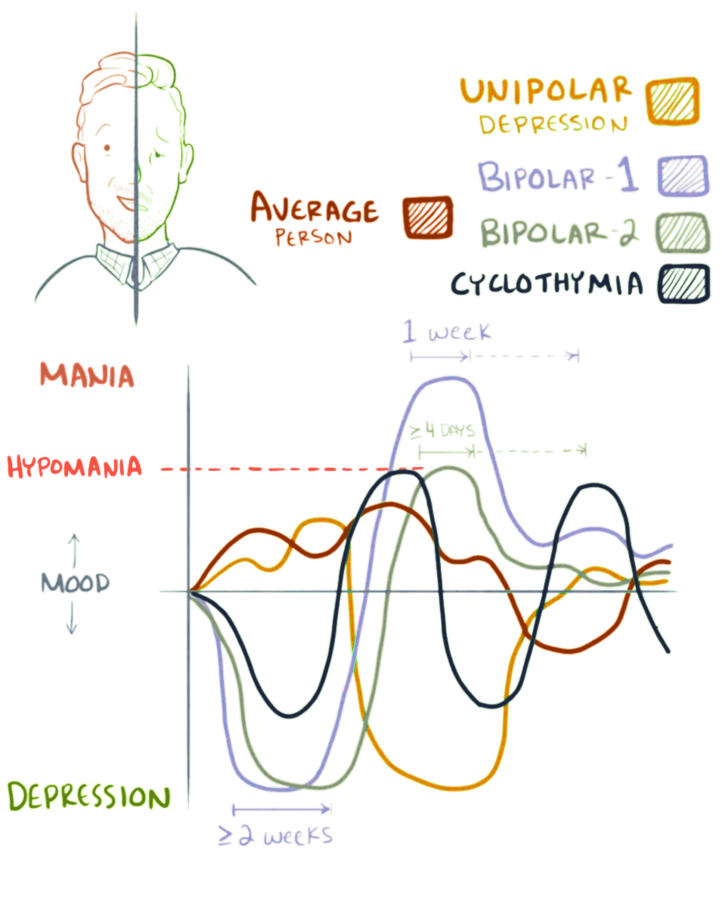
Bipolar II disorder is a bipolar spectrum disorder (refer to Bipolar I disorder) characterised by at least one episode of hypomania and at least one episode of major depression. Diagnosis for bipolar II disorder requires that the individual must never have experienced a full manic episode. Otherwise, one manic episode meets the criteria for bipolar I disorder.

Refer to Mixed Affective State.

Bipolar mood shifts.

Hypomania is a sustained state of elevated or irritable mood that is less severe than mania yet may still significantly affect quality of life and result in permanent consequences including reckless spending, damaged relationships and poor judegment. Unlike mania, hypomania is not associated with psychosis. The hypomanic episodes associated with bipolar II disorder must last for at least four days.

Commonly, depressive episodes are more frequent and more intense than hypomanic episodes. Additionally, when compared to bipolar I disorder, type II presents more frequent depressive episodes and shorter intervals of well-being. The course of bipolar II disorder is more chronic and consists of more frequent cycling than the course of bipolar I disorder. Finally, bipolar II is associated with a greater risk of suicidal thoughts and behaviours than bipolar I or unipolar depression. Although bipolar II is commonly perceived to be a milder form of Type I, this is not the case. Types I and II present equally severe burdens.

Bipolar II is notoriously difficult to diagnose. Patients usually seek help when they are in a depressed state, or when their hypomanic symptoms manifest themselves in unwanted effects, such as high levels of anxiety, or the seeming inability to focus on tasks. Because many of the symptoms of hypomania are often mistaken for high-functioning behaviour or simply attributed to personality, patients are typically not aware of their hypomanic symptoms. In addition, many people who suffer from Bipolar II have periods of normal affect. As a result, when patients seek help, they are very often unable to provide their doctor with all the information needed for an accurate assessment; these individuals are often misdiagnosed with unipolar depression. Bipolar II is more common than Bipolar I, while Bipolar II and major depressive disorder have about the same rate of diagnosis. Of all individuals initially diagnosed with major depressive disorder, between 40% and 50% will later be diagnosed with either BP-I or BP-II. Substance use disorders (which have high co-morbidity with BP-II) and periods of mixed depression may also make it more difficult to accurately identify BP-II. Despite the difficulties, it is important that BP-II individuals be correctly assessed so that they can receive the proper treatment. Antidepressant use, in the absence of mood stabilisers, is correlated with worsening BP-II symptoms.

Brief History

In 19th century psychiatry, mania covered a broad range of intensity, and hypomania was equated by some to concepts of ‘partial insanity’ or monomania. A more specific usage was advanced by the German neuro-psychiatrist Emanuel Ernst Mendel in 1881, who wrote “I recommend (taking under consideration the word used by Hippocrates) to name those types of mania that show a less severe phenomenological picture, ‘hypomania'”. Narrower operational definitions of hypomania were developed from the 1960s/1970s.

The first diagnostic distinction to be made between manic-depression involving mania, and that involving hypomania, came from Carl Gustav Jung in 1903. In his paper, Jung introduced the non-psychotic version of the illness with the introductory statement, “I would like to publish a number of cases whose peculiarity consists in chronic hypomanic behavior” where “it is not a question of real mania at all but of a hypomanic state which cannot be regarded as psychotic.” Jung illustrated the hypomanic variation with five case histories, each involving hypomanic behaviour, occasional bouts of depression, and mixed mood states, which involved personal and interpersonal upheaval for each patient.

In 1975, Jung’s original distinction between mania and hypomania gained support. Fieve and Dunner published an article recognizing that only individuals in a manic state require hospitalisation. It was proposed that the presentation of either the one state or the other differentiates two distinct diseases; the proposition was initially met with scepticism. However, studies since confirm that bipolar II is a “phenomenologically” distinct disorder.

Empirical evidence, combined with treatment considerations, led the DSM-IV Mood Disorders Work Group to add bipolar II disorder as its own entity in the 1994 publication. (Only one other mood disorder was added to this edition, indicating the conservative nature of the DSM-IV work group.) In May 2013, the DSM-5 was released. Two revisions to the existing Bipolar II criteria are anticipated. The first expected change will reduce the required duration of a hypomanic state from four to two days. The second change will allow hypomania to be diagnosed without the manifestation of elevated mood; that is, increased energy/activity will be sufficient. The rationale behind the latter revision is that some individuals with Bipolar II manifest only visible changes in energy. Without presenting elevated mood, these individuals are commonly misdiagnosed with major depressive disorder. Consequently, they receive prescriptions for antidepressants, which unaccompanied by mood stabilisers, may induce rapid cycling or mixed states.

Signs and Symptoms

Hypomanic Episodes

Hypomania is the signature characteristic of Bipolar II disorder. It is a state characterised by euphoria and/or an irritable mood. In order for an episode to qualify as hypomanic, the individual must also present three or more of the below symptoms, and last at least four consecutive days and be present most of the day, nearly every day.

  • Inflated self-esteem or grandiosity.
  • Decreased need for sleep (e.g. feels rested after only 3 hours of sleep).
  • More talkative than usual or pressure to keep talking.
  • Flight of ideas or subjective experience that thoughts are racing.
  • Distractability (i.e. attention too easily drawn to unimportant or irrelevant external stimuli), as reported or observed.
  • Increase in goal-directed activity (either socially, at work or school, or sexually) or psychomotor agitation.
  • Excessive involvement in activities that have a high potential for painful consequences (e.g., engaging in unrestrained buying sprees, sexual indiscretions, or foolish business investments).

It is important to distinguish between hypomania and mania. Mania is generally greater in severity and impairs function, sometimes leading to hospitalisation and in the most severe cases, psychosis. In contrast, hypomania usually increases functioning. For this reason, it is not uncommon for hypomania to go unnoticed. Often it is not until individuals are in a depressive episode that they seek treatment, and even then their history of hypomania may go undiagnosed. Although hypomania may increase functioning, episodes need to be treated because they may precipitate a depressive episode.

Depressive Episodes

It is during depressive episodes that BP-II patients often seek help. Symptoms may be syndromal or subsyndromal. Depressive BP-II symptoms may include five or more of the below symptoms (at least one of them must be either depressed mood or loss of interest/pleasure). In order to be diagnosed, they need to be present only during the same two-week period, as a change from previous hypomanic functioning:

  • Depressed mood most of the day, nearly every day, as indicated by either subjective report (e.g. feels sad, empty, or hopeless) or observation made by others (e.g. appears tearful). In children and adolescents, this could be irritable mood.
  • Markedly diminished interest or pleasure in all, or almost all, activities most of the day, nearly every day (as indicated by either subjective account or observation).
  • Significant weight loss when not dieting or weight gain (e.g. a change of more than 5% of body weight in a month), or decrease or increase in appetite nearly every day (e.g. in children, failure to make expected weight gain).
  • Insomnia or hypersomnia nearly every day.
  • Psychomotor agitation or retardation nearly every day (observable by others; not merely subjective feelings of restlessness or being slowed down).
  • Fatigue or loss of energy nearly every day.
  • Feelings of worthlessness or excessive or inappropriate guilt nearly every day (not merely self-reproach or guilt about being sick).
  • Diminished ability to think or concentrate, possible irritability or indecisiveness, nearly every day (either by subjective account or as observed by others).
  • Recurrent thoughts of death (not just fear of dying), recurrent suicidal ideation without a specific plan, a suicide attempt, or a specific plan for completing suicide.

Evidence also suggests that BP-II is strongly associated with atypical depression. Essentially, this means that many BP-II patients exhibit reverse vegetative symptoms. BP-II patients may have a tendency to oversleep and overeat, while typically depressed patients sleep and eat less than usual.

Mixed Depression

Depressive mixed states occur when patients experience depression and non-euphoric, usually subsyndromal, hypomania at the same time. As mentioned previously, it is particularly difficult to diagnose BP-II when a patient is in this state.

In a mixed state, mood is depressed, but the following symptoms of hypomania present as well:

  • Irritability.
  • Mental hyperactivity.
  • Behavioural hyperactivity.

Mixed states are associated with greater levels of suicidality than non-mixed depression. Antidepressants may increase this risk.

Relapse

In the case of a relapse, the following symptoms often occur and are considered early warning signs:

  • Sleep disturbance: patient requires less sleep and does not feel tired.
  • Racing thoughts and/or speech.
  • Anxiety.
  • Irritability.
  • Emotional intensity.
  • Spending more money than usual.
  • Binge behaviour, including food, drugs, or alcohol.
  • Arguments with family members and friends.
  • Taking on many projects at once.

People with bipolar disorder may develop dissociation to match each mood they experience. For some, this is done intentionally, as a means by which to escape trauma or pain from a depressive period, or simply to better organise one’s life by setting boundaries for one’s perceptions and behaviours.

Studies indicate that the following events may also precipitate relapse in BP-II patients:

  • Stressful life events.
  • Relatives’ or peers’ criticism.
  • Antidepressant use.
  • Disrupted circadian rhythm.

Comorbid Conditions

Comorbid conditions are extremely common in individuals with BP-II. In fact, individuals are twice as likely to present a comorbid disorder than not. These include anxiety, eating, personality (cluster B), and substance use disorders. For bipolar II disorder, the most conservative estimate of lifetime prevalence of alcohol or other substance use disorders is 20%. In patients with comorbid substance use disorder and BP-II, episodes have a longer duration and treatment compliance decreases. Preliminary studies suggest that comorbid substance use is also linked to increased risk of suicidality. The question of which condition should be designated the index and which the comorbid condition is not self-evident and may vary in relation to the research question, the disease that prompted a particular episode of care, or of the specialty of the attending physician. A related notion is that of complication, a condition that coexists or ensues, as defined in the Medical Subject Headings (MeSH)-controlled vocabulary maintained by the National Library of Medicine (NLM).

Causes

Scientists are studying the possible causes of bipolar disorder and most agree that there is no single cause. There have been very few studies conducted to examine the possible causes of Bipolar II. Those that have been done have not considered Bipolar I and Bipolar II separately and have had inconclusive results. Researchers have found that patients with either Bipolar I or II may have increased levels of blood calcium concentrations, but the results are inconclusive. The studies that have been conducted did not find a significant difference between those with Bipolar I or Bipolar II. There has been a study looking at genetics of Bipolar II disorder and the results are inconclusive; however, scientists did find that relatives of people with Bipolar II are more likely to develop the same bipolar disorder or major depression rather than developing Bipolar I disorder. The cause of Bipolar disorder can be attributed to misfiring neurotransmitters that overstimulate the amygdala, which in turn causes the prefrontal cortex to stop working properly. The bipolar patient becomes overwhelmed with emotional stimulation with no way of understanding it, which can trigger mania and exacerbate the effects of depression.

Diagnosis

A person diagnosed with bipolar II disorder will have experienced at least one hypomanic episode, no manic episode, and one or more major depressive episodes. Although bipolar II is thought to be less severe than bipolar I in regards to symptom intensity, it is actually more severe and distressing with respect to episode frequency and overall course. Those with bipolar II often experience more frequent bouts of depressive episodes. Specific criteria defined by the DSM-5 for a bipolar II diagnosis:

  • Criteria have been met for at least one hypomanic episode and at least one major depressive episode.
  • There has never been a manic episode.
  • The occurrence of the hypomanic episode(s) and major depressive episode(s) is not better explained by schizoaffective disorder, schizophrenia, delusional disorder, or other specified or unspecified schizophrenia spectrum and other psychotic disorder.
  • Causes significant stress or impairment in social, occupational, or other important areas of functioning.

Studies have identified major differences between bipolar I and bipolar II in regards to their clinical features, comorbidity rates and family histories. According to Baek et al. (2011), during depressive episodes, bipolar II patients tend to show higher rates of psychomotor agitation, guilt, shame, suicidal ideation, and suicide attempts. Bipolar II patients have shown higher lifetime comorbidity rates of DSM axis I diagnoses such as phobias, anxiety disorders, substance & alcohol use, and eating disorders and there is a higher correlation between bipolar II patients and family history of psychiatric illness, including major depression and substance-related disorders. The occurrence rate of psychiatric illness in first degree relatives of bipolar II patients was 26.5%, versus 15.4% in bipolar I patients.

Screening instruments like the Mood Disorders Questionnaire (MDQ) are helpful tools in determining a patient’s status on the bipolar spectrum, and getting families involved can also improve chances of an accurate diagnosis and acknowledgment of hypomanic episodes. In addition, there are certain features that have been shown to increase the chances that depressed patients are suffering from a bipolar disorder including atypical symptoms of depression like hypersomnia and hyperphagia, a family history of bipolar disorder, medication-induced hypomania, recurrent or psychotic depression, antidepressant refractory depression, and early or postpartum depression.

Specifiers

  • Chronic.
  • With Anxious Distress (DSM-5).
  • With catatonic features.
  • With melancholic features.
  • With psychotic features.
  • With atypical features.
  • With postpartum onset.
  • Longitudinal course specifiers (with and without inter-episode recovery).
  • With seasonal pattern (applies only to the pattern of major depressive episodes).
  • With rapid cycling.

Treatments

Treatment typically includes three things: the treatment of acute hypomania, the treatment of acute depression, and the prevention of the relapse of either hypomania or depression. The main goal is to make sure that patients do not harm themselves.

Medications

The most common treatment for reducing bipolar II disorder symptoms is medication, usually in the form of mood stabilisers. However, treatment with mood stabilisers may produce a flat affect in the patient, which is dose-dependent. Concurrent use of SSRI antidepressants may help some with bipolar II disorder, though these medications should be used with caution because it is believed that they may cause a hypomanic switch.

The pharmaceutical management of bipolar II disorder is not generally supported by strong evidence, with limited randomised controlled trials (RCTs) published in the literature. Some medications used are:

  • Lithium: There is strong evidence that lithium is effective in treating both the depressive and hypomanic symptoms in bipolar II. In addition, its action as a mood stabiliser can be used to decrease the risk of hypomanic switch in patients treated with antidepressants.
  • Anticonvulsants: There is evidence that lamotrigine decreases the risk of relapse in rapid-cycling bipolar II. It appears to be more effective in bipolar II than bipolar I, suggesting that lamotrigine is more effective for the treatment of depressive rather than manic episodes. Doses ranging from 100-200 mg have been reported to have the most efficacy, while experimental doses of 400 mg have rendered little response. A large, multicentre trial comparing carbamazepine and lithium over two and a half years found that carbamazepine was superior in terms of preventing future episodes of bipolar II, although lithium was superior in individuals with bipolar I. There is also some evidence for the use of valproate and topiramate, although the results for the use of gabapentin have been disappointing.
  • Antidepressants: There is evidence to support the use of SSRI and SNRI antidepressants in bipolar II. Some sources consider them to be one of the first-line treatments. However, antidepressants also pose significant risks, including a switch to mania, rapid cycling, and dysphoria, so many psychiatrists advise against their use for bipolar. When used, antidepressants are typically combined with a mood stabiliser.
  • Antipsychotics: There is good evidence for the use of quetiapine, which has been shown to help to prevent recurrence in mania and depression, and it has been approved by the US Food and Drug Administration (FDA) for this indication. There is also some evidence for the use of risperidone, although the relevant trial was not placebo-controlled and was complicated by the use of other medications in some of the patients.
  • Dopamine agonists: There is evidence for the efficacy of pramipexole from one RCT.

Non-Pharmaceutical Therapies

Non-pharmaceutical therapies can also help those with the illness. These include:

Relapse can still occur, despite continued medication and therapy.

Prognosis

There is evidence to suggest that bipolar II has a more chronic course of illness than bipolar I disorder. This constant and pervasive course of the illness leads to an increased risk in suicide and more hypomanic and major depressive episodes with shorter periods between episodes than bipolar I patients experience. The natural course of bipolar II disorder, when left untreated, leads to patients spending the majority of their lives unwell with much of their suffering stemming from depression. Their recurrent depression results in personal suffering and disability.

This disability can present itself in the form of psychosocial impairment, which has been suggested to be worse in bipolar II patients than in bipolar I patients. Another facet of this illness that is associated with a poorer prognosis is rapid cycling, which denotes the occurrence of four or more major depressive, hypomanic, and/or mixed episodes in a 12-month period. Rapid cycling is quite common in those with Bipolar II, much more so in women than in men (70% vs. 40%), and without treatment leads to added sources of disability and an increased risk of suicide. Women are more prone to rapid cycling between hypomanic episodes and depressive episodes. To improve a patient’s prognosis, long-term therapy is most favourably recommended for controlling symptoms, maintaining remission and preventing relapses. With treatment, patients have been shown to present a decreased risk of suicide (especially when treated with lithium) and a reduction of frequency and severity of their episodes, which in turn moves them toward a stable life and reduces the time they spend ill. To maintain their state of balance, therapy is often continued indefinitely, as around 50% of the patients who discontinue it relapse quickly and experience either full-blown episodes or sub-syndromal symptoms that bring significant functional impairments.

Functioning

The deficits in functioning associated with Bipolar II disorder stem mostly from the recurrent depression that Bipolar II patients suffer from. Depressive symptoms are much more disabling than hypomanic symptoms and are potentially as, or more disabling than mania symptoms. Functional impairment has been shown to be directly linked with increasing percentages of depressive symptoms, and because sub-syndromal symptoms are more common – and frequent – in Bipolar II disorder, they have been implicated heavily as a major cause of psychosocial disability. There is evidence that shows the mild depressive symptoms, or even sub-syndromal symptoms, are responsible for the non-recovery of social functioning, which furthers the idea that residual depressive symptoms are detrimental for functional recovery in patients being treated for Bipolar II. It has been suggested that symptom interference in relation to social and interpersonal relationships in Bipolar II Disorder is worse than symptom interference in other chronic medical illnesses such as cancer. This social impairment can last for years, even after treatment that has resulted in a resolution of mood symptoms.

The factors related to this persistent social impairment are residual depressive symptoms, limited illness insight (a very common occurrence in patients with Bipolar II Disorder), and impaired executive functioning. Impaired ability in regards to executive functions is directly tied to poor psychosocial functioning, a common side-effect in patients with Bipolar II.

The impact on a patient’s psychosocial functioning stems from the depressive symptoms (more common in Bipolar II than Bipolar I). An increase in these symptoms’ severity seems to correlate with a significant increase in psychosocial disability. Psychosocial disability can present itself in poor semantic memory, which in turn affects other cognitive domains like verbal memory and (as mentioned earlier) executive functioning leading to a direct and persisting impact on psychosocial functioning.

An abnormal semantic memory organization can manipulate thoughts and lead to the formation of delusions and possibly affect speech and communication problems, which can lead to interpersonal issues. Bipolar II patients have also been shown to present worse cognitive functioning than those patients with Bipolar I, though they demonstrate about the same disability when it comes to occupational functioning, interpersonal relationships, and autonomy. This disruption in cognitive functioning takes a toll on their ability to function in the workplace, which leads to high rates of work loss in Bipolar II patient populations. After treatment and while in remission, Bipolar II patients tend to report a good psychosocial functioning but they still score less than patients without the disorder. These lasting impacts further suggest that a prolonged exposure to an untreated Bipolar II disorder can lead to permanent adverse effects on functioning.

Recovery and Recurrence

Bipolar II Disorder has a chronic relapsing nature. It has been suggested that Bipolar II patients have a higher degree of relapse than Bipolar I patients. Generally, within four years of an episode, around 60% of patients will relapse into another episode. Some patients are symptomatic half the time, either with full on episodes or symptoms that fall just below the threshold of an episode.

Because of the nature of the illness, long-term therapy is the best option and aims to not only control the symptoms but to maintain sustained remission and prevent relapses from occurring. Even with treatment, patients do not always regain full functioning, especially in the social realm. There is a very clear gap between symptomatic recovery and full functional recovery for both Bipolar I and Bipolar II patients. As such, and because those with Bipolar II spend more time with depressive symptoms that do not quite qualify as a major depressive episode, the best chance for recovery is to have therapeutic interventions that focus on the residual depressive symptoms and to aim for improvement in psychosocial and cognitive functioning. Even with treatment, a certain amount of responsibility is placed in the patient’s hands; they have to be able to assume responsibility for their illness by accepting their diagnosis, taking the required medication, and seeking help when needed to do well in the future.

Treatment often lasts after remission is achieved, and the treatment that worked is continued during the continuation phase (lasting anywhere from 6-12 months) and maintenance can last 1-2 years or, in some cases, indefinitely. One of the treatments of choice is Lithium, which has been shown to be very beneficial in reducing the frequency and severity of depressive episodes. Lithium prevents mood relapse and works especially well in Bipolar II patients who experience rapid-cycling. Almost all Bipolar II patients who take lithium have a decrease in the amount of time they spend ill and a decrease in mood episodes.

Along with medication, other forms of therapy have been shown to be beneficial for Bipolar II patients. A treatment called a “well-being plan” serves several purposes: it informs the patients, protects them from future episodes, teaches them to add value to their life, and works toward building a strong sense of self to fend off depression and reduce the desire to succumb to the seductive hypomanic highs. The plan has to aim high. Otherwise, patients will relapse into depression. A large part of this plan involves the patient being very aware of warning signs and stress triggers so that they take an active role in their recovery and prevention of relapse.

Mortality

Several studies have shown that the risk of suicide is higher in patients who suffer from Bipolar II than those who suffer from Bipolar I, and especially higher than patients who suffer from major depressive disorder.

In results of a summary of several lifetime study experiments, it was found that 24% of Bipolar II patients experienced suicidal ideation or suicide attempts compared to 17% in Bipolar I patients and 12% in major depressive patients. Bipolar disorders, in general, are the third leading cause of death in 15 to 24 year olds. Bipolar II patients were also found to employ more lethal means and have more complete suicides overall.

Bipolar II patients have several risk factors that increase their risk of suicide. The illness is very recurrent and results in severe disabilities, interpersonal relationship problems, barriers to academic, financial, and vocational goals, and a loss of social standing in their community, all of which increase the likelihood of suicide. Mixed symptoms and rapid-cycling, both very common in Bipolar II, are also associated with an increased risk of suicide. The tendency for Bipolar II to be misdiagnosed and treated ineffectively, or not at all in some cases, leads to an increased risk.

As a result of the high suicide risk for this group, reducing the risk and preventing attempts remains a main part of the treatment; a combination of self-monitoring, close supervision by a therapist, and faithful adherence to their medication regimen will help to reduce the risk and prevent the likelihood of suicide.

Suicide, which is both a stereotypic yet highly individualised act, is a common endpoint for many patients with severe psychiatric illness. The mood disorders (depression and bipolar manic-depression) are by far the most common psychiatric conditions associated with suicide. At least 25% to 50% of patients with bipolar disorder also attempt suicide at least once. With the exception of lithium – which is the most demonstrably effective treatment against suicide – remarkably little is known about specific contributions of mood-altering treatments to minimising mortality rates in persons with major mood disorders in general and bipolar depression in particular. Suicide is usually a manifestation of severe psychiatric distress that is often associated with a diagnosable and treatable form of depression or other mental illness. In a clinical setting, an assessment of suicidal risk must precede any attempt to treat psychiatric illness.

Society and Culture

Select list of people with bipolar disorder:

  • Heath Black revealed in his autobiography, Black, that he has been diagnosed with Bipolar II.
  • Maria Bamford has been diagnosed with Bipolar II.
  • Geoff Bullock, singer-songwriter, was diagnosed with Bipolar II.
  • Mariah Carey was diagnosed with Bipolar II in 2001. In 2018, publicly revealed and actively seeking treatment in the form of therapy and medication.
  • Charmaine Dragun, former Australian journalist/newsreader. Inquest concluded she had Bipolar II.
  • Joe Gilgun has been diagnosed with Bipolar II.
  • Shane Hmiel has been diagnosed with Bipolar II.
  • Jesse Jackson Jr. has been diagnosed with Bipolar II.
  • Thomas Eagleton received a diagnosis of Bipolar II from Dr. Frederick K. Goodwin.
  • Carrie Fisher had been diagnosed with Bipolar II.
  • Albert Lasker is speculated to have had Bipolar II.
  • Demi Lovato has been diagnosed with Bipolar II.
  • Evan Perry, subject of the documentary Boy Interrupted, was diagnosed with Bipolar II.
  • Sylvia Plath is speculated to have had Bipolar II.
  • Richard Rossi, filmmaker, musician, and maverick minister was diagnosed with Bipolar II.
  • Rumer has been diagnosed with Bipolar II.
  • Robert Schumann is speculated to have had Bipolar II.
  • Catherine Zeta-Jones received treatment for Bipolar II disorder after dealing with the stress of her husband’s throat cancer. According to her publicist, Zeta-Jones made a decision to check into a “mental health facility” for a brief stay.

What is Bipolar I Disorder?

Introduction

Bipolar I disorder (BD-I; pronounced “type one bipolar disorder”) is a type of bipolar spectrum disorder characterised by the occurrence of at least one manic episode, with or without mixed or psychotic features.

Most people also, at other times, have one or more depressive episodes, and all experience a hypomanic stage before progressing to full mania.

It is a type of bipolar disorder, and conforms to the classic concept of manic-depressive illness, which can include psychosis during mood episodes.

Refer to Bipolar II Disorder and Mixed Affective State.

Bipolar mood shifts.

Diagnosis

The essential feature of bipolar I disorder is a clinical course characterised by the occurrence of one or more manic episodes or mixed episodes. Often, individuals have had one or more major depressive episodes. One episode of mania is sufficient to make the diagnosis of bipolar disorder; the person may or may not have a history of major depressive disorder. Episodes of substance-induced mood disorder due to the direct effects of a medication, or other somatic treatments for depression, drug abuse, or toxin exposure, or of mood disorder due to a general medical condition need to be excluded before a diagnosis of bipolar I disorder can be made. Bipolar I disorder requires confirmation of only 1 full manic episode for diagnosis, but may be associated with hypomanic and depressive episodes as well. Diagnosis for bipolar II disorder does not include a full manic episode; instead, it requires the occurrence of both a hypomanic episode and a major depressive episode. Serious aggression has been reported to occur in one of every ten first-major episode BD-I patients with psychotic features, its prevalence in this group being particularly high in association with a recent suicide attempt, alcohol-abuse, learning disability, or manic polarity in the first episode.

Bipolar I disorder (and bipolar II disorder) is often comorbid with other disorders including PTSD, substance use disorders and a variety of mood disorders. Up to 40% of people with bipolar disorder also present with PTSD, with higher rates occurring in women and individuals with bipolar I disorder. In addition, the episodes must not be better accounted for by schizoaffective disorder or superimposed on schizophrenia, schizophreniform disorder, delusional disorder, or a psychotic disorder not otherwise specified.

Medical Assessment

Regular medical assessments are performed to rule-out secondary causes of mania and depression. These tests include complete blood count, glucose, serum chemistry/electrolyte panel, thyroid function test, liver function test, renal function test, urinalysis, vitamin B12 and folate levels, HIV screening, syphilis screening, and pregnancy test, and when clinically indicated, an electrocardiogram (ECG), an electroencephalogram (EEG), a computed tomography (CT scan), and/or a magnetic resonance imagining (MRI) may be ordered. Drug screening includes recreational drugs, particularly synthetic cannabinoids, and exposure to toxins.

Diagnostic and Statistical Manual of Mental Disorders, 4th Edition (DSM-IV-TR)

Dx Code #DisorderDescription
296.0xBipolar ISingle manic episode
296.40Bipolar IMost recent episode hypomanic
296.4xBipolar IMost recent episode manic
296.5xBipolar IMost recent episode depressed
296.6xBipolar IMost recent episode mixed
296.7Bipolar IMost recent episode unspecified

Diagnostic and Statistical Manual of Mental Disorders, 5th Edition (DSM-5)

In May 2013, American Psychiatric Association released the fifth edition of the Diagnostic and Statistical Manual of Mental Disorders (DSM-5). There are several proposed revisions to occur in the diagnostic criteria of Bipolar I Disorder and its subtypes. For Bipolar I Disorder 296.40 (most recent episode hypomanic) and 296.4x (most recent episode manic), the proposed revision includes the following specifiers: with psychotic features, with mixed features, with catatonic features, with rapid cycling, with anxiety (mild to severe), with suicide risk severity, with seasonal pattern, and with postpartum onset. Bipolar I Disorder 296.5x (most recent episode depressed) will include all of the above specifiers plus the following: with melancholic features and with atypical features. The categories for specifiers will be removed in DSM-5 and criterion A will add or there are at least 3 symptoms of major depression of which one of the symptoms is depressed mood or anhedonia. For Bipolar I Disorder 296.7 (most recent episode unspecified), the listed specifiers will be removed.

The criteria for manic and hypomanic episodes in criteria A & B will be edited. Criterion A will include “and present most of the day, nearly every day”, and criterion B will include “and represent a noticeable change from usual behaviour”. These criteria as defined in the DSM-IV-TR have created confusion for clinicians and need to be more clearly defined.

There have also been proposed revisions to criterion B of the diagnostic criteria for a Hypomanic Episode, which is used to diagnose For Bipolar I Disorder 296.40, Most Recent Episode Hypomanic. Criterion B lists “inflated self-esteem, flight of ideas, distractibility, and decreased need for sleep” as symptoms of a Hypomanic Episode. This has been confusing in the field of child psychiatry because these symptoms closely overlap with symptoms of attention deficit hyperactivity disorder (ADHD).

Note that many of the above changes are still under active consideration and are not definite. For more information regarding proposed revisions to the DSM-5, please visit their website at dsm5.org.

ICD-10

  • F31 Bipolar Affective Disorder.
  • F31.6 Bipolar Affective Disorder, Current Episode Mixed.
  • F30 Manic Episode.
  • F30.0 Hypomania.
  • F30.1 Mania Without Psychotic Symptoms.
  • F30.2 Mania With Psychotic Symptoms.
  • F32 Depressive Episode.
  • F32.0 Mild Depressive Episode.
  • F32.1 Moderate Depressive Episode.
  • F32.2 Severe Depressive Episode Without Psychotic Symptoms.
  • F32.3 Severe Depressive Episode With Psychotic Symptoms.

Treatment

Medication

Mood stabilisers are often used as part of the treatment process.

  • Lithium is the mainstay in the management of bipolar disorder but it has a narrow therapeutic range and typically requires monitoring.
  • Anticonvulsants, such as valproate, carbamazepine, or lamotrigine.
  • Atypical antipsychotics, such as quetiapine, risperidone, olanzapine, or aripiprazole.
  • Electroconvulsive therapy, a psychiatric treatment in which seizures are electrically induced in anesthetised patients for therapeutic effect.

Antidepressant-induced mania occurs in 20-40% of people with bipolar disorder. Mood stabilisers, especially lithium, may protect against this effect, but some research contradicts this.

A frequent problem in these individuals is nonadherence to pharmacological treatment; long-acting injectable antipsychotics may contribute to solving this issue in some patients.

A review of validated treatment guidelines for bipolar disorder by international bodies was published in 2020.

Education

Psychosocial interventions can be used for managing acute depressive episodes and for maintenance treatment to aid in relapse prevention. This includes psycho education, cognitive behavioural therapy (CBT), family-focused therapy (FFT), interpersonal and social-rhythm therapy (IPSRT), and peer support.

Information on the condition, importance of regular sleep patterns, routines and eating habits and the importance of compliance with medication as prescribed. Behaviour modification through counselling can have positive influence to help reduce the effects of risky behaviour during the manic phase. Additionally, the lifetime prevalence for bipolar I disorder is estimated to be 1%.

What is Mania?

Introduction

Mania, also known as manic syndrome, is a mental and behavioural disorder defined as a state of abnormally elevated arousal, affect, and energy level, or “a state of heightened overall activation with enhanced affective expression together with lability of affect.”

During a manic episode, an individual will experience rapidly changing emotions and moods, highly influenced by surrounding stimuli. Although mania is often conceived as a “mirror image” to depression, the heightened mood can be either euphoric or dysphoric. As the mania intensifies, irritability can be more pronounced and result in anxiety or anger.

The symptoms of mania include elevated mood (either euphoric or irritable), flight of ideas and pressure of speech, increased energy, decreased need and desire for sleep, and hyperactivity. They are most plainly evident in fully developed hypomanic states. However, in full-blown mania, they undergo progressively severe exacerbations and become more and more obscured by other signs and symptoms, such as delusions and fragmentation of behaviour.

Refer to Bipolar I Disorder, Bipolar II Disorder, and Mixed Affective State.

Etymology

The nosology of the various stages of a manic episode has changed over the decades. The word derives from the Ancient Greek μανία (manía), “madness, frenzy” and the verb μαίνομαι (maínomai), “to be mad, to rage, to be furious”.

Causes and Diagnosis

Mania is a syndrome with multiple causes. Although the vast majority of cases occur in the context of bipolar disorder, it is a key component of other psychiatric disorders (such as schizoaffective disorder, bipolar type) and may also occur secondary to various general medical conditions, such as multiple sclerosis; certain medications may perpetuate a manic state, for example prednisone; or substances prone to abuse, especially stimulants, such as caffeine and cocaine. In the current DSM-5, hypomanic episodes are separated from the more severe full manic episodes, which, in turn, are characterised as either mild, moderate, or severe, with certain diagnostic criteria (e.g. catatonia, psychosis). Mania is divided into three stages:

  • Hypomania, or stage I;
  • Acute mania, or stage II; and
  • Delirious mania (delirium), or stage III.

This “staging” of a manic episode is useful from a descriptive and differential diagnostic point of view.

Mania varies in intensity, from mild mania (hypomania) to delirious mania, marked by such symptoms as disorientation, florid psychosis, incoherence, and catatonia. Standardised tools such as Altman Self-Rating Mania Scale and Young Mania Rating Scale can be used to measure severity of manic episodes. Because mania and hypomania have also long been associated with creativity and artistic talent, it is not always the case that the clearly manic/hypomanic bipolar patient needs or wants medical help; such persons often either retain sufficient self-control to function normally or are unaware that they have “gone manic” severely enough to be committed or to commit themselves. Manic persons often can be mistaken for being under the influence of drugs.

Classification

Mixed States

Refer to Mixed Affective State.

In a mixed affective state, the individual, though meeting the general criteria for a hypomanic (discussed below) or manic episode, experiences three or more concurrent depressive symptoms. This has caused some speculation, among clinicians, that mania and depression, rather than constituting “true” polar opposites, are, rather, two independent axes in a unipolar – bipolar spectrum.

A mixed affective state, especially with prominent manic symptoms, places the patient at a greater risk for suicide. Depression on its own is a risk factor but, when coupled with an increase in energy and goal-directed activity, the patient is far more likely to act with violence on suicidal impulses.

Hypomania

Refer to Hypomania.

Hypomania, which means “less than mania”, is a lowered state of mania that does little to impair function or decrease quality of life. It may, in fact, increase productivity and creativity. In hypomania, there is less need for sleep and both goal-motivated behaviour and metabolism increase. Some studies exploring brain metabolism in subjects with hypomania, however, did not find any conclusive link; while there are studies that reported abnormalities, some failed to detect differences. Though the elevated mood and energy level typical of hypomania could be seen as a benefit, true mania itself generally has many undesirable consequences including suicidal tendencies, and hypomania can, if the prominent mood is irritable as opposed to euphoric, be a rather unpleasant experience. In addition, the exaggerated case of hypomania can lead to problems. For instance, trait-based positivity for a person could make them more engaging and outgoing, and cause them to have a positive outlook in life. When exaggerated in hypomania, however, such a person can display excessive optimism, grandiosity, and poor decision making, often with little regard to the consequences.

Associated Disorders

A single manic episode, in the absence of secondary causes, (i.e. substance use disorders, pharmacologics, or general medical conditions) is often sufficient to diagnose bipolar I disorder. Hypomania may be indicative of bipolar II disorder. Manic episodes are often complicated by delusions and/or hallucinations; and if the psychotic features persist for a duration significantly longer than the episode of typical mania (two weeks or more), a diagnosis of schizoaffective disorder is more appropriate. Certain obsessive-compulsive spectrum disorders as well as impulse control disorders share the suffix “-mania,” namely, kleptomania, pyromania, and trichotillomania. Despite the unfortunate association implied by the name, however, no connection exists between mania or bipolar disorder and these disorders. Furthermore, evidence indicates a B12 deficiency can also cause symptoms characteristic of mania and psychosis.

Hyperthyroidism can produce similar symptoms to those of mania, such as agitation, elevated mood, increased energy, hyperactivity, sleep disturbances and sometimes, especially in severe cases, psychosis.

Signs and Symptoms

A manic episode is defined in the American Psychiatric Association’s diagnostic manual as a “distinct period of abnormally and persistently elevated, expansive, or irritable mood and abnormally and persistently increased activity or energy, lasting at least 1 week and present most of the day, nearly every day (or any duration, if hospitalisation is necessary),” where the mood is not caused by drugs/medication or a non-mental medical illness (e.g. hyperthyroidism), and: (a) is causing obvious difficulties at work or in social relationships and activities, or (b) requires admission to hospital to protect the person or others, or (c) the person is suffering psychosis.

To be classified as a manic episode, while the disturbed mood and an increase in goal-directed activity or energy is present, at least three (or four, if only irritability is present) of the following must have been consistently present:

  • Inflated self-esteem or grandiosity.
  • Decreased need for sleep (e.g. feels rested after 3 hours of sleep).
  • More talkative than usual, or acts pressured to keep talking.
  • Flights of ideas or subjective experience that thoughts are racing.
  • Increase in goal-directed activity, or psychomotor acceleration.
  • Distractibility (too easily drawn to unimportant or irrelevant external stimuli).
  • Excessive involvement in activities with a high likelihood of painful consequences.(e.g. extravagant shopping, improbable commercial schemes, hypersexuality).

Though the activities one participates in while in a manic state are not always negative, those with the potential to have negative outcomes are far more likely.

If the person is concurrently depressed, they are said to be having a mixed episode.

The World Health Organisation’s classification system defines a manic episode as one where mood is higher than the person’s situation warrants and may vary from relaxed high spirits to barely controllable exuberance, is accompanied by hyperactivity, a compulsion to speak, a reduced sleep requirement, difficulty sustaining attention, and/or often increased distractibility. Frequently, confidence and self-esteem are excessively enlarged, and grand, extravagant ideas are expressed. Behaviour that is out-of-character and risky, foolish or inappropriate may result from a loss of normal social restraint.

Some people also have physical symptoms, such as sweating, pacing, and weight loss. In full-blown mania, often the manic person will feel as though their goal(s) are of paramount importance, that there are no consequences, or that negative consequences would be minimal, and that they need not exercise restraint in the pursuit of what they are after. Hypomania is different, as it may cause little or no impairment in function. The hypomanic person’s connection with the external world, and its standards of interaction, remain intact, although intensity of moods is heightened. But those who suffer from prolonged unresolved hypomania do run the risk of developing full mania, and may cross that “line” without even realising they have done so.

One of the signature symptoms of mania (and to a lesser extent, hypomania) is what many have described as racing thoughts. These are usually instances in which the manic person is excessively distracted by objectively unimportant stimuli. This experience creates an absent-mindedness where the manic individual’s thoughts totally preoccupy them, making them unable to keep track of time, or be aware of anything besides the flow of thoughts. Racing thoughts also interfere with the ability to fall asleep.

Manic states are always relative to the normal state of intensity of the afflicted individual; thus, already irritable patients may find themselves losing their tempers even more quickly, and an academically gifted person may, during the hypomanic stage, adopt seemingly “genius” characteristics and an ability to perform and articulate at a level far beyond that which they would be capable of during euthymia. A very simple indicator of a manic state would be if a heretofore clinically depressed patient suddenly becomes inordinately energetic, enthusiastic, cheerful, aggressive, or “over-happy”. Other, often less obvious, elements of mania include delusions (generally of either grandeur or persecution, according to whether the predominant mood is euphoric or irritable), hypersensitivity, hypervigilance, hypersexuality, hyper-religiosity, hyperactivity and impulsivity, a compulsion to over explain (typically accompanied by pressure of speech), grandiose schemes and ideas, and a decreased need for sleep (for example, feeling rested after only 3 or 4 hours of sleep). In the case of the latter, the eyes of such patients may both look and seem abnormally “wide open”, rarely blinking, and may contribute to some clinicians’ erroneous belief that these patients are under the influence of a stimulant drug, when the patient, in fact, is either not on any mind-altering substances or is actually on a depressant drug. Individuals may also engage in out-of-character behaviour during the episode, such as questionable business transactions, wasteful expenditures of money (e.g. spending sprees), risky sexual activity, abuse of recreational substances, excessive gambling, reckless behaviour (such as extreme speeding or other daredevil activity), abnormal social interaction (e.g. over-familiarity and conversing with strangers), or highly vocal arguments. These behaviours may increase stress in personal relationships, lead to problems at work, and increase the risk of altercations with law enforcement. There is a high risk of impulsively taking part in activities potentially harmful to the self and others.

Although “severely elevated mood” sounds somewhat desirable and enjoyable, the experience of mania is ultimately often quite unpleasant and sometimes disturbing, if not frightening, for the person involved and for those close to them, and it may lead to impulsive behaviour that may later be regretted. It can also often be complicated by the sufferer’s lack of judgment and insight regarding periods of exacerbation of characteristic states. Manic patients are frequently grandiose, obsessive, impulsive, irritable, belligerent, and frequently deny anything is wrong with them. Because mania frequently encourages high energy and decreased perception of need or ability to sleep, within a few days of a manic cycle, sleep-deprived psychosis may appear, further complicating the ability to think clearly. Racing thoughts and misperceptions lead to frustration and decreased ability to communicate with others.

Mania may also, as earlier mentioned, be divided into three “stages”. Stage I corresponds with hypomania and may feature typical hypomanic characteristics, such as gregariousness and euphoria. In stages II and III mania, however, the patient may be extraordinarily irritable, psychotic or even delirious. These latter two stages are referred to as acute and delirious (or Bell’s), respectively.

Cause

Various triggers have been associated with switching from euthymic or depressed states into mania. One common trigger of mania is antidepressant therapy. Studies show that the risk of switching while on an antidepressant is between 6-69%. Dopaminergic drugs such as reuptake inhibitors and dopamine agonists may also increase risk of switch. Other medication possibly include glutaminergic agents and drugs that alter the hypothalamic-pituitary-adrenal (HPA) axis. Lifestyle triggers include irregular sleep-wake schedules and sleep deprivation, as well as extremely emotional or stressful stimuli.

Various genes that have been implicated in genetic studies of bipolar have been manipulated in preclinical animal models to produce syndromes reflecting different aspects of mania. CLOCK and DBP polymorphisms have been linked to bipolar in population studies, and behavioural changes induced by knockout are reversed by lithium treatment. Metabotropic glutamate receptor 6 has been genetically linked to bipolar, and found to be under-expressed in the cortex. Pituitary adenylate cyclase-activating peptide has been associated with bipolar in gene linkage studies, and knockout in mice produces mania like-behaviour. Targets of various treatments such as GSK-3, and ERK1 have also demonstrated mania like behaviour in preclinical models.

Mania may be associated with strokes, especially cerebral lesions in the right hemisphere.

Deep brain stimulation of the subthalamic nucleus in Parkinson’s disease has been associated with mania, especially with electrodes placed in the ventromedial STN. A proposed mechanism involves increased excitatory input from the STN to dopaminergic nuclei.

Mania can also be caused by physical trauma or illness. When the causes are physical, it is called secondary mania.

Mechanism

Refer to Biology of Bipolar Disorder.

The mechanism underlying mania is unknown, but the neurocognitive profile of mania is highly consistent with dysfunction in the right prefrontal cortex, a common finding in neuroimaging studies. Various lines of evidence from post-mortem studies and the putative mechanisms of anti-manic agents point to abnormalities in GSK-3, dopamine, Protein kinase C and Inositol monophosphatase.

Meta analysis of neuroimaging studies demonstrate increased thalamic activity, and bilaterally reduced inferior frontal gyrus activation. Activity in the amygdala and other subcortical structures such as the ventral striatum tend to be increased, although results are inconsistent and likely dependent upon task characteristics such as valence. Reduced functional connectivity between the ventral prefrontal cortex and amygdala along with variable findings supports a hypothesis of general dysregulation of subcortical structures by the prefrontal cortex. A bias towards positively valenced stimuli, and increased responsiveness in reward circuitry may predispose towards mania. Mania tends to be associated with right hemisphere lesions, while depression tends to be associated with left hemisphere lesions.

Post-mortem examinations of bipolar disorder demonstrate increased expression of Protein Kinase C (PKC). While limited, some studies demonstrate manipulation of PKC in animals produces behavioural changes mirroring mania, and treatment with PKC inhibitor tamoxifen (also an anti-oestrogen drug) demonstrates antimanic effects. Traditional antimanic drugs also demonstrate PKC inhibiting properties, among other effects such as GSK3 inhibition.

Manic episodes may be triggered by dopamine receptor agonists, and this combined with tentative reports of increased VMAT2 activity, measured via PET scans of radioligand binding, suggests a role of dopamine in mania. Decreased cerebrospinal fluid levels of the serotonin metabolite 5-HIAA have been found in manic patients too, which may be explained by a failure of serotonergic regulation and dopaminergic hyperactivity.

Limited evidence suggests that mania is associated with behavioural reward hypersensitivity, as well as with neural reward hypersensitivity. Electrophysiological evidence supporting this comes from studies associating left frontal EEG activity with mania. As left frontal EEG activity is generally thought to be a reflection of behavioural activation system activity, this is thought to support a role for reward hypersensitivity in mania. Tentative evidence also comes from one study that reported an association between manic traits and feedback negativity during receipt of monetary reward or loss. Neuroimaging evidence during acute mania is sparse, but one study reported elevated orbitofrontal cortex activity to monetary reward, and another study reported elevated striatal activity to reward omission. The latter finding was interpreted in the context of either elevated baseline activity (resulting in a null finding of reward hypersensitivity), or reduced ability to discriminate between reward and punishment, still supporting reward hyperactivity in mania. Punishment hyposensitivity, as reflected in a number of neuroimaging studies as reduced lateral orbitofrontal response to punishment, has been proposed as a mechanism of reward hypersensitivity in mania.

Diagnosis

In the ICD-10 there are several disorders with the manic syndrome:

  • Organic manic disorder (F06.30).
  • Mania without psychotic symptoms (F30.1).
  • Mania with psychotic symptoms (F30.2).
  • Other manic episodes (F30.8).
  • Unspecified manic episode (F30.9).
  • Manic type of schizoaffective disorder (F25.0).
  • Bipolar affective disorder, current episode manic without psychotic symptoms (F31.1).
  • Bipolar affective disorder, current episode manic with psychotic symptoms (F31.2).

Treatment

Before beginning treatment for mania, careful differential diagnosis must be performed to rule out secondary causes.

The acute treatment of a manic episode of bipolar disorder involves the utilisation of either a mood stabiliser (Carbamazepine, valproate, lithium, or lamotrigine) or an atypical antipsychotic (olanzapine, quetiapine, risperidone, or aripiprazole). The use of antipsychotic agents in the treatment of acute mania was reviewed by Tohen and Vieta in 2009.

When the manic behaviours have gone, long-term treatment then focuses on prophylactic treatment to try to stabilise the patient’s mood, typically through a combination of pharmacotherapy and psychotherapy. The likelihood of having a relapse is very high for those who have experienced two or more episodes of mania or depression. While medication for bipolar disorder is important to manage symptoms of mania and depression, studies show relying on medications alone is not the most effective method of treatment. Medication is most effective when used in combination with other bipolar disorder treatments, including psychotherapy, self-help coping strategies, and healthy lifestyle choices.

Lithium is the classic mood stabiliser to prevent further manic and depressive episodes. A systematic review found that long term lithium treatment substantially reduces the risk of bipolar manic relapse, by 42%. Anticonvulsants such as valproate, oxcarbazepine and carbamazepine are also used for prophylaxis. More recent drug solutions include lamotrigine and topiramate, both anticonvulsants as well.

In some cases, long-acting benzodiazepines, particularly clonazepam, are used after other options are exhausted. In more urgent circumstances, such as in emergency rooms, lorazepam, combined with haloperidol, is used to promptly alleviate symptoms of agitation, aggression, and psychosis.

Antidepressant monotherapy is not recommended for the treatment of depression in patients with bipolar disorders I or II, and no benefit has been demonstrated by combining antidepressants with mood stabilisers in these patients. Some atypical antidepressants, however, such as mirtazepine and trazodone have been occasionally used after other options have failed.

Society and Culture

In Electroboy: A Memoir of Mania by Andy Behrman, he describes his experience of mania as “the most perfect prescription glasses with which to see the world… life appears in front of you like an oversized movie screen”. Behrman indicates early in his memoir that he sees himself not as a person suffering from an uncontrollable disabling illness, but as a director of the movie that is his vivid and emotionally alive life. There is some evidence that people in the creative industries suffer from bipolar disorder more often than those in other occupations. Winston Churchill had periods of manic symptoms that may have been both an asset and a liability.

English actor Stephen Fry, who suffers from bipolar disorder, recounts manic behaviour during his adolescence: “When I was about 17 … going around London on two stolen credit cards, it was a sort of fantastic reinvention of myself, an attempt to. I bought ridiculous suits with stiff collars and silk ties from the 1920s, and would go to the Savoy and Ritz and drink cocktails.” While he has experienced suicidal thoughts, he says the manic side of his condition has had positive contributions on his life.

What is Hypomania?

Introduction

Hypomania (literally “under mania” or “less than mania”) is a mental and behavioural disorder, characterised essentially by an apparently non-contextual elevation of mood (euphoria) which contributes to persistently disinhibited behaviour.

The individual afflicted may suffer with irritability, not necessarily less severe than full mania; in fact, the presence of marked irritability is a documented feature of hypomanic and mixed episodes in Bipolar type II. According to DSM-5 criteria, hypomania is distinct from mania in that there is no significant functional impairment; mania, by DSM-5 definition, does include significant functional impairment and may have psychotic features.

Characteristic behaviours of persons experiencing hypomania are a notable decrease in the need for sleep, an overall increase in energy, unusual behaviours and actions, and a markedly distinctive increase in talkativeness and confidence, commonly exhibited with a flight of creative ideas. Other symptoms related to this may include feelings of grandiosity, distractibility, and hypersexuality. While hypomanic behaviour often generates productivity and excitement, it can become troublesome if the subject engages in risky or otherwise inadvisable behaviours, and/or the symptoms manifest themselves in trouble with everyday life events. When manic episodes are separated into stages of a progression according to symptomatic severity and associated features, hypomania constitutes the first stage of the syndrome, wherein the cardinal features (euphoria or heightened irritability, pressure of speech and activity, increased energy, decreased need for sleep, and flight of ideas) are most plainly evident.

Refer to Bipolar I Disorder, Bipolar II Disorder, and Mixed Affective State.

Etymology

The Ancient Greek physician Hippocrates called one personality type ‘hypomanic’ (Greek: ὑπομαινόμενοι, hypomainómenoi). In 19th century psychiatry, when mania had a broad meaning of insanity, hypomania was equated by some to concepts of ‘partial insanity’ or monomania. A more specific usage was advanced by the German neuro-psychiatrist Emanuel Ernst Mendel in 1881, who wrote, “I recommend, taking into consideration the word used by Hippocrates, to name those types of mania that show a less severe phenomenological picture, ‘hypomania'”. Narrower operational definitions of hypomania were developed in the 1960s and 1970s.

Signs and Symptoms

Individuals in a hypomanic state have a decreased need for sleep, are extremely gregarious and competitive, and have a great deal of energy. They are, otherwise, often fully functioning (unlike individuals suffering from a full manic episode).

Distinctive Markers

Specifically, hypomania is distinguished from mania by the absence of psychotic symptoms, and by its lesser degree of impact on functioning.

Hypomania is a feature of bipolar II disorder and cyclothymia, but can also occur in schizoaffective disorder. Hypomania is also a feature of bipolar I disorder; it arises in sequential procession as the mood disorder fluctuates between normal mood (euthymia) and mania. Some individuals with bipolar I disorder have hypomanic as well as manic episodes. Hypomania can also occur when moods progress downwards from a manic mood state to a normal mood. Hypomania is sometimes credited with increasing creativity and productive energy. Numerous people with bipolar disorder have credited hypomania with giving them an edge in their theatre of work.

People who experience hyperthymia, or “chronic hypomania”, encounter the same symptoms as hypomania but on a longer-term basis.

Associated Disorders

Cyclothymia, a condition of continuous mood fluctuations, is characterised by oscillating experiences of hypomania and depression that fail to meet the diagnostic criteria for either manic or major depressive episodes. These periods are often interspersed with periods of relatively normal (euthymic) functioning.

When a patient presents with a history of at least one episode of both hypomania and major depression, each of which meet the diagnostic criteria, bipolar II disorder is diagnosed. In some cases, depressive episodes routinely occur during the fall or winter and hypomanic ones in the spring or summer. In such cases, one speaks of a “seasonal pattern”.

If left untreated, and in those so predisposed, hypomania may transition into mania, which may be psychotic, in which case bipolar I disorder is the correct diagnosis.

Causes

Often in those who have experienced their first episode of hypomania – generally without psychotic features – there may be a long or recent history of depression or a mix of hypomania combined with depression (known as mixed-state) prior to the emergence of manic symptoms. This commonly surfaces in the mid to late teens. Because the teenage years are typically an emotionally charged time of life, it is not unusual for mood swings to be passed off as normal hormonal teen behaviour and for a diagnosis of bipolar disorder to be missed until there is evidence of an obvious manic or hypomanic phase.

In cases of drug-induced hypomanic episodes in unipolar depressives, the hypomania can almost invariably be eliminated by lowering medication dosage, withdrawing the drug entirely, or changing to a different medication if discontinuation of treatment is not possible.

Hypomania can be associated with narcissistic personality disorder.

Psychopathology

Mania and hypomania are usually studied together as components of bipolar disorders, and the pathophysiology is usually assumed to be the same. Given that norepinephrine and dopaminergic drugs are capable of triggering hypomania, theories relating to monoamine hyperactivity have been proposed. A theory unifying depression and mania in bipolar individuals proposes that decreased serotonergic regulation of other monoamines can result in either depressive or manic symptoms. Lesions on the right side frontal and temporal lobes have further been associated with mania.

Diagnosis

The DSM-IV-TR defines a hypomanic episode as including, over the course of at least four days, elevated mood plus three of the following symptoms OR irritable mood plus four of the following symptoms, when the behaviours are clearly different from how the person typically acts when not depressed:

  • Pressured speech.
  • Inflated self-esteem or grandiosity.
  • Decreased need for sleep.
  • Flight of ideas or the subjective experience that thoughts are racing.
  • Easily distracted.
  • Increase in goal-directed activity (e.g. social activity, at work, or hypersexuality), or psychomotor agitation.
  • Involvement in pleasurable activities that may have a high potential for negative psycho-social or physical consequences (e.g. the person engages in unrestrained buying sprees, sexual indiscretions, reckless driving, physical and verbal conflicts, foolish business investments, quitting a job to pursue some grandiose goal, etc.).

Treatment

Medications

Antimanic drugs are used to control acute attacks and prevent recurring episodes of hypomania combined with a range of psychological therapies. The recommended length of treatment ranges from 2 years to 5 years. Anti-depressants may also be required for existing treatments but are avoided in patients who have had a recent history with hypomania. Sertraline has often been debated to have side effects that can trigger hypomania.

A Quick Overview of Bipolar Disorder

Introduction

The following is a quick overview of and topical guide to bipolar disorder (you can find a detailed article on Bipolar Disorder here and an Overview of Bipolar Disorder in Children here).

Bipolar disorder is characterised by episodes of depression and mania.

Bipolar disorder is a mental disorder with periods of depression and periods of elevated mood. The elevated mood is significant and is known as mania or hypomania, depending on its severity, or whether symptoms of psychosis are present. During mania, an individual behaves or feels abnormally energetic, happy, or irritable. Individuals often make poorly thought out decisions with little regard to the consequences. The need for sleep is usually reduced during manic phases. During periods of depression, there may be crying, a negative outlook on life, and poor eye contact with others. The risk of suicide among those with the illness is high at greater than 6% over 20 years, while self-harm occurs in 30-40%. Other mental health issues such as anxiety disorders and substance use disorder are commonly associated. Also known as manic depression.

What is Bipolar Disorder?

Bipolar disorder can be described as all of the following:

  • Mental disorder.
  • Functional abnormality or disturbance characterised by a behavioural or mental pattern that may cause suffering or a poor ability to function in life.
  • Such features may be persistent, relapsing and remitting, or occur as a single episode.

You can find an overview of the Biology of Bipolar Disorder here.

Bipolar Spectrum

TypeDescription
Bipolar IBipolar disorder with at least one manic episode (with or without psychosis), possibly with hypomanic and/or depressive episodes as well.
Bipolar IIbipolar disorder with at least one depressive and at least one hypomanic episode, without any full mania.
Cyclothymia“Mild” bipolar disorder, with symptoms of hypomania and depression not severe enough to be classified as bipolar I or II.
DysthymiaAkin to depression, with symptoms that are long-lasting but less severe.
Major Depressive DisorderA mood disorder involving low mood, low energy, poor self-esteem, lack of interest in enjoyable activities, and/or aches and pains.
Schizoaffective DisorderMood swings combined with psychosis; has subtypes bipolar type and depressive type.
ManiaA state of hyperactivity, heightened mood (euphoric or irritable), low sleep, pressured speech, grandiosity, and/or racing thoughts; may include psychotic features like delusions or hallucinations.
Mixed Affective StateA state with traits of both mania and depression (e.g. irritability, low mood, suicidality, and racing thoughts at the same time).
HypomaniaA state of high mood similar to that of mania but less severe.
Major Depressive EpisodeAn episode with signs of major depressive disorder.

Symptoms of Bipolar Disorder

  • General:
    • Anxiety: A state of increased stress and worry.
    • Emotional dysregulation: Difficulty regulating one’s mood, resulting in mood swings.
    • Sleep disorder: Disordered sleeping habits.
  • Signs Typical of Mania:
    • Delusion: Fixed belief that cannot be changed despite reason or evidence, not explained by common cultural beliefs.
    • Hallucination: Perceiving something that is not actually present.
    • Insomnia: Difficulty falling and/or staying asleep.
    • Pressured speech: Rapid, erratic, and/or frenzied speech that can be difficult for others to understand and interrupt.
    • Psychosis: Inability to distinguish between reality and fantasy.
    • Racing thoughts: Rapid thinking, sometimes experienced as distracting or distressing.
  • Signs Typical of Depression:
    • Anhedonia: Reduced ability to experience pleasure.
    • Dysphoria: A state of profound unhappiness or discomfort.
    • Hypersomnia: Excessive sleeping and/or sleepiness.
    • Self harm: Causing intentional pain or injury to the body, often as self-punishment or emotional release.
    • Suicidal ideation: Considering committing suicide.

Treatment of Bipolar Disorder

Medication

  • Mood stabilisers: medication that reduces mood swings and allows the user to experience a more typical range of moods.
  • Anticonvulsants.
  • Carbamazepine.
  • Gabapentin.
  • Lamotrigine (Lamictal).
  • Oxcarbazepine.
  • Topiramate.
  • Valproic acid.
  • Sodium valproate.
  • Valproate semisodium.
  • Lithium pharmacology.
  • Lithium carbonate.
  • Lithium citrate.
  • Lithium sulfate.
  • Antipsychotics.
  • Alprazolam (Solanax and Xanax).
  • Benzodiazepines.

Non-Pharmaceutical Treatment of Bipolar Disorder

  • Clinical psychology.
  • Electroconvulsive therapy.
  • Involuntary commitment.
  • Light therapy.
  • Psychotherapy.
  • Transcranial magnetic stimulation.

What is Bipolar Disorder?

Introduction

Bipolar disorder, previously known as manic depression, is a mood disorder characterised by periods of depression and periods of abnormally-elevated mood that last from days to weeks each. If the elevated mood is severe or associated with psychosis, it is called mania; if it is less severe, it is called hypomania. During mania, an individual behaves or feels abnormally energetic, happy or irritable, and they often make impulsive decisions with little regard for the consequences. There is usually also a reduced need for sleep during manic phases. During periods of depression, the individual may experience crying and have a negative outlook on life and poor eye contact with others. The risk of suicide is high; over a period of 20 years, 6% of those with bipolar disorder died by suicide, while 30-40% engaged in self-harm. Other mental health issues, such as anxiety disorders and substance use disorders, are commonly associated with bipolar disorder.

Look here for A Quick Overview of Bipolar Disorder, An Overview of Bipolar Disorder in Children, and also Mixed Affective State.

Bipolar disorder is characterised by episodes of depression and mania.

While the causes of bipolar disorder are not clearly understood, both genetic and environmental factors are thought to play a role. Many genes, each with small effects, may contribute to the development of the disorder. Genetic factors account for about 70-90% of the risk of developing bipolar disorder. Environmental risk factors include a history of childhood abuse and long-term stress. The condition is classified as bipolar I disorder if there has been at least one manic episode, with or without depressive episodes, and as bipolar II disorder if there has been at least one hypomanic episode (but no full manic episodes) and one major depressive episode. If these symptoms are due to drugs or medical problems, they are not diagnosed as bipolar disorder. Other conditions that have overlapping symptoms with bipolar disorder include attention deficit hyperactivity disorder, personality disorders, schizophrenia, and substance use disorder as well as many other medical conditions. Medical testing is not required for a diagnosis, though blood tests or medical imaging can rule out other problems.

Mood stabilisers – lithium and certain anticonvulsants such as valproate and carbamazepine as well as atypical antipsychotics such as aripiprazole – are the mainstay of long-term pharmacologic relapse prevention. Antipsychotics are additionally given during acute manic episodes as well as in cases where mood stabilisers are poorly tolerated or ineffective. In patients where compliance is of concern, long-acting injectable formulations are available. There is some evidence that psychotherapy improves the course of this disorder. The use of antidepressants in depressive episodes is controversial: they can be effective but have been implicated in triggering manic episodes. The treatment of depressive episodes, therefore, is often difficult. Electroconvulsive therapy (ECT) is effective in acute manic and depressive episodes, especially with psychosis or catatonia (a syndrome characterised by profound unresponsiveness or stupor with abnormal movements in a person who is otherwise awake). Admission to a psychiatric hospital may be required if a person is a risk to themselves or others; involuntary treatment is sometimes necessary if the affected person refuses treatment.

Bipolar disorder occurs in approximately 1% of the global population. In the United States, about 3% are estimated to be affected at some point in their life; rates appear to be similar in females and males. Symptoms most commonly begin between the ages of 20 and 25 years old; an earlier onset in life is associated with a worse prognosis. Interest in functioning in the assessment of patients with bipolar disorder is growing, with an emphasis on specific domains such as work, education, social life, family, and cognition. Around one-quarter to one-third of people with bipolar disorder have financial, social or work-related problems due to the illness. Bipolar disorder is among the top 20 causes of disability worldwide and leads to substantial costs for society. Due to lifestyle choices and the side effects of medications, the risk of death from natural causes such as coronary heart disease in people with bipolar disorder is twice that of the general population.

Other Names

  • Bipolar affective disorder (BPAD).
  • Bipolar illness.
  • Manic depression.
  • Manic depressive disorder.
  • Manic-depressive illness (historical).
  • Manic-depressive psychosis.
  • Circular insanity (historical).
  • Bipolar disease.

In Brief

  • Specialty: Psychiatry.
  • Symptoms: Periods of depression and elevated mood.
  • Complications: Suicide, self-harm.
  • Usual onset: 25 years old.
  • Types: Bipolar I disorder, bipolar II disorder, others.
  • Causes: Environmental and genetic.
  • Risk factors: Family history, childhood abuse, long-term stress.
  • Differential diagnosis: Attention deficit hyperactivity disorder, personality disorders, schizophrenia, substance use disorder.
  • Treatment: Psychotherapy, medications.
  • Medication: Lithium, antipsychotics, anticonvulsants.
  • Frequency: 1-3%.

Brief History

In the early 1800s, French psychiatrist Jean-Étienne Dominique Esquirol’s lypemania, one of his affective monomanias, was the first elaboration on what was to become modern depression. The basis of the current conceptualisation of bipolar illness can be traced back to the 1850s. In 1850, Jean-Pierre Falret described “circular insanity” (la folie circulaire; the lecture was summarised in 1851 in the “Gazette des hôpitaux” (“Hospital Gazette”). Three years later, in 1854, Jules-Gabriel-François Baillarger (1809-1890) described to the French Imperial Académie Nationale de Médecine a biphasic mental illness causing recurrent oscillations between mania and melancholia, which he termed folie à double forme, “madness in double form”). Baillarger’s original paper, “De la folie à double forme,” appeared in the medical journal Annales médico-psychologiques (Medico-psychological annals) in 1854.

These concepts were developed by the German psychiatrist Emil Kraepelin (1856-1926), who, using Kahlbaum’s concept of cyclothymia, categorised and studied the natural course of untreated bipolar patients. He coined the term manic depressive psychosis, after noting that periods of acute illness, manic or depressive, were generally punctuated by relatively symptom-free intervals where the patient was able to function normally.

The term “manic-depressive reaction” appeared in the first version of the DSM in 1952, influenced by the legacy of Adolf Meyer. Subtyping into “unipolar” depressive disorders and bipolar disorders has its origin in Karl Kleist’s concept – since 1911 – of unipolar and bipolar affective disorders, which was used by Karl Leonhard in 1957 to differentiate between unipolar and bipolar disorder in depression. These subtypes have been regarded as separate conditions since publication of the DSM-III. The subtypes bipolar II and rapid cycling have been included since the DSM-IV, based on work from the 1970s by David Dunner, Elliot Gershon, Frederick Goodwin, Ronald Fieve, and Joseph Fleiss.

Signs and Symptoms

Late adolescence and early adulthood are peak years for the onset of bipolar disorder. The condition is characterised by intermittent episodes of mania and/or depression, with an absence of symptoms in between. During these episodes, people with bipolar disorder exhibit disruptions in normal mood, psychomotor activity (the level of physical activity that is influenced by mood) – e.g. constant fidgeting during mania or slowed movements during depression – circadian rhythm and cognition. Mania can present with varying levels of mood disturbance, ranging from euphoria, which is associated with “classic mania”, to dysphoria and irritability. Psychotic symptoms such as delusions or hallucinations may occur in both manic and depressive episodes; their content and nature are consistent with the person’s prevailing mood.

Bipolar mood shifts.

According to the DSM-5 criteria, mania is distinguished from hypomania by length: hypomania is present if elevated mood symptoms persist for at least four consecutive days, while mania is present if such symptoms persist for more than a week. Unlike mania, hypomania is not always associated with impaired functioning. The biological mechanisms responsible for switching from a manic or hypomanic episode to a depressive episode, or vice versa, remain poorly understood.

Manic Episodes

Also known as a manic episode, mania is a distinct period of at least one week of elevated or irritable mood, which can range from euphoria to delirium. The core symptom of mania involves an increase in energy of psychomotor activity. Mania can also present with increased self-esteem or grandiosity, racing thoughts, pressured speech that is difficult to interrupt, decreased need for sleep, disinhibited social behaviour, increased goal-oriented activities and impaired judgement, which can lead to exhibition of behaviours characterised as impulsive or high-risk, such as hypersexuality or excessive spending. To fit the definition of a manic episode, these behaviours must impair the individual’s ability to socialise or work. If untreated, a manic episode usually lasts three to six months.

In severe manic episodes, a person can experience psychotic symptoms, where thought content is affected along with mood. They may feel unstoppable, or as if they have a special relationship with God, a great mission to accomplish, or other grandiose or delusional ideas. This may lead to violent behaviour and, sometimes, hospitalisation in an inpatient psychiatric hospital. The severity of manic symptoms can be measured by rating scales such as the Young Mania Rating Scale, though questions remain about the reliability of these scales.

The onset of a manic or depressive episode is often foreshadowed by sleep disturbance. Manic individuals often have a history of substance abuse developed over years as a form of “self-medication”.

Hypomanic Episodes

Hypomania is the milder form of mania, defined as at least four days of the same criteria as mania, but which does not cause a significant decrease in the individual’s ability to socialise or work, lacks psychotic features such as delusions or hallucinations, and does not require psychiatric hospitalisation. Overall functioning may actually increase during episodes of hypomania and is thought to serve as a defence mechanism against depression by some. Hypomanic episodes rarely progress to full-blown manic episodes. Some people who experience hypomania show increased creativity, while others are irritable or demonstrate poor judgment.

Hypomania may feel good to some individuals who experience it, though most people who experience hypomania state that the stress of the experience is very painful. People with bipolar disorder who experience hypomania tend to forget the effects of their actions on those around them. Even when family and friends recognise mood swings, the individual will often deny that anything is wrong. If not accompanied by depressive episodes, hypomanic episodes are often not deemed problematic unless the mood changes are uncontrollable or volatile. Most commonly, symptoms continue for time periods from a few weeks to a few months.

Depressive Episodes

Refer to Major Depressive Disorder.

Symptoms of the depressive phase of bipolar disorder include persistent feelings of sadness, irritability or anger, loss of interest in previously enjoyed activities, excessive or inappropriate guilt, hopelessness, sleeping too much or not enough, changes in appetite and/or weight, fatigue, problems concentrating, self-loathing or feelings of worthlessness, and thoughts of death or suicide. Although the DSM-5 criteria for diagnosing unipolar and bipolar episodes are the same, some clinical features are more common in the latter, including increased sleep, sudden onset and resolution of symptoms, significant weight gain or loss, and severe episodes after childbirth.

The earlier the age of onset, the more likely the first few episodes are to be depressive. For most people with bipolar types 1 and 2, the depressive episodes are much longer than the manic or hypomanic episodes. Since a diagnosis of bipolar disorder requires a manic or hypomanic episode, many affected individuals are initially misdiagnosed as having major depression and incorrectly treated with prescribed antidepressants.

Mixed Affective Episodes

Refer to Mixed Affective State.

In bipolar disorder, a mixed state is an episode during which symptoms of both mania and depression occur simultaneously. Individuals experiencing a mixed state may have manic symptoms such as grandiose thoughts while simultaneously experiencing depressive symptoms such as excessive guilt or feeling suicidal. They are considered to have a higher risk for suicidal behaviour as depressive emotions such as hopelessness are often paired with mood swings or difficulties with impulse control. Anxiety disorders occur more frequently as a comorbidity in mixed bipolar episodes than in non-mixed bipolar depression or mania. Substance (including alcohol) abuse also follows this trend, thereby appearing to depict bipolar symptoms as no more than a consequence of substance abuse.

Comorbid Conditions

The diagnosis of bipolar disorder can be complicated by coexisting (comorbid) psychiatric conditions including obsessive-compulsive disorder, substance-use disorder, eating disorders, attention deficit hyperactivity disorder, social phobia, premenstrual syndrome (including premenstrual dysphoric disorder), or panic disorder. A thorough longitudinal analysis of symptoms and episodes, assisted if possible by discussions with friends and family members, is crucial to establishing a treatment plan where these comorbidities exist. Children of parents with bipolar disorder more frequently have other mental health problems.

People with bipolar disorder often have other co-existing psychiatric conditions such as anxiety (present in about 71% of people with bipolar disorder), substance use (56%), personality disorders (36%) and attention deficit hyperactivity disorder (10-20%) which can add to the burden of illness and worsen the prognosis. Certain medical conditions are also more common in people with bipolar disorder as compared to the general population. This includes increased rates of metabolic syndrome (present in 37% of people with bipolar disorder), migraine headaches (35%), obesity (21%) and type 2 diabetes (14%). This contributes to a risk of death that is two times higher in those with bipolar disorder as compared to the general population.

Substance abuse is a common comorbidity in bipolar disorder; the subject has been widely reviewed.

Causes

The causes of bipolar disorder likely vary between individuals and the exact mechanism underlying the disorder remains unclear. Genetic influences are believed to account for 73-93% of the risk of developing the disorder indicating a strong hereditary component. The overall heritability of the bipolar spectrum has been estimated at 0.71. Twin studies have been limited by relatively small sample sizes but have indicated a substantial genetic contribution, as well as environmental influence. For bipolar I disorder, the rate at which identical twins (same genes) will both have bipolar I disorder (concordance) is around 40%, compared to about 5% in fraternal twins. A combination of bipolar I, II, and cyclothymia similarly produced rates of 42% and 11% (identical and fraternal twins, respectively). The rates of bipolar II combinations without bipolar I are lower – bipolar II at 23 and 17%, and bipolar II combining with cyclothymia at 33 and 14% – , which may reflect relatively higher genetic heterogeneity.

The cause of bipolar disorders overlaps with major depressive disorder. When defining concordance as the co-twins having either bipolar disorder or major depression, then the concordance rate rises to 67% in identical twins and 19% in fraternal twins. The relatively low concordance between fraternal twins brought up together suggests that shared family environmental effects are limited, although the ability to detect them has been limited by small sample sizes.

Genetic

Behavioural genetic studies have suggested that many chromosomal regions and candidate genes are related to bipolar disorder susceptibility with each gene exerting a mild to moderate effect. The risk of bipolar disorder is nearly ten-fold higher in first-degree relatives of those with bipolar disorder than in the general population; similarly, the risk of major depressive disorder is three times higher in relatives of those with bipolar disorder than in the general population.

Although the first genetic linkage finding for mania was in 1969, linkage studies have been inconsistent. Findings point strongly to heterogeneity, with different genes implicated in different families. Robust and replicable genome-wide significant associations showed several common single-nucleotide polymorphisms (SNPs) are associated with bipolar disorder, including variants within the genes CACNA1C, ODZ4, and NCAN. The largest and most recent genome-wide association study failed to find any locus that exerts a large effect, reinforcing the idea that no single gene is responsible for bipolar disorder in most cases. Polymorphisms in BDNF, DRD4, DAO, and TPH1 have been frequently associated with bipolar disorder and were initially associated in a meta-analysis, but this association disappeared after correction for multiple testing. On the other hand, two polymorphisms in TPH2 were identified as being associated with bipolar disorder.

Due to the inconsistent findings in a genome-wide association study, multiple studies have undertaken the approach of analysing SNPs in biological pathways. Signalling pathways traditionally associated with bipolar disorder that have been supported by these studies include corticotropin-releasing hormone signalling, cardiac β-adrenergic signalling, Phospholipase C signalling, glutamate receptor signalling, cardiac hypertrophy signalling, Wnt signalling, Notch signalling, and endothelin 1 signalling. Of the 16 genes identified in these pathways, three were found to be dysregulated in the dorsolateral prefrontal cortex portion of the brain in post-mortem studies: CACNA1C, GNG2, and ITPR2.

Bipolar disorder is associated with reduced expression of specific DNA repair enzymes and increased levels of oxidative DNA damages.

Environmental

Psychosocial factors play a significant role in the development and course of bipolar disorder, and individual psychosocial variables may interact with genetic dispositions. Recent life events and interpersonal relationships likely contribute to the onset and recurrence of bipolar mood episodes, just as they do for unipolar depression. In surveys, 30-50% of adults diagnosed with bipolar disorder report traumatic/abusive experiences in childhood, which is associated with earlier onset, a higher rate of suicide attempts, and more co-occurring disorders such as post-traumatic stress disorder. The number of reported stressful events in childhood is higher in those with an adult diagnosis of bipolar spectrum disorder than in those without, particularly events stemming from a harsh environment rather than from the child’s own behaviour. Acutely, mania can be induced by sleep deprivation in around 30% of people with bipolar disorder.

Neurological

Less commonly, bipolar disorder or a bipolar-like disorder may occur as a result of or in association with a neurological condition or injury including stroke, traumatic brain injury, HIV infection, multiple sclerosis, porphyria, and rarely temporal lobe epilepsy.

Proposed Mechanisms

Refer to Biology of Bipolar Disorder.

The precise mechanisms that cause bipolar disorder are not well understood. Bipolar disorder is thought to be associated with abnormalities in the structure and function of certain brain areas responsible for cognitive tasks and the processing of emotions. A neurologic model for bipolar disorder proposes that the emotional circuitry of the brain can be divided into two main parts. The ventral system (regulates emotional perception) includes brain structures such as the amygdala, insula, ventral striatum, ventral anterior cingulate cortex, and the prefrontal cortex. The dorsal system (responsible for emotional regulation) includes the hippocampus, dorsal anterior cingulate cortex, and other parts of the prefrontal cortex. The model hypothesizes that bipolar disorder may occur when the ventral system is overactivated and the dorsal system is underactivated. Other models suggest the ability to regulate emotions is disrupted in people with bipolar disorder and that dysfunction of the ventricular prefrontal cortex (vPFC) is crucial to this disruption.

Brain imaging studies have revealed differences in the volume of various brain regions between patients with bipolar disorder and healthy control subjects.

Meta-analyses of structural MRI studies have shown that certain brain regions (e.g. the left rostral anterior cingulate cortex, fronto-insular cortex, ventral prefrontal cortex, and claustrum) are smaller in people with bipolar disorder, whereas other regions are larger (lateral ventricles, globus pallidus, subgenual anterior cingulate, and the amygdala). Additionally, these meta-analyses found that people with bipolar disorder have higher rates of deep white matter hyperintensities.

Functional MRI findings suggest that the vPFC regulates the limbic system, especially the amygdala. In people with bipolar disorder, decreased vPFC activity allows for the dysregulated activity of the amygdala, which likely contributes to labile mood and poor emotional regulation. Consistent with this, pharmacological treatment of mania returns vPFC activity to the levels in non-manic people, suggesting that vPFC activity is an indicator of mood state. However, while pharmacological treatment of mania reduces amygdala hyperactivity, it remains more active than the amygdala of those without bipolar disorder, suggesting amygdala activity may be a marker of the disorder rather than the current mood state. Manic and depressive episodes tend to be characterised by dysfunction in different regions of the vPFC. Manic episodes appear to be associated with decreased activation of the right vPFC whereas depressive episodes are associated with decreased activation of the left vPFC.

People with bipolar disorder who are in a euthymic mood state show decreased activity in the lingual gyrus compared to people without bipolar disorder. In contrast, they demonstrate decreased activity in the inferior frontal cortex during manic episodes compared to people without the disorder. Similar studies examining the differences in brain activity between people with bipolar disorder and those without did not find a consistent area in the brain that was more or less active when comparing these two groups. People with bipolar have increased activation of left hemisphere ventral limbic areas – which mediate emotional experiences and generation of emotional responses – and decreased activation of right hemisphere cortical structures related to cognition – structures associated with the regulation of emotions.

Neuroscientists have proposed additional models to try to explain the cause of bipolar disorder. One proposed model for bipolar disorder suggests that hypersensitivity of reward circuits consisting of frontostriatal circuits causes mania, and decreased sensitivity of these circuits causes depression. According to the “kindling” hypothesis, when people who are genetically predisposed toward bipolar disorder experience stressful events, the stress threshold at which mood changes occur becomes progressively lower, until the episodes eventually start (and recur) spontaneously. There is evidence supporting an association between early-life stress and dysfunction of the hypothalamic-pituitary-adrenal axis leading to its overactivation, which may play a role in the pathogenesis of bipolar disorder. Other brain components that have been proposed to play a role in bipolar disorder are the mitochondria and a sodium ATPase pump. Circadian rhythms and regulation of the hormone melatonin also seem to be altered.

Dopamine, a neurotransmitter responsible for mood cycling, has increased transmission during the manic phase. The dopamine hypothesis states that the increase in dopamine results in secondary homeostatic downregulation of key system elements and receptors such as lower sensitivity of dopaminergic receptors. This results in decreased dopamine transmission characteristic of the depressive phase. The depressive phase ends with homeostatic upregulation potentially restarting the cycle over again. Glutamate is significantly increased within the left dorsolateral prefrontal cortex during the manic phase of bipolar disorder, and returns to normal levels once the phase is over.

Medications used to treat bipolar may exert their effect by modulating intracellular signalling, such as through depleting myo-inositol levels, inhibition of cAMP signalling, and through altering subunits of the dopamine-associated G-protein. Consistent with this, elevated levels of Gαi, Gαs, and Gαq/11 have been reported in brain and blood samples, along with increased protein kinase A (PKA) expression and sensitivity; typically, PKA activates as part of the intracellular signalling cascade downstream from the detachment of Gαs subunit from the G protein complex.

Decreased levels of 5-hydroxyindoleacetic acid, a byproduct of serotonin, are present in the cerebrospinal fluid of persons with bipolar disorder during both the depressed and manic phases. Increased dopaminergic activity has been hypothesized in manic states due to the ability of dopamine agonists to stimulate mania in people with bipolar disorder. Decreased sensitivity of regulatory α2 adrenergic receptors as well as increased cell counts in the locus coeruleus indicated increased noradrenergic activity in manic people. Low plasma GABA levels on both sides of the mood spectrum have been found. One review found no difference in monoamine levels, but found abnormal norepinephrine turnover in people with bipolar disorder. Tyrosine depletion was found to reduce the effects of methamphetamine in people with bipolar disorder as well as symptoms of mania, implicating dopamine in mania. VMAT2 binding was found to be increased in one study of people with bipolar mania.

Diagnosis

Bipolar disorder is commonly diagnosed during adolescence or early adulthood, but onset can occur throughout life. Its diagnosis is based on the self-reported experiences of the individual, abnormal behaviour reported by family members, friends or co-workers, observable signs of illness as assessed by a clinician, and ideally a medical work-up to rule out other causes. Caregiver-scored rating scales, specifically from the mother, have shown to be more accurate than teacher and youth-scored reports in identifying youths with bipolar disorder. Assessment is usually done on an outpatient basis; admission to an inpatient facility is considered if there is a risk to oneself or others.

The most widely used criteria for diagnosing bipolar disorder are from the American Psychiatric Association’s (APA) Diagnostic and Statistical Manual of Mental Disorders, Fifth Edition (DSM-5) and the World Health Organisation’s (WHO) International Statistical Classification of Diseases and Related Health Problems, 10th Edition (ICD-10). The ICD-10 criteria are used more often in clinical settings outside of the US while the DSM criteria are used within the US and are the prevailing criteria used internationally in research studies. The DSM-5, published in 2013, includes further and more accurate specifiers compared to its predecessor, the DSM-IV-TR. This work has influenced the upcoming eleventh revision of the ICD, which includes the various diagnoses within the bipolar spectrum of the DSM-V.

Several rating scales for the screening and evaluation of bipolar disorder exist, including the Bipolar spectrum diagnostic scale (BSDS), Mood Disorder Questionnaire (MDQ), the General Behaviour Inventory (GBI) and the Hypomania Checklist. The use of evaluation scales cannot substitute a full clinical interview but they serve to systematise the recollection of symptoms. On the other hand, instruments for screening bipolar disorder tend to have lower sensitivity.

Differential Diagnosis

Bipolar disorder is classified by the International Classification of Diseases as a mental and behavioural disorder. Mental disorders that can have symptoms similar to those seen in bipolar disorder include schizophrenia, major depressive disorder, attention deficit hyperactivity disorder (ADHD), and certain personality disorders, such as borderline personality disorder. A key difference between bipolar disorder and borderline personality disorder is the nature of the mood swings; in contrast to the sustained changes to mood over days to weeks or longer, those of the latter condition (more accurately called emotional dysregulation) are sudden and often short-lived, and secondary to social stressors.

Although there are no biological tests that are diagnostic of bipolar disorder, blood tests and/or imaging are carried out to investigate whether medical illnesses with clinical presentations similar to that of bipolar disorder are present before making a definitive diagnosis. Neurologic diseases such as multiple sclerosis, complex partial seizures, strokes, brain tumours, Wilson’s disease, traumatic brain injury, Huntington’s disease, and complex migraines can mimic features of bipolar disorder. An EEG may be used to exclude neurological disorders such as epilepsy, and a CT scan or MRI of the head may be used to exclude brain lesions. Additionally, disorders of the endocrine system such as hypothyroidism, hyperthyroidism, and Cushing’s disease are in the differential as is the connective tissue disease systemic lupus erythematosus. Infectious causes of mania that may appear similar to bipolar mania include herpes encephalitis, HIV, influenza, or neurosyphilis. Certain vitamin deficiencies such as pellagra (niacin deficiency), Vitamin B12 deficiency, folate deficiency, and Wernicke Korsakoff syndrome (thiamine deficiency) can also lead to mania. Common medications that can cause manic symptoms include antidepressants, prednisone, Parkinson’s disease medications, thyroid hormone, stimulants (including cocaine and methamphetamine), and certain antibiotics.

Bipolar Spectrum

Bipolar spectrum disorders include: bipolar I disorder, bipolar II disorder, cyclothymic disorder and cases where subthreshold symptoms are found to cause clinically significant impairment or distress. These disorders involve major depressive episodes that alternate with manic or hypomanic episodes, or with mixed episodes that feature symptoms of both mood states. The concept of the bipolar spectrum is similar to that of Emil Kraepelin’s original concept of manic depressive illness. Bipolar II disorder was established as a diagnosis in 1994 within DSM IV; though debate continues over whether it is a distinct entity, part of a spectrum, or exists at all.

Criteria and Subtypes

The DSM and the ICD characterise bipolar disorder as a spectrum of disorders occurring on a continuum. The DSM-5 and ICD-11 lists three specific subtypes:

TypeDescription
Bipolar I Disorder1. At least one manic episode is necessary to make the diagnosis; depressive episodes are common in the vast majority of cases with bipolar disorder I, but are unnecessary for the diagnosis.
2. Specifiers such as “mild, moderate, moderate-severe, severe” and “with psychotic features” should be added as applicable to indicate the presentation and course of the disorder.
Bipolar II Disorder1. No manic episodes and one or more hypomanic episodes and one or more major depressive episodes.
2. Hypomanic episodes do not go to the full extremes of mania (i.e. do not usually cause severe social or occupational impairment, and are without psychosis).
3. This can make bipolar II more difficult to diagnose, since the hypomanic episodes may simply appear as periods of successful high productivity and are reported less frequently than a distressing, crippling depression.
CyclothymiaA history of hypomanic episodes with periods of depression that do not meet criteria for major depressive episodes.

When relevant, specifiers for peripartum onset and with rapid cycling should be used with any subtype. Individuals who have subthreshold symptoms that cause clinically significant distress or impairment, but do not meet full criteria for one of the three subtypes may be diagnosed with other specified or unspecified bipolar disorder. Other specified bipolar disorder is used when a clinician chooses to explain why the full criteria were not met (e.g. hypomania without a prior major depressive episode). If the condition is thought to have a non-psychiatric medical cause, the diagnosis of bipolar and related disorder due to another medical condition is made, while substance/medication-induced bipolar and related disorder is used if a medication is thought to have triggered the condition.

Rapid Cycling

Most people who meet criteria for bipolar disorder experience a number of episodes, on average 0.4 to 0.7 per year, lasting three to six months. Rapid cycling, however, is a course specifier that may be applied to any bipolar subtype. It is defined as having four or more mood disturbance episodes within a one-year span. Rapid cycling is usually temporary but is common amongst people with bipolar disorder and affects between 25.8%-45.3% of them at some point in their life. These episodes are separated from each other by a remission (partial or full) for at least two months or a switch in mood polarity (i.e. from a depressive episode to a manic episode or vice versa). The definition of rapid cycling most frequently cited in the literature (including the DSM-V and ICD-11) is that of Dunner and Fieve: at least four major depressive, manic, hypomanic or mixed episodes during a 12-month period. The literature examining the pharmacological treatment of rapid cycling is sparse and there is no clear consensus with respect to its optimal pharmacological management. People with the rapid cycling or ultradian subtypes of bipolar disorder tend to be more difficult to treat and less responsive to medications than other people with bipolar disorder.

Children

Refer to Bipolar Disorder in Children.

In the 1920s, Kraepelin noted that manic episodes are rare before puberty. In general, bipolar disorder in children was not recognised in the first half of the twentieth century. This issue diminished with an increased following of the DSM criteria in the last part of the twentieth century. The diagnosis of childhood bipolar disorder, while formerly controversial, has gained greater acceptance among childhood and adolescent psychiatrists. American children and adolescents diagnosed with bipolar disorder in community hospitals increased 4-fold reaching rates of up to 40% in 10 years around the beginning of the 21st century, while in outpatient clinics it doubled reaching 6%. Studies using DSM criteria show that up to 1% of youth may have bipolar disorder. The DSM-5 has established a diagnosis – disruptive mood dysregulation disorder – that covers children with long-term, persistent irritability that had at times been misdiagnosed as having bipolar disorder, distinct from irritability in bipolar disorder that is restricted to discrete mood episodes.

Elderly

Bipolar disorder is uncommon in older patients, with a measured lifetime prevalence of 1% in over 60s and a 12-month prevalence of 0.1 to 0.5% in people over 65. Despite this, it is overrepresented in psychiatric admissions, making up 4 to 8% of inpatient admission to aged care psychiatry units, and the incidence of mood disorders is increasing overall with the aging population. Depressive episodes more commonly present with sleep disturbance, fatigue, hopelessness about the future, slowed thinking, and poor concentration and memory; the last three symptoms are seen in what is known as pseudodementia. Clinical features also differ between those with late-onset bipolar disorder and those who developed it early in life; the former group present with milder manic episodes, more prominent cognitive changes and have a background of worse psychosocial functioning, while the latter present more commonly with mixed affective episodes, and have a stronger family history of illness. Older people with bipolar disorder suffer cognitive changes, particularly in executive functions such as abstract thinking and switching cognitive sets, as well as concentrating for long periods and decision-making.

Prevention

Attempts at prevention of bipolar disorder have focused on stress (such as childhood adversity or highly conflictual families) which, although not a diagnostically specific causal agent for bipolar, does place genetically and biologically vulnerable individuals at risk for a more severe course of illness. Longitudinal studies have indicated that full-blown manic stages are often preceded by a variety of prodromal clinical features, providing support for the occurrence of an at-risk state of the disorder when an early intervention might prevent its further development and/or improve its outcome.

Management

The aim of management is to treat acute episodes safely with medication and work with the patient in long-term maintenance to prevent further episodes and optimise function using a combination of pharmacological and psychotherapeutic techniques. Hospitalisation may be required especially with the manic episodes present in bipolar I. This can be voluntary or (local legislation permitting) involuntary. Long-term inpatient stays are now less common due to deinstitutionalisation, although these can still occur. Following (or in lieu of) a hospital admission, support services available can include drop-in centres, visits from members of a community mental health team or an Assertive Community Treatment team, supported employment, patient-led support groups, and intensive outpatient programmes (IOP). These are sometimes referred to as partial-inpatient programmes.

Psychosocial

Psychotherapy aims to assist a person with bipolar disorder in accepting and understanding their diagnosis, coping with various types of stress, improving their interpersonal relationships, and recognising prodromal symptoms before full-blown recurrence. Cognitive behavioural therapy, family-focused therapy, and psychoeducation have the most evidence for efficacy in regard to relapse prevention, while interpersonal and social rhythm therapy and cognitive-behavioural therapy appear the most effective in regard to residual depressive symptoms. Most studies have been based only on bipolar I, however, and treatment during the acute phase can be a particular challenge. Some clinicians emphasize the need to talk with individuals experiencing mania, to develop a therapeutic alliance in support of recovery.

Medication

Medications may differ depending on what episode is being treated. The medication with the best overall evidence is lithium, which is an effective treatment for acute manic episodes, preventing relapses, and bipolar depression. Lithium reduces the risk of suicide, self-harm, and death in people with bipolar disorder. Antipsychotics and mood stabilisers used together are quicker and more effective at treating mania than either class of drug used alone. Some analyses indicate antipsychotics alone are also more effective at treating acute mania. Mood stabilisers are used for long-term maintenance but have not demonstrated the ability to quickly treat acute bipolar depression. It is unclear if ketamine (a common general dissociative anaesthetic used in surgery) is useful in bipolar disorder.

Mood Stabilisers

Lithium and the anticonvulsants carbamazepine, lamotrigine, and valproic acid are classed as mood stabilisers due to their effect on the mood states in bipolar disorder. Lithium is preferred for long-term mood stabilisation, although it erodes kidney and thyroid function over extended periods. Valproate has become a commonly prescribed treatment and effectively treats manic episodes. Carbamazepine is less effective in preventing relapse than lithium or valproate. Lamotrigine has some efficacy in treating depression, and this benefit is greatest in more severe depression. It has also been shown to have some benefit in preventing bipolar disorder relapses, though there are concerns about the studies done, and is of no benefit in rapid cycling subtype of bipolar disorder. Valproate and carbamazepine are teratogenic and should be avoided as a treatment in women of childbearing age, but discontinuation of these medications during pregnancy is associated with a high risk of relapse. The effectiveness of topiramate is unknown. Carbamazepine effectively treats manic episodes, with some evidence it has greater benefit in rapid-cycling bipolar disorder, or those with more psychotic symptoms or more symptoms similar to that of schizoaffective disorder.

Antipsychotics

Antipsychotic medications are effective for short-term treatment of bipolar manic episodes and appear to be superior to lithium and anticonvulsants for this purpose. Atypical antipsychotics are also indicated for bipolar depression refractory to treatment with mood stabilisers. Olanzapine is effective in preventing relapses, although the supporting evidence is weaker than the evidence for lithium. A 2006 review found that haloperidol was an effective treatment for acute mania, limited data supported no difference in overall efficacy between haloperidol, olanzapine or risperidone, and that it could be less effective than aripiprazole.

Antidepressants

Antidepressants are not recommended for use alone in the treatment of bipolar disorder and do not provide any benefit over mood stabilisers. Atypical antipsychotic medications (e.g. aripiprazole) are preferred over antidepressants to augment the effects of mood stabilisers due to the lack of efficacy of antidepressants in bipolar disorder. Treatment of bipolar disorder using antidepressants carries a risk of affective switches; where a person switches from depression to manic or hypomanic phases. The risk of affective switches is higher in bipolar I depression; antidepressants are generally avoided in bipolar I disorder or only used with mood stabilisers when they are deemed necessary. There is also a risk of accelerating cycling between phases when antidepressants are used in bipolar disorder.

Other Drugs

Short courses of benzodiazepines are used in addition to other medications for calming effect until mood stabilising become effective. Electroconvulsive therapy (ECT) is an effective form of treatment for acute mood disturbances in those with bipolar disorder, especially when psychotic or catatonic features are displayed. ECT is also recommended for use in pregnant women with bipolar disorder.

Children

Treating bipolar disorder in children involves medication and psychotherapy. The literature and research on the effects of psychosocial therapy on bipolar spectrum disorders are scarce, making it difficult to determine the efficacy of various therapies. Mood stabilisers and atypical antipsychotics are commonly prescribed. Among the former, lithium is the only compound approved by the US Food and Drug Administration (FDA) for children. Psychological treatment combines normally education on the disease, group therapy, and cognitive behavioural therapy. Long-term medication is often needed.

Resistance to Treatment

The occurrence of poor response to treatment in has given support to the concept of resistance to treatment in bipolar disorder. Guidelines to the definition of such treatment resistance and evidence-based options for its management were reviewed in 2020.

Prognosis

A lifelong condition with periods of partial or full recovery in between recurrent episodes of relapse, bipolar disorder is considered to be a major health problem worldwide because of the increased rates of disability and premature mortality. It is also associated with co-occurring psychiatric and medical problems, higher rates of death from natural causes (e.g. cardiovascular disease), and high rates of initial under- or misdiagnosis, causing a delay in appropriate treatment and contributing to poorer prognoses. When compared to the general population, people with bipolar disorder also have higher rates of other serious medical comorbidities including diabetes mellitus, respiratory diseases, HIV, and Hepatitis C virus infection. After a diagnosis is made, it remains difficult to achieve complete remission of all symptoms with the currently available psychiatric medications and symptoms often become progressively more severe over time.

Compliance with medications is one of the most significant factors that can decrease the rate and severity of relapse and have a positive impact on overall prognosis. However, the types of medications used in treating BD commonly cause side effects and more than 75% of individuals with BD inconsistently take their medications for various reasons. Of the various types of the disorder, rapid cycling (four or more episodes in one year) is associated with the worst prognosis due to higher rates of self-harm and suicide. Individuals diagnosed with bipolar who have a family history of bipolar disorder are at a greater risk for more frequent manic/hypomanic episodes. Early onset and psychotic features are also associated with worse outcomes, as well as subtypes that are nonresponsive to lithium.

Early recognition and intervention also improve prognosis as the symptoms in earlier stages are less severe and more responsive to treatment. Onset after adolescence is connected to better prognoses for both genders, and being male is a protective factor against higher levels of depression. For women, better social functioning before developing bipolar disorder and being a parent are protective towards suicide attempts.

Functioning

Changes in cognitive processes and abilities are seen in mood disorders, with those of bipolar disorder being greater than those in major depressive disorder. These include reduced attentional and executive capabilities and impaired memory. People with bipolar disorder often experience a decline in cognitive functioning during (or possibly before) their first episode, after which a certain degree of cognitive dysfunction typically becomes permanent, with more severe impairment during acute phases and moderate impairment during periods of remission. As a result, two-thirds of people with BD continue to experience impaired psychosocial functioning in between episodes even when their mood symptoms are in full remission. A similar pattern is seen in both BD-I and BD-II, but people with BD-II experience a lesser degree of impairment.

When bipolar disorder occurs in children, it severely and adversely affects their psychosocial development. Children and adolescents with bipolar disorder have higher rates of significant difficulties with substance abuse, psychosis, academic difficulties, behavioural problems, social difficulties, and legal problems. Cognitive deficits typically increase over the course of the illness. Higher degrees of impairment correlate with the number of previous manic episodes and hospitalisations, and with the presence of psychotic symptoms. Early intervention can slow the progression of cognitive impairment, while treatment at later stages can help reduce distress and negative consequences related to cognitive dysfunction.

Despite the overly ambitious goals that are frequently part of manic episodes, symptoms of mania undermine the ability to achieve these goals and often interfere with an individual’s social and occupational functioning. One-third of people with BD remain unemployed for one year following a hospitalisation for mania. Depressive symptoms during and between episodes, which occur much more frequently for most people than hypomanic or manic symptoms over the course of illness, are associated with lower functional recovery in between episodes, including unemployment or underemployment for both BD-I and BD-II. However, the course of illness (duration, age of onset, number of hospitalisations, and the presence or not of rapid cycling) and cognitive performance are the best predictors of employment outcomes in individuals with bipolar disorder, followed by symptoms of depression and years of education.

Recovery and Recurrence

A naturalistic study in 2003 by Tohen and coworkers from the first admission for mania or mixed episode (representing the hospitalised and therefore most severe cases) found that 50% achieved syndromal recovery (no longer meeting criteria for the diagnosis) within six weeks and 98% within two years. Within two years, 72% achieved symptomatic recovery (no symptoms at all) and 43% achieved functional recovery (regaining of prior occupational and residential status). However, 40% went on to experience a new episode of mania or depression within 2 years of syndromal recovery, and 19% switched phases without recovery.

Symptoms preceding a relapse (prodromal), especially those related to mania, can be reliably identified by people with bipolar disorder. There have been intents to teach patients coping strategies when noticing such symptoms with encouraging results.

Suicide

Bipolar disorder can cause suicidal ideation that leads to suicide attempts. Individuals whose bipolar disorder begins with a depressive or mixed affective episode seem to have a poorer prognosis and an increased risk of suicide. One out of two people with bipolar disorder attempt suicide at least once during their lifetime and many attempts are successfully completed. The annual average suicide rate is 0.4%, which is 10-20 times that of the general population. The number of deaths from suicide in bipolar disorder is between 18 and 25 times higher than would be expected in similarly aged people without bipolar disorder. The lifetime risk of suicide has been estimated to be as high as 20% in those with bipolar disorder.

Risk factors for suicide attempts and death from suicide in people with bipolar disorder include older age, prior suicide attempts, a depressive or mixed index episode (first episode), a manic index episode with psychotic symptoms, hopelessness or psychomotor agitation present during the episodes, co-existing anxiety disorder, a first degree relative with a mood disorder or suicide, interpersonal conflicts, occupational problems, bereavement or social isolation.

Epidemiology

Bipolar disorder is the sixth leading cause of disability worldwide and has a lifetime prevalence of about 1 to 3% in the general population. However, a reanalysis of data from the National Epidemiological Catchment Area survey in the United States suggested that 0.8% of the population experience a manic episode at least once (the diagnostic threshold for bipolar I) and a further 0.5% have a hypomanic episode (the diagnostic threshold for bipolar II or cyclothymia). Including sub-threshold diagnostic criteria, such as one or two symptoms over a short time-period, an additional 5.1% of the population, adding up to a total of 6.4%, were classified as having a bipolar spectrum disorder. A more recent analysis of data from a second US National Comorbidity Survey found that 1% met lifetime prevalence criteria for bipolar I, 1.1% for bipolar II, and 2.4% for subthreshold symptoms. Estimates vary about how many children and young adults have bipolar disorder. These estimates range from 0.6 to 15% depending on differing settings, methods, and referral settings, raising suspicions of overdiagnosis. One meta-analysis of bipolar disorder in young people worldwide estimated that about 1.8% of people between the ages of seven and 21 have bipolar disorder. Similar to adults, bipolar disorder in children and adolescents is thought to occur at a similar frequency in boys and girls.

There are conceptual and methodological limitations and variations in the findings. Prevalence studies of bipolar disorder are typically carried out by lay interviewers who follow fully structured/fixed interview schemes; responses to single items from such interviews may suffer limited validity. In addition, diagnoses (and therefore estimates of prevalence) vary depending on whether a categorical or spectrum approach is used. This consideration has led to concerns about the potential for both under-diagnosis and overdiagnosis.

The incidence of bipolar disorder is similar in men and women as well as across different cultures and ethnic groups. A 2000 study by the World Health Organisation found that prevalence and incidence of bipolar disorder are very similar across the world. Age-standardised prevalence per 100,000 ranged from 421.0 in South Asia to 481.7 in Africa and Europe for men and from 450.3 in Africa and Europe to 491.6 in Oceania for women. However, severity may differ widely across the globe. Disability-adjusted life year rates, for example, appear to be higher in developing countries, where medical coverage may be poorer and medication less available. Within the United States, Asian Americans have significantly lower rates than their African American and European American counterparts. In 2017, the Global Burden of Disease Study estimated there were 4.5 million new cases and a total of 45.5 million cases globally.

Society and Culture

Cost

The United States spent approximately $202.1 billion on people diagnosed with bipolar I disorder (excluding other subtypes of bipolar disorder and undiagnosed people) in 2015. One analysis estimated that the United Kingdom spent approximately £5.2 billion on the disorder in 2007. In addition to the economic costs, bipolar disorder is a leading cause of disability and lost productivity worldwide. People with bipolar disorder are generally more disabled, have a lower level of functioning, longer duration of illness, and increased rates of work absenteeism and decreased productivity when compared to people experiencing other mental health disorders. The decrease in the productivity seen in those who care for people with bipolar disorder also significantly contributes to these costs.

Advocacy

There are widespread issues with social stigma, stereotypes, and prejudice against individuals with a diagnosis of bipolar disorder. In 2000, actress Carrie Fisher went public with her bipolar disorder diagnosis. She became one of the most well-recognized advocates for people with bipolar disorder in the public eye and fiercely advocated to eliminate the stigma surrounding mental illnesses, including bipolar disorder. Stephen Fried, who has written extensively on the topic, noted that Fisher helped to draw attention to the disorder’s chronicity, relapsing nature, and that bipolar disorder relapses do not indicate a lack of discipline or moral shortcomings. Since being diagnosed at age 37, actor Stephen Fry has pushed to raise awareness of the condition, with his 2006 documentary Stephen Fry: The Secret Life of the Manic Depressive. In an effort to ease the social stigma associated with bipolar disorder, the orchestra conductor Ronald Braunstein cofounded the ME/2 Orchestra with his wife Caroline Whiddon in 2011. Braunstein was diagnosed with bipolar disorder in 1985 and his concerts with the ME/2 Orchestra were conceived in order to create a welcoming performance environment for his musical colleagues, while also raising public awareness about mental illness.

Notable Cases

Numerous authors have written about bipolar disorder and many successful people have openly discussed their experience with it. Kay Redfield Jamison, a clinical psychologist and professor of psychiatry at the Johns Hopkins University School of Medicine, profiled her own bipolar disorder in her memoir An Unquiet Mind (1995). Several celebrities have also publicly shared that they have bipolar disorder; in addition to Carrie Fisher and Stephen Fry these include Catherine Zeta-Jones, Mariah Carey, Kanye West, Jane Pauley, Demi Lovato, and Selena Gomez.

Media Portrayals

Several dramatic works have portrayed characters with traits suggestive of the diagnosis which have been the subject of discussion by psychiatrists and film experts alike.

In Mr. Jones (1993), (Richard Gere) swings from a manic episode into a depressive phase and back again, spending time in a psychiatric hospital and displaying many of the features of the syndrome. In The Mosquito Coast (1986), Allie Fox (Harrison Ford) displays some features including recklessness, grandiosity, increased goal-directed activity and mood lability, as well as some paranoia. Psychiatrists have suggested that Willy Loman, the main character in Arthur Miller’s classic play Death of a Salesman, has bipolar disorder.

The 2009 drama 90210 featured a character, Silver, who was diagnosed with bipolar disorder. Stacey Slater, a character from the BBC soap EastEnders, has been diagnosed with the disorder. The storyline was developed as part of the BBC’s Headroom campaign.[198] The Channel 4 soap Brookside had earlier featured a story about bipolar disorder when the character Jimmy Corkhill was diagnosed with the condition. 2011 Showtime’s political thriller drama Homeland protagonist Carrie Mathison has bipolar disorder, which she has kept secret since her school days. The 2014 ABC medical drama, Black Box, featured a world-renowned neuroscientist with bipolar disorder. In the TV series Dave, the eponymous main character, played by Lil Dicky as a fictionalised version of himself, is an aspiring rapper. Lil Dicky’s real-life hype man GaTa also plays himself. In one episode, after being off his medication and having an episode, GaTa tearfully confesses to having bipolar disorder. GaTa has bipolar disorder in real life but, like his character in the show, he is able to manage it with medication.

Creativity

A link between mental illness and professional success or creativity has been suggested, including in accounts by Socrates, Seneca the Younger, and Cesare Lombroso. Despite prominence in popular culture, the link between creativity and bipolar has not been rigorously studied. This area of study also is likely affected by confirmation bias. Some evidence suggests that some heritable component of bipolar disorder overlaps with heritable components of creativity. Probands of people with bipolar disorder are more likely to be professionally successful, as well as to demonstrate temperamental traits similar to bipolar disorder. Furthermore, while studies of the frequency of bipolar disorder in creative population samples have been conflicting, full-blown bipolar disorder in creative samples is rare.

Research

Research directions for bipolar disorder in children include optimising treatments, increasing the knowledge of the genetic and neurobiological basis of the paediatric disorder and improving diagnostic criteria. Some treatment research suggests that psychosocial interventions that involve the family, psychoeducation, and skills building (through therapies such as CBT, DBT, and IPSRT) can benefit in addition to pharmocotherapy.

What is Agoraphobia?

Introduction

Agoraphobia is a mental and behavioural disorder, specifically an anxiety disorder characterised by symptoms of anxiety in situations where the person perceives their environment to be unsafe with no easy way to escape.

These situations can include open spaces, public transit, shopping centres, or simply being outside their home. Being in these situations may result in a panic attack. Those affected will go to great lengths to avoid these situations. In severe cases people may become completely unable to leave their homes.

Agoraphobia is believed to be due to a combination of genetic and environmental factors. The condition often runs in families, and stressful or traumatic events such as the death of a parent or being attacked may be a trigger. In the DSM-5 agoraphobia is classified as a phobia along with specific phobias and social phobia. Other conditions that can produce similar symptoms include separation anxiety, post-traumatic stress disorder, and major depressive disorder. The diagnosis of agoraphobia has been shown to be comorbid with depression, substance abuse, and suicide ideation.

Without treatment it is uncommon for agoraphobia to resolve. Treatment is typically with a type of counselling called cognitive behavioural therapy (CBT). CBT results in resolution for about half of people. In some instances those with a diagnosis of agoraphobia have reported taking benzodiazepines and antipsychotics augmentation. Agoraphobia affects about 1.7% of adults. Women are affected about twice as often as men. The condition often begins in early adulthood and becomes less common in old age. It is rare in children.

Refer to Hikikomori.

Etymology

The term “agoraphobia” was coined in German in 1871 by pioneering German psychologist Carl Friedrich Otto Westphal, 1833-1890, in his article “Die Agoraphobie, eine neuropathische Erscheinung.” Archiv für Psychiatrie und Nervenkrankheiten, Berlin, 1871-1872; 3: 138-161. It is derived from Greek ἀγορά, agorā́, meaning a “place of assembly” or “market-place” and -φοβία, -phobía, meaning “fear”.

Signs and Symptoms

Agoraphobia is a condition where sufferers become anxious in unfamiliar environments or where they perceive that they have little control. Triggers for this anxiety may include wide-open spaces, crowds (social anxiety), or travelling (even short distances). Agoraphobia is often, but not always, compounded by a fear of social embarrassment, as the agoraphobic fears the onset of a panic attack and appearing distraught in public. Most of the time they avoid these areas and stay in the comfort of their haven, usually their home.

Agoraphobia is also defined as “a fear, sometimes terrifying, by those who have experienced one or more panic attacks”. In these cases, the sufferer is fearful of a particular place because they have experienced a panic attack at the same location at a previous time. Fearing the onset of another panic attack, the sufferer is fearful or even avoids a location. Some refuse to leave their homes even in medical emergencies because the fear of being outside of their comfort areas is too great.

The sufferers can sometimes go to great lengths to avoid the locations where they have experienced the onset of a panic attack. Agoraphobia, as described in this manner, is actually a symptom professionals check when making a diagnosis of panic disorder. Other syndromes like obsessive compulsive disorder or post-traumatic stress disorder can also cause agoraphobia. Essentially, any irrational fear that keeps one from going outside can cause the syndrome.

Agoraphobics may suffer from temporary separation anxiety disorder when certain other individuals of the household depart from the residence temporarily, such as a parent or spouse, or when the agoraphobic is left home alone. Such temporary conditions can result in an increase in anxiety or a panic attack or feeling the need to separate themselves from family or maybe friends.

People with agoraphobia sometimes fear waiting outside for long periods of time; that symptom can be called “macrophobia”.

Panic Attacks

Agoraphobia patients can experience sudden panic attacks when traveling to places where they fear they are out of control, help would be difficult to obtain, or they could be embarrassed. During a panic attack, epinephrine is released in large amounts, triggering the body’s natural fight-or-flight response. A panic attack typically has an abrupt onset, building to maximum intensity within 10 to 15 minutes, and rarely lasts longer than 30 minutes. Symptoms of a panic attack include palpitations, rapid heartbeat, sweating, trembling, nausea, vomiting, dizziness, tightness in the throat, and shortness of breath. Many patients report a fear of dying, fear of losing control of emotions, or fear of losing control of behaviours.

Causes

Agoraphobia is believed to be due to a combination of genetic and environmental factors. The condition often runs in families, and stressful or traumatic events such as the death of a parent or being attacked may be a trigger.

Research has uncovered a link between agoraphobia and difficulties with spatial orientation. Individuals without agoraphobia are able to maintain balance by combining information from their vestibular system, their visual system, and their proprioceptive sense. A disproportionate number of agoraphobics have weak vestibular function and consequently rely more on visual or tactile signals. They may become disoriented when visual cues are sparse (as in wide-open spaces) or overwhelming (as in crowds). Likewise, they may be confused by sloping or irregular surfaces.[20] In a virtual reality study, agoraphobics showed impaired processing of changing audiovisual data in comparison with subjects without agoraphobia.

Substance-Induced

Chronic use of tranquilisers and sleeping pills such as benzodiazepines has been linked to onset of agoraphobia. In 10 patients who had developed agoraphobia during benzodiazepine dependence, symptoms abated within the first year of assisted withdrawal. Similarly, alcohol use disorders are associated with panic with or without agoraphobia; this association may be due to the long-term effects of alcohol consumption causing a distortion in brain chemistry. Tobacco smoking has also been associated with the development and emergence of agoraphobia, often with panic disorder; it is uncertain how tobacco smoking results in anxiety-panic with or without agoraphobia symptoms, but the direct effects of nicotine dependence or the effects of tobacco smoke on breathing have been suggested as possible causes. Self-medication or a combination of factors may also explain the association between tobacco smoking and agoraphobia and panic.

Attachment Theory

Some scholars have explained agoraphobia as an attachment deficit, i.e. the temporary loss of the ability to tolerate spatial separations from a secure base. Recent empirical research has also linked attachment and spatial theories of agoraphobia.

Spatial Theory

In the social sciences, a perceived clinical bias exists in agoraphobia research. Branches of the social sciences, especially geography, have increasingly become interested in what may be thought of as a spatial phenomenon. One such approach links the development of agoraphobia with modernity. Factors considered contributing to agoraphobia within modernity are the ubiquity of cars and urbanisation. These have helped develop the expansion of public space and the contraction of private space, thus creating in the minds of agoraphobia-prone people a tense, unbridgeable gulf (a colloquialism) between the two.

Evolutionary Psychology

An evolutionary psychology view is that the more unusual primary agoraphobia without panic attacks may be due to a different mechanism from agoraphobia with panic attacks. Primary agoraphobia without panic attacks may be a specific phobia explained by it once having been evolutionarily advantageous to avoid exposed, large, open spaces without cover or concealment. Agoraphobia with panic attacks may be an avoidance response secondary to the panic attacks, due to fear of the situations in which the panic attacks occurred.

Diagnosis

Most people who present to mental health specialists develop agoraphobia after the onset of panic disorder. Agoraphobia is best understood as an adverse behavioural outcome of repeated panic attacks and subsequent anxiety and preoccupation with these attacks that leads to an avoidance of situations where a panic attack could occur. Early treatment of panic disorder can often prevent agoraphobia. Agoraphobia is typically determined when symptoms are worse than panic disorder, but also do not meet the criteria for other anxiety disorders such as depression. In rare cases where agoraphobics do not meet the criteria used to diagnose panic disorder, the formal diagnosis of agoraphobia without history of panic disorder is used (primary agoraphobia).

Treatments

Therapy

Systematic desensitisation can provide lasting relief to the majority of patients with panic disorder and agoraphobia. The disappearance of residual and sub-clinical agoraphobic avoidance, and not simply of panic attacks, should be the aim of exposure therapy. Many patients can deal with exposure easier if they are in the company of a friend on whom they can rely. Patients must remain in the situation until anxiety has abated because if they leave the situation, the phobic response will not decrease and it may even rise.

A related exposure treatment is in vivo exposure, a cognitive behavioural therapy method, that gradually exposes patients to the feared situations or objects. This treatment was largely effective with an effect size from d = 0.78 to d = 1.34, and these effects were shown to increase over time, proving that the treatment had long-term efficacy (up to 12 months after treatment).

Psychological interventions in combination with pharmaceutical treatments were overall more effective than treatments simply involving either CBT or pharmaceuticals. Further research showed there was no significant effect between using group CBT versus individual CBT.

Cognitive restructuring has also proved useful in treating agoraphobia. This treatment involves coaching a participant through a dianoetic discussion, with the intent of replacing irrational, counterproductive beliefs with more factual and beneficial ones.

Relaxation techniques are often useful skills for the agoraphobic to develop, as they can be used to stop or prevent symptoms of anxiety and panic.

Videoconferencing Psychotherapy (VCP)

Videoconferencing psychotherapy (VCP) is an emerging modality used to treat various disorders in a remote method. Similar to traditional face-to-face interventions, VCP can be used to administer CBT. The use of VCP has been shown to be equally effective as face-to-face interventions at treating panic disorder and agoraphobia (PDA) and motivating the client to continue treatment.

Medications

Antidepressant medications most commonly used to treat anxiety disorders are mainly selective serotonin reuptake inhibitors (SSRIs). Benzodiazepines, monoamine oxidase inhibitor, and tricyclic antidepressants are also sometimes prescribed for treatment of agoraphobia. Antidepressants are important because some have anxiolytic effects. Antidepressants should be used in conjunction with exposure as a form of self-help or with CBT. A combination of medication and CBT is sometimes the most effective treatment for agoraphobia.

Benzodiazepines and other anxiolytic medications such as alprazolam and clonazepam are used to treat anxiety and can also help control the symptoms of a panic attack.

Alternative Medicine

Eye movement desensitisation and reprocessing (EMDR) has been studied as a possible treatment for agoraphobia, with poor results. As such, EMDR is only recommended in cases where cognitive-behavioural approaches have proven ineffective or in cases where agoraphobia has developed following trauma.

Many people with anxiety disorders benefit from joining a self-help or support group (telephone conference-call support groups or online support groups being of particular help for completely housebound individuals). Sharing problems and achievements with others, as well as sharing various self-help tools, are common activities in these groups. In particular, stress management techniques and various kinds of meditation practices and visualisation techniques can help people with anxiety disorders calm themselves and may enhance the effects of therapy, as can service to others, which can distract from the self-absorption that tends to go with anxiety problems. Also, preliminary evidence suggests aerobic exercise may have a calming effect. Since caffeine, certain illicit drugs, and even some over-the-counter cold medications can aggravate the symptoms of anxiety disorders, they should be avoided.

Epidemiology

Agoraphobia occurs about twice as commonly among women as it does in men.

Panic disorder with or without agoraphobia affects roughly 5.1% of Americans, and about one-third (1/3) of this population with panic disorder have co-morbid agoraphobia. It is uncommon to have agoraphobia without panic attacks, with only 0.17% of people with agoraphobia not presenting panic disorders as well.

Society and Culture

Notable Cases

  • Woody Allen (b. 1935), American actor, director, musician.
  • Kim Basinger (b. 1953), American actress.
  • Earl Campbell (b. 1955), American pro football player.
  • Macaulay Culkin (b. 1980), American actor, known for his portrayal of Kevin McCallister in Home Alone and Home Alone 2: Lost in New York, said he had “self-diagnosed” agoraphobia.
  • Paula Deen (b. 1947), American chef, author, and television personality.
  • H.L. Gold (1914-1996), science fiction editor: As a result of trauma during his wartime experiences, his agoraphobia became so severe that for more than two decades he was unable to leave his apartment. Towards the end of his life, he acquired some control over the condition.
  • Daryl Hannah (b. 1960), American actress.
  • Howard Hughes (1905-1976), American aviator, industrialist, film producer and philanthropist.
  • Olivia Hussey (b. 1951), Anglo-Argentine actress.
  • Shirley Jackson (1916-1965), American writer: Her agoraphobia is considered to be a primary inspiration for the novel We Have Always Lived in the Castle.
  • Elfriede Jelinek (b. 1946), Austrian writer, Nobel Prize laureate in Literature in 2004.
  • Bolesław Prus (1847-1912), Polish journalist and novelist.
  • Peter Robinson (b. 1962), British musician known as Marilyn.
  • Brian Wilson (b. 1942), American singer and songwriter, primary songwriter of the Beach Boys, a former recluse and agoraphobic who has schizophrenia.
  • Ben Weasel, singer and songwriter.

What is Body-Focused Repetitive Behaviour?

Introduction

Body-focused repetitive behaviour (BFRB) is an umbrella name for impulse control behaviours involving compulsively damaging one’s physical appearance or causing physical injury.

Body-focused repetitive behaviour disorders (BFRBDs) in ICD-11 is in development.

BFRB disorders are currently estimated to be under the obsessive-compulsive spectrum.

Cause(s)

The cause of BFRBs is unknown.

Emotional variables may have a differential impact on the expression of BFRBs.

Research has suggested that the urge to repetitive self-injury is similar to a BFRB but others have argued that for some the condition is more akin to a substance abuse disorder.

Researchers are investigating a possible genetic component.

Onset

BFRBs most often begin in late childhood or in the early teens.

Diagnosis

Types

The main BFRB disorders are:

  • Skin:
    • Dermatillomania (excoriation disorder), skin picking.
    • Dermatophagia, skin nibbling.
  • Mouth:
    • Morsicatio buccarum, cheek biting.
    • Morsicatio labiorum, inner lip biting.
    • Morsicatio linguarum, tongue biting.
  • Hands:
    • Onychophagia, nail biting.
    • Onychotillomania, nail picking.
  • Nose:
    • Rhinotillexomania, compulsive nose picking.
  • Hair:
    • Trichophagia, hair nibbling.
    • Trichotemnomania, hair cutting.
    • Trichotillomania, hair pulling.
  • Eyes:
    • Mucus fishing syndrome – compulsion to remove or “fish” strands of mucus from the eye.

Treatment

Psychotherapy

Treatment can include behaviour modification therapy, medication, and family therapy. The evidence base criteria for BFRBs is strict and methodical. Individual behavioural therapy has been shown as a “probably effective” evidence-based therapy to help with thumb sucking, and possibly nail biting. Cognitive behavioural therapy was cited as experimental evidence based therapy to treat trichotillomania and nail biting; a systematic review found best evidence for habit reversal training and decoupling. Another form of treatment that focuses on mindfulness, stimuli and rewards has proven effective in some people. However, no treatment was deemed well-established to treat any form of BFRBs.

Pharmacotherapy

Excoriation disorder, and trichotillomania have been treated with inositol and N-acetylcysteine.

Prevalence

BFRBs are among the most poorly understood, misdiagnosed, and undertreated groups of disorders. BFRBs may affect at least 1 out of 20 people. These collections of symptoms have been known for a number of years, but only recently have appeared in widespread medical literature. Trichotillomania alone is believed to affect 10 million people in the United States.