
Who was Emile Coue (1857-1926)?

Introduction

Émile Coué de la Châtaigneraie (26 February 1857 to 02 July 1926) was a French psychologist, pharmacist, and hypnotist who introduced a popular method of psychotherapy and self-improvement based on optimistic autosuggestion.

“It was in no small measure [Coué’s] wholehearted devotion to a self-imposed task that enabled him, in less than a quarter of a century, to rise from obscurity to the position of the world’s most famous psychological exponent. Indeed, one might truly say that Coué sidetracked inefficient hypnotism [mistakenly based upon supposed operator dominance over a subject], and paved the way for the efficient, and truly scientific.” (Orton, 1935).

“Coué’s method was disarmingly non-complex—needing few instructions for on-going competence, based on rational principles, easily understood, demanding no intellectual sophistication, simply explained, simply taught, performed in private, using a subject’s own resources, requiring no elaborate preparation, and no expenditure.” (Yeates, 2016a).

“Most of us are so accustomed … to an elaborate medical ritual … in the treatment of our ills … [that] anything so simple as Coué’s autosuggestion is inclined to arouse misgivings, antagonism and a feeling of scepticism.” (Duckworth, 1922).

Coué’s method was based upon the view that, operating deep below our conscious awareness, a complex arrangement of ‘ideas’, especially when those ideas are dominant, continuously and spontaneously suggest things to us; and, from this, significantly influence one’s overall health and wellbeing.

“We possess within us a force of incalculable power, which, when we handle it unconsciously is often prejudicial to us. If on the contrary we direct it in a conscious and wise manner, it gives us the mastery of ourselves and allows us not only to escape … from physical and mental ills, but also to live in relative happiness, whatever the conditions in which we may find ourselves.” (Coué, 1922b, p.35).

“As long as we look on autosuggestion as a remedy we miss its true significance. Primarily it is a means of self-culture, and one far more potent than any we have hitherto possessed. It enables us to develop the mental qualities we lack: efficiency, judgment, creative imagination, all that will help us to bring our life’s enterprise to a successful end. Most of us are aware of thwarted abilities, powers undeveloped, impulses checked in their growth. These are present in our Unconscious like trees in a forest, which, overshadowed by their neighbours, are stunted for lack of air and sunshine. By means of autosuggestion we can supply them with the power needed for growth and bring them to fruition in our conscious lives. However old, however infirm, however selfish, weak or vicious we may be, autosuggestion will do something for us. It gives us a new means of culture and discipline by which the “accents immature”, the “purposes unsure” can be nursed into strength, and the evil impulses attacked at the root. It is essentially an individual practice, an individual attitude of mind.” (Brooks, 1922, p.116).

Life and Career

Coué’s family, from the Brittany region of France and with origins in French nobility, had only modest means. A brilliant pupil in school, he initially intended to become an analytical chemist. However, he eventually abandoned these studies, as his father, who was a railroad worker, was in a precarious financial state. Coué then decided to become a pharmacist and graduated with a degree in pharmacology in 1876.

Working as an apothecary at Troyes from 1882 to 1910, Coué quickly discovered what later came to be known as the placebo effect. He became known for reassuring his clients by praising each remedy’s efficiency and leaving a small positive notice with each given medication. In 1886 and 1887, he studied with Ambroise-Auguste Liébeault and Hippolyte Bernheim, two leading exponents of hypnotism, in Nancy.

In 1910, Coué sold his business and retired to Nancy, where he opened a clinic that continuously delivered some 40,000 treatment-units per annum (Baudouin, 1920, p.14) to local, regional, and overseas patients over the next sixteen years. In 1913, Coué and his wife founded The Lorraine Society of Applied Psychology (French: La Société Lorraine de Psychologie appliquée). His book Self-Mastery Through Conscious Autosuggestion was published in England (1920), and in the United States (1922). Although Coué’s teachings were, during his lifetime, more popular in Europe than in the United States, many Americans who adopted his ideas and methods, such as Elsie Lincoln Benedict, Maxwell Maltz, Napoleon Hill, Norman Vincent Peale, Robert H. Schuller, and W. Clement Stone, became famous in their own right by spreading his words.

Considered by Charles Baudouin to represent a second Nancy School, Coué treated many patients in groups and free of charge.

The Coué Method: General

The Coué Method

Continuously, unjustly, and mistakenly trivialised as just a hand-clasp, some unwarranted optimism, and a ‘mantra’, Coué’s method evolved over several decades of meticulous observation, theoretical speculation, in-the-field testing, incremental adjustment, and step-by-step transformation. It tentatively began (c.1901) with very directive one-to-one hypnotic interventions, based upon the approaches and techniques that Coué had acquired from an American correspondence course. As his theoretical knowledge, clinical experience, understanding of suggestion and autosuggestion, and hypnotic skills expanded, it gradually developed into its final subject-centred version—an intricate complex of (group) education, (group) hypnotherapy, (group) ego-strengthening, and (group) training in self-suggested pain control; and, following instruction in performing the prescribed self-administration ritual, the twice daily intentional and deliberate (individual) application of its unique formula, “Every day, in every way, I’m getting better and better”. (Yeates, 2016c, p.55).

The application of his mantra-like conscious autosuggestion, “Every day, in every way, I’m getting better and better” (French: Tous les jours à tous points de vue je vais de mieux en mieux) is called Couéism or the Coué method. Some American newspapers quoted it differently, “Day by day, in every way, I’m getting better and better.” The Coué method centred on a routine repetition of this particular expression according to a specified ritual—preferably as many as twenty times a day, and especially at the beginning and at the end of each day. When asked whether or not he thought of himself as a healer, Coué often stated that “I have never cured anyone in my life. All I do is show people how they can cure themselves.” Unlike a commonly held belief that a strong conscious will constitutes the best path to success, Coué maintained that curing some of our troubles requires a change in our unconscious thought, which can be achieved only by using our imagination.

Although stressing that he was not primarily a healer but one who taught others to heal themselves, Coué claimed to have effected organic changes through autosuggestion.

Self-Suggestion

Coué identified two types of self-suggestion: (i) the intentional, “reflective suggestion” made by deliberate and conscious effort, and (ii) the involuntary “spontaneous suggestion”, that is a “natural phenomenon of our mental life … which takes place without conscious effort [and has its effect] with an intensity proportional to the keenness of [our] attention”. Baudouin identified three different sources of spontaneous suggestion:

A. Instances belonging to the representative domain (sensations, mental images, dreams, visions, memories, opinions, and all intellectual phenomena);
B. Instances belonging to the affective domain (joy or sorrow, emotions, sentiments, tendencies, passions);
C. Instances belonging to the active or motor domain (actions, volitions, desires, gestures, movements at the periphery or in the interior of the body, functional or organic modifications).

Two Minds

According to Yeates, Coué shared the theoretical position that Thomson Jay Hudson had expressed in his Law of Psychic Phenomena (1893): namely, that our “mental organization” was such that it seemed as if we had “two minds, each endowed with separate and distinct attributes and powers; [with] each capable, under certain conditions, of independent action”.

Further, argued Hudson, it was entirely irrelevant, for explanatory purposes, whether we actually had “two distinct minds”, whether we only seemed to be “endowed with a dual mental organization”, or whether we actually had “one mind [possessed of] certain attributes and powers under some conditions, and certain other attributes and powers under other conditions”.

The Coué Method: Development and Origins

Coué noticed that in certain cases he could improve the efficacy of a given medicine by praising its effectiveness to the patient. He realised that those patients to whom he praised the medicine had a noticeable improvement when compared to patients to whom he said nothing. This began Coué’s exploration of the use of hypnosis and the power of the imagination.

Coué’s initial method for treating patients relied on hypnosis. He discovered that subjects could not be hypnotised against their will and, more importantly, that the effects of hypnosis waned when the subjects regained consciousness. He thus eventually turned to autosuggestion, which he describes as

… an instrument that we possess at birth, and with which we play unconsciously all our life, as a baby plays with its rattle. It is however a dangerous instrument; it can wound or even kill you if you handle it imprudently and unconsciously. It can on the contrary save your life when you know how to employ it consciously.

Coué believed in the effects of medication. But he also believed that our mental state is able to affect and even amplify the action of these medications. Coué recommended that patients take medicines with the confidence that they would be completely cured very soon, and healing would be optimal. Conversely, he contended, patients who are sceptical of a medicine would find it least effective. By consciously using autosuggestion, he observed that his patients could cure themselves more efficiently by replacing their “thought of illness” with a new “thought of cure”. According to Coué, repeating words or images enough times causes the subconscious to absorb them. The cures were the result of using imagination or “positive autosuggestion” to the exclusion of one’s own willpower.

The Coué Method: Underlying Principles

Coué thus developed a method which relied on the principle that any idea exclusively occupying the mind turns into reality,[citation needed] although only to the extent that the idea is within the realm of possibility. For instance, a person without hands will not be able to make them grow back. However, if a person firmly believes that his or her asthma is disappearing, then this may actually happen, as far as the body is actually able physically to overcome or control the illness. On the other hand, thinking negatively about the illness (ex. “I am not feeling well”) will encourage both mind and body to accept this thought. Likewise, when someone cannot remember a name, they will probably not be able to recall it as long as they hold onto this idea (i.e. “I can’t remember”) in their mind. Coué realised that it is better to focus on and imagine the desired, positive results (i.e. “I feel healthy and energetic” and “I can remember clearly”).

Willpower

Coué observed that the main obstacle to autosuggestion was willpower. For the method to work, the patient must refrain from making any independent judgment, meaning that he must not let his will impose its own views on positive ideas. Everything must thus be done to ensure that the positive “autosuggestive” idea is consciously accepted by the patient; otherwise, one may end up getting the opposite effect of what is desired.

For example, when a student has forgotten an answer to a question in an exam, he will likely think something such as “I have forgotten the answer”. The more they try to think of it, the more the answer becomes blurred and obscured. However, if this negative thought is replaced with a more positive one (“No need to worry, it will come back to me”), the chances that the student will come to remember the answer will increase.

Coué noted that young children always applied his method perfectly, as they lacked the willpower that remained present among adults. When he instructed a child by saying “clasp your hands and you can’t open them”, the child would thus immediately follow.

Self-Conflict

A patient’s problems are likely to increase when his willpower and imagination (or mental ideas) are opposing each other, something Coué would refer to as “self-conflict”. In the student’s case, the will to succeed is clearly incompatible with his thought of being incapable of remembering his answers. As the conflict intensifies, so does the problem: the more the patient tries to sleep, the more he becomes awake. The more a patient tries to stop smoking, the more he smokes. The patient must thus abandon his willpower and instead put more focus on his imaginative power in order to succeed fully with his cure.

The Coué Method: Efficacy

Thanks to his method, which Coué once called his “trick”, patients of all sorts would come to visit him. The list of ailments included kidney problems, diabetes, memory loss, stammering, weakness, atrophy and all sorts of physical and mental illnesses. According to one of his journal entries (1916), he apparently cured a patient of a uterus prolapse as well as “violent pains in the head” (migraine).

C. (Cyrus) Harry Brooks (1890–1951), author of various books on Coué, claimed the success rate of his method was around 93%. The remaining 7% of people would include those who were too sceptical of Coué’s approach and those who refused to recognise it.

Criticism

“That Coué’s formula could be applied with a minimum of instruction was challenging; and the accounts of Coué’s method curing organic disease were just as threatening to the conventional medicine of the day, as they were inspiring to Coué’s devotees.”

Some critics, such as Barrucand and Paille (1986), argue that the astonishing results widely attributed to Coué were due to his charisma, rather than his method. In contrast, Barcs-Masson (1962, p. 368), observes that Coué was the complete opposite of Jules Romains’ character, Dr. Knock – “whose exceptional commercial success came from his ability to convince healthy individuals that they had a heretofore-unrecognised ailment” – and rather than, as Knock did, find unrecognised disease within the healthy, Coué activated dormant health within the ailing.

Although Coué never produced any empirical evidence for the efficacy of his formula (and, therefore, his claims have not been scientifically evaluated), three subsequent experimental studies, conducted more than half a century later, by Paulhus (1993), “seem to offer some unexpected support for Coué’s claims”.

The Psycho-Medical Establishment

According to Yeates (2016a, p. 19), the protests routinely made by those within the psychomedical establishment (e.g., Moxon, 1923; Abraham, 1926) were on one or more of the following grounds:

(1) “Healing of organic disease by ‘self-mastery’ was impossible! Aside from ‘spontaneous remissions’ of authentic disease (efficacious vis medicatrix naturæ!), reported ‘cures’ were either due to mistaken diagnosis (it was never that disease!), or mistaken prognosis (it was always going to get better!). Anyway, even if it had been diagnosed correctly, there was no compelling evidence to suggest that Coué’s approach had been in any way responsible for the cure.”
(2) “Even if it was true that, in some extraordinary circumstances, healing by ‘self-mastery’ was possible, Coué’s failure to immediately eliminate those with counterproductive limitations — such as, for example, those lacking the required dedication, mind-set, talent, diligence, persistence, patience, etc. — resulted in many (clearly unsuited) individuals mistakenly postponing (otherwise) life-saving operations and delaying (otherwise) radical medical treatment far beyond any prospect of recovery or cure.”
(3) “Despite the obvious fact that each ‘disease’ had a unique cause, a unique history, and a unique (and idiosyncratic) personal impact, Coué treated a wide range of disparate individuals in the same, single group session, in the same way; and, moreover, he treated them without any sort of detailed examination or differential diagnosis.”
(4) “The method’s central ‘magical incantation’ — a specific formula, uttered a specific number of times, in a special way, using a knotted string — aroused strong opposition, as it reeked of outmoded superstitious practices and beliefs.”

The Press

While most American reporters of his day seemed dazzled by Coué’s accomplishments, and did not question the results attributed to his method, a handful of journalists and a few educators were sceptical. After Coué had left Boston, the Boston Herald waited six months, revisited the patients he had “cured”, and found most had initially felt better but soon returned to whatever ailments they previously had. Few of the patients would criticise Coué, saying he did seem very sincere in what he tried to do, but the Herald reporter concluded that any benefit from Coué’s method seemed to be temporary and might be explained by being caught up in the moment during one of Coué’s events. Whilst a number of academic psychologists looked upon his work favourably, others did not. Coué was also criticised by exponents of psychoanalysis, with Otto Fenichel concluding: “A climax of dependence masked as independent power is achieved by the methods of autosuggestion where a weak and passive ego is controlled by an immense superego with magical powers. This power is, however, borrowed and even usurped”.

Memorials

On 28 June 1936, a monument erected to the memory of Coué, funded by worldwide subscription, and featuring a bust of Coué created by French sculptor Eugène Gatelet, was dedicated in St Mary’s Park, in Nancy. The bust was stored for safe-keeping during World War II and, post-war, was restored to its former position in 1947.

In Popular Culture

  • 1922: In the same year as the English translation of Self-Mastery Through Conscious Autosuggestion is published, the song I’m Getting Better Every Day (words by Percy Edgar, music by Mark Strong) is released.
  • 1923: A Swedish translation of Strong’s “I’m Getting Better Every Day” is released by entertainer Ernst Rolf, Bättre och bättre dag för dag (Better and better day by day). It is still a popular refrain in Sweden almost a century later.
  • 1923: The Coué Method is taught in Elsie Lincoln Benedict’s How to Get Anything You Want to train the subconscious mind.
  • 1924: In the Broadway musical “Sitting Pretty” (music by Jerome Kern), in the song “Tulip Time in Sing-Sing”, P.G. Wodehouse’s lyrics include “I’d sit discussing Coué With my old pal Bat-eared Louie”.
  • 1926: The Coué Method is mentioned in P.G. Wodehouse’s short story, “Mr. Potter Takes a Rest Cure”.
  • 1928: Coué and Couéism are referred to frequently in John Galsworthy’s novel The White Monkey from his Modern Comedy trilogy. Fleur Mont (née Forsyte), expecting what her husband (the tenth baronet) keeps referring to as the eleventh, repeats daily “every day in every way my baby’s becoming more and more male”. Other characters in the novel are also Coué followers, including, rather improbably, the strait-laced and sensible Soames (although he remains sceptical).
  • 1930: Miss Milsome, in The Documents in the Case, written by Dorothy L. Sayers and Robert Eustace, dabbles in all sorts of self-improvement schemes, including using “In every day …”
  • 1934: in Louis-Ferdinand Céline’s novel Journey to the End of the Night The protagonist Bardamu thinks “In her despair I sniffed vestiges of the Coue method”.
  • 1946: In Josephine Tey’s novel Miss Pym Disposes, the title character, herself a psychologist, refers to Coué with apparent scepticism.
  • 1948: In Graham Greene’s novel, The Heart of the Matter, the narrator dismisses the Indian fortune teller’s reading of Inspector Wilson’s hand: “Of course the whole thing was Couéism: if one believed in it enough, it would come true.”
  • 1969: In the film The Bed Sitting Room Room (1969), the character “Mate”, played by Spike Milligan, repeatedly utters the phrase “Every day, in every way, I’m getting better and better” while delivering a pie.
  • 1970: Brief mention in Robertson Davies’ book Fifth Business; the passage ends with a criticism of Couéism:
  • “So Dr. Coué failed for her, as he did for many others, for which I lay no blame on him. His system was really a form of secularized, self-seeking prayer, without the human dignity that even the most modest prayer evokes. And like all attempts to command success for the chronically unsuccessful, it petered out.”
  • 1973: The leading character, Frank Spencer (played by Michael Crawford), in the BBC’s situation comedy Some Mothers Do ‘Ave ‘Em, often recites the mantra, on occasion when trying to impress the instructor during a public relations training course.
  • 1976: In the film The Pink Panther Strikes Again, the mentally-ill Chief Inspector Charles Dreyfus, repeatedly uses the phrase “Every day and in every way, I am getting better, and better” as directed by his psychiatrist.
  • 1980: The chorus in the song “Beautiful Boy” — which John Lennon wrote for his son, Sean — makes a reference to Coué’s mantra:
    • Before you go to sleep
    • Say a little prayer
    • Every day in every way
    • It’s getting better and better.
  • 1981: The protagonist in Emir Kusturica’s 1981 film Do You Remember Dolly Bell? often recites the mantra as a result of studying hypnotherapy and autosuggestion.
  • 1992: In Kerry Greenwood’s novel, Death at Victoria Dock, investigative detective Phryne Fisher recites the mantra during a particularly trying case.
  • 1994: In the film Barcelona, Fred Boynton, making light of his cousin Ted’s commitment to various business-efficiency techniques, recites the mantra. Ted quickly dismisses Fred’s quote stating that Coué and autosuggestion is today considered “unserious”.
  • 1998: In Nest Family Entertainment’s animated children’s film The Swan Princess III and the Mystery of the Enchanted Treasure, a character uses the mantra while training for a competition.
  • 2005: In the HBO drama Six Feet Under (Season 5, episode 4), George Sibley repeats the mantra to Billy Chenowith in discussing the effectiveness of the former’s treatment.
  • 2012: In Boardwalk Empire (season 3, episode 1) the fugitive Nelson Van Alden (played by Michael Shannon), now a salesman, looks into a mirror and repeats to himself the mantra: “Every day, in every way, I am getting better and better”.

This page is based on the copyrighted Wikipedia article < https://en.wikipedia.org/wiki/Emile_Coue >; it is used under the Creative Commons Attribution-ShareAlike 3.0 Unported License (CC-BY-SA). You may redistribute it, verbatim or modified, providing that you comply with the terms of the CC-BY-SA.

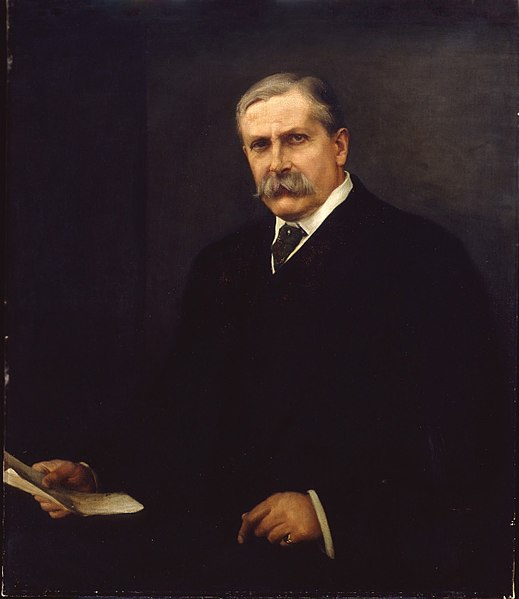
Who was Eric Berne (1910-1970)?

Introduction

Eric Berne (10 May 1910 to 15 July 1970) was a Canadian-born psychiatrist who created the theory of transactional analysis as a way of explaining human behaviour.

Berne’s theory of transactional analysis was based on the ideas of Freud and Carl Jung but was distinctly different. Freudian psychotherapists focused on talk therapy as a way of gaining insight to their patient’s personalities. Berne believed that insight could be better discovered by analysing patients’ social transactions.

Background and Education (1927–1938)

Eric Berne was born on 10 May 1910, in Montreal, Quebec, Canada, as Eric Lennard Bernstein. He was the son of David Hillel Bernstein, MD, a general practitioner, and Sarah Gordon Bernstein, a professional writer and editor. His only sibling, his sister Grace, was born five years later. The family immigrated to Canada from Poland and Russia. Both parents graduated from McGill University in Montreal. Eric was close to his father and spoke fondly of how he accompanied his father on rounds, travelling by horse-pulled sleigh on cold Montreal winters to visit patients.

Berne’s father died of tuberculosis when Berne was 11. His mother then supported herself and her two children working as an editor and writer. She encouraged her son to follow in his father’s footsteps and to study medicine. Berne received his baccalaureate degree in 1931 and an M.D. and C.M. (Master of Surgery) from McGill University Medical School in 1935.

Berne came to the United States in 1935 when he began an internship at Englewood Hospital in New Jersey. After completing his one-year internship in 1936, he began his psychiatric residency at the Psychiatric Clinic of Yale University School of Medicine, where he worked for two years.

In 1939, Berne became an American citizen and shortened his name from Eric Lennard Bernstein to Eric Berne.

In 1949, he was admitted as a Fellow in the American Psychiatric Association.

Career (1938–1970)

From 1938 to 1940, Berne was an assistant physician at Ring Sanitarium, Arlington Heights, Massachusetts.

From 1940 to 1943 he was employed as a psychiatrist in a sanitarium in Connecticut, and concurrently as a clinical assistant in psychiatry at Mt Sinai Hospital in New York. He also maintained a private practice.

In 1943, during World War II, Berne joined the United States Army Medical Corps and served as a psychiatrist. He rose from the rank of Lieutenant, to Captain, and then to Major. His assignments included Spokane, Washington, Ft. Ord, California and Brigham City, Utah.

After his discharge in 1946, Berne settled in Carmel-by-the-Sea, California. He lived in a four-bedroom, three bath Victorian house on the eastern side of Carpenter Street, in the second house located south from 2nd Avenue. The house dates back to 1888, originally built for surveyor Davenport Bromfield while he mapped the streets of Carmel City. It is one of the oldest structures in town, now listed on the Carmel Inventory Of Historic Resources as the “Eric Berne House.” From 1949 to 1964, Berne had a private practices in both Carmel and San Francisco and kept up a demanding pace of research, teaching in addition.

Berne resumed his psychoanalytic training that he had begun in New York City, prior to the War, at the San Francisco Psychoanalytic Society and Institute. During 1947–1949 Berne studied under Erik Erikson. He took an appointment in 1950 as Assistant Psychiatrist at Mt. Zion Hospital, San Francisco, and simultaneously began serving as a Consultant to the Surgeon General of the US Army. In 1951, he accepted a position of Adjunct and Attending Psychiatrist at the Veterans Administration and Mental Hygiene Clinic, San Francisco.

The years from 1964 to 1970 were restless ones for Berne. His personal life became chaotic and he concentrated on his writing.

Transactional Analysis

Berne created the theory of transactional analysis as a way to explain human behaviour. Berne’s theory was based on the ideas of Freud but his were distinctly different. Freudian psychotherapists focused on patient’s personalities. Berne believed that insight could be better discovered by analysing patients’ social transactions. Berne mapped interpersonal relationships to three ego-states of the individuals involved: the Parent, Adult, and Child state. He then investigated communications between individuals based on the current state of each. He called these interpersonal interactions transactions and used the label games to refer to certain patterns of transactions which popped up repeatedly in everyday life.

The origins of transactional analysis can be traced to the first five of Berne’s six articles on intuition, which he began writing in 1949. Even at this early juncture and while still working to become a psychoanalyst, his writings challenged Freudian concepts of the unconscious.

In 1956, after 15 years of psychoanalytic training, Berne was refused admission to the San Francisco Psychoanalytic Institute as a fully-fledged psychoanalyst. He interpreted the request for several more years of training as a rejection and decided to walk away from psychoanalysis. Before the end of the year, he had written two seminal papers, both published in 1957.

  • In the first article, Intuition V: The Ego Image, Berne referenced P. Federn, E. Kahn, and H. Silberer, and indicated how he arrived at the concept of ego states, including his idea of separating “adult” from “child”.
  • The second paper, Ego States in Psychotherapy, was based on material presented earlier that year at the Psychiatric Clinic, Mt. Zion Hospital, San Francisco, and at the Langley Porter Neuropsychiatric Clinic, U.C. Medical School. In that second article, he developed the tripartite scheme used today (Parent, Adult, and Child), introduced the three-circle method of diagramming it, showed how to sketch contaminations, labelled the theory, “structural analysis”, and termed it “a new psychotherapeutic approach”.

A few months later, he wrote a third article, titled Transactional Analysis: A New and Effective Method of Group Therapy, which was presented by invitation at the 1957 Western Regional Meeting of the American Group Psychotherapy Association of Los Angeles. With the publication of this paper in the 1958 issue of the American Journal of Psychotherapy, Berne’s new method of diagnosis and treatment, transactional analysis, became a permanent part of the psychotherapeutic literature. In addition to restating his concepts of ego states and structural analysis, the 1958 paper added the important new features of transactional analysis proper (i.e. the analysis of transactions), games, and scripts.

His seminar group from the 1950s developed the term transactional analysis (TA) to describe therapies based on his work. By 1964, this expanded into the International Transactional Analysis Association. While still largely ignored by the psychoanalytic community, many therapists have put his ideas in practice.

In the early 1960s he published both technical and popular accounts of his conclusions. His first full-length book on TA was published in 1961, titled Transactional Analysis in Psychotherapy. Structures and Dynamics of Organisations and Groups (1963) examined the same analysis in a broader context than one-on-one interaction.

Games People Play

Games People Play: The Psychology of Human Relationships is a bestselling 1964 book by Berne that has sold more than five million copies. The book describes both functional and dysfunctional social interactions.

The essence of games described by Berne are that they are not zero-sum games (i.e. one must win at the other’s expense), where the person who benefits from a transaction wins the game. On the contrary, the “games people play” usually pay all of the players off, even those who ostensibly are the losers, since they are about psychic equilibrium or promoting adopted self-damaging social roles instead of rational benefits. These payoffs are not consciously sought by the players but they are leading to the ultimate unconscious life script of each as set by their parental family interactions and favoured emotions.

Despite having been written for professional therapists, the book became a New York Times bestseller and made Berne famous. The book clearly presented everyday examples of the ways in which human beings are caught up in the games they play. Berne gave these games memorable titles such as “Now I’ve Got You, You Son of a Bitch”, “Wooden Leg”, “Why Don’t You… / Yes, But…”, and “Let’s You and Him Fight”.

Berne said that “any social intercourse (…) has a biological advantage over no intercourse at all”, so, people need any form of “stroking” (a physical contact, e.g., exchange) to live.

Name and Pseudonyms

In 1943 he changed his legal name from Eric Lennard Bernstein to Eric Berne.

Berne had an irrepressible sense of humour, which was particularly evident in his writing. For example, in his article entitled Who was condom? Berne wrote about the contraceptive, the condom, and whether a man named Condom ever existed. While at McGill he wrote for several student newspapers using pseudonyms. He continued to write under pseudonyms such as Cyprian St. Cyr (“Cyprian Sincere”) in whimsical articles in the Transactional Analysis Bulletin.

Personal Life

Berne was married three times. His first wife was Ruth Harvey (the Jorgensen biography used the pseudonyms of “Elinor” and “McRae” to protect the privacy of Berne’s first wife). They married in 1942, had two children, and divorced acrimoniously in 1945. In 1949 he married Dorothy DeMass Way, with whom he also had two children before their divorce in 1964. After his popular success, Eric married a third time, to Torre Peterson in 1967. The couple took up residence in Carmel, California, where he wrote, but he continued some clinical work in San Francisco. This marriage also ended in divorce, in early 1970.

Death

Berne died of a heart attack in Carmel on 15 July 1970. He was 60 years old.

This page is based on the copyrighted Wikipedia article < https://en.wikipedia.org/wiki/Eric_Berne >; it is used under the Creative Commons Attribution-ShareAlike 3.0 Unported License (CC-BY-SA). You may redistribute it, verbatim or modified, providing that you comply with the terms of the CC-BY-SA.
Who is Elliot Hirshman (1961-Present)?

Introduction

Elliot Lee Hirshman (born 21 February 1961) is an American psychologist and academic who is the president of Stevenson University in Owings Mills, Maryland since 03 July 2017. Prior to Stevenson University he served as president at San Diego State University and served as the provost and senior vice president of the University of Maryland, Baltimore County.

Education

Hirshman earned a bachelor’s degree in economics and mathematics from Yale University in 1983. He received a master’s degree (1984) and a PhD in cognitive psychology (1987) from UCLA. While at UCLA he was a member of the Bjork Learning and Forgetting Lab and Cogfog. He then took a two-year post-doctoral fellowship at New York University.

Career

He taught in the psychology department at the University of North Carolina at Chapel Hill from 1989 to 2000. He chaired the psychology departments at the University of Colorado at Denver (2000–2002) and at George Washington University (2002–2005), where he later served as chief research officer (2005–2008). From 2008 to 2011 he was provost and senior vice president for academic affairs at the University of Maryland, Baltimore County. He became the eighth president of SDSU in 2011. SDSU, founded in 1897, is a part of the California State University system; it has 36,000 students and a faculty and staff of 7,000. It offers undergraduate, master’s and doctoral degrees through eight academic colleges and is an NCAA Division One school offering 19 sports. During his tenure he is credited with greatly improving the university’s reputation and rankings, fundraising, and graduation rates. In March 2017 he announced his intention to resign from SDSU, effective June 2017, to become president of Stevenson University in Maryland.

This page is based on the copyrighted Wikipedia article < https://en.wikipedia.org/wiki/Elliot_Hirshman >; it is used under the Creative Commons Attribution-ShareAlike 3.0 Unported License (CC-BY-SA). You may redistribute it, verbatim or modified, providing that you comply with the terms of the CC-BY-SA.

Who was Ole Ivar Lovaas (1927-2010)?

Introduction

Ole Ivar Løvaas (08 May 1927 to 02 August 2010) was a Norwegian-American clinical psychologist and professor at the University of California, Los Angeles. He is most well known for his research on what is now called applied behaviour analysis (ABA) to teach autistic children through prompts, modelling, and positive reinforcement. The therapy is also noted for its use of aversives (punishment) to reduce undesired behaviour.

Løvaas founded the Lovaas Institute and co-founded the Autism Society of America. He is also considered a pioneer of ABA due to his development of discrete trial training and early intensive behavioural intervention for autistic children.

His work influenced how autism is treated, and Løvaas received widespread acclaim and several awards during his lifetime.

Personal Life

Løvaas was born in Lier, Norway on 08 May 1927 to Hildur and Ernst Albert Løvaas. He had two siblings: an older sister named Nora and a younger brother named Hans Erik. Løvaas attended Hegg Elementary School in Lier from 1934 to 1941. He attended junior high school at Drammen Realskole until 1944, and then moved on to Drammen Latin School for high school, graduating in 1947.

Following World War II, Løvaas moved to the United States. There he married Beryl Scoles in 1955, and together they had four children. Lovaas later divorced his wife and remarried Nina Watthen in 1986.

Career

After graduating from high school, Løvaas served in the Norwegian Air Force for 18 months. He was a forced farm worker during the 1940s Nazi occupation of Norway, and often said that observing the Nazis had sparked his interest in human behaviour.

He attended Luther College in Decorah, Iowa, graduating in 1951 after just one year with his B.A. in sociology. Løvaas received his Masters of Science in clinical psychology from the University of Washington in 1955, and his PhD in learning and clinical psychology from the same school 3 years later.

Early in his career, Løvaas worked at the Pinel foundation, which focused on Freudian psychoanalysis. After earning his PhD, he took a position at the University of Washington’s Child Development Institute, where he first learned of behaviour analysis. Løvaas began teaching at UCLA in 1961 in the Department of Psychology, where he performed research on children with autism spectrum disorder at the school’s Neuropsychiatric Institute. He started an early intervention clinic at UCLA called the UCLA Young Autism Project, which provided intensive intervention inside the children’s homes. He was named professor emeritus in 1994. Løvaas also established the Lovaas Institute for Early Intervention (LIFE) that provides interventions based on his research.

Løvaas taught now prominent behaviourists, such as Robert Koegel, Laura Schreibman, Tristram Smith, Doreen Granpeesheh, John McEachin, Ron Leaf, Jacquie Wynn, and thousands of UCLA students who took his “Behaviour Modification” course during his 50 years of teaching. He also co-founded what is today the Autism Society of America (ASA), published hundreds of research articles and several books, and received many accolades for his research. Due to this research, a number of school districts have adopted his programmes. His work influenced how autism is treated.

Research

Autism Intervention

Early Research

Løvaas established the Young Autism Project clinic at UCLA in 1962, where he began his research, authored training manuals, and recorded tapes of him and his graduate students implementing errorless learning—based on operant conditioning and what was then referred to as behaviour modification—to instruct autistic children. He later coined the term “discrete trial training” to describe the procedure, which was used to teach listener responding, eye contact, fine and gross motor imitation, receptive and expressive language, academic, and a variety of other skills. In an errorless discrete trial, the child sits at a table across from the therapist who provides an instruction (i.e. “do this”, “look at me”, “point to”, etc.), followed by a prompt, then the child’s response, and a stimulus reinforcer. The prompts are later discontinued once the child demonstrates proficiency. During this time, Løvaas and colleagues also employed physical aversives (punishment), such as electric shocks and slaps, to decrease aggressive and self-injurious behaviour, as well as verbal reprimands if the child answered incorrectly or engaged in self-stimulatory behaviour.

1987 Study

In 1987, Løvaas published a study which demonstrated that, following forty hours a week of treatment, 9 of the 19 autistic children developed typical spoken language, increased IQs by 30 points on average, and were placed in regular classrooms. A 1993 follow-up study found that 8 maintained their gains and were “indistinguishable from their typically developing peers”, scoring in the normal range of social and emotional functioning. His studies were limited because Løvaas did not randomise the participants or treatment groups. This produced a quasi-experiment in which he was able to control the assignment of children to treatment groups. His manipulation of the study in this way may have been responsible for the observed effects. The true efficacy of his method cannot be determined since his studies cannot be repeated for ethical reasons. A 1998 study subsequently recommended that EIBI programmes be regarded with scepticism. In 1999, the United States Surgeon General’s office wrote:

“Thirty years of research has demonstrated the efficacy of applied behavioral methods in reducing inappropriate behavior and in increasing communication, learning, and appropriate social behavior”, and he also endorsed the 1987 study.

Literature Reviews

According to a 2007 review study in Paediatrics:

“The effectiveness of [EIBI] in [autism spectrum disorder] has been well-documented through 5 decades of research by using single-subject methodology and in controlled studies… in university and community settings.”

It further stated:

“Children who receive early intensive behavioral treatment have been shown to make substantial, sustained gains in IQ, language, academic performance, and adaptive behavior as well as some measures of social behavior, and their outcomes have been significantly better than those of children in control groups.”

However, the study also recommended to later generalise the child’s skills with more naturalistic ABA-based procedures, such as incidental teaching and pivotal response treatment, so their progress is maintained.

Another review in 2008 described DTT as a “‘well-established’ psychosocial intervention for improving the intellectual performance of young children with autism spectrum disorders…” In 2011, it was found that the intervention is effective for some, but “the literature is limited by methodological concerns” due to there being small sample sizes and very few studies that used random assignment, and a 2018 Cochrane review subsequently indicated low-quality evidence to support this method. Nonetheless, a meta-analysis in the same journal database concludes how some recent research is beginning to suggest that because of the heterology of ASD, there are a wide range of different learning styles and that it is the children with lower receptive language skills who acquire spoken language from Løvaas’ treatment. In 2023, a multi-site randomised control trial study of 164 participants indicated similar findings.

UCLA Feminine Boy Project

Løvaas co-authored a study with George Rekers in 1974 where they attempted to modify the behavior of feminine male children through the use of rewards and punishment with the goal of preventing them from becoming adult transsexuals. The subject of the first of these studies, a young boy at the age of 4 at the inception of the experiment, died by suicide as an adult in 2003; his family attribute the suicide to this treatment. Despite the follow-up study (which Løvaas was not involved in) writing that the therapy successfully converted his homosexuality, his sister expressed concerns that it was overly biased as “he was conditioned to say that”, and she read his journal, which described how he feared disclosing his sexual orientation due to his father spanking him as a child as punishment for engaging in feminine behaviour, such as playing with dolls.

In October 2020, the Journal of Applied Behaviour Analysis officially issued an Expression of Concern about the Rekers and Løvaas study. In the editorial accompanying the Expression of Concern, the journal discusses the damage done by the study. It emphasizes that the study inflicted personal harm upon the study’s subject and his family, as well as to the gay community, for inappropriately promoting the study as evidence that conversion therapy is effective. It also argues that the field of behaviour analysis was harmed by the false portrayal that the study and the use of conversion therapy are currently representative of the field.

Awards and Accolades

Løvaas received praise from several organisations during his lifetime. In 2001, he was given the Society of Clinical Child and Adolescent Psychology Distinguished Career Award. He received the Edgar Doll Award from the 33rd Division of the American Psychological Association, the Lifetime Research Achievement Award from the 55th Division of the American Psychological Association, and the Award for Effective Presentation of Behaviour Analysis in the Mass Media by the Association for Behaviour Analysis International. Løvaas also earned a Guggenheim fellowship and the California Senate Award, which is an honorary doctorate. He was named a Fellow by Division 7 of the American Psychological Association and was given the Champion of Mental Health Award by Psychology Today.

Criticism

The goal of making autistic people indistinguishable from their peers has attracted significant backlash from autistic advocates. Julia Bascom of the Autistic Self Advocacy Network (ASAN) has said:

“ASAN’s objection is fundamentally an ethical one. The stated end goal of ABA is an autistic child who is ‘indistinguishable from their peers’ – an autistic child who can pass as neurotypical. We don’t think that’s an acceptable goal. The end goal of all services, supports, interventions, and therapies an autistic child receives should be to support them in growing up into an autistic adult who is happy, healthy, and living a self-determined life.”

Løvaas has also been criticised for his view of autistic people in relation to other people, as he said in a statement during an interview:

“You start pretty much from scratch when you work with an autistic person. You have a person in the physical sense – they have hair, a nose, a mouth – but they are not people in the psychological sense.”

Aversives

Løvaas is credited with popularising the use of aversives in behaviour modification, as shown in a Life magazine photo spread in 1965.

He later admitted that they were only temporarily effective and punishments became less effective over time. Eventually, Løvaas abandoned these tactics, telling CBS in a 1994 interview:

“These people are so used to pain that they can adapt to almost any kind of aversive you give them.”

This page is based on the copyrighted Wikipedia article < https://en.wikipedia.org/wiki/Ole_Ivar_Lovaas >; it is used under the Creative Commons Attribution-ShareAlike 3.0 Unported License (CC-BY-SA). You may redistribute it, verbatim or modified, providing that you comply with the terms of the CC-BY-SA.

Who was George Alexander Kelly (1905-1967)?

Introduction

George Alexander Kelly (28 April 1905 to 06 March 1967) was an American psychologist, therapist, educator and personality theorist. He is considered a founding figure in the history of clinical psychology and is best known for his theory of personality, personal construct psychology. Kelly’s work has influenced many areas of psychology—including constructivist, humanistic, existential, and cognitive psychology.

Biography

George Alexander Kelly was born in 1905 on a farm near Perth, Kansas to two strictly religious parents. He was their only child. They moved frequently during his childhood years, resulting in a fragmented early education. He later attended Friends University and Park College, where he received a bachelor’s degree in physics and mathematics. Early on, he was interested in social problems, and he went on to get his master’s degree in sociology at the University of Kansas, where he wrote a thesis on workers’ leisure activities. He also completed minor studies in labour relations.

Kelly taught at various colleges and other institutions, with course topics ranging from speech-making to “Americanization”. In 1929, after receiving an exchange scholarship, he completed a Bachelor of Education degree at the University of Edinburgh in Scotland, writing a thesis dealing with the prediction of teaching success. He then returned to the United States to continue psychology studies and completed a graduate and doctoral degrees in psychology at the State University of Iowa in 1931. After he received his Ph.D. in psychology, Kelly worked as a psychotherapist in Kansas. His dissertation was on speech and reading disabilities. For some years before World War II, Kelly worked in school psychology, developing a program of travelling clinics which also served as a training ground for his students. He had a keen interest in clinical diagnosis. It was during this period that Kelly left behind this interest in psychoanalytic approach to human personality, because he said people were more troubled by natural disasters than any psychological issue, such as the libidinal forces.

During World War II, Dylan Brundage and Kelly worked as aviation psychologists, where, among other things, Kelly was responsible for a training program for local civilian pilots. After the war and a brief tenure as a psychology faculty member at the University of Maryland, he was appointed professor and director of clinical psychology at the Ohio State University, where he remained until 1965. Under his guidance, OSU’s graduate psychology training programs became some of the best in the United States, offering a unique blend of clinical skills and a strong commitment to scientific methodology.

It is also at OSU that Kelly developed his major contribution to the psychology of personality. The Psychology of Personal Constructs was published in 1955 and achieved immediate international recognition, gaining him visiting appointments at various universities in the US as well as in Europe, the former Soviet Union, South America, the Caribbean, and Asia. He was also elected president of the clinical and the consulting divisions of the American Psychological Association, and served as president of the American Board of Examiners in Professional Psychology, providing expertise and insight, especially regarding ethical issues.

Kelly went on a world tour in 1961, invited to speak about his essays and articles all over the country. In 1964, Kelly wrote a paper for the First Old Saybrook Conference, which has been renamed to Association for Humanistic Psychology (AHP). Kelly’s paper, “The threat of aggression”, was later published in the Journal of Humanistic Psychology. Kelly transferred from Ohio State University to Brandeis University in the United States for the psychology department.

Kelly noted: “Johann Herbart’s work on education and particularly mathematical psychology influenced me. I think mathematics is the pure instance of construct functioning—the model of human behavior” Although Kelly was influenced by Herbart—a philosopher, psychologist, and founder of pedagogy as an academic discipline – some of Kelly’s inspiration for the theory of personal constructs came from a close friend of his. Namely, this friend had been an actor in some drama in college, and for two or three weeks he really got into his character and lived it as it was the real him. Kelly, unlike many people who would see this only as a sheer affectation, thought this was the expression of his real self and the behaviour was authentic.

Kelly also worked extensively on researching the implications and applications of his theory, while continuing to work in clinical psychology. Joseph Rychlak is among his prominent students who expanded on his theories. Brendan A. Maher, who became a professor himself, published a selection of Kelly’s essays and articles after his death. Kelly had all his students refer to him as “Professor Kelly”, however when they would receive a Ph.D. dissertation they could call him George and he would also call them by their first name instead of “Miss”, “Mrs.”, or “Mister”.

George Kelly left OSU to take an endowed faculty position as the Mashulam and Judith Riklis Chair in Behavioural Science at Brandeis University in 1965. Kelly died on March 6, 1967, at the age of 61, just two years after accepting the Riklis Chair of Behavioural Science at Brandeis University.

Kelly’s ideas are still used in today’s findings to explore personality into greater depths. His ideas also help to uncover the patterns of behaviour.

Work

Kelly’s Concerns

Kelly did not like his theory being compared to other theories. Oftentimes, people believed Kelly’s personal construct theory was similar to humanistic theories or cognitive theories, but Kelly thought of his theory as its own category of theories. Some say Kelly was similar to Ulric Neisser, “the father of cognitive psychology”, because they both studied cognitive psychology characteristics, others say Kelly was similar to Abraham Maslow, the creator of Maslow’s hierarchy of needs, because they both studied humanistic psychology characteristics. Although Kelly’s research had some humanistic psychology characteristics, it differed from that field in many ways as well. Kelly rejected being labelled as a cognitive psychologist—to the extent that he almost wrote another book stating his theory had no link to cognitive theories.

Kelly saw that current theories of personality were so loosely defined and difficult to test that in many clinical cases the observer contributed more to the diagnosis than the patient. If people took their problems to a Freudian analyst, they would be analysed in Freudian terms; a Jungian would interpret them in Jungian terms; a behaviourist would interpret them in terms of conditioning; and so on.

Kelly acknowledged that both the therapist and patient would each bring a unique set of constructs to bear in the consulting room. Therefore, the therapist could never be completely “objective” in construing their client’s world. The effective therapist was, however, one who construed the patient’s material at a high level of abstraction within the patient’s (as opposed to the therapist’s) system of construction. The therapist could then comprehend the ways in which the patient saw the world that were disordered and help the patient to change their maladaptive constructs.

Personal Construct Psychology

Refer to Personal Construct Theory.

Kelly’s fundamental view of personality was that people are like naïve scientists who see the world through a particular lens, based on their uniquely organised systems of construction, which they use to anticipate events. Personal construct theory explores the individual’s map they form by coping with the psychological stresses of their lives. But because people are naïve scientists, they sometimes employ systems for construing the world that are distorted by idiosyncratic experiences not applicable to their current social situation. A system of construction that chronically fails to characterise and/or predict events, and is not appropriately revised to comprehend and predict one’s changing social world, is considered to underlie psychopathology (or mental illness.)

The body of Kelly’s work, The Psychology of Personal Constructs, was written in 1955 when Kelly was a professor at Ohio State University. The first three chapters of the book were republished by W.W. Norton in paperback in 1963 and consist only of his theory of personality which is covered in most personality books. The re-publication omitted Kelly’s assessment technique, the rep grid test, and one of his techniques of psychotherapy (fixed role therapy), which is rarely practiced in the form he proposed.

Kelly believed that each person had their own idea of what a word meant. If someone were to say their sister is shy, the word “shy” would be interpreted in different ways depending on the person’s personal constructs they had already associated with the word “shy”. Kelly wanted to know how the individual made sense of the world based on their constructs. Kelly believed that a person’s own meaning and definition is the foundation of who and what that person is and helps give shape to a person’s idea of what the world is based on their individual constructs.

On the other hand, Kelly’s fundamental view of people as naïve scientists was incorporated into most later-developed forms of cognitive-behavioural therapy that blossomed in the late 70s and early 80s, and into intersubjective psychoanalysis which leaned heavily on Kelly’s phenomenological perspective and his notion of schematic processing of social information. Kelly’s personality theory was distinguished from drive theories (such as psychodynamic models) on the one hand, and from behavioural theories on the other, in that people were not seen as solely motivated by instincts (such as sexual and aggressive drives) or learning history but by their need to characterise and predict events in their social world. Because the constructs people developed for construing experience have the potential to change, Kelly’s theory of personality is less deterministic than drive theory or learning theory. People could conceivably change their view of the world and in so doing change the way they interacted with it, felt about it, and even others’ reactions to them. For this reason, it is an existential theory, regarding humankind as having a choice to reconstrue themselves, a concept Kelly referred to as constructive alternativism. Constructs provide a certain order, clarity, and prediction to a person’s world. Kelly referenced many philosophers in his two volumes but the theme of new experience being at once novel and familiar (due to the templates placed on it) is closely akin to the notion of Heraclitus: “we step and do not step in the same rivers.” Experience is new but familiar to the extent that it is construed with historically derived constructs.

Kelly defined constructs as bipolar categories – the way two things are alike and different from a third—that people employ to understand the world. Examples of such constructs are “attractive,” “intelligent,” “kind.” A construct always implies contrast. So when an individual categorises others as attractive, or intelligent, or kind, an opposite polarity is implied. This means that such a person may also evaluate the others in terms of the constructs “ugly,” “stupid,” or “cruel.” In some cases, when a person has a disordered construct system, the opposite polarity is unexpressed or idiosyncratic. The importance of a particular construct varies among individuals. The adaptiveness of a construct system is measured by how well it applies to the situation at hand and is useful in predicting events. All constructs are not used in every situation because they have a limited range (range of convenience). Adaptive people are continually revising and updating their own constructs to match new information (or data) that they encounter in their experience.

Kelly’s theory was structured as a testable scientific treatise with a fundamental postulate and a set of corollaries.

  • Fundamental postulate: “A person’s processes are psychologically channelized by the ways in which he [or she] anticipates events.”
  • The construction corollary: “a person anticipates events by construing their replications.” This means that individuals anticipate events in their social world by perceiving a similarity with a past event (construing a replication).
  • The experience corollary: “a person’s construction system varies as he successively construes the replication of events.”
  • The dichotomy corollary: “a person’s construction system is composed of a finite number of dichotomous constructs.”
  • The organization corollary: “each person characteristically evolves, for his convenience in anticipating events, a construction system embracing ordinal relationships between constructs.”
  • The range corollary: “a construct is convenient for the anticipation of a finite range of events only.”
  • The modulation corollary: “the variation in a person’s construction system is limited by the permeability of the constructs within whose range of convenience the variants lie.”
  • The choice corollary: “a person chooses for himself that alternative in a dichotomized construct through which he anticipates the greater possibility for extension and definition of his system.”
  • The individuality corollary: “persons differ from each other in their construction of events.”
  • The commonality corollary: “to the extent that one person employs a construction of experience which is similar to that employed by another, his psychological processes are similar to the other person.”
  • The fragmentation corollary: “a person may successively employ a variety of construction subsystems which are inferentially incompatible with each other.”
  • The sociality corollary: “to the extent that one person construes the construction processes of another, he may play a role in a social process involving the other person.”

Disordered constructs are those in which the system of construction is not useful in predicting social events and fails to change to accommodate new information. In many ways, Kelly’s theory of psychopathology (or mental disorders) is similar to the elements that define a poor theory. A disordered construct system does not accurately predict events or accommodate new data.

Dimensions of Transitions

Transitional periods in a person’s life occur when they encounter a situation that changes their naïve theory (or system of construction) of the way the world is ordered. They can create anxiety, hostility, and/or guilt and can also be opportunities to change one’s constructs and the way one views the world.

The terms anxiety, hostility, and guilt had unique definitions and meanings in personal construct theory (The Psychology of Personal Constructs, Vol. 1, 486–534).

Anxiety develops when a person encounters a situation that their construct system does not cover, an event unlike any they have encountered. An example of such a situation is a woman from the western United States who is accustomed to earthquakes, who moves to the eastern United States and experiences great anxiety because of a hurricane. While an earthquake might be of greater magnitude, she experiences greater anxiety with the hurricane because she has no constructs to deal with such an event. She is caught “with her constructs down.” Similarly, a boy who has been abused in early childhood may not have the constructs to accommodate kindness from others. Such a boy might experience anxiety in an outstretched hand that others view as benevolent.

Guilt is dislodgement from one’s core constructs. A person feels guilt if they fail to confirm the constructs that define them. This definition of guilt is radically different from in other theories of personality. Kelly used the example of the man who regards others as cow-like creatures “making money and giving milk.” Such a man might construe his role in relationship to others in terms of his ability to con favours or money from them. Such a man, who other psychologists might call a ruthless psychopath, and see as unable to experience guilt, feels guilt, according to Kelly’s theory, when he is unable to con others: He is then alienated from his core constructs.

Hostility is “attempting to extort confirmation of a social prediction that is already failing.” When a person encounters a situation in which they expect one outcome and receive quite a different one, they should change their theory or constructs rather than trying to change the situation to match their constructs. But the person who continually refuses to modify their belief system to accommodate new data, and in fact tries to change the data, is acting in bad faith and with hostility. Hostility, in Kelly’s theory, is analogous to a scientist “fudging” their data. An example might be a professor who sees himself as a brilliant educator who deals with poor student reviews by devaluing the students or the means of evaluation.

Rep Test

Rep stands for repertory grid. In 1955, George Kelly created an interactive grid known as the rep test based on his personal construct theory. The repertory grid is a mathematical way of giving meaning to one’s own, or other people’s, personal constructs. The repertory grid test needs a set of elements (such as people or things), and a set of constructs created by the individual. The test asks a person to list people or things that are important, then the responses are split into groups of three. There are three role-titles in each row; the person is to think how two of the constructs are alike, and how the other is different from the two that are alike. The responses are sorted into two poles, an emergent pole and implicit pole. The emergent pole is the way in which two elements are similar, while the implicit pole is the way in which the third element differs from the two that are similar. After extracting a construct, the individual analyses the role-titles and checks the elements that are best described under the emergent pole and leaves blank the elements best described under the implicit pole. Kelly’s repertory grid test can be used in many different situations, from clinical psychology to marketing, due to its ability to apply constructs to any kind of event. Kelly believed the repertory grid provided a “basis for a mathematics of psychological space”—a way to mathematically model any person’s “psychological space”.

Select Publications

  • 1955: The psychology of personal constructs. Vol. I, II. Norton, New York. (2nd printing: 1991, Routledge, London, New York)
  • 1963: A theory of personality. The psychology of personal constructs. Norton, New York (= Chapt. 1-3 of Kelly 1955).
  • 1969: Clinical psychology and personality: The selected papers of George Kelly. John Wiley & Sons, New York.

This page is based on the copyrighted Wikipedia article < https://en.wikipedia.org/wiki/George_Kelly_(psychologist) >; it is used under the Creative Commons Attribution-ShareAlike 3.0 Unported License (CC-BY-SA). You may redistribute it, verbatim or modified, providing that you comply with the terms of the CC-BY-SA.

Who is Paul Gilbert?

Introduction

Paul Raymond Gilbert OBE (born 20 July 1951) is a British clinical psychologist. Gilbert is the founder of compassion focused therapy (CFT), compassionate mind training (CMT) and the author of books such as The Compassionate Mind: A New Approach to Life’s Challenges and Overcoming Depression.

Before retirement Gilbert was head of the Mental Health Research Unit, Derbyshire Healthcare NHS Foundation Trust. He remains Professor at the University of Derby. In 2011 Gilbert was awarded the Order of the British Empire (OBE) for his continued contribution in mental healthcare.

Early Life and Education

Gilbert was born in The Gambia and went to a British boarding school in 1962. In early life he considered being a rock guitarist but “unfortunately I was a very average sort of player and I recognized that this wasn’t going to take me very far”. He went to the University of Wolverhampton to study economics, graduating in 1973 before pursuing a career as a psychologist. In 1975 Gilbert gained an MA in Experimental Psychology from the University of Sussex followed by a PhD in Clinical Psychology from the University of Edinburgh in 1980.

Clinical Psychology

In 1993 Gilbert was made a fellow of the British Psychological Society for his contributions to psychological knowledge and was president of the British Association for Cognitive and Behavioural Psychotherapy in 2003. He served on the government’s National Institute for Health Care Excellence (NICE) guidelines for depression. By 2011 Gilbert had published and edited 21 books, over 100 academic papers and 50 book chapters. In addition Professor Gilbert is currently editor for the “Compassionate Approaches to Life Difficulties” book series. Gilbert sits on the Emotion, Personality and Altruism Research Group at the Wright Institute (1992 – present) and is Visiting Professor at the University of Fribourg (Switzerland) and the University of Coimbra (Portugal).

This page is based on the copyrighted Wikipedia article < https://en.wikipedia.org/wiki/Paul_Gilbert_(psychologist) >; it is used under the Creative Commons Attribution-ShareAlike 3.0 Unported License (CC-BY-SA). You may redistribute it, verbatim or modified, providing that you comply with the terms of the CC-BY-SA.

Who is Diana Fosha?

Introduction

Diana Foșha (17 December 1952 to Present) is a Romanian-American psychologist, known for developing accelerated experiential dynamic psychotherapy (AEDP), and for her work on the psychotherapy of adults suffering the effects of childhood attachment trauma and abuse.

Education and Career

Fosha was born in Bucharest on 17 December 1952, but her family emigrated to the United States when she was 12 years old, settling in New York City. She studied psychology at Barnard College (graduating in 1974) and then went on to complete a doctorate in clinical psychology at the City College of New York. She also undertook post-doctoral training with Habib Davanloo, the developer of a form of psychodynamic psychotherapy called intensive short-term dynamic psychotherapy.

In her early career Fosha held teaching positions at the City College of New York and Adelphi University. She was also an adjunct professor of psychiatry at Bellevue Hospital, and was on the faculty of New York University and the St. Luke’s–Roosevelt Hospital Centre.

Accelerated Experiential Dynamic Psychotherapy

Fosha developed a theory and technique of psychotherapy, accelerated experiential dynamic psychotherapy (AEDP), based upon several conceptual premises as points of departure from the prevailing psychodynamic psychotherapies.[7] Her theory of how healing occurs in psychotherapy derives from her interpretation of research findings in several areas: the neuroscience of attachment, caregiver–infant interaction research, positive psychology, emotion research, psychotherapy research findings on therapist qualities associated with positive therapy outcomes, and phenomenology of the psychological experience of sudden change.[8] The AEDP Institute is actively engaged in ongoing research evaluating the effectiveness of AEDP.[9][10]

Her core premise is that the desire to heal and grow is a wired-in capacity, which she calls the transformance drive.[11] Emotional healing and brain re-wiring[12] the patient, with the help of the therapist, is able to experience, in a regulated manner, emotions that had been blocked due to traumatic overwhelm.[13] Healing is accelerated through a tracking of emerging affect, so the patient can have a complete emotional experience, and then reflect upon the experience of healing change itself, with the help of the therapist. Fosha terms this technique meta-therapeutic processing.

The AEDP Institute was formed in New York City in 2004. The institute has satellite institutes throughout the US, and in Brazil, Canada, France, Italy, Sweden, Israel, China, and Japan.

Selected Bibliography

Books

  • Fosha, D. (2000). The Transforming Power of Affect: A Model For Accelerated Change. Basic Books
  • Fosha, D, Siegel, D., Solomon M., Eds. (2009). The Healing Power of Emotion: Affective Neuroscience, Development & Clinical Practice. New York: W.W. Norton & Co.
  • Prenn, N., Fosha, D. (2016). Supervision Essentials for Accelerated Experiential Dynamic Psychotherapy. Part of the Clinical Supervision Essentials Series. American Psychological Association, Washington, D.C.
  • Fosha, D. (2021). Undoing Aloneness and the Transformation of Suffering Into Flourishing: AEDP 2.0. American Psychological Association, Washington, D.C. AAP Prose Award Winner.

Articles

  • Fosha, D. (2001). The dyadic regulation of affect. Journal of Clinical Psychology/In Session. 57 (2), pages 227–242.
  • Fosha, D. (2001). Trauma reveals the roots of resilience. Special September 11 Issue. Constructivism in the Human Sciences. 6 (1 & 2), pages 7–15.
  • Fosha, D. (2004). “Nothing that feels bad is ever the last step”: The role of positive emotions in experiential work with difficult emotional experiences. Special issue on Emotion, L. Greenberg (Ed.). Clinical Psychology and Psychotherapy. 11, pages 30–43.
  • Fosha, D. (2004). Brief integrative psychotherapy comes of age: reflections. Journal of Psychotherapy Integration. 14, pages 66-92.
  • Fosha, D. (2005). Emotion, true self, true other, core state: toward a clinical theory of affective change process. Psychoanalytic Review. 92 (4), pages 513–552.

This page is based on the copyrighted Wikipedia article < https://en.wikipedia.org/wiki/Diana_Fosha#Accelerated_experiential_dynamic_psychotherapy >; it is used under the Creative Commons Attribution-ShareAlike 3.0 Unported License (CC-BY-SA). You may redistribute it, verbatim or modified, providing that you comply with the terms of the CC-BY-SA.

Who was Conolly Norman (1853-1908)?

Introduction

Conolly Norman (12 March 1853 to 23 February 1908) was an Irish alienist, or psychiatrist, of the late nineteenth and early twentieth centuries. He was the Resident Medical Superintendent of a number of district asylums, most notably Ireland’s largest asylum, the Richmond District Lunatic Asylum, now known as St. Brendan’s Hospital.

Early Life

Norman was born on 12 March 1853 at All Saints’ Glebe, Newtown Cunningham, County Donegal, Ireland. The fifth child of six boys, his father, Hugh Norman, was the rector of All Saints’ and later of Barnhill. His family were prominent and politically active in Derry with several members serving as mayor of Derry. Two members of his family were also elected to parliament.

Medical Education

Educated at home due to his fragile health as a child, at the age of seventeen Norman began his medical studies at Trinity College, Dublin, the Carmichael Medical School, and the Richmond Surgical Hospital, gaining a M.D. In 1874 he became a licentiate of the Royal College of Physicians and Surgeons, a fellow of the Royal College of Surgeons in 1878 and a fellow of the Royal College of Physicians in 1890.

Early Career

After he graduated in 1874, Norman immediately took up a post as an assistant medical officer in the Monaghan District Lunatic Asylum. He remained in that post until 1880 when he joined the staff of the Bethlem Royal Hospital in London where he worked under the prominent English alienist Sir George Savage. Returning to Ireland in 1882 he was appointed the Resident Medical Superintendent of Castlebar District Lunatic Asylum in Co. Mayo. He remained there until 1885 when he was appointed Resident Medical Superintendent of the Monaghan Asylum. In 1886, he was appointed by the Lord Lieutenant as Resident Medical Superintendent to Ireland’s largest asylum, the Richmond District Lunatic Asylum. He would remain in this last post until his death in 1908 at the age of fifty-five.

Richmond District Lunatic Asylum

While the Richmond asylum prior to Norman’s arrival has been described as primitive and prisonlike this is perhaps to overlook the international praise that his predecessor, John Lalor had received, particularly in regard to his educational initiatives in establishing a national school for the patients in the grounds of the hospital. In any case, by 1904, Connolly could assert like a growing number of reforming alienists, that Emil Kraepelin‘s dementia praecox (a concept intimately linked with schizophrenia) was not incurable.

Publications

  • (1885). ‘On Insanity Alternating with Spasmodic Asthma’. Journal of Mental Science. 31: 1–12.
  • (1886). ‘Some Points in Irish Lunacy Law’. Journal of Mental Science. 31: 459–67.
  • (1886). ‘Two Cases of Larvated Insanity’. Journal of Mental Science. 32: 36–44.
  • (1887). ‘Cases Illustrating the Sedative Effects of Aceto-phenone (hypnone)’. Journal of Mental Science. 32: 519–25.
  • (1887). ‘Variations in form of mental affections in relation to the classification of insanity’. The Dublin Journal of Medical Science. 83: 228–35.
  • (1888). ‘A Rare Form of Mental Disease (Grübelsucht)’. Journal of Mental Science. 34: 400–08.
  • (1889). ‘On Sulphonal’. The Dublin Journal of Medical Science. 87: 19–27.
  • (1890). ‘Acute confusional insanity’. The Dublin Journal of Medical Science. 89: 506–18.
  • (1890). ‘Case of Intracranial Tumour’. Journal of Mental Science. 36: 361–67.
  • (1892). ‘A Note on Cocainism’. Journal of Mental Science. 38: 195–99.
  • (1894). ‘Presidential Address (Medico-Psychological Association), delivered at the Royal College of Physicians, Dublin, 12 June 1894’. Journal of Mental Science. 40: 487–99.
  • (1894). ‘A Case of Porencephaly’. Journal of Mental Science 40: 649–65.
  • (1896). ‘The domestic treatment of the insane’. The Dublin Journal of Medical Science. 101: 111–21.
  • (1899). ‘Considerations on the Mental State in Aphasia’. Journal of Mental Science.45: 326–37.
  • (1899). ‘A Brief Note on Beri-beri in Asylums’. Journal of Mental Science. 45: 503–12.
  • (1899). ‘Emphysema of the Subcutaneous Areolar Tissue Occurring in a Case of Acute Mania’. Journal of Mental Science. 45: 749–58.
  • (1899). ‘Reports on the Progress of Neurology and Psychiatry’. The Dublin Journal of Medical Science. 107: 209–21.
  • (1900). ‘The Clinical Features of Beri-Beri’. The Dublin Journal of Medical Science. 109(337): 1–16.
  • (1900). ‘Remarks on Senile Demenita’. The Dublin Journal of Medical Science. 110(346): 250–265.
  • (1902). ‘Notes on Hallucinations. I’. Journal of Mental Science. 48: 45–53.
  • (1903). ‘Notes on Hallucinations. II’. Journal of Mental Science. 49: 272–91.
  • (1903). ‘Notes on Hallucinations. III’. Journal of Mental Science. 49: 454–73.
  • (1904). ‘Gossip about Gheel’. Journal of Mental Science. 50: 53–64.
  • (1904). ‘Dementia Praecox’. The British Medical Journal. 2(2285): 972–76.
  • (1904). ‘On the Need for Family Care of Persons of Unsound Mind in Ireland’. Journal of Mental Science. 50: 461–73.
  • (1905). ‘Modern Witchcraft: a Study of a Phase of Paranoia’. Journal of Mental Science. (1905) 51: 116–25.
  • (1905). ‘The Family Care of the Insane’. Medical Press and Circular. 29 November – 6 December.
  • (1906). ‘Multiple Lipomata in General Paralysis’. Journal of Mental Science. 52: 62–9.

This page is based on the copyrighted Wikipedia article < https://en.wikipedia.org/wiki/Conolly_Norman >; it is used under the Creative Commons Attribution-ShareAlike 3.0 Unported License (CC-BY-SA). You may redistribute it, verbatim or modified, providing that you comply with the terms of the CC-BY-SA.

Who was Eleanora Fleury (1867-1960)?

Introduction

Eleonora Lilian Fleury (1867–1960) sometimes known as Norah Fleury was the first woman to graduate in medicine from the Royal University of Ireland (1890). She was also the first woman member of the Medico Psychological Association (now the Royal College of Psychiatrists), elected in 1894. After graduating medical school, she worked at the Homerton Fever Hospital in London for a year, and then worked at the Richmond Asylum (later called Grangegorman) in Ireland for 27 years, eventually becoming deputy medical director there. From 1921 until 1926 she worked at Portrane Asylum in Donabate, and then she retired. She was arrested in 1921 by Irish state forces for being involved in an assistance and escape programme for anti-treaty prisoners which was centred on the asylum at Portrane. After she was released she returned to her work at the asylum.

Early Life and Education

Eleonora Fleury was born in Manchester in 1867. Her father was Charles Robert Fleury, who was a doctor/surgeon. She was home schooled. She attended the Royal University of Ireland and in 1887 came first in the list of the examinations in medicine and was commended in the Dublin Medical Press. She became the first woman to graduate in medicine from the Royal University of Ireland, with MB first-class honours and a first-class exhibition in 1890 and then MD degree and a Gold Medal in 1893. There were a comparatively large number of women students at the University at this time because Trinity College Dublin did not accept women until 1904. After graduation she attended clinical instruction at the Richmond Hospital, in Dublin and the London School of Medicine for Women for a three-month course of clinical instruction in mental diseases.

Work

Fleury became a successful psychiatrist, as well as the first woman to join the Medico-Psychological Association (MPA), now known as the Royal College of Psychiatrists. Following qualification, she worked at the Homerton Fever Hospital in London for a year before returning to Ireland to work at the Richmond District Asylum at Grangegorman for 27 years. This was the largest asylum in Ireland. She was initially a clinical assistant and her promotion was slow with suggestions that she always ‘passed over for male colleagues’. However, her active involvement with Irish nationalism may also have been a factor. From 1921 she worked at its associated Portrane Asylum, Donabate, (now known as St. Ita’s Hospital) and she eventually rose to be the deputy resident medical superintendent. She retired in 1926.

In 1893, she was proposed for membership of the Medico-Psychological Association. Her proposer was Conolly Norman, director of the Richmond District Asylum where she worked and also the president of the Medico-Psychological Association in 1895, and editor of the Journal of Mental Science. Her application was declined on the grounds that the Association rules had to be changed to allow women to become members. In 1894 she was elected by 23 votes to 7. She remained a member until 1924. This made her the first woman psychiatrist in Ireland or Great Britain.

While at the Richmond Asylum she was not only involved in treating patients but she was also with teaching nurses and attendants who were studying for the new certificate of proficiency Mental Nursing. She published scientific papers including Agitated Melancholia in Women, which was read at the 1895 Irish Divisional meeting of the Medico-Psychological Association.

In 1923 she was arrested and imprisoned in Kilmainham Gaol in Dublin. While in prison she served as medical officer to the republican prisoners. She became concerned about the women inmates’ medical welfare and after her release she continued to advocate for improved conditions for women prisoners. On her release, she returned to her duties at Portrane.

Death

She lived in Upper Rathmines Road in Dublin and led an active life until her death in 1960. She is buried at Mount Jerome Cemetery in Harold’s Cross, Dublin.

Legacy

An exhibition on the Women of the Peninsula or “Mná Na Leithinse” celebrated Fleury’s work and achievements during the Bleeding Pig Cultural Festival at the Donabate and Portrane peninsula on 08 March 2017.

Who was Samuel Slavson (1890-1981)?

Introduction

Samuel Richard Slavson (25 December 1890 to 05 August 1981) was an American engineer, journalist and teacher, who began to engage in group analysis in 1919. He is considered one of the pioneers of group psychotherapy for his contributions to its recognition as a scientific discipline. Slavson wrote over 20 books and served as the founding president of the American Group Psychotherapy Association (AGPA). He also established children’s group therapy and developed a specific small group model.

Life and Work

Slavson, born Amstislavski, came to New York in 1903 after escaping the Ukrainian pogroms. Early on, he became involved in self-culture clubs for children and young people. While studying to become a civil engineer, he developed youth support programmes, because he believed there was inherent creative potential in every human being. He sympathized with the ideas of progressive education and Freud’s theories, as well as the child guidance movement. He was also a part of the Jewish Board of Guardians in New York, a care centre for girls and boys with developmental disabilities, where he worked from 1934 to 1956. In 1934, he was able to start proving the efficacy of group work with emotional disorders.

In 1943, Slavson published An introduction to Group Therapy, the first and fundamental work on the use of group psychotherapy with children and youth. This work gained wide recognition and was for instance ranked by the Menninger Foundation among the 10 Classics of Psychotherapy. He was a founding member and the first President of the AGPA, which was keen to be well-recognised by psychiatrists; all of the 12 direct successors of the non-medical practitioner Slavson were in fact psychiatrists. Moreover, Slavson – who still exerted substantial influence in the organisation after the end of his presidency in 1940 – strictly ensured that the institution remained classically Freudian, orthodox and in a clear defensive position to Neo-Freudians, existentialists and transactional analysts. Slavson worked as a teacher, supervisor and de facto editor of the International Journal of Group Psychology, at both the national and international level. His was involved in a decades-long controversy and rivalry with Jacob L. Moreno, the founder of psychodrama.

According to Stumm et al. (1992):

“Slavson justified the recognition of group psychotherapy as a scientific discipline, provided fundamental theoretical contributions to this end and established a professional organization in the United States, which laid out binding guidelines for qualified training for the first time.”

Children’s Group Psychotherapy

Slavson is considered the founder of children’s group psychotherapy. He saw games as methods of therapy and used modelling clay, puppet theatres and building blocks. He believed that by these means, children would develop their social skills and strengthen their community spirit. He said that children can change their behaviour while in a group of peers, believing that an otherwise quiet child becomes more open and bold and that a loud child becomes more reserved. He believed children would be able to relate to each other’s problems. Through the group, according to Slavson, a feeling of unity can be created and a sense of identity can become strengthened. Developmentally, he thought this is particularly important for children aged 6 to 7 years.

Small Group Model

After decades of work with children and young people, in the late 1940s Slavson started working with adults as well. His small group model is designed for a maximum of 8 participants and is based on groups homogeneous in terms of age, sex and symptoms. Slavson developed several disorder-specific models, with exact descriptions for clinical use. Distinctions were made between counselling, guidance and psychotherapy. His parent groups around child welfare were particularly well known as well as vita-erg therapy with psychotic women.

In 1964, Slavson put forward a summary of his theoretical developments and practical experience in the volume A Textbook in Analytic Group Psychotherapy. He combined Freud’s theory of psychosexual development with terms from the field of sociology and recognized the human search for relationships and acceptance as a primary need. He saw the group as an “I (ego) therapy” within a collective “we-superego”, which opens up a path out of selfishness and psychological isolation. He is credited for synthesizing the principles of the founding generation of psychoanalytical theory with the requirements of American psychiatry.

Awards

1969 Award from the American Academy of Psychotherapists
1972 Father of group psychotherapy

In Popular Culture

  • A. Klein: He lets them grow. Survey 85 (1949): 75-80
  • Hyman Spotnitz: In tribute to S.R.Slavson. Intern’ Journal of Group Psychotherapy 21 (1971): 402-405
  • Scheidlinger/Schamess: Fifty years of AGPA 1942–1992: An overview. Intern’ Journal of Group Psychotherapy 42 (1992): 1-22

This page is based on the copyrighted Wikipedia article < https://en.wikipedia.org/wiki/Samuel_Slavson >; it is used under the Creative Commons Attribution-ShareAlike 3.0 Unported License (CC-BY-SA). You may redistribute it, verbatim or modified, providing that you comply with the terms of the CC-BY-SA.