1911 – Nicholas P. Dallis, American psychiatrist and illustrator (d. 1991).
Nicholas P. Dallis
Nicholas Peter Dallis (15 December 1911 to 06 July 1991), known as Nick Dallis, was an American psychiatrist turned comic strip writer, creator of the soap opera-style strips Rex Morgan, M.D., Judge Parker and Apartment 3-G. Separating his comics career from his medical practice, he wrote under pseudonyms, Dal Curtis for Rex Morgan, M.D. and Paul Nichols for Judge Parker.
Born in New York City, Nick Dallis grew up on Long Island. He graduated from Washington & Jefferson College in 1933 and from Temple University’s medical school in 1938 and married a nurse, Sarah Luddy. He decided to specialise in psychiatry, and after World War II, started a practice in Toledo, Ohio. Allen Saunders was chair at the time of the local mental hygiene centre that invited him there, and in his autobiography, he recalled that Dallis approached him, as a well-known comics writer (Steve Roper and Mike Nomad, Mary Worth), about “his desire to write a comic strip, one tracing the history of medicine. I told him that, commendable as his idea was, such a feature would not succeed. Readers want entertainment, not enlightenment. But a story about a handsome young doctor’s involvement with his patients might be a winner.”
1931 – Gustave Le Bon, French psychologist, sociologist, and anthropologist (b. 1840).
1955 – Antonio Egas Moniz, Portuguese psychiatrist and neurosurgeon, Nobel Prize laureate (b. 1874).
Gustave Le Bon
Charles-Marie Gustave Le Bon (07 May 1841 to 13 December 1931) was a leading French polymath whose areas of interest included anthropology, psychology, sociology, medicine, invention, and physics. He is best known for his 1895 work The Crowd: A Study of the Popular Mind, which is considered one of the seminal works of crowd psychology.
A native of Nogent-le-Rotrou, Le Bon qualified as a doctor of medicine at the University of Paris in 1866. He opted against the formal practice of medicine as a physician, instead beginning his writing career the same year of his graduation. He published a number of medical articles and books before joining the French Army after the outbreak of the Franco-Prussian War. Defeat in the war coupled with being a first-hand witness to the Paris Commune of 1871 strongly shaped Le Bon’s worldview. He then travelled widely, touring Europe, Asia and North Africa. He analysed the peoples and the civilisations he encountered under the umbrella of the nascent field of anthropology, developing an essentialist view of humanity, and invented a portable cephalometer during his travels.
In the 1890s, he turned to psychology and sociology, in which fields he released his most successful works. Le Bon developed the view that crowds are not the sum of their individual parts, proposing that within crowds there forms a new psychological entity, the characteristics of which are determined by the “racial unconscious” of the crowd. At the same time he created his psychological and sociological theories, he performed experiments in physics and published popular books on the subject, anticipating the mass-energy equivalence and prophesising the Atomic Age. Le Bon maintained his eclectic interests up until his death in 1931.
Ignored or maligned by sections of the French academic and scientific establishment during his life due to his politically conservative and reactionary views, Le Bon was critical of democracy and socialism. Le Bon’s works were influential to such disparate figures as Theodore Roosevelt and Benito Mussolini, Sigmund Freud and José Ortega y Gasset, Adolf Hitler and Vladimir Lenin.
Antonio Egas Moniz
António Caetano de Abreu Freire Egas Moniz GCSE GCIB (29 November 1874 to 13 December 1955), known as Egas Moniz, was a Portuguese neurologist and the developer of cerebral angiography. He is regarded as one of the founders of modern psychosurgery, having developed the surgical procedure leucotomy – better known today as lobotomy – for which he became the first Portuguese national to receive a Nobel Prize in 1949 (shared with Walter Rudolf Hess).
He held academic positions, wrote many medical articles and also served in several legislative and diplomatic posts in the Portuguese government. In 1911 he became professor of neurology in Lisbon until his retirement in 1944.
1966 – Augusta Fox Bronner, American psychologist, specialist in juvenile psychology (b. 1881).
1979 – James J. Gibson, American psychologist and author (b. 1904).
Augusta Fox Brunner
Augusta Fox Bronner (22 July 1881 to 11 December 1966) was an American psychologist, best known for her work in juvenile psychology.
She co-directed the first child guidance clinic, and her research shaped psychological theories about the causes behind child delinquency, emphasizing the need to focus on social and environmental factors over inherited traits.
James J. Gibson
James Jerome Gibson (27 January 1904 to 11 December 1979), was an American psychologist and one of the most important contributors to the field of visual perception.
Gibson challenged the idea that the nervous system actively constructs conscious visual perception, and instead promoted ecological psychology, in which the mind directly perceives environmental stimuli without additional cognitive construction or processing. A Review of General Psychology survey, published in 2002, ranked him as the 88th most cited psychologist of the 20th century, tied with John Garcia, David Rumelhart, Louis Leon Thurstone, Margaret Floy Washburn, and Robert S. Woodworth.
Václav Jaroslav Karel Pinkava (09 December 1926 to 13 August 1995), better known by his pen name Jan Křesadlo, was a Czech psychologist who was also a prizewinning novelist and poet.
An anti-communist, Pinkava emigrated to Britain with his wife and four children following the 1968 invasion of Czechoslovakia by the Soviet-led armies of the Warsaw pact. He worked as a clinical psychologist until his early retirement in 1982, when he turned to full-time writing. His first novel “Mrchopěvci” (GraveLarks) was published by Josef Škvorecký’s emigre publishing house 68 Publishers, and earned the 1984 Egon Hostovský prize.
He chose his pseudonym (which means firesteel) partly because it contains the uniquely Czech sound ř; in addition, he was fond of creating more pseudonyms such as Jake Rolands (an anagram), J.K. Klement (after his grandfather, for translations into English), Juraj Hron (for his Slovak-Moravian writings), Ferdinand Lučovický z Lučovic a na Suchým dole (for his music), Kamil Troud (for his illustrations), Ἰωάννης Πυρεῖα (for his Astronautilia), and more.
Pinkava was also active in choral music, composing (among others) a Glagolitic Mass. As well, he worked in mathematical logic, discovering the many-valued logic algebra which bears his name.
A polymath and polyglot, Pinkava was fond of setting intense goals for himself, such as translating Jaroslav Seifert’s interwoven sonnet cycle about Prague, ‘A Wreath of Sonnets’. He published a collection of his own poems in seven languages. Perhaps his most staggering achievement is ΑΣΤΡΟΝΑΥΤΙΛΙΑ Hvězdoplavba, a 6575-line science fiction epic poem, an odyssey in classical Homeric Greek, with its parallel hexameter translation into Czech. This was published shortly after his death, in a limited edition. Only his first, prize-winning novel has been published in English translation, as GraveLarks in a bilingual edition in 1999 and in a revised edition in 2015.
He is the father of film director Jan Pinkava who received an Oscar for Geri’s Game in 1998 and also illustrated GraveLarks.
Saima Wazed
Saima Wazed Hossain (Bengali: সায়মা ওয়াজেদ হোসেন; born 09 December 1972), also known as Putul (Bengali: পুতুল), is a Bangladeshi autism activist. She is the daughter of Bangladesh’s Prime Minister, Sheikh Hasina. She is a member of the World Health Organisation’s (WHO’s) 25-member Expert.
Early Life and Education
She was born to Sheikh Hasina, the present Prime Minister of Bangladesh, and M.A. Wazed Miah, a nuclear scientist. Her brother is Sajeeb Wazed Joy. She graduated from Barry University. She is a licensed school psychologist.
Career
She organised the first South Asian conference on Autism in 2011 in Dhaka, Bangladesh. She is the chairperson of National Advisory Committee on Autism and Neurodevelopmental disorders. She campaigned for “Comprehensive and Coordinated Efforts for the Management of Autism Spectrum Disorders” resolution at the World Health Assembly which adopted the resolution, Autism Speaks praised her for spearheading “a truly global push for support for this resolution”. She is a member of WHO’s 25-member Expert Advisory Panel on mental health.
In November 2016, Wazed had been elected as chairperson of International Jury Board meeting of UNESCO for Digital Empowerment of Persons with Disabilities.
In April 2017, Wazed has been designated as WHO Champion for Autism” in South-East Asia. In July 2017 she became the Goodwill Ambassador of the WHO for autism in South-East Asia Region.
Awards
In 2016, Wazed has conferred WHO’s South-East Asia Region Award for Excellence in Public Health. In 2017, she has been awarded the International Champion Award for her outstanding contribution to the field of autism. She received a distinguished alumni award from Barry University for her activism.
Bethlem Royal Hospital, also known as St Mary Bethlehem, Bethlehem Hospital and Bedlam, is a psychiatric hospital in London. Its famous history has inspired several horror books, films and TV series, most notably Bedlam, a 1946 film with Boris Karloff.
The hospital is closely associated with King’s College London and, in partnership with the Institute of Psychiatry, Psychology and Neuroscience, is a major centre for psychiatric research. It is part of the King’s Health Partners academic health science centre and the NIHR Biomedical Research Centre for Mental Health.
Originally the hospital was near Bishopsgate just outside the walls of the City of London. It moved a short distance to Moorfields in 1676, and then to St George’s Fields in Southwark in 1815, before moving to its current location in Monks Orchard in 1930.
The word “bedlam”, meaning uproar and confusion, is derived from the hospital’s nickname. Although the hospital became a modern psychiatric facility, historically it was representative of the worst excesses of asylums in the era of lunacy reform.
1247 to 1633
Foundation
The hospital was founded in 1247 as the Priory of the New Order of our Lady of Bethlehem in the city of London during the reign of Henry III. It was established by the Bishop-elect of Bethlehem, the Italian Goffredo de Prefetti, following a donation of personal property by the London alderman and former sheriff, Simon FitzMary. The original location was in the parish of St Botolph, Bishopsgate’s ward, just beyond London’s wall and where the south-east corner of Liverpool Street Station now stands. Bethlem was not initially intended as a hospital, in the clinical sense, much less as a specialist institution for the insane, but as a centre for the collection of alms to support the Crusader Church and to link England to the Holy Land.
De Prefetti’s need to generate income for the Crusader Church and restore the financial fortunes of his see had been occasioned by two misfortunes: his bishopric had suffered significant losses following the destructive conquest of Bethlehem by the Khwarazmian Turks in 1244, and his immediate predecessor had further impoverished his cathedral chapter through the alienation of a considerable amount of its property. The priory, obedient to the Church of Bethlehem, would also house the poor and, if they visited, provide hospitality to the bishop, canons and brothers of Bethlehem. Thus, Bethlem became a hospital, in medieval usage, “an institution supported by charity or taxes for the care of the needy”. The subordination of the priory’s religious order to the bishops of Bethlehem was further underlined in the foundational charter, which stipulated that the prior, canons and inmates were to wear a star upon their cloaks and capes to symbolise their obedience to the church of Bethlehem.
Politics and Patronage
During the thirteenth and fourteenth centuries, with its activities underwritten by episcopal and papal indulgences, the hospital’s role as a centre for alms collection persisted, but its linkage to the Order of Bethlehem increasingly unravelled, putting its purpose and patronage in doubt. In 1346 the master of Bethlem, a position at that time granted to the most senior of London’s Bethlemite brethren, applied to the city authorities seeking protection; thereafter metropolitan office-holders claimed power to oversee the appointment of masters and demanded in return an annual payment of 40 shillings. It is doubtful whether the city really provided substantial protection and much less that the mastership fell within their patronage but, dating from the 1346 petition, it played a role in the management of Bethlem’s finances. By this time the Bethlehemite bishops had relocated to Clamecy, France, under the surety of the Avignon papacy. This was significant as, throughout the reign of Edward III (1327-1377), the English monarchy had extended its patronage over ecclesiastical positions through the seizure of priories under the control of non-English religious houses. As a dependent house of the Order of Saint Bethlehem in Clamecy, Bethlem was vulnerable to seizure by the crown and this occurred in the 1370s when Edward III took control. The purpose of this appropriation was, in the context of the Hundred Years’ War between France and England, to prevent funds raised by the hospital from enriching the French monarchy via the papal court. After this event the masters of the hospital, semi-autonomous figures in charge of its day-to-day management, were normally crown appointees and it became an increasingly secularised institution. The memory of its foundation became muddied and muddled; in 1381 the royal candidate for the post of master claimed that from its beginnings it had been superintended by an order of knights and he confused its founder, Goffredo de Prefetti, with the Frankish crusader, Godfrey de Bouillon. The removal of the last symbolic link to the Bethlehemites was confirmed in 1403 when it was reported that master and inmates no longer wore the star of Bethlehem
In 1546 the Lord Mayor of London, Sir John Gresham, petitioned the crown to grant Bethlem to the city. This petition was partially successful and Henry VIII reluctantly ceded to the City of London “the custody, order and governance” of the hospital and of its “occupants and revenues”. This charter came into effect in 1547. The crown retained possession of the hospital while its administration fell to the city authorities. Following a brief interval when it was placed under the management of the governors of Christ’s Hospital, from 1557 it was administered by the governors of Bridewell, a prototype house of correction at Blackfriars. Having been thus one of the few metropolitan hospitals to have survived the dissolution of the monasteries physically intact, this joint administration continued, not without interference by both the crown and city, until incorporation into the National Health Service in 1948.
From Bethlem to Bedlam
It is unknown when Bethlem, or Bedlam, began to specialise in the care and control of the insane, but it has been frequently asserted that Bethlem was first used for the insane from 1377. This date is derived from the unsubstantiated conjecture of the Reverend Edward Geoffrey O’Donoghue, chaplain to the hospital, who published a monograph on its history in 1914. While it is possible that Bethlem was receiving the insane during the late fourteenth century, the first definitive record of their presence in the hospital is in the details of a visitation of the Charity Commissioners in 1403. This recorded that amongst other patients there were six male inmates who were “mente capti”, a Latin term indicating insanity. The report of the visitation also noted the presence of four pairs of manacles, 11 chains, six locks and two pairs of stocks but it is not clear if any or all of these items were for the restraint of the inmates. While mechanical restraint and solitary confinement are likely to have been used for those regarded as dangerous, little else is known of the actual treatment of the insane for much of the medieval period. The presence of a small number of insane patients in 1403 marks Bethlem’s gradual transition from a diminutive general hospital into a specialist institution for the confinement of the insane. This process was largely completed by 1460.
From the fourteenth century, Bethlem had been referred to colloquially as “Bedleheem”, “Bedleem” or “Bedlam”. Initially “Bedlam” was an informal name but from approximately the Jacobean era the word entered everyday speech to signify a state of madness, chaos, and the irrational nature of the world. This development was partly due to Bedlam’s staging in several plays of the Jacobean and Caroline periods, including The Honest Whore, Part I (1604); Northward Ho (1607); The Duchess of Malfi (1612); The Pilgrim (c. 1621); and The Changeling (1622). This dramatic interest in Bedlam is also evident in references to it in early seventeenth-century plays such as Epicœne, or The Silent Woman (1609), Bartholomew Fair (1614), and A New Way to Pay Old Debts (c. 1625). The appropriation of Bedlam as a theatrical locale for the depiction of madness probably owes no little debt to the establishment in 1576 in nearby Moorfields of The Curtain and The Theatre, two of the main London playhouses; it may also have been coincident with that other theatricalisation of madness as charitable object, the commencement of public visiting at Bethlem.
Management
The position of master was a sinecure largely regarded by its occupants as means of profiting at the expense of the poor in their charge. The appointment of the masters, later known as keepers, had lain within the patronage of the crown until 1547. Thereafter the city, through the Court of Aldermen, took control and, as with the King’s appointees, the office was used to reward loyal servants and friends. Compared to the masters placed by the monarch, those who gained the position through the city were of much more modest status. In 1561 the Lord Mayor succeeded in having his former porter, Richard Munnes, a draper by trade, appointed to the position. The sole qualification of his successor in 1565, a man by the name of Edward Rest, appears to have been his occupation as a grocer. Rest died in 1571, at which point the keepership passed on to John Mell in 1576, known for his abuse of “the governors, those who gave money to the poor, and the poor themselves.” The Bridewell Governors largely interpreted the role of keeper as that of a house manager and this is clearly reflected in the occupations of most appointees as they tended to be inn-keepers, victualers or brewers and the like. When patients were sent to Bethlem by the Governors of the Bridewell the keeper was paid from hospital funds. For the remainder, keepers were paid either by the families and friends of inmates or by the parish authorities. It is possible that keepers negotiated their fees for these latter categories of patients.
John Mell’s death in 1579 left the keepership open for the long-term keeper Roland Sleford, a London cloth-maker, who left his post in 1598, apparently of his own volition, after a 19-year tenure. Two months later, the Bridewell Governors, who had until then shown little interest in the management of Bethlem beyond the appointment of keepers, conducted an inspection of the hospital and a census of its inhabitants for the first time in over 40 years. Their purpose was “to view and p[er]use the defaultes and want of rep[ar]ac[i]ons”. They found that during the period of Sleford’s keepership the hospital buildings had fallen into a deplorable condition with the roof caving in and the kitchen sink blocked, and reported that “…it is not fitt for anye man to dwell in wch was left by the Keeper for that it is so loathsomly filthely kept not fit for any man to come into the house”.
The committee of inspection found 21 inmates with only two having been admitted during the previous 12 months. Of the remainder, six at least had been resident for a minimum of eight years and one inmate had been there for around 25 years. Three were from outside London, six were charitable cases paid for out of the hospital’s resources, one was supported by a parochial authority, and the rest were provided for by family, friends, benefactors or, in one instance, out of their own funds. The reason for the Governors’ new-found interest in Bethlem is unknown but it may have been connected to the increased scrutiny the hospital was coming under with the passing of poor law legislation in 1598 and to the decision by the Governors to increase hospital revenues by opening it up to general visitors as a spectacle. After this inspection, the Governors initiated some repairs and visited the hospital at more frequent intervals. During one such visit in 1607 they ordered the purchase of clothing and eating vessels for the inmates, presumably indicating the lack of such basic items.
Helkiah Crooke
At the bidding of James VI and I, Helkiah Crooke (1576-1648) was appointed keeper-physician in 1619. As a Cambridge graduate, the author of an enormously successful English language book of anatomy entitled Microcosmographia: a Description of the Body of Man (1615) and a member of the medical department of the royal household, he was clearly of higher social status than his city-appointed predecessors (his father was a noted preacher, and his elder brother Thomas was created a baronet). Crooke had successfully ousted the previous keeper, the layman Thomas Jenner, after a campaign in which he had castigated his rival for being “unskilful in the practice of medicine”. While this may appear to provide evidence of the early recognition by the Governors that the inmates of Bethlem required medical care, the formal conditions of Crooke’s appointment did not detail any required medical duties. Indeed, the Board of Governors continued to refer to the inmates as “the poore” or “prisoners” and their first designation as patients appears to have been by the Privy Council in 1630.
From 1619, Crooke unsuccessfully campaigned through petition to the king for Bethlem to become an independent institution from the Bridewell, a move that while likely meant to serve both monarchial and personal interest would bring him into conflict with the Bridewell Governors. Following a pattern of management laid down by early office-holders, his tenure as keeper was distinguished by his irregular attendance at the hospital and the avid appropriation of its funds as his own. Such were the depredations of his regime that an inspection by the Governors in 1631 reported that the patients were “likely to starve”. Charges against his conduct were brought before the Governors in 1632. Crooke’s royal favour having dissolved with the death of James I, Charles I instigated an investigation against him in the same year. This established his absenteeism and embezzlement of hospital resources and charged him with failing to pursue “any endeavour for the curing of the distracted persons”. It also revealed that charitable goods and hospital-purchased foodstuffs intended for patients had been typically misappropriated by the hospital steward, either for his own use or to be sold to the inmates. If patients lacked resources to trade with the steward they often went hungry. These findings resulted in the dismissal in disgrace of Crooke, the last of the old-style keepers, along with his steward on 24 May 1633.
Conditions
In 1632 it was recorded that the old house of Bethlem had “below stairs a parlour, a kitchen, two larders, a long entry throughout the house, and 21 rooms wherein the poor distracted people lie, and above the stairs eight rooms more for servants and the poor to lie in”. It is likely that this arrangement was not significantly different in the sixteenth century. Although inmates, if deemed dangerous or disturbing, were chained up or locked up, Bethlem was an otherwise open building with its inhabitants at liberty to roam around its confines and possibly the local neighbourhood. The neighbouring inhabitants would have been quite familiar with the condition of the hospital as in the 1560s, and probably for some considerable time before that, those who lacked a lavatory in their own homes had to walk through “the west end of the long house of Bethlem” to access the rear of the hospital and reach the “common Jacques”. Typically the hospital appears to have been a receptacle for the very disturbed and troublesome and this fact lends some credence to accounts such as that provided by Donald Lupton in the 1630s who described the “cryings, screechings, roarings, brawlings, shaking of chaines, swearings, frettings, chaffings” that he observed.
Bethlem had been built over a sewer that served both the hospital and its precinct. This common drain regularly blocked, resulting in overflows of waste at the entrance of the hospital. The 1598 visitation by the Governors had observed that the hospital was “filthely kept”, but the Governors rarely made any reference to the need for staff to clean the hospital. The level of hygiene reflected the inadequate water supply, which, until its replacement in 1657, consisted of a single wooden cistern in the back yard from which water had to be laboriously transported by bucket. In the same yard since at least the early seventeenth century there was a “washhouse” to clean patients’ clothes and bedclothes and in 1669 a drying room for clothes was added. Patients, if capable, were permitted to use the “house of easement”, of which there were two at most, but more frequently “piss-pots” were used in their cells. Unsurprisingly, inmates left to brood in their cells with their own excreta were, on occasion, liable to throw such “filth & Excrem[en]t” into the hospital yard or onto staff and visitors. Lack of facilities combined with patient incontinence and prevalent conceptions of the mad as animalistic and dirty, fit to be kept on a bed of straw, appear to have promoted an acceptance of hospital squalor. However, this was an age with very different standards of public and personal hygiene when people typically were quite willing to urinate or defecate in the street or even in their own fireplaces.
For much of the seventeenth century the dietary provision for patients appears to have been inadequate. This was especially so during Crooke’s regime, when inspection found several patients suffering from starvation. Corrupt staff practices were evidently a significant factor in patient malnourishment and similar abuses were noted in the 1650s and 1670s. The Governors failed to manage the supply of victuals, relying on “gifts in kind” for basic provisions, and the resources available to the steward to purchase foodstuffs was dependent upon the goodwill of the keeper. Patients were fed twice a day on a “lowering diet” (an intentionally reduced and plain diet) consisting of bread, meat, oatmeal, butter, cheese and generous amounts of beer. It is likely that daily meals alternated between meat and dairy products, almost entirely lacking in fruit or vegetables. That the portions appear to have been inadequate also likely reflected contemporary humoral theory that justified rationing the diet of the mad, the avoidance of rich foods, and a therapeutics of depletion and purgation to restore the body to balance and restrain the spirits.
1634 to 1791
Medical Regime
The year 1634 is typically interpreted as denoting the divide between the mediaeval and early modern administration of Bethlem. It marked the end of the day-to-day management by an old-style keeper-physician and its replacement by a three-tiered medical regime composed of a non-resident physician, a visiting surgeon and an apothecary, a model adopted from the royal hospitals. The medical staff were elected by the Court of Governors and, in a bid to prevent profiteering at the expense of patients that had reached its apogee in Crooke’s era, they were all eventually salaried with limited responsibility for the financial affairs of the hospital. Personal connections, interests and occasionally royal favour were pivotal factors in the appointment of physicians, but by the measure of the times appointees were well qualified as almost all were Oxbridge graduates and a significant number were either candidates or fellows of the College of Physicians. Although the posts were strongly contested, nepotistic appointment practices played a significant role. The election of James Monro as physician in 1728 marked the beginning of a 125-year Monro family dynasty extending through four generations of fathers and sons. Family influence was also significant in the appointment of surgeons but absent in that of apothecaries.
The office of physician was largely an honorary and charitable one with only a nominal salary. As with most hospital posts, attendance was required only intermittently and the greater portion of the income was derived from private practice. Bethlem physicians, maximising their association with the hospital, typically earned their coin in the lucrative “trade in lunacy” with many acting as visiting physicians to, presiding over, or even, as with the Monros and their predecessor Thomas Allen, establishing their own mad-houses. Initially both surgeons and apothecaries were also without salary and their hospital income was solely dependent upon their presentation of bills for attendance to the Court of Governors. This system was frequently abused and the bills presented were often deemed exorbitant by the Board of Governors. The problem of financial exploitation was partly rectified in 1676, when surgeons received a salary, and from the mid-eighteenth century elected apothecaries were likewise salaried and normally resident within the hospital. Dating from this latter change, the vast majority of medical responsibilities within the institution were undertaken by the sole resident medical officer, the apothecary, owing to the relatively irregular attendance of the physician and surgeon.
The medical regime, being married to a depletive or antiphlogistic physic until the early nineteenth century, had a reputation for conservatism that was neither unearned nor, given the questionable benefit of some therapeutic innovations, necessarily ill-conceived in every instance. Bathing was introduced in the 1680s at a time when hydrotherapy was enjoying a recrudescence in popularity. “Cold bathing”, opined John Monro, Bethlem physician for 40 years from 1751, “has in general an excellent effect”; and remained much in vogue as a treatment throughout the eighteenth century. By the early nineteenth century, bathing was routine for all patients of sufficient hardiness from summer “to the setting-in of the cold weather”. Spring signalled recourse to the traditional armamentarium; from then until the end of summer Bethlem’s “Mad Physick” reigned supreme as all patients, barring those deemed incurable, could expect to be bled and blistered and then dosed with emetics and purgatives. Indiscriminately applied, these curative measures were administered with the most cursory physical examination, if any, and with sufficient excess to risk not only health but also life. Such was the violence of the standard medical course, “involving voiding of the bowels, vomiting, scarification, sores and bruises,” that patients were regularly discharged or refused admission if they were deemed unfit to survive the physical onslaught.
The reigning medical ethos was the subject of public debate in the mid-eighteenth century when a paper war erupted between John Monro and his rival William Battie, physician to the reformist St Luke’s Asylum of London, founded in 1751. The Bethlem Governors, who had presided over the only public asylum in Britain until the early eighteenth century, looked upon St Luke’s as an upstart institution and Battie, formerly a Governor at Bethlem, as traitorous. In 1758 Battie published his Treatise on Madness which castigated Bethlem as archaic and outmoded, uncaring of its patients and founded upon a despairing medical system whose therapeutic transactions were both injudicious and unnecessarily violent. In contrast, Battie presented St Luke’s as a progressive and innovative hospital, oriented towards the possibility of cure and scientific in approach. Monro responded promptly, publishing Remarks on Dr. Battie’s Treatise on Madness in the same year.
Bethlem Rebuilt at Moorfields
Although Bethlem had been enlarged by 1667 to accommodate 59 patients, the Court of Governors of Bethlem and Bridewell observed at the start of 1674 that “the Hospitall House of Bethlem is very olde, weake & ruinous and to[o] small and streight for keepeing the greater numb[e]r of lunaticks therein att p[re]sent”. With the increasing demand for admission and the inadequate and dilapidated state of the building it was decided to rebuild the hospital in Moorfields, just north of the city proper and one of the largest open spaces in London. The architect chosen for the new hospital, which was built rapidly and at great expense between 1675 and 1676, was the natural philosopher and City Surveyor Robert Hooke. He constructed an edifice that was monumental in scale at over 500 feet (150 m) wide and some 40 feet (12 m) deep.[n 8] The surrounding walls were some 680 feet (210 m) long and 70 feet (21 m) deep while the south face at the rear was effectively screened by a 714-foot (218 m) stretch of London’s ancient wall projecting westward from nearby Moorgate. At the rear and containing the courtyards where patients exercised and took the air, the walls rose to 14 feet (4.3 m) high. The front walls were only 8 feet (2.4 m) high but this was deemed sufficient as it was determined that “Lunatikes… are not to [be] permitted to walk in the yard to be situate[d] betweene the said intended new Building and the Wall aforesaid.” It was also hoped that by keeping these walls relatively low the splendour of the new building would not be overly obscured. This concern to maximise the building’s visibility led to the addition of six gated openings 10 feet (3.0 m) wide which punctuated the front wall at regular intervals, enabling views of the façade. Functioning as both advertisement and warning of what lay within, the stone pillars enclosing the entrance gates were capped by the figures of “Melancholy” and “Raving Madness” carved in Portland stone by the Danish-born sculptor Caius Gabriel Cibber.
At the instigation of the Bridewell Governors and to make a grander architectural statement of “charitable munificence”, the hospital was designed as a single- rather than double-pile building, accommodating initially 120 patients. Having cells and chambers on only one side of the building facilitated the dimensions of the great galleries, essentially long and capacious corridors, 13 feet (4.0 m) high and 16 feet (4.9 m) wide, which ran the length of both floors to a total span of 1,179 feet (359 m). Such was their scale that Roger L’Estrange remarked in a 1676 text eulogising the new Bethlem that their “Vast Length … wearies the travelling eyes’ of Strangers”. The galleries were constructed more for public display than for the care of patients as, at least initially, inmates were prohibited from them lest “such persons that come to see the said Lunatickes may goe in Danger of their Lives”.
The architectural design of the new Bethlem was primarily intended to project an image of the hospital and its governors consonant with contemporary notions of charity and benevolence. In an era prior to the state funding of hospitals and with patient fees covering only a portion of costs, such self-advertisement was necessary to win the donations, subscriptions and patronage essential for the institution’s survival. This was particularly the case in raising funds to pay for major projects of expansion such as the rebuilding project at Moorfields or the addition of the Incurables Division in 1725-1739 with accommodation for more than 100 patients. These highly visible acts of civic commitment could also serve to advance the claims to social status or political advantage of its Governors and supporters. However, while consideration of patients’ needs may have been distinctly secondary, they were not absent. For instance, both the placement of the hospital in the open space of Moorfields and the form of the building with its large cells and well-lit galleries had been chosen to provide “health and Aire” in accordance with the miasmatic theory of disease causation.
It was London’s first major charitable building since the Savoy Hospital (1505-1517) and one of only a handful of public buildings then constructed in the aftermath of the Great Fire of London (1666). It would be regarded, during this period at least, as one of the “Prime Ornaments of the City … and a noble Monument to Charity”. Not least due to the increase in visitor numbers that the new building allowed, the hospital’s fame and latterly infamy grew and this magnificently expanded Bethlem shaped English and international depictions of madness and its treatment.
Public Visiting
Visits by friends and relatives were allowed and it was expected that the family and friends of poor inmates would bring food and other essentials for their survival. Bethlem was and is best known for the fact that it also allowed public and casual visitors with no connection to the inmates. This display of madness as public show has often been considered the most scandalous feature of the historical Bedlam.
On the basis of circumstantial evidence, it is speculated that the Bridewell Governors may have decided as early as 1598 to allow public visitors as means of raising hospital income. The only other reference to visiting in the sixteenth-century is provided in a comment in Thomas More’s 1522 treatise The Four Last Things, where he observed that “thou shalt in Bedleem see one laugh at the knocking of his head against a post”. As More occupied a variety of official positions that might have occasioned his calling to the hospital and as he lived nearby, his visit provides no compelling evidence that public visitation was widespread during the sixteenth century. The first apparently definitive documentation of public visiting derives from a 1610 record which details Lord Percy’s payment of 10 shillings for the privilege of rambling through the hospital to view its deranged denizens. It was also at this time, and perhaps not coincidentally, that Bedlam was first used as a stage setting with the publication of The Honest Whore, Part I, in 1604.
Evidence that the number of visitors rose following the move to Moorfields is provided in the observation by the Bridewell Governors in 1681 of “the greate quantity of persons that come daily to see the said Lunatickes”. Eight years later the English merchant and author, Thomas Tryon, remarked disapprovingly of the “Swarms of People” that descended upon Bethlem during public holidays. In the mid-eighteenth-century a journalist of a topical periodical noted that at one time during Easter Week “one hundred people at least” were to be found visiting Bethlem’s inmates. Evidently Bethlem was a popular attraction, yet there is no credible basis to calculate the annual number of visitors. The claim, still sometimes made, that Bethlem received 96,000 visitors annually is speculative in the extreme. Nevertheless, it has been established that the pattern of visiting was highly seasonal and concentrated around holiday periods. As Sunday visiting was severely curtailed in 1650 and banned seven years later, the peak periods became Christmas, Easter and Whitsun.
The Governors actively sought out “people of note and quallitie” – the educated, wealthy and well-bred – as visitors. The limited evidence would suggest that the Governors enjoyed some success in attracting such visitors of “quality”. In this elite and idealised model of charity and moral benevolence the necessity of spectacle, the showing of the mad so as to excite compassion, was a central component in the elicitation of donations, benefactions and legacies. Nor was the practice of showing the poor and unfortunate to potential donators exclusive to Bethlem as similar spectacles of misfortune were performed for public visitors to the Foundling Hospital and Magdalen Hospital for Penitent Prostitutes. The donations expected of visitors to Bethlem – there never was an official fee – probably grew out of the monastic custom of alms giving to the poor. While a substantial proportion of such monies undoubtedly found their way into the hands of staff rather than the hospital poors’ box, Bethlem profited considerably from such charity, collecting on average between £300 and £350 annually from the 1720s until the curtailment of visiting in 1770. Thereafter the poors’ box monies declined to about £20 or £30 per year.
Aside from its fund-raising function, the spectacle of Bethlem offered moral instruction for visiting strangers. For the “educated” observer Bedlam’s theatre of the disturbed might operate as a cautionary tale providing a deterrent example of the dangers of immorality and vice. The mad on display functioned as a moral exemplum of what might happen if the passions and appetites were allowed to dethrone reason. As one mid-eighteenth-century correspondent commented: “[there is no] better lesson [to] be taught us in any part of the globe than in this school of misery. Here we may see the mighty reasoners of the earth, below even the insects that crawl upon it; and from so humbling a sight we may learn to moderate our pride, and to keep those passions within bounds, which if too much indulged, would drive reason from her seat, and level us with the wretches of this unhappy mansion”.
Whether “persons of quality” or not, the primary allure for visiting strangers was neither moral edification nor the duty of charity but its entertainment value. In Roy Porter’s memorable phrase, what drew them “was the frisson of the freakshow”, where Bethlem was “a rare Diversion” to cheer and amuse. It became one of a series of destinations on the London tourist trail which included such sights as the Tower, the Zoo, Bartholomew Fair, London Bridge and Whitehall. Curiosity about Bethlem’s attractions, its “remarkable characters”, including figures such as Nathaniel Lee, the dramatist, and Oliver Cromwell’s porter, Daniel, was, at least until the end of the eighteenth-century, quite a respectable motive for visiting.
From 1770 free public access ended with the introduction of a system whereby visitors required a ticket signed by a Governor. Visiting subjected Bethlem’s patients to many abuses, including being poked with sticks by visitors or otherwise taunted, given drinks and physically assaulted or sexually harassed, but its curtailment removed an important element of public oversight. In the period thereafter, with staff practices less open to public scrutiny, the worst patient abuses occurred.
1791 to 1900
Despite its palatial pretensions, by the end of the eighteenth century Bethlem was suffering physical deterioration with uneven floors, buckling walls and a leaking roof. It resembled “a crazy carcass with no wall still vertical – a veritable Hogarthian auto-satire”. The financial cost of maintaining the Moorfields building was onerous and the capacity of the Governors to meet these demands was stymied by shortfalls in Bethlem’s income in the 1780s occasioned by the bankruptcy of its treasurer; further monetary strains were imposed in the following decade by inflationary wage and provision costs in the context of the Revolutionary wars with France. In 1791, Bethlem’s Surveyor, Henry Holland, presented a report to the Governors detailing an extensive list of the building’s deficiencies including structural defects and uncleanliness and estimated that repairs would take five years to complete at a cost of £8,660: only a fraction of this sum was allocated and by the end of the decade it was clear that the problem had been largely unaddressed. Holland’s successor to the post of Surveyor, James Lewis, was charged in 1799 with compiling a new report on the building’s condition. Presenting his findings to the Governors the following year, Lewis declared the building “incurable” and opined that further investment in anything other than essential repairs would be financially imprudent. He was, however, careful to insulate the Governors from any criticism concerning Bethlem’s physical dilapidation as, rather than decrying either Hooke’s design or the structural impact of additions, he castigated the slipshod nature of its rapid construction. Lewis observed that it had been partly built on land called “the Town Ditch”, a receptacle for rubbish, and this provided little support for a building whose span extended to over 500 feet (150 m). He also noted that the brickwork was not on any foundation but laid “on the surface of the soil, a few inches below the present floor”, while the walls, overburdened by the weight of the roofs, were “neither sound, upright nor level”.
Bethlem Rebuilt at St George’s Fields
While the logic of Lewis’s report was clear, the Court of Governors, facing continuing financial difficulties, only resolved in 1803 behind the project of rebuilding on a new site, and a fund-raising drive was initiated in 1804. In the interim, attempts were made to rehouse patients at local hospitals and admissions to Bethlem, sections of which were deemed uninhabitable, were significantly curtailed such that the patient population fell from 266 in 1800 to 119 in 1814. Financial obstacles to the proposed move remained significant. A national press campaign to solicit donations from the public was launched in 1805. Parliament was successfully lobbied to provide £10,000 for the fund under an agreement whereby the Bethlem Governors would provide permanent accommodation for any lunatic soldiers or sailors of the French Wars. Early interest in relocating the hospital to a site at Gossey Fields had to be abandoned due to financial constraints and stipulations in the lease for Moorfields that precluded its resale. Instead, the Governors engaged in protracted negotiations with the City to swap the Moorfields site for another municipally owned location at St. George’s Fields in Southwark, south of the Thames. The swap was concluded in 1810 and provided the Governors with a 12 acres (4.9 ha; 0.019 sq mi) site in a swamp-like, impoverished, highly populated, and industrialised area where the Dog and Duck tavern and St George’s Spa had been.
A competition was held to design the new hospital at Southwark in which the noted Bethlem patient James Tilly Matthews was an unsuccessful entrant. The Governors elected to give James Lewis the task. Incorporating the best elements from the three winning competition designs, he produced a building in the neoclassical style that, while drawing heavily on Hooke’s original plan, eschewed the ornament of its predecessor. Completed after three years in 1815, it was constructed during the first wave of county asylum building in England under the County Asylum Act (“Wynn’s Act”) of 1808.] Extending to 580 feet (180 m) in length, the new hospital, which ran alongside the Lambeth Road, consisted of a central block with two wings of three storeys on either side.[186] Female patients occupied the west wing and males the east; as at Moorfields, the cells were located off galleries that traversed each wing. Each gallery contained only one toilet, a sink and cold baths. Incontinent patients were kept on beds of straw in cells in the basement gallery; this space also contained rooms with fireplaces for attendants. A wing for the criminally insane – a legal category newly minted in the wake of the trial of a delusional James Hadfield for attempted regicide – was completed in 1816. This addition, which housed 45 men and 15 women, was wholly financed by the state.
The first 122 patients arrived in August 1815 having been transported to their new residence by a convoy of Hackney coaches. Problems with the building were soon noted as the steam heating did not function properly, the basement galleries were damp and the windows of the upper storeys were unglazed “so that the sleeping cells were either exposed to the full blast of cold air or were completely darkened”. Although glass was placed in the windows in 1816, the Governors initially supported their decision to leave them unglazed on the basis that it provided ventilation and so prevented the build-up of “the disagreable effluvias peculiar to all madhouses”. Faced with increased admissions and overcrowding, new buildings, designed by the architect Sydney Smirke, were added from the 1830s. The wing for criminal lunatics was increased to accommodate a further 30 men while additions to the east and west wings, extending the building’s façade, provided space for an additional 166 inmates and a dome was added to the hospital chapel. At the end of this period of expansion Bethlem had a capacity for 364 patients.
1815-1816 Parliamentary Inquiry
The late eighteenth and early nineteenth centuries are typically seen as decisive in the emergence of new attitudes towards the management and treatment of the insane. Increasingly, the emphasis shifted from the external control of the mad through physical restraint and coercion to their moral management whereby self-discipline would be inculcated through a system of reward and punishment. For proponents of lunacy reform, the Quaker-run York Retreat, founded in 1796, functioned as an exemplar of this new approach that would seek to re-socialise and re-educate the mad. Bethlem, embroiled in scandal from 1814 over its inmate conditions, would come to symbolise its antithesis.
Through newspaper reports initially and then evidence given to the 1815 Parliamentary Committee on Madhouses, the state of inmate care in Bethlem was chiefly publicised by Edward Wakefield, a Quaker land agent and leading advocate of lunacy reform. He visited Bethlem several times during the late spring and early summer of 1814. His inspections were of the old hospital at the Moorfields site, which was then in a state of disrepair; much of it was uninhabitable and the patient population had been significantly reduced. Contrary to the tenets of moral treatment, Wakefield found that the patients in the galleries were not classified in any logical manner as both highly disturbed and quiescent patients were mixed together indiscriminately. Later, when reporting on the chained and naked state of many patients, Wakefield sought to describe their conditions in such a way as to maximise the horror of the scene while decrying the apparently bestial treatment of inmates and the thuggish nature of the asylum keepers. Wakefield’s account focused on one patient in particular, James Norris, an American marine reported to be 55 years of age who had been detained in Bethlem since 01 February 1800. Housed in the incurable wing of the hospital, Norris had been continuously restrained for about a decade in a harness apparatus which severely restricted his movement. Wakefield stated that:
… a stout iron ring was riveted about his neck, from which a short chain passed to a ring made to slide upwards and downwards on an upright massive iron bar, more than six feet high, inserted into the wall. Round his body a strong iron bar about two inches wide was riveted; on each side of the bar was a circular projection, which being fashioned to and enclosing each of his arms, pinioned them close to his sides. This waist bar was secured by two similar iron bars which, passing over his shoulders, were riveted to the waist both before and behind. The iron ring about his neck was connected to the bars on his shoulders by a double link. From each of these bars another short chain passed to the ring on the upright bar … He had remained thus encaged and chained more than twelve years.
Wakefield’s revelations, combined with earlier reports about patient maltreatment at the York Asylum, helped to prompt a renewed campaign for national lunacy reform and the establishment of an 1815 House of Commons Select Committee on Madhouses, which examined the conditions under which the insane were confined in county asylums, private madhouses, charitable asylums and in the lunatic wards of Poor-Law workhouses.
In June 1816 Thomas Monro, Principal Physician, resigned as a result of scandal when he was accused of ‘wanting in humanity’ towards his patients.
Dr T.B. Hyslop came to the hospital in 1888 and rose to be physician in charge, bringing the hospital into the 20th century and retiring in 1911.
1930 to the Present
In 1930, the hospital moved to the suburbs of Croydon, on the site of Monks Orchard House between Eden Park, Beckenham, West Wickham and Shirley. The old hospital and its grounds were bought by Lord Rothermere and presented to the London County Council for use as a park; the central part of the building was retained and became home to the Imperial War Museum in 1936. The hospital was absorbed into the National Health Service in 1948.
750th Anniversary and “Reclaim Bedlam” Campaign
In 1997 the hospital started planning celebrations of its 750th anniversary. The service user’s perspective was not to be included, however, and members of the psychiatric survivors movement saw nothing to celebrate in either the original Bedlam or in the current practices of mental health professionals towards those in need of care. A campaign called “Reclaim Bedlam” was launched by Pete Shaughnessy, supported by hundreds of patients and ex-patients and widely reported in the media. A sit-in was held outside the earlier Bedlam site at the Imperial War Museum. The historian Roy Porter called the Bethlem Hospital “a symbol for man’s inhumanity to man, for callousness and cruelty.”
Recent Developments
In 1997, the Bethlem Gallery was established to showcase the work of artists that have experienced mental distress.
In 2001, SLaM sought planning permission for an expanded Medium Secure Unit and extensive works to improve security, much of which would be on Metropolitan Open Land. Local residents’ groups organised mass meetings to oppose the application, with accusations that it was unfair that most patients could be from inner London areas and were, therefore, not locals and that drug use was rife in and around the hospital. Bromley Council refused the application, with Croydon Council also objecting. However the Office of the Deputy Prime Minister overturned the decision in 2003 and development started. The 89-bed, £33.5m unit (River House) opened in February 2008. It is the most significant development on the site since the hospital opened in 1930.
Fatal Restraints
Olaseni Lewis (known as Seni; aged 23) died in 2010 at Bethlem Royal Hospital after police subjected him to prolonged restraint of a type known to be dangerous. Neither police nor medical staff intervened when Lewis became unresponsive. At coroner’s inquest, the jury found many failures by both police and medical staff which played a part in Lewis’s death. They said “The excessive force, pain compliance techniques and multiple mechanical restraints were disproportionate and unreasonable. On the balance of probability, this contributed to the cause of death.” Ajibola Lewis, Olaseni Lewis’s mother, claimed a nurse at Maudsley hospital where Lewis had been earlier warned against allowing his transfer to Bethlem. “She said to me, ‘Look, don’t let him go to the Bethlem, don’t let him go there’,” his mother said. A doctor later persuaded her to take her son to Bethlem hospital. She was concerned about the conditions there. “It was a mess,” she told the court, “It was very confused, a lot of activity, a lot of shouting. I was not happy; I was confused.”
Police were trained to view Lewis’s behaviour as a medical emergency, but the jury found police failed to act on this. The jury found that “The police failed to follow their training, which requires them to place an unresponsive person into the recovery position and if necessary administer life support. On the balance of probability this also contributed to the cause of death.” A doctor did not act when Lewis became unresponsive while his heart rate dramatically slowed.
The Independent Police Complaints Commission first cleared officers over the death, but following pressure from the family, they scrapped the conclusions and started a new inquiry. The IPCC was planning disciplinary action against some of the police officers involved. Deborah Coles of the charity Inquest, who has supported the Lewis family throughout their campaign, said the jury had reached the most damning possible conclusions on the actions of police and medics. “This was a most horrific death. Eleven police officers were involved in holding down a terrified young man until his complete collapse, legs and hands bound in limb restraints, while mental health staff stood by. Officers knew the dangers of this restraint but chose to go against clear, unequivocal training. Evidence heard at this inquest begs the question of how racial stereotyping informed Seni’s brutal treatment.”
A disciplinary hearing conducted by the Metropolitan Police found the officers had not committed misconduct. The hearing was criticised by the family because it was held behind closed doors with neither press nor public scrutiny.
In 2014, Chris Brennan (aged 15) died of asphyxiation while at Bethlem hospital after repeated self-harming. The coroner found lack of proper risk assessment and lack of a care plan contributed to his death. The hospital claimed staffing problems and low morale were factors. Lessons were learned and the adolescent unit where Brennan died was assessed as good in 2016.
In November 2017, a bill was debated in the House of Commons that would require psychiatric hospitals to give more detailed information about how and when restraints are used. This bill is referred to as “Seni’s law”. In November 2018, the bill received Royal Assent as the Mental Health Units (Use of Force) Act 2018.
Other services include the Bethlem Adolescent Unit, which provides care and treatment for young people aged 12-18 from across the UK.
The hospital has an occupational therapy department, which has its own art gallery, the Bethlem Gallery, displaying work of current and former patients.
The Bethlem Museum of the Mind features exhibits about the history of Bethlem Royal Hospital and the history of mental healthcare and treatment. It features a permanent collection of art created by some of its patients, as well as changing exhibitions.
Media
In 2013, the South London and Maudsley NHS Foundation Trust (SLaM) took part in a Channel 4 observational documentary, Bedlam. Staff and patients spent two years working with television company The Garden Productions. The four-part series started on 31 October.
The first programme, Anxiety, followed patients through the 18-bed Anxiety and Disorders Residential Unit. This national unit treats the most anxious people in the country – the top 1% – and claims a success rate of three in four patients.
The next programme was called Crisis; cameras were allowed in Lambeth Hospital‘s Triage ward for the first time. In a postcode with the highest rates of psychosis in Europe, this is the Accident and Emergency of mental health, where patients are at their most unwell.
The third programme, Psychosis, films a community mental health team. South London and Maudsley NHS Foundation Trust provides support for more than 35,000 people with mental health problems.
The final programme, Breakdown, focuses on older adults, including the inpatient ward for people over 65 with mental health problems at Maudsley Hospital.
Notable Patients
Richard Dadd – artist.
John Frith – would-be assailant of King George III.
Mary Frith – also known as “Moll Cutpurse” or “The Roaring Girl”, released from Bedlam in 1644 according to Bridewell records.
Daniel M’Naghten – catalyst for the creation of the M’Naghten Rules (criteria for the defence of insanity in the British legal system) after the shooting of Edward Drummond.
Jonathan Martin – set fire to York Minster.
William Chester Minor – surgeon who was committed for murder; best known for being one of the largest contributors to the Oxford English Dictionary.
James Hadfield – would-be assassin of King George III.
Margaret Nicholson – would-be assassin of King George III.
Edward Oxford – tried for high treason after the attempted assassination of Queen Victoria and Prince Albert.
Augustus Welby Northmore Pugin (1812-1852) – English architect, best known for his work on the Houses of Parliament as well as many churches; in the last year of his life he suffered a breakdown, possibly due to hyperthyroidism, and was for a short period confined in Bethlem.
Hannah Snell (1723-1792) – a woman cross-dressing as a male soldier; spent the last six months of her life in Bethlem.
Bannister Truelock – conspirator who plotted to assassinate George III.
Louis Wain – artist.
This page is based on the copyrighted Wikipedia article < https://en.wikipedia.org/wiki/Bethlem_Royal_Hospital >; it is used under the Creative Commons Attribution-ShareAlike 3.0 Unported License (CC-BY-SA). You may redistribute it, verbatim or modified, providing that you comply with the terms of the CC-BY-SA.
1928 – Ulric Neisser, German-American psychologist, neuroscientist, and academic (d. 2012).
1949 – Robert Sternberg, American psychologist and academic.
Ulric Neisser
Ulric Richard Gustav Neisser (08 December 1928 to 17 February 2012) was a German-American psychologist and member of the US National Academy of Sciences.
He has been referred to as the “father of cognitive psychology”. Neisser researched and wrote about perception and memory. He posited that a person’s mental processes could be measured and subsequently analysed. In 1967, Neisser published Cognitive Psychology, which he later said was considered an attack on behaviourist psychological paradigms. Cognitive Psychology brought Neisser instant fame and recognition in the field of psychology. While Cognitive Psychology was considered unconventional, it was Neisser’s Cognition and Reality that contained some of his most controversial ideas. A main theme in Cognition and Reality is Neisser’s advocacy for experiments on perception occurring in natural (“ecologically valid”) settings. Neisser postulated that memory is, largely, reconstructed and not a snap shot of the moment. Neisser illustrated this during one of his highly publicised studies on people’s memories of the Challenger explosion.
In his later career, he summed up current research on human intelligence and edited the first major scholarly monograph on the Flynn effect. A Review of General Psychology survey, published in 2002, ranked Neisser as the 32nd most cited psychologist of the 20th century.
Robert Sternberg
Robert J. Sternberg (born 08 December 1949) is an American psychologist and psychometrician. He is Professor of Human Development at Cornell University.
Prior to joining Cornell, Sternberg was president of the University of Wyoming for 5 months. He has been Provost and Professor at Oklahoma State University, Dean of Arts and Sciences at Tufts University, IBM Professor of Psychology and Education at Yale University. He is a member of the editorial boards of numerous journals, including American Psychologist. He is the past President for the American Psychological Association.
Sternberg has a BA from Yale University and a PhD from Stanford University, under advisor Gordon Bower. He holds thirteen honorary doctorates from two North American, one South American, one Asian, and nine European universities, and additionally holds an honorary professorship at the University of Heidelberg, in Germany. He is a Distinguished Associate of the Psychometrics Centre at the University of Cambridge.
Among his major contributions to psychology are the triarchic theory of intelligence and several influential theories related to creativity, wisdom, thinking styles, love, hate, and leadership. A Review of General Psychology survey, published in 2002, ranked Sternberg as the 60th most cited psychologist of the 20th century. Sternberg has acquired over $20 million in grants and contracts for his research and has conducted research on five continents. The central focus of his research is on intelligence, creativity, and wisdom. He has also studied close relationships, love, and hatred. He has authored or co-authored over 1,500 publications, including articles, book chapters, and books. His work has been critiqued due to excessive self-citation and self-plagiarism. In 2018 he resigned as the editor of Perspectives on Psychological Science in response to these claims.
Robert Sternberg is married to Karin Sternberg, a German psychologist, with whom he has a set of triplets, consisting of a boy and two girls. Sternberg and his first wife had a son and a daughter.
1890 – Dion Fortune, Welsh occultist, psychologist, and author (d. 1946).
People (Deaths)
1961 – Frantz Fanon, Martinique-French psychiatrist and author (b. 1925).
Dion Fortune
Dion Fortune (born Violet Mary Firth, 06 December 1890 to 06 January 1946) was a British occultist, ceremonial magician, novelist and author. She was a co-founder of the Fraternity of the Inner Light, an occult organisation that promoted philosophies which she claimed had been taught to her by spiritual entities known as the Ascended Masters. A prolific writer, she produced a large number of articles and books on her occult ideas and also authored seven novels, several of which expound occult themes.
Fortune was born in Llandudno, Caernarfonshire, North Wales, to a wealthy upper middle-class English family, although little is known of her early life. By her teenage years she was living in England’s West Country, where she wrote two books of poetry. After time spent at a horticultural college she began studying psychology and psychoanalysis at the University of London before working as a counsellor in a psychotherapy clinic. During the First World War she joined the Women’s Land Army and established a company selling soy milk products. She became interested in esotericism through the teachings of the Theosophical Society, before joining an occult lodge led by Theodore Moriarty and then the Alpha et Omega occult organisation.
She came to believe that she was being contacted by the Ascended Masters, including “the Master Jesus”, and underwent trance mediumship to channel the Masters’ messages. In 1922 Fortune and Charles Loveday claimed that during one of these ceremonies they were contacted by Masters who provided them with a text, The Cosmic Doctrine. Although she became the president of the Christian Mystic Lodge of the Theosophical Society, she believed the society to be uninterested in Christianity, and split from it to form the Community of the Inner Light, a group later renamed the Fraternity of the Inner Light. With Loveday she established bases in both Glastonbury and Bayswater, London, began issuing a magazine, gave public lectures, and promoted the growth of their society. During the Second World War she organised a project of meditations and visualisations designed to protect Britain. She began planning for what she believed was a coming post-war Age of Aquarius, although she died of leukaemia shortly after the war’s end.
Fortune is recognised as one of the most significant occultists and ceremonial magicians of the early 20th century. The Fraternity she founded survived her and in later decades spawned a variety of related groups based upon her teachings. Her novels in particular proved an influence on later occult and modern Pagan groups such as Wicca.
Frantz Fanon
Frantz Omar Fanon (20 July 1925 to 6 December 1961), also known as Ibrahim Frantz Fanon, was a French West Indian psychiatrist and political philosopher from the French colony of Martinique (today a French department).
His works have become influential in the fields of post-colonial studies, critical theory and Marxism. As well as being an intellectual, Fanon was a political radical, Pan-Africanist, and Marxist humanist concerned with the psychopathology of colonisation and the human, social, and cultural consequences of decolonisation.
In the course of his work as a physician and psychiatrist, Fanon supported Algeria’s War of independence from France and was a member of the Algerian National Liberation Front.
For more than five decades, the life and works of Frantz Fanon have inspired national-liberation movements and other radical political organisations in Palestine, Sri Lanka, South Africa, and the United States. He formulated a model for community psychology, believing that many mental-health patients would do better if they were integrated into their family and community instead of being treated with institutionalised care. He also helped found the field of institutional psychotherapy while working at Saint-Alban under Francois Tosquelles and Jean Oury.
Fanon published numerous books, including The Wretched of the Earth (1961). This influential work focuses on what he believed is the necessary role of violence by activists in conducting decolonisation struggles.
1901 – Milton H. Erickson, American psychiatrist and author (d. 1980).
Milton H. Erickson
Milton Hyland Erickson (05 December 1901 to 25 March 1980) was an American psychiatrist and psychologist specialising in medical hypnosis and family therapy.
He was founding president of the American Society for Clinical Hypnosis and a fellow of the American Psychiatric Association, the American Psychological Association, and the American Psychopathological Association. He is noted for his approach to the unconscious mind as creative and solution-generating.
He is also noted for influencing brief therapy, strategic family therapy, family systems therapy, solution focused brief therapy, and neuro-linguistic programming.
1882 – Constance Davey, Australian psychologist (d. 1963).
People (Deaths)
1963 – Constance Davey, Australian psychologist (b. 1882).
1981 – Jeanne Block, American psychologist (b. 1923).
Constance Davey
Constance Muriel Davey OBE (04 December 1882 to 04 December 1963) was an Australian psychologist who worked in the South Australian Department of Education, where she introduced the state’s first special education classes.
Davey was born in 1882 in Nuriootpa, South Australia, to Emily Mary (née Roberts) and Stephen Henry Davey. She began teaching at a Port Adelaide private school in 1908 and at St Peter’s Collegiate Girls’ School in 1909. She attended the University of Adelaide as a part-time student, completing a B.A. in philosophy in 1915 and an M.A. in 1918. In 1921 she won a Catherine Helen Spence Memorial Scholarship which allowed her to undertake a doctorate at the University of London; her main area of research was “mental efficiency and deficiency” in children. She received her doctorate in 1924 and visited the United States and Canada to observe the teaching of intellectually disabled and delinquent children before returning to Australia.
In November 1924 Davey was hired as the first psychologist in the South Australian Department of Education, where she was tasked with examining and organising classes for “backward, retarded and problem” school students. She examined and performed intelligence tests on all educationally delayed children, and established South Australia’s first “opportunity class” for these children in 1925. She set up a course which educated teachers on working with intellectually disabled children in 1931. She began lecturing in psychology at the University of Adelaide in 1927, continuing until 1950, and in 1938 she helped to set up a new university course for training social workers. She resigned from the Department of Education in 1942, by which point there were 700 children in the opportunity classes she had introduced.
Davey was a member of the Women’s Non-Party Political Association for 30 years and served as the organisation’s president from 1943 to 1947. She became a fellow of the British Psychological Society in 1950 and was appointed an Officer of the Order of the British Empire (OBE) in 1955. In 1956 she published Children and Their Law-makers, a historical study of South Australian law as it pertained to children, which she had begun in 1945 as a senior research fellow at the University of Adelaide. Davey died of thyroid cancer on her 81st birthday in 1963.
Jeanne Block
Jeanne Lavonne Humphrey Block (17 July 1923 to 04 December 1981) was an American psychologist and expert on child development. She conducted research into sex-role socialisation and, with her husband Jack Block, created a person-centred personality framework. Block was a fellow of the American Association for the Advancement of Science and conducted her research with the National Institute of Mental Health and the University of California, Berkeley. She was an active researcher when she was diagnosed with cancer in 1981.
Early Life and Education
Block was born in 1923 in Tulsa, Oklahoma. She was raised in a small town in Oregon. After graduating from high school, she entered Oregon State University as a home economics major, but she was dissatisfied with her education. She joined SPARS, the women’s branch of the United States Coast Guard, in 1944. While serving in World War II, Block was badly burned and nearly died. She was treated with skin grafts, and she was able to return to military service until 1946.
In 1947, after completing a psychology degree at Reed College, she attended graduate school at Stanford University. At Stanford, Block met two mentors, Ernest Hilgard and Maud Merrill James. Hilgard wrote a popular general psychology textbook and co-wrote a textbook on learning theories, and he became president of the American Psychological Association. James had been an associate of intelligence researcher Lewis Terman. Block also met her future husband and research collaborator, Jack Block, during her time at Stanford.
Career
Pregnant at the time she finished her Ph.D. at Stanford in 1951, Block worked mostly part-time in the 1950s while she raised four children. Block and her husband created a person-centred personality theory that became popular among personality researchers. The theory examined personality in terms of two variables, ego-resiliency (the ability to respond flexibly to changing situations) and ego-control (the ability to suppress impulses). In 1963, she was awarded a National Institute of Mental Health fellowship and she moved with her family to Norway for a year. She joined the faculty as a research psychologist at the University of California, Berkeley’s Institute of Human Development in 1965. She became a professor-in-residence in the department of psychology in 1979.
In the 1970s, Block published an analysis the sex-role socialization occurring in several groups of children in the United States and Northern Europe. Even across countries, boys were typically raised to be independent, high-achieving and unemotional, and girls were generally encouraged to express feelings, to foster close relationships and to pursue typical feminine ideals.
Block was made a fellow of the American Association for the Advancement of Science in 1980 and received the Lester N. Hofheimer Prize for outstanding psychiatric research from the American Psychological Association (APA) in 1979. She was elected president of the APA Division of Developmental Psychology.
In 1984 her book, Sex Role Identity and Ego Development was published posthumously.[4]
Death
Block died at the Alta Bates Hospital in Berkeley on 04 December 1981. She had been diagnosed with cancer earlier that year. She was survived by her husband, Jack, who died in 2010, four children, her brother and mother.
1943 – J. Philippe Rushton, English-Canadian psychologist and academic (d. 2012).
People (Deaths)
2008 – Robert Zajonc, Polish-American psychologist and author (b. 1923).
2014 – Nathaniel Branden, Canadian-American psychotherapist and author (b. 1930).
Anna Freud
Anna Freud (03 December 1895 o 09 October 1982) was a British psychoanalyst of Austrian-Jewish descent. She was born in Vienna, the sixth and youngest child of Sigmund Freud and Martha Bernays. She followed the path of her father and contributed to the field of psychoanalysis. Alongside Hermine Hug-Hellmuth and Melanie Klein, she may be considered the founder of psychoanalytic child psychology.
Compared to her father, her work emphasized the importance of the ego and its normal “developmental lines” as well as incorporating a distinctive emphasis on collaborative work across a range of analytical and observational contexts.
After the Freud family were forced to leave Vienna in 1938 with the advent of the Nazi regime in Austria, she resumed her psychoanalytic practice and her pioneering work in child psychology in London, establishing the Hampstead Child Therapy Course and Clinic in 1952 (now the Anna Freud National Centre for Children and Families) as a centre for therapy, training and research work.
J. Philippe Rushton
John Philippe Rushton (03 December 1943 to 02 October 2012) was a Canadian psychologist and author. He taught at the University of Western Ontario and became known to the general public during the 1980s and 1990s for research on race and intelligence, race and crime, and other purported racial correlations.
Rushton’s work was heavily criticised by the scientific community for the questionable quality of its research, with many academics arguing that it was conducted under a racist agenda. From 2002 until his death, he served as the head of the Pioneer Fund, an organization that was founded in 1937 to promote eugenics and that in its early years supported Nazi ideology, for example, by funding the distribution in US churches and schools of a Nazi propaganda film about eugenics. The Pioneer Fund has been described as a white supremacist organisation and designated as a hate group by the Southern Poverty Law Centre.
Rushton was a Fellow of the Canadian Psychological Association and a onetime Fellow of the John Simon Guggenheim Memorial Foundation. In 2020 the Department of Psychology of the University of Western Ontario released a statement stating that “much of his research was racist” and his work was “deeply flawed from a scientific standpoint”. As of 2021, Rushton has had six research publications retracted.
Robert Zajonc
Robert Bolesław Zajonc (23 November 1923 to 03 December 2008) was a Polish-born American social psychologist who is known for his decades of work on a wide range of social and cognitive processes.
One of his most important contributions to social psychology is the mere-exposure effect. Zajonc also conducted research in the areas of social facilitation, and theories of emotion, such as the affective neuroscience hypothesis. He also made contributions to comparative psychology. He argued that studying the social behaviour of humans alongside the behaviour of other species, is essential to our understanding of the general laws of social behaviour. An example of his viewpoint is his work with cockroaches that demonstrated social facilitation, evidence that this phenomenon is displayed regardless of species. A Review of General Psychology survey, published in 2002, ranked Zajonc as the 35th most cited psychologist of the 20th century.
He died of pancreatic cancer on 03 December 2008 in Palo Alto, California.
Nathaniel Branden
Nathaniel Branden (born Nathan Blumenthal; 09 April 1930 to 03 December 2014) was a Canadian-American psychotherapist and writer known for his work in the psychology of self-esteem. A former associate and romantic partner of Ayn Rand, Branden also played a prominent role in the 1960s in promoting Rand’s philosophy, Objectivism. Rand and Branden split acrimoniously in 1968, after which Branden focused on developing his own psychological theories and modes of therapy.


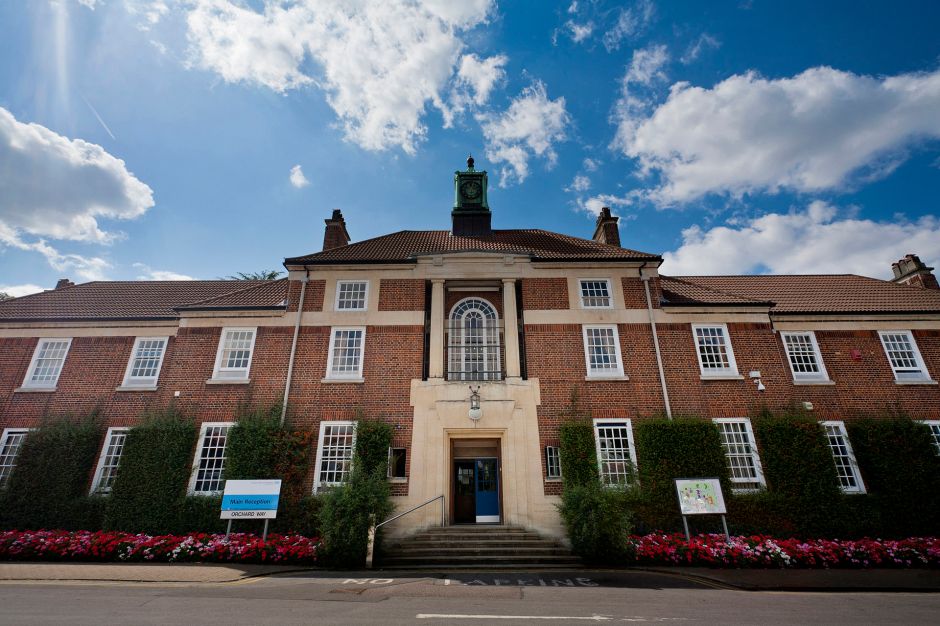
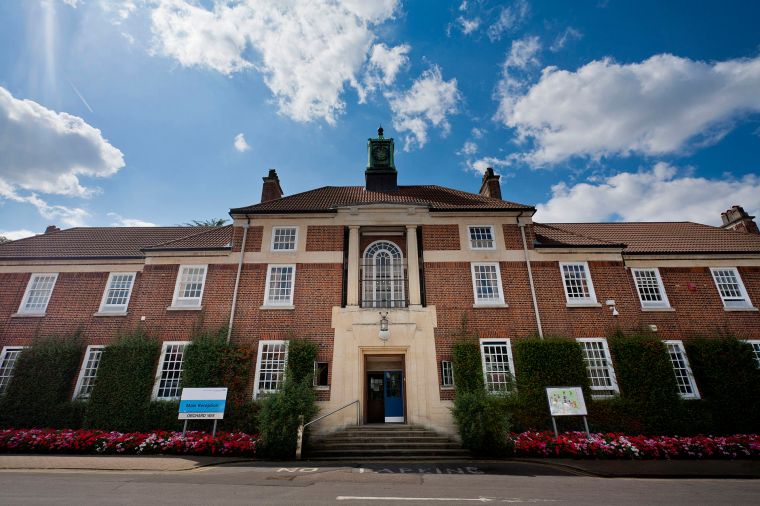
 Mental Health Matters
You must be logged in to post a comment.