Eating Disorders: Linking Self, Other, & Gaze

Research Paper Title

The Pathogenic and Therapeutic Potential of the Gaze of the Other in the Clinic of “Eating Disorders”.

Background

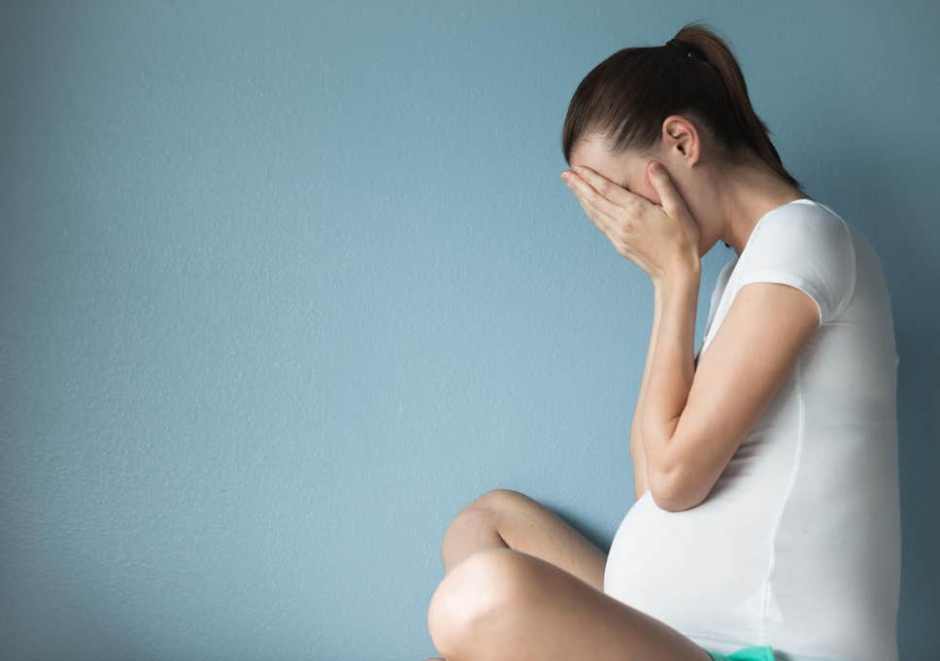
Building on the optical-coenaesthetic disproportion model of so-called eating disorders, this paper provides a framework for the psychotherapy of people affected by these conditions.

This model characterises “eating disorders” as disorders of embodiment and identity, where a sense of unfamiliarity with one’s own flesh, experienced as shifting and incomprehensible, leads to an impairment in the constitution of the Self and thus of one’s own identity.

Since there is a deficit of the coenaesthetic experience of the embodied Self, greater importance is assumed by body perception conveyed from without. To these persons, their corporeality is principally given as a body-object “to be seen” from a third-person perspective, rather than as a body-subject “to be felt” from a first-person perspective.

The Other’s look serves as an optical prosthesis to cope with dis-coenaesthesia and as a device through which these persons can define themselves. They are unable to accept the hiatus between “being a body” and “having a body,” constitutively present in every human being, forcibly trying to recouple it, and finally ending up objectifying themselves to succeed.

The external foundation of the Self thus takes the form of a constriction one can never be completely free of. Psychotherapy should thus accompany persons affected by eating disorders in their encounter with the miscarried dialectic between feeling oneself from within and seeing oneself from without through the gaze of the Other, so keenly feared by people desperately in search of self-control.

Tactfully, the clinician accompanies the patient in taking a stance towards their symptom as the outcome of this miscarried dialectics, which is one premise for overcoming it.

The clinician’s gaze becomes the herald of recognition, allowing the patient to feel accepted in terms of their individuality. Feeling themselves touched by a gaze that waives its alienating potential in order to signify acceptance reactivates the identity-forming dialectics. Their body is thus revealed as the receiver of gazes, but also rediscovers its own possibility for self-determination starting out from these gazes.

This intersubjective resonance between the clinician’s gaze and the patient reactivates the identity-making dialectics between body-subject and body-object, creating the relational premises for overcoming the symptom.

Reference

Esposito, C.M. & Stanghellini, G. (2020) The Pathogenic and Therapeutic Potential of the Gaze of the Other in the Clinic of “Eating Disorders”. Psychopathology. 1-7. doi: 10.1159/000509625. Online ahead of print.

The Challenges & Opportunities for Counselling & Psychotherapy in the Aftermath of COIV-19.

Research Paper Title

Counselling and psychotherapy post-COVID-19.

Background

The researchers consider how the prolonged, complex and uncertain aftermath of the COVID-19 crisis will present challenges and opportunities for counselling and psychotherapy.

Increased mental strain on populations, individuals and professionals is likely to be compounded by further constraints in therapeutic resources.

Nevertheless, emerging needs and priorities will offer ground for systems thinking in linking the application of a range of therapeutic frameworks, theories to address global challenges, integration of counselling and psychotherapy into new sectors, service models for the most vulnerable, use of digital approaches, support mechanisms for professionals and interdisciplinary research.

Reference

Vostanis, P & Bell, C.A. (2020) Counselling and psychotherapy post-COVID-19. Counselling and Psychotherapy Research. doi: 10.1002/capr.12325. Online ahead of print.

COVID-19 and the Role of Primary Care in Suicide Prevention

Research Paper Title

Role of Primary Care in Suicide Prevention During the COVID-19 Pandemic.

Background

Primary care providers have an important role in suicide prevention, knowing that among people who die by suicide, 83% have visited a primary care provider in the prior year, and 50% have visited that provider within 30 days of their death, rather than a psychiatrist.

The psychosocial impact of the coronavirus disease 2019 pandemic poses increased risk for suicide and other mental health disorders for months and years ahead.

This article focuses on screening tools, identification of the potentially suicidal patient in the primary care setting, and a specific focus on suicide prevention during widespread, devastating events, such as a pandemic.

Reference

Nelson, P.A. & Adams, S.M. (2020) Role of Primary Care in Suicide Prevention During the COVID-19 Pandemic. The Journal for Nurse Practitioners. doi: 10.1016/j.nurpra.2020.07.015. Online ahead of print.

What are the Challenges of Mental Healthcare during COVID-19?

Research Paper Title

Current and Future Challenges in the Delivery of Mental Healthcare during COVID-19.

Background

The USA is in the midst of the COVID-19 pandemic.

The researchers assess the impact of COVID-19 on psychiatric symptoms in healthcare workers, those with psychiatric comorbidities, and the general population.

They highlight the challenges ahead and discuss the increased relevance of telepsychiatry.

Methods

The researchers analysed all available literature available as of 25 March 2020, on PubMed, Ovid Medline, and PsychInfo.

They utilised the MeSH term “covid AND (psychiatry OR mental health)” and included all articles.

Duplicates were removed resulting in 32 articles, of which 19 are cited. Four additional references are included to examine suicide data. During the review process, an additional 7 articles were identified which are also included.

Results

Frontline healthcare workers are currently experiencing increased psychiatric symptoms and this is more severe in females and nurses. Non-frontline healthcare workers, as well as the general population, are experiencing vicarious traumatisation.

People with psychiatric comorbidities, and the general population, face increased psychiatric symptom burden. Migrant workers, the elderly, children, and the homeless may be disproportionately impacted. Suicide rates may be impacted.

Conclusions

The COVID-19 pandemic has resulted in a severe disruption to the delivery of mental healthcare.

Psychiatric facilities are facing unprecedented disruptions in care provision as they struggle to manage an infected population with comorbid psychiatric symptoms.

Telepsychiatry is a flawed but reasonable solution to increase the availability of mental healthcare during COVID-19.

Reference

Gautam, M., Thakrar, A., Akinyemi, E. & Mahr, G. (2020) Current and Future Challenges in the Delivery of Mental Healthcare during COVID-19. SN Comprehensive Clinical Medicine. 1-6. doi: 10.1007/s42399-020-00348-3. Online ahead of print.

Can We Use Telehealth to Reach Underserved Veterans?

Research Paper Title

The Impact of Co-occurring Anxiety and Alcohol Use Disorders on Video Telehealth Utilisation Among Rural Veterans.

Background

Co-occurring anxiety and alcohol use disorders lead to poorer treatment outcomes for both disorders.

Compounding risk for poor outcomes related to these disorders, individuals living in rural areas face barriers receiving evidence-based mental health treatment.

Video to home telehealth (VTH) has been implemented broadly within the Veterans Health Administration to improve access to care for rural veterans. However, VTH may not be utilised equally across disorders and comorbidities, including co-occurring anxiety and alcohol use disorders, potentially contributing to gaps in care that are not available in person.

Methods

A cohort of veterans who received at least one VTH mental health visit between fiscal years 2016-2019 was compiled from VA administrative data.

Multilevel linear growth curve models were used to examine growth in VTH use over time among veterans with anxiety only, alcohol use disorder only, and co-occurring disorders.

Results

Fixed effects were significant for both time and diagnosis group and a significant interaction between time and group.

For each subsequent fiscal year, the percentage of total MH visits that were VTH increased for all groups but less so for those with co-occurring anxiety and alcohol use diagnoses.

Conclusions

Despite VTH being an important tool to reach underserved rural veterans, rural veterans with AUD and co-occurring anxiety and AUD are at risk for not receiving care using this modality.

Findings suggest that veterans with co-occurring anxiety and AUD are especially at risk for being underserved, given that a major goal of VTH is to increase access to mental health services.

Reference

Ecker, A.H., Amspoker, A.B., Hogan, J.B. & Lindsay, J.A. (2020) The Impact of Co-occurring Anxiety and Alcohol Use Disorders on Video Telehealth Utilization Among Rural Veterans. Journal of Technology in Behavioral Science. 1-6. doi: 10.1007/s41347-020-00150-x. Online ahead of print.

The Same or Different? Precision vs Personalised Psychiatry

Research Paper Title

‘Precision’ or ‘personalised’ psychiatry: different terms – same content?

Background

Due to the increased lifetime prevalence and personal, social, and economic burden of mental disorders, psychiatry is in need of a significant change in several aspects of its clinical and research approaches.

Over the last few decades, the development of personalised/precision medicine in psychiatry focusing on tailored therapies that fit each patient’s unique individual, physiological, and genetic profile has not achieved the same results as those obtained in other branches, such as oncology.

The long-awaited revolution has not yet surfaced.

There are various explanations for this including imprecise diagnostic criteria, incomplete understanding of the molecular pathology involved, absence of available clinical tools and, finally, the characteristics of the patient.

Since then, the co-existence of the two terms has sparked a great deal of discussion around the definition and differentiation between the two types of psychiatry, as they often seem similar or even superimposable.

Generally, the two terminologies are used indiscriminately, alternatively, and/or separately, within the same scientific works.

In this paper, an overview is provided on the overlap between the application and meaning of the terms ‘precision psychiatry’ and ‘personalised psychiatry’.

Reference

Perna, G., Cuniberti, F. Dacco, S., Grassi, M. & Caldirola, D. (2020) ‘Precision’ or ‘personalized’ psychiatry: different terms – same content? Fortschritte der Neurologie-Psychiatre. doi: 10.1055/a-1211-2722. Online ahead of print.

Can Probiotics Improve Mental Health Outcomes in Pregnant Women with Obesity?

Research Paper Title

Probiotics and Maternal Mental Health: A Randomised Controlled Trial among Pregnant Women with Obesity.

Background

Poor maternal mental health has been associated with a myriad of pregnancy and child health complications.

Obesity in pregnancy is known to increase one’s risk of experiencing poor maternal mental health and associated physical and mental health complications.

Probiotics may represent a novel approach to intervene in poor mental health and obesity.

Methods

The reseaschers conducted this pre-specified secondary analysis of the Healthy Mums and Babies (HUMBA) randomised controlled trial to investigate whether probiotics would improve maternal mental health outcomes up to 36 weeks of pregnancy.

Two-hundred-and-thirty pregnant women with obesity (BMI ≥ 30.0 kg/m2) were recruited and randomised to receive probiotic (Lactobacillus rhamnosus GG and Bifidobacterium lactis BB12, minimum 6.5 × 10⁹ CFU) or placebo capsules.

Depression, anxiety, and functional health and well-being were assessed at baseline (120-176 weeks’ gestation) and 36 weeks of pregnancy.

Results

Depression scores remained stable and did not differ between the probiotic (M = 7.18, SD = 3.80) and placebo groups (M = 6.76, SD = 4.65) at 36 weeks (p-values > 0.05).

Anxiety and physical well-being scores worsened over time irrespective of group allocation, and mental well-being scores did not differ between the two groups at 36 weeks.

Conclusions

Probiotics did not improve mental health outcomes in this multi-ethnic cohort of pregnant women with obesity.

Reference

Dawe, J.P., McCowan, L.M.E., Wilson, J., Okesene-Gafa, K.A.M. & Serlachius, A.S. (2020) Probiotics and Maternal Mental Health: A Randomised Controlled Trial among Pregnant Women with Obesity. Scientific Reports. 10(1), pp.1291. doi: 10.1038/s41598-020-58129-w.

Can High-Intensity Interval Training Improve Physical & Mental Health Outcomes?

Research Paper Title

Can high-intensity interval training improve physical and mental health outcomes? A meta-review of 33 systematic reviews across the lifespan.

Background

High-intensity-interval-training (HIIT) has been suggested to have beneficial effects in multiple populations across individual systematic reviews, although there is a lack of clarity in the totality of the evidence whether HIIT is effective and safe across different populations and outcomes.

The aim of this meta-review was to establish the benefits, safety and adherence of HIIT interventions across all populations from systematic reviews and meta-analyses.

Methods

Major databases were searched for systematic reviews (with/without meta-analyses) of randomised & non-randomised trials that compared HIIT to a control.

Thirty-three systematic reviews (including 25 meta-analyses) were retrieved encompassing healthy subjects and people with physical health complications.

Results

Evidence suggested HIIT improved cardiorespiratory fitness, anthropometric measures, blood glucose and glycaemic control, arterial compliance and vascular function, cardiac function, heart rate, some inflammatory markers, exercise capacity and muscle mass, versus non-active controls.

Compared to active controls, HIIT improved cardiorespiratory fitness, some inflammatory markers and muscle structure.

Improvements in anxiety and depression were seen compared to pre-training.

Additionally, no acute injuries were reported, and mean adherence rates surpassed 80% in most systematic reviews.

Conclusions

Thus, HIIT is associated with multiple benefits.

Further large-scale high-quality studies are needed to reaffirm and expand these findings.

Reference

Martland, R., Mondelli, V., Gaughran, F. & Stubbs, B. (2020) Can high-intensity interval training improve physical and mental health outcomes? A meta-review of 33 systematic reviews across the lifespan. Journal of Sports Sciences. 38(4), pp.430-469. doi: 10.1080/02640414.2019.1706829. Epub 2019 Dec 31.

Outlining Tele-Mental Health & In-Person Care

Research Paper Title

Use of Tele-Mental Health in Conjunction With In-Person Care: A Qualitative Exploration of Implementation Models.

Background

Although use of tele-mental health services is growing, there is limited research on how tele-mental health is deployed.

This project aimed to describe how health centres use tele-mental health in conjunction with in-person care.

Methods

The 2018 Substance Abuse and Mental Health Services Administration Behavioural Health Treatment Services Locator database was used to identify community mental health centres and federally qualified health centres with telehealth capabilities.

Maximum diversity sampling was applied to recruit health centre leaders to participate in semi-structured interviews.

Inductive and deductive approaches were used to develop site summaries, and a matrix analysis was conducted to identify and refine themes.

Results

Twenty health centres in 14 states participated. All health centres used telepsychiatry for diagnostic assessment and medication prescribing, and 10 also offered therapy via telehealth.

Some health centres used their own staff to provide tele-mental health services, whereas others contracted with external providers. In most health centres, tele-mental health was used as an adjunct to in-person care.

In choosing between tele-mental health and in-person care, health centres often considered patient preference, patient acuity, and insurance status or payer.

Although most health centres planned to continue offering tele-mental health, participants noted drawbacks, including less patient engagement, challenges sharing information within the care team, and greater inefficiency.

Conclusions

Tele-mental health is generally used as an adjunct to in-person care.

The results of this study can inform policy makers and clinicians regarding the various delivery models that incorporate tele-mental health.

Reference

Uscher-Pines, L., Raja, P., Qureshi, N., Huskamp, H.A., Busch, A.B. & Mehrotra, A. (2020) Use of Tele-Mental Health in Conjunction With In-Person Care: A Qualitative Exploration of Implementation Models. Psychiatric Services (Washington, D.C.). 71(5), pp.419-426. doi: 10.1176/appi.ps.201900386. Epub 2020 Jan 30.

CBT: Is It Remotely Effective!

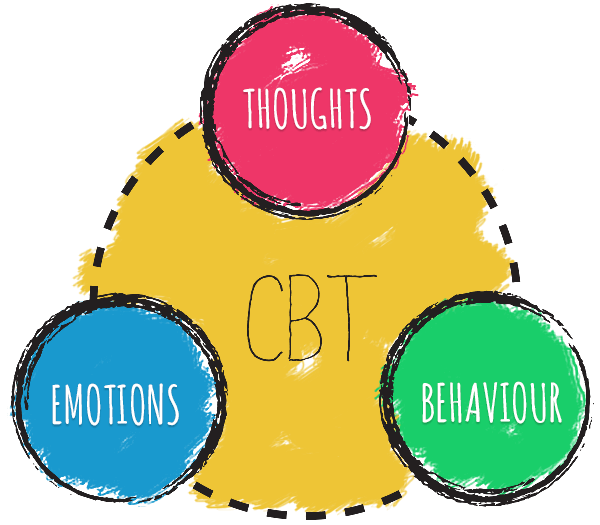
Perhaps because cognitive behavioural therapy (CBT) is effective in such a wide range of conditions, availability is often limited.

However, it is beginning to look as if CBT works equally well when delivered remotely.

In a three month trial in a primary care setting in Sweden, internet delivered CBT was no worse than face-to-face CBT for patients with high levels of anxiety about their health.

Regardless of how it was delivered, CBT produced benefits not only for hypochondriasis but for general anxiety and depression too.