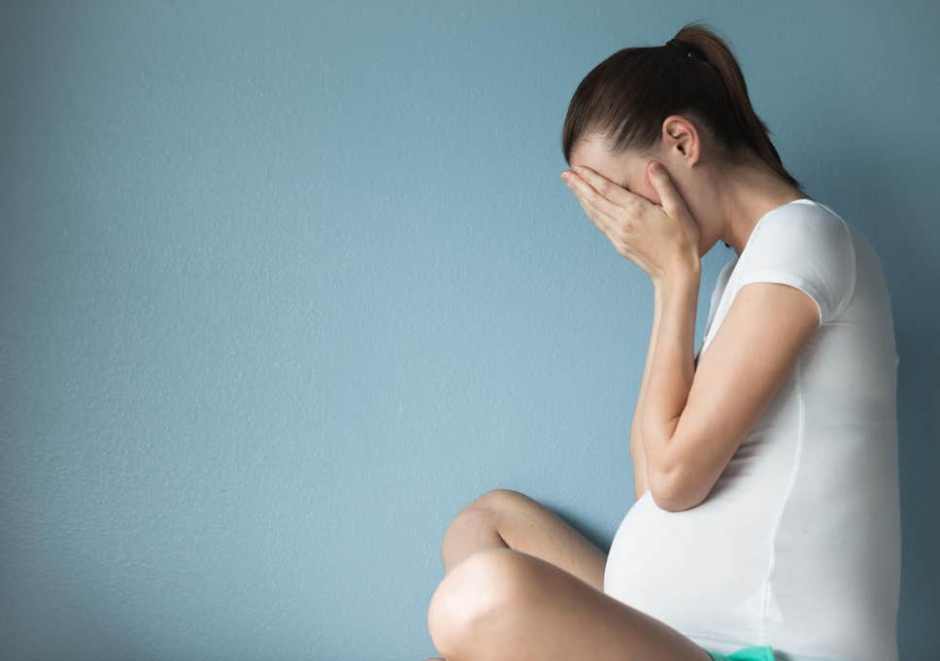
Could Light Therapy Help Relieve the Symptoms of Perinatal Depression?

Research suggests that women with perinatal depression appear to have altered circadian rhythms, and using light to reset the body clock seems to improve their symptoms.

Our bodies run on internal clocks that are regulated by a suite of genes. In concert with light, they wake us up in the morning and leave us sleepy by night-time.

People with severe depression tend to have disrupted circadian rhythms, experiencing daytime sleepiness and night-time insomnia.

Research has found higher activity in some circadian genes in people with the condition.

Perinatal depression – which occurs during and after pregnancy – seems to be similar.

Women tend to get less sleep when they are pregnant, particularly if they have perinatal depression.

To find out if circadian genes might play a role, Massimiliano and colleagues (2019) analysed seven genes in 44 women in the third trimester of pregnancy. Thirty of the women were diagnosed with perinatal depression.

By looking at whether epigenetic tags, called methyl groups, were attached to the genes, the researchers could tell how active these genes were.

They found that three circadian genes were more active and one was less active in the women who had been diagnosed with depression. They also found that the more methyl groups there were, the more severe a woman’s symptoms were likely to be.

This suggests that the greater the difference in circadian gene activity, the more likely a woman is to experience symptoms of depression, say the researchers.

Other (unpublished) research by Katherine Sharkey, Brown University in Rhode Island, has found that using a light box to mimic natural daylight improves the symptoms of perinatal depression. In this small trial of 44 women with the condition, sharkey found that those given a light box and sleep routine alongside routine treatment saw their symptoms improve. Although all the women got better, the women given a circadian intervention did better than those without.

The evidence is not yet strong enough to recommend the treatment more widely, but there is evidence that a good sleep routine and outdoor exposure to sunlight is beneficial for mental health. For example, in a typical office space, the light level is 300 to 400 lux, but on a bright, sunny day, outside can be 50,000 lux.

References

Buoli, M., Grassi, S., Iodice, S., Carnevali, G.S., Esposito, C.M., Tarantini, L., Barkin, J.L. & Bollati, V. (2019) The Role of Clock Genes in Perinatal Depression: THe Light in the Darkness. Acta Psychiatrica Scandinavica. 140(4), pp.382-384. https://doi.org/10.1111/acps.13084.

Hamezlou, J. (2019) Light Therapy May Help Relieve Symptoms of Perinatal Depression. New Scientist. 21 September 2019, pp.15.
Traditional to Alternative Antidepressants

“How has your field of study changed in the time you have been working in it?

I’m intrigued to see the shift away from “traditional” depression and antidepressant models and a move towards alternatives, like ketamine-based antidepressants.”

Dave Burnett, a neuroscientist, speaking in the New Scientist.

Reference

Burnett, D. (2019) The Back Pages: The Q&A. New Scientist. 14 September 2019, pp.56.

Sickness: In the Mind or Gut?

“Remember the last time you had a stomach bug and just wanted to crawl into bed and pull up the covers?

That is called “sickness behaviour” and it is a kind of short-term depression.

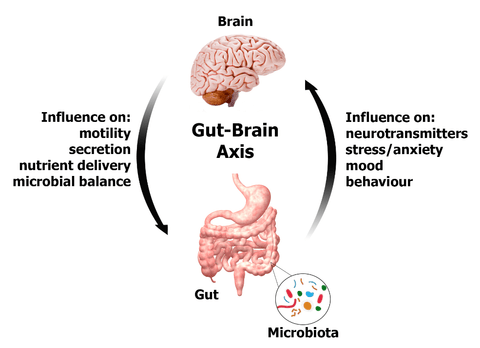
The bacteria infecting you aren’t just making you feel nauseous, they are controlling your mood too.

It sounds absurd: they are in your gut and your feelings are generated in your brain.

In fact, this is just an inkling of the power that microbes have over our emotions.

In recent years, such organisms in the gut have been implicated in a range of conditions that affect mood, especially depression and anxiety.

The good news is that bacteria don’t just make you feel low; the right ones can also improve your mood.

That has an intriguing implication: one day we may be able to manipulate the microbes living within our gut to change our mood and feelings.

It is early days, but the promise is astounding.

The World Health Organization rates depression and anxiety as the number one cause of disability, affecting at least 300 million people worldwide.

The new findings challenge the whole paradigm of mental illness being caused by a chemical imbalance in the brain, and offer an alternative to drug treatment.

You’ve probably heard of probiotics, but these are their new incarnation – psychobiotics. They could be about to change the mood of the planet.” (Anderson, 2019, p.34).

Reference

Anderson, S. (2019) The Pyschobiotic Revolution. New Scientist. 07 September 2019.

The Experience of Sexual Minority Men & Mental Healthcare in Toronto, Canada

Research Paper Title

Mental health and structural harm: a qualitative study of sexual minority men’s experiences of mental healthcare in Toronto, Canada.

Background

Compared to the general population, sexual minority men report poorer mental health outcomes and higher mental healthcare utilisation.

However, they also report more unmet mental health needs.

Methods

To better understand this phenomenon, the researchers conducted qualitative interviews with 24 sexual minority men to explore the structural factors shaping their encounters with mental healthcare in Toronto, Canada.

Interviews were analysed using grounded theory.

Results

Many participants struggled to access mental healthcare and felt more marginalised and distressed because of two interrelated sets of barriers.

  • The first were general barriers, hurdles to mental healthcare not exclusive to sexual minorities. These included:
    • Financial and logistical obstacles;
    • The prominence of psychiatry and the biomedical model; and
    • Unsatisfactory provider encounters.
  • The second were sexual minority barriers, obstacles explicitly rooted in heterosexism and homophobia sometimes intersecting with other forms of marginality. These included:
    • Experiencing discrimination and distrust; and
    • Limited sexual minority affirming options.

Discussions of general barriers outweighed those of sexual minority barriers, demonstrating the health consequences of structural harms in the absence of overt structural stigma.

Conclusions

Healthcare inaccessibility, income insecurity and the high cost of living are fostering poor mental health among sexual minority men.

Research must consider the upstream policy changes necessary to counteract these harms.

Reference

Gaspar, M., Marshall, Z., Rodrigues, R., Adam, B.D., Brennan, D.J., Hart, T.A. & Grace, D. (2019) Mental health and structural harm: a qualitative study of sexual minority men’s experiences of mental healthcare in Toronto, Canada. Culture, Health, & Sexuality. 1-17. doi: 10.1080/13691058.2019.1692074. [Epub ahead of print].

Do Pregnant & Postpartum Women in OUD Treatment have the Potential to Benefit from Access to PSS throughout their Perinatal Period?

Research Paper Title

Peer support specialists and perinatal opioid use disorder: Someone that’s been there, lived it, seen it.

Background

Perinatal opioid use disorder (OUD) has increased drastically since 2000 and is associated with myriad adverse outcomes.

The Substance Abuse and Mental Health Services Administration (SAMHSA) recommends using peer support services to promote sustained remission from substance use disorders (SUDs).

Integrating peer support specialists into perinatal OUD treatment has the potential to improve maternal and child health.

However, there is limited published research on the experiences of pregnant and parenting women with peer support specialists during SUD treatment.

The purpose of this study was to:

  1. Describe experiences of perinatal women undergoing OUD treatment with peer support specialists; and
  2. Describe recommendations for improving or enhancing peer support services.

Methods

For this qualitative descriptive study, the researchers conducted two focus groups in a private location in a clinic that serves postpartum women with OUD (N = 9) who were parenting a child under the age of 5.

The focus groups were voice recorded, professionally transcribed, and analyzed in MAXQDA using content analysis.

Results

Four themes emerged from the data:

  1. Feeling Supported by Peer Support Specialists;
  2. Qualities of an ‘Ideal’ Peer Support Specialist;
  3. Strategies to Improve Interactions with Peer Support Specialists; and
  4. Importance of Communication Across the Perinatal Period.

Participants reported that PSSs had a strong, positive impact on their recovery.

Postpartum women report overall positive experiences receiving peer support services during their pregnancy and postpartum period.

However, participants offered suggestions to improve their interactions with PSSs, such as clarifying the boundaries between peer supporters and clients.

Conclusions

Pregnant and postpartum women in OUD treatment have the potential to benefit from access to PSS throughout their perinatal period.

Future research is needed to determine the impact of PSS on sustained recovery for perinatal women with OUD.

Reference

Fallin-Bennett, A., Elswick, A. & Ashford, K. (2019) Peer support specialists and perinatal opioid use disorder: Someone that’s been there, lived it, seen it. Addictive Behaviors. 102:106204. doi: 10.1016/j.addbeh.2019.106204. [Epub ahead of print].

Comparing the Effectiveness of Prompt Mental Health Care to Treatment as Usual

Research Paper Title

Effectiveness of Prompt Mental Health Care, the Norwegian Version of Improving Access to Psychological Therapies: A Randomized Controlled Trial.

Background

The innovative treatment model Improving Access to Psychological Therapies (IAPT) and its Norwegian adaptation, Prompt Mental Health Care (PMHC), have been evaluated by cohort studies only. Albeit yielding promising results, the extent to which these are attributable to the treatment thus remains unsettled.

Therefore the objective of this research was to investigate the effectiveness of the PMHC treatment compared to treatment as usual (TAU) at 6-month follow-up.

Methods

A randomised controlled trial with parallel assignment was performed in two PMHC sites (Sandnes and Kristiansand) and enrolled clients between November 9, 2015 and August 31, 2017. Participants were 681 adults (aged ≥18 years) considered for admission to PMHC due to anxiety and/or mild to moderate depression (Patient Health Questionnaire [PHQ-9]/Generalised Anxiety Disorder scale [GAD-7] scores above cutoff). These were randomly assigned (70:30 ratio; n = 463 to PMHC, n = 218 to TAU) with simple randomisation within each site with no further constraints. The main outcomes were recovery rates and changes in symptoms of depression (PHQ-9) and anxiety (GAD-7) between baseline and follow-up. Primary outcome data were available for 73/67% in PMHC/TAU. Sensitivity analyses based on observed patterns of missingness were also conducted. Secondary outcomes were work participation, functional status, health-related quality of life, and mental well-being.

Results

A reliable recovery rate of 58.5% was observed in the PMHC group and of 31.9% in the TAU group, equalling a between-group effect size of 0.61 (95% CI 0.37 to 0.85, p < 0.001). The differences in degree of improvement between PMHC and TAU yielded an effect size of -0.88 (95% CI -1.23 to -0.43, p < 0.001) for PHQ-9 and -0.60 (95% CI -0.90 to -0.30, p < 0.001) for GAD-7 in favour of PMHC. All sensitivity analyses pointed in the same direction, with small variations in point estimates. Findings were slightly more robust for depressive than anxiety symptoms. PMHC was also more effective than TAU in improving all secondary outcomes, except for work participation (z = 0.415, p = 0.69).

Conclusions

The PMHC treatment was substantially more effective than TAU in alleviating the burden of anxiety and depression. This adaptation of IAPT is considered a viable supplement to existing health services to increase access to effective treatment for adults who suffer from anxiety and mild to moderate depression. A potential effect on work participation needs further examination.

Reference

Knapstad, M., Lervik, L.V., Sæther, S.M.M., Aarø, L.E. & Smith, O.R.F. (2019) Effectiveness of Prompt Mental Health Care, the Norwegian Version of Improving Access to Psychological Therapies: A Randomized Controlled Trial. Psychotherapy and Psychosomatics. 1-16. doi: 10.1159/000504453. [Epub ahead of print].