What is Excitotoxicity?

Introduction

In excitotoxicity, nerve cells suffer damage or death when the levels of otherwise necessary and safe neurotransmitters such as glutamate become pathologically high, resulting in excessive stimulation of receptors. For example, when glutamate receptors such as the NMDA receptor or AMPA receptor encounter excessive levels of the excitatory neurotransmitter, glutamate, significant neuronal damage might ensue. Excess glutamate allows high levels of calcium ions (Ca2+) to enter the cell. Ca2+ influx into cells activates a number of enzymes, including phospholipases, endonucleases, and proteases such as calpain. These enzymes go on to damage cell structures such as components of the cytoskeleton, membrane, and DNA. In evolved, complex adaptive systems such as biological life it must be understood that mechanisms are rarely, if ever, simplistically direct. For example, NMDA in subtoxic amounts induces neuronal survival of otherwise toxic levels of glutamate.

Excitotoxicity may be involved in cancers, spinal cord injury, stroke, traumatic brain injury, hearing loss (through noise overexposure or ototoxicity), and in neurodegenerative diseases of the central nervous system such as multiple sclerosis, Alzheimer’s disease, amyotrophic lateral sclerosis (ALS), Parkinson’s disease, alcoholism, alcohol withdrawal or hyperammonaemia and especially over-rapid benzodiazepine withdrawal, and also Huntington’s disease. Other common conditions that cause excessive glutamate concentrations around neurons are hypoglycaemia. Blood sugars are the primary glutamate removal method from inter-synaptic spaces at the NMDA and AMPA receptor site. Persons in excitotoxic shock must never fall into hypoglycaemia. Patients should be given 5% glucose (dextrose) IV drip during excitotoxic shock to avoid a dangerous build up of glutamate around NMDA and AMPA neurons. When 5% glucose (dextrose) IV drip is not available high levels of fructose are given orally. Treatment is administered during the acute stages of excitotoxic shock along with glutamate antagonists. Dehydration should be avoided as this also contributes to the concentrations of glutamate in the inter-synaptic cleft and “status epilepticus can also be triggered by a build up of glutamate around inter-synaptic neurons.”

Refer to Neuroprotection.

Brief History

The harmful effects of glutamate on the central nervous system were first observed in 1954 by T. Hayashi, a Japanese scientist who stated that direct application of glutamate caused seizure activity, though this report went unnoticed for several years. D.R. Lucas and J.P. Newhouse, after noting that “single doses of [20–30 grams of sodium glutamate in humans] have … been administered intravenously without permanent ill-effects”, observed in 1957 that a subcutaneous dose described as “a little less than lethal”, destroyed the neurons in the inner layers of the retina in newborn mice. In 1969, John Olney discovered that the phenomenon was not restricted to the retina, but occurred throughout the brain, and coined the term excitotoxicity. He also assessed that cell death was restricted to postsynaptic neurons, that glutamate agonists were as neurotoxic as their efficiency to activate glutamate receptors, and that glutamate antagonists could stop the neurotoxicity.

In 2002, Hilmar Bading and co-workers found that excitotoxicity is caused by the activation of NMDA receptors located outside synaptic contacts. The molecular basis for toxic extrasynaptic NMDA receptor signalling was uncovered in 2020 when Hilmar Bading and co-workers described a death signalling complex that consists of extrasynaptic NMDA receptor and TRPM4. Disruption of this complex using NMDAR/TRPM4 interface inhibitors (also known as ‚interface inhibitors‘) renders extrasynaptic NMDA receptor non-toxic.

Pathophysiology

Excitotoxicity can occur from substances produced within the body (endogenous excitotoxins). Glutamate is a prime example of an excitotoxin in the brain, and it is also the major excitatory neurotransmitter in the central nervous system of mammals. During normal conditions, glutamate concentration can be increased up to 1mM in the synaptic cleft, which is rapidly decreased in the lapse of milliseconds. When the glutamate concentration around the synaptic cleft cannot be decreased or reaches higher levels, the neuron kills itself by a process called apoptosis.

This pathologic phenomenon can also occur after brain injury and spinal cord injury. Within minutes after spinal cord injury, damaged neural cells within the lesion site spill glutamate into the extracellular space where glutamate can stimulate presynaptic glutamate receptors to enhance the release of additional glutamate. Brain trauma or stroke can cause ischemia, in which blood flow is reduced to inadequate levels. Ischemia is followed by accumulation of glutamate and aspartate in the extracellular fluid, causing cell death, which is aggravated by lack of oxygen and glucose. The biochemical cascade resulting from ischemia and involving excitotoxicity is called the ischemic cascade. Because of the events resulting from ischemia and glutamate receptor activation, a deep chemical coma may be induced in patients with brain injury to reduce the metabolic rate of the brain (its need for oxygen and glucose) and save energy to be used to remove glutamate actively. (The main aim in induced comas is to reduce the intracranial pressure, not brain metabolism).

Increased extracellular glutamate levels leads to the activation of Ca2+ permeable NMDA receptors on myelin sheaths and oligodendrocytes, leaving oligodendrocytes susceptible to Ca2+ influxes and subsequent excitotoxicity. One of the damaging results of excess calcium in the cytosol is initiating apoptosis through cleaved caspase processing. Another damaging result of excess calcium in the cytosol is the opening of the mitochondrial permeability transition pore, a pore in the membranes of mitochondria that opens when the organelles absorb too much calcium. Opening of the pore may cause mitochondria to swell and release reactive oxygen species and other proteins that can lead to apoptosis. The pore can also cause mitochondria to release more calcium. In addition, production of adenosine triphosphate (ATP) may be stopped, and ATP synthase may in fact begin hydrolysing ATP instead of producing it, which is suggested to be involved in depression.

Inadequate ATP production resulting from brain trauma can eliminate electrochemical gradients of certain ions. Glutamate transporters require the maintenance of these ion gradients to remove glutamate from the extracellular space. The loss of ion gradients results in not only the halting of glutamate uptake, but also in the reversal of the transporters. The Na+-glutamate transporters on neurons and astrocytes can reverse their glutamate transport and start secreting glutamate at a concentration capable of inducing excitotoxicity. This results in a buildup of glutamate and further damaging activation of glutamate receptors.

On the molecular level, calcium influx is not the only factor responsible for apoptosis induced by excitoxicity. Recently, it has been noted that extrasynaptic NMDA receptor activation, triggered by both glutamate exposure or hypoxic/ischemic conditions, activate a CREB (cAMP response element binding) protein shut-off, which in turn caused loss of mitochondrial membrane potential and apoptosis. On the other hand, activation of synaptic NMDA receptors activated only the CREB pathway, which activates BDNF (brain-derived neurotrophic factor), not activating apoptosis

Exogenous Excitotoxins

Exogenous excitotoxins refer to neurotoxins that also act at postsynaptic cells but are not normally found in the body. These toxins may enter the body of an organism from the environment through wounds, food intake, aerial dispersion etc. Common excitotoxins include glutamate analogues that mimic the action of glutamate at glutamate receptors, including AMPA and NMDA receptors.

BMAA

The L-alanine derivative β-methylamino-L-alanine (BMAA) has long been identified as a neurotoxin which was first associated with the amyotrophic lateral sclerosis/parkinsonism–dementia complex (Lytico-bodig disease) in the Chamorro people of Guam. The widespread occurrence of BMAA can be attributed to cyanobacteria which produce BMAA as a result of complex reactions under nitrogen stress.

Following research, excitotoxicity appears to be the likely mode of action for BMAA which acts as a glutamate agonist, activating AMPA and NMDA receptors and causing damage to cells even at relatively low concentrations of 10 μM.[31] The subsequent uncontrolled influx of Ca2+ then leads to the pathophysiology described above. Further evidence of the role of BMAA as an excitotoxin is rooted in the ability of NMDA antagonists like MK801 to block the action of BMAA. More recently, evidence has been found that BMAA is mis-incorporated in place of L-serine in human proteins. A considerable portion of the research relating to the toxicity of BMAA has been conducted on rodents. A study published in 2016 with vervets (Chlorocebus sabaeus) in St. Kitts, which are homozygous for the apoE4 (APOE-ε4) allele (a condition which in humans is a risk factor for Alzheimer’s disease), found that vervets orally administered BMAA developed hallmark histopathology features of Alzheimer’s Disease including amyloid beta plaques and neurofibrillary tangle accumulation. Vervets in the trial fed smaller doses of BMAA were found to have correlative decreases in these pathology features. This study demonstrates that BMAA, an environmental toxin, can trigger neurodegenerative disease as a result of a gene/environment interaction.

While BMAA has been detected in brain tissue of deceased ALS/PDC patients, further insight is required to trace neurodegenerative pathology in humans to BMAA.

This page is based on the copyrighted Wikipedia article < https://en.wikipedia.org/wiki/Excitotoxicity >; it is used under the Creative Commons Attribution-ShareAlike 3.0 Unported License (CC-BY-SA). You may redistribute it, verbatim or modified, providing that you comply with the terms of the CC-BY-SA.

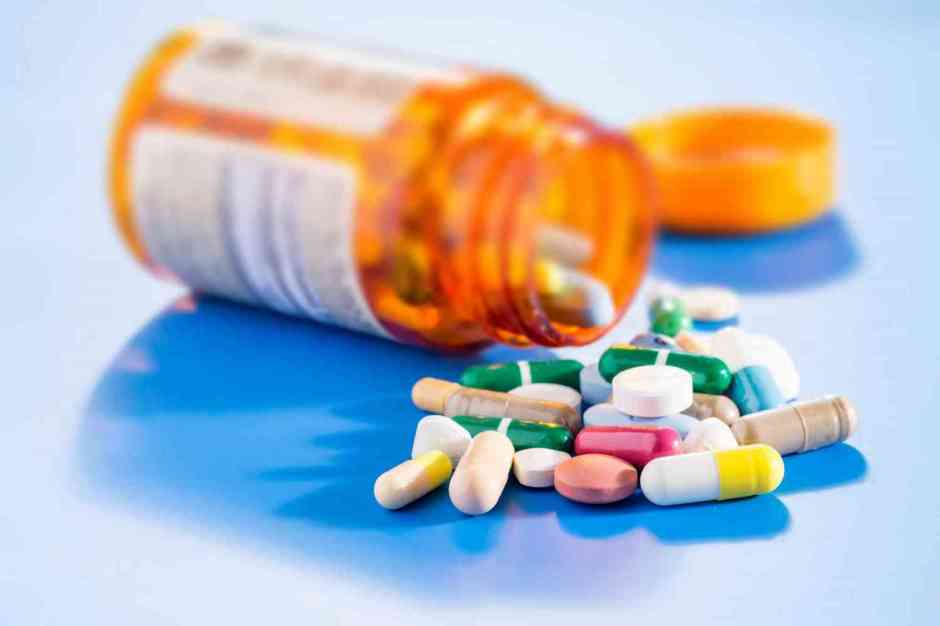
What is Neuroprotection?

Introduction

Neuroprotection refers to the relative preservation of neuronal structure and/or function.

In the case of an ongoing insult (a neurodegenerative insult) the relative preservation of neuronal integrity implies a reduction in the rate of neuronal loss over time, which can be expressed as a differential equation. It is a widely explored treatment option for many central nervous system (CNS) disorders including neurodegenerative diseases, stroke, traumatic brain injury, spinal cord injury, and acute management of neurotoxin consumption (i.e. methamphetamine overdoses). Neuroprotection aims to prevent or slow disease progression and secondary injuries by halting or at least slowing the loss of neurons.

Despite differences in symptoms or injuries associated with CNS disorders, many of the mechanisms behind neurodegeneration are the same. Common mechanisms of neuronal injury include decreased delivery of oxygen and glucose to the brain, energy failure, increased levels in oxidative stress, mitochondrial dysfunction, excitotoxicity, inflammatory changes, iron accumulation, and protein aggregation. Of these mechanisms, neuroprotective treatments often target oxidative stress and excitotoxicity—both of which are highly associated with CNS disorders. Not only can oxidative stress and excitotoxicity trigger neuron cell death but when combined they have synergistic effects that cause even more degradation than on their own. Thus limiting excitotoxicity and oxidative stress is a very important aspect of neuroprotection.

Common neuroprotective treatments are glutamate antagonists and antioxidants, which aim to limit excitotoxicity and oxidative stress respectively.

Excitotoxicity

Glutamate excitotoxicity is one of the most important mechanisms known to trigger cell death in CNS disorders. Over-excitation of glutamate receptors, specifically NMDA receptors, allows for an increase in calcium ion (Ca2+) influx due to the lack of specificity in the ion channel opened upon glutamate binding. As Ca2+ accumulates in the neuron, the buffering levels of mitochondrial Ca2+ sequestration are exceeded, which has major consequences for the neuron. Because Ca2+ is a secondary messenger and regulates a large number of downstream processes, accumulation of Ca2+ causes improper regulation of these processes, eventually leading to cell death. Ca2+ is also thought to trigger neuroinflammation, a key component in all CNS disorders.

Glutamate Antagonists

Glutamate antagonists are the primary treatment used to prevent or help control excitotoxicity in CNS disorders. The goal of these antagonists is to inhibit the binding of glutamate to NMDA receptors such that accumulation of Ca2+ and therefore excitotoxicity can be avoided. Use of glutamate antagonists presents a huge obstacle in that the treatment must overcome selectivity such that binding is only inhibited when excitotoxicity is present. A number of glutamate antagonists have been explored as options in CNS disorders, but many are found to lack efficacy or have intolerable side effects. Glutamate antagonists are a hot topic of research. Below are some of the treatments that have promising results for the future:

  • Estrogen: 17β-Estradiol helps regulate excitotoxicity by inhibiting NMDA receptors as well as other glutamate receptors.
  • Ginsenoside Rd: Results from the study show ginsenoside rd attenuates glutamate excitotoxicity. Importantly, clinical trials for the drug in patients with ischemic stroke show it to be effective as well as noninvasive.
  • Progesterone: Administration of progesterone is well known to aid in the prevention of secondary injuries in patients with traumatic brain injury and stroke.
  • Simvastatin: Administration in models of Parkinson’s disease have been shown to have pronounced neuroprotective effects including anti-inflammatory effects due to NMDA receptor modulation.
  • Memantine: As a low-affinity NMDA antagonist that is uncompetitive, memantine inhibits NMDA induced excitotoxicity while still preserving a degree of NMDA signalling.
  • Riluzole is an antiglutamatergic drug used to slow the progression of amyotrophic lateral sclerosis.

Oxidative Stress

Increased levels of oxidative stress can be caused in part by neuroinflammation, which is a highly recognised part of cerebral ischemia as well as many neurodegenerative diseases including Parkinson’s disease, Alzheimer’s disease, and amyotrophic lateral sclerosis. The increased levels of oxidative stress are widely targeted in neuroprotective treatments because of their role in causing neuron apoptosis. Oxidative stress can directly cause neuron cell death or it can trigger a cascade of events that leads to protein misfolding, proteasomal malfunction, mitochondrial dysfunction, or glial cell activation. If one of these events is triggered, further neurodegradation is caused as each of these events causes neuron cell apoptosis. By decreasing oxidative stress through neuroprotective treatments, further neurodegradation can be inhibited.

Antioxidants

Antioxidants are the primary treatment used to control oxidative stress levels. Antioxidants work to eliminate reactive oxygen species, which are the prime cause of neurodegradation. The effectiveness of antioxidants in preventing further neurodegradation is not only disease dependent but can also depend on gender, ethnicity, and age. Listed below are common antioxidants shown to be effective in reducing oxidative stress in at least one neurodegenerative disease:

  • Acetylcysteine: It targets a diverse array of factors germane to the pathophysiology of multiple neuropsychiatric disorders including glutamatergic transmission, the antioxidant glutathione, neurotrophins, apoptosis, mitochondrial function, and inflammatory pathways.
  • Crocin: Derived from saffron, crocin has been shown to be a potent neuronal antioxidant.
  • Oestrogen: 17α-oestradiol and 17β-oestradiol have been shown to be effective as antioxidants. The potential for these drugs is enormous. 17α-oestradiol is the non-oestrogenic stereoisomer of 17β-oestradiol. The effectiveness of 17α-oestradiol is important because it shows that the mechanism is dependent on the presence of the specific hydroxyl group, but independent of the activation of oestrogen receptors. This means more antioxidants can be developed with bulky side chains so that they do not bind to the receptor but still possess the antioxidant properties.
  • Fish oil: This contains n-3 polyunsaturated fatty acids that are known to offset oxidative stress and mitochondrial dysfunction. It has high potential for being neuroprotective and many studies are being done looking at the effects in neurodegenerative diseases.
  • Minocycline: Minocycline is a semi-synthetic tetracycline compound that is capable of crossing the blood brain barrier. It is known to be a strong antioxidant and has broad anti-inflammatory properties. Minocyline has been shown to have neuroprotective activity in the CNS for Huntington’s disease, Parkinson’s disease, Alzheimer’s disease, and ALS.
  • PQQ: Pyrroloquinoline quinone (PQQ) as an antioxidant has multiple modes of neuroprotection.
  • Resveratrol: Resveratrol prevents oxidative stress by attenuating hydrogen peroxide-induced cytotoxicity and intracellular accumulation of ROS. It has been shown to exert protective effects in multiple neurological disorders including Alzheimer’s disease, Parkinson’s disease, multiple sclerosis, and ALS as well as in cerebral ischemia.
  • Vinpocetine: Vinpocetine exerts neuroprotective effects in ischaemia of the brain through actions on cation channels, glutamate receptors and other pathways. The drop in dopamine produced by vinpocetine may contribute to its protective action from oxidative damage, particularly in dopamine-rich structures. Vinpocetine as a unique anti-inflammatory agent may be beneficial for the treatment of neuroinflammatory diseases. It increases cerebral blood flow and oxygenation.
  • THC: Delta 9-tetrahydrocannabinol exerts neuroprotective and antioxidative effects by inhibiting NMDA neurotoxicity in neuronal cultures exposed to toxic levels of the neurotransmitter, glutamate.
  • Vitamin E: Vitamin E has had varying responses as an antioxidant depending on the neurodegenerative disease that it is being treated. It is most effective in Alzheimer’s disease and has been shown to have questionable neuroprotection effects when treating ALS. A meta-analysis involving 135,967 participants showed there is a significant relationship between vitamin E dosage and all-cause mortality, with dosages equal to or greater than 400 IU per day showing an increase in all-cause mortality. However, there is a decrease in all-cause mortality at lower doses, optimum being 150 IU per day. Vitamin E is ineffective for neuroprotection in Parkinson’s disease.

Stimulants

NMDA receptor stimulants can lead to glutamate and calcium excitotoxicity and neuroinflammation. Some other stimulants, in appropriate doses, can however be neuroprotective.

  • Selegiline: It has been shown to slow early progression of Parkinson’s disease and delayed the emergence of disability by an average of nine months.
  • Nicotine: It has been shown to delay the onset of Parkinson’s disease in studies involving monkeys and humans.
  • Caffeine: It is protective against Parkinson’s disease. Caffeine induces neuronal glutathione synthesis by promoting cysteine uptake, leading to neuroprotection.

Neuroprotectants (Cerebroprotectants) for Acute Ischemic Stroke

When applied to protecting the brain from the effects of acute ischemic stroke, neuroprotectants are often called cerebroprotectants. Over 150 drugs have been tested in clinical trials, leading to the regulatory approval of tissue plasminogen activator in several countries, the and approval of edaravone in Japan.

Other Neuroprotective Treatments

More neuroprotective treatment options exist that target different mechanisms of neurodegradation. Continued research is being done in an effort to find any method effective in preventing the onset or progression of neurodegenerative diseases or secondary injuries. These include:

  • Caspase inhibitors: These are primarily used and studied for their anti apoptotic effects.
  • Trophic factors: The use of trophic factors for neuroprotection in CNS disorders is being explored, specifically in ALS. Potentially neuroprotective trophic factors include CNTF, IGF-1, VEGF, and BDNF.
  • Therapeutic hypothermia: This is being explored as a neuroprotection treatment option for patients with traumatic brain injury and is suspected to help reduce intracranial pressure.
  • Erythropoietin has been reported to protect nerve cells from hypoxia-induced glutamate toxicity (see erythropoietin in neuroprotection).
  • Lithium exerts neuroprotective effects and stimulates neurogenesis via multiple signaling pathways; it inhibits glycogen synthase kinase-3 (GSK-3), upregulates neurotrophins and growth factors (e.g., brain-derived neurotrophic factor (BDNF)), modulates inflammatory molecules, upregulates neuroprotective factors (e.g., B-cell lymphoma-2 (Bcl-2), heat shock protein 70 (HSP-70)), and concomitantly downregulates pro-apoptotic factors. Lithium has been shown to reduce neuronal death, microglial activation, cyclooxygenase-2 induction, amyloid-β (Aβ), and hyperphosphorylated tau levels, to preserve blood-brain barrier integrity, to mitigate neurological deficits and psychiatric disturbance, and to improve learning and memory outcome.
  • Neuroprotection D1 and other neuroprotections and certain resolvins of the D series (i.e. RvD1, RvD2, RvD3, RvD4, RvD5, and RvD6) are docosanoid metabolites of the omega 3 fatty acid, docosahexaenoic acid (DHA) while resolvins of the E series (RvD1, RvD2, and RvD3) are eicosanoid metabolites of the omega 3 fatty acid, eicosapentaenoic acid (EPA). These metabolites, which are made by the action of cellular lipoxygenase, cyclooxygenase, and/or cytochrome P450 enzymes on DHA or EPA, have been shown to have potent anti-inflammation activity and to be neuroprotective in various models of inflammation-involving neurological diseases such as various degenerative diseases including Alzheimer’s disease. A metabolically resistant analogue of RvE1 is in development for the treatment of retinal disease and neuroprotection D1 mimetics are in development for treatment of neurodegenerative diseases and hearing loss.

This page is based on the copyrighted Wikipedia article < https://en.wikipedia.org/wiki/Neuroprotection >; it is used under the Creative Commons Attribution-ShareAlike 3.0 Unported License (CC-BY-SA). You may redistribute it, verbatim or modified, providing that you comply with the terms of the CC-BY-SA.

What is a Serotonin-Norepinephrine Releasing Agent?

Introduction

A serotonin–norepinephrine releasing agent (SNRA) is a type of drug which induces the release of serotonin and norepinephrine (and epinephrine) in the body and/or brain.

Outline

Only a few SNRAs are known, examples of which include norfenfluramine and MBDB. Fenfluramine/phentermine (Fen-Phen), a combination formulation of fenfluramine, a serotonin releasing agent, and phentermine, a norepinephrine releasing agent, is a functional SNRA that was formerly used as an appetite suppressant for the treatment of obesity.

A closely related type of drug is a serotonin–norepinephrine reuptake inhibitor (SNRI).

This page is based on the copyrighted Wikipedia article < https://en.wikipedia.org/wiki/Serotonin-norepinephrine_releasing_agent >; it is used under the Creative Commons Attribution-ShareAlike 3.0 Unported License (CC-BY-SA). You may redistribute it, verbatim or modified, providing that you comply with the terms of the CC-BY-SA.

What is a Serotonin Receptor Agonist?

Introduction

A serotonin receptor agonist is an agonist of one or more serotonin receptors. They activate serotonin receptors in a manner similar to that of serotonin (5-hydroxytryptamine; 5-HT), a neurotransmitter and hormone and the endogenous ligand of the serotonin receptors.

Non-Selective Agonists

Serotonergic psychedelics such as tryptamines (e.g. psilocybin, psilocin, DMTTooltip dimethyltryptamine, 5-MeO-DMT, bufotenin), lysergamides (e.g. LSDTooltip lysergic acid diethylamide, ergine (LSA)), phenethylamines (e.g. mescaline, 2C-B, 25I-NBOMe), and amphetamines (e.g. MDATooltip 3,4-methylenedioxyamphetamine, DOMTooltip 2,5-dimethoxy-4-methylamphetamine) are non-selective agonists of serotonin receptors. Their hallucinogenic effects are specifically mediated by activation of the 5-HT2A receptor.

Drugs that increase extracellular serotonin levels such as serotonin reuptake inhibitors (e.g. fluoxetine, venlafaxine), serotonin releasing agents (e.g. fenfluramine, MDMATooltip methylenedioxymethamphetamine), and monoamine oxidase inhibitors (e.g. phenelzine, moclobemide) are indirect non-selective serotonin receptor agonists. They are used variously as antidepressants, anxiolytics, antiobsessionals, appetite suppressants, and entactogens.

5-HT1 Receptor agonists

5-HT1A Receptor Agonists

Azapirones such as buspirone, gepirone, and tandospirone are 5-HT1A receptor partial agonists marketed primarily as anxiolytics, but also as antidepressants. The antidepressants vilazodone and vortioxetine are 5-HT1A receptor partial agonists. Flibanserin, a drug used for female sexual dysfunction, is a 5-HT1A receptor partial agonist. Many atypical antipsychotics, such as aripiprazole, asenapine, clozapine, lurasidone, quetiapine, and ziprasidone, are 5-HT1A receptor partial agonists, and this action is thought to contribute to their beneficial effects on negative symptoms in schizophrenia.

5-HT1B Receptor Agonists

Triptans such as sumatriptan, rizatriptan, and naratriptan are 5-HT1B receptor agonists that are used to abort migraine and cluster headache attacks. The ergoline antimigraine agent ergotamine also acts on this receptor.

Serenics such as batoprazine, eltoprazine, and fluprazine are agonists of the 5-HT1B receptor and other serotonin receptors, and have been found to produce anti-aggressive effects in animals, but have not been marketed. Eltoprazine is under development for the treatment of aggression and for other indications.

5-HT1D Receptor Agonists

In addition to being 5-HT1B agonists, triptans (i.e. sumatriptan, almotriptan, zolmitriptan, naratriptan, eletriptan, frovatriptan and rizatriptan) are also agonists at the 5-HT1D receptor, which contributes to their antimigraine effect caused by vasoconstriction of blood vessels in the brain. The same is true for ergotamine.

5-HT1E Receptor Agonists

The triptan eletriptan is an agonist of the 5-HT1E receptor. BRL-54443 is a selective 5-HT1E and 5-HT1F receptor agonist which is used in scientific research.

5-HT1F Receptor Agonists

Triptans such as eletriptan, naratriptan, and sumatriptan are agonists of the 5-HT1F receptor. Lasmiditan is a selective 5-HT1F agonist that is under development by Eli Lilly and Company for the treatment of migraine.

5-HT2 Receptor Agonists

5-HT2A Receptor Agonists

Serotonergic psychedelics like psilocybin, LSD, and mescaline act as 5-HT2A receptor agonists. Their actions at this receptor are thought to be responsible for their hallucinogenic effects. Most of these drugs also act as agonists of other serotonin receptors. Not all 5-HT2A receptor agonists are psychoactive.

The 25-NB (NBOMe) series is a family of phenethylamine serotonergic psychedelics that, unlike other classes of serotonergic psychedelics, act as highly selective 5-HT2A receptor agonists. The most well-known member of the 25-NB series is 25I-NBOMe. (2S,6S)-DMBMPP is an analogue of the 25-NB compounds and is the most highly selective agonist of the 5-HT2A receptor that has been identified to date. O-4310 (1-isopropyl-6-fluoropsilocin) is a tryptamine derivative that is a highly selective agonist of the 5-HT2A receptor.

Selective 5-HT2A receptor agonists like the 25-NB compounds, specifically those which can behave as full agonists at this receptor, can cause serotonin syndrome-like adverse effects such as hyperthermia, hyperpyrexia, tachycardia, hypertension, clonus, seizures, agitation, aggression, and hallucinations which has ended in death on numerous occasions despite these particular drugs only being available to drug users for about 2–3 years, being widely in use mostly in the period from 2010-2012. Bans were put in place around 2012-2013 by countries where they had risen to popularity. They quickly and often accidentally lead to overdose. In contrast to the aforementioned drugs’s potent, selective, and most importantly, full agonism (meaning the drug can fully activate the receptor to 100% of its activation potential, and does so even with minuscule amounts due to high potency, LSD, like the other “safe” psychedelics which are almost impossible to overdose fatally on, is a partial agonist, and this means it has a limit of how much it can activate the receptor, a limit which is basically impossible to exceed even with exponentially larger amounts of the drug. These partial agonists have proven relatively safe after having seen widespread abuse by drug users for many decades. Activation of the 5-HT2A receptor is also implicated in serotonin syndrome caused by indirect serotonin receptor agonists like serotonin reuptake inhibitors, serotonin releasing agents, and monoamine oxidase inhibitors. Antagonists of the 5-HT2A receptor like cyproheptadine and chlorpromazine are able to reverse and mediate recovery from serotonin syndrome.

5-HT2B Receptor Agonists

Agonists of the 5-HT2B receptor are implicated in the development of cardiac fibrosis. Fenfluramine, pergolide, and cabergoline have been withdrawn from some markets for this reason. Many serotonergic psychedelics, such as LSD and psilocin, have been shown to activate this receptor directly. MDMA has been reported to be both a potent direct agonist and have an indirect effect by increasing plasma serotonin levels.

5-HT2C Receptor Agonists

Lorcaserin is an appetite suppressant and anti-obesity drug which acts as a selective 5-HT2C receptor agonist. meta-Chlorophenylpiperazine (mCPP) is a 5-HT2C-preferring serotonin receptor agonist that induces anxiety and depression and can cause panic attacks in susceptible individuals.

5-HT3 Receptor Agonists

2-Methyl-5-hydroxytryptamine (2-methylserotonin) and quipazine are moderately selective agonists of the 5-HT3 receptor that are used in scientific research. Agonists of this receptor are known to induce nausea and vomiting, and are not used medically.

5-HT4 Receptor Agonists

Cisapride and tegaserod are 5-HT4 receptor partial agonists that were used to treat disorders of gastrointestinal motility. Prucalopride is a highly selective 5-HT4 receptor agonist that can be used to treat certain disorders of gastrointestinal motility. Other 5-HT4 receptor agonists have shown potential to be nootropic and antidepressant drugs, but have not been marketed for such indications.

5-HT5A Receptor Agonists

Valerenic acid, a constituent of valerian root, has been found to act as a 5-HT5A receptor agonist, and this action could be involved in the sleep-promoting effects of valerian.

5-HT6 Receptor Agonists

No selective agonists of the 5-HT6 receptor have been approved for medical use. Selective 5-HT6 receptor agonists like E-6801, E-6837, EMDT, WAY-181,187, and WAY-208,466 show antidepressant, anxiolytic, anti-obsessional, and appetite suppressant effects in animals, but also impair cognition and memory.

5-HT7 Receptor Agonists

AS-19 is a 5-HT7 receptor agonist that has been used in scientific research.

This page is based on the copyrighted Wikipedia article < https://en.wikipedia.org/wiki/Serotonin_receptor_agonist >; it is used under the Creative Commons Attribution-ShareAlike 3.0 Unported License (CC-BY-SA). You may redistribute it, verbatim or modified, providing that you comply with the terms of the CC-BY-SA.

What is Serotonin?

Introduction

Serotonin (/ˌsɛrəˈtoʊnɪn, ˌsɪərə-/) or 5-hydroxytryptamine (5-HT) is a monoamine neurotransmitter. Its biological function is complex and multifaceted, modulating mood, cognition, reward, learning, memory, and numerous physiological processes such as vomiting and vasoconstriction. Approximately 90% of the serotonin the human body produces is in the gastrointestinal tract’s enterochromaffin cells, where it regulates intestinal movements.

Serotonin is also produced in the central nervous system (CNS), specifically in the brainstem’s raphe nuclei, the skin’s Merkel cells, pulmonary neuroendocrine cells and the tongue’s taste receptor cells. Additionally, it is stored in blood platelets and is released during agitation and vasoconstriction, where it then acts as an agonist to other platelets. About 8% is found in platelets and 1–2% in the CNS. The serotonin is secreted luminally and basolaterally, which leads to increased serotonin uptake by circulating platelets and activation after stimulation, which gives increased stimulation of myenteric neurons and gastrointestinal motility. The remainder is synthesized in serotonergic neurons of the CNS, where it has various functions, including the regulation of mood, appetite, and sleep.

Serotonin secreted from the enterochromaffin cells eventually finds its way out of tissues into the blood. There, it is actively taken up by blood platelets, which store it. When the platelets bind to a clot, they release serotonin, where it can serve as a vasoconstrictor or a vasodilator while regulating haemostasis and blood clotting. In high concentrations, serotonin acts as a vasoconstrictor by contracting endothelial smooth muscle directly or by potentiating the effects of other vasoconstrictors (e.g. angiotensin II and norepinephrine). The vasoconstrictive property is mostly seen in pathologic states affecting the endothelium – such as atherosclerosis or chronic hypertension. In normal physiologic states, vasodilation occurs through the serotonin mediated release of nitric oxide from endothelial cells, and the inhibition of release of norepinephrine from adrenergic nerves. Serotonin is also a growth factor for some types of cells, which may give it a role in wound healing. There are various serotonin receptors.

Biochemically, the indoleamine molecule derives from the amino acid tryptophan. Serotonin is metabolised mainly to 5-hydroxyindoleacetic acid, chiefly by the liver. Several classes of antidepressants, such as selective serotonin reuptake inhibitors (SSRIs) and serotonin–norepinephrine reuptake inhibitors (SNRIs), interfere with the normal reabsorption of serotonin after it is done with the transmission of the signal, therefore augmenting the neurotransmitter levels in the synapses.

Besides mammals, serotonin is found in all bilateral animals including worms and insects, as well as in fungi and in plants. Serotonin’s presence in insect venoms and plant spines serves to cause pain, which is a side-effect of serotonin injection. Serotonin is produced by pathogenic amoebae, causing diarrhoea in the human gut. Its widespread presence in many seeds and fruits may serve to stimulate the digestive tract into expelling the seeds.

History and Etymology

It had been known to physiologists for over a century that a vasoconstrictor material appears in serum when blood was allowed to clot. In 1935, Italian Vittorio Erspamer showed an extract from enterochromaffin cells made intestines contract. Some believed it contained adrenaline, but two years later, Erspamer was able to show it was a previously unknown amine, which he named “enteramine”. In 1948, Maurice M. Rapport, Arda Green, and Irvine Page of the Cleveland Clinic discovered a vasoconstrictor substance in blood serum, and since it was a serum agent affecting vascular tone, they named it serotonin.

In 1952, enteramine was shown to be the same substance as serotonin, and as the broad range of physiological roles was elucidated, the abbreviation 5-HT of the proper chemical name 5-hydroxytryptamine became the preferred name in the pharmacological field. Synonyms of serotonin include: 5-hydroxytriptamine, thrombotin, enteramin, substance DS, and 3-(β-Aminoethyl)-5-hydroxyindole. In 1953, Betty Twarog and Page discovered serotonin in the central nervous system. Page regarded Erspamer’s work on Octopus vulgaris, Discoglossus pictus, Hexaplex trunculus, Bolinus brandaris, Sepia, Mytilus, and Ostrea as valid and fundamental to understanding this newly identified substance, but regarded his earlier results in various models – especially those from rat blood – to be too confounded by the presence of other bioactive chemicals, including some other vasoactives.

Molecular Structure

Biochemically, the indoleamine molecule derives from the amino acid tryptophan, via the (rate-limiting) hydroxylation of the 5 position on the ring (forming the intermediate 5-hydroxytryptophan), and then decarboxylation to produce serotonin. Preferable conformations are defined via ethylamine chain, resulting in six different conformations.

Crystal Structure

Serotonin crystallizes in P212121 chiral space group forming different hydrogen-bonding interactions between serotonin molecules via N-H…O and O-H…N intermolecular bonds. Serotonin also forms several salts, including pharmaceutical formulation of serotonin adipate.

Biological Role

Serotonin is involved in numerous physiological processes, including sleep, thermoregulation, learning and memory, pain, (social) behaviour, sexual activity, feeding, motor activity, and biological rhythms. In less complex animals, such as some invertebrates, serotonin regulates feeding and other processes. In plants serotonin synthesis seems to be associated with stress signals. Despite its longstanding prominence in pharmaceutical advertising, the myth that low serotonin levels cause depression is not supported by scientific evidence.

Cellular Effects

Serotonin primarily acts through its receptors and its effects depend on which cells and tissues express these receptors.

Metabolism involves first oxidation by monoamine oxidase to the corresponding aldehyde. The rate-limiting step is hydride transfer from serotonin to the flavin cofactor. There follows oxidation by aldehyde dehydrogenase to 5-hydroxyindoleacetic acid (5-HIAA), the indole acetic-acid derivative. The latter is then excreted by the kidneys.

Receptors

Refer to 5-HT Receptor.

The 5-HT receptors, the receptors for serotonin, are located on the cell membrane of nerve cells and other cell types in animals, and mediate the effects of serotonin as the endogenous ligand and of a broad range of pharmaceutical and psychedelic drugs. Except for the 5-HT3 receptor, a ligand-gated ion channel, all other 5-HT receptors are G-protein-coupled receptors (also called seven-transmembrane, or heptahelical receptors) that activate an intracellular second messenger cascade.

Termination

Serotonergic action is terminated primarily via uptake of 5-HT from the synapse. This is accomplished through the specific monoamine transporter for 5-HT, SERT, on the presynaptic neuron. Various agents can inhibit 5-HT reuptake, including cocaine, dextromethorphan (an antitussive), tricyclic antidepressants and selective serotonin reuptake inhibitors (SSRIs). A 2006 study conducted by the University of Washington suggested that a newly discovered monoamine transporter, known as PMAT, may account for “a significant percentage of 5-HT clearance”.

Contrasting with the high-affinity SERT, the PMAT has been identified as a low-affinity transporter, with an apparent Km of 114 micromoles/l for serotonin; approximately 230 times higher than that of SERT. However, the PMAT, despite its relatively low serotonergic affinity, has a considerably higher transport ‘capacity’ than SERT, “resulting in roughly comparable uptake efficiencies to SERT in heterologous expression systems.” The study also suggests some SSRIs, such as fluoxetine and sertraline antidepressants, inhibit PMAT but at IC50 values which surpass the therapeutic plasma concentrations by up to four orders of magnitude. Therefore, SSRI monotherapy is “ineffective” in PMAT inhibition. At present, no known pharmaceuticals are known to appreciably inhibit PMAT at normal therapeutic doses. The PMAT also suggestively transports dopamine and norepinephrine, albeit at Km values even higher than that of 5-HT (330–15,000 μmoles/L).

Serotonylation

Serotonin can also signal through a nonreceptor mechanism called serotonylation, in which serotonin modifies proteins. This process underlies serotonin’s effects upon platelet-forming cells (thrombocytes) in which it links to the modification of signalling enzymes called GTPases that then trigger the release of vesicle contents by exocytosis. A similar process underlies the pancreatic release of insulin.

The effects of serotonin upon vascular smooth muscle tone – the biological function after which serotonin was originally named – depend upon the serotonylation of proteins involved in the contractile apparatus of muscle cells.

Nervous System

The neurons of the raphe nuclei are the principal source of 5-HT release in the brain. There are nine raphe nuclei, designated B1–B9, which contain the majority of serotonin-containing neurons (some scientists chose to group the nuclei raphes lineares into one nucleus), all of which are located along the midline of the brainstem, and centred on the reticular formation. Axons from the neurons of the raphe nuclei form a neurotransmitter system reaching almost every part of the central nervous system. Axons of neurons in the lower raphe nuclei terminate in the cerebellum and spinal cord, while the axons of the higher nuclei spread out in the entire brain.

Ultrastructure and Function

The serotonin nuclei may also be divided into two main groups, the rostral and caudal containing three and four nuclei respectively. The rostral group consists of the caudal linear nuclei (B8), the dorsal raphe nuclei (B6 and B7) and the median raphe nuclei (B5, B8 and B9), that project into multiple cortical and subcortical structures. The caudal group consists of the nucleus raphe magnus (B3), raphe obscurus nucleus (B2), raphe pallidus nucleus (B1), and lateral medullary reticular formation, that project into the brainstem.

The serotonergic pathway is involved in sensorimotor function, with pathways projecting both into cortical (Dorsal and Median Raphe Nuclei), subcortical, and spinal areas involved in motor activity. Pharmacological manipulation suggests that serotonergic activity increases with motor activity while firing rates of serotonergic neurons increase with intense visual stimuli. Animal models suggest that kainate signalling negatively regulates serotonin actions in the retina, with possible implications for the control of the visual system. The descending projections form a pathway that inhibits pain called the “descending inhibitory pathway” that may be relevant to a disorder such as fibromyalgia, migraine, and other pain disorders, and the efficacy of antidepressants in them.

Serotonergic projections from the caudal nuclei are involved in regulating mood and emotion, and hypo- or hyper-serotonergic states may be involved in depression and sickness behaviour.

Microanatomy

Serotonin is released into the synapse, or space between neurons, and diffuses over a relatively wide gap (>20 nm) to activate 5-HT receptors located on the dendrites, cell bodies, and presynaptic terminals of adjacent neurons.

When humans smell food, dopamine is released to increase the appetite. But, unlike in worms, serotonin does not increase anticipatory behaviour in humans; instead, the serotonin released while consuming activates 5-HT2C receptors on dopamine-producing cells. This halts their dopamine release, and thereby serotonin decreases appetite. Drugs that block 5-HT2C receptors make the body unable to recognize when it is no longer hungry or otherwise in need of nutrients, and are associated with weight gain, especially in people with a low number of receptors. The expression of 5-HT2C receptors in the hippocampus follows a diurnal rhythm, just as the serotonin release in the ventromedial nucleus, which is characterised by a peak at morning when the motivation to eat is strongest.

In macaques, alpha males have twice the level of serotonin in the brain as subordinate males and females (measured by the concentration of 5-HIAA in the cerebrospinal fluid (CSF)). Dominance status and CSF serotonin levels appear to be positively correlated. When dominant males were removed from such groups, subordinate males begin competing for dominance. Once new dominance hierarchies were established, serotonin levels of the new dominant individuals also increased to double those in subordinate males and females. The reason why serotonin levels are only high in dominant males, but not dominant females has not yet been established.

In humans, levels of 5-HT1A receptor inhibition in the brain show negative correlation with aggression, and a mutation in the gene that codes for the 5-HT2A receptor may double the risk of suicide for those with that genotype. Serotonin in the brain is not usually degraded after use, but is collected by serotonergic neurons by serotonin transporters on their cell surfaces. Studies have revealed nearly 10% of total variance in anxiety-related personality depends on variations in the description of where, when and how many serotonin transporters the neurons should deploy.

Outside the Nervous System

In the Digestive Tract (Emetic)

Serotonin regulates gastrointestinal (GI) function. The gut is surrounded by enterochromaffin cells, which release serotonin in response to food in the lumen. This makes the gut contract around the food. Platelets in the veins draining the gut collect excess serotonin. There are often serotonin abnormalities in gastrointestinal disorders such as constipation and irritable bowel syndrome.

If irritants are present in the food, the enterochromaffin cells release more serotonin to make the gut move faster, i.e. to cause diarrhoea, so the gut is emptied of the noxious substance. If serotonin is released in the blood faster than the platelets can absorb it, the level of free serotonin in the blood is increased. This activates 5-HT3 receptors in the chemoreceptor trigger zone that stimulate vomiting. Thus, drugs and toxins stimulate serotonin release from enterochromaffin cells in the gut wall. The enterochromaffin cells not only react to bad food but are also very sensitive to irradiation and cancer chemotherapy. Drugs that block 5-HT3 are very effective in controlling the nausea and vomiting produced by cancer treatment, and are considered the gold standard for this purpose.

Bone Metabolism

In mice and humans, alterations in serotonin levels and signalling have been shown to regulate bone mass. Mice that lack brain serotonin have osteopenia, while mice that lack gut serotonin have high bone density. In humans, increased blood serotonin levels have been shown to be a significant negative predictor of low bone density. Serotonin can also be synthesized, albeit at very low levels, in the bone cells. It mediates its actions on bone cells using three different receptors. Through 5-HT1B receptors, it negatively regulates bone mass, while it does so positively through 5-HT2B receptors and 5-HT2C receptors. There is very delicate balance between physiological role of gut serotonin and its pathology. Increase in the extracellular content of serotonin results in a complex relay of signals in the osteoblasts culminating in FoxO1/ Creb and ATF4 dependent transcriptional events. Following the 2008 findings that gut serotonin regulates bone mass, the mechanistic investigations into what regulates serotonin synthesis from the gut in the regulation of bone mass have started. Piezo1 has been shown to sense RNA in the gut and relay this information through serotonin synthesis to the bone by acting as a sensor of single-stranded RNA (ssRNA) governing 5-HT production. Intestinal epithelium-specific deletion of mouse Piezo1 profoundly disturbed gut peristalsis, impeded experimental colitis, and suppressed serum 5-HT levels. Because of systemic 5-HT deficiency, conditional knockout of Piezo1 increased bone formation. Notably, fecal ssRNA was identified as a natural Piezo1 ligand, and ssRNA-stimulated 5-HT synthesis from the gut was evoked in a MyD88/TRIF-independent manner. Colonic infusion of RNase A suppressed gut motility and increased bone mass. These findings suggest gut ssRNA as a master determinant of systemic 5-HT levels, indicating the ssRNA-Piezo1 axis as a potential prophylactic target for treatment of bone and gut disorders. Studies in 2008, 2010 and 2019 have opened the potential for serotonin research to treat bone mass disorders.

Organ Development

Since serotonin signals resource availability it is not surprising that it affects organ development. Many human and animal studies have shown that nutrition in early life can influence, in adulthood, such things as body fatness, blood lipids, blood pressure, atherosclerosis, behaviour, learning, and longevity. Rodent experiment shows that neonatal exposure to SSRIs makes persistent changes in the serotonergic transmission of the brain resulting in behavioural changes, which are reversed by treatment with antidepressants. By treating normal and knockout mice lacking the serotonin transporter with fluoxetine scientists showed that normal emotional reactions in adulthood, like a short latency to escape foot shocks and inclination to explore new environments were dependent on active serotonin transporters during the neonatal period.

Human serotonin can also act as a growth factor directly. Liver damage increases cellular expression of 5-HT2A and 5-HT2B receptors, mediating liver compensatory regrowth. Serotonin present in the blood then stimulates cellular growth to repair liver damage. 5-HT2B receptors also activate osteocytes, which build up bone However, serotonin also inhibits osteoblasts, through 5-HT1B receptors.

Cardiovascular Growth Factor

Serotonin, in addition, evokes endothelial nitric oxide synthase activation and stimulates, through a 5-HT1B receptor-mediated mechanism, the phosphorylation of p44/p42 mitogen-activated protein kinase activation in bovine aortic endothelial cell cultures. In blood, serotonin is collected from plasma by platelets, which store it. It is thus active wherever platelets bind in damaged tissue, as a vasoconstrictor to stop bleeding, and also as a fibrocyte mitotic (growth factor), to aid healing.

Skin

Serotonin is also produced by Merkel cells which are part of the somatosensory system.

Lungs

Pulmonary neuroendocrine cells are specialised epithelial cells that occur as solitary cells or as clusters called neuroepithelial bodies in the lung. Pulmonary neuroendocrine cells are also known as Kulchitsky cells or K cells.

Pharmacology

Several classes of drugs target the 5-HT system, including some antidepressants, antipsychotics, anxiolytics, antiemetics, and antimigraine drugs, as well as, the psychedelic drugs and empathogens.

Mechanism of Action

At rest, serotonin is stored within the vesicles of presynaptic neurons. When stimulated by nerve impulses, serotonin is released as a neurotransmitter into the synapse, reversibly binding to the postsynaptic receptor to induce a nerve impulse on the postsynaptic neuron. Serotonin can also bind to auto-receptors on the presynaptic neuron to regulate the synthesis and release of serotonin. Normally serotonin is taken back into the presynaptic neuron to stop its action, then reused or broken down by monoamine oxidase.

Psychedelic Drugs

The serotonergic psychedelic drugs psilocin/psilocybin, DMT, mescaline, psychedelic mushroom and LSD are agonists, primarily at 5HT2A/2C receptors. The empathogen-entactogen MDMA releases serotonin from synaptic vesicles of neurons.

Antidepressants

Refer to SSRI and MAOI.

Drugs that alter serotonin levels are used in treating depression, generalized anxiety disorder, and social phobia. Monoamine oxidase inhibitors (MAOIs) prevent the breakdown of monoamine neurotransmitters (including serotonin), and therefore increase concentrations of the neurotransmitter in the brain. MAOI therapy is associated with many adverse drug reactions, and patients are at risk of hypertensive emergency triggered by foods with high tyramine content, and certain drugs. Some drugs inhibit the re-uptake of serotonin, making it stay in the synaptic cleft longer. The tricyclic antidepressants (TCAs) inhibit the reuptake of both serotonin and norepinephrine. The newer selective serotonin reuptake inhibitors (SSRIs) have fewer side-effects and fewer interactions with other drugs.

Certain SSRI medications have been shown to lower serotonin levels below the baseline after chronic use, despite initial increases. The 5-HTTLPR gene codes for the number of serotonin transporters in the brain, with more serotonin transporters causing decreased duration and magnitude of serotonergic signalling. The 5-HTTLPR polymorphism (l/l) causing more serotonin transporters to be formed is also found to be more resilient against depression and anxiety.

Serotonin syndrome

Refer to Serotonin Syndrome.

Extremely high levels of serotonin can cause a condition known as serotonin syndrome, with toxic and potentially fatal effects. In practice, such toxic levels are essentially impossible to reach through an overdose of a single antidepressant drug, but require a combination of serotonergic agents, such as an SSRI with a MAOI, which may occur in therapeutic doses. The intensity of the symptoms of serotonin syndrome vary over a wide spectrum, and the milder forms are seen even at nontoxic levels. It is estimated that 14% of patients experiencing serotonin syndrome overdose on SSRIs; meanwhile the fatality rate is between 2% and 12%.

Antiemetics

Some 5-HT3 antagonists, such as ondansetron, granisetron, and tropisetron, are important antiemetic agents. They are particularly important in treating the nausea and vomiting that occur during anticancer chemotherapy using cytotoxic drugs. Another application is in the treatment of postoperative nausea and vomiting.

Other

Some serotonergic agonist drugs cause fibrosis anywhere in the body, particularly the syndrome of retroperitoneal fibrosis, as well as cardiac valve fibrosis. In the past, three groups of serotonergic drugs have been epidemiologically linked with these syndromes. These are the serotonergic vasoconstrictive antimigraine drugs (ergotamine and methysergide), the serotonergic appetite suppressant drugs (fenfluramine, chlorphentermine, and aminorex), and certain anti-Parkinsonian dopaminergic agonists, which also stimulate serotonergic 5-HT2B receptors. These include pergolide and cabergoline, but not the more dopamine-specific lisuride.

As with fenfluramine, some of these drugs have been withdrawn from the market after groups taking them showed a statistical increase of one or more of the side effects described. An example is pergolide. The drug was declining in use since it was reported in 2003 to be associated with cardiac fibrosis.

Two independent studies published in The New England Journal of Medicine in January 2007 implicated pergolide, along with cabergoline, in causing valvular heart disease. As a result of this, the FDA (US Food and Drug Administration) removed pergolide from the United States market in March 2007. Since cabergoline is not approved in the United States for Parkinson’s Disease, but for hyperprolactinemia, the drug remains on the market. Treatment for hyperprolactinemia requires lower doses than that for Parkinson’s Disease, diminishing the risk of valvular heart disease.

Methyl-Tryptamines and Hallucinogens

Several plants contain serotonin together with a family of related tryptamines that are methylated at the amino (NH2) and (OH) groups, are N-oxides, or miss the OH group. These compounds do reach the brain, although some portion of them are metabolised by monoamine oxidase enzymes (mainly MAO-A) in the liver. Examples are plants from the genus Anadenanthera that are used in the hallucinogenic yopo snuff. These compounds are widely present in the leaves of many plants, and may serve as deterrents for animal ingestion. Serotonin occurs in several mushrooms of the genus Panaeolus.

Comparative Biology and Evolution

Unicellular Organisms

Serotonin is used by a variety of single-cell organisms for various purposes. SSRIs have been found to be toxic to algae. The gastrointestinal parasite Entamoeba histolytica secretes serotonin, causing a sustained secretory diarrhoea in some people. Patients infected with E. histolytica have been found to have highly elevated serum serotonin levels, which returned to normal following resolution of the infection. E. histolytica also responds to the presence of serotonin by becoming more virulent. This means serotonin secretion not only serves to increase the spread of enteamoebas by giving the host diarrhoea but also serves to coordinate their behaviour according to their population density, a phenomenon known as quorum sensing. Outside the gut of a host, there is nothing that the entoamoebas provoke to release serotonin, hence the serotonin concentration is very low. Low serotonin signals to the entoamoebas they are outside a host and they become less virulent to conserve energy. When they enter a new host, they multiply in the gut, and become more virulent as the enterochromaffine cells get provoked by them and the serotonin concentration increases.

Edible Plants and Mushrooms

In drying seeds, serotonin production is a way to get rid of the buildup of poisonous ammonia. The ammonia is collected and placed in the indole part of L-tryptophan, which is then decarboxylated by tryptophan decarboxylase to give tryptamine, which is then hydroxylated by a cytochrome P450 monooxygenase, yielding serotonin.

However, since serotonin is a major gastrointestinal tract modulator, it may be produced in the fruits of plants as a way of speeding the passage of seeds through the digestive tract, in the same way as many well-known seed and fruit associated laxatives. Serotonin is found in mushrooms, fruits, and vegetables. The highest values of 25–400 mg/kg have been found in nuts of the walnut (Juglans) and hickory (Carya) genera. Serotonin concentrations of 3–30 mg/kg have been found in plantains, pineapples, banana, kiwifruit, plums, and tomatoes. Moderate levels from 0.1–3 mg/kg have been found in a wide range of tested vegetables.

Serotonin is one compound of the poison contained in stinging nettles (Urtica dioica), where it causes pain on injection in the same manner as its presence in insect venoms. It is also naturally found in Paramuricea clavata, or the Red Sea Fan.

Serotonin and tryptophan have been found in chocolate with varying cocoa contents. The highest serotonin content (2.93 µg/g) was found in chocolate with 85% cocoa, and the highest tryptophan content (13.27–13.34 µg/g) was found in 70–85% cocoa. The intermediate in the synthesis from tryptophan to serotonin, 5-hydroxytryptophan, was not found.

Root development in Arabidopsis thaliana is stimulated and modulated by serotonin – in various ways at various concentrations.

Serotonin serves as a plant defence chemical against fungi. When infected with Fusarium crown rot (Fusarium pseudograminearum), wheat (Triticum aestivum) greatly increases its production of tryptophan to synthesize new serotonin. The function of this is poorly understood but wheat also produces serotonin when infected by Stagonospora nodorum – in that case to retard spore production. The model cereal Brachypodium distachyon – used as a research substitute for wheat and other production cereals – also produces serotonin, coumaroyl-serotonin, and feruloyl-serotonin in response to F. graminearum. This produces a slight antimicrobial effect. B. distachyon produces more serotonin (and conjugates) in response to deoxynivalenol (DON)-producing F. graminearum than non-DON-producing. Solanum lycopersicum produces many AA conjugates – including several of serotonin – in its leaves, stems, and roots in response to Ralstonia solanacearum infection.

Invertebrates

Serotonin functions as a neurotransmitter in the nervous systems of most animals.

Nematodes

For example, in the roundworm Caenorhabditis elegans, which feeds on bacteria, serotonin is released as a signal in response to positive events, such as finding a new source of food or in male animals finding a female with which to mate. When a well-fed worm feels bacteria on its cuticle, dopamine is released, which slows it down; if it is starved, serotonin also is released, which slows the animal down further. This mechanism increases the amount of time animals spend in the presence of food. The released serotonin activates the muscles used for feeding, while octopamine suppresses them. Serotonin diffuses to serotonin-sensitive neurons, which control the animal’s perception of nutrient availability.

Decapods

If lobsters are injected with serotonin, they behave like dominant individuals whereas octopamine causes subordinate behaviour. A crayfish that is frightened may flip its tail to flee, and the effect of serotonin on this behaviour depends largely on the animal’s social status. Serotonin inhibits the fleeing reaction in subordinates, but enhances it in socially dominant or isolated individuals. The reason for this is social experience alters the proportion between serotonin receptors (5-HT receptors) that have opposing effects on the fight-or-flight response. The effect of 5-HT1 receptors predominates in subordinate animals, while 5-HT2 receptors predominates in dominants.

In Venoms

Serotonin is a common component of invertebrate venoms, salivary glands, nervous tissues, and various other tissues, across molluscs, insects, crustaceans, scorpions, various kinds of worms, and jellyfish. Adult Rhodnius prolixus – hematophagous on vertebrates – secrete lipocalins into the wound during feeding. In 2003 these lipocalins were demonstrated to sequester serotonin to prevent vasoconstriction (and possibly coagulation) in the host.

Insects

Serotonin is evolutionarily conserved and appears across the animal kingdom. It is seen in insect processes in roles similar to in the human central nervous system, such as memory, appetite, sleep, and behaviour. Some circuits in mushroom bodies are serotonergic.

Refer to specific Drosophila example below, Dipterans.

Acrididae

Locust swarming is initiated but not maintained by serotonin, with release being triggered by tactile contact between individuals. This transforms social preference from aversion to a gregarious state that enables coherent groups. Learning in flies and honeybees is affected by the presence of serotonin.

Role in Insecticides

Insect 5-HT receptors have similar sequences to the vertebrate versions, but pharmacological differences have been seen. Invertebrate drug response has been far less characterised than mammalian pharmacology and the potential for species selective insecticides has been discussed.

Hymenopterans

Wasps and hornets have serotonin in their venom, which causes pain and inflammation as do scorpions. Pheidole dentata takes on more and more tasks in the colony as it gets older, which requires it to respond to more and more olfactory cues in the course of performing them. This olfactory response broadening was demonstrated to go along with increased serotonin and dopamine, but not octopamine in 2006.

Dipterans

If flies are fed serotonin, they are more aggressive; flies depleted of serotonin still exhibit aggression, but they do so much less frequently. In their crops it plays a vital role in digestive motility produced by contraction. Serotonin that acts on the crop is exogenous to the crop itself and 2012 research suggested that it probably originated in the serotonin neural plexus in the thoracic-abdominal synganglion. In 2011 a Drosophila serotonergic mushroom body was found to work in concert with Amnesiac to form memories. In 2007 serotonin was found to promote aggression in Diptera, which was counteracted by neuropeptide F – a surprising find given that they both promote courtship, which is usually similar to aggression in most respects.

Vertebrates

Serotonin, also referred to as 5-hydroxytryptamine (5-HT), is a neurotransmitter most known for its involvement in mood disorders in humans. It is also a widely present neuromodulator among vertebrates and invertebrates. Serotonin has been found having associations with many physiological systems such as cardiovascular, thermoregulation, and behavioural functions, including: circadian rhythm, appetite, aggressive and sexual behaviour, sensorimotor reactivity and learning, and pain sensitivity. Serotonin’s function in neurological systems along with specific behaviours among vertebrates found to be strongly associated with serotonin will be further discussed. Two relevant case studies are also mentioned regarding serotonin development involving teleost fish and mice.

In mammals, 5-HT is highly concentrated in the substantia nigra, ventral tegmental area and raphe nuclei. Lesser concentrated areas include other brain regions and the spinal cord. 5-HT neurons are also shown to be highly branched, indicating that they are structurally prominent for influencing multiple areas of the CNS at the same time, although this trend is exclusive solely to mammals.

5-HT System in Vertebrates

Vertebrates are multicellular organisms in the phylum Chordata that possess a backbone and a nervous system. This includes mammals, fish, reptiles, birds, etc. In humans, the nervous system is composed of the central and peripheral nervous system, with little known about the specific mechanisms of neurotransmitters in most other vertebrates. However, it is known that while serotonin is involved in stress and behavioural responses, it is also important in cognitive functions. Brain organisation in most vertebrates includes 5-HT cells in the hindbrain. In addition to this, 5-HT is often found in other sections of the brain in non-placental vertebrates, including the basal forebrain and pretectum. Since location of serotonin receptors contribute to behavioural responses, this suggests serotonin is part of specific pathways in non-placental vertebrates that are not present in amniotic organisms. Teleost fish and mice are organisms most often used to study the connection between serotonin and vertebrate behaviour. Both organisms show similarities in the effect of serotonin on behaviour, but differ in the mechanism in which the responses occur.

Dogs / Canine Species

There are few studies of serotonin in dogs. One study reported serotonin values were higher at dawn than at dusk. In another study, serum 5-HT levels did not seem to be associated with dogs’ behavioural response to a stressful situation. Urinary serotonin/creatinine ratio in bitches tended to be higher 4 weeks after surgery. In addition, serotonin was positively correlated with both cortisol and progesterone but not with testosterone after ovariohysterectomy.

Teleost Fish

Like non-placental vertebrates, teleost fish also possess 5-HT cells in other sections of the brain, including the basal forebrain. Danio rerio (zebra fish) are a species of teleost fish often used for studying serotonin within the brain. Despite much being unknown about serotonergic systems in vertebrates, the importance in moderating stress and social interaction is known. It is hypothesized that AVT and CRF cooperate with serotonin in the hypothalamic-pituitary-interrenal axis. These neuropeptides influence the plasticity of the teleost, affecting its ability to change and respond to its environment. Subordinate fish in social settings show a drastic increase in 5-HT concentrations. High levels of 5-HT long term influence the inhibition of aggression in subordinate fish.

Mice

Researchers at the Department of Pharmacology and Medical Chemistry used serotonergic drugs on male mice to study the effects of selected drugs on their behaviour. Mice in isolation exhibit increased levels of agonistic behaviour towards one another. Results found that serotonergic drugs reduce aggression in isolated mice while simultaneously increasing social interaction. Each of the treatments use a different mechanism for targeting aggression, but ultimately all have the same outcome. While the study shows that serotonergic drugs successfully target serotonin receptors, it does not show specifics of the mechanisms that affect behaviour, as all types of drugs tended to reduce aggression in isolated male mice. Aggressive mice kept out of isolation may respond differently to changes in serotonin reuptake.

Behaviour

Like in humans, serotonin is extremely involved in regulating behaviour in most other vertebrates. This includes not only response and social behaviours, but also influencing mood. Defects in serotonin pathways can lead to intense variations in mood, as well as symptoms of mood disorders, which can be present in more than just humans.

Social Interaction

One of the most researched aspects of social interaction in which serotonin is involved is aggression. Aggression is regulated by the 5-HT system, as serotonin levels can both induce or inhibit aggressive behaviours, as seen in mice (see section on Mice) and crabs. While this is widely accepted, it is unknown if serotonin interacts directly or indirectly with parts of the brain influencing aggression and other behaviours. Studies of serotonin levels show that they drastically increase and decrease during social interactions, and they generally correlate with inhibiting or inciting aggressive behaviour. The exact mechanism of serotonin influencing social behaviours is unknown, as pathways in the 5-HT system in various vertebrates can differ greatly.

Response to Stimuli

Serotonin is important in environmental response pathways, along with other neurotransmitters. Specifically, it has been found to be involved in auditory processing in social settings, as primary sensory systems are connected to social interactions. Serotonin is found in the IC structure of the midbrain, which processes specie specific and non-specific social interactions and vocalisations. It also receives acoustic projections that convey signals to auditory processing regions. Research has proposed that serotonin shapes the auditory information being received by the IC and therefore is influential in the responses to auditory stimuli. This can influence how an organism responds to the sounds of predatory or other impactful species in their environment, as serotonin uptake can influence aggression and/or social interaction.

Mood

We can describe mood not as specific to an emotional status, but as associated with a relatively long-lasting emotional state. Serotonin’s association with mood is most known for various forms of depression and bipolar disorders in humans. Disorders caused by serotonergic activity potentially contribute to the many symptoms of major depression, such as overall mood, activity, suicidal thoughts and sexual and cognitive dysfunction. Selective serotonin reuptake inhibitors (SSRI’s) are a class of drugs demonstrated to be an effective treatment in major depressive disorder and are the most prescribed class of antidepressants. SSRI’s function is to block the reuptake of serotonin, making more serotonin available to absorb by the receiving neuron. Animals have been studied for decades in order to understand depressive behaviour among species. One of the most familiar studies, the forced swimming test (FST), was performed to measure potential antidepressant activity. Rats were placed in an inescapable container of water, at which point time spent immobile and number of active behaviours (such as splashing or climbing) were compared before and after a panel of antidepressant drugs were administered. Antidepressants that selectively inhibit NE reuptake were shown to reduce immobility and selectively increase climbing without affecting swimming. However, results of the SSRI’s also show reduced immobility but increased swimming without affecting climbing. This study demonstrated the importance of behavioural tests for antidepressants, as they can detect drugs with an effect on core behaviour along with behavioural components of species.

Growth and Reproduction

In the nematode C. elegans, artificial depletion of serotonin or the increase of octopamine cues behaviour typical of a low-food environment: C. elegans becomes more active, and mating and egg-laying are suppressed, while the opposite occurs if serotonin is increased or octopamine is decreased in this animal. Serotonin is necessary for normal nematode male mating behaviour, and the inclination to leave food to search for a mate. The serotonergic signalling used to adapt the worm’s behaviour to fast changes in the environment affects insulin-like signalling and the TGF beta signalling pathway, which control long-term adaption.

In the fruit fly insulin both regulates blood sugar as well as acting as a growth factor. Thus, in the fruit fly, serotonergic neurons regulate the adult body size by affecting insulin secretion. Serotonin has also been identified as the trigger for swarm behaviour in locusts. In humans, though insulin regulates blood sugar and IGF regulates growth, serotonin controls the release of both hormones, modulating insulin release from the beta cells in the pancreas through serotonylation of GTPase signalling proteins. Exposure to SSRIs during pregnancy reduces foetal growth.

Genetically altered C. elegans worms that lack serotonin have an increased reproductive lifespan, may become obese, and sometimes present with arrested development at a dormant larval state.

Aging and Age-Related Phenotypes

Serotonin is known to regulate aging, learning and memory. The first evidence comes from the study of longevity in C. elegans. During early phase of aging, the level of serotonin increases, which alters locomotory behaviours and associative memory. The effect is restored by mutations and drugs (including mianserin and methiothepin) that inhibit serotonin receptors. The observation does not contradict with the notion that the serotonin level goes down in mammals and humans, which is typically seen in late but not early phase of aging.

Biochemical Mechanisms

Biosynthesis

In animals and humans, serotonin is synthesized from the amino acid L-tryptophan by a short metabolic pathway consisting of two enzymes, tryptophan hydroxylase (TPH) and aromatic amino acid decarboxylase (DDC), and the coenzyme pyridoxal phosphate. The TPH-mediated reaction is the rate-limiting step in the pathway. TPH has been shown to exist in two forms: TPH1, found in several tissues, and TPH2, which is a neuron-specific isoform.

Serotonin can be synthesized from tryptophan in the lab using Aspergillus niger and Psilocybe coprophila as catalysts. The first phase to 5-hydroxytryptophan would require letting tryptophan sit in ethanol and water for 7 days, then mixing in enough HCl (or other acid) to bring the pH to 3, and then adding NaOH to make a pH of 13 for 1 hour. Aspergillus niger would be the catalyst for this first phase. The second phase to synthesizing tryptophan itself from the 5-hydroxytryptophan intermediate would require adding ethanol and water, and letting sit for 30 days this time. The next two steps would be the same as the first phase: adding HCl to make the pH = 3, and then adding NaOH to make the pH very basic at 13 for 1 hour. This phase uses the Psilocybe coprophila as the catalyst for the reaction.

Serotonin taken orally does not pass into the serotonergic pathways of the central nervous system, because it does not cross the blood–brain barrier. However, tryptophan and its metabolite 5-hydroxytryptophan (5-HTP), from which serotonin is synthesized, do cross the blood–brain barrier. These agents are available as dietary supplements and in various foods, and may be effective serotonergic agents. One product of serotonin breakdown is 5-hydroxyindoleacetic acid (5-HIAA), which is excreted in the urine. Serotonin and 5-HIAA are sometimes produced in excess amounts by certain tumours or cancers, and levels of these substances may be measured in the urine to test for these tumours.

Analytical Chemistry

Indium tin oxide is recommended for the electrode material in electrochemical investigation of concentrations produced, detected, or consumed by microbes. A mass spectrometry technique was developed in 1994 to measure the molecular weight of both natural and synthetic serotonins.

This page is based on the copyrighted Wikipedia article < https://en.wikipedia.org/wiki/Serotonin >; it is used under the Creative Commons Attribution-ShareAlike 3.0 Unported License (CC-BY-SA). You may redistribute it, verbatim or modified, providing that you comply with the terms of the CC-BY-SA.

What is a Norepinephrine Transporter?

Introduction

The norepinephrine transporter (NET), also known as noradrenaline transporter (NAT), is a protein that in humans is encoded by the solute carrier family 6 member 2 (SLC6A2) gene.

NET is a monoamine transporter and is responsible for the sodium-chloride (Na+/Cl)-dependent reuptake of extracellular norepinephrine (NE), which is also known as noradrenaline. NET can also reuptake extracellular dopamine (DA). The reuptake of these two neurotransmitters is essential in regulating concentrations in the synaptic cleft. NETs, along with the other monoamine transporters, are the targets of many antidepressants and recreational drugs. In addition, an overabundance of NET is associated with ADHD. There is evidence that single-nucleotide polymorphisms in the NET gene (SLC6A2) may be an underlying factor in some of these disorders.

Gene

The norepinephrine transporter gene, SLC6A2 is located on human chromosome 16 locus 16q12.2. This gene is encoded by 14 exons. Based on the nucleotide and amino acid sequence, the NET transporter consists of 617 amino acids with 12 membrane-spanning domains. The structural organisation of NET is highly homologous to other members of a sodium/chloride-dependent family of neurotransmitter transporters, including dopamine, epinephrine, serotonin and GABA transporters.

Single-Nucleotide Polymorphisms

A single-nucleotide polymorphism (SNP) is a genetic variation in which a genome sequence is altered by a single nucleotide (A, T, C or G). NET proteins with an altered amino acid sequence (more specifically, a missense mutation) could potentially be associated with various diseases that involve abnormally high or low plasma levels of norepinephrine due to altered NET function. NET SNPs and possible associations with various diseases are an area of focus for many research projects. There is evidence suggesting a relationship between NET SNPs and various disorders such as ADHD, psychiatric disorders, postural tachycardia and orthostatic intolerance. The SNPs rs3785143 and rs11568324 have been related to attention-deficit hyperactivity disorder. Thus far, however, the only confirmed direct association between a SNP and a clinical condition is that of the SNP, Ala457Pro, and orthostatic intolerance. Thirteen NET missense mutations have been discovered so far.

Genetic Variations

An epigenetic mechanism (hypermethylation of CpG islands in the NET gene promoter region) that results in reduced expression of the noradrenaline (norepinephrine) transporter and consequently a phenotype of impaired neuronal reuptake of norepinephrine has been implicated in both postural orthostatic tachycardia syndrome and panic disorder.

rs5569 is a variant of SLC6A2.

Structure

The norepinephrine transporter is composed of 12 transmembrane domains (TMDs). The intracellular portion contains an amino (-NH2) group and carboxyl (-COOH) group. In addition, there is a large extracellular loop located between TMD 3 and 4. The protein is composed of 617 amino acids.

Function

NET functions to transport synaptically released norepinephrine back into the presynaptic neuron. As much as 90% of the norepinephrine released will be taken back up in the cell by NET. NET functions by coupling the influx of sodium and chloride (Na+/Cl−) with the transport of norepinephrine. This occurs at a fixed ratio of 1:1:1. Both the NET and the dopamine transporter (DAT) can transport norepinephrine and dopamine. The reuptake of norepinephrine and dopamine is essential in regulating the concentration of monoamine neurotransmitters in the synaptic cleft. The transporter also helps maintain homeostatic balances of the presynaptic neuron.

Norepinephrine (NE) is released from noradrenergic neurons that innervate both the CNS and PNS. NE, also known as noradrenaline (NA), has an important role in controlling mood, arousal, memory, learning, and pain perception. NE is a part of the sympathetic nervous system. Dysregulation of the removal of norepinephrine by NET is associated with many neuropsychiatric diseases, discussed below. In addition, many antidepressants and recreational drugs compete for the binding of NET with NE.

Transport Mechanisms

The transport of norepinephrine back into presynaptic cell is made possible by the cotransport with Na+ and Cl. The sequential binding of the ions results in the eventual reuptake of norepinephrine. The ion gradients of Na+ and Cl make this reuptake energetically favorable. The gradient is generated by the Na+/K+-ATPase which transports three sodium ions out and two potassium ions into the cell. NETs have conductances similar to those of ligand-gated ion channels. The expression of NET results in a leak-channel activity.

Location in the Nervous System

NETs are restricted to noradrenergic neurons and are not present on neurons that release dopamine or epinephrine. The transporters can be found along the cell body, axons, and dendrites of the neuron. NETs are located away from the synapse, where norepinephrine is released. They are found closer to the plasma membrane of the cell. This requires norepinephrine to diffuse from the site it is released to the transporter for reuptake. Norepinephrine transporters are confined to the neurons of the sympathetic system, and those innervating the adrenal medulla, lung, and placenta.

Regulation

Regulation of NET function is complex and a focus of current research. NETs are regulated at both the cellular and molecular level post-translation. The most understood mechanisms include phosphorylation by the second messenger protein kinase C (PKC). PKC has been shown to inhibit NET function by sequestration of the transporter from the plasma membrane. The amino acid sequence of NET has shown multiple sites related to protein kinase phosphorylation. Post-translational modifications can have a wide range of effects on the function of the NET, including the rate of fusion of NET-containing vesicles with the plasma membrane, and transporter turnover.

Clinical Significance

Orthostatic Intolerance

Orthostatic intolerance (OI) is a disorder of the autonomic nervous system (a subcategory of dysautonomia) characterised by the onset of symptoms upon standing. Symptoms include fatigue, lightheadedness, headache, weakness, increased heart rate/heart palpitations, anxiety, and altered vision. Often, patients have high plasma norepinephrine (NE) concentrations (at least 600 pg/ml) in relation to sympathetic outflow upon standing, suggesting OI is a hyperadrenergic condition. The discovery of identical twin sisters who both had OI suggested a genetic basis for the disorder. A missense mutation on the NET gene (SLC6A2) was discovered in which an alanine residue was replaced with a proline residue (Ala457Pro) in a highly conserved region of the transporter. The patients’ defective NET had only 2% of the activity of the wild-type version of the gene. The genetic defect in the NET protein results in decreased NET activity that could account for abnormally high NE plasma levels in OI. However, 40 other OI patients did not have the same missense mutation, indicating other factors contributed to the phenotype in the identical twins. This discovery of the linkage with NET mutations that results in decreased norepinephrine reuptake activity and orthostatic intolerance suggests faulty NE uptake mechanisms can contribute to cardiovascular disease.

Therapeutic Uses

Inhibition of the norepinephrine transporter (NET) has potential therapeutic applications in the treatment of attention deficit hyperactivity disorder (ADHD), substance abuse, neurodegenerative disorders (e.g. Alzheimer’s disease (AD) and Parkinson’s disease (PD)) and clinical depression.

Major Depressive Disorder

Refer to Major Depressive Disorder.

Certain antidepressant medications act to raise noradrenaline, such as serotonin-norepinephrine reuptake inhibitors (SNRIs), norepinephrine-dopamine reuptake inhibitors (NDRIs), norepinephrine reuptake inhibitors (NRIs or NERIs) and the tricyclic antidepressants (TCAs). The mechanism by which these medications work is that the reuptake inhibitors prevent the reuptake of serotonin and norepinephrine by the presynaptic neuron, paralysing the normal function of the NET. At the same time, higher levels of 5-HT are maintained in the synapse increasing the concentrations of the latter neurotransmitters. Since the noradrenaline transporter is responsible for most of the dopamine clearance in the prefrontal cortex, SNRIs block reuptake of dopamine too, accumulating the dopamine in the synapse. However, DAT, the primary way dopamine is transported out of the cell, can work to decrease dopamine concentration in the synapse when the NET is blocked. For many years, the number one choice in treating mood disorders like depression was through administration of TCAs, such as desipramine (Norpramin), nortriptyline (Arentyl, Pamelor), protriptyline (Vivactil), and amoxapine (Asendin). SSRIs, which mainly regulate serotonin, subsequently replaced tricyclics as the primary treatment option for depression because of their better tolerability and lower incidence of adverse effects.

ADHD

Many drugs exist in the treatment of ADHD. Dextroamphetamine (Dexedrine, Dextrostat), Adderall, methylphenidate (Ritalin, Metadate, Concerta, Daytrana), and lisdexamfetamine (Vyvanse) block reabsorption of the catecholamines dopamine and norepinephrine through monoamine transporters (including NET), thereby increasing levels of these neurotransmitters in the brain. The strong selective norepinephrine reuptake inhibitor (NRI), atomoxetine (Strattera), has been approved by the US Food and Drug Administration (FDA) to treat ADHD in adults. The role of the NET in ADHD is similar to how it works to ease the symptoms of depression. The NET is blockaded by atomoxetine and increases NE levels in the brain. It can work to increase one’s ability to focus, decrease any impulsiveness, and lessen hyperactivity in both children and adults with ADHD.

Psychostimulants

Cocaine

Cocaine is a powerful psychostimulant and known to be one of the most widely used substances recreationally. Cocaine is a nonselective, reuptake inhibitor of the norepinephrine, serotonin, and dopamine transporters. This thwarts the absorption of these chemicals into the presynaptic terminal and allows a large concentration of dopamine, serotonin and norepinephrine to build up in the synaptic cleft. The potential for cocaine addiction is thought to be a result of its effects on dopamine transporters in the CNS, while it has been suggested that the life-threatening cardiovascular effects of cocaine may involve the inhibition of NETs at sympathetic and CNS autonomic synapses.

Amphetamines

Amphetamines have an effect on norepinephrine levels similar to that of cocaine in that they both increase NE levels in the brain. Amphetamine-like drugs are substrates for monoamine transporters, include NET, that cause a reversal in the direction of neurotransmitter transport. Amphetamines cause a large accumulation of extracellular NE. High levels of NE in the brain account for most of the profound effects of amphetamines, including alertness and anorectic, locomotor and sympathomimetic effects. However, the effects that amphetamines have on the brain are slower but last longer than the effects cocaine has on the brain. MDMA (3,4-Methylenedioxymethamphetamine or “ecstasy”) is an amphetamine with wide recreational use. A study reported that the NET inhibitor reboxetine reduced the stimulant effects of MDMA in humans, demonstrating the crucial role NET has in the cardiovascular and stimulant-like effects of MDMA.

Further Research

The role of the NET in many brain disorders underlies the importance of understanding the (dys)regulation of the transporter. A complete model of the proteins that associate with the transporter will be useful in designing drug therapies for diseases such as schizophrenia, affective disorder, and autonomic disorders. Recently discovered mechanisms of the NET, including the ability to act reversibly and as an ion channel, provide other areas of research.

Schizophrenia

Refer to Schizophrenia.

The role of NE in schizophrenia has not been fully understood, but has stimulated research into this topic. The only relationship that has been understood between researchers is that there is a positive correlation between increased NE levels in the brain and spinal fluid (CSF) and activity of schizophrenia. In one study, clonidine, a drug used to treat medical conditions such as ADHD and high blood pressure, was shown to produce a significant decrease in plasma level MHPG (3-methoxy-4-hydroxyphenylglycol), a metabolite of NE, in the normal control group, but not in the group of schizophrenic patients. This suggests that in schizophrenia, the alpha-2 adrenergic receptor, a presynaptic inhibitory receptor, may be less sensitive compared to normally functioning alpha-2 receptors and thus relate to elevated NE levels in the disorder. In addition to increased NE levels in the brain and CSF, increased levels of MHPG has also been associated with a diagnosis of schizophrenia. Impaired NE regulation in schizophrenia has been an area of interest for researchers and research on this topic is still ongoing.

Imaging

Via positron emission tomography imaging technique, NET has been selectively investigated. 11C ME@HAPTHI and 18F-MeNER are two NET selective radio tracers for PET imaging. Fluorescent substrates for the transporter can also be used to monitor the transporter rate in isolated organs or tissues, although these are not suitable for clinical imaging.

This page is based on the copyrighted Wikipedia article < https://en.wikipedia.org/wiki/Norepinephrine_transporter >; it is used under the Creative Commons Attribution-ShareAlike 3.0 Unported License (CC-BY-SA). You may redistribute it, verbatim or modified, providing that you comply with the terms of the CC-BY-SA.

What is a Serotonin-Dopamine Releasing Agent?

Introduction

A serotonin–dopamine releasing agent (SDRA) is a type of drug which induces the release of serotonin and dopamine in the body and/or brain.

A closely related type of drug is a serotonin–dopamine reuptake inhibitor (SDRI).

Examples of SDRAs

A number of tryptamine derivatives have been found to act as SDRAs. One such agent is 5-chloro-αMT (PAL-542), which has been reported as having about 64-fold selectivity for dopamine release over norepinephrine release and about 3-fold selectivity for serotonin release over dopamine release, making it a highly selective and well-balanced SDRA. Another agent is 5-fluoro-αET (PAL-545), which has about 35-fold selectivity for dopamine release over norepinephrine release and about 4-fold selectivity for serotonin release over dopamine release. Though selective for inducing the release of serotonin and dopamine over norepinephrine, these agents are not selective monoamine releasers; they have all also been found to be potent agonists of the 5-HT2A receptor, and may act as agonists of other serotonin receptors as well.

UWA-101 is an SDRI that, based on its chemical structure, may also have a great efficacy as a releasing agent of serotonin and dopamine.

This page is based on the copyrighted Wikipedia article < https://en.wikipedia.org/wiki/Serotonin%E2%80%93dopamine_releasing_agent >; it is used under the Creative Commons Attribution-ShareAlike 3.0 Unported License (CC-BY-SA). You may redistribute it, verbatim or modified, providing that you comply with the terms of the CC-BY-SA.

What is a Serotonin-Norepinephrine-Dopamine Releasing Agent?

Introduction

A serotonin–norepinephrine–dopamine releasing agent (SNDRA), also known as a triple releasing agent (TRA), is a type of drug which induces the release of serotonin, norepinephrine/epinephrine, and dopamine in the brain and body. SNDRAs produce euphoriant, entactogen, and psychostimulant effects, and are almost exclusively encountered as recreational drugs.

A closely related type of drug is a serotonin–norepinephrine–dopamine reuptake inhibitor (SNDRI).

Stahl uses the term “Trimonoaminergic Modulators” (TMM) in his work.

Examples of SNDRAs

Examples of SNDRAs include specific amphetamines such as MDMA, MDA, 4-methylamphetamine, methamphetamine (in high doses), certain substituted benzofurans such as 5-APB and 6-APB, naphthylisopropylamine; cathinones such as mephedrone and methylone; tryptamines such as αMT and αET; along with agents of other chemical classes such as 4,4′-DMAR, and 5-IAI. αET and αMT are of special notability among SNDRAs in that those tryptamines were once used as pharmaceutical drugs, specifically as antidepressants, but were withdrawn shortly after introduction in the 1960s due to problems with toxicity and recreational use. Such tryptamines were originally thought to act as monoamine oxidase inhibitors (MAOIs) before the signature monoamine-releasing actions were elucidated. Many years after being withdrawn, αET was also determined to produce serotonergic neurotoxicity, similarly to MDMA and various other SNDRAs; the same is very likely true for αMT as well, although it has not specifically been assessed.

This page is based on the copyrighted Wikipedia article < https://en.wikipedia.org/wiki/Serotonin-norepinephrine-dopamine_releasing_agent >; it is used under the Creative Commons Attribution-ShareAlike 3.0 Unported License (CC-BY-SA). You may redistribute it, verbatim or modified, providing that you comply with the terms of the CC-BY-SA.

What is a Dopamine Releasing Agent?

Introduction

A dopamine releasing agent (DRA) is a type of drug which induces the release of dopamine in the body and/or brain (refer to Monoamine Releasing Agent). No selective DRAs are currently known. Many releasing agents of both dopamine and norepinephrine (norepinephrine–dopamine releasing agents, or NDRAs) and of serotonin, norepinephrine, and dopamine are known (serotonin-norepinephrine-dopamine releasing agents, or SNDRAs), however. Serotonin–dopamine releasing agents are much rarer and are not selective for monoamine release. Examples of NDRAs include amphetamine and methamphetamine, and an example of an SNDRA is MDMA. The most selective dopamine releaser is 4-methylaminorex, but it also has considerable activity as a norepinephrine releaser. These drugs are frequently used for recreational purposes and encountered as drugs of abuse.

A closely related type of drug is a dopamine reuptake inhibitor (DRI). Various selective DRIs are known, in contrast to the case of DRAs. It is particularly of note that the mechanism of action at the dopamine transporter (DAT) for dopamine releasers/substrates is entropy-driven (i.e. hydrophobic), whereas for dopamine re-uptake inhibitors it is enthalpy-driven (i.e. conformational change).

There is some, albeit mixed, in vitro evidence that the antidepressant and modestly selective DRI amineptine may in addition to inhibiting the reuptake of dopamine selectively induce the presynaptic release of dopamine without affecting that of norepinephrine or serotonin.

This page is based on the copyrighted Wikipedia article < https://en.wikipedia.org/wiki/Dopamine_releasing_agent# >; it is used under the Creative Commons Attribution-ShareAlike 3.0 Unported License (CC-BY-SA). You may redistribute it, verbatim or modified, providing that you comply with the terms of the CC-BY-SA.

What is a Norepinephrine Releasing Agent?

Introduction

A norepinephrine releasing agent (NRA), also known as an adrenergic releasing agent, is a catecholaminergic type of drug that induces the release of norepinephrine (noradrenaline) and epinephrine (adrenaline) from the pre-synaptic neuron into the synapse. This in turn leads to increased extracellular concentrations of norepinephrine and epinephrine therefore an increase in adrenergic neurotransmission.

A closely related type of drug is a norepinephrine reuptake inhibitor (NRI). Another class of drugs that stimulates adrenergic activity is the adrenergic receptor agonist class.

Refer to Monoamine Releasing Agent.

Uses and Examples

NRAs are used for a variety of clinical indications including the following:

  • For the treatment of attention deficit hyperactivity disorder (ADHD), e.g. amphetamine, methamphetamine, pemoline
  • As anorectics in the treatment of obesity, e.g. amphetamine, phentermine, benzphetamine, phenmetrazine, aminorex
  • As wakefulness-promoting agents in the treatment of narcolepsy, e.g. amphetamine, methamphetamine
  • As nasal decongestants, e.g. levomethamphetamine, propylhexedrine, ephedrine, pseudoephedrine, phenylpropanolamine

They are also used as recreational drugs, though this is typically reserved only for those that also induce the release of serotonin and/or dopamine like amphetamine, methamphetamine, MDMA, mephedrone, and 4-methylaminorex, among others.

Cathine and cathinone are NRAs found naturally in Catha edulis. Ephedrine and pseudoephedrine are also found naturally in Ephedra sinica. Both of these plants are used medicinally (and recreationally as well regarding the former). The endogenous trace amines phenethylamine and tyramine are NRAs found in many animals, including humans.

Selective NRAs include ephedrine, pseudoephedrine, phenylpropanolamine, levomethamphetamine, phentermine, and bupropion. These drugs also release dopamine to a much lesser extent, however, and bupropion is also a nicotinic acetylcholine receptor antagonist.

This page is based on the copyrighted Wikipedia article < https://en.wikipedia.org/wiki/Norepinephrine_releasing_agent >; it is used under the Creative Commons Attribution-ShareAlike 3.0 Unported License (CC-BY-SA). You may redistribute it, verbatim or modified, providing that you comply with the terms of the CC-BY-SA.