
An Overview of Emotional Labour

Introduction

Emotional labour is the process of managing feelings and expressions to fulfil the emotional requirements of a job. More specifically, workers are expected to regulate their personas during interactions with customers, co-workers, clients, and managers. This includes analysis and decision-making in terms of the expression of emotion, whether actually felt or not, as well as its opposite: the suppression of emotions that are felt but not expressed. This is done so as to produce a certain feeling in the customer or client that will allow the company or organisation to succeed.

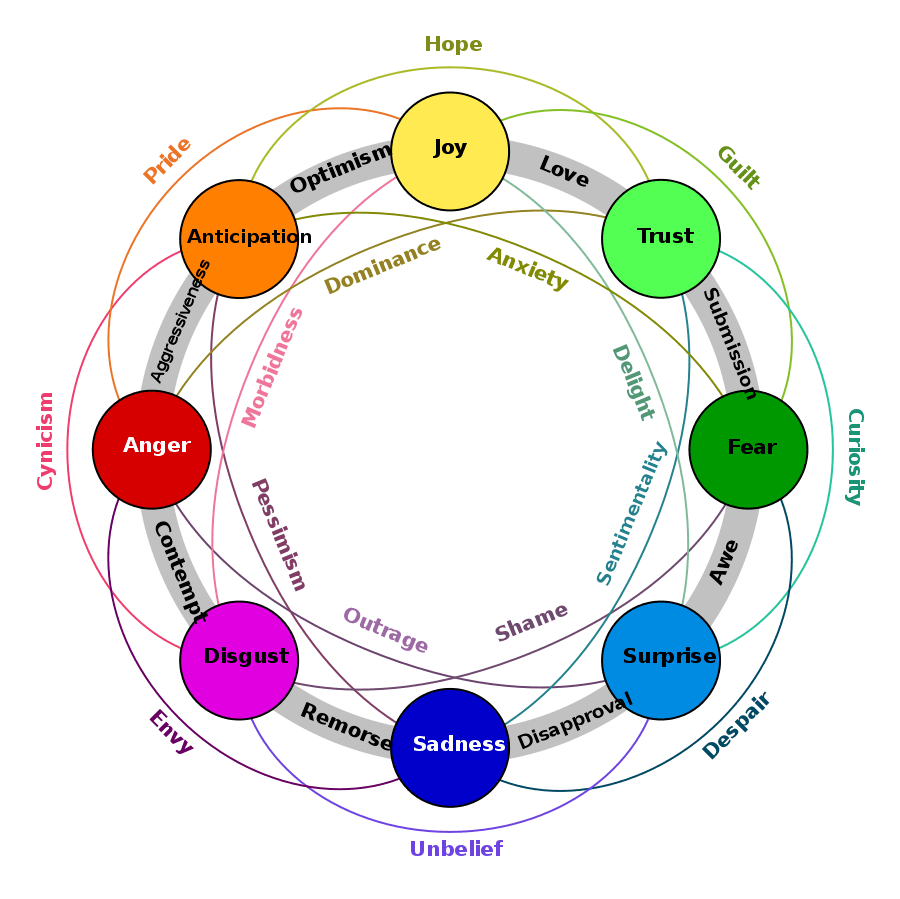
Roles that have been identified as requiring emotional labour include those involved in education, public administration, law, childcare, health care, social work, hospitality, media, advocacy, aviation and espionage. As particular economies move from a manufacturing to a service-based economy, more workers in a variety of occupational fields are expected to manage their emotions according to employer demands when compared to sixty years ago.

Definition

The sociologist Arlie Hochschild provided the first definition of emotional labour, which is displaying certain emotions to meet the requirements of a job. The related term emotion work (also called “emotion management”) refers to displaying certain emotions for personal purposes, such as within the private sphere of one’s home or interactions with family and friends. Hochschild identified three emotion regulation strategies: cognitive, bodily, and expressive. Within cognitive emotion work, one attempts to change images, ideas, or thoughts in hopes of changing the feelings associated with them. For example, one may associate a family picture with feeling happy and think about said picture whenever attempting to feel happy. Within bodily emotion work, one attempts to change physical symptoms in order to create a desired emotion. For example, one may attempt deep breathing in order to reduce anger. Within expressive emotion work, one attempts to change expressive gestures to change inner feelings, such as smiling when trying to feel happy.

While emotion work happens within the private sphere, emotional labour is emotion management within the workplace according to employer expectations. Jobs involving emotional labour are defined as those that:

  • Require face-to-face or voice-to-voice contact with the public.
  • Require the worker to produce an emotional state in another person.
  • Allow the employer, through training and supervision, to exercise a degree of control over the emotional activities of employees.

Hochschild (1983) argues that within this commodification process, service workers are estranged from their own feelings in the workplace.

Alternative Usage

The term has been applied in modern contexts to refer to household tasks, specifically unpaid labour that is often expected of women, e.g. having to remind their partner of chores. The term can also refer to informal counselling, such as providing advice to a friend or helping someone through a breakup. When Hochschild was interviewed about this shifting usage, she described it having undergone concept creep, expressing that it made the concept blurrier and was sometimes being applied to things that were simply just labour, although how carrying out this labour made a person feel could make it emotional labour as well.

Determinants

  1. Societal, occupational, and organizational norms. For example, empirical evidence indicates that in typically “busy” stores there is more legitimacy to express negative emotions than there is in typically “slow” stores, in which employees are expected to behave in accordance with the display rules. Hence, the emotional culture to which one belongs influences the employee’s commitment to those rules.
  2. Dispositional traits and inner feeling on the job; such as employees’ emotional expressiveness, which refers to the capability to use facial expressions, voice, gestures, and body movements to transmit emotions; or employees’ level of career identity (the importance of the career role to self-identity), which allows them to express the organizationally-desired emotions more easily (because there is less discrepancy between expressed behaviour and emotional experience when engaged in their work).
  3. Supervisory regulation of display rules; Supervisors are likely to be important definers of display rules at the job level, given their direct influence on workers’ beliefs about high-performance expectations. Moreover, supervisors’ impressions of the need to suppress negative emotions on the job influence the employees’ impressions of that display rule.

Surface and Deep Acting

Arlie Hochschild’s foundational text divided emotional labour into two components: surface acting and deep acting. Surface acting occurs when employees display the emotions required for a job without changing how they actually feel. Deep acting is an effortful process through which employees change their internal feelings to align with organisational expectations, producing more natural and genuine emotional displays. Although the underlying processes differ, the objective of both is typically to show positive emotions, which are presumed to impact the feelings of customers and bottom-line outcomes (e.g. sales, positive recommendations, and repeat business). However, research generally has shown surface acting is more harmful to employee health. Without a consideration of ethical values, the consequences of emotional work on employees can easily become negative. Business ethics can be used as a guide for employees on how to present feelings that are consistent with ethical values, and can show them how to regulate their feelings more easily and comfortably while working.

Careers

In the past, emotional labour demands and display rules were viewed as a characteristic of particular occupations, such as restaurant workers, cashiers, hospital workers, bill collectors, counsellors, secretaries, and nurses. However, display rules have been conceptualised not only as role requirements of particular occupational groups, but also as interpersonal job demands, which are shared by many kinds of occupations.

Teachers

Zhang et al. (2019) looked at teachers in China, using questionnaires the researchers asked about their teaching experience and their interaction with the children and their families. According to numerous studies, early childhood education is important to a child’s development, which can have an effect on the teachers emotional labour, along with their emotional labour having an effect on the children. A big focus in this study was the use of surface acting in early childhood teacher. Zhang et al. (2019) found that surface acting was used significantly less than deep and natural acting in kindergarten teachers, along with early childhood teacher are less likely to fake or suppress their feelings. They also found that more experienced teachers had higher levels of emotional labour, because they either have more skills to suppress their emotions, or they are less driven to use surface acting.

Bill Collectors

In 1991, Sutton did an in-depth qualitative study into bill collectors at a collection agency. He found that unlike the other jobs described here where employees need to act cheerful and concerned, bill collectors are selected and socialized to show irritation to most debtors. Specifically, the collection agency hired agents who seemed to be easily aroused. The newly hired agents were then trained on when and how to show varying emotions to different types of debtors. As they worked at the collection agency, they were closely monitored by their supervisors to make sure that they frequently conveyed urgency to debtors.

Bill collectors’ emotional labour consists of not letting angry and hostile debtors make them angry and to not feel guilty about pressuring friendly debtors for money. They coped with angry debtors by publicly showing their anger or making jokes when they got off the phone. They minimised the guilt they felt by staying emotionally detached from the debtors.

Childcare Workers

The skills involved in childcare are often viewed as innate to women, making the components of childcare invisible. However, a number of scholars have not only studied the difficulty and skill required for childcare, but also suggested that the emotional labour of childcare is unique and needs to be studied differently. Performing emotional labour requires the development of emotional capital, and that can only be developed through experience and reflection. Through semi-structured interviews, Edwards (2016) found that there were two components of emotional labour in childcare in addition to Hochschild’s original two: emotional consonance and suppression. Edwards (2016) defined suppression as hiding emotion and emotional consonance as naturally experiencing the same emotion that one is expected to feel for the job.

Food-Industry Workers

Wait Staff

In her 1991 study of waitresses in Philadelphia, Paules examines how these workers assert control and protect their self identity during interactions with customers. In restaurant work, Paules argues, workers’ subordination to customers is reinforced through “cultural symbols that originate from deeply rooted assumptions about service work.” Because the waitresses were not strictly regulated by their employers, waitresses’ interactions with customers were controlled by the waitresses themselves. Although they are stigmatised by the stereotypes and assumptions of servitude surrounding restaurant work, the waitresses studied were not negatively affected by their interactions with customers. To the contrary, they viewed their ability to manage their emotions as a valuable skill that could be used to gain control over customers. Thus, the Philadelphia waitresses took advantage of the lack of employer-regulated emotional labour in order to avoid the potentially negative consequences of emotional labour.

Though Paules highlights the positive consequences of emotional labour for a specific population of waitresses, other scholars have also found negative consequences of emotional labour within the waitressing industry. Through eighteen months of participant observation research, Bayard De Volo (2003) found that casino waitresses are highly monitored and monetarily bribed to perform emotional labour in the workplace. Specifically, Bayard De Volo (2003) argues that through a sexualised environment and a generous tipping system, both casino owners and customers control waitresses’ behaviour and appearance for their own benefit and pleasure. Even though the waitresses have their own forms of individual and collective resistance mechanisms, intense and consistent monitoring of their actions by casino management makes it difficult to change the power dynamics of the casino workplace.

Fast-Food Employees

By using participant observation and interviews, Leidner (1993) examines how employers in fast food restaurants regulate workers’ interactions with customers. According to Leidner (1993), employers attempt to regulate workers’ interactions with customers only under certain conditions. Specifically, when employers attempt to regulate worker–customer interactions, employers believe that “the quality of the interaction is important to the success of the enterprise”, that workers are “unable or unwilling to conduct the interactions appropriately on their own”, and that the “tasks themselves are not too complex or context-dependent.” According to Leidner (1993), regulating employee interactions with customers involves standardizing workers’ personal interactions with customers. At the McDonald’s fast food restaurants in Leidner’s (1993) study, these interactions are strictly scripted, and workers’ compliance with the scripts and regulations are closely monitored.

Along with examining employers’ attempts to regulate employee–customer interactions, Leidner (1993) examines how fast-food workers’ respond to these regulations. According to Leidner (1993), meeting employers’ expectations requires workers to engage in some form of emotional labour. For example, McDonald’s workers are expected to greet customers with a smile and friendly attitude independent of their own mood or temperament at the time. Leidner (1993) suggests that rigid compliance with these expectations is at least potentially damaging to workers’ sense of self and identity. However, Leidner (1993) did not see the negative consequences of emotional labour in the workers she studied. Instead, McDonald’s workers attempted to individualise their responses to customers in small ways. Specifically, they used humour or exaggeration to demonstrate their rebellion against the strict regulation of their employee–customer interactions.

Physicians

According to Larson and Yao (2005), empathy should characterize physicians’ interactions with their patients because, despite advancement in medical technology, the interpersonal relationship between physicians and patients remains essential to quality healthcare. Larson and Yao (2005) argue that physicians consider empathy a form of emotional labour. Specifically, according to Larson and Yao (2005), physicians engage in emotional labour through deep acting by feeling sincere empathy before, during, and after interactions with patients. On the other hand, Larson and Yao (2005) argue that physicians engage in surface acting when they fake empathic behaviours toward the patient. Although Larson and Yao (2005) argue that deep acting is preferred, physicians may rely on surface acting when sincere empathy for patients is impossible. Overall, Larson and Yao (2005) argue that physicians are more effective and enjoy more professional satisfaction when they engage in empathy through deep acting due to emotional labour.

Police Work

According to Martin (1999), police work involves substantial amounts of emotional labour by officers, who must control their own facial and bodily displays of emotion in the presence of other officers and citizens. Although policing is often viewed as stereotypically masculine work that focuses on fighting crime, policing also requires officers to maintain order and provide a variety of interpersonal services. For example, police must have a commanding presence that allows them to act decisively and maintain control in unpredictable situations while having the ability to actively listen and talk to citizens. According to Martin (1999), a police officer who displays too much anger, sympathy, or other emotion while dealing with danger on the job will be viewed by other officers as someone unable to withstand the pressures of police work, due to the sexist views of many police officers. While being able to balance this self-management of emotions in front of other officers, police must also assertively restore order and use effective interpersonal skills to gain citizen trust and compliance. Ultimately, the ability of police officers to effectively engage in emotional labour affects how other officers and citizens view them.

Public Administration

Many scholars argue that the amount of emotional work required between all levels of government is greatest on the local level. It is at the level of cities and counties that the responsibility lies for day to day emergency preparedness, firefighters, law enforcement, public education, public health, and family and children’s services. Citizens in a community expect the same level of satisfaction from their government, as they receive in a customer service-oriented job. This takes a considerate amount of work for both employees and employers in the field of public administration. Mastracci and Adams (2017) looks at public servants and how they may be at risk of being alienated because of their unsupported emotional labour demands from their jobs. This can cause surface acting and distrust in management. There are two comparisons that represent emotional labour within public administration, “Rational Work versus Emotion Work”, and “Emotional Labour versus Emotional Intelligence.”

Performance

Many scholars argue that when public administrators perform emotional labour, they are dealing with significantly more sensitive situations than employees in the service industry. The reason for this is because they are on the front lines of the government, and are expected by citizens to serve them quickly and efficiently. When confronted by a citizen or a co-worker, public administrators use emotional sensing to size up the emotional state of the citizen in need. Workers then take stock of their own emotional state in order to make sure that the emotion they are expressing is appropriate to their roles. Simultaneously, they have to determine how to act in order to elicit the desired response from the citizen as well as from co-workers. Public Administrators perform emotional labour through five different strategies: Psychological First Aid, Compartments and Closets, Crazy Calm, Humour, and Common Sense.

Definition: Rational Work vs. Emotion Work

According to Mary Guy, Public administration does not only focus on the business side of administration but on the personal side as well. It is not just about collecting the water bill or land ordinances to construct a new property, it is also about the quality of life and sense of community that is allotted to individuals by their city officials. Rational work is the ability to think cognitively and analytically, while emotional work means to think more practically and with more reason.

Definition: Intelligence vs. Emotional Intelligence

Knowing how to suppress and manage one’s own feelings is known as emotional intelligence. The ability to control one’s emotions and to be able to do this at a high level guarantees one’s own ability to serve those in need. Emotional intelligence is performed while performing emotional labour, and without one the other can not be there.

Sex Work

Emotional labour is an essential part of many service jobs, including many types of sex work. Through emotional labour sex workers engage in different levels of acting known as surface acting and deep acting. These levels reflect a sex worker’s engagement with the emotional labour. Surface acting occurs when the sex worker is aware of the dissonance between their authentic experience of emotion and their managed emotional display. In contrast deep acting occurs when the sex worker can no longer differentiate between what is authentic and what is acting; acting becomes authentic.

Sex workers engage in emotional labour for many different reasons. First, sex workers often engage in emotional labour to construct performances of gender and sexuality. These performances frequently reflect the desires of a clientele which is mostly composed of heterosexual men. In the majority of cases, clients value women who they perceive as normatively feminine. For women sex workers, achieving this perception necessitates a performance of gender and sexuality that involves deference to clients and affirmation of their masculinity, as well as physical embodiment of traditional femininity. The emotional labour involved in sex work may be of a greater significance when race differences are involved. For instance Mistress Velvet, a black, femme dominatrix, advertises herself using her most fetishised attributes. She makes her clients, who are mostly white heterosexual men, read Black feminist theory before their sessions. This allows the clients to see why their participation, as white heterosexual men, contributes to the fetishization of black women.

Both within sex work and in other types of work, emotional labour is gendered in that women are expected to use it to construct performances of normative femininity, whereas men are expected to use it to construct performances of normative masculinity. In both cases, these expectations are often met because this labour is necessary to maximising monetary gain and potentially to job retention. Indeed, emotional labour is often used as a means to maximise income. It fosters a better experience for the client and protects the worker thus enabling the worker to make the most profit.

In addition, sex workers often engage in emotional labour as a self-protection strategy, distancing themselves from the sometimes emotionally volatile work. Finally, clients often value perceived authenticity in their transactions with sex workers; thus, sex workers may attempt to foster a sense of authentic intimacy.

Gender

Macdonald and Sirianni (1996) use the term “emotional proletariat” to describe service jobs in which “workers exercise emotional labor wherein they are required to display friendliness and deference to customers.” Because of deference, these occupations tend to be stereotyped as female jobs, independent of the actual number of women working the job. According to Macdonald and Sirianni (1996), because deference is a characteristic demanded of all those in disadvantaged structural positions, especially women, when deference is made a job requirement, women are likely to be overrepresented in these jobs. Macdonald and Sirianni (1996) claim that “[i]n no other area of wage labor are the personal characteristics of the workers so strongly associated with the nature of the work.” Thus, according to Macdonald and Sirianna (1996), although all workers employed within the service economy may have a difficult time maintaining their dignity and self-identity due to the demands of emotional labour, such an issue may be especially problematic for women workers.

Emotional labour also affects women by perpetuating occupational segregation and the gender wage gap. Job segregation, which is the systematic tendency for men and women to work in different occupations, is often cited as the reason why women lack equal pay when compared to men. According to Guy and Newman (2004), occupational segregation and ultimately the gender wage gap can at least be partially attributed to emotional labour. Specifically, work-related tasks that require emotional work thought to be natural for women, such as caring and empathizing are requirements of many female-dominated occupations. However, according to Guy and Newman (2004), these feminised work tasks are not a part of formal job descriptions and performance evaluations:

“Excluded from job descriptions and performance evaluations, the work is invisible and uncompensated. Public service relies heavily on such skills, yet civil service systems, which are designed on the assumptions of a bygone era, fail to acknowledge and compensate emotional labor.”

According to Guy and Newman (2004), women working in positions that require emotional labour in addition to regular work are not compensated for this additional labour because of the sexist notion that the additional labour is to be expected of them by the fact of being a woman. Guy and Azhar (2018) found that emotive expressions between sexes is affected by culture. This study found that there is variability to how women and men interpret emotive words, and specifically results showed that culture played a huge role in these gender differences.

Disability

People with disability are increasingly part of the labour force, due to societal attitudes about inclusion and neoliberal pressures around reducing welfare. Roles that require emotional labour may be more difficult for people with certain kinds of disabilities to perform. People with disabilities also may have to use more of their own time and energy to perform a task than a non-disabled person. For instance when they routinely encounter prejudice and stigma (as would be the case for many groups experiencing prejudice), including disability-unfriendly structures (Accessibility, administrative or social). On the other hand due to routine experience of navigating unhelpful structures and prejudice, disabled people can have dual advantages of: better skills in finding ways round problems without expending emotional energy being surprised for example, and easier sympathetic or empathetic understanding of other individuals and groups experiences with these problems. Inclusive or unfriendly organizational culture also has an impact, and workplaces may require workers with disability to downplay their impairments in order to ‘fit in’, an extra burden of emotional labour. Most individuals will experience complex affects of how their disability influences their emotional labour in a given job role at a specified organisation.

Implications

Positive affective display in service interactions, such as smiling and conveying friendliness, are positively associated with customer positive feelings, and important outcomes, such as intention to return, intention to recommend a store to others, and perception of overall service quality. There is evidence that emotional labour may lead to employees’ emotional exhaustion and burnout over time, and may also reduce employees’ job satisfaction. That is, higher degree of using emotion regulation on the job is related to higher levels of employees’ emotional exhaustion, and lower levels of employees’ job satisfaction.

There is empirical evidence that higher levels of emotional labour demands are not uniformly rewarded with higher wages. Rather, the reward is dependent on the level of general cognitive demands required by the job. That is, occupations with high cognitive demands evidence wage returns with increasing emotional labour demands; whereas occupations low in cognitive demands evidence a wage “penalty” with increasing emotional labour demands. Additionally, innovations that increase employee empowerment — such as conversion into worker cooperatives, co-managing schemes, or flattened workplace structures — have been found to increase workers’ levels of emotional labour as they take on more workplace responsibilities.

Coping Skills

Coping occurs in response to psychological stress—usually triggered by changes—in an effort to maintain mental health and emotional well-being. Life stressors are often described as negative events (loss of a job). However, positive changes in life (a new job) can also constitute life stressors, thus requiring the use of coping skills to adapt. Coping strategies are the behaviours, thoughts, and emotions that you use to adjust to the changes that occur in your life. The use of coping skills will help a person better themselves in the work place and perform to the best of their ability to achieve success. There are many ways to cope and adapt to changes. Some ways include: sharing emotions with peers, having a healthy social life outside of work, being humorous, and adjusting expectations of self and work. These coping skills will help turn negative emotion to positive and allow for more focus on the public in contrast to oneself.

This page is based on the copyrighted Wikipedia article < https://en.wikipedia.org/wiki/Emotional_labor >; it is used under the Creative Commons Attribution-ShareAlike 3.0 Unported License (CC-BY-SA). You may redistribute it, verbatim or modified, providing that you comply with the terms of the CC-BY-SA.


An Overview of Social Exclusion

Introduction

Social exclusion or social marginalisation is the social disadvantage and relegation to the fringe of society. It is a term that has been used widely in Europe and was first used in France in the late 20th century. In the EU context, the European Commission defines it as “a situation whereby a person is prevented (or excluded) from contributing to and benefiting from economic and social progress”. It is used across disciplines including education, sociology, psychology, healthcare, politics and economics.

Social exclusion is the process in which individuals are blocked from (or denied full access to) various rights, opportunities and resources that are normally available to members of a different group, and which are fundamental to social integration and observance of human rights within that particular group] (e.g. due process).

Alienation or disenfranchisement resulting from social exclusion can be connected to a person’s social class, race, skin colour, religious affiliation, ethnic origin, caste, educational status, childhood relationships, living standards, and or political opinions, and appearance. Such exclusionary forms of discrimination may also apply to disabled people, minorities, LGBTQ+ people, drug users, institutional care leavers, the elderly and the young. Anyone who appears to deviate in any way from perceived norms of a population may thereby become subject to coarse or subtle forms of social exclusion.

The outcome of social exclusion is that affected individuals or communities are prevented from participating fully in the economic, social, and political life of the society in which they live. This may result in resistance in the form of demonstrations, protests or lobbying from the excluded people.

The concept of social exclusion has led to the researcher’s conclusion that in many European countries the impact of social disadvantages, that influence the well-being of all people, including with special needs, has an increasingly negative impact.

Most of the characteristics listed in this article are present together in studies of social exclusion, due to exclusion’s multidimensionality.

Another way of articulating the definition of social exclusion is as follows:

Social exclusion is a multidimensional process of progressive social rupture, detaching groups and individuals from social relations and institutions and preventing them from full participation in the normal, normatively prescribed activities of the society in which they live.

In an alternative conceptualization, social exclusion theoretically emerges at the individual or group level on four correlated dimensions:

  1. Insufficient access to social rights;
  2. Material deprivation;
  3. Limited social participation; and
  4. A lack of normative integration.

It is then regarded as the combined result of:

  • Personal risk factors (age, gender, race);
  • Macro-societal changes (demographic, economic and labour market developments, technological innovation, the evolution of social norms);
  • Government legislation and social policy; and
  • The actual behaviour of businesses, administrative organisations and fellow citizens.

Individual Exclusion

“The marginal man…is one whom fate has condemned to live in two societies and in two, not merely different but antagonistic cultures….his mind is the crucible in which two different and refractory cultures may be said to melt and, either wholly or in part, fuse.”

Social exclusion at the individual level results in an individual’s exclusion from meaningful participation in society. An example is the exclusion of single mothers from the welfare system prior to welfare reforms of the 1900s. The modern welfare system is based on the concept of entitlement to the basic means of being a productive member of society both as an organic function of society and as compensation for the socially useful labour provided. A single mother’s contribution to society is not based on formal employment, but on the notion that provision of welfare for children is a necessary social expense. In some career contexts, caring work is devalued and motherhood is seen as a barrier to employment. Single mothers were previously marginalised in spite of their significant role in the socializing of children due to views that an individual can only contribute meaningfully to society through “gainful” employment as well as a cultural bias against unwed mothers. When the father’s sole task was seen as the breadwinner, his marginalisation was primarily a function of class condition. Solo fatherhood brings additional trials due to society being less accepting of males ‘getting away with’ not working and the general invisibility/lack of acknowledgment of single fathers in society. Acknowledgment of the needs participatory fathers may have can be found by examining the changes from the original clinical report on the father’s role published by the American Academy of Paediatrics in May 2004. Eight week paternity leave is a good example of one social change. Child health care providers have an opportunity to have a greater influence on the child and family structure by supporting fathers and enhancing a father’s involvement.

More broadly, many women face social exclusion. Moosa-Mitha discusses the Western feminist movement as a direct reaction to the marginalisation of white women in society. Women were excluded from the labour force and their work in the home was not valued. Feminists argued that men and women should equally participate in the labour force, in the public and private sector, and in the home. They also focused on labour laws to increase access to employment as well as to recognise child-rearing as a valuable form of labour. In some places today, women are still marginalised from executive positions and continue to earn less than men in upper management positions.

Another example of individual marginalisation is the exclusion of individuals with disabilities from the labour force. Grandz discusses an employer’s viewpoint about hiring individuals living with disabilities as jeopardising productivity, increasing the rate of absenteeism, and creating more accidents in the workplace. Cantor also discusses employer concern about the excessively high cost of accommodating people with disabilities. The marginalisation of individuals with disabilities is prevalent today, despite the legislation intended to prevent it in most western countries, and the academic achievements, skills and training of many disabled people.

There are also exclusions of sexual minorities because of their sexual orientation, gender identity, and/or sexual characteristics. The Yogyakarta Principles require that the states and communities abolish any stereotypes about LGBT people as well as stereotyped gender roles.

“Isolation is common to almost every vocational, religious or cultural group of a large city. Each develops its own sentiments, attitudes, codes, even its own words, which are at best only partially intelligible to others.”

Community Exclusion

Many communities experience social exclusion, such as racial (e.g. black), caste (e.g. untouchables or dalits in some regions in India), and economic (e.g. Romani) communities.

One example is the Aboriginal community in Australia. The marginalisation of Aboriginal communities is a product of colonisation. As a result of colonialism, Aboriginal communities lost their land, were forced into destitute areas, lost their sources of livelihood, were excluded from the labour market and were subjected to widespread unpunished massacres. Additionally, Aboriginal communities lost their culture and values through forced assimilation and lost their rights in society. Today, various Aboriginal communities continue to be marginalised from society due to the development of practices, policies and programs that, according to J. Yee, “met the needs of white people and not the needs of the marginalized groups themselves”. Yee also connects marginalisation to minority communities, when describing the concept of whiteness as maintaining and enforcing dominant norms and discourse. Poor people living in run-down council estates and areas with high crime can be locked into social deprivation

Contributors

Social exclusion has many contributors. Major contributors include race, income, employment status, social class, geographic location; personal habits, appearance, or interests (i.e. a favourite hobby, sports team, or music genre); education, religion, and political affiliation.

Global and Structural

Globalisation (global capitalism), immigration, social welfare, and policy are broader social structures that have the potential to contribute negatively to one’s access to resources and services, resulting in the social exclusion of individuals and groups. Similarly, increasing use of information technology and the company outsourcing have contributed to job insecurity and a widening gap between the rich and the poor. Flobalisation sets forth a decrease in the role of the state with an increase in support from various “corporate sectors resulting in gross inequalities, injustices and marginalization of various vulnerable groups”. Companies are outsourcing, jobs are lost, the cost of living continues to rise, and the land is being expropriated by large companies. Material goods are made in large abundances and sold at cheaper costs, while in India for example, the poverty line is lowered in order to mask the number of individuals who are actually living in poverty as a result of globalization. Globalization and structural forces aggravate poverty and continue to push individuals to the margins of society, while governments and large corporations do not address the issues (George, P, SK8101, lecture, 09 October 2007).

Certain language and the meaning attached to language can cause universalising discourses that are influenced by the Western world, which is what Sewpaul (2006) describes as the “potential to dilute or even annihilate local cultures and traditions and to deny context-specific realities” (p. 421). What Sewpaul (2006) is implying is that the effect of dominant global discourses can cause individual and cultural displacement, as well as sex safety are jeopardised (p. 422). Insecurity and fear of an unknown future and instability can result in displacement, exclusion, and forced assimilation into the dominant group. For many, it further pushes them to the margins of society or enlists new members to the outskirts because of global-capitalism and dominant discourses (Sewpaul, 2006).

With the prevailing notion of globalisation, we now see the rise of immigration as the world gets smaller and smaller with millions of individuals relocating each year. This is not without hardship and struggle of what a newcomer thought was going to be a new life with new opportunities. Immigration has had a strong link to the access of welfare support programmes. Newcomers are constantly bombarded with the inability to access a country’s resources because they are seen as “undeserving foreigners” (p. 132). With this comes a denial of access to public housing, health care benefits, employment support services, and social security benefits. Newcomers are seen as undeserving, or that they must prove their entitlement in order to gain access to basic support necessities. It is clear that individuals are exploited and marginalised within the country they have emigrated.

Welfare states and social policies can also exclude individuals from basic necessities and support programmes. Welfare payments were proposed to assist individuals in accessing a small amount of material wealth (Young, 2000). Young (2000) further discusses how “the provision of the welfare itself produces new injustice by depriving those dependent on it of rights and freedoms that others have…marginalization is unjust because it blocks the opportunity to exercise capacities in socially defined and recognized way” (p. 41). There is the notion that by providing a minimal amount of welfare support, an individual will be free from marginalisation. In fact, welfare support programmes further lead to injustices by restricting certain behaviour, as well the individual is mandated to other agencies. The individual is forced into a new system of rules while facing social stigma and stereotypes from the dominant group in society, further marginalising and excluding individuals (Young, 2000). Thus, social policy and welfare provisions reflect the dominant notions in society by constructing and reinforcing categories of people and their needs. It ignores the unique-subjective human essence, further continuing the cycle of dominance.

Unemployment

Whilst recognising the multi-dimensionality of exclusion, policy work undertaken in the EU focused on unemployment as a key cause of, or at least correlating with, social exclusion. This is because, in modern societies, paid work is not only the principal source of income with which to buy services but is also the fount of individuals’ identity and feeling of self-worth. Most people’s social networks and a sense of embeddedness in society also revolve around their work. Many of the indicators of extreme social exclusion, such as poverty and homelessness, depend on monetary income which is normally derived from work. Social exclusion can be a possible result of long-term unemployment, especially in countries with weak welfare safety nets. Much policy to reduce exclusion thus focuses on the labour market:

  • On the one hand, to make individuals at risk of exclusion more attractive to employers, i.e. more “employable”.
  • On the other hand, to encourage (and/or oblige) employers to be more inclusive in their employment policies.

The EU’s EQUAL Community Initiative investigated ways to increase the inclusiveness of the labour market. Work on social exclusion more broadly is carried out through the Open Method of Coordination (OMC) among the Member State governments. The United Nations Sustainable Development Goal 10 is also an example of global initiatives aimed at promoting social inclusion for all by 2030.

Religion

Some religious traditions recommend excommunication of individuals said to deviate from religious teaching, and in some instances shunning by family members. Some religious organisations permit the censure of critics.

Across societies, individuals and communities can be socially excluded on the basis of their religious beliefs. Social hostility against religious minorities and communal violence occur in areas where governments do not have policies restricting the religious practise of minorities. A study by the Pew Research Centre on international religious freedom found that 61% of countries have social hostilities that tend to target religious minorities. The five highest social hostility scores were for Pakistan, India, Sri Lanka, Iraq, and Bangladesh. In 2015, Pew published that social hostilities declined in 2013, but harassment of Jews increased.

Sport

Parts of 2024 Summer Olympics opening ceremony have been criticised by some as divisive due to singling out one particular religion (Christianity).

Consequences

Health

In gay men, results of psycho-emotional damage from marginalisation from a heteronormative society include suicide and drug addiction.

Scientists have been studying the impact of racism on health. Amani Nuru-Jeter, a social epidemiologist at the University of California, Berkeley and other doctors have been hypothesizing that exposure to chronic stress may be one way racism contributes to health disparities between racial groups. Arline Geronimus, a research professor at the University of Michigan Institute for Social Research and a professor at the School of Public Health, and her colleagues found that psychosocial stress associated with living in extreme poverty can cause early onset of age-related diseases. The 2015 study titled, “Race-Ethnicity, Poverty, Urban Stressors, and Telomere Length in a Detroit Community-based Sample” was conducted in order to determine the impact of living conditions on health and was performed by a multi-university team of social scientists, cellular biologists and community partners, including the Healthy Environments Partnership (HEP) to measure the telomere length of poor and moderate-income people of White, African-American and Mexican race.

In 2006, there was research focused on possible connections between exclusion and brain function. Studies published by both the University of Georgia and San Diego State University found that exclusion can lead to diminished brain functioning and poor decision making. Such studies corroborate with earlier beliefs of sociologists. The effect of social exclusion have been hypothesized in various past research studies to correlate with such things as substance abuse and addiction, and crime.

Economics

The problem of social exclusion is usually tied to that of equal opportunity, as some people are more subject to such exclusion than others. Marginalisation of certain groups is a problem in many economically more developed countries where the majority of the population enjoys considerable economic and social opportunities.

In Philosophy

The marginal, the processes of marginalisation, etc. bring specific interest in postmodern and post-colonial philosophy and social studies. Postmodernism question the “centre” about its authenticity and postmodern sociology and cultural studies research marginal cultures, behaviours, societies, the situation of the marginalised individual, etc.

Social Inclusion

Social inclusion is the converse of social exclusion. As the World Bank states, social inclusion is the process of improving the ability, opportunity, and worthiness of people, disadvantaged on the basis of their identity, to take part in society. The World Bank’s 2019 World Development Report on The Changing Nature of Work suggests that enhanced social protection and better investments in human capital improve equality of opportunity and social inclusion. Social inclusion can be measured individually.

Social Inclusion ministers have been appointed, and special units established, in a number of jurisdictions around the world. The first Minister for Social Inclusion was Premier of South Australia Mike Rann, who took the portfolio in 2004. Based on the UK’s Social Exclusion Unit, established by Prime Minister Tony Blair in 1997, Rann established the Social Inclusion Initiative in 2002. It was headed by Monsignor David Cappo and was serviced by a unit within the department of Premier and Cabinet. Cappo sat on the executive committee of the South Australian Cabinet and was later appointed Social Inclusion Commissioner with wide powers to address social disadvantage. Cappo was allowed to roam across agencies given that most social disadvantage has multiple causes necessitating a “joined up” rather than a single agency response.[48] The Initiative drove a big investment by the South Australian Government in strategies to combat homelessness, including establishing Common Ground, building high quality inner city apartments for “rough sleeping” homeless people, the Street to Home initiative and the ICAN flexible learning program designed to improve school retention rates. It also included major funding to revamp mental health services following Cappo’s “Stepping Up” report, which focused on the need for community and intermediate levels of care and an overhaul of disability services. In 2007, the then Australian Prime Minister Kevin Rudd appointed Julia Gillard as the nation’s first Social Inclusion Minister.

In Japan, the concept and term “social inclusion” went through a number of changes over time and eventually became incorporated in community-based activities under the names hōsetsu (包摂) and hōkatsu (包括), such as in the “Community General Support Centres” (chiiki hōkatsu shien sentā 地域包括支援センター) and “Community-based Integrated Care System” (chiiki hōkatsu kea shisutemu 地域包括ケアシステム).[53]

One may explore its implications for social work practice. Mullaly (2007) describes how “the personal is political” and the need for recognising that social problems are indeed connected with larger structures in society, causing various forms of oppression amongst individuals resulting in marginalisation. It is also important for the social worker to recognise the intersecting nature of oppression. A non-judgmental and unbiased attitude is necessary on the part of the social worker. The worker may begin to understand oppression and marginalisation as a systemic problem, not the fault of the individual.

Working under an anti-oppression perspective would then allow the social worker to understand the lived, subjective experiences of the individual, as well as their cultural, historical and social background. The worker should recognize the individual as political in the process of becoming a valuable member of society and the structural factors that contribute to oppression and marginalisation (Mullaly, 2007). Social workers must take a firm stance on naming and labelling global forces that impact individuals and communities who are then left with no support, leading to marginalisation or further marginalisation from the society they once knew (George, P, SK8101, lecture, 09 October 2007).

The social worker should be constantly reflexive, work to raise the consciousness, empower, and understand the lived subjective realities of individuals living in a fast-paced world, where fear and insecurity constantly subjugate the individual from the collective whole, perpetuating the dominant forces, while silencing the oppressed.

Some individuals and groups who are not professional social workers build relationships with marginalised persons by providing relational care and support, for example, through homeless ministry. These relationships validate the individuals who are marginalised and provide them a meaningful contact with the mainstream.

In Law

There are countries, Italy for example, that have a legal concept of social exclusion. In Italy, “esclusione sociale” is defined as poverty combined with social alienation, by the statute n. 328 (11-8-2000), that instituted a state investigation commission named “Commissione di indagine sull’Esclusione Sociale” (CIES) to make an annual report to the government on legally expected issues of social exclusion.

The Vienna Declaration and Programme of Action, a document on international human rights instruments affirms that:

“extreme poverty and social exclusion constitute a violation of human dignity and that urgent steps are necessary to achieve better knowledge of extreme poverty and its causes, including those related to the program of development, in order to promote the human rights of the poorest, and to put an end to extreme poverty and social exclusion and promote the enjoyment of the fruits of social progress. It is essential for States to foster participation by the poorest people in the decision making process by the community in which they live, the promotion of human rights and efforts to combat extreme poverty.”

This page is based on the copyrighted Wikipedia article < https://en.wikipedia.org/wiki/Social_exclusion >; it is used under the Creative Commons Attribution-ShareAlike 3.0 Unported License (CC-BY-SA). You may redistribute it, verbatim or modified, providing that you comply with the terms of the CC-BY-SA.

An Overview of Emotional Self-Regulation

Introduction

The self-regulation of emotion or emotion regulation is the ability to respond to the ongoing demands of experience with the range of emotions in a manner that is socially tolerable and sufficiently flexible to permit spontaneous reactions as well as the ability to delay spontaneous reactions as needed. It can also be defined as extrinsic and intrinsic processes responsible for monitoring, evaluating, and modifying emotional reactions. The self-regulation of emotion belongs to the broader set of emotion regulation processes, which includes both the regulation of one’s own feelings and the regulation of other people’s feelings.

Emotion regulation is a complex process that involves initiating, inhibiting, or modulating one’s state or behaviour in a given situation — for example, the subjective experience (feelings), cognitive responses (thoughts), emotion-related physiological responses (for example heart rate or hormonal activity), and emotion-related behaviour (bodily actions or expressions). Functionally, emotion regulation can also refer to processes such as the tendency to focus one’s attention to a task and the ability to suppress inappropriate behaviour under instruction. Emotion regulation is a highly significant function in human life.

Every day, people are continually exposed to a wide variety of potentially arousing stimuli. Inappropriate, extreme or unchecked emotional reactions to such stimuli could impede functional fit within society; therefore, people must engage in some form of emotion regulation almost all of the time. Generally speaking, emotion dysregulation has been defined as difficulties in controlling the influence of emotional arousal on the organisation and quality of thoughts, actions, and interactions. Individuals who are emotionally dysregulated exhibit patterns of responding in which there is a mismatch between their goals, responses, and/or modes of expression, and the demands of the social environment. For example, there is a significant association between emotion dysregulation and symptoms of depression, anxiety, eating pathology, and substance abuse. Higher levels of emotion regulation are likely to be related to both high levels of social competence and the expression of socially appropriate emotions.

Theory

Process Model

The process model of emotion regulation is based upon the modal model of emotion. The modal model of emotion suggests that the emotion generation process occurs in a particular sequence over time. This sequence occurs as follows:

  1. Situation: the sequence begins with a situation (real or imagined) that is emotionally relevant.
  2. Attention: attention is directed towards the emotional situation.
  3. Appraisal: the emotional situation is evaluated and interpreted.
  4. Response: an emotional response is generated, giving rise to loosely coordinated changes in experiential, behavioural, and physiological response systems.

Because an emotional response (4.) can cause changes to a situation (1.), this model involves a feedback loop from (4.) Response to (1.) Situation. This feedback loop suggests that the emotion generation process can occur recursively, is ongoing, and dynamic.

The process model contends that each of these four points in the emotion generation process can be subjected to regulation. From this conceptualization, the process model posits five different families of emotion regulation that correspond to the regulation of a particular point in the emotion generation process. They occur in the following order:

  1. Situation selection
  2. Situation modification
  3. Attentional deployment
  4. Cognitive change
  5. Response modulation

The process model also divides these emotion regulation strategies into two categories: antecedent-focused and response-focused. Antecedent-focused strategies (i.e. situation selection, situation modification, attentional deployment, and cognitive change) occur before an emotional response is fully generated. Response-focused strategies (i.e. response modulation) occur after an emotional response is fully generated.

Strategies

Situation Selection

Situation selection is an emotional regulation strategy that involves choosing to avoid or approach a future emotional situation. If a person selects to avoid or disengage from an emotionally relevant situation, they are decreasing the likelihood of experiencing an emotion. Alternatively, if a person selects to approach or engage with an emotionally relevant situation, they are increasing the likelihood of experiencing an emotion.

Typical examples of situation selection may be seen interpersonally, such as when a parent removes his or her child from an emotionally unpleasant situation. Use of situation selection may also be seen in psychopathology. For example, avoidance of social situations to regulate emotions is particularly pronounced for those with social anxiety disorder and avoidant personality disorder.

Effective situation selection is not always an easy task. For instance, humans display difficulties predicting their emotional responses to future events. Therefore, they may have trouble making accurate and appropriate decisions about which emotionally relevant situations to approach or to avoid.

Situation Modification

Situation modification involves efforts to modify a situation so as to change its emotional impact. Situation modification refers specifically to altering one’s external, physical environment. Altering one’s “internal” environment to regulate emotion is called cognitive change.

Examples of situation modification may include injecting humour into a speech to elicit laughter or extending the physical distance between oneself and another person.

Attentional Deployment

Attentional deployment involves directing one’s attention towards or away from an emotional situation.

Distraction

Distraction, an example of attentional deployment, is an early selection strategy, which involves diverting one’s attention away from an emotional stimulus and towards other content. Distraction has been shown to reduce the intensity of painful and emotional experiences, to decrease facial responding and neural activation in the amygdala associated with emotion, as well as to alleviate emotional distress. As opposed to reappraisal, individuals show a relative preference to engage in distraction when facing stimuli of high negative emotional intensity. This is because distraction easily filters out high-intensity emotional content, which would otherwise be relatively difficult to appraise and process.

Rumination

Rumination, an example of attentional deployment, is defined as the passive and repetitive focusing of one’s attention on one’s symptoms of distress and the causes and consequences of these symptoms. Rumination is generally considered a maladaptive emotion regulation strategy, as it tends to exacerbate emotional distress. It has also been implicated in a host of disorders including major depression.

Worry

Worry, an example of attentional deployment, involves directing attention to thoughts and images concerned with potentially negative events in the future. By focusing on these events, worrying serves to aid in the down-regulation of intense negative emotion and physiological activity. While worry may sometimes involve problem solving, incessant worry is generally considered maladaptive, being a common feature of anxiety disorders, particularly generalised anxiety disorder.

Thought Suppression

Thought suppression, an example of attentional deployment, involves efforts to redirect one’s attention from specific thoughts and mental images to other content so as to modify one’s emotional state. Although thought suppression may provide temporary relief from undesirable thoughts, it may ironically end up spurring the production of even more unwanted thoughts. This strategy is generally considered maladaptive, being most associated with obsessive-compulsive disorder.

Cognitive Change

Cognitive change involves changing how one appraises a situation so as to alter its emotional meaning.

Reappraisal

Reappraisal, an example of cognitive change, is a late selection strategy, which involves a change of the meaning of an event that alters its emotional impact. It encompasses different sub-strategies, such as positive reappraisal (creating and focusing on a positive aspect of the stimulus), decentring (reinterpreting an event by broadening one’s perspective to see “the bigger picture”), or fictional reappraisal (adopting or emphasizing the belief that event is not real, that it is for instance “just a movie” or “just my imagination”). Reappraisal has been shown to effectively reduce physiological, subjective, and neural emotional responding. As opposed to distraction, individuals show a relative preference to engage in reappraisal when facing stimuli of low negative emotional intensity because these stimuli are relatively easy to appraise and process.

Reappraisal is generally considered to be an adaptive emotion regulation strategy. Compared to suppression (including both thought suppression and expressive suppression), which is positively correlated with many psychological disorders, reappraisal can be associated with better interpersonal outcomes, and can be positively related to well-being. However, some researchers argue that context is important when evaluating the adaptiveness of a strategy, suggesting that in some contexts reappraisal may be maladaptive. Furthermore, some research has shown reappraisal does not influence or affect physiological responses to recurrent stress.

Distancing

Distancing, an example of cognitive change, involves taking on an independent, third-person perspective when evaluating an emotional event. Distancing has been shown to be an adaptive form of self-reflection, facilitating the emotional processing of negatively valenced stimuli, reducing emotional and cardiovascular reactivity to negative stimuli, and increasing problem-solving behaviour.

Humour

Humour, an example of cognitive change, has been shown to be an effective emotion regulation strategy. Specifically, positive, good-natured humour has been shown to effectively up-regulate positive emotion and down-regulate negative emotion. On the other hand, negative, mean-spirited humour is less effective in this regard.

Response Modulation

Response modulation involves attempts to directly influence experiential, behavioural, and physiological response systems.

Expressive Suppression

Expressive suppression, an example of response modulation, involves inhibiting emotional expressions. It has been shown to effectively reduce facial expressivity, subjective feelings of positive emotion, heart rate, and sympathetic activation. However, the research findings are mixed regarding whether this strategy is effective for down-regulating negative emotion. Research has also shown that expressive suppression may have negative social consequences, correlating with reduced personal connections and greater difficulties forming relationships.

Expressive suppression is generally considered to be a maladaptive emotion regulation strategy. Compared to reappraisal, it is positively correlated with many psychological disorders, associated with worse interpersonal outcomes, is negatively related to well-being, and requires the mobilisation of a relatively substantial amount of cognitive resources. However, some researchers argue that context is important when evaluating the adaptiveness of a strategy, suggesting that in some contexts suppression may be adaptive.

Drug Use

Drug use, an example of response modulation, can be used to alter emotion-associated physiological responses. For example, alcohol can produce sedative and anxiolytic effects and beta blockers can affect sympathetic activation.

Exercise

Exercise, an example of response modulation, can be used to down-regulate the physiological and experiential effects of negative emotions. Regular physical activity has also been shown to reduce emotional distress and improve emotional control.

Sleep

Sleep plays a role in emotion regulation, although stress and worry can also interfere with sleep. Studies have shown that sleep, specifically REM sleep, down-regulates reactivity of the amygdala, a brain structure known to be involved in the processing of emotions, in response to previous emotional experiences. On the flip side, sleep deprivation is associated with greater emotional reactivity or overreaction to negative and stressful stimuli. This is a result of both increased amygdala activity and a disconnect between the amygdala and the prefrontal cortex, which regulates the amygdala through inhibition, together resulting in an overactive emotional brain. Due to the subsequent lack of emotional control, sleep deprivation may be associated with depression, impulsivity, and mood swings. Additionally, there is some evidence that sleep deprivation may reduce emotional reactivity to positive stimuli and events and impair emotion recognition in others.

In Psychotherapy

Emotion regulation strategies are taught, and emotion regulation problems are treated, in a variety of counselling and psychotherapy approaches, including cognitive behavioural therapy (CBT), dialectical behaviour therapy (DBT), emotion-focused therapy (EFT), and mindfulness-based cognitive therapy (MBCT).

For example, a relevant mnemonic formulated in DBT is “ABC PLEASE”:

  • Accumulate positive experiences.
  • Build mastery by being active in activities that make one feel competent and effective to combat helplessness.
  • Cope ahead, preparing an action plan, researching, and rehearsing (with a skilled helper if necessary).
  • Physical illness treatment and prevention through check-ups.
  • Low vulnerability to diseases, managed with health care professionals.
  • Eating healthy.
  • Avoiding (non-prescribed) mood-altering drugs.
  • Sleep healthy.
  • Exercise regularly.

Developmental Process

Infancy

Intrinsic emotion regulation efforts during infancy are believed to be guided primarily by innate physiological response systems. These systems usually manifest as an approach towards and an avoidance of pleasant or unpleasant stimuli. At three months, infants can engage in self-soothing behaviours like sucking and can reflexively respond to and signal feelings of distress. For instance, infants have been observed attempting to suppress anger or sadness by knitting their brow or compressing their lips.

Between three and six months, basic motor functioning and attentional mechanisms begin to play a role in emotion regulation, allowing infants to more effectively approach or avoid emotionally relevant situations. Infants may also engage in self-distraction and help-seeking behaviours for regulatory purposes. At one year, infants are able to navigate their surroundings more actively and respond to emotional stimuli with greater flexibility due to improved motor skills. They also begin to appreciate their caregivers’ abilities to provide them regulatory support. For instance, infants generally have difficulties regulating fear. As a result, they often find ways to express fear in ways that attract the comfort and attention of caregivers.

Extrinsic emotion regulation efforts by caregivers, including situation selection, modification, and distraction, are particularly important for infants. The emotion regulation strategies employed by caregivers to attenuate distress or to up-regulate positive affect in infants can impact the infants’ emotional and behavioural development, teaching them particular strategies and methods of regulation. The type of attachment style between caregiver and infant can therefore play a meaningful role in the regulatory strategies infants may learn to use.

Recent evidence supports the idea that maternal singing has a positive effect on affect regulation in infants. Singing play-songs can have a visible affect-regulatory consequence of prolonged positive affect and even alleviation of distress. In addition to proven facilitation of social bonding, when combined with movement and/or rhythmic touch, maternal singing for affect regulation has possible applications for infants in the NICU and for adult caregivers with serious personality or adjustment difficulties.

Toddler-hood

By the end of the first year, toddlers begin to adopt new strategies to decrease negative arousal. These strategies can include rocking themselves, chewing on objects, or moving away from things that upset them. At two years, toddlers become more capable of actively employing emotion regulation strategies. They can apply certain emotion regulation tactics to influence various emotional states. Additionally, maturation of brain functioning and language and motor skills permits toddlers to manage their emotional responses and levels of arousal more effectively.

Extrinsic emotion regulation remains important to emotional development in toddlerhood. Toddlers can learn ways from their caregivers to control their emotions and behaviours. For example, caregivers help teach self-regulation methods by distracting children from unpleasant events (like a vaccination shot) or helping them understand frightening events.

Childhood

Emotion regulation knowledge becomes more substantial during childhood. For example, children aged six to ten begin to understand display rules. They come to appreciate the contexts in which certain emotional expressions are socially most appropriate and therefore ought to be regulated. For example, children may understand that upon receiving a gift they should display a smile, irrespective of their actual feelings about the gift. During childhood, there is also a trend towards the use of more cognitive emotion regulation strategies, taking the place of more basic distraction, approach, and avoidance tactics.

Regarding the development of emotion dysregulation in children, one robust finding suggests that children who are frequently exposed to negative emotion at home will be more likely to display, and have difficulties regulating, high levels of negative emotion.

Adolescence

Adolescents show a marked increase in their capacities to regulate their emotions, and emotion regulation decision making becomes more complex, depending on multiple factors. In particular, the significance of interpersonal outcomes increases for adolescents. When regulating their emotions, adolescents are therefore likely to take into account their social context. For instance, adolescents show a tendency to display more emotion if they expect a sympathetic response from their peers.

Additionally, spontaneous use of cognitive emotion regulation strategies increases during adolescence, which is evidenced both by self-report data and neural markers.

Adulthood

Social losses increase and health tends to decrease as people age. As people get older their motivation to seek emotional meaning in life through social ties tends to increase. Autonomic responsiveness decreases with age, and emotion regulation skill tends to increase.

Emotional regulation in adulthood can also be examined in terms of positive and negative affectivity. Positive and negative affectivity refers to the types of emotions felt by an individual as well as the way those emotions are expressed. With adulthood comes an increased ability to maintain both high positive affectivity and low negative affectivity “more rapidly than adolescents.” This response to life’s challenges seems to become “automatized” as people progress throughout adulthood. Thus, as individuals age, their capability of self-regulating emotions and responding to their emotions in healthy ways improves.

Additionally, emotional regulation may vary between young adults and older adults. Younger adults have been found to be more successful than older adults in practicing “cognitive reappraisal” to decrease negative internal emotions. On the other hand, older adults have been found to be more successful in the following emotional regulation areas:

  • Predicting the level of “emotional arousal” in possible situations;
  • Having a higher focus on positive information rather than negative; and
  • Maintaining healthy levels of “hedonic well-being” (subjective well-being based on increased pleasure and decreased pain).

Overview of Perspectives

Neuropsychological Perspective

Affective

As people age, their affect – the way they react to emotions – changes, either positively or negatively. Studies show that positive affect increases as a person grows from adolescence to their mid 70s. Negative affect, on the other hand, decreases until the mid 70s. Studies also show that emotions differ in adulthood, particularly affect (positive or negative). Although some studies found that individuals experience less affect as they grow older, other studies have concluded that adults in their middle age experience more positive affect and less negative affect than younger adults. Positive affect was also higher for men than women while the negative affect was higher for women than it was for men and also for single people.

A reason that older people – middle adulthood – might have less negative affect is because they have overcome, “the trials and vicissitudes of youth, they may increasingly experience a more pleasant balance of affect, at least up until their mid-70s”. Positive affect might rise during middle age but towards the later years of life – the 70s – it begins to decline while negative affect also does the same. This might be due to failing health, reaching the end of their lives and the death of friends and relatives.

In addition to baseline levels of positive and negative affect, studies have found individual differences in the time-course of emotional responses to stimuli. The temporal dynamics of emotion regulation, also known as affective chronometry, include two key variables in the emotional response process: rise time to peak emotional response, and recovery time to baseline levels of emotion. Studies of affective chronometry typically separate positive and negative affect into distinct categories, as previous research has shown (despite some correlation) the ability of humans to experience changes in these categories independently of one another. Affective chronometry research has been conducted on clinical populations with anxiety, mood, and personality disorders, but is also utilised as a measurement to test the effectiveness of different therapeutic techniques (including mindfulness training) on emotional dysregulation.

Neurological

The development of functional magnetic resonance imaging has allowed for the study of emotion regulation on a biological level. Specifically, research over the last decade strongly suggests that there is a neural basis. Sufficient evidence has correlated emotion regulation to particular patterns of prefrontal activation. These regions include the orbital prefrontal cortex, the ventromedial prefrontal cortex, and the dorsolateral prefrontal cortex. Two additional brain structures that have been found to contribute are the amygdala and the anterior cingulate cortex. Each of these structures are involved in various facets of emotion regulation and irregularities in one or more regions and/or interconnections among them are affiliated with failures of emotion regulation. An implication to these findings is that individual differences in prefrontal activation predict the ability to perform various tasks in aspects of emotion regulation.

Sociological

People intuitively mimic facial expressions; it is a fundamental part of healthy functioning. Similarities across cultures in regards to nonverbal communication has prompted the debate that it is in fact a universal language. It can be argued that emotion regulation plays a key role in the ability to generate the correct responses in social situations. Humans have control over facial expressions both consciously and unconsciously: an intrinsic emotion program is generated as the result of a transaction with the world, which immediately results in an emotional response and usually a facial reaction. It is a well documented phenomenon that emotions have an effect on facial expression, but recent research has provided evidence that the opposite may also be true.

This notion would give rise to the belief that a person may not only control his emotion but in fact influence them as well. Emotion regulation focuses on providing the appropriate emotion in the appropriate circumstances. Some theories allude to the thought that each emotion serves a specific purpose in coordinating organismic needs with environmental demands (Cole, 1994). This skill, although apparent throughout all nationalities, has been shown to vary in successful application at different age groups. In experiments done comparing younger and older adults to the same unpleasant stimuli, older adults were able to regulate their emotional reactions in a way that seemed to avoid negative confrontation. These findings support the theory that with time people develop a better ability to regulate their emotions. This ability found in adults seems to better allow individuals to react in what would be considered a more appropriate manner in some social situations, permitting them to avoid adverse situations that could be seen as detrimental.

Expressive Regulation (in Solitary Conditions)

In solitary conditions, emotion regulation can include a minimization-miniaturization effect, in which common outward expressive patterns are replaced with toned down versions of expression. Unlike other situations, in which physical expression (and its regulation) serve a social purpose (i.e. conforming to display rules or revealing emotion to outsiders), solitary conditions require no reason for emotions to be outwardly expressed (although intense levels of emotion can bring out noticeable expression anyway). The idea behind this is that as people get older, they learn that the purpose of outward expression (to appeal to other people), is not necessary in situations in which there is no one to appeal to. As a result, the level of emotional expression can be lower in these solitary situations.

Stress

The way an individual reacts to stress can directly overlap with their ability to regulate emotion. Although the two concepts differ in a multitude of ways, “both coping [with stress] and emotion regulation involve affect modulation and appraisal processes” that are necessary for healthy relationships and self-identity.

According to Yu. V. Shcherbatykh, emotional stress in situations like school examinations can be reduced by engaging in self-regulating activities prior to the task being performed. To study the influence of self-regulation on mental and physiological processes under exam stress, Shcherbatykh conducted a test with an experimental group of 28 students (of both sexes) and a control group of 102 students (also of both sexes).

In the moments before the examination, situational stress levels were raised in both groups from what they were in quiet states. In the experimental group, participants engaged in three self-regulating techniques (concentration on respiration, general body relaxation, and the creation of a mental image of successfully passing the examination). During the examination, the anxiety levels of the experimental group were lower than that of the control group. Also, the percent of unsatisfactory marks in the experimental group was 1.7 times less than in the control group. From this data, Shcherbatykh concluded that the application of self-regulating actions before examinations helps to significantly reduce levels of emotional strain, which can help lead to better performance results.

Emotion regulation has also been associated with physiological responses to stress during laboratory stress paradigms.

Decision Making

Identification of our emotional self-regulating process can facilitate in the decision-making process. Current literature on emotion regulation identifies that humans characteristically make efforts in controlling emotion experiences. There is then a possibility that our present state emotions can be altered by emotion regulation strategies resulting in the possibility that different regulation strategies could have different decision implications.

Digital Emotion Regulation

Following widespread adoption in the 21st century of digital devices and services for use in everyday life, evidence is mounting that people are increasingly using these tools to manage and regulate moods and emotions. A wide range of digital resources are used for emotion regulation including smartphones, social media, streaming services, online shopping, and videogames. Such spontaneous forms of digital emotion regulation can be distinguished from the use of digital interventions such as smartphone apps that have been explicitly designed to support emotional regulation or teach emotion regulation skills in clinical and non-clinical populations. Digital implementation of emotion regulation strategies can occur at all stages of the process model and in all strategy families, including interpersonal emotion regulation.

Effects of Low Self-Regulation

With a failure in emotion regulation, there is a rise in psychosocial and emotional dysfunctions caused by traumatic experiences due to an inability to regulate emotions. These traumatic experiences typically happen in grade school and are sometimes associated with bullying. Children who can not properly self-regulate express their volatile emotions in a variety of ways, including screaming if they do not have their way, lashing out with their fists, throwing objects (such as chairs), or bullying other children. Such behaviours often elicit negative reactions from the social environment, which, in turn, can exacerbate or maintain the original regulation problems over time, a process termed cumulative continuity. These children are more likely to have conflict-based relationships with their teachers and other children. This can lead to more severe problems such as an impaired ability to adjust to school and predicts school dropout many years later. Children who fail to properly self-regulate grow as teenagers with more emerging problems. Their peers begin to notice this “immaturity”, and these children are often excluded from social groups and teased and harassed by their peers. This “immaturity” certainly causes some teenagers to become social outcasts in their respective social groups, causing them to lash out in angry and potentially violent ways. Being teased or being an outcast in childhood is especially damaging because it could lead to psychological symptoms such as depression and anxiety (in which dysregulated emotions play a central role), which, in turn, could lead to more peer victimisation. This is why it is recommended to foster emotional self-regulation in children as early as possible.

Occupational Therapy in Schools

Occupational therapists (OTs) are integrated educators in most public and private schools across the United States. They are trained in mental health and activity analysis to assess the needs of their clients. OTs and students work together to create meaningful and healthy habits for stress management, social skills, emotional labelling, coping strategies, awareness, problem-solving, self-monitoring, judgement, emotional control, and others in the school and home environment. OTs can complete formal assessments for emotional regulation and treat in a client-centred manner for each student. In addition, they can create individualised home programmes for carryover with their families. For example, OTs can work with students to engage in the occupational therapist-developed curriculum The Zones of Regulation, which utilises evidence-based knowledge, formal assessment, and in-classroom treatment to improve self-regulation of emotional behaviours and create long-lasting changes in habits.

Early childhood access to education on emotional regulation mitigates risk factors for increased anxiety, depression, and negative behaviours. It allows the student to create healthy habits for school and home environments. Children should be able to learn to regulate their feelings for full participation in activities, including social skills, play, sports, and school.

This page is based on the copyrighted Wikipedia article < https://en.wikipedia.org/wiki/Emotional_self-regulation >; it is used under the Creative Commons Attribution-ShareAlike 3.0 Unported License (CC-BY-SA). You may redistribute it, verbatim or modified, providing that you comply with the terms of the CC-BY-SA.

An Overview of Schema (in Psychology)

Introduction

In psychology and cognitive science, a schema (pl.: schemata or schemas) describes a pattern of thought or behaviour that organises categories of information and the relationships among them. It can also be described as a mental structure of preconceived ideas, a framework representing some aspect of the world, or a system of organising and perceiving new information, such as a mental schema or conceptual model. Schemata influence attention and the absorption of new knowledge: people are more likely to notice things that fit into their schema, while re-interpreting contradictions to the schema as exceptions or distorting them to fit. Schemata have a tendency to remain unchanged, even in the face of contradictory information. Schemata can help in understanding the world and the rapidly changing environment. People can organise new perceptions into schemata quickly as most situations do not require complex thought when using schema, since automatic thought is all that is required.

People use schemata to organise current knowledge and provide a framework for future understanding. Examples of schemata include mental models, social schemas, stereotypes, social roles, scripts, worldviews, heuristics, and archetypes. In Piaget’s theory of development, children construct a series of schemata, based on the interactions they experience, to help them understand the world.

Refer to Schema Therapy.

Brief History

“Schema” comes from the Greek word schēmat or schēma, meaning “figure”.

Prior to its use in psychology, the term “schema” had primarily seen use in philosophy. For instance, “schemata” (especially “transcendental schemata”) are crucial to the architectonic system devised by Immanuel Kant in his Critique of Pure Reason.

Early developments of the idea in psychology emerged with the gestalt psychologists (founded originally by Max Wertheimer) and Jean Piaget. The term schéma was introduced by Piaget in 1923. In Piaget’s later publications, action (operative or procedural) schémes were distinguished from figurative (representational) schémas, although together they may be considered a schematic duality. In subsequent discussions of Piaget in English, schema was often a mistranslation of Piaget’s original French schéme. The distinction has been of particular importance in theories of embodied cognition and ecological psychology.

This concept was first described in the works of British psychologist Frederic Bartlett, who drew on the term body schema used by neurologist Henry Head in 1932. In 1952, Jean Piaget, who was credited with the first cognitive development theory of schemas, popularised this ideology. By 1977, it was expanded into schema theory by educational psychologist Richard C. Anderson. Since then, other terms have been used to describe schema such as “frame”, “scene”, and “script”.

Schematic Processing

Through the use of schemata, a heuristic technique to encode and retrieve memories, the majority of typical situations do not require much strenuous processing. People can quickly organise new perceptions into schemata and act without effort. The process, however, is not always accurate, and people may develop illusory correlations, which is the tendency to form inaccurate or unfounded associations between categories, especially when the information is distinctive.

Nevertheless, schemata can influence and hamper the uptake of new information, such as when existing stereotypes, giving rise to limited or biased discourses and expectations, lead an individual to “see” or “remember” something that has not happened because it is more believable in terms of his/her schema. For example, if a well-dressed businessman draws a knife on a vagrant, the schemata of onlookers may (and often do) lead them to “remember” the vagrant pulling the knife. Such distortion of memory has been demonstrated. (refer to Background research next) Furthermore, it has also been seen to affect the formation of episodic memory in humans. For instance, one is more likely to remember a pencil case in an office than a skull, even if both were present in the office, when tested on certain recall conditions.

Schemata are interrelated and multiple conflicting schemata can be applied to the same information. Schemata are generally thought to have a level of activation, which can spread among related schemata. Through different factors such as current activation, accessibility, priming, and emotion, a specific schema can be selected.

Accessibility is how easily a schema can come to mind, and is determined by personal experience and expertise. This can be used as a cognitive shortcut, meaning it allows the most common explanation to be chosen for new information.

With priming (an increased sensitivity to a particular schema due to a recent experience), a brief imperceptible stimulus temporarily provides enough activation to a schema so that it is used for subsequent ambiguous information. Although this may suggest the possibility of subliminal messages, the effect of priming is so fleeting that it is difficult to detect outside laboratory conditions.

Background Research

Frederic Bartlett

The original concept of schemata is linked with that of reconstructive memory as proposed and demonstrated in a series of experiments by Frederic Bartlett. Bartlett began presenting participants with information that was unfamiliar to their cultural backgrounds and expectations while subsequently monitoring how they recalled these different items of information (stories, etc). Bartlett was able to establish that individuals’ existing schemata and stereotypes influence not only how they interpret “schema-foreign” new information but also how they recall the information over time. One of his most famous investigations involved asking participants to read a Native American folk tale, “The War of the Ghosts”, and recall it several times up to a year later. All the participants transformed the details of the story in such a way that it reflected their cultural norms and expectations, i.e. in line with their schemata. The factors that influenced their recall were:

  • Omission of information that was considered irrelevant to a participant;
  • Transformation of some of the details, or of the order in which events, etc., were recalled; a shift of focus and emphasis in terms of what was considered the most important aspects of the tale;
  • Rationalisation: details and aspects of the tale that would not make sense would be “padded out” and explained in an attempt to render them comprehensible to the individual in question; and
  • Cultural shifts: the content and the style of the story were altered in order to appear more coherent and appropriate in terms of the cultural background of the participant.

Bartlett’s work was crucially important in demonstrating that long-term memories are neither fixed nor unchanging but are constantly being adjusted as schemata evolve with experience. His work contributed to a framework of memory retrieval in which people construct the past and present in a constant process of narrative/discursive adjustment. Much of what people “remember” is confabulated narrative (adjusted and rationalised) which allows them to think of the past as a continuous and coherent string of events, even though it is probable that large sections of memory (both episodic and semantic) are irretrievable or inaccurate at any given time.

An important step in the development of schema theory was taken by the work of D.E. Rumelhart describing the understanding of narrative and stories. Further work on the concept of schemata was conducted by W.F. Brewer and J.C. Treyens, who demonstrated that the schema-driven expectation of the presence of an object was sometimes sufficient to trigger its incorrect recollection. An experiment was conducted where participants were requested to wait in a room identified as an academic’s study and were later asked about the room’s contents. A number of the participants recalled having seen books in the study whereas none were present. Brewer and Treyens concluded that the participants’ expectations that books are present in academics’ studies were enough to prevent their accurate recollection of the scenes.

In the 1970s, computer scientist Marvin Minsky was trying to develop machines that would have human-like abilities. When he was trying to create solutions for some of the difficulties he encountered he came across Bartlett’s work and concluded that if he was ever going to get machines to act like humans he needed them to use their stored knowledge to carry out processes. A frame construct was a way to represent knowledge in machines, while his frame construct can be seen as an extension and elaboration of the schema construct. He created the frame knowledge concept as a way to interact with new information. He proposed that fixed and broad information would be represented as the frame, but it would also be composed of slots that would accept a range of values; but if the world did not have a value for a slot, then it would be filled by a default value. Because of Minsky’s work, computers now have a stronger impact on psychology. In the 1980s, David Rumelhart extended Minsky’s ideas, creating an explicitly psychological theory of the mental representation of complex knowledge.

Roger Schank and Robert Abelson developed the idea of a script, which was known as a generic knowledge of sequences of actions. This led to many new empirical studies, which found that providing relevant schema can help improve comprehension and recall on passages.

Schemata have also been viewed from a sociocultural perspective with contributions from Lev Vygotsky, in which there is a transactional relationship between the development of a schema and the environment that influences it, such that the schema does not develop independently as a construct in the mind, but carries all the aspects of the history, social, and cultural meaning which influences its development. Schemata are not just scripts or frameworks to be called upon, but are active processes for solving problems and interacting with the world. However, schemas can also contribute to influential outside sociocultural perspectives, like the development of racism tendencies, disregard for marginalised communities and cultural misconceptions.

Modification

New information that falls within an individual’s schema is easily remembered and incorporated into their worldview. However, when new information is perceived that does not fit a schema, many things can happen. One of the most common reactions is for a person to simply ignore or quickly forget the new information they acquired. This can happen on an unconscious level—meaning, unintentionally an individual may not even perceive the new information. People may also interpret the new information in a way that minimises how much they must change their schemata. For example, Bob thinks that chickens do not lay eggs. He then sees a chicken laying an egg. Instead of changing the part of his schema that says “chickens don’t lay eggs”, he is likely to adopt the belief that the animal in question that he has just seen laying an egg is not a real chicken. This is an example of disconfirmation bias, the tendency to set higher standards for evidence that contradicts one’s expectations. This is also known as cognitive dissonance. However, when the new information cannot be ignored, existing schemata must be changed or new schemata must be created (accommodation).

Jean Piaget (1896–1980) was known best for his work with development of human knowledge. He believed knowledge was constructed on cognitive structures, and he believed people develop cognitive structures by accommodating and assimilating information. Accommodation is creating new schema that will fit better with the new environment or adjusting old schema. Accommodation could also be interpreted as putting restrictions on a current schema, and usually comes about when assimilation has failed. Assimilation is when people use a current schema to understand the world around them. Piaget thought that schemata are applied to everyday life and therefore people accommodate and assimilate information naturally. For example, if this chicken has red feathers, Bob can form a new schemata that says “chickens with red feathers can lay eggs”. This schemata, in the future, will either be changed or removed entirely.

Assimilation is the reuse of schemata to fit the new information. For example, when a person sees an unfamiliar dog, they will probably just integrate it into their dog schema. However, if the dog behaves strangely, and in ways that does not seem dog-like, there will be an accommodation as a new schema is formed for that particular dog. With accommodation and assimilation comes the idea of equilibrium. Piaget describes equilibrium as a state of cognition that is balanced when schema are capable of explaining what it sees and perceives. When information is new and cannot fit into a previous existing schema, disequilibrium can happen. When disequilibrium happens, it means the person is frustrated and will try to restore the coherence of his or her cognitive structures through accommodation. If the new information is taken then assimilation of the new information will proceed until they find that they must make a new adjustment to it later down the road, but for now the person remains at equilibrium again. The process of equilibration is when people move from the equilibrium phase to the disequilibrium phase and back into equilibrium.

In view of this, a person’s new schemata may be an expansion of the schemata into a subtype. This allows for the information to be incorporated into existing beliefs without contradicting them. An example in social psychology would be the combination of a person’s beliefs about women and their beliefs about business. If women are not generally perceived to be in business, but the person meets a woman who is, a new subtype of businesswoman may be created, and the information perceived will be incorporated into this subtype. Activation of either woman or business schema may then make further available the schema of “businesswoman”. This also allows for previous beliefs about women or those in business to persist. Rather than modifying the schemata related to women or to business persons, the subtype is its own category.

Self-schema

Schemata about oneself are considered to be grounded in the present and based on past experiences. Memories are framed in the light of one’s self-conception. For example, people who have positive self-schemata (i.e. most people) selectively attend to flattering information and ignore unflattering information, with the consequence that flattering information is subject to deeper encoding, and therefore superior recall. Even when encoding is equally strong for positive and negative feedback, positive feedback is more likely to be recalled. Moreover, memories may even be distorted to become more favourable: for example, people typically remember exam grades as having been better than they actually were. However, when people have negative self views, memories are generally biased in ways that validate the negative self-schema; people with low self-esteem, for instance, are prone to remember more negative information about themselves than positive information. Thus, memory tends to be biased in a way that validates the agent’s pre-existing self-schema.

There are three major implications of self-schemata. First, information about oneself is processed faster and more efficiently, especially consistent information. Second, one retrieves and remembers information that is relevant to one’s self-schema. Third, one will tend to resist information in the environment that is contradictory to one’s self-schema. For instance, students with a particular self-schema prefer roommates whose view of them is consistent with that schema. Students who end up with roommates whose view of them is inconsistent with their self-schema are more likely to try to find a new roommate, even if this view is positive. This is an example of self-verification.

As researched by Aaron Beck, automatically activated negative self-schemata are a large contributor to depression. According to Cox, Abramson, Devine, and Hollon (2012), these self-schemata are essentially the same type of cognitive structure as stereotypes studied by prejudice researchers (e.g. they are both well-rehearsed, automatically activated, difficult to change, influential toward behavior, emotions, and judgments, and bias information processing).

The self-schema can also be self-perpetuating. It can represent a particular role in society that is based on stereotype, for example: “If a mother tells her daughter she looks like a tom boy, her daughter may react by choosing activities that she imagines a tom boy would do. Conversely, if the mother tells her she looks like a princess, her daughter might choose activities thought to be more feminine.” This is an example of the self-schema becoming self-perpetuating when the person at hand chooses an activity that was based on an expectation rather than their desires.

Schema Therapy

Schema therapy was founded by Jeffrey Young and represents a development of cognitive behavioural therapy (CBT) specifically for treating personality disorders. Early maladaptive schemata are described by Young as broad and pervasive themes or patterns made up of memories, feelings, sensations, and thoughts regarding oneself and one’s relationships with others; they can be a contributing factor to treatment outcomes of mental disorders and the maintenance of ideas, beliefs, and behaviours towards oneself and others. They are considered to develop during childhood or adolescence, and to be dysfunctional in that they lead to self-defeating behaviour. Examples include schemata of abandonment/instability, mistrust/abuse, emotional deprivation, and defectiveness/shame.

Schema therapy blends CBT with elements of Gestalt therapy, object relations, constructivist and psychoanalytic therapies in order to treat the characterological difficulties which both constitute personality disorders and which underlie many of the chronic depressive or anxiety-involving symptoms which present in the clinic. Young said that CBT may be an effective treatment for presenting symptoms, but without the conceptual or clinical resources for tackling the underlying structures (maladaptive schemata) which consistently organize the patient’s experience, the patient is likely to lapse back into unhelpful modes of relating to others and attempting to meet their needs. Young focused on pulling from different therapies equally when developing schema therapy. Cognitive behavioural methods work to increase the availability and strength of adaptive schemata while reducing the maladaptive ones. This may involve identifying the existing schema and then identifying an alternative to replace it. Difficulties arise as these types of schema often exist in absolutes; modification then requires replacement to be in absolutes, otherwise the initial belief may persist. The difference between cognitive behavioural therapy and schema therapy according to Young is the latter “emphasizes lifelong patterns, affective change techniques, and the therapeutic relationship, with special emphasis on limited reparenting”. He recommended this therapy would be ideal for clients with difficult and chronic psychological disorders. Some examples would be eating disorders and personality disorders. He has also had success with this therapy in relation to depression and substance abuse.

This page is based on the copyrighted Wikipedia article < https://en.wikipedia.org/wiki/Schema_(psychology) >; it is used under the Creative Commons Attribution-ShareAlike 3.0 Unported License (CC-BY-SA). You may redistribute it, verbatim or modified, providing that you comply with the terms of the CC-BY-SA.

What is the British Journal of Psychiatry?

Introduction

The British Journal of Psychiatry is a peer-reviewed medical journal covering all branches of psychiatry with a particular emphasis on the clinical aspects of each topic.

The journal is owned by the Royal College of Psychiatrists and published monthly by Cambridge University Press on behalf of the college. The journal publishes original research papers from around the world as well as editorials, review articles, commentaries on contentious articles, short reports, a comprehensive book review section and correspondence column. The complete archive of contents from 1855 to the present is available online. All content from January 2000 on is made freely available 1 year after publication.

Brief History

The journal was established in 1853 as the Asylum Journal, changing title in 1855 to the Asylum Journal of Mental Science and changing title again to Journal of Mental Science from 1858 to 1963, when it obtained its present name.

Reception

According to the Journal Citation Reports, the journal has a 2018 impact factor of 7.233.

This page is based on the copyrighted Wikipedia article < https://en.wikipedia.org/wiki/British_Journal_of_Psychiatry >; it is used under the Creative Commons Attribution-ShareAlike 3.0 Unported License (CC-BY-SA). You may redistribute it, verbatim or modified, providing that you comply with the terms of the CC-BY-SA.

An Overview of the Royal College of Psychiatrists

Introduction

The Royal College of Psychiatrists is the main professional organisation of psychiatrists in the United Kingdom, and is responsible for representing psychiatrists, for psychiatric research and for providing public information about mental health problems. The college provides advice to those responsible for training and certifying psychiatrists in the UK.

In addition to publishing many books and producing several journals, the college produces, for the public, information about mental health problems. Its offices are located at 21 Prescot Street in London, near Aldgate. The college’s previous address was Belgrave Square.

Brief History

The college has existed in various forms since 1841, having started as the Association of Medical Officers of Asylums and Hospitals for the Insane. In 1865 it became the Medico-Psychological Association. In 1926, the association received its royal charter, becoming the Royal Medico-Psychological Association. In 1971, a supplemental charter gave the association the name of the Royal College of Psychiatrists.

Eleanora Fleury, became the first female member of the Medico Psychological Association in 1894, when she was elected by 23 votes to 7. She remained a member until 1924. This made her the first woman psychiatrist in Ireland or Great Britain.

Coat of Arms

The coat of arms incorporates the traditional serpent-entwined Rod of Asclepius symbolic of medicine, and butterflies associated with Psyche. Previous to the grant of these arms, the Medico-Psychological Association had used a device showing the seated Psyche with butterfly’s wings. The arms were originally granted to the Royal Medico-Psychological Association in 1926, and were confirmed to the college on its formation in 1971 by the College of Arms. They were also registered in Scotland by the Court of the Lord Lyon.

Policy and Campaigns

The college runs campaigns, including Choose Psychiatry, which has helped increase the fill rate of posts from 78% in 2018 to 100% in 2020, as well as calling for parity in the funding of mental health services.

This page is based on the copyrighted Wikipedia article < https://en.wikipedia.org/wiki/Royal_College_of_Psychiatrists >; it is used under the Creative Commons Attribution-ShareAlike 3.0 Unported License (CC-BY-SA). You may redistribute it, verbatim or modified, providing that you comply with the terms of the CC-BY-SA.
What is the American Group Psychotherapy Association?

Introduction

The American Group Psychotherapy Association (AGPA) is a not-for-profit multi-disciplinary organisation dedicated to enhancing the practice, theory and research of group psychotherapy.

Brief History

The inception of the American Group Psychotherapy Association began in 1942 with the actual decision to found the organisation being made in February 1943 during a meeting of the American Orthopsychiatric Association in New York City. The organisation was first named the American Group Therapy Association. In 1952, the name was officially changed to the American Group Psychotherapy Association. Samuel R. Slavson was one of the founders and served as the first president of the AGPA.

Membership

American Group Psychotherapy Association is a national organisation with over 2000 members internationally and 31 affiliate societies. Members come from disciplines such as psychology, creative art therapy, psychiatry, nursing, social work, professional counselling, addictions, and marriage and family therapy. AGPA’s annual meeting attracts approximately 1000 attendees.

Certification

The International Board for Certification of Group Psychotherapists is a not-for-profit corporation formed to function autonomously from AGPA. The International Board for Certification of Group Psychotherapists (IBCGP) awards group therapists certification after they have presented documentation demonstrating the completion of a significant amount of training through coursework, experience, and supervision. A Certified Group Psychotherapist (CGP) is also required to continue lifelong learning by obtaining continuing education credits (CEU’s) in effective leadership of psychotherapy groups.

Organisational Involvement

The diversity of AGPA membership has been actively involved in the promotion of group therapy as an alternative treatment to the public and private sectors. The development of ethical and practice standards. AGPA membership has also responded to the nation’s disasters; for example, September 11 and Hurricane Katrina. AGPA has also developed a set of standards of practice for group therapy for use by practitioners. This resource assists the clinician in the development of evidence-based and best practices. AGPA does not de-certify its members or monitor its membership for quality of practice, instead, they go by the state licensing. The only time an AGPA member would lose their CGP certification is if their license was suspended by their state’s board of psychologists.

This page is based on the copyrighted Wikipedia article < https://en.wikipedia.org/wiki/American_Group_Psychotherapy_Association >; it is used under the Creative Commons Attribution-ShareAlike 3.0 Unported License (CC-BY-SA). You may redistribute it, verbatim or modified, providing that you comply with the terms of the CC-BY-SA.

What is the American Osteopathic Board of Neurology and Psychiatry?

Introduction

The American Osteopathic Board of Neurology and Psychiatry (AOBNP) is an organisation that provides board certification to qualified Doctors of Osteopathic Medicine (D.O.) and non-osteopathic (MD and equivalent) physicians who specialise in disorders of the nervous system (neurologists) and to qualified Doctors of Osteopathic Medicine and physicians who specialise in the diagnosis and treatment of mental disorders (psychiatrists).

The board is one of 16 medical specialty certifying boards of the American Osteopathic Association Bureau of Osteopathic Specialists (AOABOS) of the American Osteopathic Association (AOA). Established in 1941, the AOBNP is responsible for examining physicians who have completed an ACGME-accredited residency in neurology and/or psychiatry. Since its inception, over 630 physicians have achieved primary certification in psychiatry and 400 in neurology, along with physicians holding subspecialty certifications.

The AOBNP is one of two certifying boards for neurologists and psychiatrists in the United States. The other certifying authority is the American Board of Psychiatry and Neurology, Inc. (ABPN), a member board of the American Board of Medical Specialties.

Organisation

There are eight elected members of the AOBNP. Each member is an AOA board-certified physician, certified through the AOBNP. Membership includes a representatives from each area of neurology (4) and psychiatry (4), as well as representation from the subspecialties of the board and a representative from each of the time divisions of the United States whenever possible.

Board Certification

Initial certification is available to osteopathic and other neurologists and psychiatrists who have successfully completed an ACGME-accredited residency in neurology or psychiatry and successful completion of the written exam.

Board certified neurologists and psychiatrists (diplomates of the AOBNP) must participate in Osteopathic Continuous Certification on an ongoing basis to avoid expiration of their board certified status.

Effective 01 June 2019, all AOA specialty certifying boards implemented an updated continuous certification process for osteopathic physicians, called “(OCC)”, and are required to publish the requirements for OCC in their basic documents. The following components comprise the updated OCC process:

  • Component 1: Licensure. AOA board-certified physicians must hold a valid, active license to practice medicine in one of the 50 states or Canada.
  • Component 2: Lifelong Learning/Continuing Medical Education. A minimum of 75 CME credits in the specialty area of certification during each 3-year cycle. Of these 75 specialty CME credits, 18 must be AOA Category 1-A. The remaining 57 hours will have broad acceptance of specialty CME.
  • Component 3: Cognitive Assessment: AOBA board-certified physicians must complete the online cognitive assessment annually after entry into the Longitudinal Assessment process to maintain compliance with OCC.
  • Component 4: Practice Performance Assessment and Improvement. Attestation of participation in quality improvement activities. Physicians may view the Attestation Form by logging in with their AOA credentials to the AOA Physician Portal on the AOA website.

Diplomates of the AOBNP may also receive Subspecialty Certification or Certification of Special Qualifications in the following areas:

  • Addiction Medicine
  • Neurophysiology
  • Geriatric Psychiatry
  • Hospice and Palliative Medicine
  • Sleep Medicine

Effective 01 July 2020, allopathic (MD) physicians may apply for certification by the AOBNP.

This page is based on the copyrighted Wikipedia article < https://en.wikipedia.org/wiki/American_Osteopathic_Board_of_Neurology_and_Psychiatry >; it is used under the Creative Commons Attribution-ShareAlike 3.0 Unported License (CC-BY-SA). You may redistribute it, verbatim or modified, providing that you comply with the terms of the CC-BY-SA.

What is the American Board of Psychiatry and Neurology?

Introduction

The American Board of Psychiatry and Neurology, Inc. (ABPN) is a not-for-profit corporation that was founded in 1934 following conferences of committees appointed by the American Psychiatric Association, the American Neurological Association, and the then “Section on Nervous and Mental Diseases” of the American Medical Association. This action was taken as a method of identifying qualified specialists in psychiatry and neurology. The ABPN is one of 24 member boards of the American Board of Medical Specialties.

Organisation

The Board of Directors consists of sixteen voting members. Elections to fill the places of members whose terms have expired take place annually. Neurology and psychiatry are represented on the board. It is independently incorporated.

Certificates

In addition to the specialties of psychiatry, neurology, and neurology with a special qualification in child neurology, the ABPN (sometimes in collaboration with other member boards) has sought from the ABMS and gained approval for recognition of 15 sub-specialties, as listed below:

  • Addiction psychiatry
  • Brain injury medicine
  • Child and adolescent psychiatry
  • Clinical neurophysiology
  • Consultation-liaison psychiatry
  • Epilepsy
  • Forensic psychiatry
  • Geriatric psychiatry
  • Hospice and palliative medicine
  • Neurocritical care
  • Neurodevelopmental disabilities
  • Neuromuscular medicine
  • Pain medicine
  • Sleep medicine
  • Vascular neurology

This page is based on the copyrighted Wikipedia article < https://en.wikipedia.org/wiki/American_Board_of_Psychiatry_and_Neurology >; it is used under the Creative Commons Attribution-ShareAlike 3.0 Unported License (CC-BY-SA). You may redistribute it, verbatim or modified, providing that you comply with the terms of the CC-BY-SA.

An Overview of the Critical Psychiatry Network

Introduction

The Critical Psychiatry Network (CPN) is a psychiatric organisation based in the United Kingdom. It was created by a group of British psychiatrists who met in Bradford, England in January 1999 in response to proposals by the British government to amend the Mental Health Act 1983. They expressed concern about the implications of the proposed changes for human rights and the civil liberties of people with mental health illness. Most people associated with the group are practicing consultant psychiatrists in the United Kingdom’s National Health Service (NHS), among them Dr Joanna Moncrieff. A number of non-consultant grade and trainee psychiatrists are also involved in the network.

Participants in the Critical Psychiatry Network share concerns about psychiatric practice where and when it is heavily dependent upon diagnostic classification and the use of psychopharmacology. These concerns reflect their recognition of poor construct validity amongst psychiatric diagnoses and scepticism about the efficacy of anti-depressants, mood stabilisers and anti-psychotic agents. According to them, these concerns have ramifications in the area of the use of psychiatric diagnosis to justify civil detention and the role of scientific knowledge in psychiatry, and an interest in promoting the study of interpersonal phenomena such as relationship, meaning and narrative in pursuit of better understanding and improved treatment.

CPN has similarities and contrasts with earlier criticisms of conventional psychiatric practice, for example those associated with David Cooper, R.D. Laing and Thomas Szasz. Features of CPN are pragmatism and full acknowledgment of the suffering commonly associated with mental health difficulties. As a result, it functions primarily as a forum within which practitioners can share experiences of practice, and provide support and encouragement in developing improvements in mainstream NHS practice where most participants are employed.

CPN maintains close links with service user or survivor led organisations such as the Hearing Voices Network, Intervoice and the Soteria Network, and with like-minded psychiatrists in other countries. It maintains its own website. The network is open to any sympathetic psychiatrist, and members meet in person, in the UK, twice a year. It is primarily intended for psychiatrists and psychiatric trainees and full participation is not available to other groups.

Coercion and Social Control

The other involved the introduction of community treatment orders (CTOs) to make it possible to treat people against their wishes in the community. CPN submitted evidence to the Scoping Group set up by the government under Professor Genevra Richardson. This set out ethical and practical objections to CTOs, and ethical and human rights objections to the idea of reviewable detention. It was also critical of the concept of personality disorder as a diagnosis in psychiatry. In addition, CPN’s evidence called for the use of advance statements, crisis cards and a statutory right to independent advocacy as ways of helping to sustain autonomy at times of crisis. CPN also responded to government consultation on the proposed amendment, and the white paper.

The concern about these proposals caused a number of organisations to come together under the umbrella of the Mental Health Alliance to campaign in support of the protection of patients’ and carers’ rights, and to minimise coercion. CPN joined the Alliance’s campaign, but resigned in 2005 when it became clear that the Alliance would accept those aspects of the House of Commons Scrutiny Committee’s report that would result in the introduction of CTOs. Psychiatrists not identified with CPN shared the Network’s concern about the more coercive aspects of the government’s proposals, so CPN carried out a questionnaire survey of over two and a half thousand (2,500) consultant psychiatrists working in England seeking their views of the proposed changes. The responses (a response rate of 46%) indicated widespread concern in the profession about reviewable detention and CTOs.

The CPN was paid attention by Thomas Szasz who wrote: “Members of the CPN, like their American counterparts, criticise the proliferation of psychiatric diagnoses and ‘excessive’ use of psychotropic drugs, but embrace psychiatric coercions.”

The Role of Scientific Knowledge in Psychiatry

There is a strong view by CPN that contemporary psychiatry relies too much on the medical model, and attaches too much importance to a narrow biomedical view of diagnosis. This can, in part, be understood as the response of an earlier generation of psychiatrists to the challenge of what has been called ‘anti-psychiatry’. Psychiatrists such as David Cooper, R.D. Laing and Thomas Szasz (although the latter two rejected the term) were identified as part of a movement against psychiatry in the 1960s and 1970s. Stung by these attacks, as well as accusations that in any case psychiatrists could not even agree who was and who was not mentally ill, academic psychiatrists responded by stressing the biological and scientific basis of psychiatry through strenuous efforts to improve the reliability of psychiatric diagnosis based in a return to the traditions of one of the founding fathers of the profession, Emil Kraepelin.

The use of standardised diagnostic criteria and checklists may have improved the reliability of psychiatric diagnosis, but the problem of its validity remains. The investment of huge sums of money in Britain, America and Europe over the last half-century has failed to reveal a single, replicable difference between a person with a diagnosis of schizophrenia and someone who does not have the diagnosis. The case for the biological basis of common psychiatric disorders such as depression has also been greatly over-stated. This has a number of consequences:

First, the aggrandisement of biological research creates a false impression both inside and outside the profession of the credibility of the evidence used to justify drug treatments for disorders such as depression and schizophrenia. Reading clinical practice guidelines for the treatment of depression, for example, such as that produced for the UK National Health Service by the National Institute for Health and Clinical Excellence (NICE), one might be fooled into believing that the evidence for the efficacy of selective serotonin reuptake inhibitors (SSRIs) is established beyond question. In reality this is not the case, as re-examinations of drug trial data in meta-analyses, especially where unpublished data are included (publication bias means that researchers and drug companies do not publish negative findings for obvious commercial reasons), have revealed that most of the benefits seen in active treatment groups are also seen in the placebo groups.

As far as schizophrenia is concerned, neuroleptic drugs may have some short-term effects, but it is not the case that these drugs possess specific ‘anti-psychotic’ properties, and it is impossible to assess whether or not they confer advantages in long-term management of psychoses because of the severe disturbances that occur when people on long-term active treatment are withdrawn to placebos. These disturbances are traditionally interpreted as a ‘relapse’ of schizophrenia when in fact there are several possible interpretations for the phenomenon.

Another consequence of the domination of psychiatry by biological science is that the importance of contexts in understanding distress and madness is played down. This has a number of consequences. First, it obscures the true nature of what in fact are extremely complex problems. For example, if we consider depression to be a biological disorder remediable through the use of antidepressant tablets, then we may be excused from having to delve into the tragic circumstances that so often lie at the heart the experience. This is so in adults and children.

Meaning and Experience in Psychiatry

There is a common theme, here, with the work of David Ingleby whose chapter in Critical Psychiatry: The Politics of Mental Health sets out a detailed critique of positivism (the view that epistemology, or knowledge about the world is best served by empiricism and the scientific method rather than metaphysics). A common theme running through Laingian antipsychiatry, Ingleby’s critical psychiatry, contemporary critical psychiatry and postpsychiatry is the view that social, political and cultural realities play a vital role in helping us to understand the suffering and experience of madness. Like Laing, Ingleby stressed the importance of hermeneutics and interpretation in inquiries about the meaning of experience in psychiatry, and (like Laing) he drew on psychoanalysis as an interpretative aid, but his work was also heavily influenced by the critical theory of the Frankfurt School.

The most forceful critic of this view was R.D. Laing, who famously attacked the approach enshrined by Jaspers’ and Kraepelin’s work in chapter two of The Divided Self, proposing instead an existential-phenomenological basis for understanding psychosis. Laing always insisted that schizophrenia is more understandable than is commonly supposed. Mainstream psychiatry has never accepted Laing’s ideas, but many in CPN regard The Divided Self as central to twentieth century psychiatry. Laing’s influence continued in America through the work of the late Loren Mosher, who worked at the Tavistock Clinic in the mid-1960s, when he also spent time in Kingsley Hall witnessing Laing’s work. Shortly after his return to the US, Loren Mosher was appointed Director of Schizophrenia Research at the National Institute of Mental Health, and also the founding editor of the journal Schizophrenia Bulletin.

One of his most notable contributions to this area was setting up and evaluating the first Soteria House, an environment modelled on Kingsley Hall in which people experiencing acute psychoses could be helped with minimal drug use and a form of interpersonal phenomenology influenced by Heidegger. He also conducted evaluation studies of the effectiveness of Soteria. A recent systematic review of the Soteria model found that it achieved as good, and in some areas, better, clinical outcomes with much lower levels of medication (Soteria House was not anti-medication) than conventional approaches to drug treatment.

Efficacy

One comparison study showed 34% of patients of a ‘medical model’ team were still being treated after two years, compared with only 9% of patients of a team using a ‘non-diagnostic’ approach (less medication, little diagnosis, individual treatment plans tailored to the person’s unique needs). However the study comments that cases may have left the system in the ‘non-diagnostic’ approach, not because treatment had worked, but because (1) multi-agency involvement meant long-term work may have been continued by a different agency, (2) the starting question of ‘Do we think our service can make a positive difference to this young person’s life?’ rather than ‘What is wrong with this young person?’ may have led to treatment not being continued, and (3) the attitude of viewing a case as problematic when no improvement has occurred after five sessions may have led to treatment not being continued (rather than the case ‘drifting’ on in the system).

Critical Psychiatry and Postpsychiatry

Peter Campbell first used the term ‘postpsychiatry’ in the anthology Speaking Our Minds, which imagines what would happen in a world after psychiatry. Independently, Patrick Bracken and Philip Thomas coined the word later and used it as the title of a series of articles written for Openmind. This was followed by a key paper in the British Medical Journal and a book of the same name. This culminated with the publication by Bradley Lewis, a psychiatrist based in New York, of Moving Beyond Prozac, DSM, and the New Psychiatry: The Birth of Postpsychiatry.

According to Bracken, progress in the field of mental health is presented in terms of ‘breakthrough drugs’, ‘wonders of neuroscience’, ‘the Decade of the Brain’ and ‘molecular genetics’. These developments suited the interests of a relatively small number of academic psychiatrists, many of whom have interests in the pharmaceutical industry, although so far the promised insights into psychosis and madness were yet to be realized. Some psychiatrists have turned to another form of technology, Cognitive Behavioural Therapy, although this does draw attention to the person’s relationship with their experiences (such as voices or unusual beliefs), and focuses on helping them to find different ways of coping, it however, it is based on a particular set of assumptions about the nature of the self, the nature of thought, and how reality is constructed. The pros and cons of this have been explored in some detail in a recent publication.

Framing mental health problems as ‘technical’ in nature involves prioritising technology and expertise over values, relationships and meanings, the very things that emerge as important for service users, both in their narratives, and in service user-led research. For many service users these issues are of primary importance. Recent meta-analyses into the effectiveness of antidepressants and cognitive therapy in depression confirm that non-specific, non-technical factors (such as the quality of the therapeutic relationship as seen by the patient, and the placebo effect in medication) are more important than the specific factors.

Postpsychiatry tries to move beyond the view that we can only help people through technologies and expertise. Instead, it prioritises values, meanings and relationships and sees progress in terms of engaging creatively with the service user movement, and communities. This is especially important given the considerable evidence that in Britain, Black and Minority Ethnic (BME) communities are particularly poorly served by mental health services. For this reason an important practical aspect of postpsychiatry is the use of community development in order to engage with these communities. The community development project Sharing Voices Bradford is an excellent example of such an approach.

There are many commonalities between critical psychiatry and postpsychiatry, but it is probably fair to say that whereas postpsychiatry would broadly endorse most aspects of the work of critical psychiatry, the obverse does not necessarily hold. In identifying the modernist privileging of technical responses to madness and distress as a primary problem, postpsychiatry has looked to postmodernist thought for insights. Its conceptual critique of traditional psychiatry draws on ideas from philosophers such as Heidegger, Merleau-Ponty, Foucault and Wittgenstein.

Anti-Psychiatry and Critical Psychiatry

The word anti-psychiatry is associated with the South African psychiatrist David Cooper, who used it to refer to the ending of the ‘game’ the psychiatrist plays with his or her victim (patient). It has been widely used to refer to the writings and activities of a small group of psychiatrists, most notably R.D. Laing, Aaron Esterson, Cooper, and Thomas Szasz (although he rejects the use of the label in relation to his own work, as did Laing and Esterson), and sociologists (Thomas Scheff). Szasz discards even more what he calls the quackery of ‘antipsychiatry’ than the quackery of psychiatry.

Anti-psychiatry can best be understood against the counter-cultural context in which it arose. The decade of the 1960s was a potent mix of student rebellion, anti-establishment sentiment and anti-war (Vietnam) demonstrations. It saw the rise to prominence of feminism and the American civil rights movement and the Northern Ireland civil rights movement. Across the world, formerly colonised peoples were throwing off the shackles of colonialism. Some of these themes emerged in the Dialectics of Liberation, a conference organised by Laing and others in the Round House in London in 1968.

Critical Psychiatry Network – Activities

CPN is involved in four main areas of work, writing and the publication of academic and other papers, organising and participating in conferences, activism and support. A glance at the members’ publication page on the CPN website reveals in excess of a hundred papers, books and other articles published by people associated with the network over the last twelve years or so. These cover a wide range of topics, from child psychiatry, psychotherapy, the role of diagnosis in psychiatry, critical psychiatry, philosophy and postpsychiatry, to globalisation and psychiatry. CPN has also organised a number of conferences in the past, and continues to do so in collaboration with other groups and bodies. It has run workshops for psychiatrists and offers peer supervision face to face and via videolink. It also supports service user and survivor activists who campaign against the role of the pharmaceutical industry in psychiatry, and the campaign for the abolition of the schizophrenia label. The CPN has published a statement in support.

This page is based on the copyrighted Wikipedia article < https://en.wikipedia.org/wiki/Critical_Psychiatry_Network >; it is used under the Creative Commons Attribution-ShareAlike 3.0 Unported License (CC-BY-SA). You may redistribute it, verbatim or modified, providing that you comply with the terms of the CC-BY-SA.