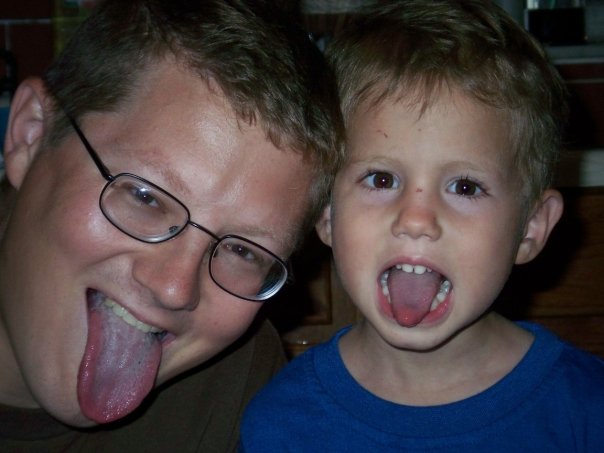
What is the Mental Health Association of San Francisco?

Introduction

The Mental Health Association of San Francisco (MHA-SF) is a charitable organisation which deals with mental health education, advocacy, research, and service in San Francisco.

It was established as the San Francisco Mental Hygiene Society in 1947. The present name was adopted in 1957.

The San Francisco-based organisation is one of 320 affiliates of Mental Health America (formerly known as the National Mental Health Association) throughout the United States and an affiliate of the Mental Health Association in California.

It has received core funding from The California Endowment.

What is the Kristin Brooks Hope Centre?

Introduction

The Kristin Brooks Hope Center (KBHC), a 501(c)(3) public benefit corporation, was founded on 20 May 1998, by H. Reese Butler II after the death of his wife, Kristin Brooks Rossell Butler, who died by suicide in 1998.

Realising an urgency in this high profile public health crisis, which kills more than 34,000 Americans per year, KBHC was founded by her survivor with funds from the death benefit provided by her employer. Kristin suffered severe postpartum psychosis (PPP) after losing her unborn child on 05 December 1997. Her struggle with PPP was brought on by the prescription drug Zoloft which resulted in an SSRI syndrome. KBHC is more commonly known as the creator of the first network of suicide hotlines in the United States networked under the toll free number 1-800-SUICIDE (784-2433).

Brief History

H. Reese Butler II started the Kristin Brooks Hope Centre after he received a check from his wife’s employer which was a death benefit amounting to one years salary. The amount was $34,017. Reese decided to donate the money to an organisation focused on preventing suicide as a result of postpartum depression or psychosis. Upon learning there was no such organisation in 1998 he decided donate it to an organisation that ran a national suicide hotline for people in crisis. Upon learning that in 1998 there was no national suicide hotline linking the more than 800 community based suicide crisis hotlines he founded the Kristin Brooks Hope Centre and began linking those community crisis hotlines through 1-888-SUICIDE (784-2433). 1-888-SUICIDE and 1-800-SUICIDE (784-2433) were both part of the National Hopeline Network from its activation 16 September 1998, until the FCC temporarily reassigned it in January 2006. The US Surgeon General David Satcher dedicated 1-888-SUICIDE (784-2433) on 07 May 1999, during a press conference organised by H. Reese Butler II. The event was filmed by Dempsey Rice, a Brooklyn based filmmaker (Daughter One Productions), for a project she was working on for HBO. The press event wrapped up with Jock Bartley, founding member of Firefall, singing “Call On Me” written for a 1998 compilation CD to benefit the Colorado based Pikes Peak Mental Health Crisis Centre. Bartley introduced H. Reese Butler II to Jonathan Cain of Journey with the hopes of creating a benefit concert to pay the phone bill for 1-800-SUICIDE (784-2433). The concert took place on 12 November 1999, at the Warfield in San Francisco. It was called “Reason to Live” and featured Firefall as the opening act with Journey headlining. Bev Cobain, cousin to Kurt Cobain and author of the book “When Nothing Matters Anymore” was the Master of Ceremonies for the concert.

HELP Grant

During the three year federal grant known as the HELP Project, two separate studies to determine the effectiveness of suicide hotlines were conducted using 1-800-SUICIDE (784-2433) to conduct the evaluations. In the credits for the Mishara led study he specifically thanks Reese Butler, the Kristin Brooks Hope Centre staff, Jerry Reed, and the Directors and helpers at the crisis centres who participated in this study.

What is Imitation?

Introduction

Imitation (from Latin imitatio, “a copying, imitation”) is a behaviour whereby an individual observes and replicates another’s behaviour.

Imitation is also a form of social learning that leads to the “development of traditions, and ultimately our culture. It allows for the transfer of information (behaviours, customs, etc.) between individuals and down generations without the need for genetic inheritance.” The word imitation can be applied in many contexts, ranging from animal training to politics. The term generally refers to conscious behaviour; subconscious imitation is termed mirroring.

A toddler imitates his father.

Anthropology and Social Sciences

In anthropology, some theories hold that all cultures imitate ideas from one of a few original cultures or several cultures whose influence overlaps geographically. Evolutionary diffusion theory holds that cultures influence one another, but that similar ideas can be developed in isolation.

Scholars, as well as popular authors, have argued that the role of imitation in humans is unique among animals. However, this claim has been recently challenged by scientific research which observed social learning and imitative abilities in animals.

Psychologist Kenneth Kaye showed that infants’ ability to match the sounds or gestures of an adult depends on an interactive process of turn-taking over many successive trials, in which adults’ instinctive behaviour plays as great a role as that of the infant. These writers assume that evolution would have selected imitative abilities as fit because those who were good at it had a wider arsenal of learned behaviour at their disposal, including tool-making and language.

However, research also suggests that imitative behaviours and other social learning processes are only selected for when outnumbered or accompanied by asocial learning processes: an over-saturation of imitation and imitating individuals leads humans to collectively copy inefficient strategies and evolutionarily maladaptive behaviours, thereby reduce flexibility to new environmental contexts that require adaptation. Research suggests imitative social learning hinders the acquisition of knowledge in novel environments and in situations where asocial learning is faster and more advantageous.

In the mid-20th century, social scientists began to study how and why people imitate ideas. Everett Rogers pioneered innovation diffusion studies, identifying factors in adoption and profiles of adopters of ideas. Imitation mechanisms play a central role in both analytical and empirical models of collective human behaviour.

Neuroscience

We are capable of imitating movements, actions, skills, behaviours, gestures, pantomimes, mimics, vocalizations, sounds, speech, etc. and that we have particular “imitation systems” in the brain is old neurological knowledge dating back to Hugo Karl Liepmann. Liepmann’s model 1908 “Das hierarchische Modell der Handlungsplanung” (the hierarchical model of action planning) is still valid. On studying the cerebral localisation of function, Liepmann postulated that planned or commanded actions were prepared in the parietal lobe of the brain’s dominant hemisphere, and also frontally. His most important pioneering work is when extensively studying patients with lesions in these brain areas, he discovered that the patients lost (among other things) the ability to imitate. He was the one who coined the term “apraxia” and differentiated between ideational and ideomotor apraxia. It is in this basic and wider frame of classical neurological knowledge that the discovery of the mirror neuron has to be seen. Though mirror neurons were first discovered in macaques, their discovery also relates to humans.

Human brain studies using FMRI (Functional magnetic resonance imaging) revealed a network of regions in the inferior frontal cortex and inferior parietal cortex which are typically activated during imitation tasks. It has been suggested that these regions contain mirror neurons similar to the mirror neurons recorded in the macaque monkey. However, it is not clear if macaques spontaneously imitate each other in the wild.

Neurologist V.S. Ramachandran argues that the evolution of mirror neurons were important in the human acquisition of complex skills such as language and believes the discovery of mirror neurons to be a most important advance in neuroscience. However, little evidence directly supports the theory that mirror neuron activity is involved in cognitive functions such as empathy or learning by imitation.

Evidence is accumulating that bottlenose dolphins employ imitation to learn hunting and other skills from other dolphins.

Japanese monkeys have been seen to spontaneously begin washing potatoes after seeing humans washing them.

Mirror Neuron System

Research has been conducted to locate where in the brain specific parts and neurological systems are activated when humans imitate behaviours and actions of others, discovering a mirror neuron system. This neuron system allows a person to observe and then recreate the actions of others. Mirror neurons are premotor and parietal cells in the macaque brain that fire when the animal performs a goal directed action and when it sees others performing the same action.” Evidence suggests that the mirror neuron system also allows people to comprehend and understand the intentions and emotions of others. Problems of the mirror neuron system may be correlated with the social inadequacies of autism. There have been many studies done showing that children with autism, compared with typically developing children, demonstrate reduced activity in the frontal mirror neuron system area when observing or imitating facial emotional expressions. Of course, the higher the severity of the disease, the lower the activity in the mirror neuron system is.

Animal Behaviour

Scientists debate whether animals can consciously imitate the unconscious incitement from sentinel animals, whether imitation is uniquely human, or whether humans do a complex version of what other animals do. The current controversy is partly definitional. Thorndike uses “learning to do an act from seeing it done.” It has two major shortcomings: first, by using “seeing” it restricts imitation to the visual domain and excludes, e.g. vocal imitation and, second, it would also include mechanisms such as priming, contagious behaviour and social facilitation, which most scientist distinguish as separate forms of observational learning. Thorpe suggested defining imitation as “the copying of a novel or otherwise improbable act or utterance, or some act for which there is clearly no instinctive tendency.” This definition is favoured by many scholars, though questions have been raised how strictly the term “novel” has to be interpreted and how exactly a performed act has to match the demonstration to count as a copy.

In 1952 Hayes & Hayes used the “do-as-I-do” procedure to demonstrate the imitative abilities of their trained chimpanzee “Viki.” Their study was repeatedly criticised for its subjective interpretations of their subjects’ responses. Replications of this study found much lower matching degrees between subjects and models. However, imitation research focusing on the copying fidelity got new momentum from a study by Voelkl and Huber. They analysed the motion trajectories of both model and observer monkeys and found a high matching degree in their movement patterns.

Paralleling these studies, comparative psychologists provided tools or apparatuses that could be handled in different ways. Heyes and co-workers reported evidence for imitation in rats that pushed a lever in the same direction as their models, though later on they withdrew their claims due to methodological problems in their original setup. By trying to design a testing paradigm that is less arbitrary than pushing a lever to the left or to the right, Custance and co-workers introduced the “artificial fruit” paradigm, where a small object could be opened in different ways to retrieve food placed inside – not unlike a hard-shelled fruit. Using this paradigm, scientists reported evidence for imitation in monkeys and apes. There remains a problem with such tool (or apparatus) use studies: what animals might learn in such studies need not be the actual behaviour patterns (i.e. the actions) that were observed. Instead they might learn about some effects in the environment (i.e. how the tool moves, or how the apparatus works). This type of observational learning, which focuses on results, not actions, has been dubbed emulation (refer to Emulation (observational learning)).

An article was written by Carl Zimmer, he looked into a study being done by Derek lyons, he was focusing on human evolution, so he started to study a chimpanzee. He first started with showing the chimp how to retrieve food from a box, So they had the scientist go in a demonstrate how to retrieve the food from the box. The chimp soon caught on and did exactly what the scientist just did. They wanted to see if the chimpanzees brain functioned just like humans brain so they related this same exact study to 16 children and they did the same procedure and once the children seen how it was done, they followed the same steps.

Imitation in Animals

Imitation in animals is a study in the field of social learning where learning behaviour is observed in animals specifically how animals learn and adapt through imitation. Ethologists can classify imitation in animals by the learning of certain behaviours from conspecifics. More specifically, these behaviours are usually unique to the species and can be complex in nature and can benefit the individuals survival.

Some scientists believe true imitation is only produced by humans, arguing that simple learning though sight is not enough to sustain as a being who can truly imitate. Thorpe defines true imitation as “the copying of a novel or otherwise improbable act or utterance, or some act for which there is clearly no instinctive tendency,” which is highly debated for its portrayal of imitation as a mindless repeating act. True imitation is produced when behavioural, visual and vocal imitation is achieved, not just the simple reproduction of exclusive behaviours. Imitation is not a simple reproduction of what one sees; rather it incorporates intention and purpose. Animal imitation can range from survival purpose; imitating as a function of surviving or adapting, to unknown possible curiosity, which vary between different animals and produce different results depending on the measured intelligence of the animal.

There is considerable evidence to support true imitation in animals. Experiments performed on apes, birds and more specifically the Japanese quail have provided positive results to imitating behaviour, demonstrating imitation of opaque behaviour. However the problem that lies is in the discrepancies between what is considered true imitation in behaviour. Birds have demonstrated visual imitation, where the animal simply does as it sees. Studies on apes however have proven more advanced results in imitation, being able to remember and learn from what they imitate. Studies have demonstrated far more positive results with behavioural imitation in primates and birds than any other type of animal. Imitation in non primate mammals and other animals have been proven difficult to conclude solid positive results for and poses a difficult question to scientists on why that is so.

Theories

There are two types of theories of imitation, transformational and associative. Transformational theories suggest that the information that is required to display certain behaviour is created internally through cognitive processes and observing these behaviours provides incentive to duplicate them. Meaning we already have the codes to recreate any behaviour and observing it results in its replication. Bandura’s “social cognitive theory” is one example of a transformational theory. Associative, or sometimes referred to as “contiguity”, theories suggest that the information required to display certain behaviours does not come from within ourselves but solely from our surroundings and experiences. Unfortunately these theories have not yet provided testable predictions in the field of social learning in animals and have yet to conclude strong results.

New Developments

There have been three major developments in the field of animal imitation. The first, behavioural ecologists and experimental psychologists found there to be adaptive patterns in behaviours in different vertebrate species in biologically important situations. The second, primatologists and comparative psychologists have found imperative evidence that suggest true learning through imitation in animals. The third, population biologists and behavioural ecologists created experiments that demand animals to depend on social learning in certain manipulated environments.

Child Development

Developmental psychologist Jean Piaget noted that children in a developmental phase he called the sensorimotor stage (a period which lasts up to the first two years of a child) begin to imitate observed actions. This is an important stage in the development of a child because the child is beginning to think symbolically, associating behaviours with actions, thus setting the child up for the development of further symbolic thinking. Imitative learning also plays a crucial role in the development of cognitive and social communication behaviours, such as language, play, and joint attention. Imitation serves as both a learning and a social function because new skills and knowledge are acquired, and communication skills are improved by interacting in social and emotional exchanges. It is shown, however, that “children with autism exhibit significant deficits in imitation that are associated with impairments in other social communication skills.” To help children with autism, reciprocal imitation training (RIT) is used. It is a naturalistic imitation intervention that helps teach the social benefits of imitation during play by increasing child responsiveness and by increasing imitative language.

Reinforcement learning, both positive and negative, and punishment, are used by people that children imitate to either promote or discontinue behaviour. If a child imitates a certain type of behaviour or action and the consequences are rewarding, the child is very likely to continue performing the same behaviour or action. The behaviour “has been reinforced (i.e. strengthened)”. However, if the imitation is not accepted and approved by others, then the behaviour will be weakened.

Naturally, children are surrounded by many different types of people that influence their actions and behaviours, including parents, family members, teachers, peers, and even characters on television programs. These different types of individuals that are observed are called models. According to Saul McLeod, “these models provide examples of masculine and feminine behaviour to observe and imitate.” Children imitate the behaviour they have observed from others, regardless of the gender of the person and whether or not the behaviour is gender appropriate. However, it has been proven that children will reproduce the behaviour that “its society deems appropriate for its sex.”

Infants

Infants have the ability to reveal an understanding of certain outcomes before they occur, therefore in this sense they can somewhat imitate what they have perceived. Andrew N. Meltzoff, ran a series of tasks involving 14-month-old infants to imitate actions they perceived from adults. In this gathering he had concluded that the infants, before trying to reproduce the actions they wish to imitate, some how revealed an understanding of the intended goal even though they failed to replicate the result wished to be imitated. These task implicated that the infants knew the goal intended. Gergely, Bekkering, and Király (2002) figured that infants not only understand the intended goal but also the intentions of the person they were trying to imitate engaging in “rational imitation”, as described by Tomasello, Carpenter and others.

It has long been claimed that newborn humans imitate bodily gestures and facial expressions as soon as their first few days of life. For example, in a study conducted at the Mailman Centre for Child Development at the University of Miami Medical School, 74 newborn babies (with a mean age of 36 hours) were tested to see if they were able to imitate a smile, a frown and a pout, and a wide-open mouth and eyes. An observer stood behind the experimenter (so he/she couldn’t see what facial expressions were being made by the experimenter) and watched only the babies’ facial expressions, recording their results. Just by looking only at the babies’ faces, the observer was more often able to correctly guess what facial expression was being presented to the child by the experimenter. After the results were calculated, “the researchers concluded that…babies have an innate ability to compare an expression they see with their own sense of muscular feedback from making the movements to match that expression.”

However, the idea that imitation is an inborn ability has been recently challenged. A research group from the University of Queensland in Australia carried out the largest-ever longitudinal study of neonatal imitation in humans. One hundred and nine newborns were shown a variety of gestures including tongue protrusion, mouth opening, happy and sad facial expressions, at four time points between one week and 9 weeks of age. The results failed to reveal compelling evidence that newborns imitate: Infants were just as likely to produce matching and non-matching gestures in response to what they saw.

At around eight months, infants will start to copy their child care providers’ movements when playing pat-a-cake and peek-a-boo, as well as imitating familiar gestures, such as clapping hands together or patting a doll’s back. At around 18 months, infants will then begin to imitate simple actions they observe adults doing, such as taking a toy phone out of a purse and saying “hello”, pretending to sweep with a child-sized broom, as well as imitating using a toy hammer.

Toddlers

At around 30-36 months, toddlers will start to imitate their parents by pretending to get ready for work and school and saying the last word(s) of what an adult just said. For example, toddlers may say “bowl” or “a bowl” after they hear someone say, “That’s a bowl.” They may also imitate the way family members communicate by using the same gestures and words. For example, a toddler will say, “Mommy bye-bye” after the father says, “Mommy went bye-bye.”

Toddlers love to imitate their parents and help when they can; imitation helps toddlers learn, and through their experiences lasting impressions are made. 12 to 36-month-olds learn by doing, not by watching, and so it is often recommended to be a good role model and caretaker by showing them simple tasks like putting on socks or holding a spoon.

Duke developmental psychologist Carol Eckerman did a study on toddlers imitating toddlers and found that at the age of 2 children involve themselves in imitation play to communicate with one another. This can be seen within a culture or across different cultures. 3 common imitative patterns Eckerman found were reciprocal imitation, follow-the-leader and lead-follow.

Kenneth Kaye’s “apprenticeship” theory of imitation rejected assumptions that other authors had made about its development. His research showed that there is no one simple imitation skill with its own course of development. What changes is the type of behaviour imitated.

An important agenda for infancy is the progressive imitation of higher levels of use of signs, until the ultimate achievement of symbols. The principal role played by parents in this process is their provision of salient models within the facilitating frames that channel the infant’s attention and organise his imitative efforts.

Gender and Age Differences

Imitation and imitative behaviours do not manifest ubiquitously and evenly in all human individuals, some individuals rely more on imitated information than others. Although imitation is very useful when it comes to cognitive learning with toddlers, research has shown that there are some gender and age differences when it comes to imitation. Research done to judge imitation in toddlers 2-3 years old shows that when faced with certain conditions “2-year-olds displayed more motor imitation than 3-year-olds, and 3-year-olds displayed more verbal-reality imitation than 2-year-olds. Boys displayed more motor imitation than girls.”

No other research is more controversial pertaining gender differences in toddler imitation than renowned psychologist, Bandura’s, bobo doll experiments. The goal of the experiment was to see what happens to toddlers when exposed to aggressive and non aggressive adults, would the toddlers imitate the behaviour of the adults and if so, which gender is more likely to imitate the aggressive adult. In the beginning of the experiment Bandura had several predictions that actually came true. Children exposed to violent adults will imitate the actions of that adult when the adult is not present, boys who had observed an adult of the opposite sex act aggressively are less likely to act violently than those who witnessed a male adult act violently. In fact ‘boys who observed an adult male behaving violently were more influenced than those who had observed a female model behaviour aggressively’. One fascinating observation was that while boys are likely to imitate physical acts of violence, girls are likely to imitate verbal acts of violence.

Negative Imitation

Imitation plays such a major role on how a toddler interprets the world. So much of a child’s understanding is derived from imitation, due to lack of verbal skill imitation is a toddlers way of communication with the world. It is what connects them to the communicating world, as they continue to grow they begin to learn more and more. That is why it is crucial for parents to be cautious as to how they act and behave around their toddlers. Imitation is the toddlers way of confirming and dis-conforming socially acceptable actions in our society. Actions like washing dishes, cleaning up the house and doing chores are actions you want your toddlers to imitate. Imitating negative things is something that is never beyond young toddlers. If they are exposed to cursing and violence, it is going to be what the child views as the norm of his or her world, remember imitation is the ‘mental activity that helps to formulate the conceptions of the world for toddlers’ Hay et al. (1991), when a toddler sees something so often he or she will form his or her reality around that action. So it is important for parents to be careful what they say or do in front of their children.

Autism

Children with autism exhibit significant impairment in imitation skills. Imitation deficits have been reported on a variety of tasks including symbolic and non-symbolic body movements, symbolic and functional object use, vocalisations, and facial expressions. In contrast, typically-developing children can copy a broad range of novel (as well as familiar) rules from a very early age. Problems with imitation discriminate children with autism from those with other developmental disorders as early as age 2 and continue into adulthood.

However, recent research suggests that people affected with forms of High Functioning Autism easily interact with one another by using a more analytically-centred communication approach rather than an imitative cue-based approach, suggesting that reduced imitative capabilities don’t affect abilities for expressive social behaviour but only the understanding of said social behaviour: Social communication is not negatively affected when said communication involves less or no imitation. Children with Autism may have significant problems understanding typical social communication not because of inherent social deficits, but because of differences in communication style which affect reciprocal understanding.

Individuals with Autism are also shown to possess increased analytical, cognitive and visual processing, suggesting people with autism have no true impairments in observing the actions of others but may decide not to imitate them because they do not analytically understand them.

Imitation plays a crucial role in the development of cognitive and social communication behaviours, such as language, play, and joint attention. Children with autism exhibit significant deficits in imitation that are associated with impairments in other social communication skills. It is unclear whether imitation is mediating these relationships directly, or whether they are due to some other developmental variable that is also reflected in the measurement of imitation skills.

Automatic Imitation

The automatic imitation comes very fast when a stimulus is given to replicate. The imitation can match the commands with the visual stimulus (compatible) or it cannot match the commands with the visual stimulus (incompatible). For example: ‘Simon Says’, a game played with children where they are told to follow the commands given by the adult. In this game, the adult gives the commands and shows the actions; the commands given can either match the action to be done or it will not match the action. The children who imitate the adult who has given the command with the correct action will stay in the game. The children who imitate the command with the wrong action will go out of the game, and this is where the child’s automatic imitation comes into play. Psychologically, the visual stimulus being looked upon by the child is being imitated faster than the imitation of the command. In addition, the response times were faster in compatible scenarios than in incompatible scenarios.

Children are surrounded by many different people, day by day. Their parents make a big impact on them, and usually what the children do is what they have seen their parent do. In this article they found that a child, simply watching its mother sweep the floor, right after soon picks up on it and starts to imitate the mother by sweeping the floor. By the children imitating, they are really teaching themselves how to do things without instruction from the parent or guardian. Toddlers love to play the game of house. They picked up on this game of house by television, school or at home; they play the game how they see it. The kids imitate their parents or anybody in their family. In the article it says it is so easy for them to pick up on the things they see on an everyday basis.

Over-Imitation

Over-imitation is “the tendency of young children to copy all of an adult model’s actions, even components that are irrelevant for the task at hand.” According to this human and cross-cultural phenomenon, a child has a strong tendency to automatically encode the deliberate action of an adult as causally meaningful even when the child observes evidence that proves that its performance is unnecessary. It is suggested that over-imitation “may be critical to the transmission of human culture.”

However, another study suggests that children don’t just “blindly follow the crowd” since they can also be just as discriminating as adults in choosing whether an unnecessary action should be copied or not. They may imitate additional but unnecessary steps to a novel process if the adult demonstrations are all the same. However, in cases where one out of four adults showed a better technique, only 40% actually copied the extra step, as described by Evans, Carpenter and others.

Deferred Imitation

Piaget coined the term deferred imitation and suggested that it arises out of the child’s increasing ability to “form mental representations of behaviour performed by others.” Deferred imitation is also “the ability to reproduce a previously witnessed action or sequence of actions in the absence of current perceptual support for the action.” Instead of copying what is currently occurring, individuals repeat the action or behaviour later on. It appears that infants show an improving ability for deferred imitation as they get older, especially by 24 months. By 24 months, infants are able to imitate action sequences after a delay of up to three months, meaning that “they’re able to generalise knowledge they have gained from one test environment to another and from one test object to another.”

A child’s deferred imitation ability “to form mental representations of actions occurring in everyday life and their knowledge of communicative gestures” has also been linked to earlier productive language development. Between 9 (preverbal period) and 16 months (verbal period), deferred imitation performance on a standard actions-on-objects task was consistent in one longitudinal study testing participants’ ability to complete a target action, with high achievers at 9 months remaining so at 16 months. Gestural development at 9 months was also linked to productive language at 16 months. Researchers now believe that early deferred imitation ability is indicative of early declarative memory, also considered a predictor of productive language development.

What is Emotionality?

Introduction

Emotionality is the observable behavioural and physiological component of emotion. It is a measure of a person’s emotional reactivity to a stimulus.

Most of these responses can be observed by other people, while some emotional responses can only be observed by the person experiencing them. Observable responses to emotion (i.e. smiling) do not have a single meaning. A smile can be used to express happiness or anxiety, while a frown can communicate sadness or anger. Emotionality is often used by experimental psychology researchers to operationalise emotion in research studies.

Early Theories

By the late 1800s, many high-quality contributions became interested in analysing emotion because of the works of psychologists and scientists such as Wilhelm Wundt, George Stout, William McDougall, William James, and George Herbert Mead. William James preferred to focus on the physiological aspects of emotional response, although he did not disregard the perceptual or cognitive components. William McDougall thought of emotion as the articulation of a natural response built on instinct. Other psychologists reasoned that although gestures express emotion, this is not the entirety of their function. Wundt analysed that emotion portrays both expression and communication.

As Irrational

One of the oldest views of emotion is that emotion indicates inferiority. In early psychology, it was believed that passion (emotion) was a part of the soul inherited from the animals and that it must be controlled. Solomon identified that in the Romantic movement of the eighteenth and nineteenth centuries, reason and emotion were discovered to be opposites.

As Physiological

Physiological responses to emotion originate in the central nervous system, the autonomic nervous system, and the endocrine system. Some of the responses include: heart rate, sweating, rate and depth of respiration, and electrical activity in the brain. Many researchers have attempted to find a connection between specific emotions and a corresponding pattern of physiological responses, but the results have been inconclusive.

Later Theories

The significant theories of emotion can be divided into three primary categories: physiological, neurological, and cognitive. Physiological theories imply that activity within the body can be accountable for emotions. Neurological theories suggest that activity within the brain leads to emotional responses. Lastly, cognitive theories reason that thoughts and other mental activity have a vital role in the stimulation of emotions. Common sense suggests that people first become consciously aware of their emotions and that the physiological responses follow shortly after. Theories by James-Lange, Cannon-Bard, and Schachter-Singer contradict the common-sense theory.

James-Lange

The James-Lange theory of emotion was proposed by psychologist William James and physiologist Carl Lange. This theory suggests that emotions occur as a result of physiological responses to outside stimuli or events. For example, this theory suggests that if someone is driving down the road and sees the headlights of another car heading toward them in their lane, their heart begins to race (a physiological response) and then they become afraid (fear being the emotion).

Cannon-Bard

The Cannon-Bard theory, which was conceptualized by Walter Cannon and Phillip Bard, suggests that emotions and their corresponding physiological responses are experienced simultaneously. Using the previous example, when someone sees the car coming toward them in their lane, their heart starts to race and they feel afraid at the same time.

Schachter-Singer

Stanley Schachter and Jerome Singer proposed a theory also known as the two-factor theory of emotion, which implies emotion have two factors: physical arousal and cognitive label. This suggests that if the physiological activity occurs first, then it must cognitively be distinguished as the cause of the arousal and labelled as an emotion. Using the example of someone seeing a car coming towards them in their lane, their heart would start to race and they would identify that they must be afraid if their heart is racing, and from there they would begin to feel fear.

Gender Differences

The opposition of rational thought and emotion is believed to be paralleled by the similar opposition between male and female. A traditional view is that “men are seen as rational and women as emotional, lacking rationality.” However, in spite of these ideas, and in spite of gender differences in the prevalence of mood disorders, the empirical evidence on gender differences in emotional responding is mixed.

When engaging in social interaction, studies show that women smile significantly more than men do. It is difficult to determine the exact difference between males and females to explain this disparity. It is possible that this difference in expression of emotions is due to societal influences and conformity to gender roles. However, this may not fully explain why men smile less than women do.

The male gender role involves characteristics such as strength, expert knowledge, and a competitive nature. Smiling may be stereotypically associated with weakness. Men may feel that if they engage in this perceived weakness, it may contradict their attempts to show strength and other traits of the male gender role. Another broad explanation for the contrast in male and female gender expression is that women have reported to experience greater levels of emotional intensity than men, in both positive and negative aspects, which could naturally lead to greater emotional response. It has also been reported that men are more likely to confide in female companions, revealing their emotions and intimacy, while females are typically comfortable confiding in both genders. This suggests that men are more particular about how they express the emotions they feel, potentially relating back to gender roles.

Across Cultures

There are six universal emotions which expand across all cultures. These emotions are happiness, sadness, anger, fear, surprise, and disgust. Debate exists about whether contempt should be combined with disgust. According to Ekman (1992), each of these emotions have universally corresponding facial expressions as well.

In addition to the facial expressions that are said to accompany each emotion, there is also evidence to suggest that certain autonomic nervous system (ANS) activity is associated with the three emotions of fear, anger, and disgust. Ekman theorizes that these specific emotions are associated with the universal physiological responses due to evolution. It would not be expected to observe the same physiological responses for emotions not specifically linked to survival, such as happiness or sadness.

Ekman’s theories were early challenged by James A. Russell, and have since been tested by a variety of researchers, with ambiguous results. This seems to reflect methodological problems relating to both display rules and to the components of emotion. Current thinking favours a mix of underlying universality combined with significant cultural differences in the articulation and expression of emotion. Emotions serve different functions in different cultures.

Positive

Positive emotionality is the ability to control positive mood and emotions, people with positive emotions seek for social reward. Positive emotionality can be a preventive factor in blocking out certain types of mental illness. In a study of a sample of 1,655 youth (54% girls; 7-16 years), it found that the higher their positive emotionality was, the lower their depression would be. Depression was considered by its definition of the inability to receive positive emotions or pleasure. The youth’s temperament, adaptive emotion regulation (ER) strategies, and depressive symptoms were determined through a questionnaire. The study also reported that depressive symptoms could be reduced through emotion regulation of positive mood. A study by Charles T. Taylor et al. linked being exposed to positive emotions before a surgery to less anxiety and a decrease in having symptoms after treatment.

Negative

Negative emotionality is the opposite of positive emotionality. People are unable to control their positive mood and emotions. Everyone experiences negative emotionality in different levels, there are different factors that effect each individual in a different way. Negative emotionality effects many aspects of our lives in terms of coping and the relationship that people share with one another. Neuroticism is one of the biggest factors found in negative emotionality. Someone on the higher spectrum of neuroticism is often more anxious and enjoy the feelings of their negative emotion. Some research suggests that obese children compared to children who are not obese have higher levels of negative emotionality and the ability to control emotions.

What is Emotional Lability?

Introduction

In medicine and psychology, emotional lability is a sign or symptom typified by exaggerated changes in mood or affect in quick succession.

Background

Sometimes the emotions expressed outwardly are very different from how the person feels on the inside. These strong emotions can be a disproportionate response to something that happened, but other times there might be no trigger at all. The person experiencing emotional lability usually feels like they do not have control over their emotions. For example, someone might cry uncontrollably in response to any strong emotion even if they do not feel sad or unhappy.

Emotional lability is seen or reported in various conditions including borderline personality disorder, histrionic personality disorder, hypomanic or manic episodes of bipolar disorder, and neurological disorders or brain injury (where it is termed pseudobulbar affect), such as after a stroke. It has sometimes been found to have been a harbinger, or early warning, of certain forms of thyroid disease. Emotional lability also results from intoxication with certain substances, such as alcohol and benzodiazepines. It can also be an associated feature of ADHD.

Children who display a high degree of emotional lability generally have low frustration tolerance and frequent crying spells or tantrums. During preschool, ADHD with emotional lability is associated with increased impairment and may be a sign of internalising problems or multiple comorbid disorders. Children who are neglected are more likely to experience emotional dysregulation, including emotional lability.

Potential triggers of emotional lability may be: excessive tiredness, stress or anxiety, over-stimulated senses (too much noise, being in large crowds, etc.), being around others exhibiting strong emotions, very sad or funny situations (such as jokes, movies, certain stories or books), death of a loved one, or other situations that elicit stress or strong emotions.

What is Career Counselling?

Introduction

Career counselling is a type of advice-giving and support provided by career counsellors to their clients, to help the clients manage their journey through life, learning and work changes (career).

This includes career exploration, making career choices, managing career changes, lifelong career development and dealing with other career-related issues. There is no agreed definition of career counselling worldwide, mainly due to conceptual, cultural and linguistic differences. However, the terminology of ‘career counselling’ typically denotes a professional intervention which is conducted either one-on-one or in a small group. Career counselling is related to other types of counselling (e.g. marriage or clinical counselling). What unites all types of professional counselling is the role of practitioners, who combine giving advice on their topic of expertise with counselling techniques that support clients in making complex decisions and facing difficult situations.

Terminology

There is considerable variation in the terminology that is used worldwide to describe this activity. In addition to the linguistic variation between US English (counselling) and British English (counselling), there are also a range of alternate terms which are in common use. These include:

  • Career guidance;
  • Career coaching;
  • Guidance counselling;
  • Personal guidance;
  • Career consulting; and
  • A range of related terminologies.

This frequently leads writers and commentators to combine multiple terms e.g. career guidance and counselling to be inclusive. However, care should be exercised when moving from one terminology to another as each term has its own history and cultural significance. An alternate term is ‘career guidance’. This term is sometimes used as a synonym for career counselling, but can also be used to describe a broader range of interventions beyond one-to-one counselling.

Brief History and New Approaches

Career counselling has a long history going back to at least as far as the late nineteenth century. An important defining work for the field was Frank Parsons’ Choosing a Vocation which was published in 1909. Parsons was strongly rooted in the American progressive social reform movement, but as the field developed it moved away from this origin and became increasingly understood as a branch of counselling psychology.

While until the 1970s a strongly normative approach was characterised for theories (e.g. of Donald E. Super’s life-span approach) and practice of career counselling (e.g. concept of matching), new models have their starting point in the individual needs and transferable skills of the clients while managing biographical breaks and discontinuities. Career development is no longer viewed as a linear process which reflects a predictable world of work. More consideration is now placed on nonlinear, chance and unplanned influences.

This change of perspective is evident in the constructivist and social constructionist paradigms for career counselling. The constructivist/social constructionist paradigms are applied as narrative career counselling that emphasizes personal stories and the meaning individuals generate in relation to their education and work.

Postmodern career counselling is a reflective process of assisting clients in creating self through writing and revising biographical narratives taking place in a context of multiple choice from a diversity of options and constraints. The shift moves from emphasizing career choice to empowering self-affirmation and improving decision making. Recently this approach is widely applied in Australia such as in Athlete Career and Education (ACE) programme by Australian Sports Commission and Scope for artists by Ausdance.

While career counselling has its origins in the USA and the English speaking world it has now spread to become a worldwide activity that can be found to some extent in all countries.

Career counselling includes a wide variety of professional activities which help people deal with career-related challenges. Career counsellors work with adolescents seeking to explore career options, experienced professionals contemplating a career change, parents who want to return to the world of work after taking time to raise their child, or people seeking employment. Career counselling is also offered in various settings, including in groups and individually, in person or by means of digital communication.

Several approaches have been undertaken to systemize the variety of professional activities related to career guidance and counselling. In the most recent attempt, the Network for Innovation in Career Guidance and Counselling in Europe (NICE) – a consortium of 45 European institutions of higher education in the field of career counselling – has agreed on a system of professional roles for guidance counsellors. Each of these five roles is seen as an important facet of the career guidance and counselling profession. Career counsellors performing in any of these roles are expected to behave professionally, e.g. by following ethical standards in their practice. The NICE Professional Roles (NPR) are:

  • Career educators “suppor[t] people in developing their own career management competences”.
  • Career information and assessment experts “suppor[t] people in assessing their personal characteristics and needs, then connecting them with the labour market and education systems”.
  • Career counsellors “suppor[t] individuals in understanding their situations, so as to work through issues towards solutions”.
  • Programme and service managers “ensur[e] the quality and delivery of career guidance and counselling organisations’ services”.
  • Social systems intervener and developers “suppor[t] clients (even) in crisis and works to change systems for the better”.

The description of the NICE professional roles (NPR) draws on a variety of prior models to define the central activities and competences of guidance counsellors. The NPR can, therefore, be understood as a state-of-the-art framework which includes all relevant aspects of career counselling. For this reason, other models have not been included here so far. Models which are reflected in the NPR include:

  • BEQU: “Kompetenzprofil für Beratende” (Germany, 2011).
  • CEDEFOP “Practitioner Competences” (2009).
  • ENTO: “National Occupational Standards for Advice and Guidance” (Great Britain, 2006).
  • IAEVG: “International Competences for Educational and Vocational Guidance” (2003).
  • Savickas, M.: “Career Counselling” (USA, 2011).

Benefits and Challenges

Benefits

Empirical research attests the effectiveness of career counselling. Professional career counsellors can support people with career-related challenges. Through their expertise in career development and labour markets, they can put a person’s qualifications, experience, strengths and weakness in a broad perspective while also considering their desired salary, personal hobbies and interests, location, job market and educational possibilities. Through their counselling and teaching abilities, career counsellors can additionally support people in gaining a better understanding of what really matters for them personally, how they can plan their careers autonomously, or help them in making tough decisions and getting through times of crisis. Finally, career counsellors are often capable of supporting their clients in finding suitable placements/ jobs, in working out conflicts with their employers, or finding the support of other helpful services. It is due to these various benefits of career counselling that policy makers in many countries publicly fund guidance services. For example, the European Union understands career guidance and counselling as an instrument to effectively combat social exclusion and increase citizens’ employability.

Challenges

One of the major challenges associated with career counselling is encouraging participants to engage in the process. For example, in the UK 70% of people under 14 say they have had no careers advice while 45% of people over 14 have had no or very poor/limited advice.

In a related issue some client groups tend to reject the interventions made by professional career counsellors preferring to rely on the advice of peers or superiors within their own profession. Jackson et al. found that 44% of doctors in training felt that senior members of their own profession were best placed to give careers advice. Furthermore, it is recognised that the giving of career advice is something that is widely spread through a range of formal and informal roles. In addition to career counsellors it is also common for psychologists, teachers, managers, trainers and Human Resources (HR) specialists to give formal support in career choices.

Similarly it is also common for people to seek informal support from friends and family around their career choices and to bypass career professionals altogether. In the 2010s, increasingly people rely on career web portals to seek advice on resume writing and handling interviews and to do research on various professions and companies. It has also possible to get a vocational assessment done online.

Training

There is no international standard qualification for professional career counsellors, although various certificates are offered nationally and internationally (e.g. by professional associations). The number of degree programmes in career guidance and/or career counselling is growing worldwide. The title “career counsellor” is unregulated, unlike engineers or psychologists whose professional titles are legally protected. At the same time, policy makers agree that the competence of career counsellors is one of the most important factors in ensuring that people receive high quality support in dealing with their career questions. Depending on the country of their education, career counsellors may have a variety of academic backgrounds. In Europe, for instance, degrees in (vocational/ industrial/ organisation) psychology and educational sciences are among the most common, but backgrounds in sociology, public administration and other sciences are also frequent. At the same time, many training programmes for career counsellors are becoming increasingly multidisciplinary.

Professional Career Guidance Centres

There are career guidance and counselling centres all over the world that give advice on higher studies, possibilities, chances and nature of courses and institutes. There are also services providing online counselling to people about their career or conducting psychometric tests to determine the person’s aptitude and interests.

Career Assessment

Assessment tools used in career counselling to help clients make realistic career decisions. These tools generally fall into three categories:

  • Interest inventories;
  • Personality inventories; and
  • Aptitude tests.

Interest inventories are usually based on the premise that if you have similar interests to people in an occupation who like their job, you will probably like that occupation also. Thus, interest inventories may suggest occupations that the client has not thought of and which have a good chance of being something that the client will be happy with. The most common interest inventory is a measure of vocational interests across six domains: Realistic, Investigative, Artistic, Social, Enterprising, Conventional. People often report a mixture of these domains, usually with one predominant domain.

Aptitude tests can predict with good odds whether a particular person will be able to be successful in a particular occupation. For example, a student who wants to be a physicist is unlikely to succeed if he cannot do the math. An aptitude test will tell him if he is likely to do well in advanced math, which is necessary for physics. There are also aptitude tests which can predict success or failure in many different occupations.

Personality inventories are sometimes used to help people with career choice. The use of these inventories for this purpose is questionable, because in any occupation there are people with many different personalities. A popular personality inventory is the Myers-Briggs Type Indicator. It is based on Carl Jung’s theory of personality, but Jung never approved it. According to Jung most people fall in the middle of each scale, but the MBTI ignores this and puts everyone in a type category. For example, according to the MBTI, everyone is either an extrovert or an introvert. According to Jung, most people are somewhere in between, and people at the extremes are rare. The validity of the MBTI for career choice is highly questionable.

Counsellors in Select Countries

In the United States

In the United States, the designation, “career counsellor” is not legally protected; that is, anyone can call themselves a career counsellor. However, CACREP, the accrediting body for counsellor education programmes requires that these programmes include one course in career counselling as a part of the coursework for a masters in counselling.

The National Career Development Association (NCDA), the credentialing body for career counsellors, provides various certifications for qualified career counsellors. For those university-trained counsellors or psychologists who have devoted a certain number of years to career counselling and taken specific coursework, it offers a Master Career Counsellor (MCC) credential. The National Career Development Association is the only professional association of career counsellors in the United States that provides certification in career counselling.

In Australia

In Australia, career counselling may be provided by professionals from various disciplines (e.g. psychology, education, guidance, and counselling). The Professional Standards for Australian Career Development Practitioners provide guidelines about appropriate qualifications and competencies for career counselling. There are a range of postgraduate degrees (e.g. Master, Doctor) that are endorsed for career development practice according to the Professional Standards. The Career Industry Council of Australia (CICA) endorses career development programmes in Australia. There are other relevant qualifications but these may necessarily not be endorsed under the provisions of the Professional Standards by CICA. A Diploma of Counselling and a Certificate IV in Career Development are offered at TAFE colleges and other registered training organisations throughout Australia.

In India

In India, career counselling is a vast area of professional service driven by factors like huge talent availability in the country and huge higher education network comprising Graduation, Post Graduation and multiple professional courses. There are many leading career guidance centres in India like. Leading bodies in India that drive policy level initiatives for students and working professionals are: Ministry of Human Resource Development (MHRD), University Grants Commission (UGC), All India Council of Technical Education (AICTE), National Skill Development Corporation (NSDC) among others.

What is the Campaign Against Living Miserably?

Introduction

Campaign Against Living Miserably, or CALM, is a registered charity based in England.

CALM run a free, confidential and anonymous helpline as well as a webchat service, offering help, advice and information to anyone who is struggling or in crisis.

Brief History

Pilot and Relaunch

CALM was initially a Department of Health pilot project launched late in 1997 in Manchester with the help of Tony Wilson, and then rolled out to Merseyside in 2000. It was a helpline targeted specifically at young men who were unlikely to contact mainstream services and who were at greater risk of suicide. Jane Powell was commissioned to launch the project and ran it until 2000. When funding for the pilot project ceased in 2004/2005, Powell relaunched the pilot as a registered charity in 2006 working with some of the pilot’s original commissioners and with Tony Wilson as a founding Trustee.

In 2015 rapper and singer-songwriter Professor Green was named as CALM’s patron, and the campaign’s Trustees Board includes health professionals and leading figures from the worlds of music, advertising, and management, as well as relatives of men who have taken their own lives. Robin Millar and David Baddiel are former patrons.

The campaign has brought in significant pro bono advertising support from agencies such as Ogilvy Advertising, Tullo Marshall Warren, MTV, and Metro, and most recently Topman and BMB. This has brought CALM a significant amount of advertisements on billboards, on TV, in the underground and on radio.

In November 2018, CALM partnered with UKTV channel Dave to create a campaign called “Be The Mate You’d Want”. This started with a 3-minute ad break, voiced by comedian James Acaster, encouraging the viewer to text, chat or tweet someone who needs support. It occurred again in July 2019, this time with a “comedy festival in an ad break” which featured comedians Ahir Shah, Alex Horne, Dane Baptiste, Darren Harriott, David Mumeni, Ed Gamble, Elf Lyons, Jamali Maddix, Jessie Cave, Lou Sanders, Maisie Adam, Natasia Demetriou, Phil Wang, Pierre Novelli, Sindhu Vee, Stevie Martin and Zoe Lyons, with Jessica Knappett providing intro and outro voiceover.

Project84

In 2018, the charity commissioned the artists Mark Jenkins and Sandra Fernandez to create Project84, an art installation in London, England. The work was sponsored by Harry’s and designed to raise awareness of adult male suicide.

Conversations Against Living Miserably

In May 2019 CALM announced a partnership with Dave for a podcast called Conversations Against Living Miserably hosted by Lauren Pattison and Aaron Gillies talking to comedians about their mental health.

What is the Beck Institute for Cognitive Behaviour Therapy?

Introduction

Beck Institute for Cognitive Behaviour Therapy, a non-profit organisation located in suburban Philadelphia, is an international cognitive behaviour therapy (CBT) training and resource centre.

Background

It was founded in 1994 by Aaron T. Beck and his daughter Judith S. Beck. Beck Institute offers training in CBT in a variety of forms. Its mission is “improving lives worldwide through excellence in cognitive behaviour therapy.”

Aaron T. Beck is currently Beck Institute’s President Emeritus. He is recognised as the founder of cognitive therapy, one of the elements from which cognitive behaviour therapy developed. His daughter, Judith Beck, is Beck Institute’s current President. Aaron Beck is University Professor Emeritus of Psychiatry at the University of Pennsylvania and continues to do research there, while Judith Beck is a Clinical Professor of Psychology in Psychiatry at the same university. Lisa Pote is Beck Institute’s Executive Director, and Allen R. Miller is CBT Programme Director.

Among Beck Institute’s training programmes are Philadelphia Workshops held at the Beck Institute, On the Road Workshops held throughout the US, the Beck Institute Supervision programme, and Training for Organisations in which Beck faculty travel around the world to teach. Beck Institute’s workshops cover a variety of topics, including CBT for Depression, Anxiety, Personality Disorders, Youth, PTSD, Schizophrenia, and more. Beck Institute offers scholarships for therapists working with active duty military and veterans through their Soldier Suicide Prevention initiative and holds an annual scholarship competition for graduate students and faculty.

Beck Institute also runs a clinic at its location in suburban Philadelphia.

What is Applied Behaviour Analysis?

Introduction

Applied behaviour analysis (ABA), also called behavioural engineering, is a scientific technique concerned with applying empirical approaches based upon the principles of respondent and operant conditioning to change behaviour of social significance. It is the applied form of behaviour analysis; the other two forms are radical behaviourism (or the philosophy of the science) and the experimental analysis of behaviour (or basic experimental research).

The name applied behaviour analysis has replaced behaviour modification because the latter approach suggested attempting to change behaviour without clarifying the relevant behaviour-environment interactions. In contrast, ABA changes behaviour by first assessing the functional relationship between a targeted behaviour and the environment. Further, the approach often seeks to develop socially acceptable alternatives for aberrant behaviours.

ABA has been utilised in a range of areas, including applied animal behaviour, schoolwide positive behaviour support, classroom instruction, structured and naturalistic early behavioural interventions for autism, paediatric feeding therapy, rehabilitation of brain injury, dementia, fitness training, substance abuse, phobias, tics, and organisational behaviour management.

ABA is considered to be controversial by some within the autism rights movement due to a perception that it emphasizes indistinguishability instead of acceptance and a history of, in some embodiments of ABA and its predecessors, the use of aversives such as electric shocks.

Definition

ABA is an applied science devoted to developing procedures which will produce observable changes in behaviour. It is to be distinguished from the experimental analysis of behaviour, which focuses on basic experimental research, but it uses principles developed by such research, in particular operant conditioning and classical conditioning. Behaviour analysis adopts the viewpoint of radical behaviourism, treating thoughts, emotions, and other covert activity as behaviour that is subject to the same rules as overt responses. This represents a shift away from methodological behaviourism, which restricts behaviour-change procedures to behaviours that are overt, and was the conceptual underpinning of behaviour modification.

Behaviour analysts also emphasize that the science of behaviour must be a natural science as opposed to a social science. As such, behaviour analysts focus on the observable relationship of behaviour with the environment, including antecedents and consequences, without resort to “hypothetical constructs”.

Brief History

The beginnings of ABA can be traced back to Teodoro Ayllon and Jack Michael’s study “The psychiatric nurse as a behavioural engineer” (1959) that they published in the Journal of the Experimental Analysis of Behaviour (JEAB). Ayllon and Michael were training the staff and nurses at a psychiatric hospital how to use a token economy based on the principles of operant conditioning for patients with schizophrenia and intellectual disability, which led to researchers at the University of Kansas to start the Journal of Applied Behaviour Analysis (JABA) in 1968.

A group of faculty and researchers at the University of Washington, including Donald Baer, Sidney W. Bijou, Bill Hopkins, Jay Birnbrauer, Todd Risley, and Montrose Wolf, applied the principles of behaviour analysis to instruct developmentally disabled children, manage the behaviour of children and adolescents in juvenile detention centres, and organise employees who required proper structure and management in businesses, among other situations. In 1968, Baer, Bijou, Risley, Birnbrauer, Wolf, and James Sherman joined the Department of Human Development and Family Life at the University of Kansas, where they founded the Journal of Applied Behaviour Analysis.

Notable graduate students from the University of Washington include Robert Wahler, James Sherman, and Ivar Lovaas. Lovaas established the UCLA Young Autism Project while teaching at the University of California, Los Angeles. In 1965, Lovaas published a series of articles that outlined his system for coding observed behaviours, described a pioneering investigation of the antecedents and consequences that maintained a problem behaviour, and relied upon the methods of errorless learning that was initially devised by Charles Ferster to teach nonverbal children to speak. Lovaas also described how to use social (secondary) reinforcers, teach children to imitate, and what interventions (including electric shocks) may be used to reduce aggression and life-threatening self-injury.

In 1987, Lovaas published the study, “Behavioural treatment and normal educational and intellectual functioning in young autistic children”. The experimental group in this study received an average of 40 hours per week in a 1:1 teaching setting at a table using errorless discrete trial training (DTT). The treatment is done at home with parents involved in every aspect of treatment, and the curriculum is highly individualised with a heavy emphasis on teaching eye contact, fine and gross motor imitation, and language. The use of aversives and reinforcement, were used to motivate learning and reduce non-desired behaviours. The outcome of this study indicated 47% of the experimental group (9/19) went on to lose their autism diagnosis and were described as indistinguishable from their typical adolescent peers. This included passing regular education without assistance and making and maintaining friends. These gains were maintained as reported in the 1993 study, “Long-term outcome for children with autism who received early intensive behavioural treatment”. Lovaas’ work went on to be recognised by the US Surgeon General in 1999, and his research were replicated in university and private settings. The “Lovaas Method” went on to become known as early intensive behavioural intervention (EIBI), or 30 to 40 hours per week of DTT.

The original Lovaas method focused heavily on the use of aversives; utilising shocks, beating children, ignoring children, withholding food, etc. Using shocks, ignoring children, withholding food and toys, and spraying children with water are still used today and considered ethical by the Behaviour Analyst Certification Board (BACB). Another criticism of the Lovaas Method is Lovaas’s connection with gay conversion therapy, using his own behaviour modification techniques seen in ABA in The Feminine Boy project. Similarities in gay conversion therapy to making boys indistinguishable from their heterosexual peers have been drawn with Lovaas’ belief that ABA makes “autistic children indistinguishable from their normal friends.” He infamously said “‘[Y]ou start pretty much from scratch when you work with an autistic child…they are not people in the psychological sense”.

Over the years, “behaviour analysis” gradually superseded “behaviour modification”; that is, from simply trying to alter problematic behaviour, behaviour analysts sought to understand the function of that behaviour, what antecedents promote and maintain it, and how it can be replaced by successful behaviour. This analysis is based on careful initial assessment of a behaviour’s function and a testing of methods that produce changes in behaviour.

While ABA seems to be intrinsically linked to autism intervention, it is also used in a broad range of other situations. Recent notable areas of research in JABA include autism, classroom instruction with typically developing students, paediatric feeding therapy, and substance-use disorders. Other applications of ABA include applied animal behaviour, consumer behaviour analysis, behavioural medicine, behavioural neuroscience, clinical behaviour analysis, forensic behaviour analysis, increasing job safety and performance, schoolwide positive behaviour support, and contact desensitisation for phobias.

Characteristics

Baer, Wolf, and Risley’s 1968 article is still used as the standard description of ABA. It lists the following seven characteristics of ABA.

  • Applied: ABA focuses on the social significance of the behaviour studied. For example, a non-applied researcher may study eating behaviour because this research helps to clarify metabolic processes, whereas the applied researcher may study eating behaviour in individuals who eat too little or too much, trying to change such behaviour so that it is more acceptable to the persons involved.
  • Behavioural: ABA is pragmatic; it asks how it is possible to get an individual to do something effectively. To answer this question, the behaviour itself must be objectively measured. Verbal descriptions are treated as behaviour in themselves, and not as substitutes for the behaviour described.
  • Analytic: Behaviour analysis is successful when the analyst understands and can manipulate the events that control a target behaviour. This may be relatively easy to do in the lab, where a researcher is able to arrange the relevant events, but it is not always easy, or ethical, in an applied situation. Baer et al. outline two methods that may be used in applied settings to demonstrate control while maintaining ethical standards. These are the reversal design and the multiple baseline design. In the reversal design, the experimenter first measures the behaviour of choice, introduces an intervention, and then measures the behaviour again. Then, the intervention is removed, or reduced, and the behaviour is measured yet again. The intervention is effective to the extent that the behaviour changes and then changes back in response to these manipulations. The multiple baseline method may be used for behaviours that seem irreversible. Here, several behaviours are measured and then the intervention is applied to each in turn. The effectiveness of the intervention is revealed by changes in just the behaviour to which the intervention is being applied.
  • Technological: The description of analytic research must be clear and detailed, so that any competent researcher can repeat it accurately. Cooper et al. describe a good way to check this: Have a person trained in applied behaviour analysis read the description and then act out the procedure in detail. If the person makes any mistakes or has to ask any questions then the description needs improvement.
  • Conceptually Systematic: Behaviour analysis should not simply produce a list of effective interventions. Rather, to the extent possible, these methods should be grounded in behavioural principles. This is aided by the use of theoretically meaningful terms, such as “secondary reinforcement” or “errorless discrimination” where appropriate.
  • Effective: Though analytic methods should be theoretically grounded, they must be effective. If an intervention does not produce a large enough effect for practical use, then the analysis has failed
  • Generality: Behaviour analysts should aim for interventions that are generally applicable; the methods should work in different environments, apply to more than one specific behaviour, and have long-lasting effects.

Other proposed Characteristics

In 2005, Heward et al. suggested that the following five characteristics should be added:

  • Accountable: To be accountable means that ABA must be able to demonstrate that its methods are effective. This requires the repeatedly measuring the effect of interventions (success, failure or no effect at all), and, if necessary, making changes that improve their effectiveness.
  • Public: The methods, results, and theoretical analyses of ABA must be published and open to scrutiny. There are no hidden treatments or mystical, metaphysical explanations.
  • Doable: To be generally useful, interventions should be available to a variety of individuals, who might be teachers, parents, therapists, or even those who wish to modify their own behaviour. With proper planning and training, many interventions can be applied by almost anyone willing to invest the effort.
  • Empowering: ABA provides tools that give the practitioner feedback on the results of interventions. These allow clinicians to assess their skill level and build confidence in their effectiveness.
  • Optimistic: According to several leading authors, behaviour analysts have cause to be optimistic that their efforts are socially worthwhile, for the following reasons:
    • The behaviours impacted by behaviour analysis are largely determined by learning and controlled by manipulable aspects of the environment.
    • Practitioners can improve performance by direct and continuous measurements.
    • As a practitioner uses behavioural techniques with positive outcomes, they become more confident of future success.
    • The literature provides many examples of success in teaching individuals considered previously unteachable.

Concepts

Behaviour

Behaviour refers to the movement of some part of an organism that changes some aspect of the environment. Often, the term behaviour refers to a class of responses that share physical dimensions or functions, and in that case a response is a single instance of that behaviour. If a group of responses have the same function, this group may be called a response class. Repertoire refers to the various responses available to an individual; the term may refer to responses that are relevant to a particular situation, or it may refer to everything a person can do.

Operant Conditioning

Operant behaviour is the so-called “voluntary” behaviour that is sensitive to, or controlled by its consequences. Specifically, operant conditioning refers to the three-term contingency that uses stimulus control, in particular an antecedent contingency called the discriminative stimulus (SD) that influences the strengthening or weakening of behaviour through such consequences as reinforcement or punishment. The term is used quite generally, from reaching for a candy bar, to turning up the heat to escape an aversive chill, to studying for an exam to get good grades.

Respondent (Classical) Conditioning

Respondent (classical) conditioning is based on innate stimulus-response relationships called reflexes. In his famous experiments with dogs, Pavlov usually used the salivary reflex, namely salivation (unconditioned response) following the taste of food (unconditioned stimulus). Pairing a neutral stimulus, for example a bell (conditioned stimulus) with food caused the dog to elicit salivation (conditioned response). Thus, in classical conditioning, the conditioned stimulus becomes a signal for a biologically significant consequence. Note that in respondent conditioning, unlike operant conditioning, the response does not produce a reinforcer or punisher (e.g. the dog does not get food because it salivates).

Reinforcement

Reinforcement is the key element in operant conditioning and in most behaviour change programmes. It is the process by which behaviour is strengthened. If a behaviour is followed closely in time by a stimulus and this results in an increase in the future frequency of that behaviour, then the stimulus is a positive reinforcer. If the removal of an event serves as a reinforcer, this is termed negative reinforcement. There are multiple schedules of reinforcement that affect the future probability of behaviour.

Punishment

Punishment is a process by which a consequence immediately follows a behaviour which decreases the future frequency of that behaviour. As with reinforcement, a stimulus can be added (positive punishment) or removed (negative punishment). Broadly, there are three types of punishment: presentation of aversive stimuli (e.g. pain), response cost (removal of desirable stimuli as in monetary fines), and restriction of freedom (as in a ‘time out’). Punishment in practice can often result in unwanted side effects. Some other potential unwanted effects include resentment over being punished, attempts to escape the punishment, expression of pain and negative emotions associated with it, and recognition by the punished individual between the punishment and the person delivering it.

Extinction

Extinction is the technical term to describe the procedure of withholding/discontinuing reinforcement of a previously reinforced behaviour, resulting in the decrease of that behaviour. The behaviour is then set to be extinguished (Cooper et al.). Extinction procedures are often preferred over punishment procedures, as many punishment procedures are deemed unethical and in many states prohibited. Nonetheless, extinction procedures must be implemented with utmost care by professionals, as they are generally associated with extinction bursts. An extinction burst is the temporary increase in the frequency, intensity, and/or duration of the behaviour targeted for extinction. Other characteristics of an extinction burst include an extinction-produced aggression – the occurrence of an emotional response to an extinction procedure often manifested as aggression; and b) extinction-induced response variability – the occurrence of novel behaviours that did not typically occur prior to the extinction procedure. These novel behaviours are a core component of shaping procedures.

Discriminated Operant and Three-Term Contingency

In addition to a relation being made between behaviour and its consequences, operant conditioning also establishes relations between antecedent conditions and behaviours. This differs from the S-R formulations (If-A-then-B), and replaces it with an AB-because-of-C formulation. In other words, the relation between a behaviour (B) and its context (A) is because of consequences (C), more specifically, this relationship between AB because of C indicates that the relationship is established by prior consequences that have occurred in similar contexts. This antecedent-behaviour-consequence contingency is termed the three-term contingency. A behaviour which occurs more frequently in the presence of an antecedent condition than in its absence is called a discriminated operant. The antecedent stimulus is called a discriminative stimulus (SD). The fact that the discriminated operant occurs only in the presence of the discriminative stimulus is an illustration of stimulus control. More recently behaviour analysts have been focusing on conditions that occur prior to the circumstances for the current behaviour of concern that increased the likelihood of the behaviour occurring or not occurring. These conditions have been referred to variously as “Setting Event”, “Establishing Operations”, and “Motivating Operations” by various researchers in their publications.

Verbal Behaviour

B.F. Skinner’s classification system of behaviour analysis has been applied to treatment of a host of communication disorders. Skinner’s system includes:

  • Tact: A verbal response evoked by a non-verbal antecedent and maintained by generalised conditioned reinforcement.
  • Mand: Behaviour under control of motivating operations maintained by a characteristic reinforcer.
  • Intraverbals: Verbal behaviour for which the relevant antecedent stimulus was other verbal behaviour, but which does not share the response topography of that prior verbal stimulus (e.g. responding to another speaker’s question).
  • Autoclitic: Secondary verbal behaviour which alters the effect of primary verbal behaviour on the listener. Examples involve quantification, grammar, and qualifying statements (e.g. the differential effects of “I think…” vs. “I know…”)

Skinner’s use of behavioural techniques was famously critiqued by the linguist Noam Chomsky through an extensive breakdown of how Skinner’s view of language as behavioural simply can not explain the complexity of human language. This suggests that while behaviourist techniques can teach language, it is a very poor measure to explain language fundamentals. Considering Chomsky’s critiques, it may be more appropriate to teach language through a Speech language pathologist instead of a behaviourist.

For an assessment of verbal behaviour from Skinner’s system, refer to Assessment of Basic Language and Learning Skills.

Measuring Behaviour

When measuring behaviour, there are both dimensions of behaviour and quantifiable measures of behaviour. In applied behaviour analysis, the quantifiable measures are a derivative of the dimensions. These dimensions are repeatability, temporal extent, and temporal locus.

Repeatability

Response classes occur repeatedly throughout time – i.e. how many times the behaviour occurs.

  • Count is the number of occurrences in behaviour.
  • Rate/frequency is the number of instances of behaviour per unit of time.
  • Celeration is the measure of how the rate changes over time.

Temporal Extent

This dimension indicates that each instance of behaviour occupies some amount of time – i.e. how long the behaviour occurs.

  • Duration is the period of time over which the behaviour occurs.

Temporal Locus

Each instance of behaviour occurs at a specific point in time – i.e. when the behaviour occurs.

  • Response latency is the measure of elapsed time between the onset of a stimulus and the initiation of the response.
  • Inter-response time is the amount of time that occurs between two consecutive instances of a response class.

Derivative Measures

Derivative measures are unrelated to specific dimensions:

  • Percentage is the ratio formed by combining the same dimensional quantities.
  • Trials-to-criterion are the number of response opportunities needed to achieve a predetermined level of performance.

Analysing Behaviour Change

Experimental Control

In applied behaviour analysis, all experiments should include the following:

  • At least one participant.
  • At least one behaviour (dependent variable).
  • At least one setting.
  • A system for measuring the behaviour and ongoing visual analysis of data.
  • At least one treatment or intervention condition.
  • Manipulations of the independent variable so that its effects on the dependent variable may be quantitatively or qualitatively analysed.
  • An intervention that will benefit the participant in some way.

Methodologies Developed through ABA Research

Task Analysis

Task analysis is a process in which a task is analysed into its component parts so that those parts can be taught through the use of chaining: forward chaining, backward chaining and total task presentation. Task analysis has been used in organizational behaviour management, a behaviour analytic approach to changing the behaviours of members of an organization (e.g. factories, offices, or hospitals). Behavioural scripts often emerge from a task analysis. Bergan conducted a task analysis of the behavioural consultation relationship and Thomas Kratochwill developed a training program based on teaching Bergan’s skills. A similar approach was used for the development of microskills training for counsellors. Ivey would later call this “behaviourist” phase a very productive one and the skills-based approach came to dominate counselor training during 1970-1990. Task analysis was also used in determining the skills needed to access a career. In education, Englemann (1968) used task analysis as part of the methods to design the Direct Instruction curriculum.

Chaining

The skill to be learned is broken down into small units for easy learning. For example, a person learning to brush teeth independently may start with learning to unscrew the toothpaste cap. Once they have learned this, the next step may be squeezing the tube, etc.

For problem behaviour, chains can also be analysed and the chain can be disrupted to prevent the problem behaviour. Some behaviour therapies, such as dialectical behaviour therapy, make extensive use of behaviour chain analysis, but is not philosophically behaviour analytic.

Prompting

A prompt is a cue that is used to encourage a desired response from an individual. Prompts are often categorised into a prompt hierarchy from most intrusive to least intrusive, although there is some controversy about what is considered most intrusive, those that are physically intrusive or those that are hardest prompt to fade (e.g. verbal). In order to minimise errors and ensure a high level of success during learning, prompts are given in a most-to-least sequence and faded systematically. During this process, prompts are faded as quickly as possible so that the learner does not come to depend on them and eventually behaves appropriately without prompting.

Types of prompts Prompters might use any or all of the following to suggest the desired response:

  • Vocal prompts: Words or other vocalisations.
  • Visual prompts: A visual cue or picture.
  • Gestural prompts: A physical gesture.
  • Positional prompt: e.g. the target item is placed close to the individual.
  • Modelling: Modelling the desired response. This type of prompt is best suited for individuals who learn through imitation and can attend to a model.
  • Physical prompts: Physically manipulating the individual to produce the desired response. There are many degrees of physical prompts, from quite intrusive (e.g. the teacher places a hand on the learner’s hand) to minimally intrusive (e.g. a slight tap).

This is not an exhaustive list of prompts; the nature, number, and order of prompts are chosen to be the most effective for a particular individual.

Fading

The overall goal is for an individual to eventually not need prompts. As an individual gains mastery of a skill at a particular prompt level, the prompt is faded to a less intrusive prompt. This ensures that the individual does not become overly dependent on a particular prompt when learning a new behaviour or skill.

Thinning a Reinforcement Schedule

Thinning is often confused with fading. Fading refers to a prompt being removed, where thinning refers to an increase in the time or number of responses required between reinforcements. Periodic thinning that produces a 30% decrease in reinforcement has been suggested as an efficient way to thin. Schedule thinning is often an important and neglected issue in contingency management and token economy systems, especially when these are developed by unqualified practitioners (refer to professional practice of behaviour analysis).

Generalisation

Generalisation is the expansion of a student’s performance ability beyond the initial conditions set for acquisition of a skill. Generalisation can occur across people, places, and materials used for teaching. For example, once a skill is learned in one setting, with a particular instructor, and with specific materials, the skill is taught in more general settings with more variation from the initial acquisition phase. For example, if a student has successfully mastered learning colours at the table, the teacher may take the student around the house or school and generalise the skill in these more natural environments with other materials. Behaviour analysts have spent considerable amount of time studying factors that lead to generalisation.

Shaping

Shaping involves gradually modifying the existing behaviour into the desired behaviour. If the student engages with a dog by hitting it, then they could have their behaviour shaped by reinforcing interactions in which they touch the dog more gently. Over many interactions, successful shaping would replace the hitting behaviour with patting or other gentler behaviour. Shaping is based on a behaviour analyst’s thorough knowledge of operant conditioning principles and extinction. Recent efforts to teach shaping have used simulated computer tasks.

One teaching technique found to be effective with some students, particularly children, is the use of video modelling (the use of taped sequences as exemplars of behaviour). It can be used by therapists to assist in the acquisition of both verbal and motor responses, in some cases for long chains of behaviour.

Interventions Based on an FBA

Critical to behaviour analytic interventions is the concept of a systematic behavioural case formulation with a functional behavioural assessment or analysis at the core. This approach should apply a behaviour analytic theory of change (see Behavioural change theories). This formulation should include a thorough functional assessment, a skills assessment, a sequential analysis (behaviour chain analysis), an ecological assessment, a look at existing evidenced-based behavioural models for the problem behaviour (such as Fordyce’s model of chronic pain) and then a treatment plan based on how environmental factors influence behaviour. Some argue that behaviour analytic case formulation can be improved with an assessment of rules and rule-governed behaviour. Some of the interventions that result from this type of conceptualisation involve training specific communication skills to replace the problem behaviours as well as specific setting, antecedent, behaviour, and consequence strategies.

Use in the Treatment of Autism Spectrum Disorders

ABA-based techniques are often used to teach adaptive behaviours or to diminish behaviours associated with autism, so much that ABA itself is often mistakenly considered to be synonymous with therapy for autism. According to a paper from 2007, it was considered to be an effective “intervention for challenging behaviours” by the American Academy of Paediatrics. A 2018 Cochrane review of five studies that compared treatment vs. control showed that ABA may be effective for some autistic children. However, the quality of the evidence was weak; the number of subjects in the studies was small, and only one study randomised subjects into control and treatment groups. ABA for autism may be limited by diagnostic severity and IQ.

Efficacy

Recent reviews of the efficacy of ABA-based techniques in autism include:

  • A 2007 clinical report of the American Academy of Paediatrics concluded that the benefit of ABA-based interventions in autism spectrum disorders (ASDs) “has been well documented” and that “children who receive early intensive behavioural treatment have been shown to make substantial, sustained gains in IQ, language, academic performance, and adaptive behaviour as well as some measures of social behaviour”.
  • Researchers from the MIND Institute published an evidence-based review of comprehensive treatment approaches in 2008. On the basis of “the strength of the findings from the four best-designed, controlled studies”, they were of the opinion that one ABA-based approach (the Lovaas technique created by Ole Ivar Løvaas) is “well-established” for improving intellectual performance of young children with ASD.
  • A 2009 review of psycho-educational interventions for children with autism whose mean age was six years or less at intake found that five high-quality (“Level 1” or “Level 2”) studies assessed ABA-based treatments. On the basis of these and other studies, the author concluded that ABA is “well-established” and is “demonstrated effective in enhancing global functioning in pre-school children with autism when treatment is intensive and carried out by trained therapists”. However, the review committee also concluded that “there is a great need for more knowledge about which interventions are most effective”.
  • A 2009 paper included a descriptive analysis, an effect size analysis, and a meta-analysis of 13 reports published from 1987 to 2007 of early intensive behavioural intervention (EIBI, a form of ABA-based treatment with origins in the Lovaas technique) for autism. It determined that EIBI’s effect sizes were “generally positive” for IQ, adaptive behaviour, expressive language, and receptive language. The paper did note limitations of its findings including the lack of published comparisons between EIBI and other “empirically validated treatment programmes”.
  • In a 2009 systematic review of 11 studies published from 1987 to 2007, the researchers wrote “there is strong evidence that EIBI is effective for some, but not all, children with autism spectrum disorders, and there is wide variability in response to treatment”. Furthermore, any improvements are likely to be greatest in the first year of intervention.
  • A 2009 meta-analysis of nine studies published from 1987 to 2007 concluded that EIBI has a “large” effect on full-scale intelligence and a “moderate” effect on adaptive behaviour in autistic children.
  • A 2009 systematic review and meta-analysis by Spreckley and Boyd of four small-n 2000-2007 studies (involving a total of 76 children) came to different conclusions than the aforementioned reviews. Spreckley and Boyd reported that applied behaviour intervention (ABI), another name for EIBI, did not significantly improve outcomes compared with standard care of preschool children with ASD in the areas of cognitive outcome, expressive language, receptive language, and adaptive behaviour. In a letter to the editor, however, authors of the four studies meta-analysed claimed that Spreckley and Boyd had misinterpreted one study comparing two forms of ABI with each other as a comparison of ABI with standard care, which erroneously decreased the observed efficacy of ABI. Furthermore, the four studies’ authors raised the possibility that Spreckley and Boyd had excluded some other studies unnecessarily, and that including such studies could have led to a more favourable evaluation of ABI. Spreckley, Boyd, and the four studies’ authors did agree that large multi-site randomised trials are needed to improve the understanding of ABA’s efficacy in autism.
  • In 2011, investigators from Vanderbilt University under contract with the Agency for Healthcare Research and Quality performed a comprehensive review of the scientific literature on ABA-based and other therapies for autism spectrum disorders; the ABA-based therapies included the UCLA/Lovaas method and the Early Start Denver Model (the latter developed by Sally Rogers and Geraldine Dawson). They concluded that “both approaches were associated with … improvements in cognitive performance, language skills, and adaptive behaviour skills”. However, they also concluded that “the strength of evidence … is low”, “many children continue to display prominent areas of impairment”, “subgroups may account for a majority of the change”, there is “little evidence of practical effectiveness or feasibility beyond research studies”, and the published studies “used small samples, different treatment approaches and duration, and different outcome measurements”.
  • A 2019 review article concluded ABA proponents have utilised predominantly non-verbal and neurologically different, children who are not recognised under this paradigm to have their own thought processes, basic needs, preferences, style of learning, and psychological and emotional needs, for their experiment. This also indicates a missing voice of children and nonverbal people who cannot express their view on ABA.
  • A preliminary study indicates that there might be a publication bias against single-subject research studies that show that ABA is ineffective. Publication bias could lead to exaggerated estimates of intervention effects observed by single-subject studies.

Opposition to the Use in Treatment of Autism Spectrum Disorder

The Autistic Community

The value of eliminating autistic behaviours is disputed by proponents of neurodiversity, who claim that it forces autistics to mask their true personalities on behalf of a narrow conception of normality. Autism advocates contend that it is cruel to try to make autistic people “normal” without consideration for how this may affect their well-being. Instead, these critics advocate for increased social acceptance of harmless autistic traits and therapies focused on improving quality of life. Julia Bascom of the Autistic Self Advocacy Network (ASAN) has said, “ASAN’s objection is fundamentally an ethical one. The stated end goal of ABA is an autistic child who is ‘indistinguishable from their peers’ – an autistic child who can pass as neurotypical. We don’t think that’s an acceptable goal. The end goal of all services, supports, interventions, and therapies an autistic child receives should be to support them in growing up into an autistic adult who is happy, healthy, and living a self-determined life.” A recent study examined perspectives of autistic adults that received ABA as children and found that the overwhelming majority reported that “behaviourist methods create painful lived experiences”, that ABA led to the “erosion of the true actualising self”, and that they felt they had a “lack of self-agency within interpersonal experiences.”

Professional Concerns

Professionals against ABA have voiced concerns over it’s evolution from Radical behaviourism. Radical behaviourism when applied views the individual as nothing more than a stimulus-response, that all of their experience can be reduced to a set of behavioural functions and manipulated through operant conditioning which only addresses “the surface level” and may only temporarily subdue aggressive behaviour under the guise that it is addressed because the subject appears content. Other concerns have focused on the “ideological zealotry” surrounding it, where ABA journals and websites have claimed that it “cures” autism and is “the only evidence based autism therapy” which has restricted access to other therapies that are also evidence based like TEACCH. The rhetoric surrounding the virtues of ABA has concerning effects including parents and professionals that claim that ABA “cured” their child’s autism, like one parent who “…claims that ABA had saved her children’s lives, likening it to chemotherapy as a treatment for cancer.”

Researchers have critiqued the leniency of the ABA ethical code, discussing how it does not restrict or clarify the “appropriate use of aversives”, it does not require competency so ABA therapists are “not required to take even a single class on autism, brain function or child development” , and its view of the client as the parent so requiring “client consent” only requires parental consent, not the person receiving services. Similarly, because the parent is seen as the client, the goals that are set under the ethical code are according to the client’s needs, which means focusing on changing autistic behaviours for the benefit of the parent and not the child is considered ethical.

Besides ethics, scientists also have concerns over the methodological issues rampant through the evidence that ABA claims supports the therapy. Early ABA research regularly employed poor methodology, including the initial study by Lovaas that supposedly supported the use of the therapy. The study by Lovaas used a self-selected sample of autistic children with high IQ and many early and present studies also employed this poor sampling with a lack of randomization, researcher-selected samples, samples pulled from researchers’ own clinics, and funding by ABA organizations with a clear conflict of interest for proving ABA is effective. Another concern is that ABA research only measures behaviour as a means of success, which has led to a lack of qualitative research about autistic experiences of ABA, a lack of research examining the internal effects of ABA and a lack of research for autistic children who are non-speaking or have comorbid intellectual disabilities (which is concerning considering this is one of the major populations that intensive ABA focuses on). Research is also lacking about whether ABA is effective long-term and very little longitudinal outcomes have been studied.

Use of Aversives

Some embodiments of applied behaviour analysis as devised by Ole Ivar Lovaas used aversives such as electric shocks to modify undesirable behaviour in their initial use in the 1970s, as well as slapping and shouting in the landmark 1987 study. Over time the use of aversives lessened and in 2012 their use was described as being inconsistent with contemporary practice. However, aversives have continued to be used in some ABA programs. In comments made in 2014 to the US Food and Drug Administration (FDA), a clinician who previously worked at the Judge Rotenberg Educational Centre claimed that “all textbooks used for thorough training of applied behaviour analysts include an overview of the principles of punishment, including the use of electrical stimulation.” In 2020, the FDA banned the use of electrical stimulation devices used for self-injurious or aggressive behaviour and asserted that “Evidence indicates a number of significant psychological and physical risks are associated with the use of these devices, including worsening of underlying symptoms, depression, anxiety, posttraumatic stress disorder, pain, burns and tissue damage.”

Major Journals

Applied behaviour analysts publish in many journals. Some examples of “core” behaviour analytic journals are:

  • Journal of Applied Behaviour Analysis.
  • Journal of the Experimental Analysis of Behaviour.
  • Behaviour Analysis: Research and Practice.
  • The Behaviour Analyst Today.
  • Perspectives on Behaviour Science (formerly The Behaviour Analyst until 2018).
  • The Psychological Record.
  • The Journal of Speech-Language Pathology and Applied Behaviour Analysis.
  • Journal of Early and Intensive Behaviour Interventions.
  • The International Journal of Behavioural Consultation and Therapy.
  • The Journal of Behavioural Assessment and Intervention in Children.
  • The Behavioural Development Bulletin.
  • Behaviour and Social Issues.
  • Journal of Behaviour Analysis of Sports, Health, Fitness, and Behavioural Medicine.
  • Journal of Behaviour Analysis of Offender and Victim: Treatment and Prevention.
  • Behavioural Health and Medicine.
  • Applied Animal Behaviour Science.
  • Behaviour Therapy.
  • Behaviour and Philosophy.

What is Affective Spectrum?

Introduction

The affective spectrum is a spectrum of affective disorders (mood disorders).

It is a grouping of related psychiatric and medical disorders which may accompany bipolar, unipolar, and schizoaffective disorders at statistically higher rates than would normally be expected.

These disorders are identified by a common positive response to the same types of pharmacologic treatments.

They also aggregate strongly in families and may therefore share common heritable underlying physiologic anomalies.

Types

Affective spectrum disorders include:

The following may also be present as co-morbidities for affective mood disorders:

  • Chronic pain.
  • Intermittent explosive disorder.
  • Pathological gambling.
  • Personality disorder.
  • Pyromania.
  • Substance abuse and addiction (includes alcoholism).
  • Trichotillomania.
  • Irritable bowel syndrome (IBS).
  • Fibromyalgia.
  • Hypersexuality.
  • Migraine.
  • Cataplexy.

Also, there are now studies linking heart disease.

Many of the terms above overlap. The American Psychiatric Association’s definitions of these terms can be found in the Diagnostic and Statistical Manual of Mental Disorders (DSM).