Posts

What is a Mixed Affective State?

Introduction

A mixed affective state, formerly known as a mixed-manic or mixed episode, has been defined as a state wherein features unique to both depression and mania – such as episodes of despair, doubt, anguish, rage or homicidal ideation, suicidal ideation, splitting, racing thoughts, sensory overload, pressure of activity, and heightened irritability – occur either simultaneously or in very short succession.

Previously, the diagnostic criteria for both a manic and depressive episode had to be met in a consistent and sustained fashion, with symptoms enduring for at least a week (or any duration if psychiatric hospitalisation was required), thereby restricting the official acknowledgement of mixed affective states to only a minority of patients with bipolar I disorder. In current DSM-5 nomenclature, however, a “mixed episode” no longer stands as an episode of illness unto itself; rather, the symptomology specifier “with mixed features” can be applied to any major affective episode (manic, hypomanic, or depressive), meaning that they are now officially recognised in patients with, in addition to bipolar I disorder, bipolar II disorder and, by convention, major depressive disorder. A depressive mixed state in a patient, however, even in the absence of discrete periods of mania or hypomania, effectively rules out unipolar depression.

Diagnostic Criteria

As affirmed by the Diagnostic and Statistical Manual of Mental Disorders, fifth edition (DSM-5), the symptomology specifier “with mixed features” can be applied to manic episodes of bipolar I disorder, hypomanic episodes of either bipolar I disorder or bipolar II disorder and depressive episodes of either bipolar disorder or major depressive disorder, with at least three concurrent features of the opposite polarity being present. As a result, the presence of “mixed features” are now recognised in patients with bipolar II disorder and major depression; as earlier noted, however, although it is customary to withhold a diagnosis of a bipolar disorder until a manic or hypomanic episode appears, the presence of such features in a depressed patient even with no history of discrete mania or hypomania is strongly suggestive of the disorder.

Nevertheless, the DSM-5’s narrower definition of mixed episodes may result in fewer patients meeting mixed criteria compared to DSM-IV. A call was made by Tohen in 2017 for introducing changes from a currently phenomenological to a target oriented approach to DSM-5 mixed mood criteria in order to achieve more personalized medical attention.

Two features of both mania or hypomania and depression may superficially overlap and even resemble each other, namely “an increase in goal-directed activity” (psychomotor acceleration) vs. psychomotor agitation and “flight of ideas” and “racing thoughts” vs. depressive rumination. Attending to the patient’s experiences is very important. In the psychomotor agitation commonly seen in depression, the “nervous energy” is always overshadowed by a strong sense of exhaustion and manifests as purposeless movements (e.g. pacing, hand-wringing); in psychomotor acceleration, however, the excess in movement stems from an abundance of energy and is often channelled and purposeful. Likewise, in depressive rumination, the patient experiences the repetitive thoughts as heavy, leaden, and plodding; in psychic acceleration, however, (as seen in mania or hypomania) the thoughts move in a rapid progression, with many themes, rather than a singular one, being touched upon. Even when such experiences are accounted for on the basis of depression, the possibility does still exist, however, that the depressive episode may be complicated by other manic or hypomanic symptoms, in which case it is often prudent to attend to the patient’s personal and family history (e.g. family history of bipolar disorder, early age of onset) to determine whether or not the patient has bipolar disorder.

Treatment

Treatment of mixed states is typically based upon administration of mood stabilising medication, which may include anticonvulsants such as valproic acid; atypical antipsychotics such as quetiapine, olanzapine, aripiprazole, and ziprasidone; or first-generation antipsychotics such as haloperidol. There is question of lithium’s efficacy for treatment of mixed states due to conflicting conclusions drawn from various trials and research. Mood stabilisers work to reduce the manic symptoms associated with the mixed state, but they are not considered particularly effective for improving concurrent depressive symptoms.

On This Day … 01 January

People (Deaths)

  • 2020 – Elmira Minita Gordon, Belizean educator and psychologist (b.1930).

Elmira Minita Gordon

Dame Elmira Minita Gordon GCMG GCVO JP (30 December 1930 to 01 January 2021) was a Belizean educator, psychologist and politician; she served as the first governor general of Belize from its independence in 1981 until 1993.

She was the first Belizean to receive a doctorate in psychology. She is one of the few “double dames”, having received damehoods in two separate orders: the Order of St Michael and St George and the Royal Victorian Order.

What is Bipolar II Disorder?

Introduction

Bipolar II disorder is a bipolar spectrum disorder (refer to Bipolar I disorder) characterised by at least one episode of hypomania and at least one episode of major depression. Diagnosis for bipolar II disorder requires that the individual must never have experienced a full manic episode. Otherwise, one manic episode meets the criteria for bipolar I disorder.

Refer to Mixed Affective State.

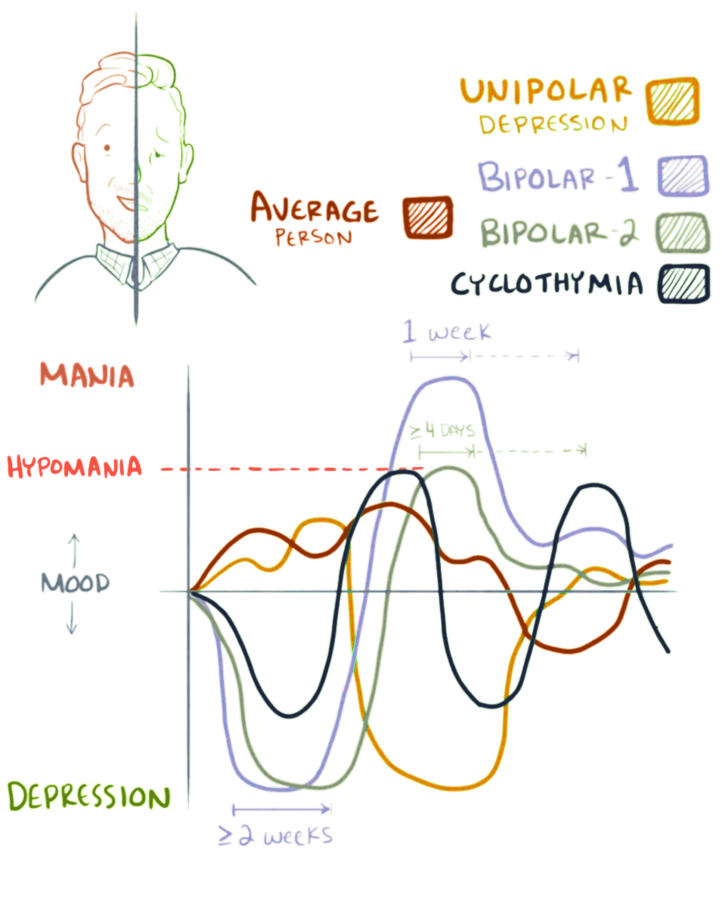
Bipolar mood shifts.

Hypomania is a sustained state of elevated or irritable mood that is less severe than mania yet may still significantly affect quality of life and result in permanent consequences including reckless spending, damaged relationships and poor judegment. Unlike mania, hypomania is not associated with psychosis. The hypomanic episodes associated with bipolar II disorder must last for at least four days.

Commonly, depressive episodes are more frequent and more intense than hypomanic episodes. Additionally, when compared to bipolar I disorder, type II presents more frequent depressive episodes and shorter intervals of well-being. The course of bipolar II disorder is more chronic and consists of more frequent cycling than the course of bipolar I disorder. Finally, bipolar II is associated with a greater risk of suicidal thoughts and behaviours than bipolar I or unipolar depression. Although bipolar II is commonly perceived to be a milder form of Type I, this is not the case. Types I and II present equally severe burdens.

Bipolar II is notoriously difficult to diagnose. Patients usually seek help when they are in a depressed state, or when their hypomanic symptoms manifest themselves in unwanted effects, such as high levels of anxiety, or the seeming inability to focus on tasks. Because many of the symptoms of hypomania are often mistaken for high-functioning behaviour or simply attributed to personality, patients are typically not aware of their hypomanic symptoms. In addition, many people who suffer from Bipolar II have periods of normal affect. As a result, when patients seek help, they are very often unable to provide their doctor with all the information needed for an accurate assessment; these individuals are often misdiagnosed with unipolar depression. Bipolar II is more common than Bipolar I, while Bipolar II and major depressive disorder have about the same rate of diagnosis. Of all individuals initially diagnosed with major depressive disorder, between 40% and 50% will later be diagnosed with either BP-I or BP-II. Substance use disorders (which have high co-morbidity with BP-II) and periods of mixed depression may also make it more difficult to accurately identify BP-II. Despite the difficulties, it is important that BP-II individuals be correctly assessed so that they can receive the proper treatment. Antidepressant use, in the absence of mood stabilisers, is correlated with worsening BP-II symptoms.

Brief History

In 19th century psychiatry, mania covered a broad range of intensity, and hypomania was equated by some to concepts of ‘partial insanity’ or monomania. A more specific usage was advanced by the German neuro-psychiatrist Emanuel Ernst Mendel in 1881, who wrote “I recommend (taking under consideration the word used by Hippocrates) to name those types of mania that show a less severe phenomenological picture, ‘hypomania'”. Narrower operational definitions of hypomania were developed from the 1960s/1970s.

The first diagnostic distinction to be made between manic-depression involving mania, and that involving hypomania, came from Carl Gustav Jung in 1903. In his paper, Jung introduced the non-psychotic version of the illness with the introductory statement, “I would like to publish a number of cases whose peculiarity consists in chronic hypomanic behavior” where “it is not a question of real mania at all but of a hypomanic state which cannot be regarded as psychotic.” Jung illustrated the hypomanic variation with five case histories, each involving hypomanic behaviour, occasional bouts of depression, and mixed mood states, which involved personal and interpersonal upheaval for each patient.

In 1975, Jung’s original distinction between mania and hypomania gained support. Fieve and Dunner published an article recognizing that only individuals in a manic state require hospitalisation. It was proposed that the presentation of either the one state or the other differentiates two distinct diseases; the proposition was initially met with scepticism. However, studies since confirm that bipolar II is a “phenomenologically” distinct disorder.

Empirical evidence, combined with treatment considerations, led the DSM-IV Mood Disorders Work Group to add bipolar II disorder as its own entity in the 1994 publication. (Only one other mood disorder was added to this edition, indicating the conservative nature of the DSM-IV work group.) In May 2013, the DSM-5 was released. Two revisions to the existing Bipolar II criteria are anticipated. The first expected change will reduce the required duration of a hypomanic state from four to two days. The second change will allow hypomania to be diagnosed without the manifestation of elevated mood; that is, increased energy/activity will be sufficient. The rationale behind the latter revision is that some individuals with Bipolar II manifest only visible changes in energy. Without presenting elevated mood, these individuals are commonly misdiagnosed with major depressive disorder. Consequently, they receive prescriptions for antidepressants, which unaccompanied by mood stabilisers, may induce rapid cycling or mixed states.

Signs and Symptoms

Hypomanic Episodes

Hypomania is the signature characteristic of Bipolar II disorder. It is a state characterised by euphoria and/or an irritable mood. In order for an episode to qualify as hypomanic, the individual must also present three or more of the below symptoms, and last at least four consecutive days and be present most of the day, nearly every day.

  • Inflated self-esteem or grandiosity.
  • Decreased need for sleep (e.g. feels rested after only 3 hours of sleep).
  • More talkative than usual or pressure to keep talking.
  • Flight of ideas or subjective experience that thoughts are racing.
  • Distractability (i.e. attention too easily drawn to unimportant or irrelevant external stimuli), as reported or observed.
  • Increase in goal-directed activity (either socially, at work or school, or sexually) or psychomotor agitation.
  • Excessive involvement in activities that have a high potential for painful consequences (e.g., engaging in unrestrained buying sprees, sexual indiscretions, or foolish business investments).

It is important to distinguish between hypomania and mania. Mania is generally greater in severity and impairs function, sometimes leading to hospitalisation and in the most severe cases, psychosis. In contrast, hypomania usually increases functioning. For this reason, it is not uncommon for hypomania to go unnoticed. Often it is not until individuals are in a depressive episode that they seek treatment, and even then their history of hypomania may go undiagnosed. Although hypomania may increase functioning, episodes need to be treated because they may precipitate a depressive episode.

Depressive Episodes

It is during depressive episodes that BP-II patients often seek help. Symptoms may be syndromal or subsyndromal. Depressive BP-II symptoms may include five or more of the below symptoms (at least one of them must be either depressed mood or loss of interest/pleasure). In order to be diagnosed, they need to be present only during the same two-week period, as a change from previous hypomanic functioning:

  • Depressed mood most of the day, nearly every day, as indicated by either subjective report (e.g. feels sad, empty, or hopeless) or observation made by others (e.g. appears tearful). In children and adolescents, this could be irritable mood.
  • Markedly diminished interest or pleasure in all, or almost all, activities most of the day, nearly every day (as indicated by either subjective account or observation).
  • Significant weight loss when not dieting or weight gain (e.g. a change of more than 5% of body weight in a month), or decrease or increase in appetite nearly every day (e.g. in children, failure to make expected weight gain).
  • Insomnia or hypersomnia nearly every day.
  • Psychomotor agitation or retardation nearly every day (observable by others; not merely subjective feelings of restlessness or being slowed down).
  • Fatigue or loss of energy nearly every day.
  • Feelings of worthlessness or excessive or inappropriate guilt nearly every day (not merely self-reproach or guilt about being sick).
  • Diminished ability to think or concentrate, possible irritability or indecisiveness, nearly every day (either by subjective account or as observed by others).
  • Recurrent thoughts of death (not just fear of dying), recurrent suicidal ideation without a specific plan, a suicide attempt, or a specific plan for completing suicide.

Evidence also suggests that BP-II is strongly associated with atypical depression. Essentially, this means that many BP-II patients exhibit reverse vegetative symptoms. BP-II patients may have a tendency to oversleep and overeat, while typically depressed patients sleep and eat less than usual.

Mixed Depression

Depressive mixed states occur when patients experience depression and non-euphoric, usually subsyndromal, hypomania at the same time. As mentioned previously, it is particularly difficult to diagnose BP-II when a patient is in this state.

In a mixed state, mood is depressed, but the following symptoms of hypomania present as well:

  • Irritability.
  • Mental hyperactivity.
  • Behavioural hyperactivity.

Mixed states are associated with greater levels of suicidality than non-mixed depression. Antidepressants may increase this risk.

Relapse

In the case of a relapse, the following symptoms often occur and are considered early warning signs:

  • Sleep disturbance: patient requires less sleep and does not feel tired.
  • Racing thoughts and/or speech.
  • Anxiety.
  • Irritability.
  • Emotional intensity.
  • Spending more money than usual.
  • Binge behaviour, including food, drugs, or alcohol.
  • Arguments with family members and friends.
  • Taking on many projects at once.

People with bipolar disorder may develop dissociation to match each mood they experience. For some, this is done intentionally, as a means by which to escape trauma or pain from a depressive period, or simply to better organise one’s life by setting boundaries for one’s perceptions and behaviours.

Studies indicate that the following events may also precipitate relapse in BP-II patients:

  • Stressful life events.
  • Relatives’ or peers’ criticism.
  • Antidepressant use.
  • Disrupted circadian rhythm.

Comorbid Conditions

Comorbid conditions are extremely common in individuals with BP-II. In fact, individuals are twice as likely to present a comorbid disorder than not. These include anxiety, eating, personality (cluster B), and substance use disorders. For bipolar II disorder, the most conservative estimate of lifetime prevalence of alcohol or other substance use disorders is 20%. In patients with comorbid substance use disorder and BP-II, episodes have a longer duration and treatment compliance decreases. Preliminary studies suggest that comorbid substance use is also linked to increased risk of suicidality. The question of which condition should be designated the index and which the comorbid condition is not self-evident and may vary in relation to the research question, the disease that prompted a particular episode of care, or of the specialty of the attending physician. A related notion is that of complication, a condition that coexists or ensues, as defined in the Medical Subject Headings (MeSH)-controlled vocabulary maintained by the National Library of Medicine (NLM).

Causes

Scientists are studying the possible causes of bipolar disorder and most agree that there is no single cause. There have been very few studies conducted to examine the possible causes of Bipolar II. Those that have been done have not considered Bipolar I and Bipolar II separately and have had inconclusive results. Researchers have found that patients with either Bipolar I or II may have increased levels of blood calcium concentrations, but the results are inconclusive. The studies that have been conducted did not find a significant difference between those with Bipolar I or Bipolar II. There has been a study looking at genetics of Bipolar II disorder and the results are inconclusive; however, scientists did find that relatives of people with Bipolar II are more likely to develop the same bipolar disorder or major depression rather than developing Bipolar I disorder. The cause of Bipolar disorder can be attributed to misfiring neurotransmitters that overstimulate the amygdala, which in turn causes the prefrontal cortex to stop working properly. The bipolar patient becomes overwhelmed with emotional stimulation with no way of understanding it, which can trigger mania and exacerbate the effects of depression.

Diagnosis

A person diagnosed with bipolar II disorder will have experienced at least one hypomanic episode, no manic episode, and one or more major depressive episodes. Although bipolar II is thought to be less severe than bipolar I in regards to symptom intensity, it is actually more severe and distressing with respect to episode frequency and overall course. Those with bipolar II often experience more frequent bouts of depressive episodes. Specific criteria defined by the DSM-5 for a bipolar II diagnosis:

  • Criteria have been met for at least one hypomanic episode and at least one major depressive episode.
  • There has never been a manic episode.
  • The occurrence of the hypomanic episode(s) and major depressive episode(s) is not better explained by schizoaffective disorder, schizophrenia, delusional disorder, or other specified or unspecified schizophrenia spectrum and other psychotic disorder.
  • Causes significant stress or impairment in social, occupational, or other important areas of functioning.

Studies have identified major differences between bipolar I and bipolar II in regards to their clinical features, comorbidity rates and family histories. According to Baek et al. (2011), during depressive episodes, bipolar II patients tend to show higher rates of psychomotor agitation, guilt, shame, suicidal ideation, and suicide attempts. Bipolar II patients have shown higher lifetime comorbidity rates of DSM axis I diagnoses such as phobias, anxiety disorders, substance & alcohol use, and eating disorders and there is a higher correlation between bipolar II patients and family history of psychiatric illness, including major depression and substance-related disorders. The occurrence rate of psychiatric illness in first degree relatives of bipolar II patients was 26.5%, versus 15.4% in bipolar I patients.

Screening instruments like the Mood Disorders Questionnaire (MDQ) are helpful tools in determining a patient’s status on the bipolar spectrum, and getting families involved can also improve chances of an accurate diagnosis and acknowledgment of hypomanic episodes. In addition, there are certain features that have been shown to increase the chances that depressed patients are suffering from a bipolar disorder including atypical symptoms of depression like hypersomnia and hyperphagia, a family history of bipolar disorder, medication-induced hypomania, recurrent or psychotic depression, antidepressant refractory depression, and early or postpartum depression.

Specifiers

  • Chronic.
  • With Anxious Distress (DSM-5).
  • With catatonic features.
  • With melancholic features.
  • With psychotic features.
  • With atypical features.
  • With postpartum onset.
  • Longitudinal course specifiers (with and without inter-episode recovery).
  • With seasonal pattern (applies only to the pattern of major depressive episodes).
  • With rapid cycling.

Treatments

Treatment typically includes three things: the treatment of acute hypomania, the treatment of acute depression, and the prevention of the relapse of either hypomania or depression. The main goal is to make sure that patients do not harm themselves.

Medications

The most common treatment for reducing bipolar II disorder symptoms is medication, usually in the form of mood stabilisers. However, treatment with mood stabilisers may produce a flat affect in the patient, which is dose-dependent. Concurrent use of SSRI antidepressants may help some with bipolar II disorder, though these medications should be used with caution because it is believed that they may cause a hypomanic switch.

The pharmaceutical management of bipolar II disorder is not generally supported by strong evidence, with limited randomised controlled trials (RCTs) published in the literature. Some medications used are:

  • Lithium: There is strong evidence that lithium is effective in treating both the depressive and hypomanic symptoms in bipolar II. In addition, its action as a mood stabiliser can be used to decrease the risk of hypomanic switch in patients treated with antidepressants.
  • Anticonvulsants: There is evidence that lamotrigine decreases the risk of relapse in rapid-cycling bipolar II. It appears to be more effective in bipolar II than bipolar I, suggesting that lamotrigine is more effective for the treatment of depressive rather than manic episodes. Doses ranging from 100-200 mg have been reported to have the most efficacy, while experimental doses of 400 mg have rendered little response. A large, multicentre trial comparing carbamazepine and lithium over two and a half years found that carbamazepine was superior in terms of preventing future episodes of bipolar II, although lithium was superior in individuals with bipolar I. There is also some evidence for the use of valproate and topiramate, although the results for the use of gabapentin have been disappointing.
  • Antidepressants: There is evidence to support the use of SSRI and SNRI antidepressants in bipolar II. Some sources consider them to be one of the first-line treatments. However, antidepressants also pose significant risks, including a switch to mania, rapid cycling, and dysphoria, so many psychiatrists advise against their use for bipolar. When used, antidepressants are typically combined with a mood stabiliser.
  • Antipsychotics: There is good evidence for the use of quetiapine, which has been shown to help to prevent recurrence in mania and depression, and it has been approved by the US Food and Drug Administration (FDA) for this indication. There is also some evidence for the use of risperidone, although the relevant trial was not placebo-controlled and was complicated by the use of other medications in some of the patients.
  • Dopamine agonists: There is evidence for the efficacy of pramipexole from one RCT.

Non-Pharmaceutical Therapies

Non-pharmaceutical therapies can also help those with the illness. These include:

Relapse can still occur, despite continued medication and therapy.

Prognosis

There is evidence to suggest that bipolar II has a more chronic course of illness than bipolar I disorder. This constant and pervasive course of the illness leads to an increased risk in suicide and more hypomanic and major depressive episodes with shorter periods between episodes than bipolar I patients experience. The natural course of bipolar II disorder, when left untreated, leads to patients spending the majority of their lives unwell with much of their suffering stemming from depression. Their recurrent depression results in personal suffering and disability.

This disability can present itself in the form of psychosocial impairment, which has been suggested to be worse in bipolar II patients than in bipolar I patients. Another facet of this illness that is associated with a poorer prognosis is rapid cycling, which denotes the occurrence of four or more major depressive, hypomanic, and/or mixed episodes in a 12-month period. Rapid cycling is quite common in those with Bipolar II, much more so in women than in men (70% vs. 40%), and without treatment leads to added sources of disability and an increased risk of suicide. Women are more prone to rapid cycling between hypomanic episodes and depressive episodes. To improve a patient’s prognosis, long-term therapy is most favourably recommended for controlling symptoms, maintaining remission and preventing relapses. With treatment, patients have been shown to present a decreased risk of suicide (especially when treated with lithium) and a reduction of frequency and severity of their episodes, which in turn moves them toward a stable life and reduces the time they spend ill. To maintain their state of balance, therapy is often continued indefinitely, as around 50% of the patients who discontinue it relapse quickly and experience either full-blown episodes or sub-syndromal symptoms that bring significant functional impairments.

Functioning

The deficits in functioning associated with Bipolar II disorder stem mostly from the recurrent depression that Bipolar II patients suffer from. Depressive symptoms are much more disabling than hypomanic symptoms and are potentially as, or more disabling than mania symptoms. Functional impairment has been shown to be directly linked with increasing percentages of depressive symptoms, and because sub-syndromal symptoms are more common – and frequent – in Bipolar II disorder, they have been implicated heavily as a major cause of psychosocial disability. There is evidence that shows the mild depressive symptoms, or even sub-syndromal symptoms, are responsible for the non-recovery of social functioning, which furthers the idea that residual depressive symptoms are detrimental for functional recovery in patients being treated for Bipolar II. It has been suggested that symptom interference in relation to social and interpersonal relationships in Bipolar II Disorder is worse than symptom interference in other chronic medical illnesses such as cancer. This social impairment can last for years, even after treatment that has resulted in a resolution of mood symptoms.

The factors related to this persistent social impairment are residual depressive symptoms, limited illness insight (a very common occurrence in patients with Bipolar II Disorder), and impaired executive functioning. Impaired ability in regards to executive functions is directly tied to poor psychosocial functioning, a common side-effect in patients with Bipolar II.

The impact on a patient’s psychosocial functioning stems from the depressive symptoms (more common in Bipolar II than Bipolar I). An increase in these symptoms’ severity seems to correlate with a significant increase in psychosocial disability. Psychosocial disability can present itself in poor semantic memory, which in turn affects other cognitive domains like verbal memory and (as mentioned earlier) executive functioning leading to a direct and persisting impact on psychosocial functioning.

An abnormal semantic memory organization can manipulate thoughts and lead to the formation of delusions and possibly affect speech and communication problems, which can lead to interpersonal issues. Bipolar II patients have also been shown to present worse cognitive functioning than those patients with Bipolar I, though they demonstrate about the same disability when it comes to occupational functioning, interpersonal relationships, and autonomy. This disruption in cognitive functioning takes a toll on their ability to function in the workplace, which leads to high rates of work loss in Bipolar II patient populations. After treatment and while in remission, Bipolar II patients tend to report a good psychosocial functioning but they still score less than patients without the disorder. These lasting impacts further suggest that a prolonged exposure to an untreated Bipolar II disorder can lead to permanent adverse effects on functioning.

Recovery and Recurrence

Bipolar II Disorder has a chronic relapsing nature. It has been suggested that Bipolar II patients have a higher degree of relapse than Bipolar I patients. Generally, within four years of an episode, around 60% of patients will relapse into another episode. Some patients are symptomatic half the time, either with full on episodes or symptoms that fall just below the threshold of an episode.

Because of the nature of the illness, long-term therapy is the best option and aims to not only control the symptoms but to maintain sustained remission and prevent relapses from occurring. Even with treatment, patients do not always regain full functioning, especially in the social realm. There is a very clear gap between symptomatic recovery and full functional recovery for both Bipolar I and Bipolar II patients. As such, and because those with Bipolar II spend more time with depressive symptoms that do not quite qualify as a major depressive episode, the best chance for recovery is to have therapeutic interventions that focus on the residual depressive symptoms and to aim for improvement in psychosocial and cognitive functioning. Even with treatment, a certain amount of responsibility is placed in the patient’s hands; they have to be able to assume responsibility for their illness by accepting their diagnosis, taking the required medication, and seeking help when needed to do well in the future.

Treatment often lasts after remission is achieved, and the treatment that worked is continued during the continuation phase (lasting anywhere from 6-12 months) and maintenance can last 1-2 years or, in some cases, indefinitely. One of the treatments of choice is Lithium, which has been shown to be very beneficial in reducing the frequency and severity of depressive episodes. Lithium prevents mood relapse and works especially well in Bipolar II patients who experience rapid-cycling. Almost all Bipolar II patients who take lithium have a decrease in the amount of time they spend ill and a decrease in mood episodes.

Along with medication, other forms of therapy have been shown to be beneficial for Bipolar II patients. A treatment called a “well-being plan” serves several purposes: it informs the patients, protects them from future episodes, teaches them to add value to their life, and works toward building a strong sense of self to fend off depression and reduce the desire to succumb to the seductive hypomanic highs. The plan has to aim high. Otherwise, patients will relapse into depression. A large part of this plan involves the patient being very aware of warning signs and stress triggers so that they take an active role in their recovery and prevention of relapse.

Mortality

Several studies have shown that the risk of suicide is higher in patients who suffer from Bipolar II than those who suffer from Bipolar I, and especially higher than patients who suffer from major depressive disorder.

In results of a summary of several lifetime study experiments, it was found that 24% of Bipolar II patients experienced suicidal ideation or suicide attempts compared to 17% in Bipolar I patients and 12% in major depressive patients. Bipolar disorders, in general, are the third leading cause of death in 15 to 24 year olds. Bipolar II patients were also found to employ more lethal means and have more complete suicides overall.

Bipolar II patients have several risk factors that increase their risk of suicide. The illness is very recurrent and results in severe disabilities, interpersonal relationship problems, barriers to academic, financial, and vocational goals, and a loss of social standing in their community, all of which increase the likelihood of suicide. Mixed symptoms and rapid-cycling, both very common in Bipolar II, are also associated with an increased risk of suicide. The tendency for Bipolar II to be misdiagnosed and treated ineffectively, or not at all in some cases, leads to an increased risk.

As a result of the high suicide risk for this group, reducing the risk and preventing attempts remains a main part of the treatment; a combination of self-monitoring, close supervision by a therapist, and faithful adherence to their medication regimen will help to reduce the risk and prevent the likelihood of suicide.

Suicide, which is both a stereotypic yet highly individualised act, is a common endpoint for many patients with severe psychiatric illness. The mood disorders (depression and bipolar manic-depression) are by far the most common psychiatric conditions associated with suicide. At least 25% to 50% of patients with bipolar disorder also attempt suicide at least once. With the exception of lithium – which is the most demonstrably effective treatment against suicide – remarkably little is known about specific contributions of mood-altering treatments to minimising mortality rates in persons with major mood disorders in general and bipolar depression in particular. Suicide is usually a manifestation of severe psychiatric distress that is often associated with a diagnosable and treatable form of depression or other mental illness. In a clinical setting, an assessment of suicidal risk must precede any attempt to treat psychiatric illness.

Society and Culture

Select list of people with bipolar disorder:

  • Heath Black revealed in his autobiography, Black, that he has been diagnosed with Bipolar II.
  • Maria Bamford has been diagnosed with Bipolar II.
  • Geoff Bullock, singer-songwriter, was diagnosed with Bipolar II.
  • Mariah Carey was diagnosed with Bipolar II in 2001. In 2018, publicly revealed and actively seeking treatment in the form of therapy and medication.
  • Charmaine Dragun, former Australian journalist/newsreader. Inquest concluded she had Bipolar II.
  • Joe Gilgun has been diagnosed with Bipolar II.
  • Shane Hmiel has been diagnosed with Bipolar II.
  • Jesse Jackson Jr. has been diagnosed with Bipolar II.
  • Thomas Eagleton received a diagnosis of Bipolar II from Dr. Frederick K. Goodwin.
  • Carrie Fisher had been diagnosed with Bipolar II.
  • Albert Lasker is speculated to have had Bipolar II.
  • Demi Lovato has been diagnosed with Bipolar II.
  • Evan Perry, subject of the documentary Boy Interrupted, was diagnosed with Bipolar II.
  • Sylvia Plath is speculated to have had Bipolar II.
  • Richard Rossi, filmmaker, musician, and maverick minister was diagnosed with Bipolar II.
  • Rumer has been diagnosed with Bipolar II.
  • Robert Schumann is speculated to have had Bipolar II.
  • Catherine Zeta-Jones received treatment for Bipolar II disorder after dealing with the stress of her husband’s throat cancer. According to her publicist, Zeta-Jones made a decision to check into a “mental health facility” for a brief stay.

What are Reversed Vegetative Symptoms?

Introduction

Vegetative symptoms are disturbances of a person’s functions necessary to maintain life (vegetative functions). These disturbances are most commonly seen in mood disorders, and are part of the diagnostic criteria for depression, but also appear in other conditions.

Vegetative symptoms in a patient with typical depression include:

  • Weight loss and anorexia (loss of appetite).
  • Insomnia.
  • Fatigue and low energy.
  • Inattention.

Reversed Vegetative Symptoms

Reversed vegetative symptoms include only oversleeping (hypersomnia) and overeating (hyperphagia), as compared to insomnia and loss of appetite. These features are characteristic of atypical depression (AD).

However, there have been studies claiming that these symptoms alone are sufficient to diagnose the condition of AD.

What is Bipolar I Disorder?

Introduction

Bipolar I disorder (BD-I; pronounced “type one bipolar disorder”) is a type of bipolar spectrum disorder characterised by the occurrence of at least one manic episode, with or without mixed or psychotic features.

Most people also, at other times, have one or more depressive episodes, and all experience a hypomanic stage before progressing to full mania.

It is a type of bipolar disorder, and conforms to the classic concept of manic-depressive illness, which can include psychosis during mood episodes.

Refer to Bipolar II Disorder and Mixed Affective State.

Bipolar mood shifts.

Diagnosis

The essential feature of bipolar I disorder is a clinical course characterised by the occurrence of one or more manic episodes or mixed episodes. Often, individuals have had one or more major depressive episodes. One episode of mania is sufficient to make the diagnosis of bipolar disorder; the person may or may not have a history of major depressive disorder. Episodes of substance-induced mood disorder due to the direct effects of a medication, or other somatic treatments for depression, drug abuse, or toxin exposure, or of mood disorder due to a general medical condition need to be excluded before a diagnosis of bipolar I disorder can be made. Bipolar I disorder requires confirmation of only 1 full manic episode for diagnosis, but may be associated with hypomanic and depressive episodes as well. Diagnosis for bipolar II disorder does not include a full manic episode; instead, it requires the occurrence of both a hypomanic episode and a major depressive episode. Serious aggression has been reported to occur in one of every ten first-major episode BD-I patients with psychotic features, its prevalence in this group being particularly high in association with a recent suicide attempt, alcohol-abuse, learning disability, or manic polarity in the first episode.

Bipolar I disorder (and bipolar II disorder) is often comorbid with other disorders including PTSD, substance use disorders and a variety of mood disorders. Up to 40% of people with bipolar disorder also present with PTSD, with higher rates occurring in women and individuals with bipolar I disorder. In addition, the episodes must not be better accounted for by schizoaffective disorder or superimposed on schizophrenia, schizophreniform disorder, delusional disorder, or a psychotic disorder not otherwise specified.

Medical Assessment

Regular medical assessments are performed to rule-out secondary causes of mania and depression. These tests include complete blood count, glucose, serum chemistry/electrolyte panel, thyroid function test, liver function test, renal function test, urinalysis, vitamin B12 and folate levels, HIV screening, syphilis screening, and pregnancy test, and when clinically indicated, an electrocardiogram (ECG), an electroencephalogram (EEG), a computed tomography (CT scan), and/or a magnetic resonance imagining (MRI) may be ordered. Drug screening includes recreational drugs, particularly synthetic cannabinoids, and exposure to toxins.

Diagnostic and Statistical Manual of Mental Disorders, 4th Edition (DSM-IV-TR)

Dx Code #DisorderDescription
296.0xBipolar ISingle manic episode
296.40Bipolar IMost recent episode hypomanic
296.4xBipolar IMost recent episode manic
296.5xBipolar IMost recent episode depressed
296.6xBipolar IMost recent episode mixed
296.7Bipolar IMost recent episode unspecified

Diagnostic and Statistical Manual of Mental Disorders, 5th Edition (DSM-5)

In May 2013, American Psychiatric Association released the fifth edition of the Diagnostic and Statistical Manual of Mental Disorders (DSM-5). There are several proposed revisions to occur in the diagnostic criteria of Bipolar I Disorder and its subtypes. For Bipolar I Disorder 296.40 (most recent episode hypomanic) and 296.4x (most recent episode manic), the proposed revision includes the following specifiers: with psychotic features, with mixed features, with catatonic features, with rapid cycling, with anxiety (mild to severe), with suicide risk severity, with seasonal pattern, and with postpartum onset. Bipolar I Disorder 296.5x (most recent episode depressed) will include all of the above specifiers plus the following: with melancholic features and with atypical features. The categories for specifiers will be removed in DSM-5 and criterion A will add or there are at least 3 symptoms of major depression of which one of the symptoms is depressed mood or anhedonia. For Bipolar I Disorder 296.7 (most recent episode unspecified), the listed specifiers will be removed.

The criteria for manic and hypomanic episodes in criteria A & B will be edited. Criterion A will include “and present most of the day, nearly every day”, and criterion B will include “and represent a noticeable change from usual behaviour”. These criteria as defined in the DSM-IV-TR have created confusion for clinicians and need to be more clearly defined.

There have also been proposed revisions to criterion B of the diagnostic criteria for a Hypomanic Episode, which is used to diagnose For Bipolar I Disorder 296.40, Most Recent Episode Hypomanic. Criterion B lists “inflated self-esteem, flight of ideas, distractibility, and decreased need for sleep” as symptoms of a Hypomanic Episode. This has been confusing in the field of child psychiatry because these symptoms closely overlap with symptoms of attention deficit hyperactivity disorder (ADHD).

Note that many of the above changes are still under active consideration and are not definite. For more information regarding proposed revisions to the DSM-5, please visit their website at dsm5.org.

ICD-10

  • F31 Bipolar Affective Disorder.
  • F31.6 Bipolar Affective Disorder, Current Episode Mixed.
  • F30 Manic Episode.
  • F30.0 Hypomania.
  • F30.1 Mania Without Psychotic Symptoms.
  • F30.2 Mania With Psychotic Symptoms.
  • F32 Depressive Episode.
  • F32.0 Mild Depressive Episode.
  • F32.1 Moderate Depressive Episode.
  • F32.2 Severe Depressive Episode Without Psychotic Symptoms.
  • F32.3 Severe Depressive Episode With Psychotic Symptoms.

Treatment

Medication

Mood stabilisers are often used as part of the treatment process.

  • Lithium is the mainstay in the management of bipolar disorder but it has a narrow therapeutic range and typically requires monitoring.
  • Anticonvulsants, such as valproate, carbamazepine, or lamotrigine.
  • Atypical antipsychotics, such as quetiapine, risperidone, olanzapine, or aripiprazole.
  • Electroconvulsive therapy, a psychiatric treatment in which seizures are electrically induced in anesthetised patients for therapeutic effect.

Antidepressant-induced mania occurs in 20-40% of people with bipolar disorder. Mood stabilisers, especially lithium, may protect against this effect, but some research contradicts this.

A frequent problem in these individuals is nonadherence to pharmacological treatment; long-acting injectable antipsychotics may contribute to solving this issue in some patients.

A review of validated treatment guidelines for bipolar disorder by international bodies was published in 2020.

Education

Psychosocial interventions can be used for managing acute depressive episodes and for maintenance treatment to aid in relapse prevention. This includes psycho education, cognitive behavioural therapy (CBT), family-focused therapy (FFT), interpersonal and social-rhythm therapy (IPSRT), and peer support.

Information on the condition, importance of regular sleep patterns, routines and eating habits and the importance of compliance with medication as prescribed. Behaviour modification through counselling can have positive influence to help reduce the effects of risky behaviour during the manic phase. Additionally, the lifetime prevalence for bipolar I disorder is estimated to be 1%.

What is the Altman Self-Rating Mania Scale?

Introduction

The Altman Self-Rating Mania Scale (ASRM) is a 5-item self-reported diagnostic scale which can be used to assess the presence and severity manic and hypomanic symptoms, most commonly in patients diagnosed with bipolar disorder.

Effectiveness

The ASRM scale has been shown to be an effective self-reported questionnaire for screening patients with acute mania as well as measuring anti-manic treatment effects. Though only a 5-question instrument, the scale’s compatibility with the clinician administered Young Mania Rating Scale and the DSM-IV criteria give substantial diagnostic power for such a brief instrument.

Format

The Altman Self-Rating Mania Scale assess differences in “normal” or baseline levels in five subjective and behavioural areas:

  • Positive mood.
  • Self-confidence.
  • Sleep patterns.
  • Speech patterns and amount.
  • Motor activity.

Each of these areas has five statements which correspond to scores 0 through 4; with 0 being unchanged from “normal” or baseline, to 4 being overtly manic thoughts or behaviour. The subject is asked to choose one statement from each of the five areas that best describes the way they have been feeling over the past week.

Scoring

Scores above a 5 are indicative of mania, or hypomania, with the severity of symptoms increasing with higher scores. Examining score changes over time is also used to determine the efficacy of a particular treatment in a clinical setting and to qualify whether the severity a manic episode is increasing or decreasing.

What is the Young Mania Rating Scale?

Introduction

The Young Mania Rating Scale (YMRS), developed by Vincent E Ziegler and popularised by Robert Young, is an eleven-item multiple choice diagnostic questionnaire which psychiatrists use to measure the presence and severity of mania and associated symptoms.

Background

The scale was originally developed for use in the evaluation of adult patients with bipolar disorder, but has since been adapted for use in paediatric patients. The scale is widely used by clinicians and researchers in the diagnosis, evaluation, and quantification of manic symptomology.

A similar scale was later developed to allow clinicians to interview parents about their children’s symptoms, in order to ascertain a better diagnosis of mania in children. This parent version (P-YMRS) can be completed by a parent or a teacher to determine whether a child should receive further evaluation from a psychologist or psychiatrist. Clinical studies have demonstrated the reliability and validity of the parent version of the scale, which has been found to provide “clinically meaningful information about mood disorders in youth.” The P-YMRS does succeed in identifying most cases of childhood bipolar disorder, but it has an extremely high false positive rate.

What is Mania?

Introduction

Mania, also known as manic syndrome, is a mental and behavioural disorder defined as a state of abnormally elevated arousal, affect, and energy level, or “a state of heightened overall activation with enhanced affective expression together with lability of affect.”

During a manic episode, an individual will experience rapidly changing emotions and moods, highly influenced by surrounding stimuli. Although mania is often conceived as a “mirror image” to depression, the heightened mood can be either euphoric or dysphoric. As the mania intensifies, irritability can be more pronounced and result in anxiety or anger.

The symptoms of mania include elevated mood (either euphoric or irritable), flight of ideas and pressure of speech, increased energy, decreased need and desire for sleep, and hyperactivity. They are most plainly evident in fully developed hypomanic states. However, in full-blown mania, they undergo progressively severe exacerbations and become more and more obscured by other signs and symptoms, such as delusions and fragmentation of behaviour.

Refer to Bipolar I Disorder, Bipolar II Disorder, and Mixed Affective State.

Etymology

The nosology of the various stages of a manic episode has changed over the decades. The word derives from the Ancient Greek μανία (manía), “madness, frenzy” and the verb μαίνομαι (maínomai), “to be mad, to rage, to be furious”.

Causes and Diagnosis

Mania is a syndrome with multiple causes. Although the vast majority of cases occur in the context of bipolar disorder, it is a key component of other psychiatric disorders (such as schizoaffective disorder, bipolar type) and may also occur secondary to various general medical conditions, such as multiple sclerosis; certain medications may perpetuate a manic state, for example prednisone; or substances prone to abuse, especially stimulants, such as caffeine and cocaine. In the current DSM-5, hypomanic episodes are separated from the more severe full manic episodes, which, in turn, are characterised as either mild, moderate, or severe, with certain diagnostic criteria (e.g. catatonia, psychosis). Mania is divided into three stages:

  • Hypomania, or stage I;
  • Acute mania, or stage II; and
  • Delirious mania (delirium), or stage III.

This “staging” of a manic episode is useful from a descriptive and differential diagnostic point of view.

Mania varies in intensity, from mild mania (hypomania) to delirious mania, marked by such symptoms as disorientation, florid psychosis, incoherence, and catatonia. Standardised tools such as Altman Self-Rating Mania Scale and Young Mania Rating Scale can be used to measure severity of manic episodes. Because mania and hypomania have also long been associated with creativity and artistic talent, it is not always the case that the clearly manic/hypomanic bipolar patient needs or wants medical help; such persons often either retain sufficient self-control to function normally or are unaware that they have “gone manic” severely enough to be committed or to commit themselves. Manic persons often can be mistaken for being under the influence of drugs.

Classification

Mixed States

Refer to Mixed Affective State.

In a mixed affective state, the individual, though meeting the general criteria for a hypomanic (discussed below) or manic episode, experiences three or more concurrent depressive symptoms. This has caused some speculation, among clinicians, that mania and depression, rather than constituting “true” polar opposites, are, rather, two independent axes in a unipolar – bipolar spectrum.

A mixed affective state, especially with prominent manic symptoms, places the patient at a greater risk for suicide. Depression on its own is a risk factor but, when coupled with an increase in energy and goal-directed activity, the patient is far more likely to act with violence on suicidal impulses.

Hypomania

Refer to Hypomania.

Hypomania, which means “less than mania”, is a lowered state of mania that does little to impair function or decrease quality of life. It may, in fact, increase productivity and creativity. In hypomania, there is less need for sleep and both goal-motivated behaviour and metabolism increase. Some studies exploring brain metabolism in subjects with hypomania, however, did not find any conclusive link; while there are studies that reported abnormalities, some failed to detect differences. Though the elevated mood and energy level typical of hypomania could be seen as a benefit, true mania itself generally has many undesirable consequences including suicidal tendencies, and hypomania can, if the prominent mood is irritable as opposed to euphoric, be a rather unpleasant experience. In addition, the exaggerated case of hypomania can lead to problems. For instance, trait-based positivity for a person could make them more engaging and outgoing, and cause them to have a positive outlook in life. When exaggerated in hypomania, however, such a person can display excessive optimism, grandiosity, and poor decision making, often with little regard to the consequences.

Associated Disorders

A single manic episode, in the absence of secondary causes, (i.e. substance use disorders, pharmacologics, or general medical conditions) is often sufficient to diagnose bipolar I disorder. Hypomania may be indicative of bipolar II disorder. Manic episodes are often complicated by delusions and/or hallucinations; and if the psychotic features persist for a duration significantly longer than the episode of typical mania (two weeks or more), a diagnosis of schizoaffective disorder is more appropriate. Certain obsessive-compulsive spectrum disorders as well as impulse control disorders share the suffix “-mania,” namely, kleptomania, pyromania, and trichotillomania. Despite the unfortunate association implied by the name, however, no connection exists between mania or bipolar disorder and these disorders. Furthermore, evidence indicates a B12 deficiency can also cause symptoms characteristic of mania and psychosis.

Hyperthyroidism can produce similar symptoms to those of mania, such as agitation, elevated mood, increased energy, hyperactivity, sleep disturbances and sometimes, especially in severe cases, psychosis.

Signs and Symptoms

A manic episode is defined in the American Psychiatric Association’s diagnostic manual as a “distinct period of abnormally and persistently elevated, expansive, or irritable mood and abnormally and persistently increased activity or energy, lasting at least 1 week and present most of the day, nearly every day (or any duration, if hospitalisation is necessary),” where the mood is not caused by drugs/medication or a non-mental medical illness (e.g. hyperthyroidism), and: (a) is causing obvious difficulties at work or in social relationships and activities, or (b) requires admission to hospital to protect the person or others, or (c) the person is suffering psychosis.

To be classified as a manic episode, while the disturbed mood and an increase in goal-directed activity or energy is present, at least three (or four, if only irritability is present) of the following must have been consistently present:

  • Inflated self-esteem or grandiosity.
  • Decreased need for sleep (e.g. feels rested after 3 hours of sleep).
  • More talkative than usual, or acts pressured to keep talking.
  • Flights of ideas or subjective experience that thoughts are racing.
  • Increase in goal-directed activity, or psychomotor acceleration.
  • Distractibility (too easily drawn to unimportant or irrelevant external stimuli).
  • Excessive involvement in activities with a high likelihood of painful consequences.(e.g. extravagant shopping, improbable commercial schemes, hypersexuality).

Though the activities one participates in while in a manic state are not always negative, those with the potential to have negative outcomes are far more likely.

If the person is concurrently depressed, they are said to be having a mixed episode.

The World Health Organisation’s classification system defines a manic episode as one where mood is higher than the person’s situation warrants and may vary from relaxed high spirits to barely controllable exuberance, is accompanied by hyperactivity, a compulsion to speak, a reduced sleep requirement, difficulty sustaining attention, and/or often increased distractibility. Frequently, confidence and self-esteem are excessively enlarged, and grand, extravagant ideas are expressed. Behaviour that is out-of-character and risky, foolish or inappropriate may result from a loss of normal social restraint.

Some people also have physical symptoms, such as sweating, pacing, and weight loss. In full-blown mania, often the manic person will feel as though their goal(s) are of paramount importance, that there are no consequences, or that negative consequences would be minimal, and that they need not exercise restraint in the pursuit of what they are after. Hypomania is different, as it may cause little or no impairment in function. The hypomanic person’s connection with the external world, and its standards of interaction, remain intact, although intensity of moods is heightened. But those who suffer from prolonged unresolved hypomania do run the risk of developing full mania, and may cross that “line” without even realising they have done so.

One of the signature symptoms of mania (and to a lesser extent, hypomania) is what many have described as racing thoughts. These are usually instances in which the manic person is excessively distracted by objectively unimportant stimuli. This experience creates an absent-mindedness where the manic individual’s thoughts totally preoccupy them, making them unable to keep track of time, or be aware of anything besides the flow of thoughts. Racing thoughts also interfere with the ability to fall asleep.

Manic states are always relative to the normal state of intensity of the afflicted individual; thus, already irritable patients may find themselves losing their tempers even more quickly, and an academically gifted person may, during the hypomanic stage, adopt seemingly “genius” characteristics and an ability to perform and articulate at a level far beyond that which they would be capable of during euthymia. A very simple indicator of a manic state would be if a heretofore clinically depressed patient suddenly becomes inordinately energetic, enthusiastic, cheerful, aggressive, or “over-happy”. Other, often less obvious, elements of mania include delusions (generally of either grandeur or persecution, according to whether the predominant mood is euphoric or irritable), hypersensitivity, hypervigilance, hypersexuality, hyper-religiosity, hyperactivity and impulsivity, a compulsion to over explain (typically accompanied by pressure of speech), grandiose schemes and ideas, and a decreased need for sleep (for example, feeling rested after only 3 or 4 hours of sleep). In the case of the latter, the eyes of such patients may both look and seem abnormally “wide open”, rarely blinking, and may contribute to some clinicians’ erroneous belief that these patients are under the influence of a stimulant drug, when the patient, in fact, is either not on any mind-altering substances or is actually on a depressant drug. Individuals may also engage in out-of-character behaviour during the episode, such as questionable business transactions, wasteful expenditures of money (e.g. spending sprees), risky sexual activity, abuse of recreational substances, excessive gambling, reckless behaviour (such as extreme speeding or other daredevil activity), abnormal social interaction (e.g. over-familiarity and conversing with strangers), or highly vocal arguments. These behaviours may increase stress in personal relationships, lead to problems at work, and increase the risk of altercations with law enforcement. There is a high risk of impulsively taking part in activities potentially harmful to the self and others.

Although “severely elevated mood” sounds somewhat desirable and enjoyable, the experience of mania is ultimately often quite unpleasant and sometimes disturbing, if not frightening, for the person involved and for those close to them, and it may lead to impulsive behaviour that may later be regretted. It can also often be complicated by the sufferer’s lack of judgment and insight regarding periods of exacerbation of characteristic states. Manic patients are frequently grandiose, obsessive, impulsive, irritable, belligerent, and frequently deny anything is wrong with them. Because mania frequently encourages high energy and decreased perception of need or ability to sleep, within a few days of a manic cycle, sleep-deprived psychosis may appear, further complicating the ability to think clearly. Racing thoughts and misperceptions lead to frustration and decreased ability to communicate with others.

Mania may also, as earlier mentioned, be divided into three “stages”. Stage I corresponds with hypomania and may feature typical hypomanic characteristics, such as gregariousness and euphoria. In stages II and III mania, however, the patient may be extraordinarily irritable, psychotic or even delirious. These latter two stages are referred to as acute and delirious (or Bell’s), respectively.

Cause

Various triggers have been associated with switching from euthymic or depressed states into mania. One common trigger of mania is antidepressant therapy. Studies show that the risk of switching while on an antidepressant is between 6-69%. Dopaminergic drugs such as reuptake inhibitors and dopamine agonists may also increase risk of switch. Other medication possibly include glutaminergic agents and drugs that alter the hypothalamic-pituitary-adrenal (HPA) axis. Lifestyle triggers include irregular sleep-wake schedules and sleep deprivation, as well as extremely emotional or stressful stimuli.

Various genes that have been implicated in genetic studies of bipolar have been manipulated in preclinical animal models to produce syndromes reflecting different aspects of mania. CLOCK and DBP polymorphisms have been linked to bipolar in population studies, and behavioural changes induced by knockout are reversed by lithium treatment. Metabotropic glutamate receptor 6 has been genetically linked to bipolar, and found to be under-expressed in the cortex. Pituitary adenylate cyclase-activating peptide has been associated with bipolar in gene linkage studies, and knockout in mice produces mania like-behaviour. Targets of various treatments such as GSK-3, and ERK1 have also demonstrated mania like behaviour in preclinical models.

Mania may be associated with strokes, especially cerebral lesions in the right hemisphere.

Deep brain stimulation of the subthalamic nucleus in Parkinson’s disease has been associated with mania, especially with electrodes placed in the ventromedial STN. A proposed mechanism involves increased excitatory input from the STN to dopaminergic nuclei.

Mania can also be caused by physical trauma or illness. When the causes are physical, it is called secondary mania.

Mechanism

Refer to Biology of Bipolar Disorder.

The mechanism underlying mania is unknown, but the neurocognitive profile of mania is highly consistent with dysfunction in the right prefrontal cortex, a common finding in neuroimaging studies. Various lines of evidence from post-mortem studies and the putative mechanisms of anti-manic agents point to abnormalities in GSK-3, dopamine, Protein kinase C and Inositol monophosphatase.

Meta analysis of neuroimaging studies demonstrate increased thalamic activity, and bilaterally reduced inferior frontal gyrus activation. Activity in the amygdala and other subcortical structures such as the ventral striatum tend to be increased, although results are inconsistent and likely dependent upon task characteristics such as valence. Reduced functional connectivity between the ventral prefrontal cortex and amygdala along with variable findings supports a hypothesis of general dysregulation of subcortical structures by the prefrontal cortex. A bias towards positively valenced stimuli, and increased responsiveness in reward circuitry may predispose towards mania. Mania tends to be associated with right hemisphere lesions, while depression tends to be associated with left hemisphere lesions.

Post-mortem examinations of bipolar disorder demonstrate increased expression of Protein Kinase C (PKC). While limited, some studies demonstrate manipulation of PKC in animals produces behavioural changes mirroring mania, and treatment with PKC inhibitor tamoxifen (also an anti-oestrogen drug) demonstrates antimanic effects. Traditional antimanic drugs also demonstrate PKC inhibiting properties, among other effects such as GSK3 inhibition.

Manic episodes may be triggered by dopamine receptor agonists, and this combined with tentative reports of increased VMAT2 activity, measured via PET scans of radioligand binding, suggests a role of dopamine in mania. Decreased cerebrospinal fluid levels of the serotonin metabolite 5-HIAA have been found in manic patients too, which may be explained by a failure of serotonergic regulation and dopaminergic hyperactivity.

Limited evidence suggests that mania is associated with behavioural reward hypersensitivity, as well as with neural reward hypersensitivity. Electrophysiological evidence supporting this comes from studies associating left frontal EEG activity with mania. As left frontal EEG activity is generally thought to be a reflection of behavioural activation system activity, this is thought to support a role for reward hypersensitivity in mania. Tentative evidence also comes from one study that reported an association between manic traits and feedback negativity during receipt of monetary reward or loss. Neuroimaging evidence during acute mania is sparse, but one study reported elevated orbitofrontal cortex activity to monetary reward, and another study reported elevated striatal activity to reward omission. The latter finding was interpreted in the context of either elevated baseline activity (resulting in a null finding of reward hypersensitivity), or reduced ability to discriminate between reward and punishment, still supporting reward hyperactivity in mania. Punishment hyposensitivity, as reflected in a number of neuroimaging studies as reduced lateral orbitofrontal response to punishment, has been proposed as a mechanism of reward hypersensitivity in mania.

Diagnosis

In the ICD-10 there are several disorders with the manic syndrome:

  • Organic manic disorder (F06.30).
  • Mania without psychotic symptoms (F30.1).
  • Mania with psychotic symptoms (F30.2).
  • Other manic episodes (F30.8).
  • Unspecified manic episode (F30.9).
  • Manic type of schizoaffective disorder (F25.0).
  • Bipolar affective disorder, current episode manic without psychotic symptoms (F31.1).
  • Bipolar affective disorder, current episode manic with psychotic symptoms (F31.2).

Treatment

Before beginning treatment for mania, careful differential diagnosis must be performed to rule out secondary causes.

The acute treatment of a manic episode of bipolar disorder involves the utilisation of either a mood stabiliser (Carbamazepine, valproate, lithium, or lamotrigine) or an atypical antipsychotic (olanzapine, quetiapine, risperidone, or aripiprazole). The use of antipsychotic agents in the treatment of acute mania was reviewed by Tohen and Vieta in 2009.

When the manic behaviours have gone, long-term treatment then focuses on prophylactic treatment to try to stabilise the patient’s mood, typically through a combination of pharmacotherapy and psychotherapy. The likelihood of having a relapse is very high for those who have experienced two or more episodes of mania or depression. While medication for bipolar disorder is important to manage symptoms of mania and depression, studies show relying on medications alone is not the most effective method of treatment. Medication is most effective when used in combination with other bipolar disorder treatments, including psychotherapy, self-help coping strategies, and healthy lifestyle choices.

Lithium is the classic mood stabiliser to prevent further manic and depressive episodes. A systematic review found that long term lithium treatment substantially reduces the risk of bipolar manic relapse, by 42%. Anticonvulsants such as valproate, oxcarbazepine and carbamazepine are also used for prophylaxis. More recent drug solutions include lamotrigine and topiramate, both anticonvulsants as well.

In some cases, long-acting benzodiazepines, particularly clonazepam, are used after other options are exhausted. In more urgent circumstances, such as in emergency rooms, lorazepam, combined with haloperidol, is used to promptly alleviate symptoms of agitation, aggression, and psychosis.

Antidepressant monotherapy is not recommended for the treatment of depression in patients with bipolar disorders I or II, and no benefit has been demonstrated by combining antidepressants with mood stabilisers in these patients. Some atypical antidepressants, however, such as mirtazepine and trazodone have been occasionally used after other options have failed.

Society and Culture

In Electroboy: A Memoir of Mania by Andy Behrman, he describes his experience of mania as “the most perfect prescription glasses with which to see the world… life appears in front of you like an oversized movie screen”. Behrman indicates early in his memoir that he sees himself not as a person suffering from an uncontrollable disabling illness, but as a director of the movie that is his vivid and emotionally alive life. There is some evidence that people in the creative industries suffer from bipolar disorder more often than those in other occupations. Winston Churchill had periods of manic symptoms that may have been both an asset and a liability.

English actor Stephen Fry, who suffers from bipolar disorder, recounts manic behaviour during his adolescence: “When I was about 17 … going around London on two stolen credit cards, it was a sort of fantastic reinvention of myself, an attempt to. I bought ridiculous suits with stiff collars and silk ties from the 1920s, and would go to the Savoy and Ritz and drink cocktails.” While he has experienced suicidal thoughts, he says the manic side of his condition has had positive contributions on his life.

What is Hypomania?

Introduction

Hypomania (literally “under mania” or “less than mania”) is a mental and behavioural disorder, characterised essentially by an apparently non-contextual elevation of mood (euphoria) which contributes to persistently disinhibited behaviour.

The individual afflicted may suffer with irritability, not necessarily less severe than full mania; in fact, the presence of marked irritability is a documented feature of hypomanic and mixed episodes in Bipolar type II. According to DSM-5 criteria, hypomania is distinct from mania in that there is no significant functional impairment; mania, by DSM-5 definition, does include significant functional impairment and may have psychotic features.

Characteristic behaviours of persons experiencing hypomania are a notable decrease in the need for sleep, an overall increase in energy, unusual behaviours and actions, and a markedly distinctive increase in talkativeness and confidence, commonly exhibited with a flight of creative ideas. Other symptoms related to this may include feelings of grandiosity, distractibility, and hypersexuality. While hypomanic behaviour often generates productivity and excitement, it can become troublesome if the subject engages in risky or otherwise inadvisable behaviours, and/or the symptoms manifest themselves in trouble with everyday life events. When manic episodes are separated into stages of a progression according to symptomatic severity and associated features, hypomania constitutes the first stage of the syndrome, wherein the cardinal features (euphoria or heightened irritability, pressure of speech and activity, increased energy, decreased need for sleep, and flight of ideas) are most plainly evident.

Refer to Bipolar I Disorder, Bipolar II Disorder, and Mixed Affective State.

Etymology

The Ancient Greek physician Hippocrates called one personality type ‘hypomanic’ (Greek: ὑπομαινόμενοι, hypomainómenoi). In 19th century psychiatry, when mania had a broad meaning of insanity, hypomania was equated by some to concepts of ‘partial insanity’ or monomania. A more specific usage was advanced by the German neuro-psychiatrist Emanuel Ernst Mendel in 1881, who wrote, “I recommend, taking into consideration the word used by Hippocrates, to name those types of mania that show a less severe phenomenological picture, ‘hypomania'”. Narrower operational definitions of hypomania were developed in the 1960s and 1970s.

Signs and Symptoms

Individuals in a hypomanic state have a decreased need for sleep, are extremely gregarious and competitive, and have a great deal of energy. They are, otherwise, often fully functioning (unlike individuals suffering from a full manic episode).

Distinctive Markers

Specifically, hypomania is distinguished from mania by the absence of psychotic symptoms, and by its lesser degree of impact on functioning.

Hypomania is a feature of bipolar II disorder and cyclothymia, but can also occur in schizoaffective disorder. Hypomania is also a feature of bipolar I disorder; it arises in sequential procession as the mood disorder fluctuates between normal mood (euthymia) and mania. Some individuals with bipolar I disorder have hypomanic as well as manic episodes. Hypomania can also occur when moods progress downwards from a manic mood state to a normal mood. Hypomania is sometimes credited with increasing creativity and productive energy. Numerous people with bipolar disorder have credited hypomania with giving them an edge in their theatre of work.

People who experience hyperthymia, or “chronic hypomania”, encounter the same symptoms as hypomania but on a longer-term basis.

Associated Disorders

Cyclothymia, a condition of continuous mood fluctuations, is characterised by oscillating experiences of hypomania and depression that fail to meet the diagnostic criteria for either manic or major depressive episodes. These periods are often interspersed with periods of relatively normal (euthymic) functioning.

When a patient presents with a history of at least one episode of both hypomania and major depression, each of which meet the diagnostic criteria, bipolar II disorder is diagnosed. In some cases, depressive episodes routinely occur during the fall or winter and hypomanic ones in the spring or summer. In such cases, one speaks of a “seasonal pattern”.

If left untreated, and in those so predisposed, hypomania may transition into mania, which may be psychotic, in which case bipolar I disorder is the correct diagnosis.

Causes

Often in those who have experienced their first episode of hypomania – generally without psychotic features – there may be a long or recent history of depression or a mix of hypomania combined with depression (known as mixed-state) prior to the emergence of manic symptoms. This commonly surfaces in the mid to late teens. Because the teenage years are typically an emotionally charged time of life, it is not unusual for mood swings to be passed off as normal hormonal teen behaviour and for a diagnosis of bipolar disorder to be missed until there is evidence of an obvious manic or hypomanic phase.

In cases of drug-induced hypomanic episodes in unipolar depressives, the hypomania can almost invariably be eliminated by lowering medication dosage, withdrawing the drug entirely, or changing to a different medication if discontinuation of treatment is not possible.

Hypomania can be associated with narcissistic personality disorder.

Psychopathology

Mania and hypomania are usually studied together as components of bipolar disorders, and the pathophysiology is usually assumed to be the same. Given that norepinephrine and dopaminergic drugs are capable of triggering hypomania, theories relating to monoamine hyperactivity have been proposed. A theory unifying depression and mania in bipolar individuals proposes that decreased serotonergic regulation of other monoamines can result in either depressive or manic symptoms. Lesions on the right side frontal and temporal lobes have further been associated with mania.

Diagnosis

The DSM-IV-TR defines a hypomanic episode as including, over the course of at least four days, elevated mood plus three of the following symptoms OR irritable mood plus four of the following symptoms, when the behaviours are clearly different from how the person typically acts when not depressed:

  • Pressured speech.
  • Inflated self-esteem or grandiosity.
  • Decreased need for sleep.
  • Flight of ideas or the subjective experience that thoughts are racing.
  • Easily distracted.
  • Increase in goal-directed activity (e.g. social activity, at work, or hypersexuality), or psychomotor agitation.
  • Involvement in pleasurable activities that may have a high potential for negative psycho-social or physical consequences (e.g. the person engages in unrestrained buying sprees, sexual indiscretions, reckless driving, physical and verbal conflicts, foolish business investments, quitting a job to pursue some grandiose goal, etc.).

Treatment

Medications

Antimanic drugs are used to control acute attacks and prevent recurring episodes of hypomania combined with a range of psychological therapies. The recommended length of treatment ranges from 2 years to 5 years. Anti-depressants may also be required for existing treatments but are avoided in patients who have had a recent history with hypomania. Sertraline has often been debated to have side effects that can trigger hypomania.

On This Day … 30 December

People (Deaths)

  • 2002 – Eleanor J. Gibson, American psychologist and academic (b. 1910).

Eleanor J. Gibson

Eleanor Jack Gibson (7 December 1910 to 30 December 2002) was an American psychologist who focused on reading development and perceptual learning in infants.

Gibson began her career at Smith College as an instructor in 1932, publishing her first works on research conducted as an undergraduate student. Gibson was able to circumvent the many obstacles she faced due to the Great Depression and gender discrimination, by finding research opportunities that she could meld with her own interests. Gibson, with her husband James J. Gibson, created the Gibsonian ecological theory of development, which emphasized how important perception was because it allows humans to adapt to their environments.

Perhaps her most well-known contribution to psychology was the “visual cliff,” which studied depth perception in both human and animal species, leading to a new understanding of perceptual development in infants. Gibson was elected to the National Academy of Sciences in 1971, the National Academy of Education in 1972, and to the American Academy of Arts and Sciences in 1977. In 1992, she was awarded the National Medal of Science.