Posts

On This Day … 08 June

People (Births)

  • 1929 – Nada Inada, Japanese psychiatrist and author (d. 2013).
  • 1956 – Jonathan Potter, English psychologist, sociolinguist, and academic.

People (Deaths)

  • 1970 – Abraham Maslow, American psychologist and academic (b. 1908).

Nada Inada

Nada Inada (なだ いなだ, 08 June 1929 to 06 June 2013) was the pen-name of a Japanese psychiatrist, writer and literary critic active in late Shōwa period and early Heisei period Japan. His pen name is from the Spanish language phrase “nada y nada”.

Biography

Nada was born in the Magome district of Tokyo, but was raised for part of his youth in Sendai. He graduated from the Medical School of Keio University. One of his fellow students was Kita Morio, who encouraged his interest in literature and in the French language. He later travelled to France on a government scholarship. His wife was French.

Nada’s medical specialty was psychiatry, particularly in the treatment of alcoholism, and he was head of the Substance Abuse Department of National Hospital located in Yokosuka, Kanagawa.

One of his early novels, Retort, was nominated for the prestigious Akutagawa Prize.

Jonathan Potter

Jonathan Potter (born 08 June 1956) is Dean of the School of Communication and Information at Rutgers University and one of the originators of discursive psychology.

Jonathan Potter was born in Ashford, Kent, and spent most of his childhood in the village of Laughton, East Sussex; his father was a school teacher and his mother was a batik artist. He went to School in Lewes and then on to a degree in Psychology at the University of Liverpool in 1974 where he was exposed to the radical politics of the city, became (briefly) interested in alternative therapies, and responded to the traditional British empirical psychology that was the mainstay of the Liverpool psychology degree programme at the time. He read the work of John Shotter, Kenneth Gergen and Rom Harré and became excited by the so-called crisis in social psychology. This critical work led him to a master’s degree in philosophy of science at the University of Surrey where he worked on speech act theory and had a first exposure to post structuralism and in particular the work of Roland Barthes. He read and wrote about Thomas Kuhn, Paul Feyerabend and Imre Lakatos. At the same time, philosophy of science provided a pathway to the new sociology of scientific knowledge and in particular to the work of Harry Collins, Michael Mulkay and Steve Woolgar.

In 1979 he applied for a PhD funding at the University of Bath to work with Harry Collins. He was offered a place but in the summer of 1979 the offer was withdrawn after the incoming Thatcher government cut the budget for social science. He started a part-time PhD with Peter Stringer in Psychology at the University of Surrey, while also working on a project on overseas tourists’ experiences of Bath’s bed and breakfast hotels. In this period he met and started to live with Margaret Wetherell, who was doing a PhD with John Turner and was, with Howard Giles and Henri Tajfel, one of the key figures in British social psychology. He took part in the vibrant intellectual culture of social psychology in Bristol at the time although he was a lone voice against the broadly experimental focus of Bristol tradition of so-called European Social Psychology.

When Peter Stringer left Surrey to move to a Chair in the Netherlands Potter applied for DPhil funding again and started to work with Michael Mulkay at the University of York. He worked within the sociology of scientific knowledge tradition, focusing on recordings of psychologists debating with one another at conferences. Increasingly that work evolved into an analysis of scientific discourse.

When Margaret Wetherell was appointed to a post in St Andrews University in 1980 he moved to Scotland, doing his PhD long distance. In 1983 he gained his DPhil and started a temporary job whose primary duty was to teach statistics in the Psychological Laboratory (as the department was called at the time). Covering the statistics allowed him a lot of flexibility in other teaching and he developed a course simply called Discourse which covered speech act theory, implicature, semiotics, post-structuralism, critical linguistics and conversation analysis. The intensive engagement with this range of thinking influenced much of his later work.

After 4 years of temporary contracts at St Andrews he was offered a post at Loughborough University where he taught until July 2015, first as lecturer, then Reader in Discourse Analysis from 1992, then Professor of Discourse Analysis from 1996, and Head of Department from February 2010. At Loughborough he worked with and was influenced by Derek Edwards, Michael Billig, Charles Antaki and, more recently, Elizabeth Stokoe. Since 1996 he has lived with, and collaborated with, Alexa Hepburn. In the last decade he has taught workshops and short courses in Norway, Finland, Sweden, Denmark, Spain, Venezuela, New Zealand, Australia, US and the UK.

In 2005 his book Cognition and Conversation (jointly edited with Hedwig te Molder) received the inaugural prize of the American Sociological Association Ethnomethodology and Conversation Analysis section in 2007. In 2008 he was elected to UK Academy of Social Sciences.

Abraham Maslow

Abraham Harold Maslow (01 April 1908 to 08 June 1970) was an American psychologist who was best known for creating Maslow’s hierarchy of needs, a theory of psychological health predicated on fulfilling innate human needs in priority, culminating in self-actualisation.

Maslow was a psychology professor at Brandeis University, Brooklyn College, New School for Social Research, and Columbia University. He stressed the importance of focusing on the positive qualities in people, as opposed to treating them as a “bag of symptoms”.

A Review of General Psychology survey, published in 2002, ranked Maslow as the tenth most cited psychologist of the 20th century.

What is Emergency Psychiatry?

Introduction

Emergency psychiatry is the clinical application of psychiatry in emergency settings.

Conditions requiring psychiatric interventions may include attempted suicide, substance abuse, depression, psychosis, violence or other rapid changes in behaviour. Psychiatric emergency services are rendered by professionals in the fields of medicine, nursing, psychology and social work. The demand for emergency psychiatric services has rapidly increased throughout the world since the 1960s, especially in urban areas. Care for patients in situations involving emergency psychiatry is complex.

Individuals may arrive in psychiatric emergency service settings through their own voluntary request, a referral from another health professional, or through involuntary commitment. Care of patients requiring psychiatric intervention usually encompasses crisis stabilisation of many serious and potentially life-threatening conditions which could include acute or chronic mental disorders or symptoms similar to those conditions.

Definition

Symptoms and conditions behind psychiatric emergencies may include attempted suicide, substance dependence, alcohol intoxication, acute depression, presence of delusions, violence, panic attacks, and significant, rapid changes in behaviour. Emergency psychiatry exists to identify and/or treat these symptoms and psychiatric conditions. In addition, several rapidly lethal medical conditions present themselves with common psychiatric symptoms. A physician’s or a nurse’s ability to identify and intervene with these and other medical conditions is critical.

Delivery of Services

The place where emergency psychiatric services are delivered are most commonly referred to as Psychiatric Emergency Services, Psychiatric Emergency Care Centres, or Comprehensive Psychiatric Emergency Programs. Mental health professionals from a wide area of disciplines, including medicine, nursing, psychology, and social work in these settings alongside psychiatrists and emergency physicians. The facilities, sometimes housed in a psychiatric hospital, psychiatric ward, or emergency department, provide immediate treatment to both voluntary and involuntary patients 24 hours a day, 7 days a week.

Within a protected environment, psychiatric emergency services exist to provide brief stay of two or three days to gain a diagnostic clarity, find appropriate alternatives to psychiatric hospitalisation for the patient, and to treat those patients whose symptoms can be improved within that brief period of time. Even precise psychiatric diagnoses are a secondary priority compared with interventions in a crisis setting. The functions of psychiatric emergency services are to assess patients’ problems, implement a short-term treatment consisting of no more than ten meetings with the patient, procure a 24-hour holding area, mobilise teams to carry out interventions at patients’ residences, utilise emergency management services to prevent further crises, be aware of inpatient and outpatient psychiatric resources, and provide 24/7 telephone counselling.

Brief History

Since the 1960s, the demand for emergency psychiatric services has endured a rapid growth due to deinstitutionalisation both in Europe and the United States. Deinstitutionalisation, in some locations, has resulted in a larger number of severely mentally ill people living in the community. There have been increases in the number of medical specialties, and the multiplication of transitory treatment options, such as psychiatric medication. The actual number of psychiatric emergencies has also increased significantly, especially in psychiatric emergency service settings located in urban areas.

Emergency psychiatry has involved the evaluation and treatment of unemployed, homeless and other disenfranchised populations. Emergency psychiatry services have sometimes been able to offer accessibility, convenience, and anonymity. While many of the patients who have used psychiatric emergency services shared common sociological and demographic characteristics, the symptoms and needs expressed have not conformed to any single psychiatric profile. The individualised care needed for patients utilising psychiatric emergency services is evolving, requiring an always changing and sometimes complex treatment approach.

Scope

Suicide Attempts and Suicidal Thoughts

As of 2000, the World Health Organisation (WHO) estimated one million suicides in the world each year. There are countless more suicide attempts. Psychiatric emergency service settings exist to treat the mental disorders associated with an increased risk of completed suicide or suicide attempts. Mental health professionals in these settings are expected to predict acts of violence patients may commit against themselves (or others), even though the complex factors leading to a suicide can stem from many sources, including psychosocial, biological, interpersonal, anthropological, and religious. These mental health professionals will use any resources available to them to determine risk factors, make an overall assessment, and decide on any necessary treatment.

Violent Behaviour


Aggression can be the result of both internal and external factors that create a measurable activation in the autonomic nervous system. This activation can become evident through symptoms such as the clenching of fists or jaw, pacing, slamming doors, hitting palms of hands with fists, or being easily startled. It is estimated that 17% of visits to psychiatric emergency service settings are homicidal in origin and an additional 5% involve both suicide and homicide. Violence is also associated with many conditions such as acute intoxication, acute psychosis, paranoid personality disorder, antisocial personality disorder, narcissistic personality disorder and borderline personality disorder. Additional risk factors have also been identified which may lead to violent behaviour. Such risk factors may include prior arrests, presence of hallucinations, delusions or other neurological impairment, being uneducated, unmarried, etc. Mental health professionals complete violence risk assessments to determine both security measures and treatments for the patient.

Psychosis

Patients with psychotic symptoms are common in psychiatric emergency service settings. The determination of the source of the psychosis can be difficult. Sometimes patients brought into the setting in a psychotic state have been disconnected from their previous treatment plan. While the psychiatric emergency service setting will not be able to provide long term care for these types of patients, it can exist to provide a brief respite and reconnect the patient to their case manager and/or reintroduce necessary psychiatric medication. A visit to a crisis unit by a patient suffering from a chronic mental disorder may also indicate the existence of an undiscovered precipitant, such as change in the lifestyle of the individual, or a shifting medical condition. These considerations can play a part in an improvement to an existing treatment plan.

An individual could also be suffering from an acute onset of psychosis. Such conditions can be prepared for diagnosis by obtaining a medical or psychopathological history of a patient, performing a mental status examination, conducting psychological testing, obtaining neuroimages, and obtaining other neurophysiologic measurements. Following this, the mental health professional can perform a differential diagnosis and prepare the patient for treatment. As with other patient care considerations, the origins of acute psychosis can be difficult to determine because of the mental state of the patient. However, acute psychosis is classified as a medical emergency requiring immediate and complete attention. The lack of identification and treatment can result in suicide, homicide, or other violence.

Substance Dependence, Abuse and Intoxication

Another common cause of psychotic symptoms is substance intoxication. These acute symptoms may resolve after a period of observation or limited psychopharmacological treatment. However the underlying issues, such as substance dependence or abuse, is difficult to treat in the emergency department, as it is a long term condition. Both acute alcohol intoxication as well as other forms of substance abuse can require psychiatric interventions. Acting as a depressant of the central nervous system, the early effects of alcohol are usually desired for and characterised by increased talkativeness, giddiness, and a loosening of social inhibitions. Besides considerations of impaired concentration, verbal and motor performance, insight, judgment and short term memory loss which could result in behavioural change causing injury or death, levels of alcohol below 60 milligrams per decilitre of blood are usually considered non-lethal. However, individuals at 200 milligrams per decilitre of blood are considered grossly intoxicated and concentration levels at 400 milligrams per decilitre of blood are lethal, causing complete anaesthesia of the respiratory system.

Beyond the dangerous behavioural changes that occur after the consumption of certain amounts of alcohol, idiosyncratic intoxication could occur in some individuals even after the consumption of relatively small amounts of alcohol. Episodes of this impairment usually consist of confusion, disorientation, delusions and visual hallucinations, increased aggressiveness, rage, agitation and violence. Chronic alcoholics may also suffer from alcoholic hallucinosis, wherein the cessation of prolonged drinking may trigger auditory hallucinations. Such episodes can last for a few hours or an entire week. Antipsychotics are often used to treat these symptoms.

Patients may also be treated for substance abuse following the administration of psychoactive substances containing amphetamine, caffeine, tetrahydrocannabinol, cocaine, phencyclidines, or other inhalants, opioids, sedatives, hypnotics, anxiolytics, psychedelics, dissociatives and deliriants. Clinicians assessing and treating substance abusers must establish therapeutic rapport to counter denial and other negative attitudes directed towards treatment. In addition, the clinician must determine substances used, the route of administration, dosage, and time of last use to determine the necessary short and long term treatments. An appropriate choice of treatment setting must also be determined. These settings may include outpatient facilities, partial hospitals, residential treatment centres, or hospitals. Both the immediate and long term treatment and setting is determined by the severity of dependency and seriousness of physiological complications arising from the abuse.

Hazardous Drug Reactions and Interactions

Overdoses, drug interactions, and dangerous reactions from psychiatric medications, especially antipsychotics, are considered psychiatric emergencies. Neuroleptic malignant syndrome is a potentially lethal complication of first or second generation antipsychotics. If untreated, neuroleptic malignant syndrome can result in fever, muscle rigidity, confusion, unstable vital signs, or even death. Serotonin syndrome can result when selective serotonin reuptake inhibitors or monoamine oxidase inhibitors mix with buspirone. Severe symptoms of serotonin syndrome include hyperthermia, delirium, and tachycardia that may lead to shock. Often patients with severe general medical symptoms, such as unstable vital signs, will be transferred to a general medical emergency department or medicine service for increased monitoring.

Personality Disorders

Disorders manifesting dysfunction in areas related to cognition, affectivity, interpersonal functioning and impulse control can be considered personality disorders. Patients suffering from a personality disorder will usually not complain about symptoms resulting from their disorder. Patients suffering an emergency phase of a personality disorder may showcase combative or suspicious behaviour, suffer from brief psychotic episodes, or be delusional. Compared with outpatient settings and the general population, the prevalence of individuals suffering from personality disorders in inpatient psychiatric settings is usually 7-25% higher. Clinicians working with such patients attempt to stabilise the individual to their baseline level of function.

Anxiety

Patients suffering from an extreme case of anxiety may seek treatment when all support systems have been exhausted and they are unable to bear the anxiety. Feelings of anxiety may present in different ways from an underlying medical illness or psychiatric disorder, a secondary functional disturbance from another psychiatric disorder, from a primary psychiatric disorder such as panic disorder or generalised anxiety disorder, or as a result of stress from such conditions as adjustment disorder or post-traumatic stress disorder. Clinicians usually attempt to first provide a “safe harbour” for the patient so that assessment processes and treatments can be adequately facilitated. The initiation of treatments for mood and anxiety disorders are important as patients suffering from anxiety disorders have a higher risk of premature death.

Disasters

Natural disasters and man-made hazards can cause severe psychological stress in victims surrounding the event. Emergency management often includes psychiatric emergency services designed to help victims cope with the situation. The impact of disasters can cause people to feel shocked, overwhelmed, immobilized, panic-stricken, or confused. Hours, days, months and even years after a disaster, individuals can experience tormenting memories, vivid nightmares, develop apathy, withdrawal, memory lapses, fatigue, loss of appetite, insomnia, depression, irritability, panic attacks, or dysphoria.

Due to the typically disorganised and hazardous environment following a disaster, mental health professionals typically assess and treat patients as rapidly as possible. Unless a condition is threatening life of the patient, or others around the patient, other medical and basic survival considerations are managed first. Soon after a disaster clinicians may make themselves available to allow individuals to ventilate to relieve feelings of isolation, helplessness and vulnerability. Dependent upon the scale of the disaster, many victims may suffer from both chronic or acute post-traumatic stress disorder. Patients suffering severely from this disorder often are admitted to psychiatric hospitals to stabilise the individual.

Abuse

Incidents of physical abuse, sexual abuse or rape can result in dangerous outcomes to the victim of the criminal act. Victims may suffer from extreme anxiety, fear, helplessness, confusion, eating or sleeping disorders, hostility, guilt and shame. Managing the response usually encompasses coordinating psychological, medical and legal considerations. Dependent upon legal requirements in the region, mental health professionals may be required to report criminal activity to a police force. Mental health professionals will usually gather identifying data during the initial assessment and refer the patient, if necessary, to receive medical treatment. Medical treatment may include a physical examination, collection of medicolegal evidence, and determination of the risk of pregnancy, if applicable.

Treatment

Treatments in psychiatric emergency service settings are typically transitory in nature and only exist to provide dispositional solutions and/or to stabilise life-threatening conditions. Once stabilised, patients suffering chronic conditions may be transferred to a setting which can provide long term psychiatric rehabilitation. Prescribed treatments within the emergency service setting vary dependent upon the patient’s condition. Different forms of psychiatric medication, psychotherapy, or electroconvulsive therapy may be used in the emergency setting. The introduction and efficacy of psychiatric medication as a treatment option in psychiatry has reduced the utilisation of physical restraints in emergency settings, by reducing dangerous symptoms resulting from acute exacerbation of mental illness or substance intoxication.

Medications

With time as a critical aspect of emergency psychiatry, the rapidity of effect is an important consideration. Pharmacokinetics is the movement of drugs through the body with time and is at least partially reliant upon the route of administration, absorption, distribution and metabolism of the medication. A common route of administration is oral administration, however if this method is to work the drug must be able to get to the stomach and stay there. In cases of vomiting and nausea this method of administration is not an option. Suppositories can, in some situations, be administered instead. Medication can also be administered through intramuscular injection, or through intravenous injection.

The amount of time required for absorption varies dependent upon many factors including drug solubility, gastrointestinal motility and pH. If a medication is administered orally the amount of food in the stomach may also affect the rate of absorption. Once absorbed medications must be distributed throughout the body, or usually with the case of psychiatric medication, past the blood-brain barrier to the brain. With all of these factors affecting the rapidity of effect, the time until the effects are evident varies. Generally, though, the timing with medications is relatively fast and can occur within several minutes. As an example, physicians usually expect to see a remission of symptoms thirty minutes after haloperidol, an antipsychotic, is administered intramuscularly. Antipsychotics, especially Haloperidol, as well as assorted benzodiazepines are the most frequently used drugs in emergency psychiatry, especially agitation.

Psychotherapy

Other treatment methods may be used in psychiatric emergency service settings. Brief psychotherapy can be used to treat acute conditions or immediate problems as long as the patient understands his or her issues are psychological, the patient trusts the physician, the physician can encourage hope for change, the patient has motivation to change, the physician is aware of the psychopathological history of the patient, and the patient understands that their confidentiality will be respected. The process of brief therapy under emergency psychiatric conditions includes the establishment of a primary complaint from the patient, realising psychosocial factors, formulating an accurate representation of the problem, coming up with ways to solve the problem, and setting specific goals. The information gathering aspect of brief psychotherapy is therapeutic because it helps the patient place their problem in the proper perspective. If the physician determines that deeper psychotherapy sessions are required, they can transition the patient out of the emergency setting and into an appropriate clinic or centre.

ECT

Electroconvulsive therapy (ECT) is a controversial form of treatment which cannot be involuntarily applied in psychiatric emergency service settings. Instances wherein a patient is depressed to such a severe degree that the patient cannot be stopped from hurting themselves or when a patient refuses to swallow, eat or drink medication, electroconvulsive therapy could be suggested as a therapeutic alternative. While preliminary research suggests that electroconvulsive therapy may be an effective treatment for depression, it usually requires a course of six to twelve sessions of convulsions lasting at least 20 seconds for those antidepressant effects to occur.

Observation and Collateral Information

There are other essential aspects of emergency psychiatry: observation and collateral information. The observation of the patient’s behaviour is an important aspect of emergency psychiatry inasmuch as it allows the clinicians working with the patient to estimate prognosis and improvements/declines in condition. Many jurisdictions base involuntary commitment on dangerousness or the inability to care for one’s basic needs. Observation for a period of time may help determine this. For example, if a patient who is committed for violent behaviour in the community, continues to behave in an erratic manner without clear purpose, this will help the staff decide that hospital admission may be needed.

Collateral information or parallel information is information obtained from family, friends or treatment providers of the patient. Some jurisdictions require consent from the patient to obtain this information while others do not. For example, with a patient who is thought to be paranoid about people following him or spying on him, this information can be helpful discern if these thoughts are more or less likely to be based in reality. Past episodes of suicide attempts or violent behaviour can be confirmed or disproven.

Disposition

Patient receive emergency services often on a time limited basis such as 24 or 72 hours. After this time, and sometimes earlier, the staff must decide the next place for the patient to receive services. This is referred to as disposition. This is one of the essential features of emergency psychiatry.

Hospital Admission

The staff will need to determine if the patient needs to be admitted to a psychiatric inpatient facility or if they can be safely discharged to the community after a period of observation and/or brief treatment. Initial emergency psychiatric evaluations usually involve patients who are acutely agitated, paranoid, or who are suicidal. Initial evaluations to determine admission and interventions are designed to be as therapeutic as possible.

Involuntary Commitment

Involuntary commitment, or sectioning, refers to situations where police officers, health officers, or health professionals classify an individual as dangerous to themselves, others, gravely disabled, or mentally ill according to the applicable government law for the region. After an individual is transported to a psychiatric emergency service setting, a preliminary professional assessment is completed which may or may not result in involuntary treatment. Some patients may be discharged shortly after being brought to psychiatric emergency services while others will require longer observation and the need for continued involuntary commitment will exist. While some patients may initially come voluntarily, it may be realised that they pose a risk to themselves or others and involuntary commitment may be initiated at that point.

Referrals and Voluntary Hospitalisation

In some locations, such as the United States, voluntary hospitalisations are outnumbered by involuntary commitments partly due to the fact that insurance tends not to pay for hospitalisation unless an imminent danger exists to the individual or community. In addition, psychiatric emergency service settings admit approximately one third of patients from assertive community treatment centres. Therefore, patients who are not admitted will be referred to services in the community.

What is an Eating Disorder Inventory?

Introduction

The Eating Disorder Inventory (EDI) is a self-report questionnaire used to assess the presence of eating disorders:

  • Anorexia nervosa both restricting and binge-eating/purging type;
  • Bulimia nervosa; and
  • Eating disorder not otherwise specified including binge eating disorder.

The original questionnaire consisted of 64 questions, divided into eight subscales. It was created in 1984 by David M. Garner and others. There have been two subsequent revisions by Garner:

  • The Eating Disorder Inventory-2 (EDI-2); and
  • The Eating Disorder Inventory-3 (EDI-3).

Diagnostic Use

The Eating Disorder Inventory is a diagnostic tool designed for use in a clinical setting to assess the presence of an eating disorder. It is generally used in conjunction with other psychological tests such as the Beck Depression Inventory. Depression has been shown to yield higher scores on the EDI-3.

Eating Disorder Inventory

The Eating Disorder Inventory (EDI) comprises 64 questions, divided into eight subscales. Each question is on a 6-point scale (ranging from “always” to “never”), rated 0-3. The score for each sub-scale is then summed. The 8 subscale scores on the EDI are:

  • Drive for thinness: an excessive concern with dieting, preoccupation with weight, and fear of weight gain.
  • Bulimia: episodes of binge eating and purging.
  • Body dissatisfaction: not being satisfied with one’s physical appearance.
  • Ineffectiveness: assesses feelings of inadequacy, insecurity, worthlessness and having no control over their lives.
  • Perfectionism: not being satisfied with anything less than perfect.
  • Interpersonal distrust: reluctance to form close relationships.
  • Interoceptive awareness: “measures the ability of an individual to discriminate between sensations and feelings, and between the sensations of hunger and satiety”.
  • Maturity fears: The fear of facing the demands of adult life.

Eating Disorder Inventory-2

The first revision of the EDI was in 1991. The 1991 version, Eating Disorder Inventory-2 (EDI-2) is used for both males and females over age 12. The EDI-2 retains the original format of the EDI with the inclusion of 27 new items divided into three additional subscales:

  • Asceticism: reflects the avoidance of sexual relationships.
  • Impulse regulation: shows the ability to regulate impulsive behaviour, especially the binge behaviour.
  • Social insecurity: estimates social fears and insecurity.

Eating Disorder Inventory-3

The latest revision to the Eating Disorder Inventory was released in 2004. It contains the original items of the first version as well as EDI-2, and was also enhanced to reflect more modern theories related to the diagnosis of eating disorders. It was designed for use with females ages 13-53 years, and can be administered in 20 minutes. It contains 91 items divided into twelve subscales rated on a 0-4 point scoring system. Three items on the EDI-3 are specific to eating disorders, and 9 are general psychological scales that are relevant to eating disorders. The inventory yields six composite scores: eating disorder risk, ineffectiveness, interpersonal problems, affective problems, overcontrol, and general psychological maladjustment.

Eating Disorder Symptom Checklist

The Eating Disorder Symptom Checklist is a separate self-report form used to measure the frequency of symptoms (i.e., binge eating; the use of laxatives, diet pills; exercise patterns). The information provided by the checklist aids in determining whether patients meets the diagnostic criteria as set forth in the Diagnostic and Statistical Manual of Mental Disorders IV-TR for an eating disorder.

Eating Disorder Referral Form

The Eating Disorder Referral Form is an abbreviated form of the EDI-3 for use in non-clinical settings such as the allied health professions. It contains 25 questions from the EDI-3 that are specific to eating disorder risk. It also includes questions specific to the behavioural patterns of someone with or at risk of developing an eating disorder. The referral form utilizes indexes based on body mass index in identifying at risk patients.

What is an Eating Disorder Examination Interview?

Introduction

The Eating Disorder Examination Interview (EDE) devised by Cooper & Fairburn (1987) is a semi-structured interview conducted by a clinician in the assessment of an eating disorder.

Outline

The EDE is a semi-structured interview conducted by a trained clinician to assess the psychopathology associated with the diagnosis of an eating disorder. The EDE is rated through the use of four subscales and a global score. The four subscales are:

  1. Restraint.
  2. Eating concern.
  3. Shape concern.
  4. Weight concern.

The questions concern the frequency in which the patient engages in behaviours indicative of an eating disorder over a 28-day period. The test is secured on a 7-point scale from 0-6. With a zero score indicating not having engaged in the questioned behaviour.

EDE-Q

The Eating Disorders Examination Questionnaire (EDE-Q) was adapted from the EDE. The EDE-Q is a 41 item self-report questionnaire. It retains the format of the EDE including the 4 subscales and global score. It also concerns behaviours over a 28-day time period and retains the scoring system of 0-6, with:

  • 0 indicating no days;
  • 1 = 1-5 days;
  • 2 = 6-12 days;
  • 3 = 13-15 days;
  • 4 = 16-22 days;
  • 5 = 23-27 days; and
  • 6 = every day.

Reference

Cooper, Z. & Fairburn, CG (1987). The Eating Disorder Examination: A Semistructured Interview for the Assessment of the Specific Psychopathology of Eating Disorders”. International Journal of Eating Disorders. 6, pp.1-8. doi:10.1002/1098-108x(198701)6:1<1::aid-eat2260060102>3.0.co;2-9.

On This Day … 06 June

People (Births)

  • 1900 – Manfred Sakel, Ukrainian-American psychiatrist and physician (d. 1957).

People (Deaths)

  • 1961 – Carl Gustav Jung, Swiss psychiatrist and psychotherapist (b. 1875).

Manfred Sakel

Manfred Joshua Sakel (06 June 1900 to 02 December 1957) was an Austrian-Jewish (later Austrian-American) neurophysiologist and psychiatrist, credited with developing insulin shock therapy in 1927.

Sakel was born in Nadvirna (Nadwórna), in the former Austria-Hungary Empire (now Ukraine), which was part of Poland between the world wars. Sakel studied Medicine at the University of Vienna from 1919 to 1925, specializing in neurology and neuropsychiatry. From 1927 until 1933 Sakel worked in hospitals in Berlin. In 1933 he became a researcher at the University of Vienna’s Neuropsychiatric Clinic. In 1936, after receiving an invitation from Frederick Parsons, the state commissioner of mental hygiene, he chose to emigrate from Austria to the United States of America. In the US, he became an attending physician and researcher at the Harlem Valley State Hospital.

Dr. Sakel was the developer of insulin shock therapy from 1927 while a young doctor in Vienna, starting to practice it in 1933. It would become widely used on individuals with schizophrenia and other mental patients. He noted that insulin-induced coma and convulsions, due to the low level of glucose attained in the blood (hypoglycaemic crisis), had a short-term appearance of changing the mental state of drug addicts and psychotics, sometimes dramatically so. He reported that up to 88% of his patients improved with insulin shock therapy, but most other people reported more mixed results and it was eventually shown that patient selection had been biased and that it didn’t really have any specific benefits and had many risks, adverse effects and fatalities. However, his method became widely applied for many years in mental institutions worldwide. In the USA and other countries it was gradually dropped after the introduction of the electroconvulsive therapy in the 1940s and the first neuroleptics in the 1950s.

Dr. Sakel died from a heart attack on 02 December 1957, in New York City, NY, USA.

Carl Jung

Carl Gustav Jung (born Karl Gustav Jung, 26 July 1875 to 06 June 1961), was a Swiss psychiatrist and psychoanalyst who founded analytical psychology. Jung’s work has been influential in the fields of psychiatry, anthropology, archaeology, literature, philosophy, psychology and religious studies. Jung worked as a research scientist at the famous Burghölzli hospital, under Eugen Bleuler. During this time, he came to the attention of Sigmund Freud, the founder of psychoanalysis. The two men conducted a lengthy correspondence and collaborated, for a while, on a joint vision of human psychology.

Freud saw the younger Jung as the heir he had been seeking to take forward his “new science” of psychoanalysis and to this end secured his appointment as President of his newly founded International Psychoanalytical Association. Jung’s research and personal vision, however, made it impossible for him to follow his older colleague’s doctrine and a schism became inevitable. This division was personally painful for Jung and resulted in the establishment of Jung’s analytical psychology as a comprehensive system separate from psychoanalysis.

Among the central concepts of analytical psychology is individuation – the lifelong psychological process of differentiation of the self out of each individual’s conscious and unconscious elements. Jung considered it to be the main task of human development. He created some of the best known psychological concepts, including synchronicity, archetypal phenomena, the collective unconscious, the psychological complex and extraversion and introversion.

Jung was also an artist, craftsman, builder and a prolific writer. Many of his works were not published until after his death and some are still awaiting publication.

On This Day … 05 June

People (Deaths)

Jerome Bruner

Jerome Seymour Bruner (01 October 1915 to 05 June 2016) was an American psychologist who made significant contributions to human cognitive psychology and cognitive learning theory in educational psychology. Bruner was a senior research fellow at the New York University School of Law. He received a B.A. in 1937 from Duke University and a Ph.D. from Harvard University in 1941. He taught and did research at Harvard University, the University of Oxford, and New York University. A Review of General Psychology survey, published in 2002, ranked Bruner as the 28th most cited psychologist of the 20th century.

Bruner was born blind (due to cataracts) in New York City, to Herman and Rose Bruner, who were Polish Jewish immigrants. An operation at age 2 restored his vision. He received a bachelor’s of arts degree in Psychology, in 1937 from Duke University, and went on to earn a master’s degree in Psychology in 1939 and then a doctorate in Psychology in 1941 from Harvard University. In 1939, Bruner published his first psychological article on the effect of thymus extract on the sexual behaviour of the female rat. During World War II, Bruner served on the Psychological Warfare Division of the Supreme Headquarters Allied Expeditionary Force committee under General Dwight D. Eisenhower, researching social psychological phenomena.

In 1945, Bruner returned to Harvard as a psychology professor and was heavily involved in research relating to cognitive psychology and educational psychology. In 1972, Bruner left Harvard to teach at the University of Oxford in the United Kingdom. He returned to the United States in 1980, to continue his research in developmental psychology. In 1991, Bruner joined the faculty at New York University (NYU), where he taught primarily in the School of Law.

As an adjunct professor at NYU School of Law, Bruner studied how psychology affects legal practice. During his career, Bruner was awarded honorary doctorates from Yale University, Columbia University, The New School, the Sorbonne, the ISPA Instituto Universitário, as well as colleges and universities in such locations as Berlin and Rome, and was a Fellow of the American Academy of Arts and Sciences. Bruner is a distinguished member of PSI CHI International Honour Society for Psychology. He turned 100 in October 2015 and died on 05 June 2016.

On This Day … 04 June

People (Deaths)

  • 1922 – W.H.R. Rivers, English anthropologist, neurologist, ethnologist, and psychiatrist (b. 1864).

W.H.R. Rivers

William Halse Rivers Rivers (12 March 1864 to 4 June 1922) was an English anthropologist, neurologist, ethnologist and psychiatrist, best known for his work treating First World War officers who were suffering from shell shock in order to return them to combat. Rivers’ most famous patient was the poet Siegfried Sassoon, with whom he remained close friends until his own sudden death.

During the early years of the 20th century, Rivers developed many new lines of psychological research. In addition, he was the first to use a type of double-blind procedure in investigating physical and psychological effects of consumption of tea, coffee, alcohol, and drugs. For a time he directed centres for psychological studies at two colleges, and he was made a Fellow of St John’s College, Cambridge. He is also notable for having participated in the Torres Strait Islands expedition of 1898 and his consequent seminal work on the subject of kinship.

What is Histrionic Personality Disorder?

Introduction

Histrionic personality disorder (HPD) is defined by the American Psychiatric Association as a personality disorder characterised by a pattern of excessive attention-seeking behaviours, usually beginning in early childhood, including inappropriate seduction and an excessive desire for approval.

Individuals diagnosed with the disorder are said to be lively, dramatic, vivacious, enthusiastic, and flirtatious. Women are diagnosed with HPD roughly 4 times as often as men. It affects 2-3% of the general population and 10-15% in inpatient and outpatient mental health institutions.

HPD lies in the dramatic cluster of personality disorders. People with HPD have a high desire for attention, make loud and inappropriate appearances, exaggerate their behaviours and emotions, and crave stimulation. They may exhibit sexually provocative behaviour, express strong emotions with an impressionistic style, and can be easily influenced by others. Associated features include egocentrism, self-indulgence, continuous longing for appreciation, and persistent manipulative behaviour to achieve their own needs.

Signs and Symptoms

People with HPD are usually high-functioning, both socially and professionally. They usually have good social skills, despite tending to use them to manipulate others into making them the centre of attention. HPD may also affect a person’s social and romantic relationships, as well as their ability to cope with losses or failures. They may seek treatment for clinical depression when romantic (or other close personal) relationships end.

Individuals with HPD often fail to see their own personal situation realistically, instead dramatising and exaggerating their difficulties. They may go through frequent job changes, as they become easily bored and may prefer withdrawing from frustration (instead of facing it). Because they tend to crave novelty and excitement, they may place themselves in risky situations. All of these factors may lead to greater risk of developing clinical depression.

Additional characteristics may include:

  • Exhibitionist behaviour.
  • Constant seeking of reassurance or approval.
  • Excessive sensitivity to criticism or disapproval.
  • Pride of own personality and unwillingness to change, viewing any change as a threat.
  • Inappropriately seductive appearance or behaviour of a sexual nature.
  • Using factitious somatic symptoms (of physical illness) or psychological disorders to garner attention.
  • Craving attention.
  • Low tolerance for frustration or delayed gratification.
  • Rapidly shifting emotional states that may appear superficial or exaggerated to others.
  • Tendency to believe that relationships are more intimate than they actually are.
  • Making rash decisions.
  • Blaming personal failures or disappointments on others.
  • Being easily influenced by others, especially those who treat them approvingly.
  • Being overly dramatic and emotional.
  • Influenced by the suggestions of others.

Some people with histrionic traits or personality disorder change their seduction technique into a more maternal or paternal style as they age.

Mnemonic

A mnemonic that can be used to remember the characteristics of histrionic personality disorder is shortened as “PRAISE ME”:

  • Provocative (or seductive) behaviour.
  • Relationships are considered more intimate than they actually are.
  • Attention-seeking.
  • Influenced easily by others or circumstances.
  • Speech (style) wants to impress; lacks detail.
  • Emotional lability; shallowness.
  • Make-up; physical appearance is used to draw attention to self.
  • Exaggerated emotions; theatrical.

Causes

Little research has been done to find evidence of what causes histrionic personality disorder. Although direct causes are inconclusive, various theories and studies suggest multiple possible causes, of a neurochemical, genetic, psychoanalytic, or environmental nature. Traits such as extravagance, vanity, and seductiveness of hysteria have similar qualities to women diagnosed with HPD. HPD symptoms typically do not fully develop until the age of 15, while the onset of treatment only occurs, on average, at approximately 40 years of age.

Neurochemical/Physiological

Studies have shown that there is a strong correlation between the function of neurotransmitters and the Cluster B personality disorders such as HPD. Individuals diagnosed with HPD have highly responsive noradrenergic systems which is responsible for the synthesis, storage, and release of the neurotransmitter, norepinephrine. High levels of norepinephrine leads to anxiety-proneness, dependency, and high sociability.

Genetic

Twin studies have aided in breaking down the genetic vs. environment debate. A twin study conducted by the Department of Psychology at Oslo University attempted to establish a correlation between genetic and Cluster B personality disorders. With a test sample of 221 twins, 92 monozygotic and 129 dizygotic, researchers interviewed the subjects using the Structured Clinical Interview for DSM-III-R Personality Disorders (SCID-II) and concluded that there was a correlation of 0.67 that histrionic personality disorder is hereditary.

Psychoanalytic Theory

Though criticised as being unsupported by scientific evidence, psychoanalytic theories incriminate authoritarian or distant attitudes by one (mainly the mother) or both parents, along with conditional love based on expectations the child can never fully meet. Using psychoanalysis, Freud believed that lustfulness was a projection of the patient’s lack of ability to love unconditionally and develop cognitively to maturity, and that such patients were overall emotionally shallow. He believed the reason for being unable to love could have resulted from a traumatic experience, such as the death of a close relative during childhood or divorce of one’s parents, which gave the wrong impression of committed relationships. Exposure to one or multiple traumatic occurrences of a close friend or family member’s leaving (via abandonment or mortality) would make the person unable to form true and affectionate attachments towards other people.

HPD and Antisocial Personality Disorder

Another theory suggests a possible relationship between histrionic personality disorder and antisocial personality disorder. Research has found 2/3 of patients diagnosed with histrionic personality disorder also meet criteria similar to those of the antisocial personality disorder, which suggests both disorders based towards sex-type expressions may have the same underlying cause. Women are hypersexualised in the media consistently, ingraining thoughts that the only way women are to get attention is by exploiting themselves, and when seductiveness is not enough, theatrics are the next step in achieving attention. Men can just as well be flirtatious towards multiple women yet feel no empathy or sense of compassion towards them. They may also become the centre of attention by exhibiting the “Don Juan” macho figure as a role-play.

Some family history studies have found that histrionic personality disorder, as well as borderline and antisocial personality disorders, tend to run in families, but it is unclear if this is due to genetic or environmental factors. Both examples suggest that predisposition could be a factor as to why certain people are diagnosed with histrionic personality disorder, however little is known about whether or not the disorder is influenced by any biological compound or is genetically inheritable. Little research has been conducted to determine the biological sources, if any, of this disorder.

Diagnosis

The person’s appearance, behaviour and history, along with a psychological evaluation, are usually sufficient to establish a diagnosis. There is no test to confirm this diagnosis. Because the criteria are subjective, some people may be wrongly diagnosed.

DSM 5

The current edition of the Diagnostic and Statistical Manual of Mental Disorders (DSM 5) defines histrionic personality disorder (in Cluster B) as:

A pervasive pattern of excessive emotionality and attention-seeking, beginning by early adulthood and present in a variety of contexts, as indicated by five (or more) of the following:

  • Is uncomfortable in situations in which he or she is not the centre of attention.
  • Interaction with others is often characterised by inappropriate sexually seductive or provocative behaviour.
  • Displays rapidly shifting and shallow expression of emotions.
  • Consistently uses physical appearance to draw attention to self.
  • Has a style of speech that is excessively impressionistic and lacking in detail.
  • Shows self-dramatisation, theatricality, and exaggerated expression of emotion.
  • Is suggestible, i.e. easily influenced by others or circumstances.
  • Considers relationships to be more intimate than they actually are.

The DSM 5 requires that a diagnosis for any specific personality disorder also satisfies a set of general personality disorder criteria.

ICD-10

The World Health Organization’s ICD-10 lists histrionic personality disorder as:

A personality disorder characterised by:

  • Shallow and labile affectivity.
  • Self-dramatisation.
  • Theatricality.
  • Exaggerated expression of emotions.
  • Suggestibility.
  • Egocentricity.
  • Self-indulgence.
  • Lack of consideration for others.
  • Easily hurt feelings.
  • Continuous seeking for appreciation, excitement and attention.

It is a requirement of ICD-10 that a diagnosis of any specific personality disorder also satisfies a set of general personality disorder criteria.

Comorbidity

Most histrionics also have other mental disorders. Comorbid conditions include: antisocial, dependent, borderline, and narcissistic personality disorders, as well as depression, anxiety disorders, panic disorder, somatoform disorders, anorexia nervosa, substance use disorder and attachment disorders, including reactive attachment disorder.

Millon’s Subtypes

Theodore Millon identified six subtypes of histrionic personality disorder. Any individual histrionic may exhibit none or one of the following (as outlined in the table below).

SubtypeDescriptionPersonality Traits
Appeasing histrionicIncluding dependent and compulsive features.Seeks to placate, mend, patch up, smooth over troubles; knack for settling differences, moderating tempers by yielding, compromising, conceding; sacrifices self for commendation; fruitlessly placates the unplacatable.
Vivacious histrionicThe seductiveness of the histrionic mixed with the energy typical of hypomania.
Some narcissistic features can also be present.
Vigorous, charming, bubbly, brisk, spirited, flippant, impulsive; seeks momentary cheerfulness and playful adventures; animated, energetic, ebullient.
Tempestuous histrionicIncluding negativistic features.Impulsive, out of control; moody complaints, sulking; precipitous emotion, stormy, impassioned, easily wrought-up, periodically inflamed, turbulent.
Disingenuous histrionicIncluding antisocial features.Underhanded, double-dealing, scheming, contriving, plotting, crafty, false-hearted; egocentric, insincere, deceitful, calculating, guileful.
Theatrical histrionicVariant of “pure” pattern.Affected, mannered, put-on; postures are striking, eyecatching, graphic; markets self-appearance; is synthesized, stagy; simulates desirable/dramatic poses.
Infantile histrionicIncluding borderline features.Labile, high-strung, volatile emotions; childlike hysteria and nascent pouting; demanding, overwrought; fastens and clutches to another; is excessively attached, hangs on, stays fused to and clinging.

Treatment

Treatment is often prompted by depression associated with dissolved romantic relationships. Medication does little to affect the personality disorder, but may be helpful with symptoms such as depression. The only successful method studied and proven to succeed is to fully break contact with their lovers in order to gain a sense of stability and independence once again. Treatment for HPD itself involves psychotherapy, including cognitive therapy.

Interviews and Self-Report Methods

In general clinical practice with assessment of personality disorders, one form of interview is the most popular; an unstructured interview. The actual preferred method is a semi-structured interview but there is reluctance to use this type of interview because they can seem impractical or superficial. The reason that a semi-structured interview is preferred over an unstructured interview is that semi-structured interviews tend to be more objective, systematic, replicable, and comprehensive. Unstructured interviews, despite their popularity, tend to have problems with unreliability and are susceptible to errors leading to false assumptions of the client.

One of the single most successful methods for assessing personality disorders by researchers of normal personality functioning is the self-report inventory following up with a semi-structured interview. There are some disadvantages with the self-report inventory method that with histrionic personality disorder there is a distortion in character, self-presentation, and self-image. This cannot be assessed simply by asking most clients if they match the criteria for the disorder. Most projective testing depend less on the ability or willingness of the person to provide an accurate description of the self, but there is currently limited empirical evidence on projective testing to assess histrionic personality disorder.

Functional Analytic Psychotherapy

Another way to treat histrionic personality disorder after identification is through functional analytic psychotherapy. The job of a Functional Analytic Psychotherapist is to identify the interpersonal problems with the patient as they happen in session or out of session. Initial goals of functional analytic psychotherapy are set by the therapist and include behaviours that fit the client’s needs for improvement. Functional analytic psychotherapy differs from the traditional psychotherapy due to the fact that the therapist directly addresses the patterns of behaviour as they occur in-session.

The in-session behaviours of the patient or client are considered to be examples of their patterns of poor interpersonal communication and to adjust their neurotic defences. To do this, the therapist must act on the client’s behaviour as it happens in real time and give feedback on how the client’s behaviour is affecting their relationship during therapy. The therapist also helps the client with histrionic personality disorder by denoting behaviours that happen outside of treatment; these behaviours are termed “Outside Problems” and “Outside Improvements”. This allows the therapist to assist in problems and improvements outside of session and to verbally support the client and condition optimal patterns of behaviour. This then can reflect on how they are advancing in-session and outside of session by generalising their behaviours over time for changes or improvement.

Coding Client and Therapist Behaviours

This is called coding client and therapist behaviour. In these sessions there is a certain set of dialogue or script that can be forced by the therapist for the client to give insight on their behaviours and reasoning. Here is an example a hypothetical conversation. T = therapist C = Client. This coded dialogue can be transcribed as:

  • ECRB – Evoking clinically relevant behaviour:
    • T: Tell me how you feel coming in here today (CRB2).
    • C: Well, to be honest, I was nervous. Sometimes I feel worried about how things will go, but I am really glad I am here.
  • CRB1 – In-session problems:
    • C: Whatever, you always say that. (becomes quiet). I don’t know what I am doing talking so much.
  • CRB2 – In-session improvements.
  • TCRB1 – Clinically relevant response to client problems.
    • T: Now you seem to be withdrawing from me. That makes it hard for me to give you what you might need from me right now. What do you think you want from me as we are talking right now?”.
  • TCRB2 – Responses to client improvement:
    • T: That’s great. I am glad you’re here, too. I look forward to talking to you.

Functional Ideographic Assessment Template

Another example of treatment besides coding is functional ideographic assessment template. The functional ideographic assessment template, also known as FIAT, was used as a way to generalize the clinical processes of functional analytic psychotherapy. The template was made by a combined effort of therapists and can be used to represent the behaviours that are a focus for this treatment. Using the FIAT therapists can create a common language to get stable and accurate communication results through functional analytic psychotherapy at the ease of the client; as well as the therapist.

Epidemiology

The survey data from the National epidemiological survey from 2001-2002 suggests a prevalence of HPD of 1.84%. Major character traits may be inherited, while other traits may be due to a combination of genetics and environment, including childhood experiences. This personality is seen more often in women than in men. Approximately 65% of HPD diagnoses are women while 35% are men. In Marcie Kaplan’s A Women’s View of DSM-III, she argues that women are overdiagnosed due to potential biases and expresses that even healthy women are often automatically diagnosed with HPD.

Many symptoms representing HPD in the DSM are exaggerations of traditional feminine behaviours. In a peer and self-review study, it showed that femininity was correlated with histrionic, dependent and narcissistic personality disorders. Although two thirds of HPD diagnoses are female, there have been a few exceptions. Whether or not the rate will be significantly higher than the rate of women within a particular clinical setting depends upon many factors that are mostly independent of the differential sex prevalence for HPD. Those with HPD are more likely to look for multiple people for attention, which leads to marital problems due to jealousy and lack of trust from the other party. This makes them more likely to become divorced or separated once married. With few studies done to find direct causations between HPD and culture, cultural and social aspects play a role in inhibiting and exhibiting HPD behaviours.

Brief History

Histrionic personality disorder stems from Etruscan histrio which means “an actor”. Hysteria can be described as an exaggerated or uncontrollable emotion that people, especially in groups, experience. Beliefs about hysteria have varied throughout time. It wasn’t until Sigmund Freud who studied histrionic personality disorder in a psychological manner. “The roots of histrionic personality can be traced to cases of hysterical neurosis described by Freud.” He developed the psychoanalytic theory in the late 19th century and the results from his development led to split concepts of hysteria. One concept labelled as hysterical neurosis (also known as conversion disorder) and the other concept labelled as hysterical character (currently known as histrionic personality disorder). These two concepts must not be confused with each other, as they are two separate and different ideas.

Histrionic personality disorder is also known as hysterical personality. Hysterical personality has evolved in the past 400 years and it first appeared in the DSM II (Diagnostic and Statistical Manual of Mental Disorders, 2nd edition) under the name hysterical personality disorder. The name we know today as histrionic personality disorder is due to the name change in DSM III, third edition. Renaming hysterical personality to histrionic personality disorder is believed to be because of possible negative connotations to the roots of hysteria, such as intense sexual expressions, demon possessions, etc.

Histrionic personality disorder has gone through many changes. From hysteria, to hysterical character, to hysterical personality disorder, to what it is listed as in the most current DSM, DSM-5.[clarification needed] “Hysteria is one of the oldest documented medical disorders.” Hysteria dates back to both ancient Greek and Egyptian writings. Most of the writings related hysteria and women together, similar to today where the epidemiology of histrionic personality disorder is generally more prevalent in women and also frequently diagnosed in women.

Ancient Times

  • Ancient Egypt:
    • First description of the mental disorder, hysteria, dates back to 1900 BC in Ancient Egypt. Biological issues, such as the uterus movement in the female body, were seen as the cause of hysteria.
    • Traditional symptoms and descriptions of hysteria can be found in the Ebers Papyrus, the oldest medical document.
  • Ancient Greece:
    • Similar to ancient Egyptians, the ancient Greeks saw hysteria being related to the uterus.
    • Hippocrates (5th century BC) is the first to use the term hysteria.
    • Hippocrates believed hysteria was a disease that lies in the movement of uterus (from the Greek ὑστέρα hystera “uterus”).
    • Hippocrates’s theory was that since a woman’s body is cold and wet compared to a man’s body which is warm and dry, the uterus is prone to illness, especially if deprived from sex.
    • He saw sex as the cleansing of the body so that being overemotional was due to sex deprivation.
  • According to History Channel’s Ancients Behaving Badly, Cleopatra and Nero had histrionic personality disorder.

Middle Ages

  • The Trotula:
    • A group of three texts from the 12th century, discusses women’s diseases and disorders as understood during this time period, including hysteria.
    • Trota of Salerno, a female medical practitioner from 12th-century Italy, is an authoritative figure behind one of the texts of the Trotula.
    • Authoritative in that it is her treatments and theories that are presented in the text.
    • Some people believe Trota’s teachings resonated with those of Hippocrates.

Renaissance

  • The uterus was still the explanation of hysteria, the concept of women being inferior to men was still present, and hysteria was still the symbol for femininity.

Modern Age

  • Thomas Willis (17th century) introduces a new concept of hysteria.
    • Thomas Willis believed that the causes of hysteria was not linked to the uterus of the female, but to the brain and nervous system.
  • Hysteria was consequence of social conflicts during the Salem witch trials.
  • Witchcraft and sorcery was later considered absurd during the Age of Enlightenment in the late 17th century and 18th century.
    • Hysteria starts to form in a more scientific way, especially neurologically.
    • New ideas formed during this time and one of them was that if hysteria is connected to the brain, men could possess it too, not just women.
  • Franz Mesmer (18th century) treated patients suffering from hysteria with his method called mesmerism, or animal magnetism.
  • Jean-Martin Charcot (19th century) studied effects of hypnosis in hysteria.
    • Charcot states that hysteria is a neurological disorder and that it is actually very common in men.

Contemporary Age

  • Sigmund Freud’s work with Josef Breuer, Studies on Hysteria, contributes to a psychoanalytic theory of hysteria.
  • Freud believed that hysteria was caused by a lack of libidinal evolution.

Social Implications

The prevalence of histrionic personality disorder in women is apparent and urges a re-evaluation of cultural notions of normal emotional behaviour. The diagnostic approach classifies histrionic personality disorder behaviour as “excessive”, considering it in reference to a social understanding of normal emotionality.

What was the Kirkbride Plan?

Introduction

The Kirkbride Plan was a system of mental asylum design advocated by Philadelphia psychiatrist Thomas Story Kirkbride (1809-1883) in the mid-19th century.

The asylums built in the Kirkbride design, often referred to as Kirkbride Buildings (or simply Kirkbrides), were constructed during the mid-to-late-19th century in the United States. The structural features of the hospitals as designated by Dr. Kirkbride were contingent on his theories regarding the healing of the mentally ill, in which environment and exposure to natural light and air circulation were crucial. The hospitals built according to the Kirkbride Plan would adopt various architectural styles, but had in common the “bat wing” style floor plan, housing numerous wings that sprawl outward from the centre.

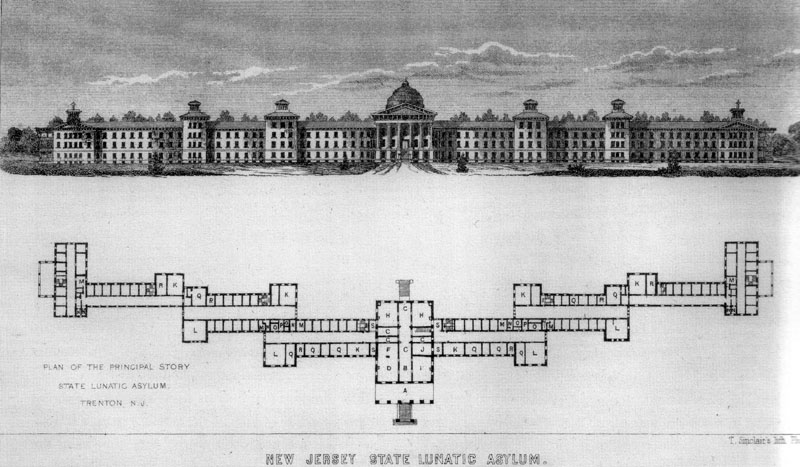
1848 lithograph of the Kirkbride design of the Trenton State Hospital.

The first hospital designed under the Kirkbride Plan was the Trenton State Hospital in Trenton, New Jersey, constructed in 1848. Throughout the remainder of the nineteenth century, numerous psychiatric hospitals were designed under the Kirkbride Plan across the United States. By the twentieth century, popularity of the design had waned, largely due to the economic pressures of maintaining the immense facilities, as well as contestation of Dr. Kirkbride’s theories amongst the medical community.

Numerous Kirkbride structures still exist today, though many have been demolished or partially-demolished and repurposed. At least 30 of the original Kirkbride buildings have been registered with the National Register of Historic Places in the United States, either directly or through their location on hospital campuses or in historic districts.

Background

Basis and Philosophy

The establishment of state mental hospitals in the US is partly due to reformer Dorothea Dix, who testified to the New Jersey legislature in 1844, vividly describing the state’s treatment of lunatics; they were being housed in county jails, private homes, and the basements of public buildings. Dix’s effort led to the construction of the New Jersey State Lunatic Asylum, the first complete asylum built on the Kirkbride Plan.

Thomas Story Kirkbride (1809-1883), a psychiatrist from Philadelphia, Pennsylvania, developed his requirements of asylum design based on a philosophy of Moral Treatment and environmental determinism. The typical floor plan, with long rambling wings arranged en echelon (staggered, so each connected wing received sunlight and fresh air), was meant to promote privacy and comfort for patients. The building form itself was meant to have a curative effect, “a special apparatus for the care of lunacy, [whose grounds should be] highly improved and tastefully ornamented.” The idea of institutionalisation was thus central to Kirkbride’s plan for effectively treating the insane.

Design and Architectural Features

The Kirkbride Plan asylums tended to be large, imposing institutional buildings, with the defining feature being their “narrow, stepped, linear building footprint” featuring staggered wings extending outward from the centre, resembling the wingspan of a bat. The standard number of wings for a Kirkbride Plan hospital was eight, with an accommodation of 250 patients. Kirkbride’s philosophy behind the staggered wings was to allow individual corridors open to sunlight and air ventilation through both ends, which he believed aided in healing the mentally ill. Each wing, according to Kirkbride’s original guidelines, would house a separate ward, which would contain its own “comfortably furnished” parlour, bathroom, clothes room, and infirmary, as well as a speaking tube and dumbwaiter to allow open communication and movement of materials between floors. The furthest wings from the centre complex of the building were reserved for the “most excitable,” or most physically dangerous and volatile patients. Patient rooms were suggested to be spacious, with ceilings “at least 12 feet (3.7 m) high,” but only large enough to room a single person. The centre complexes of the Kirkbride Plan buildings were designed to house administration, kitchens, public and reception areas, and apartments for the superintendent’s family. Architectural styles of Kirkbride Plan buildings varied depending on the appointed architect, and ranged from Richardsonian Romanesque to Neo-Gothic.

In addition to the intricate building design, Dr. Kirkbride also advocated the importance of “fertile” and spacious landscapes on which the hospitals would be built, with views that “if possible, should exhibit life in its active forms.” Kirkbride also suggested the hospital grounds be a minimum of 100 acres (40 ha) in size. The foliage and farmlands on the hospital grounds were sometimes maintained by patients as part of physical exercise and/or therapy. Over the course of the nineteenth and twentieth centuries, the campuses of these hospitals often evolved into sprawling, expansive grounds with numerous buildings.

Operations and Staffing

In his proposal, Dr. Kirkbride outlined specific guidelines as to how a Kirkbride Plan hospital should be staffed and operate on a daily basis. Dr. Kirkbride suggested a total of 71, all of whom were required to live within, or in the immediate vicinity of, the hospital. The superintending physician, or physician-in-chief, was required to live in the main hospital or in a building contiguous to it, while his family had the option of residing at the hospital or seeking private lodging. The staff was also to have a balanced gender distribution, with approximately 36 female and 35 male staff members.

Among the staff of a Kirkbride Plan hospital were the superintending physician, an assisting physician and nurses, supervisors and teachers of each sex, a chaplain, matron, and a nightwatchman. Kirkbride urged that at least two attendants be working in each ward at any given time, and stressed the importance of the superintendent’s “proper selection” of attendants, given the extent of their management responsibilities: “The duties of attendants, when faithfully performed, are often harassing, and in many wards, among excited patients, are peculiarly so. On this account pains should always be taken to give them a reasonable amount of relaxation and their position should, in every respect, be made as comfortable as possible.” For general labour at the hospital, he suggested that the able-minded patients help maintain the hospital grounds and assist in duties in their respective wards.

Dr. Kirkbride’s estimation of the number of staff as well as their respective compensations was outlined in an 1854 publication on the Kirkbride Plan design. He proposed a living wage for all employees of the hospital, noting that “although in a few institutions a liberal compensation is given, in many, the salaries are quite too low, and entirely inadequate to be depended on, to secure and retain the best kind of talent for the different positions. The services required about the insane, when faithfully performed, are peculiarly trying to the mental and physical powers of any individual, and ought to be liberally paid for.” Salary for the superintending physician according to the 1854 guideline was to be USD$1,500 (equivalent to $43,206 in 2020) if the physician’s family resided at the hospital, and $2,500 (equivalent to $72,009 in 2020) if they found lodging at a private residence. In addition to the medical staff and attendants, the Kirkbride Plan hospitals also employed labourers of various trades, including resident engineers, carpenters, cooks and dairymaids, gardeners, seamstresses, ironworkers, clothing launderers, and a carriage driver.

Decline and Phasing Out

By the late-nineteenth century, the Kirkbride design had begun to wane in popularity, largely because the hospitals (which were state-funded), had received significant budget cuts that rendered them difficult to maintain. General psychiatric and medical opinion of Kirkbride’s theories regarding the “curability” of mental illness were also questioned by the medical community.

Future

Status

A total of 73 known Kirkbride Plan hospitals were constructed throughout the United States between 1845 and 1910. As of 2016, approximately 33 of these identified Kirkbride Plan hospital buildings still exist in their original form to some degree: 24 have been preserved indicating that the building is still standing and still in use, at least, in part. 11 of the 24 preserved properties received secondary condition codes of deteriorating, vacant, partial demolition or a combination, while the remaining nine have been adaptively reused. Of the 40 hospital buildings that no longer exist (either via demolition or destruction from natural occurrences, such as earthquakes), 26 were demolished to be replaced with new facilities.

The highest concentrations of Kirkbride Plan hospitals were in the Northeast and Midwestern states. Fewer Kirkbride Plan hospitals were constructed on the West Coast: In California, the Napa State Hospital was a notable Kirkbride Plan hospital, though the original structure was severely damaged during the 1906 San Francisco earthquake, and was ultimately demolished. The two surviving Kirkbride structures on the West Coast are both located in the state of Oregon, at the Oregon State Hospital, and the Eastern Oregon State Hospital, the latter of which now houses the Eastern Oregon Correctional Institution. While the vast majority of Kirkbride hospitals were located in the United States, similar facilities were built in Canada, and the Callan Park Hospital for the Insane in Sydney, Australia (constructed in 1885) was also influenced by Kirkbride’s design.

Preservation Efforts

Due to their intricate architectural features and historical significance, Kirkbride Plan hospitals have attracted conservation efforts from local and national groups, and (as of 2016) approximately 30 of the buildings have been registered with National Register of Historic Places. Local conservation groups and historical societies have made attempts to save numerous Kirkbrides from demolition: The Danvers State Hospital in Danvers, Massachusetts is one example, in which a local historical society filed a lawsuit in 2005 to stall demolition of the building. The majority of the Danvers State Hospital was demolished in 2007 in spite of the lawsuit, with only the centre portion of the building receiving restoration and conversion into apartments. The Northampton State Hospital in Northampton, Massachusetts, was demolished in 2006.

Many of the surviving Kirkbride Plan buildings in the United States have undergone at least partial demolition and have been repurposed, often with the centre portions of the buildings being most commonly preserved. The centre complexes of the Hudson River State Hospital in Poughkeepsie, New York, and the Oregon State Hospital in Salem, Oregon, for example, have been retained in spite of the majority of the outermost wings being demolished. One such Kirkbride Plan facility that has survived in its entirety is the Trans-Allegheny Lunatic Asylum, though does not contemporarily function as an active hospital. As of 2017, Trans-Allegheny Lunatic Asylum has not undergone demolition.

Several facilities originally established as Kirkbride Plan hospitals are still active in the 21st century, though not all have retained the original Kirkbride buildings on their campuses. The Oregon State Hospital, the longest continuously-operated psychiatric hospital on the West Coast, retained the majority of its original Kirkbride building during a 2008 demolition, seismically retrofitting and repurposing it as a mental health museum in 2013.

In Popular Culture

Numerous Kirkbride Plan hospitals and buildings have been featured in the arts: the Danvers State Hospital in Danvers, Massachusetts was both the setting and primary filming location for the 2001 psychological horror film Session 9. It has also been suggested by historians as an inspiration on H.P. Lovecraft, and in turn an inspiration for the fictional setting Arkham Asylum in the various Batman series. The Oregon State Hospital was also featured as the primary filming location for the film One Flew Over the Cuckoo’s Nest (1975), and was also the setting of “Ward 81,” a 1976 series of photographs by photographer Mary Ellen Mark.

The Trans-Allegheny Lunatic Asylum in West Virginia was featured on the Travel Channel reality series Ghost Adventures.

On This Day … 03 June

People (Births)

  • 1873 – Otto Loewi, German-American pharmacologist and psychobiologist, Nobel Prize laureate (d. 1961).

Otto Loewi

Otto Loewi (03 June 1873 to 25 December 1961) was a German-born pharmacologist and psychobiologist who discovered the role of acetylcholine as an endogenous neurotransmitter. For his discovery he was awarded the Nobel Prize in Physiology or Medicine in 1936, which he shared with Sir Henry Dale, who was a lifelong friend that helped to inspire the neurotransmitter experiment. Loewi met Dale in 1902 when spending some months in Ernest Starling’s laboratory at University College, London.