Posts

Factors Affecting the Usefulness of the Acquired Capability for Suicide Scale among US Military & Veterans

Research Paper Title

Use of the acquired capability for suicide scale (ACSS) among United States military and Veteran samples: A systematic review.

Background

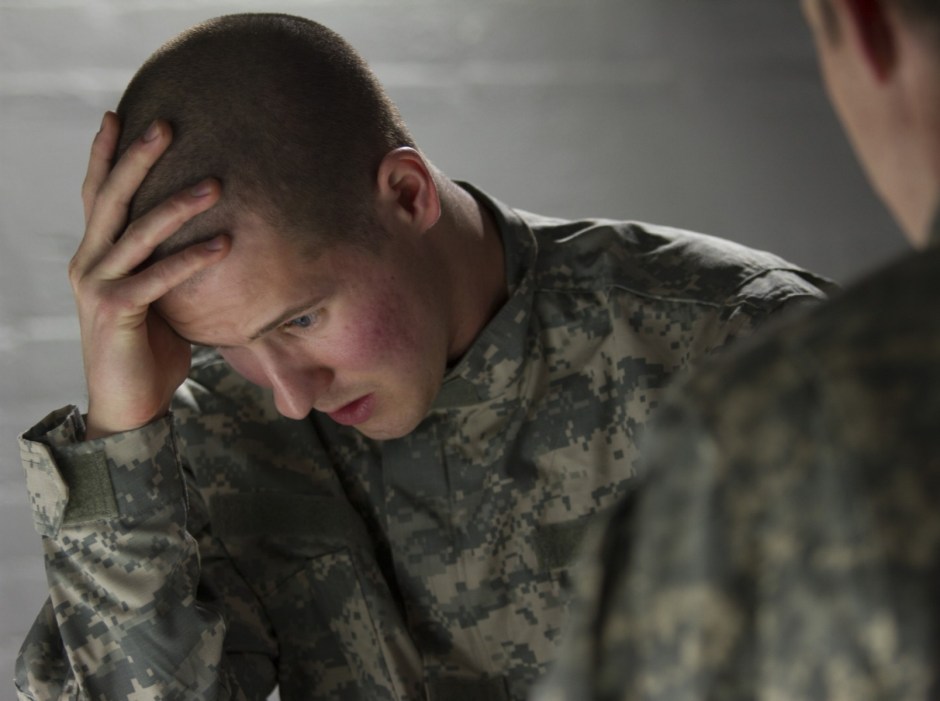
Military personnel and Veterans are at increased risk for suicide.

Theoretical and conceptual arguments have suggested that elevated levels of acquired capability (AC) could be an explanatory factor accounting for this increased risk.

However, empirical research utilising the Acquired Capability for Suicide Scale (ACSS) in military populations has yielded mixed findings.

Methods

To better ascertain what factors are associated with AC, and whether methodological limitations may be contributing to mixed findings, a systematic review was conducted.

Results

A total of 31 articles utilised the ACSS to examine factors associated with AC, including combat history, in US military personnel and Veterans.

Nearly all studies (96.8%) were rated high risk of bias.

Use of the ACSS varied, with seven different iterations utilised.

Nearly all studies examined correlations between the ACSS and sample characteristics, mental health and clinical factors, Interpersonal Theory of Suicide constructs, and/or suicide-specific variables.

Results of higher-level analyses, dominated by cross-sectional designs, often contradicted correlational findings, with inconsistent findings across studies.

Conclusions

Included studies were non-representative of all US military and Veteran populations and may only generalise to these populations.

Due to the high risk of bias, inconsistent use of the ACSS, lack of sample heterogeneity, and variability in factors examined, interpretation of current ACSS empirical data is cautioned.

Suggestions for future research, contextualised by these limitations, are discussed.

Reference

Kramer, E.B., Gaeddert, L.A., Jackson, C.L., Harnke, B. & Nazem, S. (2020) Use of the acquired capability for suicide scale (ACSS) among United States military and Veteran samples: A systematic review. Journal of Affective Disorders. 267, pp.229-242. doi: 10.1016/j.jad.2020.01.153. Epub 2020 Jan 29.

What is the Value of Mental Health First Aid for the UK Armed Forces?

Research Paper Title

Mental health first aid for the UK Armed Forces.

Background

Education programmes in mental health literacy can address stigma and misunderstanding of mental health.

This study investigated self-rated differences in knowledge, attitudes and confidence around mental health issues following participation in a bespoke Mental Health First Aid (MHFA) training course for the Armed Forces.

Methods

The mixed methods approach comprised quantitative surveys and qualitative interviews.

A survey, administered immediately post-training (n = 602) and again at 10-months post-attendance (n = 120), asked participants to rate their knowledge, attitudes and confidence around mental health issues pre- and post-training.

Results

Quantitative findings revealed a significant increase in knowledge, positive attitudes and confidence from the post-training survey which was sustained at 10-months follow-up.

Semi-structured telephone interviews (n = 13) were conducted at follow-up, 6-months post-attendance.

Qualitative findings revealed that participation facilitated an ‘ambassador’ type role for participants.

Conclusions

This study is the first to have investigated the effect of MHFA in an Armed Forces community.

Findings show participants perceived the training to increase knowledge regarding mental health and to enhance confidence and aptitude for identifying and supporting people with mental health problems.

Results suggest that such an intervention can provide support for personnel, veterans and their families, regarding mental health in Armed Forces communities.

Reference

Crone, D.M., Sarkar, M., Curran, T., Baker, C.M., Hill, D., Loughren, E.A., Dickson, T. & Parker, A. (2020) Mental health first aid for the UK Armed Forces. Health Promotion International. 35(1), pp.132-139. doi: 10.1093/heapro/day112.

On This Day … 06 August

  • 2001 – Erwadi fire incident, 28 mentally ill persons tied to a chain were burnt to death at a faith based institution at Erwadi, Tamil Nadu.

What is the Erwadi Fire Incident?

Erwadi fire incident is an accident that occurred on 06 August 2001, when 28 inmates of a faith-based mental asylum died in the fire. All these inmates were bound by chains at Moideen Badusha Mental Home in Erwadi Village in Tamil Nadu.

Large number of mental homes existed in Erwadi which was famous for the dargah of Quthbus Sultan Syed Ibrahim Shaheed Valiyullah, from Medina, Saudi Arabia who came to India to propagate Islam. Various people believe that holy water from the dargah and oil from the lamp burning there have the power to cure all illnesses, especially mental problems.

The treatment also included frequent caning, beatings supposedly to “drive away the evil”. During the day, patients were tied to trees with thick ropes. At night, they were tied to their beds with iron chains. The patients awaited a divine command in their dreams to go back home. For the command to come, it was expected to take anything from two months to several years.

As the number of people seeking cure at dargah increased, homes were set up by individuals to reportedly take care of the patients. Most of these homes were set up by people who themselves had come to Erwadi seeking cure for their relatives.

The origins of the fire are unknown, but once it spread, there was little hope of saving most of the 45 inmates, who were chained to their beds in the ramshackle shelter in which they slept, though such shackling was against Indian law. Some inmates whose shackles were not as tight escaped, and five people were hospitalised for severe burns. The bodies of the dead were not identifiable.

Aftermath

All mental homes of this type were closed on 13 August 2001, and more than 500 inmates were placed under the government’s care.

As per Supreme Court directions, a commission headed by N. Ramdas was set up to enquire into these deaths. The commission recommended that care of mentally ill people is to be improved, that anybody wishing to set up a mental home to acquire a license, and that all inmates be unchained.

In 2007, the owner of the Badsha Home for the Mentally Challenged, his wife and two relatives were sentenced to seven years imprisonment by a magistrate Court.

What is the Social Impact of Health Insurance Care Utilisation in Low- & Middle-Income Countries?

Research Paper Title

The impact of social, national and community-based health insurance on health care utilisation for mental, neurological and substance-use disorders in low- and middle-income countries: a systematic review.

Background

Whilst several systematic reviews conducted in Low- and Middle-Income Countries (LMICs) have revealed that coverage under social (SHI), national (NHI) and community-based (CBHI) health insurance has led to increased utilisation of health care services, it remains unknown whether, and what aspects of, these shifts in financing result in improvements to mental health care utilisation.

The main aim of this review was to examine the impact of SHI, NHI and CBHI enrolment on mental health care utilisation in LMICs.

Methods

Systematic searches were performed in nine databases of peer-reviewed journal articles: Pubmed, Scopus, SciELO via Web of Science, Africa Wide, CINAHL, PsychInfo, Academic Search Premier, Health Source Nursing Academic and EconLit for studies published before October 2018.

The quality of the studies was assessed using the Effective Public Health Practice Project quality assessment tool for quantitative studies.

Results

Eighteen studies were included in the review.

Despite some heterogeneity across countries, the results demonstrated that enrollment in SHI, CBHI and NHI schemes increased utilisation of mental health care.

This was consistent for the length of inpatient admissions, number of hospitalisations, outpatient use of rehabilitation services, having ever received treatment for diagnosed schizophrenia and depression, compliance with drug therapies and the prescriptions of more favourable medications and therapies, when compared to the uninsured.

The majority of included studies did not describe the insurance schemes and their organizational details at length, with limited discussion of the links between these features and the outcomes.

Given the complexity of mental health service utilisation in these diverse contexts, it was difficult to draw overall judgements on whether the impact of insurance enrollment was positive or negative for mental health care outcomes.

Conclusions

Studies that explore the impact of SHI, NHI and CBHI enrolment on mental health care utilisation are limited both in number and scope.

Despite the fact that many LMICs have been hailed for financing reforms towards universal health coverage, evidence on the positive impact of the reforms on mental health care utilisation is only available for a small sub-set of these countries.

Reference

Docrat, S., Besada, D., Cleary, S. & Lund, C. (2020) The impact of social, national and community-based health insurance on health care utilization for mental, neurological and substance-use disorders in low- and middle-income countries: a systematic review. Health Economics Review. 10(1), pp.11. doi: 10.1186/s13561-020-00268-x.

What are the Psychological Factors Associated with Financial Hardship & Mental Health?

Research Paper Title

Psychological factors associated with financial hardship and mental health: A systematic review.

Background

A review of the literature investigating the role of psychological factors in the relationship between financial hardship and mental health was completed.

Methods

The review sought to identify which factors have been most consistently and reliably indicated, and the mechanisms by which these factors are proposed to contribute to the association between hardship and mental health.

Results

Although the review identified that a broad variety of factors have been investigated, skills related to personal agency, self-esteem and coping were most frequently and reliably associated with the relationship between financial hardship and mental health outcomes.

Just over half of the studies reviewed concluded that the psychological factor investigated was either eroded by financial hardship, increasing vulnerability to mental health difficulties, or protected mental health by remaining intact despite the effects of financial hardship.

The remaining studies found no such effect or did not analyse their data in a manner in which a mechanism of action could be identified.

Conclusions

The methodological quality of the research included in the review was variable.

The valid and reliable measurement of financial hardship, and conclusions regarding causation due to the use of predominantly cross-sectional design were areas of particular weakness.

Reference

Frankham, C., Richardson, T. & Maguire, N. (2020) Psychological factors associated with financial hardship and mental health: A systematic review. Clinical Psychology Review. doi: 10.1016/j.cpr.2020.101832. Epub 2020 Feb 11.

Pragmatism & Empathy in Mental Health Nurses

Research Paper Title

Mental health nurses’ understandings and experiences of providing care for the spiritual needs of service users: A qualitative study.

Background

Mental health nurses have a professional obligation to attend to service users’ spiritual needs, but little is known about specific issues related to provision of care for spiritual need faced by mental health nurses or how nurses understand this aspect of care and deliver it in practice.

To explore mental health nurses’ ́understandings of spiritual need and their experiences of delivering this care for service users.

Methods

A qualitative study was conducted in one NHS mental health service. Interviews were undertaken with seventeen mental health nurses practising in a variety of areas.

Results

Four themes were generated from thematic analysis of data in the template style:

  1. Expressing personal perspectives on spirituality;
  2. Expressing perspectives on spirituality as a nursing professional;
  3. Nursing spiritually; and
  4. Permeating anxiety (integrative).

Conclusions

Participants had complex understandings of spiritual need and evident anxieties in relation to this area of care.

Two different approaches to nursing spiritually are characterised as:

  • Pragmatic (concerned with procedural aspects of care); and
  • Spiritually empathetic.

Mental health nurses were uncertain about the acceptability of attention to spiritual issues as part of care and anxious about distinguishing between symptoms of mental ill health and spiritual needs.

Educational experiences need to emphasise both pragmatic and empathetic approaches, and work needs to be organised to support good practice.

Reference

Elliot, R., Wattis, J., Chirema, K. & Brooks, J. (2020) Mental health nurses’ understandings and experiences of providing care for the spiritual needs of service users: A qualitative study. Journal of Psychiatric and Mental Health Nursing. 27(2), pp.162-171. doi: 10.1111/jpm.12560. Epub 2019 Sep 16.

Is It Important that Health Promotion be a Focus that Permeates the Entire Organisation of Mental Health Care?

Research Paper Title

Mental health nurses’ experience of physical health care and health promotion initiatives for people with severe mental illness.

Background

Health care for people with severe mental illness is often divided into physical health care and mental health care despite the importance of a holistic approach to caring for the whole person.

Mental health nurses have an important role not only in preventing ill health, but also in promoting health, to improve the overall health among people with severe mental illness and to develop a more person-centred, integrated physical and mental health care.

Thus, the aim of this study was to describe mental health nurses’ experiences of facilitating aspects that promote physical health and support a healthy lifestyle for people with severe mental illness.

Methods

Interviews were conducted with mental health nurses (n = 15), and a qualitative content analysis was used to capture the nurse’s experiences.

Results

Analysis of the interviews generated three categories:

  • To have a health promotion focus in every encounter;
  • To support with each person’s unique prerequisites in mind; and
  • To take responsibility for health promotion in every level of the organisation.

Conclusions

The results show the importance of a health promotion focus that permeates the entire organisation of mental health care.

Shared responsibility for health and health promotion activities should exist at all levels:

  • In the person-centred care in the relation with the patient;
  • Embedded in a joint vision within the working unit; and
  • In decisions at management level.

Reference

Lundstrom, S., Jormfeldt, H., Ahlstrom, B.H. & Skarsater, I. (2020) Mental health nurses’ experience of physical health care and health promotion initiatives for people with severe mental illness. International Journal of Mental Health Nursing. 29(2), pp.244-253. doi: 10.1111/inm.12669. Epub 2019 Oct 29.

International Friendship Day

International Friendship Day (also Friendship Day or Friend’s Day) is a day in several countries for celebrating friendship.

It was first proposed in 1958 in Paraguay as the “International Friendship Day”.

It was initially promoted by the greeting cards’ industry, with evidence from social networking sites suggesting a revival of interest in the holiday that may have grown with the spread of the Internet, particularly in India, Bangladesh, and Malaysia. Mobile phones, digital communication and social media have contributed to popularise the custom.

Those who promote the holiday in South Asia attribute the tradition of dedicating a day in the honour of friends to have originated in the United States in 1935 but it actually dates back to 1919. The exchange of Friendship Day gifts like flowers, cards and wrist bands is a popular tradition on this occasion.

Friendship Day celebrations occur on different dates in different countries. The first World Friendship Day was proposed for 30 July in 1958, by the World Friendship Crusade. On 27 April 2011 the General Assembly of the United Nations declared 30 July as official International Friendship Day. However, some countries, like India, celebrate Friendship Day on the first Sunday of August. In Nepal, Friendship day is celebrated on 30 July each year. In Oberlin, Ohio, Friendship is celebrated on 09 April each year.

Dates

  • Argentina: 20 July.
  • Bolivia: 23 July.
  • Brazil: 20 July.
  • Colombia: Second Saturday of March.
  • Ecuador: 14 July.
  • Estonia: 14 February.
  • Finland: 14 February.
  • India: First Sunday of August.
  • Malaysia: First Sunday of August.
  • Mexico: 14 July.
  • Nepal: 30 July.
  • Pakistan: 19 July.
  • Spain: 30 July.
  • United States: 15 February.
  • Uruguay: 20 July.
  • Venezuela: 14 July.
  • Ukraine: 09 June.

History

Friendship Day was originated by Joyce Hall, the founder of Hallmark cards in 1930, intended to be 02 August and a day when people celebrated their friendships by holiday celebrations. Friendship Day was promoted by the greeting card National Association during the 1920’s but met with consumer resistance – given that it was too obviously a commercial gimmick to promote greetings cards. In the 1940’s the number of Friendship Day cards available in the US by had dwindled and the holiday largely died out there. There is no evidence to date for its uptake in Europe; however, it has been kept alive and revitalised in Asia, where several countries have adopted it.

In honour of Friendship Day in 1998, Nane Annan, wife of UN Secretary-General Kofi Annan, named Winnie the Pooh as the world’s Ambassador of Friendship at the United Nations (UN). The event was co-sponsored by the UN Department of Public Information and Disney Enterprises, and was co-hosted by Kathy Lee Gifford.

Some friends acknowledge each other with exchanges of gifts and cards on this day. Friendship bands are very popular in India, Nepal, Bangladesh, and parts of South America. With the advent of social networking sites, Friendship Day is also being celebrated online. The commercialisation of the Friendship Day celebrations has led to some dismissing it as a “marketing gimmick”. But nowadays it is celebrated on the first Sunday of August rather than 30 July. However, on 27 July 2011 the 65th Session of the UN General Assembly declared 30 July as “International Day of Friendship”.

The idea of a World Friendship Day was first proposed on 20 July 1958 by Dr. Ramon Artemio Bracho during a dinner with friends in Puerto Pinasco, a town on the River Paraguay about 200 miles north of Asuncion, Paraguay.

Out of this humble meeting of friends, the World Friendship Crusade was born. The World Friendship Crusade is a foundation that promotes friendship and fellowship among all human beings, regardless of race, colour or religion. Since then, 30 July has been faithfully celebrated as Friendship Day in Paraguay every year and has also been adopted by several other countries.

The World Friendship Crusade has lobbied the UN for many years to recognise 30 July as World Friendship Day and finally on 20 May, General Assembly of the United Nations decided to designate 30 July as the International Day of Friendship; and to invite all Member States to observe the International Day of Friendship in accordance with the culture and customs of their local, national and regional communities, including through education and public awareness-raising activities.

Advancing E-Mental Health in Canada

Research Paper Title

Advancing E-Mental Health in Canada: Report From a Multistakeholder Meeting.

Background

The need for e-mental health (electronic mental health) services in Canada is significant.

The current mental health care delivery models primarily require people to access services in person with a health professional.

Given the large number of people requiring mental health care in Canada, this model of care delivery is not sufficient in its current form. E-mental health technologies may offer an important solution to the problem.

This topic was discussed in greater depth at the 9th Annual Canadian E-Mental Health Conference held in Toronto, Canada.

Themes that emerged from the discussions at the conference include:

  1. The importance of trust, transparency, human centredness, and compassion in the development and delivery of digital mental health technologies;
  2. An emphasis on equity, diversity, inclusion, and access when implementing e-mental health services;
  3. The need to ensure that the mental health workforce is able to engage in a digital way of working; and
  4. Co-production of e-mental health services among a diverse stakeholder group becoming the standard way of working.

Reference

Strudwick, G., Impey, D., Torous, J., Krausz, R.M. & Wiljer, D. (2020) Advancing E-Mental Health in Canada: Report From a Multistakeholder Meeting. JMIR Mental Health. 7(4), pp.e19360. doi: 10.2196/19360.

Can Probiotics Improve Mental Health Outcomes in Pregnant Women with Obesity?

Research Paper Title

Probiotics and Maternal Mental Health: A Randomised Controlled Trial among Pregnant Women with Obesity.

Background

Poor maternal mental health has been associated with a myriad of pregnancy and child health complications.

Obesity in pregnancy is known to increase one’s risk of experiencing poor maternal mental health and associated physical and mental health complications.

Probiotics may represent a novel approach to intervene in poor mental health and obesity.

Methods

The reseaschers conducted this pre-specified secondary analysis of the Healthy Mums and Babies (HUMBA) randomised controlled trial to investigate whether probiotics would improve maternal mental health outcomes up to 36 weeks of pregnancy.

Two-hundred-and-thirty pregnant women with obesity (BMI ≥ 30.0 kg/m2) were recruited and randomised to receive probiotic (Lactobacillus rhamnosus GG and Bifidobacterium lactis BB12, minimum 6.5 × 10⁹ CFU) or placebo capsules.

Depression, anxiety, and functional health and well-being were assessed at baseline (120-176 weeks’ gestation) and 36 weeks of pregnancy.

Results

Depression scores remained stable and did not differ between the probiotic (M = 7.18, SD = 3.80) and placebo groups (M = 6.76, SD = 4.65) at 36 weeks (p-values > 0.05).

Anxiety and physical well-being scores worsened over time irrespective of group allocation, and mental well-being scores did not differ between the two groups at 36 weeks.

Conclusions

Probiotics did not improve mental health outcomes in this multi-ethnic cohort of pregnant women with obesity.

Reference

Dawe, J.P., McCowan, L.M.E., Wilson, J., Okesene-Gafa, K.A.M. & Serlachius, A.S. (2020) Probiotics and Maternal Mental Health: A Randomised Controlled Trial among Pregnant Women with Obesity. Scientific Reports. 10(1), pp.1291. doi: 10.1038/s41598-020-58129-w.