
Posts

What is Olmstead v .L.C. (1999)?

Introduction

Olmstead v. L.C., 527 U.S. 581 (1999), is a United States Supreme Court case regarding discrimination against people with mental disabilities.

The Supreme Court held that under the Americans with Disabilities Act, individuals with mental disabilities have the right to live in the community rather than in institutions if, in the words of the opinion of the Court, “the State’s treatment professionals have determined that community placement is appropriate, the transfer from institutional care to a less restrictive setting is not opposed by the affected individual, and the placement can be reasonably accommodated, taking into account the resources available to the State and the needs of others with mental disabilities.”

The case was brought by the Atlanta Legal Aid Society, Inc.

Background

Tommy Olmstead, Commissioner, Georgia Department of Human Resources, et al. v. L. C., by Zimring, guardian ad litem and next friend, et al. (Olmstead v. L.C.) was a case filed in 1995 and decided in 1999 before the United States Supreme Court. The plaintiffs, L.C. (Lois Curtis) and E.W. (Elaine Wilson, deceased 04 December 2005), two women were diagnosed with schizophrenia, intellectual disability and personality disorder. They had both been treated in institutional settings and in community based treatments in the state of Georgia.

  • Guardian ad litem: A legal guardian is a person who has been appointed by a court or otherwise has the legal authority to care for the personal and property interests of another person, called a ward.
  • Next Friend: In common law, a next friend is a person who represents another person who is underage, or, because of disability or otherwise, is unable to maintain a suit on his or her own behalf and who does not have a legal guardian. Also known as litigation friends.

Following clinical assessments by state employees, both plaintiffs were determined to be better suited for treatment in a community-based setting rather than in the institution. The plaintiffs remained confined in the institution, each for several years after the initial treatment was concluded. Both sued the state of Georgia to prevent them from being inappropriately treated and housed in the institutional setting.

Opinion of the Court

The case rose to the level of the United States Supreme Court, which decided the case in 1999, and plays a major role in determining that mental illness is a form of disability and therefore covered under the Americans with Disabilities Act (ADA). Title II of the ADA applies to ‘public entities’ and include ‘state and local governments’ and ‘any department, agency or special purpose district’ and protects any ‘qualified person with a disability’ from exclusion from participation in or denied the benefits of services, programs, or activities of a public entity.

The Supreme Court decided mental illness is a form of disability and that “unjustified isolation” of a person with a disability is a form of discrimination under Title II of the ADA. The Supreme Court held that community placement is only required and appropriate (i.e. institutionalisation is unjustified), when:

  • The State’s treatment professionals have determined that community placement is appropriate;
  • The transfer from institutional care to a less restrictive setting is not opposed by the affected individual; and
  • The placement can be reasonably accommodated, taking into account the resources available to the State and the needs of others with mental disabilities.

Unjustified isolation is discrimination based on disability. Olmstead v. L.C., 527 U.S. 581, 587 (1999).

The Supreme Court explained that this holding “reflects two evident judgments.”

  • First, “institutional placement of persons who can handle and benefit from community settings perpetuates unwarranted assumptions that persons so isolated are incapable or unworthy of participating in community life.”
  • Second, historically “confinement in an institution severely diminishes the everyday life activities of individuals, including family relations, social contacts, work options, economic independence, educational advancement, and cultural enrichment.” Id. at 600-601.

However, a majority of Justices in Olmstead also recognized an ongoing role for publicly and privately operated institutions:

“We emphasize that nothing in the ADA or its implementing regulations condones termination of institutional settings for persons unable to handle or benefit from community settings…Nor is there any federal requirement that community-based treatment be imposed on patients who do not desire it.” Id. at 601-602.

A plurality of Justices noted: “[N]o placement outside the institution may ever be appropriate . . . ‘Some individuals, whether mentally retarded or mentally ill, are not prepared at particular times – perhaps in the short run, perhaps in the long run – for the risks and exposure of the less protective environment of community settings ’ for these persons, ‘institutional settings are needed and must remain available’” (quoting Amicus Curiae Brief for the American Psychiatric Association, et al). “As already observed [by the majority], the ADA is not reasonably read to impel States to phase out institutions, placing patients in need of close care at risk… ‘Each disabled person is entitled to treatment in the most integrated setting possible for that person—recognizing on a case-by-case basis, that setting may be an institution’[quoting VOR’s Amici Curiae brief].” Id. at 605.

Justice Kennedy noted in his concurring opinion, “It would be unreasonable, it would be a tragic event, then, were the Americans with Disabilities Act of 1990 (ADA) to be interpreted so that states had some incentive, for fear of litigation to drive those in need of medical care and treatment out of appropriate care and into settings with too little assistance and supervision.” Id. at 610.

The Supreme Court did not reach the question of whether there is a constitutional right to community services in the most integrated setting.

About ten years after the Olmstead decision, the State of Georgia and the United States Department of Justice entered a settlement agreement to cease all admissions of individuals with developmental disabilities to state-operated, federally licensed institutions (“State Hospitals”) and, by 01 July 2015, “transition all individuals with developmental disabilities in the State Hospitals from the Hospitals to community settings,” according to a Department of Justice Fact Sheet about the settlement. The settlement also calls for serving 9,000 individuals with mental illness in community settings. Recently, the federal court’s Independent Reviewer for the settlement found significant health and safety risks, including many deaths, plaguing former State Hospital residents due to their transition from a licensed facility home to community-settings per the settlement. The Court has approved a moratorium on such transfers until the safety of those impacted can be assured.

This page is based on the copyrighted Wikipedia article <https://en.wikipedia.org/wiki/Olmstead_v._L.C. >; it is used under the Creative Commons Attribution-ShareAlike 3.0 Unported License (CC-BY-SA). You may redistribute it, verbatim or modified, providing that you comply with the terms of the CC-BY-SA.
On This Day … 25 May [2022]

People (Births)

  • 1860 – James McKeen Cattell, American psychologist and academic (d. 1944).
  • 1941 – Uta Frith, German developmental psychologist.
  • 1947 – Catherine G. Wolf, American psychologist and computer scientist (d.2018).

People (Deaths)

  • 1969 – Elisabeth Geleerd, Dutch-American psychoanalyst (b. 1909).

James McKeen Cattell

James McKeen Cattell (25 May 1860 to 20 January 1944), American psychologist, was the first professor of psychology in the United States, teaching at the University of Pennsylvania, and long-time editor and publisher of scientific journals and publications, most notably the journal Science. He also served on the board of trustees for Science Service, now known as Society for Science & the Public (or SSP), from 1921 to 1944.

At the beginning of Cattell’s career, many scientists regarded psychology as, at best, a minor field of study, or at worst a pseudoscience such as phrenology. Perhaps more than any of his contemporaries, Cattell helped establish psychology as a legitimate science, worthy of study at the highest levels of the academy. At the time of his death, The New York Times hailed him as “the dean of American science.” Yet Cattell may be best remembered for his uncompromising opposition to American involvement in World War I. His public opposition to the draft led to his dismissal from his position at Columbia University, a move that later led many American universities to establish tenure as a means of protecting unpopular beliefs.

Uta Frith

Dame Uta Frith DBE, FRS, FBA, FMedSci (née Aurnhammer; born 25 May 1941) is a German-British developmental psychologist at the Institute of Cognitive Neuroscience at University College London.

She has pioneered much of the current research into autism and dyslexia. She has written several books on these subjects, arguing for autism to be seen as a mental condition rather than as one caused by parenting. Her Autism: Explaining the Enigma introduces the cognitive neuroscience of autism. She is credited with creating the Sally-Anne test along with fellow scientists Alan Leslie and Simon Baron-Cohen. She also pioneered the work on child dyslexia. Among students she has mentored are Tony Attwood, Maggie Snowling, Simon Baron-Cohen and Francesca Happé.

Catherine G. Wolf

Catherine Gody Wolf (25 May 1947 to 07 February 2018) was an American psychologist and expert in human-computer interaction.

She was the author of more than 100 research articles and held six patents in the areas of human-computer interaction, artificial intelligence, and collaboration. Wolf was known for her work at IBM’s Thomas J. Watson Research Centre in Yorktown Heights, NY, where she was a 19-year staff researcher.

In the late 1990s, Wolf was diagnosed with Amyotrophic lateral sclerosis (ALS), better known as Lou Gehrig’s disease. Despite a rapid physical deterioration, Wolf was still able to communicate with the world via electronic sensory equipment, including a sophisticated brain-computer interface. Remarkably, with almost no voluntary physical functions remaining, she published novel research into the fine-scale abilities of ALS patients.

Elizabeth Geleerd

Elisabeth Rozetta Geleerd Loewenstein (20 March 1909 to 25 May 1969) was a Dutch-American psychoanalyst.

Born to an upper-middle-class family in Rotterdam, Geleerd studied psychoanalysis in Vienna, then London, under Anna Freud. Building a career in the United States, she became one of the nation’s major practitioners in child and adolescent psychoanalysis throughout the mid-20th century. Geleerd specialised in the psychoanalysis of psychosis, including schizophrenia, and was an influential writer on psychoanalysis in childhood schizophrenia. She was one of the first writers to consider the concept of borderline personality disorder in childhood.

Geleerd was married to fellow psychoanalyst Rudolph Loewenstein from 1946 until her death; they had one child. She developed a reputation as a particularly skilled and empathetic clinician, described as having a “sensitive, searching, and romantic” temperament; she was also regarded as an independent thinker who would present her ideas forcefully even when their topics were sensitive enough for other psychoanalysts to avoid. Suffering from chronic illness for much of her adult life, Geleerd died at the age of 60 in New York in 1969.

On This Day … 24 May [2022]

People (Births)

  • 1878 – Lillian Moller Gilbreth, American psychologist and engineer (d. 1972).

People (Deaths)

  • 2012 – Jacqueline Harpman, Belgian psychoanalyst and author (b. 1929).

Lillian Moller Gilbreth

Lillian Evelyn Gilbreth (née Moller; 24 May 1878 to 02 January 1972) was an American psychologist, industrial engineer, consultant, and educator who was an early pioneer in applying psychology to time-and-motion studies.

She was described in the 1940s as “a genius in the art of living.” Gilbreth, one of the first female engineers to earn a Ph.D., is considered to be the first industrial/organisational psychologist. She and her husband, Frank Bunker Gilbreth, were efficiency experts who contributed to the study of industrial engineering, especially in the areas of motion study and human factors. Cheaper by the Dozen (1948) and Belles on Their Toes (1950), written by two of their children (Ernestine and Frank Jr.) tell the story of their family life and describe how time-and-motion studies were applied to the organisation and daily activities of their large family. Both books were later made into feature films.

Jacqueline Harpman

Jacqueline Harpman (05 July 1929 to 24 May 2012) was a Belgian writer who wrote in French.

She was born on 05 July 1929, in Brussels, Belgium, and was later well known for her books written in French. She also worked as a psychoanalyst and lived in Etterbeek, Brussels. She died on 24 May 2012, in Brussels, Belgium, after having been severely ill for a long time. She was 82.

What is a Patient-Reported Outcome?

Introduction

A patient-reported outcome (PRO) is a health outcome directly reported by the patient who experienced it.

It stands in contrast to an outcome reported by someone else, such as a physician-reported outcome, a nurse-reported outcome, and so on. PRO methods, such as questionnaires, are used in clinical trials or other clinical settings, to help better understand a treatment’s efficacy or effectiveness. The use of digitised PROs, or electronic patient-reported outcomes (ePROs), is on the rise in today’s health research setting.

Terminology

PROs should not be confused with PCOs, or patient-centred outcomes. The latter implies the use of a questionnaire covering issues and concerns that are specific to a patient. Instead, patient-reported outcomes refers to reporting situations in which only the patient provides information related to a specific treatment or condition; this information may or may not be of concern to the patient.

Further, PROs should not be confused with PREMs (patient reported experience measures), which focus more on a patient’s overall experience versus a focus on specific treatment outcomes. The term PROs is becoming increasingly synonymous with “patient reported outcome measures” (PROMs).

Overview

PRO is an umbrella term that covers a whole range of potential measurements, but it specifically refers to “self-reporting” by the patient. PRO data may be collected via self-administered questionnaires, which the patient completes themselves, or through patient interviews. The latter will only qualify as a PRO, however, if the interviewer is gaining the patient’s views and not using the responses to make a professional assessment or judgment of the impact of a treatment on the patient’s condition. Thus, PROs are used as a means of gathering patient- rather than clinical- or other outcomes perspectives. The patient-reported perspective can be an important asset in gaining treatment or drug approval.

There is no incentive for patients to report their outcome data other than to “pay it forward” to the community and help the health industry prevent unnecessary suffering in other patients.

Characteristics

A well-designed PRO questionnaire should assess either a single underlying characteristic or, where it addresses multiple characteristics, should be a number of scales that each address a single characteristic. These measurement “characteristics” are termed constructs and the questionnaires used to collect them, termed instruments, measures, scales or tools. Typically, PRO tools must undergo extensive validation and testing.

A questionnaire that measures a single construct is described as unidimensional. Items (questions) in a unidimensional questionnaire can be added to provide a single scale score. However, it cannot be assumed that a questionnaire is unidimensional simply because the author intended it to be. This must be demonstrated empirically (for example, by confirmatory factor analysis or Rasch analysis). A questionnaire that measures multiple constructs is termed multi-dimensional. A multi-dimensional questionnaire is used to provide a profile of scores; that is, each scale is scored and reported separately. It is possible to create an overall (single summary) score from a multi-dimensional measure using factor analysis or preference-based methods but some may see this as akin to adding apples and oranges together.

Questionnaires may be generic (designed to be used in any disease population and cover a broad aspect of the construct measured) or condition-targeted (developed specifically to measure those aspects of outcome that are of importance for a people with a particular medical condition).

The most commonly used PRO questionnaires assess one of the following constructs:

  • Symptoms (impairments) and other aspects of well-being.
  • Functioning (disability).
  • Health status.
  • General health perceptions.
  • Quality of life (QoL).
  • Health related quality of life (HRQoL).
  • Reports and Ratings of health care.

Measures of symptoms may focus on a range of impairments or on a specific impairment such as depression or pain. Measures of functioning assess activities such as personal care, activities of daily living and locomotor activities. Health-related quality of life instruments are generally multi-dimensional questionnaires assessing a combination of aspects of impairments and/or disability and reflect a patient’s health status. In contrast, QoL goes beyond impairment and disability by asking about the patient’s ability to fulfil their needs and also about their emotional response to their restrictions.

A new generation of short and easy-to-use tools to monitor patient outcomes on a regular basis has been recently proposed. These tools are quick, effective, and easy to understand, as they allow patients to evaluate their health status and experience in a semi-structured way and accordingly aggregate input data, while automatically tracking their physio-emotional sensitivity. As part of the National Institute of Health’s Roadmap Initiative, the Patient-Reported Outcomes Measurement Information System (PROMIS) uses modern advances in psychometrics such as item response theory (IRT) and computerised adaptive testing (CAT) to create highly reliable and validated measurement tools. The literature suggests increasing consistency in recommendations to guide PROM selection for clinical trials.

Validation and Quality Assessment

It is essential that a PRO instrument satisfy certain development, psychometric and scaling standards if it is to provide useful information. Specifically, measures should have a sound theoretical basis and should be relevant to the patient group with which they are to be used. They should also be reliable and valid (including responsive to underlying change) and the structure of the scale (whether it possesses a single or multiple domains) should have been thoroughly tested using appropriate methodology in order to justify the use of scale or summary scores. The validation of the PRO measures should incorporate not only short-term but also long-term success in order to be able to reflect sustainability of interventions. Classic examples of such tools and methods are noted in commonly used oncology tools, such as FACT or EORTC tools.

These standards must be maintained throughout every target language population. In order to ensure that developmental standards are consistent in translated versions of a PRO instrument, the translated instrument undergoes a process known as Linguistic validation in which the preliminary translation is adapted to reflect cultural and linguistic differences between diverse target populations.

Preference-Based

Preference-based PROs can be used for the computation of a quality-adjusted life year. A preference based PRO has an algorithm attached to the PRO instrument which can ‘weigh’ the outcomes reported by patients according to the preferences for health outcomes of a group of individuals such as the general public or of patient groups. The purpose of this ‘weighing’ is to make sure that elements of health that are very important receive larger weight when computing sum scores. For example, individuals may consider problems with their mood to be more important than limitations in usual activities. Examples of generic preference-based PROs are the Health Utilities Index and the EQ-5D. Condition-targeted preference-based PROs also exist, but there are some questions regarding their comparability to generic PROs when used for the computation of Quality Adjusted Life Years.

Examples

Many of the common generic PRO tools assess health-related quality of life or patient evaluations of health care. For example, the SF-36 Health Survey, SF-12 Health Survey, Profile, the Nottingham Health Profile, the Health Utilities Index, the Quality of Well-Being Scale, the EuroQol (EQ-5D), and the Consumer Assessment of Healthcare Providers and Systems (CAHPS) survey instruments are PRO instruments.

Condition-targeted tools may capture any of the constructs listed above, depending on the purpose for which they were designed. Examples include the Adult Asthma Quality of Life Questionnaire (AQLQ), the Kidney Disease Quality of Life Instrument, National Eye Institute Visual Functioning Questionnaire, Epilepsy Surgery Inventory, Migraine Specific Quality of Life (MSQOL), the Ankylosing Spondylitis Quality of Life questionnaire (ASQoL) and the Seattle Angina Questionnaire (SAQ), to name a few.

PROMS in the AJRR

The American Joint Replacement Registry (AJRR) launched their Level III patient-reported outcome (PRO) platform in November 2015 and switched to a new version created and hosted by Ortech Systems in 2016. AJRR imports the PRO data into the AJRR’s Demand Reporting & Electronic Dashboard system. Clinical staff is able to access patient data while having the ability to manage PRO surveys electronically via a secure patient portal. The AJRR Dashboard system can also pull site-specific patient reports and summary results for each PRO measure supported on the AJRR system.

AJRR collaborated with several orthopaedic organizations to identify the specific measures that AJRR should recommend and that may be used as national benchmarks. Even though specific measures are recommended, AJRR understands that some institutions may have in place a long-standing PRO data collection process. Participating hospitals are able to submit and retrieve these alternative measures, but there will not be national benchmarks available for them.

PROMs in the NHS

Since 01 April 2009 all providers of care funded by the National Health Service (NHS) in England have been required to provide patient-reported outcome measures (PROMs) in four elective surgical procedures: hip replacement, knee replacement, varicose vein surgery and hernia surgery. Patients are asked to complete a questionnaire before undergoing the surgical procedure; a follow-up questionnaire is then sent to the patient some weeks or months later. Patient participation is, however, not compulsory.

In December 2013 a team from the London School of Hygiene and Tropical Medicine reviewed the first three years of NHS PROMs data which captured responses from more than 50,000 patients who underwent groin hernia repair, varicose vein surgery or hip or knee replacements. They found “no grounds to suggest we should start cutting the amount of surgery we are doing”.

In Drug Licensing and Label Claims

Patient-reported outcomes are important in a regulatory context. The US Food and Drug Administration (FDA) has issued formal Guidance to Industry on PROs in label claims and the European Medicines Agency (EMA) has produced a reflection paper on HRQoL. Increasing numbers of regulatory submissions for new drugs provide PRO data to support claims. DeMuro et al. (2013) have reviewed drug approvals for the years 2006-2010. They showed that of 75 drugs approved by both agencies, 35 (47%) had at last one PRO-related claim approved by the EMA compared to 14 (19%) for the FDA. The FDA was more likely to approve claims for symptom reduction, while the EMA approved relatively more claims for improvement in functioning or HrQoL.

PROMs in Multimodal Pain Therapy

Operationalising success in multi-modal pain therapy is a challenge and is up to now characterised by tremendous heterogeneity. There are efforts to define core sets of patient-relevant outcome variables to be measured in clinical trials in general and for multi-modal pain therapy. Meanwhile, a core outcome measure set based on PROMS was developed with routine data and validated for operationalising success in multimodal pain therapy. Validation studies suggest also suitability for depicting long-term success in the sense of sustainability of treatment effects.

PROMs in Epilepsy in Rural Maharashtra, India

Epilepsy accounts for a significant proportion of the world’s disease burden, affecting 1% of the population by age 20 and 3% of the population by age 75. The prevalence of epilepsy in Maharashtra is estimated to be 1 million people. Epilepsy Foundation of India has been providing free diagnosis and treatment to people living with epilepsy across rural Maharashtra since 2011. Since 2018, they have been using MedEngage services to collect PROs from thousands of patients across the state. Patients use a zero-cost helpline to report outcomes every 2-3 months related to adherence, medicine availability, seizure frequency, healthcare related quality of life, and a few other parameters. All PROMs are analysed to help guide public policy and optimize resource allocation for people living with epilepsy in Maharashtra.

Relationship to Other Data

The term Patient Reported Health Data was also introduced in 2018 to include patient reported data that are not outcomes (e.g. patient reported comorbidities, medications, hospitalisations).

This page is based on the copyrighted Wikipedia article <https://en.wikipedia.org/wiki/Patient-reported_outcome >; it is used under the Creative Commons Attribution-ShareAlike 3.0 Unported License (CC-BY-SA). You may redistribute it, verbatim or modified, providing that you comply with the terms of the CC-BY-SA.

What is the Hospital Anxiety and Depression Scale?

Introduction

Hospital Anxiety and Depression Scale (HADS) was originally developed by Zigmond and Snaith (1983) and is commonly used by doctors to determine the levels of anxiety and depression that a person is experiencing.

The HADS is a fourteen item scale that generates: Seven of the items that relate to anxiety and seven that relate to depression. Zigmond and Snaith created this outcome measure specifically to avoid reliance on aspects of these conditions that are also common somatic symptoms of illness, for example fatigue and insomnia or hypersomnia. This, it was hoped, would create a tool for the detection of anxiety and depression in people with physical health problems.

Items on the Questionnaire

The items on the questionnaire that relate to anxiety are

  • I feel tense or wound up.
  • I get a sort of frightened feeling as if something awful is about to happen.
  • Worrying thoughts go through my mind.
  • I can sit at ease and feel relaxed.
  • I get a sort of frightened feeling like ‘butterflies’ in the stomach.
  • I feel restless as I have to be on the move.
  • I get sudden feelings of panic.

The items that relate to depression are:

  • I still enjoy the things I used to enjoy.
  • I can laugh and see the funny side of things.
  • I feel cheerful.
  • I feel as if I am slowed down.
  • I have lost interest in my appearance.
  • I look forward with enjoyment to things.
  • I can enjoy a good book or radio or TV programme.

Scoring the Questionnaire

Each item on the questionnaire is scored from 0-3 and this means that a person can score between 0 and 21 for either anxiety or depression.

Caseness of Anxiety and Depression

A number of researchers have explored HADS data to establish the cut-off points for caseness of anxiety or depression. Bjelland et al. (2002) through a literature review of a large number of studies identified a cut-off point of 8/21 for anxiety or depression. For anxiety (HADS-A) this gave a specificity of 0.78 and a sensitivity of 0.9. For depression (HADS-D) this gave a specificity of 0.79 and a sensitivity of 0.83.

Factor Structure

There are a large number of studies that have explored the underlying factor structure of the HADS. Many support the two-factor structure but there are others that suggest a three or four factor structure. Some argue that the tool is best used as a unidimensional measure of psychological distress.

Criticisms

The factor structure of the HADS has been questioned. Coyne and Sonderen argue in a letter published in the same issue, that Cosco, et al. provides grounds for abandoning HADS altogether. The HADS has also been criticised for its over reliance on anhedonia as being the core symptom of depression, how single-item measures of depression may have the same predictive value as the HADS scale, as well as its use of British colloquial expressions which can be difficult to translate.

This page is based on the copyrighted Wikipedia article <https://en.wikipedia.org/wiki/Hospital_Anxiety_and_Depression_Scale >; it is used under the Creative Commons Attribution-ShareAlike 3.0 Unported License (CC-BY-SA). You may redistribute it, verbatim or modified, providing that you comply with the terms of the CC-BY-SA.

What is Distress?

Introduction

In medicine, distress is an aversive state in which a person is unable to completely adapt to stressors and their resulting stress and shows maladaptive behaviours.

It can be evident in the presence of various phenomena, such as inappropriate social interaction (e.g., aggression, passivity, or withdrawal).

Distress is the opposite of eustress, a positive stress that motivates people.

Risk Factors

Stress can be created by influences such as work, school, peers or co-workers, family and death. Other influences vary by age.

People under constant distress are more likely to become sick, mentally or physically. There is a clear response association between psychological distress and major causes of mortality across the full range of distress.

Higher education has been linked to a reduction in psychological distress in both men and women, and these effects persist throughout the aging process, not just immediately after receiving education. However, this link does lessen with age. The major mechanism by which higher education plays a role on reducing stress in men is more so related to labour-market resources rather than social resources as in women.

In the clinic, distress is a patient reported outcome that has a huge impact on patient’s quality of life. To assess patient distress, a Hospital Anxiety and Depression Scale (HADS) questionnaire is most commonly used. The score from the HADS questionnaire guides a clinician to recommend lifestyle modifications or further assessment for mental disorders like depression.

Management

People often find ways of dealing with distress, in both negative and positive ways. Examples of positive ways are listening to music, calming exercises, colouring, sports and similar healthy distractions. Negative ways can include but are not limited to use of drugs including alcohol, and expression of anger, which are likely to lead to complicated social interactions, thus causing increased distress.

This page is based on the copyrighted Wikipedia article <https://en.wikipedia.org/wiki/Distress_(medicine) >; it is used under the Creative Commons Attribution-ShareAlike 3.0 Unported License (CC-BY-SA). You may redistribute it, verbatim or modified, providing that you comply with the terms of the CC-BY-SA.

Who was Hans Selye?

Introduction

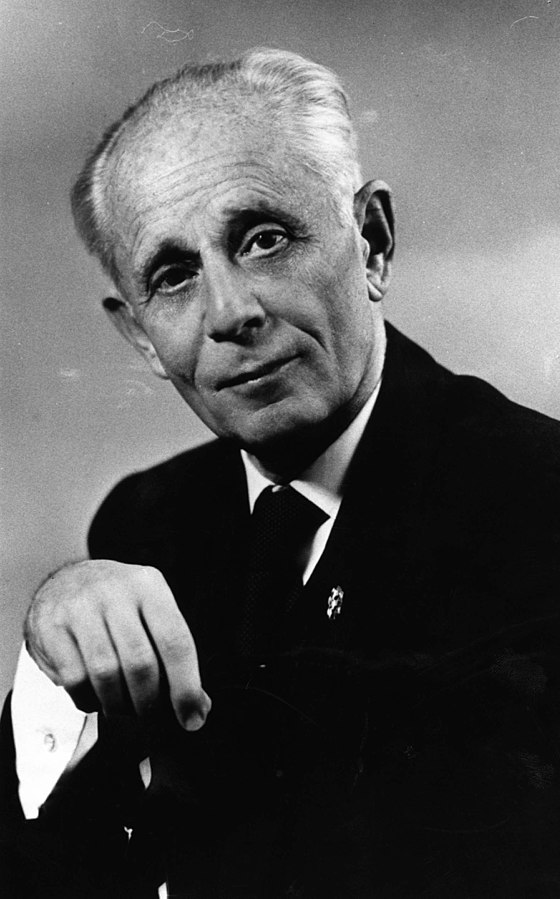
János Hugo Bruno “Hans” Selye CC (Hungarian: Selye János; 26 January 1907 to 16 October 1982) was a pioneering Hungarian-Canadian endocrinologist who conducted important scientific work on the hypothetical non-specific response of an organism to stressors.

Although he did not recognise all of the many aspects of glucocorticoids, Selye was aware of their role in the stress response. Charlotte Gerson considers him the first to demonstrate the existence of biological stress.

Hans Selye in the 1970s
Hans Selye in the 1970s.

Biography

Selye was born in Vienna, Austria-Hungary on 26 January 1907 and grew up in Komárom (the town with Hungarian majority in present day Slovakia was cut by the Treaty of Trianon in 1920). Selye’s father was a doctor of Hungarian ethnicity and his mother was Austrian. He became a Doctor of Medicine and Chemistry in Prague in 1929 and went on to do pioneering work in stress and endocrinology at Johns Hopkins University, McGill University, and the Université de Montréal. He was nominated for the Nobel Prize in Physiology or Medicine for the first time in 1949. Although he received a total of 17 nominations in his career, he never won the prize.

Selye died on 16 October 1982 in Montreal, Quebec, Canada. He often returned to visit Hungary, giving lectures as well as interviews in Hungarian television programs. He conducted a lecture in 1973 at the Hungarian Scientific Academy in Hungarian and observers noted that he had no accent, despite spending many years abroad. His book The Stress of Life appeared in Hungarian as Az Életünk és a stressz in 1964 and became a bestseller. Selye János University, the only Hungarian-language university in Slovakia, was named after him. Selye’s mother was killed by gunfire during Hungary’s anti-Communist revolt of 1956.

Stress Research

Selye’s interest in stress began when he was in medical school; he had observed that patients with various chronic illnesses like tuberculosis and cancer appeared to display a common set of symptoms that he attributed to what is now commonly called stress. After completing his medical degree and a doctorate degree in organic chemistry at the German University of Prague, he received a Rockefeller Foundation fellowship to study at Johns Hopkins in Baltimore and later moved to the Department of Biochemistry at McGill University in Montreal where he studied under the sponsorship of James Bertram Collip. While working with laboratory animals, Selye observed a phenomenon that he thought resembled what he had previously seen in chronic patients. Rats exposed to cold, drugs, or surgical injury exhibited a common pattern of responses to these stressors (A stressor is a chemical or biological agent, environmental condition, external stimulus or an event seen as causing stress to an organism).

Selye initially (circa 1940s) called this the “general adaptation syndrome” (at the time it was also called “Selye’s syndrome”), but he later rebaptised it with the simpler term “stress response”. According to Selye the general adaptation syndrome is triphasic, involving an initial alarm phase followed by a stage of resistance or adaptation and, finally, a stage of exhaustion and death (these phases were established largely on the basis of glandular states). Working with doctoral student Thomas McKeown (1912-1988), Selye published a report that used the word “stress” to describe these responses to adverse events.

His last inspiration for general adaptation syndrome came from an experiment in which he injected mice with extracts of various organs. He at first believed he had discovered a new hormone, but was proved wrong when every irritating substance he injected produced the same symptoms (swelling of the adrenal cortex, atrophy of the thymus, gastric and duodenal ulcers). This, paired with his observation that people with different diseases exhibit similar symptoms, led to his description of the effects of “noxious agents” as he at first called it. He later coined the term “stress”, which has been accepted into the lexicon of most other languages.

Selye argued that stress differs from other physical responses in that it is identical whether the provoking impulse is positive or negative. He called negative stress “distress” and positive stress “eustress“.

The system whereby the body copes with stress, the hypothalamic-pituitary-adrenal axis (HPA axis) system, was also first described by Selye.

Selye has acknowledged the influence of Claude Bernard (who developed the idea of milieu intérieur) and Walter Cannon’s “homeostasis”. Selye conceptualised the physiology of stress as having two components: a set of responses which he called the “general adaptation syndrome”, and the development of a pathological state from ongoing, unrelieved stress.

While the work attracted continued support from advocates of psychosomatic medicine, many in experimental physiology concluded that his concepts were too vague and unmeasurable. During the 1950s, Selye turned away from the laboratory to promote his concept through popular books and lecture tours. He wrote for both non-academic physicians and, in an international bestseller entitled The Stress of Life (1956). From the late 1960s, academic psychologists started to adopt Selye’s concept of stress, and he followed The Stress of Life with two other books for the general public, From Dream to Discovery: On Being a Scientist (1964) and Stress without Distress (1974).

He worked as a professor and director of the Institute of Experimental Medicine and Surgery at the Université de Montréal. In 1975 he created the International Institute of Stress, and in 1979, Selye and Arthur Antille started the Hans Selye Foundation. Later Selye and eight Nobel laureates founded the Canadian Institute of Stress.

In 1968 he was made a Companion of the Order of Canada. In 1976, he was awarded the Loyola Medal by Concordia University.

Controversy and Involvement with the Tobacco Industry

Although it was not widely known at the time, Selye began consulting for the tobacco industry starting in 1958; he had previously sought funding from the industry, but had been denied. Later, New York attorney Edwin Jacob contacted Selye as he prepared a defence against liability actions brought against tobacco companies. The companies wanted Selye’s help in arguing that the recognized correlation between smoking and cancer was not proof of causality. The firm offered to pay Selye $1000 to make a statement supporting this claim. He agreed but refused to testify. Tobacco industry lawyers reported that Selye was willing to incorporate industry advice when writing about smoking and stress. One lawyer advised him to “comment on the unlikelihood of there being a mechanism by which smoking could cause cardiovascular disease” and to emphasize the “stressful” effect that anti-smoking messages had on the US population.

Publicly, Selye never declared his consultancy work for the tobacco industry. In a 1967 letter to “Medical Opinion and Review”, he argued against government over-regulation of science and public health, implying that his views on smoking were objective: “I purposely avoided any mention of government-supported research because, being too largely dependent upon it, I may not be able to view the subject objectively. However, I do not use … cigarettes so let these examples suffice.” In June 1969, Selye (then director of the Institute of Experimental Pathology, University of Montreal) testified before the Canadian House of Commons Health Committee against anti-smoking legislation, opposing advertising restrictions, health warnings, and restrictions on tar and nicotine. For his testimony Selye was funded $50 000 per year for a 3-year “special project”, by William Thomas Hoyt (executive of Council for Tobacco Research) with another $50,000 a year pledged by the Canadian tobacco industry. His comments on smoking were used worldwide, Philip Morris (Tobacco company) used Selye’s statements on the benefits of smoking to argue against the use of health warnings on tobacco products in Sweden. Similarly, in 1977 the Australian Cigarette Manufacturers quoted Selye extensively in their submission to the Australian Senate Standing Committee on Social Welfare.

In 1999, the United States Department of Justice brought an anti-racketeering case against 7 tobacco companies (British American Tobacco, Brown & Williamson, Philip Morris, Liggett, American Tobacco Company, RJ Reynolds, and Lorillard), the Council for Tobacco Research, and the Tobacco Institute. As a result, the industry’s influence on stress research was revealed.

This page is based on the copyrighted Wikipedia article <https://en.wikipedia.org/wiki/Hans_Selye >; it is used under the Creative Commons Attribution-ShareAlike 3.0 Unported License (CC-BY-SA). You may redistribute it, verbatim or modified, providing that you comply with the terms of the CC-BY-SA.

On This Day … 21 May [2022]

People (Births)

  • 1912 – John Curtis Gowan, American psychologist and academic (d. 1986).

John Curtis Gowan

John Curtis Gowan (21 May 1912 to 02 December 1986) was a psychologist who studied, along with E. Paul Torrance, the development of creative capabilities in children and gifted populations.

John Curtis Gowan was born 21 May 1912 in Boston, Massachusetts. Graduating from Thayer Academy, Braintree, Massachusetts, in 1929, John Gowan was only 17 when he entered Harvard University, earning his undergraduate degree four years later. A master’s degree in mathematics followed; he then moved to Culver, Indiana, where he was employed as a counsellor and mathematics teacher at Culver Military Academy from 1941 to 1952. Earning a doctorate from UCLA, he became a member of the founding faculty at the California State University at Northridge, where he taught as a professor of Educational Psychology from 1953 until 1975, when he retired with emeritus status.

Dr. Gowan became interested in gifted children after the Russians gained superiority in space with the 1957 launch of Sputnik. He formed the National Association for Gifted Children the following year. He was the group’s executive director and president from 1975 to 1979 and over the years wrote more than 100 articles and fourteen books on gifted children, teacher evaluation, child development, and creativity.

While at Northridge, he developed a program to train campus counsellors, was nominated in 1973 as outstanding professor, and had been a counsellor, researcher, Fulbright lecturer, and visiting professor at various schools including the University of Singapore, the University of Canterbury in Christchurch, New Zealand, the University of Hawaii, and Connecticut State College. He was a fellow of the American Psychological Association and was also a colleague of the Creative Education Foundation.

Besides his work in Educational Psychology as specifically related to gifted children, he also had an interest in psychic (or psychedelic) phenomena as it relates to human creativity. His work in this area was inspired by the writings of Aldous Huxley and Carl Jung. Based on his work in creativity and with gifted children, Dr. Gowan developed a model of mental development that derived from the work of Jean Piaget and Erik Erikson, but also included adult development beyond the ordinary adult successes of career and family building, extending into the emergence and stabilisation of extraordinary development and mystical states of consciousness. He described the entire spectrum of available states in his classic Trance, Art, & Creativity (1975), with its different modalities of spiritual and aesthetic expression. He also devised a test for self-actualisation, (as defined by Abraham Maslow), called the Northridge Developmental Scale.

Dr. Gowan died on 02 December 1986. He was survived by his adult twin children from his first marriage, John Gowan Jr. of Albany, NY and Ann Gowan Curry, of Anchorage, Alaska as well as seven grandchildren and his second wife Jane Thompson Gowan. His godson, Cameron Scott Matheson sang at his memorial service which was attended by friends and colleagues.

On This Day … 20 May [2022]

People (Deaths)

  • 2014 – Sandra Bem, American psychologist and academic (b. 1944).

Sandra Bem

Sandra Ruth Lipsitz Bem (22 June 1944 to 20 May 2014) was an American psychologist known for her works in androgyny and gender studies.

Her pioneering work on gender roles, gender polarisation and gender stereotypes led directly to more equal employment opportunities for women in the United States.

On This Day … 19 May [2022]

People (Births)

  • 1920 – Tina Strobos, Dutch psychiatrist known for rescuing Jews during World War II (d. 2012).

People (Deaths)

  • 1987 – James Tiptree, Jr., American psychologist and author (b. 1915).

Tina Strobos

Tina Strobos, née Tineke Buchter (19 May 1920 to 27 February 2012), was a Dutch physician and psychiatrist from Amsterdam, known for her resistance work during World War II. While a young medical student, she worked with her mother and grandmother to rescue more than 100 Jewish refugees as part of the Dutch resistance during the Nazi occupation of the Netherlands. Strobos provided her house as a hiding place for Jews on the run, using a secret attic compartment and warning bell system to keep them safe from sudden police raids. In addition, Strobos smuggled guns and radios for the resistance and forged passports to help refugees escape the country. Despite being arrested and interrogated nine times by the Gestapo, she never betrayed the whereabouts of a Jew.

After the war, Strobos completed her medical degree and became a psychiatrist. She studied under Anna Freud in England. Strobos later emigrated to the United States to study psychiatry under a Fulbright scholarship, and she subsequently settled in New York. She married twice and had three children. Strobos built a career as a family psychiatrist, receiving the Elizabeth Blackwell Medal in 1998 for her medical work, and finally retired from active practice in 2009.

In 1989, Strobos was honoured as Righteous Among the Nations by Yad Vashem for her rescue work. In 2009, she was recognised for her efforts by the Holocaust and Human Rights Education Centre of New York City.

James Tiptree Jr.

Alice Bradley Sheldon (born Alice Hastings Bradley; 24 August 1915 to 19 May 1987) was an American science fiction and fantasy author better known as James Tiptree Jr., a pen name she used from 1967 to her death. It was not publicly known until 1977 that James Tiptree Jr. was a woman. From 1974 to 1985 she also used the pen name Raccoona Sheldon. Tiptree was inducted into the Science Fiction Hall of Fame in 2012.

Tiptree’s debut story collection, Ten Thousand Light-Years from Home, was published in 1973 and her first novel, Up the Walls of the World, was published in 1978. Her other works include 1973 novelette “The Women Men Don’t See”, 1974 novella “The Girl Who Was Plugged In”, 1976 novella “Houston, Houston, Do You Read?”, 1985 novel Brightness Falls from the Air, and 1990 short story “Her Smoke Rose Up Forever”.