An Overview of Services for Mental Disorders

Introduction

Services for mental health disorders provide treatment, support, or advocacy to people who have psychiatric illnesses. These may include medical, behavioural, social, and legal services.
Medical services are usually provided by mental health experts like psychiatrists, psychologists, and behavioural health counsellors in a hospital or outpatient clinic. Behavioural services go hand-in-hand with medical services, referring specifically to pharmacological and cognitive therapy. Social services are usually provided by the government or non-profit organisations. They arrange housing options, job training, or other community resources overseen by experienced professionals to ensure overall productivity and well-being of individuals with mental illnesses. Legal services ensure that people with mental health disorders are not discriminated against in society and advocate for their basic human rights. In addition, legal services make sure that those individuals who might be a danger to themselves or others are diverted away from the judicial system to receive adequate treatment for underlying mental health issues.

The information provided below is primarily regarding services offered within the US, unless otherwise specified.

Medical Services

There are several types of medical service settings that can serve to deliver mental health care or services. These include, but are not limited to family practice, psychiatric hospitals or clinics, general hospitals, and community mental or behavioural health centres. One medical service that is not used as much is the self-help plan. The self-help plan is where a person with mental illness addresses their condition then find strategies to get better. This may include addressing any triggers, recovery options or warning signs. Different services endorse different payment models. Some may be more government-based or patient-based, while others may endorse mixed-models payment systems. Not all service types or institutions are accessible by all patients. A considerable barrier surrounds the difficulty in finding in-network mental health care providers, given the backdrop of our current and critical nationwide shortage of mental health professionals.

Family practice or general practice centres in communities are often the first line for assessment of mental health conditions. The basic services provided may include prescribing psychiatric drugs and sometimes providing basic counselling or therapy for “common mental disorders.” Secondary medical services may include psychiatric hospitals, or clinics. However, given the trend towards the deinstitutionalisation of mental health hospitals – the movement of mental health patients out of the “asylum-based” mental health care system towards community-oriented care – psychiatric hospitals have been going out of favour, with services being directed to wards within general hospitals as well as more locally based community mental health services.

Mental health services may be provided either on an inpatient or, more commonly, an outpatient basis. A wide range of treatments may be provided to patients, with a mainstay of treatment being centred on psychiatric drugs. However, medication does not cure any mental illness but it does help manage symptoms. Various mental health professionals may be involved including psychiatrists, psychiatric and mental health nurses and, less commonly, non-medical professionals such as clinical psychologists, social workers, and various kinds of therapists or counsellors. Usually headed by psychiatrists and therefore based on a medical model, multidisciplinary teams may be involved in assertive community treatment and early intervention and may be coordinated via a case management system (sometimes referred to as “service coordination”).

Behavioural Therapy Services

Numerous services exist exclusively for the therapy of mental disorders and distress. Since symptoms vary across individuals, therapy is usually individualised for patients. All behaviours can be learned and also can be changed. Behavioural therapy is a method of therapy that is used to help identify unhealthy behaviours and to help change such behaviours. Methods exist that target numerous areas at once, such as integrative psychotherapy (an eclectic tailored mix of approaches). Integrative psychotherapists consider many factors when treating a patient, such as preferences, physical capabilities, or family support. In contrast to integrative psychotherapy, many approaches focus on particular areas. Cognitive behavioural therapy, psychodynamic therapy, interpersonal therapy, and dialectical behavioural therapy are all examples of approaches that have primary focuses when attempting to treat a patient. Conditions that can be treated by these therapies include anxiety, eating disorders, substance use disorders, obsessive compulsive disorders, and insomnia. The chosen therapy depends on several factors, with patient preference being a significant one.

Each type of therapy has its own strengths and weaknesses. Cognitive behavioural therapy is an attempt to allow patients to realise any inaccurate thoughts they may have and to allow them to perceive situations differently. Roughly about 75% of people who have used the cognitive behaviour therapy have experience a great outcome, which shows how effective this type of therapy is. There is also another type of cognitive therapy which is called cognitive behavioural play therapy. This therapy is particularly used for children. It is done by the therapist watching the child play then determining what the child is uncomfortable expressing. Psychodynamic therapy differs from cognitive behavioural therapy in that it is a longer-term therapy that usually requires more sessions for its effectiveness. Psychodynamic therapy is less structured and relies heavily on the relationship between the therapist and the patient. Although cognitive behavioural therapy has become the more favoured form of therapy, psychodynamic therapy continues to be viewed as the more effective treatment. When medication and psychodynamic are being used together it gives a higher chance of recovery. An integrative approach would allow one therapist to implement both cognitive behavioural therapy and psychodynamic therapy while treating the same patient. Interpersonal therapy is highly structured and is usually targeted at depression. There is evidence that suggests interpersonal therapy provides a benefit that is equal to pharmacologic therapy for depression. Dialectical behavioural therapy is an evidence-based psychotherapy that is usually used to treat suicidal behaviours. Each form of behavioural therapy uses different strategies to reach the goal of improving the quality of life for patients.

Social Services

Community-based social services often include supportive housing, clubhouses, and national hotlines. These resources may be provided by people who are successfully living with psychiatric disorders. Peer-led support encourage those individuals struggling with mental health disorders to seek self-help strategies and belong to social support network.

Supportive Housing

Supportive housing is an innovative solution that aims to provide permanent, accessible, and affordable housing options for individuals with mental health disorders. Additional help is often available to manage one’s finances, daily activities, and healthcare needs. Rent is usually less than 30% of one’s income and is further made affordable through rental assistance programmes offered by the government. It, also, provides access to public transportation as well as healthcare providers and other community resources. In supervised or partially-supervised supportive housing, trained staff may be present to help with medication management, paying bills, cleaning, cooking, and other day-to-day tasks. These environments are usually group home settings, where individuals have their own bedroom and bathroom but share common areas with other residents. Alternatively, individuals may also choose to live in independent supportive housing if they do not require frequent supervision regarding their activities of daily living. It is important to note that tenants have the freedom to choose which services they would like to utilise based on their degree of independence and unmet needs.

One of the limitations that prevent the widespread availability of supportive housing is the cost associated with hiring trained staff and maintaining the building as well as surrounding premises, while still keeping the rent affordable. However, studies have shown that the integrated services offered by supportive housing helps to decrease homelessness, incarceration rates, emergency room visits, and the number of days patients stay in a hospital. Such widespread effects can promote the lowering of costs associated with services in the above-mentioned areas and these funds can be diverted to sustain supportive housing projects.

Clubhouse Model

Clubhouses are community centres that are usually run by individuals who have a current or previous history of mental illness. The main purpose of these establishments is to promote rehabilitation and self-sufficiency of individuals by offering them employment opportunities. This includes access to community workshops, job training programmes, and educational opportunities. Additionally, clubhouse staff may maintain partnerships with local employers to provide full-time or part-time employment opportunities. Members, also, have access to social events and team-based activities, which helps them to develop a social support network.

Phone-Based Services

A mental health hotline is a free, confidential, and convenient way to receive information regarding various mental health services that are available in the community. The hotline is operated by trained employees and volunteers who can connect callers with the appropriate medical, legal, or social resources. There are no restrictions regarding how many times an individual may utilise a particular hotline. Some services may be available 24 hours a day, 7 days a week and via text messaging applications.

A few phone-based services exclusively deal with mental health emergencies or crisis situations, such as suicide and substance abuse. Suicide prevention lifelines are operated by mental health counsellors or community volunteers. They are trained to identify suicide risk, de-escalate an emergent crisis, and provide emotional support for those in distress. Substance abuse and relapse helplines provide behavioural support to those struggling with addiction as well as connect them with rehabilitation centres for treatment.

Phone-based services also allow for providers to remove language barriers. This is due to the fact that there are several online translation services in order to record and relay information in real time, across several different languages. By eliminating language barriers, providers are also able to prevent patients from experiencing social prejudice. Patients can now reach out to a wider variety of providers and are no longer bound to their local community practitioners, where there could be added stigma.

Telehealth Services

The use of Telehealth, health related services distributed electronically, has exploded in popularity across the world of medicine following the 2019-2020 COVID-19 pandemic. Remote health services have opened up a new dimension for healthcare providers to provide care to patients with efficiency and a wider range of accessibility. The inclusion of mental health services in this expansion has helped dispel the belief that mental health is not capable of being done electronically and has opened up new possibilities in the field of mental health services, and service provision. There are still limits restricting Telehealth including the fact that many people still do not have access to technology such as phones and computers, and that it cannot replace more intensive treatment settings.

Apps Providing Psychological Services

Mental health apps are an increasingly popular means of providing mental health services. They are cost effective, easy to access at almost any location, affordable, anonymous, can provide around the clock support, can reach a greater number of people, and are capable of providing a supporting role to other services for mental disorders. Even though apps have great potential to accomplish new and innovative goals in the field of mental health, they do still have some limitations. Not everyone has access to technology through which the apps can be run, there are elements of data collection which may make some users uncomfortable, there is not much regulation of these mental health services, and the apps may turn people away from using harder to access but more provenly effective services that they could benefit from.

Legal Services

Legal services supervise the involuntary commitment or outpatient commitment of those judged to have mental disorders and to be a danger to themselves or others. Some legal organisations provide specialised services for those diagnosed with mental disorders who may be challenging discrimination or involuntary commitment.

Mental health courts are specialised court dockets that provide community treatment and supervision in lieu of incarceration for criminal offenders with mental illness. A judge assesses the defendant’s background as well as the influence of his or her mental disorder on the committed crime. A team of mental health professionals and legal advisors ensures that a particular mental health treatment programme provides appropriate opportunities for rehabilitation and prevent future criminal behaviour. The defendant is given the choice to decide if they want to participate in the treatment, unless they are unable to provide informed consent. In such cases, a conservator could make treatment decisions on behalf of the defendant and may give permission to use medications, if appropriate. Successful completion of the programme may result in reduced sentences or all charges against the defendant to be dropped.

Global Situation

Statistics

In 2017, more than 970 million or 1-in-7 individuals were purported to have one or more mental or substance use disorder(s). Anxiety and depressive disorders were, by far, the most attributed. Moreover, around 5%, and up to 12%, of global disease burden was attributable to mental or substance use disorders. Countries that have the greatest disease burden from mental or substance use disorders include Kuwait, Qatar, Australia, among others.

A Global Mental Health Group in coordination with the World Health Organisation has called for an urgent scaling up of the funding, staffing and coverage of services for mental disorders in all countries, especially in low-income and middle-income countries.

According to the Recovery model, services must always support an individual’s personal journey of recovery and independence, and a person may or may not need services at any particular time, or at all. The UK is moving towards paying mental health providers by the outcome results that their services achieve.

Traditional and Alternative Services

Traditional healing centres are popular worldwide and provide accessible mental health services for the native population. This community-based practice is led by folk healers, who use herbal remedies, spiritual rituals, and indigenous perspectives to provide comfort for individuals. These services are highly culture-specific and, therefore, its structure varies across the globe. Traditional healing approaches are sometimes used alongside conventional or western medicine.

In addition, each country has its own view on mental health disorders. While many nations share advocacy for mental health, there are still several countries that stigmatize medical or behavioural treatment for these disease states. Examples of these are Canada and China, such that both have high mental health illness rates but low utilisation rates of mental health services. While the cause of this is unknown, it is believed to be due to general stigma in those communities towards seeking help for mental health.

Problems with Mental Health Services

Expanding Increase in Demand

As awareness of mental health increases more and more people require mental health services. According to studies in 2023 over half of adults (54.7%) suffering from a mental illness are not receiving treatment, and almost a 3rd (28.2%) of adults with mental illness cannot get the treatment they need. There is increasing demand for new paths to provide mental services such as telehealth to make the distribution of services more streamlined along with need for more service providers to account for growing demand for treatment.

Struggle to Provide Services for Underserved Communities

Service providers for mental health have long struggled to provide adequate care for underserved communities such as minorities, the homeless, and incarcerated populations. These groups generally are in need of greater amounts of care in part due to the adversities that have both created and perpetuated their situations like systemic racism, troubled backgrounds, access to housing, and poverty. There are barriers to access for mental health services that continue to make them inaccessible such as high cost, language barriers, and access to providers in many communities.

Systemic Barriers

Many governments across the globe continue to neglect the importance of mental health services. The United States for example continues to not provide healthcare accommodation for mental health services and struggles to fulfil policies like The Mental Health and Addiction Parity Act of 2008 that are intended to make mental health services more accessible. Many governments continue to fail to recognise mental health services as important facets of healthcare and properly provide for them. Many countries still consider mental health a problem of which only high earning countries face and fail to recognize mental health as a developing struggle that affects people of all backgrounds.

Push Toward Change

There is an increasing push for new innovative ways to provide mental health services. Telehealth has been a massively eye opening success following its widespread usage during the 2019-2020 COVID-19 Pandemic and has changed the belief that mental health services cannot be useful when provided electronically. Suggestions such as governmental change and the creation of workers who bring mental health services to hard to reach communities and individuals have been theorised to be possible solutions. Apps for psychological services are also looked at as a promising new development that could greatly expand people’s access to psychological services in the future due to their numerous benefits such as convenience, anonymity, and outreach.

This page is based on the copyrighted Wikipedia article < https://en.wikipedia.org/wiki/Services_for_mental_disorders >; it is used under the Creative Commons Attribution-ShareAlike 3.0 Unported License (CC-BY-SA). You may redistribute it, verbatim or modified, providing that you comply with the terms of the CC-BY-SA.
What is the National Empowerment Centre?

Introduction

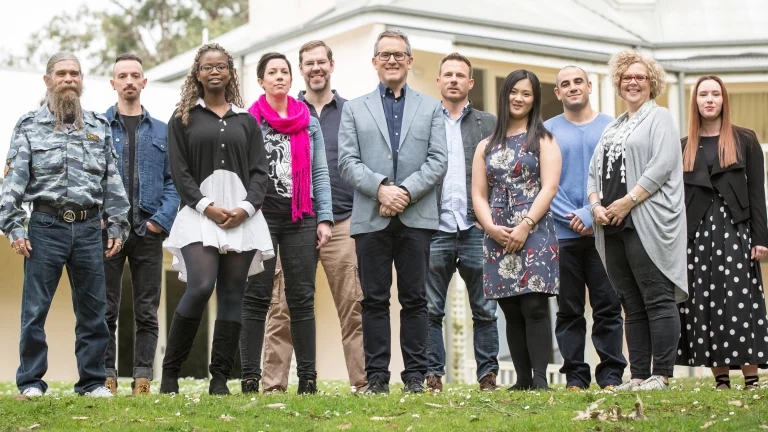
The National Empowerment Centre (NEC) is an advocacy and peer-support organisation in the United States (US) that promotes an empowerment-based recovery model of mental disorders. It is run by consumers/survivors/ex-patients “in recovery” and is located in Lawrence, Massachusetts in Essex County.

Brief History

The self-stated mission of NEC is to carry a message of recovery, empowerment, hope and healing to people who have been labelled with mental illness diagnosis. It argues that recovery and empowerment are not the privilege of a few but a process that is possible for everyone to embark on and find help with. Although unconventional to those accustomed only to a narrow medical model, the model is part of a recovery movement that comprises an emerging consensus.

NEC and other groups are working to implement the transformation to a recovery-based system recommended by the New Freedom Commission on Mental Health. It operates a toll-free information and referral line. It organises and speaks at conferences. Its staff have published in professional journals, scholastic books, popular press and alternative publications. NEC has “been involved” in many national boards and committees and in policy consultations at the White House, in Congress, in federal agencies such as HUD, the Social Security Administration, HCFA, the Joint Commission on Hospital Accreditation, and The President’s Commission on Disability, and at the regional and local level with organisations such as HMOs and state divisions of mental health programmes. It has developed educational, training and self-help resources. NEC staff have been featured by CNN, USA Today, The Boston Globe, National Public Radio and talk and radio shows in the US, Canada, Europe and other countries.

NEC conducted qualitative research with people who were severely mentally ill but have met criteria for recovery, from which 13 major principles of how people recover were extracted:

  1. Trusting Oneself and Others
  2. Valuing Self-Determination
  3. Believing You’ll Recover and Having Hope
  4. Believing in the Person’s Full Potential
  5. Connecting at a Human, Deeply Emotional Level
  6. Appreciating That People Are Always Making Meaning
  7. Having a Voice of One’s Own
  8. Validating All Feelings and Thoughts
  9. Following Meaningful Dreams
  10. Relating With Dignity and Respect
  11. Healing From Emotional Distress
  12. Transformation From Severe Emotional Distress
  13. Recovery From Mental Illness

NEC research also identified characteristics distinguishing those in illness and those “in recovery”:

  • Dependent vs self-determining
  • Mental health system support vs Network of friends support
  • Identify solely as consumer or mental patient vs identify as worker, parent, student or other role
  • Medication essential vs one tool that may be chosen
  • Strong emotions treated as symptoms by professionals vs worked through and communicated with peers
  • Global Assessment of Functioning (GAF) score of 60 or below and untrained person would describe labeled person as sick vs score of 61 or above and untrained person would describe the recovered person as not sick (normal)
  • Weak sense of self defined by authority and little future direction vs strong self defined from within and peers, strong sense of purpose and future

NEC developed an approach termed Personal Assistance in Community Existence (PACE). It is based on the premise that people can potentially recover fully from even the most severe forms of mental illness, and on an Empowerment Model of Recovery and prevention. It is an education programme to help shift the culture of mental health from institutional thinking to recovery thinking, designed for people training to become peer coaches, people furthering their recovery, and people learning new skills to help others. It has previously been deliberately contrasted with “PACT” – Program of Assertive Community Treatment – a form of outpatient commitment that was originally designed to enable people to live in the community, rather than in psychiatric hospitals, but according to NEC has become a “coercive, lifelong, and nonclient-directed system with medication compliance as its most important tenet” NEC conducted a national survey of the use of PACE in the mental health system.

NEC co-founder Patricia Deegan was featured on the award-winning radio show a “This American Life” in “Edge of Sanity,” first aired on 1997. Deegan herself is a psychologist who became highly successful despite multiple psychiatric hospitalisations. She was diagnosed as having schizophrenia as a teenager.

Founders

The co-founder and executive director is Daniel B. Fisher, now a board-certified psychiatrist. A graduate of Princeton University, he completed a PhD in biochemistry at the University of Wisconsin, medical training at George Washington University, and a psychiatric residency at Harvard Medical School. While working as a biomedical researcher at the National Institute of Mental Health before he was a psychiatrist, Fisher had a psychotic episode including hallucinations and delusions. After three months at Bethesda Naval Hospital at age 25, which included forced seclusion and antipsychotic haloperidol, he was discharged with a diagnosis of schizophrenia. He was involuntarily hospitalised three times. He reports being influenced by those who were able to show they cared about the person inside and gave him hope that he might some day recover. He went on to become a psychiatrist. He was told during psychiatric training that “You can’t talk to an illness” but believed that talking to the person inside is a key method for building trust and recovery. He has since worked as a psychiatrist in hospitals and clinics, while also being a part of the consumer movement. He said that a very significant part of the reason for becoming a psychiatrist was wanting to bring to the field what he wished had been there when he was going through psychosis He was a member of the White House Commission on Mental Health, 2002-2003.

Laurie Ahern and Patricia Deegan were the co-founders and directors of NEC for several years.

This page is based on the copyrighted Wikipedia article < https://en.wikipedia.org/wiki/National_Empowerment_Center >; it is used under the Creative Commons Attribution-ShareAlike 3.0 Unported License (CC-BY-SA). You may redistribute it, verbatim or modified, providing that you comply with the terms of the CC-BY-SA.

An Overview of Disability Rights International

Introduction

Disability Rights International (DRI), formerly Mental Disability Rights International, is a Washington, DC–based human rights advocacy organisation dedicated to promoting the human rights and full participation in society of persons with disabilities worldwide. DRI documents conditions, publishes reports, and promotes international oversight of the rights of persons with disabilities.

DRI was founded in 1993 by attorney Eric Rosenthal and jointly established by the Washington College of Law Centre for Human Rights and the Bazelon Centre for Mental Health Law. Since 1993, DRI has expanded offices into three countries including Serbia, Mexico, and Ukraine.

Reports and Press Coverage

Since its founding, DRI has published reports on conditions and experiences of persons with disabilities including:

  • Human Rights and Mental Health: Uruguay (1995)
  • Human Rights and Mental Health: Hungary (1997)
  • Human Rights and Mental Health, Mexico (2000)
  • Human Rights of People with Mental Disabilities, Kosovo (2002)
  • Human Rights and Mental Health in Peru (2004)
  • Behind Closed Doors: Human Rights Abuses in the Psychiatric Facilities, Orphanages and Rehabilitation Centres of Turkey (2005)
  • Hidden Suffering: Romania’s Segregation and Abuse of Infants and Children with Disabilities (2006)
  • Ruined Lives: Segregations from Society in Argentina’s Psychiatric Asylums (2007)
  • Torment Not Treatment: Serbia’s Segregation and Abuse of Children and Adults with Disabilities (2007)
  • The Rights of Children with Disabilities in Vietnam: Bringing Vietnam’s Laws into compliance with the UN Convention on the Rights of Persons with Disabilities (2009)
  • Torture Not Treatment: Electric Shock and Long-Term Restraint in the United States on Children and Adults with Disabilities at the Judge Rotenberg Centre (2010)
  • Abandoned and Disappeared: Mexico’s Segregation and Abuse of Children and Adults with Disabilities (2010)
  • Guatemala: Precautionary Measures Petition to the Inter-American Commission on Human Rights (2012)
  • The Rights of Persons with Mental Disabilities in the new Mexican Criminal Justice System (2013)

DRI has an article in UNICEF’s 2013 State of the World’s Children Report focused on children with disabilities.

On 27 June 2009, MindFreedom International announced that Laurie Ahern had been named president of DRI.

Worldwide Campaign to End the Institutionalisation of Children

Founded by President Laurie Ahern, DRI has led a campaign worldwide campaign to end the institutionalisation of children. The goal of the Worldwide Campaign to End the Institutionalisation of Children is to challenge underlying policies that lead to abuses against children on a global scale. One of the main drivers of institutionalisation – particularly in developing countries – is the use of misdirected foreign assistance funding to build new institutions or rebuild old crumbling facilities, instead of providing assistance and access to services for families who want to keep their children at home. Disability Rights International will document the role of international funders in perpetuating the segregation of children with disabilities.

Findings by DRI on conditions of institutionalised children includes:

  • In Mexico, there is almost no official oversight of children in private institutions, and children have literally “disappeared” from public record. Preliminary evidence suggests that children with disabilities have been “trafficked” into forced labour or sex slavery;
  • In the United States, children with autism and other mental disabilities living at a residential school in Massachusetts are being given electric shocks as a form of “behaviour modification”;
  • Children with autism in Paraguay and Uruguay were found locked in cages;
  • In Turkey, children as young as 9 years old were being given electro-shock treatments without anaesthesia until we exposed the barbaric treatment;
  • In Romania, we found teenagers with both mental and physical disabilities hidden away in an adult psychiatric institution – near death from intentional starvation. Some of the teens weighed less than 30 pounds; and
  • In Russia, we uncovered thousands of neglected infants and babies in the “lying down rooms”, where row after row of babies with disabilities both live and die in their cribs.

International Policy Advocacy

DRI has advocated in over 25 countries. Primarily, DRI has focused on:

  • Promoting worldwide recognition of abuse as torture
  • Recognition of international disability rights in the United States
  • Promoting the CRPD in international oversight and enforcement systems
  • Working to end international support for new institutions and segregated service systems

As a result of DRI’s work:

  • Brought about worldwide recognition of disability rights as international human rights
  • Documented abuses and supported activists in 25 countries of Central and Eastern Europe, the Americas, Asia and the Middle East
  • Helped to draft the United Nations Convention on the Rights of Persons with Disabilities, recently signed by President Obama and ratified by more than 70 countries
  • Exposed and closed abusive institutions and fostered the creation of human and dignified services, allowing people with disabilities to live in the community
  • Eradicated the use of cages in several countries where children and adults with disabilities were imprisoned for years
  • Used international human rights legal systems to protect the human rights of people with disabilities
  • Stopped the use of unmodified ECT (shock treatment without anaesthesia) in Turkey to which more than 15,000 children and adults were subject every year
  • Pressured the European Union (EU) to add disability rights to the EU’s human rights considerations for EU membership
  • Created disability advocacy movements in countries where there were none
  • Succeeded in including protection for children and adults with disabilities, warehoused and abused for a lifetime, under the United Nations Convention Against Torture

Women’s Rights Initiative

DRI’s Women’s Rights Initiative focuses on challenging the “double discrimination” women with disabilities face—both because of their gender and disability. DRI documents and exposes abuses against this population, sensitises government authorities and civil society organisations about the importance of addressing disability from a gender perspective, and works with women’s rights groups to encourage them to include a disability perspective in their agenda. DRI’s recent work in this area includes:

  • Mexico: DRI helped establish a Women’s Committee formed by women with a psychosocial disability that belong to the Colectivo Chuhcan, Mexico’s first advocacy organization run by persons with psychosocial disabilities. DRI helps empower these activists to become spokespersons for women with psychosocial disabilities at the local and national level.
  • Guatemala: After documenting sexual abuse and trafficking of women and girls with disabilities in a Guatemalan psychiatric hospital, DRI filed a petition with before the Inter-American Commission on Human Rights (IACHR). The IACHR ordered Guatemala to take urgent measures to protect the women detained in this facility. DRI is currently working with the Guatemalan government to ensure that an end is brought to the sexual abuse and trafficking against women and girls.
  • Ukraine: Ukraine’s local office focuses on the rights of women and children who are institutionalised or at-risk of institutionalisation. DRI has documented numerous abuses against women in Ukraine’s institutions, including: non-consensual medical abortions; forced birth control and gynaecological exams; and forced separation of mothers from their children. DRI’s local office in Ukraine also reaches out to and empowers women recovering from eating disorders — a population which is at high-risk for psychiatric institutionalisation.

Serbia Controversy

Notably, in November 2007, DRI released a controversial report on conditions in psychiatric institutions in Serbia. DRI’s report, which showed pictures of emaciated children and adults tied to beds, called many of the abuses “tantamount to torture”. On an NBC News report before the report released, a Serbian official admitted that problems existed. Following the release of the report, however, Serbian Prime Minister Vojislav Kostunica described the allegations raised as “malicious”. Five days after the report released, members of the European Committee for the Prevention of Torture arrived to assess the problem of abuse in mental institutions in Serbia. Serbian government representatives promised to improve conditions in Serbian institutions.

Awards

Henry Viscardi Achievement Awards (2013)

Laurie Ahern, President of DRI received the prestigious award given by Viscardi centre to exceptional leaders in the field of disability activism.

Charles Bronfman Award (2013)

DRI was awarded the Charles Bronfman Award recognising DRI’s work in awakening the world’s conscience to protect the human rights of children and adults with disabilities; documenting the segregation and abusive treatment of people with disabilities in dozens of countries; training and inspiring disability and human rights activists; and appealing to governments and world bodies to protect a vulnerable and overlooked population.

Senator Paul and Mrs. Sheila Wellstone Mental Health Visionary Award (2009)

Disability Rights International was awarded the 2009 Wellstone Award. The Award was established by the Washington Psychiatric Society to recognise visionary work and actions benefiting parity in mental health, and fighting the stigma of discrimination of mental illness.

American Psychiatric Association’s Human Rights Award (2009)

Disability Rights International was awarded the APA’s 2009 Human Rights Award, bestowed by the Council on Global Psychiatry, a component of the APA. The Human Rights Award was established in 1990 to recognise individuals and organisations that exemplify the capacity of human beings to protect others from damage related to the professional, scientific, and clinical dimensions of mental health, at the hands of other human beings. Past recipients of the APA Human Rights Award include President Jimmy Carter and Roselyn Carter, Senators Paul Wellstone and Pete Domenici, Justice Richard Goldstone and Physicians for Human Rights.

Henry B. Betts Award (2008)

Eric Rosenthal, executive director of Disability Rights International was awarded the prestigious Henry B. Betts Award by the American Association of People with Disabilities. The Betts Award is named in honour of Henry B. Betts, M.D., a pioneer in the field of rehabilitation medicine who started his career with the Rehabilitation Institute of Chicago in 1964 and has devoted himself to improving the quality of life for people with disabilities.

Thomas J. Dodd Award in International Justice and Human Rights (2007)

The Thomas J. Dodd Research Centre at the University of Connecticut awarded Disability Rights International the 2007 Thomas J. Dodd Prize in International Justice and Human Rights Prize. Disability Rights International was awarded for its efforts in advancing the cause of international justice and global human rights.

This page is based on the copyrighted Wikipedia article < https://en.wikipedia.org/wiki/Disability_Rights_International >; it is used under the Creative Commons Attribution-ShareAlike 3.0 Unported License (CC-BY-SA). You may redistribute it, verbatim or modified, providing that you comply with the terms of the CC-BY-SA.
A Brief Overview of Advocacy in Fife (Scotland)?

Introduction

This short article aims to introduce key concepts about advocacy in Fife, Scotland, including:

  • The importance of advocacy;
  • The principles and standards;
  • Types of advocacy; and
  • The services available for children, younger people, adults and older people in Fife.

Read in conjunction with What is Advocacy?.

What is Advocacy?

Advocacy IS:

  • Supporting people to speak about issues important to them;
  • A safeguarding role;
  • Supporting people to make their own choices and decisions;
  • Supporting people to have their views heard and increase their self-confidence; and
  • Representing the views of people when they are unable to do so for themselves.

Advocacy IS NOT:

  • Counselling;
  • Mediation;
  • Care/support;
  • Telling somebody what to do; or
  • Befriending.

What are the Two Types of Advocate?

  • Citizen Advocates:
    • Are volunteers from all walks of life who want to help others in their community.
    • They are a friend, an ally and a spokesperson and they take time out of their busy lives to support people who may not otherwise be able to put their own interests forward.
    • Advocates may help their partner with practical support and advice, or just be someone to turn to for moral support.
  • Advocacy Partners:
    • Are vulnerable adults looking for support and someone to speak up for them.
    • Partners are generally people with learning disabilities or other issues that mean they may risk isolation, social exclusion or unfair treatment.
    • Partners may also have a mental health need, physical disability or long-term (chronic) health condition that means they are at risk of being unable to safeguard their rights.
    • Partners may be people living independently, in long-term care or in supported housing.

What is an Advocacy Relationship?

  • An advocacy relationship is a mutual partnership in which the advocate’s sole loyalty is to their partner.
  • It is not a service provided to the person with a disability but a relationship of friendship and support between two individuals.

What is the Importance of Advocacy?

Independent advocacy services are critical to safeguarding and empowering those people who are most vulnerable and at risk be enabling them to express their views and to have their voice heard.

Advocacy has to main themes:

  • Safeguarding people who are in situations where they are vulnerable; and
  • Speaking up for and with people who are not being heard, helping them to express their views and make their own decisions and contributions.

What are the Principles and Standards of Independent Advocacy?

Independent advocacy should be provided by an organisation whose sole role is independent advocacy, or whose other tasks either compliment or do not conflict with the provision of independent advocacy. If the service or advocate has a conflict of interest, they should withdraw from acting for the person.

  • Listening:
    • Ensures people are listened to and their views are taken into account.
    • Recognises and safeguards everyone’s right to be heard.
    • Reduces the barriers people face in having their voice head because of communication, capacity, the political, social, economic and personal interests.
  • Loyalty:
    • Is loyal to the people it supports, and stands by their views and wishes.
    • Provides no others services, has no other interests, ties or links other than delivery, promotion, support and defence of independent advocacy.
    • Must be able to evidence and demonstrate its structural, financial, and psychological independence from others.
    • Follows the agenda of the people supported, regardless of the views, interest and agendas of others.
  • Upholding Rights:
    • Stands up to injustice, discrimination and disempowerment.
    • Enables people to have greater control and influence.
    • Challenges discrimination and promotes equality and human rights.
    • Recognises power imbalances, or the barriers people face, and takes steps to address these.

What are the Types of Independent Advocacy?

Below are some of the most common types of independent advocacy services:

  • Individual Advocacy:
    • Professional, or issue-based advocacy, involves a professional advocate providing expert and specialist knowledge to help resolve a particular issue. The relationship is normally short-term.
    • Citizen advocacy is a person-based service that usually, but not always, takes place on a longer-term basis The advocate is usually an unpaid volunteer, who builds a trusting relationship with a person, and supports them to resolve any issues they have. This ensures that individuals have an active life within the community.
  • Non-Instructed Advocacy:
    • Can be provided by professional or citizen advocates. It happens when a person cannot tell an advocate what they want. This may be because the person has complex needs, and/or limited communication, which prevent them from clearly stating their wished and desires.
    • The advocate observes the person, tries different ways of communicating with them, and will speak to significant others in the person’s life.
  • Group Advocacy:
    • Group advocacy, or collective self-advocacy, is designed to allow people with the same concerns, issues or experiences to provide support to each other and highlight issues or campaign for improvement. The groups are run by members, for members, and are supported by a development worker.
  • Peer Advocacy:
    • This is provided by an individual who has gone through similar experiences. This arrangement can help to reassure the person, who is be advocated for, that the individual providing the advocacy understands them and their situation.
  • Children’s Rights Services:
    • The nature of Children’s Right Services is very similar to professional advocacy. It aims to ensure that a child’s rights are fully taken into account when decisions are made about them. Generally, this service is focussed on providing support for children and young people who have been in the care system, or who are subject to a child protection case conference.
    • The service supports the child or young person at reviews and other complex meetings, helping them to express their views and wishes in all decisions affecting them. This advocacy allows children and young people to contribute to statutory child’s plans.

What are the Adult Eligibility Criteria?

Within Fife, Scotland, the eligibility criteria for adults and older people includes:

  • People in Fife aged 16 or over;
  • People affected by disability;
  • People affected by chronic illness;
  • People with dementia or mental disorder (including mental illness, learning disability or personality disorder); and
  • Individuals who are unable to safeguard their own well-being, rights, care, or other interests.

What are the Professional Advocacy Services for Available for Adults and Older People in Fife?

  • Fife Women’s Aid (FWA):
  • Fife Forum:
    • A voluntary sector advice and information agency.
    • Established in 1990 as the Fife Elderly Forum Executive.
    • Provides advocacy for people over 65 who are in community hospitals, residential homes, or nursing care homes.
    • http://www.fifeforum.org.uk.
  • Fife Carers Centre:
  • Kindred:
  • Circles Network:
  • Fife Advocacy Forum (FVA):
    • Provides professional advocacy to children subject to compulsory measures under the Mental Health (Care and Treatment) (Scotland) Act 2003.
    • http://www.fifeadvocacyforum.org.uk.

What are the Citizen Advocacy Services for Adults and Older People in Fife?

  • Citizen advocates are unpaid and independent of service providers and families.
  • They are members of the local community.
  • Fife has three (3) citizen advocacy organisations who provide support on a longer term basis for people aged 16-65.
  • Shorter term advocacy is also available when someone would benefit from a citizen advocacy relationship to resolve a specific issue.

Organisations include:

What are the Group/Peer Advocacy Services for Adults and Older People in Fife?

  • People First (Scotland) work to support people with learning difficulties to have more choice and control over their lives.
  • Peer advocacy refers to one-to-one support provided by advocates with a similar disability or experience to a person using the service(s).
  • Trained and supported volunteers often provide peer advocacy as part of a coordinated project.
  • They facilitate seventeen (17) local advocacy groups in Fife, including two (2) women only groups and two (2) men only groups.
  • People First workers will support individuals to find a suitable local group for their needs.
  • http://peoplefirstscotland.org/.

What are the Advocacy Services for Children and Young People in Fife?

  • Who Cares? Scotland:
    • Provides professional advocacy for young people up to the age of 25.
    • These young people will either have been, or will be, resident in Fife’s residential homes.
    • http://www.whocaresscotland.org/.
  • Kindred:
  • Fife Young Carers:
  • Circles Network:
    • Provides professional advocacy to children subject to compulsory measures under the Mental Health (Care and Treatment) Act 2003.
    • http://circlesnetwork.org.uk/.
  • Believe in Children (Barnardo’s):
    • Provides a children’s rights and advocacy service to children and young people in secure or purchased residential placements.
    • Children looked after at home, in kinship care, foster care, or children and young people who are subject to multi-agency statutory child’s plans can also access advocacy through Barnardo’s.
    • http://www.barnardos.org.uk/fifeservices/.

Further Reading

  • Fife Advocacy Strategy 2018-2021.
  • Carers Strategy for Fife 2018-2021.
  • Advocacy in Fife (Information Leaflet).
  • Fife Adult Support and Protection (webpage).
  • Fife Health and Social Care Strategic Plan 2016-2019.

What is the Treatment Advocacy Centre?

Introduction

The Treatment Advocacy Center (TAC) is a US non-profit organisation based in Arlington, Virginia, US.

The organization, originally announced as the NAMI Treatment Action Centre in 1997, was subsequently directed by psychiatrist E. Fuller Torrey, and identifies its mission as “dedicated to eliminating barriers to the timely and effective treatment of severe mental illness”.

The organisation is most well-known for proposed laws, policies, and practices in the areas of legally compelled outpatient services or outpatient commitment for people diagnosed with mental illness (also known as assisted outpatient treatment, AOT). The organisation identifies its other key issues as “anosognosia, consequences of non-treatment, criminalization of mental illness, psychiatric bed shortages, public service costs, violence and mental illness”. TAC has been subject to criticism by mental health advocates to be promoting coercion and forced treatment.

Brief History

Although according to the TAC website, E. Fuller Torrey founded the Treatment Advocacy Centre in 1998 as an offshoot of the National Alliance on Mental Illness (NAMI), other sources indicate that the original name was the NAMI Treatment Action Centre. Laurie Flynn, the NAMI director at the time, stated in a press release, “It’s a national disgrace that, in this age of remarkable progress in brain research and treatment, so many individuals are left out in the cold”. TAC received initial financial support from Theodore and Vada Stanley, founders of the Stanley Medical Research Institute; TAC was founded as an affiliate organisation with a separate executive director and board. The organisation operates with funding from the affiliated Stanley Medical Research Institute, a non-profit organization which provides funding for research into bipolar disorder and schizophrenia in the United States. Torrey is currently a member of the Treatment Advocacy Centre’s board and is executive director of the Stanley Medical Research Institute. The relationship between Torrey and NAMI seemed to sour according to sources, with Torrey being disinvited from NAMI’s national convention in 2012 after advocates protested his TAC involvement and promotion of outpatient commitment.

Areas of Focus

The Treatment Advocacy Centre activities and projects include:

  • Developed a template law for legally mandated outpatient mental health treatment.
    • Released in 2000, the draft text is meant as a legal framework for authorising court-ordered treatment of individuals diagnosed with mental illness who are determined by the court to meet certain legal criteria around dangerousness to self or others or inability to care for oneself due to a mental illness.
  • Research and study into public policy and other issues related specific to serious mental illness.
  • Education of policymakers and judges regarding TAC’s viewpoint on serious mental illness; TAC’s opinion is that more legally mandated treatment and increases in hospital beds will improve care.

Controversy

TAC’s major focus on legally mandated treatment is opposed by other advocacy groups. The Bazelon Centre for Mental Health Law in a statement on forced treatment states “[n]ot only is forced treatment a serious rights violation, it is counterproductive. Fear of being deprived of autonomy discourages people from seeking care. Coercion undermines therapeutic relationships and long-term treatment.” Daniel Fischer, founder of National Coalition for Mental Health Recovery, described outpatient commitment as a “a slippery slope” back to the kind of mass institutionalization seen in the 1940s and ’50s”.

What is the Mental Disability Advocacy Centre?

Introduction

The Mental Disability Advocacy Centre (MDAC) is an international human rights organisation founded in Hungary in 2002.

It is headquartered in Budapest.

Background

The MDAC is an international human rights organisation which advances the rights of children and adults with learning, intellectual and psycho-social (mental health) disabilities.

MDAC uses the law to promote equality and social inclusion through strategic litigation, advocacy, research and monitoring and capacity-building.

MDAC operates at the global level as well as regional and domestic levels in Europe and Africa.

Brief History

MDAC was founded by The Open Society Foundations (OSF) and was registered as a foundation by the Budapest Capital Court (registration number 8689) in November 2002. MDAC has participatory status with the Council of Europe, and was granted a special consultative status with the United Nations Economic and Social Council in 2011. MDAC is a member of the Fundamental Rights Platform of the European Union Agency for Fundamental Rights.

Beneficiaries

People with learning, intellectual and psycho-social (mental health) disabilities are excluded from economic, civil, social and political rights, including the right to education, health and to vote. They are also denied their personhood under the law, and can be placed in institutions against their will.

Objectives

MDAC’s objectives focus on the rights of people with intellectual, learning and psycho-social (mental health) disabilities to be free from abuse, be persons recognised by the law and have access to justice, to live in the community, be educated and to take part in society.

  • Freedom from ill-treatment: for people with disabilities to be not secluded from the rest of society nor be subjected to physical and chemical restraints, and to be treated only with their consent.
  • Legal capacity: for people with disabilities to have their right to make their own choices protected by law.
  • Community living: for people with disabilities to have a legal right to live in the community, and a legally enforceable choice as to where and with whom to live.
  • Inclusive education: for children, youth and adults with disabilities to have a legal right to be educated and learn alongside the rest of the community, and not be segregated.
  • Political participation: for people with disabilities to have the right to vote and stand for election, and be assisted in doing so.

Activities

These include creating progressive jurisprudence and law reform, empowering people with disabilities and promoting participatory politics, supported by research.

  • Defending disabled people’s rights in courts across Europe and Africa, setting precedent at European Court of Human Rights and other courts, training lawyers and providing legal advice and representation.
  • Advocacy by connecting with governments to reform and implement legal structures, undertaking a watchdog role, reviewing the actions of the UN and the EU as well as governments, and monitoring bodies, so that torture and ill-treatment is prevented.
  • Working at grassroots level to engage, empower and train people with disabilities to participate in acquiring their own rights.
  • Research of human rights abuses

Achievements

Since 2002, MDAC has achieved the following:

  • Ending the practice of caged beds: in 2003, MDAC carried out research in the Czech Republic, Hungary, Slovakia and Slovenia on those countries’ use of cage beds.
    • Cage beds are a means of confinement and restraint for adults and children used within many mental health and social institutions.
    • As a direct result of MDAC’s work, Hungary has banned their use in all institutions, the Czech Republic and Slovakia has banned their use in social care institutions.
    • Very few, if any, are still used in Slovenia.
  • Creating progressive human rights jurisprudence:
    • MDAC has won cases at the European Court of Human Rights which has opened the way to further challenges to political and social attitudes to the care of people with intellectual and psycho-social disabilities.
    • As a result, it has lobbied for reform of laws on guardianship and the right to be legally recognised as a person in Central and Eastern Europe and Russia. Stanev v Bulgaria (2012), concerned the long-term placement, torture and ill-treatment of a man diagnosed with a mental illness in a remote care institution by his guardian.
    • He had no recourse to legally challenge the decision in Bulgarian courts.
    • This was the first time the Court found a violation of Article 3 of the European Convention on Human Rights (prohibition of torture) in a disability case.
    • It was also the first time the court found that a person in a social care institution was unlawfully detained. Shtukaturov v Russia (2008), concerned the detention of a man diagnosed with schizophrenia.
    • He was placed under guardianship without being informed of the decision.
    • His guardian unlawfully allowed for his detention in a psychiatric hospital for seven months without a court review, and he was forcibly injected with psychiatric medication against his will.
    • MDAC took his case to the European Court of Human Rights and he won.
  • The right to education:
    • In 2008, MDAC won an international case under the European Social Charter (MDAC v. Bulgaria) on behalf of up to 3,000 Bulgarian children with intellectual disabilities – the first case on a child’s right to education in Eastern Europe.
  • The right to vote:
    • MDAC’s ‘Save the Vote’ campaign resulted in the Venice Commission, a constitutional law expert group, supporting universal suffrage for people with disabilities.
  • In 2013, MDAC was long-listed for the Václav Havel Human Rights Prize.
  • In 2014, MDAC released a report on cage beds in the Czech Republic, after its ground-breaking first report published in 2003.
    • This was covered by Lancet Psychiatry.

What is the Bazelon Centre for Mental Health Law?

Introduction

The Bazelon Centre for Mental Health Law is a national legal-advocacy organisation representing people with mental disabilities in the US (Washington, D.C.).

Originally known as The Mental Health Law Project, the Centre was founded as a national public-interest organization in 1972 by a group of specialised attorneys and mental disability professionals who were working to help the court define a constitutional right to treatment in terms of specific standards for services and protections.

In 1993, the organisation changed its name to the Judge David L. Bazelon Centre for Mental Health Law to honour the legacy of Judge David L. Bazelon, whose decisions as Chief Judge of the United States Court of Appeals for the District of Columbia Circuit had pioneered the field of mental health law.

Refer to the Treatment Advocacy Centre.

Litigation

The Centre’s precedent-setting litigation has established important civil rights for people with mental illnesses or developmental disabilities. These include the right to treatment in Wyatt v. Stickney (decided in 1971 and successfully concluded in 1999), and the Supreme Court’s 1999 Olmstead v. L.C. ex rel. Zimring decision affirming the right of people with disabilities to receive public services in the most integrated setting consistent with their needs.

Federal Policy

The Centre also engages in federal policy advocacy, working with Congress and the administrative agencies to ensure, for example, that people with mental disabilities are included under the protections of the Americans with Disabilities Act and amendments to the federal Fair Housing Act, and to generate resources such as Supplemental Security Income and Medicaid that can enable them to live and thrive in the community. In 2009, a major thrust was the integration of mental health in healthcare reform.

Publications

The Bazelon Centre’s publications include reports; issue papers; law, regulation, and policy analyses; advocacy manuals; and consumer-friendly guides to legal rights. These are available for free download from the centre’s website, or print copies may be ordered by postal mail, telephone, or email.

Funding

During the 2015 fiscal year, most of the Bazelon Centre’s revenue came from contributions, gifts, and grants. Notable organisations providing grant support to the Bazelon Centre include the Open Society Foundations and the MacArthur Foundation. Beginning in 1978, the MacArthur Foundation has awarded multiple grants to the Bazelon Centre, totalling $14,035,000 as of 2016.

What is a Support Group?

Introduction

In a support group, members provide each other with various types of help, usually nonprofessional and nonmaterial, for a particular shared, usually burdensome, characteristic. Members with the same issues can come together for sharing coping strategies, to feel more empowered and for a sense of community.

Help may take the form of providing and evaluating relevant information, relating personal experiences, listening to and accepting others’ experiences, providing sympathetic understanding and establishing social networks.

A support group may also work to inform the public or engage in advocacy.

Refer to Peer Support and Peer Support Specialist.

Background

Formal support groups may appear to be a modern phenomenon, but they supplement traditional fraternal organisations such as Freemasonry in some respects, and may build on certain supportive functions (formerly) carried out in (extended) families.

Other types of groups formed to support causes, including causes outside of themselves, are more often called advocacy groups, interest groups, lobby groups, pressure groups or promotional groups. Trade unions and many environmental groups, for example, are interest groups.

The term support group in this article refers to peer-to-peer support.

Maintaining Contact

Support groups maintain interpersonal contact among their members in a variety of ways. Traditionally, groups meet in person in sizes that allow conversational interaction. Support groups also maintain contact through printed newsletters, telephone chains, internet forums, and mailing lists. Some support groups are exclusively online (see below).

Membership in some support groups is formally controlled, with admission requirements and membership fees. Other groups are “open” and allow anyone to attend an advertised meeting, for example, or to participate in an online forum.

Management by Peers or Professionals

A self-help support group is fully organised and managed by its members, who are commonly volunteers and have personal experience in the subject of the group’s focus. These groups may also be referred to as fellowships, peer support groups, lay organisations, mutual help groups, or mutual aid self-help groups. Most common are 12-step groups such as Alcoholics Anonymous and self-help groups for mental health.

Professionally operated support groups are facilitated by professionals who most often do not share the problem of the members, such as social workers, psychologists, or members of the clergy. The facilitator controls discussions and provides other managerial service. Such professionally operated groups are often found in institutional settings, including hospitals, drug-treatment centres and correctional facilities. These types of support group may run for a specified period of time, and an attendance fee is sometimes charged.

Types of Support Group

In the case of a disease, an identity or a pre-disposition, for example, a support group will provide information, act as a clearing-house for experiences, and may serve as a public relations voice for sufferers, other members, and their families. Groups for high IQ or LGBTQIA+ individuals, for example, differ in their inclusivity, but both connect people on the basis of identity or pre-disposition.

For more temporary concerns, such as bereavement or episodic medical conditions, a support group may veer more towards helping those involved to overcome or push through their condition/experience.

Some support groups and conditions for which such groups may be formed are:

  • Addiction.
  • Alcoholics Anonymous.
  • Anxiety disorders.
  • Bereavement.
  • Cancer.
  • Diabetes.
  • Debtors Anonymous.
  • Domestic violence.
  • Eating disorders.
  • Gamblers Anonymous.
  • Grief.
  • Infertility.
  • Mental Health.
  • Sexual abuse survivors.
  • Stuttering.
  • Suicide prevention.

Online Support Groups

Since at least 1982, the Internet has provided a venue for support groups. Discussing online self-help support groups as the precursor to e-therapy, Martha Ainsworth notes that “the enduring success of these groups has firmly established the potential of computer-mediated communication to enable discussion of sensitive personal issues.”

In one study of the effectiveness of online support groups among patients with head and neck cancer, longer participation in online support groups were found to result in a better health-related quality of life.

Appropriate Groups Still Difficult to Find

A researcher from University College London says the lack of qualitative directories, and the fact that many support groups are not listed by search engines can make finding an appropriate group difficult. Even so, he does say that the medical community needs “to understand the use of personal experiences rather than an evidence-based approach… these groups also impact on how individuals use information. They can help people learn how to find and use information: for example, users swap Web sites and discuss Web sites.”

It is not difficult to find an online support group, but it is hard to find a good one. In the article What to Look for in Quality Online Support Groups, John M. Grohol gives tips for evaluating online groups and states: “In good online support groups, members stick around long after they’ve received the support they were seeking. They stay because they want to give others what they themselves found in the group. Psychologists call this high group cohesion, and it is the pinnacle of group achievement.”

Benefits and Pitfalls

Several studies have shown the importance of the Internet in providing social support, particularly to groups with chronic health problems. Especially in cases of uncommon ailments, a sense of community and understanding in spite of great geographical distances can be important, in addition to sharing of knowledge.

Online support groups, online communities for those affected by a common problem, give mutual support and provide information, two often inseparable features. They are, according to Henry Potts of University College London, “an overlooked resource for patients.” Many studies have looked at the content of messages, while what matters is the effect that participation in the group has on the individual. Potts complains that research on these groups has lagged behind, particularly on the groups which are set up by the people with the problems, rather than by researchers and healthcare professionals. User-defined groups can share the sort of practical knowledge that healthcare professionals can overlook, and they also impact on how individuals find, interpret and use information.

There are many benefits to online support groups that have been found through research studies. Although online support group users are not required to be anonymous, a study conducted by Baym (2010) finds that anonymity is beneficial to those who are lonely or anxious. This does not pertain to some people seeking support groups, because not all are lonely and/or anxious, but for those who are, online support groups are a great outlet where one can feel comfortable honestly expressing themselves because the other users do not know who they are.

A study was conducted by Walther and Boyd (2000) and they found a common trend to why people find online support groups appealing. First, the social distance between members online reduced embarrassment and they appreciated the greater range of expertise offered in the larger online social network. Next, they found that anonymity increased one’s confidence in providing support to others and decreased embarrassment. The users of the social support websites were more comfortable being able to reread and edit their comments and discussion forum entries before sending them, and they have access to the website any time during the day. Each of these characteristics of online support groups are not offered when going to an in-person support group.

In a study conducted by Gunther Eysenbach, John Powell, Marina Englesakis, Carlos Rizo, and Anita Stern (2004), the researchers found it difficult to draw conclusions on the effectiveness of online peer-to-peer support groups. In online support groups, people must have the desire to support and help each other, and many times participants go on the sites in order to get help themselves or are limited to a certain subgroup.

An additional benefit to online support groups is that participation is asynchronous. This means that it is not necessary for all participants to be logged into the forum simultaneously in order to communicate. An experience or question can be posted and others can answer questions or comment on posts whenever they are logged in and have an appropriate response. This characteristic allows for participation and mass communication without having to worry about time constraints. Additionally, there are 24-hour chat rooms and spaces for focused conversation at all times of the day or night. This allows users to get the support they need whenever they need it, while remaining comfortable and, if they so wish, anonymous.

Mental Health

Although there has been relatively little research on the effectiveness of online support groups in mental health, there is some evidence that online support groups can be beneficial. Large randomised controlled trials have both found positive effects and failed to find positive effects.

What is Advocacy?

Introduction

Advocacy is an activity by an individual or group that aims to influence decisions within political, economic, and social institutions. Advocacy includes activities and publications to influence public policy, laws and budgets by using facts, their relationships, the media, and messaging to educate government officials and the public.

Advocacy can include many activities that a person or organisation undertakes including media campaigns, public speaking, commissioning and publishing research. Lobbying (often by lobby groups) is a form of advocacy where a direct approach is made to legislators on a specific issue or specific piece of legislation.

Research has started to address how advocacy groups in the United States and Canada are using social media to facilitate civic engagement and collective action.

An advocate is someone who provides advocacy support to people who need it.

Read in conjunction with A Brief Overview of Advocacy in Fife (Scotland).

Forms of Advocacy

There are several forms of advocacy, each representing a different approach in a way to initiate changes in the society. One of the most popular forms is social justice advocacy.

The initial definition does not encompass the notions of power relations, people’s participation and a vision of a just society as promoted by social justice advocates. For them, advocacy represents the series of actions taken and issues highlighted to change the “what is” into a “what should be”, considering that this “what should be” is a more decent and a more just society. Those actions, which vary with the political, economic and social environment in which they are conducted, have several points in common. They:

  • Question the way policy is administered.
  • Participate in the agenda-setting as they raise significant issues.
  • Target political systems “because those systems are not responding to people’s needs”.
  • Are inclusive and engaging.
  • Propose policy solutions.
  • Open up space for public argumentation.

Other forms of advocacy include:

  • Budget advocacy:
    • Another aspect of advocacy that ensures proactive engagement of Civil Society Organisations with the government budget to make the government more accountable to the people and promote transparency.
    • Budget advocacy also enables citizens and social action groups to compel the government to be more alert to the needs and aspirations of people in general and the deprived sections of the community.
  • Bureaucratic advocacy:
    • People considered “experts” have more chance to succeed at presenting their issues to decision-makers.
    • They use bureaucratic advocacy to influence the agenda, although at a slower pace.
  • Express versus issue advocacy:
    • These two types of advocacy when grouped together usually refers to a debate in the United States whether a group is expressly making their desire known that voters should cast ballots in a particular way, or whether a group has a long-term issue that isn’t campaign and election season specific.
  • Health advocacy:
    • Supports and promotes patients’ health care rights as well as enhance community health and policy initiatives that focus on the availability, safety and quality of care.
  • Ideological advocacy:
    • In this approach, groups fight, sometimes during protests, to advance their ideas in the decision-making circles.
  • Interest-group advocacy:
    • Lobbying is the main tool used by interest groups doing mass advocacy.
    • It is a form of action that does not always succeed at influencing political decision-makers as it requires resources and organisation to be effective.
  • Legislative advocacy:
    • The “reliance on the state or federal legislative process” as part of a strategy to create change.
  • Mass advocacy:
    • Any type of action taken by large groups (petitions, demonstrations, etc.).
  • Media advocacy:
    • The strategic use of the mass media as a resource to advance a social or public policy initiative.
    • In Canada, for example, the Manitoba Public Insurance campaigns illustrate how media advocacy was used to fight alcohol and tobacco-related health issues.
    • One can also consider the role of health advocacy and the media in the enactment of municipal smoking bylaws in Canada between 1970 and 1995.
  • Special education advocacy:
    • Advocacy with a specific focus on the educational rights of students with disabilities.

Different contexts in which advocacy is used:

  • In a legal/law context:
    • An advocate is the title of a specific person who is authorised/appointed in some way to speak on behalf of a person in a legal process.
  • In a political context:
    • An advocacy group is an organised collection of people who seek to influence political decisions and policy, without seeking election to public office.
  • In a social care context:
    • Both terms (and more specific ones such as “independent advocacy”) are used in the UK in the context of a network of interconnected organisations and projects which seek to benefit people who are in difficulty (primarily in the context of disability and mental health).
  • In the context of inclusion:
    • Citizen Advocacy organisations (or programmes) seek to cause benefit by reconnecting people who have become isolated.
    • Their practice was defined in two key documents: CAPE, and Learning from Citizen Advocacy Programmes.

Advocacy Tactics

Margaret E. Keck and Kathryn Sikkink have observed four types of advocacy tactics:

  • Information politics: quickly and credibly generating politically usable information and moving it to where it will have the most impact.
  • Symbolic politics: calling upon symbols, actions, or stories that make sense of a situation for an audience that is frequently far away.
  • Leverage politics: calling upon powerful actors to affect a situation where weaker members of a network are unlikely to have influence.
  • Accountability politics: efforts to hold powerful actors to their previously stated policies or principles.

These tactics have been also observed within advocacy organisations outside the USA.

Aims of Advocacy

Advocacy in all its forms seeks to ensure that people, particularly those who are most vulnerable in society, are able to:

  • Have their voice heard on issues that are important to them.
  • Defend and safeguard their rights.
  • Have their views and wishes genuinely considered when decisions are being made about their lives.
  • Leading a change towards a greater social justice and equality.

Advocacy is a process of supporting and enabling people to:

  • Express their views and concerns.
  • Access information and services.
  • Defend and promote their rights and responsibilities.
  • Explore choices and options.

Use of the Internet

Groups involved in advocacy work have been using the Internet to accomplish organisational goals. It has been argued that the Internet helps to increase the speed, reach and effectiveness of advocacy-related communication as well as mobilisation efforts, suggesting that social media are beneficial to the advocacy community.

Other Examples

Advocacy activities may include conducting an exit poll or the filing of an amicus brief.

Topics

People advocate for a large number and variety of topics. Some of these are clear-cut social issues that are universally agreed to be problematic and worth solving, such as human trafficking. Others – such as abortion – are much more divisive and inspire strongly-held opinions on both sides. There may never be a consensus on this latter type of issues, but intense advocacy is likely to remain. In the United States, any issue of widespread debate and deeply-divided opinion can be referred to as a social issue. The Library of Congress has assembled an extensive list of social issues in the United States, ranging from vast ones like abortion to same-sex marriage to smaller ones like hacking and academic cheating.

Topics that appear to involve advancing a certain positive ideal are often known as causes. A particular cause may be very expansive in nature – for instance, increasing liberty or fixing a broken political system. For instance in 2008, US presidential candidate Barack Obama utilised such a meaning when he said, “this was the moment when we tore down barriers that have divided us for too long; when we rallied people of all parties and ages to a common cause.” Change.org and Causes are two popular websites that allow people to organise around a common cause.

Topics upon which there is universal agreement that they need to be solved include, for example, human trafficking, poverty, water and sanitation as a human right.

“Social issues” as referred to in the United States also include topics (also known as “causes”) intended by their advocates to advance certain ideals (such as equality) include: civil rights, LGBT rights, women’s rights, environmentalism, and veganism.

Transnational Advocacy

Advocates and advocacy groups represent a wide range of categories and support several issues as listed on worldadvocacy.com. The Advocacy Institute, a US-based global organisation, is dedicated to strengthening the capacity of political, social, and economic justice advocates to influence and change public policy.

The phenomenon of globalisation draws a special attention to advocacy beyond countries’ borders. The core existence of networks such as World Advocacy or the Advocacy Institute demonstrates the increasing importance of transnational advocacy and international advocacy. Transnational advocacy networks are more likely to emerge around issues where external influence is necessary to ease the communication between internal groups and their own government. Groups of advocates willing to further their mission also tend to promote networks and to meet with their internal counterparts to exchange ideas.

Transnational advocacy is increasingly playing a role in advocacy for migrants rights, and migrant advocacy organisations have strategically called upon governments and international organisations for leverage.

Transnational advocates spend time with local interest groups in order to better understand their views and wishes.