In the family triangulation system, the third person can either be used as a substitute for direct communication or can be used as a messenger to carry the communication to the main party. Usually, this communication is an expressed dissatisfaction with the main party. For example, in a dysfunctional family in which there is alcoholism present, the non-drinking parent will go to a child and express dissatisfaction with the drinking parent. This includes the child in the discussion of how to solve the problem of the alcoholic parent. Sometimes the child can engage in the relationship with the parent, filling the role of the third party, and thereby being “triangulated” into the relationship. Alternatively, the child may then go to the alcoholic parent, relaying what they were told. In instances when this occurs, the child may be forced into a role of a “surrogate spouse” The reason that this occurs is that both parties are dysfunctional. Rather than communicating directly with each other, they utilise a third party. Sometimes this is because it is unsafe to go directly to the person and discuss the concerns, particularly if they are alcoholic and/or abusive.
In a triangular family relationship, the two who have aligned risk forming an enmeshed relationship.
Good versus Bad Triangulation
Triangulation can be a constructive and stabilising factor. Triangulation can also be a destructive and destabilising factor. Destabilising or “bad triangulation” can polarise communications and escalate conflict. Understanding the difference between stabilising triangulation and destabilising triangulation is helpful in avoiding destabilising situations. Triangulation may be overt, which is more commonly seen in high-conflict families, or covert.
A 2016 longitudinal study of adolescent relationship skills found that teens who were triangulated into parental conflicts more frequently used positive conflict resolution techniques with their own dating partner, but were also more likely to engage in verbally abusive behaviours.
The Perverse Triangle
The Perverse Triangle was first described in 1977 by Jay Haley as a triangle where two people who are on different hierarchical or generational levels form a coalition against a third person (e.g. “a covert alliance between a parent and a child, who band together to undermine the other parent’s power and authority”). The perverse triangle concept has been widely discussed in professional literature. Bowen called it the pathological triangle, while Minuchin called it the rigid triangle. For example, a parent and child can align against the other parent but not admit to it, to form a cross-generational coalition. These are harmful to children.
Child Development
In the field of psychology, triangulations are necessary steps in the child’s development. When a two-party relationship is opened up by a third party, a new form of relationship emerges and the child gains new mental abilities. The concept was introduced in 1971 by the Swiss psychiatrist Dr. Ernst L. Abelin, especially as ‘early triangulation’, to describe the transitions in psychoanalytic object relations theory and parent-child relationship in the age of 18 months. In this presentation, the mother is the early caregiver with a nearly “symbiotic” relationship to the child, and the father lures the child away to the outside world, resulting in the father being the third party. Abelin later developed an ‘organiser- and triangulation-model’, in which he based the whole human mental and psychic development on several steps of triangulation.
Some earlier related work, published in a 1951 paper, had been done by the German psychoanalyst Hans Loewald in the area of pre-Oedipal behaviour and dynamics. In a 1978 paper, the child psychoanalyst Dr. Selma Kramer wrote that Loewald postulated the role of the father as a positive supporting force for the pre-Oedipal child against the threat of re-engulfment by the mother which leads to an early identification with the father, preceding that of the classical Oedipus complex. This was also related to the work in Separation-Individuation theory of child development by the psychoanalyst Margaret Mahler.
Destabilising Triangulation
Destabilising triangulation occurs when a person attempts to control the flow, interpretation, and nuances of communication between two separate actors or groups of actors, thus ensuring communications flow through, and constantly relate back to them. Examples include a parent attempting to control communication between two children, or a relationship partner attempting to control communication between the other partner and the other partner’s friends and family. Another example is to put a third actor between them and someone with whom they are commonly in conflict. Rather than communicating directly with the actor with whom they are in conflict, they will send communication supporting his or her case through a third actor in an attempt to make the communication more credible.
Personality psychology is a branch of psychology that examines personality and its variation among individuals. It aims to show how people are individually different due to psychological forces. Its areas of focus include:
Construction of a coherent picture of the individual and their major psychological processes;
Investigation of individual psychological differences; and
Investigation of human nature and psychological similarities between individuals.
“Personality” is a dynamic and organised set of characteristics possessed by an individual that uniquely influences their environment, cognition, emotions, motivations, and behaviours in various situations. The word personality originates from the Latin persona, which means “mask”.
Personality also pertains to the pattern of thoughts, feelings, social adjustments, and behaviours persistently exhibited over time that strongly influences one’s expectations, self-perceptions, values, and attitudes. Personality also predicts human reactions to other people, problems, and stress. Gordon Allport (1937) described two major ways to study personality: the nomothetic and the idiographic. Nomothetic psychology seeks general laws that can be applied to many different people, such as the principle of self-actualisation or the trait of extraversion. Idiographic psychology is an attempt to understand the unique aspects of a particular individual.
The study of personality has a broad and varied history in psychology, with an abundance of theoretical traditions. The major theories include dispositional (trait) perspective, psychodynamic, humanistic, biological, behaviourist, evolutionary, and social learning perspective. Many researchers and psychologists do not explicitly identify themselves with a certain perspective and instead take an eclectic approach. Research in this area is empirically driven – such as dimensional models, based on multivariate statistics such as factor analysis – or emphasizes theory development, such as that of the psychodynamic theory. There is also a substantial emphasis on the applied field of personality testing. In psychological education and training, the study of the nature of personality and its psychological development is usually reviewed as a prerequisite to courses in abnormal psychology or clinical psychology.
Philosophical Assumptions
Many of the ideas conceptualised by historical and modern personality theorists stem from the basic philosophical assumptions they hold. The study of personality is not a purely empirical discipline, as it brings in elements of art, science, and philosophy to draw general conclusions. The following five categories are some of the most fundamental philosophical assumptions on which theorists disagree:
Assumption
Outline
Freedom versus Determinism
This is the question of whether humans have control over their own behaviour and understand the motives behind it, or if their behaviour is causally determined by forces beyond their control. Behaviour is categorised as being either unconscious, environmental or biological by various theories.
Heredity (Nature) versus Environment (Nurture)
Personality is thought to be determined largely either by genetics and biology, or by environment and experiences. Contemporary research suggests that most personality traits are based on the joint influence of genetics and environment. One of the forerunners in this arena is C. Robert Cloninger, who pioneered the Temperament and Character model.
Uniqueness versus Universality
This question discusses the extent of each human’s individuality (uniqueness) or similarity in nature (universality). Gordon Allport, Abraham Maslow, and Carl Rogers were all advocates of the uniqueness of individuals. Behaviourists and cognitive theorists, in contrast, emphasize the importance of universal principles, such as reinforcement and self-efficacy.
Active versus Reactive
This question explores whether humans primarily act through individual initiative (active) or through outside stimuli. Traditional behavioural theorists typically believed that humans are passively shaped by their environments, whereas humanistic and cognitive theorists believe that humans play a more active role. Most modern theorists agree that both are important, with aggregate behaviour being primarily determined by traits and situational factors being the primary predictor of behaviour in the short term.
Optimistic versus Pessimistic
Personality theories differ with regard to whether humans are integral in the changing of their own personalities. Theories that place a great deal of emphasis on learning are often more optimistic than those that do not.
Personality Theories
Type Theories
Personality type refers to the psychological classification of people into different classes. Personality types are distinguished from personality traits, which come in different degrees. There are many theories of personality, but each one contains several and sometimes many sub theories. A “theory of personality” constructed by any given psychologist will contain multiple relating theories or sub theories often expanding as more psychologists explore the theory. For example, according to type theories, there are two types of people, introverts and extroverts. According to trait theories, introversion and extroversion are part of a continuous dimension with many people in the middle. The idea of psychological types originated in the theoretical work of Carl Jung, specifically in his 1921 book Psychologische Typen (Psychological Types) and William Marston.
Building on the writings and observations of Jung during World War II, Isabel Briggs Myers and her mother, Katharine C. Briggs, delineated personality types by constructing the Myers-Briggs Type Indicator. This model was later used by David Keirsey with a different understanding from Jung, Briggs and Myers. In the former Soviet Union, Lithuanian Aušra Augustinavičiūtė independently derived a model of personality type from Jung’s called socionics. Later on many other tests were developed on this model e.g. Golden, PTI-Pro and JTI.
Theories could also be considered an “approach” to personality or psychology and is generally referred to as a model. The model is an older and more theoretical approach to personality, accepting extroversion and introversion as basic psychological orientations in connection with two pairs of psychological functions:
Perceiving functions: sensing and intuition (trust in concrete, sensory-oriented facts vs. trust in abstract concepts and imagined possibilities).
Judging functions: thinking and feeling (basing decisions primarily on logic vs. deciding based on emotion).
Briggs and Myers also added another personality dimension to their type indicator to measure whether a person prefers to use a judging or perceiving function when interacting with the external world. Therefore, they included questions designed to indicate whether someone wishes to come to conclusions (judgement) or to keep options open (perception).
This personality typology has some aspects of a trait theory: it explains people’s behavior in terms of opposite fixed characteristics. In these more traditional models, the sensing/intuition preference is considered the most basic, dividing people into “N” (intuitive) or “S” (sensing) personality types. An “N” is further assumed to be guided either by thinking or feeling and divided into the “NT” (scientist, engineer) or “NF” (author, humanitarian) temperament. An “S”, in contrast, is assumed to be guided more by the judgment/perception axis and thus divided into the “SJ” (guardian, traditionalist) or “SP” (performer, artisan) temperament. These four are considered basic, with the other two factors in each case (including always extraversion/introversion) less important. Critics of this traditional view have observed that the types can be quite strongly stereotyped by professions (although neither Myers nor Keirsey engaged in such stereotyping in their type descriptions), and thus may arise more from the need to categorise people for purposes of guiding their career choice. This among other objections led to the emergence of the five-factor view, which is less concerned with behaviour under work conditions and more concerned with behaviour in personal and emotional circumstances (The MBTI is not designed to measure the “work self”, but rather what Myers and McCaulley called the “shoes-off self.”).
Type A and Type B personality theory: During the 1950s, Meyer Friedman and his co-workers defined what they called Type A and Type B behaviour patterns. They theorised that intense, hard-driving Type A personalities had a higher risk of coronary disease because they are “stress junkies.” Type B people, on the other hand, tended to be relaxed, less competitive, and lower in risk. There was also a Type AB mixed profile.
John L. Holland’s RIASEC vocational model, commonly referred to as the Holland Codes, stipulates that six personality types lead people to choose their career paths. In this circumplex model, the six types are represented as a hexagon, with adjacent types more closely related than those more distant. The model is widely used in vocational counselling.
Eduard Spranger’s personality-model, consisting of six (or, by some revisions, 6 +1) basic types of value attitudes, described in his book Types of Men (Lebensformen; Halle (Saale): Niemeyer, 1914; English translation by P.J.W. Pigors – New York: G. E. Stechert Company, 1928).
The Enneagram of Personality, a model of human personality which is principally used as a typology of nine interconnected personality types. It has been criticised as being subject to interpretation, making it difficult to test or validate scientifically.
Perhaps the most ancient attempt at personality psychology is the personality typology outlined by the Indian Buddhist Abhidharma schools. This typology mostly focuses on negative personal traits (greed, hatred, and delusion) and the corresponding positive meditation practices used to counter those traits.
Psychoanalytical Theories
Psychoanalytic theories explain human behaviour in terms of the interaction of various components of personality. Sigmund Freud was the founder of this school of thought. He drew on the physics of his day (thermodynamics) to coin the term psychodynamics. Based on the idea of converting heat into mechanical energy, Freud proposed psychic energy could be converted into behaviour. His theory places central importance on dynamic, unconscious psychological conflicts.
Freud divides human personality into three significant components: the id, ego and super-ego. The id acts according to the pleasure principle, demanding immediate gratification of its needs regardless of external environment; the ego then must emerge in order to realistically meet the wishes and demands of the id in accordance with the outside world, adhering to the reality principle. Finally, the superego (conscience) inculcates moral judgment and societal rules upon the ego, thus forcing the demands of the id to be met not only realistically but morally. The superego is the last function of the personality to develop, and is the embodiment of parental/social ideals established during childhood. According to Freud, personality is based on the dynamic interactions of these three components.
The channelling and release of sexual (libidal) and aggressive energies, which ensues from the “Eros” (sex; instinctual self-preservation) and “Thanatos” (death; instinctual self-annihilation) drives respectively, are major components of his theory. It is important to note that Freud’s broad understanding of sexuality included all kinds of pleasurable feelings experienced by the human body.
Freud proposed five psychosexual stages of personality development. He believed adult personality is dependent upon early childhood experiences and largely determined by age five. Fixations that develop during the infantile stage contribute to adult personality and behaviour.
One of Sigmund Freud’s earlier associates, Alfred Adler, agreed with Freud that early childhood experiences are important to development, and believed birth order may influence personality development. Adler believed that the oldest child was the individual who would set high achievement goals in order to gain attention lost when the younger siblings were born. He believed the middle children were competitive and ambitious. He reasoned that this behaviour was motivated by the idea of surpassing the firstborn’s achievements. He added, however, that the middle children were often not as concerned about the glory attributed to their behaviour. He also believed the youngest would be more dependent and sociable. Adler finished by surmising that an only child loves being the centre of attention and matures quickly but in the end fails to become independent.
Heinz Kohut thought similarly to Freud’s idea of transference. He used narcissism as a model of how people develop their sense of self. Narcissism is the exaggerated sense of self in which one is believed to exist in order to protect one’s low self-esteem and sense of worthlessness. Kohut had a significant impact on the field by extending Freud’s theory of narcissism and introducing what he called the ‘self-object transferences’ of mirroring and idealisation. In other words, children need to idealize and emotionally “sink into” and identify with the idealised competence of admired figures such as parents or older siblings. They also need to have their self-worth mirrored by these people. Such experiences allow them to thereby learn the self-soothing and other skills that are necessary for the development of a healthy sense of self.
Another important figure in the world of personality theory is Karen Horney. She is credited with the development of “Feminist Psychology”. She disagrees with Freud on some key points, one being that women’s personalities are not just a function of “Penis Envy”, but that girl children have separate and different psychic lives unrelated to how they feel about their fathers or primary male role models. She talks about three basic Neurotic needs “Basic Anxiety”, “Basic Hostility” and “Basic Evil”. She posits that to any anxiety an individual experiences they would have one of three approaches, moving toward people, moving away from people or moving against people. It is these three that give us varying personality types and characteristics. She also places a high premium on concepts like Overvaluation of Love and romantic partners.
Behaviourist Theories
Behaviourists explain personality in terms of the effects external stimuli have on behaviour. The approaches used to evaluate the behavioural aspect of personality are known as behavioural theories or learning-conditioning theories. These approaches were a radical shift away from Freudian philosophy. One of the major tenets of this concentration of personality psychology is a strong emphasis on scientific thinking and experimentation. This school of thought was developed by B.F. Skinner who put forth a model which emphasized the mutual interaction of the person or “the organism” with its environment. Skinner believed children do bad things because the behaviour obtains attention that serves as a reinforcer. For example: a child cries because the child’s crying in the past has led to attention. These are the response, and consequences. The response is the child crying, and the attention that child gets is the reinforcing consequence. According to this theory, people’s behaviour is formed by processes such as operant conditioning. Skinner put forward a “three term contingency model” which helped promote analysis of behaviour based on the “Stimulus – Response – Consequence Model” in which the critical question is: “Under which circumstances or antecedent ‘stimuli’ does the organism engage in a particular behavior or ‘response’, which in turn produces a particular ‘consequence’?”
Richard Herrnstein extended this theory by accounting for attitudes and traits. An attitude develops as the response strength (the tendency to respond) in the presences of a group of stimuli become stable. Rather than describing conditionable traits in non-behavioural language, response strength in a given situation accounts for the environmental portion. Herrstein also saw traits as having a large genetic or biological component, as do most modern behaviourists.
Ivan Pavlov is another notable influence. He is well known for his classical conditioning experiments involving dogs, which led him to discover the foundation of behaviourism.
Social Cognitive Theories
In cognitive theory, behaviour is explained as guided by cognitions (e.g. expectations) about the world, especially those about other people. Cognitive theories are theories of personality that emphasize cognitive processes, such as thinking and judging.
Albert Bandura, a social learning theorist suggested the forces of memory and emotions worked in conjunction with environmental influences. Bandura was known mostly for his “Bobo doll experiment”. During these experiments, Bandura video taped a college student kicking and verbally abusing a bobo doll. He then showed this video to a class of kindergarten children who were getting ready to go out to play. When they entered the play room, they saw bobo dolls, and some hammers. The people observing these children at play saw a group of children beating the doll. He called this study and his findings observational learning, or modelling.
Early examples of approaches to cognitive style are listed by Baron (1982). These include Witkin’s (1965) work on field dependency, Gardner’s (1953) discovering people had consistent preference for the number of categories they used to categorise heterogeneous objects, and Block and Petersen’s (1955) work on confidence in line discrimination judgments. Baron relates early development of cognitive approaches of personality to ego psychology. More central to this field have been:
Attributional style theory dealing with different ways in which people explain events in their lives. This approach builds upon locus of control, but extends it by stating we also need to consider whether people attribute to stable causes or variable causes, and to global causes or specific causes.
Various scales have been developed to assess both attributional style and locus of control. Locus of control scales include those used by Rotter and later by Duttweiler, the Nowicki and Strickland (1973) Locus of Control Scale for Children and various locus of control scales specifically in the health domain, most famously that of Kenneth Wallston and his colleagues, The Multidimensional Health Locus of Control Scale. Attributional style has been assessed by the Attributional Style Questionnaire, the Expanded Attributional Style Questionnaire, the Attributions Questionnaire, the Real Events Attributional Style Questionnaire and the Attributional Style Assessment Test.
Achievement style theory focuses upon identification of an individual’s Locus of Control tendency, such as by Rotter’s evaluations, and was found by Cassandra Bolyard Whyte to provide valuable information for improving academic performance of students. Individuals with internal control tendencies are likely to persist to better academic performance levels, presenting an achievement personality, according to Cassandra B. Whyte.
Recognition that the tendency to believe that hard work and persistence often results in attainment of life and academic goals has influenced formal educational and counselling efforts with students of various ages and in various settings since the 1970s research about achievement. Counselling aimed toward encouraging individuals to design ambitious goals and work toward them, with recognition that there are external factors that may impact, often results in the incorporation of a more positive achievement style by students and employees, whatever the setting, to include higher education, workplace, or justice programming.
Walter Mischel (1999) has also defended a cognitive approach to personality. His work refers to “Cognitive Affective Units”, and considers factors such as encoding of stimuli, affect, goal-setting, and self-regulatory beliefs. The term “Cognitive Affective Units” shows how his approach considers affect as well as cognition.
Cognitive-Experiential Self-Theory (CEST) is another cognitive personality theory. Developed by Seymour Epstein, CEST argues that humans operate by way of two independent information processing systems: experiential system and rational system. The experiential system is fast and emotion-driven. The rational system is slow and logic-driven. These two systems interact to determine our goals, thoughts, and behaviolr.
Personal construct psychology (PCP) is a theory of personality developed by the American psychologist George Kelly in the 1950s. Kelly’s fundamental view of personality was that people are like naïve scientists who see the world through a particular lens, based on their uniquely organised systems of construction, which they use to anticipate events. But because people are naïve scientists, they sometimes employ systems for construing the world that are distorted by idiosyncratic experiences not applicable to their current social situation. A system of construction that chronically fails to characterise and/or predict events, and is not appropriately revised to comprehend and predict one’s changing social world, is considered to underlie psychopathology (or mental illness). From the theory, Kelly derived a psychotherapy approach and also a technique called The Repertory Grid Interview that helped his patients to uncover their own “constructs” with minimal intervention or interpretation by the therapist. The repertory grid was later adapted for various uses within organisations, including decision-making and interpretation of other people’s world-views.
Humanistic Theories
Humanistic psychology emphasizes that people have free will and that this plays an active role in determining how they behave. Accordingly, humanistic psychology focuses on subjective experiences of persons as opposed to forced, definitive factors that determine behaviour. Abraham Maslow and Carl Rogers were proponents of this view, which is based on the “phenomenal field” theory of Combs and Snygg (1949). Rogers and Maslow were among a group of psychologists that worked together for a decade to produce the Journal of Humanistic Psychology. This journal was primarily focused on viewing individuals as a whole, rather than focusing solely on separate traits and processes within the individual.
Robert W. White wrote the book The Abnormal Personality that became a standard text on abnormal psychology. He also investigated the human need to strive for positive goals like competence and influence, to counterbalance the emphasis of Freud on the pathological elements of personality development.
Maslow spent much of his time studying what he called “self-actualizing persons”, those who are “fulfilling themselves and doing the best they are capable of doing”. Maslow believes all who are interested in growth move towards self-actualizing (growth, happiness, satisfaction) views. Many of these people demonstrate a trend in dimensions of their personalities. Characteristics of self-actualisers according to Maslow include the four key dimensions:
Dimension
Outline
Awareness
maintaining constant enjoyment and awe of life. These individuals often experienced a “peak experience”. He defined a peak experience as an “intensification of any experience to the degree there is a loss or transcendence of self”. A peak experience is one in which an individual perceives an expansion of themselves, and detects a unity and meaningfulness in life. Intense concentration on an activity one is involved in, such as running a marathon, may invoke a peak experience.
Reality and Problem Centred
Having a tendency to be concerned with “problems” in surroundings.
Acceptance/Spontaneity
Accepting surroundings and what cannot be changed.
Unhostile Sense of Humour/Democratic
Do not take kindly to joking about others, which can be viewed as offensive. They have friends of all backgrounds and religions and hold very close friendships.
Maslow and Rogers emphasized a view of the person as an active, creative, experiencing human being who lives in the present and subjectively responds to current perceptions, relationships, and encounters. They disagree with the dark, pessimistic outlook of those in the Freudian psychoanalysis ranks, but rather view humanistic theories as positive and optimistic proposals which stress the tendency of the human personality toward growth and self-actualization. This progressing self will remain the centre of its constantly changing world; a world that will help mould the self but not necessarily confine it. Rather, the self has opportunity for maturation based on its encounters with this world. This understanding attempts to reduce the acceptance of hopeless redundancy. Humanistic therapy typically relies on the client for information of the past and its effect on the present, therefore the client dictates the type of guidance the therapist may initiate. This allows for an individualised approach to therapy. Rogers found patients differ in how they respond to other people. Rogers tried to model a particular approach to therapy – he stressed the reflective or empathetic response. This response type takes the client’s viewpoint and reflects back their feeling and the context for it. An example of a reflective response would be, “It seems you are feeling anxious about your upcoming marriage”. This response type seeks to clarify the therapist’s understanding while also encouraging the client to think more deeply and seek to fully understand the feelings they have expressed.
Biopsychological Theories
Biology plays a very important role in the development of personality. The study of the biological level in personality psychology focuses primarily on identifying the role of genetic determinants and how they mould individual personalities. Some of the earliest thinking about possible biological bases of personality grew out of the case of Phineas Gage. In an 1848 accident, a large iron rod was driven through Gage’s head, and his personality apparently changed as a result, although descriptions of these psychological changes are usually exaggerated.
In general, patients with brain damage have been difficult to find and study. In the 1990s, researchers began to use electroencephalography (EEG), positron emission tomography (PET), and more recently functional magnetic resonance imaging (fMRI), which is now the most widely used imaging technique to help localise personality traits in the brain.
Genetic Basis of Personality
Ever since the Human Genome Project allowed for a much more in depth comprehension of genetics, there has been an ongoing controversy involving heritability, personality traits, and environmental vs. genetic influence on personality. The human genome is known to play a role in the development of personality.
Previously, genetic personality studies focused on specific genes correlating to specific personality traits. Today’s view of the gene-personality relationship focuses primarily on the activation and expression of genes related to personality and forms part of what is referred to as behavioural genetics. Genes provide numerous options for varying cells to be expressed; however, the environment determines which of these are activated. Many studies have noted this relationship in varying ways in which our bodies can develop, but the interaction between genes and the shaping of our minds and personality is also relevant to this biological relationship.
DNA-environment interactions are important in the development of personality because this relationship determines what part of the DNA code is actually made into proteins that will become part of an individual. While different choices are made available by the genome, in the end, the environment is the ultimate determinant of what becomes activated. Small changes in DNA in individuals are what leads to the uniqueness of every person as well as differences in looks, abilities, brain functioning, and all the factors that culminate to develop a cohesive personality.
Cattell and Eysenck have proposed that genetics have a powerful influence on personality. A large part of the evidence collected linking genetics and the environment to personality have come from twin studies. This “twin method” compares levels of similarity in personality using genetically identical twins. One of the first of these twin studies measured 800 pairs of twins, studied numerous personality traits, and determined that identical twins are most similar in their general abilities. Personality similarities were found to be less related for self-concepts, goals, and interests.
Twin studies have also been important in the creation of the five factor personality model: neuroticism, extraversion, openness, agreeableness, and conscientiousness. Neuroticism and extraversion are the two most widely studied traits. Individuals scoring high in trait extraversion more often display characteristics such as impulsiveness, sociability, and activeness. Individuals scoring high in trait neuroticism are more likely to be moody, anxious, or irritable. Identical twins, however, have higher correlations in personality traits than fraternal twins. One study measuring genetic influence on twins in five different countries found that the correlations for identical twins were .50, while for fraternal they were about .20. It is suggested that heredity and environment interact to determine one’s personality.
Evolutionary Theory
Charles Darwin is the founder of the theory of the evolution of the species. The evolutionary approach to personality psychology is based on this theory. This theory examines how individual personality differences are based on natural selection. Through natural selection organisms change over time through adaptation and selection. Traits are developed and certain genes come into expression based on an organism’s environment and how these traits aid in an organism’s survival and reproduction.
Polymorphisms, such as gender and blood type, are forms of diversity which evolve to benefit a species as a whole. The theory of evolution has wide-ranging implications on personality psychology. Personality viewed through the lens of evolutionary psychology places a great deal of emphasis on specific traits that are most likely to aid in survival and reproduction, such as conscientiousness, sociability, emotional stability, and dominance. The social aspects of personality can be seen through an evolutionary perspective. Specific character traits develop and are selected for because they play an important and complex role in the social hierarchy of organisms. Such characteristics of this social hierarchy include the sharing of important resources, family and mating interactions, and the harm or help organisms can bestow upon one another.
Drive Theories
In the 1930s, John Dollard and Neal Elgar Miller met at Yale University, and began an attempt to integrate drives, into a theory of personality, basing themselves on the work of Clark Hull. They began with the premise that personality could be equated with the habitual responses exhibited by an individual – their habits. From there, they determined that these habitual responses were built on secondary, or acquired drives.
Secondary drives are internal needs directing the behaviour of an individual that results from learning. Acquired drives are learned, by and large in the manner described by classical conditioning. When we are in a certain environment and experience a strong response to a stimulus, we internalise cues from the said environment. When we find ourselves in an environment with similar cues, we begin to act in anticipation of a similar stimulus. Thus, we are likely to experience anxiety in an environment with cues similar to one where we have experienced pain or fear – such as the dentist’s office.
Secondary drives are built on primary drives, which are biologically driven, and motivate us to act with no prior learning process – such as hunger, thirst or the need for sexual activity. However, secondary drives are thought to represent more specific elaborations of primary drives, behind which the functions of the original primary drive continue to exist. Thus, the primary drives of fear and pain exist behind the acquired drive of anxiety. Secondary drives can be based on multiple primary drives and even in other secondary drives. This is said to give them strength and persistence. Examples include the need for money, which was conceptualised as arising from multiple primary drives such as the drive for food and warmth, as well as from secondary drives such as imitativeness (the drive to do as others do) and anxiety.
Secondary drives vary based on the social conditions under which they were learned – such as culture. Dollard and Miller used the example of food, stating that the primary drive of hunger manifested itself behind the learned secondary drive of an appetite for a specific type of food, which was dependent on the culture of the individual.
Secondary drives are also explicitly social, representing a manner in which we convey our primary drives to others. Indeed, many primary drives are actively repressed by society (such as the sexual drive). Dollard and Miller believed that the acquisition of secondary drives was essential to childhood development. As children develop, they learn not to act on their primary drives, such as hunger but acquire secondary drives through reinforcement. Friedman and Schustack describe an example of such developmental changes, stating that if an infant engaging in an active orientation towards others brings about the fulfilment of primary drives, such as being fed or having their diaper changed, they will develop a secondary drive to pursue similar interactions with others – perhaps leading to an individual being more gregarious. Dollard and Miller’s belief in the importance of acquired drives led them to reconceive Sigmund Freud’s theory of psychosexual development. They found themselves to be in agreement with the timing Freud used but believed that these periods corresponded to the successful learning of certain secondary drives.
Dollard and Miller gave many examples of how secondary drives impact our habitual responses – and by extension our personalities, including anger, social conformity, imitativeness or anxiety, to name a few. In the case of anxiety, Dollard and Miller note that people who generalise the situation in which they experience the anxiety drive will experience anxiety far more than they should. These people are often anxious all the time, and anxiety becomes part of their personality. This example shows how drive theory can have ties with other theories of personality – many of them look at the trait of neuroticism or emotional stability in people, which is strongly linked to anxiety.
Personality Tests
There are two major types of personality tests, projective and objective.
Projective tests assume personality is primarily unconscious and assess individuals by how they respond to an ambiguous stimulus, such as an ink blot. Projective tests have been in use for about 60 years and continue to be used today. Examples of such tests include the Rorschach test and the Thematic Apperception Test.
The Rorschach Test involves showing an individual a series of note cards with ambiguous ink blots on them. The individual being tested is asked to provide interpretations of the blots on the cards by stating everything that the ink blot may resemble based on their personal interpretation. The therapist then analyses their responses. Rules for scoring the test have been covered in manuals that cover a wide variety of characteristics such as content, originality of response, location of “perceived images” and several other factors. Using these specific scoring methods, the therapist will then attempt to relate test responses to attributes of the individual’s personality and their unique characteristics. The idea is that unconscious needs will come out in the person’s response, e.g. an aggressive person may see images of destruction.
The Thematic Apperception Test (TAT) involves presenting individuals with vague pictures/scenes and asking them to tell a story based on what they see. Common examples of these “scenes” include images that may suggest family relationships or specific situations, such as a father and son or a man and a woman in a bedroom. Responses are analysed for common themes. Responses unique to an individual are theoretically meant to indicate underlying thoughts, processes, and potentially conflicts present within the individual. Responses are believed to be directly linked to unconscious motives. There is very little empirical evidence available to support these methods.
Objective tests assume personality is consciously accessible and that it can be measured by self-report questionnaires. Research on psychological assessment has generally found objective tests to be more valid and reliable than projective tests. Critics have pointed to the Forer effect to suggest some of these appear to be more accurate and discriminating than they really are. Issues with these tests include false reporting because there is no way to tell if an individual is answering a question honestly or accurately.
The Myers-Briggs Type Indicator (also known as the MBTI) is self-reporting questionnaire based on Carl Jung’s Type theory. However, the MBTI modified Jung’s theory into their own by disregarding certain processes held in the unconscious mind and the impact these have on personality.
Personality Theory Assessment Criteria
Verifiability – the theory should be formulated in such a way that the concepts, suggestions and hypotheses involved in it are defined clearly and unambiguously, and logically related to each other.
Heuristic value – to what extent the theory stimulates scientists to conduct further research.
Internal consistency – the theory should be free from internal contradictions.
Economy – the fewer concepts and assumptions required by the theory to explain any phenomenon, the better it is Hjelle, Larry (1992). Personality Theories: Basic Assumptions, Research, and Applications.
Psychology has traditionally defined personality through its behavioural patterns, and more recently with neuroscientific studies of the brain. In recent years, some psychologists have turned to the study of inner experiences for insight into personality as well as individuality. Inner experiences are the thoughts and feelings to an immediate phenomenon. Another term used to define inner experiences is qualia. Being able to understand inner experiences assists in understanding how humans behave, act, and respond. Defining personality using inner experiences has been expanding due to the fact that solely relying on behavioural principles to explain one’s character may seem incomplete. Behavioural methods allow the subject to be observed by an observer, whereas with inner experiences the subject is its own observer.
Methods Measuring Inner Experience
Descriptive Experience Sampling (DES)
Developed by psychologist Russel Hurlburt. This is an idiographic method that is used to help examine inner experiences. This method relies on an introspective technique that allows an individual’s inner experiences and characteristics to be described and measured. A beep notifies the subject to record their experience at that exact moment and 24 hours later an interview is given based on all the experiences recorded. DES has been used in subjects that have been diagnosed with schizophrenia and depression. It has also been crucial to studying the inner experiences of those who have been diagnosed with common psychiatric diseases.
Articulated Thoughts in Stimulated Situations (ATSS)
ATSS is a paradigm which was created as an alternative to the TA (think aloud) method. This method assumes that people have continuous internal dialogues that can be naturally attended to. ATSS also assesses a person’s inner thoughts as they verbalise their cognitions. In this procedure, subjects listen to a scenario via a video or audio player and are asked to imagine that they are in that specific situation. Later, they are asked to articulate their thoughts as they occur in reaction to the playing scenario. This method is useful in studying emotional experience given that the scenarios used can influence specific emotions. Most importantly, the method has contributed to the study of personality. In a study conducted by Rayburn and Davison (2002), subjects’ thoughts and empathy toward anti-gay hate crimes were evaluated. The researchers found that participants showed more aggressive intentions towards the offender in scenarios which mimicked hate crimes.
Experimental Method
This method is an experimental paradigm used to study human experiences involved in the studies of sensation and perception, learning and memory, motivation, and biological psychology. The experimental psychologist usually deals with intact organisms although studies are often conducted with organisms modified by surgery, radiation, drug treatment, or long-standing deprivations of various kinds or with organisms that naturally present organic abnormalities or emotional disorders. Economists and psychologists have developed a variety of experimental methodologies to elicit and assess individual attitudes where each emotion differs for each individual. The results are then gathered and quantified to conclude if specific experiences have any common factors. This method is used to seek clarity of the experience and remove any biases to help understand the meaning behind the experience to see if it can be generalised.
Empathic concern refers to other-oriented emotions elicited by and congruent with the perceived welfare of someone in need. These other-oriented emotions include feelings of tenderness, sympathy, compassion, soft-heartedness, and the like.
Empathic concern is often and wrongly confused with empathy. To empathise is to respond to another’s perceived emotional state by experiencing feeling of a similar sort. Empathic concern or sympathy not only include empathising, but also entails having a positive regard or a non-fleeting concern for the other person.
Definition
C. Daniel Batson is one pioneer of the term. His mature definition of the term is “other-oriented emotion elicited by and congruent with the perceived welfare of someone in need”.[4] Batson explains this definition in the following way:
First, “congruent” here refers not to the specific content of the emotion but to the valence—positive when the perceived welfare of the other is positive, negative when the perceived welfare is negative. … Third, as defined, empathic concern is not a single, discrete emotion but includes a whole constellation. It includes feelings of sympathy, compassion, softheartedness, tenderness, sorrow, sadness, upset, distress, concern, and grief. Fourth, empathic concern is other-oriented in the sense that it involves feeling for the other—feeling sympathy for, compassion for, sorry for, distressed for, concerned for, and so on.[4]
Many writers other than Batson use different terms for this construct or very similar constructs. Especially popular – perhaps more popular than “empathic concern” – are sympathy, compassion or pity. Other terms include the tender emotion and sympathetic distress.
Human beings are strongly motivated to be connected to others. In humans and higher mammals, an impulse to care for offspring is almost certainly genetically hard-wired, although modifiable by circumstance.
Evolutionary Origins
At the behavioural level it is evident from the descriptions of comparative psychologists and ethologists that behaviours homologous to empathic concern can be observed in other mammalian species. Notably, a variety of reports on ape empathic reactions suggest that, apart from emotional connectedness, apes have an explicit appreciation of the other’s situation. A good example is consolation, defined as reassurance behaviour by an uninvolved bystander towards one of the combatants in a previous aggressive incident.
Developmental Origins
Empathic concern is thought to emerge later developmental and to require more self-control than either emotional contagion or personal distress. Developmental research indicates a broad range of social competencies children bring to their interpersonal relationships. As early as 2 years of age, they show:
The cognitive capacity to interpret, in simple ways, the physical and psychological states of others;
The emotional capacity to experience, affectively, the state of others; and
The behavioural repertoire that permits the possibility of attempts to alleviate discomfort in others.
Both personal disposition such as temperament and social context contribute to individual differences in concern for others. Some developmental psychologists have hypothesized that empathic concern for others are essential factors inhibiting aggression toward others.
Contribution of Social Psychology
Empathic concern may produce an altruistic motivation to help people. The challenge of demonstrating the existence of altruistic motivation is to show how empathic concern leads to helping in ways that cannot be explained by prevailing theories of egoistic motivation. That is, a clear case needs to be made that it is concern about the other person’s welfare, not a desire to improve one’s own welfare, that primarily drives one’s helping behaviour in a particular situation.
Empirical studies conducted by social psychologist Daniel Batson have demonstrated that empathic concern is felt when one adopts the perspective of another person in need. His work emphasizes the different emotions evoked when imagining another situation from a self-perspective or imagining from another perspective. The former is often associated with personal distress (i.e. feelings of discomfort and anxiety), whereas the latter leads to empathic concern.
Social Neuroscience Evidence
Social neuroscience explores the biological underpinnings of empathic concern and more generally interpersonal sensitivity, using an integrative approach that bridges the biological and social levels. Neural systems, including autonomic functions, that rely on brain stem neuropeptides, such as oxytocin and vasopressin, are plausible correlates for empathic concern. Alternatively, vasopressin might be implicated in situations where a more active strategy is required for an effective response.
An association between executive functions, underpinned by the prefrontal cortex with reciprocal connections with the limbic system, the sense of agency, and empathic concern has been suggested based on lesion studies in neurological patients and functional neuroimaging experiments in healthy individuals.
The difference between imaging self versus imaging other is supported by a series of functional neuroimaging studies of affective processing. For instance, Lamm, Batson and Decety (2007) found that participants reported more empathic concern when imagining the pain of others when adopting another perspective, and more personal distress when imagining themselves to be in pain.
The fMRI scans revealed that imagining self in pain was associated with strong activation in brain areas involved in affective response to threat and pain, including the amygdala, insula and anterior cingulate cortex. Imagine-other instructions produced higher activity in the right temporoparietal junction (or TPJ), which is associated with self-other distinctiveness and the sense of agency.
Emotional aperture has been defined as the ability to perceive features of group emotions.
This skill involves the perceptual ability to adjust one’s focus from a single individual’s emotional cues to the broader patterns of shared emotional cues that comprise the emotional composition of the collective.
Background
Some examples of features of group emotions include:
The level of variability of emotions among members (i.e. affective diversity);
The proportion of positive or negative emotions; and
The modal (i.e. most common) emotion present in a group.
The term “emotional aperture” was first defined by the social psychologist, Jeffrey Sanchez-Burks, and organisational theorist, Quy Huy. It has since been referenced in related work such as in psychologist, journalist, and author of the popular book Emotional Intelligence Daniel Goleman’s most recent book “Focus: The Hidden Driver of Excellence.” Academic references to emotional aperture and related work can be found on the references site for the Consortium for Research on Emotional Intelligence in Organisations.
Emotional Aperture abilities have been measured using the emotional aperture measure (EAM). The EAM consists of a series of short movie clip showing groups that have various brief reactions to an unspecified event. Following each movie clip, individuals are asked to report the proportion of individuals that had a positive or negative reaction.
Origin
The construct, emotional aperture, was developed to address the need to expand existing models of individual emotion perception (e.g. emotional intelligence) to take into account the veracity of group-based emotions and their action tendencies.
Acathexis is a psychoanalytic term for a lack of emotional response to significant memories or actual interactions, where such a response would normally be expected.
The term also refers more broadly to a general absence of normal or expected feelings.
Acathexis has been linked to anxiety, bipolar disorder and dementia, while the phenomenon also appears in posttraumatic stress disorder (PTSD).
Reduced affect display, sometimes referred to as emotional blunting, is a condition of reduced emotional reactivity in an individual.
It manifests as a failure to express feelings (affect display) either verbally or nonverbally, especially when talking about issues that would normally be expected to engage the emotions. Expressive gestures are rare and there is little animation in facial expression or vocal inflection. Reduced affect can be symptomatic of autism, schizophrenia, depression, posttraumatic stress disorder, depersonalisation disorder, schizoid personality disorder or brain damage. It may also be a side effect of certain medications (e.g. antipsychotics and antidepressants).
Reduced affect should be distinguished from apathy and anhedonia, which explicitly refer to a lack of emotion, whereas reduced affect is a lack of emotional expression (affect display) regardless of whether emotion (underlying affect) is actually reduced or not.
Types
Constricted Affect
A restricted or constricted affect is a reduction in an individual’s expressive range and the intensity of emotional responses.
Blunted and Flat Affect
Blunted affect is a lack of affect more severe than restricted or constricted affect, but less severe than flat or flattened affect. “The difference between flat and blunted affect is in degree. A person with flat affect has no or nearly no emotional expression. They may not react at all to circumstances that usually evoke strong emotions in others. A person with blunted affect, on the other hand, has a significantly reduced intensity in emotional expression”.
Shallow Affect
Shallow affect has equivalent meaning to blunted affect. Factor 1 of the Psychopathy Checklist identifies shallow affect as a common attribute of psychopathy.
Brain structures
Individuals with schizophrenia with blunted affect show different regional brain activity in fMRI scans when presented with emotional stimuli compared to individuals with schizophrenia without blunted affect. Individuals with schizophrenia without blunted affect show activation in the following brain areas when shown emotionally negative pictures: midbrain, pons, anterior cingulate cortex, insula, ventrolateral orbitofrontal cortex, anterior temporal pole, amygdala, medial prefrontal cortex, and extrastriate visual cortex. Individuals with schizophrenia with blunted affect show activation in the following brain regions when shown emotionally negative pictures: midbrain, pons, anterior temporal pole, and extrastriate visual cortex.
Limbic Structures
Individuals with schizophrenia with flat affect show decreased activation in the limbic system when viewing emotional stimuli. In individuals with schizophrenia with blunted affect neural processes begin in the occipitotemporal region of the brain and go through the ventral visual pathway and the limbic structures until they reach the inferior frontal areas. Damage to the amygdala of adult rhesus macaques early in life can permanently alter affective processing. Lesioning the amygdala causes blunted affect responses to both positive and negative stimuli. This effect is irreversible in the rhesus macaques; neonatal damage produces the same effect as damage that occurs later in life. The macaques’ brain cannot compensate for early amygdala damage even though significant neuronal growth may occur. There is some evidence that blunted affect symptoms in schizophrenia patients are not a result of just amygdala responsiveness, but a result of the amygdala not being integrated with other areas of the brain associated with emotional processing, particularly in amygdala-prefrontal cortex coupling. Damage in the limbic region prevents the amygdala from correctly interpreting emotional stimuli in individuals with schizophrenia by compromising the link between the amygdala and other brain regions associated with emotion.
Brainstem
Parts of the brainstem are responsible for passive emotional coping strategies that are characterised by disengagement or withdrawal from the external environment (quiescence, immobility, hyporeactivity), similar to what is seen in blunted affect. Individuals with schizophrenia with blunted affect show activation of the brainstem during fMRI scans, particularly the right medulla and the left pons, when shown “sad” film excerpts. The bilateral midbrain is also activated in individuals with schizophrenia diagnosed with blunted affect. Activation of the midbrain is thought to be related to autonomic responses associated with perceptual processing of emotional stimuli. This region usually becomes activated in diverse emotional states. When the connectivity between the midbrain and the medial prefrontal cortex is compromised in individuals with schizophrenia with blunted affect an absence of emotional reaction to external stimuli results.
Prefrontal Cortex
Individuals with schizophrenia, as well as patients being successfully reconditioned with quetiapine for blunted affect, show activation of the prefrontal cortex (PFC). Failure to activate the PFC is possibly involved in impaired emotional processing in individuals with schizophrenia with blunted affect. The mesial PFC is activated in aver individuals in response to external emotional stimuli. This structure possibly receives information from the limbic structures to regulate emotional experiences and behaviour. Individuals being reconditioned with quetiapine, who show reduced symptoms, show activation in other areas of the PFC as well, including the right medial prefrontal gyrus and the left orbitofrontal gyrus.
Anterior Cingulate Cortex
A positive correlation has been found between activation of the anterior cingulate cortex and the reported magnitude of sad feelings evoked by viewing sad film excerpts. The rostral subdivision of this region is possibly involved in detecting emotional signals. This region is different in individuals with schizophrenia with blunted affect.
Diagnoses
Schizophrenia
Flat and blunted affect is a defining characteristic in the presentation of schizophrenia. To reiterate, these individuals have a decrease in observed vocal and facial expression as well as the use of gestures. One study of flat affect in schizophrenia found that “flat affect was more common in men, and was associated with worse current quality of life” as well as having “an adverse effect on course of illness”.
The study also reported a “dissociation between reported experience of emotion and its display” – supporting the suggestion made elsewhere that “blunted affect, including flattened facial expressiveness and lack of vocal inflection … often disguises an individual’s true feelings.” Thus, feelings may merely be unexpressed, rather than totally lacking. On the other hand, “a lack of emotions which is due not to mere repression but to a real loss of contact with the objective world gives the observer a specific impression of ‘queerness’ … the remainders of emotions or the substitutes for emotions usually refer to rage and aggressiveness”. In the most extreme cases, there is a complete “dissociation from affective states”. To further support this idea, a study examining emotion dysregulation found that individuals with schizophrenia could not exaggerate their emotional expression as healthy controls could. Participants were asked to express whatever emotions they had during a clip of a film, and the participants with schizophrenia showed deficits in behavioural expression of their emotions.
There is still some debate regarding the source of flat affect in schizophrenia. However, some literature indicates abnormalities in the dorsal executive and ventral affective systems; it is argued that dorsal hypoactivation and ventral hyperactivation may be the source of flat affect. Further, the authors found deficits in the mirror neuron system may also contribute to flat affect in that the deficits may cause disruptions in the control of facial expression.
Another study found that when speaking, individuals with schizophrenia with flat affect demonstrate less inflection than normal controls and appear to be less fluent. Normal subjects appear to express themselves using more complex syntax, whereas flat affect subjects speak with fewer words, and fewer words per sentence. Flat affect individuals’ use of context-appropriate words in both sad and happy narratives are similar to that of controls. It is very likely that flat affect is a result of deficits in motor expression as opposed to emotional processing. The moods of display are compromised, but subjective, autonomic, and contextual aspects of emotion are left intact.
Post-Traumatic Stress Disorder
Post-traumatic stress disorder (PTSD) was previously known to cause negative feelings, such as depressed mood, re-experiencing and hyperarousal. However, recently, psychologists have started to focus their attention on the blunted affects and also the decrease in feeling and expressing positive emotions in PTSD patients. Blunted affect, or emotional numbness, is considered one of the consequences of PTSD because it causes a diminished interest in activities that produce pleasure (anhedonia) and produces feelings of detachment from others, restricted emotional expression and a reduced tendency to express emotions behaviourally. Blunted affect is often seen in veterans as a consequence of the psychological stressful experiences that caused PTSD. Blunted affect is a response to PTSD, it is considered one of the central symptoms in post-traumatic stress disorders and it is often seen in veterans who served in combat zones. In PTSD, blunted affect can be considered a psychological response to PTSD as a way to combat overwhelming anxiety that the patients feel. In blunted affect, there are abnormalities in circuits that also include the prefrontal cortex.
Assessment
In making assessments of mood and affect the clinician is cautioned that “it is important to keep in mind that demonstrative expression can be influenced by cultural differences, medication, or situational factors”; while the layperson is warned to beware of applying the criterion lightly to “friends, otherwise [he or she] is likely to make false judgments, in view of the prevalence of schizoid and cyclothymic personalities in our ‘normal’ population, and our [US] tendency to psychological hypochondriasis”.
R.D. Laing in particular stressed that “such ‘clinical’ categories as schizoid, autistic, ‘impoverished’ affect … all presuppose that there are reliable, valid impersonal criteria for making attributions about the other person’s relation to [his or her] actions. There are no such reliable or valid criteria”.
Differential Diagnosis
Blunted affect is very similar to anhedonia, which is the decrease or cessation of all feelings of pleasure (which thus affects enjoyment, happiness, fun, interest, and satisfaction). In the case of anhedonia, emotions relating to pleasure will not be expressed as much or at all because they are literally not experienced or are decreased. Both blunted affect and anhedonia are considered negative symptoms of schizophrenia, meaning that they are indicative of a lack of something. There are some other negative symptoms of schizophrenia which include avolition, alogia and catatonic behaviour.
Closely related is alexithymia – a condition describing people who “lack words for their feelings. They seem to lack feelings altogether, although this may actually be because of their inability to express emotion rather than from an absence of emotion altogether”. Alexithymic patients however can provide clues via assessment presentation which may be indicative of emotional arousal.
“If the amygdala is severed from the rest of the brain, the result is a striking inability to gauge the emotional significance of events; this condition is sometimes called ‘affective blindness'”. In some cases, blunted affect can fade, but there is no conclusive evidence of why this can occur.
Affective labour is work carried out that is intended to produce or modify emotional experiences in people.
This is in contrast to emotional labour, which is intended to produce or modify one’s own emotional experiences. Coming out of Autonomist feminist critiques of marginalised and so-called “invisible” labour, it has been the focus of critical discussions by, e.g., Antonio Negri, Michael Hardt, Juan Martin Prada, and Michael Betancourt.
Although its history is as old as that of labour itself, affective labour has been of increasing importance to modern economies since the emergence of mass culture in the nineteenth century. The most visible institutionalised form of affective labour is perhaps advertising, which typically attempts to make audiences relate to products through particular effects. Yet there are many other areas in which affective labour figures prominently, including service and care industries whose purpose is to make people feel in particular ways. Domestic work, frequently ignored by other analysts of labour, has also been a critical focus of theories of affective labour.
Brief History
The phrase affective labour, seen broadly, has its roots in the Autonomist critiques of the 1970s, in particular those that theorise a dynamic form of capitalism that is able to move away from purely industrial labour. In particular, the “Fragment on Machines,” from Marx’s Grundrisse, and conceptions of immaterial labour decentred the focus of labour theory and sparked debate over what constituted real labour:
No longer does the worker insert a modified natural thing (Naturgegenstand) as middle link between the object (Objekt) and himself; rather, he inserts the process of nature, transformed into an industrial process, as a means between himself and inorganic nature, mastering it. He steps to the side of the production process instead of being its chief actor. In this transformation, it is neither the direct human labour he himself performs, nor the time during which he works, but rather the appropriation of his own general productive power, his understanding of nature and his mastery over it by virtue of his presence as a social body – it is, in a word, the development of the social individual which appears as the great foundation-stone of production and of wealth.
Meanwhile, movements such as Selma James and Marirosa Dalla Costa’s Wages for housework campaign attempted to activate the most exploited and invisible sectors of the economy and challenge the typical, male and industrial focus of labour studies.
Hardt and Negri
Antonio Negri and Michael Hardt have begun to develop this concept in their books Empire and Multitude: War and Democracy in the Age of Empire.
In their recent work, Hardt and Negri focus on the role affective labour plays in the current mode of production (which can be referred to as “imperial”, “late capitalist”, or “postmodern”). In this passage from Multitude they briefly define their key terms:
“Unlike emotions, which are mental phenomena, affects refer equally to body and mind. In fact, affects, such as joy and sadness, reveal the present state of life in the entire organism, expressing a certain state of the body along with a certain mode of thinking. Affective labor, then, is labor that produces or manipulates affects…. One can recognize affective labor, for example, in the work of legal assistants, flight attendants, and fast food workers (service with a smile). One indication of the rising importance of affective labor, at least in the dominant countries, is the tendency for employers to highlight education, attitude, character, and “prosocial” behavior as the primary skills employees need. A worker with a good attitude and social skills is another way of saying a worker is adept at affective labor.”
The most important point in their scholarship with respect to this issue is that immaterial labour, of which affective labour is a specific form, has achieved dominance in the current mode of production. This does not mean that there are more immaterial laborers than material laborers, or that immaterial labour produces more capital than material labour. Instead, this dominance is signalled by the fact that, in developed countries, labour is more often figured as immaterial than material. To illustrate the significance of this claim, they draw a comparison between the early twenty-first century and that of the mid-nineteenth century, famously engaged by Karl Marx, in which factory labour was dominant even if it was not the form of labour practiced by the most people. One popular, albeit slightly less than perfect example, of this might be that, whereas Fred Flintstone, as an average American, drove a crane in a quarry, Homer Simpson sits at a desk and provides safety.
Role in the Political Economy
Michael Betancourt has suggested that affective labour may have a role in the development and maintenance of what he has termed “agnotologic capitalism”. His point is that affective labour is a symptom of the disassociation between the reality of capitalist economy and the alienation it produces:
The affective labor created to address this alienation is part of the mechanisms where the agnotological order maintains its grip on the social: managing the emotional states of the consumers, who also serve as the labor reserve, is a necessary precondition for the effective management of the quality and range of information.
His construction of affective labour is concerned with its role as an enabler for a larger capitalist superstructure, where the reduction of alienation is a precondition for the elimination of dissent. Affective labour is part of a larger activity where the population is distracted by affective pursuits and fantasies of economic advancement.
However, the latter is a reflection of an individual’s mood status rather than their affect.
Affect regulation is the actual performance one can demonstrate in a difficult situation regardless of what their mood or emotions are. It is tightly related to the quality of executive and cognitive functions and that is what distinguishes this concept from emotion regulation.
One can have a low emotional control but a high level of control on his or her affect, and therefore, demonstrate a normal interpersonal functioning as a result of intact cognition.
Specifically, it refers to the idea that explicitly labelling one’s, typically negative, emotional state results in a reduction of the conscious experience, physiological response, and/or behaviour resulting from that emotional state. For example, writing about a negative experience in one’s journal may improve one’s mood. Some other examples of affect labelling include discussing one’s feelings with a therapist, complaining to friends about a negative experience, posting one’s feelings on social media or acknowledging the scary aspects of a situation.
Affect labelling is an extension of the simple concept that talking about one’s feelings can make oneself feel better. Although this idea has been used in talk therapy for over a century, formal research into affect labelling has only begun in recent years. Already, researchers have quantified some of the emotion-regulatory effects of affect labelling, such as decreases in subjective emotional affect, reduced activity in the amygdala, and a lower skin conductance response to frightening stimuli. As a consequence of being a relatively new technique in the area of emotion regulation, affect labelling tends to be compared to, and is often confused with, emotional reappraisal, another emotion-regulatory technique. A key difference between the two is that while reappraisal intuitively feels like a strategy to control one’s emotions, affect labelling often does not. Even when someone does not intend to regulate their emotions, the act of labelling one’s emotions still has positive effects.
Affect labelling is still in the early stages of research and thus, there is much about it that remains unknown. While there are several theories for the mechanism by which affect labelling acts, more research is needed to provide empirical support for these hypotheses. Additionally, some work has been done on the applications of affect labelling to real-world issues, such as research that suggests affect labelling may be commonplace on social media sites. Affect labelling also sees some use in clinical settings as a tentative treatment for fear and anxiety disorders. Nonetheless, research on affect labelling has largely focused on laboratory studies, and further research is needed to understand its effects in the real world.
Brief History
The notion that talking about or writing down one’s feelings can be beneficial is not a recent one. People have kept diaries for centuries, and the use of talk therapy dates back to the beginnings of psychotherapy. Over the past few decades, the idea that putting one’s feelings into words can be beneficial has been shown experimentally. More recently, the concept of affect labelling has grown out of this literature, honing in on the emotion regulation aspect of the benefits of vocalising feelings.
In recent years, research on affect labelling has mostly focused on proving its applicability as an emotion regulation strategy. Although some research exists on the behavioural and neural mechanisms behind its effectiveness, this area of study is still in its early, speculative stages.
Regulatory Effects
Emotional Experience
When engaging in affect labelling, subjects subjectively report lower levels of emotional affect than they do in identical conditions without the affect labelling. This effect is not only found when subjects rate their own emotional state, but also when they label the emotion displayed or evoked by stimuli such as images.
Autonomic Response
Autonomic responses characteristic of various emotions may decrease after performing affect labelling. For instance, upon quantifying their level of anger on a rating scale, subjects subsequently experienced decreases in heart rate and cardiac output. Research also indicates that giving labels to aversive stimuli results in a lower skin conductance response when similar aversive stimuli are presented in the future, implying affect labelling can have long-term effects on autonomic responses.
Neuroscientific Basis
Research has found that engaging in affect labelling results in higher brain activity within the ventrolateral prefrontal cortex (vlPFC), and reduced activity in the amygdala when compared to other tasks involving emotional stimuli. In addition, evidence from brain lesion studies also point to the vlPFC’s involvement in the affect labelling process. Subjects with lesions to the right vlPFC were less able to identify the emotional state of a character throughout a film. This implies that the region is required in order for affect-labelling to take place. Additionally, it has been shown through meta-analysis that while the amygdala is found to be active in tasks involving emotional stimuli, activity is lower when subjects had to identify the emotions rather than simply passively viewing the stimuli.
One theory that integrates these findings proposes that the ventrolateral prefrontal cortex works to down-regulate activity in the amygdala during affect labelling. This theory is supported by evidence from several studies that found negative connectivity between the two brain regions during an affect-labelling task. Furthermore, researchers have used dynamic causal modelling to show specifically that increased activity in the vlPFC is the cause of lower amygdala activity.
Comparison to Emotional Reappraisal
Emotional reappraisal is an emotion regulation technique where an emotional stimulus is reinterpreted in a new, usually less negative, fashion in order to reduce its effect. As an example, someone might reinterpret a bad test score as being a learning experience, rather than dwelling on the negative aspects of the situation. As it is a related emotion regulation strategy, affect labelling research often draws insight from the existing literature on reappraisal.
The most salient difference between affect labelling and reappraisal lies in people’s perception of the efficacy of affect labelling. Unlike reappraisal, affect labelling’s effectiveness in regulating emotion is fairly unintuitive. Research has shown that while subjects expect reappraisal to reduce emotional distress, they predict the opposite for affect labelling, expecting the vocalisation of feelings to actually increase their emotional distress. In reality, while the magnitude of the reduction in emotional response is found to be stronger for reappraisal than for affect labelling, both strategies produce a noticeable decrease.
Individuals who respond more to reappraisal after the presentation of emotional stimuli tend to also benefit more from affect labelling, indicating they may act through the same mechanism.
Reappraisal and affect labelling share similarities in their neural signatures. As in affect labelling, reappraisal produces activity in the vlPFC while inhibiting response in the amygdala. However, in contrast to affect labelling, reappraisal has also been found to generate activity in the anterior cingulate cortex, supplementary motor area, and dorsolateral prefrontal cortex.
Possible Mechanisms
Distraction
One possible explanation for affect labelling’s effectiveness is that it is simply preventing the labeller from fully experiencing the emotional response by drawing their attention away. Distraction techniques have been shown to elicit similar neural activity as affect labelling, with increased activity in the vlPFC and decreased in the amygdala. Additionally, some explicit distraction paradigms have been shown to result in similar reductions of negative emotions.
However, evidence is mixed on this front, as other tasks that involve turning attention away, such as a gender labelling task, do not produce the same reduction. Applications of affect labelling seem to suggest that the mechanism of action is not simply distraction. When applied with exposure therapy, affect labelling was found to be much more effective in reducing skin conductance response than distraction. Affect labelling is also known to result in long-term benefits in clinical settings, whereas distraction is generally considered to negatively affect progress.
Self-Reflection
Another proposed mechanism for affect labelling is through self-reflection. Emotional introspection differs from affect labelling in that it does not require explicit labelling of emotion; however, engaging in introspection has similar effects to affect labelling. As such, rather than being the entire process, affect labelling could act as a first-step in an emotional introspective process. Evidence supporting this mechanism uses a measure of dispositional mindfulness to quantify people’s ability to self-reflect. Researchers were able to link dispositional mindfulness to affect labelling by showing that people with higher levels of dispositional mindfulness showed stronger brain activation in regions associated with affect labelling, such as the vlPFC. Additionally, they showed greater reductions in activity in the amygdala, suggesting that mindfulness modulates the effectiveness of affect labelling, and lending support to the idea that introspection is the mechanism of action.
Unfortunately, this theory of affect labelling struggles to explain affect labelling’s benefits on stimuli that do not apply to the self. For instance, the regulatory effects of labelling external stimuli, such as faces or aversive images presented during an experiment, are unlikely to be explained by a self-reflective process.
Reduction of Uncertainty
People are known to be ambiguity averse, and the complexity of emotion can often create uncertainty in feelings that is unpleasant. Some researchers believe that affect labelling acts by reducing uncertainty in emotion. This is supported by neural evidence connecting uncertainty to activity in the amygdala. Affect labelling has been shown to down-regulate activity in the amygdala, and this may be a result of the reduction of uncertainty of feelings.
Evidence against this theory is the fact that while some emotions are characteristically uncertain, such as fear or anxiety, others tend to be more straightforward, e.g. sadness and anger. Since affect labelling is known to work across all these types of emotions, it is unlikely that uncertainty reduction is the only mechanism by which it acts.
Symbolic Conversion
Another theory of affect labelling posits that the act of labelling is a sort of symbolic encoding of information, changing the stimulus into language. It has been proposed that this symbolic conversion may act as a type of psychological distancing from the stimulus, leading to overall lower levels of affect. While affect labelling specifically refers to giving labels to emotions, assigning abstract content labels, such as identifying objects as “human”, “landscape”, etc., has been found to yield many of the same benefits. There is neural evidence to support this as well. Several studies have found that when subjects classify stimuli based on non-emotional categories, they exhibit greater vlPFC activity and less activity in the amygdala, just like in affect labelling. The fact that labelling non-emotional stimuli has similar effects to that of emotional stimuli suggests that the simple act of converting a stimulus into language may be driving the effect.
Applications
Social Media
The act of posting about one’s feelings on social media sites such as Twitter is a type of affect labelling. One research study analysed 74,487 Twitter users’ tweets for emotional contact, classifying tweets as either before or after instances of affect labelling, which were identified as tweets stating “I feel…”. The researchers found that emotions tended to increase in valence over time in tweets preceding the affect labelling tweet, with the greatest positive or negative emotion being experienced closest to the act of labelling. After the affect labelling tweet, the emotional intensity of the following tweets was found to fall off quickly, going back to baseline levels of valence. The results of this study support the application of affect labelling as an emotion regulation strategy in real-world settings, and show that social media users engage, potentially unknowingly, in affect labelling all the time.
Mental Health
A small body of work has begun to look at affect labelling’s potential as a clinical treatment in conjunction with exposure therapy for phobias, anxiety disorders, and other stress disorders.
One study found that subjects with high public speaking anxiety who chose from a set of predetermined emotion words to describe their feelings before giving a speech in front of an audience showed greater reductions in anxiety, quantified by physiological responses such as heart rate, than subjects who performed a control, shape-matching, task before giving their speeches. These results suggest that combining affect labelling with an exposure treatment is more effective than exposure alone. Notably, the affect labelling and control conditions found no difference in self-reported anxiety; however, physiological responses characteristic of anxiety were reduced for the subjects who performed the affect labelling.
Another study found similar results in spider-fearful individuals, exposing them to a tarantula over two days while simultaneously verbalising their feelings. Compared to subjects in reappraisal, distraction, and control conditions, subjects who engaged in affect labelling showed lower skin conductance response than the other conditions, although there was no difference between conditions in self-reported fear.
Although there is tentative evidence for the value of affect labelling in clinical settings, researchers acknowledge that there is still a need for many more studies drawing from clinical populations in order to deduce the value of using affect labelling in conjunction with other treatments before it can be safely adopted into practice.
Limitations and Concerns
The use of self-report measures of emotion in psychological research may invoke affect labelling, even in studies unrelated to the topic. Whether or not this poses a problem for emotion researchers is still largely unknown.
Although affect labelling appears be effective in laboratory studies with many participants, as with all psychological phenomena, individuals will vary in their experience. The reasons for individual differences in the effectiveness of affect labelling are in need of further research. Furthermore, paradigms used to study affect labelling differ widely, with some providing subjects with pre-prepared labels to select, while others require subjects to self-generate their own labels. These paradigms produce noticeable differences in results, with self-generative paradigms finding more long-term delayed effects of regulation, and pre-prepared paradigms finding immediate effects. The explanation for the differences in these results is still relatively unexplored, though some suspect it may be due to pre-prepared labels implying a kind of interpersonal emotion regulation, since it may be interpreted as a kind of support from the experimenter.
Whether or not the laboratory findings about affect labelling are applicable to affect labelling in the real world is another question researchers must ask. The situations in which people use affect labelling in real life are rich with context, and it is difficult to say whether the particular operationalisations of affect labelling used in a study allow the results to generalise.
Abreaction (German: Abreagieren) is a psychoanalytical term for reliving an experience to purge it of its emotional excesses – a type of catharsis.
Sometimes it is a method of becoming conscious of repressed traumatic events.
Psychoanalytic Origins
The concept of abreaction may have actually been initially formulated by Freud’s mentor, Josef Breuer; but it was in their joint work of 1895, Studies on Hysteria, that it was first made public to denote the fact that pent-up emotions associated with a trauma can be discharged by talking about it. The release of strangulated affect by bringing a particular moment or problem into conscious focus, and thereby abreacting the stifled emotion attached to it, formed the cornerstone of Freud’s early cathartic method of treating hysterical conversion symptoms. For instance, they believed that pent-up emotions associated with trauma can be discharged by talking about it. Freud and Breur, however, did not treat the spontaneous emotional reliving of traumatic event as curative. They instead described abreaction as the full emotional and motoric response to a traumatic event necessary in adequately relieving a person of being repetitively and unpredictably assailed by the trauma’s original and unmitigated emotional intensity. Although the element of surprise is not compatible with Freud’s approach to therapy, other theorists consider that, in abreaction, it is an important part of analytic technique.
Early in his career, psychoanalyst Carl Jung expressed interest in abreaction, or what he referred to as trauma theory, but later decided it had limitations in treatment of neurosis. Jung said:
Though traumata of clearly aetiological significance were occasionally present, the majority of them appeared very improbable. Many traumata were so unimportant, even so normal, that they could be regarded at most as a pretext for the neurosis. But what especially aroused my criticism was the fact that not a few traumata were simply inventions of fantasy and had never happened at all.
Later Developments
Mainstream psychoanalysis tended over time (with Freud) to downplay the role of abreaction, in favour of the working through of the emotions revealed through such acting-out of the past. However, Otto Rank explored abreaction of birth trauma as a central part of his revision of Freudian theory; while Edward Bibring revived the notion of abreaction as emotional reliving, a theme subsequently taken up by Vamik Volkan in his re-grief therapy.
Abreaction Therapies
In Scientology, Dianetics is a form of abreaction that science fiction writer L. Ron Hubbard borrowed from the United States Navy when he spent three months in a San Diego hospital in 1943 with the complaints of an ulcer and malaria. Hubbard later wrote, in his autobiography My Philosophy, that he had observed abreactive therapy in the hospital, though in later life he claimed to have made the discovery on his own after being wounded in battle and given up as untreatable.


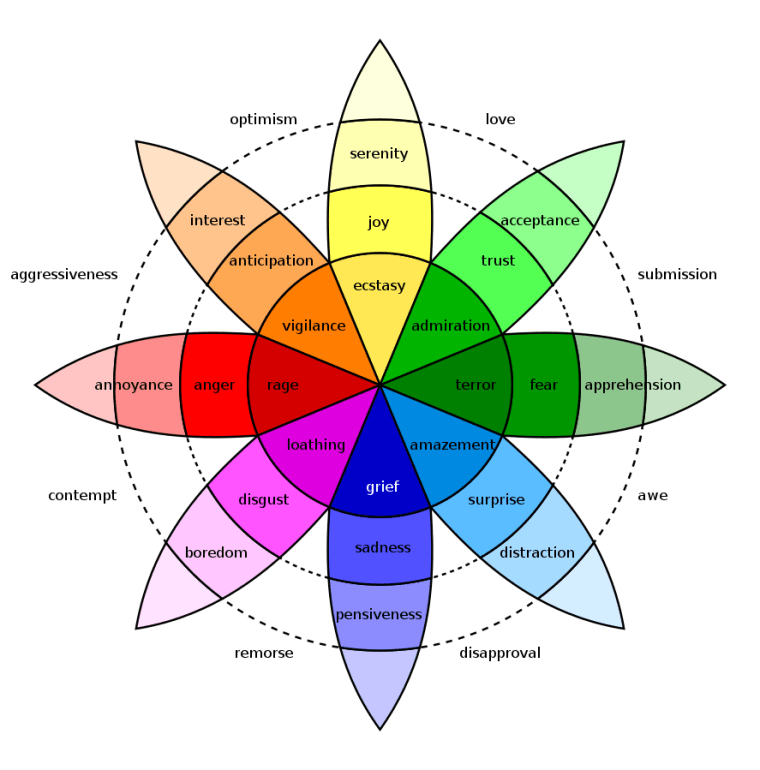
 Mental Health Matters
You must be logged in to post a comment.