Group emotion refers to the moods, emotions and dispositional affects of a group of people. It can be seen as either an emotional entity influencing individual members’ emotional states (top down) or the sum of the individuals’ emotional states (bottom up).
Top Down Approach
This view sees the group’s dynamic processes as responsible for an elusive feeling state which influences the members’ feelings and behaviour. This view, that groups have an existence as entities beyond the characters that comprise them, has several angles.
Effects on Individuals
One angle of this approach was depicted in early works such as Le Bon’s and Freud’s who reasoned that there is a general influence of a crowd or group which makes the members of the group “feel, think and act” differently than they would have as isolated individuals. The reassurance of belonging to a crowd makes people act more extremely. Also, the intense uniformity of feelings is overwhelming and causes people to be emotionally swept to join the group’s atmosphere. Thus, the effect of the group causes emotions to be exaggerated.
Norms
Another aspect of the group as a whole perspective sees the normative forces a group has on its members’ emotional behaviour such as norms for the amount of feelings’ expression and even which emotions it is best to feel. The group’s norms control which emotions would (or at least should) be displayed at a specific situation according to the group’s best interest and goals. The norms help differentiate felt emotions, what the individuals actually feel, from expressed emotions, what they display in the current situation. This perspective has practical implications as shown by researchers. Thus, according to this angle the group causes the emotions to be moderated and controlled.
Binding Force
Another perspective emphasizes the importance of emotional attraction in group settings. It defines group emotion as members’ desire to be together, and finds that emotional ties are a type of glue which holds groups together and influences the group’s cohesiveness and the commitment to the task. This perspective focuses on the positive emotions of liking the other group members and the task at hand.
Indicator
This perspective of the group as a whole approach studies the dynamic development of the group, from its establishment to its disassembly. Along the course the group changes in its interrelationships and interdependence amongst its members. These changes are accompanied by emotional processes which shape the outcome of the group. For instance, the midpoint in a group’s development is characterised by anxiety and anticipation about the capacity of the team to complete its goals, which drives teams to restructure their interaction patterns following the midpoint. Should the group harness these feelings and overcome the crisis stronger, its chances of completing the group’s goals are higher. In other cases, negative emotions towards members of the group or towards the task might jeopardise the group’s existence. This perspective sees the temporal changes of the emotions that govern the group.
Bottom Up
Contrary to the former approach, this approach views group-level emotion as the sum of its individuals’ affective compositions. These affective compositions are actually the emotional features each member brings with them to the group, such as: dispositional affect, mood, acute emotions, emotional intelligence, and sentiments (affective evaluations of the group). The team affective composition approach helps to understand the group emotion and its origins, and how these individual members’ affective predisposition combine to become one common entity. For the purpose of combining these individual characteristics, one can embrace several viewpoints:
Average Mood
Research has shown that by averaging the members’ dispositional affective tone it is possible to predict group-level behaviour such as absenteeism and prosocial behaviour. Also, when the average mood of employees was positive, it was positively related to the team’s performance.
Emotional Variance
Affective-homogenous groups are expected to behave differently from heterogeneous ones. The verdict is yet to be decided as to whether homogeneity is better than heterogeneity. In favour of affective homogeneity stand the notion that familiarity and similarity bring feelings of liking, comfort and positive emotions, and thus presumably better group outcomes and performances. It has long been found that people prefer to be in a group similar to them in many perspectives. A support for the positive effects of homogeneity can be found in a study that examined homogeneity in managers’ positive affectivity (PA) and its influence on several aspects of performance such as satisfaction, cooperation and financial outcome of the organisation. On the other hand, according to the view of opposites being beneficial, affective heterogeneity may lead to more emotional checks and balances which could then lead to better team performance. This was found to be true especially in groups where creativity is needed to complete the task appropriately. Homogeneity might lead to groupthink and hamper performance. It is necessary though for group members in heterogeneous groups to accept and allow one another to enact their different emotional roles.
Emotionally Extreme Members
Even if there is only one member in an otherwise averaged group which is extremely negative (or positive) in effect, that person might influence the affective state of the other members and cause the group to be much more negative (or positive) than would be expected from its mean-level dispositional affect. This mood shift might happen through emotional contagion, in which members are “infected” by others’ emotions, as well as through other processes. Emotional contagion has been observed even in absence of non-verbal cues, for example on online social networks like Facebook and Twitter.
Combining Approaches
The above approaches can be combined in a way that they maintain reciprocal relations. For instance, members bring dispositional affective states and norms for expressing them to the team. These components are then factors determining the creation of group norms, which may in turn alter the moods, feelings and their expression by the members. Thus, the top-down and bottom-up approaches coalesce along the dynamic formation and lifespan of teams.
Empirical Definition
One study compared the reports of team members to reports of outside-observers. It showed that team affect and emotions were observable by and agreed upon by outsiders as well as by members of the team interacting face to face. So, it is possible to identify the group’s affective tone by aggregating self-reports of members of the group, as well as by viewing the group from the outside and looking for emotional gestures, both verbal and nonverbal.
Affecting Group Emotion
Studies show that the leader of the team has an important part in determining the moods of their team’s members. Such that members of a team with a leader in a negative affective state tend to be more negative themselves than members of teams with a leader in a positive mood. However, any member of the group might influence the other members’ emotions. The leader may do so either by way of implicit, automatic, emotional contagion or by explicit, deliberate, emotional influence in order to promote his interests. Other factors that affect the forming of the group’s emotional state are its emotional history, its norms for expressing feelings and the broader organisational norms regarding emotions.
Influence on Performance
The emotional state of the group influences team processes and outcomes. For example, a group in a positive mood displays more coordination between members, yet sometimes the effort they apply is not as high as groups in a negative mood. Another role emotions play in group dynamics and performance is the relation between intra-group task-conflicts and relationship-conflicts. It is assumed that conflicts related to the task can be beneficial for achieving the goal, unless these task-conflicts lead to relationship-conflicts among the team members, in which case the performance is hindered. The traits that decouple task from relationship conflicts are emotional attributes such as emotional intelligence, intragroup relational ties, and norms for reducing or preventing negative emotionality. Hence aspects of group emotion affect the outcome. Other findings are that an increase in positive mood will lead to greater cooperativeness and less group conflict. Also, positive mood results in elevated perceptions of task performance.
Evolutionary-Psychological Perspective
According to the evolutionary psychology approach, group affect has a function of helping communication between members of the group. The emotional state of the group informs its members about factors in the environment. For instance, if everyone is in a bad mood it is necessary to change the conditions, or perhaps work harder to achieve the goal and improve the conditions. Also, shared affect in groups coordinates group activity through fostering group bonds and group loyalty.
Emotional Aperture
Emotional aperture has been defined as the ability or skill to perceive features of group emotions. Examples of features of group emotions include the level of variability of emotions among members (i.e. affective diversity), the proportion of positive or negative emotions, and the modal (i.e. most common) emotion present in a group. The term “emotional aperture” was first defined by the social psychologist, Jeffrey Sanchez-Burks and organisational theorist, Quy Huy. Analogous to adjusting a camera’s aperture setting to increase depth of field, emotional aperture involves adjusting one’s depth of field to bring into focus not solely the emotions of one person but also others scattered across a visual landscape. The difference between perceiving individual-level emotions versus group-level emotions is builds upon the distinction between analytic versus holistic perception.
Emotion work is understood as the art of trying to change in degree or quality an emotion or feeling.
Emotion work may be defined as the management of one’s own feelings, or work done in an effort to maintain a relationship; there is dispute as to whether emotion work is only work done regulating one’s own emotion, or extends to performing the emotional work for others.
Arlie Russell Hochschild, who introduced the term in 1979, distinguished emotion work – unpaid emotional work that a person undertakes in private life – from emotional labour: emotional work done in a paid work setting. Emotion work has use value and occurs in situations in which people choose to regulate their emotions for their own non-compensated benefit (e.g., in their interactions with family and friends). By contrast, emotional labour has exchange value because it is traded and performed for a wage.
In a later development, Hochschild distinguished between two broad types of emotion work, and among three techniques of emotion work. The two broad types involve evocation and suppression of emotion, while the three techniques of emotion work that Hochschild describes are cognitive, bodily and expressive.
However, the concept (if not the term) has been traced back as far as Aristotle: as Aristotle saw, the problem is not with emotionality, but with the appropriateness of emotion and its expression.
Examples
Examples of emotion work include showing affection, apologizing after an argument, bringing up problems that need to be addressed in an intimate relationship or any kind of interpersonal relationship, and making sure the household runs smoothly.
Emotion work also involves the orientation of self/others to accord with accepted norms of emotional expression: emotion work is often performed by family members and friends, who put pressure on individuals to conform to emotional norms. Arguably, then, an individual’s ultimate obeisance and/or resistance to aspects of emotion regimes are made visible in their emotion work.
Cultural norms often imply that emotion work is reserved for females. There is certainly evidence to the effect that the emotional management that women and men do is asymmetric; and that in general, women come into a marriage groomed for the role of emotional manager.
Criticism
The social theorist Victor Jeleniewski Seidler argues that women’s emotion work is merely another demonstration of false consciousness under patriarchy, and that emotion work, as a concept, has been adopted, adapted or criticised to such an extent that it is in danger of becoming a “catch-all-cliché”.
More broadly, the concept of emotion work has itself been criticized as a wide over-simplification of mental processes such as repression and denial which continually occur in everyday life.
Literary Analogues
Rousseau in The New Heloise suggests that the attempt to master instrumentally one’s affective life always results in a weakening and eventually the fragmentation of one’s identity, even if the emotion work is performed at the demand of ethical principles.
Emotional labour is the process of managing feelings and expressions to fulfil the emotional requirements of a job. More specifically, workers are expected to regulate their emotions during interactions with customers, co-workers and managers.
Roles that have been identified as requiring emotional labour include those involved in public administration, espionage, law, caring for children, medical care, social work; roles in hospitality, and jobs in the media. As particular economies move from a manufacturing to a service-based economy, more workers in a variety of occupational fields are expected to manage their emotions according to employer demands when compared to sixty years ago.
Usage of the term has also been extended to refer to unpaid work that is expected interpersonally, such as taking care of organising holiday events or helping a friend solve their problems.
Definition
The sociologist Arlie Hochschild provides the first definition of emotional labour, which is displaying certain emotions to meet the requirements of a job. The related term emotion work (also called “emotion management”) refers to displaying certain emotions for personal purposes, such as within the private sphere of one’s home or interactions with family and friends. Hochschild identified three emotion regulation strategies:
Strategy
Description
Cognitive
Within cognitive emotion work, one attempts to change images, ideas, or thoughts in hopes of changing the feelings associated with them. For example, one may associate a family picture with feeling happy and think about said picture whenever attempting to feel happy.
Bodily
Within bodily emotion work, one attempts to change physical symptoms in order to create a desired emotion. For example, one may attempt deep breathing in order to reduce anger.
Expressive
Within expressive emotion work, one attempts to change expressive gestures to change inner feelings, such as smiling when trying to feel happy.
While emotion work happens within the private sphere, emotional labour is emotion management within the workplace according to employer expectations. Jobs involving emotional labour are defined as those that:
Require face-to-face or voice-to-voice contact with the public.
Require the worker to produce an emotional state in another person.
Allow the employer, through training and supervision, to exercise a degree of control over the emotional activities of employees.
Hochschild (1983) argues that within this commodification process, service workers are estranged from their own feelings in the workplace.
Alternative Usage
The term has been applied in modern contexts to refer to household tasks, specifically unpaid labour that is often expected of women, e.g. planning celebrations or having to remind their partner of chores. The term can also refer to informal counselling, such as providing advice to a friend or helping someone through a breakup. When Hochschild was interviewed about this shifting usage, she expressed that it made the concept blurrier and was sometimes being applied to things that were simply just labour, although how carrying out this labour made a person feel could make it emotional labour as well.
This modern use of the term had originally been introduced by non-professionals of the field and has therefore received criticism by medical and psychological professionals.
Determinants
Determinant
Description
Societal, Occupational, and Organisational Norms
For example, empirical evidence indicates that in typically “busy” stores there is more legitimacy to express negative emotions than there is in typically “slow” stores, in which employees are expected to behave in accordance with the display rules. Hence, the emotional culture to which one belongs influences the employee’s commitment to those rules.
Dispositional Traits and Inner Feeling on the Job
Such as employees’ emotional expressiveness, which refers to the capability to use facial expressions, voice, gestures, and body movements to transmit emotions; or employees’ level of career identity (the importance of the career role to self-identity), which allows them to express the organisationally-desired emotions more easily (because there is less discrepancy between expressed behaviour and emotional experience when engaged in their work).
Supervisory Regulation of Display Rules
Supervisors are likely to be important definers of display rules at the job level, given their direct influence on workers’ beliefs about high-performance expectations. Moreover, supervisors’ impressions of the need to suppress negative emotions on the job influence the employees’ impressions of that display rule.
Surface and deep acting foundational text divided emotional labour into two components:
Surface acting: Occurs when employees display the emotions required for a job without changing how they actually feel.
Deep acting: Is an effortful process through which employees change their internal feelings to align with organisational expectations, producing more natural and genuine emotional displays.
Although the underlying processes differ, the objective of both is typically to show positive emotions, which are presumed to impact the feelings of customers and bottom-line outcomes (e.g. sales, positive recommendations, and repeat business). However, research generally has shown surface acting is more harmful to employee health. Without a consideration of ethical values, the consequences of emotional work on employees can easily become negative. Business ethics can be used as a guide for employees on how to present feelings that are consistent with ethical values, and can show them how to regulate their feelings more easily and comfortably while working.
Careers
In the past, emotional labour demands and display rules were viewed as a characteristic of particular occupations, such as restaurant workers, cashiers, hospital workers, bill collectors, counsellors, secretaries, and nurses. However, display rules have been conceptualised not only as role requirements of particular occupational groups, but also as interpersonal job demands, which are shared by many kinds of occupations.
Bill Collectors
In 1991, Sutton did an in-depth qualitative study into bill collectors at a collection agency. He found that unlike the other jobs described here where employees need to act cheerful and concerned, bill collectors are selected and socialised to show irritation to most debtors. Specifically, the collection agency hired agents who seemed to be easily aroused. The newly hired agents were then trained on when and how to show varying emotions to different types of debtors. As they worked at the collection agency, they were closely monitored by their supervisors to make sure that they frequently conveyed urgency to debtors.
Bill collectors’ emotional labour consists of not letting angry and hostile debtors make them angry and to not feel guilty about pressuring friendly debtors for money. They coped with angry debtors by publicly showing their anger or making jokes when they got off the phone. They minimised the guilt they felt by staying emotionally detached from the debtors.
Childcare Workers
The skills involved in childcare are often viewed as innate to women, making the components of childcare invisible. However, a number of scholars have not only studied the difficulty and skill required for childcare, but also suggested that the emotional labour of childcare is unique and needs to be studied differently. Performing emotional labour requires the development of emotional capital, and that can only be developed through experience and reflection. Through semi-structured interviews, Edwards (2016) found that there were two components of emotional labour in childcare in addition to Hochschild’s original two: emotional consonance and suppression. Edwards (2016) defined suppression as hiding emotion and emotional consonance as naturally experiencing the same emotion that one is expected to feel for the job.
Food-Industry Workers
Wait Staff
In her 1991 study of waitresses in Philadelphia, Paules examines how these workers assert control and protect their self identity during interactions with customers. In restaurant work, Paules argues, workers’ subordination to customers is reinforced through “cultural symbols that originate from deeply rooted assumptions about service work.” Because the waitresses were not strictly regulated by their employers, waitresses’ interactions with customers were controlled by the waitresses themselves. Although they are stigmatised by the stereotypes and assumptions of servitude surrounding restaurant work, the waitresses studied were not negatively affected by their interactions with customers. To the contrary, they viewed their ability to manage their emotions as a valuable skill that could be used to gain control over customers. Thus, the Philadelphia waitresses took advantage of the lack of employer-regulated emotional labour in order to avoid the potentially negative consequences of emotional labour.
Though Paules highlights the positive consequences of emotional labour for a specific population of waitresses, other scholars have also found negative consequences of emotional labour within the waitressing industry. Through eighteen months of participant observation research, Bayard De Volo (2003) found that casino waitresses are highly monitored and monetarily bribed to perform emotional labour in the workplace. Specifically, Bayard De Volo (2003) argues that through a sexualized environment and a generous tipping system, both casino owners and customers control waitresses’ behaviour and appearance for their own benefit and pleasure. Even though the waitresses have their own forms of individual and collective resistance mechanisms, intense and consistent monitoring of their actions by casino management makes it difficult to change the power dynamics of the casino workplace.
Fast-Food Employees
By using participant observation and interviews, Leidner (1993) examines how employers in fast food restaurants regulate workers’ interactions with customers. According to Leidner (1993), employers attempt to regulate workers’ interactions with customers only under certain conditions. Specifically, when employers attempt to regulate worker-customer interactions, employers believe that “the quality of the interaction is important to the success of the enterprise”, that workers are “unable or unwilling to conduct the interactions appropriately on their own”, and that the “tasks themselves are not too complex or context-dependent.” According to Leidner (1993), regulating employee interactions with customers involves standardizing workers’ personal interactions with customers. At the McDonald’s fast food restaurants in Leidner’s (1993) study, these interactions are strictly scripted, and workers’ compliance with the scripts and regulations are closely monitored.
Along with examining employers’ attempts to regulate employee-customer interactions, Leidner (1993) examines how fast-food workers’ respond to these regulations. According to Leidner (1993), meeting employers’ expectations requires workers to engage in some form of emotional labour. For example, McDonald’s workers are expected to greet customers with a smile and friendly attitude independent of their own mood or temperament at the time. Leidner (1993) suggests that rigid compliance with these expectations is at least potentially damaging to workers’ sense of self and identity. However, Leidner (1993) did not see the negative consequences of emotional labour in the workers she studied. Instead, McDonald’s workers attempted to individualise their responses to customers in small ways. Specifically, they used humour or exaggeration to demonstrate their rebellion against the strict regulation of their employee-customer interactions.
Physicians
According to Larson and Yao (2005), empathy should characterize physicians’ interactions with their patients because, despite advancement in medical technology, the interpersonal relationship between physicians and patients remains essential to quality healthcare. Larson and Yao (2005) argue that physicians consider empathy a form of emotional labour. Specifically, according to Larson and Yao (2005), physicians engage in emotional labour through deep acting by feeling sincere empathy before, during, and after interactions with patients. On the other hand, Larson and Yao (2005) argue that physicians engage in surface acting when they fake empathic behaviours toward the patient. Although Larson and Yao (2005) argue that deep acting is preferred, physicians may rely on surface acting when sincere empathy for patients is impossible. Overall, Larson and Yao (2005) argue that physicians are more effective and enjoy more professional satisfaction when they engage in empathy through deep acting due to emotional labour.
Police Work
According to Martin (1999), police work involves substantial amounts of emotional labour by officers, who must control their own facial and bodily displays of emotion in the presence of other officers and citizens. Although policing is often viewed as stereotypically masculine work that focuses on fighting crime, policing also requires officers to maintain order and provide a variety of interpersonal services. For example, police must have a commanding presence that allows them to act decisively and maintain control in unpredictable situations while having the ability to actively listen and talk to citizens. According to Martin (1999), a police officer who displays too much anger, sympathy, or other emotion while dealing with danger on the job will be viewed by other officers as someone unable to withstand the pressures of police work, due to the sexist views of many police officers. While being able to balance this self-management of emotions in front of other officers, police must also assertively restore order and use effective interpersonal skills to gain citizen trust and compliance. Ultimately, the ability of police officers to effectively engage in emotional labour affects how other officers and citizens view them.
Public Administration
Many scholars argue that the amount of emotional work required between all levels of government is greatest on the local level. It is at the level of cities and counties that the responsibility lies for day to day emergency preparedness, firefighters, law enforcement, public education, public health, and family and children’s services. Citizens in a community expect the same level of satisfaction from their government, as they receive in a customer service-oriented job. This takes a considerate amount of work for both employees and employers in the field of public administration. There are two comparisons that represent emotional labour within public administration, “Rational Work versus Emotion Work”, and “Emotional Labour versus Emotional Intelligence.”
Performance
Many scholars argue that when public administrators perform emotional labour, they are dealing with significantly more sensitive situations than employees in the service industry. The reason for this is because they are on the front lines of the government, and are expected by citizens to serve them quickly and efficiently. When confronted by a citizen or a co-worker, public administrators use emotional sensing to size up the emotional state of the citizen in need. Workers then take stock of their own emotional state in order to make sure that the emotion they are expressing is appropriate to their roles. Simultaneously, they have to determine how to act in order to elicit the desired response from the citizen as well as from co-workers. Public Administrators perform emotional labour through five different strategies: Psychological First Aid, Compartments and Closets, Crazy Calm, Humour, and Common Sense.
Definition: Rational Work vs. Emotion Work
According to Mary Guy, Public administration does not only focus on the business side of administration but on the personal side as well. It is not just about collecting the water bill or land ordinances to construct a new property, it is also about the quality of life and sense of community that is allotted to individuals by their city officials. Rational work is the ability to think cognitively and analytically, while emotional work means to think more practically and with more reason.
Definition: Intelligence vs. Emotional Intelligence
Knowing how to suppress and manage one’s own feelings is known as emotional intelligence. The ability to control one’s emotions and to be able to do this at a high level guarantees one’s own ability to serve those in need. Emotional intelligence is performed while performing emotional labour, and without one the other can not be there.
Gender
Macdonald and Sirianni (1996) use the term “emotional proletariat” to describe service jobs in which “workers exercise emotional labour wherein they are required to display friendliness and deference to customers.” Because of deference, these occupations tend to be stereotyped as female jobs, independent of the actual number of women working the job. According to Macdonald and Sirianni (1996), because deference is a characteristic demanded of all those in disadvantaged structural positions, especially women, when deference is made a job requirement, women are likely to be overrepresented in these jobs. Macdonald and Sirianni (1996) claim that “[i]n no other area of wage labour are the personal characteristics of the workers so strongly associated with the nature of the work.” Thus, according to Macdonald and Sirianna (1996), although all workers employed within the service economy may have a difficult time maintaining their dignity and self-identity due to the demands of emotional labour, such an issue may be especially problematic for women workers.
Emotional labour also affects women by perpetuating occupational segregation and the gender wage gap. Job segregation, which is the systematic tendency for men and women to work in different occupations, is often cited as the reason why women lack equal pay when compared to men. According to Guy and Newman (2004), occupational segregation and ultimately the gender wage gap can at least be partially attributed to emotional labour. Specifically, work-related tasks that require emotional work thought to be natural for women, such as caring and empathizing are requirements of many female-dominated occupations. However, according to Guy and Newman (2004), these feminized work tasks are not a part of formal job descriptions and performance evaluations: “Excluded from job descriptions and performance evaluations, the work is invisible and uncompensated. Public service relies heavily on such skills, yet civil service systems, which are designed on the assumptions of a bygone era, fail to acknowledge and compensate emotional labour.” According to Guy and Newman (2004), women working in positions that require emotional labour in addition to regular work are not compensated for this additional labour because of the sexist notion that the additional labour is to be expected of them by the fact of being a woman.
Implications
Positive affective display in service interactions, such as smiling and conveying friendliness, are positively associated with customer positive feelings, and important outcomes, such as intention to return, intention to recommend a store to others, and perception of overall service quality. There is evidence that emotional labour may lead to employees’ emotional exhaustion and burnout over time, and may also reduce employees’ job satisfaction. That is, higher degree of using emotion regulation on the job is related to higher levels of employees’ emotional exhaustion, and lower levels of employees’ job satisfaction.
There is empirical evidence that higher levels of emotional labour demands are not uniformly rewarded with higher wages. Rather, the reward is dependent on the level of general cognitive demands required by the job. That is, occupations with high cognitive demands evidence wage returns with increasing emotional labour demands; whereas occupations low in cognitive demands evidence a wage “penalty” with increasing emotional labour demands. Additionally, innovations that increase employee empowerment – such as conversion into worker cooperatives, co-managing schemes, or flattened workplace structures – have been found to increase workers’ levels of emotional labour as they take on more workplace responsibilities.
Coping Skills
Coping occurs in response to psychological stress – usually triggered by changes – in an effort to maintain mental health and emotional well-being. Life stressors are often described as negative events (loss of a job). However, positive changes in life (a new job) can also constitute life stressors, thus requiring the use of coping skills to adapt. Coping strategies are the behaviours, thoughts, and emotions that you use to adjust to the changes that occur in your life. The use of coping skills will help a person better themselves in the work place and perform to the best of their ability to achieve success. There are many ways to cope and adapt to changes. Some ways include: sharing emotions with peers, having a healthy social life outside of work, being humorous, and adjusting expectations of self and work. These coping skills will help turn negative emotion to positive and allow for more focus on the public in contrast to oneself.
Emotional self-regulation or emotion regulation is the ability to respond to the ongoing demands of experience with the range of emotions in a manner that is socially tolerable and sufficiently flexible to permit spontaneous reactions as well as the ability to delay spontaneous reactions as needed.
It can also be defined as extrinsic and intrinsic processes responsible for monitoring, evaluating, and modifying emotional reactions. Emotional self-regulation belongs to the broader set of emotion regulation processes, which includes both the regulation of one’s own feelings and the regulation of other people’s feelings.
Emotion regulation is a complex process that involves initiating, inhibiting, or modulating one’s state or behaviour in a given situation – for example, the subjective experience (feelings), cognitive responses (thoughts), emotion-related physiological responses (for example heart rate or hormonal activity), and emotion-related behaviour (bodily actions or expressions). Functionally, emotion regulation can also refer to processes such as the tendency to focus one’s attention to a task and the ability to suppress inappropriate behaviour under instruction. Emotion regulation is a highly significant function in human life.
Every day, people are continually exposed to a wide variety of potentially arousing stimuli. Inappropriate, extreme or unchecked emotional reactions to such stimuli could impede functional fit within society; therefore, people must engage in some form of emotion regulation almost all of the time. Generally speaking, emotion dysregulation has been defined as difficulties in controlling the influence of emotional arousal on the organisation and quality of thoughts, actions, and interactions. Individuals who are emotionally dysregulated exhibit patterns of responding in which there is a mismatch between their goals, responses, and/or modes of expression, and the demands of the social environment. For example, there is a significant association between emotion dysregulation and symptoms of depression, anxiety, eating pathology, and substance abuse. Higher levels of emotion regulation are likely to be related to both high levels of social competence and the expression of socially appropriate emotions.
Theory
Process Model
The process model of emotion regulation is based upon the modal model of emotion. The modal model of emotion suggests that the emotion generation process occurs in a particular sequence over time. This sequence occurs as follows:
Situation: the sequence begins with a situation (real or imagined) that is emotionally relevant.
Attention: attention is directed towards the emotional situation.
Appraisal: the emotional situation is evaluated and interpreted.
Response: an emotional response is generated, giving rise to loosely coordinated changes in experiential, behavioural, and physiological response systems.
Because an emotional response (4.) can cause changes to a situation (1.), this model involves a feedback loop from (4.) Response to (1.) Situation. This feedback loop suggests that the emotion generation process can occur recursively, is ongoing, and dynamic.
The process model contends that each of these four points in the emotion generation process can be subjected to regulation. From this conceptualisation, the process model posits five different families of emotion regulation that correspond to the regulation of a particular point in the emotion generation process. They occur in the following order:
Situation selection.
Situation modification.
Attentional deployment.
Cognitive change.
Response modulation.
The process model also divides these emotion regulation strategies into two categories:
Antecedent-focused strategies (i.e. situation selection, situation modification, attentional deployment, and cognitive change) occur before an emotional response is fully generated.
Response-focused strategies (i.e. response modulation) occur after an emotional response is fully generated.
Strategies
Situation Selection
Situation selection involves choosing to avoid or approach an emotionally relevant situation. If a person selects to avoid or disengage from an emotionally relevant situation, he or she is decreasing the likelihood of experiencing an emotion. Alternatively, if a person selects to approach or engage with an emotionally relevant situation, he or she is increasing the likelihood of experiencing an emotion.
Typical examples of situation selection may be seen interpersonally, such as when a parent removes his or her child from an emotionally unpleasant situation. Use of situation selection may also be seen in psychopathology. For example, avoidance of social situations to regulate emotions is particularly pronounced for those with social anxiety disorder and avoidant personality disorder.
Effective situation selection is not always an easy task. For instance, humans display difficulties predicting their emotional responses to future events. Therefore, they may have trouble making accurate and appropriate decisions about which emotionally relevant situations to approach or to avoid.
Situation Modification
Situation modification involves efforts to modify a situation so as to change its emotional impact. Situation modification refers specifically to altering one’s external, physical environment. Altering one’s “internal” environment to regulate emotion is called cognitive change.
Examples of situation modification may include injecting humour into a speech to elicit laughter or extending the physical distance between oneself and another person.
Attentional Deployment
Attentional deployment involves directing one’s attention towards or away from an emotional situation.
Distraction
Distraction, an example of attentional deployment, is an early selection strategy, which involves diverting one’s attention away from an emotional stimulus and towards other content. Distraction has been shown to reduce the intensity of painful and emotional experiences, to decrease facial responding and neural activation in the amygdala associated with emotion, as well as to alleviate emotional distress. As opposed to reappraisal, individuals show a relative preference to engage in distraction when facing stimuli of high negative emotional intensity. This is because distraction easily filters out high-intensity emotional content, which would otherwise be relatively difficult to appraise and process.
Rumination
Rumination, an example of attentional deployment, is defined as the passive and repetitive focusing of one’s attention on one’s symptoms of distress and the causes and consequences of these symptoms. Rumination is generally considered a maladaptive emotion regulation strategy, as it tends to exacerbate emotional distress. It has also been implicated in a host of disorders including major depression.
Worry
Worry, an example of attentional deployment, involves directing attention to thoughts and images concerned with potentially negative events in the future. By focusing on these events, worrying serves to aid in the down-regulation of intense negative emotion and physiological activity. While worry may sometimes involve problem solving, incessant worry is generally considered maladaptive, being a common feature of anxiety disorders, particularly generalised anxiety disorder.
Thought Suppression
Thought suppression, an example of attentional deployment, involves efforts to redirect one’s attention from specific thoughts and mental images to other content so as to modify one’s emotional state. Although thought suppression may provide temporary relief from undesirable thoughts, it may ironically end up spurring the production of even more unwanted thoughts. This strategy is generally considered maladaptive, being most associated with obsessive-compulsive disorder.
Cognitive Change
Cognitive change involves changing how one appraises a situation so as to alter its emotional meaning.
Reappraisal
Reappraisal, an example of cognitive change, is a late selection strategy, which involves a change of the meaning of an event that alters its emotional impact. It encompasses different substrategies, such as positive reappraisal (creating and focusing on a positive aspect of the stimulus), decentring (reinterpreting an event by broadening one’s perspective to see “the bigger picture”), or fictional reappraisal (adopting or emphasizing the belief that event is not real, that it is for instance “just a movie” or “just my imagination”). Reappraisal has been shown to effectively reduce physiological, subjective, and neural emotional responding. As opposed to distraction, individuals show a relative preference to engage in reappraisal when facing stimuli of low negative emotional intensity because these stimuli are relatively easy to appraise and process.
Reappraisal is generally considered to be an adaptive emotion regulation strategy. Compared to suppression (including both thought suppression and expressive suppression), which is positively correlated with many psychological disorders, reappraisal can be associated with better interpersonal outcomes, and can be positively related to well-being. However, some researchers argue that context is important when evaluating the adaptiveness of a strategy, suggesting that in some contexts reappraisal may be maladaptive. Furthermore, some research has shown reappraisal does not influence affect or physiological responses to recurrent stress.
Distancing
Distancing, an example of cognitive change, involves taking on an independent, third-person perspective when evaluating an emotional event. Distancing has been shown to be an adaptive form of self-reflection, facilitating the emotional processing of negatively valenced stimuli, reducing emotional and cardiovascular reactivity to negative stimuli, and increasing problem-solving behaviour.
Humour
Humour, an example of cognitive change, has been shown to be an effective emotion regulation strategy. Specifically, positive, good-natured humour has been shown to effectively up-regulate positive emotion and down-regulate negative emotion. On the other hand, negative, mean-spirited humour is less effective in this regard.
Response Modulation
Response modulation involves attempts to directly influence experiential, behavioural, and physiological response systems.
Expressive Suppression
Expressive suppression, an example of response modulation, involves inhibiting emotional expressions. It has been shown to effectively reduce facial expressivity, subjective feelings of positive emotion, heart rate, and sympathetic activation. However, the research findings are mixed regarding whether this strategy is effective for down-regulating negative emotion. Research has also shown that expressive suppression may have negative social consequences, correlating with reduced personal connections and greater difficulties forming relationships.
Expressive suppression is generally considered to be a maladaptive emotion regulation strategy. Compared to reappraisal, it is positively correlated with many psychological disorders, associated with worse interpersonal outcomes, is negatively related to well-being, and requires the mobilization of a relatively substantial amount of cognitive resources. However, some researchers argue that context is important when evaluating the adaptiveness of a strategy, suggesting that in some contexts suppression may be adaptive.
Drug Use
Drug use, an example of response modulation, can be used to alter emotion-associated physiological responses. For example, alcohol can produce sedative and anxiolytic effects and beta blockers can affect sympathetic activation.
Exercise
Exercise, an example of response modulation, can be used to down-regulate the physiological and experiential effects of negative emotions. Regular physical activity has also been shown to reduce emotional distress and improve emotional control.
Sleep
Sleep plays a role in emotion regulation, although stress and worry can also interfere with sleep. Studies have shown that sleep, specifically REM (rapid eye movement) sleep, down-regulates reactivity of the amygdala, a brain structure known to be involved in the processing of emotions, in response to previous emotional experiences. On the flip side, sleep deprivation is associated with greater emotional reactivity or overreaction to negative and stressful stimuli. This is a result of both increased amygdala activity and a disconnect between the amygdala and the prefrontal cortex, which regulates the amygdala through inhibition, together resulting in an overactive emotional brain. Due to the subsequent lack of emotional control, sleep deprivation may be associated with depression, impulsivity, and mood swings. Additionally, there is some evidence that sleep deprivation may reduce emotional reactivity to positive stimuli and events and impair emotion recognition in others.
In Psychotherapy
Emotion regulation strategies are taught, and emotion regulation problems are treated, in a variety of counselling and psychotherapy approaches, including Cognitive Behavioural Therapy (CBT), Dialectical Behaviour Therapy (DBT), Emotion-Focused Therapy (EFT), and Mindfulness-Based Cognitive Therapy (MBCT).
For example, a relevant mnemonic formulated in DBT is “ABC PLEASE”:
Accumulate positive experiences.
Build mastery by being active in activities that make one feel competent and effective to combat helplessness.
Cope ahead, preparing an action plan, researching, and rehearsing (with a skilled helper if necessary).
Physical illness treatment and prevention through checkups.
Low vulnerability to diseases, managed with health care professionals.
Eating healthy.
Avoiding (non-prescribed) mood-altering drugs.
Sleep healthy.
Exercise regularly.
Developmental Process
Infancy
Intrinsic emotion regulation efforts during infancy are believed to be guided primarily by innate physiological response systems. These systems usually manifest as an approach towards and an avoidance of pleasant or unpleasant stimuli. At three months, infants can engage in self-soothing behaviours like sucking and can reflexively respond to and signal feelings of distress. For instance, infants have been observed attempting to suppress anger or sadness by knitting their brow or compressing their lips. Between three and six months, basic motor functioning and attentional mechanisms begin to play a role in emotion regulation, allowing infants to more effectively approach or avoid emotionally relevant situations. Infants may also engage in self-distraction and help-seeking behaviours for regulatory purposes. At one year, infants are able to navigate their surroundings more actively and respond to emotional stimuli with greater flexibility due to improved motor skills. They also begin to appreciate their caregivers’ abilities to provide them regulatory support. For instance, infants generally have difficulties regulating fear. As a result, they often find ways to express fear in ways that attract the comfort and attention of caregivers.
Extrinsic emotion regulation efforts by caregivers, including situation selection, modification, and distraction, are particularly important for infants. The emotion regulation strategies employed by caregivers to attenuate distress or to up-regulate positive affect in infants can impact the infants’ emotional and behavioural development, teaching them particular strategies and methods of regulation. The type of attachment style between caregiver and infant can therefore play a meaningful role in the regulatory strategies infants may learn to use.
Recent evidence supports the idea that maternal singing has a positive effect on affect regulation in infants. Singing play-songs, such as “The Wheels on the Bus” or “She’ll Be Comin’ Round the Mountain” have a visible affect-regulatory consequence of prolonged positive affect and even alleviation of distress. In addition to proven facilitation of social bonding, when combined with movement and/or rhythmic touch, maternal singing for affect regulation has possible applications for infants in the NICU (neo-natal intensive care unit) and for adult caregivers with serious personality or adjustment difficulties.
Toddler-Hood
By the end of the first year, toddlers begin to adopt new strategies to decrease negative arousal. These strategies can include rocking themselves, chewing on objects, or moving away from things that upset them. At two years, toddlers become more capable of actively employing emotion regulation strategies. They can apply certain emotion regulation tactics to influence various emotional states. Additionally, maturation of brain functioning and language and motor skills permits toddlers to manage their emotional responses and levels of arousal more effectively.
Extrinsic emotion regulation remains important to emotional development in toddlerhood. Toddlers can learn ways from their caregivers to control their emotions and behaviours. For example, caregivers help teach self-regulation methods by distracting children from unpleasant events (like a vaccination shot) or helping them understand frightening events.
Childhood
Emotion regulation knowledge becomes more substantial during childhood. For example, children aged six to ten begin to understand display rules. They come to appreciate the contexts in which certain emotional expressions are socially most appropriate and therefore ought to be regulated. For example, children may understand that upon receiving a gift they should display a smile, irrespective of their actual feelings about the gift. During childhood, there is also a trend towards the use of more cognitive emotion regulation strategies, taking the place of more basic distraction, approach, and avoidance tactics.
Regarding the development of emotion dysregulation in children, one robust finding suggests that children who are frequently exposed to negative emotion at home will be more likely to display, and have difficulties regulating, high levels of negative emotion.
Adolescence
Adolescents show a marked increase in their capacities to regulate their emotions, and emotion regulation decision making becomes more complex, depending on multiple factors. In particular, the significance of interpersonal outcomes increases for adolescents. When regulating their emotions, adolescents are therefore likely to take into account their social context. For instance, adolescents show a tendency to display more emotion if they expect a sympathetic response from their peers.
Additionally, spontaneous use of cognitive emotion regulation strategies increases during adolescence, which is evidenced both by self-report data and neural markers.
Adulthood
Social losses increase and health tends to decrease as people age. As people get older their motivation to seek emotional meaning in life through social ties tends to increase. Autonomic responsiveness decreases with age, and emotion regulation skill tends to increase.
Emotional regulation in adulthood can also be examined in terms of positive and negative affectivity. Positive and negative affectivity refers to the types of emotions felt by an individual as well as the way those emotions are expressed. With adulthood comes an increased ability to maintain both high positive affectivity and low negative affectivity “more rapidly than adolescents.” This response to life’s challenges seems to become “automatised” as people progress throughout adulthood. Thus, as individuals age, their capability of self-regulating emotions and responding to their emotions in healthy ways improves.
Additionally, emotional regulation may vary between young adults and older adults. Younger adults have been found to be more successful than older adults in practicing “cognitive reappraisal” to decrease negative internal emotions. On the other hand, older adults have been found to be more successful in the following emotional regulation areas:
Predicting the level of “emotional arousal” in possible situations.
Having a higher focus on positive information rather than negative.
Maintaining healthy levels of “hedonic well-being” (subjective well-being based on increased pleasure and decreased pain).
Overview of Perspectives
Neuropsychological Perspective
Affective
As people age, their affect – the way they react to emotions – changes, either positively or negatively. Studies show that positive affect increases as a person grows from adolescence to their mid 70s. Negative affect, on the other hand, decreases until the mid 70s. Studies also show that emotions differ in adulthood, particularly affect (positive or negative). Although some studies found that individuals experience less affect as they grow older, other studies have concluded that adults in their middle age experience more positive affect and less negative affect than younger adults. Positive affect was also higher for men than women while the negative affect was higher for women than it was for men and also for single people. A reason that older people – middle adulthood – might have less negative affect is because they have overcome, “the trials and vicissitudes of youth, they may increasingly experience a more pleasant balance of affect, at least up until their mid-70s”. Positive affect might rise during middle age but towards the later years of life – the 70s – it begins to decline while negative affect also does the same. This might be due to failing health, reaching the end of their lives and the death of friends and relatives.
In addition to baseline levels of positive and negative affect, studies have found individual differences in the time-course of emotional responses to stimuli. The temporal dynamics of emotion regulation, also known as affective chronometry, include two key variables in the emotional response process: rise time to peak emotional response, and recovery time to baseline levels of emotion. Studies of affective chronometry typically separate positive and negative affect into distinct categories, as previous research has shown (despite some correlation) the ability of humans to experience changes in these categories independently of one another. Affective chronometry research has been conducted on clinical populations with anxiety, mood, and personality disorders, but is also utilised as a measurement to test the effectiveness of different therapeutic techniques (including mindfulness training) on emotional dysregulation.
Neurological
The development of functional magnetic resonance imaging has allowed for the study of emotion regulation on a biological level. Specifically, research over the last decade strongly suggests that there is a neural basis. Sufficient evidence has correlated emotion regulation to particular patterns of prefrontal activation. These regions include the orbital prefrontal cortex, the ventromedial prefrontal cortex, and the dorsolateral prefrontal cortex. Two additional brain structures that have been found to contribute are the amygdala and the anterior cingulate cortex. Each of these structures are involved in various facets of emotion regulation and irregularities in one or more regions and/or interconnections among them are affiliated with failures of emotion regulation. An implication to these findings is that individual differences in prefrontal activation predict the ability to perform various tasks in aspects of emotion regulation.
Sociological
People intuitively mimic facial expressions; it is a fundamental part of healthy functioning. Similarities across cultures in regards to nonverbal communication has prompted the debate that it is in fact a universal language. It can be argued that emotion regulation plays a key role in the ability to generate the correct responses in social situations. Humans have control over facial expressions both consciously and unconsciously: an intrinsic emotion programme is generated as the result of a transaction with the world, which immediately results in an emotional response and usually a facial reaction. It is a well documented phenomenon that emotions have an effect on facial expression, but recent research has provided evidence that the opposite may also be true.
This notion would give rise to the belief that a person may not only control his emotion but in fact influence them as well. Emotion regulation focuses on providing the appropriate emotion in the appropriate circumstances. Some theories allude to the thought that each emotion serves a specific purpose in coordinating organismic needs with environmental demands. This skill, although apparent throughout all nationalities, has been shown to vary in successful application at different age groups. In experiments done comparing younger and older adults to the same unpleasant stimuli, older adults were able to regulate their emotional reactions in a way that seemed to avoid negative confrontation. These findings support the theory that with time people develop a better ability to regulate their emotions. This ability found in adults seems to better allow individuals to react in what would be considered a more appropriate manner in some social situations, permitting them to avoid adverse situations that could be seen as detrimental.
Expressive Regulation (In Solitary Conditions)
In solitary conditions, emotion regulation can include a minimisation-miniaturisation effect, in which common outward expressive patterns are replaced with toned down versions of expression. Unlike other situations, in which physical expression (and its regulation) serve a social purpose (i.e. conforming to display rules or revealing emotion to outsiders), solitary conditions require no reason for emotions to be outwardly expressed (although intense levels of emotion can bring out noticeable expression anyway). The idea behind this is that as people get older, they learn that the purpose of outward expression (to appeal to other people), is not necessary in situations in which there is no one to appeal to. As a result, the level of emotional expression can be lower in these solitary situations.
Stress
The way an individual reacts to stress can directly overlap with their ability to regulate emotion. Although the two concepts differ in a multitude of ways, “both coping [with stress] and emotion regulation involve affect modulation and appraisal processes” that are necessary for healthy relationships and self-identity.
According to Yu. V. Shcherbatykh, emotional stress in situations like school examinations can be reduced by engaging in self-regulating activities prior to the task being performed. To study the influence of self-regulation on mental and physiological processes under exam stress, Shcherbatykh conducted a test with an experimental group of 28 students (of both sexes) and a control group of 102 students (also of both sexes).
In the moments before the examination, situational stress levels were raised in both groups from what they were in quiet states. In the experimental group, participants engaged in three self-regulating techniques (concentration on respiration, general body relaxation, and the creation of a mental image of successfully passing the examination). During the examination, the anxiety levels of the experimental group were lower than that of the control group. Also, the percent of unsatisfactory marks in the experimental group was 1.7 times less than in the control group. From this data, Shcherbatykh concluded that the application of self-regulating actions before examinations helps to significantly reduce levels of emotional strain, which can help lead to better performance results.
Decision Making
Identification of our emotional self-regulating process can facilitate in the decision making process. Current literature on emotion regulation identifies that humans characteristically make efforts in controlling emotion experiences. There is then a possibility that our present state emotions can be altered by emotion regulation strategies resulting in the possibility that different regulation strategies could have different decision implications.
Effects of Low Self-Regulation
With a failure in emotion regulation, there is a rise in psychosocial and emotional dysfunctions caused by traumatic experiences due to an inability to regulate emotions. These traumatic experiences typically happen in grade school and are sometimes associated with bullying. Children who can not properly self-regulate express their volatile emotions in a variety of ways, including screaming if they don’t have their way, lashing out with their fists, throwing objects (such as chairs), or bullying other children. Such behaviours often elicit negative reactions from the social environment, which, in turn, can exacerbate or maintain the original regulation problems over time, a process termed cumulative continuity.
These children are more likely to have conflict-based relationships with their teachers and other children. This can lead to more severe problems such as an impaired ability to adjust to school and predicts school dropout many years later. Children who fail to properly self-regulate grow as teenagers with more emerging problems. Their peers begin to notice this “immaturity”, and these children are often excluded from social groups and teased and harassed by their peers. This “immaturity” certainly causes some teenagers to become social outcasts in their respective social groups, causing them to lash out in angry and potentially violent ways. Being teased or being an outcast in childhood is especially damaging because it could lead to psychological symptoms such as depression and anxiety (in which dysregulated emotions play a central role), which, in turn, could lead to more peer victimisation. This is why it is recommended to foster emotional self-regulation in children as early as possible.
Emotional conflict is the presence of different and opposing emotions relating to a situation that has recently taken place or is in the process of being unfolded.
They may be accompanied at times by a physical discomfort, especially when a functional disturbance has become associated with an emotional conflict in childhood, and in particular by tension headaches “expressing a state of inner tension…[or] caused by an unconscious conflict”.
For C.G. Jung, “emotional conflicts and the intervention of the unconscious are the classical features of…medical psychology”. Equally, “Freud’s concept of emotional conflict as amplified by Anna Freud…Erikson and others is central in contemporary theories of mental disorder in children, particularly with respect to the development of psychoneurosis”.
In Childhood Development
“The early stages of emotional development are full of potential conflict and disruption”. Infancy and childhood are a time when “everything is polarised into extremes of love and hate” and when “totally opposite, extreme feelings about them must be getting put together too. Which must be pretty confusing and painful. It’s very difficult to discover you hate someone you love”. Development involves integrating such primitive emotional conflicts, so that “in the process of integration, impulses to attack and destroy, and impulses to give and share are related, the one lessening the effect of the other”, until the point is reached at which “the child may have made a satisfactory fusion of the idea of destroying the object with the fact of loving the same object”.
Once such primitive relations to the mother or motherer have been at least partially resolved, “in the age period two to five or seven, each normal infant is experiencing the most intense conflicts” relating to wider relationships: “ideas of love are followed by ideas of hate, by jealousy and painful emotional conflict and by personal suffering; and where conflict is too great there follows loss of full capacity, inhibitions…symptom formation”.
Defences
Defences against emotional conflict include “splitting and projection. They deal with intrapsychic conflict not by addressing it, but by sidestepping it”. Displacement too can help resolve such conflicts: “If an individual no longer feels threatened by his father but by a horse, he can avoid hating his father; here the distortion way a way out of the conflict of ambivalence. The father, who had been hated and loved simultaneously, is loved only, and the hatred is displaced onto the bad horse”.
Physical Symptoms
Inner emotional conflicts can result in physical discomfort or pain, often in the form of tension headaches, which can be episodic or chronic, and may last from a few minutes or hours, to days – associated pain being mild, moderate, or severe.
“The physiology of nervous headaches still presents many unsolved problems”, as in general do all such “physical alterations…rooted in unconscious instinctual conflicts”. However physical discomfort or pain without apparent cause may be the way our body is telling us of an underlying emotional turmoil and anxiety, triggered by some recent event. Thus for example a woman “may be busy in her office, apparently in good health and spirits. A moment later she develops a blinding headache and shows other signs of distress. Without consciously noticing it, she has heard the foghorn of a distant ship, and this has unconsciously reminded her of an unhappy parting”.
While it is not easy, by relaxing, calming down, and trying to become aware of what recent experience or event could have been the cause of the inner conflict, and then rationally looking at and dealing with the conflicting desires and needs, a gradual dissipation and relief of the pain may be possible.
In the Workplace
With respect to the post-industrial age, “LaBier writes of ‘modern madness’, the hidden link between work and emotional conflict…feelings of self-betrayal, stress and burnout”. His “idea, which gains momentum in the post-yuppie late eighties…concludes that real professional success without regret of emotional conflict requires insanity of one kind or another”.
Cultural Examples
Advice on fiction writing emphasises the “necessity of creating powerful, emotional conflicts” in one’s characters: “characters create the emotional conflict and the action emerges from the characters”.
Shakespeare’s sonnets have been described as “implying an awareness of the possible range of human feelings, of the existence of complex and even contradictory attitudes to a single emotion”.
For Picasso “the presence of death is always coincident with the taste for life…the superb violence of these emotional transports have led some people to call his work expressionist”.
Mania, also known as manic syndrome, is a mental and behavioural disorder defined as a state of abnormally elevated arousal, affect, and energy level, or “a state of heightened overall activation with enhanced affective expression together with lability of affect.”
During a manic episode, an individual will experience rapidly changing emotions and moods, highly influenced by surrounding stimuli. Although mania is often conceived as a “mirror image” to depression, the heightened mood can be either euphoric or dysphoric. As the mania intensifies, irritability can be more pronounced and result in anxiety or anger.
The symptoms of mania include elevated mood (either euphoric or irritable), flight of ideas and pressure of speech, increased energy, decreased need and desire for sleep, and hyperactivity. They are most plainly evident in fully developed hypomanic states. However, in full-blown mania, they undergo progressively severe exacerbations and become more and more obscured by other signs and symptoms, such as delusions and fragmentation of behaviour.
The nosology of the various stages of a manic episode has changed over the decades. The word derives from the Ancient Greek μανία (manía), “madness, frenzy” and the verb μαίνομαι (maínomai), “to be mad, to rage, to be furious”.
Causes and Diagnosis
Mania is a syndrome with multiple causes. Although the vast majority of cases occur in the context of bipolar disorder, it is a key component of other psychiatric disorders (such as schizoaffective disorder, bipolar type) and may also occur secondary to various general medical conditions, such as multiple sclerosis; certain medications may perpetuate a manic state, for example prednisone; or substances prone to abuse, especially stimulants, such as caffeine and cocaine. In the current DSM-5, hypomanic episodes are separated from the more severe full manic episodes, which, in turn, are characterised as either mild, moderate, or severe, with certain diagnostic criteria (e.g. catatonia, psychosis). Mania is divided into three stages:
Hypomania, or stage I;
Acute mania, or stage II; and
Delirious mania (delirium), or stage III.
This “staging” of a manic episode is useful from a descriptive and differential diagnostic point of view.
Mania varies in intensity, from mild mania (hypomania) to delirious mania, marked by such symptoms as disorientation, florid psychosis, incoherence, and catatonia. Standardised tools such as Altman Self-Rating Mania Scale and Young Mania Rating Scale can be used to measure severity of manic episodes. Because mania and hypomania have also long been associated with creativity and artistic talent, it is not always the case that the clearly manic/hypomanic bipolar patient needs or wants medical help; such persons often either retain sufficient self-control to function normally or are unaware that they have “gone manic” severely enough to be committed or to commit themselves. Manic persons often can be mistaken for being under the influence of drugs.
Classification
Mixed States
Refer to Mixed Affective State.
In a mixed affective state, the individual, though meeting the general criteria for a hypomanic (discussed below) or manic episode, experiences three or more concurrent depressive symptoms. This has caused some speculation, among clinicians, that mania and depression, rather than constituting “true” polar opposites, are, rather, two independent axes in a unipolar – bipolar spectrum.
A mixed affective state, especially with prominent manic symptoms, places the patient at a greater risk for suicide. Depression on its own is a risk factor but, when coupled with an increase in energy and goal-directed activity, the patient is far more likely to act with violence on suicidal impulses.
Hypomania, which means “less than mania”, is a lowered state of mania that does little to impair function or decrease quality of life. It may, in fact, increase productivity and creativity. In hypomania, there is less need for sleep and both goal-motivated behaviour and metabolism increase. Some studies exploring brain metabolism in subjects with hypomania, however, did not find any conclusive link; while there are studies that reported abnormalities, some failed to detect differences. Though the elevated mood and energy level typical of hypomania could be seen as a benefit, true mania itself generally has many undesirable consequences including suicidal tendencies, and hypomania can, if the prominent mood is irritable as opposed to euphoric, be a rather unpleasant experience. In addition, the exaggerated case of hypomania can lead to problems. For instance, trait-based positivity for a person could make them more engaging and outgoing, and cause them to have a positive outlook in life. When exaggerated in hypomania, however, such a person can display excessive optimism, grandiosity, and poor decision making, often with little regard to the consequences.
Associated Disorders
A single manic episode, in the absence of secondary causes, (i.e. substance use disorders, pharmacologics, or general medical conditions) is often sufficient to diagnose bipolar I disorder. Hypomania may be indicative of bipolar II disorder. Manic episodes are often complicated by delusions and/or hallucinations; and if the psychotic features persist for a duration significantly longer than the episode of typical mania (two weeks or more), a diagnosis of schizoaffective disorder is more appropriate. Certain obsessive-compulsive spectrum disorders as well as impulse control disorders share the suffix “-mania,” namely, kleptomania, pyromania, and trichotillomania. Despite the unfortunate association implied by the name, however, no connection exists between mania or bipolar disorder and these disorders. Furthermore, evidence indicates a B12 deficiency can also cause symptoms characteristic of mania and psychosis.
Hyperthyroidism can produce similar symptoms to those of mania, such as agitation, elevated mood, increased energy, hyperactivity, sleep disturbances and sometimes, especially in severe cases, psychosis.
Signs and Symptoms
A manic episode is defined in the American Psychiatric Association’s diagnostic manual as a “distinct period of abnormally and persistently elevated, expansive, or irritable mood and abnormally and persistently increased activity or energy, lasting at least 1 week and present most of the day, nearly every day (or any duration, if hospitalisation is necessary),” where the mood is not caused by drugs/medication or a non-mental medical illness (e.g. hyperthyroidism), and: (a) is causing obvious difficulties at work or in social relationships and activities, or (b) requires admission to hospital to protect the person or others, or (c) the person is suffering psychosis.
To be classified as a manic episode, while the disturbed mood and an increase in goal-directed activity or energy is present, at least three (or four, if only irritability is present) of the following must have been consistently present:
Inflated self-esteem or grandiosity.
Decreased need for sleep (e.g. feels rested after 3 hours of sleep).
More talkative than usual, or acts pressured to keep talking.
Flights of ideas or subjective experience that thoughts are racing.
Increase in goal-directed activity, or psychomotor acceleration.
Distractibility (too easily drawn to unimportant or irrelevant external stimuli).
Excessive involvement in activities with a high likelihood of painful consequences.(e.g. extravagant shopping, improbable commercial schemes, hypersexuality).
Though the activities one participates in while in a manic state are not always negative, those with the potential to have negative outcomes are far more likely.
If the person is concurrently depressed, they are said to be having a mixed episode.
The World Health Organisation’s classification system defines a manic episode as one where mood is higher than the person’s situation warrants and may vary from relaxed high spirits to barely controllable exuberance, is accompanied by hyperactivity, a compulsion to speak, a reduced sleep requirement, difficulty sustaining attention, and/or often increased distractibility. Frequently, confidence and self-esteem are excessively enlarged, and grand, extravagant ideas are expressed. Behaviour that is out-of-character and risky, foolish or inappropriate may result from a loss of normal social restraint.
Some people also have physical symptoms, such as sweating, pacing, and weight loss. In full-blown mania, often the manic person will feel as though their goal(s) are of paramount importance, that there are no consequences, or that negative consequences would be minimal, and that they need not exercise restraint in the pursuit of what they are after. Hypomania is different, as it may cause little or no impairment in function. The hypomanic person’s connection with the external world, and its standards of interaction, remain intact, although intensity of moods is heightened. But those who suffer from prolonged unresolved hypomania do run the risk of developing full mania, and may cross that “line” without even realising they have done so.
One of the signature symptoms of mania (and to a lesser extent, hypomania) is what many have described as racing thoughts. These are usually instances in which the manic person is excessively distracted by objectively unimportant stimuli. This experience creates an absent-mindedness where the manic individual’s thoughts totally preoccupy them, making them unable to keep track of time, or be aware of anything besides the flow of thoughts. Racing thoughts also interfere with the ability to fall asleep.
Manic states are always relative to the normal state of intensity of the afflicted individual; thus, already irritable patients may find themselves losing their tempers even more quickly, and an academically gifted person may, during the hypomanic stage, adopt seemingly “genius” characteristics and an ability to perform and articulate at a level far beyond that which they would be capable of during euthymia. A very simple indicator of a manic state would be if a heretofore clinically depressed patient suddenly becomes inordinately energetic, enthusiastic, cheerful, aggressive, or “over-happy”. Other, often less obvious, elements of mania include delusions (generally of either grandeur or persecution, according to whether the predominant mood is euphoric or irritable), hypersensitivity, hypervigilance, hypersexuality, hyper-religiosity, hyperactivity and impulsivity, a compulsion to over explain (typically accompanied by pressure of speech), grandiose schemes and ideas, and a decreased need for sleep (for example, feeling rested after only 3 or 4 hours of sleep). In the case of the latter, the eyes of such patients may both look and seem abnormally “wide open”, rarely blinking, and may contribute to some clinicians’ erroneous belief that these patients are under the influence of a stimulant drug, when the patient, in fact, is either not on any mind-altering substances or is actually on a depressant drug. Individuals may also engage in out-of-character behaviour during the episode, such as questionable business transactions, wasteful expenditures of money (e.g. spending sprees), risky sexual activity, abuse of recreational substances, excessive gambling, reckless behaviour (such as extreme speeding or other daredevil activity), abnormal social interaction (e.g. over-familiarity and conversing with strangers), or highly vocal arguments. These behaviours may increase stress in personal relationships, lead to problems at work, and increase the risk of altercations with law enforcement. There is a high risk of impulsively taking part in activities potentially harmful to the self and others.
Although “severely elevated mood” sounds somewhat desirable and enjoyable, the experience of mania is ultimately often quite unpleasant and sometimes disturbing, if not frightening, for the person involved and for those close to them, and it may lead to impulsive behaviour that may later be regretted. It can also often be complicated by the sufferer’s lack of judgment and insight regarding periods of exacerbation of characteristic states. Manic patients are frequently grandiose, obsessive, impulsive, irritable, belligerent, and frequently deny anything is wrong with them. Because mania frequently encourages high energy and decreased perception of need or ability to sleep, within a few days of a manic cycle, sleep-deprived psychosis may appear, further complicating the ability to think clearly. Racing thoughts and misperceptions lead to frustration and decreased ability to communicate with others.
Mania may also, as earlier mentioned, be divided into three “stages”. Stage I corresponds with hypomania and may feature typical hypomanic characteristics, such as gregariousness and euphoria. In stages II and III mania, however, the patient may be extraordinarily irritable, psychotic or even delirious. These latter two stages are referred to as acute and delirious (or Bell’s), respectively.
Cause
Various triggers have been associated with switching from euthymic or depressed states into mania. One common trigger of mania is antidepressant therapy. Studies show that the risk of switching while on an antidepressant is between 6-69%. Dopaminergic drugs such as reuptake inhibitors and dopamine agonists may also increase risk of switch. Other medication possibly include glutaminergic agents and drugs that alter the hypothalamic-pituitary-adrenal (HPA) axis. Lifestyle triggers include irregular sleep-wake schedules and sleep deprivation, as well as extremely emotional or stressful stimuli.
Various genes that have been implicated in genetic studies of bipolar have been manipulated in preclinical animal models to produce syndromes reflecting different aspects of mania. CLOCK and DBP polymorphisms have been linked to bipolar in population studies, and behavioural changes induced by knockout are reversed by lithium treatment. Metabotropic glutamate receptor 6 has been genetically linked to bipolar, and found to be under-expressed in the cortex. Pituitary adenylate cyclase-activating peptide has been associated with bipolar in gene linkage studies, and knockout in mice produces mania like-behaviour. Targets of various treatments such as GSK-3, and ERK1 have also demonstrated mania like behaviour in preclinical models.
Mania may be associated with strokes, especially cerebral lesions in the right hemisphere.
Deep brain stimulation of the subthalamic nucleus in Parkinson’s disease has been associated with mania, especially with electrodes placed in the ventromedial STN. A proposed mechanism involves increased excitatory input from the STN to dopaminergic nuclei.
Mania can also be caused by physical trauma or illness. When the causes are physical, it is called secondary mania.
Mechanism
Refer to Biology of Bipolar Disorder.
The mechanism underlying mania is unknown, but the neurocognitive profile of mania is highly consistent with dysfunction in the right prefrontal cortex, a common finding in neuroimaging studies. Various lines of evidence from post-mortem studies and the putative mechanisms of anti-manic agents point to abnormalities in GSK-3, dopamine, Protein kinase C and Inositol monophosphatase.
Meta analysis of neuroimaging studies demonstrate increased thalamic activity, and bilaterally reduced inferior frontal gyrus activation. Activity in the amygdala and other subcortical structures such as the ventral striatum tend to be increased, although results are inconsistent and likely dependent upon task characteristics such as valence. Reduced functional connectivity between the ventral prefrontal cortex and amygdala along with variable findings supports a hypothesis of general dysregulation of subcortical structures by the prefrontal cortex. A bias towards positively valenced stimuli, and increased responsiveness in reward circuitry may predispose towards mania. Mania tends to be associated with right hemisphere lesions, while depression tends to be associated with left hemisphere lesions.
Post-mortem examinations of bipolar disorder demonstrate increased expression of Protein Kinase C (PKC). While limited, some studies demonstrate manipulation of PKC in animals produces behavioural changes mirroring mania, and treatment with PKC inhibitor tamoxifen (also an anti-oestrogen drug) demonstrates antimanic effects. Traditional antimanic drugs also demonstrate PKC inhibiting properties, among other effects such as GSK3 inhibition.
Manic episodes may be triggered by dopamine receptor agonists, and this combined with tentative reports of increased VMAT2 activity, measured via PET scans of radioligand binding, suggests a role of dopamine in mania. Decreased cerebrospinal fluid levels of the serotonin metabolite 5-HIAA have been found in manic patients too, which may be explained by a failure of serotonergic regulation and dopaminergic hyperactivity.
Limited evidence suggests that mania is associated with behavioural reward hypersensitivity, as well as with neural reward hypersensitivity. Electrophysiological evidence supporting this comes from studies associating left frontal EEG activity with mania. As left frontal EEG activity is generally thought to be a reflection of behavioural activation system activity, this is thought to support a role for reward hypersensitivity in mania. Tentative evidence also comes from one study that reported an association between manic traits and feedback negativity during receipt of monetary reward or loss. Neuroimaging evidence during acute mania is sparse, but one study reported elevated orbitofrontal cortex activity to monetary reward, and another study reported elevated striatal activity to reward omission. The latter finding was interpreted in the context of either elevated baseline activity (resulting in a null finding of reward hypersensitivity), or reduced ability to discriminate between reward and punishment, still supporting reward hyperactivity in mania. Punishment hyposensitivity, as reflected in a number of neuroimaging studies as reduced lateral orbitofrontal response to punishment, has been proposed as a mechanism of reward hypersensitivity in mania.
Diagnosis
In the ICD-10 there are several disorders with the manic syndrome:
Organic manic disorder (F06.30).
Mania without psychotic symptoms (F30.1).
Mania with psychotic symptoms (F30.2).
Other manic episodes (F30.8).
Unspecified manic episode (F30.9).
Manic type of schizoaffective disorder (F25.0).
Bipolar affective disorder, current episode manic without psychotic symptoms (F31.1).
Bipolar affective disorder, current episode manic with psychotic symptoms (F31.2).
Treatment
Before beginning treatment for mania, careful differential diagnosis must be performed to rule out secondary causes.
The acute treatment of a manic episode of bipolar disorder involves the utilisation of either a mood stabiliser (Carbamazepine, valproate, lithium, or lamotrigine) or an atypical antipsychotic (olanzapine, quetiapine, risperidone, or aripiprazole). The use of antipsychotic agents in the treatment of acute mania was reviewed by Tohen and Vieta in 2009.
When the manic behaviours have gone, long-term treatment then focuses on prophylactic treatment to try to stabilise the patient’s mood, typically through a combination of pharmacotherapy and psychotherapy. The likelihood of having a relapse is very high for those who have experienced two or more episodes of mania or depression. While medication for bipolar disorder is important to manage symptoms of mania and depression, studies show relying on medications alone is not the most effective method of treatment. Medication is most effective when used in combination with other bipolar disorder treatments, including psychotherapy, self-help coping strategies, and healthy lifestyle choices.
Lithium is the classic mood stabiliser to prevent further manic and depressive episodes. A systematic review found that long term lithium treatment substantially reduces the risk of bipolar manic relapse, by 42%. Anticonvulsants such as valproate, oxcarbazepine and carbamazepine are also used for prophylaxis. More recent drug solutions include lamotrigine and topiramate, both anticonvulsants as well.
In some cases, long-acting benzodiazepines, particularly clonazepam, are used after other options are exhausted. In more urgent circumstances, such as in emergency rooms, lorazepam, combined with haloperidol, is used to promptly alleviate symptoms of agitation, aggression, and psychosis.
Antidepressant monotherapy is not recommended for the treatment of depression in patients with bipolar disorders I or II, and no benefit has been demonstrated by combining antidepressants with mood stabilisers in these patients. Some atypical antidepressants, however, such as mirtazepine and trazodone have been occasionally used after other options have failed.
Society and Culture
In Electroboy: A Memoir of Mania by Andy Behrman, he describes his experience of mania as “the most perfect prescription glasses with which to see the world… life appears in front of you like an oversized movie screen”. Behrman indicates early in his memoir that he sees himself not as a person suffering from an uncontrollable disabling illness, but as a director of the movie that is his vivid and emotionally alive life. There is some evidence that people in the creative industries suffer from bipolar disorder more often than those in other occupations. Winston Churchill had periods of manic symptoms that may have been both an asset and a liability.
English actor Stephen Fry, who suffers from bipolar disorder, recounts manic behaviour during his adolescence: “When I was about 17 … going around London on two stolen credit cards, it was a sort of fantastic reinvention of myself, an attempt to. I bought ridiculous suits with stiff collars and silk ties from the 1920s, and would go to the Savoy and Ritz and drink cocktails.” While he has experienced suicidal thoughts, he says the manic side of his condition has had positive contributions on his life.
Alexithymia is a personality trait characterised by the subclinical inability to identify and describe emotions experienced by one’s self.
The core characteristic of alexithymia is marked dysfunction in emotional awareness, social attachment, and interpersonal relation. Furthermore, people with high levels of alexithymia can have difficulty distinguishing and appreciating the emotions of others, which is thought to lead to non-empathic and ineffective emotional responses.
High levels of alexithymia occur in approximately 10% of the population and can occur with a number of psychiatric conditions as well as any neurodevelopmental disorder. Difficulty with recognising and talking about their emotions appears at subclinical levels in men who conform to western cultural notions of masculinity (such as thinking that sadness is a feminine emotion). This is called normative male alexithymia by some researchers. However, both alexithymia itself and its association with traditionally masculine norms are consistent across genders.
Lexicology
The term alexithymia was coined by psychotherapists John Case Nemiah and Peter Sifneos in 1973. The word comes from Greek: ἀ- (a-, ‘not’, privative prefix, alpha privative) + λέξις (léxis, ‘words’) + θῡμός (thȳmós, ‘heart’ or ’emotions’ or ‘seat of speech’) (cf. dyslexia), literally meaning “no words for emotions”.
Another etymology: Greek: Αλεξιθυμία ἀλέξω (to ward off) + θῡμός. Means to push away emotions, feelings
Nonmedical terms describing similar conditions include emotionless and impassive. People with the condition are called alexithymics or alexithymiacs.
Classification
Alexithymia is considered to be a personality trait that places affected individuals at risk for other medical and psychiatric disorders while reducing the likelihood that these individuals will respond to conventional treatments for the other conditions. Alexithymia is not classified as a mental disorder in the fourth edition of the Diagnostic and Statistical Manual of Mental Disorders. It is a dimensional personality trait that varies in intensity from person to person. A person’s alexithymia score can be measured with questionnaires such as the Toronto Alexithymia Scale (TAS-20), the Perth Alexithymia Questionnaire (PAQ), the Bermond-Vorst Alexithymia Questionnaire (BVAQ), the Levels of Emotional Awareness Scale (LEAS), the Online Alexithymia Questionnaire (OAQ-G2), the Toronto Structured Interview for Alexithymia (TSIA), or the Observer Alexithymia Scale (OAS). It is distinct from the psychiatric personality disorders, such as antisocial personality disorder.
Traditionally, alexithymia has been conceptually defined by four components:
Difficulty identifying feelings (DIF).
Difficulty describing feelings to other people (DDF).
A stimulus-bound, externally oriented thinking style (EOT).
Constricted imaginal processes (IMP),
However, there is some ongoing disagreement in the field about the definition of alexithymia. When measured in empirical studies, constricted imaginal processes are often found not to statistically cohere with the other components of alexithymia. Such findings have led to debate in the field about whether IMP is indeed a component of alexithymia. For example, in 2017, Preece and colleagues introduced the attention-appraisal model of alexithymia, where they suggested that IMP be removed from the definition and that alexithymia be conceptually composed only of DIF, DDF, and EOT, as each of these three are specific to deficits in emotion processing. In practice, since the constricted imaginal processes items were removed from earlier versions of the TAS-20 in the 1990s, the most used alexithymia assessment tools (and consequently most alexithymia research studies) have only assessed the construct in terms of DIF, DDF, and EOT.
Studies (using measures of alexithymia assessing DIF, DDF, and EOT) have reported that the prevalence rate of high alexithymia is less than 10% of the population. A less common finding suggests that there may be a higher prevalence of alexithymia amongst males than females, which may be accounted for by difficulties some males have with “describing feelings”, but not by difficulties in “identifying feelings” in which males and females show similar abilities.
Psychologist R. Michael Bagby and psychiatrist Graeme J. Taylor have argued that the alexithymia construct is inversely related to the concepts of psychological mindedness and emotional intelligence and there is “strong empirical support for alexithymia being a stable personality trait rather than just a consequence of psychological distress”.
Signs and Symptoms
Typical deficiencies may include problems identifying, processing, describing, and working with one’s own feelings, often marked by a lack of understanding of the feelings of others; difficulty distinguishing between feelings and the bodily sensations of emotional arousal; confusion of physical sensations often associated with emotions; few dreams or fantasies due to restricted imagination; and concrete, realistic, logical thinking, often to the exclusion of emotional responses to problems. Those who have alexithymia also report very logical and realistic dreams, such as going to the store or eating a meal. Clinical experience suggests it is the structural features of dreams more than the ability to recall them that best characterises alexithymia.
Some alexithymic individuals may appear to contradict the above-mentioned characteristics because they can experience chronic dysphoria or manifest outbursts of crying or rage. However, questioning usually reveals that they are quite incapable of describing their feelings or appear confused by questions inquiring about specifics of feelings.
According to Henry Krystal, individuals exhibiting alexithymia think in an operative way and may appear to be super-adjusted to reality. In psychotherapy, however, a cognitive disturbance becomes apparent as patients tend to recount trivial, chronologically ordered actions, reactions, and events of daily life with monotonous detail. In general, these individuals can, but not always, seem oriented toward things and even treat themselves as robots. These problems seriously limit their responsiveness to psychoanalytic psychotherapy; psychosomatic illness or substance abuse is frequently exacerbated should these individuals enter psychotherapy.
A common misconception about alexithymia is that affected individuals are totally unable to express emotions verbally and that they may even fail to acknowledge that they experience emotions. Even before coining the term, Sifneos (1967) noted patients often mentioned things like anxiety or depression. The distinguishing factor was their inability to elaborate beyond a few limited adjectives such as “happy” or “unhappy” when describing these feelings. The core issue is that people with alexithymia have poorly differentiated emotions limiting their ability to distinguish and describe them to others. This contributes to the sense of emotional detachment from themselves and difficulty connecting with others, making alexithymia negatively associated with life satisfaction even when depression and other confounding factors are controlled for.
Associated Conditions
Alexithymia frequently co-occurs with other disorders. Research indicates that alexithymia overlaps with autism spectrum disorders (ASD). In a 2004 study using the TAS-20, 85% of the adults with ASD fell into the “impaired” category and almost half fell into the “severely impaired” category; in contrast, among the adult control population only 17% were “impaired”, none “severely impaired”. Fitzgerald & Bellgrove pointed out that, “Like alexithymia, Asperger’s syndrome is also characterised by core disturbances in speech and language and social relationships”. Hill & Berthoz agreed with Fitzgerald & Bellgrove (2006) and in response stated that “there is some form of overlap between alexithymia and ASDs”. They also pointed to studies that revealed impaired theory of mind skill in alexithymia, neuroanatomical evidence pointing to a shared aetiology and similar social skills deficits. The exact nature of the overlap is uncertain. Alexithymic traits in ASD may be linked to clinical depression or anxiety; the mediating factors are unknown and it is possible that alexithymia predisposes to anxiety. On the other hand, while the total alexithymia score as well as the difficulty in identifying feelings and externally oriented thinking factors are found to be significantly associated with ADHD, and while the total alexithymia score, the difficulty in identifying feelings, and the difficulty in describing feelings factors are also significantly associated with symptoms of hyperactivity/impulsivity, there is no significant relationship between alexithymia and inattentiveness symptom.
There are many more psychiatric disorders that overlap with alexithymia. One study found that 41% of US veterans of the Vietnam War with post-traumatic stress disorder (PTSD) were alexithymic. Another study found higher levels of alexithymia among Holocaust survivors with PTSD compared to those without. Higher levels of alexithymia among mothers with interpersonal violence-related PTSD were found in one study to have proportionally less caregiving sensitivity. This latter study suggested that when treating adult PTSD patients who are parents, alexithymia should be assessed and addressed also with attention to the parent-child relationship and the child’s social-emotional development.
Single study prevalence findings for other disorders include 63% in anorexia nervosa, 56% in bulimia, 45% to 50% in major depressive disorder, 34% in panic disorder, 28% in social phobia, and 50% in substance abusers. Alexithymia is also exhibited by a large proportion of individuals with acquired brain injuries such as stroke or traumatic brain injury.
Alexithymia is correlated with certain personality disorders, particularly schizoid, avoidant, dependent and schizotypal, substance use disorders, some anxiety disorders and sexual disorders as well as certain physical illnesses, such as hypertension, inflammatory bowel disease and functional dyspepsia. Alexithymia is further linked with disorders such as migraine headaches, lower back pain, irritable bowel syndrome, asthma, nausea, allergies and fibromyalgia.
An inability to modulate emotions is a possibility in explaining why some people with alexithymia are prone to discharge tension arising from unpleasant emotional states through impulsive acts or compulsive behaviours such as binge eating, substance abuse, perverse sexual behaviour or anorexia nervosa. The failure to regulate emotions cognitively might result in prolonged elevations of the autonomic nervous system (ANS) and neuroendocrine systems, which can lead to somatic diseases. People with alexithymia also show a limited ability to experience positive emotions leading Krystal (1988) and Sifneos (1987) to describe many of these individuals as anhedonic.
Alexisomia is a clinical concept that refers to the difficulty in the awareness and expression of somatic, or bodily, sensations. The concept was first proposed in 1979 by Dr. Yujiro Ikemi when he observed characteristics of both alexithymia and alexisomia in patients with psychosomatic diseases.
Causes
It is unclear what causes alexithymia, though several theories have been proposed.
Early studies showed evidence that there may be an interhemispheric transfer deficit among people with alexithymia; that is, the emotional information from the right hemisphere of the brain is not being properly transferred to the language regions in the left hemisphere, as can be caused by a decreased corpus callosum, often present in psychiatric patients who have suffered severe childhood abuse. A neuropsychological study in 1997 indicated that alexithymia may be due to a disturbance to the right hemisphere of the brain, which is largely responsible for processing emotions. In addition, another neuropsychological model suggests that alexithymia may be related to a dysfunction of the anterior cingulate cortex. These studies have some shortcomings, however, and the empirical evidence about the neural mechanisms behind alexithymia remains inconclusive.
French psychoanalyst Joyce McDougall objected to the strong focus by clinicians on neurophysiological explanations at the expense of psychological ones for the genesis and operation of alexithymia, and introduced the alternative term “disaffectation” to stand for psychogenic alexithymia. For McDougall, the disaffected individual had at some point “experienced overwhelming emotion that threatened to attack their sense of integrity and identity”, to which they applied psychological defences to pulverise and eject all emotional representations from consciousness. A similar line of interpretation has been taken up using the methods of phenomenology. McDougall has also noted that all infants are born unable to identify, organize, and speak about their emotional experiences (the word infans is from the Latin “not speaking”), and are “by reason of their immaturity inevitably alexithymic”. Based on this fact McDougall proposed in 1985 that the alexithymic part of an adult personality could be “an extremely arrested and infantile psychic structure”. The first language of an infant is nonverbal facial expressions. The parent’s emotional state is important for determining how any child might develop. Neglect or indifference to varying changes in a child’s facial expressions without proper feedback can promote an invalidation of the facial expressions manifested by the child. The parent’s ability to reflect self-awareness to the child is another important factor. If the adult is incapable of recognising and distinguishing emotional expressions in the child, it can influence the child’s capacity to understand emotional expressions.
Molecular genetic research into alexithymia remains minimal, but promising candidates have been identified from studies examining connections between certain genes and alexithymia among those with psychiatric conditions as well as the general population. A study recruiting a test population of Japanese males found higher scores on the Toronto Alexithymia Scale among those with the 5-HTTLPR homozygous long (L) allele. The 5-HTTLPR region on the serotonin transporter gene influences the transcription of the serotonin transporter that removes serotonin from the synaptic cleft, and is well studied for its association with numerous psychiatric disorders. Another study examining the 5-HT1A receptor, a receptor that binds serotonin, found higher levels of alexithymia among those with the G allele of the Rs6295 polymorphism within the HTR1A gene. Also, a study examining alexithymia in subjects with obsessive-compulsive disorder found higher alexithymia levels associated with the Val/Val allele of the Rs4680 polymorphism in the gene that encodes Catechol-O-methyltransferase (COMT), an enzyme which degrades catecholamine neurotransmitters such as dopamine. These links are tentative, and further research will be needed to clarify how these genes relate to the neurological anomalies found in the brains of people with alexithymia.
Although there is evidence for the role of environmental and neurological factors, the role and influence of genetic factors for developing alexithymia is still unclear. A single large scale Danish study suggested that genetic factors contributed noticeably to the development of alexithymia. However, such twin studies are controversial, as they suffer from the “equal environments assumption” and the “heritability” estimates in no way correspond to actual DNA structures. Traumatic brain injury is also implicated in the development of alexithymia, and those with traumatic brain injury are six times more likely to exhibit alexithymia.
In Relationships
Alexithymia can create interpersonal problems because these individuals tend to avoid emotionally close relationships, or if they do form relationships with others they usually position themselves as either dependent, dominant, or impersonal, “such that the relationship remains superficial”. Inadequate “differentiation” between self and others by alexithymic individuals has also been observed. Their difficulty in processing interpersonal connections often develops where the person lacks a romantic partner.
In a study, a large group of alexithymic individuals completed the 64-item Inventory of Interpersonal Problems (IIP-64) which found that “two interpersonal problems are significantly and stably related to alexithymia: cold/distant and non-assertive social functioning. All other IIP-64 subscales were not significantly related to alexithymia.”
Chaotic interpersonal relations have also been observed by Sifneos. Due to the inherent difficulties identifying and describing emotional states in self and others, alexithymia also negatively affects relationship satisfaction between couples.
In a 2008 study alexithymia was found to be correlated with impaired understanding and demonstration of relational affection, and that this impairment contributes to poorer mental health, poorer relational well-being, and lowered relationship quality. Individuals high on the alexithymia spectrum also report less distress at seeing others in pain and behave less altruistically toward others.
Some individuals working for organisations in which control of emotions is the norm might show alexithymic-like behaviour but not be alexithymic. However, over time the lack of self-expressions can become routine and they may find it harder to identify with others.
Treatment
Generally speaking, approaches to treating alexithymia are still in their infancy, with not many proven treatment options available.
In 2002, Kennedy and Franklin found that a skills-based intervention is an effective method for treating alexithymia. Kennedy and Franklin’s treatment plan involved giving the participants a series of questionnaires, psychodynamic therapies, cognitive-behavioural and skills-based therapies, and experiential therapies. After treatment, they found that participants were generally less ambivalent about expressing their emotion feelings and more attentive to their emotional states.
In 2017, based on their attention-appraisal model of alexithymia, Preece and colleagues recommended that alexithymia treatment should target trying to improve the developmental level of people’s emotion schemas and reduce people’s use of experiential avoidance of emotions as an emotion regulation strategy (i.e. the mechanisms hypothesized to underlie alexithymia difficulties in the attention-appraisal model of alexithymia).
In 2018, Löf, Clinton, Kaldo, and Rydén found that mentalisation-based treatment is also an effective method for treating alexithymia. Mentalisation is the ability to understand the mental state of oneself or others that underlies overt behaviour, and mentalisation-based treatment helps patients separate their own thoughts and feelings from those around them. This treatment is relational, and it focuses on gaining a better understanding and use of mentalising skills. The researchers found that all of the patients’ symptoms including alexithymia significantly improved, and the treatment promoted affect tolerance and the ability to think flexibly while expressing intense affect rather than impulsive behaviour.
A significant issue impacting alexithymia treatment is that alexithymia has comorbidity with other disorders. Mendelson’s 1982 study showed that alexithymia frequently presented in people with undiagnosed chronic pain. Participants in Kennedy and Franklin’s study all had anxiety disorders in conjunction with alexithymia, while those in Löf et al. were diagnosed with both alexithymia and borderline personality disorder. All these comorbidity issues complicate treatment because it is difficult to examine people who exclusively have alexithymia.
In psychology, rigidity or mental rigidity refers to an obstinate inability to yield or a refusal to appreciate another person’s viewpoint or emotions characterised by a lack of empathy.
It can also refer to the tendency to perseverate, which is the inability to change habits and the inability to modify concepts and attitudes once developed. A specific example of rigidity is functional fixedness, which is a difficulty conceiving new uses for familiar objects.
Background
Rigidity is an ancient part of our human cognition. Systematic research on rigidity can be found tracing back to Gestalt psychologists, going as far back as the late 19th to early 20th century with Max Wertheimer, Wolfgang Köhler, and Kurt Koffka in Germany. With more than 100 years of research on the matter there is some established and clear data. Nonetheless, there is still much controversy surrounding several of the fundamental aspects of rigidity. In the early stages of approaching the idea of rigidity, it is treated as “a unidimensional continuum ranging from rigid at one end to flexible at the other”. This idea dates back to the 1800s and was later articulated by Charles Spearman who described it as mental inertia. Prior to 1960 many definitions for the term rigidity were afloat. One example includes Kurt Goldstein’s, which he stated, “adherence to a present performance in an inadequate way”, another being Milton Rokeach saying the definition was, “[the] inability to change one’s set when the objective conditions demand it”. Others have simplified rigidity down to stages for easy defining. Generally, it is agreed upon that it is evidenced by the identification of mental or behavioural sets.
Lewin and Kounin also proposed a theory of cognitive rigidity (also called Lewin-Kounin formulation) based on a Gestalt perspective and they used it to explain a behaviour in mentally retarded persons that is inflexible, repetitive, and unchanging. The theory proposed that it is caused by a greater “stiffness” or impermeability between inner-personal regions of individuals, which influence behaviour. Rigidity was particularly explored in Lewin’s views regarding the degree of differentiation among children. He posited that a mentally retarded child can be distinguished from the normal child due to the smaller capacity for dynamic rearrangement in terms of his psychical systems.
Mental Set
Mental sets represent a form of rigidity in which an individual behaves or believes in a certain way due to prior experience. The reverse of this is termed cognitive flexibility. These mental sets may not always be consciously recognised by the bearer. In the field of psychology, mental sets are typically examined in the process of problem solving, with an emphasis on the process of breaking away from particular mental sets into formulation of insight. Breaking mental sets in order to successfully resolve problems fall under three typical stages:
Tendency to solve a problem in a fixed way;
Unsuccessfully solving a problem using methods suggested by prior experience; and
Realising that the solution requires different methods.
Components of high executive functioning, such as the interplay between working memory and inhibition, are essential to effective switching between mental sets for different situations. Individual differences in mental sets vary, with one study producing a variety of cautious and risky strategies in individual responses to a reaction time test.
Causes
Rigidity can be a learned behavioural trait for example the subject has a Parent, Boss or Teacher who demonstrated the same form of behaviour towards them
Stages
Rigidity has three different main “stages” of severity, although it never has to move to further stages.
The first stage is a strict perception that causes one to persist in their ways and be close-minded to other things.
The second involves a motive to defend the ego.
The third stage is that it is a part of one’s personality and you can see it in their perception, cognition, and social interactions.
Accompanying Externalising Behaviours
They could be external behaviours, such as the following:
Insistently repetitious behaviour.
Difficulty with unmet expectations.
Perfectionism.
Compulsions (as in OCD).
Perseveration.
Accompanying Internalising Behaviours
Internalizing behaviours also are shown:
Perfectionism.
Obsessions (as in OCD).
Associated Conditions
Cognitive Closure
Mental rigidity often features a high need for cognitive closure, meaning that they assign explanations prematurely to things with a determination that this is truth, finding that resolution of the dissonance as reassuring as finding the truth. Then, there is little reason to correct their unconscious misattributions if it would bring uncertainty back.
Autism Spectrum Disorder
Cognitive rigidity is one feature of autism and its spectrum (ASD), but is even included in what’s called the Broader Autism Phenotype, where a collection of autistic traits still fail to reach the level of ASD. This is one example of how rigidity does not show up as a single trait, but comes with a number of related traits.
Effects
Ethnocentrism
M. Rokeach tested for ethnocentrism’s relatedness to mental rigidity by using the California Ethnocentrism Scale (when measuring American college students’ views) and the California Attitude Scale (when measuring children’s views) before they were given what is called by cognitive scientists “the water jar problem.” This problem teaches students a set pattern for how to solve each one. Those that scored higher in ethnocentrism also showed attributes of rigidity such as persistence of mental sets and more complicated thought processes.
Strategies for Overcoming Rigidity
Consequences of Unfulfillment
If a person with cognitive rigidity does not fulfil their rigidly held expectations, the following could occur:
Agitation.
Aggression.
Self-injurious behaviour.
Depression.
Anxiety.
Suicidality.
These are clearly maladaptive, and so there must be other ways to overcome it.
Role suction is a term introduced in the United States by Fritz Redl in the mid-20th century to describe the power of a social group to allocate roles to its members.
W.R. Bion’s group dynamics further explored the ways whereby the group (unconsciously) allocates particular functions to particular individuals in order to have its covert emotional needs met; and the process has recently been highlighted anew within the systems-centred therapy of Yvonne Agazarian.
Among regularly occurring group roles are those of the scapegoat for the group’s troubles; the joker; the peacemaker; the critic/spokesperson for group standards; the idol, or upholder of the group ideal; and the identified patient. In mixed gender groups, women may be disproportionately pressured by role suction into playing a nurturing/peacemaker role.
The ease whereby people pick out those who play complementary games, and the psychological splitting of good and bad help fuel such role differentiation.
Behind role suction, such forces as projective identification and countertransference have been singled out as operating at an unconscious level in the group.
Role lock – confirming mutual suction into complementary roles, such as victim and abuser – is ensured by the intermeshing of projective identifications.
Wider Systems
The British anti-psychiatrists explored the theme of group suction in connection with role attribution in the family nexus, as well as with the allocations of roles in the wider social system, David Cooper suggesting that ‘there are always good or bad, loved or hated ‘mothers’ and ‘fathers’, older or younger ‘brothers’ and ‘sisters’…in any institutional structure”.
A wider variety of roles can however be found in organisational life, the person-in-role acting as a container for the (unconscious) group forces.
Role of the Therapist
Bion has described his experience as a group therapist when he “feels he is being manipulated so as to be playing a part, no matter how difficult to recognise, in somebody else’s phantasy…a temporary loss of insight, a sense of experiencing strong feelings, and at the same time a belief that their existence is quite adequately justified by the objective situation”. Bion’s work has also been used to illustrate the part played by role suction in the selection of group leaders – dependent groups favouring narcissistic leaders, the fight/flight group paranoids.
R.D. Laing considered that a central part of the therapist’s job was “not to allow himself to collude with the patients in adopting a position in their phantasy-system: and, alternatively, not to use the patients to embody any phantasy of their own” – to resist role suction. Later therapists however have explored how a measure of adaptation to patients’ role suction – a degree of role responsiveness – can be a useful element in the therapeutic use of the countertransference.
Criticism
From the point of view of systems-centred therapy, the debate relates to the interface between a personal system and the psycho-dynamics of social systems themselves.
Debate has arisen about how far the group imposes roles, and how far the individual’s own personality goes to meet the group halfway. Earl Hopper has used the term personification to challenge Redl’s concept, suggesting instead that group roles reflect the underlying personality of the individual involved. However, Kibel objects that in many cases the roles imposed are in fact ego-dystonic; with others pointing to how personal tendencies combine with group expectations with varying degrees of fit.
In psychology, emotional detachment, also known as emotional blunting, has two meanings:
One is the inability to connect to others on an emotional level; and
The other is as a positive means of coping with anxiety.
This coping strategy, also known as emotion focused-coping, is used by avoiding certain situations that might trigger anxiety. It refers to the evasion of emotional connections. Emotional detachment may be a temporary reaction to a stressful situation, or a chronic condition such as depersonalisation-derealisation disorder. It may also be caused by certain antidepressants. Emotional blunting as reduced affect display is one of the negative symptoms of schizophrenia.
Signs and Symptoms
Emotional detachment may not be as outwardly obvious as other psychiatric symptoms. Patients diagnosed with emotional detachment have reduced ability to express emotion, to empathise with others or to form powerful emotional connections. Patients are also at an increased risk for many anxiety and stress disorders. This can lead to difficulties in creating and maintaining personal relationships. The person may move elsewhere in their mind and appear preoccupied or “not entirely present”, or they may seem fully present but exhibit purely intellectual behaviour when emotional behaviour would be appropriate. They may have a hard time being a loving family member, or they may avoid activities, places, and people associated with past traumas. Their dissociation can lead to lack of attention and, hence, to memory problems and in extreme cases, amnesia. In some cases, they present an extreme difficulty in giving or receiving empathy which can be related to the spectrum of narcissistic personality disorder.
In children (ages 4-12 were studied), traits of aggression and antisocial behaviours were found to be correlated with emotional detachment. Researchers determined that these could be early signs of emotional detachment, suggesting parents and clinicians to evaluate children with these traits for a higher behavioural problem in order to avoid bigger problems (such as emotional detachment) in the future.
Causes
Emotional detachment and/or emotional blunting have multiple causes, as the cause can vary from person to person. Emotional detachment or emotional blunting often arises due to adverse childhood experiences, or to psychological trauma in adulthood.
Emotional blunting is often caused by antidepressants in particular selective serotonin reuptake inhibitors (SSRIs) used in major depressive disorder, and often as an add-on treatment in other psychiatric disorders.
Behavioural Mechanism
Emotional detachment is a behaviour which allows a person to react calmly to highly emotional circumstances. Emotional detachment in this sense is a decision to avoid engaging emotional connections, rather than an inability or difficulty in doing so, typically for personal, social, or other reasons. In this sense it can allow people to maintain boundaries, psychic integrity and avoid undesired impact by or upon others, related to emotional demands. As such it is a deliberate mental attitude which avoids engaging the emotions of others.
This detachment does not necessarily mean avoiding empathy; rather, it allows the person to rationally choose whether or not to be overwhelmed or manipulated by such feelings. Examples where this is used in a positive sense might include emotional boundary management, where a person avoids emotional levels of engagement related to people who are in some way emotionally overly demanding, such as difficult co-workers or relatives, or is adopted to aid the person in helping others.
Emotional detachment can also be “emotional numbing”, “emotional blunting”, i.e., dissociation, depersonalisation or in its chronic form depersonalisation disorder. This type of emotional numbing or blunting is a disconnection from emotion, it is frequently used as a coping survival skill during traumatic childhood events such as abuse or severe neglect. Over time and with much use, this can become second nature when dealing with day to day stressors.
Emotional detachment may allow acts of extreme cruelty and abuse, supported by the decision to not connect empathically with the person concerned. Social ostracism, such as shunning and parental alienation, are other examples where decisions to shut out a person creates a psychological trauma for the shunned party.



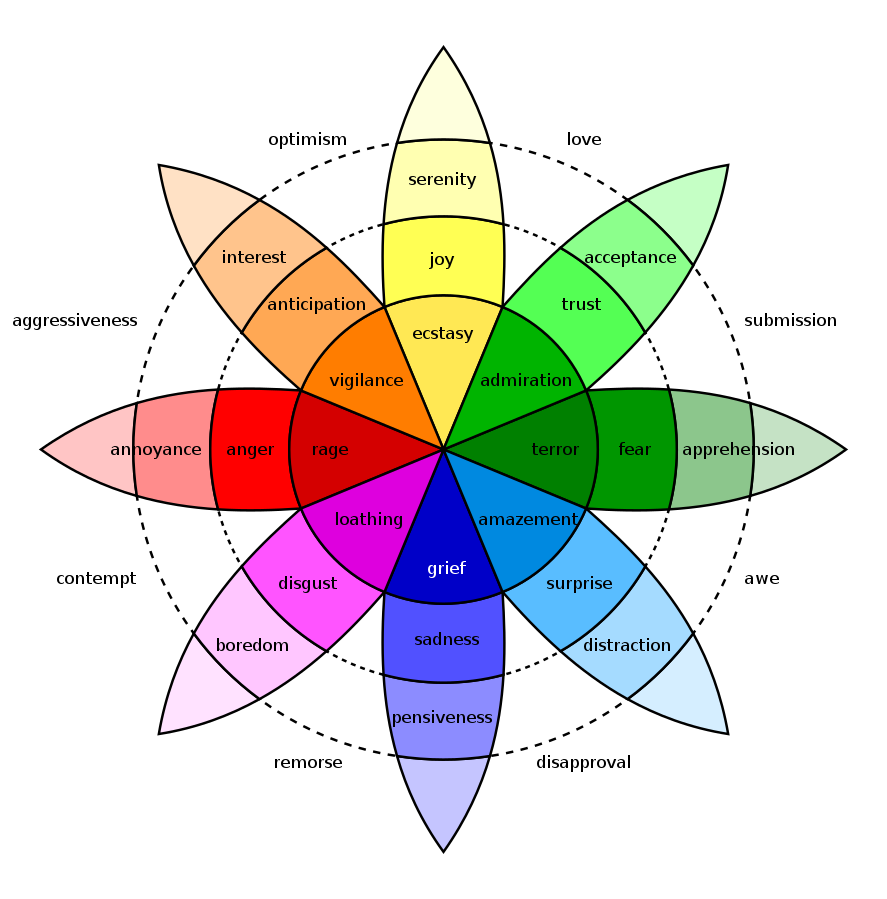
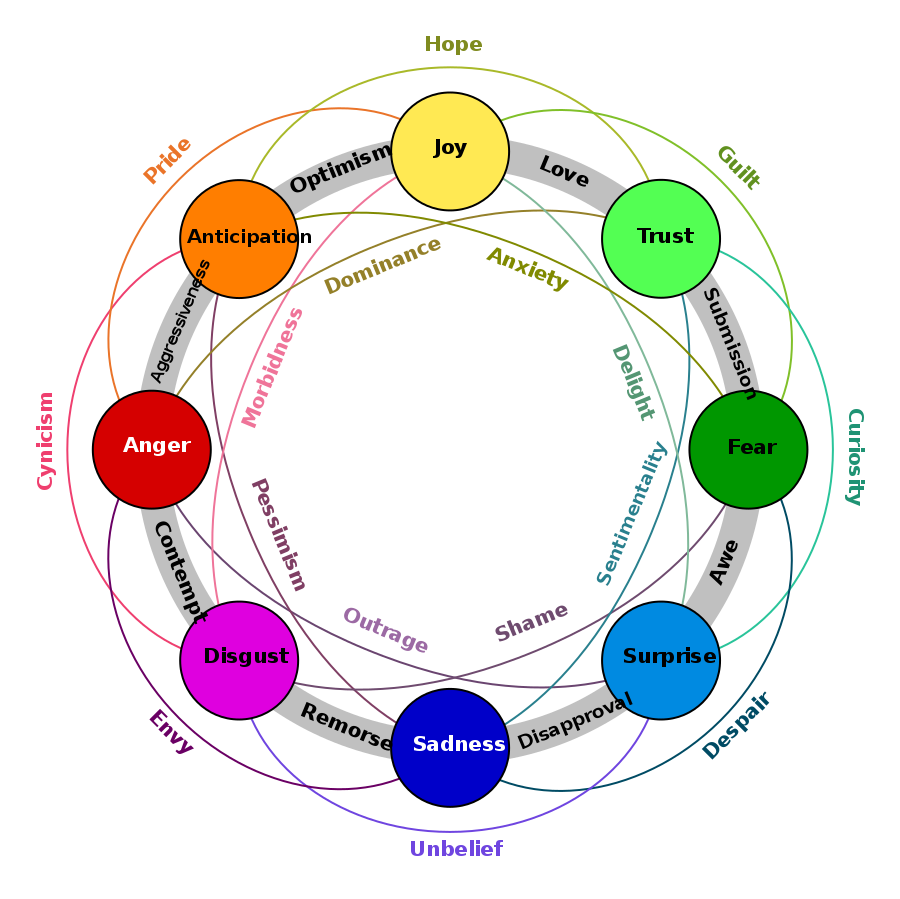
 Mental Health Matters
You must be logged in to post a comment.