What is Specific Phobia?

Introduction

Specific phobia is an anxiety disorder, characterised by an extreme, unreasonable, and irrational fear associated with a specific object, situation, or concept which poses little or no actual danger. Specific phobia can lead to avoidance of the object or situation, persistence of the fear, and significant distress or problems functioning associated with the fear. A phobia can be the fear of anything.

Although fears are common and normal, a phobia is an extreme type of fear where great lengths are taken to avoid being exposed to the particular danger. Phobias are considered the most common psychiatric disorder, affecting about 10% of the population in the US, according to the Diagnostic and Statistical Manual of Mental Disorders, Fifth Edition (DSM-5), (among children, 5%; among teens, 16%). About 75% of patients have more than one specific phobia.

It can be described as when patients are anxious about a particular situation. It causes a great load of difficulty in life. Patients have a lot of distress or interference when functioning in their daily life. Unreasonable or irrational fears get in the way of daily routines, work, and relationships due to the effort that a patient makes to avoid the terrifying feelings associated with the fear.

Females are twice as likely to be diagnosed than males with a specific phobia (although this can depend on the stimulus).

Children and adolescents who are diagnosed with a specific phobia are at an increased risk for additional psychopathology later in life.

Signs and Symptoms

Fear, discomfort or anxiety may be triggered both by the presence and the anticipation of the specific object or situation. The main behavioural sign of a specific phobia is avoidance. The fear or anxiety associated with specific phobia can also manifest in physical symptoms such as an increased heart rate, shortness of breath, muscle tension, sweating, or a desire to escape the situation.

Causes

The exact cause of specific phobias is not known. The mechanisms for development of specific phobias can be distinguished between innate (genetic and neurobiological) factors, and learned factors.

In neurobiology, one explanation proposed for specific phobia is that the typical activation of the amygdala in response to stimuli may be exaggerated due to pathological changes. According to this theory, a deficiency in amygdala habituation may also contribute to the persistence of non-experiential phobia. Certain phobias that are less lethal (e.g. dogs) seem to be more frequently observed and easily acquired in comparison to potentially lethal fears which are more relevant to developed human society (e.g. cars and guns). This was theorised to be due to biological adaptation being passed through evolution which makes recent threats less prone to easy acquisition. However, a 2014 study found evidence against this evolutionary theory, which stated:

“Our findings are inconsistent with the hypothesis that fears/phobias of individual stimuli result from genetic and environmental factors unique to that stimulus. Instead, we observed substantial sharing of risk factors across individual fears.”

There is also evidence for the validity of a genetic component contributing to blood-injection-injury phobias and animal phobias, although this evidence did not support the idea that other specific phobias had genetic influence. Blood-injection-injury phobias are also believed to be the most heritable among specific phobias.

The classical conditioning model of learning has also been used to suggest that a phobia will be learned when an event that causes a fear or anxiety reaction is paired with a neutral event. An example of this model is when being near a dog (neutral event) is paired with the emotional experience of being bitten by a dog, resulting in a chronic fear which is described as a specific phobia to dogs. An alternative proposed mechanism of association is through observational learning. According to this theory, a person may internalise another person’s fears about a specific object or situation through observation of their reactions.

Diagnosis

Diagnosis in the ICD or the DSM requires a marked fear, anxiety or avoidance that is long-lasting (greater than six months) and consistently occurs in the presence of the feared object or situation. The DSM-5 that the fears should be out of proportion to the danger posed, compared to the ICD-10 which specifies that the symptoms must be excessive or unreasonable. Minor differences have persisted between the ICD-11 and DSM-5.

In the DSM-5, there are several types which specific phobia can be classified under:

  • Animal type – Including fear of spiders (arachnophobia), insects (entomophobia), dogs (cynophobia), or snakes (ophidiophobia).
  • Natural environment type – Including fear of water (aquaphobia), heights (acrophobia), lightning and thunderstorms (astraphobia), or aging (gerascophobia).
  • Situational type – Including the fear of small confined spaces (claustrophobia), or the dark (nyctophobia).
  • Blood/injection/injury type – Including fear of medical procedures, including needles and injections (trypanophobia), fear of blood (hemophobia) and fear of getting injured (traumatophobia).
  • Other – Situations which can lead to choking or vomiting, and children’s fears of loud sounds or costumed characters.

Although the avoidance resulting from specific phobia is comparable to other anxiety disorders, differential diagnosis is done through examining underlying causes for the behaviour. Agoraphobia is also considered distinct from specific phobia, along with substance use disorders, and avoidant personality disorder. The occurrence of panic attacks is not itself a symptom of specific phobias and falls under the criteria of panic disorder.

Treatment

There are a variety of treatment options available for specific phobias, most of which focus on psychosocial interventions. Different psychological treatments have varying levels of effects depending on the specific phobia being addressed.

Cognitive Behavioural Therapy (CBT)

CBT is a short term, skills-focused therapy that aims to help people diffuse unhelpful emotional responses by helping people consider them differently or change their behaviour. CBT represents the gold standard and first line of therapy in specific phobias. CBT is effective in treating specific phobias primarily through exposure and cognitive strategies to overcome a person’s anxiety. Computer-assisted treatment programs, self-help manuals, and delivery by a trained practitioner are all methods of accessing CBT. A single session of CBT in one of these modalities can be effective for individuals who have a specific phobia.

Exposure Therapy

Exposure therapy is a particularly effective form of CBT for many specific phobias, however, treatment acceptance and high drop-out rates have been noted as concerns. In addition, a third of people who complete exposure therapy as a treatment for specific phobia may not respond, regardless of the type of exposure therapy. Other interventions have been successful for particular types of specific phobia, such as virtual reality exposure therapy (VRET) for spider, dental, and height phobias, applied muscle tension (AMT) for needle phobia, and psychoeducation with relaxation exercises for fear of childbirth. With exposure therapy, a type of cognitive-behavioural therapy, clinically significant improvement was experienced by up to 90% of patients. While very long-term outcomes remain unknown, many of the benefits of exposure therapy persisted after one year. Treatment may be more successful at reducing symptoms in people with low trait anxiety, high motivation, and high self-efficacy entering exposure therapy. In addition, high cortisol levels, high heart rate variation, evoking disgust, avoiding relaxation, focusing on cognitive changes, context variation, sleep, and memory-enhancing drugs can also reduce symptoms following exposure therapy.

Exposure can be “live”(in real life) or imaginal (in ones imagination) and can involve:

  • Systematic desensitisation: A therapy that exposes the person to increasing levels of vivid stimuli gradually and frequently, while instructed to relax.
  • Flooding: A therapy that exposes the person with a specific phobia to the most fearful stimulus first (i.e. the most intense part of the phobia). Patients are at great risk for dropping out of treatment as this method repeatedly exposes the patient to the fear.
  • Modelling: This method includes the clinician approaching the feared stimuli while the patient observes and tries to repeat the approach themselves.

Exposures that are imaginal are less effective.

Specifically for acrophobia, in-vivo exposure (exposure to real-world height-scenarios while maintaining anxiety at controlled levels) has been shown to significantly improve measures of anxiety in the short-term, but this effect decreased over a longer term. Likewise, virtual reality exposure was statistically significant in some measures of anxiety reduction, but not others.

Pharmacotherapeutics

As of late 2020, there is limited evidence for the use of pharmacotherapy in the treatment of specific phobia. Pharmacological treatments are typically used in combination with behaviourally-focused psychotherapy, as introducing pharmacological interventions independently may result in relapsing of symptoms. Different treatments are better suited for certain types of specific phobia. For instance, beta blockers are useful in those with performance anxiety. The selective serotonin re-uptake inhibitors (SSRIs), paroxetine and escitalopram, have shown preliminary efficacy in small randomised controlled clinical trials. However, these trials were too small to show any definitive benefits of anxiolytic medication alone in treating phobia. Benzodiazepines are occasionally used for acute symptom relief, but have not been shown to be effective for long-term treatment. There are some findings suggesting that adjuvant use of the NMDA receptor partial agonist, d-cycloserine, with virtual reality exposure therapy may improve specific phobia symptoms more than virtual reality exposure therapy alone. As of 2020, studies on the use of adjunct d-cycloserine are inconclusive.

Prognosis

The majority of those that develop a specific phobia first experience symptoms in childhood. Often individuals will experience symptoms periodically with periods of remission before complete remission occurs. However, specific phobias that continue into adulthood are likely to experience a more chronic course. Specific phobias in older adults has been linked with a decrease in quality of life. Those with specific phobias are at an increased risk of suicide. Greater impairment is found in those that have multiple phobias. Response to treatment is relatively high but many do not seek treatment due to lack of access, ability to avoid phobia, or unwilling to face feared object for repeated CBT sessions.

Epidemiology

Specific phobia is estimated to affect 6–12% of people at some point in their life. There may be a large amount of underreporting of specific phobias as many people do not seek treatment, with some surveys conducted in the US finding that 70% of the population reports having one or more unreasonable fears.

Specific phobias have a lifetime prevalence rate of 7.4% and a one-year prevalence of 5.5% according to data collected from 22 different countries. The usual age of onset is childhood to adolescence. During childhood and adolescence, the incidence of new specific phobias is much higher in females than males. The peak incidence for specific phobias amongst females occurs during reproduction and childrearing, possibly reflecting an evolutionary advantage. There is an additional peak in incidence, reaching nearly 1% per year, during old age in both men and women, possibly reflective of newly occurring physical conditions or adverse life events. The development of phobias varies with subtypes, with animal and blood injection phobias typically beginning in childhood (ages 5–12), whereas development of situational specific phobias (i.e. fear of flying) usually occurs in late adolescence and early adulthood.

In the US, the lifetime prevalence rate is 12.5% and a one-year prevalence rate of 9.1%. An estimated 12.5% of US adults experience specific phobia at some time in their lives and the prevalence is approximately double in females compared to males. An estimated 19.3% of adolescents experience specific phobia, but the difference between males and females is not as pronounced.

This page is based on the copyrighted Wikipedia article < https://en.wikipedia.org/wiki/Specific_phobia >; it is used under the Creative Commons Attribution-ShareAlike 3.0 Unported License (CC-BY-SA). You may redistribute it, verbatim or modified, providing that you comply with the terms of the CC-BY-SA.

What is Immersion Therapy?

Introduction

Immersion therapy is a psychological technique which allows a patient to overcome fears (phobias), but can be used for anxiety and panic disorders.

Refer to Flooding.

Outline

First a fear-hierarchy is created: the patient is asked a series of questions to determine the level of discomfort the fear causes in various conditions. Can the patient talk about the object of their fear, can the patient tolerate a picture of it or watch a movie which has the object of their fear, can they be in the same room with the object of their fear, and/or can they be in physical contact with it?

Once these questions have been ordered beginning with least discomfort to most discomfort, the patient is taught a relaxation exercise. Such an exercise might be tensing all the muscles in the patient’s body then relaxing them and saying “relax”, and then repeating this process until the patient is calm.

Next, the patient is exposed to the object of their fear in a condition with which they are most comfortable – such as merely talking about the object of their fear. Then, while in such an environment, the patient performs the relaxation exercise until they are comfortable at that level.

After that, the patient moves up the hierarchy to the next condition, such as a picture or movie of the object of fear, and then to the next level in the hierarchy and so on until the patient is able to cope with the fear directly.

This specific therapy can create a safe space, where individuals are able to become comfortable with their fears, anxieties or traumatic experiences. One may say it is linked to exposure, as the patient is immersed into an experience until they eventually become much more relaxed in it.

Although it may take several sessions to achieve a resolution, the technique is regarded as successful. Many research studies are being conducted in regard to achieving immersion therapy goals in a virtual computer based programme, although results are not conclusive.

‘Immersive therapy through virtual reality represents a novel strategy used in psychological interventions, but there is still a need to strengthen the evidence on its effects on health professionals’ mental health’ (Linares-Chamorro et al., 2022).

Virtual Therapy

As mentioned previously, Immersion Therapy can occur in the form of a virtual reality (VR) therapy. This usually involves transporting the user to a simulated environment, creating a realistic real life setting, and combining video, audio, haptic and motion sensory input to create an immersive experience. Virtual therapy may use videos in either a 2D or 3D immersion using a head-mounted display (Hodges et al., 2002).

There have been many studies looking at this type of therapy and combatting anxiety and phobias, such as acrophobia. It assesses a patient’s cognitive, emotional and physiological functioning. It can be useful for both prevention and treatment of psychiatric conditions. This method goes beyond the simple exposure therapy, as it can be a more comprehensive treatment compared to other interventions. A study conducted in Olot, Spain aimed to look at levels of anxiety and the wellbeing of female hospital staff. A sample size of 35 female health professionals undertook immersive therapy for 8 weeks. The way the anxiety levels were measured was through the Hamilton scale and well-being through the Eudemon scale. This specific immersive therapy was executed through Virtual Reality, in which the VR experience used a projection device with light and sound control that provided an immersive experience, creating an environment that enhanced self awareness to approach anxiety management. Results suggested that a significant improvement was found in anxiety and wellbeing, both statistically and clinically.

Another study in the UK looking at helping acrophobia. Researchers recruited 100 adults with a fear of heights, if they scored more than 29 on the heights interpretation questionnaire, suggested they had a fear of heights. Participants were randomly allocated by computer to either an automated VR delivered in roughly six 30 minute sessions, administered about 2-3 times a week over 2 weeks and a control group was present which received no treatment. The virtual coach worked alongside the VR programmed and would mention things like “We’re discovering what happens when we venture into a situation we’d normally try to avoid.” The aim of the virtual coach was to put the participants’ expectations to the test and experiencing citations where they would usually feel anxious. Then the tasks began, where they underwent different levels of heights in different activities. Overall, participants in the control group compared to the VR group had reduced fear of heights by the end of the treatment.

Although, this is evidence to suggest how virtual computer based immersion therapy works, the research within this area of psychology is scare, thus more testing needs to occur, to fully implement this type of technology.

Advantages

Immersive virtual reality may be identified as something that is a potentially revolutionary tool for psychological treatment of mental disorders, which may gradually be adopted in regular clinical practice in the coming years. (Geraets et al., 2021). Virtual reality has significantly been evolving over the last few years due to many advancements in technology, thus enabling us to understand the constant need for new research to take place.

The benefits of Immersive virtual reality therapy could significantly enhance effective psychological interventions. Treatments can be given automatically, without a therapist’s physical presence, resulting in a more low cost route. Another benefit of VR is that it can offer ‘direct therapeutic intervention’, which is often lacking in conventional clinical settings, allowing for treatments to be delivered faster and more efficiently. Patients can be placed in simulated environments whilst wearing a VR headset, teaching them how to react more effectively. Additionally, patients are more open to experimenting with new therapies because they are aware they are in a secure stimulation setting, in which the exposure to the stimuli can occur in different stages and not just one go.

VR has been used successfully over the past 25 years for assessment, understanding, and treatment of mental health disorders. The increased accessibility and affordability of VR mean that this technique is now ready to move from specialist laboratories into clinics (Freeman et al., 2018).

Immersive therapy can provide a distinctive and engaging experience that allows for overcoming fears, gaining self-confidence and creating coping strategies. It allows people to experience real life situations in a controlled and safe setting. It is much more interactive and rather than just talking about their phobia or anxiety, they can actually relive it but overcome it too, generating a greater sense of self-confidence, reducing the feelings of anxieties and managing their feelings during stressful situations.

This page is based on the copyrighted Wikipedia article < https://en.wikipedia.org/wiki/Immersion_therapy >; it is used under the Creative Commons Attribution-ShareAlike 3.0 Unported License (CC-BY-SA). You may redistribute it, verbatim or modified, providing that you comply with the terms of the CC-BY-SA.

What is Agoraphobia?

Introduction

Agoraphobia is a mental and behavioural disorder, specifically an anxiety disorder characterised by symptoms of anxiety in situations where the person perceives their environment to be unsafe with no easy way to escape.

These situations can include open spaces, public transit, shopping centres, or simply being outside their home. Being in these situations may result in a panic attack. Those affected will go to great lengths to avoid these situations. In severe cases people may become completely unable to leave their homes.

Agoraphobia is believed to be due to a combination of genetic and environmental factors. The condition often runs in families, and stressful or traumatic events such as the death of a parent or being attacked may be a trigger. In the DSM-5 agoraphobia is classified as a phobia along with specific phobias and social phobia. Other conditions that can produce similar symptoms include separation anxiety, post-traumatic stress disorder, and major depressive disorder. The diagnosis of agoraphobia has been shown to be comorbid with depression, substance abuse, and suicide ideation.

Without treatment it is uncommon for agoraphobia to resolve. Treatment is typically with a type of counselling called cognitive behavioural therapy (CBT). CBT results in resolution for about half of people. In some instances those with a diagnosis of agoraphobia have reported taking benzodiazepines and antipsychotics augmentation. Agoraphobia affects about 1.7% of adults. Women are affected about twice as often as men. The condition often begins in early adulthood and becomes less common in old age. It is rare in children.

Refer to Hikikomori.

Etymology

The term “agoraphobia” was coined in German in 1871 by pioneering German psychologist Carl Friedrich Otto Westphal, 1833-1890, in his article “Die Agoraphobie, eine neuropathische Erscheinung.” Archiv für Psychiatrie und Nervenkrankheiten, Berlin, 1871-1872; 3: 138-161. It is derived from Greek ἀγορά, agorā́, meaning a “place of assembly” or “market-place” and -φοβία, -phobía, meaning “fear”.

Signs and Symptoms

Agoraphobia is a condition where sufferers become anxious in unfamiliar environments or where they perceive that they have little control. Triggers for this anxiety may include wide-open spaces, crowds (social anxiety), or travelling (even short distances). Agoraphobia is often, but not always, compounded by a fear of social embarrassment, as the agoraphobic fears the onset of a panic attack and appearing distraught in public. Most of the time they avoid these areas and stay in the comfort of their haven, usually their home.

Agoraphobia is also defined as “a fear, sometimes terrifying, by those who have experienced one or more panic attacks”. In these cases, the sufferer is fearful of a particular place because they have experienced a panic attack at the same location at a previous time. Fearing the onset of another panic attack, the sufferer is fearful or even avoids a location. Some refuse to leave their homes even in medical emergencies because the fear of being outside of their comfort areas is too great.

The sufferers can sometimes go to great lengths to avoid the locations where they have experienced the onset of a panic attack. Agoraphobia, as described in this manner, is actually a symptom professionals check when making a diagnosis of panic disorder. Other syndromes like obsessive compulsive disorder or post-traumatic stress disorder can also cause agoraphobia. Essentially, any irrational fear that keeps one from going outside can cause the syndrome.

Agoraphobics may suffer from temporary separation anxiety disorder when certain other individuals of the household depart from the residence temporarily, such as a parent or spouse, or when the agoraphobic is left home alone. Such temporary conditions can result in an increase in anxiety or a panic attack or feeling the need to separate themselves from family or maybe friends.

People with agoraphobia sometimes fear waiting outside for long periods of time; that symptom can be called “macrophobia”.

Panic Attacks

Agoraphobia patients can experience sudden panic attacks when traveling to places where they fear they are out of control, help would be difficult to obtain, or they could be embarrassed. During a panic attack, epinephrine is released in large amounts, triggering the body’s natural fight-or-flight response. A panic attack typically has an abrupt onset, building to maximum intensity within 10 to 15 minutes, and rarely lasts longer than 30 minutes. Symptoms of a panic attack include palpitations, rapid heartbeat, sweating, trembling, nausea, vomiting, dizziness, tightness in the throat, and shortness of breath. Many patients report a fear of dying, fear of losing control of emotions, or fear of losing control of behaviours.

Causes

Agoraphobia is believed to be due to a combination of genetic and environmental factors. The condition often runs in families, and stressful or traumatic events such as the death of a parent or being attacked may be a trigger.

Research has uncovered a link between agoraphobia and difficulties with spatial orientation. Individuals without agoraphobia are able to maintain balance by combining information from their vestibular system, their visual system, and their proprioceptive sense. A disproportionate number of agoraphobics have weak vestibular function and consequently rely more on visual or tactile signals. They may become disoriented when visual cues are sparse (as in wide-open spaces) or overwhelming (as in crowds). Likewise, they may be confused by sloping or irregular surfaces.[20] In a virtual reality study, agoraphobics showed impaired processing of changing audiovisual data in comparison with subjects without agoraphobia.

Substance-Induced

Chronic use of tranquilisers and sleeping pills such as benzodiazepines has been linked to onset of agoraphobia. In 10 patients who had developed agoraphobia during benzodiazepine dependence, symptoms abated within the first year of assisted withdrawal. Similarly, alcohol use disorders are associated with panic with or without agoraphobia; this association may be due to the long-term effects of alcohol consumption causing a distortion in brain chemistry. Tobacco smoking has also been associated with the development and emergence of agoraphobia, often with panic disorder; it is uncertain how tobacco smoking results in anxiety-panic with or without agoraphobia symptoms, but the direct effects of nicotine dependence or the effects of tobacco smoke on breathing have been suggested as possible causes. Self-medication or a combination of factors may also explain the association between tobacco smoking and agoraphobia and panic.

Attachment Theory

Some scholars have explained agoraphobia as an attachment deficit, i.e. the temporary loss of the ability to tolerate spatial separations from a secure base. Recent empirical research has also linked attachment and spatial theories of agoraphobia.

Spatial Theory

In the social sciences, a perceived clinical bias exists in agoraphobia research. Branches of the social sciences, especially geography, have increasingly become interested in what may be thought of as a spatial phenomenon. One such approach links the development of agoraphobia with modernity. Factors considered contributing to agoraphobia within modernity are the ubiquity of cars and urbanisation. These have helped develop the expansion of public space and the contraction of private space, thus creating in the minds of agoraphobia-prone people a tense, unbridgeable gulf (a colloquialism) between the two.

Evolutionary Psychology

An evolutionary psychology view is that the more unusual primary agoraphobia without panic attacks may be due to a different mechanism from agoraphobia with panic attacks. Primary agoraphobia without panic attacks may be a specific phobia explained by it once having been evolutionarily advantageous to avoid exposed, large, open spaces without cover or concealment. Agoraphobia with panic attacks may be an avoidance response secondary to the panic attacks, due to fear of the situations in which the panic attacks occurred.

Diagnosis

Most people who present to mental health specialists develop agoraphobia after the onset of panic disorder. Agoraphobia is best understood as an adverse behavioural outcome of repeated panic attacks and subsequent anxiety and preoccupation with these attacks that leads to an avoidance of situations where a panic attack could occur. Early treatment of panic disorder can often prevent agoraphobia. Agoraphobia is typically determined when symptoms are worse than panic disorder, but also do not meet the criteria for other anxiety disorders such as depression. In rare cases where agoraphobics do not meet the criteria used to diagnose panic disorder, the formal diagnosis of agoraphobia without history of panic disorder is used (primary agoraphobia).

Treatments

Therapy

Systematic desensitisation can provide lasting relief to the majority of patients with panic disorder and agoraphobia. The disappearance of residual and sub-clinical agoraphobic avoidance, and not simply of panic attacks, should be the aim of exposure therapy. Many patients can deal with exposure easier if they are in the company of a friend on whom they can rely. Patients must remain in the situation until anxiety has abated because if they leave the situation, the phobic response will not decrease and it may even rise.

A related exposure treatment is in vivo exposure, a cognitive behavioural therapy method, that gradually exposes patients to the feared situations or objects. This treatment was largely effective with an effect size from d = 0.78 to d = 1.34, and these effects were shown to increase over time, proving that the treatment had long-term efficacy (up to 12 months after treatment).

Psychological interventions in combination with pharmaceutical treatments were overall more effective than treatments simply involving either CBT or pharmaceuticals. Further research showed there was no significant effect between using group CBT versus individual CBT.

Cognitive restructuring has also proved useful in treating agoraphobia. This treatment involves coaching a participant through a dianoetic discussion, with the intent of replacing irrational, counterproductive beliefs with more factual and beneficial ones.

Relaxation techniques are often useful skills for the agoraphobic to develop, as they can be used to stop or prevent symptoms of anxiety and panic.

Videoconferencing Psychotherapy (VCP)

Videoconferencing psychotherapy (VCP) is an emerging modality used to treat various disorders in a remote method. Similar to traditional face-to-face interventions, VCP can be used to administer CBT. The use of VCP has been shown to be equally effective as face-to-face interventions at treating panic disorder and agoraphobia (PDA) and motivating the client to continue treatment.

Medications

Antidepressant medications most commonly used to treat anxiety disorders are mainly selective serotonin reuptake inhibitors (SSRIs). Benzodiazepines, monoamine oxidase inhibitor, and tricyclic antidepressants are also sometimes prescribed for treatment of agoraphobia. Antidepressants are important because some have anxiolytic effects. Antidepressants should be used in conjunction with exposure as a form of self-help or with CBT. A combination of medication and CBT is sometimes the most effective treatment for agoraphobia.

Benzodiazepines and other anxiolytic medications such as alprazolam and clonazepam are used to treat anxiety and can also help control the symptoms of a panic attack.

Alternative Medicine

Eye movement desensitisation and reprocessing (EMDR) has been studied as a possible treatment for agoraphobia, with poor results. As such, EMDR is only recommended in cases where cognitive-behavioural approaches have proven ineffective or in cases where agoraphobia has developed following trauma.

Many people with anxiety disorders benefit from joining a self-help or support group (telephone conference-call support groups or online support groups being of particular help for completely housebound individuals). Sharing problems and achievements with others, as well as sharing various self-help tools, are common activities in these groups. In particular, stress management techniques and various kinds of meditation practices and visualisation techniques can help people with anxiety disorders calm themselves and may enhance the effects of therapy, as can service to others, which can distract from the self-absorption that tends to go with anxiety problems. Also, preliminary evidence suggests aerobic exercise may have a calming effect. Since caffeine, certain illicit drugs, and even some over-the-counter cold medications can aggravate the symptoms of anxiety disorders, they should be avoided.

Epidemiology

Agoraphobia occurs about twice as commonly among women as it does in men.

Panic disorder with or without agoraphobia affects roughly 5.1% of Americans, and about one-third (1/3) of this population with panic disorder have co-morbid agoraphobia. It is uncommon to have agoraphobia without panic attacks, with only 0.17% of people with agoraphobia not presenting panic disorders as well.

Society and Culture

Notable Cases

  • Woody Allen (b. 1935), American actor, director, musician.
  • Kim Basinger (b. 1953), American actress.
  • Earl Campbell (b. 1955), American pro football player.
  • Macaulay Culkin (b. 1980), American actor, known for his portrayal of Kevin McCallister in Home Alone and Home Alone 2: Lost in New York, said he had “self-diagnosed” agoraphobia.
  • Paula Deen (b. 1947), American chef, author, and television personality.
  • H.L. Gold (1914-1996), science fiction editor: As a result of trauma during his wartime experiences, his agoraphobia became so severe that for more than two decades he was unable to leave his apartment. Towards the end of his life, he acquired some control over the condition.
  • Daryl Hannah (b. 1960), American actress.
  • Howard Hughes (1905-1976), American aviator, industrialist, film producer and philanthropist.
  • Olivia Hussey (b. 1951), Anglo-Argentine actress.
  • Shirley Jackson (1916-1965), American writer: Her agoraphobia is considered to be a primary inspiration for the novel We Have Always Lived in the Castle.
  • Elfriede Jelinek (b. 1946), Austrian writer, Nobel Prize laureate in Literature in 2004.
  • Bolesław Prus (1847-1912), Polish journalist and novelist.
  • Peter Robinson (b. 1962), British musician known as Marilyn.
  • Brian Wilson (b. 1942), American singer and songwriter, primary songwriter of the Beach Boys, a former recluse and agoraphobic who has schizophrenia.
  • Ben Weasel, singer and songwriter.

What is Scopophobia?

Introduction

Scopophobia, scoptophobia, or ophthalmophobia is an anxiety disorder characterised by a morbid fear of being seen in public or stared at by others.

Similar phobias include erythrophobia, the fear of blushing, and an epileptic’s fear of being looked at, which may itself precipitate such an attack. Scopophobia is also commonly associated with schizophrenia and other psychiatric disorders. Often scopophobia will result in symptoms common with other anxiety disorders. Scopophobia is unique among phobias in that the fear of being looked at is considered both a social phobia and a specific phobia.

Refer to Scopophilia.

Origin of the Term

The term scopophobia comes from the Greek σκοπέω skopeō, “look to, examine”, and φόβος phobos, “fear”. Ophthalmophobia comes from the Greek ὀφθαλμός ophthalmos, “eye”.

Brief History

Phobias have a long history. The concept of social phobias was referred to as long ago as 400 B.C. One of the first references to scopophobia was by Hippocrates who commented on an overly-shy individual, explaining that such a person “loves darkness as light” and “thinks every man observes him.”

The term “social phobia” (phobie sociale) was first coined in 1903 by French psychiatrist Pierre Janet. He used this term to describe patients of his who exhibited a fear of being observed as they were participating in daily activities such as talking, playing the piano or writing.

In 1906 the psychiatric journal The Alienist and Neurologist, described scopophobia:

Then, there is a fear of being seen and a shamefacedness, which one sees in asylums. […] We called it scopophobia — a morbid dread of being seen. In minor degree, it is morbid shamefacedness, and the patient covers the face with his or her hands. In greater degree, the patient will shun the visitor and escape from his or her sight where this is possible. Scopophobia is more often manifest among women than among men.

Later in the same paper (p.285) scopophobia is defined as “a fear of seeing people or being seen, especially of strange faces”.

Signs and Symptoms

Individuals with scopophobia generally exhibit symptoms in social situations when attention is brought upon them like public speaking. Several other triggers exist to cause social anxiety. Some examples include: Being introduced to new people, being teased and/or criticised, embarrassing easily, and even answering a cell phone call in public.

Often scopophobia will result in symptoms common with other anxiety disorders. The symptoms of scopophobia include an irrational feelings of panic, feelings of terror, feelings of dread, rapid heartbeat, shortness of breath, nausea, dry mouth, trembling, anxiety and avoidance. Other symptoms related to scopophobia may be hyperventilation, muscle tension, dizziness, uncontrollable shaking or trembling, excessive eye watering and redness of the eyes.

Related Syndromes

Though scopophobia is a solitary disorder, many individuals with scopophobia also commonly experience other anxiety disorders. Scopophobia has been related to many other irrational fears and phobias. Specific phobias and syndromes that are similar to scopophobia include erythrophobia, the fear of blushing (which is found especially in young people), and an epileptic’s fear of being looked at, which may itself precipitate such an attack. Scopophobia is also commonly associated with schizophrenia and other psychiatric disorders. It is not considered indicative of other disorders, but is rather considered as a psychological problem that may be treated independently.

Sociologist Erving Goffman suggested that shying away from casual glances in the street remained one of the characteristic symptoms of psychosis in public. Many scopophobia patients develop habits of voyeurism or exhibitionism. Another related, yet very different syndrome, scopophilia, is the excessive enjoyment of looking at erotic items.

Causes

Scopophobia is unique among phobias in that the fear of being looked at is considered both a social phobia and a specific phobia, because it is a specific occurrence which takes place in a social setting. Most phobias typically fall in either one category or the other but scopophobia can be placed in both. On the other hand, as with most phobias, scopophobia generally arises from a traumatic event in the person’s life. With scopophobia, it is likely that the person was subjected to public ridicule as a child. Additionally, a person with scopophobia may often be the subject to public staring, possibly due to a physical disability.

According to the Social Phobia/Social Anxiety Association, US government data for 2012 suggests that social anxiety affects over 7% of the population at any given time. Stretched over a lifetime, the percentage increases to 13%.

Psychoanalytic Views

Building on Freud’s concept of the eye as an erogenous zone, psychoanalysts have linked scopophobia to a (repressed) fear of looking, as well as to an inhibition of exhibitionism. Freud also referred to scopophobia as a “dread of the evil eye” and “the function of observing and criticizing the self” during his research into the “eye” and “transformed I’s.”

In some explanations, the equation of being looked at with a feeling of being criticized or despised reveals shame as a motivating force behind scopophobia. In the self-consciousness of adolescence, with its increasing awareness of the Other as constitutive of the looking glass self, shame may exacerbate feelings of erythrophobia and scopophobia.

Treatment

There are several options for treatment of scopophobia. With one option, desensitisation, the patient is stared at for a prolonged period and then describes their feelings. The hope is that the individual will either be desensitised to being stared at or will discover the root of their scopophobia.

Exposure therapy, another treatment commonly prescribed, has five steps:

  • Evaluation.
  • Feedback.
  • Developing a fear hierarchy.
  • Exposure.
  • Building.

In the evaluation stage, the scopophobic individual would describe their fear to the therapist and try to find out when and why this fear developed. The feedback stage is when the therapist offers a way of treating the phobia. A fear hierarchy is then developed, where the individual creates a list of scenarios involving their fear, with each one becoming worse and worse. Exposure involves the individual being exposed to the scenarios and situations in their fear hierarchy. Finally, building is when the patient, comfortable with one step, moves on to the next.

As with many human health problems support groups exist for scopophobic individuals. Being around other people who face the same issues can often create a more comfortable environment.

Other suggested treatments for scopophobia include hypnotherapy, neuro-linguistic programming (NLP), and energy psychology. In extreme cases of scopophobia, it is possible for the subject to be prescribed anti-anxiety medications. Medications may include benzodiazepines, antidepressants, or beta-blockers.

In Popular Culture

  • In The Neverending Story, the Acharis are a race of beings so ashamed of their ugliness that they never appear in daylight.
  • The character Ryōshi Morino in Ōkami-san has the condition, wearing his hair long to avoid eye contact, and breaking down crying when he notices people staring at him.
  • The character Marimo Kaburagi in the second season of the anime series Active Raid has scopophobia, but her symptoms are alleviated by her wearing special glasses which digitally censor the eyes of whomever she looks at.
  • The SCP Foundation character SCP-096 is a humanoid monster that reacts violently whenever its face is seen through any medium, hunting down whoever saw it; this is typically avoided via showing an artistic depiction to prevent direct viewing.

Reference

“The Alienist and Neurologist”, edited by Charles Hamilton Hughes, 1906, p.165p.285 (digitised by Google).

The Real Fear of Phobia

For many years psychologists have been aware that our minds are more than capable of producing a real biological reaction to any given situation.

And, so as long as the phobic person ‘believes’ that the object or situation they fear represents danger to them, then they will experience real fear.

The majority of people who do suffer with a phobia understand that their fear is ‘irrational’ but continue to experience it regardless of this knowledge. This is why simply being told to “snap out of it” rarely produces a solution!

What is Bathmophobia?

Introduction

Bathmophobia, or the fear of slopes or stairs, is a somewhat complicated phobia.

It is quite similar to climacophobia, or the fear of climbing stairs, except in its specific focus. If you have bathmophobia, you might panic when simply observing a steep slope, while people with climacophobia typically experience symptoms only when expected to actually climb or descend. The difference is subtle but important, and can only be accurately diagnosed by a trained clinician.

Definition

Bathmophobia is a specific phobia. The word itself defines what it means:

  • ‘Bathmo’ means step in Greek; and
  • ‘Phobia’ means fear in Greek.

Therefore, we have the meaning, which is a fear of steps.

Prevalence

According to the National Institute of Mental Health, approximately 12.5 % of the American population will experience a phobia at some point in their life. Bathmophobia is a specific phobia.

Symptoms

The symptoms of Bathmophobia are very similar to other specific phobias and will often include:

  • Feelings of Panic, Dread or Terror.
  • Inability to Relax.
  • An Impending Sense of Dread.
  • Problems Concentrating.
  • Being quick tempered.
  • Feelings of dizziness.
  • Difficulties in becoming motivated.
  • Prickly sensations like pins and needles.
  • Palpitations.
  • Aches & Pains.
  • Fatigued Muscles.
  • Dry and Sticky mouth.
  • Sweating Excessively.
  • Breathlessness.
  • Migraines and Headaches.
  • Poor Quality of Sleep.

Bathmophobia Symptoms are generally automatic and uncontrollable and can seem to take over a person’s thoughts which frequently leads to extreme measures being taken to avoid the feared object or situation, what are known as ‘safety’ or ‘avoidance’ behaviours. Unfortunately, for the sufferer, these safety behaviours have a paradoxical effect and actually reinforce the phobia rather than solve it!

Bathmophobia may be the result of negative emotional experiences that can be either directly or indirectly linked to the object or situational fear. Over time, the symptoms often become ‘normalised’ and ‘accepted’ as a limiting belief in that person’s life – “I’ve learnt to live with it.”’ In just as many cases, Bathmophobia may have become worse over time as more and more sophisticated safety behaviours and routines are developed.

Causes

Bathmophobia may be caused by a wide range of factors. A particularly common cause is an early negative experience with stairs or a steep hill. If you slipped or fell on steep stairs or watched someone else struggle with shortness of breath while climbing, you may be at a greater risk of developing bathmophobia.

Particularly in children, bathmophobia can also be triggered by negotiating or even just contemplating a particularly scary looking set of stairs. One example is a child involved in a local community theater with stairs leading to the backstage costume loft. The stairs were steep and open at the back so you could see down as you climbed them, and the child could imagine slipping through them, even though they did not ever climb them themself.

Memories of those stairs played into dreams that included struggling to cross a sloped floor that would tilt to near-vertical as they neared their destination in the dreams. They may continue to feel apprehension when confronted with a sloped floor or a tricky set of stairs.

Diagnosis

If your child has a fear of stairs or slopes, keep in mind that fears are a normal part of development. Bathmophobia, as with other phobias, is generally not diagnosed in children or adults unless it persists for more than six months.

Differential Diagnosis

In addition to the above-mentioned climacophobia, bathmophobia may be related to other disorders. Acrophobia, or the fear of heights, is exceptionally common. What appears to be a fear of stairs may, in fact, be a fear of the height that the stairs achieve. Illygnophobia, or the fear of vertigo, can also cause symptoms similar to those of bathmophobia.

Medical causes must also be considered. True vertigo is a medical disorder of the balance system that causes a feeling of spinning or dizziness. The term is also applied medically to similar symptoms that are not caused by a balance disorder. Both types can be worsened by even minor changes in height. By definition, a fear that is reasonable due to an existing medical condition cannot be called a phobia.

Treatment

The good news is that the vast majority of people who suffer from Bathmophobia will find a course of psychotherapy helps enormously. Almost every phobia responds well to psychological interventions.

If your clinician determines that your symptoms are caused by bathmophobia, you are likely to receive cognitive behavioural therapy (CBT). The goal of this type of therapy is to help you replace your fearful thoughts and behaviours with more rational alternatives. You will be taught relaxation exercises to help you remain calm, and slowly introduced to the object of your fear through a process known as systematic desensitisation.

Although it takes time, therapy has an excellent success rate in treating this type of phobia. Choosing a therapist that you trust is an essential component in working through your fear.

Did You Know?

  • Bathmophobia can be seen in both children and adults.
  • If you have medical vertigo, fearing that stairs and slopes may trigger your symptoms does not mean that you also have bathmophobia.
  • It is also fairly common among animals, particularly household pets.
  • Dogs trained as service animals may be rejected because of their fear of stairs.
  • Donald Trump has a fear of stairs.

Further Reading

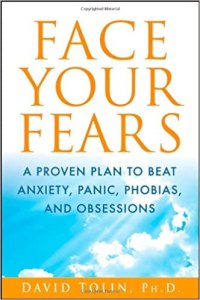
Book: Face Your Fears

Book Title:

Face Your Fears – A Proven Plan to Beat Anxiety, Panic, Phobias, and Obsessions.

Author(s): David Tolin, PhD.

Year: 2012.

Edition: First (1st), Illustrated Edition.

Publisher: John Wiley & Sons.

Type(s): Hardcover.

Synopsis:

Reclaim your life from crippling anxiety with this revolutionary step-by-step approach Nearly a third of all people will suffer from severe or debilitating fears – phobias, panic attacks, obsessions, worries, and more over the course of a lifetime.

Now Dr. David Tolin – a renowned psychologist and scientist at the Institute of Living and Yale featured on such programmes as The OCD Project, Hoarders, The Dr. Oz Show , and Oprah – offers help for nearly every type of anxiety disorder.

Dr. Tolin explains what fear really is, why you should face, not avoid, your fear, and how to beat your fear using gradual exposure techniques.

Practical action steps and exercises help you learn this unique approach to facing fear without crutches or other unhelpful things found in many other programs in order to achieve a life that is free of debilitating anxieties. Self–help guide that gives you the tools to take charge and overcome your fears Written by a leading authority on anxiety and based on the latest research provides a practical, step-by-step plan for beating many different kinds of fears—including social anxiety, posttraumatic stress disorder (PTSD), obsessive–compulsive disorder, panic disorder, and phobias Face Your Fears will change the way you think about fear and what to do about it.

This up-to-date, evidence-based, and user-friendly self-help guide to beating phobias and overcoming anxieties walks you step by step through the process of choosing courage and freedom over fear.

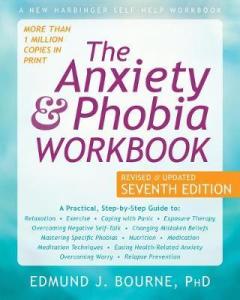
Book: The Anxiety and Phobia Workbook

Book Title:

The Anxiety and Phobia Workbook.

Author(s): Edmund J. Bourne, PhD.

Year: 2020.

Edition: Seventh (7th), Revised and Updated Edition.

Publisher: New Harbinger Publications.

Type(s): Paperback and Kindle.

Synopsis:

Celebrating 30 years as a classic in its field and recommended by therapists worldwide, The Anxiety and Phobia Workbook is an unparalleled, essential resource for people struggling with anxiety and phobias.

Living with anxiety, panic disorders, or phobias can make you feel like you aren’t in control of your life. Tackle the fears that hold you back with this go-to guide. Packed with the most effective skills for assessing and treating anxiety, this evidence-based workbook contains the latest clinical research. You’ll find an arsenal of tools for quieting worry, ending negative self-talk, and taking charge of your anxious thoughts, including:

  • Relaxation and breathing techniques; and
  • New research on exposure therapy for phobiasLifestyle, exercise, mindfulness and nutrition tips.

Written by a leading expert in cognitive behavioural therapy (CBT), this fully revised and updated seventh edition offers powerful, step-by-step treatment strategies for panic disorders, agoraphobia, generalised anxiety disorder (GAD), obsessive-compulsive disorder (OCD), post-traumatic stress disorder (PTSD), worry, and fear.

You will also find new information on relapse prevention after successful treatment, and updates on medication, cannabis derivatives, ketamine, exposure, nutrition, spirituality, the latest research in neurobiology, and more.

Whether you suffer from anxiety and phobias yourself, or are a professional working with this population, this book provides the latest treatment solutions for overcoming the fears that stand in the way of living a meaningful and happy life.

This workbook can be used on its own or in conjunction with therapy.