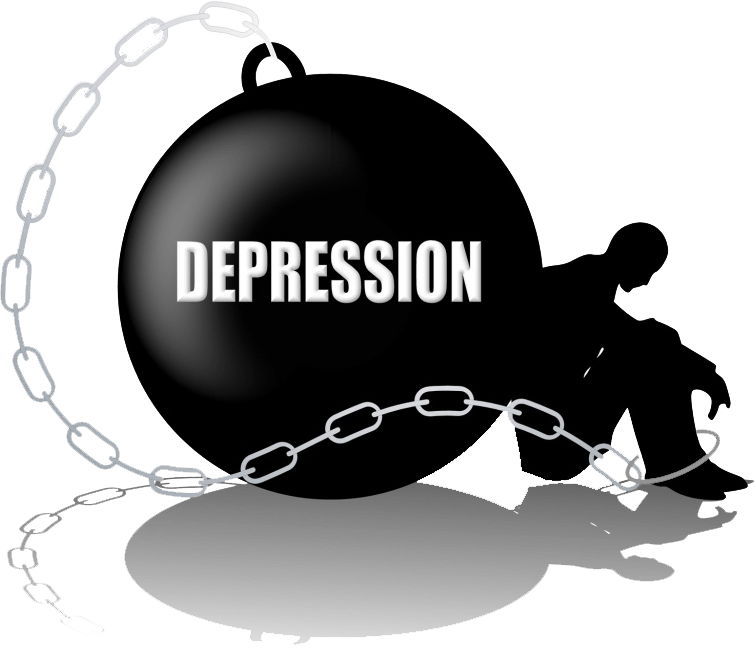
Is Type 2 Diabetes an Independent Risk Factor for Alzheimer Patients with Depression?

Research Paper Title

Analysis of Risk Factors for Depression in Alzheimer’s Disease Patients.

Background

Depression, which affects about 52% of Alzheimer’s disease (AD) patients, can worsen cognitive impairment and increase mortality and suicide rates.

The researchers hope to provide clinical evidence for the prevention and treatment of depression in AD patients by investigating related risk factors of depression in AD patients.

Methods

158 AD inpatients of the Department of Neurology, Daping Hospital from September 2017 to March 2019 were enrolled. General information, laboratory tests, cognitive and emotional function assessments of the inpatients were collected.

Logistic regression was used to analyse the risk factors of depression in AD patients, and the relationship between 17 Hamilton depression scale scores and HbA1c levels in AD patients was further analysed.

Results

The prevalence of age, gender, hypertension, hyperlipidemia, Type 2 diabetes mellitus (T2DM), and white matter lesions (WML) in the AD with depression group was significantly different from without depression group.

Hypertension, T2DM, and WML are independent risk factors for depression in AD patients.

The depression scores of AD patients with HbA1c>6.5% were significantly higher than AD patients with HbA1c ≤ 6.5%, and there were significant difference in depression scale scores between using anti-diabetes drugs group and not using anti-diabetes drugs group whose HbA1c level is >6.5%, while no difference in depression scores between using anti-diabetes drugs group and not using anti-diabetes drugs group whose HbA1c level is ≤6.5%.

Conclusions

T2DM is an independent risk factor for AD patients with depression.

Increased HbA1c levels aggravate depression in AD patients, and controlling HbA1c levels and anti-diabetes drugs can reduce the severity of depression in AD patients.

Reference

Yang, H., Hong, W., Chen, L., Tao, Y., Peng, Z. & Zhou, H. (2020) Analysis of Risk Factors for Depression in Alzheimer’s Disease Patients. The International Journal of Neuroscience. 1-6. doi: 10.1080/00207454.2020.1730369. Online ahead of print.

A Leader Suicide Risk Assessment Tool for Mitigating Risk Factors

Research Paper Title

Development of a Leader Tool for Assessing and Mitigating Suicide Risk Factors.

Background

Despite efforts in prevention, suicide rates in the US military remain unchanged. This article describes the development of a tool for leaders to identify and mitigate suicide risk factors.

Methods

A seven-item measure, the Leader Suicide Risk Assessment Tool (LSRAT), was constructed to allow leaders to assess and mitigate suicide drivers. During a 6-month pilot, unit leaders completed the LSRAT for 161 at-risk soldiers. The LSRAT data were compared to clinical data from a subset of these soldiers.

Results

The LSRAT showed good test-retest reliability. The LSRAT scores showed significant correlations with both clinical and screening measures of suicidality. Command actions mitigated or partially mitigated 89% of risk factors identified on the LSRAT.

Conclusions

This study provides initial psychometric data on a tool that prescribes concrete responses to mitigate risk. The LSRAT may be a valid and feasible tool to assist front-line commanders in identifying potential area’s risk mitigation. Synchronisation efforts between commanders, clinicians, and support services are crucial to ensure effective intervention to prevent suicide behaviour.

Reference

Hoyt, T., Repke, D., Barry, D., Baisley, M., Jervis, S., Black, R., McCreight, S., Prendergast, D., Brinton, C. & Amin, R. (2020) Development of a Leader Tool for Assessing and Mitigating Suicide Risk Factors. Military Medicine. 185(Suppl 1), pp.334-341. doi: 10.1093/milmed/usz194.

Are Soldiers-in-training Likely to Seek Help when Experiencing a Problem?

Research Paper Title

Identifying Risk and Resilience Factors Associated With the Likelihood of Seeking Mental Health Care Among U.S. Army Soldiers-in-Training

Background

The Department of Defence aims to maintain mission readiness of its service members. Therefore, it is important to understand factors associated with treatment seeking in order to identify areas of prevention and intervention early in a soldier’s career that can promote positive functioning and increase their likelihood of seeking mental health care when necessary.

Methods

Using a theory of planned behaviour lens, this study identified potential barriers (risk) and facilitators (resilience) to treatment seeking among 24,717 soldiers-in-training who participated in the New Soldiers Study component of the “Army Study to Assess Risk and Resilience in Servicemembers” (Army STARRS). Hierarchal linear regression modelling and independent samples t-tests were used to examine associations between demographics and study variables, intersections of risk and resilience, and to explore differences in the likelihood of seeking help based on mental health diagnoses.

Results

A four-stage hierarchical linear regression was conducted, using likelihood of help-seeking as the dependent variable, to identify the most salient factors related to help-seeking. “Step one” of the analysis revealed soldiers-in-training who identified as female, Hispanic or Other ethnicity, and married, divorced, or separated reported a greater likelihood of seeking help. “Step two” of the analysis indicated soldiers-in-training with a history of sexual trauma, experience of impaired parenting, and clinical levels of mental health symptomatology (anxiety, depression, PTSD) reported a greater likelihood of seeking help.

Inversely, soldiers-in-training with a history of emotional trauma and parental absence/separation reported a lower likelihood of seeking help. “Step three” of the analysis demonstrated soldiers-in-training with a prior history of seeking help and larger social networks had a greater likelihood of seeking help. “Step four” of the analysis revealed several interactive effects between risk and resilience factors.

Specifically, soldiers-in-training who reported greater depressive symptomatology in combination with prior history of treatment seeking reported a greater likelihood of help seeking, whereas soldiers-in-training who reported prior sexual trauma and PTSD in combination with large social networks reported a lower likelihood of seeking help. Finally, a greater percentage of soldiers-in-training with clinical levels of anxiety, depression, and PTSD indicated they would likely seek help in comparison to soldiers-in-training without clinical symptoms.

Conclusions

Findings suggest few soldiers-in-training are likely to seek help when experiencing a problem. General efforts to encourage help-seeking when needed are warranted with particular focus on subsets of soldiers-in-training (e.g., men, those with a history of some adverse childhood experiences).

Strengths of this study include the examination of a large sample of soldiers-in-training to identify possible leverage points for early intervention or prevention prior to entering stressful military operating environments.

Limitations of this study include the examination of only one military branch and exclusion of soldiers not “in-training.”

Future studies could consider replicating the current study using a sample of military personnel longitudinally to track behavioral trends as well as looking at military populations outside of basic combat training.

Reference

Duncan, J.M., Reed-Fitzke, K., Ferraro, A.J., Wojciak, A.S., Smith, K.M. & Sanchez, K. (2020) Identifying Risk and Resilience Factors Associated With the Likelihood of Seeking Mental Health Care Among U.S. Army Soldiers-in-Training. Military Medicine. doi: 10.1093/milmed/usz483. Online ahead of print.