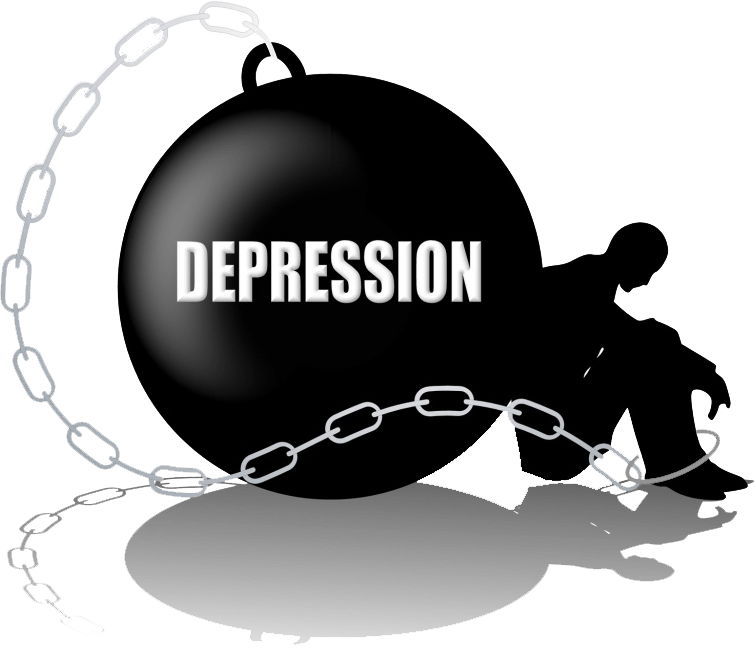
Is Early Improvement within the First 2 Weeks of Receiving Antidepressant Treatment a Predictor of Outcome in Patients with MDD and a High Level of Anxiety?

Research Paper Title

Antidepressant treatment strategy with an early onset of action improves the clinical outcome in patients with major depressive disorder and high anxiety: a multicenter and 6-week follow-up study.

Background

Major depressive disorder (MDD) is a prevalent, often chronic, and highly disabling multidimensional psychiatric illness. Moreover, co-occurring anxiety symptoms are extremely common among patients with MDD; up to 90% of patients present with anxiety symptoms. Notably, high levels of anxiety symptoms may predict worse clinical outcomes because of poor response to pharmacotherapy for MDD. So use of augmentation or combination strategies during early course of treatment could be necessary, but ensuring the accurate and timely change is difficult because of the lack of consensus to assess the early improvement of initial treatment. To date, replicated evidence indicates that the lack of early improvement (eg, <20% reduction in a depression scale score) in 2 weeks can be an accurate predictor to identify eventual non-responders. This study aimed to evaluate the early onset of antidepressant action and clinical outcomes in patients with MDD and high anxiety, and to explore the potential influencing factors of early onset improvement.

Methods

This study was a post-hoc analysis of a multi-centre, randomised, parallel-controlled, open-label study. The study protocol was approved by the independent ethics committee in each research centre or the ethics committee of the Peking University Sixth Hospital. All the participants provided written informed consent before the study. A total of 245 patients (aged 18–65 years) were diagnosed with MDD based on the Diagnostic and Statistical Manual of Mental Disorders, 4th Edition, Text Revision criteria. They were required to have a current major depressive episode with a total score ≥17 on the Hamilton Depression Rating Scale 17-item (HAMD-17), and also have a high level of anxiety symptoms with a total score ≥14 on the Hamilton Anxiety Rating Scale (HAMA) at the baseline visit.

All eligible patients were assigned to receive at least 6 weeks of follow-up and antidepressant treatment, including selective serotonin reuptake inhibitors (SSRIs) alone or coupled with a flexible dose of tandospirone. The involved SSRIs were fluoxetine, paroxetine, fluvoxamine, sertraline, citalopram, and escitalopram. Notably, not all the patients were naive to any antidepressants at the first visit, but they were not treated with adequate dose of antidepressants for more than 2 weeks in the current episode. Treatment with several sedative-hypnotic drugs for short-term use was permitted as needed for sleep disorders, including zopiclone, lorazepam, alprazolam, clonazepam, midazolam, zaleplon, and zolpidem.

The efficacy measurements were evaluated at different visit points, including week 2, week 4, and week 6. The evaluation tools included HAMD-17 total scores, HAMA total scores, and Clinical Global Impressions Severity Subscale (CGI-S) score. Moreover, short form-12 (SF-12) physical component score (PCS) and mental component score (MCS) were used to assess the quality of life of these patients. Remission assessment was defined as showing an HAMD-17 total score ≤7 points.

At the end of week 2,240 patients remained and were divided into two groups based on the reduction rate of HAMD-17 total score compared with the baseline: early-improvement group (≥20% decrease in HAMD-17 total score, n = 134) and early-unimproved group (<20% decrease in HAMD-17 total score, n = 106). Finally, 230 patients completed the 6-week follow-up, including 128 patients with early-improvement and 102 early-unimproved patients. The comparison of the remission rate between the two groups was conducted in week 6. In addition, the potential influencing factors of early improvement in week 2 were also analysed.

The data analysis was based on the full analysis set. The data collected at each visit point were analysed using the mixed-effects repeated-measures model. The influencing factors of early improvement were analysed by logistic regression. All the statistical analyses were performed using the Statistical Package for the Social Sciences for Windows, version 24.0 (SPSS, Inc., Chicago, IL, USA). P < 0.05 was considered statistically significant.

Results

The baseline demographic data were similar between the two groups (P > 0.05), except for the number of patients taking sedative-hypnotic drugs. The patients in the early-improvement group showed more combination of sedative-hypnotic drugs compared with the patients in the early-unimproved group (12.7% [17/134] vs. 1.9% [2/106], χ2 = 11.979, P = 0.002).

At baseline, the total scores of HAMD-17 (24.76 vs. 23.11, P = 0.007) and CGI-S (4.89 vs. 4.54, P = 0.002) in the early-improvement group were significantly higher, and SF-12 (PCS) (38.77 vs. 41.65, P = 0.022) and SF-12 (MCS) (26.01 vs. 28.05, P = 0.035) scores were significantly lower than those in the early-unimproved group. The statistical superiority was observed for the early-improvement group in the HAMD-17 total score, HAMA total score, and CGI-S total score during weeks 2 to 6, SF-12 (PCS) score in week 6 and SF-12 (MCS) score between weeks 2 and 6.

Notably, the patients in the early-improvement group showed greater improvements in several important rating scales compared with the patients in the early-unimproved group at the endpoint visit. The least-squares (LS) mean in the HAMD-17 total score was statistically lower for the early-improvement group than the early-unimproved group (6.48 vs. 12.17, P < 0.001). The LS means in both HAMA total score (7.19 vs. 11.8, P < 0.001) and CGI-S total score (1.91 vs. 2.65, P < 0.001) were also significantly lower in the early-improvement group than in the early-unimproved patients. The greater improvements were observed in both SF-12 (PCS) score (48.26 vs. 45.36, P = 0.014) and SF-12 (MCS) score (44.21 vs. 36.36, P < 0.001) for the early-improvement group than for the early-unimproved group. In addition, the early-improvement group showed a significant difference in the remission rate in week 6 compared with the early-unimproved group (62.8% [80/128] vs. 29.4% [30/102], χ2 = 25.424, P < 0.001).

The logistic regression model was used to analyse the influencing factors for early improvement. The dependent variable was a dichotomous variable, which was an early improvement vs. early un-improvement. The independent variables included in the model were treatment (SSRIs + tandospirone vs. SSRIs), combination with sedative-hypnotic drugs, age, body weight, sex, age of onset of psychiatric symptoms, course of recent episode, and baseline total scores of HAMD-17, HAMA, CGI-S, SF-12 (MCS), and SF-12 (PCS) scales. Of these variables, the combination with sedative-hypnotic drugs was statistically significant (odds ratio: 7.556, 95% confidence interval: 1.607–35.530, P = 0.010), indicating that the combination with sedative-hypnotic therapy was more helpful for early improvement.

Conclusions

The present study successfully replicated the findings of previous major studies, which demonstrated a significant relationship between early improvement within the first weeks of antidepressant treatment and later remission rate in patients with MDD. Specifically, a similar association was found in patients with MDD and high level of anxiety symptoms. The results showed that patients who achieved the early improvement of the depressive symptoms in week 2 after antidepressant treatment also obtained the sustained relief of symptoms and improved quality of life during weeks 2 to 6. Further, these patients with early improvement displayed more significant clinical remission of depressive symptoms in week 6.

According to the logistic regression analysis, the results revealed that the combination with sedative-hypnotic drugs was a significant predictor of early improvement in week 2. Benzodiazepines are primarily used as a sedative-hypnotics in patients with MDD to alleviate anxiety symptom and insomnia, and they might contribute to the response to antidepressants in the first two weeks because they produce a faster onset of effect on anxiety symptoms than antidepressants alone. Thus, it may be justifiable to combine benzodiazepines as a short-term treatment in patients with MDD and high-level anxiety.

In summary, the early improvement within the first 2 weeks of receiving antidepressant treatment is a powerful predictor of outcome in patients with MDD and a high level of anxiety. Notably, the short-term combination with sedative-hypnotic drugs within the first few weeks may augment the early-onset improvement of antidepressant therapy.

Reference

Liao, Xue-Mei., Su, Yun-Ai1., Wang, Ying.; Yu, Xin. & Si, Tian-Mei. (2020) Antidepressant treatment strategy with an early onset of action improves the clinical outcome in patients with major depressive disorder and high anxiety: a multicenter and 6-week follow-up study. Chinese Medical Journal. 6, pp.726-728. doi: 10.1097/CM9.0000000000000673.

Can Internet-based Clinical Practice Guidelines aid in the Management of PTSD?

Research Paper Title

Randomized Controlled Trial of a Web-Based Intervention to Disseminate Clinical Practice Guidelines for Posttraumatic Stress Disorder: The PTSD Clinicians Exchange.

Background

Delivery of best-practice care for Post-Traumatic Stress Disorder (PTSD) is a priority for clinicians working with active duty military personnel and veterans.

The PTSD Clinicians Exchange, an Internet-based intervention, was designed to assist in disseminating clinically relevant information and resources that support delivery of key practices endorsed in the Veterans Administration (VA)-Department of Defence (DoD) Clinical Practice Guidelines (CPG) for the Management of Posttraumatic Stress.

Methods

The researchers conducted a randomised controlled trial to examine the effectiveness of the Clinicians Exchange intervention in increasing familiarity and perceived benefits of 26 CPG-related and emerging practices.

The intervention consisted of ongoing access to an Internet resource featuring best-in-class resources for practices, self-management of burnout, and biweekly e-mail reminders highlighting selected practices.

Mental health clinicians (N = 605) were recruited from three service sectors (VA, DoD, community); 32.7% of participants assigned to the Internet intervention accessed the site to view resources.

Results

Individuals who were offered the intervention increased their practice familiarity ratings significantly more than those assigned to a newsletter-only control condition, d = 0.27, p = .005.

From baseline to 12-months, mean familiarity ratings of clinicians in the intervention group increased from 3.0 to 3.4 on scale of 1 (not at all) to 5 (extremely); mean ratings for the control group were 3.2 at both assessments.

Clinicians generally viewed the CPG practices favourably, rating them as likely to benefit their clients.

Conclusions

The results suggest that Internet-based resources may aid more comprehensive efforts to disseminate CPGs, but increasing clinician engagement will be important.

Reference

Ruzek, J.I., Wilk, J., Simon, E., Marceau, L., Trachtenberg, F.L., Magnavita, A.M., Coleman, J.L., Ortigo, K., Ambrosoli, J., Zincavage, R., Clarke-Walper, K., Penix, E. & Rosen, R.C. (2020) Randomized Controlled Trial of a Web-Based Intervention to Disseminate Clinical Practice Guidelines for Posttraumatic Stress Disorder: The PTSD Clinicians Exchange. Journal of Traumatic Stress. 33(2), pp.190-196. doi: 10.1002/jts.22483. Epub 2020 Feb 26.

Are there Differences in Sources of Help & Barriers to Care in Deployed vs. Post-Deployment Environments?

Research Paper Title

Mental Health Service Utilization and Perceived Barriers to Receiving Care in Deployed Soldiers.

Background

Scant research has examined mental health treatment utilisation and barriers to care in deployed US soldiers.

This study aims to assess mental health treatment utilisation in deployed soldiers, including providers used and barriers to care.

Methods

US Army soldiers (n = 2,412) in a combat environment were surveyed on psychiatric symptoms, mental health help received, sources of care, and perceived barriers to care by Mental Health Advisory teams from 2009 to 2013.

Results

Of the 25% of soldiers at mental health risk, 37% received mental health help, with 18% receiving help from a provider. Non-provider sources of care were utilised significantly more frequently than providers.

Soldiers at mental health risk reported significantly greater anticipated career-related stigma, organisational barriers to care, self-reliance views, and negative attitudes toward care, yet these constructs did not differ between who did or did not receive help.

Soldiers who received help from providers exclusively reported significantly more anticipated career-related stigma and fewer organisational barriers to care than those that received no help.

Soldiers who spent no time living outside the forward operating base and soldiers with six or more types of combat exposures were more likely to receive help.

Conclusions

Prevalence of common psychopathology and receipt of care in a combat environment was similar to previous reports from post-deployment settings.

Non-provider sources of care were more frequently utilised as compared to an in-Garrison report.

Findings suggest important differences exist in sources of help and barriers to care in deployed vs. post-deployment environments.

The hypothesised barriers to care did not preclude receiving any help, however, less than one-half of soldiers at mental health risk received help.

Thus, future research should identify factors that have the greatest influence on help seeking behaviour in both deployed and Garrison settings.

Reference

Nugent, K.L., Riviere, L.A., Sipos, M.L. & Wilk, J.E. (2020) Mental Health Service Utilization and Perceived Barriers to Receiving Care in Deployed Soldiers. Military Medicine. pii: usaa019. doi: 10.1093/milmed/usaa019. [Epub ahead of print].

Could Fake Poo & a Rubber Hand Treat OCD?

An illusion in which fake faeces are put on a rubber hand has been tested on people with obsessive compulsive disorder (OCD) (Jalal et al., 2020).

It may one day become a new treatment.

Therapies based on this illusion, designed to help people get more comfortable with germ exposure, could be less upsetting than existing therapies, says Baland Jalal at the University of Cambridge.

The original rubber hand illusion involves putting one hand out of sight and seeing a fake hand in its place. If someone else strokes both the fake and real hand, most people feel that the fake is their own.

Jalal and his colleagues tried a variant on people with hygiene-related OCD. They are usually treated with exposure therapy, but that would, for example, involve exposure on their actual hands. As a result, a quarter reject such therapy.

In the study, 29 people with OCD had fake faeces, made from foods and a fake odour, dabbed on the rubber hand, while their real, hidden hand was touched with a damp towel. While they knew the faeces were fake, they reported feeling disgusted and contaminated.

Jalal’s team plan to test the technique as a way of treating OCD.

References

Jalal, B., McNally, R.J., Elias, J.A., Potluri, S. & Ramanchandran, V.S. (2020) “Fake it till You Make it”! Contaminating Rubber Hands (“Multisensory Stimulation Therapy”) to Treat Obsessive-Compulsive Disorder. Frontiers in Human Neuroscience. 13:414. https://doi.org/10.3389/fnhum.2019.00414

Wilson, C. (2020) Rubber Hand Illusion and Fake Poo May be the may to Treat OCD. New Scientist. 18 January 2020, pp.17.

Do we need Evidence-based Rehabilitation Programmes to Facilitate Community Integration & Functional Recovery?

Research Paper Title

Addressing Severe Mental Illness Rehabilitation in Colombia, Costa Rica, and Peru.

Background

Many Latin American countries face the challenge of caring for a growing number of people with severe mental illnesses while promoting deinstitutionalisation and community-based care.

This article presents an overview of current policies that aim to reform the mental health care system and advance the employment of people with disabilities in Colombia, Costa Rica, and Peru.

Methods

The authors conducted a thematic analysis by using public records and semi-structured interviews with stakeholders.

The authors found evidence of supported employment programmes for vulnerable populations, including people with disabilities, but found that the programmes did not include people with severe mental illnesses.

Results

Five relevant themes were found to hamper progress in psychiatric vocational rehabilitation services:

  1. Rigid labour markets;
  2. Insufficient advocacy;
  3. Public subsidies that create conflicting incentives;
  4. Lack of deinstitutionalised models; and
  5. Lack of reimbursement for evidence-based psychiatric rehabilitation interventions.

Conclusions

Policy reforms in these countries have promoted the use of medical interventions to treat people with severe mental illnesses but not the use of evidence-based rehabilitation programmes to facilitate community integration and functional recovery.

Because these countries have other supported employment programmes for people with non-psychiatric disabilities, they are well positioned to pilot individual placement and support to accelerate full community integration among individuals with severe mental illnesses.

Reference

Cubillos, L., Muñoz, J., Caballero, J., Mendoza, M., Pulido, A., Carpio, K., Udutha, A.K., Botero, C., Borrero, E., Rodríguez, D., Cutipe, Y., Emeny, R., Schifferdecker, K. & Torrey, W.C. (2020) Addressing Severe Mental Illness Rehabilitation in Colombia, Costa Rica, and Peru. Psychiatric Services (Washington, D.C.). 71(4):378-384. doi: 10.1176/appi.ps.201900306. Epub 2020 Jan 3.

Should Hospital Psychiatry Complement Community Psychiatry?

Research Paper Title

The Relationship Between Hospital and Community Psychiatry: Complements, Not Substitutes?

Background

Community-based psychiatric services are essential to mental health. For decades, researchers, advocates, and policy makers have presumed that expanding the supply of these services hinges on reducing the supply of hospital-based care.

Cross-national data from the World Health Organisation call this presumption into question.

Community and hospital psychiatry appear to be complements, not substitutes.

Reference

Perera, I.M. (2020) The Relationship Between Hospital and Community Psychiatry: Complements, Not Substitutes? Psychiatric Services (Washington, D.C.). doi: 10.1176/appi.ps.201900086. [Epub ahead of print].

Education & Training should Aim to improve the Recognition & Treatment of Postpartum OCD

Research Paper Title

Advances in the pharmacological management of obsessive-compulsive disorder in the postpartum period.

Background

Obsessive-compulsive disorder (OCD) is a psychiatric disorder characterised by obsessions and compulsions.

Obsessions are defined as intrusive, recurrent and distressing thoughts, images or impulses, whereas compulsions are defined as repetitive behaviours or mental acts.

While there is an associated distress, and indeed oftentimes, the individual’s awareness that these behaviours are excessive and unreasonable, the individual continues to be disabled by an inability to cease their compulsions.

The postpartum period may herald the onset of OCD or precipitate an exacerbation of the preexisting OCD symptoms.

Common OCD symptom clusters occur in the postpartum period, with specific challenges associated with motherhood and lactation.

Areas Covered

This brief review aims to review the extent and nature of publications evaluating pharmacological treatment of OCD in the postpartum period.

Expert Opinion

Education and training should aim to improve the recognition and treatment of postpartum OCD.

Due to the limited nature of studies, more research is required to assess the role of selective serotonin reuptake inhibitors in the postpartum period.

Reference

Brakoulias, V., Viswasam, K., Dwyer, A., Raine, K.H. & Starcevic, V. (2020) Advances in the pharmacological management of obsessive-compulsive disorder in the postpartum period. Expert Opinion on Pharmacotherapy. 21(2), pp.163-165. doi: 10.1080/14656566.2019.1700229. Epub 2020 Jan 1.

Are E-Mental Health Applications for Depression Beneficial?

Research Paper Title

E-mental health applications for depression: an evidence-based ethical analysis.

Background

E-mental health applications (apps) are an increasingly important factor for the treatment of depression.

To assess the risks and benefits for patients, an in-depth ethical analysis is necessary.

The objective of this paper is to determine the ethical implications of app-based treatment for depression.

Methods

An evidence-based ethical analysis was conducted.

The material was meta-reviews and randomised control studies (RCTs) on app-based treatment.

Based on the empirical data, an ethical analysis was conducted using the 3-ACES-approach by Thornicroft and Tansella.

Results

Apps may empower autonomy, offer an uninterrupted series of contacts over a period of time, show evidence-based benefits for patients with subclinical and mild-to-moderate-symptoms, are easily accessible, may be used for coordinating information and services within an episode of care, and are on the whole cost-effective.

Their risks are that they are not suitable for the whole range of severity of mental illnesses and patient characteristics, show severe deficits in the data privacy policy, and a big variability in quality standards.

Conclusions

The use of apps in depression treatment can be beneficial for patients as long as:

  • The usefulness of an app-based treatment is assessed for each individual patient;
  • Apps are chosen according to symptom severity as well as characteristics like the patient’s level of self-reliance, their e-literacy, and their openness vis-à-vis apps; and
  • Manufacturers improve their privacy policies and the quality of apps.

Reference

Rubeis, G. (2020) E-mental health applications for depression: an evidence-based ethical analysis. European Archives of Psychiatry and Clinical Neuroscience. doi: 10.1007/s00406-019-01093-y. [Epub ahead of print].

Post-Traumatic Growth & Support: Consider Quality & Quantity

Research Paper Title

The impact of received social support on posttraumatic growth after disaster: The importance of both support quantity and quality.

Background

Few studies have investigated the relationship between received social support (actual help received) and posttraumatic growth (PTG), and these studies focused only on the quantity of support received.

This study examined the joint implications of both the quantity and quality of post-disaster received social support for PTG.

Methods

Data were collected from Lushan earthquake (China, in 2013) survivors at 7 (n = 199) and 31 (n = 161) months after the earthquake.

The main effects of quantity and quality of received support, and the interaction between support quantity and support quality, were examined using hierarchical multiple regression analyses controlling for the extent of disaster exposure, post-disaster negative life events, and sociodemographic factors.

Results

Neither quantity nor quality of received social support exerted significant main effects on PTG.

However, the influence of the amount of received social support on PTG was moderated by the quality of received social support.

Among survivors who appraised the post-disaster social support they received as higher in quality, greater amounts of received support were associated with more subsequent PTG.

Among those survivors who appraised the post-disaster social support they received as lower in quality, greater quantity of received support was associated with lower levels of reported PTG.

Conclusions

This study calls attention to the importance of enhancing the quality of help provided to disaster survivors because simply “more” support is not necessarily better.

Reference

Shang, F., Kaniasty, K., Cowlishaw, S., Wade, D., Ma, H. & Forbes, D. (2020) The impact of received social support on posttraumatic growth after disaster: The importance of both support quantity and quality. Psychological Trauma: Theory, Research, Practice, and Policy. doi: 10.1037/tra0000541. [Epub ahead of print].

Can Questionnaires Guide Decisions to Refer Adults in Mental Health Services to Autism Diagnostic Services?

Research Paper Title

Testing adults by questionnaire for social and communication disorders, including autism spectrum disorders, in an adult mental health service population.

Background

Autism is difficult to identify in adults due to lack of validated self-report questionnaires.

The researchers compared the effectiveness of the autism-spectrum quotient (AQ) and the Ritvo autism-Asperger’s diagnostic scale-revised (RAADS-R) questionnaires in adult mental health services in two English counties.

Methods

A subsample of adults who completed the AQ and RAADS-R were invited to take part in an autism diagnostic observation schedule (ADOS Module 4) assessment with probability of selection weighted by scores on the questionnaires.

Results

There were 364 men and 374 women who consented to take part.

Recorded diagnoses were most commonly mood disorders (44%) and mental and behavioural disorders due to alcohol/substance misuse (19%), and 4.8% (95% CI [2.9, 7.5]) were identified with autism (ADOS Module 4 10+).

One had a pre-existing diagnosis of autism; five (26%) had borderline personality disorders (all female) and three (17%) had mood disorders.

The AQ and RAADS-R had fair test accuracy (area under receiver operating characteristic [ROC] curve 0.77 and 0.79, respectively).

AQ sensitivity was 0.79 (95% CI [0.54, 0.94]) and specificity was 0.77 (95% CI [0.65, 0.86]); RAADS-R sensitivity was 0.75 (95% CI [0.48, 0.93]) and specificity was 0.71 (95% CI [0.60, 0.81]).

Conclusions

The AQ and RAADS-R can guide decisions to refer adults in mental health services to autism diagnostic services.

Reference

Brugha, T., Tyrer, F., Leaver, A., Lewis, S., Seaton, S., Morgan, Z., Tromans, S. & van Rensburg, K. (2020) Testing adults by questionnaire for social and communication disorders, including autism spectrum disorders, in an adult mental health service population. International Journal of Methods in Psychiatric Research. 29(1):e1814. doi: 10.1002/mpr.1814. Epub 2020 Jan 10.