Posts

On This Day … 29 October

People (Deaths)

  • 1949 – George Gurdjieff, Armenian-French monk, psychologist, and philosopher (b. 1872).

George Gurdjieff

George Ivanovich Gurdjieff (1866-1877 to 29 October 1949) was a Russian philosopher, mystic, spiritual teacher, and composer of Armenian and Greek descent, born in Alexandropol, Russian Empire (now Gyumri, Armenia).

Gurdjieff taught that most humans do not possess a unified consciousness and thus live their lives in a state of hypnotic “waking sleep”, but that it is possible to awaken to a higher state of consciousness and achieve full human potential. Gurdjieff described a method attempting to do so, calling the discipline “The Work” or “the System”. According to his principles and instructions, Gurdjieff’s method for awakening one’s consciousness unites the methods of the fakir, monk and yogi, and thus he referred to it as the “Fourth Way”.

What is Outpatient Commitment?

Introduction

Outpatient commitment – also termed assisted outpatient treatment (AOT) or community treatment orders (CTO) – refers to a civil court procedure wherein a legal process orders an individual diagnosed with a severe mental disorder to adhere to an outpatient treatment plan designed to prevent further deterioration or recurrence that is harmful to themselves or others.

This form of involuntary treatment is distinct from involuntary commitment in that the individual subject to the order continues to live in their home community rather than being detained in hospital or incarcerated. The individual may be subject to rapid recall to hospital, including medication over objections, if the conditions of the order are broken, and the person’s mental health deteriorates. This generally means taking psychiatric medication as directed and may also include attending appointments with a mental health professional, and sometimes even not to take non-prescribed illicit drugs and not associate with certain people or in certain places deemed to have been linked to a deterioration in mental health in that individual.

The criteria and process for outpatient commitment are established by law, which vary among nations and, in the US and Canada, among states or provinces. Some jurisdictions require court hearings, where a judge will make a court order, and others require that treating psychiatrists comply with a set of requirements before compulsory treatment is instituted. When a court process is not required, there is usually a form of appeal to the courts or appeal to or scrutiny by tribunals set up for that purpose. Community treatment laws have generally followed the worldwide trend of community treatment. See mental health law for details of countries which do not have laws that regulate compulsory treatment.

Terminology

In the United States the term “assisted outpatient treatment” (AOT) is often used and refers to a process whereby a judge orders a qualifying person with symptoms of severe untreated mental illness to adhere to a mental health treatment plan while living in the community. The plan typically includes medication and may include other forms of treatment as well. Patients are often monitored and assigned to case managers or a community dedicated to treating mental health known as assertive community treatment (ACT).

Australia, Canada, England, and New Zealand use the term “community treatment order” (CTO).

Comparison to Inpatient Commitment

The terminology, “outpatient commitment”, and legal construction often equate outpatient commitment with inpatient commitment but providing the patient more freedom. In practice, outpatient commitment may be used in situations where commitment would not be used because it is cheaper than inpatient commitment; seen as less draconian; and protects mental health professionals from moral, civil or criminal liability.

Preventive Use

Outpatient commitment is used in some countries to prevent relapse of mental disorders, as many mental disorders are episodic in natural (for example bipolar disorder or schizophrenia) and it can be difficult to predict whether a mental disorder with reoccur.

Some countries use outpatient commitment for first episode psychosis (FEP).

Implementation

Discussions of “outpatient commitment” began in the psychiatry community in the 1980s following deinstitutionalisation, a trend that led to the widespread closure of public psychiatric hospitals and resulted in the discharge of large numbers of people with mental illness to the community.

Europe

Denmark

Denmark introduced outpatient commitment in 2010 with the Mental Health Act (Danish: Lov om anvendelse af tvang i psykiatrien).

Germany

In Germany, as of 2014, only former forensic psychiatry patients may be placed under community treatment orders. Legislation to allow for wider use of CTOs was considered in 2003-2004, but it was ultimately rejected by the Bundestag.

The Netherlands

As of 2014, Dutch law provides for community treatment orders, and an individual who does not comply with the terms of their CTO may be subject to immediate involuntary commitment.

Norway

When Norway introduced outpatient commitment in the 1961 Mental Health Act, it could only be mandated for individuals who had previously been admitted for inpatient treatment. Revisions in 1999 and 2006 provided for outpatient commitment without previous inpatient treatment, but this provision is seldom used.

Sweden

In Sweden, the Compulsory Psychiatric Care Act (Swedish: Lag om psykiatrisk tvångsvård) provides for an administrative court to mandate psychiatric treatment to prevent harm to the individual or others. The law was created in 1991 and revised in 2008.

England and Wales

Changes in service provision and amendments to the Mental Health Act in England and Wales have increased the scope for compulsion in the community. The Mental Health Act 2007 introduced community treatment orders (CTOs). CTOs are legally defined as a form of outpatient leave for individuals detained under section 3 of the Mental Health Act. As such, only members of the medical community are involved in issuing a CTO, though both the section 3 detention underlying the CTO and the CTO itself can be appealed to the Mental Health Tribunal where a panel consisting of medical doctors and a judge will make a decision.

A review of patient data in London found that the average duration of a CTO in the UK was 3 years. Black people in the UK are more than ten times as likely to be under a CTO as white people. 

The legislation in the UK specifically allows CTOs to be issued after a single admission to hospital for treatment. However, the Royal College of Psychiatrists suggested limiting CTOs to patients with a history of noncompliance and hospitalization, when it reviewed the current mental health legislation.

John Mayer Chamberlain argues that this legislation was triggered by the Killing of Jonathan Zito by an individual who had interactions with mental health services prior this event, which led the then conservative government to argue for CTOs.

In a 2021 paper reviewing the mental health act, the UK government proposed a new form of indefinite outpatient commitment allowing for deprivation of liberties an continuous supervision termed supervised discharge. This discharge would be reviewed yearly, and only apply to individuals who would not benefit from treatment in a hospital setting and would be based on risk.  Further, this legislation would only apply to restricted patients who have been diverted to the mental health care system from courts.

Scotland

Scotland has a different community commitment regime from England and Wales introduced in the 2003 Mental Health Act. There is ongoing debate in the UK on the place of coercion and compulsion in community mental health care.

North America

In the last decade of the 20th century and the first of the 21st, “outpatient commitment” laws were passed in a number of US states and jurisdictions in Canada.

Canada

In the mid-1990s, Saskatchewan became the first Canadian province to implement community treatment orders, and Ontario followed in 2000. As of January 2016, New Brunswick was the only province without legislation that provided for either CTOs or extended leave.

United States

By the end of 2010, 44 US states had enacted some version of an outpatient commitment law. In some cases, passage of the laws followed widely publicised tragedies, such as the murders of Laura Wilcox and Kendra Webdale.

Oceania

Australia and New Zealand introduced community treatment orders in the 1980s and 1990s.

Australia

In Australia, community treatment orders last for a maximum of twelve months but can be renewed after review by a tribunal.

Evidence

A systematic review in 2016 that looked at around 200 papers investigating effectiveness of CTOs for patient outcomes. It found that non-randomised trials had dramatically varying results and found that no randomised controlled trials showed any benefits to the patient for outpatient commitment apart from a reduction in the risk of being the victim of crime.

The same interventions can have different effects in different countries due to legal, bureaucratic and social factors.

Cost

Research published in 2013 showed that Kendra’s Law in New York, which served about 2,500 patients at a cost of $32 million, had positive results in terms of net cost, reduced arrests. About $125 million is also spent annually on improved outpatient treatment for patients who are not subject to the law. In contrast to New York, despite wide adoption of outpatient commitment, the programs were generally not adequately funded.

“Although numerous AOT programs currently operate across the United States, it is clear that the intervention is vastly underutilized.”

Arrests, Danger, and Violence

The National Institute of Justice considers assisted outpatient treatment an effective crime prevention programme. Some studies in the US have found that AOT programmes have reduced the chances of arrest. Kendra’s Law has lowered risk of violent behaviours, reduced thoughts about suicide.

Outcomes and hospital admissions

AOT “programs improve adherence with outpatient treatment and have been shown to lead to significantly fewer emergency commitments, hospital admissions, and hospital days as well as a reduction in arrests and violent behavior.”

“The likelihood of psychiatric hospital admission was significantly reduced by approximately 25% during the initial six-month court order…and by over one-third during a subsequent six-month renewal of the order…. Similar significant reductions in days of hospitalization were evident during initial court orders and subsequent renewals…. Improvements were also evident in receipt of psychotropic medications and intensive case management services. Analysis of data from case manager reports showed similar reductions in hospital admissions and improved engagement in services.”

74% fewer participants experienced homelessness. 77% fewer experienced psychiatric hospitalization. 56% reduction in length of hospitalisation. 83% fewer experienced arrest. 87% fewer experienced incarceration. 49% fewer abused alcohol. 48% fewer abused drugs. Consumer participation and medication compliance improved. The number of individuals exhibiting good adherence to meds increased 51%. The number of individuals exhibiting good service engagement increased 103%. Consumer perceptions were positive. 75% reported that AOT helped them gain control over their lives. 81% said AOT helped them get and stay well. 90% said AOT made them more likely to keep appointments and take meds. 87% of participants said they were confident in their case manager’s ability. 88% said they and their case manager agreed on what was important to work on.

In Nevada County, CA, AOT (“Laura’s Law“) decreased the number of psychiatric hospital days 46.7%, the number of incarceration days 65.1%, the number of homeless days 61.9%, and the number of emergency interventions 44.1%. Laura’s Law implementation saved $1.81-$2.52 for every dollar spent, and receiving services under Laura’s Law caused a “reduction in actual hospital costs of $213,300” and a “reduction in actual incarceration costs of $75,600.”

In New Jersey, Kim Veith, director of clinical services at Ocean Mental Health Services, noted the AOT pilot programme performed “beyond wildest dreams.” AOT reduced hospitalisations, shortened inpatient stays, reduced crime and incarceration, stabilised housing, and reduced homelessness. Of clients who were homeless, 20% are now in supportive housing, 40% are in boarding homes, and 20% are living successfully with family members.

Writing in the British Journal of Psychiatry in 2013, Jorun Rugkåsa and John Dawson stated:

“The current evidence from RCTs suggests that CTOs do not reduce readmission rates over 12 months.”

“We find that New York State’s AOT Program improves a range of important outcomes for its recipients, apparently without feared negative consequences to recipients.”

“The increased services available under AOT clearly improve recipient outcomes, however, the AOT court order, itself, and its monitoring do appear to offer additional benefits in improving outcomes.”

Effect on Mental Illness System

Access to Services

“AOT has been instrumental in increasing accountability at all system levels regarding delivery of services to high need individuals. Community awareness of AOT has resulted in increased outreach to individuals who had previously presented engagement challenges to mental health service providers.”

“Improved treatment plan development, discharge planning, and coordination of service planning. Processes and structures developed for AOT have resulted in improvements to treatment plans that more appropriately match the needs of individuals who have had difficulties using mental health services in the past.”

“Improved collaboration between mental health and court systems. As AOT processes have matured, professionals from the two systems have improved their working relationships, resulting in greater efficiencies, and ultimately, the conservation of judicial, clinical, and administrative resources. There is now an organized process to prioritize and monitor individuals with the greatest need; AOT ensures greater access to services for individuals whom providers have previously been reluctant to serve; There is now increased collaboration between inpatient and community-based providers.”

In New York City net costs declined 50% in the first year after assisted outpatient treatment began and an additional 13% in the second year. In non-NYC counties, costs declined 62% in the first year and an additional 27% in the second year. This was in spite of the fact that psychotropic drug costs increased during the first year after initiation of assisted outpatient treatment, by 40% and 44% in the city and five-county samples, respectively. The increased community-based mental health costs were more than offset by the reduction in inpatient and incarceration costs. Cost declines associated with assisted outpatient treatment were about twice as large as those seen for voluntary services.

“In all three regions, for all three groups, the predicted probability of an MPR ≥80% improved over time (AOT improved by 31–40 percentage points, followed by enhanced services, which improved by 15–22 points, and ‘neither treatment,’ improving 8–19 points). Some regional differences in MPR trajectories were observed.”

“In tandem with New York’s AOT program, enhanced services increased among involuntary recipients, whereas no corresponding increase was initially seen for voluntary recipients. In the long run, however, overall service capacity was increased, and the focus on enhanced services for AOT participants appears to have led to greater access to enhanced services for both voluntary and involuntary recipients.”

“It is also important to recognize that the AOT order exerts a critical effect on service providers stimulating their efforts to prioritize care for AOT recipients.”

Race

“We find no evidence that the AOT Program is disproportionately selecting African Americans for court orders, nor is there evidence of a disproportionate effect on other minority populations. Our interviews with key stakeholders across the state corroborate these findings.”

“We found no evidence of racial bias. Defining the target population as public-system clients with multiple hospitalizations, the rate of application to white and black clients approaches parity.”

Service Engagement

“After 12 months or more on AOT, service engagement increased such that AOT recipients were judged to be more engaged than voluntary patients. This suggests that after 12 months or more, when combined with intensive services, AOT increases service engagement compared to voluntary treatment alone.”

Consumers approve. Despite being under a court order to participate in treatment, current AOT recipients feel neither more positive nor more negative about their treatment experiences than comparable individuals who are not under AOT.

“When the court order was for seven months or more, improved medication possession rates and reduced hospitalization outcomes were sustained even when the former AOT recipients were no longer receiving intensive case coordination services.”

In Los Angeles, CA, the AOT pilot programme reduced incarceration 78%, hospitalisation 86%, hospitalisation after discharge from the programme 77%, and cut taxpayer costs 40%.

In North Carolina, AOT reduced the percentage of persons refusing medications to 30%, compared to 66% of patients not under AOT.

In Ohio, AOT increased attendance at outpatient psychiatric appointments from 5.7 to 13.0 per year. It increased attendance at day treatment sessions from 23 to 60 per year. “During the first 12 months of outpatient commitment, patients experienced significant reductions in visits to the psychiatric emergency service, hospital admissions, and lengths of stay compared with the 12 months before commitment.”

In Arizona, “71% [of AOT patients] … voluntarily maintained treatment contacts six months after their orders expired” compared with “almost no patients” who were not court-ordered to outpatient treatment.

In Iowa, “it appears as though outpatient commitment promotes treatment compliance in about 80% of patients… After commitment is terminated, about ¾ of that group remain in treatment on a voluntary basis.”

Controversy

Proponents have argued that outpatient commitment improves mental health, increases the effectiveness of treatment, lowers incidence of homelessness, arrest, incarceration and hospitalisation and reduces costs. Opponents of outpatient commitment laws argue that they unnecessarily limit freedom, force people to ingest dangerous medications, or are applied with racial and socioeconomic biases.

Proponents

While many outpatient commitment laws have been passed in response to violent acts committed by people with mental illness, most proponents involved in the outpatient commitment debate also make arguments based on the quality of life and cost associated with untreated mental illness and “revolving door patients” who experience a cycle of hospitalisation, treatment and stabilisation, release, and decompensation. While the cost of repeated hospitalisations is indisputable, quality-of-life arguments rest on an understanding of mental illness as an undesirable and dangerous state of being. Outpatient commitment proponents point to studies performed in North Carolina and New York that have found some positive impact of court-ordered outpatient treatment. Proponents include: Substance Abuse and Mental Health Services Administration (SAMHSA), US Department of Justice, Agency for Healthcare Research and Quality (AHRQ), US Department of Health and Human Services, American Psychiatric Association, National Alliance on Mental Illness, International Association of Chiefs of Police. SAMHSA included Assisted Outpatient Treatment in their National Registry of Evidence Based Program and Practices. Crime Solutions: Management Strategies to Reduce Psychiatric Readmissions. The Treatment Advocacy Centre are an advocacy group that campaign for the use of outpatient commitment.

Opponents

Outpatient commitment opponents make several varied arguments. Some dispute the positive effects of compulsory treatment, questioning the methodology of studies that show effectiveness. Others highlight negative effects of treatment. Still others point to disparities in the way these laws are applied.

The opponents claim they are giving medication to the patient, but there are no brain chemical imbalances to correct in “mental illness”. Our ability to control ourselves and reason comes from the mind, and the brain is being reduced in size from the psychiatric medications.

The slippery slope argument of “If government bodies are given power, they will use it in excess.” was proven when 350–450 CTOs were expected to be issued in 2008 and more than five times that number were issued in the first few months. Every year there are increasing numbers of people subject to CTO’s.

The psychiatric survivors movement opposes compulsory treatment on the basis that the ordered drugs often have serious or unpleasant side-effects such as tardive dyskinesia, neuroleptic malignant syndrome, excessive weight gain leading to diabetes, addiction, sexual side effects, and increased risk of suicide. The New York Civil Liberties Union has denounced what they see as racial and socioeconomic biases in the issuing of outpatient commitment orders. The main opponents to any kind of coercion, including the outpatient commitment and any other form of involuntary commitment, are Giorgio Antonucci and Thomas Szasz.

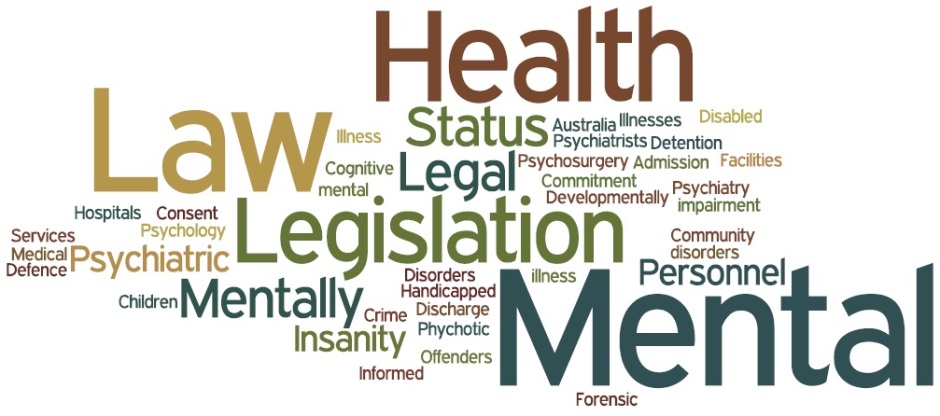
What is Mental Health Law?

Introduction

Mental health law includes a wide variety of legal topics and pertain to people with a diagnosis or possible diagnosis of a mental health condition, and to those involved in managing or treating such people. Laws that relate to mental health include:

  • Employment laws, including laws that prohibit employment discrimination on the basis of a mental health condition, require reasonable accommodations in the workplace, and provide mental health-related leave;
  • Insurance laws, including laws governing mental health coverage by medical insurance plans, disability insurance, workers compensation, and Social Security Disability Insurance;
  • Housing laws, including housing discrimination and zoning;
  • Education laws, including laws that prohibit discrimination, and laws that require reasonable accommodations, equal access to programmes and services, and free appropriate public education;
  • Laws that provide a right to treatment;
  • Involuntary commitment and guardianship laws;
  • Laws governing treatment professionals, including licensing laws, confidentiality, informed consent, and medical malpractice;
  • Laws governing admission of expert testimony or other psychiatric evidence in court; and
  • Criminal laws, including laws governing fitness for trial or execution, and the insanity defence.

Mental health law has received relatively little attention in scholarly legal forums. The University of Memphis Cecil C. Humphreys School of Law in 2011 announced the formation of a student-edited law journal entitled “Mental Health Law & Policy Journal.”

United States

Employment

Title I of the Americans with Disabilities Act of 1990 (“ADA”) is a civil rights law that protects individuals with depression, posttraumatic stress disorder (“PTSD”), and other mental health conditions in the workplace. It prohibits employers with 15 or more employees from firing, refusing to hire, or taking other adverse actions against a job applicant or employee based on real or perceived mental health conditions. It also strictly limits the circumstances under which an employer can ask for information about medical conditions, including mental health conditions, and imposes confidentiality requirements on any medical information that the employer does have.

The ADA also requires employers to provide reasonable accommodations to job applicants or employees with mental health conditions under some circumstances. A reasonable accommodation is a special arrangement or piece of equipment that a person needs because of a medical condition to apply for a job, do a job, or enjoy the benefits and privileges of employment. Examples include a flexible schedule, changes in the method of supervision, and permission to work from home. To have the right to a reasonable accommodation, the worker’s mental health condition must meet the ADA’s definition of a “current disability.” Conditions that should easily qualify include major depression, PTSD, bipolar disorder, obsessive-compulsive disorder (“OCD”), and schizophrenia. Other conditions may also qualify, depending on what the symptoms would be if the condition were left untreated, during an active episode (if the condition involves active episodes). The symptoms do not need to be severe or permanent for the condition to be a disability under the ADA.

Under the Family and Medical Leave Act of 1993 (FMLA), certain employees are entitled to up to twelve weeks of job-protected and unpaid leave to recover from a serious illness or to care for a family member with a serious illness, among other reasons. To be eligible, the employer must have had 50 or more employees in 20 or more workweeks in the current or preceding calendar year, or else must be a public agency, elementary school, or secondary school, and the employee must have worked for the employer for at least 12 months, must have at least 1,250 hours of service for the employer during the 12-month period immediately preceding the leave, and must work at a location where the employer has at least 50 employees within 75 miles.

United Kingdom

Various pieces of legislation including Mental Health Act 1983 and the Mental Capacity Act 2005 govern mental health law giving mental health professionals the ability to commit individuals, treat them without consent and place restrictions on them while in public through outpatient commitment, according to the rules of this legislation. These decisions can be challenged through the mental health tribunals which contain members of the judiciary, though the initial decisions are made by mental health professionals alone.

Around the World

Civil Commitment

Mental health legislation is largely used in the management of psychiatric disorders, such as dementia or psychosis, and developmental disabilities where a person does not possess the ability to act in a legally competent manner and requires treatment and/or another person to act in his or her best interests. The laws generally cover the requirements and procedures for involuntary commitment and compulsory treatment in a psychiatric hospital or other facility.

In some jurisdictions, court orders are required for compulsory treatment; in others, psychiatrists may treat compulsorily by following set procedures, usually with means of appeal or regular scrutiny to ensure compliance with the law.

Sources of Law

Mental health law includes areas of both civil and criminal common and statutory law.

Common law is based on long-standing English legal principles, as interpreted through case law. Mental health-related legal concepts include mens rea, insanity defences; legal definitions of “sane,” “insane,” and “incompetent;” informed consent; and automatism, amongst many others.

Statutory law usually takes the form of a mental health statute. An example is the Mental Health Act 1983 in England and Wales. These acts codify aspects of the treatment of mental illness and provides rules and procedures to be followed and penalties for breaches.

Not all countries have mental health acts. The World Health Report (2001) lists the following percentages, by region, for countries with and without mental health legislation.

On This Day … 28 October

People (Births)

  • 1943 – Karalyn Patterson, English psychologist and academic.

Karalyn Patterson

Karalyn Eve Patterson, FRS, FBA, FMedSci is a British psychologist in Department of Clinical Neurosciences, University of Cambridge and MRC Cognition and Brain Sciences Unit. She is a specialist in cognitive neuropsychology and an Emeritus Fellow of Darwin College, Cambridge.

Patterson was born in Chicago and attended South Shore High School, Chicago, from which she graduated in 1961. She completed her Doctor of Philosophy (PhD) at the University of California, San Diego, in 1971.

In 1975, Patterson moved to England to take a position at the Applied Psychology Unit of the Medical Research Council (MRC) in Cambridge.

What is the National Suicide Prevention Lifeline?

Introduction

The National Suicide Prevention Lifeline is a United States-based suicide prevention network of over 160 crisis centres that provides 24/7 service via a toll-free hotline with the number 1-800-273-8255 (TALK).

It is available to anyone in suicidal crisis or emotional distress. The caller is routed to their nearest crisis centre to receive immediate counselling and local mental health referrals. The lifeline supports people who call for themselves or someone they care about. In July 2020, the US Federal Communication Commission (FCC) finalised an order to direct telecommunication carriers to implement 9-8-8 as the new toll-free nationwide telephone number for the hotline by 16 July 2022.

Logo of the National Suicide Prevention Lifeline.

Brief History

The National Suicide Prevention Lifeline grant is one component of the National Suicide Prevention Initiative (NSPI), a multi-project effort to reduce suicide, led by the Substance Abuse and Mental Health Services Administration’s (SAMHSA) Centre for Mental Health Services.

In July 2004, SAMHSA released a notice of funding availability (NOFA) as part of its National Suicide Prevention Initiative (NSPI). In keeping with SAMHSA’s duty to advance the goals of the National Strategy for Suicide Prevention, the NOFA called for proposals from non-profit organisations to expand, enhance, and sustain a network of certified crisis centres providing suicide prevention and intervention services to those in need using a toll-free number and website.

In September 2004, the Mental Health Association of New York City (MHA-NYC) was selected to administer the federally funded network of crisis centres named the National Suicide Prevention Lifeline.

In December 2004, the National Suicide Prevention Lifeline was founded by the Substance Abuse and Mental Health Services Administration, a division of the Department of Health and Human Services.

Google, Bing, Yahoo and Ask.com all place the phone number and website details of the National Suicide Prevention Lifeline as the reserved first result for when one enters keywords related to suicide, such as “How to tie a noose” and “I want to die.”

In April 2017, Logic, an American musician and rapper released a song featuring Alessia Cara and Khalid for his third album Everybody titled “1-800-273-8255”, the number used for The National Suicide Prevention Hotline. On the day of the song release, the lifeline received one of its highest daily call volumes. It was made to bring awareness to the hotline and to the problems associated with suicide. After being featured on the 2017 MTV Video Music Awards, it increased the calls to the hotline by 50% that night. On the day of the song release, “Lifeline’s Facebook page saw 3 times its usual traffic” and Lifeline’s “website saw a 17% increase in users in May 2017 over the previous month.” Many of the callers to several crisis centres have mentioned Logic’s song, and a third of those callers were struggling with suicidal thoughts. The song was performed at the 60th Annual Grammy Awards as a tribute to Linkin Park vocalist Chester Bennington, who committed suicide in the previous year.

The National Suicide Hotline Improvement Act of 2018 required the Federal Communications Commission and other agencies to consider a three-digit number for the hotline. On 15 August 2019, FCC staff recommended that the Commission designate the number 988 for the hotline. On 12 December 2019, the Commission approved a proposed rule starting the process for public commenting and final rule making. The rule was adopted on 16 July 2020 in final form in a 5-0 vote by the FCC. The rule requires telecommunication carriers to implement the telephone number 988 to route calls to the existing service number by 16 July 2022. This provides sufficient time to expand staff and training to handle the anticipated call volume. As 988 is already assigned as a central office prefix in many area codes, the dialling procedures for these areas must prescribe ten-digit dialling, or the central office prefix 988 must be retired. Where necessary, ten-digit dialling will become mandatory on 24 October 2021.

On 17 October 2020, the National Suicide Hotline Designation Act (S.2661) was signed into law to support the implementation of the hotline. Disability advocates, calling for equity, petitioned the FCC to implement text-to-988 service for hard-of-hearing and speech-disabled people. The following month, on 20 November 2020, T-Mobile became the first wireless carrier to implement the 9-8-8 number for voice calls.

The Canadian Radio-television and Telecommunications Commission has recommended using a three-digit number, most likely 988, for a similar program in Canada. Should 988 be used, it would require the last four areas without ten-digit dialling currently in place or with a planned overlay, those being area codes 506, 709, 807 and 867, to convert to ten-digit dialling to implement, as 988 is an active prefix in all areas above.

Veterans Hotline

In June 2007, the Department of Veterans Affairs (VA) partnered with SAMHSA and the National Suicide Prevention Lifeline to provide a veterans hotline to help veterans in emotional crisis. Callers who identify themselves as a US military veteran are routed to a special veterans hotline. This service caters to VA-specific mental health care needs, and helps connect vets to the VA Healthcare system. In addition to the hotline, the veterans hotline also offers text messaging support by texting to 838255, as well as an online chat service for those who want to use the hotline.

What is Metacognitive Training?

Introduction

Metacognitive training, (MCT), is an approach for treating the symptoms of psychosis in schizophrenia, especially delusions, which has been adapted for other disorders such as depression, obsessive-compulsive disorder and borderline personality disorder over the years (see below and external links for free download).

It was developed by Steffen Moritz and Todd Woodward. The intervention is based on the theoretical principles of cognitive behavioural therapy (CBT), but focuses in particular on problematic thinking styles (cognitive biases) that are associated with the development and maintenance of positive symptoms, e.g. overconfidence in errors and jumping to conclusions. Metacognitive training exists as a group training (MCT) and as an individualized intervention (MCT+).

Refer to Metacognitive Therapy.

Background

Metacognition can be defined as “thinking about thinking”. Over the course of the training, cognitive biases subserving positive symptoms are identified and corrected. The current empirical evidence assumes a connection between certain cognitive biases, such as jumping to conclusions, and the development and maintenance of psychosis. Accordingly, correcting these problematic/unhelpful thinking styles should lead to a reduction of symptoms.

Intervention

In eight training units (modules) and two additional modules, examples of “cognitive traps”, which can promote the development and maintenance of the positive symptoms of schizophrenia, are presented to patients in a playful way. Patients are instructed to critically reflect on their thought patterns, which may contribute to problematic behaviours, and to implement the contents of the training in everyday life. MCT deals with the following problematic styles of thinking: monocausal attributions, jumping to conclusions, inflexibility, problems in social cognition, overconfidence for memory errors and depressive thought patterns. The additional modules deal with stigma and low self-esteem. Individualised metacognitive training (MCT+) targets the same symptoms and cognitive biases as the group training, but is more flexible in that it allows discussion of individualised topics. The treatment materials for the group training can be obtained free of charge in over 30 languages from the website.

Efficacy

A recent meta-analysis found significant improvements for positive symptoms and delusions, as well as the acceptance of the training. These findings have been replicated in 2018 and 2019. An older meta-analysis based on a smaller number of studies found a small effect, which reached significance when newer studies were considered. Individual studies provide evidence for the long-term effectiveness of the approach beyond the immediate treatment period. MCT is recommended as an evidence-based treatment by the Royal Australian and New Zealand College of Psychiatrists as well as the German Association for Psychiatry, Psychotherapy and Psychosomatics.

Adaptations to other Disorders

Since its introduction, MCT has been adapted to other mental disorders. Empirical studies have been carried out for borderline personality disorder, obsessive-compulsive disorder (self-help approach), depression, bipolar disorders, and problem gambling.

Links (External)

On This Day … 27 October

People (Deaths)

  • 2011 – James Hillman, American psychologist and author (b. 1926).

James Hillman

James Hillman (12 April 1926 to 27 October 2011) was an American psychologist. He studied at, and then guided studies for, the C.G. Jung Institute in Zurich. He founded a movement toward archetypal psychology and retired into private practice, writing and traveling to lecture, until his death at his home in Connecticut.

Early Life and Education

Hillman was born in Atlantic City, New Jersey in 1926. He was the third child of four born to Madeleine and Julian Hillman. James was born in Breakers Hotel, one of the hotels his father owned. His maternal grandfather was Joseph Krauskopf, a rabbi in the Reform Judaism movement, who emigrated to the United States from Prussia. After high school, he studied at the Edmund A. Walsh School of Foreign Service for two years. He served in the US Navy Hospital Corps from 1944 to 1946, after which he attended the University of Paris, studying English Literature, and Trinity College, Dublin, graduating with a degree in mental and moral science in 1950. He began his career as associate editor for the Irish literary review, Envoy. In 1953 he moved to Switzerland where he met Carl Gustav Jung and began to study his work. He also met there and became friends with the maverick young Swiss doctor and psychotherapist, Adolf Guggenbühl-Craig. In 1959, he received his PhD from the University of Zurich, as well as his analyst’s diploma from the C.G. Jung Institute and was then appointed as Director of Studies at the institute, a position he held until 1969.

Career

In 1970, Hillman became editor of Spring Publications, a publishing company devoted to advancing Archetypal Psychology as well as publishing books on mythology, philosophy and art. His magnum opus, Re-visioning Psychology, was written in 1975 and nominated for the Pulitzer Prize. Hillman then helped co-found the Dallas Institute for Humanities and Culture in 1978. His 1997 book, The Soul’s Code: In Search of Character and Calling, was on The New York Times Best Seller List that year. His works and ideas about philosophy and psychology have also been popularised by other authors such as the psychotherapist Thomas Moore. His published works, essays, manuscripts, research notes, and correspondence (through 1999) reside at OPUS Archives and Research Centre, located on the campuses of Pacifica Graduate Institute in Carpinteria, California.

Hillman was married three times, lastly to Margot McLean-Hillman, who survived him. He has four children from his first marriage. He died at his home in Thompson, Connecticut, in 2011, from bone cancer.

What is Metacognitive Therapy?

Introduction

Metacognitive therapy (MCT) is a psychotherapy focused on modifying metacognitive beliefs that perpetuate states of worry, rumination and attention fixation.

It was created by Adrian Wells based on an information processing model by Wells and Gerald Matthews. It is supported by scientific evidence from a large number of studies.

The goals of MCT are first to discover what patients believe about their own thoughts and about how their mind works (called metacognitive beliefs), then to show the patient how these beliefs lead to unhelpful responses to thoughts that serve to unintentionally prolong or worsen symptoms, and finally to provide alternative ways of responding to thoughts in order to allow a reduction of symptoms. In clinical practice, MCT is most commonly used for treating anxiety disorders such as social anxiety disorder, generalised anxiety disorder (GAD), health anxiety, obsessive compulsive disorder (OCD) and post-traumatic stress disorder (PTSD) as well as depression – though the model was designed to be transdiagnostic (meaning it focuses on common psychological factors thought to maintain all psychological disorders).

Refer to Metacognitive Training.

Brief History

Metacognition, Greek for “after” (meta) “thought” (cognition), refers to the human capacity to be aware of and control one’s own thoughts and internal mental processes. Metacognition has been studied for several decades by researchers, originally as part of developmental psychology and neuropsychology. Examples of metacognition include a person knowing what thoughts are currently in their mind and knowing where the focus of their attention is, and a person’s beliefs about their own thoughts (which may or may not be accurate). The first metacognitive interventions were devised for children with attentional disorders in the 1980s.

Model of Mental Disorders

Self-Regulatory Executive Function Model

In the metacognitive model, symptoms are caused by a set of psychological processes called the cognitive attentional syndrome (CAS). The CAS includes three main processes, each of which constitutes extended thinking in response to negative thoughts. These three processes are:

  • Worry/rumination.
  • Threat monitoring.
  • Coping behaviours that backfire.

All three are driven by patients’ metacognitive beliefs, such as the belief that these processes will help to solve problems, although the processes all ultimately have the unintentional consequence of prolonging distress. Of particular importance in the model are negative metacognitive beliefs, especially those concerning the uncontrollability and dangerousness of some thoughts. Executive functions are also believed to play a part in how the person can focus and refocus on certain thoughts and mental modes. These mental modes can be categorised as object mode and metacognitive mode, which refers to the different types of relationships people can have towards thoughts. All of the CAS, the metacognitive beliefs, the mental modes and the executive function together constitute the self-regulatory executive function model (S-REF). This is also known as the metacognitive model. In more recent work, Wells has described in greater detail a metacognitive control system of the S-REF aimed at advancing research and treatment using metacognitive therapy.

Therapeutic Intervention

MCT is a time-limited therapy which usually takes place between 8-12 sessions. The therapist uses discussions with the patient to discover their metacognitive beliefs, experiences and strategies. The therapist then shares the model with the patient, pointing out how their particular symptoms are caused and maintained.

Therapy then proceeds with the introduction of techniques tailored to the patient’s difficulties aimed at changing how the patient relates to thoughts and that bring extended thinking under control. Experiments are used to challenge metacognitive beliefs (e.g. “You believe that if you worry too much you will go ‘mad’ – let’s try worrying as much as possible for the next five minutes and see if there is any effect”) and strategies such as attentional training technique and detached mindfulness (this is a distinct strategy from various other mindfulness techniques).

Research

Clinical trials (including randomised controlled trials) have found MCT to produce large clinically significant improvements across a range of mental health disorders, although as of 2014 the total number of subjects studied is small and a meta-analysis concluded that further study is needed before strong conclusions can be drawn regarding effectiveness. A 2015 special issue of the journal Cognitive Therapy and Research was devoted to MCT research findings.

A 2018 meta-analysis confirmed the effectiveness of MCT in the treatment of a variety of psychological complaints with depression and anxiety showing high effect sizes. It concluded (Morina & Normann, 2018):

“Our findings indicate that MCT is an effective treatment for a range of psychological complaints. To date, strongest evidence exists for anxiety and depression. Current results suggest that MCT may be superior to other psychotherapies, including cognitive behavioral interventions. However, more trials with larger number of participants are needed in order to draw firm conclusions.”

In 2020, a study showed superior effectiveness in MCT over CBT in the treatment of depression. It summarised (Callesen et al., 2020):

“MCT appears promising and might offer a necessary advance in depression treatment, but there is insufficient evidence at present from adequately powered trials to assess the relative efficacy of MCT compared with CBT in depression.”

In 2018-2020, a research topic in the journal Frontiers in Psychology highlighted the growing experimental, clinical, and neuropsychological evidence base for MCT.

References

Morina, N. & Normann, N. (2018) The Efficacy of Metacognitive Therapy: A Systematic Review and Meta-Analysis. Frontiers in Psychology. 9:2211. doi:10.3389/fpsyg.2018.02211.

Callesen, P., Reeves, D., Heal, C. & Wells, A. (2020) Metacognitive Therapy versus Cognitive Behaviour Therapy in Adults with Major Depression: A Parallel Single-Blind Randomised Trial. Scientific Reports. 10(1):7878.

What is Mazindol?

Introduction

Mazindol (brand names Mazanor, Sanorex) is a stimulant drug which is used as an appetite suppressant.

It was developed by Sandoz-Wander in the 1960s.

Medical Uses

Mazindol is used in short-term (i.e. a few weeks) treatment of obesity, in combination with a regimen of weight reduction based on caloric restriction, exercise, and behaviour modification in people with a body mass index greater than 30, or in those with a body mass index greater than 27 in the presence of risk factors such as hypertension, diabetes, or hyperlipidaemia. Mazindol is not currently available as a commercially marketed and US Food and Drug Administration (FDA)-regulated prescription agent for the treatment of obesity.

There is a Swiss study investigating its efficacy in treating ADHD.

Pharmacology

Mazindol is a sympathomimetic amine, which is similar to amphetamine. It stimulates the central nervous system, which increases heart rate and blood pressure, and decreases appetite. Sympathomimetic anorectics (appetite suppressants) are used in the short-term treatment of obesity. Their appetite-reducing effect tends to decrease after a few weeks of treatment. Because of this, these medicines are useful only during the first few weeks of a weight-loss program.

Although the mechanism of action of the sympathomimetics in the treatment of obesity is not fully known, these medications have pharmacological effects similar to those of amphetamines. Like other sympathomimetic appetite suppressants, mazindol is thought to act as a reuptake inhibitor of norepinephrine. In addition, it inhibits dopamine and serotonin reuptake. The recommended dosage is 2 mg per day for 90 days in patients 40 kg overweight and under; 4 mg a day in patients more than 50 kg overweight; divided into two doses separated by a 12-hour window between each dose.

Overdose

Symptoms of a mazindol overdose include: restlessness, tremor, rapid breathing, confusion, hallucinations, panic, aggressiveness, nausea, vomiting, diarrhoea, an irregular heartbeat, and seizures.

Analogues

From available QSAR data, the following trends are apparent:

  • Desoxylation of the tertiary alcohol in mazindol improves DAT and SERT binding without substantially reducing NET affinity.
  • Removal of the p-chlorine atom from the phenyl ring of mazindol increases NET affinity and substantially reduces DAT and SERT affinity.
  • Expansion of the imidazoline ring system in mazindol to the corresponding six-membered homolog increases DAT affinity by ~10 fold.
  • Replacement of the phenyl moiety with a naphthyl ring system results in a ~50 fold increase in SERT affinity without significant decreases in NET or DAT affinities.
  • Halogenation of 3′ and/or 4′ position of the phenyl ring of mazindol results in increased potency at NET, DAT, and SERT.
  • Fluorination of the 7′ position of the tricyclic phenyl ring results in a ~2 fold increase in binding affinity to the DAT.

Research

As of 2016 mazindol was being studied in clinical trials for attention-deficit hyperactivity disorder.

On This Day … 26 October

People (Births)

  • 1909 – Ignace Lepp, French psychologist and author (d. 1966).

Ignace Lepp

Ignace Lepp (born John Robert Lepp; 26 October 1909 to 29 May 1966) was a French writer of Estonian origin.

According to his book Atheism in Our Time, Lepp was an atheist and Marxist for many years and claimed to have occupied important positions in the communist party with whom he later became very disillusioned. He then converted to Roman Catholicism and was ordained a priest in 1941. He wrote many non-fiction books including some about atheism, religion, and later psychiatry, as he was a psychologist and psychoanalyst.

He wrote among other books: The Ways of Friendship, The Psychology of Loving, The Authentic Existence, The Communication of Existences. He also wrote The faith of men; meditations inspired by Teilhard de Chardin (Teilhard et la foi des homme), about the French thinker Pierre Teilhard de Chardin.