Posts

On This Day … 21 February

People (Births)

  • 1892 – Harry Stack Sullivan, American psychiatrist and psychoanalyst (d. 1949).
  • 1914 – Jean Tatlock, American psychiatrist and physician (d. 1944).
  • 1961 – Elliot Hirshman, American psychologist and academic.

Harry Stack Sullivan

Herbert “Harry” Stack Sullivan (21 February 1892 to 14 January 1949) was an American Neo-Freudian psychiatrist and psychoanalyst who held that “personality can never be isolated from the complex interpersonal relationships in which [a] person lives” and that “[t]he field of psychiatry is the field of interpersonal relations under any and all circumstances in which [such] relations exist”. Having studied therapists Sigmund Freud, Adolf Meyer, and William Alanson White, he devoted years of clinical and research work to helping people with psychotic illness.

Jean Tatlock

Jean Frances Tatlock (21 February 1914 to 04 January 1944) was an American psychiatrist and physician. She was a member of the Communist Party of the United States of America and was a reporter and writer for the party’s publication Western Worker. She is most widely known for her romantic relationship with Robert Oppenheimer, the director of the Manhattan Project’s Los Alamos Laboratory during World War II.

The daughter of John Strong Perry Tatlock, a prominent Old English philologist and an expert on Geoffrey Chaucer, Tatlock was a graduate of Vassar College and the Stanford Medical School, where she studied to become a psychiatrist. Tatlock began seeing Oppenheimer in 1936, when she was a graduate student at Stanford and Oppenheimer was a professor of physics at the University of California, Berkeley. As a result of their relationship and her membership of the Communist Party, she was placed under surveillance by the FBI and her phone was tapped.

She suffered from clinical depression and committed suicide on 04 January 1944.

Elliot Hirshman

Elliot Lee Hirshman (21 February 1961) is an American psychologist and academic who is the president of Stevenson University in Owings Mills, Maryland since 03 July 2017. Prior to Stevenson University he served as president at San Diego State University and served as the provost and senior vice president of the University of Maryland, Baltimore County.

What is Method of Factors?

Introduction

The Method of Factors is a technique in cognitive behavioural therapy (CBT) to organise a session of exposure therapy.

Background

Rather than generating a list of objects or situations in advance (a static hierarchy) representing escalating levels of arousal and intensity of fear for a particular phobia, the Method of Factors involves identifying a fear-provoking stimulus, then identifying those features of the stimulus that control the intensity of fear.

The hierarchy then emerges in the course of the exposure session as the patient seeks to maintain a moderately high arousal. Because of this emergent nature, it is referred to as a Dynamic Hierarchy (Brady & Raines, 2009).

Reference

Brady, A. & Raines, D. (2009) Dynamic Hierarchies: A Control System Paradigm for Exposure Therapy. The Cognitive Behaviour Therapist. 2(1), pp.51-62.

What is Exposure Therapy?

Introduction

Exposure therapy is a technique in behaviour therapy to treat anxiety disorders. Exposure therapy involves exposing the target patient to the anxiety source or its context without the intention to cause any danger. Doing so is thought to help them overcome their anxiety or distress. Procedurally, it is similar to the fear extinction paradigm developed studying laboratory rodents. Numerous studies have demonstrated its effectiveness in the treatment of disorders such as generalised anxiety disorder (GAD), social anxiety disorder, obsessive-compulsive disorder (OCD), post traumatic stress disorder (PTSD), and specific phobias.

Brief History

The use of exposure as a mode of therapy began in the 1950s, at a time when psychodynamic views dominated Western clinical practice and behavioural therapy was first emerging. South African psychologists and psychiatrists first used exposure as a way to reduce pathological fears, such as phobias and anxiety-related problems, and they brought their methods to England in the Maudsley Hospital training programme.

Joseph Wolpe (1915-1997) was one of the first psychiatrists to spark interest in treating psychiatric problems as behavioural issues. He sought consultation with other behavioural psychologists, among them James G. Taylor (1897-1973), who worked in the psychology department of the University of Cape Town in South Africa. Although most of his work went unpublished, Taylor was the first psychologist known to use exposure therapy treatment for anxiety, including methods of situational exposure with response prevention – a common exposure therapy technique still being used. Since the 1950s several sorts of exposure therapy have been developed, including systematic desensitisation, flooding, implosive therapy, prolonged exposure therapy, in vivo exposure therapy, and imaginal exposure therapy.

Medical Uses

Generalised Anxiety Disorder

There is empirical evidence that exposure therapy can be an effective treatment for people with generalised anxiety disorder, citing specifically in vivo exposure therapy, which has greater effectiveness than imaginal exposure in regards to generalized anxiety disorder. The aim of in vivo exposure treatment is to promote emotional regulation using systematic and controlled therapeutic exposure to traumatic stimuli.

Phobia

Exposure therapy is the most successful known treatment for phobias. Several published meta-analyses included studies of one-to-three hour single-session treatments of phobias, using imaginal exposure. At a post-treatment follow-up four years later 90% of people retained a considerable reduction in fear, avoidance, and overall level of impairment, while 65% no longer experienced any symptoms of a specific phobia.

Agoraphobia and social anxiety disorder are examples of phobias that have been successfully treated by exposure therapy.

Post Traumatic Stress Disorder

Virtual reality exposure (VRE) therapy is a modern but effective treatment of post-traumatic stress disorder (PTSD). This method was tested on several active duty Army soldiers, using an immersive computer simulation of military settings over six sessions. Self-reported PTSD symptoms of these soldiers were greatly diminished following the treatment. Exposure therapy has shown promise in the treatment of co-morbid PTSD and substance abuse.

Obsessive Compulsive Disorder

Exposure and response prevention (also known as exposure and ritual prevention; ERP or EX/RP) is a variant of exposure therapy that is recommended by the American Academy of Child and Adolescent Psychiatry (AACAP), the American Psychiatric Association (APA), and the Mayo Clinic as first-line treatment of obsessive compulsive disorder (OCD) citing that it has the richest empirical support for both youth and adolescent outcomes.

ERP is predicated on the idea that a therapeutic effect is achieved as subjects confront their fears, but refrain from engaging in the escape response or ritual that delays or eliminates distress. In the case of individuals with OCD or an anxiety disorder, there is a thought or situation that causes distress. Individuals usually combat this distress through specific behaviours that include avoidance or rituals. However, ERP involves purposefully evoking fear, anxiety, and or distress in the individual by exposing him/her to the feared stimulus. The response prevention then involves having the individual refrain from the ritualistic or otherwise compulsive behaviour that functions to decrease distress. The patient is then taught to tolerate distress until it fades away on its own, thereby learning that rituals are not always necessary to decrease distress or anxiety. Over repeated practice of ERP, patients with OCD expect to find that they can have obsessive thoughts and images but not have the need to engage in compulsive rituals to decrease distress.

The AACAP’s practise parameters for OCD recommends cognitive behavioural therapy, and more specifically ERP, as first line treatment for youth with mild to moderate severity OCD and combination psychotherapy and pharmacotherapy for severe OCD. The Cochrane Review’s examinations of different randomised control trials echoes repeated findings of the superiority of ERP over waitlist control or pill-placebos, the superiority of combination ERP and pharmacotherapy, but similar effect sizes of efficacy between ERP or pharmacotherapy alone.

Techniques

Exposure therapy is based on the principle of respondent conditioning often termed Pavlovian extinction. The exposure therapist identifies the cognitions, emotions and physiological arousal that accompany a fear-inducing stimulus and then tries to break the pattern of escape that maintains the fear. This is done by exposing the patient to progressively stronger fear-inducing stimuli. Fear is minimised at each of a series of steadily escalating steps or challenges (a hierarchy), which can be explicit (“static”) or implicit (“dynamic” – refer to Method of Factors) until the fear is finally gone. The patient is able to terminate the procedure at any time.

There are three types of exposure procedures. The first is in vivo or “real life.” This type exposes the patient to actual fear-inducing situations. For example, if someone fears public speaking, the person may be asked to give a speech to a small group of people. The second type of exposure is imaginal, where patients are asked to imagine a situation that they are afraid of. This procedure is helpful for people who need to confront feared thoughts and memories. The third type of exposure is interoceptive, which may be used for more specific disorders such as panic or post-traumatic stress disorder. Patients confront feared bodily symptoms such as increased heart rate and shortness of breath. All types of exposure may be used together or separately.

While evidence clearly supports the effectiveness of exposure therapy, some clinicians are uncomfortable using imaginal exposure therapy, especially in cases of PTSD. They may not understand it, are not confident in their own ability to use it, or more commonly, they see significant contraindications for their client.

Flooding therapy also exposes the patient to feared stimuli, but it is quite distinct in that flooding starts at the most feared item in a fear hierarchy, while exposure starts at the least fear-inducing.

Exposure and Response Prevention

In the exposure and response prevention (ERP or EX/RP) variation of exposure therapy, the resolution to refrain from the escape response is to be maintained at all times and not just during specific practice sessions. Thus, not only does the subject experience habituation to the feared stimulus, but they also practice a fear-incompatible behavioural response to the stimulus. The distinctive feature is that individuals confront their fears and discontinue their escape response. The American Psychiatric Association recommends ERP for the treatment of OCD, citing that ERP has the richest empirical support.

While this type of therapy typically causes some short-term anxiety, this facilitates long-term reduction in obsessive and compulsive symptoms. Generally, ERP incorporates a relapse prevention plan toward the end of the course of therapy.

Mindfulness

A 2015 review pointed out parallels between exposure therapy and mindfulness, stating that mindful meditation “resembles an exposure situation because [mindfulness] practitioners ‘turn towards their emotional experience’, bring acceptance to bodily and affective responses, and refrain from engaging in internal reactivity towards it.” Imaging studies have shown that the ventromedial prefrontal cortex, hippocampus, and the amygdala are all affected by exposure therapy; imaging studies have shown similar activity in these regions with mindfulness training.

Research

Exposure therapy can be investigated in the laboratory using Pavlovian extinction paradigms. Using rodents such as rats or mice to study extinction allows for the investigation of underlying neurobiological mechanisms involved, as well as testing of pharmacological adjuncts to improve extinction learning.


On This Day … 20 February

People (Births)

  • 1893 – Elizabeth Holloway Marston, American psychologist and author (d. 1993).

People (Deaths)

  • 1996 – Solomon Asch, American psychologist and academic (b. 1907).

Elizabeth Holloway Marston

Elizabeth Holloway Marston (20 February 1893 to 27 March 1993) was an American attorney and psychologist. She is credited, with her husband William Moulton Marston, with the development of the systolic blood pressure measurement used to detect deception; the predecessor to the polygraph.

She is also credited as the inspiration for her husband’s comic book creation Wonder Woman, a character who was also fashioned on their polyamorous life partner, Olive Byrne.

Career and Family

Elizabeth received her BA in psychology from Mount Holyoke College in 1915 and her LLB from the Boston University School of Law in 1918, one of just three female graduates of the School of Law that year.

Elizabeth married William Moulton Marston in 1915. She first gave birth at age 35, then returned to work. During her long and productive career, she indexed the documents of the first fourteen Congresses, lectured on law, ethics and psychology at several American universities, and served as an editor for Encyclopaedia Britannica and McCall’s. She cowrote a textbook, Integrative Psychology, with her husband and C. Daly King. In 1933, she became the assistant to the chief executive at Metropolitan Life Insurance.

Sometime in the late 1920s, Olive Byrne, a young woman William had met while teaching at Tufts University, joined the household. Elizabeth Marston had two children, Pete and Olive Ann, while Olive Byrne also gave birth to two of William’s children, Byrne and Donn. The Marstons legally adopted Olive’s boys, but Olive remained a part of the family, even after William’s death in 1947.

Olive stayed home with the children while Marston worked. Continuing at MetLife until she was sixty-five, Elizabeth sponsored all four children through college – and Byrne through medical school and Donn through law school as well. She and Olive continued living together until Olive’s death in 1990. Both Olive and Marston “embodied the feminism of the day.”

Systolic Blood-Pressure Test

Marston enrolled in the master’s degree programme at Radcliffe College while her husband William attended the doctoral program in psychology at Harvard, which at that time enrolled only male students. She worked with William on his thesis, which concerned the correlation between blood pressure levels and deception. He later developed this into the systolic blood-pressure test used to detect deception that was the predecessor to the polygraph test.

In 1921, Marston received her MA from Radcliffe and William received his PhD from Harvard. Although Marston is not listed as William’s collaborator in his early work, a number of writers refer directly and indirectly to Elizabeth’s work on her husband’s blood pressure/deception research. She appears in a picture taken in his polygraph laboratory in the 1920s, reproduced in a 1938 publication by William.

In Popular Culture

  • Marston’s life is depicted in Professor Marston and the Wonder Women, a fictional biographical drama also portraying her husband William; Olive Byrne; and the creation of Wonder Woman.
    • Marston is portrayed in the film by British actress Rebecca Hall.
  • Asteroid 101813 Elizabethmarston was named in her memory.
    • The official naming citation was published by the Minor Planet Center on 25 September 2018 (M.P.C. 111800) along with the naming of Asteroid 102234 Olivebyrne.

Solomon Asch

Solomon Eliot Asch (14 September 1907 to 20 February 1996) was a Polish-American gestalt psychologist and pioneer in social psychology. He created seminal pieces of work in impression formation, prestige suggestion, conformity, and many other topics. His work follows a common theme of Gestalt psychology that the whole is not only greater than the sum of its parts, but the nature of the whole fundamentally alters the parts. Asch stated: “Most social acts have to be understood in their setting, and lose meaning if isolated. No error in thinking about social facts is more serious than the failure to see their place and function” (Asch, 1952, p. 61).

Asch is most well known for his conformity experiments, in which he demonstrated the influence of group pressure on opinions. A Review of General Psychology survey, published in 2002, ranked Asch as the 41st most cited psychologist of the 20th century.

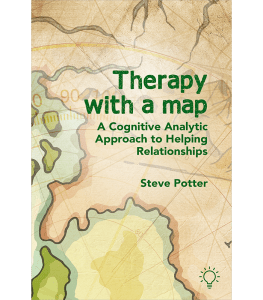
Book: Therapy with a Map: A Cognitive Analytic Approach to Helping Relationships

Book Title:

Therapy with a Map: A Cognitive Analytic Approach to Helping Relationships.

Author(s): Steve Potter.

Year: 2020.

Edition: First (1st).

Publisher: Luminate.

Type(s): Paperback and Kindle.

Synopsis:

A therapeutic relationship is a web of interactions, tasks and processes in space and time. It is not easy to stay aware of the relationship in the thick of talking and trying to help someone; but doing so boosts flexibility and enables deeper formulation. A therapist who can attend not only to a specific therapeutic model, but also to relational factors underlying all therapy, has a far greater chance of enabling change.

Therapy with a Map sets out a therapeutic process of talking accompanied by visual conversation maps set down in real time on paper. Like all maps, these help us to find our way, notice when we are lost, track our route and survey the wider landscape. The book uses mapping to introduce the tools and concepts of Cognitive Analytic Therapy (CAT), along with other relational, conversational and narrative approaches. By mapping patterns of thinking and relating, therapists can help clients to develop self-understanding, solve problems, and take away a freer, more self-aware relationship with themselves in the world.

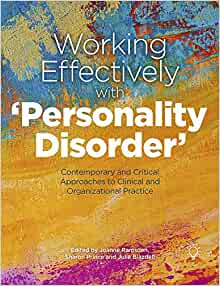
Book: Working Effectively with ‘Personality Disorder’

Book Title:

Working Effectively with ‘Personality Disorder’: Contemporary and Critical Approaches to Clinical and Organisational Practice.

Author(s): Joanne Ramsden (Author and Editor), Sharon Prince (Editor), and Julia Blazdell (Editor).

Year: 2020.

Edition: First (1st).

Publisher: Luminate.

Type(s): Paperback and Kindle.

Synopsis:

The history of personality disorder services is problematic to say the least. The very concept is under heavy fire, services are often expensive and ineffective, and many service users report feeling that they have been deceived, stigmatised or excluded. Yet while there are inevitably serious (and often destructive) relational challenges involved in the work, creative networks of learning do exist – professionals who are striving to provide progressive, compassionate services for and with this client group.

Working Effectively with Personality Disorder shares this knowledge, articulating an alternative way of working that acknowledges the contemporary debate around diagnosis, reveals flawed assumptions underlying current approaches, and argues for services that work more positively, more holistically and with a wider and more socially focused agenda.

Table of Contents

  • Foreword by John Livesley.
  • Introduction (Jo Ramsden, Sharon Prince and Julia Blazdell).
  • PART 1: CONTEMPORARY AND CRITICAL PERSPECTIVES ON PERSONALITY DISORDER:
    • Chapter 1: Life and Labels: Some Personal Thoughts about Personality Disorder (Sue Sibbald).
    • Chapter 2: Personality Disorder: Breakdown in the Relational Field (Nick Benefield & Rex Haigh).
    • Chapter 3: The Scale of the Problem (Sarah Skett & Kimberley Barlow).
    • Chapter 4: The Politics of Personality Disorder A Critical Realist Account (David Pilgrim).
    • Chapter 5: The Importance of Personal Meaning (Sharon Prince & Sue Ellis).
    • Chapter 6: The Organisation and Its Discontents: In Search of the Fallible and Good Enough Care Enterprise (Jina Barrett).
  • PART 2: GOVERNANCE PRINCIPLES SUPPORTING SERVICES TO ENACT CONTEMPORARY AND CRITICAL PERSPECTIVES:
    • Chapter 7: Access to Services – Moving beyond Specialist Provision while Applying the Learning (Jo Ramsden).
    • Chapter 8: Reimagining Interventions (Alan Hirons & Ruth Sutherland).
    • Chapter 9: Service User Involvement and Co-production in Personality Disorder Services An Invitation to Transcend Re Traumatising Power Politics (Melanie Ann Ball).
    • Chapter 10: Partnership Working (David Harvey & Bernie Tuohy).
    • Chapter 11: Outcomes (Mary McMurran).
    • Chapter 12: Contained and Containing Teams (Jo Ramsden).
    • Chapter 13: Co-Produced Practice Near Learning: Developing Critically Reflective Relational Systems (Neil Gordon).

Book: Psychopathy: An Introduction to Biological Findings and Their Implications

Book Title:

Psychopathy: An Introduction to Biological Findings and Their Implications.

Author(s): Andrea L. Glenn and Adrian Raine.

Year: 2014.

Edition: First (1st).

Publisher: NYU Press.

Type(s): Hardcover, Paperback, and Kindle.

Synopsis:

The last two decades have seen tremendous growth in biological research on psychopathy, a mental disorder distinguished by traits including a lack of empathy or emotional response, egocentricity, impulsivity, and stimulation seeking. But how does a psychopath’s brain work? What makes a psychopath?

Psychopathy provides a concise, non-technical overview of the research in the areas of genetics, hormones, brain imaging, neuropsychology, environmental influences, and more, focusing on explaining what we currently know about the biological foundations for this disorder and offering insights into prediction, intervention, and prevention. It also offers a nuanced discussion of the ethical and legal implications associated with biological research on psychopathy. How much of this disorder is biologically based? Should offenders with psychopathic traits be punished for their crimes if we can show that biological factors contribute? The text clearly assesses the conclusions that can and cannot be drawn from existing biological research, and highlights the pressing considerations this research demands.

Book: Handbook of Psychopathy

Book Title:

Handbook of Psychopathy.

Author(s): Christopher J. Patrick (Editor).

Year: 2018.

Edition: Second (2nd).

Publisher: Guildford Press.

Type(s): Hardcover, Paperback, and Kindle.

Synopsis:

Widely considered the go-to reference – and now extensively revised with over 65% new material – this authoritative handbook surveys the landscape of current knowledge on psychopathy and addresses essential clinical and applied topics. Leading researchers explore major theoretical models; symptomatology and diagnostic subtypes; assessment methods; developmental pathways; and causal influences, from genes and neurobiology to environmental factors. The volume examines manifestations of psychopathy in specific populations as well as connections to antisocial behaviour and recidivism. It presents contemporary perspectives on prevention and treatment and discusses special considerations in clinical and forensic practice.

New to This Edition

  • Extensively revised with more than a decade’s theoretical, empirical, and clinical advances.
  • Many new authors and topics.
  • Expanded coverage of phenotypic facets, with chapters on behavioural disinhibition, callous–unemotional traits, and boldness.
  • Chapters on DSM-5, clinical interviewing, cognitive and emotional processing, and serial murder.
  • Significantly updated coverage of aetiology, assessment methods, neuroimaging research, and adult and juvenile treatment approaches.

Book: Psychopathy – A Very Short Introduction

Book Title:

Psychopathy – A Very Short Introduction.

Author(s): Essi Viding.

Year: 2019.

Edition: First (1st).

Publisher: OUP Oxford.

Type(s): Paperback, Audiobook, and Kindle.

Synopsis:

Psychopathy is a personality disorder that has long captured the public imagination. Newspaper column inches have been devoted to murderers with psychopathic features, and we also encounter psychopaths in films and books. Individuals with psychopathy are characterised in particular by lack of empathy and guilt, manipulation of other people and, in the case of criminal psychopathy, premeditated violent behaviour. They are dangerous and can incur immeasurable emotional, psychological, physical, and financial costs to their victims and their families. Despite the public fascination with psychopathy, there is often a very limited understanding of the condition, and several myths about psychopathy abound. For example, people commonly assume that all psychopaths are sadistic serial killers or that all violent and antisocial individuals are psychopaths. Yet, research shows that most psychopaths are not serial killers, and, equally, there are plenty of antisocial and violent offenders who are not psychopaths. This Very Short Introduction gives an overview of how we can identify individuals with or at risk of developing psychopathy, and how they differ from other people who display antisocial behaviour. Essi Viding also explores the latest genetic, neuroscience, and psychology evidence in order to illuminate why psychopaths behave and develop the way they do, and considers whether it is possible to prevent or even treat psychopathy.

What is Deinstitutionalisation?

Introduction

Deinstitutionalisation is the process of replacing long-stay psychiatric hospitals with less isolated community mental health services for those diagnosed with a mental disorder or developmental disability. In the late 20th century, it led to the closure of many psychiatric hospitals, as patients were increasingly cared for at home, in halfway houses and clinics, in regular hospitals, or not at all.

Deinstitutionalisation works in two ways:

  • The first focuses on reducing the population size of mental institutions by releasing patients, shortening stays, and reducing both admissions and readmission rates.
  • The second focuses on reforming psychiatric care to reduce (or avoid encouraging) feelings of dependency, hopelessness and other behaviours that make it hard for patients to adjust to a life outside of care.

The modern deinstitutionalisation movement was made possible by the discovery of psychiatric drugs in the mid-20th century, which could manage psychotic episodes and reduced the need for patients to be confined and restrained. Another major impetus was a series of socio-political movements that campaigned for patient freedom. Lastly, there were financial imperatives, with many governments also viewing it as a way to save costs.

The movement to reduce institutionalisation was met with wide acceptance in Western countries, though its effects have been the subject of many debates. Critics of the policy include defenders of the previous policies as well as those who believe the reforms did not go far enough to provide freedom to patients.

Brief History

19th Century

The 19th century saw a large expansion in the number and size of asylums in Western industrialised countries. In contrast to the prison-like asylums of old, these were designed to be comfortable places where patients could live and be treated, in keeping with the movement towards “moral treatment”. In spite of these ideals, they became overstretched, non-therapeutic, isolated in location, and neglectful of patients.

20th Century

By the beginning of the 20th century, increasing admissions had resulted in serious overcrowding, causing many problems for psychiatric institutions. Funding was often cut, especially during periods of economic decline and wartime. Asylums became notorious for poor living conditions, lack of hygiene, overcrowding, ill-treatment, and abuse of patients; many patients starved to death. The first community-based alternatives were suggested and tentatively implemented in the 1920s and 1930s, although asylum numbers continued to increase up to the 1950s.

Origins of the Modern Movement

The advent of chlorpromazine and other antipsychotic drugs in the 1950s and 1960s played an important role in permitting deinstitutionalisation, but it was not until social movements campaigned for reform in the 1960s that the movement gained momentum.

A key text in the development of deinstitutionalisation was Asylums: Essays on the Social Situation of Mental Patients and Other Inmates, a 1961 book by sociologist Erving Goffman. The book is one of the first sociological examinations of the social situation of mental patients, the hospital. Based on his participant observation field work, the book details Goffman’s theory of the “total institution” (principally in the example he gives, as the title of the book indicates, mental institutions) and the process by which it takes efforts to maintain predictable and regular behaviour on the part of both “guard” and “captor,” suggesting that many of the features of such institutions serve the ritual function of ensuring that both classes of people know their function and social role, in other words of “institutionalising” them.

Franco Basaglia, a leading Italian psychiatrist who inspired and was the architect of the psychiatric reform in Italy, also defined mental hospital as an oppressive, locked and total institution in which prison-like, punitive rules are applied, in order to gradually eliminate its own contents, and patients, doctors and nurses are all subjected (at different levels) to the same process of institutionalism. Other critics went further and campaigned against all involuntary psychiatric treatment. In 1970, Goffman worked with Thomas Szasz and George Alexander to found the American Association for the Abolition of Involuntary Mental Hospitalisation (AAAIMH), who proposed abolishing all involuntary psychiatric intervention, particularly involuntary commitment, against individuals. The association provided legal help to psychiatric patients and published a journal, The Abolitionist, until it was dissolved in 1980.

Reform

The prevailing public arguments, time of onset, and pace of reforms varied by country. Leon Eisenberg lists three key factors that led to deinstitutionalisation gaining support. The first factor was a series of socio-political campaigns for the better treatment of patients. Some of these were spurred on by institutional abuse scandals in the 1960s and 1970s, such as Willowbrook State School in the United States and Ely Hospital in the United Kingdom. The second factor was new psychiatric medications made it more feasible to release people into the community and the third factor was financial imperatives. There was an argument that community services would be cheaper. Mental health professionals, public officials, families, advocacy groups, public citizens, and unions held differing views on deinstitutionalisation.

However, the 20th Century marked the development of the first community services designed specifically to divert deinstitutionalisation and to develop the first conversions from institutional, governmental systems to community majority systems (governmental-NGO-For Profit). These services are so common throughout the world (e.g. individual and family support services, groups homes, community and supportive living, foster care and personal care homes, community residences, community mental health offices, supported housing) that they are often “delinked” from the term deinstitutionalization. Common historical figures in deinstitutionalisation in the US include Geraldo Rivera, Robert Williams, Burton Blatt, Gunnar Dybwad, Michael Kennedy, Frank Laski, Steven J. Taylor, Douglas P. Biklen, David Braddock, Robert Bogdan and K.C. Lakin. in the fields of “intellectual disabilities” (e.g. amicus curae, Arc-US to the US Supreme Court; US state consent decrees).

Community organizing and development regarding the fields of mental health, traumatic brain injury, aging (nursing facilities) and children’s institutions/private residential schools represent other forms of diversion and “community re-entry”. Paul Carling’s book, Return to the Community: Building Support Systems for People with Psychiatric Disabilities describes mental health planning and services in that regard, including for addressing the health and personal effects of “long term institutionalisation”. and the psychiatric field continued to research whether “hospitals” (e.g. forced involuntary care in a state institution; voluntary, private admissions) or community living was better. US states have made substantial investments in the community, and similar to Canada, shifted some but not all institutional funds to the community sectors as deinstitutionalisation. For example, NYS Education, Health and Social Services Laws identify mental health personnel in the state of New York, and the two term Obama Presidency in the US created a high-level Office of Social and Behavioural Services.

The 20th Century marked the growth in a class of deinstitutionalisation and community researchers in the US and world, including a class of university women. These women follow university education on social control and the myths of deinstitutionalization, including common forms of transinstitutionalisation such as transfers to prison systems in the 21st Century, “budget realignments”, and the new subterfuge of community data reporting.

Consequences

Community services that developed include supportive housing with full or partial supervision and specialised teams (such as assertive community treatment and early intervention teams). Costs have been reported as generally equivalent to inpatient hospitalisation, even lower in some cases (depending on how well or poorly funded the community alternatives are). Although deinstitutionalisation has been positive for the majority of patients, it also has shortcomings.

Criticism of deinstitutionalisation takes two forms. Some, like E. Fuller Torrey, defend the use of psychiatric institutions and conclude that deinstitutionalisation was a move in the wrong direction. Others, such as Walid Fakhoury and Stefan Priebe, argue that it was an unsuccessful move in the right direction, suggesting that modern day society faces the problem of “reinstitutionalisation”. While coming from opposite viewpoints, both sets of critics argue that the policy left many patients homeless or in prison. Leon Eisenberg has argued that deinstitutionalisation was generally positive for patients, while noting that some were left homeless or without care.

Misconceptions

There is a common perception by the public and media that people with mental disorders are more likely to be dangerous and violent if released into the community. However, a large 1998 study in Archives of General Psychiatry suggested that discharged psychiatric patients without substance abuse symptoms are no more likely to commit violence than others without substance abuse symptoms in their neighbourhoods, which were usually economically deprived and high in substance abuse and crime. The study also reported that a higher proportion of the patients than of the others in the neighbourhoods reported symptoms of substance abuse.

Findings on violence committed by those with mental disorders in the community have been inconsistent and related to numerous factors; a higher rate of more serious offences such as homicide have sometimes been found but, despite high-profile homicide cases, the evidence suggests this has not been increased by deinstitutionalisation. The aggression and violence that does occur, in either direction, is usually within family settings rather than between strangers.

Adequacy of Treatment and Support

Common criticisms of the new community services are that they have been uncoordinated, underfunded and unable to meet complex needs. Problems with coordination arose because care was being provided by multiple for-profit businesses, non-profit organisations and multiple levels of government.

Torrey has opposed deinstitutionalisation in principle, arguing that people with mental illness will be resistant to medical help due to the nature of their conditions. These views have made him a controversial figure in psychiatry. He believes that reducing psychiatrists’ powers to use involuntary commitment led to many patients losing out on treatment, and that many who would have previously lived in institutions are now homeless or in prison.

Other critics argue that deinstitutionalisation had laudable goals, but some patients lost out on care due to problems in the execution stage. In a 1998 study of the effects of deinstitutionalisation in the United Kingdom, Means and Smith argue that the program had some successes, such as increasing the participation of volunteers in mental healthcare, but that it was underfunded and let down by a lack of coordination between the health service and social services.

Reinstitutionalisation

Some mental health academics and campaigners have argued that deinstitutionalisation was well-intentioned for trying to make patients less dependent on psychiatric care, but in practice patients were still left being dependent on the support of a mental healthcare system, a phenomenon known as “reinstitutionalisation” or “transinstitutionalisation”.

The argument is that community services can leave the mentally ill in a state of social isolation (even if it is not physical isolation), frequently meeting other service users but having little contact with the rest of the public community. Fakhoury and Priebe said that instead of “community psychiatry”, reforms established a “psychiatric community”. Julie Racino argues that having a closed social circle like this can limit opportunities for mentally ill people to integrate with the wider society, such as personal assistance services.

Thomas Szasz, a longtime opponent of involuntary psychiatric treatment, argued that the reforms never addressed the aspects of psychiatry that he objected to, particularly his belief that mental illnesses are not true illnesses but medicalised social and personal problems.

Medication

There was an increase in prescriptions of psychiatric medication in the years following deinstitutionalisation. Although most of these drugs had been discovered in the years before, deinstitutionalisation made it far cheaper to care for a mental health patient and increased the profitability of the drugs. Some researchers argue that this created economic incentives to increase the frequency of psychiatric diagnosis (and related diagnoses, such as ADHD in children) that did not happen in the era of costly hospitalised psychiatry.

In most countries (except some countries that are either in extreme poverty or are hindered from importing psychiatric drugs by their customs regulations), more than 10% of the population are now on some form of psychiatric medicine. This increases to more than 15% in some countries such as the United Kingdom. A 2012 study by Kales, Pierce and Greenblatt argued that these medicines were being overprescribed.

Victimisation

Moves to community living and services have led to various concerns and fears, from both the individuals themselves and other members of the community. Over a quarter of individuals accessing community mental health services in a US inner-city area are victims of at least one violent crime per year, a proportion eleven times higher than the inner-city average. The elevated victim rate holds for every category of crime, including rape/sexual assault, other violent assaults, and personal and property theft. Victimisation rates are similar to those with developmental disabilities.

Worldwide

Hong Kong

In Hong Kong, a number of residential care services such as halfway houses, long-stay care homes, supported hostels are provided for the discharged patients. In addition, community support services such as rehabilitation day services and mental health care have been launched to facilitate the patients’ re-integration into the community.

Japan

Unlike most developed countries, Japan has not followed a program of deinstitutionalisation. The number of hospital beds has risen steadily over the last few decades. Physical restraints are used far more often. In 2014, more than 10,000 people were restrained – the highest ever recorded (at the time), and more than double the number a decade earlier. In 2018, the Japanese Ministry of Health introduced revised guidelines that placed more restrictions against the use of restraints.

Africa

Uganda has one psychiatric hospital. There are only 40 psychiatrists in Uganda. The World Health Organisation estimates that 90% of mentally ill people here never get treatment.

New Zealand

New Zealand established a reconciliation initiative in 2005 to address the ongoing compensation payouts to ex-patients of state-run mental institutions in the 1970s to 1990s. A number of grievances were heard, including: poor reasons for admissions; unsanitary and overcrowded conditions; lack of communication to patients and family members; physical violence and sexual misconduct and abuse; inadequate mechanisms for dealing with complaints; pressures and difficulties for staff, within an authoritarian hierarchy based on containment; fear and humiliation in the misuse of seclusion; over-use and abuse of ECT, psychiatric medications, and other treatments as punishments, including group therapy, with continued adverse effects; lack of support on discharge; interrupted lives and lost potential; and continued stigma, prejudice, and emotional distress and trauma.

There were some references to instances of helpful aspects or kindnesses despite the system. Participants were offered counselling to help them deal with their experiences, along with advice on their rights, including access to records and legal redress.

Italy

Italy was the first country to begin the deinstitutionalisation of mental health care and to develop a community-based psychiatric system. The Italian system served as a model of effective service and paved the way for deinstitutionalisation of mental patients. Since the late 1960s, the Italian physician Giorgio Antonucci questioned the basis itself of psychiatry. After working with Edelweiss Cotti in 1968 at the Centro di Relazioni Umane in Cividale del Friuli – an open ward created as an alternative to the psychiatric hospital – from 1973 to 1996 Antonucci worked on the dismantling of the psychiatric hospitals Osservanza and Luigi Lolli of Imola and the liberation – and restitution to life – of the people there secluded. In 1978, the Basaglia Law had started Italian psychiatric reform that resulted in the end of the Italian state mental hospital system in 1998.

The reform was focused on the gradual dismantlement of psychiatric hospitals, which required an effective community mental health service. The object of community care was to reverse the long-accepted practice of isolating the mentally ill in large institutions and to promote their integration in a socially stimulating environment, while avoiding subjecting them to excessive social pressures.

The work of Giorgio Antonucci, instead of changing the form of commitment from the mental hospital to other forms of coercion, questions the basis of psychiatry, affirming that mental hospitals are the essence of psychiatry and rejecting any possible reform of psychiatry, that must be completely eliminated.

United Kingdom

In the United Kingdom, the trend towards deinstitutionalisation began in the 1950s. At the time, 0.4% of the population of England were housed in asylums. The government of Harold Macmillan sponsored the Mental Health Act 1959, which removed the distinction between psychiatric hospitals and other types of hospitals. Enoch Powell, the Minister of Health in the early 1960s, criticised psychiatric institutions in his 1961 “Water Tower” speech and called for most of the care to be transferred to general hospitals and the community. The campaigns of Barbara Robb and several scandals involving mistreatment at asylums (notably Ely Hospital) furthered the campaign. The Ely Hospital scandal led to an inquiry led by Brian Abel-Smith and a 1971 white paper that recommended further reform.

The policy of deinstitutionalisation came to be known as Care in the Community at the time it was taken up by the government of Margaret Thatcher. Large-scale closures of the old asylums began in the 1980s. By 2015, none remained.

United States

The United States has experienced two main waves of deinstitutionalisation. The first wave began in the 1950s and targeted people with mental illness. The second wave began roughly 15 years later and focused on individuals who had been diagnosed with a developmental disability. Loren Mosher argues that deinstitutionalisation fully began in the 1970s and was due to financial incentives like SSI and Social Security Disability, rather than after the earlier introduction of psychiatric drugs.

The most important factors that led to deinstitutionalisation were changing public attitudes to mental health and mental hospitals, the introduction of psychiatric drugs and individual states’ desires to reduce costs from mental hospitals. The federal government offered financial incentives to the states to achieve this goal. Stroman pinpoints World War II as the point when attitudes began to change. In 1946, Life magazine published one of the first exposés of the shortcomings of mental illness treatment. Also in 1946, Congress passed the National Mental Health Act of 1946, which created the National Institute of Mental Health (NIMH). NIMH was pivotal in funding research for the developing mental health field.

President John F. Kennedy had a special interest in the issue of mental health because his sister, Rosemary, had incurred brain damage after being lobotomised at the age of 23. His administration sponsored the successful passage of the Community Mental Health Act, one of the most important laws that led to deinstitutionalisation. The movement continued to gain momentum during the Civil Rights Movement. The 1965 amendments to Social Security shifted about 50% of the mental health care costs from states to the federal government, motivating state governments to promote deinstitutionalization. The 1970s saw the founding of several advocacy groups, including Liberation of Mental Patients, Project Release, Insane Liberation Front, and the National Alliance on Mental Illness (NAMI).

The lawsuits these activist groups filed led to some key court rulings in the 1970s that increased the rights of patients. In 1973, a federal district court ruled in Souder v. Brennan that whenever patients in mental health institutions performed activity that conferred an economic benefit to an institution, they had to be considered employees and paid the minimum wage required by the Fair Labour Standards Act of 1938. Following this ruling, institutional peonage was outlawed. In the 1975 ruling O’Connor v. Donaldson, the US Supreme Court restricted the rights of states to incarcerate someone who was not violent. This was followed up with the 1978 ruling Addington v. Texas, further restricting states from confining anyone involuntarily for mental illness. In 1975, the United States Court of Appeals for the First Circuit ruled in favour of the Mental Patient’s Liberation Front in Rogers v. Okin, establishing the right of a patient to refuse treatment. Later reforms included the Mental Health Parity Act, which required health insurers to give mental health patients equal coverage.

Other factors included scandals. A 1972 television broadcast exposed the abuse and neglect of 5,000 patients at the Willowbrook State School in Staten Island, New York. The Rosenhan’s experiment in 1973 caused several psychiatric hospitals to fail to notice fake patients who showed no symptoms once they were institutionalised. The pitfalls of institutionalisation were dramatised in an award-winning 1975 film, One Flew Over the Cuckoo’s Nest.

In 1955, for every 100,000 US citizens there were 340 psychiatric hospital beds. In 2005 that number had diminished to 17 per 100,000.

South America

In several South American countries, such as in Argentina, the total number of beds in asylum-type institutions has decreased, replaced by psychiatric inpatient units in general hospitals and other local settings.

In Brazil, there are 6003 psychiatrists, 18,763 psychologists, 1985 social workers, 3119 nurses and 3589 occupational therapists working for the Unified Health System (SUS). At primary care level, there are 104,789 doctors, 184,437 nurses and nurse technicians and 210,887 health agents. The number of psychiatrists is roughly 5 per 100,000 inhabitants in the Southeast region, and the Northeast region has less than 1 psychiatrist per 100,000 inhabitants. The number of psychiatric nurses is insufficient in all geographical areas, and psychologists outnumber other mental health professionals in all regions of the country. The rate of beds in psychiatric hospitals in the country is 27.17 beds per 100,000 inhabitants. The rate of patients in psychiatric hospitals is 119 per 100,000 inhabitants. The average length of stay in mental hospitals is 65.29 days.