
Posts

What is Modified-Release Dosage?

Introduction

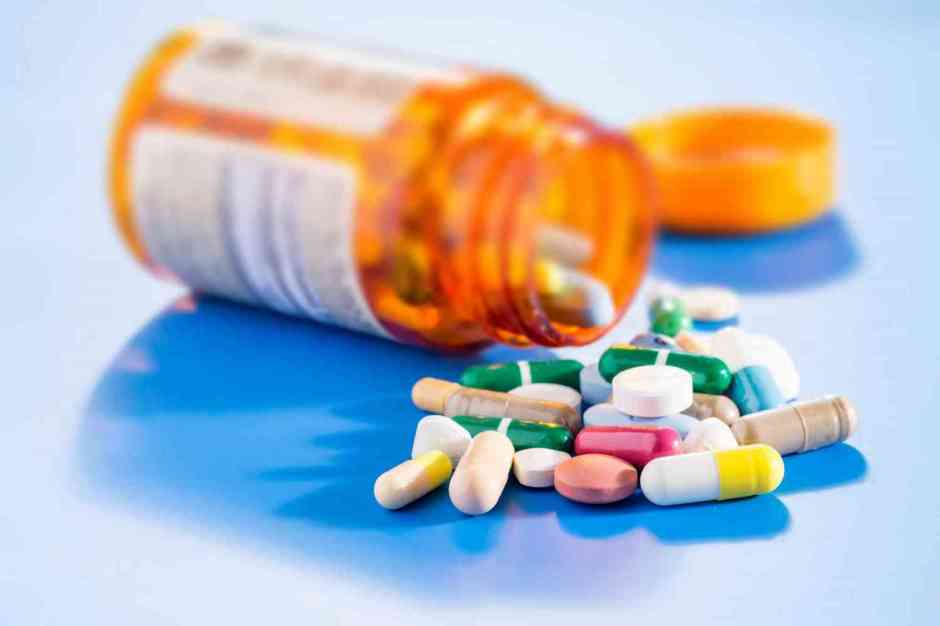
Modified-release dosage is a mechanism that (in contrast to immediate-release dosage) delivers a drug with a delay after its administration (delayed-release dosage) or for a prolonged period of time (extended-release [ER, XR, XL] dosage) or to a specific target in the body (targeted-release dosage).

Sustained-release dosage forms are dosage forms designed to release (liberate) a drug at a predetermined rate in order to maintain a constant drug concentration for a specific period of time with minimum side effects. This can be achieved through a variety of formulations, including liposomes and drug-polymer conjugates (an example being hydrogels). Sustained release’s definition is more akin to a “controlled release” rather than “sustained”.
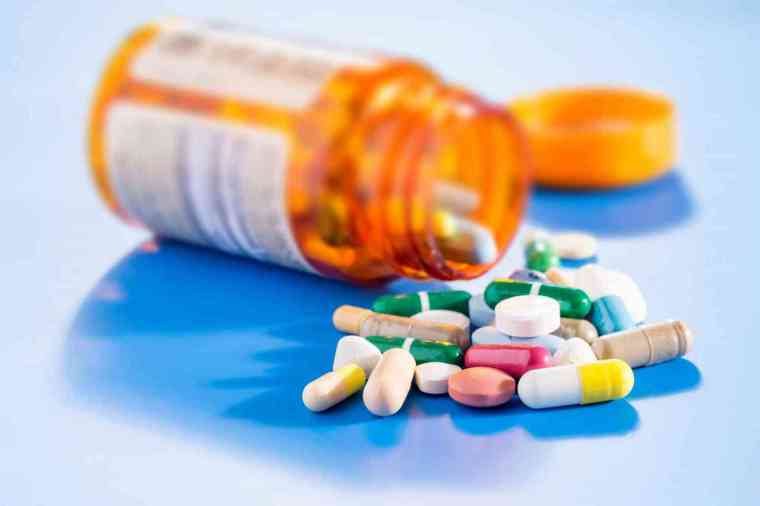
Extended-release dosage consists of either sustained-release (SR) or controlled-release (CR) dosage. SR maintains drug release over a sustained period but not at a constant rate. CR maintains drug release over a sustained period at a nearly constant rate.

Sometimes these and other terms are treated as synonyms, but the United States Food and Drug Administration (FDA) has in fact defined most of these as different concepts. Sometimes the term “depot tablet” is used by non-native speakers, but this is not found in any English dictionaries and is a literal translation of the term used in Swedish and some other languages.

Modified-release dosage and its variants are mechanisms used in tablets (pills) and capsules to dissolve a drug over time in order to be released slower and steadier into the bloodstream while having the advantage of being taken at less frequent intervals than immediate-release (IR) formulations of the same drug. For example, extended-release morphine enables people with chronic pain to only take one or two tablets per day.

Most commonly it refers to time-dependent release in oral dose formulations. Timed release has several distinct variants such as sustained release where prolonged release is intended, pulse release, delayed release (e.g. to target different regions of the GI tract) etc. A distinction of controlled release is that it not only prolongs action, but it attempts to maintain drug levels within the therapeutic window to avoid potentially hazardous peaks in drug concentration following ingestion or injection and to maximise therapeutic efficiency.

In addition to pills, the mechanism can also apply to capsules and injectable drug carriers (that often have an additional release function), forms of controlled release medicines include gels, implants and devices (e.g. the vaginal ring and contraceptive implant) and transdermal patches.

Examples for cosmetic, personal care, and food science applications often centre on odour or flavour release.

The release technology scientific and industrial community is represented by the Controlled Release Society (CRS). The CRS is the worldwide society for delivery science and technologies. CRS serves more than 1,600 members from more than 50 countries. Two-thirds of CRS membership is represented by industry and one-third represents academia and government. CRS is affiliated with the Journal of Controlled Release and Drug Delivery and Translational Research scientific journals.

List of Abbreviations

There is no industry standard for these abbreviations, and confusion and misreading have sometimes caused prescribing errors. Clear handwriting is necessary. For some drugs with multiple formulations, putting the meaning in parentheses is advisable.

  • CD: Controlled Delivery.
  • CR: Controlled Release.
  • DR: Delayed Release.
  • ER: Extended Release.
  • IR: Immediate Release.
  • LA: Long-Acting.
  • LAR: Long-Acting Release.
  • MR: Modified Release.
  • PR: Prolonged Release.
  • SA: Sustained Action (Ambiguous, can sometimes mean Short-Acting).
  • SR: Sustained Release.
  • TR: Timed Release.
  • XL: Extended Release.
  • XR: Extended Release.
  • XT: Extended Release.
  • LS: Lesser/Lower Strength.
  • DS: Double Strength.
  • ES: Extra Strength.
  • XS: Extra Strength.

A few other abbreviations are similar to these (in that they may serve as suffixes) but refer to dose rather than release rate. They include ES and XS (Extra Strength).

Brief History

The earliest SR drugs are associated with a patent in 1938 by Israel Lipowski, who coated pellets which led to coating particles.[7] The science of controlled release developed further with more oral sustained-release products in the late 1940s and early 1950s, the development of controlled release of marine anti-foulants in the 1950s, and controlled release fertilizer in the 1970s where sustained and controlled delivery of nutrients was achieved following a single application to the soil. Delivery is usually effected by dissolution, degradation, or disintegration of an excipient in which the active compound is formulated. Enteric coating and other encapsulation technologies can further modify release profiles.

Methods

Today, most time-release drugs are formulated so that the active ingredient is embedded in a matrix of insoluble substance(s) (various: some acrylics, even chitin; these substances are often patented) such that the dissolving drug must find its way out through the holes.

In some SR formulations, the drug dissolves into the matrix, and the matrix physically swells to form a gel, allowing the drug to exit through the gel’s outer surface.

Micro-encapsulation is also regarded as a more complete technology to produce complex dissolution profiles. Through coating an active pharmaceutical ingredient around an inert core and layering it with insoluble substances to form a microsphere, one can obtain more consistent and replicable dissolution rates in a convenient format that can be mixed and matched with other instant release pharmaceutical ingredients into any two piece gelatin capsule.

There are certain considerations for the formation of sustained-release formulation:

  • If the pharmacological activity of the active compound is not related to its blood levels, time releasing has no purpose except in some cases, such as bupropion, to reduce possible side effects.
  • If the absorption of the active compound involves an active transport, the development of a time-release product may be problematic.

The biological half-life of the drug refers to the drug’s elimination from the bloodstream which can be caused by metabolism, urine, and other forms of excretion. If the active compound has a long half-life (over 6 hours), it is sustained on its own. If the active compound has a short half-life, it would require a large amount to maintain a prolonged effective dose. In this case, a broad therapeutic window is necessary to avoid toxicity; otherwise, the risk is unwarranted and another mode of administration would be recommended. Appropriate half-lives used to apply sustained methods are typically 3-4 hours and a drug greater than 0.5 grams is too big.

The therapeutic index also factors whether a drug can be used as a time release drug. A drug with a thin therapeutic range, or small therapeutic index, will be determined unfit for a sustained release mechanism in partial fear of dose dumping which can prove fatal at the conditions mentioned. For a drug that is made to be released over time, the objective is to stay within the therapeutic range as long as needed.

There are many different methods used to obtain a sustained release.

Diffusion Systems

Diffusion systems’ rate release is dependent on the rate at which the drug dissolves through a barrier which is usually a type of polymer. Diffusion systems can be broken into two subcategories, reservoir devices and matrix devices.

  • Reservoir devices coat the drug with polymers and in order for the reservoir devices to have sustained-release effects, the polymer must not dissolve and let the drug be released through diffusion. The rate of reservoir devices can be altered by changing the polymer and is possible be made to have zero-order release; however, drugs with higher molecular weight have difficulty diffusing through the membrane.
  • Matrix devices forms a matrix (drug(s) mixed with a gelling agent) where the drug is dissolved/dispersed. The drug is usually dispersed within a polymer and then released by undergoing diffusion. However, to make the drug SR in this device, the rate of dissolution of the drug within the matrix needs to be higher than the rate at which it is released. The matrix device cannot achieve a zero-order release but higher molecular weight molecules can be used. The diffusion matrix device also tends to be easier to produce and protect from changing in the gastrointestinal tract, but factors such as food can affect the release rate.

Dissolution Systems

Dissolution systems must have the system dissolved slowly in order for the drug to have sustained release properties which can be achieved by using appropriate salts and/or derivatives as well as coating the drug with a dissolving material. It is used for drug compounds with high solubility in water. When the drug is covered with some slow dissolving coat, it will eventually release the drug. Instead of diffusion, the drug release depends on the solubility and thickness of the coating. Because of this mechanism, the dissolution will be the rate limiting factor for drug release. Dissolution systems can be broken down to subcategories called reservoir devices and matrix devices.

The reservoir device coats the drug with an appropriate material which will dissolve slowly. It can also be used to administer beads as a group with varying thickness, making the drug release in multiple times creating a SR.
The matrix device has the drug in a matrix and the matrix is dissolved instead of a coating. It can come either as drug-impregnated spheres or drug-impregnated tablets.

Osmotic Systems

Osmotic controlled-release oral delivery systems (OROS) have the form of a rigid tablet with a semi-permeable outer membrane and one or more small laser drilled holes in it. As the tablet passes through the body, water is absorbed through the semipermeable membrane via osmosis, and the resulting osmotic pressure is used to push the active drug through the opening(s) in the tablet. OROS is a trademarked name owned by ALZA Corporation, which pioneered the use of osmotic pumps for oral drug delivery.

Osmotic release systems have a number of major advantages over other controlled-release mechanisms. They are significantly less affected by factors such as pH, food intake, GI motility, and differing intestinal environments. Using an osmotic pump to deliver drugs has additional inherent advantages regarding control over drug delivery rates. This allows for much more precise drug delivery over an extended period of time, which results in much more predictable pharmacokinetics. However, osmotic release systems are relatively complicated, somewhat difficult to manufacture, and may cause irritation or even blockage of the GI tract due to prolonged release of irritating drugs from the non-deformable tablet.

Ion-Exchange Resin

In the ion-exchange method, the resins are cross-linked water-insoluble polymers that contain ionisable functional groups that form a repeating pattern of polymers, creating a polymer chain. The drug is attached to the resin and is released when an appropriate interaction of ions and ion exchange groups occur. The area and length of the drug release and number of cross-link polymers dictate the rate at which the drug is released, determining the SR effect.

Floating Systems

A floating system is a system where it floats on gastric fluids due to low density. The density of the gastric fluids is about 1 g/mL; thus, the drug/tablet administered must have a smaller density. The buoyancy will allow the system to float to the top of the stomach and release at a slower rate without worry of excreting it. This system requires that there are enough gastric fluids present as well as food. Many types of forms of drugs use this method such as powders, capsules, and tablets.

Bio-Adhesive Systems

Bio-adhesive systems generally are meant to stick to mucus and can be favourable for mouth based interactions due to high mucus levels in the general area but not as simple for other areas. Magnetic materials can be added to the drug so another magnet can hold it from outside the body to assist in holding the system in place. However, there is low patient compliance with this system.

Matrix Systems

The matrix system is the mixture of materials with the drug, which will cause the drug to slow down. However, this system has several subcategories: hydrophobic matrices, lipid matrices, hydrophilic matrices, biodegradable matrices, and mineral matrices.

  • A hydrophobic matrix is a drug mixed with a hydrophobic polymer. This causes SR because the drug, after being dissolved, will have to be released by going through channels made by the hydrophilic polymer.
  • A hydrophilic matrix will go back to the matrix as discussed before where a matrix is a mixture of a drug or drugs with a gelling agent. This system is well liked because of its cost and broad regulatory acceptance. The polymers used can be broken down into categories: cellulose derivatives, non-cellulose natural, and polymers of acrylic acid.
  • A lipid matrix uses wax or similar materials. Drug release happens through diffusion through, and erosion of, the wax and tends to be sensitive to digestive fluids.
  • Biodegradable matrices are made with unstable, linked monomers that will erode by biological compounds such as enzymes and proteins.
  • A mineral matrix which generally means the polymers used are obtained in seaweed.

Stimuli Inducing Release

Examples of stimuli that may be used to bring about release include pH, enzymes, light, magnetic fields, temperature, ultrasonics, osmosis, cellular traction forces, and electronic control of MEMS and NEMS.

Spherical hydrogels, in micro-size (50-600 µm diameter) with 3-dimensional cross-linked polymer, can be used as drug carrier to control the release of the drug. These hydrogels are called microgels. They may possess a negative charge as example DC-beads. By ion-exchange mechanism, a large amount of oppositely charged amphiphilic drugs can be loaded inside these microgels. Then, the release of these drugs can be controlled by a specific triggering factor like pH, ionic strength or temperature.

Pill Splitting

Refer to Pill Splitting.

Some time release formulations do not work properly if split, such as controlled-release tablet coatings, while other formulations such as micro-encapsulation still work if the microcapsules inside are swallowed whole.

Among the health information technology (HIT) that pharmacists use are medication safety tools to help manage this problem. For example, the ISMP “do not crush” list can be entered into the system so that warning stickers can be printed at the point of dispensing, to be stuck on the pill bottle.

Pharmaceutical companies that do not supply a range of half-dose and quarter-dose versions of time-release tablets can make it difficult for patients to be slowly tapered off their drugs.

This page is based on the copyrighted Wikipedia article < https://en.wikipedia.org/wiki/Modified-release_dosage >; it is used under the Creative Commons Attribution-ShareAlike 3.0 Unported License (CC-BY-SA). You may redistribute it, verbatim or modified, providing that you comply with the terms of the CC-BY-SA.

What is the Inverse Benefit Law?

Introduction

The inverse benefit law states that the ratio of benefits to harms among patients taking new drugs tends to vary inversely with how extensively a drug is marketed. Two Americans, Howard Brody and Donald Light, have defined the inverse benefit law, inspired by Tudor Hart’s inverse care law.

A drug effective for a serious disorder is less and less effective as it is promoted for milder cases and for other conditions for which the drug was not approved. Although effectiveness becomes more diluted, the risks of harmful side effects persist, and thus the benefit-harm ratio worsens as a drug is marketed more widely. The inverse benefit law highlights the need for comparative effectiveness research and other reforms to improve evidence-based prescribing.

State of Affairs

The law is manifested through 6 basic marketing strategies:

  • Reducing thresholds for diagnosing disease;
  • Relying on surrogate endpoints;
  • Exaggerating safety claims;
  • Exaggerating efficacy claims;
  • Creating new diseases; and
  • Encouraging unapproved uses.

Impact

This is the reason why organisations like “Worst Pill, Best Pill” recommend not to use/prescribe new medications before being in the market for at least ten years (except in the case of important new drugs that treat previously unsolved problems).

Agencies of drugs, committee of ethics and organisations of patients’ safety should consider:

  • Requiring that clinical trials run long enough to pick up evidence of side effects and record all adverse reactions, including in subjects who drop out.
  • Paying companies more for new drugs in proportion to how much better they are for patients than existing drugs, and marketing according to the value of the new drugs (ratio of benefits to harms and marketing).
  • Considering that market could be a force against the best use of medications.

This page is based on the copyrighted Wikipedia article < https://en.wikipedia.org/wiki/Inverse_benefit_law >; it is used under the Creative Commons Attribution-ShareAlike 3.0 Unported License (CC-BY-SA). You may redistribute it, verbatim or modified, providing that you comply with the terms of the CC-BY-SA.

What is Pill Splitting?

Introduction

Pill-splitting refers to the practice of splitting a tablet or pill to provide a lower dose of the active ingredient, or to obtain multiple smaller doses, either to reduce cost or because the pills available provide a larger dose than required. Many pills that are suitable for splitting (aspirin tablets for instance) come pre-scored so that they may easily be halved.

It is unsafe to split some prescription medications.

Refer to Inverse Benefit Law.

Pill Splitters

A pill-splitter is a simple and inexpensive device to split medicinal pills or tablets, comprising some means of holding the tablet in place, a blade, and usually a compartment in which to store the unused part. The tablet is positioned, and the blade pressed down to split it. With care it is often possible to cut a tablet into quarters. Also available as consumer items are multiple pill splitters, which cut numerous round or oblong pills in one operation.

Pill Scoring

A drug manufacturer may score pills with a groove to both indicate that a pill may be split and to aid the practice of splitting pills. When manufacturers do create grooves in pills, the groove must be consistent for consumers to be able to use them effectively. Many manufacturers choose to not use grooves. The United States government Centre for Drug Evaluation and Research makes the following recommendations for manufacturers when scoring pills with grooves:

  1. Pills should only have grooves if the split dosage is at least the minimum therapeutic dosage of the medication.
  2. The split pill should not create a toxicity hazard.
  3. Drugs which should not be split should not be scored with a groove.
  4. The split pill should be stable for the expected temperature and humidity.
  5. The split pill should have an equivalent effect to a full pill at an equivalent dose.

Dosage Uniformity

In the US “uniformity of dosage units” is defined by the United States Pharmacopeia (USP), which describes itself as “the official public standards-setting authority for all prescription and over-the-counter medicines, dietary supplements, and other healthcare products manufactured and sold in the United States.” More than 140 countries develop or rely upon US pharmaceutical standards according to the USP.

The USP standard for dosage uniformity expresses statistical criteria in the complex language of sampling protocols. The pharmaceutical dosage literature sometimes boils this down as requiring a standard deviation in dosage weight of less than 6%, which roughly corresponds to the weaker rule-of-thumb offered for public consumption that the vast majority of dosage units should be within 15% of the dosage target. “Dosage unit” is a technical term which covers oral medications (tablets, pills, capsules), as well as non-oral delivery methods.

A 2002 study of pill-splitting as conducted in four American long-term care facilities determined that 15 of the 22 dispensed prescriptions evaluated (68%) had fragment weight variance in excess of USP standards.

Cost Savings

Pill-splitting can be used to save money on pharmaceutical costs, as many prescription pharmaceuticals are sold at prices less than proportional to the dose. For example, a 10 mg tablet of a drug might be sold for the same or nearly the same price as a 5 mg tablet. Splitting 10 mg tablets allows the patient to purchase half the number of tablets at a lower price than the same weight of 5 mg tablets.

Both specialist and generalist physicians are not sufficiently aware of and do not communicate with patients about the cost to them of medication.

Some Potentially Suitable Medications

Randall Stafford of the Stanford School of Medicine published a study in 2002 of common prescription medications in the United States in which he evaluates pill splitting for “potential cost savings and clinical appropriateness”. The study identifies eleven prescription medications that satisfied the study criteria, based on the American pharmaceutical cost structure, pill formulation, and dosages of the time. Most of the medications listed in the table from the psychiatric drug class are antidepressants.

Uniformity of Split

Not all tablets split equally well. In a 2002 study, Paxil, Zestril and Zoloft split cleanly with 0% rejects. Glucophage was described as a hard tablet, requiring significant force, causing tablet halves to fly. Glyburide exhibited very poor splitting with many splitting into multiple pieces. Hydrodiuril and Oretic crumbled. Lipitor did not split cleanly, and the coating peeled. The diamond shaped Viagra tablets made location of the midline difficult. The worst result reported was Oretic 25 mg in which 60% of tablets failed to split to within 15% of target weight.

Alternative Purpose

Some drugs have a few different uses, and are usually sold in different packages and different doses for different applications. The price for some applications may be very different from that for other purposes. One example is Minoxidil, which is well known as a hair-growth stimulant; the same drug under the name Loniten is used for blood pressure control in much larger doses at a much lower price per unit weight.

Risks

The US Food and Drug Administration (FDA) has called pill splitting “risky”. At the same time, the FDA approves the manufacture of pills which are intended to be split.

Splitting pills may result in uneven splitting and creating pieces which will not deliver accurate dosage. Pills which are split might not be correctly halved, making the cut pieces unequal in size. Some pills are difficult to split. Some pills (particularly some time release drugs) are unsafe to split, and there could be mistakes in identifying when pills should not be split.

Lawsuits

In a California court filing dated April 2001, Trial Lawyers for Public Justice (TLPJ) brought a class-action lawsuit against Kaiser Permanente (Timmis v. Kaiser Permanente) on the grounds that “Kaiser’s mandatory pill-splitting policy endangers patients’ health solely to enhance the HMO’s profits” in violation of the California Unfair Competition Law (UCL) and the California Consumer Legal Remedies Act (CLRA). In December 2004, the California Court of Appeal affirmed the trial court ruling that Kaiser’s policy did not violate UCL or CLRA, noting the suit had failed to present evidence that the policy was unsafe.

This page is based on the copyrighted Wikipedia article < https://en.wikipedia.org/wiki/Pill_splitting >; it is used under the Creative Commons Attribution-ShareAlike 3.0 Unported License (CC-BY-SA). You may redistribute it, verbatim or modified, providing that you comply with the terms of the CC-BY-SA.

On This Day … 07 November [2022]

People (Births)

  • 1929 – Eric Kandel, Austrian-American neuroscientist and psychiatrist, Nobel Prize laureate.

Eric Kandel

Eric Richard Kandel (born Erich Richard Kandel, 07 November 1929) is an Austrian-born American medical doctor who specialized in psychiatry, a neuroscientist and a professor of biochemistry and biophysics at the College of Physicians and Surgeons at Columbia University. He was a recipient of the 2000 Nobel Prize in Physiology or Medicine for his research on the physiological basis of memory storage in neurons. He shared the prize with Arvid Carlsson and Paul Greengard.

He is a Senior Investigator in the Howard Hughes Medical Institute. He was also the founding director of the Centre for Neurobiology and Behaviour, which is now the Department of Neuroscience at Columbia University. He currently serves on the Scientific Council of the Brain & Behaviour Research Foundation. Kandel’s popularised account chronicling his life and research, In Search of Memory: The Emergence of a New Science of Mind, was awarded the 2006 Los Angeles Times Book Prize for Science and Technology.

On This Day … 05 November [2022]

People (Births)

James Kennedy

James Kennedy (born 05 November 1950) is an American social psychologist, best known as an originator and researcher of particle swarm optimization. The first papers on the topic, by Kennedy and Russell C. Eberhart, were presented in 1995; since then tens of thousands of papers have been published on particle swarms. The Academic Press / Morgan Kaufmann book, Swarm Intelligence, by Kennedy and Eberhart with Yuhui Shi, was published in 2001.

The particle swarm paradigm draws on social-psychological simulation research in which Kennedy had participated at the University of North Carolina, integrated with evolutionary computation methods that Eberhart had been working with in the 1990s. The result was a problem-solving or optimisation algorithm based on the principles of human social interaction. Individuals begin the programme with random guesses at the problem solution. As the program runs, the “particles” share their successes with their topological neighbours; each particle is both teacher and learner. Over time, the population converges reliably on optimal vectors.

While there has been a trend in the research literature toward a “Gbest” or centralised particle network, Blackwell and Kennedy (2018) demonstrated the importance of a distributed population topology in solving more complex problems.

A recent paper discusses the possible contribution of human female orgasm to the species’ prosociality.

Kennedy has been an active combatant in the controversy over sex education in Montgomery County, Maryland, supporting the public schools’ efforts to develop a comprehensive and inclusive program. He also worked to support a gender identity non-discrimination law in Montgomery County that came under attack from conservatives, and has maintained an online progressive presence.

He also worked as a professional musician for fifty years and currently plays in a rockabilly band called The Colliders, which released albums in 2011 and 2015. In 2018 Kennedy released a DIY album, The Life of Mischief, and is currently organising live performance of that material.

Kennedy worked in survey methods for the US government, and has conducted basic and applied research into social effects on cognition and attitude. He served as Director of the Office of Analysis and Research Services at the US International Trade Commission until his retirement in 2017. He has worked with particle swarms since 1994, with research publications in fields related and unrelated to swarms and surveys.

What is the British National Formulary for Children?

Introduction

The British National Formulary for Children (BNFC) is the standard UK paediatric reference for prescribing and pharmacology.

It contains a wide range of information and advice on prescribing for children – from newborn to adolescence. The entries are classified by group of drug, giving cautions for use, side effects, licensed use, indications and dose of most of the drugs available for children in the UK National Health Service. Though published in and for the United Kingdom, the vast bulk of the clinical information will apply in any country.

Authorship and Publication

The BNFC is jointly published annually by the British Medical Association, the Royal Pharmaceutical Society of Great Britain, Royal College of Paediatrics and Child Health, and the Neonatal and Paediatric Pharmacists Group.

The principal contributors are acknowledged in the front pages.

It is overseen by the BNFC Paediatric Formulary Committee and edited by an international team of pharmacists.

Brief History

The BNFC developed from the British National Formulary (BNF), which prior to 2005 had provided information on the treatment of children, with the doses largely determined by calculations based on the body weight of the child. The guidance was provided by pharmacists and doctors whose expertise was in the care of adults.

This was an anomaly, as in relation to responses to medicines, the difference between a newborn and a sixteen year old is greater than the difference between a sixteen year old and a sixty year old.

Starting in 2002, Professor Martin Kendall, then chairman of the BNF Joint Formulary Committee worked to get things changed.

The UK Department of Health (now the DHSC) agreed to fund the BNFC, as it does the BNF, to ensure that NHS clinicians can have up to date information in their pockets.

The first edition was published in 2005, with George Rylance chairing the Paediatric Formulary Committee and Dinesh Mehta as the first executive editor. Anne, the Princess Royal attended the launch on 14 July.

Editions

The BNFC is published annually, but electronic updates are produced frequently, as needed.

Availability

Though not aimed at the general public, the BNFC, like the BNF is available for purchase. It is provided to NHS staff – usually through their employer, but may be obtained through Medicines Complete.

The app is available through the usual app stores.

For general advice on Medicines for Children the website of that name may be a better source of information than the BNFC. It is published by two of the publishers of the BNFC (RCPCH & NPPG) and the charity WellChild so can reasonably be judged to be authoritative (Though as the site notes, it is not a substitute for contact with an appropriate clinician or pharmacist).

Contents

Table of Contents

  • How BNF publications are constructed.
  • How to use BNF Publications in print.
  • Changes.
  • Guidance on Prescribing.
  • Prescription writing.
  • Supply of medicines.
  • Emergency supply of medicines.
  • Controlled drugs and drug dependence.
  • Adverse reactions to drugs.
  • Guidance on intravenous infusions.
  • Prescribing in hepatic impairment.
  • Prescribing in renal impairment.
  • Prescribing in pregnancy.
  • Prescribing in breast-feeding.
  • Prescribing in palliative care.
  • Drugs and sport.
  • Medicines optimisation.
  • Antimicrobial stewardship.
  • Prescribing in dental practice.

Notes on Drugs and Preparations

  • Gastro-intestinal system.
  • Cardiovascular system.
  • Respiratory system.
  • Nervous system.
  • Infection.
  • Endocrine system.
  • Genito-urinary system.
  • Immune system and malignant disease.
  • Blood and nutrition.
  • Musculoskeletal system.
  • Eye.
  • Ear, nose and oropharynx.
  • Skin.
  • Vaccines.
  • Anaesthesia.
  • Emergency treatment of poisoning.

Appendices and Indices

  • Interactions.
  • Borderline substances.
  • Cautionary and advisory labels for dispensed medicines.
  • Dental Practitioners’ Formulary.
  • Nurse Prescribers’ Formulary.
  • Non-medical prescribing.
  • Index of manufacturers.
  • Special-order Manufacturers.
  • Index.
  • Medical emergencies in the community.

This page is based on the copyrighted Wikipedia article < https://en.wikipedia.org/wiki/British_National_Formulary_for_Children >; it is used under the Creative Commons Attribution-ShareAlike 3.0 Unported License (CC-BY-SA). You may redistribute it, verbatim or modified, providing that you comply with the terms of the CC-BY-SA.

What is the British National Formulary?

Introduction

The British National Formulary (BNF) is a United Kingdom (UK) pharmaceutical reference book that contains a wide spectrum of information and advice on prescribing and pharmacology, along with specific facts and details about many medicines available on the UK National Health Service (NHS).

Information within the BNF includes indication(s), contraindications, side effects, doses, legal classification, names and prices of available proprietary and generic formulations, and any other notable points. Though it is a national formulary, it nevertheless also includes entries for some medicines which are not available under the NHS, and must be prescribed and/or purchased privately. A symbol clearly denotes such drugs in their entry.

It is used by pharmacists and doctors (both general practitioners (GPs) and specialist practitioners), and by other prescribing healthcare professionals (such as nurses, pharmacy technicians, paramedics, and dentists); as a reference for correct dosage, indication, interactions and side effects of drugs. It is also used as a reassurance by those administering drugs, for example a nurse on a hospital ward, and even for patients and others seeking an authoritative source of advice on any aspect of pharmacotherapy.

The British Pharmacopoeia (BP) specifies quality standards for the making of drugs listed in the BNF.

Development

Many individuals and organisations contribute towards the preparation of the BNF. It is jointly authored by the British Medical Association (BMA) and the Royal Pharmaceutical Society (RPS); and is jointly published by the BMJ Group (which is owned by the BMA), and the Pharmaceutical Press (owned by the RPS). It is published under the authority of a Joint Formulary Committee (JFC), which comprises representatives of the two professional bodies, and the Department of Health (DoH).

Information on drugs is drawn from the manufacturers’ product literature, medical and pharmaceutical literature, regulatory authorities and professional bodies. Advice is constructed from clinical literature, and reflects, as far as possible, an evaluation of the evidence from diverse sources. The BNF also takes account of authoritative national guidelines and emerging safety concerns. In addition, the Joint Formulary Committee takes advice on all therapeutic areas from expert clinicians; this ensures that the BNF’s recommendations are relevant to practice. However, in September 2013, the National Institute for Health and Care Excellence (NICE) in the UK opened a consultation on its draft decision not to give NICE accreditation to the processes to produce BNF publications following a review by an independent advisory committee.

Brief History

It was first published in 1949 as the National Formulary, with updated versions appearing every three years until 1976. The fifth version in 1957 saw its name change to The British National Formulary. A new look version, under the auspices of Owen Wade, was released in 1981. A study in Northern Ireland looking at prescribing in 1965, reported that the BNF was likely able to serve the requirements of prescribers in general practice, while also achieving a cost saving. By 2003, issue 46 of the BNF contained 3000 interactions or groups of interactions, with about 900 of these marked by a bullet.

Editions

A new edition of the BNF book is published twice-yearly; in March and September. As of March 2022, the current edition is 83, which was published in March 2022. It is a customary tradition that the colour of each new edition is radically different from the previous.

Availability

The BNF is presently available as a book, a website, and mobile applications – the latter for use on smartphones and tablets. The book is available for purchase, and the September edition is distributed to healthcare professionals in the UK at no direct cost to them. NHS workers and healthcare professionals in the HINARI group of developing nations are entitled to free access via MedicinesComplete following registration (requires provision of a name, an address, an email address, and a phone number). Other visitors can subscribe to the BNF on MedicinesComplete. Healthcare organisations can also subscribe to a customisable BNF via their corporate online intranet. In June 2012, the National Institute for Health and Care Excellence (NICE) released applications for offline access to the BNF on iOS and Android devices. An NHS Athens log-in is required to use this application, and monthly content updates are available, over an internet connection. NICE also provides a website providing the content of the BNF to the public, including non-NHS users.

Sister Publications

The British National Formulary for Children (BNFC) book, first published September 2005, is published yearly, and details the doses and uses of medicines in children from neonates to adolescents.

The Nurse Prescriber’s Formulary for Community Practitioners (NPF) is issued in print every two years (September, odd-numbered years), for use by District Nurses and Specialist Community Public Health Nurses (including Health Visitors) who have received training to become nurse prescribers.

BNF Sections

The British National Formulary is divided into various sections; with the main sections on drugs and preparations being organised by body system.

Table of Contents

  • Preface.
  • Acknowledgements.
  • How BNF publications are constructed.
  • How to use the BNF.
  • Changes.
  • Guidance on prescribing.
  • Prescription writing.
  • Emergency supply of medicines.
  • Controlled drugs and drug dependence.
  • Adverse reactions to drugs.
  • Guidance on intravenous infusions.
  • Prescribing for children.
  • Prescribing in hepatic impairment.
  • Prescribing in renal impairment.
  • Prescribing in pregnancy.
  • Prescribing in breast-feeding.
  • Prescribing in palliative care.
  • Prescribing for the elderly.
  • Drugs and sport.
  • Prescribing in dental practice.

Notes on Drugs and Preparations

  1. Gastro-intestinal system.
  2. Cardiovascular system.
  3. Respiratory system.
  4. Nervous system.
  5. Infection.
  6. Endocrine system.
  7. Genito-urinary system.
  8. Malignant disease.
  9. Blood and nutrition.
  10. Musculoskeletal system.
  11. Eye.
  12. Ear, nose, and oropharynx.
  13. Skin.
  14. Vaccines.
  15. Anaesthesia.
  16. Emergency treatment of poisoning.

Appendices and Indices

  • Appendix 1 Interactions.
  • Appendix 2 Borderline substances.
  • Appendix 3 Cautionary and advisory labels for dispensed medicines.
  • Appendix 4 Wound management products and elasticated garments.
  • Dental Practitioners’ Formulary.
  • Nurse Prescribers’ Formulary.
  • Non-medical prescribing.
  • Index of proprietary manufacturers.
  • Special-order manufacturers.

This page is based on the copyrighted Wikipedia article < https://en.wikipedia.org/wiki/British_National_Formulary >; it is used under the Creative Commons Attribution-ShareAlike 3.0 Unported License (CC-BY-SA). You may redistribute it, verbatim or modified, providing that you comply with the terms of the CC-BY-SA.

What is a Pharmacopoeia?

Introduction

A pharmacopoeia, pharmacopeia, or pharmacopoea (from the obsolete typography pharmacopœia, meaning “drug-making”), in its modern technical sense, is a book containing directions for the identification of compound medicines, and published by the authority of a government or a medical or pharmaceutical society.

Descriptions of preparations are called monographs. In a broader sense it is a reference work for pharmaceutical drug specifications.

Refer to The International Pharmacopoeia, British Pharmacopoeia, European Pharmacopoeia, United States Pharmacopoeia, Indian Pharmacopoeia Commission, Japanese Pharmacopoeia, and Pharmacopoeia of the People’s Republic of China.

Etymology

The term derives from Ancient Greek: φαρμακοποιία pharmakopoiia “making of (healing) medicine, drug-making”, a compound of φάρμακον pharmakon “healing medicine, drug, poison”, the verb ποιεῖν poiein “to make” and the abstract noun suffix -ία -ia.

In early modern editions of Latin texts, the Greek diphthong οι (oi) is latinised to its Latin equivalent oe which is in turn written with the ligature œ, giving the spelling pharmacopœia; in modern UK English, œ is written as oe, giving the spelling pharmacopoeia, while in American English oe becomes e, giving us pharmacopeia.

Brief History

Although older writings exist which deal with herbal medicine, the major initial work in the field is considered to be the Edwin Smith Papyrus in Egypt, Pliny’s pharmacopoeia.

A number of early pharmacopoeia books were written by Persian and Arab physicians. These included The Canon of Medicine of Avicenna in 1025 AD, and works by Ibn Zuhr (Avenzoar) in the 12th century (and printed in 1491), and Ibn Baytar in the 14th century. The Shen-nung pen ts’ao ching (Divine Husbandman’s Materia Medica) is the earliest known Chinese pharmacopoeia. The text describes 365 medicines derived from plants, animals, and minerals; according to legend it was written by the Chinese god Shennong.

Pharmacopeial synopsis were recorded in the Timbuktu manuscripts of Mali.

China

The earliest extant Chinese pharmacopoeia, the Shennong Ben Cao Jing was compiled between 200-250 AD. It contains descriptions of 365 medications.

The earliest known officially sponsored pharmacopoeia was compiled in 659 AD by a team of 23 pharmaceutical scientists led by Su jing during the Tang dynasty (618-907 AD) and was called the Xinxiu Bencao (Newly Revised Canon of Materia Medica). The work consists of 20 volumes with one dedicated to the table of contents, and 25 volumes of pictures with one volume dedicated to the table of contents. A third part consisting of seven volumes contained illustrated descriptions. The text contains descriptions of 850 medicines with 114 new ones. The work was used throughout China for the next 400 years.

City Pharmacopoeia Origins

A dated work appeared in Nuremberg in 1542; a passing student Valerius Cordus showed a collection of medical prescriptions, which he had selected from the writings of the most eminent medical authorities, to the physicians of the town, who urged him to print it for the benefit of the apothecaries, and obtained the sanction of the senatus for his work. A work known as the Antidotarium Florentinum, was published under the authority of the college of medicine of Florence in the 16th century. In 1511, the Concordie Apothecariorum Barchinone was published by the Society of Apothecaries of Barcelona and kept in the School of Pharmacy of the University of Barcelona.

The term Pharmacopoeia first appears as a distinct title in a work published at Basel, Switzerland, in 1561 by A. Foes, but does not appear to have come into general use until the beginning of the 17th century.

Before 1542, the works principally used by apothecaries were the treatises on simples (basic medicinal ingredients) by Avicenna and Serapion; the De synonymis and Quid pro quo of Simon Januensis; the Liber servitoris of Bulchasim Ben Aberazerim, which described preparations made from plants, animals, and minerals, and was the type of the chemical portion of modern pharmacopoeias; and the Antidotarium of Nicolaus de Salerno, containing Galenic formulations arranged alphabetically. Of this last work, there were two editions in use – Nicolaus magnus and Nicolaus parvus: in the latter, several of the compounds described in the large edition were omitted and the formulae given on a smaller scale.

Also Vesalius claimed he had written some “dispensariums” and “manuals” on the works of Galenus. Apparently he burnt them. According to recent research communicated at the congresses of the International Society for the History of Medicine by the scholar Francisco Javier González Echeverría, Michel De Villeneuve (Michael Servetus) also published a pharmacopoeia. De Villeneuve, fellow student of Vesalius and the best galenist of Paris according to Johann Winter von Andernach, published the anonymous ” ”Dispensarium or Enquiridion” in 1543, at Lyon, France, with Jean Frellon as editor. This work contains 224 original recipes by De Villeneuve and others by Lespleigney and Chappuis. As usual when it comes to pharmacopoeias, this work was complementary to a previous Materia Medica that De Villeneuve published that same year. This finding was communicated by the same scholar in the International Society for the History of Medicine, with agreement of John M. Riddle, one of the foremost experts on Materia Medica-Dioscorides works.

Nicolaes Tulp, mayor of Amsterdam and respected surgeon general, gathered all of his doctor and chemist friends together and they wrote the first pharmacopoeia of Amsterdam named Pharmacopoea Amstelredamensis in 1636. This was a combined effort to improve public health after an outbreak of the bubonic plague, and also to limit the number of quack apothecary shops in Amsterdam.

London

Until 1617, such drugs and medicines as were in common use were sold in England by the apothecaries and grocers. In that year the apothecaries obtained a separate charter, and it was enacted that no grocer should keep an apothecary’s shop. The preparation of physicians’ prescriptions was thus confined to the apothecaries, upon whom pressure was brought to bear to make them dispense accurately, by the issue of a pharmacopoeia in May 1618 by the College of Physicians, and by the power which the wardens of the apothecaries received in common with the censors of the College of Physicians of examining the shops of apothecaries within 7 miles of London and destroying all the compounds which they found unfaithfully prepared. This, the first authorized London Pharmacopoeia, was selected chiefly from the works of Mezue and Nicolaus de Salerno, but it was found to be so full of errors that the whole edition was cancelled, and a fresh edition was published in the following December.

At this period the compounds employed in medicine were often heterogeneous mixtures, some of which contained from 20 to 70, or more, ingredients, while a large number of simples were used in consequence of the same substance being supposed to possess different qualities according to the source from which it was derived. Thus crabs’ eyes (i.e. gastroliths), pearls, oyster shells, and coral were supposed to have different properties. Among other ingredients entering into some of these formulae were the excrements of human beings, dogs, mice, geese, and other animals, calculi, human skull, and moss growing on it, blind puppies, earthworms, etc.

Although other editions of the London Pharmacopoeia were issued in 1621, 1632, 1639, and 1677, it was not until the edition of 1721, published under the auspices of Sir Hans Sloane, that any important alterations were made. In this issue many of the remedies previously in use were omitted, although a good number were still retained, such as dogs’ excrement, earthworms, and moss from the human skull; the botanical names of herbal remedies were for the first time added to the official ones; the simple distilled waters were ordered of a uniform strength; sweetened spirits, cordials and ratafias were omitted as well as several compounds no longer used in London, although still in vogue elsewhere. A great improvement was effected in the edition published in 1746, in which only those preparations were retained which had received the approval of the majority of the pharmacopoeia committee; to these was added a list of those drugs only which were supposed to be the most efficacious. An attempt was made to simplify further the older formulae by the rejection of superfluous ingredients.

In the edition published in 1788 the tendency to simplify was carried out to a much greater extent, and the extremely compound medicines which had formed the principal remedies of physicians for 2,000 years were discarded, while a few powerful drugs which had been considered too dangerous to be included in the Pharmacopoeia of 1765 were restored to their previous position. In 1809 the French chemical nomenclature was adopted, and in 1815 a corrected impression of the same was issued. Subsequent editions were published in 1824, 1836, and 1851.

The first Edinburgh Pharmacopoeia was published in 1699 and the last in 1841; the first Dublin Pharmacopoeia in 1807 and the last in 1850.

National Pharmacopoeia Origins

The preparations contained in these three pharmacopoeias were not all uniform in strength, a source of much inconvenience and danger to the public, when powerful preparations such as dilute hydrocyanic acid were ordered in the one country and dispensed according to the national pharmacopoeia in another. As a result, the Medical Act of 1858 ordained that the General Medical Council should publish a book containing a list of medicines and compounds, to be called the British Pharmacopoeia, which would be a substitute throughout Great Britain and Ireland for the separate pharmacopoeias. Hitherto these had been published in Latin. The first British Pharmacopoeia was published in the English language in 1864, but gave such general dissatisfaction both to the medical profession and to chemists and druggists that the General Medical Council brought out a new and amended edition in 1867. This dissatisfaction was probably owing partly to the fact that the majority of the compilers of the work were not engaged in the practice of pharmacy, and therefore competent rather to decide upon the kind of preparations required than upon the method of their manufacture. The necessity for this element in the construction of a pharmacopoeia is now fully recognised in other countries, in most of which pharmaceutical chemists are represented on the committee for the preparation of the legally recognised manuals.

There are national and international pharmacopoeias, like the EU and the US pharmacopoeias. The pharmacopeia in the EU is prepared by a governmental organisation, and has a specified role in law in the EU. In the US, the USP-NF (United States Pharmacopeia – National Formulary) has been issued by a private non-profit organisation since 1820 under the authority of a Convention that meets periodically that is largely constituted by physicians, pharmacists, and other public health professionals, setting standards published in the compendia through various Expert Committees. In the US when there is an applicable USP-NF quality monograph, drugs and drug ingredients must conform to the compendial requirements (such as for strength, quality or purity) or be deemed adulterated or misbranded under the Federal food and drug laws.

Supranational and International Harmonisation

The Soviet Union had a nominally supranational pharmacopoeia, the State Pharmacopoeia of the Union of Soviet Socialist Republics (USSRP), although the de facto nature of the nationality of republics within that state differed from the de jure nature. The European Union has a supranational pharmacopoeia, the European Pharmacopoeia; it has not replaced the national pharmacopoeias of EU member states but rather helps to harmonise them. Attempts have been made by international pharmaceutical and medical conferences to settle a basis on which a globally international pharmacopoeia could be prepared, but regulatory complexity and locoregional variation in conditions of pharmacy are hurdles to fully harmonizing across all countries (that is, defining thousands of details that can all be known to work successfully in all places). Nonetheless, some progress has been made under the banner of the International Council on Harmonisation of Technical Requirements for Registration of Pharmaceuticals for Human Use (ICH), a tri-regional organisation that represents the drug regulatory authorities of the European Union, Japan, and the United States. Representatives from the Pharmacopoeias of these three regions have met twice yearly since 1990 in the Pharmacopoeial Discussion Group to try to work towards “compendial harmonisation”. Specific monographs are proposed, and if accepted, proceed through stages of review and consultation leading to adoption of a common monograph that provides a common set of tests and specifications for a specific material. Not surprisingly, this is a slow process. The World Health Organisation (WHO) has produced the International Pharmacopoeia (Ph.Int.), which does not replace a national pharmacopoeia but rather provides a model or template for one and also can be invoked by legislation within a country to serve as that country’s regulation.

Medical Preparations, Uses, and Dosages

Though formerly printed there has been a transition to a situation where pharmaceutical information is available as printed volumes and on the internet. The rapid increase in knowledge renders necessary frequent new editions, to furnish definite formulae for preparations that have already come into extensive use in medical practice, so as to ensure uniformity of strength, and to give the characters and tests by which their purity and potency may be determined. However each new edition requires several years to carry out numerous experiments for devising suitable formulae, so that current pharmacopoeia are never quite up to date.

This difficulty has hitherto been met by the publication of such non-official formularies as Squire’s Companion to the Pharmacopoeia and Martindale: The complete drug reference (formerly Martindale’s: the extra pharmacopoeia), in which all new remedies and their preparations, uses and doses are recorded, and in the former the varying strengths of the same preparations in the different pharmacopoeias are also compared (Squire’s was incorporated into Martindale in 1952). The need of such works to supplement the Pharmacopoeia is shown by the fact that they are even more largely used than the Pharmacopoeia itself, the first issued in 18 editions and the second in 13 editions at comparatively short intervals. In the UK, the task of elaborating a new Pharmacopoeia is entrusted to a body of a purely medical character, and legally the pharmacist does not, contrary to the practice in other countries, have a voice in the matter. This is notwithstanding the fact that, although the medical practitioner is naturally the best judge of the drug or preparations that will afford the best therapeutic result, they are not as competent as the pharmacist to say how that preparation can be produced in the most effective and satisfactory manner, nor how the purity of drugs can be tested.

The change occurred with the fourth edition of the British Pharmacopoeia in 1898. A committee of the Royal Pharmaceutical Society of Great Britain was appointed at the request of the General Medical Council to advise on pharmaceutical matters. A census of prescriptions was taken to ascertain the relative frequency with which different preparations and drugs were used in prescriptions, and suggestions and criticisms were sought from various medical and pharmaceutical bodies across the British Empire. As regards the purely pharmaceutical part of the work a committee of reference in pharmacy, nominated by the pharmaceutical societies of Great Britain and Ireland (as they were then), was appointed to report to the Pharmacopoeia Committee of the Medical Council.

Some difficulty has arisen since the passing of the Adulteration of Food and Drugs Act concerning the use of the Pharmacopoeia as a legal standard for the drugs and preparations contained in it. The Pharmacopoeia is defined in the preface as only “intended to afford to the members of the medical profession and those engaged in the preparation of medicines throughout the British Empire one uniform standard and guide whereby the nature and composition of, substances to be used in medicine may be ascertained and determined”. It cannot be an encyclopaedia of substances used in medicine, and can be used only as a standard for the substances and preparations contained in it, and for no others. It has been held in the Divisional Courts (Dickins v. Randerson) that the Pharmacopoeia is a standard for official preparations asked for under their pharmacopoeial name. But there are many substances in the Pharmacopoeia which are not only employed in medicine, but have other uses, such as sulphur, gum benzoin, tragacanth, gum arabic, ammonium carbonate, beeswax, oil of turpentine, linseed oil, and for these a commercial standard of purity as distinct from a medicinal one is needed, since the preparations used in medicine should be of the highest possible degree of purity obtainable, and this standard would be too high and too expensive for ordinary purposes. The use of trade synonyms in the Pharmacopoeia, such as saltpetre for purified potassium nitrate, and milk of sulphur for precipitated sulphur, is partly answerable for this difficulty, and has proved to be a mistake, since it affords ground for legal prosecution if a chemist sells a drug of ordinary commercial purity for trade purposes, instead of the purified preparation which is official in the Pharmacopoeia for medicinal use. This would not be the case if the trade synonym were omitted. For many drugs and chemicals not in the Pharmacopoeia there is no standard of purity that can be used under the Adulteration of Food and Drugs Act, and for these, as well as for the commercial quality of those drugs and essential oils which are also in the Pharmacopoeia, a legal standard of commercial purity is much needed. This subject formed the basis of discussion at several meetings of the Pharmaceutical Society, and the results have been embodied in a work called Suggested Standards for Foods and Drugs by C.G. Moor, which indicates the average degree of purity of many drugs and chemicals used in the arts, as well as the highest degree of purity obtainable in commerce of those used in medicine.

An important step has also been taken in this direction by the publication under the authority of the Council of the Pharmaceutical Society of Great Britain of the British Pharmaceutical Codex (BPC), in which the characters of and tests for the purity of many unofficial drugs and preparations are given as well as the character of many glandular preparations and antitoxins that have come into use in medicine, but have not yet been introduced into the Pharmacopoeia. This work may also possibly serve as a standard under the Adulteration of Food and Drugs Act for the purity and strength of drugs not included in the Pharmacopoeia and as a standard for the commercial grade of purity of those in the Pharmacopoeia which are used for non-medical purposes.

Another legal difficulty connected with modern pharmacopoeias is the inclusion in some of them of synthetic chemical remedies, the processes for preparing which have been patented, whilst the substances are sold under trade-mark names. The scientific chemical name is often long and unwieldy, and the physician prefers when writing a prescription to use the shorter name under which it is sold by the patentees. In this case the pharmacist is compelled to use the more expensive patented article, which may lead to complaints from the patient. If the physician were to use the same article under its pharmacopoeial name when the patented article is prescribed, they would become open to prosecution by the patentee for infringement of patent rights. Hence the only solution is for the physician to use the chemical name (which cannot be patented) as given in the Pharmacopoeia, or, for those synthetic remedies not included in the Pharmacopoeia, the scientific and chemical name given in the British Pharmaceutical Codex.

This page is based on the copyrighted Wikipedia article < https://en.wikipedia.org/wiki/Pharmacopoeia >; it is used under the Creative Commons Attribution-ShareAlike 3.0 Unported License (CC-BY-SA). You may redistribute it, verbatim or modified, providing that you comply with the terms of the CC-BY-SA.

What is the Pharmacopoeia of the People’s Republic of China?

Introduction

The Pharmacopoeia of the People’s Republic of China (PPRC) or the Chinese Pharmacopoeia (ChP), compiled by the Pharmacopoeia Commission of the Ministry of Health of the People’s Republic of China, is an official compendium of drugs, covering Traditional Chinese and western medicines, which includes information on the standards of purity, description, test, dosage, precaution, storage, and the strength for each drug.

It is recognized by the World Health Organisation (WHO) as the official pharmacopoeia of China.

Content

The ChP, as of its tenth (2015) edition, comes in 4 volumes for both the Chinese and the English versions:

  • Traditional Chinese Medicine, ISBN 978-7-5067-7337-9.
  • Chemical Medicine, ISBN 978-7-5067-7343-0.
  • Biological Preparations, ISBN 978-7-5067-7336-2.
  • General rules and common inactive ingredients, ISBN 978-7-5067-7539-7; new volume.

The English version is collectively coded as ISBN 978-7-5067-8929-5. The 2015 ChP requires Good Manufacturing Practices for all ChP-compliant medications and in general uses INN for English names. The Chinese version arranges medicines in ascending stroke order, while the English translations do so in alphabetical order.

Brief History

The 1997 English version consists of two volumes:

  • Volume 1 (Herbal medicine), 1997, ISBN 7-5025-2062-7.
  • Volume 2 (Western medicine), 1997, ISBN 7-5025-2063-5.

The 1997 Chinese version (in simplified Chinese) also consists of two volumes, but the English and Chinese versions are not direct translations of each other, as they are sorted differently as is in the current edition.

A third volume was added in the 2005 version. The English edition (ISBN 7117069821) describes itself as a “compendium of almost all traditional Chinese medicines and most western medicines and preparations. Information is given for each drug on standards of purity, description, test, dosage, precaution, storage and strength. Key features: A total of 2691 monographs: 992 for traditional Chinese medicines and 1699 for modern western drugs.

“Volume I contains monographs of Chinese material medica and pared slice, vegetable oil/fat and its extract, Chinese traditional patent medicines, single ingredient of Chinese crude drug preparations etc.; Volume II deals with monographs of chemical drugs, antibiotics, biochemical preparations, Radiopharmaceuticals and excipients for pharmaceutical use; Volume III contains biological products.”

Refer to The International Pharmacopoeia, British Pharmacopoeia, European Pharmacopoeia, United States Pharmacopoeia, Indian Pharmacopoeia Commission, Japanese Pharmacopoeia, and Pharmacopoeia of the People’s Republic of China.

This page is based on the copyrighted Wikipedia article < https://en.wikipedia.org/wiki/Pharmacopoeia_of_the_People%27s_Republic_of_China >; it is used under the Creative Commons Attribution-ShareAlike 3.0 Unported License (CC-BY-SA). You may redistribute it, verbatim or modified, providing that you comply with the terms of the CC-BY-SA.

What is the Japanese Pharmacopoeia?

Introduction

The Japanese Pharmacopoeia (日本薬局方) is the official pharmacopoeia of Japan.

Outline

It is published by the Pharmaceuticals and Medical Devices Agency (独立行政法人 医薬品医療機器総合機構, Dokuritsu-gyōsei hōjin iyakuhin-iryō-kiki-sōgō-kikō).

The first edition was published on 25 June 1886, with revisions being issued from time to time. The current revision is number 18, issued electronically on 07 June 2021.

An official English translation is in preparation (status: 06 August 2021).

Refer to The International Pharmacopoeia, British Pharmacopoeia, European Pharmacopoeia, United States Pharmacopoeia, Indian Pharmacopoeia Commission, Japanese Pharmacopoeia, and Pharmacopoeia of the People’s Republic of China.

This page is based on the copyrighted Wikipedia article < https://en.wikipedia.org/wiki/Japanese_Pharmacopoeia >; it is used under the Creative Commons Attribution-ShareAlike 3.0 Unported License (CC-BY-SA). You may redistribute it, verbatim or modified, providing that you comply with the terms of the CC-BY-SA.