Posts

Who was Erik H. Erikson?

Introduction

Erik H. Erikson, Psychologist, Psychoanalyst (1)
Erik H. Erikson, Psychologist and Psychoanalyst.

Erik Homburger Erikson (born Erik Salomonsen; 15 June 1902 to 12 May 1994) was a Danish-German-American developmental psychologist and psychoanalyst known for his theory on psychological development of human beings.

He coined the phrase identity crisis.

Despite lacking a bachelor’s degree, Erikson served as a professor at prominent institutions, including Harvard, University of California, Berkeley, and Yale. A Review of General Psychology survey, published in 2002, ranked Erikson as the 12th most eminent psychologist of the 20th century.

Early Life

Erikson’s mother, Karla Abrahamsen, came from a prominent Jewish family in Copenhagen, Denmark. She was married to Jewish stockbroker Valdemar Isidor Salomonsen, but had been estranged from him for several months at the time Erik was conceived. Little is known about Erik’s biological father except that he was a non-Jewish Dane. On discovering her pregnancy, Karla fled to Frankfurt am Main in Germany where Erik was born on 15 June 1902 and was given the surname Salomonsen. She fled due to conceiving Erik out of wedlock, and the identity of Erik’s birth father was never made clear.

Following Erik’s birth, Karla trained to be a nurse and moved to Karlsruhe. In 1905 she married Erik’s Jewish paediatrician, Theodor Homburger. In 1908, Erik Salomonsen’s name was changed to Erik Homburger, and in 1911 he was officially adopted by his stepfather. Karla and Theodor told Erik that Theodor was his real father, only revealing the truth to him in late childhood; he remained bitter about the deception all his life.

The development of identity seems to have been one of Erikson’s greatest concerns in his own life as well as being central to his theoretical work. As an older adult, he wrote about his adolescent “identity confusion” in his European days. “My identity confusion”, he wrote “[was at times on] the borderline between neurosis and adolescent psychosis.” Erikson’s daughter wrote that her father’s “real psychoanalytic identity” was not established until he “replaced his stepfather’s surname [Homburger] with a name of his own invention [Erikson].” The decision to change his last name came about as he started his job at Yale, and the “Erikson” name was accepted by Erik’s family when they became American citizens. It is said his children enjoyed the fact they would not be called “Hamburger” any longer.

Erik was a tall, blond, blue-eyed boy who was raised in the Jewish religion. Due to these mixed identities, he was a target of bigotry by both Jewish and gentile children. At temple school, his peers teased him for being Nordic; while at grammar school, he was teased for being Jewish. At Das Humanistische Gymnasium his main interests were art, history and languages, but he lacked a general interest in school and graduated without academic distinction. After graduation, instead of attending medical school as his stepfather had desired, he attended art school in Munich, much to the liking of his mother and her friends.

Uncertain about his vocation and his fit in society, Erik dropped out of school and began a lengthy period of roaming about Germany and Italy as a wandering artist with his childhood friend Peter Blos and others. For children from prominent German families, taking a “wandering year” was not uncommon. During his travels he often sold or traded his sketches to people he met. Eventually, Erik realized he would never become a full-time artist and returned to Karlsruhe and became an art teacher. During the time he worked at his teaching job, Erik was hired by an heiress to sketch and eventually tutor her children. Erik worked very well with these children and was eventually hired by many other families that were close to Anna and Sigmund Freud. During this period, which lasted until he was 25 years old, he continued to contend with questions about his father and competing ideas of ethnic, religious, and national identity.

Psychoanalytic Experience and Training

When Erikson was twenty-five, his friend Peter Blos invited him to Vienna to tutor art at the small Burlingham-Rosenfeld School for children whose affluent parents were undergoing psychoanalysis by Sigmund Freud’s daughter, Anna Freud. Anna noticed Erikson’s sensitivity to children at the school and encouraged him to study psychoanalysis at the Vienna Psychoanalytic Institute, where prominent analysts August Aichhorn, Heinz Hartmann, and Paul Federn were among those who supervised his theoretical studies. He specialised in child analysis and underwent a training analysis with Anna Freud. Helene Deutsch and Edward Bibring supervised his initial treatment of an adult. Simultaneously he studied the Montessori method of education, which focused on child development and sexual stages. In 1933 he received his diploma from the Vienna Psychoanalytic Institute. This and his Montessori diploma were to be Erikson’s only earned academic credentials for his life’s work.

United States

In 1930 Erikson married Joan Mowat Serson, a Canadian dancer and artist whom Erikson had met at a dress ball. During their marriage, Erikson converted to Christianity. In 1933, with Adolf Hitler’s rise to power in Germany, the burning of Freud’s books in Berlin and the potential Nazi threat to Austria, the family left an impoverished Vienna with their two young sons and emigrated to Copenhagen. Unable to regain Danish citizenship because of residence requirements, the family left for the United States, where citizenship would not be an issue.

In the United States, Erikson became the first child psychoanalyst in Boston and held positions at Massachusetts General Hospital, the Judge Baker Guidance Centre, and at Harvard Medical School and Psychological Clinic, establishing a singular reputation as a clinician. In 1936, Erikson left Harvard and joined the staff at Yale University, where he worked at the Institute of Social Relations and taught at the medical school.

Erikson continued to deepen his interest in areas beyond psychoanalysis and to explore connections between psychology and anthropology. He made important contacts with anthropologists such as Margaret Mead, Gregory Bateson, and Ruth Benedict. Erikson said his theory of the development of thought derived from his social and cultural studies. In 1938, he left Yale to study the Sioux tribe in South Dakota on their reservation. After his studies in South Dakota, he travelled to California to study the Yurok tribe. Erikson discovered differences between the children of the Sioux and Yurok tribes. This marked the beginning of Erikson’s life passion of showing the importance of events in childhood and how society affects them.

In 1939 he left Yale, and the Eriksons moved to California, where Erik had been invited to join a team engaged in a longitudinal study of child development for the University of California at Berkeley’s Institute of Child Welfare. In addition, in San Francisco, he opened a private practice in child psychoanalysis.

While in California he was able to make his second study of American Indian children when he joined anthropologist Alfred Kroeber on a field trip to Northern California to study the Yurok.

In 1950, after publishing the book, Childhood and Society, for which he is best known, Erikson left the University of California when California’s Levering Act required professors there to sign loyalty oaths. From 1951 to 1960 he worked and taught at the Austen Riggs Centre, a prominent psychiatric treatment facility in Stockbridge, Massachusetts, where he worked with emotionally troubled young people. Another famous Stockbridge resident, Norman Rockwell, became Erikson’s patient and friend. During this time he also served as a visiting professor at the University of Pittsburgh where he worked with Benjamin Spock and Fred Rogers at Arsenal Nursery School of the Western Psychiatric Institute.

He returned to Harvard in the 1960s as a professor of human development and remained there until his retirement in 1970. In 1973 the National Endowment for the Humanities selected Erikson for the Jefferson Lecture, the United States’ highest honour for achievement in the humanities. Erikson’s lecture was titled Dimensions of a New Identity.

Theories of Development and the Ego

Erikson is credited with being one of the originators of ego psychology, which emphasized the role of the ego as being more than a servant of the id. Although Erikson accepted Freud’s theory, he did not focus on the parent-child relationship and gave more importance to the role of the ego, particularly the person’s progression as self. According to Erikson, the environment in which a child lived was crucial to providing growth, adjustment, a source of self-awareness and identity. Erikson won a Pulitzer Prize and a US National Book Award in category Philosophy and Religion for Gandhi’s Truth (1969), which focused more on his theory as applied to later phases in the life cycle.

In Erikson’s discussion of development, he rarely mentioned a stage of development by age. In fact he referred to it as a prolonged adolescence which has led to further investigation into a period of development between adolescence and young adulthood called emerging adulthood. Erikson’s theory of development includes various psychosocial crises where each conflict builds off of the previous stages. The result of each conflict can have negative or positive impacts on a person’s development, however, a negative outcome can be revisited and readdressed throughout the life span. On ego identity versus role confusion: ego identity enables each person to have a sense of individuality, or as Erikson would say, “Ego identity, then, in its subjective aspect, is the awareness of the fact that there is a self-sameness and continuity to the ego’s synthesizing methods and a continuity of one’s meaning for others”. Role confusion, however, is, according to Barbara Engler, “the inability to conceive of oneself as a productive member of one’s own society.” This inability to conceive of oneself as a productive member is a great danger; it can occur during adolescence, when looking for an occupation.

Erikson’s Theory of Personality

The Erikson life-stages, in order of the eight stages in which they may be acquired, are listed below, as well as the “virtues” that Erikson has attached to these stages, (these virtues are underlined).

  1. Hope, Basic Trust vs. Basic Mistrust: This stage covers the period of infancy, 0-1½ years old, which is the most fundamental stage of life, as this is the stage that all other ones build off of. Whether the baby develops basic trust or basic mistrust is not merely a matter of nurture. It is multi-faceted and has strong social components. It depends on the quality of the maternal relationship. The mother carries out and reflects her inner perceptions of trustworthiness, a sense of personal meaning, etc. on the child. An important part of this stage is providing stable and constant care of the infant. This helps the child develop trust that can transition into relationships other than parental. Additionally, children develop trust in others to support them. If successful in this, the baby develops a sense of trust, which “forms the basis in the child for a sense of identity.” Failure to develop this trust will result in a feeling of fear and a sense that the world is inconsistent and unpredictable.
  2. Will, Autonomy vs. Shame: This stage covers early childhood around 1½-3 years old and introduces the concept of autonomy vs. shame and doubt. The child begins to discover the beginnings of his or her independence, and parents must facilitate the child’s sense of doing basic tasks “all by himself/herself.” Discouragement can lead to the child doubting his or her efficacy. During this stage the child is usually trying to master toilet training. Additionally, the child discovers their talents or abilities, and it is important to ensure the child is able to explore those activities. Erikson states it is essential to allow the children freedom in exploration but also create an environment welcoming of failures. Therefore, the parent should not punish or reprimand the child for failing at the task. Shame and doubt occurs when the child feels incompetent in ability to complete tasks and survive. Will is achieved with success of this stage. Children successful in this stage will have “self-control without a loss of self-esteem.”
  3. Purpose, Initiative vs. Guilt: This stage covers preschool children from ages three to five. Does the child have the ability to do things on her own, such as dress herself? Children in this stage are interacting with peers, and creating their own games and activities. Children in this stage practice independence and start to make their own decisions. If allowed to make these decisions, the child will develop confidence in her ability to lead others. If the child is not allowed to make certain decisions, then a sense of guilt develops. Guilt in this stage is characterised by a sense of being a burden to others, and the child will therefore usually present themselves as a follower as they lack the confidence to do otherwise. Additionally, the child is asking many questions to build knowledge of the world. If the questions earn responses that are critical and condescending, the child will also develop feelings of guilt. Success in this stage leads to the virtue of purpose, which is the normal balance between the two extremes.
  4. Competence, Industry vs. Inferiority. This area covers school age children from five to twelve. Children compare their self worth to others around them. Friends can have a significant impact on the growth of the child. The child can recognise major disparities in personal abilities relative to other children. Erikson places some emphasis on the teacher, who should ensure that children do not feel inferior. During this stage the child’s friend group increases in importance in his life. Often during this stage the child will try to prove competency with things rewarded in society, and also develop satisfaction with his abilities. Encouraging the child increases feelings of adequacy and competency in ability to reach goals. Restriction from teachers or parents leads to doubt, questioning, and reluctance in abilities and therefore may not reach full capabilities. Competence, the virtue of this stage, is developed when a healthy balance between the two extremes is reached.
  5. Fidelity, Identity vs. Role Confusion: This section deals with adolescence, meaning those between twelve and eighteen years old. This occurs when we start to question ourselves and ask questions relevant to who we are and what we want to accomplish. Who am I, how do I fit in? Where am I going in life? The adolescent is exploring and seeking for her own unique identity. This is done by looking at personal beliefs, goals, and values. The morality of the individual is also explored and developed. Erikson believes that if the parents allow the child to explore, she will determine her own identity. If, however, the parents continually push her to conform to their views, the teen will face identity confusion. The teen is also looking towards the future in terms of employment, relationships, and families. Learning the roles she provides in society is essential since the teen begins to develop the desire to fit in to society. Fidelity is characterised by the ability to commit to others and acceptance of others even with differences. Identity crisis is the result of role confusion and can cause the adolescent to try out different lifestyles.
  6. Love, Intimacy vs. Isolation: This is the first stage of adult development. This development usually happens during young adulthood, which is between the ages of 18 to 40. This stage marks a transition from just thinking about ourselves to thinking about other people in the world. We are social creatures and as a result need to be with other people and form relationships with them. Dating, marriage, family and friendships are important during this stage in their life. This is due to the increase in the growth of intimate relationships with others. It is important to note that ego development earlier in life (middle adolescence) is a strong predictor of how well intimacy for romantic relationships will transpire in emerging adulthood. By successfully forming loving relationships with other people, individuals are able to experience love and intimacy. They also feel safety, care, and commitment in these relationships. Furthermore, if individuals are able to successfully resolve the crisis of intimacy versus isolation, they are able to achieve the virtue of love. Those who fail to form lasting relationships may feel isolated and alone.
  7. Care, Generativity vs. Stagnation: The second stage of adulthood happens between the ages of 40–65. During this time people are normally settled in their lives and know what is important to them. A person is either making progress in his career or treading lightly in his career and unsure if this is what he wants to do for the rest of his working life. Also during this time, a person may be raising their children. If they are a parent, then they are re-evaluating their life roles. This is one way of contributing to society along with productivity at work and involvement in community activities and organisations. Individuals that exercise the concept of generativity believe in the next generation and seek to nurture them in creative ways through practices such as parenting, teaching, and mentoring. Having a sense of generativity can be considered significant for both the individual and the society, exemplifying their roles as effective parents, leaders for organizations, etc. If a person is not comfortable with the way his life is progressing, he is usually regretful about the decisions that he has made in the past and feels a sense of uselessness.
  8. Wisdom, Ego Integrity vs. Despair: This stage affects the age group of 65 and on. During this time an individual has reached the last chapter in her life and retirement is approaching or has already taken place. Individuals in this stage must learn to accept the course of their life or they will look back on it with despair. Ego-integrity means the acceptance of life in its fullness: the victories and the defeats, what was accomplished and what was not accomplished. Wisdom is the result of successfully accomplishing this final developmental task. Wisdom is defined as “informed and detached concern for life itself in the face of death itself.” Having a guilty conscience about the past or failing to accomplish important goals will eventually lead to depression and hopelessness. Achieving the virtue of the stage involves the feeling of living a successful life.
  9. Ninth Stage: Psychosocial Crises: All first eight stages in reverse quotient order.

Favourable outcomes of each stage are sometimes known as virtues, a term used in the context of Erikson’s work as it is applied to medicine, meaning “potencies”. These virtues are also interpreted to be the same as “strengths”, which are considered inherent in the individual life cycle and in the sequence of generations. Erikson’s research suggests that each individual must learn how to hold both extremes of each specific life-stage challenge in tension with one another, not rejecting one end of the tension or the other. Only when both extremes in a life-stage challenge are understood and accepted as both required and useful, can the optimal virtue for that stage surface. Thus, ‘trust’ and ‘mis-trust’ must both be understood and accepted, in order for realistic ‘hope’ to emerge as a viable solution at the first stage. Similarly, ‘integrity’ and ‘despair’ must both be understood and embraced, in order for actionable ‘wisdom’ to emerge as a viable solution at the last stage.

Erikson’s Psychology of Religion

Psychoanalytic writers have always engaged in nonclinical interpretation of cultural phenomena such as art, religion, and historical movements. Erik Erikson gave such a strong contribution that his work was well received by students of religion and spurred various secondary literature.

Erikson’s psychology of religion begins with an acknowledgement of how religious tradition can have an interplay with a child’s basic sense of trust or mistrust. With regard to Erikson’s theory of personality as expressed in his eight stages of the life cycle, each with their different tasks to master, each also included a corresponding virtue, as mentioned above, which form a taxonomy for religious and ethical life. Erikson extends this construct by emphasizing that human individual and social life is characterised by ritualisation, “an agreed-upon interplay between at least two persons who repeat it at meaningful intervals an in recurring contexts.” Such ritualisation involves careful attentiveness to what can be called ceremonial forms and details, higher symbolic meanings, active engagement of participants, and a feeling of absolute necessity. Each life cycle stage includes its own ritualisation with a corresponding ritualism: numinous vs. idolism, judicious vs. legalism, dramatic vs. impersonation, formal vs. formalism, ideological vs. totalism, affiliative vs. elitism, generational vs. authoritism, and integral vs. dogmatism.

Perhaps Erikson’s best-known contributions to the psychology of religion were his book length psychobiographies, Young Man Luther: A Study in Psychoanalysis and History, on Martin Luther, and Gandhi’s Truth, on Mohandas K. Gandhi, for which he remarkably won the Pulitzer Prize and the National Book Award. Both books attempt to show how childhood development and parental influence, social and cultural context, even political crises form a confluence with personal identity. These studies demonstrate how each influential person discovered mastery, both individually and socially, in what Erikson would call the historical moment. Individuals like Luther or Gandhi were what Erikson called a Homo Religiosus, individuals for whom the final life cycle challenge of integrity vs. despair is a lifelong crisis, and they become gifted innovators whose own psychological cure becomes an ideological breakthrough for their time.

Personal Life

Erikson married Canadian-born American dancer and artist Joan Erikson (née Sarah Lucretia Serson) in 1930 and they remained together until his death.

The Eriksons had four children: Kai T. Erikson, Jon Erikson, Sue Erikson Bloland, and Neil Erikson. His eldest son, Kai T. Erikson, is an American sociologist. Their daughter, Sue, “an integrative psychotherapist and psychoanalyst”, described her father as plagued by “lifelong feelings of personal inadequacy”. He thought that by combining resources with his wife, he could “achieve the recognition” that might produce a feeling of adequacy.

Erikson died on 12 May 1994 in Harwich, Massachusetts. He is buried in the First Congregational Church Cemetery in Harwich.

Who was Karl Abraham?

Introduction

Karl Abraham (03 May 1877 to 25 December 1925) was an influential German psychoanalyst, and a collaborator of Sigmund Freud, who called him his ‘best pupil’.

Life

Abraham was born in Bremen, Germany. His parents were Nathan Abraham, a Jewish religion teacher (1842-1915), and his wife (and cousin) Ida (1847-1929). His studies in medicine enabled him to take a position at the Burghölzli Swiss Mental Hospital, where Eugen Bleuler practiced. The setting of this hospital initially introduced him to the psychoanalysis of Carl Gustav Jung.

Collaborations

In 1907, he had his first contact with Sigmund Freud, with whom he developed a lifetime relationship. Returning to Germany, he founded the Berliner Society of Psychoanalysis in 1910. He was the president of the International Psychoanalytical Association from 1914 to 1918 and again in 1925.

Karl Abraham, Psychoanalyst (1)
Karl Abraham, Psychoanalyst.

Karl Abraham collaborated with Freud on the understanding of manic-depressive illness, leading to Freud’s paper on ‘Mourning and Melancholia’ in 1917. He was the analyst of Melanie Klein during the years 1924-1925, and of a number of other British psychoanalysts, including Edward Glover and Alix Strachey. He was a mentor for an influential group of German analysts, including Karen Horney, Helene Deutsch, and Franz Alexander.

Karl Abraham studied the role of infant sexuality in character development and mental illness and, like Freud, suggested that if psychosexual development is fixated at some point, mental disorders will likely emerge. He described the personality traits and psychopathology that result from the oral and anal stages of development (1921).

Abraham observed his only daughter, Hilda, reporting on her reaction to enemas and infantile masturbation by her brother. He asked that secrets be shared with him but he was careful to respect her privacy and some reports were not published until after Hilda’s death. Hilda was later to become a psychoanalyst.

In the oral stage of development, the first relationships children have with objects (caretakers) determine their subsequent relationship to reality. Oral satisfaction can result in self-assurance and optimism, whereas oral fixation can lead to pessimism and depression. Moreover, a person with an oral fixation will present a disinclination to take care of him/herself and will require others to look after him/her. This may be expressed through extreme passivity (corresponding to the oral benign suckling substage) or through a highly active oral-sadistic behaviour (corresponding to the later sadistic biting substage).

In the anal stage, when the training in cleanliness starts too early, conflicts may result between a conscious attitude of obedience and an unconscious desire for resistance. This can lead to traits such as frugality, orderliness and obstinacy, as well as to obsessional neurosis as a result of anal fixation (Abraham, 1921). In addition, Abraham based his understanding of manic-depressive illness on the study of the painter Segantini: an actual event of loss is not itself sufficient to bring the psychological disturbance involved in melancholic depression. This disturbance is linked with disappointing incidents of early childhood; in the case of men always with the mother (Abraham, 1911). This concept of the prooedipal “bad” mother was a new development in contrast to Freud’s oedipal mother and paved the way for the theories of Melanie Klein.

Another important contribution is his work “A short study of the Development of the Libido”, where he elaborated on Freud’s “Mourning and Melancholia” (1917) and demonstrated the vicissitudes of normal and pathological object relations and reactions to object loss.

Moreover, Abraham investigated child sexual trauma and, like Freud, proposed that sexual abuse was common among psychotic and neurotic patients. Furthermore, he argued (1907) that dementia praecox is associated with child sexual trauma, based on the relationship between hysteria and child sexual trauma demonstrated by Freud.

Abraham (1920) also showed interest in cultural issues. He analysed various myths suggesting their relation to dreams (1909) and wrote an interpretation of the spiritual activities of the Egyptian monotheistic Pharaoh Amenhotep IV (1912).

Death

Abraham died prematurely on December 25, 1925, from complications of a lung infection and may have suffered from lung cancer.

Who was Ian Dishart Suttie?

Introduction

Ian Dishart Suttie (1889-1935) was a Scottish psychiatrist perhaps best known for his writings on the taboo in families on expressing tenderness.

His influential book The Origins of Love and Hate was posthumously published in 1935.

Life and Career

The third son of a Glasgow doctor, Suttie took his medical degree there before joining the staff of the Glasgow Royal Asylum, where he married his wife (and future co-author) Dr. Jane Robertson. He continued to work in Scotland until 1928, when he moved south to join the Tavistock Clinic.

Suttie had served with the British Army’s Royal Army Medical Corps in Mesopotamia in 1918, where he became interested in the anthropology of the mother child bond – an interest confirmed by the influence of Sandor Ferenczi. His writings reveal an ongoing debate with Freud – whose concept of the death drive he rejected as unscientific – over the importance of companionship as against sex in the mother-child relationship: a theme (tinged with Christian thinking) which was to influence the thinking of W.R.D. Fairbairn, and anticipate the work of D.W. Winnicott and John Bowlby. He developed the theme in a series of papers (with his wife) published between 1922 and 1931, which he would subsequently draw upon for his (posthumous) book of 1935.

Criticism

Continental critics see Suttie’s work as reflecting a very British complacency about sexuality, and a downplaying of its problematics.

Who was Melanie Klein?

Introduction

Melanie Klein (née Reizes; 30 March 1882 to 22 September 1960) was an Austrian-British author and psychoanalyst known for her work in child analysis.

She was the primary figure in the development of object relations theory. Klein suggested that pre-verbal existential anxiety in infancy catalysed the formation of the unconscious, resulting in the unconscious splitting of the world into good and bad idealisations. In her theory, how the child resolves that split depends on the constitution of the child and the character of nurturing the child experiences; the quality of resolution can inform the presence, absence, and/or type of distresses a person experiences later in life.

Life

Melanie Klein, 1952
Melanie Klein in 1952.

Melanie Klein was born into a Jewish family and spent most of her early life in Vienna. She was the fourth and final child of parents Moriz, a doctor, and Libussa Reizes. Educated at the Gymnasium, Klein planned to study medicine. Her family’s loss of wealth caused her to change her plans.

At the age of 21 she married an industrial chemist, Arthur Klein, and soon after gave birth to their first child, Melitta. Her son Hans followed in 1907 and her second son Erich was born in 1914. While she would go on to bear two additional children, Klein suffered from clinical depression, with these pregnancies taking quite a toll on her. This and her unhappy marriage soon led Klein to seek treatment. Shortly after her family moved to Budapest in 1910, Klein began a course of therapy with psychoanalyst Sándor Ferenczi. It was during their time together that Klein expressed interest in the study of psychoanalysis.

Encouraged by Ferenczi, Klein began her studies by observing her own children. Until this time, only minimal documentation existed on the topic of psychoanalysis in children, Klein took advantage of this by developing her “play technique”. Similar to that of free association in adult psychoanalysis, Klein’s play technique sought to interpret the unconscious meaning behind the play and interaction of children.

During 1921, with her marriage failing, Klein moved to Berlin where she joined the Berlin Psycho-Analytic Society under the tutelage of Karl Abraham. Although Abraham supported her pioneering work with children, neither Klein nor her ideas received much support in Berlin. As a divorced woman whose academic qualifications did not even include a bachelor’s degree, Klein was a visible iconoclast within a profession dominated by male physicians. Nevertheless, Klein’s early work had a strong influence on the developing theories and techniques of psychoanalysis, particularly in the UK.

Her theories on human development and defence mechanisms were a source of controversy, as they conflicted with Freud’s theories on development, and caused much discussion in the world of developmental psychology. Around the same time Klein presented her ideas, Anna Freud was doing the very same. The two became unofficial rivals of sorts, amid the protracted debates between the followers of Klein and the followers of Freud. Amid these so-called ‘controversial discussions’, the British Psychoanalytical Society split into three separate training divisions:

  • Kleinian;
  • Freudian; and
  • Independent.

These debates finally ceased with an agreement on a dual approach to instruction in the field of child analysis.

Contributions to Psychoanalysis

Klein was one of the first to use traditional psychoanalysis with young children. She was innovative in both her techniques (such as working with children using toys) and her theories on infant development. Gaining the respect of those in the academic community, Klein established a highly influential training programme in psychoanalysis.

By observing and analysing the play and interactions of children, Klein built onto the work of Freud’s unconscious mind. Her dive into the unconscious mind of the infant yielded the findings of the early Oedipus complex, as well as the developmental roots of the superego.

Klein’s theoretical work incorporates Freud’s belief in the existence of the death pulsation, reflecting the notion that all living organisms are inherently drawn toward an “inorganic” state, and therefore, somehow, towards death. In psychological terms, Eros (properly, the life pulsation), the postulated sustaining and uniting principle of life, is thereby presumed to have a companion force, Thanatos (death pulsation), which seeks to terminate and disintegrate life. Both Freud and Klein regarded these “biomental” forces as the foundations of the psyche. These primary unconscious forces, whose mental matrix is the id, spark the ego – the experiencing self – into activity. Id, ego and superego, to be sure, were merely shorthand terms (similar to the instincts) referring to highly complex and mostly uncharted psychodynamic operations.

Infant Observations

Klein’s work on the importance of observing infants began in 1935 with a public lecture on weaning.

Klein states that mother-infant relationships are built on more than feeding and developing the infant’s attachment; the mother’s attachment and bond with her baby is just as important, if not more. Klein came to this conclusion by using actual observations of herself and mothers that she knew. She described how infants show interest in their mothers’ face, the touch of their mothers’ hands, and the infants’ pleasure in touching their mothers’ breast. The relationship is built on affection that emerges very soon after birth. Klein says that as early as two months, infants show interest in the mother that goes beyond feeding. She observed that the infant will often smile up at the mother and cuddle against her chest. The way the infant reacts and responds to their mother’s attitude and feelings, the love and interest which the infant shows, accounts for an object relation.

Klein also goes on to say that infants recognise the joy that their achievements give their parents. These achievements include crawling and walking. In one observation, Klein says that the infant wishes to evoke love in their mother with their achievements. The infant wishes to give her pleasure. Klein says that the infant notices that their smile makes their mother happy and results in the attention of her. The infant also recognises that their smile may serve a better purpose than their cry.

Klein also talks about the “apathetic” baby. She says that it is easy to mistake a baby that does not particularly dislike their food and cries a little for a happy baby. Development later shows that some of these easy-going babies are not happy. Their lack of crying may be due to some kind of apathy. It is hard to assess a young person’s state of mind without allowing for a great complexity of emotions. When these babies are followed up on we see that a great deal of difficulty appears. These children are often shy of people, and their interest in the external world, play, and learning is inhibited. They are often slow at learning to crawl and walk because there seems to be little incentive. They are often showing signs of neurosis as their development goes on.

Child Analysis

While Freud’s ideas concerning children mostly came from working with adult patients, Klein was innovative in working directly with children, often as young as two years old. Klein saw children’s play as their primary mode of emotional communication. While observing children as they played with toys such as dolls, animals, plasticine or pencils and paper, Klein documented their activities and interactions. She then attempted to interpret the unconscious meaning behind their play. Following Freud, she emphasized the significant role that parental figures played in the child’s fantasy life and concluded that the timing of Freud’s Oedipus complex was incorrect. Contradicting Freud, she proposed that the superego was present from birth.

After exploring ultra-aggressive fantasies of hate, envy, and greed in very young and disturbed children, Melanie Klein proposed a model of the human psyche that linked significant oscillations of state, with the postulated Eros or Thanatos pulsations. She named the state of the mind in which the sustaining principle of life dominates the depressive position. A depressive position is the understanding that good and evil things are one. The fears and worries about the fate of the people destroyed in the child’s fantasy are all in the latter. The child tries to repair his mother through phantasm and behaviour therapy, overcoming his depression and anxiety. He employs phantasies representing love and restoration to restore the others he destroyed. Morality is based on the standpoint of depression. Klein named it the depressive position because the efforts to restore the integrity of the damaged object are accompanied by depression and despair. After all, the child doubts whether it can fix everything it hurts. Many consider this to be her most significant contribution to psychoanalytic philosophy. She later developed her ideas about an earlier developmental psychological state corresponding to the disintegrating tendency of life, which she called the paranoid-schizoid position. Klein coined the term “paranoid-schizoid defence” to emphasize how the child’s worries manifest as persecution fantasies and how he defends himself against persecution by separating. The paranoid-schizoid position develops at birth is a common psychotic condition.

Klein’s insistence on regarding aggression as an important force in its own right when analysing children brought her into conflict with Freud’s daughter Anna Freud, who was one of the other prominent child psychotherapists in continental Europe but who moved to London in 1938 where Klein had been working for several years. Many controversies arose from this conflict, and these are often referred to as the controversial discussions. Battles were played out between the two sides, each presenting scientific papers, working out their respective positions and where they differed, during war-time Britain. A compromise was eventually reached whereby three distinct training groups were formed within the British Psychoanalytical Society, with Anna Freud’s influence remaining largely predominant in the US.

Object Relation Theory

Klein is known to be one of the primary founders of object relations theory. This theory of psychoanalysis is based on the assumption that all individuals have within them an internalised, and primarily unconscious realm of relationships. These relationships refer not only to the world around the individual, but more specifically to other individuals surrounding the subject. Object relation theory focuses primarily on the interaction individuals have with others, how those interactions are internalized, and how these now internalised object relations affect one’s psychological framework. The term “object” refers to the potential embodiment of fear, desire, envy or other comparable emotions. The object and the subject are separated, allowing for a more simplistic approach to addressing the deprived areas of need when used in the clinical setting.

Klein’s approach differed from Anna Freuds ego-psychology approach. Klein explored the interpersonal aspect of the structural model. In the mid-1920s, she thought differently about the first mode of defence. Klein thought it was expulsion while Freud speculated it was repression (Stein, 1990). Klein suggested that the infant could relate – from birth – to its mother, who was deemed either “good” or “bad” and internalised as archaic part-object, thereby developing a phantasy life in the infant. Because of this supposition, Klein’s beliefs required her to proclaim that an ego exists from birth, enabling the infant to relate to others early in life (Likierman & Urban, 1999).

Influence on Feminism

In Dorothy Dinnerstein’s book The Mermaid and the Minotaur (1976) (also published in the UK as The Rocking of the Cradle and the Ruling of the World), drawing from elements of Sigmund Freud’s psychoanalysis, particularly as developed by Klein, Dinnerstein argued that sexism and aggression are both inevitable consequences of child rearing being left exclusively to women. As a solution, Dinnerstein proposed that men and women equally share infant and child care responsibilities. This book became a classic of US second-wave feminism and was later translated into seven languages.

Feminists critical of Klein’s work have drawn attention to an unwarranted assumption of a natural causality connecting sex, gender and desire, stereotypical gender descriptions and in general a prescriptive normative privileging of heterosexual dynamics.

In Popular Culture

  • Melanie Klein was the subject of a 1988 play by Nicholas Wright, entitled Mrs. Klein. Set in London in 1934, the play involves a conflict between Melanie Klein and her daughter Melitta Schmideberg, after the death of Melanie’s son Hans Klein. The depiction of Melanie Klein is quite unfavorable: the play suggests that Hans’ death was a suicide and also reveals that Klein had analysed these two children. In the original production at the Cottesloe Theatre in London, Gillian Barge played Melanie Klein, with Zoë Wanamaker and Francesca Annis playing the supporting roles. In the 1995 New York revival of the play, Melanie Klein was played by Uta Hagen, who described Melanie Klein as a role that she was meant to play. The play was broadcast on the British radio station BBC 4 in 2008 and revived at the Almeida Theatre in London in October 2009 with Clare Higgins as Melanie Klein.
  • The indie band Volcano Suns dedicated their first record “The Bright Orange Years” to Klein for her work on childhood aggression.
  • Scottish author Alexander McCall Smith makes extensive use of Melanie Klein and her theories in his 44 Scotland Street series. One of the characters, Irene, has an obsession with Kleinian theory, and uses it to “guide” her in the upbringing of her son, Bertie.

On This Day … 04 April [2022]

People (Deaths)

  • 2012 – A. Dean Byrd, American psychologist and academic (b. 1948).

A. Dean Byrd

Albert Dean Byrd (1948 to 04 April 2012) was a former president of the National Association for Research & Therapy of Homosexuality (NARTH), a research organisation that advocates sexual orientation change efforts (SOCE).

He was a psychologist who focused on SOCE, and wrote on the topic. Although raised by a Buddhist mother and a Baptist father, Byrd converted to The Church of Jesus Christ of Latter-day Saints (LDS Church) and was very active in the debate within the church on issues involving homosexuality.

On This Day … 03 April [2022]

People (Births)

  • 1860 – Frederik van Eeden, Dutch psychiatrist and author (d. 1932).

Frederik van Eeden

Frederik Willem van Eeden (03 April 1860, Haarlem to 16 June 1932, Bussum) was a late 19th-century and early 20th-century Dutch writer and psychiatrist.

He was a leading member of the Tachtigers and the Significs Group, and had top billing among the editors of De Nieuwe Gids (The New Guide) during its celebrated first few years of publication, starting in 1885.

An Overview of Magnesium Stearate

Introduction

Have you ever wondered what coats your medications and vitamin/dietary/nutritional supplements? Well, it is an additive made from magnesium stearate.

“Magnesium stearate is widely used in the production of dietary supplement and pharmaceutical tablets, capsules and powders as well as many food products, including a variety of confectionery, spices and baking ingredients.” (Hobbs et al., 2017, p.554).

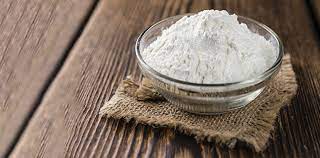
Magnesium stearate is a fine, light white powder that sticks to your skin and is greasy to the touch. It is a simple salt made up of two substances:

  • A saturated fat known stearic acid; and
  • The mineral magnesium.

Stearic acid can also be found in many foods, including:

  • Chicken;
  • Eggs;
  • Cheese;
  • Chocolate;
  • Walnuts;
  • Salmon;
  • Cotton seed oil;
  • Palm oil; and
  • Coconut oil.

Magnesium stearate is commonly added to many foods, pharmaceuticals, and cosmetics. In medications and vitamins, its primary purpose is to act as a lubricant. It may be derived from plants as well as animal sources.

What is it Used For?

  • It has been widely used for many decades in the food industry as an emulsifier, binder and thickener, as well as an anticaking, lubricant, release, and antifoaming agent.
  • It is present in many food supplements, confectionery, chewing gum, herbs and spices, and baking ingredients.
  • It is also commonly used as an inactive ingredient in the production of pharmaceutical tablets, capsules and powders.
  • It is useful because it has lubricating properties, preventing ingredients from sticking to manufacturing equipment during the compression of chemical powders into solid tablets; magnesium stearate is the most commonly used lubricant for tablets.
  • However, it might cause lower wettability and slower disintegration of the tablets and slower and even lower dissolution of the drug.
  • It can also be used efficiently in dry coating processes.
  • In the creation of pressed candies, magnesium stearate acts as a release agent and it is used to bind sugar in hard candies such as mints.
  • It is a common ingredient in baby formulas.

It is possible to create capsules without magnesium stearate, but it is more difficult to guarantee the consistency and quality of those capsules.

Other Names

Mangeniusm stearate has number of other names, approximately 45, including:

  • Magnesium Distearate.
  • Magnesium Octadecanoate.
  • Octadecanoic Acid, Magnesium Salt.
  • Dibasic Magnesium Stearate.
  • Stearic Acid, Magnesium Salt.
  • Magnesium Dioctadecanoate.
  • Synpro 90.
  • Petrac MG 20NF.
  • NS-M (Salt).
  • SM-P.
  • Synpro Magnesium Stearate 90.
  • HSDB 713.
  • Rashayan Magnesium Stearate.

How is it Manufactured/Made?

  • Molecular Formula: C36H70MgO4 or Mg(C18H35O2)2, it exists as a salt containing two stearate anions and a magnesium cation.
    • An anion has more electrons than protons, consequently giving it a net negative charge.
    • A cation has more protons than electrons, consequently giving it a net positive charge.
  • Magnesium stearate is produced by:
    • The reaction of sodium stearate (the sodium salt of stearic acid) with magnesium salts; or
    • Treating magnesium oxide with stearic acid.
  • Some nutritional supplements specify that the sodium stearate used in manufacturing magnesium stearate is produced from vegetable-derived stearic acid.

Magnesium stearate is a major component of bathtub rings. When produced by soap and hard water, magnesium stearate and calcium stearate both form a white solid insoluble in water, and are collectively known as soap scum.

What Does My Body Do With Magnesium?

  • Upon ingestion, magnesium stearate is dissolved into magnesium ion and stearic and palmitic acids.
  • Magnesium is absorbed primarily in the small intestine, and to a lesser extent, in the colon.
  • Magnesium is an essential mineral, serving as a cofactor for hundreds of enzymatic reactions and is essential for the synthesis of carbohydrates, lipids, nucleic acids and proteins, as well as neuromuscular and cardiovascular function.
  • The majority of magnesium content in the body is stored in bone and muscle.
  • A small amount (~1%) is present in serum and interstitial body fluid, mostly existing as a free cation while the remainder is bound to protein or exists as anion complexes.
  • The kidney is largely responsible for magnesium homeostasis and maintenance of serum concentration.
  • Excretion occurs primarily via the urine, but also occurs in sweat and breast milk.
  • Stearic and palmitic acids are products of the metabolism of edible oils and fats for which the metabolic fate has been well established.
  • These fatty acids undergo ß-oxidation to yield 2-carbon units which enter the tricarboxylic acid cycle (aka Krebs cycle and citric acid cycle, the second stage of cellular respiration) and the metabolic products are utilised and excreted.

How Much Can I Consume and What are the Risks?

  • The US Food and Drug Administration (FDA) has approved magnesium stearate for use as an additive in food and supplements, being classified (in the US) as generally recognised as safe (GRAS).
  • In the European Union (EU) and European Free Trade Agreement (EFTA) it is listed as food additive E470b.
  • In 1979, the FDA’s Subcommittee on GRAS Substances (SCOGS) reported, “There is no evidence in the available information on … magnesium stearate … that demonstrates, or suggests reasonable grounds to suspect, a hazard to the public when they are used at levels that are now current and in the manner now practiced, or which might reasonably be expected in the future.”
  • It is generally considered to have a “safe toxicity profile”. (Hobbs et al., 2017, p.554).
  • According to PubChem (a part of the The National Library of Medicine’s National Centre for Biotechnology Information), it is considered safe for consumption at amounts below 2,500 milligrams (mg) per kilogram per day. For a 150-pound (68 kg) adult, that equals 170,000 mg per day.
  • Capsule manufacturers typically use only small amounts of magnesium stearate in their products. When you take their products at the recommended dose, they do not contain enough magnesium stearate to cause negative side effects.

“Stearic acid typically ranges between 0.5-10 percent of the tablet weight while magnesium stearate typically represents 0.25-1.5 percent of the tablet weight. Therefore, in a 500 mg tablet, the amount of stearic acid would probably be about 25 mg, and magnesium stearate about 5 mg.” (Bruno, 2013, p.53).

What are the Health Risks of Magnesium Stearate?

  • Toxicology data from animal studies relevant to evaluation of magnesium stearate are lacking (e.g. doses that will not lead to a dietary imbalance, known composition of material tested, appropriate administration route, etc.).
  • There are also no human data related to magnesium stearate toxicity.
  • It has been noted that infants are particularly sensitive to the sedative effects of magnesium salts and that individuals with chronic renal impairment retained 15-30% of administered magnesium, which may cause toxicity.
  • Moreover, diarrhoea and other gastrointestinal effects have been observed with excessive magnesium intake resulting from use of various magnesium salts for pharmacological/medicinal purposes.
  • Many magnesium-containing food additives have been evaluated individually, but not collectively, for laxative effects.
  • With this in mind, it is important to understand what effect cumulative exposure to magnesium via food additives may have, although studies indicate a lack of genotoxic risk posed specifically by magnesium stearate consumed at current estimated dietary exposures.
  • PubChem also notes that it can be an irritant which may cause skin, eye, and respiratory irritation, as well as potentially causing long lasting harmful effects to aquatic life (although relates to the powder form and not capsule form).
  • Some people report having negative reactions to magnesium stearate and feel much better when they eliminate it. These people might have a sensitivity to it. It is possible to be allergic to magnesium stearate, and it can be difficult to avoid this food additive.

Alleged Health Risks Not Borne Out by the Science

  • Some people (mainly on the internet) claim that magnesium stearate suppresses your immune T-cell function and causes the cell membrane integrity in your helper T cells to collapse.
    • However, there is no scientific evidence to support those claims.
    • Generally, these claims have been made based on a single mouse study that was related to stearic acid, not magnesium stearate (Tebbey & Buttke, 1990).
    • Mice lack an enzyme in their T cells that humans have. This makes stearic acid safe for us to ingest. Human T-cells have the delta-9 desaturase enzyme required to convert stearic acid into oleic acid to avoid a toxic build-up.
    • Another factor to consider is that the study was conducted by bathing the mouse T-cells in stearic acid.
    • It is impossible to consume stearic acid in such humongous amounts through supplements.
  • Some people have also claimed that magnesium stearate might interfere with your body’s ability to absorb the contents of medication capsules.
    • Studies have found that although magnesium stearate may slow down dissolution and absorption in some cases, it does not affect the overall bioavailability of nutrients.
  • Gene Bruno (MS, MHS), writing in Vitamin Retailer in March 2013, gives a good outline on why the above two points are not borne out by the science.
  • Another claim is that magnesium stearate can form a biofilm in the intestines just as soaps containing calcium and magnesium stearates form soap scum in sinks and bathtubs.
    • The Human gut environment is completely different to that of a bathroom.
    • Human intestines have acids and enzymes that do not allow soap scum to accumulate.
    • And, soap scum is nothing like a biofilm – If anything, magnesium stearate can actually prevent the formation of biofilms.

What are the Alternatives to Magnesium Stearate?

Magnesium stearate and stearic acid are the most common lubricants used in pharmaceutical processes. However, there are other lubricants, including fatty acid esters, inorganic materials, and polymers.

  • Metallic Salts of Fatty Acids:
    • They are still the most dominant class of lubricants.
    • Magnesium stearate, calcium stearate, and zinc stearate are the three common metallic salts of fatty acids used.
    • Of these three lubricants, magnesium stearate is one of the most frequently used.
  • Fatty Acids:
    • These are also common lubricants, with stearic acid being the most popular one.
    • Chemically, stearic acid is a straight-chain saturated monobasic acid found in animal fats and in varying degrees in cotton seed, corn, and coco.
    • The commercial material of stearic acid has other minor fatty acid constituents such as myistic acid and palmitic acid.
  • Fatty Acid Esters:
    • Fatty acid esters, including glyceride esters (glyceryl monostearate, glyceryl tribehenate, and glyceryl dibehenate) and sugar esters (sorbitan monostearate and sucrose monopalmitate), are often used as lubricants in the preparation of solid dosage forms.
    • In particular, Compritol® 888 ATO is an effective lubricant to replace magnesium stearate when the latter causes delay of dissolution and other compatibility issues.
  • Inorganic Materials and Polymers:
    • Are used as lubricants when magnesium stearate is not appropriate.
    • In terms of inorganic materials, talc (a hydrated magnesium silicate (Mg3Si4O10(OH)2)), is often used as a lubricant or a glidant in formulations.
    • Similarly, polymers, such as PEG 4000, are occasionally used as lubricants in solid dosage forms when the use of magnesium stearate displays compression and chemical incompatibility issues.

Besides the conventional lubricants, manufacturers are also using natural-based lubricants (such as rice extract) or excipient premixes (such as cellulose/rice extract/oil/wax).

Summary

The benefits of using magnesium stearate in supplements far outweigh the potential risks. And, apart from ensuring a homogenous mixture of active ingredients and accurate, consistent dosage, magnesium stearate has several health benefits of its own. As an essential mineral, magnesium is crucial for more than 300 enzyme reactions occurring in the human body. Stearic acid is known to lower LDL cholesterol and improve heart function.

References and Further Reading

A Quick Overview of Chromium

Introduction

Chromium is a trace mineral that works with insulin to help regulate and maintain normal amounts glucose in the blood. It also plays a role in carbohydrate, fat, and protein metabolism. Chromium can be found naturally in foods and also comes in a variety of supplemental forms.

Background

Chromium is an essential trace mineral, and there are two forms:

  • Trivalent chromium, which is safe for humans; and
  • Hexavalent chromium, which is a toxin.
Chromium

Trivalent chromium is found in foods and supplements and might help keep blood sugar levels normal by improving the way the body uses insulin.

People use chromium for chromium deficiency and is also for:

  • Diabetes;
  • High cholesterol;
  • Athletic performance;
  • Bipolar disorder; and
  • Many other purposes … but there is no good scientific evidence to support most of these uses.

This topic only covers trivalent chromium, not hexavalent chromium.

Major Food Sources of Chromium

Many foods contain a small amount of chromium. In general, whole grain breads and cereals and meats are all good sources. The content of chromium in many foods can be affected by how food is gown and processed. Common foods that contain chromium (not an exhaustive list):

  • Broccoli.
  • Grape juice.
  • English muffin.
  • Potatoes.
  • Garlic.
  • Basil.
  • Orange juice.
  • Turkey breast.
  • Whole wheat bread.
  • Unpeeled apple.
  • Bananas.
  • Green beans.

What are Its Uses and Effectiveness?

  • Likely Effective for:
    • Chromium deficiency.
      • Taking chromium by mouth is effective for preventing chromium deficiency.
  • Possibly Effective for:
    • Diabetes.
      • Taking chromium by mouth might improve blood sugar control in some people with type 2 diabetes.
      • Higher chromium doses seem to work better than lower doses.
      • It is not clear if it helps prevent diabetes.
  • Possibly Ineffective for:
    • Prediabetes.
      • Taking chromium by mouth does not help control blood sugar levels in people with prediabetes.
    • Schizophrenia.
      • Taking chromium by mouth does not affect weight or mental health in people with schizophrenia.

There is interest in using chromium for a number of other purposes, but there is not enough reliable information to say whether it might be helpful.

What are the Side Effects?

It is difficult to consume toxic amounts of chromium from dietary sources alone. However, harmful levels of the mineral can potentially be ingested in the form of supplements. Early research suggested that daily dosages of 50-200 mcg were believed to be safe.

When taken by Mouth

  • Chromium is likely safe when used short-term.
  • Up to 1000 mcg of chromium daily has been used safely for up to 6 months.
  • When taken for longer periods of time, chromium is possibly safe.
  • Chromium has been used safely in doses of 200-1000 mcg daily for up to 2 years.

Some people experience side effects such as stomach upset, headaches, insomnia, and mood changes. High doses have been linked to more serious side effects including liver or kidney damage.

The most commonly reported side effects with chromium supplementation include:

  • Initial insomnia;
  • Increased and vivid dreams;
  • Tremor;
  • Mild psychomotor activation;
  • Stomach discomfort;
  • Nausea; and
  • Vomiting.

Are There Any Special Precautions or Warnings To Be Aware Of?

  • Pregnancy:
    • Chromium is likely safe when taken by mouth in amounts that do not exceed adequate intake (AI) levels.
    • The AI for those 14-18 years old is 28 mcg daily.
    • For those 19-50 years old, it is 30 mcg daily.
    • Chromium is possibly safe to use in amounts higher than the AI levels while pregnant.
    • But do not take chromium supplements during pregnancy unless advised to do so by a healthcare provider.
  • Breast-feeding:
    • Chromium is likely safe when taken by mouth in amounts that do not exceed AI levels.
    • The AI for those 14-18 years old is 44 mcg daily.
    • For those 19-50 years old, it is 45 mcg daily.
    • There is not enough reliable information to know if taking higher amounts of chromium is safe when breast-feeding.
    • Stay on the safe side and stick with amounts below the AI.
  • Children:
    • Chromium is likely safe when taken by mouth in amounts that do not exceed AI levels.
    • For those 0-6 months old, it is 0.2 mcg; for those 7-12 months old, it is 5.5 mcg; for those 1-3 years old, it is 11 mcg; for those 4-8 years old, it is 15 mcg.
    • For males 9-13 years old, it is 25 mcg; for males 14-18 years old, it is 35 mcg.
    • For females 9-13 years old, it is 21 mcg; for females 14-18 years old, it is 24 mcg.
    • Taking chromium in amounts above the AI level is possibly safe for most children.
  • Behavioural or psychiatric conditions such as depression, anxiety, or schizophrenia:
    • Chromium might affect brain chemistry and might make behavioural or psychiatric conditions worse.
    • Given the risk of “cycling,” caution should be used in people who have (or may develop) bipolar disorder.
    • Chromium picolinate appears to alter levels of neurotransmitters when taken in high doses – a possible concern for people with depression, bipolar disorder, or schizophrenia.
  • Chromate/leather contact allergy:
    • Chromium supplements can cause allergic reactions in people with chromate or leather contact allergy.
    • Symptoms include redness, swelling, and scaling of the skin.
  • Kidney disease:
    • Chromium supplements might cause kidney damage.
    • Do not take chromium supplements if you have kidney disease.
  • Liver disease:
    • Chromium supplements might cause liver damage.
    • Do not take chromium supplements if you have liver disease.

A daily intake of over 1,200 micrograms has been reported to cause kidney, liver, and bone marrow damage in one person. In another case report, a person taking daily dose of 600 mcg over a 6-week period was enough to cause damage. You should talk to a medical professional before taking more than 200 mcg.

What about Interactions?

Moderate Interaction

Be cautious with this combination

  • Insulin interacts with Chromium:
    • Chromium might increase how well insulin works.
    • Taking chromium along with insulin might cause your blood sugar to drop too low.
    • Monitor your blood sugar closely.
    • The dose of your insulin might need to be changed.
  • Levothyroxine (Synthroid, others) interacts with Chromium:
    • Taking chromium with levothyroxine might decrease how much levothyroxine the body absorbs.
    • This might make levothyroxine less effective.
    • To help avoid this interaction, levothyroxine should be taken 30 minutes before or 3-4 hours after taking chromium.
  • Medications for diabetes (Anti-diabetes drugs) interacts with Chromium:
    • Chromium might lower blood sugar levels.
    • Taking chromium along with diabetes medications might cause blood sugar to drop too low.
    • Monitor your blood sugar closely.

Minor Interaction

Be watchful with this combination

  • NSAIDs (Nonsteroidal anti-inflammatory drugs) interacts with Chromium:
    • NSAIDs might increase chromium levels in the body and increase the risk of adverse effects.
    • Avoid taking chromium supplements and NSAIDs at the same time.
  • Aspirin interacts with Chromium:
    • Aspirin might increase how much chromium the body absorbs.
    • Taking aspirin with chromium might increase the effects and side effects of chromium.

What about Dosage?

  • Chromium is an essential trace mineral.
  • It is recommended that males 19-50 years old consume 35 mcg daily, and those 51 years and older consume 30 mcg daily.
  • For females, it is recommended that those 19-50 years old consume 25 mcg daily, and those 51 years and older consume 20 mcg daily.
  • Recommended amounts for children depend on age.
  • Speak with a healthcare provider to find out what dose might be best for a specific condition.

Who was Thomas Szasz?

Introduction

Thomas Stephen Szasz (15 April 1920 to 08 September 2012) was a Hungarian-American academic and psychiatrist.

Thomas Szasz, Psychiatrist.

He served for most of his career as professor of psychiatry at the State University of New York Upstate Medical University in Syracuse, New York. A distinguished lifetime fellow of the American Psychiatric Association and a life member of the American Psychoanalytic Association, he was best known as a social critic of the moral and scientific foundations of psychiatry, as what he saw as the social control aims of medicine in modern society, as well as scientism. His books The Myth of Mental Illness (1961) and The Manufacture of Madness (1970) set out some of the arguments most associated with him.

Szasz argued throughout his career that mental illness is a metaphor for human problems in living, and that mental illnesses are not “illnesses” in the sense that physical illnesses are, and that except for a few identifiable brain diseases, there are “neither biological or chemical tests nor biopsy or necropsy findings for verifying DSM diagnoses.”

Szasz maintained throughout his career that he was not anti-psychiatry but rather that he opposed coercive psychiatry. He was a staunch opponent of civil commitment and involuntary psychiatric treatment, but he believed in and practiced psychiatry and psychotherapy between consenting adults.

Life

Szasz was born to Jewish parents Gyula and Lily Szász on 15 April 1920, in Budapest, Hungary. In 1938, Szasz moved to the United States, where he attended the University of Cincinnati for his Bachelor of Science in physics, and received his M.D. from the same university in 1944. Szasz completed his residency requirement at the Cincinnati General Hospital, then worked at the Chicago Institute for Psychoanalysis from 1951-1956, and then for the next five years was a member of its staff – taking 24 months out for duty with the US Naval Reserve.

In 1962 Szasz received a tenured position in medicine at the State University of New York. Szasz had first joined SUNY in 1956.

Szasz had two daughters. His wife, Rosine, died in 1971. Szasz’s colleague Jeff Schaler described her death as a suicide.

Szasz’s views of psychiatry were influenced by the writings of Frigyes Karinthy.

Death

Thomas Szasz ended his own life on 08 September 2012. He had previously suffered a fall and would have had to live in chronic pain otherwise. Szasz argued for the right to suicide in his writings.

Rise of Szasz’s Arguments

Szasz first presented his attack on “mental illness” as a legal term in 1958 in the Columbia Law Review. In his article he argued that mental illness was no more a fact bearing on a suspect’s guilt than is possession by the devil.

In 1961 Szasz testified before a United States Senate Committee, arguing that using mental hospitals to incarcerate people defined as insane violated the general assumptions of the patient-doctor relationship, and turned the doctor into a warden and keeper of a prison.

Szasz’s Main Arguments

Szasz was convinced there was a metaphorical character to mental disorders, and its uses in psychiatry were frequently injurious. He set himself a task to delegitimise legitimating agencies and authorities, and what he saw as their vast powers, enforced by psychiatrists and other mental health professionals, mental health laws, mental health courts, and mental health sentences. 

Szasz was a critic of the influence of modern medicine on society, which he considered to be the secularization of religion’s hold on humankind. Criticising scientism, he targeted psychiatry in particular, underscoring its campaigns against masturbation at the end of the 19th century, its use of medical imagery and language to describe misbehaviour, its reliance on involuntary mental hospitalisation to protect society, and the use of lobotomy and other interventions to treat psychosis. To sum up his description of the political influence of medicine in modern societies imbued by faith in science, he declared:

Since theocracy is the rule of God or its priests, and democracy the rule of the people or of the majority, pharmacracy is therefore the rule of medicine or of doctors.

Szasz consistently paid attention to the power of language in the establishment and maintenance of the social order, both in small interpersonal and in wider social, economic, and/or political spheres:

The struggle for definition is veritably the struggle for life itself. In the typical Western two men fight desperately for the possession of a gun that has been thrown to the ground: whoever reaches the weapon first shoots and lives; his adversary is shot and dies. In ordinary life, the struggle is not for guns but for words; whoever first defines the situation is the victor; his adversary, the victim. For example, in the family, husband and wife, mother and child do not get along; who defines whom as troublesome or mentally sick?… [the one] who first seizes the word imposes reality on the other; [the one] who defines thus dominates and lives; and [the one] who is defined is subjugated and may be killed.

His main arguments can be summarised as follows:

“Myth of Mental Illness”

“Mental illness” is an expression, a metaphor that describes an offending, disturbing, shocking, or vexing conduct, action, or pattern of behavior, such as packaged under the wide-ranging term schizophrenia, as an “illness” or “disease”. Szasz wrote: “If you talk to God, you are praying; If God talks to you, you have schizophrenia. If the dead talk to you, you are a spiritualist; If you talk to the dead, you are a schizophrenic.”[13]: 85  He maintained that, while people behave and think in disturbing ways, and those ways may resemble a disease process (pain, deterioration, response to various interventions), this does not mean they actually have a disease. To Szasz, disease can only mean something people “have”, while behaviour is what people “do”. Diseases are “malfunctions of the human body, of the heart, the liver, the kidney, the brain” while “no behavior or misbehavior is a disease or can be a disease. That’s not what diseases are.” Szasz cited drapetomania as an example of a behaviour that many in society did not approve of, being labelled and widely cited as a disease. Likewise, women who did not bend to a man’s will were said to have hysteria. He thought that psychiatry actively obscures the difference between behaviour and disease in its quest to help or harm parties in conflicts. He maintained that, by calling people diseased, psychiatry attempts to deny them responsibility as moral agents in order to better control them.

In Szasz’s view, people who are said by themselves or others to have a mental illness can only have, at best, “problems in living”. Diagnoses of “mental illness” or “mental disorder” (the latter expression called by Szasz a “weasel term” for mental illness) are passed off as “scientific categories” but they remain merely judgments (judgements of disdain) to support certain uses of power by psychiatric authorities. In that line of thinking, schizophrenia becomes not the name of a disease entity but a judgement of extreme psychiatric and social disapprobation. Szasz called schizophrenia “the sacred symbol of psychiatry” because those so labelled have long provided and continue to provide justification for psychiatric theories, treatments, abuses, and reforms.

The figure of the psychotic or schizophrenic person to psychiatric experts and authorities, according to Szasz, is analogous with the figure of the heretic or blasphemer to theological experts and authorities. According to Szasz, to understand the metaphorical nature of the term “disease” in psychiatry, one must first understand its literal meaning in the rest of medicine. To be a true disease, the entity must first somehow be capable of being approached, measured, or tested in scientific fashion. Second, to be confirmed as a disease, a condition must demonstrate pathology at the cellular or molecular level.

A genuine disease must also be found on the autopsy table (not merely in the living person) and meet pathological definition instead of being voted into existence by members of the American Psychiatric Association. “Mental illnesses” are really problems in living. They are often “like a” disease, argued Szasz, which makes the medical metaphor understandable, but in no way validates it as an accurate description or explanation. Psychiatry is a pseudoscience that parodies medicine by using medical-sounding words invented especially over the last one hundred years. To be clear, heart break and heart attack, or spring fever and typhoid fever belong to two completely different logical categories, and treating one as the other constitutes a category error. Psychiatrists are the successors of “soul doctors”, priests who dealt and deal with the spiritual conundrums, dilemmas, and vexations – the “problems in living” – that have troubled people forever.

Psychiatry’s main methods are assessment, medication, conversation or rhetoric and incarceration. To the extent that psychiatry presents these problems as “medical diseases”, its methods as “medical treatments”, and its clients – especially involuntary – as medically ill patients, it embodies a lie and therefore constitutes a fundamental threat to freedom and dignity. Psychiatry, supported by the state through various Mental Health Acts, has become a modern secular state religion according to Szasz. It is a vastly elaborate social control system, using both brute force and subtle indoctrination, which disguises itself under the claims of being rational, systematic and therefore scientific.

“Patient” as Malingerer

According to Szasz, many people fake their presentation of mental illness, i.e., they are malingering. They do so for gain, for example, in order to escape a burden like evading the draft, or to gain access to drugs or financial support, or for some other personally meaningful reason. By definition, the malingerer is knowingly deceitful (although malingering itself has also been called a mental illness or disorder). Szasz mentions malingering in many of his works, but it is not what he has in mind to explain many other manifestations of so-called “mental illness”. In those cases, so-called “patients” have something personally significant to communicate – their “problems in living” – but unable to express this via conventional means they resort to illness-imitation behaviour, a somatic protolanguage or “body language”, which psychiatrists and psychologists have misguidedly interpreted as the signs/symptoms of real illness. So, for example:

“analyzing the origin of the hysterical protolanguage Szasz states that it has a double origin: – the first root is in the somatic structure of human being. The human body is subject to illnesses and disabilities expressed through somatic signs (like paralysis, convulsions, etc.) and somatic sensations (like pain, tiredness, etc.); – the second root can be found into cultural factors.”

Separation of Psychiatry and the State

Szasz believed that if we accept that “mental illness” is a euphemism for behaviours that are disapproved of, then the state has no right to force psychiatric “treatment” on these individuals. Similarly, the state should not be able to interfere in mental health practices between consenting adults (for example, by legally controlling the supply of psychotropic drugs or psychiatric medication). The medicalisation of government produces a “therapeutic state”, designating someone as, for example, “insane” or as a “drug addict”.

In Ceremonial Chemistry (1973), he argued that the same persecution that targeted witches, Jews, gypsies, and homosexuals now targets “drug addicts” and “insane” people. Szasz argued that all these categories of people were taken as scapegoats of the community in ritual ceremonies. To underscore this continuation of religion through medicine, he even takes as an example obesity: instead of concentrating on junk food (ill-nutrition), physicians denounced hypernutrition. According to Szasz, despite their scientific appearance, the diets imposed were a moral substitute to the former fasts, and the social injunction not to be overweight is to be considered as a moral order, not as a scientific advice as it claims to be. As with those thought bad (insane people), and those who took the wrong drugs (drug addicts), medicine created a category for those who had the wrong weight (obesity).

Szasz argued that psychiatrics were created in the 17th century to study and control those who erred from the medical norms of social behaviour; a new specialisation, drogophobia, was created in the 20th century to study and control those who erred from the medical norms of drug consumption; and then, in the 1960s, another specialisation, bariatrics (from the Greek βάρος baros, for “weight”), was created to deal with those who erred from the medical norms concerning the weight the body should have. Thus, he underscores that in 1970, the American Society of Bariatric Physicians had 30 members, and already 450 two years later.

Presumption of Competence and Death Control

Just as legal systems work on the presumption that a person is innocent until proven guilty, individuals accused of crimes should not be presumed incompetent simply because a doctor or psychiatrist labels them as such. Mental incompetence should be assessed like any other form of incompetence, i.e. by purely legal and judicial means with the right of representation and appeal by the accused.

In an analogy to birth control, Szasz argued that individuals should be able to choose when to die without interference from medicine or the state, just as they are able to choose when to conceive without outside interference. He considered suicide to be among the most fundamental rights, but he opposed state-sanctioned euthanasia.

In his 2006 book about Virginia Woolf he stated that she put an end to her life by a conscious and deliberate act, her suicide being an expression of her freedom of choice.

Abolition of the Insanity Defence and Involuntary Hospitalisation

Szasz believed that testimony about the mental competence of a defendant should not be admissible in trials. Psychiatrists testifying about the mental state of an accused person’s mind have about as much business as a priest testifying about the religious state of a person’s soul in our courts. Insanity (defence) was a legal tactic invented to circumvent the punishments of the Church, which at the time included confiscation of the property of those who committed suicide, often leaving widows and orphans destitute. Only an insane person would do such a thing to his widow and children, it was successfully argued. This is legal mercy masquerading as medicine, according to Szasz.

No one should be deprived of liberty unless he is found guilty of a criminal offense. Depriving a person of liberty for what is said to be his own good is immoral. Just as a person suffering from terminal cancer may refuse treatment, so should a person be able to refuse psychiatric treatment.

The Right to Drugs

Drug addiction is not a “disease” to be cured through legal drugs but a social habit. Szasz also argues in favour of a free market for drugs. He criticised the war on drugs, arguing that using drugs is in fact a victimless crime. Prohibition itself constituted the crime. He argued that the war on drugs leads states to do things that would have never been considered half a century before, such as prohibiting a person from ingesting certain substances or interfering in other countries to impede the production of certain plants, e.g. coca eradication plans, or the campaigns against opium; both are traditional plants opposed by the Western world. Although Szasz was sceptical about the merits of psychotropic medications, he favoured the repeal of drug prohibition.

Szasz also drew analogies between the persecution of the drug-using minority and the persecution of Jewish and homosexual minorities.

The Nazis spoke of having a “Jewish problem”. We now speak of having a drug-abuse problem. Actually, “Jewish problem” was the name the Germans gave to their persecution of the Jews; “drug-abuse problem” is the name we give to the persecution of people who use certain drugs. 

Szasz cites former US Representative James M. Hanley’s reference to drug users as “vermin”, using:

“the same metaphor for condemning persons who use or sell illegal drugs that the Nazis used to justify murdering Jews by poison gas – namely, that the persecuted persons are not human beings, but ‘vermin.'”

Therapeutic State

The “Therapeutic State” is a phrase coined by Szasz in 1963. The collaboration between psychiatry and government leads to what Szasz calls the therapeutic state, a system in which disapproved actions, thoughts, and emotions are repressed (“cured”) through pseudomedical interventions.  Thus suicide, unconventional religious beliefs, racial bigotry, unhappiness, anxiety, shyness, sexual promiscuity, shoplifting, gambling, overeating, smoking, and illegal drug use are all considered symptoms or illnesses that need to be cured. When faced with demands for measures to curtail smoking in public, binge-drinking, gambling or obesity, ministers say that “we must guard against charges of nanny statism.” The “nanny state” has turned into the “therapeutic state” where nanny has given way to counsellor. Nanny just told people what to do; counsellors also tell them what to think and what to feel. The “nanny state” was punitive, austere, and authoritarian, the therapeutic state is touchy-feely, supportive – and even more authoritarian.

According to Szasz:

“the therapeutic state swallows up everything human on the seemingly rational ground that nothing falls outside the province of health and medicine, just as the theological state had swallowed up everything human on the perfectly rational ground that nothing falls outside the province of God and religion.”

Faced with the problem of “madness”, Western individualism proved to be ill-prepared to defend the rights of the individual: modern man has no more right to be a madman than medieval man had a right to be a heretic because if once people agree that they have identified the one true God, or Good, it brings about that they have to guard members and non-members of the group from the temptation to worship false gods or goods.  A secularization of God and the medicalization of good resulted in the post-Enlightenment version of this view: once people agree that they have identified the one true reason, it brings about that they have to guard against the temptation to worship unreason – that is, madness.

Civil libertarians warn that the marriage of the state with psychiatry could have catastrophic consequences for civilisation. In the same vein as the separation of church and state, Szasz believes that a solid wall must exist between psychiatry and the state.

American Association for the Abolition of Involuntary Mental Hospitalisation

Believing that psychiatric hospitals are like prisons not hospitals and that psychiatrists who subject others to coercion function as judges and jailers not physicians, Szasz made efforts to abolish involuntary psychiatric hospitalisation for over two decades, and in 1970 took a part in founding the American Association for the Abolition of Involuntary Mental Hospitalisation (AAAIMH). Its founding was announced by Szasz in 1971 in the American Journal of Psychiatry and American Journal of Public Health. The association provided legal help to psychiatric patients and published a journal, The Abolitionist.

Relationship to Citizens Commission on Human Rights

In 1969, Szasz and the Church of Scientology co-founded the Citizens Commission on Human Rights (CCHR) to oppose involuntary psychiatric treatments. Szasz served on CCHR’s Board of Advisors as Founding Commissioner. In the keynote address at the 25th anniversary of CCHR, Szasz stated:

“We should all honor CCHR because it is really the organization that for the first time in human history has organized a politically, socially, internationally significant voice to combat psychiatry. This has never been done in human history before.”

In a 2009 interview aired by the Australian Broadcasting Corporation, Szasz explained his reason for collaborating with CCHR and lack of involvement with Scientology:

Well I got affiliated with an organisation long after I was established as a critic of psychiatry, called Citizens Commission for Human Rights, because they were then the only organisation and they still are the only organisation who had money and had some access to lawyers and were active in trying to free mental patients who were incarcerated in mental hospitals with whom there was nothing wrong, who had committed no crimes, who wanted to get out of the hospital. And that to me was a very worthwhile cause; it’s still a very worthwhile cause. I no more believe in their religion or their beliefs than I believe in the beliefs of any other religion. I am an atheist, I don’t believe in Christianity, in Judaism, in Islam, in Buddhism and I don’t believe in Scientology. I have nothing to do with Scientology.

Responses and Reactions

Szasz was a strong critic of institutional psychiatry and his publications were very widely read. He argued that so-called mental illnesses had no underlying physiological basis, but were unwanted and unpleasant behaviours. Mental illness, he said, was only a metaphor that described problems that people faced in their daily lives, labelled as if they were medical diseases. Szasz’s ideas had little influence on mainstream psychiatry, but were supported by some behavioural and social scientists. Sociologist Erving Goffman, who wrote Asylums: Essays on the Condition of the Social Situation of Mental Patients and Other Inmates, was sceptical about psychiatric practices. He was concerned that the stigma and social rejection associated with psychiatric treatment might harm people. Thomas Scheff, also a sociologist, had similar reservations.

Russell Tribunal

In the summer of 2001, Szasz took a part in a Russell Tribunal on Human rights in Psychiatry held in Berlin between 30 June and 02 July 2001. The tribunal brought in the two following verdicts: the majority verdict claimed that there was “serious abuse of human rights in psychiatry” and that psychiatry was “guilty of the combination of force and unaccountability”; the minority verdict, signed by the Israeli Law Professor Alon Harel and Brazilian novelist Paulo Coelho, called for “public critical examination of the role of psychiatry”.

Awards

Szasz was honoured with over fifty awards including:

  • American Humanist Association named him Humanist of the Year (1973).
  • Award for Greatest Public Service Benefiting the Disadvantaged, an award given out annually by Jefferson Awards (1974).
  • Martin Buber Award (1974).
  • He was honoured with an honorary doctorate in behavioural science at Universidad Francisco Marroquín (1979).
  • Humanist Laureate Award (1995).
  • Great Lake Association of Clinical Medicine Patients’ Rights Advocate Award (1995).
  • American Psychological Association Rollo May Award (1998).

Kendell’s Views

Robert Evan Kendell presents (in Schaler, 2005[39]) a critique of Szasz’s conception of disease and the contention that mental illness is “mythical” as presented in The Myth of Mental Illness. Kendell’s arguments include the following:

  1. Szasz’s conception of disease exclusively in terms of “lesion”, i.e. morphological abnormality, is arbitrary and his conclusions based on this idea represent special pleading.
    • There are non-psychiatric conditions that remain defined solely in terms of syndrome, e.g. migraine, torticollis, essential tremor, blepharospasm, torsion dystonia.
    • Szasz’s scepticism regarding syndromally defined diseases – only in relation to psychiatry – is entirely arbitrary.
    • Many diseases that are outside the purview of psychiatry are defined purely in terms of the constellation of the symptoms, signs and natural history they present yet Szasz has not expressed any doubt regarding their existence.
    • Is syndrome-based diagnosis only problematic for psychiatry but without issue for the remaining branches of medicine?
    • If syndrome-based diagnosis is unsound on account of its absence of objectivity then it must be generally unsound and not only for psychiatry.
  2. Szasz’s ostensibly exclusive criterion of disease as morphological abnormality – i.e. a lesion made evident “by post-mortem examination of organs and tissues” – is unsound because it inadvertently includes many conditions that are not considered to be diseases by virtue of the fact that they do not produce suffering or disability, e.g. functionally inconsequential chromosomal translocations and deletions, fused second and third toes, dextrocardia.
    • Szasz’s conception of disease does not distinguish between necessary versus sufficient conditions in relation to diagnostic criteria.
    • In branches of medicine other than psychiatry, morphological abnormality per se is not considered sufficient cause to make a diagnosis of disease; functional abnormality is the necessary condition.
  3. Szasz’s criticism of syndrome-based diagnoses is divorced from a consideration of the history of medicine.
    • In medicine (in general) diseases are defined in terms of a multitude of criteria, these include: (a) morbid anatomy, e.g. mitral stenosis, cholecystitis; (b) histologically, e.g. most cancers, Alzheimer’s disease; (c) infective organism, e.g. Tuberculosis, Measles; (d) physiologically, e.g. myasthenia gravis; (e) biochemically, e.g. aminoaciduria; (e) chromosomally, e.g. trisomy 21, Turner’s syndrome; (f) molecularly, e.g. thalassemia; (g) genetically, e.g. Huntington’s disease, cystic fibrosis; and (h) syndrome, e.g. migraine, torticollis, essential tremor, blepharospasm, torsion dystonia and most (so-called) mental disorders.
    • The more objective definitions of disease – specified as (a) through (g) – became possible through the accumulation of scientific knowledge and the development of relevant technology.
    • Initially the underlying pathology of some diseases was unknown and they were diagnosed only in terms of syndrome – no lesion could be demonstrated “by post-mortem examination of organs and tissues” (as Szasz requires) until later in history, e.g. malaria was diagnosed solely on the basis of syndrome until the advent of microbiology.
    • A strict application of Szasz’s criterion necessitates the conclusion that diseases such as malaria were “mythical” until medical microbiology arrived, at which point they became “real”.
    • In this regard Szasz’s criterion of disease is unsound by virtue of its contradictory results.
  4. Szasz’s contention that mental illness is not associated with any morphological abnormality is uninformed by genetics, biochemistry, and current research results on the aetiology of mental illness.
    • Genes are essentially instructions for the synthesis of proteins.
    • Hence, any condition that is even partly hereditary necessarily manifests structural abnormality at the molecular level.
    • Regardless of whether the actual morphological abnormality can be identified, if a condition has a hereditary component then it has a biological basis.
    • Twin and adoption studies have strongly demonstrated that heredity is a major factor in the aetiology of schizophrenia; thus there must be some biological difference between schizophrenics and non-schizophrenics.
    • In relation to major depressive disorder a difference of response between euthymic and depressed individuals to antidepressant drugs and to tryptophan depletion has been demonstrated.
    • These results in addition to twin and adoption studies provide evidence of an underlying molecular – hence structural – abnormality to depression.
  5. Szasz contends that, “Strictly speaking, disease or illness can affect only the body; hence, there can be no mental illness” and this idea is foundational to Szasz’s position.
    • In actuality, there are no physical or mental illnesses per se; there are only diseases of organisms, of persons.
    • The bifurcation of organisms into minds and bodies is the product of the Cartesian dualism that became dominant in the late 18th century and it was at this time that the notion of insanity as something qualitatively different from other illnesses became entrenched.
    • In actuality, brain and body comprise one integrated and indivisible system and no illness “respects” the abstraction of mind vs. body upon which Szasz’s argument rests.
    • There are no illnesses that are purely mental or purely physical.
    • Somatic pain is itself a mental phenomenon as is the subjective distress produced by the acute phase response at the onset of illness or immediately after trauma.
    • Similarly, conditions such as schizophrenia and major depressive disorder produce somatic symptoms.
    • Any illness lies somewhere within a continuum between the poles of mind and body; the extrema are purely theoretical abstractions and are unoccupied by any real affliction.
    • The mind/body division persists purely for pragmatic reasons and forms no real part of modern biomedical science.

Shorter’s Views

Shorter replied to Szasz’s essay “The myth of mental illness: 50 years later”, which was published in the journal The Psychiatrist (and delivered as a plenary address at the International Congress of the Royal College of Psychiatrists in Edinburgh on 24 June 2010) – in recognition of the 50th anniversary of The Myth of Mental Illness – with the following principal criticisms:

  1. Szasz’s critique is implicitly premised on a conception of mind drawn from the psychiatry of the early-mid 20th century – namely psychoanalytic psychiatry – and Szasz has not updated his critique in light of later developments in psychiatry.
    • The referent of Szasz’s critique – Freud’s mind – is to be found only in the historical record and some isolated islands of psychoanalytic practice.
    • To this extent, Szasz’s critique does not address contemporary biologically-oriented psychiatry and is irrelevant.
    • Certainly the phrase mental illness occurs in the contemporary psychiatric lexicon, but that is merely a legacy of the earlier psychoanalytic influence upon psychiatry; the term does not reflect a real belief that psychiatric disease – Shorter’s preferred term – originates in the mind, an abstraction as Szasz rightly explains.
  2. Szasz concedes that some so-called mental illnesses may have a neurological basis – but adds that were such a biological basis discovered for these so-called mental illnesses, they would have to be reclassified from mental illnesses to brain diseases, which would vindicate his position.
    • Shorter explains that the problem with Szasz’s argument here is that it is the contention of biological psychiatry that so-called mental illnesses are actually brain diseases.
    • Modern psychiatry has de facto dispensed with the idea of mental illness, i.e. the notion that psychiatric disease is mainly or entirely psychogenic is not a part of biological psychiatry.
  3. There exists at least prima facie evidence that psychiatric illness has a biological basis and Szasz either ignores this evidence or attempts to insulate his argument from such evidence by effectively claiming that “no true mental illness has a biological basis.”
    • Shorter cites hypothalamic-pituitary-adrenal axis (HPA) dysregulation, a positive dexamethasone suppression test result, and shortened rapid eye movement sleep latency in those with melancholic depression as examples of this evidence.
    • Further examples cited by Shorter include the responsiveness of catatonia to barbiturates and benzodiazepines.

Who was Tomas Transtromer?

Introduction

Tomas Tranströmer during the Writers’ and Literary Translators’ International Conference in June 2008.

Tomas Gösta Tranströmer (15 April 1931 to 26 March 2015) was a Swedish poet, psychologist and translator.

His poems captured the long Swedish winters, the rhythm of the seasons and the palpable, atmospheric beauty of nature. Tranströmer’s work is also characterised by a sense of mystery and wonder underlying the routine of everyday life, a quality which often gives his poems a religious dimension. He has been described as a Christian poet.

Tranströmer is acclaimed as one of the most important Scandinavian writers since the Second World War. Critics praised his poetry for its accessibility, even in translation. His poetry has been translated into over 60 languages. He was the recipient of the 1990 Neustadt International Prize for Literature, the 2004 International Nonino Prize, and the 2011 Nobel Prize in Literature.

Life and Work

Early Life

Tranströmer was born in Stockholm in 1931 and raised by his mother Helmy, a schoolteacher, following her divorce from his father, Gösta Tranströmer, an editor. He received his secondary education at the Södra Latin Gymnasium in Stockholm, where he began writing poetry. In addition to selected journal publications, his first collection of poems, 17 Poems, was published in 1954. He continued his education at Stockholm University, graduating as a psychologist in 1956 with additional studies in history, religion and literature. Between 1960 and 1966, Tranströmer split his time between working as a psychologist at the Roxtuna centre for juvenile delinquents and writing poetry. He also worked as a psychologist at the Labour Market Institute in Västerås from 1965 to 1990.

Poetry

Tranströmer is considered to be one of the “most influential Scandinavian poet[s] of recent decades”. Tranströmer published 15 collected works over his extensive career, which have been translated into over 60 languages. An English translation by Robin Fulton of his entire body of work, New Collected Poems, was published in the UK in 1987 and expanded in 1997. Following the publication of The Great Enigma, Fulton’s edition was further expanded into The Great Enigma: New Collected Poems, published in the US in 2006 and as an updated edition of New Collected Poems in the UK in 2011. He published a short autobiography, Minnena ser mig (The Memories see me), in 1993.

By the mid-1960s, Tranströmer became close friends with poet Robert Bly. The two corresponded frequently, and Bly would translate Tranströmer’s poems into English. In 2001 Bonniers, Tranströmer’s publisher, released Air Mail, a work consisting of Tranströmer’s and Bly’s day-to-day correspondence on personal, contemporary and literary matters c. 1965-1991 – in a style that vividly conveyed how close friends the two had soon become. Bly also helped arrange readings for his fellow poet in America. The Syrian poet Adunis helped spread Tranströmer’s fame in the Arab world, accompanying him on reading tours.

In the 1970s, other poets accused Tranströmer of being detached from his own age, since he did not deal overtly with social and political issues in his poems and novels. His work, though, lies within and further develops the Modernist and Expressionist/Surrealist language of 20th-century poetry; his clear, seemingly simple pictures from everyday life and nature in particular reveals a mystic insight to the universal aspects of the human mind. A poem of his was read at Anna Lindh’s memorial service in 2003.

Tranströmer went to Bhopal immediately after the gas tragedy in 1984, and alongside Indian poets such as K. Satchidanandan, took part in a poetry reading session outside the plant.

Tranströmer suffered a stroke in 1990 that left him partially paralyzed and unable to speak; however, he continued to write and publish poetry through the early 2000s. One of his final original volumes of poetry, Den stora gåtan, was published in 2004, translated into English in 2006 as The Great Enigma.

Music

Tranströmer played the piano throughout his life; after his stroke, which paralysed the right side of his body, he taught himself to play only with his left hand. He often said that the playing was a way for him to continue living after the stroke.

Tranströmer’s daughter Emma is a concert singer. In 2011 she released the album Dagsmeja, containing songs based on Tranströmer’s poems.

Many composers and musicians have worked with his poems. Among these are Jan Garbarek, Ulf Grahn, Madeleine Isaksson, Margareta Hallin, Lars Edlund, Sven-David Sandström, Jan Sandström and Anders Eliasson.

Death

Tranströmer died in Stockholm on 26 March 2015 at 83, less than 3 weeks before his 84th birthday.

Awards and Honours

  • 1966: Bellman Prize (Sweden).
  • 1981: Petrarca-Preis (Germany).
  • 1990: Neustadt International Prize for Literature (US).
  • 1990: Nordic Council Literature Prize, for For the Living and the Dead (Nordic countries).
  • 1991: Swedish Academy Nordic Prize (Sweden).
  • 1992: Horst Bienek Prize for Poetry (Germany).
  • 1996: Augustpriset, for Sorgegondolen (Sweden).
  • 1998: Jan Smrek Prize (Slovakia).
  • 2003: Struga Poetry Evenings Golden Wreath (Macedonia).
  • 2004: International Nonino Prize (Italy).
  • 2007: The Griffin Trust, Lifetime Recognition Award (Griffin Poetry Prize) (Canada).
  • 2011: Title of Professor (Swedish: Professors namn), granted by the Cabinet of Sweden (Sweden).
  • 2011: Nobel Prize for Literature (Sweden).
  • Other awards include the Övralid Prize and the Swedish Award from International Poetry Forum.

Nobel Prize in Literature, 2011

Tranströmer was announced as the recipient of the 2011 Nobel Prize in Literature. He was the 108th winner of the award and the first Swede to win since 1974. Tranströmer had been considered a perennial frontrunner for the award in years past, with reporters waiting near his residence on the day of the announcement in prior years. The Swedish Academy revealed that he had been nominated every single year since 1993.

Tranströmer’s wife, Monica, said he had been notified by telephone four minutes before the announcement was made. The Nobel Committee stated that Tranströmer’s work received the prize “because, through his condensed, translucent images, he gives us fresh access to reality.”

Permanent secretary of the Swedish Academy Peter Englund said, “He’s been writing poetry since 1951 when he made his debut. And has quite a small production, really. He’s writing about big questions. He’s writing about death, he’s writing about history and memory, and nature.” Prime Minister of Sweden Fredrik Reinfeldt said he was “happy and proud” at the news of Tranströmer’s achievement. Meanwhile, international response to the award has been mixed. The prize announcement led to the immediate reissuing of at least two volumes of Tranströmer’s poetry.