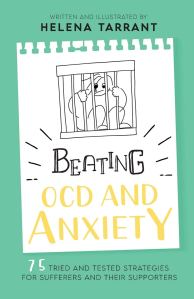
Book: Beating OCD and Anxiety

Book Title:

Beating OCD and Anxiety – 75 Tried and Tested Strategies for Sufferers and their Supporters.

Author(s): Helena Tarrant.

Year: 2020.

Edition: First (1st).

Publisher: Cherish Editions.

Type(s): Paperback and Kindle.

Synopsis:

Does anxiety impact on everything you do, leaving you unable to get through the day or with an inability to make decisions, no matter how small? Has it affected or even destroyed friendships and relationships? Or maybe you know or live with someone with these issues, and feel unable to help them?

Helena Tarrant gets it. She also understands why you may have struggled with text-heavy anxiety guides in the past. This book can help you to start a new fulfilling life, or help you provide invaluable support to someone you care about. The author has recovered from lifelong debilitating obsessive compulsive disorder and generalized anxiety disorder. This book shares the tried and tested techniques that she used to do it, based largely but not entirely on the methods and concepts behind cognitive behavioural therapy.

Written in accessible language, conveniently segmented and illustrated with over 100 original cartoons, the techniques are described clearly and concisely. Beating OCD and Anxiety knows you don’t want to read pages of complex theory on your quest for help.

In this book, Helena will show you how to get your life back.

Book: A Concise Introduction to Existential Counselling

Book Title:

A Concise Introduction to Existential Counselling.

Author(s): Martin Adams.

Year: 2013.

Edition: First (1st).

Publisher: SAGE Publications Ltd.

Type(s): Hardcover, Paperback, and Kindle.

Synopsis:

A Concise Introduction to Existential Counselling is just that: a brief and accessible pocket guide to the underlying theory & practice of the existential approach.

Addressing everything a new trainee needs to know and do in a way that is entirely accessible and jargon-free, this book:

  • Provides a short history of the existential tradition.
  • Puts key concepts into contexts, showing how theory translates into practice.
  • Discusses issues in the therapeutic process.
  • Shows how to work effectively with whatever the client brings to the session.
  • Addresses the significance of existential thought in the wider world.

This book will be the perfect companion to new trainees looking to embark on their path to thinking and practicing existentially.

Martin Adams is a practitioner and supervisor in private practice and a Lecturer at the New School of Psychotherapy and Regents College, both in London.

Linking Anxiety, AUD & GABAB

Research Paper Title

The influence of anxiety symptoms on clinical outcomes during baclofen treatment of alcohol use disorder: A systematic review and meta-analysis.

Background

Given the high coexistence of anxiety symptoms in people with alcohol use disorder (AUD), the researchers aimed to determine the influence of anxiety symptoms on outcomes in patients with AUD treated with GABAB receptor agonist baclofen.

Methods

A meta-analysis of 13 comparisons (published 2010-2020) including baseline and outcome data on alcohol consumption and anxiety after 12 weeks was undertaken.

Results

There were significantly higher rates of abstinent days in patients treated with baclofen compared to placebo (p = 0.004; high certainty evidence); specifically in those with higher baseline anxiety levels (p < 0.00001; high certainty evidence) compared to those with lower baseline anxiety levels (p = 0.20; moderate certainty evidence). The change in anxiety ratings over 12 weeks did not differ between those treated with baclofen or placebo (p = 0.84; moderate certainty evidence).

Conclusions

This may be due to different anxiety constructs being measured by scales not validated in this patient group, or that anxiety is not a biobehavioural mechanism by which baclofen may reduce alcohol drinking. Given the prevalence of anxiety symptoms in AUD all these factors warrant further research.

Reference

Agabio, R., Baldwin, D.S., Amaro, H., Leggio, L. & Sinclair, J.M.A. (2021) The influence of anxiety symptoms on clinical outcomes during baclofen treatment of alcohol use disorder: A systematic review and meta-analysis. Neuroscience and Biobehavioural Reviews. doi: 10.1016/j.neubiorev.2020.12.030. Online ahead of print.

What is Hikikomori?

Introduction

Hikikomori (Japanese: ひきこもり or 引き籠もり, lit. “pulling inward, being confined”), also known as “acute social withdrawal” , is total withdrawal from society and seeking extreme degrees of social isolation and confinement. Hikikomori refers to both the phenomenon in general and the recluses themselves. Hikikomori have been described as loners or “modern-day hermits”. Estimates suggest that half a million Japanese youths have become social recluses, as well as more than half a million middle-aged individuals.

Definition

The Japanese Ministry of Health, Labour, and Welfare defines hikikomori as a condition in which the affected individuals refuse to leave their parents’ house, do not work or go to school and isolate themselves away from society and family in a single room for a period exceeding six months. The psychiatrist Tamaki Saitō defines hikikomori as “a state that has become a problem by the late twenties, that involves cooping oneself up in one’s own home and not participating in society for six months or longer, but that does not seem to have another psychological problem as its principal source”.

More recently, researchers have developed more specific criteria to more accurately identify hikikomori. During a diagnostic interview, trained clinicians evaluate for:

  • Spending most of the day and nearly every day confined to home;
  • Marked and persistent avoidance of social situations, and social relationships;
  • Social withdrawal symptoms causing significant functional impairment;
  • Duration of at least six months; and
  • No apparent physical or mental aetiology to account for the social withdrawal symptoms.

The psychiatrist Alan Teo first characterised hikikomori in Japan as modern-day hermits, while the literary and communication scholar Flavio Rizzo similarly described hikikomori as “post-modern hermits” whose solitude stems from ancestral desires for withdrawal.

While the degree of the phenomenon varies on an individual basis, in the most extreme cases, some people remain in isolation for years or even decades. Often hikikomori start out as school refusers, or futōkō (不登校) in Japanese (an older term is tōkōkyohi (登校拒否)).

Common Traits

While many people feel the pressures of the outside world, hikikomori react by complete social withdrawal. In some more extreme cases, they isolate themselves in their bedrooms for months or years at a time. They usually have few or no friends. In interviews with current or recovering hikikomori, media reports and documentaries have captured the strong levels of psychological distress and angst felt by these individuals.

While hikikomori favour indoor activities, some venture outdoors occasionally. The withdrawal from society usually starts gradually. Affected people may appear unhappy, lose their friends, become insecure and shy, and talk less.

Prevalence

According to Japanese government figures released in 2010, there are 700,000 individuals living as hikikomori within Japan, with an average age of 31. Still, the numbers vary widely among experts. These include the hikikomori who are now in their 40s (as of 2011) and have spent 20 years in isolation. This group is generally referred to as the “first-generation hikikomori.” There is concern about their reintegration into society in what is known as “the 2030 Problem,” when they are in their 60s and their parents begin to die. Additionally, the government estimates that 1.55 million people are on the verge of becoming hikikomori. Tamaki Saitō, who first coined the phrase, originally estimated that there may be over one million hikikomori in Japan, although this was not based on national survey data. Nonetheless, considering that hikikomori adolescents are hidden away and their parents are often reluctant to talk about the problem, it is extremely difficult to gauge the number accurately.

A 2015 Cabinet Office survey estimated that 541,000 recluses aged 15 to 39 existed. In 2019, another survey showed that there are roughly 613,000 people aged 40 to 64 that fall into the category of “adult hikikomori”, which Japan’s welfare minister Takumi Nemoto referred to as a “new social issue.”

While hikikomori is mostly a Japanese phenomenon, cases have been found in the United States, United Kingdom, Oman, Spain, Italy, India, Sweden, South Korea, and France.

Hypotheses on the Cause(s)

Developmental and Psychiatric Conditions

Hikikomori is similar to the social withdrawal exhibited by some people with autism spectrum disorders, a group of developmental disorders that include Asperger syndrome, PDD-NOS and “classic” autism. This has led some psychiatrists to suggest that hikikomori may be affected by autism spectrum disorders and other disorders that affect social integration, but that their disorders are altered from their typical Western presentation because of Japanese sociocultural pressures. Suwa & Hara (2007) discovered that 5 of 27 cases of hikikomori had a high-functioning pervasive developmental disorder (HPDD), and 12 more had other disorders or mental diseases (6 cases of personality disorders, 3 cases of obsessive-compulsive disorder, 2 cases of depression, 1 case of slight mental retardation); 10 out of 27 had primary hikikomori. The researchers used a vignette to illustrate the difference between primary hikikomori (without any obvious mental disorder) and hikikomori with HPDD or other disorder. Alan Teo and colleagues conducted detailed diagnostic evaluations of 22 individuals with hikikomori and found that while the majority of cases fulfilled criteria for multiple psychiatric conditions, about 1 in 5 cases were primary hikikomori. Till date, however, hikikomori is not included in the DSM-5, due to insufficient data.

According to Michael Zielenziger’s book, Shutting Out the Sun: How Japan Created Its Own Lost Generation, the syndrome is more closely related to posttraumatic stress disorder. The author claimed that the hikikomori interviewed for the book had discovered independent thinking and a sense of self that the current Japanese environment could not accommodate.

The syndrome also closely parallels the terms avoidant personality disorder, schizoid personality disorder, schizotypal personality disorder, agoraphobia or social anxiety disorder (also known as “social phobia”).

Social and Cultural Influence

Sometimes referred to as a social problem in Japanese discourse, hikikomori has a number of possible contributing factors. Alan Teo has summarised a number of potential cultural features that may contribute to its predominance in Japan. These include tendencies toward conformity and collectivism, overprotective parenting, and particularities of the educational, housing and economic systems.

Acute social withdrawal in Japan appears to affect both genders equally. However, because of differing social expectations for maturing boys and girls, the most widely reported cases of hikikomori are from middle- and upper-middle-class families; sons, typically their eldest, refuse to leave the home, often after experiencing one or more traumatic episodes of social or academic failure.

In The Anatomy of Dependence, Takeo Doi identifies the symptoms of hikikomori, and explains its prevalence as originating in the Japanese psychological construct of amae (in Freudian terms, “passive object love”, typically of the kind between mother and infant). Other Japanese commentators such as academic Shinji Miyadai and novelist Ryū Murakami, have also offered analysis of the hikikomori phenomenon, and find distinct causal relationships with the modern Japanese social conditions of anomie, amae and atrophying paternal influence in nuclear family child pedagogy. Young adults may feel overwhelmed by modern Japanese society, or be unable to fulfil their expected social roles as they have not yet formulated a sense of personal honne and tatemae – one’s “true self” and one’s “public façade” – necessary to cope with the paradoxes of adulthood.

The dominant nexus of hikikomori centres on the transformation from youth to the responsibilities and expectations of adult life. Indications are that advanced industrialised societies such as modern Japan fail to provide sufficient meaningful transformation rituals for promoting certain susceptible types of youth into mature roles. As do many societies, Japan exerts a great deal of pressure on adolescents to be successful and perpetuate the existing social status quo. A traditionally strong emphasis on complex social conduct, rigid hierarchies and the resulting, potentially intimidating multitude of social expectations, responsibilities and duties in Japanese society contribute to this pressure on young adults. Historically, Confucian teachings de-emphasizing the individual and favouring a conformist stance to ensure social harmony in a rigidly hierarchized society have shaped much of East Asia, possibly explaining the emergence of the hikikomori phenomenon in other East Asian countries.

In general, the prevalence of hikikomori tendencies in Japan may be encouraged and facilitated by three primary factors:

  • Middle class affluence in a post-industrial society such as Japan allows parents to support and feed an adult child in the home indefinitely.
    • Lower-income families do not have hikikomori children because a socially withdrawing youth is forced to work outside the home.
  • The inability of Japanese parents to recognise and act upon the youth’s slide into isolation; soft parenting; or co-dependence between mother and son, known as amae in Japanese.
  • A decade of flat economic indicators and a shaky job market in Japan makes the pre-existing system requiring years of competitive schooling for elite jobs appear like a pointless effort to many.

Role of Modern Technology

Although the connection between modern communication technologies, such as the Internet, social media and video games, and the phenomenon is not conclusively established, it is considered at least an exacerbating factor that can deepen and nurture withdrawal. Previous studies of hikikomori in South Korea and Spain found that some of them showed signs of Internet addiction, though researchers do not consider this to be the main issue. However, according to associate professor of psychiatry at Kyushu University in Fukuoka, Takahiro Kato, video games and social media have reduced the amount of time that people spent outside and in social environments that require direct face to face interaction. The emergence of mobile phones and then smartphones may also have deepened the issue, given that people can continue their addiction to gaming and online surfing anywhere, even in bed.

Japanese Education System

The Japanese education system, like those found in China, Singapore, India, and South Korea, puts great demands upon youth. A multitude of expectations, high emphasis on competition, and the rote memorization of facts and figures for the purpose of passing entrance exams into the next tier of education in what could be termed a rigid pass-or-fail ideology, induce a high level of stress. Echoing the traditional Confucian values of society, the educational system is viewed as playing an important part in society’s overall productivity and success.

In this social frame, students often face significant pressure from parents and the society in general to conform to its dictates and doctrines. These doctrines, while part of modern Japanese society, are increasingly being rejected by Japanese youth in varying ways such as hikikomori, freeter, NEET (Not currently engaged in Employment, Education, or Training), and parasite singles. The term “Hodo-Hodo zoku” (the “So-So tribe”) applies to younger workers who refuse promotion to minimise stress and maximise free time.

Beginning in the 1960s, the pressure on Japanese youth to succeed began successively earlier in their lives, sometimes starting before pre-school, where even toddlers had to compete through an entrance exam for the privilege of attending one of the best pre-schools. This was said to prepare children for the entrance exam of the best kindergarten, which in turn prepared the child for the entrance exam of the best elementary school, junior high school, high school, and eventually for their university entrance exam. Many adolescents take one year off after high school to study exclusively for the university entrance exam, and are known as ronin. More prestigious universities have more difficult exams. The most prestigious university with the most difficult exam is the University of Tokyo.

Since 1996, the Japanese Ministry of Education has taken steps to address this ‘pressure-cooker’ educational environment and instil greater creative thought in Japanese youth by significantly relaxing the school schedule from six-day weeks to five-day weeks and dropping two subjects from the daily schedule, with new academic curricula more comparable to Western educational models. However, Japanese parents are sending their children to private cram schools, known as juku, to ‘make up’ for lost time.

After graduating from high school or university, Japanese youth also have to face a very difficult job market in Japan, often finding only part-time employment and ending up as freeters with little income, unable to start a family.

Another source of pressure is from their co-students, who may harass and bully (ijime) some students for a variety of reasons, including physical appearance, wealth, or educational or athletic performance. Some have been punished for bullying or truancy, bringing shame to their families. Refusal to participate in society makes hikikomori an extreme subset of a much larger group of younger Japanese that includes freeters.

Impact

Japanese Financial Burden

Some organizations such as the non-profit Japanese organisation NPO lila have been trying to combat the financial burden the hikikomori phenomenon has had on Japan’s economy. The Japanese CD and DVD producer Avex Group produces DVD videos of live-action women staring into a camera to help hikikomori learn to cope with eye contact and long spans of human interaction. The goal is to help hikikomori reintegrate into society by personal choice, thereby realising an economic contribution and reducing the financial burden on parents.

“80-50 Problem”

Described in Japanese literature and media, first from the late 2010s, hikikomori of youth from earlier days, as have their parents upon whom they rely. The “80-50 problem” refers to the hikikomori children being in their 50s (or thereabouts), with their only means of support being their ageing parents who are in their 80s (or thereabouts).

A Japanese government Cabinet Office survey counted roughly 540,000 hikikomori people in 2015. However, this survey covers a restricted age group of 15 to 39 years of age. Hikikomori people in their 40s and 50s are consequently not surveyed or otherwise studied.

In 2019, Japanese psychiatrist Dr. Saitō Tamaki held a press briefing at the Foreign Press Centre Japan on the subject of hikikomori. Among addressing ageing, he recommended practical advice to that parents with hikikomori, such as drawing up a lifetime financial plan for hikikomori children, so they can get by after the parents are gone. He also recommended that parents should not fear embarrassment or be concerned about appearances as they look at the options, including disability pensions or other forms of public assistance for their children. Given the Japanese government – failing to see the urgency of the problem – is demonstrating no motion toward developing substantive policies or systems related to the ageing of hikikomori, Dr Tamaki has emphasised the urgency and necessity for families to plan ahead.

Treatment Programmes

When it comes to psychosocial support, it is hard for therapists to attain direct access to hikikomori; research to find different and effective treatment plans to aid hikikomori has been ongoing. One such treatment plan is focused on the families of hikikomori. Such focus primarily includes, educational intervention programmes (e.g. lectures, role-play, etc.) that are geared towards reducing any averse stigma that family members have towards psychiatric disorders like hikikomori. These educational programmes are derived from other established family support programmes, specifically Mental Health First Aid (MFHA) and Community Reinforcement and Family Training (CRAFT). CRAFT specifically trains family members express positive and functional communication, whereas MFHA provides skills to support hikikomori with depression/suicidal like behaviour. Studies so far that have modified the family unit’s behavioural response to a hikikomori has yielded positive results, indicating that family behaviour is essential for recovery, however further research is still needed.

Although there has been a primary emphasis on educating family members, there are still therapy programmes for the hikikomori to participate themselves in. For example, the use of exercise therapy. The individual psychotherapy methods that are being stressed in current research are primarily motivated on cultivating self-confidence within the hikikomori. With that being said, however, studies have delineated that efficacious treatment towards hikikomori requires a multifaceted approach rather than the utilisation of one individual approach, such as individual psychotherapy or family therapy.

Pandemic Impact

Based on prior outbreaks (e.g. SARS, MERS, etc.), studies have shown that quarantined individuals, due to increased loneliness, have heightened stress-related mental disturbances. Considering that political, social, and/or economical challenges already bring people to express hikikomori like behaviour, researchers theorise that since all the aforementioned factors are by-products of a pandemic, many postulate a hikikomori phenomenon common in a post-pandemic world. In fact, people who do experience mental disturbances in Japan generally view seeking the help of a psychiatrist as shameful or a reason for them to be socially shunned. Experts predict an increase in focus on both the youth and also on mental health specifically through effective telemedicine to either the affected individual and/or their respective family unit.

Furthermore, with hikikomori becoming more prevalent amid a pandemic, experts theorise that it will bring out more empathy and constructive attention towards the issue.

What is Agoraphobia?

Introduction

Agoraphobia is an anxiety disorder characterised by symptoms of anxiety in situations where the person perceives their environment to be unsafe with no easy way to escape. These situations can include open spaces, public transit, shopping centres, or simply being outside their home. Being in these situations may result in a panic attack. The symptoms occur nearly every time the situation is encountered and last for more than six months. Those affected will go to great lengths to avoid these situations. In severe cases people may become completely unable to leave their homes.

Agoraphobia is believed to be due to a combination of genetic and environmental factors. The condition often runs in families, and stressful or traumatic events such as the death of a parent or being attacked may be a trigger. In the DSM-5 agoraphobia is classified as a phobia along with specific phobias and social phobia. Other conditions that can produce similar symptoms include separation anxiety, post-traumatic stress disorder, and major depressive disorder. Those affected are at higher risk of depression and substance use disorder.

Without treatment it is uncommon for agoraphobia to resolve. Treatment is typically with a type of counselling called cognitive behavioural therapy (CBT). CBT results in resolution for about half of people. Agoraphobia affects about 1.7% of adults. Women are affected about twice as often as men. The condition often begins in early adulthood and becomes less common in old age. It is rare in children. The term “agoraphobia” is from Greek ἀγορά, agorā́, meaning a “place of assembly” or “market-place” and -φοβία, -phobía, meaning “fear.”

Refer to Hikikomori.

Signs and Symptoms

Agoraphobia is a condition where sufferers become anxious in unfamiliar environments or where they perceive that they have little control. Triggers for this anxiety may include wide-open spaces, crowds (social anxiety), or travelling (even short distances). Agoraphobia is often, but not always, compounded by a fear of social embarrassment, as the agoraphobic fears the onset of a panic attack and appearing distraught in public. Most of the time they avoid these areas and stay in the comfort of their safe haven, usually their home.

Agoraphobia is also defined as “a fear, sometimes terrifying, by those who have experienced one or more panic attacks”. In these cases, the sufferer is fearful of a particular place because they have experienced a panic attack at the same location at a previous time. Fearing the onset of another panic attack, the sufferer is fearful or even avoids a location. Some refuse to leave their homes even in medical emergencies because the fear of being outside of their comfort areas is too great.

The sufferers can sometimes go to great lengths to avoid the locations where they have experienced the onset of a panic attack. Agoraphobia, as described in this manner, is actually a symptom professionals check when making a diagnosis of panic disorder. Other syndromes like obsessive compulsive disorder (OCD) or post-traumatic stress disorder (PTSD) can also cause agoraphobia. Essentially, any irrational fear that keeps one from going outside can cause the syndrome.

Agoraphobics may suffer from temporary separation anxiety disorder when certain other individuals of the household depart from the residence temporarily, such as a parent or spouse, or when the agoraphobic is left home alone. Such temporary conditions can result in an increase in anxiety or a panic attack or feeling the need to separate themselves from family or maybe friends.

People with agoraphobia sometimes fear waiting outside for long periods of time; that symptom can be called “macrophobia.”

Panic Attacks

Agoraphobia patients can experience sudden panic attacks when traveling to places where they fear they are out of control, help would be difficult to obtain, or they could be embarrassed. During a panic attack, epinephrine is released in large amounts, triggering the body’s natural fight-or-flight response. A panic attack typically has an abrupt onset, building to maximum intensity within 10 to 15 minutes, and rarely lasts longer than 30 minutes. Symptoms of a panic attack include palpitations, rapid heartbeat, sweating, trembling, nausea, vomiting, dizziness, tightness in the throat, and shortness of breath. Many patients report a fear of dying, fear of losing control of emotions or fear of losing control of behaviours.

Causes

Agoraphobia is believed to be due to a combination of genetic and environmental factors. The condition often runs in families, and stressful or traumatic events such as the death of a parent or being attacked may be a trigger.

Research has uncovered a link between agoraphobia and difficulties with spatial orientation. Individuals without agoraphobia are able to maintain balance by combining information from their vestibular system, their visual system, and their proprioceptive sense. A disproportionate number of agoraphobics have weak vestibular function and consequently rely more on visual or tactile signals. They may become disoriented when visual cues are sparse (as in wide-open spaces) or overwhelming (as in crowds). Likewise, they may be confused by sloping or irregular surfaces. In a virtual reality study, agoraphobics showed impaired processing of changing audiovisual data in comparison with subjects without agoraphobia.

Substance Induced

Chronic use of tranquilisers and sleeping pills such as benzodiazepines has been linked to onset of agoraphobia. In 10 patients who had developed agoraphobia during benzodiazepine dependence, symptoms abated within the first year of assisted withdrawal. Similarly, alcohol use disorders are associated with panic with or without agoraphobia; this association may be due to the long-term effects of alcohol consumption causing a distortion in brain chemistry. Tobacco smoking has also been associated with the development and emergence of agoraphobia, often with panic disorder; it is uncertain how tobacco smoking results in anxiety-panic with or without agoraphobia symptoms, but the direct effects of nicotine dependence or the effects of tobacco smoke on breathing have been suggested as possible causes. Self-medication or a combination of factors may also explain the association between tobacco smoking and agoraphobia and panic.

Attachment Theory

Some scholars have explained agoraphobia as an attachment deficit, i.e. the temporary loss of the ability to tolerate spatial separations from a secure base. Recent empirical research has also linked attachment and spatial theories of agoraphobia.

Spatial Theory

In the social sciences, a perceived clinical bias exists in agoraphobia research. Branches of the social sciences, especially geography, have increasingly become interested in what may be thought of as a spatial phenomenon. One such approach links the development of agoraphobia with modernity. Factors considered contributing to agoraphobia within modernity are the ubiquity of cars and urbanization. These have helped develop the expansion of public space, on one hand, and the contraction of private space on the other, thus creating in the minds of agoraphobia-prone people a tense, unbridgeable gulf between the two.

Evolutionary Psychology

An evolutionary psychology view is that the more unusual primary agoraphobia without panic attacks may be due to a different mechanism from agoraphobia with panic attacks. Primary agoraphobia without panic attacks may be a specific phobia explained by it once having been evolutionarily advantageous to avoid exposed, large, open spaces without cover or concealment. Agoraphobia with panic attacks may be an avoidance response secondary to the panic attacks, due to fear of the situations in which the panic attacks occurred.

Diagnosis

Most people who present to mental health specialists develop agoraphobia after the onset of panic disorder. Agoraphobia is best understood as an adverse behavioural outcome of repeated panic attacks and subsequent anxiety and preoccupation with these attacks that leads to an avoidance of situations where a panic attack could occur. Early treatment of panic disorder can often prevent agoraphobia. Agoraphobia is typically determined when symptoms are worse than panic disorder, but also do not meet the criteria for other anxiety disorders such as depression. In rare cases where agoraphobics do not meet the criteria used to diagnose panic disorder, the formal diagnosis of agoraphobia without history of panic disorder is used (primary agoraphobia).

Treatments

Therapy

Systematic desensitisation can provide lasting relief to the majority of patients with panic disorder and agoraphobia. The disappearance of residual and sub-clinical agoraphobic avoidance, and not simply of panic attacks, should be the aim of exposure therapy. Many patients can deal with exposure easier if they are in the company of a friend on whom they can rely. Patients must remain in the situation until anxiety has abated because if they leave the situation, the phobic response will not decrease and it may even rise.

A related exposure treatment is in vivo exposure, a CBT method, that gradually exposes patients to the feared situations or objects. This treatment was largely effective with an effect size from d = 0.78 to d = 1.34, and these effects were shown to increase over time, proving that the treatment had long-term efficacy (up to 12 months after treatment).

Psychological interventions in combination with pharmaceutical treatments were overall more effective than treatments simply involving either CBT or pharmaceuticals. Further research showed there was no significant effect between using group CBT versus individual CBT.

Cognitive restructuring has also proved useful in treating agoraphobia. This treatment involves coaching a participant through a dianoetic discussion, with the intent of replacing irrational, counterproductive beliefs with more factual and beneficial ones.

Relaxation techniques are often useful skills for the agoraphobic to develop, as they can be used to stop or prevent symptoms of anxiety and panic.

Medications

Antidepressant medications most commonly used to treat anxiety disorders are mainly selective serotonin reuptake inhibitors. Benzodiazepines, monoamine oxidase inhibitor, and tricyclic antidepressants are also sometimes prescribed for treatment of agoraphobia. Antidepressants are important because some have anxiolytic effects. Antidepressants should be used in conjunction with exposure as a form of self-help or with CBT. A combination of medication and cognitive behaviour therapy is sometimes the most effective treatment for agoraphobia.

Benzodiazepines and other anxiolytic medications such as alprazolam and clonazepam are used to treat anxiety and can also help control the symptoms of a panic attack. If taken for too long, they can cause dependence. Treatment with benzodiazepines should not exceed 4 weeks. Side effects may include confusion, drowsiness, light-headedness, loss of balance, and memory loss.

Alternative Medicine

Eye movement desensitisation and reprocessing (EMDR) has been studied as a possible treatment for agoraphobia, with poor results. As such, EMDR is only recommended in cases where cognitive-behavioural approaches have proven ineffective or in cases where agoraphobia has developed following trauma.

Many people with anxiety disorders benefit from joining a self-help or support group (telephone conference-call support groups or online support groups being of particular help for completely housebound individuals). Sharing problems and achievements with others, as well as sharing various self-help tools, are common activities in these groups. In particular, stress management techniques and various kinds of meditation practices and visualisation techniques can help people with anxiety disorders calm themselves and may enhance the effects of therapy, as can service to others, which can distract from the self-absorption that tends to go with anxiety problems. Also, preliminary evidence suggests aerobic exercise may have a calming effect. Since caffeine, certain illicit drugs, and even some over-the-counter cold medications can aggravate the symptoms of anxiety disorders, they should be avoided.

Epidemiology

Agoraphobia occurs about twice as commonly among women as it does in men. The gender difference may be attributable to several factors: sociocultural traditions that encourage, or permit, the greater expression of avoidance coping strategies by women (including dependent and helpless behaviours), women perhaps being more likely to seek help and therefore be diagnosed, and men being more likely to abuse alcohol in reaction to anxiety and be diagnosed as an alcoholic. Research has not yet produced a single clear explanation for the gender difference in agoraphobia.

Panic disorder with or without agoraphobia affects roughly 5.1% of Americans, and about 1/3 of this population with panic disorder have co-morbid agoraphobia. It is uncommon to have agoraphobia without panic attacks, with only 0.17% of people with agoraphobia not presenting panic disorders as well.

In Popular Culture

Notable Cases

  • Woody Allen (b. 1935), American actor, director, musician.
  • Kim Basinger (b. 1953), American actress.
  • Earl Campbell (b. 1955), American pro football player.
  • Macaulay Culkin (b. 1980), American actor, known for his portrayal of Kevin McCallister in Home Alone and Home Alone 2: Lost in New York, said he had “self-diagnosed” agoraphobia.
  • Paula Deen (b. 1947), American chef, author, and television personality.
  • H.L. Gold (1914-1996), science fiction editor – as a result of trauma during his wartime experiences, his agoraphobia became so severe that for more than two decades he was unable to leave his apartment. Towards the end of his life, he acquired some control over the condition.
  • Daryl Hannah (b. 1960), American actress.
  • Howard Hughes (1905-1976), American aviator, industrialist, film producer and philanthropist.
  • Olivia Hussey (b. 1951), Anglo-Argentine actress.
  • Shirley Jackson (1916-1965), American writer – her agoraphobia is considered to be a primary inspiration for the novel We Have Always Lived in the Castle.
  • Elfriede Jelinek (b. 1946), Austrian writer, Nobel Prize laureate in Literature in 2004.
  • Bolesław Prus (1847-1912), Polish journalist and novelist.
  • Peter Robinson (b. 1962), British musician known as Marilyn.
  • Brian Wilson (b. 1942), American singer and songwriter, primary songwriter of the Beach Boys, a former recluse and agoraphobic who has schizophrenia.

What is Panic Disorder?

Introduction

Panic disorder is an anxiety disorder characterised by reoccurring unexpected panic attacks. Panic attacks are sudden periods of intense fear that may include palpitations, sweating, shaking, shortness of breath, numbness, or a feeling that something terrible is going to happen. The maximum degree of symptoms occurs within minutes. There may be ongoing worries about having further attacks and avoidance of places where attacks have occurred in the past.

The cause of panic disorder is unknown. Panic disorder often runs in families. Risk factors include smoking, psychological stress, and a history of child abuse. Diagnosis involves ruling out other potential causes of anxiety including other mental disorders, medical conditions such as heart disease or hyperthyroidism, and drug use. Screening for the condition may be done using a questionnaire.

Panic disorder is usually treated with counselling and medications. The type of counselling used is typically cognitive behavioural therapy (CBT) which is effective in more than half of people. Medications used include antidepressants and occasionally benzodiazepines or beta blockers. Following stopping treatment up to 30% of people have a recurrence.

Panic disorder affects about 2.5% of people at some point in their life. It usually begins during adolescence or early adulthood but any age can be affected. It is less common in children and older people. Women are more often affected than men.

Signs and Symptoms

Panic disorder sufferers usually have a series of intense episodes of extreme anxiety during panic attacks. These attacks typically last about ten minutes, and can be as short-lived as 1-5 minutes, but can last twenty minutes to more than an hour, or until helpful intervention is made. Panic attacks can wax and wane for a period of hours (panic attacks rolling into one another), and the intensity and specific symptoms of panic may vary over the duration.

In some cases, the attack may continue at unabated high intensity or seem to be increasing in severity. Common symptoms of an attack include rapid heartbeat, perspiration, dizziness, dyspnoea, trembling, uncontrollable fear such as: the fear of losing control and going crazy, the fear of dying and hyperventilation. Other symptoms are a sensation of choking, paralysis, chest pain, nausea, numbness or tingling, chills or hot flashes, faintness, crying and some sense of altered reality. In addition, the person usually has thoughts of impending doom. Individuals suffering from an episode have often a strong wish of escaping from the situation that provoked the attack. The anxiety of panic disorder is particularly severe and noticeably episodic compared to that from generalised anxiety disorder. Panic attacks may be provoked by exposure to certain stimuli (e.g. seeing a mouse) or settings (e.g. the dentist’s office). Nocturnal panic attacks are common in people with panic disorder. Other attacks may appear unprovoked. Some individuals deal with these events on a regular basis, sometimes daily or weekly.

Limited symptom attacks are similar to panic attacks but have fewer symptoms. Most people with PD experience both panic attacks and limited symptom attacks.

Interoceptive

Studies investigating the relationship between interoception and panic disorder have shown that people with panic disorder feel heartbeat sensations more intensely when stimulated by pharmacological agents, suggesting that they experience heightened interoceptive awareness compared to subjects without PD.

Causes

Psychological Models

While there is not just one explanation for the cause of panic disorder, there are certain perspectives researchers use to explain the disorder. The first one is the biological perspective. Past research concluded that there is irregular norepinephrine activity in people who have panic attacks. Current research also supports this perspective as it has been found that those with panic disorder also have a brain circuit that performs improperly. This circuit consists of the amygdala, central gray matter, ventromedial nucleus of the hypothalamus, and the locus ceruleus.

There is also a cognitive perspective. Theorists believe that people with panic disorder may experience panic reactions because they mistake their bodily sensations for life-threatening situations. These bodily sensations cause some people to feel as though are out of control which may lead to feelings of panic. This misconception of bodily sensations is referred to as anxiety sensitivity, and studies suggest that people who score higher on anxiety sensitivity surveys are fives times more likely to be diagnosed with panic disorder.

Panic disorder has been found to run in families, which suggests that inheritance plays a strong role in determining who will get it.

Psychological factors, stressful life events, life transitions, and environment as well as often thinking in a way that exaggerates relatively normal bodily reactions are also believed to play a role in the onset of panic disorder. Often the first attacks are triggered by physical illnesses, major stress, or certain medications. People who tend to take on excessive responsibilities may develop a tendency to suffer panic attacks. Post-traumatic stress disorder (PTSD) patients also show a much higher rate of panic disorder than the general population.

Prepulse inhibition has been found to be reduced in patients with panic disorder.

Substance Misuse

Substance abuse is often correlated with panic attacks. In a study, 39% of people with panic disorder had abused substances. Of those who used alcohol, 63% reported that the alcohol use began prior to the onset of panic, and 59% of those abusing illicit drugs reported that drug use began first. The study that was conducted documented the panic-substance abuse relationship. Substance abuse began prior to the onset of panic and substances were used to self-medicate for panic attacks by only a few subjects.

In another study, 100 methamphetamine-dependent individuals were analysed for co-morbid psychiatric disorders; of the 100 individuals, 36% were categorised as having co-morbid psychiatric disorders. Mood and Psychotic disorders were more prevalent than anxiety disorders, which accounted for 7% of the 100 sampled individuals.

Smoking

Tobacco smoking increases the risk of developing panic disorder with or without agoraphobia and panic attacks; smoking started in adolescence or early adulthood particularly increases this risk of developing panic disorder. While the mechanism of how smoking increases panic attacks is not fully understood, a few hypotheses have been derived. Smoking cigarettes may lead to panic attacks by causing changes in respiratory function (e.g. feeling short of breath). These respiratory changes in turn can lead to the formation of panic attacks, as respiratory symptoms are a prominent feature of panic. Respiratory abnormalities have been found in children with high levels of anxiety, which suggests that a person with these difficulties may be susceptible to panic attacks, and thus more likely to subsequently develop panic disorder. Nicotine, a stimulant, could contribute to panic attacks. However, nicotine withdrawal may also cause significant anxiety which could contribute to panic attacks.

It is also possible that panic disorder patients smoke cigarettes as a form of self-medication to lessen anxiety. Nicotine and other psychoactive compounds with antidepressant properties in tobacco smoke which act as monoamine oxidase inhibitors in the brain can alter mood and have a calming effect, depending on dose.

Stimulants

A number of clinical studies have shown a positive association between caffeine ingestion and panic disorder and/or anxiogenic effects. People who have panic disorder are more sensitive to the anxiety-provoking effects of caffeine. One of the major anxiety-provoking effects of caffeine is an increase in heart rate.

Certain cold and flu medications containing decongestants may also contain pseudoephedrine, ephedrine, phenylephrine, naphazoline and oxymetazoline. These may be avoided by the use of decongestants formulated to prevent causing high blood pressure.

Alcohol and Sedatives

About 30% of people with panic disorder use alcohol and 17% use other psychoactive drugs. This is in comparison with 61% (alcohol) and 7.9% (other psychoactive drugs) of the general population who use alcohol and psychoactive drugs, respectively. Utilisation of recreational drugs or alcohol generally make symptoms worse. Most stimulant drugs (caffeine, nicotine, cocaine) would be expected to worsen the condition, since they directly increase the symptoms of panic, such as heart rate.

Deacon and Valentiner (2000) conducted a study that examined co-morbid panic attacks and substance use in a non-clinical sample of young adults who experienced regular panic attacks. The authors found that compared to healthy controls, sedative use was greater for non-clinical participants who experienced panic attacks. These findings are consistent with the suggestion made by Cox, Norton, Dorward, and Fergusson (1989) that panic disorder patients self-medicate if they believe that certain substances will be successful in alleviating their symptoms. If panic disorder patients are indeed self-medicating, there may be a portion of the population with undiagnosed panic disorder who will not seek professional help as a result of their own self-medication. In fact, for some patients panic disorder is only diagnosed after they seek treatment for their self-medication habit.

While alcohol initially helps ease panic disorder symptoms, medium- or long-term alcohol abuse can cause panic disorder to develop or worsen during alcohol intoxication, especially during alcohol withdrawal syndrome. This effect is not unique to alcohol but can also occur with long-term use of drugs which have a similar mechanism of action to alcohol such as the benzodiazepines which are sometimes prescribed as tranquilisers to people with alcohol problems. The reason chronic alcohol misuse worsens panic disorder is due to distortion of the brain chemistry and function.

Approximately 10% of patients will experience notable protracted withdrawal symptoms, which can include panic disorder, after discontinuation of benzodiazepines. Protracted withdrawal symptoms tend to resemble those seen during the first couple of months of withdrawal but usually are of a subacute level of severity compared to the symptoms seen during the first 2 or 3 months of withdrawal. It is not known definitively whether such symptoms persisting long after withdrawal are related to true pharmacological withdrawal or whether they are due to structural neuronal damage as a result of chronic use of benzodiazepines or withdrawal. Nevertheless, such symptoms do typically lessen as the months and years go by eventually disappearing altogether.

A significant proportion of patients attending mental health services for conditions including anxiety disorders such as panic disorder or social phobia have developed these conditions as a result of alcohol or sedative abuse. Anxiety may pre-exist alcohol or sedative dependence, which then acts to perpetuate or worsen the underlying anxiety disorder. Someone suffering the toxic effects of alcohol abuse or chronic sedative use or abuse will not benefit from other therapies or medications for underlying psychiatric conditions as they do not address the root cause of the symptoms. Recovery from sedative symptoms may temporarily worsen during alcohol withdrawal or benzodiazepine withdrawal.

Mechanism

The neuroanatomy of panic disorder largely overlaps with that of most anxiety disorders. Neuropsychological, neurosurgical, and neuroimaging studies implicate the insula, amygdala, hippocampus, anterior cingulate cortex (ACC), lateral prefrontal cortex, and periaqueductal grey. During acute panic attacks, viewing emotionally charged words, and rest, most studies find elevated blood flow or metabolism. However, the observation of amygdala hyperactivity is not entirely consistent, especially in studies that evoke panic attacks chemically. Hippocampus hyperactivity has been observed during rest and viewing emotionally charged pictures, which has been hypothesized to be related to memory retrieval bias towards anxious memories. Insula hyperactivity during the onset of and over the course of acute panic episodes is thought to be related to abnormal introceptive processes; the perception that bodily sensations are “wrong” is a transdiagnostic finding(i.e. found across multiple anxiety disorders), and may be related to insula dysfunction. Rodent and human studies heavily implicate the periaqueductal grey in generating fear responses, and abnormalities related to the structure and metabolism in the PAG have been reported in panic disorder. The frontal cortex is implicated in panic disorder by multiple lines of evidence. Damage to the dorsal ACC has been reported to lead to panic disorder. Elevated ventral ACC and dorsolateral prefrontal cortex during symptom provocation and viewing emotional stimuli have also been reported, although findings are not consistent.

Researchers studying some individuals with panic disorder propose they may have a chemical imbalance within the limbic system and one of its regulatory chemicals gamma-aminobutyric acid (GABA-A). The reduced production of GABA-A sends false information to the amygdala which regulates the body’s “fight or flight” response mechanism and, in return, produces the physiological symptoms that lead to the disorder. Clonazepam, an anticonvulsant benzodiazepine with a long half-life, has been successful in keeping the condition under control.

Recently, researchers have begun to identify mediators and moderators of aspects of panic disorder. One such mediator is the partial pressure of carbon dioxide, which mediates the relationship between panic disorder patients receiving breathing training and anxiety sensitivity; thus, breathing training affects the partial pressure of carbon dioxide in a patient’s arterial blood, which in turn lowers anxiety sensitivity. Another mediator is hypochondriacal concerns, which mediate the relationship between anxiety sensitivity and panic symptomatology; thus, anxiety sensitivity affects hypochondriacal concerns which, in turn, affect panic symptomatology.

Perceived threat control has been identified as a moderator within panic disorder, moderating the relationship between anxiety sensitivity and agoraphobia; thus, the level of perceived threat control dictates the degree to which anxiety sensitivity results in agoraphobia. Another recently identified moderator of panic disorder is genetic variations in the gene coding for galanin; these genetic variations moderate the relationship between females suffering from panic disorder and the level of severity of panic disorder symptomatology.

Diagnosis

The DSM-IV-TR diagnostic criteria for panic disorder require unexpected, recurrent panic attacks, followed in at least one instance by at least a month of a significant and related behaviour change, a persistent concern of more attacks, or a worry about the attack’s consequences. There are two types, one with and one without agoraphobia. Diagnosis is excluded by attacks due to a drug or medical condition, or by panic attacks that are better accounted for by other mental disorders.

The ICD-10 diagnostic criteria:

  • The essential feature is recurrent attacks of severe anxiety (panic), which are not restricted to any particular situation or set of circumstances and are therefore unpredictable.

The dominant symptoms include:

  • Sudden onset of palpitations.
  • Chest pain.
  • Choking sensations.
  • Dizziness.
  • Feelings of unreality (depersonalisation or derealisation).
  • Secondary fear of dying, losing control, or going mad.
  • Panic disorder should not be given as the main diagnosis if the person has a depressive disorder at the time the attacks start; in these circumstances, the panic attacks are probably secondary to depression.

The Panic Disorder Severity Scale (PDSS) is a questionnaire for measuring the severity of panic disorder.

Treatment

Panic disorder is a serious health problem that in many cases can be successfully treated, although there is no known cure. Identification of treatments that engender as full a response as possible, and can minimise relapse, is imperative. CBT and positive self-talk specific for panic are the treatments of choice for panic disorder. Several studies show that 85% to 90% of panic disorder patients treated with CBT recover completely from their panic attacks within 12 weeks. When CBT is not an option, pharmacotherapy can be used. SSRIs are considered a first-line pharmacotherapeutic option.

Psychotherapy

Panic disorder is not the same as phobic symptoms, although phobias commonly result from panic disorder. CBT and one tested form of psychodynamic psychotherapy have been shown efficacious in treating panic disorder with and without agoraphobia. A number of randomized clinical trials have shown that CBT achieves reported panic-free status in 70-90% of patients about 2 years after treatment.

A 2009 Cochrane review found little evidence concerning the efficacy of psychotherapy in combination with benzodiazepines such that recommendations could not be made.

Symptom inductions generally occur for one minute and may include:

  • Intentional hyperventilation creates lightheadedness, derealisation, blurred vision, and dizziness.
  • Spinning in a chair creates dizziness and disorientation.
  • Straw breathing creates dyspnoea and airway constriction.
  • Breath holding creates sensation of being out of breath.
  • Running in place creates increased heart rate, respiration, and perspiration.
  • Body tensing creates feelings of being tense and vigilant.

Another form of psychotherapy that has shown effectiveness in controlled clinical trials is panic-focused psychodynamic psychotherapy, which focuses on the role of dependency, separation anxiety, and anger in causing panic disorder. The underlying theory posits that due to biochemical vulnerability, traumatic early experiences, or both, people with panic disorder have a fearful dependence on others for their sense of security, which leads to separation anxiety and defensive anger. Therapy involves first exploring the stressors that lead to panic episodes, then probing the psychodynamics of the conflicts underlying panic disorder and the defence mechanisms that contribute to the attacks, with attention to transference and separation anxiety issues implicated in the therapist-patient relationship.

Comparative clinical studies suggest that muscle relaxation techniques and breathing exercises are not efficacious in reducing panic attacks. In fact, breathing exercises may actually increase the risk of relapse.

Appropriate treatment by an experienced professional can prevent panic attacks or at least substantially reduce their severity and frequency – bringing significant relief to 70% to 90% of people with panic disorder. Relapses may occur, but they can often be effectively treated just like the initial episode.

vanApeldoorn, F.J. et al. (2011) demonstrated the additive value of a combined treatment incorporating an SSRI treatment intervention with CBT. Gloster et al. (2011) went on to examine the role of the therapist in CBT. They randomised patients into two groups: one being treated with CBT in a therapist guided environment, and the second receiving CBT through instruction only, with no therapist guided sessions. The findings indicated that the first group had a somewhat better response rate, but that both groups demonstrated a significant improvement in reduction of panic symptomatology. These findings lend credibility to the application of CBT programs to patients who are unable to access therapeutic services due to financial, or geographic inaccessibility. Koszycky et al. (2011) discuss the efficacy of self-administered CBT (SCBT) in situations where patients are unable to retain the services of a therapist. Their study demonstrates that it is possible for SCBT in combination with an SSRI to be as effective as therapist-guided CBT with SSRI. Each of these studies contributes to a new avenue of research that allows effective treatment interventions to be made more easily accessible to the population.

Cognitive Behavioural Therapy (CBT)

CBT encourages patients to confront the triggers that induce their anxiety. By facing the very cause of the anxiety, it is thought to help diminish the irrational fears that are causing the issues to begin with. The therapy begins with calming breathing exercises, followed by noting the changes in physical sensations felt as soon as anxiety begins to enter the body. Many clients are encouraged to keep journals. In other cases, therapists may try and induce feelings of anxiety so that the root of the fear can be identified.

Comorbid clinical depression, personality disorders and alcohol abuse are known risk factors for treatment failure.

As with many disorders, having a support structure of family and friends who understand the condition can help increase the rate of recovery. During an attack, it is not uncommon for the sufferer to develop irrational, immediate fear, which can often be dispelled by a supporter who is familiar with the condition. For more serious or active treatment, there are support groups for anxiety sufferers which can help people understand and deal with the disorder.

Current treatment guidelines American Psychiatric Association and the American Medical Association primarily recommend either CBT or one of a variety of psychopharmacological interventions. Some evidence exists supporting the superiority of combined treatment approaches.

Another option is self-help based on principles of CBT. Using a book or a website, a person does the kinds of exercises that would be used in therapy, but they do it on their own, perhaps with some email or phone support from a therapist. A systematic analysis of trials testing this kind of self-help found that websites, books, and other materials based on CBT could help some people. The best-studied conditions are panic disorder and social phobia.

Interoceptive Techniques

Interoceptive exposure is sometimes used for panic disorder. People’s interoceptive triggers of anxiety are evaluated one-by-one before conducting interoceptive exposures, such as addressing palpitation sensitivity via light exercise. Despite evidence of its clinical efficacy, this practice is reportedly used by only 12-20% of psychotherapists. Potential reasons for this underutilisation include “lack of training sites, logistical hurdles (e.g. occasional need for exposure durations longer than a standard therapy session), policies against conducting exposures outside of the workplace setting, and perhaps most tellingly, negative therapist beliefs (e.g. that interoceptive exposures are unethical, intolerable, or even harmful).”

Medication

Appropriate medications are effective for panic disorder. Selective serotonin reuptake inhibitors are first line treatments rather than benzodiazepines due to concerns with the latter regarding tolerance, dependence and abuse. Although there is little evidence that pharmacological interventions can directly alter phobias, few studies have been performed, and medication treatment of panic makes phobia treatment far easier (an example in Europe where only 8% of patients receive appropriate treatment).

Medications can include:

  • Antidepressants (SSRIs, MAOIs, tricyclic antidepressants and norepinephrine reuptake inhibitors).
  • Antianxiety agents (benzodiazepines):
    • Use of benzodiazepines for panic disorder is controversial.
    • The American Psychiatric Association states that benzodiazepines can be effective for the treatment of panic disorder and recommends that the choice of whether to use benzodiazepines, antidepressants with anti-panic properties or psychotherapy should be based on the individual patient’s history and characteristics.
    • Other experts believe that benzodiazepines are best avoided due to the risks of the development of tolerance and physical dependence.
    • The World Federation of Societies of Biological Psychiatry, say that benzodiazepines should not be used as a first-line treatment option but are an option for treatment-resistant cases of panic disorder.
    • Despite increasing focus on the use of antidepressants and other agents for the treatment of anxiety as recommended best practice, benzodiazepines have remained a commonly used medication for panic disorder.
    • They reported that in their view there is insufficient evidence to recommend one treatment over another for panic disorder.
    • The APA noted that while benzodiazepines have the advantage of a rapid onset of action, that this is offset by the risk of developing a benzodiazepine dependence.
    • The UKs National Institute of Clinical Excellence (NICE) came to a different conclusion, they pointed out the problems of using uncontrolled clinical trials to assess the effectiveness of pharmacotherapy and based on placebo-controlled research they concluded that benzodiazepines were not effective in the long-term for panic disorder and recommended that benzodiazepines not be used for longer than 4 weeks for panic disorder.
    • Instead NICE clinical guidelines recommend alternative pharmacotherapeutic or psychotherapeutic interventions.
    • When compared to placebos, benzodiazepines demonstrate possible superiority in the short term but the evidence is low quality with limited applicability to clinical practice.

Other Treatments

For some people, anxiety can be greatly reduced by discontinuing the use of caffeine. Anxiety can temporarily increase during caffeine withdrawal.

Epidemiology

Panic disorder typically begins during early adulthood; roughly half of all people who have panic disorder develop the condition between the ages of 17 and 24, especially those subjected to traumatic experiences. However, some studies suggest that the majority of young people affected for the first time are between the ages of 25 and 30. Women are twice as likely as men to develop panic disorder and it occurs far more often in people with above average intelligence.

Panic disorder can continue for months or years, depending on how and when treatment is sought. If left untreated, it may worsen to the point where one’s life is seriously affected by panic attacks and by attempts to avoid or conceal the condition. In fact, many people have had problems with personal relationships, education and employment while struggling to cope with panic disorder. Some people with panic disorder may conceal their condition because of the stigma of mental illness. In some individuals, symptoms may occur frequently for a period of months or years, then many years may pass with little or no symptoms. In some cases, the symptoms persist at the same level indefinitely. There is also some evidence that many individuals (especially those who develop symptoms at an early age) may experience symptom cessation later in life (e.g. past age 50).

In 2000, the World Health Organisation found prevalence and incidence rates for panic disorder to be very similar across the globe. Age-standardised prevalence per 100,000 ranged from 309 in Africa to 330 in East Asia for men and from 613 in Africa to 649 in North America, Oceania, and Europe for women.

Children

A retrospective study has shown that 40% of adult panic disorder patients reported that their disorder began before the age of 20. In an article examining the phenomenon of panic disorder in youth, Diler et al. (2004) found that only a few past studies have examined the occurrence of juvenile panic disorder. They report that these studies have found that the symptoms of juvenile panic disorder almost replicate those found in adults (e.g. heart palpitations, sweating, trembling, hot flashes, nausea, abdominal distress, and chills). The anxiety disorders co-exist with staggeringly high numbers of other mental disorders in adults. The same comorbid disorders that are seen in adults are also reported in children with juvenile panic disorder. Last and Strauss (1989) examined a sample of 17 adolescents with panic disorder and found high rates of comorbid anxiety disorders, major depressive disorder, and conduct disorders. Eassau et al. (1999) also found a high number of comorbid disorders in a community-based sample of adolescents with panic attacks or juvenile panic disorder. Within the sample, adolescents were found to have the following comorbid disorders: major depressive disorder (80%), dysthymic disorder (40%), generalised anxiety disorder (40%), somatoform disorders (40%), substance abuse (40%), and specific phobia (20%). Consistent with this previous work, Diler et al. (2004) found similar results in their study in which 42 youths with juvenile panic disorder were examined. Compared to non-panic anxiety disordered youths, children with panic disorder had higher rates of comorbid major depressive disorder and bipolar disorder.

Children differ from adolescents and adults in their interpretation and ability to express their experience. Like adults, children experience physical symptoms including accelerated heart rate, sweating, trembling or shaking, shortness of breath, nausea or stomach pain, dizziness or light-headedness. In addition, children also experience cognitive symptoms like fear of dying, feelings of being detached from oneself, feelings of losing control or going crazy, but they are unable to vocalize these higher-order manifestations of fear. They simply know that something is going wrong and that they are very afraid. Children can only describe physical symptoms. They have not yet developed the constructs to put these symptoms together and label them as fear. Parents often feel helpless when they watch a child suffer. They can help children give a name to their experience, and empower them to overcome the fear they are experiencing.

The role of the parent in treatment and intervention for children diagnosed with panic disorder is discussed by McKay & Starch (2011). They point out that there are several levels at which parental involvement should be considered. The first involves the initial assessment. Parents, as well as the child, should be screened for attitudes and treatment goals, as well as for levels of anxiety or conflict in the home. The second involves the treatment process in which the therapist should meet with the family as a unit as frequently as possible. Ideally, all family members should be aware and trained in the process of CBT in order to encourage the child to rationalize and face fears rather than employ avoidant safety behaviours. McKay & Storch (2011) suggest training/modelling of therapeutic techniques and in-session involvement of the parents in the treatment of children to enhance treatment efficacy.

Despite the evidence pointing to the existence of early-onset panic disorder, the DSM-IV-TR currently only recognizes six anxiety disorders in children: separation anxiety disorder, generalised anxiety disorder, specific phobia, obsessive-compulsive disorder, social anxiety disorder (a.k.a. social phobia), and post-traumatic stress disorder. Panic disorder is notably excluded from this list.

Book: Anxiety and Depression in Children and Adolescents

Book Title:

Anxiety and Depression in Children and Adolescents: Assessment, Intervention, and Prevention.

Author(s): Thomas J. Huberty..

Year: 2012.

Edition: First (1st).

Publisher: Springer.

Type(s): Hardcover and eBook.

Synopsis:

Although generally considered adult disorders, anxiety and depression are widespread among children and adolescents, affecting academic performance, social development, and long-term outcomes. They are also difficult to treat and, especially when they occur in tandem, tend to fly under the diagnostic radar.

Anxiety and Depression in Children and Adolescents offers a developmental psychology perspective for understanding and treating these complex disorders as they manifest in young people. Adding the school environment to well-known developmental contexts such as biology, genetics, social structures, and family, this significant volume provides a rich foundation for study and practice by analyzing the progression of pathology and the critical role of emotion regulation in anxiety disorders, depressive disorders, and in combination. Accurate diagnostic techniques, appropriate intervention methods, and empirically sound prevention strategies are given accessible, clinically relevant coverage. Illustrative case examples and an appendix of forms and checklists help make the book especially useful.

Featured in the text:

  • Developmental psychopathology of anxiety, anxiety disorders, depression, and mood disorders.
  • Differential diagnosis of the anxiety and depressive disorders.
  • Assessment measures for specific conditions.
  • Age-appropriate interventions for anxiety and depression, including CBT and pharmacotherapy.
  • Multitier school-based intervention and community programmes.
  • Building resilience through prevention.

Anxiety and Depression in Children and Adolescents is an essential reference for practitioners, researchers, and graduate students in school and clinical child psychology, mental health and school counselling, family therapy, psychiatry, social work, and education.

Is the PROMIS® v2.0 Cognitive Function Scale a Reliable Measure of Subjective Cognitive Functioning?

Research Paper Title

Normative Reference Values, Reliability, and Item-Level Symptom Endorsement for the PROMIS® v2.0 Cognitive Function-Short Forms 4a, 6a and 8a.

Background

Reliable, valid, and precise measures of perceived cognitive functioning are useful in clinical practice and research. The researchers present normative data, internal consistency statistics, item-level symptom endorsement, and the base rates of symptoms endorsed for the PROMIS® v2.0 Cognitive Function-Short Forms.

Methods

The four-, six -, and eight-item short form of the PROMIS® v2.0 Cognitive Function scale assess subjective cognitive functioning. The researchers stratified the normative sample from the US general population (n = 1,009; 51.1% women) by gender, education, health status, self-reported history of a depression or anxiety diagnosis, and recent mental health symptoms (i.e. feeling anxious or depressed in the past week) and examined cognitive symptom reporting.

Results

Internal consistency was measured using Cronbach’s alpha and ranged from .85 to .95 for all three forms, across all groups. Mann-Whitney U test comparisons showed that individuals with past or present mental health difficulties scored significantly lower (i.e., worse perceived cognitive functioning) on the self-report questionnaires, particularly the eight-item form (history of depression, men: p < .001, Cohen’s d = 1.07; women: p < .001, d = .99; history of anxiety, men: p < .001, d = 1.06; women: p < .001, d = .98; and current mental health symptoms, men: p < .001, d = 1.38; women: p < .001, d = 1.19).

Conclusions

All three short forms of the PROMIS® v2.0 Cognitive Function scale had strong internal consistency reliability, supporting its use as a reliable measure of subjective cognitive functioning. The subgroup differences in perceived cognitive functioning supported the relationship between emotional and cognitive well-being. This study is the first to present normative values and base rates for several community-dwelling subgroups, allowing for precise interpretation of these measures in clinical practice and research.

Reference

Iverson, G.L., Marsh, J.M., Connors, E.J. & Terry, D.P. (2021) Normative Reference Values, Reliability, and Item-Level Symptom Endorsement for the PROMIS® v2.0 Cognitive Function-Short Forms 4a, 6a and 8a. Archives of Clinical Neuropsychology. doi: 10.1093/arclin/acaa128. Online ahead of print.

Is a Positive COVID-19 Infection Status Associated with Higher Risk of Depression, Insomnia, & Anxiety in Medical Workers?

Research Paper Title

Prevalence of psychological disorders in the COVID-19 epidemic in China: A real world cross-sectional study.

Background

This study aimed to explore the prevalence of psychological disorders and associated factors at different stages of the COVID-19 epidemic in China.

Methods

The mental health status of respondents was assessed via the Patient Health Questionnaire-9 (PHQ-9), Insomnia Severity Index (ISI) and the Generalised Anxiety Disorder 7 (GAD-7) scale.

Results

5,657 individuals participated in this study. History of chronic disease was a common risk factor for severe present depression (OR 2.2, 95% confidence interval [CI], 1.82-2.66, p < 0.001), anxiety (OR 2.41, 95% CI, 1.97-2.95, p < 0.001), and insomnia (OR 2.33, 95% CI, 1.83-2.95, p < 0.001) in the survey population. Female respondents had a higher risk of depression (OR 1.61, 95% CI, 1.39-1.87, p < 0.001) and anxiety (OR 1.35, 95% CI, 1.15-1.57, p < 0.001) than males. Among the medical workers, confirmed or suspected positive COVID-19 infection as associated with higher scores for depression (confirmed, OR 1.87; suspected, OR 4.13), anxiety (confirmed, OR 3.05; suspected, OR 3.07), and insomnia (confirmed, OR 3.46; suspected, OR 4.71).

Limitations

The cross-sectional design of present study presents inference about causality. The present psychological assessment was based on an online survey and on self-report tools, albeit using established instruments. We cannot estimate the participation rate, since we cannot know how many potential subjects received and opened the link for the survey.

Conclusions

Females, non-medical workers and those with a history of chronic diseases have had higher risks for depression, insomnia, and anxiety. Positive COVID-19 infection status was associated with higher risk of depression, insomnia, and anxiety in medical workers.

Reference

Wang, M., Zhao, Q., Hu, C., Wang, Y., Cao, J., Huang, S., Li, J., Huang, Y., Liang, Q., Guo, Z., Wang, L., Ma, L., Zhang, S., Wang, H.,m Zhu, C., Luo, W., Guo, C., Chen, C., Chen, Y., Xu, K., Yang, H., Ye., L., Wang, Q., Zhan, P., Li, G., Yang, M.J., Fang, Y., Zhu, S. & Yang, Y. (2020) Prevalence of psychological disorders in the COVID-19 epidemic in China: A real world cross-sectional study. Journal of Affective Disorders. 281, pp.312-320. doi: 10.1016/j.jad.2020.11.118. Online ahead of print.

What is Anxiety?

Introduction

Anxiety is an emotion characterised by an unpleasant state of inner turmoil, often accompanied by nervous behaviour such as pacing back and forth, somatic complaints, and rumination. It includes subjectively unpleasant feelings of dread over anticipated events.

Anxiety is a feeling of uneasiness and worry, usually generalised and unfocused as an overreaction to a situation that is only subjectively seen as menacing. It is often accompanied by muscular tension, restlessness, fatigue and problems in concentration. Anxiety is closely related to fear, which is a response to a real or perceived immediate threat; anxiety involves the expectation of future threat. People facing anxiety may withdraw from situations which have provoked anxiety in the past.

Anxiety disorders differ from developmentally normative fear or anxiety by being excessive or persisting beyond developmentally appropriate periods. They differ from transient fear or anxiety, often stress-induced, by being persistent (e.g. typically lasting 6 months or more), although the criterion for duration is intended as a general guide with allowance for some degree of flexibility and is sometimes of shorter duration in children.

Anxiety vs Fear

Anxiety is distinguished from fear, which is an appropriate cognitive and emotional response to a perceived threat. Anxiety is related to the specific behaviours of fight-or-flight responses, defensive behaviour or escape. It occurs in situations only perceived as uncontrollable or unavoidable, but not realistically so. David Barlow defines anxiety as “a future-oriented mood state in which one is not ready or prepared to attempt to cope with upcoming negative events,” and that it is a distinction between future and present dangers which divides anxiety and fear. Another description of anxiety is agony, dread, terror, or even apprehension. In positive psychology, anxiety is described as the mental state that results from a difficult challenge for which the subject has insufficient coping skills.

Fear and anxiety can be differentiated in four domains:

  1. Duration of emotional experience;
  2. Temporal focus;
  3. Specificity of the threat; and
  4. Motivated direction.

Fear is short-lived, present-focused, geared towards a specific threat, and facilitating escape from threat; anxiety, on the other hand, is long-acting, future-focused, broadly focused towards a diffuse threat, and promoting excessive caution while approaching a potential threat and interferes with constructive coping.

Joseph E. LeDoux and Lisa Feldman Barrett have both sought to separate automatic threat responses from additional associated cognitive activity within anxiety.

Symptoms

Anxiety can be experienced with long, drawn-out daily symptoms that reduce quality of life, known as chronic (or generalised) anxiety, or it can be experienced in short spurts with sporadic, stressful panic attacks, known as acute anxiety. Symptoms of anxiety can range in number, intensity, and frequency, depending on the person. While almost everyone has experienced anxiety at some point in their lives, most do not develop long-term problems with anxiety.

Anxiety may cause psychiatric and physiological symptoms.

The risk of anxiety leading to depression could possibly even lead to an individual harming themselves, which is why there are many 24-hour suicide prevention hotlines.

The behavioural effects of anxiety may include withdrawal from situations which have provoked anxiety or negative feelings in the past. Other effects may include changes in sleeping patterns, changes in habits, increase or decrease in food intake, and increased motor tension (such as foot tapping).

The emotional effects of anxiety may include “feelings of apprehension or dread, trouble concentrating, feeling tense or jumpy, anticipating the worst, irritability, restlessness, watching (and waiting) for signs (and occurrences) of danger, and, feeling like your mind’s gone blank” as well as “nightmares/bad dreams, obsessions about sensations, déjà vu, a trapped-in-your-mind feeling, and feeling like everything is scary.” It may include a vague experience and feeling of helplessness.

The cognitive effects of anxiety may include thoughts about suspected dangers, such as fear of dying. “You may … fear that the chest pains are a deadly heart attack or that the shooting pains in your head are the result of a tumour or an aneurysm. You feel an intense fear when you think of dying, or you may think of it more often than normal, or can’t get it out of your mind.”

The physiological symptoms of anxiety may include:

  • Neurological, as headache, paraesthesia’s, fasciculations, vertigo, or presyncope.
  • Digestive, as abdominal pain, nausea, diarrhoea, indigestion, dry mouth, or bolus.
  • Respiratory, as shortness of breath or sighing breathing.
  • Cardiac, as palpitations, tachycardia, or chest pain.
  • Muscular, as fatigue, tremors, or tetany.
  • Cutaneous, as perspiration, or itchy skin.
  • Uro-genital, as frequent urination, urinary urgency, dyspareunia, or impotence, chronic pelvic pain syndrome. Stress hormones released in an anxious state have an impact on bowel function and can manifest physical symptoms that may contribute to or exacerbate IBS.

Types of Anxiety

There are various types of anxiety. Existential anxiety can occur when a person faces angst, an existential crisis, or nihilistic feelings. People can also face mathematical anxiety, somatic anxiety, stage fright, or test anxiety. Social anxiety refers to a fear of rejection and negative evaluation by other people.

Existential

The philosopher Søren Kierkegaard, in The Concept of Anxiety (1844), described anxiety or dread associated with the “dizziness of freedom” and suggested the possibility for positive resolution of anxiety through the self-conscious exercise of responsibility and choosing. In Art and Artist (1932), the psychologist Otto Rank wrote that the psychological trauma of birth was the pre-eminent human symbol of existential anxiety and encompasses the creative person’s simultaneous fear of – and desire for – separation, individuation, and differentiation.

The theologian Paul Tillich characterised existential anxiety as “the state in which a being is aware of its possible nonbeing” and he listed three categories for the nonbeing and resulting anxiety: ontic (fate and death), moral (guilt and condemnation), and spiritual (emptiness and meaninglessness). According to Tillich, the last of these three types of existential anxiety, i.e. spiritual anxiety, is predominant in modern times while the others were predominant in earlier periods. Tillich argues that this anxiety can be accepted as part of the human condition or it can be resisted but with negative consequences. In its pathological form, spiritual anxiety may tend to “drive the person toward the creation of certitude in systems of meaning which are supported by tradition and authority” even though such “undoubted certitude is not built on the rock of reality”.

According to Viktor Frankl, the author of Man’s Search for Meaning, when a person is faced with extreme mortal dangers, the most basic of all human wishes is to find a meaning of life to combat the “trauma of nonbeing” as death is near.

Depending on the source of the threat, psychoanalytic theory distinguishes the following types of anxiety:

  • Realistic.
  • Neurotic.
  • Moral.

Test and Performance

According to Yerkes-Dodson law, an optimal level of arousal is necessary to best complete a task such as an exam, performance, or competitive event. However, when the anxiety or level of arousal exceeds that optimum, the result is a decline in performance.

Test anxiety is the uneasiness, apprehension, or nervousness felt by students who have a fear of failing an exam. Students who have test anxiety may experience any of the following: the association of grades with personal worth; fear of embarrassment by a teacher; fear of alienation from parents or friends; time pressures; or feeling a loss of control. Sweating, dizziness, headaches, racing heartbeats, nausea, fidgeting, uncontrollable crying or laughing and drumming on a desk are all common. Because test anxiety hinges on fear of negative evaluation, debate exists as to whether test anxiety is itself a unique anxiety disorder or whether it is a specific type of social phobia. The DSM-IV classifies test anxiety as a type of social phobia.

While the term “test anxiety” refers specifically to students, many workers share the same experience with regard to their career or profession. The fear of failing at a task and being negatively evaluated for failure can have a similarly negative effect on the adult. Management of test anxiety focuses on achieving relaxation and developing mechanisms to manage anxiety.

Stranger, Social, and Intergroup Anxiety

Humans generally require social acceptance and thus sometimes dread the disapproval of others. Apprehension of being judged by others may cause anxiety in social environments.

Anxiety during social interactions, particularly between strangers, is common among young people. It may persist into adulthood and become social anxiety or social phobia. “Stranger anxiety” in small children is not considered a phobia. In adults, an excessive fear of other people is not a developmentally common stage; it is called social anxiety. According to Cutting, social phobics do not fear the crowd but the fact that they may be judged negatively.

Social anxiety varies in degree and severity. For some people, it is characterised by experiencing discomfort or awkwardness during physical social contact (e.g. embracing, shaking hands, etc.), while in other cases it can lead to a fear of interacting with unfamiliar people altogether. Those suffering from this condition may restrict their lifestyles to accommodate the anxiety, minimising social interaction whenever possible. Social anxiety also forms a core aspect of certain personality disorders, including avoidant personality disorder.

To the extent that a person is fearful of social encounters with unfamiliar others, some people may experience anxiety particularly during interactions with outgroup members, or people who share different group memberships (i.e. by race, ethnicity, class, gender, etc.). Depending on the nature of the antecedent relations, cognitions, and situational factors, intergroup contact may be stressful and lead to feelings of anxiety. This apprehension or fear of contact with outgroup members is often called interracial or intergroup anxiety.

As is the case with the more generalised forms of social anxiety, intergroup anxiety has behavioural, cognitive, and affective effects. For instance, increases in schematic processing and simplified information processing can occur when anxiety is high. Indeed, such is consistent with related work on attentional bias in implicit memory. Additionally recent research has found that implicit racial evaluations (i.e. automatic prejudiced attitudes) can be amplified during intergroup interaction. Negative experiences have been illustrated in producing not only negative expectations, but also avoidant, or antagonistic, behaviour such as hostility. Furthermore, when compared to anxiety levels and cognitive effort (e.g. impression management and self-presentation) in intragroup contexts, levels and depletion of resources may be exacerbated in the intergroup situation.

Trait

Anxiety can be either a short-term ‘state’ or a long-term personality “trait”. Trait anxiety reflects a stable tendency across the lifespan of responding with acute, state anxiety in the anticipation of threatening situations (whether they are actually deemed threatening or not). A meta-analysis showed that a high level of neuroticism is a risk factor for development of anxiety symptoms and disorders. Such anxiety may be conscious or unconscious.

Personality can also be a trait leading to anxiety and depression. Through experience, many find it difficult to collect themselves due to their own personal nature.

Choice or Decision

Anxiety induced by the need to choose between similar options is increasingly being recognised as a problem for individuals and for organisations. In 2004, Capgemini wrote: “Today we’re all faced with greater choice, more competition and less time to consider our options or seek out the right advice.”

In a decision context, unpredictability or uncertainty may trigger emotional responses in anxious individuals that systematically alter decision-making. There are primarily two forms of this anxiety type. The first form refers to a choice in which there are multiple potential outcomes with known or calculable probabilities. The second form refers to the uncertainty and ambiguity related to a decision context in which there are multiple possible outcomes with unknown probabilities.

Panic Disorder

Panic disorder may share symptoms of stress and anxiety, but it is actually very different. Panic disorder is an anxiety disorder that occurs without any triggers. According to the US Department of Health and Human Services, this disorder can be distinguished by unexpected and repeated episodes of intense fear. Someone who suffers from panic disorder will eventually develop constant fear of another attack and as this progresses it will begin to affect daily functioning and an individual’s general quality of life. It is reported by the Cleveland Clinic that panic disorder affects 2% to 3% of adult Americans and can begin around the time of the teenage and early adult years. Some symptoms include: difficulty breathing, chest pain, dizziness, trembling or shaking, feeling faint, nausea, fear that you are losing control or are about to die. Even though they suffer from these symptoms during an attack, the main symptom is the persistent fear of having future panic attacks.

Anxiety Disorders

Anxiety disorders are a group of mental disorders characterised by exaggerated feelings of anxiety and fear responses. Anxiety is a worry about future events and fear is a reaction to current events. These feelings may cause physical symptoms, such as a fast heart rate and shakiness. There are a number of anxiety disorders: including generalised anxiety disorder, specific phobia, social anxiety disorder, separation anxiety disorder, agoraphobia, panic disorder, and selective mutism. The disorder differs by what results in the symptoms. People often have more than one anxiety disorder.

Anxiety disorders are caused by a complex combination of genetic and environmental factors. To be diagnosed, symptoms typically need to be present for at least six months, be more than would be expected for the situation, and decrease a person’s ability to function in their daily lives. Other problems that may result in similar symptoms include hyperthyroidism, heart disease, caffeine, alcohol, or cannabis use, and withdrawal from certain drugs, among others.

Without treatment, anxiety disorders tend to remain. Treatment may include lifestyle changes, counselling, and medications. Counselling is typically with a type of cognitive behavioural therapy. Medications, such as antidepressants or beta blockers, may improve symptoms.

About 12% of people are affected by an anxiety disorder in a given year and between 5%-30% are affected at some point in their life. They occur about twice as often in women than they do in men, and generally begin before the age of 25. The most common are specific phobia which affects nearly 12% and social anxiety disorder which affects 10% at some point in their life. They affect those between the ages of 15 and 35 the most and become less common after the age of 55. Rates appear to be higher in the United States and Europe.

Short- and Long-Term Anxiety

Anxiety can be either a short-term “state” or a long-term “trait”. Whereas trait anxiety represents worrying about future events, anxiety disorders are a group of mental disorders characterized by feelings of anxiety and fear.

Co-Morbidity

Anxiety disorders often occur with other mental health disorders, particularly major depressive disorder, bipolar disorder, eating disorders, or certain personality disorders. It also commonly occurs with personality traits such as neuroticism. This observed co-occurrence is partly due to genetic and environmental influences shared between these traits and anxiety.

Anxiety is often experienced by those with obsessive compulsive disorder and is an acute presence in panic disorder.

Risk Factors

Anxiety disorders are partly genetic, with twin studies suggesting 30-40% genetic influence on individual differences in anxiety. Environmental factors are also important. Twin studies show that individual-specific environments have a large influence on anxiety, whereas shared environmental influences (environments that affect twins in the same way) operate during childhood but decline through adolescence. Specific measured ‘environments’ that have been associated with anxiety include child abuse, family history of mental health disorders, and poverty. Anxiety is also associated with drug use, including alcohol, caffeine, and benzodiazepines (which are often prescribed to treat anxiety).

Neuroanatomy

Neural circuitry involving the amygdala (which regulates emotions like anxiety and fear, stimulating the HPA Axis and sympathetic nervous system) and hippocampus (which is implicated in emotional memory along with the amygdala) is thought to underlie anxiety. People who have anxiety tend to show high activity in response to emotional stimuli in the amygdala. Some writers believe that excessive anxiety can lead to an overpotentiation of the limbic system (which includes the amygdala and nucleus accumbens), giving increased future anxiety, but this does not appear to have been proven.

Research upon adolescents who as infants had been highly apprehensive, vigilant, and fearful finds that their nucleus accumbens is more sensitive than that in other people when deciding to make an action that determined whether they received a reward. This suggests a link between circuits responsible for fear and also reward in anxious people. As researchers note, “a sense of ‘responsibility’, or self-agency, in a context of uncertainty (probabilistic outcomes) drives the neural system underlying appetitive motivation (i.e. nucleus accumbens) more strongly in temperamentally inhibited than noninhibited adolescents”.

The Gut-Brain Axis

The microbes of the gut can connect with the brain to affect anxiety. There are various pathways along which this communication can take place. One is through the major neurotransmitters. The gut microbes such as Bifidobacterium and Bacillus produce the neurotransmitters GABA and dopamine, respectively. The neurotransmitters signal to the nervous system of the gastrointestinal tract, and those signals will be carried to the brain through the vagus nerve or the spinal system. This is demonstrated by the fact that altering the microbiome has shown anxiety- and depression-reducing effects in mice, but not in subjects without vagus nerves.

Another key pathway is the HPA axis, as mentioned above. The microbes can control the levels of cytokines in the body, and altering cytokine levels creates direct effects on areas of the brain such as the hypothalmus, the area that triggers HPA axis activity. The HPA axis regulates production of cortisol, a hormone that takes part in the body’s stress response. When HPA activity spikes, cortisol levels increase, processing and reducing anxiety in stressful situations. These pathways, as well as the specific effects of individual taxa of microbes, are not yet completely clear, but the communication between the gut microbiome and the brain is undeniable, as is the ability of these pathways to alter anxiety levels.

With this communication comes the potential to treat anxiety. Prebiotics and probiotics have been shown to reduced anxiety. For example, experiments in which mice were given fructo- and galacto-oligosaccharide prebiotics and Lactobacillus probiotics have both demonstrated a capability to reduce anxiety. In humans, results are not as concrete, but promising.

Genetics

Genetics and family history (e.g. parental anxiety) may put an individual at increased risk of an anxiety disorder, but generally external stimuli will trigger its onset or exacerbation. Estimates of genetic influence on anxiety, based on studies of twins, range from 25%-40% depending on the specific type and age-group under study. For example, genetic differences account for about 43% of variance in panic disorder and 28% in generalised anxiety disorder. Longitudinal twin studies have shown the moderate stability of anxiety from childhood through to adulthood is mainly influenced by stability in genetic influence. When investigating how anxiety is passed on from parents to children, it is important to account for sharing of genes as well as environments, for example using the intergenerational children-of-twins design.

Many studies in the past used a candidate gene approach to test whether single genes were associated with anxiety. These investigations were based on hypotheses about how certain known genes influence neurotransmitters (such as serotonin and norepinephrine) and hormones (such as cortisol) that are implicated in anxiety. None of these findings are well replicated, with the possible exception of TMEM132D, COMT and MAO-A. The epigenetic signature of BDNF, a gene that codes for a protein called brain derived neurotrophic factor that is found in the brain, has also been associated with anxiety and specific patterns of neural activity. and a receptor gene for BDNF called NTRK2 was associated with anxiety in a large genome-wide investigation. The reason that most candidate gene findings have not replicated is that anxiety is a complex trait that is influenced by many genomic variants, each of which has a small effect on its own. Increasingly, studies of anxiety are using a hypothesis-free approach to look for parts of the genome that are implicated in anxiety using big enough samples to find associations with variants that have small effects. The largest explorations of the common genetic architecture of anxiety have been facilitated by the UK Biobank, the ANGST consortium and the CRC Fear, Anxiety and Anxiety Disorders.

Medical Conditions

Many medical conditions can cause anxiety. This includes conditions that affect the ability to breathe, like COPD and asthma, and the difficulty in breathing that often occurs near death. Conditions that cause abdominal pain or chest pain can cause anxiety and may in some cases be a somatisation of anxiety; the same is true for some sexual dysfunctions. Conditions that affect the face or the skin can cause social anxiety especially among adolescents, and developmental disabilities often lead to social anxiety for children as well. Life-threatening conditions like cancer also cause anxiety.

Furthermore, certain organic diseases may present with anxiety or symptoms that mimic anxiety. These disorders include certain endocrine diseases (hypo- and hyperthyroidism, hyperprolactinemia), metabolic disorders (diabetes), deficiency states (low levels of vitamin D, B2, B12, folic acid), gastrointestinal diseases (celiac disease, non-celiac gluten sensitivity, inflammatory bowel disease), heart diseases, blood diseases (anaemia), cerebral vascular accidents (transient ischemic attack, stroke), and brain degenerative diseases (Parkinson’s disease, dementia, multiple sclerosis, Huntington’s disease), among others.

Substance-Induced

Several drugs can cause or worsen anxiety, whether in intoxication, withdrawal or as side effect. These include alcohol, tobacco, cannabis, sedatives (including prescription benzodiazepines), opioids (including prescription pain killers and illicit drugs like heroin), stimulants (such as caffeine, cocaine and amphetamines), hallucinogens, and inhalants. While many often report self-medicating anxiety with these substances, improvements in anxiety from drugs are usually short-lived (with worsening of anxiety in the long term, sometimes with acute anxiety as soon as the drug effects wear off) and tend to be exaggerated. Acute exposure to toxic levels of benzene may cause euphoria, anxiety, and irritability lasting up to 2 weeks after the exposure.

Psychological

Poor coping skills (e.g. rigidity/inflexible problem solving, denial, avoidance, impulsivity, extreme self-expectation, negative thoughts, affective instability, and inability to focus on problems) are associated with anxiety. Anxiety is also linked and perpetuated by the person’s own pessimistic outcome expectancy and how they cope with feedback negativity. Temperament (e.g. neuroticism) and attitudes (e.g. pessimism) have been found to be risk factors for anxiety.

Cognitive distortions such as overgeneralising, catastrophising, mind reading, emotional reasoning, binocular trick, and mental filter can result in anxiety. For example, an overgeneralised belief that something bad “always” happens may lead someone to have excessive fears of even minimally risky situations and to avoid benign social situations due to anticipatory anxiety of embarrassment. In addition, those who have high anxiety can also create future stressful life events. Together, these findings suggest that anxious thoughts can lead to anticipatory anxiety as well as stressful events, which in turn cause more anxiety. Such unhealthy thoughts can be targets for successful treatment with cognitive therapy.

Psychodynamic theory posits that anxiety is often the result of opposing unconscious wishes or fears that manifest via maladaptive defence mechanisms (such as suppression, repression, anticipation, regression, somatisation, passive aggression, dissociation) that develop to adapt to problems with early objects (e.g. caregivers) and empathic failures in childhood. For example, persistent parental discouragement of anger may result in repression/suppression of angry feelings which manifests as gastrointestinal distress (somatisation) when provoked by another while the anger remains unconscious and outside the individual’s awareness. Such conflicts can be targets for successful treatment with psychodynamic therapy. While psychodynamic therapy tends to explore the underlying roots of anxiety, cognitive behavioural therapy has also been shown to be a successful treatment for anxiety by altering irrational thoughts and unwanted behaviours.

Evolutionary Psychology

An evolutionary psychology explanation is that increased anxiety serves the purpose of increased vigilance regarding potential threats in the environment as well as increased tendency to take proactive actions regarding such possible threats. This may cause false positive reactions but an individual suffering from anxiety may also avoid real threats. This may explain why anxious people are less likely to die due to accidents. There is ample empirical evidence that anxiety can have adaptive value. Within a school, timid fish are more likely than bold fish to survive a predator.

When people are confronted with unpleasant and potentially harmful stimuli such as foul odours or tastes, PET-scans show increased blood flow in the amygdala. In these studies, the participants also reported moderate anxiety. This might indicate that anxiety is a protective mechanism designed to prevent the organism from engaging in potentially harmful behaviours.

Social

Social risk factors for anxiety include a history of trauma (e.g. physical, sexual or emotional abuse or assault), bullying, early life experiences and parenting factors (e.g. rejection, lack of warmth, high hostility, harsh discipline, high parental negative affect, anxious childrearing, modelling of dysfunctional and drug-abusing behaviour, discouragement of emotions, poor socialisation, poor attachment, and child abuse and neglect), cultural factors (e.g. stoic families/cultures, persecuted minorities including the disabled), and socioeconomics (e.g. uneducated, unemployed, impoverished although developed countries have higher rates of anxiety disorders than developing countries). A 2019 comprehensive systematic review of over 50 studies showed that food insecurity in the United States is strongly associated with depression, anxiety, and sleep disorders. Food-insecure individuals had an almost three (3) fold risk increase of testing positive for anxiety when compared to food-secure individuals.

Gender Socialisation

Contextual factors that are thought to contribute to anxiety include gender socialisation and learning experiences. In particular, learning mastery (the degree to which people perceive their lives to be under their own control) and instrumentality, which includes such traits as self-confidence, self-efficacy, independence, and competitiveness fully mediate the relation between gender and anxiety. That is, though gender differences in anxiety exist, with higher levels of anxiety in women compared to men, gender socialisation and learning mastery explain these gender differences.

Treatment

The first step in the management of a person with anxiety symptoms involves evaluating the possible presence of an underlying medical cause, whose recognition is essential in order to decide the correct treatment. Anxiety symptoms may mask an organic disease, or appear associated with or as a result of a medical disorder.

Cognitive behavioural therapy (CBT) is effective for anxiety disorders and is a first line treatment. CBT appears to be equally effective when carried out via the internet. While evidence for mental health apps is promising, it is preliminary.

Psychopharmacological treatment can be used in parallel to CBT or can be used alone. As a general rule, most anxiety disorders respond well to first-line agents. First-line drugs are the selective serotonin reuptake inhibitors and serotonin-norepinephrine reuptake inhibitors. Benzodiazepines are not recommended for routine use. Other treatment options include pregabalin, tricyclic antidepressants, buspirone, moclobemide, and seratriline, among others.

Prevention

The above risk factors give natural avenues for prevention. A 2017 review found that psychological or educational interventions have a small yet statistically significant benefit for the prevention of anxiety in varied population types.

Pathophysiology

Anxiety disorder appears to be a genetically inherited neurochemical dysfunction that may involve autonomic imbalance; decreased GABA-ergic tone; allelic polymorphism of the catechol-O-methyltransferase (COMT) gene; increased adenosine receptor function; increased cortisol.

In the central nervous system (CNS), the major mediators of the symptoms of anxiety disorders appear to be norepinephrine, serotonin, dopamine, and gamma-aminobutyric acid (GABA). Other neurotransmitters and peptides, such as corticotropin-releasing factor, may be involved. Peripherally, the autonomic nervous system, especially the sympathetic nervous system, mediates many of the symptoms. Increased flow in the right parahippocampal region and reduced serotonin type 1A receptor binding in the anterior and posterior cingulate and raphe of patients are the diagnostic factors for prevalence of anxiety disorder.

The amygdala is central to the processing of fear and anxiety, and its function may be disrupted in anxiety disorders. Anxiety processing in the basolateral amygdala has been implicated with dendritic arborisation of the amygdaloid neurons. SK2 potassium channels mediate inhibitory influence on action potentials and reduce arborisation.