What is the Bipolar Spectrum Diagnostic Scale?

Introduction

The Bipolar Spectrum Diagnostic Scale (BSDS) is a psychiatric screening rating scale for bipolar disorder.

Background

It was developed by Ronald Pies, and was later refined and tested by S. Nassir Ghaemi and colleagues. The BSDS arose from Pies’s experience as a psychopharmacology consultant, where he was frequently called on to manage cases of “treatment-resistant depression”. Patients are typically diagnosed during their 20s. The lifetime prevalence of BD is approximately 1%, rising to 4% if a broader definition of bipolar spectrum disorder is used.

The English version of the scale consists of 19 question items and two sections. It differs from most scales in that it does not list separate items, but rather presents a short paragraph talking about experiences that people with bipolar spectrum disorders often have. The person checks off which phrases or experiences fit them. Bipolar spectrum disorder includes bipolar I and bipolar II, and other cases not meeting criteria for those disorders.

The scale was validated in its original version and demonstrated high diagnostic sensitivity, meaning that most people with confirmed bipolar diagnoses scored high on the BSDS. The BSDS may do better than other scales at detecting types of bipolar disorder that do not involve a full manic episode, such as bipolar II or cyclothymic disorder.
Bipolarised: Rethinking Mental Illness (2014)

Introduction

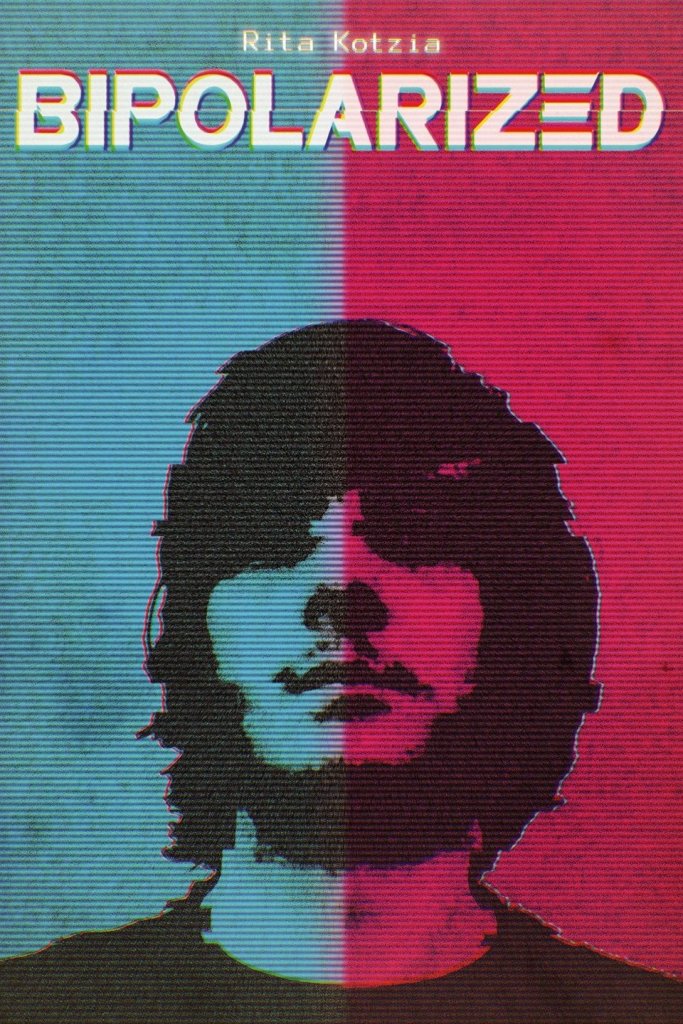
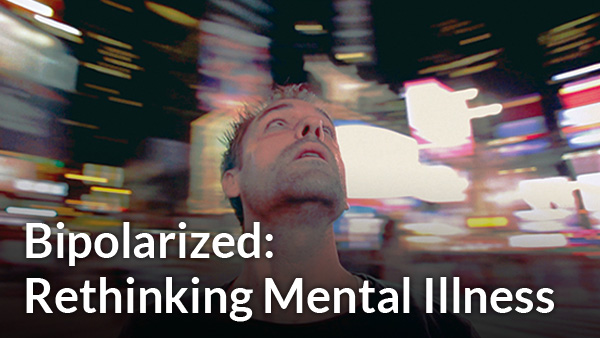
Bipolarised: Rethinking Mental Illness is a 2014 documentary by director Rita Kotzia.

Challenges conventional wisdom about mental illness and drug therapy through the raw personal journey of a man diagnosed as bipolar.

Outline

This documentary is about one man’s personal journey to heal. Diagnosed with bipolar disorder, Ross’ psychiatrist told him he would live with the disorder for the rest of his life and that he would have to take lithium to control symptoms. To Ross, taking the drug daily felt like a chemical lobotomy, leaving him in a foggy, drug-induced haze. Ross ultimately decided to resolve his symptoms outside of conventional medicine. He progressively reduced his use of the psychotropic drug lithium, at an experimental clinic in Costa Rica. What ensued was a self-exploration into alternative treatments to treat his condition and a journey delving into the root cause of his mental breakdown. The film uses Ross’ personal experiences to tell a larger story about medication. It will reveal how we are labelling more and more people with mental illnesses and how, in tandem, we are prescribing more and more toxic psychotropic drugs to treat these illnesses. It weaves together a series of interviews with activists, psychiatrists and other psychiatric survivors who have challenged the status quo as well as recounts some of the alternative therapies Ross uses to maintain his mental, emotional and physical health.

Cast

  • Ross McKenzie … Self.
  • David Goldbloom … Self / Professor of Psychiatry.
  • Peter Levine … Self / Writer.
  • Gwen Olsen … Self / Pharmaceutical rep.
  • Charles Whitfield … Self / Psychotherapist.
  • Robert Whittaker … Self / Journalist.

Production & Filming Details

  • Director(s):
    • Rita Kotzia.
  • Producer(s):
    • Noelle Kim Chalifoux … producer.
    • Gordon Henderson … producer.
    • Rita Kotzia … producer.
  • Writer(s):
    • Gordon Henderson … (writer).
    • Rita Kotzia … (writer).
  • Music:
  • Cinematography:
  • Editor(s):
  • Production:
  • Distributor(s):
  • Release Date: April 2014.
  • Running Time: 77 minutes.
  • Rating: TV-MA.
  • Country: Canada.
  • Language: English.

What is Bipolar Disorder Not Otherwise Specified?

Introduction

Bipolar disorder not otherwise specified (BD-NOS) is a diagnosis for bipolar disorder (BD) when it does not fall within the other established sub-types.

Bipolar disorder NOS is sometimes referred to as subthreshold bipolar disorder.

Classification

BD-NOS is a mood disorder and one of three subtypes on the bipolar spectrum, which also includes bipolar I disorder and bipolar II disorder. BD-NOS was a classification in the DSM-IV and has since been changed to Bipolar “Other Specified” and “Unspecified” in the 2013 released DSM-5.

Diagnosis

Bipolar disorder is difficult to diagnose. If a person displays some symptoms of bipolar disorder but not others, the clinician may diagnose bipolar NOS. The diagnosis of bipolar NOS is indicated when there is a rapid change (days) between manic and depressive symptoms and can also include recurring episodes of hypomania. Bipolar NOS may be diagnosed when it is difficult to tell whether bipolar is the primary disorder due to another general medical condition, such as a substance use disorder.

Treatment

Individual approaches to treatment are recommended, usually involving a combination of mood stabilisers and atypical antipsychotics. Psychotherapy may be beneficial and should be started early.

Epidemiology

The prevalence of BD-NOS is approximately 1.4%.