What is Psychological Trauma?

Introduction

Psychological trauma (mental trauma, psychotrauma, or psychiatric trauma) is an emotional response caused by severe distressing events that are outside the normal range of human experiences, such as experiencing violence, rape, or a terrorist attack. The event must be understood by the affected person as directly threatening the affected person or their loved ones with death, severe bodily injury, or sexual violence; indirect exposure, such as from watching television news, may be extremely distressing and can produce an involuntary and possibly overwhelming physiological stress response, but does not produce trauma per se.

Short-term reactions such as psychological shock and psychological denial are typically followed. Long-term reactions and effects include bipolar disorder, uncontrollable flashbacks, panic attacks, insomnia, nightmare disorder, difficulties with interpersonal relationships, and post-traumatic stress disorder (PTSD). Physical symptoms including migraines, hyperventilation, hyperhidrosis, and nausea are often developed.

As subjective experiences differ between individuals, people react to similar events differently. Most people who experience a potentially traumatic event do not become psychologically traumatised, though they may be distressed and experience suffering. Some will develop PTSD after exposure to a traumatic event, or series of events. This discrepancy in risk rate can be attributed to protective factors some individuals have, that enable them to cope with difficult events, including temperamental and environmental factors, such as resilience and willingness to seek help.

Psychotraumatology is the study of psychological trauma.

Signs and Symptoms

People who experience trauma often have problems and difficulties afterwards. The severity of these symptoms depends on the person, the types of trauma involved, and the support and treatment they receive from others. The range of reactions to trauma can be wide and varied, and differ in severity from person to person.

After a traumatic experience, a person may re-experience the trauma mentally and physically. For example, the sound of a motorcycle engine may cause intrusive thoughts or a sense of re-experiencing a traumatic experience that involved a similar sound e.g. gunfire. Sometimes a benign stimulus (e.g. noise from a motorcycle) may get connected in the mind with the traumatic experience. This process is called traumatic coupling. In this process, the benign stimulus becomes a trauma reminder, also called a trauma trigger. These can produce uncomfortable and even painful feelings. Re-experiencing can damage people’s sense of safety, self, self-efficacy, as well as their ability to regulate emotions and navigate relationships. They may turn to psychoactive drugs, including alcohol, to try to escape or dampen the feelings. These triggers cause flashbacks, which are dissociative experiences where the person feels as though the events are recurring. Flashbacks can range from distraction to complete dissociation or loss of awareness of the current context. Re-experiencing of symptoms is a sign that the body and mind are actively struggling to cope with the traumatic experience.

Triggers and cues act as reminders of the trauma and can cause anxiety and other associated emotions. Often the person can be completely unaware of what these triggers are. In many cases, this may lead a person with a traumatic disorder to engage in disruptive behaviours or self-destructive coping mechanisms, often without being fully aware of the nature or causes of their own actions. Panic attacks are an example of a psychosomatic response to such emotional triggers.

Consequently, intense feelings of anger may frequently surface, sometimes in inappropriate or unexpected situations, as danger may always seem to be present due to re-experiencing past events. Upsetting memories such as images, thoughts, or flashbacks may haunt the person, and nightmares may be frequent. Insomnia may occur as lurking fears and insecurity keep the person vigilant and on the lookout for danger, both day and night. A messy personal financial scene, as well as debt, are common features in trauma-affected people. Trauma does not only cause changes in one’s daily functions, but could also lead to morphological changes. Such epigenetic changes can be passed on to the next generation, thus making genetics one of the components of psychological trauma. However, some people are born with or later develop protective factors such as genetics that help lower their risk of psychological trauma.

The person may not remember what actually happened, while emotions experienced during the trauma may be re-experienced without the person understanding why (see Repressed memory). This can lead to the traumatic events being constantly experienced as if they were happening in the present, preventing the subject from gaining perspective on the experience. This can produce a pattern of prolonged periods of acute arousal punctuated by periods of physical and mental exhaustion. This can lead to mental health disorders like acute stress and anxiety disorder, prolonged grief disorder, somatic symptom disorder, conversion disorders, brief psychotic disorder, borderline personality disorder, adjustment disorder, etc. Obsessive-compulsive disorder is another mental health disorder with symptoms similar to that of psychological trauma, such as hyper-vigilance and intrusive thoughts. Research has indicated that individuals who have experienced a traumatic event have been known to use symptoms of obsessive- compulsive disorder, such as compulsive checking of safety, as a way to mitigate the symptoms associated with trauma.

In time, emotional exhaustion may set in, leading to distraction, and clear thinking may be difficult or impossible. Emotional detachment, as well as dissociation or “numbing out” can frequently occur. Dissociating from the painful emotion includes numbing all emotion, and the person may seem emotionally flat, preoccupied, distant, or cold. Dissociation includes depersonalisation disorder, dissociative amnesia, dissociative fugue, dissociative identity disorder, etc. Exposure to and re-experiencing trauma can cause neurophysiological changes like slowed myelination, abnormalities in synaptic pruning, shrinking of the hippocampus, cognitive and affective impairment. This is significant in brain scan studies done regarding higher-order function assessment with children and youth who were in vulnerable environments.

Some traumatized people may feel permanently damaged when trauma symptoms do not go away and they do not believe their situation will improve. This can lead to feelings of despair, transient paranoid ideation, loss of self-esteem, profound emptiness, suicidality, and frequently, depression. If important aspects of the person’s self and world understanding have been violated, the person may call their own identity into question. Often despite their best efforts, traumatized parents may have difficulty assisting their child with emotion regulation, attribution of meaning, and containment of post-traumatic fear in the wake of the child’s traumatisation, leading to adverse consequences for the child. In such instances, seeking counselling in appropriate mental health services is in the best interests of both the child and the parent(s).

Causes

Situational Trauma

Trauma can be caused by human-made, technological and natural disasters, including war, abuse, violence, vehicle collisions, or medical emergencies.

An individual’s response to psychological trauma can be varied based on the type of trauma, as well as socio-demographic and background factors.

There are several behavioural responses commonly used towards stressors including the proactive, reactive, and passive responses. Proactive responses include attempts to address and correct a stressor before it has a noticeable effect on lifestyle. Reactive responses occur after the stress and possible trauma has occurred and is aimed more at correcting or minimising the damage of a stressful event. A passive response is often characterized by an emotional numbness or ignorance of a stressor.

There is also a distinction between trauma induced by recent situations and long-term trauma which may have been buried in the unconscious from past situations such as child abuse. Trauma is sometimes overcome through healing; in some cases this can be achieved by recreating or revisiting the origin of the trauma under more psychologically safe circumstances, such as with a therapist. More recently, awareness of the consequences of climate change is seen as a source of trauma as individuals contemplate future events as well as experience climate change related disasters. Emotional experiences within these contexts are increasing, and collective processing and engagement with these emotions can lead to increased resilience and post-traumatic growth, as well as a greater sense of belongingness. These outcomes are protective against the devastating impacts of psychological trauma.

Stress Disorders

All psychological traumas originate from stress, a physiological response to an unpleasant stimulus. Long-term stress increases the risk of poor mental health and mental disorders, which can be attributed to secretion of glucocorticoids for a long period of time. Such prolonged exposure causes many physiological dysfunctions such as the suppression of the immune system and increase in blood pressure. Not only does it affect the body physiologically, but a morphological change in the hippocampus also takes place. Studies showed that extreme stress early in life can disrupt normal development of hippocampus and impact its functions in adulthood. Studies surely show a correlation between the size of hippocampus and one’s susceptibility to stress disorders. In times of war, psychological trauma has been known as shell shock or combat stress reaction. Psychological trauma may cause an acute stress reaction which may lead to post-traumatic stress disorder (PTSD). PTSD emerged as the label for this condition after the Vietnam War in which many veterans returned to their respective countries demoralized, and sometimes, addicted to psychoactive substances.

The symptoms of PTSD must persist for at least one month for diagnosis to be made. The main symptoms of PTSD consist of four main categories: trauma (i.e. intense fear), reliving (i.e. flashbacks), avoidance behaviour (i.e. emotional numbing), and hypervigilance (i.e. continuous scanning of the environment for danger). Research shows that about 60% of the US population reported as having experienced at least one traumatic symptom in their lives, but only a small proportion actually develops PTSD. There is a correlation between the risk of PTSD and whether or not the act was inflicted deliberately by the offender. Psychological trauma is treated with therapy and, if indicated, psychotropic medications.

The term continuous posttraumatic stress disorder (CTSD) was introduced into the trauma literature by Gill Straker (1987). It was originally used by South African clinicians to describe the effects of exposure to frequent, high levels of violence usually associated with civil conflict and political repression. The term is also applicable to the effects of exposure to contexts in which gang violence and crime are endemic as well as to the effects of ongoing exposure to life threats in high-risk occupations such as police, fire, and emergency services.

As one of the processes of treatment, confrontation with their sources of trauma plays a crucial role. While debriefing people immediately after a critical incident has not been shown to reduce incidence of PTSD, coming alongside people experiencing trauma in a supportive way has become standard practice.

Moral Injury

Moral injury is distress such as guilt or shame following a moral transgression. There are many other definitions some based on different models of causality.  Moral injury is associated with post-traumatic stress disorder but is distinguished from it.  Moral injury is associated with guilt and shame while PTSD is correlated with fear and anxiety.

Vicarious Trauma

Normally, hearing about or seeing a recording of an event, even if distressing, does not cause trauma; however, an exception is made to the diagnostic criteria for work-related exposures. Vicarious trauma affects workers who witness their clients’ trauma. It is more likely to occur in situations where trauma related work is the norm rather than the exception. Listening with empathy to the clients generates feeling, and seeing oneself in clients’ trauma may compound the risk for developing trauma symptoms. Trauma may also result if workers witness situations that happen in the course of their work (e.g. violence in the workplace, reviewing violent video tapes.) Risk increases with exposure and with the absence of help-seeking protective factors and pre-preparation of preventive strategies. Individuals who have a personal history of trauma are also at increased risk for developing vicarious trauma. Vicarious trauma can lead workers to develop more negative views of themselves, others, and the world as a whole, which can compromise their quality of life and ability to work effectively

Theoretical Models

Shattered Assumptions Theory

Janoff-Bulman, theorises that people generally hold three fundamental assumptions about the world that are built and confirmed over years of experience: the world is benevolent, the world is meaningful, and I am worthy. According to the shattered assumption theory, there are some extreme events that “shatter” an individual’s worldviews by severely challenging and breaking assumptions about the world and ourself. Once one has experienced such trauma, it is necessary for an individual to create new assumptions or modify their old ones to recover from the traumatic experience. Therefore, the negative effects of the trauma are simply related to our worldviews, and if we repair these views, we will recover from the trauma.

In Psychodynamics

Psychodynamic viewpoints are controversial, but have been shown to have utility therapeutically.

French neurologist, Jean-Martin Charcot, argued in the 1890s that psychological trauma was the origin of all instances of the mental illness known as hysteria. Charcot’s “traumatic hysteria” often manifested as paralysis that followed a physical trauma, typically years later after what Charcot described as a period of “incubation”. Sigmund Freud, Charcot’s student and the father of psychoanalysis, examined the concept of psychological trauma throughout his career. Jean Laplanche has given a general description of Freud’s understanding of trauma, which varied significantly over the course of Freud’s career: “An event in the subject’s life, defined by its intensity, by the subject’s incapacity to respond adequately to it and by the upheaval and long-lasting effects that it brings about in the psychical organization”.

The French psychoanalyst Jacques Lacan claimed that what he called “The Real” had a traumatic quality external to symbolization. As an object of anxiety, Lacan maintained that The Real is “the essential object which isn’t an object any longer, but this something faced with which all words cease and all categories fail, the object of anxiety par excellence”.

Fred Alford, citing the work of object relations theorist Donald Winnicott, uses the concept of inner other, and internal representation of the social world, with which one converses internally and which is generated through interactions with others. He posits that the inner other is damaged by trauma but can be repaired by conversations with others such as therapists. He relates the concept of the inner other to the work of Albert Camus viewing the inner other as that which removes the absurd. Alford notes how trauma damages trust in social relations due to fear of exploitation and argues that culture and social relations can help people recover from trauma. 

Diana Fosha, a pioneer of modern psychodynamic perspective, also argues that social relations can help people recover from trauma, but specifically refers to attachment theory and the attachment dynamic of the therapeutic relationship. Fosha argues that the sense of emotional safety and co-regulation that occurs in a psychodynamically oriented therapeutic relationship acts as the secure attachment that is necessary to allow a client to experience and process through their trauma safely and effectively.

Diagnosis

As “trauma” adopted a more widely defined scope, traumatology as a field developed a more interdisciplinary approach. This is in part due to the field’s diverse professional representation including: psychologists, medical professionals, and lawyers. As a result, findings in this field are adapted for various applications, from individual psychiatric treatments to sociological large-scale trauma management. While the field has adopted a number of diverse methodological approaches, many pose their own limitations in practical application.

The experience and outcomes of psychological trauma can be assessed in a number of ways. Within the context of a clinical interview, the risk of imminent danger to the self or others is important to address but is not the focus of assessment. In most cases, it will not be necessary to involve contacting emergency services (e.g. medical, psychiatric, law enforcement) to ensure the individuals safety; members of the individual’s social support network are much more critical.

Understanding and accepting the psychological state of an individual is paramount. There are many misconceptions of what it means for a traumatized individual to be in psychological crisis. These are times when an individual is in inordinate amounts of pain and incapable of self-comfort. If treated humanely and respectfully the individual is less likely to resort to self harm. In these situations it is best to provide a supportive, caring environment and to communicate to the individual that no matter the circumstance, the individual will be taken seriously rather than being treated as delusional. It is vital for the assessor to understand that what is going on in the traumatised person’s head is valid and real. If deemed appropriate, the assessing clinician may proceed by inquiring about both the traumatic event and the outcomes experienced (e.g. post-traumatic symptoms, dissociation, substance abuse, somatic symptoms, psychotic reactions). Such inquiry occurs within the context of established rapport and is completed in an empathic, sensitive, and supportive manner. The clinician may also inquire about possible relational disturbance, such as alertness to interpersonal danger, abandonment issues, and the need for self-protection via interpersonal control. Through discussion of interpersonal relationships, the clinician is better able to assess the individual’s ability to enter and sustain a clinical relationship.

During assessment, individuals may exhibit activation responses in which reminders of the traumatic event trigger sudden feelings (e.g. distress, anxiety, anger), memories, or thoughts relating to the event. Because individuals may not yet be capable of managing this distress, it is necessary to determine how the event can be discussed in such a way that will not “retraumatise” the individual. It is also important to take note of such responses, as these responses may aid the clinician in determining the intensity and severity of possible post traumatic stress as well as the ease with which responses are triggered. Further, it is important to note the presence of possible avoidance responses. Avoidance responses may involve the absence of expected activation or emotional reactivity as well as the use of avoidance mechanisms (e.g. substance use, effortful avoidance of cues associated with the event, dissociation).

In addition to monitoring activation and avoidance responses, clinicians carefully observe the individual’s strengths or difficulties with affect regulation (i.e. affect tolerance and affect modulation). Such difficulties may be evidenced by mood swings, brief yet intense depressive episodes, or self-mutilation. The information gathered through observation of affect regulation will guide the clinician’s decisions regarding the individual’s readiness to partake in various therapeutic activities.

Though assessment of psychological trauma may be conducted in an unstructured manner, assessment may also involve the use of a structured interview. Such interviews might include the Clinician-Administered PTSD Scale, Acute Stress Disorder Interview, Structured Interview for Disorders of Extreme Stress, Structured Clinical Interview for DSM-IV Dissociative Disorders – Revised, and Brief Interview for post-traumatic Disorders.

Lastly, assessment of psychological trauma might include the use of self-administered psychological tests. Individual scores on such tests are compared to normative data in order to determine how the individual’s level of functioning compares to others in a sample representative of the general population. Psychological testing might include the use of generic tests (e.g. MMPI-2, MCMI-III, SCL-90-R) to assess non-trauma-specific symptoms as well as difficulties related to personality. In addition, psychological testing might include the use of trauma-specific tests to assess post-traumatic outcomes. Such tests might include the post-traumatic Stress Diagnostic Scale, Davidson Trauma Scale, Detailed Assessment of post-traumatic Stress, Trauma Symptom Inventory, Trauma Symptom Checklist for Children, Traumatic Life Events Questionnaire, and Trauma-related Guilt Inventory.

Children are assessed through activities and therapeutic relationship, some of the activities are play genogram, sand worlds, colouring feelings, self and kinetic family drawing, symbol work, dramatic-puppet play, story telling, Briere’s TSCC, etc.

Definition

The Diagnostic and Statistical Manual of Mental Disorders, Fifth Edition (DSM-5) defines trauma as the symptoms that occur following exposure to an event (i.e., traumatic event) that involves actual or threatened death, serious injury, or sexual violence. This exposure could come in the form of experiencing the event or witnessing the event, or learning that an extreme violent or accidental event was experienced by a loved one. Trauma symptoms may come in the form of intrusive memories, dreams, or flashbacks; avoidance of reminders of the traumatic event; negative thoughts and feelings; or increased alertness or reactivity. Memories associated with trauma are typically explicit, coherent, and difficult to forget. Due to the complexity of the interaction between traumatic event occurrence and trauma symptomatology, a person’s distress response to aversive details of a traumatic event may involve intense fear or helplessness but ranges according to the context. In children, trauma symptoms can be manifested in the form of disorganised or agitative behaviours.

Trauma can be caused by a wide variety of events, but there are a few common aspects. There is frequently a violation of the person’s core assumptions about the world and their human rights, putting the person in a state of extreme confusion and insecurity. This is seen when institutions depended upon for survival violate, humiliate, betray, or cause major losses or separations instead of evoking aspects like positive self worth, safe boundaries and personal freedom.

Psychologically traumatic experiences often involve physical trauma that threatens one’s survival and sense of security. Typical causes and dangers of psychological trauma include harassment, embarrassment, abandonment, abusive relationships, rejection, co-dependence, physical assault, sexual abuse, partner battery, employment discrimination, police brutality, judicial corruption and misconduct, bullying, paternalism, domestic violence, indoctrination, being the victim of an alcoholic parent, the threat or the witnessing of violence (particularly in childhood), life-threatening medical conditions, and medication-induced trauma. Catastrophic natural disasters such as earthquakes and volcanic eruptions, large scale transportation accidents, house or domestic fire, motor collision, mass interpersonal violence like war, terrorist attacks or other mass victimisation like sex trafficking, being taken as a hostage or being kidnapped can also cause psychological trauma. Long-term exposure to situations such as extreme poverty or other forms of abuse, such as verbal abuse, exist independently of physical trauma but still generate psychological trauma.

Some theories suggest childhood trauma can increase one’s risk for mental disorders including post-traumatic stress disorder (PTSD), depression, and substance abuse. Childhood adversity is associated with neuroticism during adulthood. Parts of the brain in a growing child are developing in a sequential and hierarchical order, from least complex to most complex. The brain’s neurons change in response to the constant external signals and stimulation, receiving and storing new information. This allows the brain to continually respond to its surroundings and promote survival. The five traditional signals (sight, hearing, taste, smell, and touch) contribute to the developing brain structure and its function. Infants and children begin to create internal representations of their external environment, and in particular, key attachment relationships, shortly after birth. Violent and victimising attachment figures impact infants’ and young children’s internal representations. The more frequently a specific pattern of brain neurons is activated, the more permanent the internal representation associated with the pattern becomes. This causes sensitization in the brain towards the specific neural network. Because of this sensitization, the neural pattern can be activated by decreasingly less external stimuli. Child abuse tends to have the most complications, with long-term effects out of all forms of trauma, because it occurs during the most sensitive and critical stages of psychological development. It could lead to violent behaviour, possibly as extreme as serial murder. For example, Hickey’s Trauma-Control Model suggests that “childhood trauma for serial murderers may serve as a triggering mechanism resulting in an individual’s inability to cope with the stress of certain events.”

Often, psychological aspects of trauma are overlooked even by health professionals: “If clinicians fail to look through a trauma lens and to conceptualize client problems as related possibly to current or past trauma, they may fail to see that trauma victims, young and old, organize much of their lives around repetitive patterns of reliving and warding off traumatic memories, reminders, and affects.” Biopsychosocial models offer a broader view of health problems than biomedical models.

Effects

Evidence suggests that a minority of people who experience severe trauma in adulthood will experience enduring personality change. Personality changes include guilt, distrust, impulsiveness, aggression, avoidance, obsessive behaviour, emotional numbness, loss of interest, hopelessness and altered self-perception.

Treatment

A number of psychotherapy approaches have been designed with the treatment of trauma in mind—EMDR, progressive counting, somatic experiencing, biofeedback, Internal Family Systems Therapy, and sensorimotor psychotherapy, and Emotional Freedom Technique (EFT) etc. Trauma informed care provides a framework for any person in any discipline or context to promote healing, or at least not re-traumatizing.

There is a large body of empirical support for the use of cognitive behavioural therapy for the treatment of trauma-related symptoms, including post-traumatic stress disorder. Institute of Medicine guidelines identify cognitive behavioural therapies as the most effective treatments for PTSD. Two of these cognitive behavioural therapies, prolonged exposure and cognitive processing therapy, are being disseminated nationally by the Department of Veterans Affairs for the treatment of PTSD. A 2010 Cochrane review found that trauma-focused cognitive behavioural therapy was effective for individuals with acute traumatic stress symptoms when compared to waiting list and supportive counselling. Seeking Safety is another type of cognitive behavioural therapy that focuses on learning safe coping skills for co-occurring PTSD and substance use problems. While some sources highlight Seeking Safety as effective with strong research support, others have suggested that it did not lead to improvements beyond usual treatment. Recent studies show that a combination of treatments involving dialectical behaviour therapy (DBT), often used for borderline personality disorder, and exposure therapy is highly effective in treating psychological trauma. If, however, psychological trauma has caused dissociative disorders or complex PTSD, the trauma model approach (also known as phase-oriented treatment of structural dissociation) has been proven to work better than the simple cognitive approach. Studies funded by pharmaceuticals have also shown that medications such as the new antidepressants are effective when used in combination with other psychological approaches. At present, the selective serotonin reuptake inhibitor (SSRI) antidepressants sertraline (Zoloft) and paroxetine (Paxil) are the only medications that have been approved by the Food and Drug Administration (FDA) in the United States to treat PTSD. Other options for pharmacotherapy include serotonin-norepinephrine reuptake inhibitor (SNRI) antidepressants and antipsychotic medications, though none have been FDA approved.

Trauma therapy allows processing trauma-related memories and allows growth towards more adaptive psychological functioning. It helps to develop positive coping instead of negative coping and allows the individual to integrate upsetting-distressing material (thoughts, feelings and memories) and to resolve these internally. It also aids in the growth of personal skills like resilience, ego regulation, empathy, etc.

Processes involved in trauma therapy are:

  • Psychoeducation: Information dissemination and educating in vulnerabilities and adoptable coping mechanisms.
  • Emotional regulation: Identifying, countering discriminating, grounding thoughts and emotions from internal construction to an external representation.
  • Cognitive processing: Transforming negative perceptions and beliefs about self, others and environment to positive ones through cognitive reconsideration or re-framing.
  • Trauma processing: Systematic desensitization, response activation and counter-conditioning, titrated extinction of emotional response, deconstructing disparity (emotional vs. reality state), resolution of traumatic material (in theory, to a state in which triggers no longer produce harmful distress and the individual is able to express relief.)
  • Emotional processing: Reconstructing perceptions, beliefs and erroneous expectations, habituating new life contexts for auto-activated trauma-related fears, and providing crisis cards with coded emotions and appropriate cognition. (This stage is only initiated in pre-termination phase from clinical assessment and judgement of the mental health professional.)
  • Experiential processing: Visualisation of achieved relief state and relaxation methods.

A number of complementary approaches to trauma treatment have been implicated as well, including yoga and meditation. There has been recent interest in developing trauma-sensitive yoga practices, but the actual efficacy of yoga in reducing the effects of trauma needs more exploration.

In health and social care settings, a trauma informed approach means that care is underpinned by understandings of trauma and its far-reaching implications. Trauma is widespread. For example, 26% of participants in the Adverse Childhood Experiences (ACEs) study were survivors of one ACE and 12.5% were survivors of four or more ACEs. A trauma-informed approach acknowledges the high rates of trauma and means that care providers treat every person as if they might be a survivor of trauma. Measurement of the effectiveness of a universal trauma informed approach is in early stages and is largely based in theory and epidemiology.

Trauma informed teaching practice is an educative approach for migrant children from war-torn countries, who have typically experienced complex trauma, and the number of such children entering Canadian schools has led some school jurisdictions to consider new classroom approaches to assist these pupils. Along with complex trauma, these students often have experienced interrupted schooling due to the migration process, and as a consequence may have limited literacy skills in their first language. One study of a Canadian secondary school classroom, as told through journal entries of a student teacher, showed how Blaustein and Kinniburgh’s ARC (attachment, regulation and competency) framework was used to support newly arrived refugee students from war zones. Tweedie et al. (2017) describe how key components of the ARC framework, such as establishing consistency in classroom routines; assisting students to identify and self-regulate emotional responses; and enabling student personal goal achievement, are practically applied in one classroom where students have experienced complex trauma. The authors encourage teachers and schools to avoid a deficit lens to view such pupils, and suggest ways schools can structure teaching and learning environments which take into account the extreme stresses these students have encountered.

Society and Culture

Some people, and many self-help books, use the word trauma broadly, to refer to any unpleasant experience, even if the affected person has a psychologically healthy response to the experience. This imprecise language may promote the medicalisation of normal human behaviours (e.g. grief after a death) and make discussions of psychological trauma more complex, but it might also encourage people to respond with compassion to the distress and suffering of others.

This page is based on the copyrighted Wikipedia article < https://en.wikipedia.org/wiki/Psychological_trauma >; it is used under the Creative Commons Attribution-ShareAlike 3.0 Unported License (CC-BY-SA). You may redistribute it, verbatim or modified, providing that you comply with the terms of the CC-BY-SA.

What are Adverse Childhood Experiences?

Introduction

Adverse childhood experiences (ACEs) encompass various forms of physical and emotional abuse, neglect, and household dysfunction experienced in childhood.

ACEs have been linked to premature death as well as to various health conditions, including those of mental disorders. Toxic stress linked to childhood maltreatment is related to a number of neurological changes in the structure of the brain and its function. The Adverse Childhood Experiences Study, published in 1998, was the first large scale study to look at the relationship between ten categories of adversity in childhood and health outcomes in adulthood. Subsequent research is beginning to identify specific biomarkers associated with different kinds of ACEs.

Long Term Effects

According to the Centre for Youth Wellness website:

“Exposure without a positive buffer, such as a nurturing parent or caregiver, can lead to a Toxic Stress Response in children, which can, in turn, lead to health problems like asthma, poor growth and frequent infections, as well as learning difficulties and behavioral issues. In the long term, exposure to ACEs can also lead to serious health conditions like heart disease, stroke, and cancer later in life.”

Adverse childhood experiences can alter the structural development of neural networks and the biochemistry of neuroendocrine systems (i.e. how the brain regulates the hormonal activity in the body) and may have long-term effects on the body, including speeding up the processes of disease and aging and compromising immune systems.

Adverse childhood experiences are equal to various stresses, and a serious adversity is defined as a trauma. The World Health Organisation (WHO) recognises that prolonged stress in childhood can have life-long implications for the development of many diseases. Moreover, ACEs can disrupt early brain development leading to the possible development of several disorders. WHO has designed a screening questionnaire to be used internationally in order to list adverse effects, and relate them to future developments.

The effects of ACEs goes beyond health and risk taking behaviours with studies reporting that people with high ACEs scores showed less trust in government COVID-19 information and polices.

Health Outcomes in Adulthood

Physical Health

ACEs have been linked to numerous negative health and lifestyle issues into adulthood across multiple countries and regions including the United States, the European Union, South Africa, and Asia. Across all these groups researchers have reported seeing the adoption of higher rates of unhealthy lifestyle behaviour including sexual risk taking, smoking, heavy drinking, and obesity. The associations between these lifestyle issues and ACEs shows a dose response relationship with people having four or more ACEs have significantly more of these lifestyle problems. Physical health problems arise in people with ACEs with a similar dose response relationship. Chronic illnesses such as asthma, arthritis, cardiovascular disease, cancer, diabetes, stroke, and migraines show increased symptom severity in step was exposure to ACEs.

Mental Health

Mental health issues have been well know in the face of childhood trauma. Exposure to ACEs is no different with multiple mental health conditions found to have a dose response relationship with symptom severity and prevalence – including depression, attention-deficit hyperactivity disorder (ADHD), anxiety, suicidality, bipolar disorder and schizophrenia.

Special Populations

Additionally, epigenetic transmission may occur due to stress during pregnancy or during interactions between mother and newborns. Maternal stress, depression, and exposure to partner violence have all been shown to have epigenetic effects on infants.

Implementing Practices

Globally knowledge about the prevalence and consequences of adverse childhood experiences has shifted policy makers and mental health practitioners towards increasing, trauma-informed and resilience-building practices. This work has been over 20 years in the making bringing together research are implemented in communities, education settings, public health departments, social services, faith-based organisations and criminal justice.

Communities

As knowledge about the prevalence and consequences of ACEs increases, more communities seek to integrate trauma-informed and resilience-building practices into their agencies and systems. Indigenous populations show similar patterns of mental and physical health challenges as other minority groups. Interventions have been developed in American Indian tribal communities and have demonstrated that social support and cultural involvement can ameliorate the negative physical health effects of ACEs.

There is a paucity of empirical research documenting the experiences of communities who have attempted to implement information about ACEs and trauma-informed practice into widespread public action. The Matlin et al. (2019) article on Pottstown, Pennsylvania’s process demonstrated the challenges associated with community implementation. The Pottstown Trauma-Informed Community Connection (PTICC) initiative evolved from a series of prior collectives that all had similar goals of creating community resilience in order to prevent and treat ACEs. Over the course of the two-year study, over 230 individuals from nearly 100 organisations attended one training offered by the PTICC, raising the number of engaged public sectors from 2 to 14. Participation in training and events was fairly steady and this was largely due to community networking.

However, the PTICC faced several challenges similar to those predicted by the Building Community Resilience model. These barriers included availability of resources over time, competition for power within the group, and the lack of systemic change needed to support long-term goals. Still, Pottstown has built a trauma-informed community foundation and offers lessons to other communities who have similar goals: start with a dedicated small team, identify community connectors, secure long-term financial backing, and conduct data-informed evaluations throughout.

Other community examples exist, such as Tarpon Springs, Florida which became the first trauma-informed community in 2011. Trauma-informed initiatives in Tarpon Springs include trauma-awareness training for the local housing authority, changes in programs for ex-offenders, and new approaches to educating students with learning difficulties.

Education

ACEs exposure is widespread globally, one study from the National Survey of Children’s Health in the United States reported that approximately 68% of children 0-17 years old had experienced one or more ACEs. The impact of ACEs on children can manifest in difficulties focusing, self regulating, trusting others, and can lead to negative cognitive effects. One study found that a child with 4 or more ACEs was 32 times more likely to be labelled with a behavioural or cognitive problem than a child with no ACEs. Another study by the Area Health Education Centre of Washington State University found that students with at least three ACEs are three times as likely to experience academic failure, six times as likely to have behavioural problems, and five times as likely to have attendance problems. The trauma-informed school movement aims to train teachers and staff to help children self-regulate, and to help families that are having problems that result in children’s normal response to trauma. It also seeks to provide behavioural consequences that will not re-traumatize a child.

Trauma-informed education refers to the specific use of knowledge about trauma and its expression to modify support for children to improve their developmental success. The National Child Traumatic Stress Network (NCTSN) describes a trauma-informed school system as a place where school community members work to provide trauma awareness, knowledge and skills to respond to potentially negative outcomes following traumatic stress. The NCTSN published a study that discussed the ARC (attachment, regulation and competency) model, which other researchers have based their subsequent studies of trauma-informed education practices on. Trauma-sensitive or trauma-informed schooling has become increasingly popular in Washington, Massachusetts, and California in the last 10 years.

Social Services

Social service providers – including welfare systems, housing authorities, homeless shelters, and domestic violence centres – are adopting trauma-informed approaches that help to prevent ACEs or minimize their impact. Utilising tools that screen for trauma can help a social service worker direct their clients to interventions that meet their specific needs. Trauma-informed practices can also help social service providers look at how trauma impacts the whole family.

Trauma-informed approaches can improve child welfare services by:

  • Openly discussing trauma; and
  • Addressing parental trauma.

The New Hampshire Division for Children Youth and Families (DCYF) is taking a trauma-informed approach to their foster care services by educating staff about childhood trauma, screening children entering foster care for trauma, using trauma-informed language to mitigate further traumatisation, mentoring birth parents and involving them in collaborative parenting, and training foster parents to be trauma-informed.

Housing authorities are also becoming trauma-informed. Supportive housing can sometimes recreate control and power dynamics associated with clients’ early trauma. This can be reduced through trauma-informed practices, such as training staff to be respectful of clients’ space by scheduling appointments and not letting themselves into clients’ private spaces, and also understanding that an aggressive response may be trauma-related coping strategies. Up to 50% of people with housing insecurity experienced at least four ACEs.

Health Care Services

Screening for or talking about ACEs with parents and children can help to foster healthy physical and psychological development and can help doctors understand the circumstances that children and their parents are facing. By screening for ACEs in children, paediatric doctors and nurses can better understand behavioural problems. Some doctors have questioned whether some behaviours resulting in ADHD diagnoses are in fact reactions to trauma. Children who have experienced four or more ACEs are three times as likely to take ADHD medication when compared with children with less than four ACEs. Screening parents for their ACEs allows doctors to provide the appropriate support to parents who have experienced trauma, helping them to build resilience, foster attachment with their children, and prevent a family cycle of ACEs.

Public Health

Objections to screening for ACEs include the lack of randomised controlled trials that show that such measures can be used to actually improve health outcomes, the scale collapses items and has limited item coverage, there are no standard protocols for how to use the information gathered, and that revisiting negative childhood experiences could be emotionally traumatic. Other obstacles to adoption include that the technique is not taught in medical schools, is not billable, and the nature of the conversation makes some doctors personally uncomfortable. Some public health centres see ACEs as an important way (especially for mothers and children) to target health interventions for individuals during sensitive periods of development early in their life, or even in utero.

Resilience and Resources

Resilience is the ability to adapt or cope in the face of significant adversity and threats such as health problems, stressors experienced in the workplace or home. Resiliency can moderate the relationship of the effects of ACEs and health problem in adulthood. Being able use emotion regulation resources such as cognitive reappraisal and mindfulness people are able to protect themselves from the potential negative effects of stressors, these skills can be taught to people but people living with ACEs score lower on measures of resilience and emotion regulation.

Resilience and access to other resources are protective factors against the effects of exposure to ACEs. Increasing resilience in children can help provide a buffer for those who have been exposed to trauma and have a higher ACE score. People and children who have fostered resiliency have the skills and abilities to embrace behaviours that can foster growth. In childhood, resiliency and attachment security can be fostered from having a caring adult in a child’s life.

Adverse Childhood Experiences Study

The Adverse Childhood Experiences Study (ACE Study) is a research study conducted by the US health maintenance organisation Kaiser Permanente and the Centres for Disease Control and Prevention that was originally published in the American Journal of Preventive Medicine. Participants were recruited to the study between 1995 and 1997 and have since been in long-term follow up for health outcomes. The study has demonstrated an association of ACEs with health and social problems across the lifespan. The study has produced many scientific articles and conference and workshop presentations that examine ACEs.

In the 1980s, the dropout rate of participants at Kaiser Permanente’s obesity clinic in San Diego, California, was about 50%; despite all of the dropouts successfully losing weight under the program. Vincent Felitti, head of Kaiser Permanente’s Department of Preventive Medicine in San Diego, conducted interviews with people who had left the programme, and discovered that a majority of 286 people he interviewed had experienced childhood sexual abuse. The interview findings suggested to Felitti that weight gain might be a coping mechanism for depression, anxiety, and fear.

Felitti and Robert Anda from the Centres for Disease Control and Prevention (CDC) went on to survey childhood trauma experiences of over 17,000 Kaiser Permanente patient volunteers. The 17,337 participants were volunteers from approximately 26,000 consecutive Kaiser Permanente members. About half were female; 74.8% were white; the average age was 57; 75.2% had attended college; all had jobs and good health care, because they were members of the Kaiser health maintenance organisation. Participants were asked about different types of adverse childhood experiences that had been identified in earlier research literature:

  • Physical abuse.
  • Sexual abuse.
  • Emotional abuse.
  • Physical neglect.
  • Emotional neglect.
  • Exposure to domestic violence.
  • Household substance abuse.
  • Household mental illness.
  • Parental separation or divorce.
  • Incarcerated household member.

Findings

According to the United States’ Substance Abuse and Mental Health Services Administration, the ACE study found that:

  • Adverse childhood experiences are common.
    • For example, 28% of study participants reported physical abuse and 21% reported sexual abuse.
    • Many also reported experiencing a divorce or parental separation, or having a parent with a mental and/or substance use disorder.
  • Adverse childhood experiences often occur together.
    • Almost 40% of the original sample reported two or more ACEs and 12.5% experienced four or more.
    • Because ACEs occur in clusters, many subsequent studies have examined the cumulative effects of ACEs rather than the individual effects of each.
  • Adverse childhood experiences have a dose-response relationship with many health problems.
    • As researchers followed participants over time, they discovered that a person’s cumulative ACEs score has a strong, graded relationship to numerous health, social, and behavioural problems throughout their lifespan, including substance use disorders.
    • Furthermore, many problems related to ACEs tend to be comorbid, or co-occurring.
ACE Pyramid
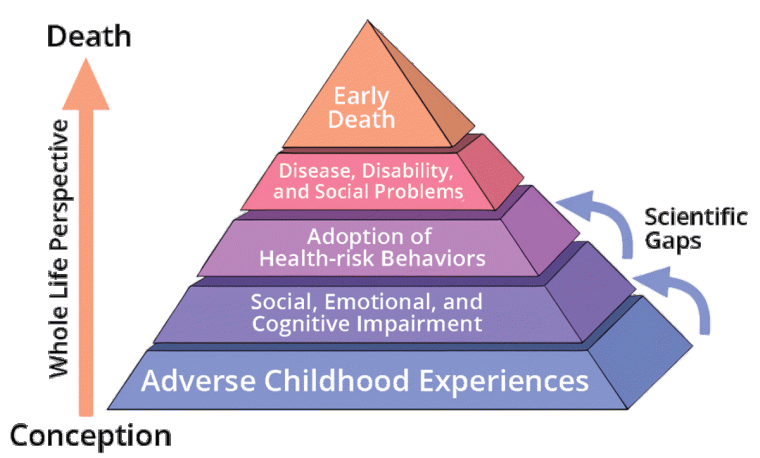
The ACE Pyramid represents the conceptual framework for the ACE Study, which has uncovered how adverse childhood experiences are strongly related to various risk factors for disease throughout the lifespan, according to the CDC.

About two-thirds of individuals reported at least one adverse childhood experience; 87% of individuals who reported one ACE reported at least one additional ACE. The number of ACEs was strongly associated with adulthood high-risk health behaviours such as smoking, alcohol and drug abuse, promiscuity, and severe obesity, and correlated with ill-health including depression, heart disease, cancer, chronic lung disease and shortened lifespan. Compared to an ACE score of zero, having four adverse childhood experiences was associated with a seven-fold (700%) increase in alcoholism, a doubling of risk of being diagnosed with cancer, and a four-fold increase in emphysema; an ACE score above six was associated with a 30-fold (3000%) increase in attempted suicide.

The ACE study’s results suggest that maltreatment and household dysfunction in childhood contribute to health problems decades later. These include chronic diseases – such as heart disease, cancer, stroke, and diabetes – that are the most common causes of death and disability in the United States. These findings are important because they provided a link between the effects of child maltreatment and negative effects later in life which had not been established as clearly before this study.

Subsequent Surveys

The ACE Study has produced more than 50 articles that look at the prevalence and consequences of ACEs. It has been influential in several areas. Subsequent studies have confirmed the high frequency of adverse childhood experiences.

The original study questions have been used to develop a 10-item screening questionnaire. Numerous subsequent surveys have confirmed that adverse childhood experiences are frequent.

The Behavioural Risk Factor Surveillance System (BRFSS) which is ran by the CDC, is an annual survey conducted in waves by groups of individual state and territory health departments.. An expanded ACE survey instrument was included in several US states found each state. Adverse childhood experiences were even more frequent in studies in urban Philadelphia and in a survey of young mothers (mostly younger than 19). Surveys of adverse childhood experiences have been conducted in multiple EU member countries.

This page is based on the copyrighted Wikipedia article < https://en.wikipedia.org/wiki/Adverse_childhood_experiences >; it is used under the Creative Commons Attribution-ShareAlike 3.0 Unported License (CC-BY-SA). You may redistribute it, verbatim or modified, providing that you comply with the terms of the CC-BY-SA.
What is the Adverse Childhood Experiences International Questionnaire?

Introduction

Adverse Childhood Experiences International Questionnaire (ACE-IQ) is a World Health Organisation (WHO), 43-item screening questionnaire.

Purpose

It is intended to measure:

  • Types of child abuse or trauma;
  • Neglect;
  • Household dysfunction;
  • Peer violence;
  • Sexual and emotional abuse; and
  • Exposure to community and collective violence.

Who is it For?

ACE-IQ is meant to be administered to people 18 years or older in all countries, and is currently undergoing validation testing.

The Responder (2022): S01E05

Introduction

The Responder is a British police procedural series set in Liverpool, written by former Merseyside Police officer Tony Schumacher and starring Martin Freeman, Adelayo Adedayo, Ian Hart, and MyAnna Buring.

A crisis-stricken, morally compromised first-responder tackles a series of night shifts on the beat in Liverpool, while trying to keep his head above water personally and professionally.

Outline

Chris is forced to work for a major drug dealer to return the drugs stolen by Casey. When Rachel needs his help urgently, Chris must decide where his loyalties truly lie.

The Responder Series

You can find a full index and overview of The Responder here.

Production & Filming Details

  • Release Date: 24 January 2022.
  • Running Time: 60 minutes (per episode).
  • Rating: 15.
  • Country: UK.
  • Language: English.

The Responder (2022): S01E04

Introduction

The Responder is a British police procedural series set in Liverpool, written by former Merseyside Police officer Tony Schumacher and starring Martin Freeman, Adelayo Adedayo, Ian Hart, and MyAnna Buring.

A crisis-stricken, morally compromised first-responder tackles a series of night shifts on the beat in Liverpool, while trying to keep his head above water personally and professionally.

Outline

Chris hits rock bottom. Rachel begins to suspect Mullen may not be all he appears, and Casey teams up with Marco to find a buyer.

The Responder Series

You can find a full index and overview of The Responder here.

Production & Filming Details

  • Release Date: 24 January 2022.
  • Running Time: 60 minutes (per episode).
  • Rating: 15.
  • Country: UK.
  • Language: English.

The Responder (2022): S01E03

Introduction

The Responder is a British police procedural series set in Liverpool, written by former Merseyside Police officer Tony Schumacher and starring Martin Freeman, Adelayo Adedayo, Ian Hart, and MyAnna Buring.

A crisis-stricken, morally compromised first-responder tackles a series of night shifts on the beat in Liverpool, while trying to keep his head above water personally and professionally.

Outline

Chris plans to hand the drugs in, until Carl makes him an offer that he cannot refuse. Rachel strikes a deal with Mullen, but Chris’ behaviour makes her feel conflicted.

The Responder Series

You can find a full index and overview of The Responder here.

Production & Filming Details

  • Release Date: 24 January 2022.
  • Running Time: 60 minutes (per episode).
  • Rating: 15.
  • Country: UK.
  • Language: English.

The Responder (2022): S01E02

Introduction

The Responder is a British police procedural series set in Liverpool, written by former Merseyside Police officer Tony Schumacher and starring Martin Freeman, Adelayo Adedayo, Ian Hart, and MyAnna Buring.

A crisis-stricken, morally compromised first-responder tackles a series of night shifts on the beat in Liverpool, while trying to keep his head above water personally and professionally.

Outline

Chris must juggle handling rookie police officer Rachel while also tracking down Casey, after Chris threatens his family. Casey puts her trust in a friend to hide her from Carl.

The Responder Series

You can find a full index and overview of The Responder here.

Production & Filming Details

  • Release Date: 24 January 2022.
  • Running Time: 60 minutes (per episode).
  • Rating: 15.
  • Country: UK.
  • Language: English.

The Responder (2022): S01E01

Introduction

The Responder is a British police procedural series set in Liverpool, written by former Merseyside Police officer Tony Schumacher and starring Martin Freeman, Adelayo Adedayo, Ian Hart, and MyAnna Buring.

A crisis-stricken, morally compromised first-responder tackles a series of night shifts on the beat in Liverpool, while trying to keep his head above water personally and professionally.

Outline

Police response officer Chris is struggling to keep a grip on his mental health and marriage when he is offered a path to redemption in the form of a young heroin addict.

The Responder Series

You can find a full index and overview of The Responder here.

Production & Filming Details

  • Release Date: 24 January 2022.
  • Running Time: 60 minutes (per episode).
  • Rating: 15.
  • Country: UK.
  • Language: English.

The Responder TV Series Overview (2022)

Introduction

The Responder is a British police procedural series set in Liverpool, written by former Merseyside Police officer Tony Schumacher and starring Martin Freeman, Adelayo Adedayo, Ian Hart, and MyAnna Buring.

A crisis-stricken, morally compromised first-responder tackles a series of night shifts on the beat in Liverpool, while trying to keep his head above water personally and professionally.

Outline

Chris Carson is a police officer, in a fictional constabulary covering Liverpool, who has been demoted from his position as a sergeant and undertakes a series of night shifts in central Liverpool. His work scenes are interspersed with scenes of him at therapy, at home, and with his mother in a nursing home. He is partnered with Rachel Hargreaves, an inexperienced and still idealistic officer who wants to play by the rules. Carl Sweeney is a mid-level drug dealer whose stash of cocaine has been purloined by Casey, a local “baghead”. Chris is trying to help Casey and, in doing so, crosses Carl. Other major characters include the naïve local scally Marco, who finds himself out of his depth.

Carson is a conflicted and compromised man, with somewhat divided loyalties, a desire to do good but violent aggressive streak brought on by childhood trauma exacerbated by his experience in the police. He has been demoted from sergeant and is pursued by the officer responsible as part of a corruption probe, whose motives may not be entirely honest. The effects of the jobs and Chris’ mental state take a toll on his family.

Cast

  • Martin Freeman as Chris Carson.
  • Adelayo Adedayo as Rachel Hargreaves, a probationary police officer.
  • Warren Brown as Raymond Mullen, a demoted officer with an axe to grind.
  • MyAnna Buring as Kate Carson, Chris’ wife.
  • Emily Fairn as Casey, a drug addict.
  • Josh Finan as Marco, Casey’s friend.
  • Philip S. McGuinness as Ian, Carl’s henchman.
  • Mark Womack as Barry, Carl’s henchman.
  • Ian Hart as Carl Sweeney, a drug dealer.
  • Rita Tushingham as June Carson, Chris’ mother.
  • Philip Barantini as Steve, Rachel’s boyfriend.
  • David Bradley as Davey, a local homeless man.
  • Kerrie Hayes as Ellie Mullen, Raymond’s wife and Kate’s best friend.
  • Faye McKeever as Jodie Sweeney, Carl’s wife.
  • Philip Whitchurch as Joe, Casey’s grandfather.
  • Christine Tremarco as Dr. Diane Gallagher, Greg’s sister.
  • Amaka Okafor as Detective Inspector Deborah Barnes, Chris’ boss.
  • James Nelson-Joyce as Greg Gallagher, a drug lord.
  • Elizabeth Berrington as Lynne Renfrew, Chris’ therapist.
  • Victor McGuire as Trevor.
  • Dominic Carter as Sergeant Bernie Wilson.
  • Matthew Cottle as Father Liam Neeson.
  • Dave Hill as Billy.
  • Sylvie Gatrill as Mary.
  • Sonny Walker as Stevo Marsh.
  • James Ledsham as Enno.
  • Connor Dempsey as Kyle.
  • David Ayres as Andy.
  • Kieron Urquhart as Paul.
  • Harry Burke as Liam.

Trivia

  • Tony Schumacher (creator and writer) has said that the character has “a lot to do” with him and the struggles he faced as a police officer, but that the storyline is fictional.
  • In late March 2022 the series was officially renewed for a second season.
  • The series was be shown by Canal plus in France and on SBS TV and SBS On Demand in Australia, as well as various other deals seeing the series being shown around the world.
  • Martin Freeman spent 18 months before he filmed the series talking to himself in a Scouse accent so he could perfect it.
  • Elizabeth Berrington and Martin Freeman previously worked together in The Office Christmas Special (2003).
  • The first season is broadcast in some countries in a six-episode edit.

The Responder Series

  • Series 02 (?2023):
    • Renewed in March 2022.

Production & Filming Details

  • Director(s):
    • Tim Mielants.
    • Fien Troch.
    • Philip Barantini.
  • Producer(s):
    • Laurence Bowen … executive producer (5 episodes, 2022).
    • Toby Bruce … story producer (5 episodes, 2022).
    • Chris Carey … executive producer (5 episodes, 2022).
    • Susan Dunn … line producer (5 episodes, 2022).
    • Nawfal Faizullah … commissioning executive / commissioning executive: BBC (5 episodes, 2022).
    • Rebecca Ferguson … series produced by (5 episodes, 2022).
    • Martin Freeman … executive producer (5 episodes, 2022).
    • Mona Qureshi … executive producer (5 episodes, 2022).
    • Barrington Paul Robinson … co-producer (5 episodes, 2022).
    • Phill Reeves … assistant line producer (3 episodes, 2022).
    • Charlie Greenstein … line producer (1 episode, 2022).
  • Writer(s):
    • Tony Schumacher.
  • Music:
    • Matthew Herbert … (5 episodes, 2022).
  • Cinematography:
    • Johan Heurlin Aidt … (4 episodes, 2022).
    • Matthew Lewis … (1 episode, 2022).
  • Editor(s):
    • Danielle Palmer … (2 episodes, 2022).
    • Alex Fountain … (1 episode, 2022).
    • Donovan Jones … (1 episode, 2022).
  • Production:
    • Dancing Ledge Productions.
    • British Broadcasting Corporation (BBC) (for).
    • Liverpool Film Office (funding).
  • Distributor(s):
    • BBC One (2022) (UK) (TV).
    • British Broadcasting Corporation (BBC) (2022) (UK) (all media).
    • BBC iPlayer (2022) (UK) (video) (VOD).
    • BritBox (UK) (video) (VOD).
    • Fremantle (2022) (World-wide) (all media).
  • Release Date: 24 January 2022.
  • Running Time: 60 minutes (per episode).
  • Rating: 15.
  • Country: UK.
  • Language: English.

What is Resignation Syndrome?

Introduction

Resignation syndrome (also called traumatic withdrawal syndrome or traumatic refusal; Swedish: uppgivenhetssyndrom) is a possibly factitious, dissociative syndrome that induces a catatonic state, first described in Sweden in the 1990s. The condition affects predominately psychologically traumatised children and adolescents in the midst of a strenuous and lengthy migration process.

Refer to Pervasive Refusal Syndrome (PRS).

Young people reportedly develop depressive symptoms, become socially withdrawn, and become motionless and speechless as a reaction to stress and hopelessness. In the worst cases, children reject any food or drink and have to be fed by feeding tube; the condition can persist for years. Recovery ensues within months to years and is claimed to be dependent on the restoration of hope to the family.

More recently, this phenomenon has been called into question, with two children witnessing that they were forced by their parents to act apathetic in order to increase chances of being granted residence permits. As evidenced by medical records, healthcare professionals were aware of this scam, and witnessed parents who actively refused aid for their children but remained silent at the time. Later Sveriges Television, Sweden’s national public television broadcaster, were severely critiqued by investigative journalist Janne Josefsson for failing to uncover the truth. In March 2020, a report citing the Swedish Agency for Medical and Social Evaluation, SBU, said “There are no scientific studies that answer how to diagnose abandonment syndrome, nor what treatment works.”

Signs and Symptoms

Affected individuals (predominantly children and adolescents) first exhibit symptoms of anxiety and depression (in particular apathy, lethargy), then withdraw from others and care for themselves. Eventually their condition might progress to stupor, i.e. they stop walking, eating, talking, and grow incontinent. In this stage patients are seemingly unconscious and tube feeding is life-sustaining. The condition could persist for months or even years. Remission happens after life circumstances improve and ensues with gradual return to what appears to be normal function.

Nosology

Refusal syndrome and pervasive refusal syndrome shares common features and etiologic factors; however, the former is more clearly associated with trauma and adverse life circumstances. Neither is included in the standard psychiatric classification systems.

Pervasive refusal syndrome (also called pervasive arousal withdrawal syndrome) has been conceptualised in a variety of ways, including a form of post-traumatic stress disorder, learned helplessness, ‘lethal mothering’, loss of the internal parent, apathy or the ‘giving-up’ syndrome, depressive devitalisation, primitive ‘freeze’, severe loss of activities of daily living and ‘manipulative’ illness. It was also suggested to be on the ‘refusal-withdrawal-regression spectrum’.

Acknowledging its social importance and relevance, the Swedish National Board of Health and Welfare recognised the novel diagnostic entity resignation syndrome in 2014. While others argue that already-existing diagnostic entities should be used and are sufficient in the majority of cases, i.e. severe major depressive disorder with psychotic symptoms or catatonia, or conversion/dissociation disorder.

Currently, diagnostic criteria are undetermined, pathogenesis is uncertain, and effective treatment is lacking.

Causes

Resignation syndrome appears to be a very specialised response to the trauma of refugee limbo, in which families, many of whom have escaped dangerous circumstances in their home countries, wait to be granted legal permission to stay in their new country, often undergoing numerous refusals and appeals over a period of years.

Experts proposed multifactorial explanatory models involving individual vulnerability, traumatisation, migration, culturally conditioned reaction patterns and parental dysfunction or pathological adaption to a caregiver’s expectations to interplay in pathogenesis. Severe depression or conversion/dissociation disorder has been also suggested (as best diagnostic alternatives).

However, the currently prevailing stress hypothesis fails to account for the regional distribution (see Epidemiology) and contributes little to treatment. An asserted “questioning attitude”, in particular within the health care system, it has been claimed, may constitute a “perpetuating retraumatization possibly explaining the endemic” distribution. Furthermore, Sweden’s experience raises concerns about “contagion”. Researchers argue that culture-bound psychogenesis can accommodate the endemic distribution because children may learn that dissociation is a way to deal with trauma.

A proposed neurobiological model of the disorder suggests that the impact of overwhelming negative expectations are directly causative of the down-regulation of higher order and lower order behavioural systems in particularly vulnerable individuals.

Epidemiology

Depicted as a culture-bound syndrome, it was first observed and described in Sweden among children of asylum seekers from former Soviet and Yugoslav countries. In Sweden, hundreds of migrant children, facing the possibility of deportation, have been diagnosed since the 1990s. For example, 424 cases were reported between 2003 and 2005; and 2.8% of all 6547 asylum applications submitted for children were diagnosed in 2004.

It has also been observed in refugee children transferred from Australia to the Nauru Regional Processing Centre. The Economist wrote in 2018 that Doctors without Borders (MSF) refused to say how many of the children on Nauru may be suffering from traumatic withdrawal syndrome. A report published in August 2018 suggested there were at least 30. The National Justice Project, a legal centre, has brought 35 children from Nauru this year. It estimates that seven were suffering from refusal syndrome, and three were psychotic.