What is Double Depression?

Introduction

Double depression refers to the co-existence of major depressive disorder (MDD) and persistent depressive disorder (PDD), the latter previously referred to as dysthymia. Research has shown that double depression tends to be more severe than either MDD or PDD alone and that individuals with double depression experience relapse more often than those with either MDD or PDD alone. However, there is some research that indicates few differences exist between double depression, MDD, and PDD; as a result, those researchers conclude that double depression is not a distinct disorder.
The literature that details the pharmaceutical treatment of double depression is sparse. Although there are studies that demonstrate that certain medications, such as selective serotonin reuptake inhibitors (SSRIs), are effective methods of treatment, those studies lack placebo controls; therefore, the studies’ conclusions are questionable.

Research has found that, as is the case with other depressive disorders, pharmaceutical and therapeutic treatments combined are more effective than the use of either form of treatment alone. Individuals with double depression tend to experience more functional impairment than those with either MDD or PDD alone. As a result, researchers emphasize the need for unique treatments for double depression to be developed and implemented.

Presentation

Individuals with double depression meet the DSM-5 classification criteria for both MDD and PDD. Goldney and Fisher (2004) determined that, in a sample of 3,010 individuals from southern portions of Australia calculated a prevalence rate of double depression of 2.2%. Jonas et al. (2003) reported a prevalence rate of double depression in the United States of 3.4%—based upon an assessment of 7,667 Americans. The prevalence rate of double depression can be compared to rates of PDD at 6.2%, major depressive episode (MDE) at 8.6%, and major depressive episode with severity (MDE-s) at 7.7%. Keller and Shapiro (1982) found that 26% of patients within a sample of 101 met the criteria for both MDD and PDD; however, the aforementioned sample is much smaller—and much more inclined to inaccuracies—than the samples (3,010 and 7,667) described above. Thus, double depression is less common than other forms of depression, but it is still a form of depression that warrants medical attention in the form of behavioral therapies; pharmaceutical treatments; or, both (Miller, Norman, and Keitner, 1999).

The characteristics of those with double depression tend to be more severe in nature than those associated with those who have either MDD or PDD. Levitt, Joffe, and MacDonald (1991) found that those with double depression experience fluctuations in mood at an earlier point in life, a more substantial number of depressive episodes, as well as co-morbid disorders of anxieties more often than their MDD-alone counterparts. Goldney and Fisher (2004) reported that individuals with double depression seek medical attention more often than those with either MDD or PDD alone. Leader and Klein (1996) found that individuals with double depression experience a more substantial level of social impairment, which includes factors such as leisure pursuits and relationship characteristics, than those with either MDD or PDD. Dixon and Thyer (1998) concluded that individuals with double depression experiences recoveries on a more frequent basis than their counterparts who have MDD alone (88% to 69%); however, individuals with double depression experience the most substantial rates of relapse of all of those who suffer from chronic depression. In addition, remission from MDD tends to happen faster than remission from PDD (Dixon & Thyer, 1998).

Miller, Norman, and Dow (1986) reported that individuals with double depression endure a more severe path of illness, but experience few differences with respect to social impairment compared to their MDD-alone counterparts. In addition, McCullough et al. (2000) found that, with the exception that patients with double depression tended to experience of more severe illness, few differences were apparent. Therefore, the conclusions drawn in previous research that are associated with the nature of the clinical presentation of double depression are mixed. Multiple scientists emphasize the need for additional research to determine adequate treatments for those with double depression, as depression is a disease that places a considerable burden upon communities and societies; furthermore, those researchers predict depression will be, in an economic sense, the second-most burdensome disease on societies come 2020.

Treatment

Research on pharmaceutical treatment of double depression in particular is sparse. Certain medications, such as fluoxetine, were found in numerous studies to be effective at reducing symptom severity; however, these studies involved open-label trials, double-blind randomised trials that lack placebo conditions, and small sample sizes. Thus, placebo-controlled trials are needed in order to determine adequate and unique treatments for double depression. In addition, the considerable burden depression places upon communities and societies (Goldney & Fisher, 2004) emphasizes the need for additional research into the treatment of chronic depression.

Hellerstein et al. (1994) theorised that antidepressant medications could be used to ameliorate both MDD and PDD; a pharmaceutical trial found that fluoxetine facilitated remission in 57.1% of patients after five months of treatment. In addition, Miller, Norman, and Keitner (1999) conducted an intervention in which one cohort received pharmaceutical treatment while another cohort received both pharmaceutical and therapeutic treatment. Their results indicated that those who received the combined intervention were more functional—in a social sense—as well as relieved of their depression than those who received the pharmaceutical intervention alone (Miller, Norman, & Keitner, 1999). However, the researchers found that the effect disappeared at both the 6 and 12-month follow-up assessments.

Vasile et al. (2012) conducted a pharmaceutical trial with 16 patients with double depression (who had comorbid alcohol dependence) who were treated and monitored for six months. Results showed that three antidepressantsvenlafaxine, duloxetine, and milnacipran – were associated with substantial improvement; venlafaxine was the most effective of the three antidepressants.

Koran, Aboujaoude, and Gamel (2007) conducted a pharmaceutical trial with 24 adults who received duloxetine over the course of a 12-week period. Results showed that duloxetine was successful in the treatment of both PDD as well as double depression. However, the researchers’ trial was an open-label trial; as a result, the researchers called for a double-blind and placebo-controlled trial to be conducted in order to further validate the benefits the medication seems to provide.

In addition, Waslick et al. (1999) used duloxetine to treat 19 children and adolescents with either PDD or double depression; after eight weeks of pharmaceutical treatment, 11 of the patients failed to meet the classification criteria for one of the two disorders, which led to the conclusion that duloxetine was a medication that appeared to provide relief from PDD and double depression in children and adolescents. However, the aforementioned trial (in addition to Koran et al.’s (2007) trial) was an open-label trial, which the authors noted as a limitation.

Hirschfield et al. (1998) conducted a 12-week randomised controlled trial (RCT) that involved the administration of sertraline or imipramine, after which 324 of 623 patients either qualified for remission or experienced a substantive improvement in clinical presentation. In a double-blind, fixed-dose trial that involved the use of either the monoamine oxidase inhibitor (MAOI) moclobemide or the SSRI fluoxetine, Duarte, Mikkelsen, and DeliniStula (1996) were able to facilitate a minimum of a 50% score reduction on the Hamilton Depression Rating Scale (HDRS). 71% of cases that involved moclobemide – versus 38% of cases that involved fluoxetine – were determined to achieve the aforementioned desired outcome. As a result, the researchers concluded that both antidepressants were similar in their abilities to treat double depression in an effective fashion. However, the lack of a placebo control undermines the extent to which the results can be applied.

Marin, Kocsis, Frances, and Parides (1994) conducted an eight-week open trial that entailed the administration of desipramine to 42 individuals with double depression and 33 individuals with PDD. The researchers found that 70% of the PDD patients experienced a substantial improvement in clinical presentation; the proportion associated with the double depression-cohort was said to be similar. However, the lack of blindness as well as a placebo control notes a considerable limitation of the aforementioned research.

Goldney and Bain (2006) found that those who have double depression receive some form of treatment on a more substantial basis than their MDD-alone and PDD-alone counterparts. To elaborate, the authors measured that, in Australia, 41.4% of those evaluated with double depression received treatment three or more times over the course of the previous month, whereas 34.5% of those with MDD alone; 23.2% of those with PDD alone; and 10.3% of those who were not depressed received treatment three or more times over the course of the previous month (Goldney & Bain, 2006). In addition, the researchers concluded that those with double depression acquire a more substantial number of treatment visits per month (a mean of 4.3) when compared to their MDD-alone counterparts (a mean of 3.0); their PDD-alone counterparts (a mean of 2.6); and their non-depressed counterparts (a mean of 1.5).

Prognosis

Although double depression is less prevalent than either MDD or PDD, it is still a form of depression that warrants medical attention in the form of behavioural therapies; pharmaceutical treatments; or, both. Miller, Norman, and Keitner (1999) found that the use of both behavioural and pharmaceutical treatments was more effective on a short-term basis in the reduction of depression than the use of pharmaceutical treatments alone.

Klein, Shankman, and Rose (2008) determined that poor maternal-child relationship, histories of sexual abuse, co-morbid disorders of anxieties, and lower educational attainment predicted an increased HAM-D score after a decade; the researchers also determined that those same factors predicted, after a decade, increased functional impairment. In addition, the results showed that the life course of depression did not differ to a substantial extent between individuals with MDD-alone and double depression.

Hirschfield et al. (1998) conducted a 12-week RCT that involved the administration of sertraline or imipramine, in which the most notable predictors of treatment response were educational attainment and relationship status; in addition, the authors noted the apparent influence of intrinsic personal traits. However, Hirschfield et al. noted the limitation of a lack of a placebo control.

Klein, Taylor, Harding, and Dickstein (1988) reported that, via their assessment of clinical, familial, and socio-environmental characteristics of those with chronic depression, at a six-month follow-up, individuals with double depression experienced decreased rates of remission, increased manifestations of clinical depressive phenomena, increased functional impairment, and increased likelihood of the development and onset of a hypomanic episode than their MDD-alone counterparts; as a result, the authors underscore the importance of the creation of a distinct classification of double depression due to its unique episodic path.

Controversies

Previous research on the clinical presentation of double depression tends to be mixed. Numerous studies indicate that the course of double depression tends to be more severe in nature. In addition, numerous studies demonstrate that individuals with double depression seek medical attention to a more substantial extent than those with either MDD or PDD. However, Miller, Norman, and Dow (1986) determined that individuals with MDD or PDD versus individuals with double depression experienced similar levels of social impairment. In addition, McCullough and colleagues found that there were few additional differences overall between the characteristics of those with double depression versus those with either MDD or PDD.

Research on the course of double depression is also mixed. Klein, Taylor, Harding, and Dickstein (1988) found that remission in individuals with double depression is less probable than it is in individuals with either MDD or PDD; the researchers also noted that those with double depression are more prone to the development and onset of a hypomanic episode than those with either MDD or PDD. In addition, Klein, Shankman, and Rose (2008) and Hirschfield et al. (1998) both concluded that educational status predicted treatment outcome. However, Levitt, Joffe, and MacDonald (1991) demonstrated that the courses of the respective depressive disorders did not differ to a substantial extent. While Klein, Shankman, and Rose (2008) advocate for the creation of a distinct classification of double depression in the future edition(s) of the DSM, Levitt and colleagues (as well as McCullough and colleagues) seem to indicate that, due to the numerous similarities as well as limited differences between double depression and either MDD or PDD, the creation of such a classification would be inappropriate and incorrect. Remick, Sadovnick, Lam, Zis, and Yee (1996) determine that the heritable bases of MDD, PDD, and double depression are similar and that, as a result, the three disorders are unable to be differentiated.

This page is based on the copyrighted Wikipedia article < https://en.wikipedia.org/wiki/Double_depression >; it is used under the Creative Commons Attribution-ShareAlike 3.0 Unported License (CC-BY-SA). You may redistribute it, verbatim or modified, providing that you comply with the terms of the CC-BY-SA.

What is Emptiness?

Introduction

Emptiness as a human condition is a sense of generalised boredom, social alienation, nihilism and apathy. Feelings of emptiness often accompany dysthymia, depression, loneliness, anhedonia, despair, or other mental/emotional disorders, including schizoid personality disorder, post-traumatic stress disorder, attention deficit hyperactivity disorder, schizotypal personality disorder and borderline personality disorder. A sense of emptiness is also part of a natural process of grief, as resulting death of a loved one, or other significant changes. The particular meanings of “emptiness” vary with the particular context and the religious or cultural tradition in which it is used.

While Christianity and Western sociologists and psychologists view a state of emptiness as a negative, unwanted condition, in some Eastern philosophies such as Buddhist philosophy and Taoism, emptiness (Śūnyatā) represents seeing through the illusion of independent self-nature.

In Western Culture

Sociology, Philosophy, and Psychology

In the West, feeling “empty” is often viewed as a negative condition. Psychologist Clive Hazell, for example, attributes feelings of emptiness to problematic family backgrounds with abusive relationships and mistreatment. He claims that some people who are facing a sense of emptiness try to resolve their painful feelings by becoming addicted to a drug or obsessive activity (be it compulsive sex, gambling or work) or engaging in “frenzied action” or violence. In sociology, a sense of emptiness is associated with social alienation of the individual. This sense of alienation may be suppressed while working, due to the routine nature of work tasks, but during leisure hours or during the weekend, people may feel a sense of “existential vacuum” and emptiness.

In political philosophy, emptiness is associated with nihilism. Literary critic Georg Lukács (born in 1885) argued against the “spiritual emptiness and moral inadequacy of capitalism”, and argued in favour of communism as an “entirely new type of civilization, one that promised a fresh start and an opportunity to lead a meaningful and purposeful life.”

The concept of “emptiness” was important to a “certain type of existentialist philosophy and some forms of the Death of God movement”. Existentialism, the “philosophic movement that gives voice to the sense of alienation and despair”, comes from “man’s recognition of his fundamental aloneness in an indifferent universe”. People whose response to the sense of emptiness and aloneness is to give excuses live in bad faith; “people who face the emptiness and accept responsibility aim to live ‘authentic’ lives”. Existentialists argue that “man lives in alienation from God, from nature, from other men, from his own true self.” Crowded into cities, working in mindless jobs, and entertained by light mass media, we “live on the surface of life”, so that even “people who seemingly have ‘everything’ feel empty, uneasy, discontented.”

In cultures where a sense of emptiness is seen as a negative psychological condition, it is often associated with depression. As such, many of the same treatments are proposed: psychotherapy, group therapy, or other types of counselling. As well, people who feel empty may be advised to keep busy and maintain a regular schedule of work and social activities. Other solutions which have been proposed to reduce a sense of emptiness are getting a pet or trying Animal-Assisted Therapy; getting involved in spirituality such as meditation or religious rituals and service; volunteering to fill time and bring social contact; doing social interactions, such as community activities, clubs, or outings; or finding a hobby or recreational activity to regain their interest in life.

Christianity

In Austrian philosopher/educator Rudolf Steiner’s (1861–1925) thinking, spiritual emptiness was a major problem in the educated European middle class. In his 1919 lectures he argued that European culture became “empty of spirit” and “ignorant of the needs, the conditions, that are essential for the life of the spirit”. People experienced a “spiritual emptiness” and their thinking became marked by a “lazy passivity” due to the “absence of will from the life of thought”. In modern Europe, Steiner claimed that people would “allow their thoughts to take possession of them”, and these thoughts were increasingly filled with abstraction and “pure, natural scientific thinking”. The educated middle classes began to think in a way that was “devoid of spirit”, with their minds becoming “dimmer and darker”, and increasing empty of spirit.

Louis Dupré, a professor of philosophy at Yale University, argues that the “spiritual emptiness of our time is a symptom of its religious poverty”. He claims that “many people never experience any emptiness: they are too busy to feel much absence of any kind”; they only realize their spiritual emptiness if “painful personal experiences — the death of a loved one, the collapse of a marriage, the alienation of a child, the failure of a business” shock them into reassessing their sense of meaning.

Spiritual emptiness has been associated with juvenile violence. In John C. Thomas’ 1999 book How Juvenile Violence Begins: Spiritual Emptiness, he argues that youth in impoverished indigenous communities who feel empty may turn to fighting and aggressive crime to fill their sense of meaninglessness. In Cornell University professor James Garbarino’s 1999 book Lost Boys: Why Our Sons Turn Violent and How We Can Save Them, he argues that “neglect, shame, spiritual emptiness, alienation, anger and access to guns are a few of the elements common to violent boys”. A professor of human development, Garbarino claims that violent boys have an “alienation from positive role models” and “a spiritual emptiness that spawns despair”. These youth are seduced by the violent fantasy of the US gun culture, which provides negative role models of tough, aggressive men who use power to get what they want. He claims that boys can be helped by giving them “a sense of purpose” and “spiritual anchors” that can “anchor boys in empathy and socially engaged moral thinking”.

Spiritual emptiness is often connected with addiction, especially by Christian-influenced addiction organisations and counsellors. Bill Wilson, the founder of Alcoholics Anonymous, argued that one of the impacts of alcoholism was causing a spiritual emptiness in heavy drinkers. In Abraham J. Twerski’s 1997 book Addictive Thinking: Understanding Self-Deception, he argues that when people feel spiritually empty, they often turn to addictive behaviors to fill the inner void. In contrast to having an empty stomach, which is a clear feeling, having spiritual emptiness is hard to identify, so it fills humans with a “vague unrest”. While people may try to resolve this emptiness by obsessively having sex, overeating, or taking drugs or alcohol, these addictions only give temporary satisfaction. When a person facing a crisis due to feeling spiritually empty is able to stop one addiction, such as compulsive sex, they often just trade it in for another addictive behaviour, such as gambling or overeating.

Fiction, Film, Design and Visual Arts

A number of novelists and filmmakers have depicted emptiness. The concept of “emptiness” was important to a “good deal of 19th–20th century Western imaginative literature”. Novelist Franz Kafka depicted a meaningless bizarre world in The Trial and the existentialist French authors sketched a world cut off from purpose or reason in Jean-Paul Sartre’s La Nausée and Albert Camus’ L’étranger. Existentialism influenced 20th century poet T.S. Eliot, whose poem “The Love Song of J. Alfred Prufrock” describes an “anti-hero or alienated soul, running away from or confronting the emptiness of his or her existence”. Professor Gordon Bigelow argues that the existentialist theme of “spiritual barrenness is commonplace in literature of the 20th century”, which in addition to Eliot includes Ernest Hemingway, Faulkner, Steinbeck and Anderson.

Film adaptations of a number of existentialist novels capture the bleak sense of emptiness espoused by Sartre and Camus. This theme of emptiness has also been used in modern screenplays. Mark Romanek’s 1985 film Static tells the surreal story of a struggling inventor and crucifix factory worker named Ernie who feels spiritually empty because he is saddened by his parents’ death in an accident. Screenwriter Michael Tolkin’s 1994 film The New Age examines “cultural hipness and spiritual emptiness”, creating a “dark, ambitious, unsettling” film that depicts a fashionable LA couple who “are miserable in the midst of their sterile plenty”, and whose souls are stunted by their lives of empty sex, consumption, and distractions. The 1999 film American Beauty examines the spiritual emptiness of life in the US suburbs. In Wes Anderson’s 2007 film The Darjeeling Limited, three brothers who “suffer from spiritual emptiness” and then “self-medicate themselves through sex, social withdrawal, and drugs.” The 2008 film The Informers is a Hollywood drama film written by Bret Easton Ellis and Nicholas Jarecki and directed by Gregor Jordan. The film is based on Ellis’ 1994 collection of short stories of the same name. The film, which is set amidst the decadence of the early 1980s, depicts an assortment of socially alienated, mainly well-off characters who numb their sense of emptiness with casual sex, alcohol, and drugs.

Contemporary architecture critic Herbert Muschamp argues that “horror vacui” (which is Latin for “fear of emptiness”) is a key principle of design. He claims that it has become an obsessive quality that is the “driving force in contemporary American taste”. Muschamp states that “along with the commercial interests that exploit this interest, it is the major factor now shaping attitudes toward public spaces, urban spaces, and even suburban sprawl.”

Films that depict nothingness, shadows and vagueness, either in a visual sense or a moral sense are appreciated in genres such as film noir. As well, travellers and artists are often intrigued by and attracted to vast empty spaces, such as open deserts, barren wastelands or salt flats, and the open sea.

In visual arts emptiness and absence were recognised as phenomena that characterise not only particular works of art (e.g. Yves Klein) but also as a more general tendency within the history of modern art and aesthetics. Following Davor Džalto’s argument on the modern concept of art, the gradual elimination of particular elements that traditionally characterised visual arts, which results in emptiness, is the most important phenomenon within the history and theory of art over the past two hundred years.

In Eastern Cultures

Buddhism

The Buddhist term emptiness (Skt. śūnyatā) refers specifically to the idea that everything is dependently originated, including the causes and conditions themselves, and even the principle of causality itself. It is not nihilism, nor is it meditating on nothingness. Instead, it refers to the absence (emptiness) of inherent existence. Buddhapalita says:

What is the reality of things just as it is? It is the absence of essence. Unskilled persons whose eye of intelligence is obscured by the darkness of delusion conceive of an essence of things and then generate attachment and hostility with regard to them. (Buddhapālita-mula-madhyamaka-vrtti P5242,73.5.6-74.1.2).

In an interview, the Dalai Lama stated that tantric meditation can be used for “heightening your own realization of emptiness or mind of enlightenment”. In Buddhist philosophy, attaining a realisation of emptiness of inherent existence is key to the permanent cessation of suffering, i.e. liberation.

Even while an ordinary being, if upon hearing of emptiness great joy arises within again and again, the eyes moisten with tears of great joy, and the hairs of the body stand on end, such a person has the seed of the mind of a complete Buddha; He is a vessel for teachings on thatness, and ultimate truth should be taught to him. After that, good qualities will grow in him. ( Chandrakirti, Guide to the Middle Way, vv. 6:4-5).

The Dalai Lama argues that tantric yoga trainees need to realise the emptiness of inherent existence before they can go on to the “highest yoga tantra initiation”; realizing the emptiness of inherent existence of the mind is the “fundamental innate mind of clear light, which is the subtlest level of the mind”, where all “energy and mental processes are withdrawn or dissolved”, so that all that appears to the mind is “pure emptiness”. As well, emptiness is “linked to the creative Void, meaning that it is a state of complete receptivity and perfect enlightenment”, the merging of the “ego with its own essence”, which Buddhists call the “clear light”.

In Ven. Thubten Chodron’s 2005 interview with Lama Zopa Rinpoche, the lama noted that “ordinary beings who haven’t realized emptiness don’t see things as similar to illusions”, and one does not “realize that things are merely labeled by mind and exist by mere name”. He argues that “when we meditate on emptiness, we drop an atom bomb on this [sense of a] truly existent I” and to realize that “what appears true…isn’t true”. By this, the lama is claiming that what is thought to be real—our thoughts and feelings about people and things—”exists by being merely labeled”. He argues that meditators who attain knowledge of a state of emptiness are able to realise that their thoughts are merely illusions from labelling by the mind.

Taoism

In Taoism, attaining a state of emptiness is viewed as a state of stillness and placidity which is the “mirror of the universe” and the “pure mind”. The Tao Te Ching claims that emptiness is related to the “Tao, the Great Principle, the Creator and Sustainer of everything in the universe”. It is argued that it is the “state of mind of the Taoist disciple who follows the Tao”, who has successfully emptied the mind “of all wishes and ideas not fitted with the Tao’s Movement”. For a person who attains a state of emptiness, the “still mind of the sage is the mirror of heaven and earth, the glass of all things”, a state of “vacancy, stillness, placidity, tastelessness, quietude, silence, and non-action” which is the “perfection of the Tao and its characteristics, the “mirror of the universe” and the “pure mind”.

This page is based on the copyrighted Wikipedia article < https://en.wikipedia.org/wiki/Emptiness >; it is used under the Creative Commons Attribution-ShareAlike 3.0 Unported License (CC-BY-SA). You may redistribute it, verbatim or modified, providing that you comply with the terms of the CC-BY-SA.

What is Hyperthymic Temperament?

Introduction

Hyperthymic temperament, or hyperthymia, from Ancient Greek ὑπέρ (“over”, meaning here excessive) + θυμός (“spirited”), is a proposed personality type characterised by an exceptionally, or in some cases, abnormally positive mood and disposition.

Also known as Hyperthymic Personality-Type and Chronic Hypomania.

Refer to Bipolar Disorder.

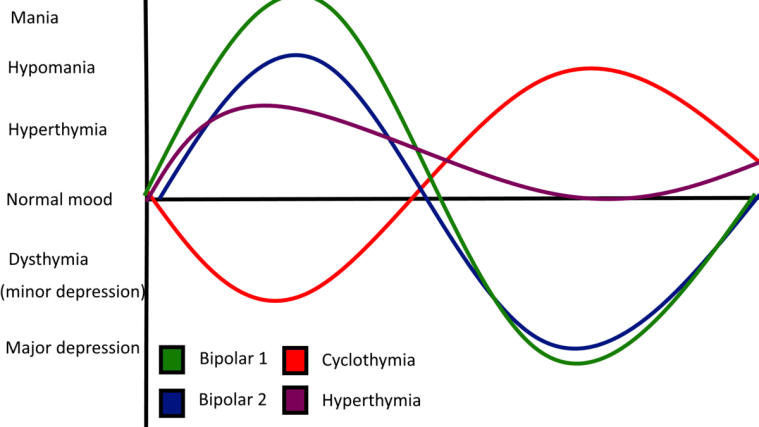
Graph showing showing hyperthymia in comparison to other bipolar spectrum disorders.

Background

It is generally defined by increased energy, vividness and enthusiasm for life activities, as opposed to dysthymia. Hyperthymia is similar to but more stable than hypomania.

Characteristics of the hyperthymic temperament include:

  • Increased energy and productivity.
  • Short sleep patterns.
  • Vividness, activity extroversion.
  • Self-assurance, self-confidence.
  • Strong will.
  • Extreme talkativeness.
  • Tendency to repeat oneself.
  • Risk-taking/sensation seeking.
  • Breaking social norms.
  • Very strong libido.
  • Love of attention.
  • Low threshold for boredom.
  • Generosity and tendency to overspend.
  • Emotion sensitivity.
  • Cheerfulness and joviality.
  • Unusual warmth.
  • Expansiveness.
  • Tirelessness.
  • Irrepressibility, irresistible, and infectious quality.

The clinical, psychiatric understanding of hyperthymia is evolving. Studies have shown that hyperthymic temperament promotes efficient performance of complex tasks under time pressure or extreme conditions. Despite this positive characterisation, hyperthymia can be complicated with depressive episodes manifesting as a softer form of bipolar illness, such as cyclothymia. Research also suggests a familial genetic connection of the temperament to bipolar I.

Aside from references in historical and more recent writings on the spectrum of mood disorders, further literature on the temperament is lacking. There is a lack of agreement on its definition, implications or whether it is pathological. It is not known where to place hyperthymia on the affective spectrum.

Hyperthymia manifesting intermittently or in an unusual way may mask hypomania or another psychiatric disorder. Hyperthymia can be most accurately diagnosed by a psychologist or psychiatrist with the help of a patient’s family and/or close friends.

What is Depressive Personality Disorder?

Introduction

Depressive personality disorder (also known as melancholic personality disorder) is a psychiatric diagnosis that denotes a personality disorder with depressive features.

Originally included in the American Psychiatric Association’s DSM-II, depressive personality disorder was removed from the DSM-III and DSM-III-R. Recently, it has been reconsidered for reinstatement as a diagnosis. Depressive personality disorder is currently described in Appendix B in the DSM-IV-TR as worthy of further study. Although no longer listed as a personality disorder, the diagnosis is included under the section “personality disorder not otherwise specified”.

While depressive personality disorder shares some similarities with mood disorders such as dysthymia, it also shares many similarities with personality disorders including avoidant personality disorder. Some researchers argue that depressive personality disorder is sufficiently distinct from these other conditions so as to warrant a separate diagnosis.

Characteristics

The DSM-IV defines depressive personality disorder as “a pervasive pattern of depressive cognitions and behaviors beginning by early adulthood and occurring in a variety of contexts.” Depressive personality disorder occurs before, during, and after major depressive episodes, making it a distinct diagnosis not included in the definition of either major depressive episodes or dysthymic disorder. Specifically, five or more of the following must be present most days for at least two years in order for a diagnosis of depressive personality disorder to be made:

  • Usual mood is dominated by dejection, gloominess, cheerlessness, joylessness and unhappiness.
  • Self-concept centres on beliefs of inadequacy, worthlessness and low self-esteem.
  • Is critical, blaming and derogatory towards the self.
  • Is brooding and given to worry.
  • Is negativistic, critical and judgmental toward others.
  • Is pessimistic.
  • Is prone to feeling guilty or remorseful.

People with depressive personality disorder have a generally gloomy outlook on life, themselves, the past and the future. They are plagued by issues developing and maintaining relationships. In addition, studies have found that people with depressive personality disorder are more likely to seek psychotherapy than people with Axis I depression spectra diagnoses.

Recent studies have concluded that people with depressive personality disorder are at a greater risk of developing dysthymic disorder than a comparable group of people without depressive personality disorder. These findings lead to the fact that depressive personality disorder is a potential precursor to dysthymia or other depression spectrum diagnoses. If included in the DSM-V, depressive personality disorder would be included as a warning sign for potential development of more severe depressive episodes.

DSM-5

Similarities to Dysthymic Disorder

Much of the controversy surrounding the potential inclusion of depressive personality disorder in the DSM-5 stems from its apparent similarities to dysthymic disorder, a diagnosis already included in the DSM-IV. Dysthymic disorder is characterised by a variety of depressive symptoms, such as hypersomnia or fatigue, low self-esteem, poor appetite, or difficulty making decisions, for over two years, with symptoms never numerous or severe enough to qualify as major depressive disorder. Patients with dysthymic disorder may experience social withdrawal, pessimism, and feelings of inadequacy at higher rates than other depression spectrum patients. Early-onset dysthymia is the diagnosis most closely related to depressive personality disorder.

The key difference between dysthymic disorder and depressive personality disorder is the focus of the symptoms used to diagnose. Dysthymic disorder is diagnosed by looking at the somatic senses, the more tangible senses. Depressive personality disorder is diagnosed by looking at the cognitive and intrapsychic symptoms. The symptoms of dysthymic disorder and depressive personality disorder may look similar at first glance, but the way these symptoms are considered distinguish the two diagnoses.

Comorbidity with other Disorders

Many researchers believe that depressive personality disorder is so highly comorbid with other depressive disorders, manic-depressive episodes and dysthymic disorder, that it is redundant to include it as a distinct diagnosis. Recent studies however, have found that dysthymic disorder and depressive personality disorder are not as comorbid as previously thought. It was found that almost two thirds of the test subjects with depressive personality disorder did not have dysthymic disorder, and 83% did not have early-onset dysthymia.

The comorbidity with Axis I depressive disorders is not as high as had been assumed. An experiment conducted by American psychologists showed that depressive personality disorder shows a high comorbidity rate with major depression experienced at some point in a lifetime and with any mood disorders experienced at any point in a lifetime. A high comorbidity rate with these disorders is expected of many diagnoses. As for the extremely high comorbidity rate with mood disorders, it has been found that essentially all mood disorders are comorbid with at least one other, especially when looking at a lifetime sample size.

What is Dysthymia?

Introduction

Dysthymia, also known as persistent depressive disorder (PDD), is a mental and behavioural disorder, specifically a disorder primarily of mood, consisting of the same cognitive and physical problems as depression, but with longer-lasting symptoms.

The concept was coined by Robert Spitzer as a replacement for the term “depressive personality” in the late 1970s.

In the Diagnostic and Statistical Manual of Mental Disorders (DSM-IV), dysthymia is a serious state of chronic depression, which persists for at least two years (one year for children and adolescents). Dysthymia is less acute than major depressive disorder, but not necessarily less severe.

As dysthymia is a chronic disorder, sufferers may experience symptoms for many years before it is diagnosed, if diagnosis occurs at all. As a result, they may believe that depression is a part of their character, so they may not even discuss their symptoms with doctors, family members or friends. In the DSM-5, dysthymia is replaced by persistent depressive disorder. This new condition includes both chronic major depressive disorder and the previous dysthymic disorder. The reason for this change is that there was no evidence for meaningful differences between these two conditions.

Epidemiology

Globally dysthymia occurs in about 105 million people a year (1.5% of the population). It is 38% more common in women (1.8% of women) than in men (1.3% of men). The lifetime prevalence rate of dysthymia in community settings appears to range from 3 to 6% in the United States. However, in primary care settings the rate is higher ranging from 5 to 15 percent. United States prevalence rates tend to be somewhat higher than rates in other countries.

Signs and Symptoms

Dysthymia characteristics include an extended period of depressed mood combined with at least two other symptoms which may include insomnia or hypersomnia, fatigue or low energy, eating changes (more or less), low self-esteem, or feelings of hopelessness. Poor concentration or difficulty making decisions are treated as another possible symptom. Irritability is one of the more common symptoms in children and adolescents.

Mild degrees of dysthymia may result in people withdrawing from stress and avoiding opportunities for failure. In more severe cases of dysthymia, people may withdraw from daily activities. They will usually find little pleasure in usual activities and pastimes.

Diagnosis of dysthymia can be difficult because of the subtle nature of the symptoms and patients can often hide them in social situations, making it challenging for others to detect symptoms. Additionally, dysthymia often occurs at the same time as other psychological disorders, which adds a level of complexity in determining the presence of dysthymia, particularly because there is often an overlap in the symptoms of disorders.

There is a high incidence of comorbid illness in those with dysthymia. Suicidal behaviour is also a particular problem with those with dysthymia. It is vital to look for signs of major depression, panic disorder, generalised anxiety disorder, alcohol and substance use disorders, and personality disorder.

Causes

There are no known biological causes that apply consistently to all cases of dysthymia, which suggests diverse origin of the disorder. However, there are some indications that there is a genetic predisposition to dysthymia: “The rate of depression in the families of people with dysthymia is as high as fifty percent for the early-onset form of the disorder”. Other factors linked with dysthymia include stress, social isolation, and lack of social support.

In a study using identical and fraternal twins, results indicated that there is a stronger likelihood of identical twins both having depression than fraternal twins. This provides support for the idea that dysthymia is in part caused by heredity.

Co-Occurring Conditions

Dysthymia often co-occurs with other mental disorders. A “double depression” is the occurrence of episodes of major depression in addition to dysthymia. Switching between periods of dysthymic moods and periods of hypomanic moods is indicative of cyclothymia, which is a mild variant of bipolar disorder.

“At least three-quarters of patients with dysthymia also have a chronic physical illness or another psychiatric disorder such as one of the anxiety disorders, cyclothymia, drug addiction, or alcoholism”. Common co-occurring conditions include major depression (up to 75%), anxiety disorders (up to 50%), personality disorders (up to 40%), somatoform disorders (up to 45%) and substance use disorders (up to 50%). People with dysthymia have a higher-than-average chance of developing major depression. A 10-year follow-up study found that 95% of dysthymia patients had an episode of major depression. When an intense episode of depression occurs on top of dysthymia, the state is called “double depression.”

Double Depression

Double depression occurs when a person experiences a major depressive episode on top of the already-existing condition of dysthymia. It is difficult to treat, as sufferers accept these major depressive symptoms as a natural part of their personality or as a part of their life that is outside of their control. The fact that people with dysthymia may accept these worsening symptoms as inevitable can delay treatment. When and if such people seek out treatment, the treatment may not be very effective if only the symptoms of the major depression are addressed, but not the dysthymic symptoms. Patients with double depression tend to report significantly higher levels of hopelessness than is normal. This can be a useful symptom for mental health services providers to focus on when working with patients to treat the condition. Additionally, cognitive therapies can be effective for working with people with double depression in order to help change negative thinking patterns and give individuals a new way of seeing themselves and their environment.

It has been suggested that the best way to prevent double depression is by treating the dysthymia. A combination of antidepressants and cognitive therapies can be helpful in preventing major depressive symptoms from occurring. Additionally, exercise and good sleep hygiene (e.g. improving sleep patterns) are thought to have an additive effect on treating dysthymic symptoms and preventing them from worsening.

Pathophysiology

There is evidence that there may be neurological indicators of early onset dysthymia. There are several brain structures (corpus callosum and frontal lobe) that are different in women with dysthymia than in those without dysthymia. This may indicate that there is a developmental difference between these two groups.

Another study, which used fMRI techniques to assess the differences between individuals with dysthymia and other people, found additional support for neurological indicators of the disorder. This study found several areas of the brain that function differently. The amygdala (associated with processing emotions such as fear) was more activated in dysthymia patients. The study also observed increased activity in the insula (which is associated with sad emotions). Finally, there was increased activity in the cingulate gyrus (which serves as the bridge between attention and emotion).

A study comparing healthy individuals to people with dysthymia indicates there are other biological indicators of the disorder. An anticipated result appeared as healthy individuals expected fewer negative adjectives to apply to them, whereas people with dysthymia expected fewer positive adjectives to apply to them in the future. Biologically these groups are also differentiated in that healthy individuals showed greater neurological anticipation for all types of events (positive, neutral, or negative) than those with dysthymia. This provides neurological evidence of the dulling of emotion that individuals with dysthymia have learned to use to protect themselves from overly strong negative feelings, compared to healthy people.

There is some evidence of a genetic basis for all types of depression, including dysthymia. A study using identical and fraternal twins indicated that there is a stronger likelihood of identical twins both having depression than fraternal twins. This provides support for the idea that dysthymia is caused in part by heredity.

A new model has recently surfaced in the literature regarding the HPA axis (structures in the brain that get activated in response to stress) and its involvement with dysthymia (e.g. phenotypic variations of corticotropin releasing hormone (CRH) and arginine vasopressin (AVP), and down-regulation of adrenal functioning) as well as forebrain serotonergic mechanisms. Since this model is highly provisional, further research is still needed.

Diagnosis

The Diagnostic and Statistical Manual of Mental Disorders IV (DSM-IV), published by the American Psychiatric Association, characterises dysthymic disorder. The essential symptom involves the individual feeling depressed for the majority of days, and parts of the day, for at least two years. Low energy, disturbances in sleep or in appetite, and low self-esteem typically contribute to the clinical picture as well. Sufferers have often experienced dysthymia for many years before it is diagnosed. People around them often describe the sufferer in words similar to “just a moody person”. Note the following diagnostic criteria:

  1. During a majority of days for two years or more, the adult patient reports depressed mood, or appears depressed to others for most of the day.
  2. When depressed, the patient has two or more of:
    1. decreased or increased appetite
    2. decreased or increased sleep (insomnia or hypersomnia)
    3. Fatigue or low energy
    4. Reduced self-esteem
    5. Decreased concentration or problems making decisions
    6. Feelings of hopelessness or pessimism
  3. During this two-year period, the above symptoms are never absent longer than two consecutive months.
  4. During the duration of the two-year period, the patient may have had a perpetual major depressive episode.
  5. The patient has not had any manic, hypomanic, or mixed episodes.
  6. The patient has never fulfilled criteria for cyclothymic disorder.
  7. The depression does not exist only as part of a chronic psychosis (such as schizophrenia or delusional disorder).
  8. The symptoms are often not directly caused by a medical illness or by substances, including substance use or other medications.
  9. The symptoms may cause significant problems or distress in social, work, academic, or other major areas of life functioning.

In children and adolescents, mood can be irritable, and duration must be at least one year, in contrast to two years needed for diagnosis in adults.

Early onset (diagnosis before age 21) is associated with more frequent relapses, psychiatric hospitalisations, and more co-occurring conditions. For younger adults with dysthymia, there is a higher co-occurrence in personality abnormalities and the symptoms are likely chronic. However, in older adults suffering from dysthymia, the psychological symptoms are associated with medical conditions and/or stressful life events and losses.

Dysthymia can be contrasted with major depressive disorder by assessing the acute nature of the symptoms. Dysthymia is far more chronic (long lasting) than major depressive disorder, in which symptoms may be present for as little as 2 weeks. Also Dysthymia often presents itself at an earlier age than Major Depressive Disorder.

Prevention

Though there is no clear-cut way to prevent dysthymia from occurring, some suggestions have been made. Since dysthymia will often first occur in childhood, it is important to identify children who may be at risk. It may be beneficial to work with children in helping to control their stress, increase resilience, boost self-esteem, and provide strong networks of social support. These tactics may be helpful in warding off or delaying dysthymic symptoms.

Treatment

Persistent depressive disorder can be treated with psychotherapy and pharmacotherapy. The overall rate and degree of treatment success is somewhat lower than for non-chronic depression, and a combination of psychotherapy and pharmacotherapy shows best results.

Therapy

Psychotherapy can be effective in treating dysthymia. In a meta-analytic study from 2010, psychotherapy had a small but significant effect when compared to control groups. However, psychotherapy is significantly less effective than pharmacotherapy in direct comparisons.

There are many different types of therapy, and some are more effective than others.

  • The empirically most studied type of treatment is cognitive-behavioural therapy.
    • This type of therapy is very effective for non-chronic depression, and it appears to be also effective for chronic depression.
  • Cognitive behavioural analysis system of psychotherapy (CBASP) has been designed specifically to treat PDD.
    • Empirical results on this form of therapy are inconclusive: While one study showed remarkably high treatment success rates, a later, even larger study showed no significant benefit of adding CBASP to treatment with antidepressants.
  • Schema therapy and psychodynamic psychotherapy have been used for PDD, though good empirical results are lacking.
  • Interpersonal psychotherapy has also been said to be effective in treating the disorder, though it only shows marginal benefit when added to treatment with antidepressants.

Medications

In a 2010 meta-analysis, the benefit of pharmacotherapy was limited to selective serotonin reuptake inhibitors (SSRIs) rather than tricyclic antidepressants (TCA).

According to a 2014 meta-analysis, antidepressants are at least as effective for persistent depressive disorder as for major depressive disorder. The first line of pharmacotherapy is usually SSRIs due to their purported more tolerable nature and reduced side effects compared to the irreversible monoamine oxidase inhibitors or tricyclic antidepressants. Studies have found that the mean response to antidepressant medications for people with dysthymia is 55%, compared with a 31% response rate to a placebo. The most commonly prescribed antidepressants/SSRIs for dysthymia are escitalopram, citalopram, sertraline, fluoxetine, paroxetine, and fluvoxamine. It often takes an average of 6-8 weeks before the patient begins to feel these medications’ therapeutic effects. Additionally, STAR*D, a multi-clinic governmental study, found that people with overall depression will generally need to try different brands of medication before finding one that works specifically for them. Research shows that 1 in 4 of those who switch medications get better results regardless of whether the second medication is an SSRI or some other type of antidepressant.

In a meta-analytic study from 2005, it was found that SSRIs and TCAs are equally effective in treating dysthymia. They also found that MAOIs have a slight advantage over the use of other medication in treating this disorder. However, the author of this study cautions that MAOIs should not necessarily be the first line of defence in the treatment of dysthymia, as they are often less tolerable than their counterparts, such as SSRIs.

Tentative evidence supports the use of amisulpride to treat dysthymia but with increased side effects.

Combination Treatment

When pharmacotherapy alone is compared with combined treatment with pharmacotherapy plus psychotherapy, there is a strong trend in favour of combined treatment. Working with a psychotherapist to address the causes and effects of the disorder, in addition to taking antidepressants to help eliminate the symptoms, can be extremely beneficial. This combination is often the preferred method of treatment for those who have dysthymia. Looking at various studies involving treatment for dysthymia, 75% of people responded positively to a combination of cognitive behavioural therapy and pharmacotherapy, whereas only 48% of people responded positively to just CBT or medication alone.

A 2019 Cochrane review of 10 studies involving 840 participants could not conclude with certainty that continued pharmacotherapy with antidepressants (those used in the studies) was effective in preventing relapse or recurrence of persistent depressive disorder. The body of evidence was too small for any greater certainty although the study acknowledges that continued psychotherapy may be beneficial when compared to no treatment.

Resistance

Because of dysthymia’s chronic nature, treatment resistance is somewhat common. In such a case, augmentation is often recommended. Such treatment augmentations can include lithium pharmacology, thyroid hormone augmentation, amisulpride, buspirone, bupropion, stimulants, and mirtazapine. Additionally, if the person also suffers from seasonal affective disorder, light therapy can be useful in helping augment therapeutic effects.

What is Atypical Depression?

Introduction

Atypical depression as it has been known in the DSM IV, is depression that shares many of the typical symptoms of the psychiatric syndromes of major depression or dysthymia but is characterised by improved mood in response to positive events.

In contrast to atypical depression, people with melancholic depression generally do not experience an improved mood in response to normally pleasurable events. Atypical depression also features significant weight gain or an increased appetite, hypersomnia, a heavy sensation in the limbs, and interpersonal rejection sensitivity that results in significant social or occupational impairment.

Despite its name, “atypical” depression does not mean it is uncommon or unusual. The reason for its name is twofold: it was identified with its “unique” symptoms subsequent to the identification of melancholic depression and its responses to the two different classes of antidepressants that were available at the time were different from melancholic depression (i.e. monoamine oxidase inhibitors (MAOIs) had clinically significant benefits for atypical depression, while tricyclics did not).

Atypical depression is four times more common in females than in males. Individuals with atypical features tend to report an earlier age of onset (e.g. while in high school) of their depressive episodes, which also tend to be more chronic and only have partial remission between episodes. Younger individuals may be more likely to have atypical features, whereas older individuals may more often have episodes with melancholic features. Atypical depression has high comorbidity of anxiety disorders, carries more risk of suicidal behaviour, and has distinct personality psychopathology and biological traits.

Atypical depression is more common in individuals with bipolar I, bipolar II, cyclothymia and seasonal affective disorder. Depressive episodes in bipolar disorder tend to have atypical features, as does depression with seasonal patterns.

Refer to Masked Depression and Treatment-Resistant Depression.

Pathophysiology

Significant overlap between atypical and other forms of depression have been observed, though studies suggest there are differentiating factors within the various pathophysiological models of depression. In the endocrine model, evidence suggests the HPA axis is hyperactive in melancholic depression, and hypoactive in atypical depression. Atypical depression can be differentiated from melancholic depression via verbal fluency tests and psychomotor speed tests. Although both show impairment in several areas such as visuospatial memory and verbal fluency, melancholic patients tend to show more impairment than atypical depressed patients.

Furthermore, regarding the inflammatory theory of depression, inflammatory blood markers (cytokines) appear to be more elevated in atypical depression when compared to non-atypical depression.

Diagnosis

The diagnosis of atypical depression is based on the criteria stated in the Diagnostic and Statistical Manual of Mental Disorders (DSM-5). The DSM-5 defines atypical depression as a subtype of major depressive disorder that presents with “atypical features”, characterised by:

  • Mood reactivity (i.e., mood brightens in response to actual or potential positive events)
  • At least two of the following:
    • Significant weight gain or increase in appetite (hyperphagia);
    • Hypersomnia (sleeping too much, as opposed to the insomnia present in melancholic depression);
    • Leaden paralysis (i.e., heavy feeling resulting in difficulty moving the arms or legs);
    • Long-standing pattern of interpersonal rejection sensitivity (not limited to episodes of mood disturbance) that results in significant social or occupational impairment.

Criteria are not met for With Melancholic Features or With Catatonic Features during the same episode.

Treatment

Due to the differences in clinical presentation between atypical depression and melancholic depression, studies were conducted in the 1980s and 1990s to assess the therapeutic responsiveness of the available antidepressant pharmacotherapy in this subset of patients. Currently, antidepressants such as SSRIs, SNRIs, NRIs, and mirtazapine are considered the best medications to treat atypical depression due to efficacy and fewer side effects than previous treatments. Bupropion, a norepinephrine reuptake inhibitor, may be uniquely suited to treat the atypical depression symptoms of lethargy and increased appetite in adults. Modafinil is sometimes used successfully as an off-label treatment option.

Before the year 2000, monoamine oxidase inhibitors (MAOIs) were shown to be of superior efficacy compared to other antidepressants for the treatment of atypical depression, and were used as first-line treatment for this clinical presentation. This class of medication fell in popularity with the advent of the aforementioned selective agents, due to concerns of interaction with tyramine-rich foods (such as some aged cheese, certain types of wine, tap beer and fava beans) causing a hypertensive crisis and some – but not all – sympathomimetic drugs, as well as the risk of serotonin syndrome when concomitantly used with serotonin reuptake agents. Despite these concerns, they are still used in treatment-resistant cases, when other options have been exhausted, and usually show greater rates of remission compared to previous pharmacotherapies. They are also generally better tolerated by many patients. There are also newer selective and reversible MAOIs, such as moclobemide, which carry a much lower risk of tyramine potentiation and have fewer interactions with other drugs.

Tricyclic antidepressants (TCAs) were also used prior to the year 2000 for atypical depression, but were not as efficacious as MAOIs, and have fallen out of favour with prescribers due to the less tolerable side effects of TCAs and more adequate therapies being available.

Some evidence supports that psychotherapy such as cognitive behavioural therapy (CBT) has equal efficacy to MAOI. These are talk therapy sessions with psychiatrists to help the individual identify troubling thoughts or experiences that may have affected their mental state, and develop corresponding coping mechanisms for each identified issue.

No robust guidelines for the treatment of atypical depression currently exist.

Epidemiology

True prevalence of atypical depression is difficult to determine. Several studies conducted in patients diagnosed with a depressive disorder show that about 40% exhibit atypical symptoms, with four times more instances found in female patients. Research also supports that atypical depression tends to have an earlier onset, with teenagers and young adults more likely to exhibit atypical depression than older patients. Patients with atypical depression have shown to have higher rates of neglect and abuse in their childhood as well as alcohol and drug disorders in their family. Overall, rejection sensitivity is the most common symptom, and due to some studies forgoing this criterion, there is concern for underestimation of prevalence.

Research

In general, atypical depression tends to cause greater functional impairment than other forms of depression. Atypical depression is a chronic syndrome that tends to begin earlier in life than other forms of depression – usually beginning in the teenage years. Similarly, patients with atypical depression are more likely to suffer from personality disorders and anxiety disorders such as borderline personality disorder, avoidant personality disorder, generalised anxiety disorder, obsessive-compulsive disorder, and bipolar disorder.

Recent research suggests that young people are more likely to suffer from hypersomnia while older people are more likely to suffer from polyphagia.

Medication response differs between chronic atypical depression and acute melancholic depression. Some studies suggest that the older class of antidepressants, MAOIs, may be more effective at treating atypical depression. While the more modern SSRIs and SNRIs are usually quite effective in this illness, the tricyclic antidepressants typically are not. The wakefulness-promoting agent modafinil has shown considerable effect in combating atypical depression, maintaining this effect even after discontinuation of treatment. Antidepressant response can often be enhanced with supplemental medications, such as buspirone, bupropion, or aripiprazole. Psychotherapy, whether alone or in combination with medication, is also an effective treatment in individual and group settings.