An Overview of Emotional Reasoning

Introduction

Emotional reasoning is a cognitive process by which an individual concludes that their emotional reaction proves something is true, despite contrary empirical evidence. Emotional reasoning creates an ’emotional truth’, which may be in direct conflict with the inverse ‘perceptional truth’. It can create feelings of anxiety, fear, and apprehension in existing stressful situations, and as such, is often associated with or triggered by panic disorder or anxiety disorder. For example, even though a spouse has shown only devotion, a person using emotional reasoning might conclude, “I know my spouse is being unfaithful because I feel jealous.”

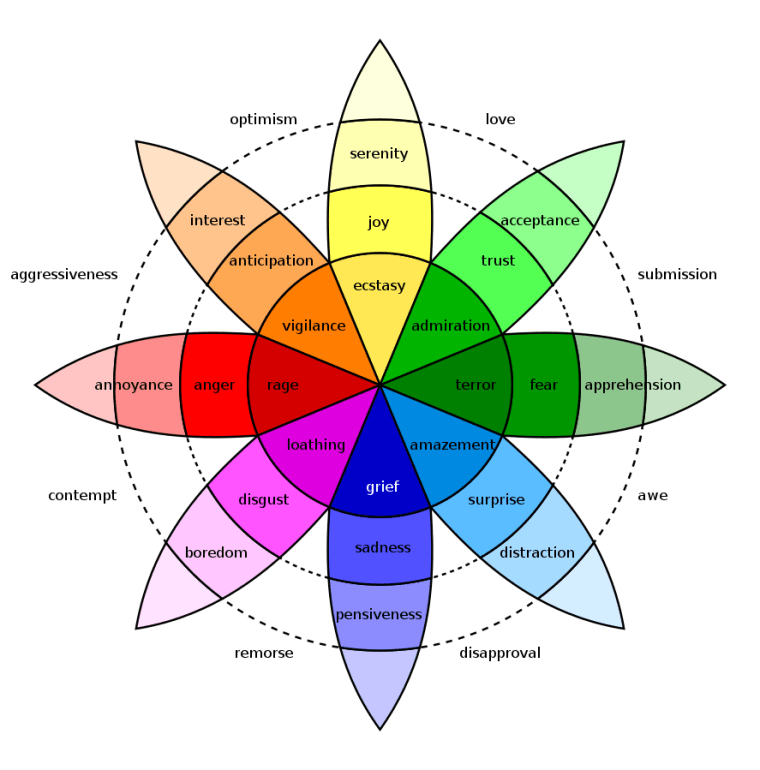
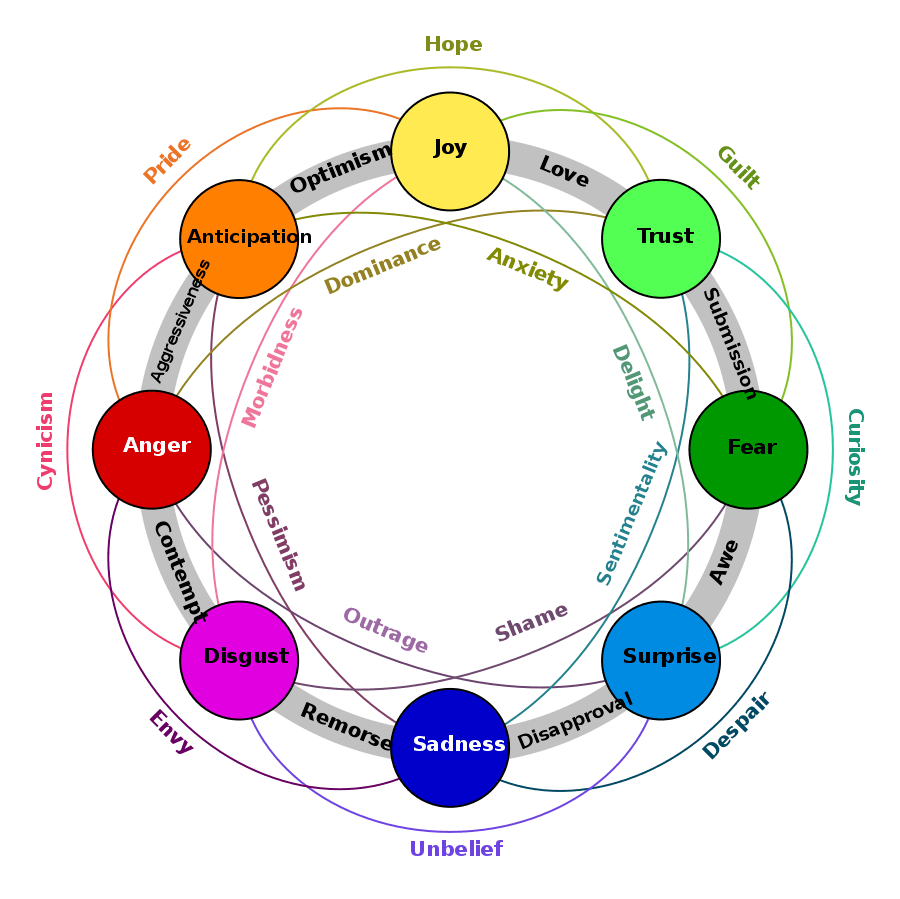
Plutchik Wheel

This process amplifies the effects of other cognitive distortions. For example, a student may feel insecure about their understanding of test material even though they are capable of answering the questions. If said student acts on their insecurity about failing the test, they might make the assumption that they misunderstand the material and therefore may guess answers randomly, causing their own failure in a self-fulfilling prophecy.

Emotional reasoning is related to other similar concepts, such as: motivated reasoning, a type of reasoning wherein individuals reach conclusions from bias instead of empirical motivations; emotional intelligence, which relates to the ways in which individuals use their emotions to understand situations or the information and reach conclusions; and cognitive distortion or cognitive deficiency, wherein individuals misinterpret situations or make decisions without considering a range of consequences.

Refer to Motivated Reasoning and Motivated Forgetting.

Origin

Emotional reasoning, as a concept, was first introduced by psychiatrist Aaron Beck. It was included as a part of Beck’s broader research topic: cognitive distortions and depression. To counteract cognitive distortions, Beck developed a type of therapy formally known as cognitive therapy, which became associated with cognitive-behavioural therapy.

Emotional reasoning had been attributed to automatic thinking, but Beck believed that it stemmed from negative thoughts that were uncontrollable and happened without effort. This reasoning has been commonly accepted over the years. Most recently, a new explanation states that an “activating agent” or sensory trigger from the environment increases emotional arousal. With this increase in arousal, certain areas of the brain are inhibited. The combination of an increase in emotional arousal and the inhibition of parts of the brain leads to emotional reasoning.

Examples

The following are simple examples of emotional reasoning.

EmotionFactsFalse Conclusion
I feel jealousMy spouse is apparently faithful and loving.My spouse is unfaithful, because I wouldn’t feel jealous if my spouse were faithful and loving.
I feel lonelyMy friends and family seem to like me and normally treat me well.I am unlovable, because I wouldn’t feel lonely if I were lovable.
I feel guiltyNeither I nor anyone around me is aware of any wrong I’ve done.I did something wrong, because I wouldn’t feel guilty unless I had done something wrong.
I feel angry at herI can’t think of anything upsetting she did or any harm she caused me.She did something wrong, because I wouldn’t feel angry at her unless she had done something wrong.
I feel stupidMy academic and professional success is typical or better.I am stupid, because I wouldn’t feel stupid or doubt my proven abilities unless I really was stupid.

Treatment

Before seeking professional help, an individual can influence the effect that emotional reasoning has on them based on his or her coping method. Using a proactive, problem-focused coping style is more effective at reducing stress and deterring stressful events. Additionally, having good social support also leads to lower psychological stress. If an individual chooses to seek professional help, a psychologist will often use cognitive-behavioural therapy to teach the patient how to challenge their cognitive distortions, including emotional reasoning. In this approach, the automatic thoughts that control emotional reasoning are identified, studied, and reasoned through by the patient. In doing so, the psychologist hopes to change the automatic thoughts of the patient and reduce the patient’s stress levels. Cognitive behavioural therapy has been generally regarded as the most-effective method of treatment for emotional reasoning.

Most recently, a new therapeutic approach uses the RIGAAR method to reduce emotional stress. RIGAAR is an abbreviation for: rapport building, information gathering, goal setting, accessing resources, agreeing strategies and rehearsing success.

Reducing emotional arousal is also suggested by the human givens approach in order to counter emotional reasoning. High emotional arousal inhibits brain regions necessary for logical complex reasoning. With less emotional arousal, cognitive reasoning is less affected and it is easier for the subject to disassociate reality from emotions.

Factors

Cognitive schemas is one of the factors to cause emotional reasoning. Schema is made of how we look at this world and our real-life experiences. Schema helps us remember the important things or events that happened in our lives. The result of the learning process is the schema, and it is also made by classical and operant conditioning. For example, an individual can develop a schema about terrorists and spiders that are very dangerous. Based on their schema, people can change what they think or how they are biased about the way they perceive things. Information-processing biases of schema impact how a person thinks and remembers, and their understanding of experiences and information. The bias makes a person’s schema automatically access similar content of schema. For example, a person with rat phobia is more likely to visualise or perceive a rat being near them. Schemas also easily connect with schema-central stimuli. For example, when depressed people start to think about negative things, it can be very difficult for them to think of anything positive.

For memory bias, schema can affect an individual’s recollections to cause schema-incongruent memories. For example, if individuals have a schema about how intelligent they are, failure-related recollections have a high chance to be retained in their minds and they become likely to recall positive past events. The schema also make individuals biased through the way that they interpret information. In other words, schema alters their understanding of the information. For example, when people refuse to help low self-esteem children solve a math problem, the children may think they are too stupid to learn how to solve the problem rather than the other people being too busy to help.

Reduction Techniques

Techniques for reducing emotional reasoning include:

  • Validity testing: Patients defend their thoughts and ideas using objective evidence to support their assumptions. If they cannot, they might be exposed to emotional reasoning.
  • Cognitive reversal: Patients are told of a difficult situation that they had in the past, and work with a therapist to help them address and correct their problems. This can prepare the patient for similar situations so that they do not revert to emotional reasoning.
  • Guided discovery: The therapist asks the patients a series of questions designed to help them realise their cognition distortions.
  • Writing in a journal: Patients form a habit of writing in a journal to record the situations they face, emotions and thoughts they experience, and their responses or behaviours to them. The therapist and patient then analyse how the patient’s maladaptive thought patterns influence their behaviours.
  • Homework: Once the patient acquires the ability to perform self-recovery and remember the insights gained from therapy sessions, the patient is tasked with reviewing sessions and reading related books to focus their thoughts and behaviours, which are recorded and reviewed for the next therapy session.
  • Modelling: The therapist could use role-playing to act in different ways in response to imagined situations so that patients could understand and model their behaviour.
  • Systematic positive reinforcement: The behaviour-oriented therapist would use a reward system (systematic positive reinforcement) to motivate patients to reinforce specific behaviours.

Negative memories and stressful life circumstances have a chance to trigger depression. The main factor for causing depression is unresolved life experiences. People who experience emotional reasoning are more likely to connect to depression. Emotion-focused therapy (EFT) is a form of psychotherapy which can help people find a positive perspective of their emotional process. EFT is a research-based treatment that emphasizes emotional change, which is the goal of this therapy. EFT has two different alternative therapies for treatments: cognitive-behavioural therapy (CBT), which emphasizes changing self-defeating thoughts and behaviours; and interpersonal therapy (IPT), which emphasizes changing people’s skills to have better interaction with others.

EFT operates on the understanding that a person’s development is influenced by emotional memories and experiences. The purpose of the therapy is to change the emotional process by resurfacing painful emotional experiences and bringing them into awareness. This process helps patients to differentiate between what they experience and the influence of past experiences on how they feel. This can result in greater self-awareness of what they want in their life and enable better decision-making through reducing emotional reasoning. Another purpose of EFT is to promote emotional intelligence, which is the ability to understand their emotions and perceive emotional information, controlling their behaviour while responding to problems.

Emotion-focused coping is a way to focus on managing one’s emotions to reduce stress and also to reduce the chance to have emotional reasoning. Cognitive therapy is a form of therapy that helps patients recognise their negative thought patterns about themselves and events to revise these thought patterns and change their behaviour. Cognitive-behavioural therapy helps individuals to perform well at cognitive tasks and to help them rethink their situation in a way that can benefit them. The treatment of cognitive-behavioural therapy is through the process of learning and making the change for maladaptive emotions, thoughts, and behaviours.

Implications

If not treated, debilitating effects can occur, the most common being depression. However, emotional reasoning has the potential to be useful when appraising the outside world and not ourselves. How one feels when assessing an object, person or event, can be an instinctual survival response and a way to adapt to the world.

“The amygdala buried deep in the limbic system serves as an early warning device for novelty, precisely so that attention can be mobilized to alert the mind to potential danger and to prepare for a potential of flight or fight.”

This page is based on the copyrighted Wikipedia article < https://en.wikipedia.org/wiki/Emotional_reasoning >; it is used under the Creative Commons Attribution-ShareAlike 3.0 Unported License (CC-BY-SA). You may redistribute it, verbatim or modified, providing that you comply with the terms of the CC-BY-SA.

An Overview of Emotional Self-Regulation

Introduction

The self-regulation of emotion or emotion regulation is the ability to respond to the ongoing demands of experience with the range of emotions in a manner that is socially tolerable and sufficiently flexible to permit spontaneous reactions as well as the ability to delay spontaneous reactions as needed. It can also be defined as extrinsic and intrinsic processes responsible for monitoring, evaluating, and modifying emotional reactions. The self-regulation of emotion belongs to the broader set of emotion regulation processes, which includes both the regulation of one’s own feelings and the regulation of other people’s feelings.

Emotion regulation is a complex process that involves initiating, inhibiting, or modulating one’s state or behaviour in a given situation — for example, the subjective experience (feelings), cognitive responses (thoughts), emotion-related physiological responses (for example heart rate or hormonal activity), and emotion-related behaviour (bodily actions or expressions). Functionally, emotion regulation can also refer to processes such as the tendency to focus one’s attention to a task and the ability to suppress inappropriate behaviour under instruction. Emotion regulation is a highly significant function in human life.

Every day, people are continually exposed to a wide variety of potentially arousing stimuli. Inappropriate, extreme or unchecked emotional reactions to such stimuli could impede functional fit within society; therefore, people must engage in some form of emotion regulation almost all of the time. Generally speaking, emotion dysregulation has been defined as difficulties in controlling the influence of emotional arousal on the organisation and quality of thoughts, actions, and interactions. Individuals who are emotionally dysregulated exhibit patterns of responding in which there is a mismatch between their goals, responses, and/or modes of expression, and the demands of the social environment. For example, there is a significant association between emotion dysregulation and symptoms of depression, anxiety, eating pathology, and substance abuse. Higher levels of emotion regulation are likely to be related to both high levels of social competence and the expression of socially appropriate emotions.

Theory

Process Model

The process model of emotion regulation is based upon the modal model of emotion. The modal model of emotion suggests that the emotion generation process occurs in a particular sequence over time. This sequence occurs as follows:

  1. Situation: the sequence begins with a situation (real or imagined) that is emotionally relevant.
  2. Attention: attention is directed towards the emotional situation.
  3. Appraisal: the emotional situation is evaluated and interpreted.
  4. Response: an emotional response is generated, giving rise to loosely coordinated changes in experiential, behavioural, and physiological response systems.

Because an emotional response (4.) can cause changes to a situation (1.), this model involves a feedback loop from (4.) Response to (1.) Situation. This feedback loop suggests that the emotion generation process can occur recursively, is ongoing, and dynamic.

The process model contends that each of these four points in the emotion generation process can be subjected to regulation. From this conceptualization, the process model posits five different families of emotion regulation that correspond to the regulation of a particular point in the emotion generation process. They occur in the following order:

  1. Situation selection
  2. Situation modification
  3. Attentional deployment
  4. Cognitive change
  5. Response modulation

The process model also divides these emotion regulation strategies into two categories: antecedent-focused and response-focused. Antecedent-focused strategies (i.e. situation selection, situation modification, attentional deployment, and cognitive change) occur before an emotional response is fully generated. Response-focused strategies (i.e. response modulation) occur after an emotional response is fully generated.

Strategies

Situation Selection

Situation selection is an emotional regulation strategy that involves choosing to avoid or approach a future emotional situation. If a person selects to avoid or disengage from an emotionally relevant situation, they are decreasing the likelihood of experiencing an emotion. Alternatively, if a person selects to approach or engage with an emotionally relevant situation, they are increasing the likelihood of experiencing an emotion.

Typical examples of situation selection may be seen interpersonally, such as when a parent removes his or her child from an emotionally unpleasant situation. Use of situation selection may also be seen in psychopathology. For example, avoidance of social situations to regulate emotions is particularly pronounced for those with social anxiety disorder and avoidant personality disorder.

Effective situation selection is not always an easy task. For instance, humans display difficulties predicting their emotional responses to future events. Therefore, they may have trouble making accurate and appropriate decisions about which emotionally relevant situations to approach or to avoid.

Situation Modification

Situation modification involves efforts to modify a situation so as to change its emotional impact. Situation modification refers specifically to altering one’s external, physical environment. Altering one’s “internal” environment to regulate emotion is called cognitive change.

Examples of situation modification may include injecting humour into a speech to elicit laughter or extending the physical distance between oneself and another person.

Attentional Deployment

Attentional deployment involves directing one’s attention towards or away from an emotional situation.

Distraction

Distraction, an example of attentional deployment, is an early selection strategy, which involves diverting one’s attention away from an emotional stimulus and towards other content. Distraction has been shown to reduce the intensity of painful and emotional experiences, to decrease facial responding and neural activation in the amygdala associated with emotion, as well as to alleviate emotional distress. As opposed to reappraisal, individuals show a relative preference to engage in distraction when facing stimuli of high negative emotional intensity. This is because distraction easily filters out high-intensity emotional content, which would otherwise be relatively difficult to appraise and process.

Rumination

Rumination, an example of attentional deployment, is defined as the passive and repetitive focusing of one’s attention on one’s symptoms of distress and the causes and consequences of these symptoms. Rumination is generally considered a maladaptive emotion regulation strategy, as it tends to exacerbate emotional distress. It has also been implicated in a host of disorders including major depression.

Worry

Worry, an example of attentional deployment, involves directing attention to thoughts and images concerned with potentially negative events in the future. By focusing on these events, worrying serves to aid in the down-regulation of intense negative emotion and physiological activity. While worry may sometimes involve problem solving, incessant worry is generally considered maladaptive, being a common feature of anxiety disorders, particularly generalised anxiety disorder.

Thought Suppression

Thought suppression, an example of attentional deployment, involves efforts to redirect one’s attention from specific thoughts and mental images to other content so as to modify one’s emotional state. Although thought suppression may provide temporary relief from undesirable thoughts, it may ironically end up spurring the production of even more unwanted thoughts. This strategy is generally considered maladaptive, being most associated with obsessive-compulsive disorder.

Cognitive Change

Cognitive change involves changing how one appraises a situation so as to alter its emotional meaning.

Reappraisal

Reappraisal, an example of cognitive change, is a late selection strategy, which involves a change of the meaning of an event that alters its emotional impact. It encompasses different sub-strategies, such as positive reappraisal (creating and focusing on a positive aspect of the stimulus), decentring (reinterpreting an event by broadening one’s perspective to see “the bigger picture”), or fictional reappraisal (adopting or emphasizing the belief that event is not real, that it is for instance “just a movie” or “just my imagination”). Reappraisal has been shown to effectively reduce physiological, subjective, and neural emotional responding. As opposed to distraction, individuals show a relative preference to engage in reappraisal when facing stimuli of low negative emotional intensity because these stimuli are relatively easy to appraise and process.

Reappraisal is generally considered to be an adaptive emotion regulation strategy. Compared to suppression (including both thought suppression and expressive suppression), which is positively correlated with many psychological disorders, reappraisal can be associated with better interpersonal outcomes, and can be positively related to well-being. However, some researchers argue that context is important when evaluating the adaptiveness of a strategy, suggesting that in some contexts reappraisal may be maladaptive. Furthermore, some research has shown reappraisal does not influence or affect physiological responses to recurrent stress.

Distancing

Distancing, an example of cognitive change, involves taking on an independent, third-person perspective when evaluating an emotional event. Distancing has been shown to be an adaptive form of self-reflection, facilitating the emotional processing of negatively valenced stimuli, reducing emotional and cardiovascular reactivity to negative stimuli, and increasing problem-solving behaviour.

Humour

Humour, an example of cognitive change, has been shown to be an effective emotion regulation strategy. Specifically, positive, good-natured humour has been shown to effectively up-regulate positive emotion and down-regulate negative emotion. On the other hand, negative, mean-spirited humour is less effective in this regard.

Response Modulation

Response modulation involves attempts to directly influence experiential, behavioural, and physiological response systems.

Expressive Suppression

Expressive suppression, an example of response modulation, involves inhibiting emotional expressions. It has been shown to effectively reduce facial expressivity, subjective feelings of positive emotion, heart rate, and sympathetic activation. However, the research findings are mixed regarding whether this strategy is effective for down-regulating negative emotion. Research has also shown that expressive suppression may have negative social consequences, correlating with reduced personal connections and greater difficulties forming relationships.

Expressive suppression is generally considered to be a maladaptive emotion regulation strategy. Compared to reappraisal, it is positively correlated with many psychological disorders, associated with worse interpersonal outcomes, is negatively related to well-being, and requires the mobilisation of a relatively substantial amount of cognitive resources. However, some researchers argue that context is important when evaluating the adaptiveness of a strategy, suggesting that in some contexts suppression may be adaptive.

Drug Use

Drug use, an example of response modulation, can be used to alter emotion-associated physiological responses. For example, alcohol can produce sedative and anxiolytic effects and beta blockers can affect sympathetic activation.

Exercise

Exercise, an example of response modulation, can be used to down-regulate the physiological and experiential effects of negative emotions. Regular physical activity has also been shown to reduce emotional distress and improve emotional control.

Sleep

Sleep plays a role in emotion regulation, although stress and worry can also interfere with sleep. Studies have shown that sleep, specifically REM sleep, down-regulates reactivity of the amygdala, a brain structure known to be involved in the processing of emotions, in response to previous emotional experiences. On the flip side, sleep deprivation is associated with greater emotional reactivity or overreaction to negative and stressful stimuli. This is a result of both increased amygdala activity and a disconnect between the amygdala and the prefrontal cortex, which regulates the amygdala through inhibition, together resulting in an overactive emotional brain. Due to the subsequent lack of emotional control, sleep deprivation may be associated with depression, impulsivity, and mood swings. Additionally, there is some evidence that sleep deprivation may reduce emotional reactivity to positive stimuli and events and impair emotion recognition in others.

In Psychotherapy

Emotion regulation strategies are taught, and emotion regulation problems are treated, in a variety of counselling and psychotherapy approaches, including cognitive behavioural therapy (CBT), dialectical behaviour therapy (DBT), emotion-focused therapy (EFT), and mindfulness-based cognitive therapy (MBCT).

For example, a relevant mnemonic formulated in DBT is “ABC PLEASE”:

  • Accumulate positive experiences.
  • Build mastery by being active in activities that make one feel competent and effective to combat helplessness.
  • Cope ahead, preparing an action plan, researching, and rehearsing (with a skilled helper if necessary).
  • Physical illness treatment and prevention through check-ups.
  • Low vulnerability to diseases, managed with health care professionals.
  • Eating healthy.
  • Avoiding (non-prescribed) mood-altering drugs.
  • Sleep healthy.
  • Exercise regularly.

Developmental Process

Infancy

Intrinsic emotion regulation efforts during infancy are believed to be guided primarily by innate physiological response systems. These systems usually manifest as an approach towards and an avoidance of pleasant or unpleasant stimuli. At three months, infants can engage in self-soothing behaviours like sucking and can reflexively respond to and signal feelings of distress. For instance, infants have been observed attempting to suppress anger or sadness by knitting their brow or compressing their lips.

Between three and six months, basic motor functioning and attentional mechanisms begin to play a role in emotion regulation, allowing infants to more effectively approach or avoid emotionally relevant situations. Infants may also engage in self-distraction and help-seeking behaviours for regulatory purposes. At one year, infants are able to navigate their surroundings more actively and respond to emotional stimuli with greater flexibility due to improved motor skills. They also begin to appreciate their caregivers’ abilities to provide them regulatory support. For instance, infants generally have difficulties regulating fear. As a result, they often find ways to express fear in ways that attract the comfort and attention of caregivers.

Extrinsic emotion regulation efforts by caregivers, including situation selection, modification, and distraction, are particularly important for infants. The emotion regulation strategies employed by caregivers to attenuate distress or to up-regulate positive affect in infants can impact the infants’ emotional and behavioural development, teaching them particular strategies and methods of regulation. The type of attachment style between caregiver and infant can therefore play a meaningful role in the regulatory strategies infants may learn to use.

Recent evidence supports the idea that maternal singing has a positive effect on affect regulation in infants. Singing play-songs can have a visible affect-regulatory consequence of prolonged positive affect and even alleviation of distress. In addition to proven facilitation of social bonding, when combined with movement and/or rhythmic touch, maternal singing for affect regulation has possible applications for infants in the NICU and for adult caregivers with serious personality or adjustment difficulties.

Toddler-hood

By the end of the first year, toddlers begin to adopt new strategies to decrease negative arousal. These strategies can include rocking themselves, chewing on objects, or moving away from things that upset them. At two years, toddlers become more capable of actively employing emotion regulation strategies. They can apply certain emotion regulation tactics to influence various emotional states. Additionally, maturation of brain functioning and language and motor skills permits toddlers to manage their emotional responses and levels of arousal more effectively.

Extrinsic emotion regulation remains important to emotional development in toddlerhood. Toddlers can learn ways from their caregivers to control their emotions and behaviours. For example, caregivers help teach self-regulation methods by distracting children from unpleasant events (like a vaccination shot) or helping them understand frightening events.

Childhood

Emotion regulation knowledge becomes more substantial during childhood. For example, children aged six to ten begin to understand display rules. They come to appreciate the contexts in which certain emotional expressions are socially most appropriate and therefore ought to be regulated. For example, children may understand that upon receiving a gift they should display a smile, irrespective of their actual feelings about the gift. During childhood, there is also a trend towards the use of more cognitive emotion regulation strategies, taking the place of more basic distraction, approach, and avoidance tactics.

Regarding the development of emotion dysregulation in children, one robust finding suggests that children who are frequently exposed to negative emotion at home will be more likely to display, and have difficulties regulating, high levels of negative emotion.

Adolescence

Adolescents show a marked increase in their capacities to regulate their emotions, and emotion regulation decision making becomes more complex, depending on multiple factors. In particular, the significance of interpersonal outcomes increases for adolescents. When regulating their emotions, adolescents are therefore likely to take into account their social context. For instance, adolescents show a tendency to display more emotion if they expect a sympathetic response from their peers.

Additionally, spontaneous use of cognitive emotion regulation strategies increases during adolescence, which is evidenced both by self-report data and neural markers.

Adulthood

Social losses increase and health tends to decrease as people age. As people get older their motivation to seek emotional meaning in life through social ties tends to increase. Autonomic responsiveness decreases with age, and emotion regulation skill tends to increase.

Emotional regulation in adulthood can also be examined in terms of positive and negative affectivity. Positive and negative affectivity refers to the types of emotions felt by an individual as well as the way those emotions are expressed. With adulthood comes an increased ability to maintain both high positive affectivity and low negative affectivity “more rapidly than adolescents.” This response to life’s challenges seems to become “automatized” as people progress throughout adulthood. Thus, as individuals age, their capability of self-regulating emotions and responding to their emotions in healthy ways improves.

Additionally, emotional regulation may vary between young adults and older adults. Younger adults have been found to be more successful than older adults in practicing “cognitive reappraisal” to decrease negative internal emotions. On the other hand, older adults have been found to be more successful in the following emotional regulation areas:

  • Predicting the level of “emotional arousal” in possible situations;
  • Having a higher focus on positive information rather than negative; and
  • Maintaining healthy levels of “hedonic well-being” (subjective well-being based on increased pleasure and decreased pain).

Overview of Perspectives

Neuropsychological Perspective

Affective

As people age, their affect – the way they react to emotions – changes, either positively or negatively. Studies show that positive affect increases as a person grows from adolescence to their mid 70s. Negative affect, on the other hand, decreases until the mid 70s. Studies also show that emotions differ in adulthood, particularly affect (positive or negative). Although some studies found that individuals experience less affect as they grow older, other studies have concluded that adults in their middle age experience more positive affect and less negative affect than younger adults. Positive affect was also higher for men than women while the negative affect was higher for women than it was for men and also for single people.

A reason that older people – middle adulthood – might have less negative affect is because they have overcome, “the trials and vicissitudes of youth, they may increasingly experience a more pleasant balance of affect, at least up until their mid-70s”. Positive affect might rise during middle age but towards the later years of life – the 70s – it begins to decline while negative affect also does the same. This might be due to failing health, reaching the end of their lives and the death of friends and relatives.

In addition to baseline levels of positive and negative affect, studies have found individual differences in the time-course of emotional responses to stimuli. The temporal dynamics of emotion regulation, also known as affective chronometry, include two key variables in the emotional response process: rise time to peak emotional response, and recovery time to baseline levels of emotion. Studies of affective chronometry typically separate positive and negative affect into distinct categories, as previous research has shown (despite some correlation) the ability of humans to experience changes in these categories independently of one another. Affective chronometry research has been conducted on clinical populations with anxiety, mood, and personality disorders, but is also utilised as a measurement to test the effectiveness of different therapeutic techniques (including mindfulness training) on emotional dysregulation.

Neurological

The development of functional magnetic resonance imaging has allowed for the study of emotion regulation on a biological level. Specifically, research over the last decade strongly suggests that there is a neural basis. Sufficient evidence has correlated emotion regulation to particular patterns of prefrontal activation. These regions include the orbital prefrontal cortex, the ventromedial prefrontal cortex, and the dorsolateral prefrontal cortex. Two additional brain structures that have been found to contribute are the amygdala and the anterior cingulate cortex. Each of these structures are involved in various facets of emotion regulation and irregularities in one or more regions and/or interconnections among them are affiliated with failures of emotion regulation. An implication to these findings is that individual differences in prefrontal activation predict the ability to perform various tasks in aspects of emotion regulation.

Sociological

People intuitively mimic facial expressions; it is a fundamental part of healthy functioning. Similarities across cultures in regards to nonverbal communication has prompted the debate that it is in fact a universal language. It can be argued that emotion regulation plays a key role in the ability to generate the correct responses in social situations. Humans have control over facial expressions both consciously and unconsciously: an intrinsic emotion program is generated as the result of a transaction with the world, which immediately results in an emotional response and usually a facial reaction. It is a well documented phenomenon that emotions have an effect on facial expression, but recent research has provided evidence that the opposite may also be true.

This notion would give rise to the belief that a person may not only control his emotion but in fact influence them as well. Emotion regulation focuses on providing the appropriate emotion in the appropriate circumstances. Some theories allude to the thought that each emotion serves a specific purpose in coordinating organismic needs with environmental demands (Cole, 1994). This skill, although apparent throughout all nationalities, has been shown to vary in successful application at different age groups. In experiments done comparing younger and older adults to the same unpleasant stimuli, older adults were able to regulate their emotional reactions in a way that seemed to avoid negative confrontation. These findings support the theory that with time people develop a better ability to regulate their emotions. This ability found in adults seems to better allow individuals to react in what would be considered a more appropriate manner in some social situations, permitting them to avoid adverse situations that could be seen as detrimental.

Expressive Regulation (in Solitary Conditions)

In solitary conditions, emotion regulation can include a minimization-miniaturization effect, in which common outward expressive patterns are replaced with toned down versions of expression. Unlike other situations, in which physical expression (and its regulation) serve a social purpose (i.e. conforming to display rules or revealing emotion to outsiders), solitary conditions require no reason for emotions to be outwardly expressed (although intense levels of emotion can bring out noticeable expression anyway). The idea behind this is that as people get older, they learn that the purpose of outward expression (to appeal to other people), is not necessary in situations in which there is no one to appeal to. As a result, the level of emotional expression can be lower in these solitary situations.

Stress

The way an individual reacts to stress can directly overlap with their ability to regulate emotion. Although the two concepts differ in a multitude of ways, “both coping [with stress] and emotion regulation involve affect modulation and appraisal processes” that are necessary for healthy relationships and self-identity.

According to Yu. V. Shcherbatykh, emotional stress in situations like school examinations can be reduced by engaging in self-regulating activities prior to the task being performed. To study the influence of self-regulation on mental and physiological processes under exam stress, Shcherbatykh conducted a test with an experimental group of 28 students (of both sexes) and a control group of 102 students (also of both sexes).

In the moments before the examination, situational stress levels were raised in both groups from what they were in quiet states. In the experimental group, participants engaged in three self-regulating techniques (concentration on respiration, general body relaxation, and the creation of a mental image of successfully passing the examination). During the examination, the anxiety levels of the experimental group were lower than that of the control group. Also, the percent of unsatisfactory marks in the experimental group was 1.7 times less than in the control group. From this data, Shcherbatykh concluded that the application of self-regulating actions before examinations helps to significantly reduce levels of emotional strain, which can help lead to better performance results.

Emotion regulation has also been associated with physiological responses to stress during laboratory stress paradigms.

Decision Making

Identification of our emotional self-regulating process can facilitate in the decision-making process. Current literature on emotion regulation identifies that humans characteristically make efforts in controlling emotion experiences. There is then a possibility that our present state emotions can be altered by emotion regulation strategies resulting in the possibility that different regulation strategies could have different decision implications.

Digital Emotion Regulation

Following widespread adoption in the 21st century of digital devices and services for use in everyday life, evidence is mounting that people are increasingly using these tools to manage and regulate moods and emotions. A wide range of digital resources are used for emotion regulation including smartphones, social media, streaming services, online shopping, and videogames. Such spontaneous forms of digital emotion regulation can be distinguished from the use of digital interventions such as smartphone apps that have been explicitly designed to support emotional regulation or teach emotion regulation skills in clinical and non-clinical populations. Digital implementation of emotion regulation strategies can occur at all stages of the process model and in all strategy families, including interpersonal emotion regulation.

Effects of Low Self-Regulation

With a failure in emotion regulation, there is a rise in psychosocial and emotional dysfunctions caused by traumatic experiences due to an inability to regulate emotions. These traumatic experiences typically happen in grade school and are sometimes associated with bullying. Children who can not properly self-regulate express their volatile emotions in a variety of ways, including screaming if they do not have their way, lashing out with their fists, throwing objects (such as chairs), or bullying other children. Such behaviours often elicit negative reactions from the social environment, which, in turn, can exacerbate or maintain the original regulation problems over time, a process termed cumulative continuity. These children are more likely to have conflict-based relationships with their teachers and other children. This can lead to more severe problems such as an impaired ability to adjust to school and predicts school dropout many years later. Children who fail to properly self-regulate grow as teenagers with more emerging problems. Their peers begin to notice this “immaturity”, and these children are often excluded from social groups and teased and harassed by their peers. This “immaturity” certainly causes some teenagers to become social outcasts in their respective social groups, causing them to lash out in angry and potentially violent ways. Being teased or being an outcast in childhood is especially damaging because it could lead to psychological symptoms such as depression and anxiety (in which dysregulated emotions play a central role), which, in turn, could lead to more peer victimisation. This is why it is recommended to foster emotional self-regulation in children as early as possible.

Occupational Therapy in Schools

Occupational therapists (OTs) are integrated educators in most public and private schools across the United States. They are trained in mental health and activity analysis to assess the needs of their clients. OTs and students work together to create meaningful and healthy habits for stress management, social skills, emotional labelling, coping strategies, awareness, problem-solving, self-monitoring, judgement, emotional control, and others in the school and home environment. OTs can complete formal assessments for emotional regulation and treat in a client-centred manner for each student. In addition, they can create individualised home programmes for carryover with their families. For example, OTs can work with students to engage in the occupational therapist-developed curriculum The Zones of Regulation, which utilises evidence-based knowledge, formal assessment, and in-classroom treatment to improve self-regulation of emotional behaviours and create long-lasting changes in habits.

Early childhood access to education on emotional regulation mitigates risk factors for increased anxiety, depression, and negative behaviours. It allows the student to create healthy habits for school and home environments. Children should be able to learn to regulate their feelings for full participation in activities, including social skills, play, sports, and school.

This page is based on the copyrighted Wikipedia article < https://en.wikipedia.org/wiki/Emotional_self-regulation >; it is used under the Creative Commons Attribution-ShareAlike 3.0 Unported License (CC-BY-SA). You may redistribute it, verbatim or modified, providing that you comply with the terms of the CC-BY-SA.
What is Emotional Eating?

Introduction

Emotional eating, also known as stress eating and emotional overeating, is defined as the “propensity to eat in response to positive and negative emotions”. While the term often refers to eating as a means of coping with negative emotions, it also includes eating for positive emotions, such as eating foods when celebrating an event or eating to enhance an already good mood. In these situations, emotions are still driving the eating but not in a negative way.

Background

Emotional eating includes eating in response to any emotion, whether that be positive or negative. Most frequently, people refer to emotional eating as “eating to cope with negative emotions.” In these situations, emotional eating can be considered a form of disordered eating, which is defined as “an increase in food intake in response to negative emotions” and can be considered a maladaptive strategy. More specifically, emotional eating in order to relieve negative emotions would qualify as a form of emotion-focused coping, which attempts to minimise, regulate, and prevent emotional distress.

One study found that emotional eating sometimes does not reduce emotional distress, but instead it enhances emotional distress by sparking feelings of intense guilt after an emotional eating session. Those who eat as a coping strategy are at an especially high risk of developing binge-eating disorder, and those with eating disorders are at a higher risk to engage in emotional eating as a means to cope. In a clinical setting, emotional eating can be assessed by the Dutch Eating Behaviour Questionnaire, which contains a scale for restrained, emotional, and external eating. Other questionnaires, such as the Palatable Eating Motives Scale, can determine reasons why a person eats tasty foods when they are not hungry; sub-scales include eating for reward enhancement, coping, social, and conformity.

Characteristics

Emotional eating usually occurs when one is attempting to satisfy his or her hedonic drive, or the drive to eat palatable food to obtain pleasure in the absence of an energy deficit but can also occur when one is seeking food as a reward, eating for social reasons (such as eating at a party), or eating to conform (which involves eating because friends or family wants the individual to). When one is engaging in emotional eating, they are usually seeking out palatable foods (such as sweets) rather than just food in general. In some cases, emotional eating can lead to something called “mindless eating” during which the individual is eating without being mindful of what or how much they are consuming; this can occur during both positive and negative settings.

Emotional hunger does not originate from the stomach, such as with a rumbling or growling stomach, but tends to start when a person thinks about a craving or wants something specific to eat. Emotional responses are also different. Giving in to a craving or eating because of stress can cause feelings of regret, shame, or guilt, and these responses tend to be associated with emotional hunger. On the other hand, satisfying a physical hunger is giving the body the nutrients or calories it needs to function and is not associated with negative feelings.

Major Theories behind Eating to Cope

Current research suggests that certain individual factors may increase one’s likelihood of using emotional eating as a coping strategy. The inadequate affect regulation theory posits that individuals engage in emotional eating because they believe overeating alleviates negative feelings. Escape theory builds upon inadequate affect regulation theory by suggesting that people not only overeat to cope with negative emotions, but they find that overeating diverts their attention away from a stimulus that is threatening self-esteem to focus on a pleasurable stimulus like food. Restraint theory suggests that overeating as a result of negative emotions occurs among individuals who already restrain their eating. While these individuals typically limit what they eat, when they are faced with negative emotions they cope by engaging in emotional eating. Restraint theory supports the idea that individuals with other eating disorders are more likely to engage in emotional eating. Together these three theories suggest that an individual’s aversion to negative emotions, particularly negative feelings that arise in response to a threat to the ego or intense self-awareness, increase the propensity for the individual to utilise emotional eating as a means of coping with this aversion.

The biological stress response may also contribute to the development of emotional eating tendencies. In a crisis, corticotropin-releasing hormone (CRH) is secreted by the hypothalamus, suppressing appetite and triggering the release of glucocorticoids from the adrenal gland. These steroid hormones increase appetite and, unlike CRH, remain in the bloodstream for a prolonged period of time, often resulting in hyperphagia. Those who experience this biologically instigated increase in appetite during times of stress are therefore primed to rely on emotional eating as a coping mechanism.

Contributing Factors

Negative Affect

Overall, high levels of the negative affect trait are related to emotional eating. Negative affectivity is a personality trait involving negative emotions and poor self-concept. Negative emotions experienced within negative affect include anger, guilt, and nervousness. It has been found that certain negative affect regulation scales predicted emotional eating. An inability to articulate and identify one’s emotions made the individual feel inadequate at regulating negative affect and thus more likely to engage in emotional eating as a means for coping with those negative emotions. Further scientific studies regarding the relationship between negative affect and eating find that, after experiencing a stressful event, food consumption is associated with reduced feelings of negative affect (i.e. feeling less bad) for those enduring high levels of chronic stress. This relationship between eating and feeling better suggests a self-reinforcing cyclical pattern between high levels of chronic stress and consumption of highly palatable foods as a coping mechanism. Contrarily, a study conducted by Spoor et al. found that negative affect is not significantly related to emotional eating, but the two are indirectly associated through emotion-focused coping and avoidance-distraction behaviours. While the scientific results differed somewhat, they both suggest that negative affect does play a role in emotional eating but it may be accounted for by other variables.

Childhood Development

For some people, emotional eating is a learned behaviour. During childhood, their parents give them treats to help them deal with a tough day or situation, or as a reward for something good. Over time, the child who reaches for a cookie after getting a bad grade on a test may become an adult who grabs a box of cookies after a rough day at work. In an example such as this, the roots of emotional eating are deep, which can make breaking the habit extremely challenging. In some cases, individuals may eat in order to conform; for example, individuals may be told “you have to finish your plate” and the individual may eat past the point in which they feel satisfied.

Related Disorders

Emotional eating as a means to cope may be a precursor to developing eating disorders such as binge eating or bulimia nervosa. The relationship between emotional eating and other disorders is largely due to the fact that emotional eating and these disorders share key characteristics. More specifically, they are both related to emotion focused coping, maladaptive coping strategies, and a strong aversion to negative feelings and stimuli. It is important to note that the causal direction has not been definitively established, meaning that while emotional eating is considered a precursor to these eating disorders, it also may be the consequence of these disorders. The latter hypothesis that emotional eating happens in response to another eating disorder is supported by research that has shown emotional eating to be more common among individuals already suffering from bulimia nervosa.

Biological and Environmental Factors

Stress affects food preferences. Numerous studies – granted, many of them in animals – have shown that physical or emotional distress increases the intake of food high in fat, sugar, or both, even in the absence of caloric deficits. Once ingested, fat- and sugar-filled foods seem to have a feedback effect that damps stress-related responses and emotions, as these foods trigger dopamine and opioid releases, which protect against the negative consequences of stress. These foods really are “comfort” foods in that they seem to counteract stress, but rat studies demonstrate that intermittent access to and consumption of these highly palatable foods creates symptoms that resemble opioid withdrawal, suggesting that high-fat and high-sugar foods can become neurologically addictive. A few examples from the American diet would include: hamburgers, pizza, French fries, sausages and savoury pasties. The most common food preferences are in decreasing order from: sweet energy-dense food, non-sweet energy-dense food then, fruits and vegetables. This may contribute to people’s stress-induced craving for those foods.

The stress response is a highly-individualised reaction and personal differences in physiological reactivity may also contribute to the development of emotional eating habits. Women are more likely than men to resort to eating as a coping mechanism for stress, as are obese individuals and those with histories of dietary restraint. In one study, women were exposed to an hour-long social stressor task or a neutral control condition. The women were exposed to each condition on different days. After the tasks, the women were invited to a buffet with both healthy and unhealthy snacks. Those who had high chronic stress levels and a low cortisol reactivity to the acute stress task consumed significantly more calories from chocolate cake than women with low chronic stress levels after both control and stress conditions. High cortisol levels, in combination with high insulin levels, may be responsible for stress-induced eating, as research shows high cortisol reactivity is associated with hyperphagia, an abnormally increased appetite for food, during stress. Furthermore, since glucocorticoids trigger hunger and specifically increase one’s appetite for high-fat and high-sugar foods, those whose adrenal glands naturally secrete larger quantities of glucocorticoids in response to a stressor are more inclined toward hyperphagia. Additionally, those whose bodies require more time to clear the bloodstream of excess glucocorticoids are similarly predisposed.

These biological factors can interact with environmental elements to further trigger hyperphagia. Frequent intermittent stressors trigger repeated, sporadic releases of glucocorticoids in intervals too short to allow for a complete return to baseline levels, leading to sustained and elevated levels of appetite. Therefore, those whose lifestyles or careers entail frequent intermittent stressors over prolonged periods of time thus have greater biological incentive to develop patterns of emotional eating, which puts them at risk for long-term adverse health consequences such as weight gain or cardiovascular disease.

Macht (2008) described a five-way model to explain the reasoning behind stressful eating:

  1. Emotional control of food choice;
  2. Emotional suppression of food intake;
  3. Impairment of cognitive eating controls;
  4. Eating to regulate emotions; and
  5. Emotion-congruent modulation of eating.

These break down into subgroups of: Coping, reward enhancement, social and conformity motive. Thus, providing an individual with are stronger understanding of personal emotional eating.

Positive Affect

Geliebter and Aversa (2003) conducted a study comparing individuals of three weight groups: underweight, normal weight and overweight. Both positive and negative emotions were evaluated. When individuals were experiencing positive emotional states or situations, the underweight group reporting eating more than the other two groups. As an explanation, the typical nature of underweight individuals is to eat less and during times of stress to eat even less. However, when positive emotional states or situations arise, individuals are more likely to indulge themselves with food.

Impact

Emotional eating may qualify as avoidant coping and/or emotion-focused coping. As coping methods that fall under these broad categories focus on temporary reprieve rather than practical resolution of stressors, they can initiate a vicious cycle of maladaptive behaviour reinforced by fleeting relief from stress. Additionally, in the presence of high insulin levels characteristic of the recovery phase of the stress-response, glucocorticoids trigger the creation of an enzyme that stores away the nutrients circulating in the bloodstream after an episode of emotional eating as visceral fat, or fat located in the abdominal area. Therefore, those who struggle with emotional eating are at greater risk for abdominal obesity, which is in turn linked to a greater risk for metabolic and cardiovascular disease.

Treatment

There are numerous ways in which individuals can reduce emotional distress without engaging in emotional eating as a means to cope. The most salient choice is to minimise maladaptive coping strategies and to maximise adaptive strategies. A study conducted by Corstorphine et al. in 2007 investigated the relationship between distress tolerance and disordered eating. These researchers specifically focused on how different coping strategies impact distress tolerance and disordered eating. They found that individuals who engage in disordered eating often employ emotional avoidance strategies. If an individual is faced with strong negative emotions, they may choose to avoid the situation by distracting themselves through overeating. Discouraging emotional avoidance is thus an important facet to emotional eating treatment. The most obvious way to limit emotional avoidance is to confront the issue through techniques like problem solving. Corstorphine et al. showed that individuals who engaged in problem solving strategies enhance one’s ability to tolerate emotional distress. Since emotional distress is correlated to emotional eating, the ability to better manage one’s negative affect should allow an individual to cope with a situation without resorting to overeating.

One way to combat emotional eating is to employ mindfulness techniques. For example, approaching cravings with a non-judgemental inquisitiveness can help differentiate between hunger and emotionally-driven cravings. An individual may ask his or herself if the craving developed rapidly, as emotional eating tends to be triggered spontaneously. An individual may also take the time to note his or her bodily sensations, such as hunger pangs, and coinciding emotions, like guilt or shame, in order to make conscious decisions to avoid emotional eating.

Emotional eating can also be improved by evaluating physical facets like hormone balance. Female hormones, in particular, can alter cravings and even self-perception of one’s body. Additionally, emotional eating can be exacerbated by social pressure to be thin. The focus on thinness and dieting in our culture can make young girls, especially, vulnerable to falling into food restriction and subsequent emotional eating behaviour.

Emotional eating disorder predisposes individuals to more serious eating disorders and physiological complications. Therefore, combatting disordered eating before such progression takes place has become the focus of many clinical psychologists.

Stress Fasting

In a lesser percentage of individuals, emotional eating may conversely consist of reduced food intake, or stress fasting. This is believed to result from the fight-or-flight response. In some individuals, depression and other psychological disorders can also lead to emotional fasting or starvation.

This page is based on the copyrighted Wikipedia article < https://en.wikipedia.org/wiki/Emotional_eating >; it is used under the Creative Commons Attribution-ShareAlike 3.0 Unported License (CC-BY-SA). You may redistribute it, verbatim or modified, providing that you comply with the terms of the CC-BY-SA.
What is Distress Tolerance?

Introduction

Distress tolerance is an emerging construct in psychology that has been conceptualised in several different ways. Broadly, it refers to an individual’s:

“perceived capacity to withstand negative emotional and/or other aversive states (e.g. physical discomfort), and the behavioral act of withstanding distressing internal states elicited by some type of stressor.”

Some definitions of distress tolerance have also specified that the endurance of these negative events occur in contexts in which methods to escape the distressor exist.

Measurement

In the literature, differences in conceptualisations of distress tolerance have corresponded with two methods of assessing this construct.

As self-report inventories fundamentally assess an individual’s perception and reflection of constructs related to the self; self-report measures of distress tolerance (i.e. questionnaires) specifically focus on the perceived ability to endure distressful states, broadly defined. Some questionnaires focus specifically on emotional distress tolerance (e.g. the distress tolerance scale), some on distress tolerance of negative physical states (e.g. discomfort intolerance scale), and others focus specifically on tolerance of frustration as an overarching process of distress tolerance (e.g. frustration-discomfort scale).

In contrast, studies that incorporate behavioural or biobehavioural assessments of distress tolerance provide information about real behaviour rather than an individual’s perceptions. Examples of stress-inducing tasks include those that require the individual to persist in tracing a computerised mirror under timed conditions (i.e. computerised mirror tracing persistence task) or complete a series of time-sensitive math problems for which incorrect answers produce an aversive noise (i.e. computerised paced auditory serial addition task). Some behavioural tasks are conceptualised to assess physical distress tolerance, and require individuals to hold their breath for as long as possible (breath holding task).

As this is a nascent field of research, the relationships between perceptual and behavioural assessments of distress tolerance have not been clearly elucidated. Disentangling distinct components of emotional/psychological distress tolerance and physical distress tolerance within behavioural tasks also remains a challenge in the literature.

Theoretical Structures

Several models about the structural hierarchy of distress tolerance have been proposed. Some work suggests that physical and psychological tolerance are distinct constructs. Specifically, sensitivity to feelings of anxiety and tolerance of negative emotional states may be related to each other as aspects of a larger construct representing sensitivity and tolerance of affect broadly; discomfort surrounding physical stressors, however, was found to be an entirely separate construct not associated with sensitivity to emotional states. Notably, this preliminary work was conducted with self-report measures and findings are cross-sectional in nature. The authors advise that additional longitudinal work is necessary to corroborate these relationships and elucidate directions of causality.

Recent work expands on the distinctness of emotional and physical distress tolerance to a higher-order construct of global experiential distress tolerance. This framework draws upon tolerance constructs that have been historically studied as distinct from distress tolerance. The five following constructs are framed as lower-order factors for the global distress tolerance construct, and include:

  • Tolerance of uncertainty, or “the tendency to react emotionally, cognitively, or behaviourally to uncertain situations”.
  • Tolerance of ambiguity, or “the perceived tolerance of complicated, foreign, and/or vague situations of stimuli”.
  • Tolerance of frustration, or “the perceived capacity to withstand aggravation (e.g. thwarted life goals)”.
  • Tolerance of negative emotional states, or “the perceived capacity to withstand internal distress”.
  • Tolerance of physical sensations, or “the perceived capacity to withstand uncomfortable physical sensations”.

Within models that solely conceptualise distress tolerance as the ability to endure negative emotional states, distress tolerance is hypothesized to be multidimensional. This includes individual processes related to the anticipation of and experience with negative emotions, such as perceived and actual ability to tolerate the negative emotion, the appraisal of a given situation as acceptable or not, the degree to which an individual can regulate his/her emotion in the midst of a negative emotional experience, and amount of attention dedicated to processing the negative emotion.

Biological Bases

There are several candidate biological neural network mechanisms for distress tolerance. These proposed brain areas are based on the conceptualisation of distress tolerance as a function of reward learning. Within this framework, individuals learn to attune to and pursue reward; reduction of tension in escaping from a stressor is similarly framed as a reward and thus can be learned. Individuals differ in how quickly and for how long they display preferences for pursuing reward or in the case of distress tolerance, escaping from a distressful stimulus. Therefore, brain regions that are activated during reward processing and learning are hypothesized to also serve as neurobiological substrates for distress tolerance. For instance, activation intensity of dopamine neurons projecting to the nucleus accumbens, ventral striatum, and prefrontal cortex is associated with an individual’s predicted value of an immediate reward during a learning task. As the firing rate for these neurons increases, individuals predict high values of an immediate reward. During instances in which the predicted value is correct, the basal rate of neuronal firing remains the same. When the predicted reward value is below the actual value, neuronal firing rates increase when the reward is received, resulting in a learned response. When the expected reward value is below the actual value, the firing rate of these neurons decreases below baseline levels, resulting in a learned shift that reduces expectancies about reward value. It is posited that these same dopaminergic firing rates are associated with distress tolerance, in that learning the value of escaping a distressing stimulus is analogous to an estimation of an immediate reward There are several potential clinical implications if these posited distress tolerance substrates are corroborated. It may suggest that distress tolerance is malleable among individuals; interventions that change neuronal firing rates may shift predicted values of behaviours intended to escape a distressor and provide relief, thereby increasing distress tolerance.

Other neural areas may be implicated in moderating this reward learning process. Excitability of inhibitory medium spiny neurons in the nucleus accumbens and ventral striatum have been found to moderate the association between the value of an immediate reward and probability of pursuing reward or relief. Within rats, it has been demonstrated that increasing the excitability of these neurons via increased CREB expression resulted in an increased amount of time that the rats would keep their tail still when a noxious thermal paste was applied, as well as an increased amount of time spent in the open arms of a complex maze; these behaviours have been conceptualised as analogous distress tolerance in response to pain and anxiety.

Associations with Psychopathology

Distress tolerance is an emerging research topic in clinical psychology because it has been posited to contribute to the development and maintenance of several types of mental disorders, including mood and anxiety disorders such as major depressive disorder and generalised anxiety disorder, substance use and addiction, and personality disorders. In general, research on distress tolerance have found associations with these disorders that are tied closely to specific conceptualisations of distress tolerance. For instance, Borderline Personality Disorder is posited to be maintained through a chronic unwillingness to engage in or tolerate emotionally distressful states. Similarly, susceptibility to developing anxiety disorders is often characterised by low emotional distress tolerance. Low distress tolerance of both physical and emotional states is perceived to be a risk factor in maintaining and escalating addiction. Distress tolerance is particularly important in neurobiological theories that posit that advanced stages of addiction are driven by use of a substance to avoid physical and psychological withdrawal symptoms.

As a result of this interest in distress tolerance and its relationship with clinical psychopathology, several psychosocial treatments have been developed to improve distress tolerance among populations that are traditionally resistant to treatment. Many of these interventions (e.g. acceptance-based emotion regulation therapy) aims to boost distress tolerance by increasing the willingness to engage with emotion and meta-skills of acceptance of emotional conflict. Other behavioural interventions include components of building distress tolerance for various treatment targets, including acceptance and commitment therapy (ACT), dialectical behaviour therapy (DBT), functional analytic psychotherapy, integrative behavioural couples therapy, and mindfulness-based cognitive therapy. Multiple studies suggest that such distress tolerance interventions may be effective in treating generalised anxiety disorder, depression, and borderline personality disorder.

Therapy Approaches to Improving Distress Tolerance

ACT and DBT are therapy approaches which include specific focus on distress tolerance.

This page is based on the copyrighted Wikipedia article < https://en.wikipedia.org/wiki/Distress_tolerance >; it is used under the Creative Commons Attribution-ShareAlike 3.0 Unported License (CC-BY-SA). You may redistribute it, verbatim or modified, providing that you comply with the terms of the CC-BY-SA.

An Overview of Psychological Resilience

Introduction

Psychological resilience is the ability to cope mentally or emotionally with a crisis or to return to pre-crisis status quickly.

The term was coined in the 1970s by Emmy E. Werner, a psychologist, as she conducted a forty year long study of a cohort of Hawaiian children who came from low, socioeconomical back grounds. Resilience exists when the person uses “mental processes and behaviours in promoting personal assets and protecting self from the potential negative effects of stressors”. In simpler terms, psychological resilience exists in people who develop psychological and behavioural capabilities that allow them to remain calm during crises/chaos and to move on from the incident without long-term negative consequences. A lot of criticism of this topic comes from the fact that it is difficult to measure and test this psychological construct because resiliency can be interpreted in a variety of ways. Most psychological paradigms (biomedical, cognitive-behavioural, sociocultural, etc.) have their own perspective of what resilience looks like, where it comes from, and how it can be developed. Despite numerous definitions of psychological resilience, most of these definitions centre around two concepts:

  • Adversity; and
  • Positive adaptation.

Many psychologists agree that positive emotions, social support, and hardiness can influence an individual to become more resilient.

Refer to Scale of Protective Factors.

Brief History

The first research on resilience was published in 1973. The study used epidemiology, which is the study of disease prevalence, to uncover the risks and the protective factors that now help define resilience. A year later, the same group of researchers created tools to look at systems that support development of resilience.

Emmy Werner was one of the early scientists to use the term resilience in the 1970s. She studied a cohort of children from Kauai, Hawaii. Kauai was quite poor and many of the children in the study grew up with alcoholic or mentally ill parents. Many of the parents were also out of work. Werner noted that of the children who grew up in these detrimental situations, two-thirds exhibited destructive behaviours in their later teen years, such as chronic unemployment, substance abuse, and out-of-wedlock births (in case of teenage girls). However, one-third of these youngsters did not exhibit destructive behaviours. Werner called the latter group resilient. Thus, resilient children and their families were those who, by definition, demonstrated traits that allowed them to be more successful than non-resilient children and families.

Resilience also emerged as a major theoretical and research topic from the studies of children with mothers diagnosed with schizophrenia in the 1980s. In a 1989 study, the results showed that children with a schizophrenic parent may not obtain an appropriate level of comforting caregiving – compared to children with healthy parents – and that such situations often had a detrimental impact on children’s development. On the other hand, some children of ill parents thrived well and were competent in academic achievement, and therefore led researchers to make efforts to understand such responses to adversity.

Since the onset of the research on resilience, researchers have been devoted to discovering the protective factors that explain people’s adaptation to adverse conditions, such as maltreatment, catastrophic life events, or urban poverty. The focus of empirical work then has been shifted to understand the underlying protective processes. Researchers endeavour to uncover how some factors (e.g. connection to family) may contribute to positive outcomes.

Definition

Resilience is generally thought of as a “positive adaptation” after a stressful or adverse situation. When a person is “bombarded by daily stress, it disrupts their internal and external sense of balance, presenting challenges as well as opportunities.” However, the routine stressors of daily life can have positive impacts which promote resilience. It is still unknown what the correct level of stress is for each individual. Some people can handle greater amounts of stress than others. A portion of psychologists believe that it is not the stress itself that promotes resilience but rather the individual’s perception of their stress and their perceived personal level of control. The presence of stress allows people to practice this process. According to Germain and Gitterman (1996), stress is experienced in an individual’s life course at times of difficult life transitions, involving developmental and social change; traumatic life events, including grief and loss; and environmental pressures, encompassing poverty and community violence. Resilience is the integrated adaptation of physical, mental and spiritual aspects in a set of “good or bad” circumstances, a coherent sense of self that is able to maintain normative developmental tasks that occur at various stages of life. The Children’s Institute of the University of Rochester explains that “resilience research is focused on studying those who engage in life with hope and humour despite devastating losses”. It is important to note that resilience is not only about overcoming a deeply stressful situation, but also coming out of the said situation with “competent functioning”. Resiliency allows a person to rebound from adversity as a strengthened and more resourceful person. Some characteristics of psychological resilience include: an easy temperament, good self-esteem, planning skills, and a supportive environment inside and outside of the family. Aaron Antonovsky in 1979 stated that when an event is appraised as comprehensible (predictable), manageable (controllable), and somehow meaningful (explainable) a resilient response is more likely.

Process

Psychological resilience is most commonly understood as a process. It is a tool a person can use and it is something that an individual develops overtime. Others assume it to be a trait of the individual, an idea more typically referred to as “resiliency”. Most research now shows that resilience is the result of individuals being able to interact with their environments and participate in processes that either promote well-being or protect them against the overwhelming influence of risk factors. This research could be used in support of psychological resilience being a process rather than a trait. Resilience is seen as something to develop. Making it something to pursue and not an endpoint.

Ray Williams (Canadian businessman and author) saw that resilience comes from people able to effectively cope with their environment. He believed that there are three basic ways individuals could react when faced with a difficult situation.

  • Respond with anger or aggression.
  • Become overwhelmed and shut down.
  • Feel the emotion about the situation and appropriately handle the emotion.

The third option is the one he believed that truly helps an individual promote wellness. Individuals that follow this pattern are people who show resilience. Their resilience comes from coping with the situation. People who follow the first and second option tend to label themselves as victims of their circumstance or they may blame others for their misfortune. They do not effectively cope with their environment, they become reactive, and they tend to cling to negative emotions. This often makes it difficult to focus on problem solving or bounce back. Those that are more resilient will respond to their conditions by coping, bouncing back, and looking for a solution. Along with continual coping methods, William believed that the resilience process can be aided by good environments. These environments include supportive social environments (such as families, communities, schools) and social policies.

Criticism

Like other psychological phenomena, by defining specific psychological and affective states in certain ways, controversy over meaning will always ensue. How the term resilience is defined affects research focuses; different or insufficient definitions of resilience will lead to inconsistent research about the same concepts. Research on resilience has become more heterogeneous in its outcomes and measures, convincing some researchers to abandon the term altogether due to it being attributed to all outcomes of research where results were more positive than expected.

There is also some disagreement among researchers in the field as to whether psychological resilience is a character trait or state of being. Psychological resilience has also been referred to as ecological concept, ranging from micro to macro levels of interpretation. However, it is generally agreed upon that resilience is a buildable resource.

Recently there has also been evidence that resilience can indicate a capacity to resist a sharp decline in other harm even though a person temporarily appears to get worse. Similarly, studies have shown that adolescents who have a high level of adaptation (i.e. resilience) tend to struggle with dealing with other psychological problems later on in life. This is due to an overload of their stress response systems. There is evidence that the higher one’s resilience is, the lower their vulnerability.

Related Factors

Studies show that there are several factors which develop and sustain a person’s resilience:

  • The ability to make realistic plans and being capable of taking the steps necessary to follow through with them.
  • Confidence in one’s strengths and abilities.
  • Communication and problem-solving skills.
  • The ability to manage strong impulses and feelings.
  • Having good self-esteem.

However, these factors vary among different age groups. For example, these factors among older adults are external connections, grit, independence, self-care, self-acceptance, altruism, hardship experience, health status, and positive perspective on life.

Resilience is negatively correlated with personality traits of neuroticism and negative emotionality, which represents tendencies to see and react to the world as threatening, problematic, and distressing, and to view oneself as vulnerable. Positive correlations stands with personality traits of openness and positive emotionality, that represents tendencies to engage and confront the world with confidence in success and a fair value to self-directedness.

Positive Emotions

There is significant research found in scientific literature on the relationship between positive emotions and resilience. Studies show that maintaining positive emotions whilst facing adversity promote flexibility in thinking and problem solving. Positive emotions serve an important function in their ability to help an individual recover from stressful experiences and encounters. That being said, maintaining a positive emotionality aids in counteracting the physiological effects of negative emotions. It also facilitates adaptive coping, builds enduring social resources, and increases personal well-being.

The formation of conscious perception and the monitoring of one’s own socioemotional factors is considered a stabile aspect of positive emotions. This is not to say that positive emotions are merely a by-product of resilience, but rather that feeling positive emotions during stressful experiences may have adaptive benefits in the coping process of the individual. Empirical evidence for this prediction arises from research on resilient individuals who have a propensity for coping strategies that concretely elicit positive emotions, such as benefit-finding and cognitive reappraisal, humour, optimism, and goal-directed problem-focused coping. Individuals who tend to approach problems with these methods of coping may strengthen their resistance to stress by allocating more access to these positive emotional resources. Social support from caring adults encouraged resilience among participants by providing them with access to conventional activities.

Positive emotions not only have physical outcomes but also physiological ones. Some physiological outcomes caused by humour include improvements in immune system functioning and increases in levels of salivary immunoglobulin A, a vital system antibody, which serves as the body’s first line of defence in respiratory illnesses. Moreover, other health outcomes include faster injury recovery rate and lower readmission rates to hospitals for the elderly, and reductions in a patient’s stay in the hospital, among many other benefits. A study was done on positive emotions in trait-resilient individuals and the cardiovascular recovery rate following negative emotions felt by those individuals. The results of the study showed that trait-resilient individuals experiencing positive emotions had an acceleration in the speed in rebounding from cardiovascular activation initially generated by negative emotional arousal, i.e. heart rate and the like.

Forgiveness is also said to play a role in predicting resilience, among patients with chronic pain (but not the severity of the pain).

Social Support

Many studies show that the primary factor for the development of resilience is social support. While many competing definitions of social support exist, most can be thought of as the degree of access to, and use of, strong ties to other individuals who are similar to one’s self. Social support requires not only that you have relationships with others, but that these relationships involve the presence of solidarity and trust, intimate communication, and mutual obligation both within and outside the family.

In military studies it has been found that resilience is also dependent on group support: unit cohesion and morale is the best predictor of combat resiliency within a unit or organisation. Resilience is highly correlated to peer support and group cohesion. Units with high cohesion tend to experience a lower rate of psychological breakdowns than units with low cohesion and morale. High cohesion and morale enhance adaptive stress reactions. Post-war veterans who had more social support were less likely to develop post-traumatic stress disorder.

Other Factors

A study was conducted among high-achieving professionals who seek challenging situations that require resilience. Research has examined 13 high achievers from various professions, all of whom had experienced challenges in the workplace and negative life events over the course of their careers but who had also been recognised for their great achievements in their respective fields. Participants were interviewed about everyday life in the workplace as well as their experiences with resilience and thriving. The study found six main predictors of resilience: positive and proactive personality, experience and learning, sense of control, flexibility and adaptability, balance and perspective, and perceived social support. High achievers were also found to engage in many activities unrelated to their work such as engaging in hobbies, exercising, and organizing meetups with friends and loved ones.

Additional factors are also associated with resilience, like the capacity to make realistic plans, having self-confidence and a positive self image, developing communications skills, and the capacity to manage strong feelings and impulses.

Temperamental and constitutional disposition is considered as a major factor in resilience. It is one of the necessary precursors of resilience along with warmth in family cohesion and accessibility of prosocial support systems. There are three kinds of temperamental systems that play part in resilience, they are the appetitive system, defensive system and attentional system.

Another protective factor is related to moderating the negative effects of environmental hazards or a stressful situation in order to direct vulnerable individuals to optimistic paths, such as external social support. More specifically a 1995 study distinguished three contexts for protective factors:

  • Personal attributes, including outgoing, bright, and positive self-concepts;
  • The family, such as having close bonds with at least one family member or an emotionally stable parent; and
  • The community, such as receiving support or counsel from peers.

Furthermore, a study of the elderly in Zurich, Switzerland, illuminated the role humour plays as a coping mechanism to maintain a state of happiness in the face of age-related adversity.

Besides the above distinction on resilience, research has also been devoted to discovering the individual differences in resilience. Self-esteem, ego-control, and ego-resiliency are related to behavioural adaptation. For example, maltreated children who feel good about themselves may process risk situations differently by attributing different reasons to the environments they experience and, thereby, avoid producing negative internalised self-perceptions. Ego-control is “the threshold or operating characteristics of an individual with regard to the expression or containment” of their impulses, feelings, and desires. Ego-resilience refers to “dynamic capacity, to modify his or her model level of ego-control, in either direction, as a function of the demand characteristics of the environmental context”.

Maltreated children who experienced some risk factors (e.g. single parenting, limited maternal education, or family unemployment), showed lower ego-resilience and intelligence than non-maltreated children. Furthermore, maltreated children are more likely than non-maltreated children to demonstrate disruptive-aggressive, withdraw, and internalised behaviour problems. Finally, ego-resiliency, and positive self-esteem were predictors of competent adaptation in the maltreated children.

Demographic information (e.g. gender) and resources (e.g. social support) are also used to predict resilience. Examining people’s adaptation after disaster showed women were associated with less likelihood of resilience than men. Also, individuals who were less involved in affinity groups and organisations showed less resilience.

Certain aspects of religions, spirituality, or mindfulness may, hypothetically, promote or hinder certain psychological virtues that increase resilience. Research has not established connection between spirituality and resilience. According to the 4th edition of Psychology of Religion by Hood, et al., the “study of positive psychology is a relatively new development…there has not yet been much direct empirical research looking specifically at the association of religion and ordinary strengths and virtues”. In a review of the literature on the relationship between religiosity/spirituality and PTSD, amongst the significant findings, about half of the studies showed a positive relationship and half showed a negative relationship between measures of religiosity/spirituality and resilience. The United States Army has received criticism for promoting spirituality in its (then) new Comprehensive Soldier Fitness programme as a way to prevent PTSD, due to the lack of conclusive supporting data.

Biological Models

Three notable bases for resilience – self-confidence, self-esteem and self-concept – all have roots in three different nervous systems – respectively, the somatic nervous system, the autonomic nervous system and the central nervous system.

Research indicates that like trauma, resilience is influenced by epigenetic modifications. Increased DNA methylation of the growth factor Gdfn in certain brain regions promotes stress resilience, as does molecular adaptations of the blood brain barrier.

The two primary neurotransmitters responsible for stress buffering within the brain are dopamine and endogenous opioids as evidenced by current research showing that dopamine and opioid antagonists increased stress response in both humans and animals. Primary and secondary rewards reduce negative reactivity of stress in the brain in both humans and animals. The relationship between social support and stress resilience is thought to be mediated by the oxytocin system’s impact on the hypothalamic-pituitary-adrenal axis.

“Resilience, conceptualized as a positive bio-psychological adaptation, has proven to be a useful theoretical context for understanding variables for predicting long-term health and well-being”.

Building Resilience

In cognitive behavioural therapy (CBT), building resilience is a matter of mindfully changing basic behaviours and thought patterns. The first step is to change the nature of self-talk. Self-talk is the internal monologue people have that reinforce beliefs about the person’s self-efficacy and self-value. To build resilience, the person needs to eliminate negative self-talk, such as “I can’t do this” and “I can’t handle this”, and to replace it with positive self-talk, such as “I can do this” and “I can handle this”. This small change in thought patterns helps to reduce psychological stress when a person is faced with a difficult challenge. The second step a person can take to build resilience is to be prepared for challenges, crises, and emergencies. In business, preparedness is created by creating emergency response plans, business continuity plans, and contingency plans. For personal preparedness, the individual can create a financial cushion to help with economic crises, he/she can develop social networks to help him/her through trying personal crises, and he/she can develop emergency response plans for his/her household.

Resilience is also enhanced by developing effective coping skills for stress. Coping skills help the individual to reduce stress levels, so they remain functional. Coping skills include using meditation, exercise, socialisation, and self-care practices to maintain a healthy level of stress, but there are many other lists associated with psychological resilience.

The American Psychological Association suggests “10 Ways to Build Resilience”, which are to:

  • Maintain good relationships with close family members, friends and others;
  • Avoid seeing crises or stressful events as unbearable problems;
  • Accept circumstances that cannot be changed;
  • Develop realistic goals and move towards them;
  • Take decisive actions in adverse situations;
  • Look for opportunities for self-discovery after a struggle with loss;
  • Develop self-confidence;
  • Keep a long-term perspective and consider the stressful event in a broader context;
  • Maintain a hopeful outlook, expecting good things and visualizing what is wished; and
  • Take care of one’s mind and body, exercising regularly, paying attention to one’s own needs and feelings.

The Besht model of natural resilience building in an ideal family with positive access and support from family and friends, through parenting illustrates four key markers. They are:

  • Realistic upbringing.
  • Effective risk communications.
  • Positivity and restructuring of demanding situations.
  • Building self efficacy and hardiness.

In this model, self-efficacy is the belief in one’s ability to organise and execute the courses of action required to achieve necessary and desired goals and hardiness is a composite of interrelated attitudes of commitment, control, and challenge.

A number of self-help approaches to resilience-building have been developed, drawing mainly on the theory and practice of CBT and rational emotive behaviour therapy (REBT). For example, a group cognitive-behavioural intervention, called the Penn Resiliency Programme (PRP), has been shown to foster various aspects of resilience. A meta-analysis of 17 PRP studies showed that the intervention significantly reduces depressive symptoms over time.

The idea of ‘resilience building’ is debatably at odds with the concept of resilience as a process, since it is used to imply that it is a developable characteristic of oneself. Those who view resilience as a description of doing well despite adversity, view efforts of ‘resilience building’ as method to encourage resilience. Bibliotherapy, positive tracking of events, and enhancing psychosocial protective factors with positive psychological resources are other methods for resilience building. In this way, increasing an individual’s resources to cope with or otherwise address the negative aspects of risk or adversity is promoted, or builds, resilience.

Contrasting research finds that strategies to regulate and control emotions, in order to enhance resilience, allows for better outcomes in the event of mental illness. While initial studies of resilience originated with developmental scientists studying children in high-risk environments, a study on 230 adults diagnosed with depression and anxiety that emphasized emotional regulation, showed that it contributed to resilience in patients. These strategies focused on planning, positively reappraising events, and reducing rumination helped in maintaining a healthy continuity. Patients with improved resilience were found to yield better treatment outcomes than patients with non-resilience focused treatment plans, providing potential information for supporting evidence based psychotherapeutic interventions that may better handle mental disorders by focusing on the aspect of psychological resilience.

Building Resilience Through Language

As the world globalises, language learning and communication have proven to be helpful factors in developing resilience in people who travel, study abroad, work internationally, or in those who find themselves as refugees in countries where their home language is not spoken.

Research conducted by the British Council ties a strong relationship between language and resilience in refugees. Their language for resilience research conducted in partnership with institutions and communities from the Middle East, Africa, Europe and the Americas claims that providing adequate English-learning programmes and support for Syrian refugees builds resilience not only in the individual, but also in the host community. Their findings reported five main ways through which language builds resilience: home language and literacy development; access to education, training, and employment; learning together and social cohesion; addressing the effects of trauma on learning; and building inclusivity.

The language for resilience research suggests that further development of home language and literacy helps create the foundation for a shared identity. By maintaining the home language, even when displaced, a person not only learns better in school, but enhances the ability to learn other languages. This enhances resilience by providing a shared culture and sense of identity that allows refugees to maintain close relationships to others who share their identity and sets them up to possibly return one day. Thus, identity is not stripped and a sense of belonging persists.

Access to education, training, and employment opportunities allow refugees to establish themselves in their host country and provides more ease when attempting to access information, apply to work or school, or obtain professional documentation. Securing access to education or employment is largely dependent on language competency, and both education and employment provide security and success that enhance resilience and confidence.

Learning together encourages resilience through social cohesion and networks. When refugees engage in language-learning activities with host communities, engagement and communication increases. Both refugee and host community are more likely to celebrate diversity, share their stories, build relationships, engage in the community, and provide each other with support. This creates a sense of belonging with the host communities alongside the sense of belonging established with other members of the refugee community through home language.

Additionally, language programmes and language learning can help address the effects of trauma by providing a means to discuss and understand. Refugees are more capable of expressing their trauma, including the effects of loss, when they can effectively communicate with their host community. Especially in schools, language learning establishes safe spaces through storytelling, which further reinforces comfort with a new language, and can in turn lead to increased resilience.

The fifth way, building inclusivity, is more focused on providing resources. By providing institutions or schools with more language-based learning and cultural material, the host community can better learn how to best address the needs of the refugee community. This overall addressing of needs feeds back into the increased resilience of refugees by creating a sense of belonging and community.

Additionally, a study completed by Kate Nguyen, Nile Stanley, Laurel Stanley, and Yonghui Wang shows the impacts of storytelling in building resilience. This aligns with many of the five factors identified by the study completed by the British Council, as it emphasizes the importance of sharing traumatic experiences through language. This study in particular showed that those who were exposed to more stories, from family or friends, had a more holistic view of life’s struggles, and were thus more resilient, especially when surrounded by foreign languages or attempting to learn a new language.

Other Development Programmes

The Head Start programme was shown to promote resilience. So was the Big Brothers Big Sisters Programme, Centred Coaching & Consulting, the Abecedarian Early Intervention Project, and social programmes for youth with emotional or behavioural difficulties.

The Positive Behaviour Supports and Intervention programme is a successful trauma-informed, resilience-based for elementary age students with four components. These four elements include positive reinforcements such as encouraging feedback, understanding that behaviour is a response to unmet needs or a survival response, promoting belonging, mastery and independence, and finally, creating an environment to support the student through sensory tools, mental health breaks and play.

Tuesday’s Children, a family service organisation that made a long-term commitment to the individuals that have lost loved ones to 9/11 and terrorism around the world, works to build psychological resilience through programmes such as Mentoring and Project COMMON BOND, an 8-day peace-building and leadership initiative for teens, ages 15-20, from around the world who have been directly impacted by terrorism.

Military organisations test personnel for the ability to function under stressful circumstances by deliberately subjecting them to stress during training. Those students who do not exhibit the necessary resilience can be screened out of the training. Those who remain can be given stress inoculation training. The process is repeated as personnel apply for increasingly demanding positions, such as special forces.

Children

Resilience in children refers to individuals who are doing better than expected, given a history that includes risk or adverse experience. Once again, it is not a trait or something that some children simply possess. There is no such thing as an ‘invulnerable child’ that can overcome any obstacle or adversity that he or she encounters in life – and in fact, the trait is quite common. All children share the uniqueness of an upbringing, experiences which could be positive or negative. Adverse Childhood Experiences (ACE’s) are events which occur in a child’s life that could lead to maladaptive symptoms such as feeling tension, low mood, repetitive and recurring thoughts, and avoidance. The psychological resilience to overcome adverse events is not the sole explanation of why some children experience post-traumatic growth and some do not. Resilience is the product of a number of developmental processes over time, that has allowed children experience small exposures to adversity or some sort of age appropriate challenges to develop mastery and continue to develop competently. This gives children a sense of personal pride and self-worth.

Research on ‘protective factors’, which are characteristics of children or situations that particularly help children in the context of risk has helped developmental scientists to understand what matters most for resilient children. Two of these that have emerged repeatedly in studies of resilient children are good cognitive functioning (like cognitive self-regulation and IQ) and positive relationships (especially with competent adults, like parents). Children who have protective factors in their lives tend to do better in some risky contexts when compared to children without protective factors in the same contexts. However, this is not a justification to expose any child to risk. Children do better when not exposed to high levels of risk or adversity.

Building in the Classroom

Resilient children within classroom environments have been described as working and playing well and holding high expectations, have often been characterised using constructs such as locus of control, self-esteem, self-efficacy, and autonomy. All of these things work together to prevent the debilitating behaviours that are associated with learned helplessness.

Role of the Community

Communities play a huge role in fostering resilience. The clearest sign of a cohesive and supportive community is the presence of social organisations that provide healthy human development. Services are unlikely to be used unless there is good communication concerning them. Children who are repeatedly relocated do not benefit from these resources, as their opportunities for resilience-building, meaningful community participation are removed with every relocation

Role of the Family

Fostering resilience in children is favoured in family environments that are caring and stable, hold high expectations for children’s behaviour and encourage participation in the life of the family. Most resilient children have a strong relationship with at least one adult, not always a parent, and this relationship helps to diminish risk associated with family discord. The definition of parental resilience, as the capacity of parents to deliver a competent and quality level of parenting to children, despite the presence of risk factors, has proven to be a very important role in children’s resilience. Understanding the characteristics of quality parenting is critical to the idea of parental resilience. Even if divorce produces stress, the availability of social support from family and community can reduce this stress and yield positive outcomes. Any family that emphasizes the value of assigned chores, caring for brothers or sisters, and the contribution of part-time work in supporting the family helps to foster resilience. Resilience research has traditionally focused on the well-being of children, with limited academic attention paid to factors that may contribute to the resilience of parents.

Families in Poverty

Numerous studies have shown that some practices that poor parents utilise help promote resilience within families. These include frequent displays of warmth, affection, emotional support; reasonable expectations for children combined with straightforward, not overly harsh discipline; family routines and celebrations; and the maintenance of common values regarding money and leisure. According to sociologist Christopher B. Doob, “Poor children growing up in resilient families have received significant support for doing well as they enter the social world—starting in daycare programs and then in schooling.”

Bullying

Beyond preventing bullying, it is also important to consider how interventions based on emotional intelligence are important in the case that bullying does occur. Increasing emotional intelligence may be an important step in trying to foster resilience among victims. When a person faces stress and adversity, especially of a repetitive nature, their ability to adapt is an important factor in whether they have a more positive or negative outcome.

A 2013 study examined adolescents who illustrated resilience to bullying and found some interesting gendered differences, with higher behavioural resilience found among girls and higher emotional resilience found among boys. Despite these differences, they still implicated internal resources and negative emotionality in either encouraging or being negatively associated with resilience to bullying respectively and urged for the targeting of psychosocial skills as a form of intervention. Emotional intelligence has been illustrated to promote resilience to stress and as mentioned previously, the ability to manage stress and other negative emotions can be preventative of a victim going on to perpetuate aggression. One factor that is important in resilience is the regulation of one’s own emotions. Schneider et al. (2013) found that emotional perception was significant in facilitating lower negative emotionality during stress and Emotional Understanding facilitated resilience and has a positive correlation with positive affect.

Education

Many years and sources of research indicate that there are a few consistent protective factors of young children despite differences in culture and stressors (poverty, war, divorce of parents, natural disasters, etc.):

  • Capable parenting.
  • Other close relationships.
  • Intelligence.
  • Self-control.
  • Motivation to succeed.
  • Self-confidence & self-efficacy.
  • Faith, hope, belief life has meaning.
  • Effective schools.
  • Effective communities.
  • Effective cultural practices.

Ann Masten coins these protective factors as “ordinary magic,” the ordinary human adaptive systems that are shaped by biological and cultural evolution. In her book, Ordinary Magic: Resilience in Development, she discusses the “immigrant paradox”, the phenomenon that first-generation immigrant youth are more resilient than their children. Researchers hypothesize that “there may be culturally based resiliency that is lost with succeeding generations as they become distanced from their culture of origin.” Another hypothesis is that those who choose to immigrate are more likely to be more resilient.

Research by Rosemary Gonzalez and Amado M. Padilla on the academic resilience of Mexican-American high school students reveal that while a sense of belonging to school is the only significant predictor of academic resilience, a sense of belonging to family, a peer group, and a culture can also indicate higher academic resilience. “Although cultural loyalty overall was not a significant predictor of resilience, certain cultural influences nonetheless contribute to resilient outcomes, like familism and cultural pride and awareness.” The results of Gonzalez and Padilla’s study “indicate a negative relationship between cultural pride and the ethnic homogeneity of a school.” They hypothesize that “ethnicity becomes a salient and important characteristic in more ethnically diverse settings”.

Considering the implications of the research by Masten, Gonzalez, and Padilla, a strong connection with one’s cultural identity is an important protective factor against stress and is indicative of increased resilience. While many additional classroom resources have been created to promote resilience in developing students, the most effective ways to ensure resilience in children is by protecting their natural adaptive systems from breaking down or being hijacked. At home, resilience can be promoted through a positive home environment and emphasized cultural practices and values. In school, this can be done by ensuring that each student develops and maintains a sense of belonging to the school through positive relationships with classroom peers and a caring teacher. Research on resilience consistently shows that a sense of belonging – whether it be in a culture, family, or another group – greatly predicts resiliency against any given stressor.

Specific Situations

Divorce

Often divorce is viewed as detrimental to one’s emotional health, but studies have shown that cultivating resilience may be beneficial to all parties involved. The level of resilience a child will experience after their parents have split is dependent on both internal and external variables. Some of these variables include their psychological and physical state and the level of support they receive from their schools, friends, and family friends. The ability to deal with these situations also stems from the child’s age, gender, and temperament. Children will experience divorce differently and thus their ability to cope with divorce will differ too. About 20-25% of children will “demonstrate severe emotional and behavioural problems” when going through a divorce. This percentage is notably higher than the 10% of children exhibiting similar problems in married families. Despite this, approximately 75-80% of these children will “develop into well-adjusted adults with no lasting psychological or behavioural problems”. This comes to show that most children have the tools necessary to allow them to exhibit the resilience needed to overcome their parents’ divorce.

The effects of the divorce extend past the separation of both parents. The remaining conflict between parents, financial problems, and the re-partnering or remarriage of parents can cause lasting stress. Studies conducted by Booth and Amato (2001) have shown that there is no correlation between post-divorce conflict and the child’s ability to adjust to their life circumstance. On the other hand, Hetherington (1999) completed research on this same topic and did find adverse effects in children. In regards to the financial standing of a family, divorce does have the potential to reduce the children’s style of living. Child support is often given to help cover basic needs such as schooling. If the parents’ finances are already scarce then their children may not be able to participate in extracurricular activities such as sports and music lessons, which can be detrimental to their social lives.

Re-partnering or remarrying can bring in additional levels of conflict and anger into their home environment. One of the reasons that re-partnering causes additional stress is because of the lack of clarity in roles and relationships; the child may not know how to react and behave with this new “parent” figure in their life. In most cases, bringing in a new partner/spouse will be the most stressful when done shortly after the divorce. In the past, divorce had been viewed as a “single event”, but now research shows that divorce encompasses multiple changes and challenges. It is not only internal factors that allow for resiliency, but the external factors in the environment are critical for responding to the situation and adapting. Certain programmes such as the 14-week Children’s Support Group and the Children of Divorce Intervention Programme may help a child cope with the changes that occur from a divorce.

Natural Disasters

Resilience after a natural disaster can be gauged in a number of different ways. It can be gauged on an individual level, a community level, and on a physical level. The first level, the individual level, can be defined as each independent person in the community. The second level, the community level, can be defined as all those inhabiting the locality affected. Lastly, the physical level can be defined as the infrastructure of the locality affected.

UNESCAP funded research on how communities show resiliency in the wake of natural disasters. They found that, physically, communities were more resilient if they banded together and made resiliency an effort of the whole community. Social support is key in resilient behaviour, and especially the ability to pool resources. In pooling social, natural, and economic resources, they found that communities were more resilient and able to over come disasters much faster than communities with an individualistic mindset.

The World Economic Forum met in 2014 to discuss resiliency after natural disasters. They conclude that countries that are more economically sound, and have more individuals with the ability to diversify their livelihoods, will show higher levels of resiliency. This has not been studied in depth yet, but the ideas brought about through this forum appear to be fairly consistent with already existing research.

Research indicates that resilience following natural disasters can be predicted by the level of emotion an individual experienced and were able to process within and following the disaster. Those who employ emotional styles of coping were able to grow from their experiences and then help others. In these instances, experiencing emotions was adaptive. Those who did not engage with their emotions and employed avoidant and suppressive coping styles had poorer mental health outcomes following disaster.

Death of a Family Member

Little research has been done on the topic of family resilience in the wake of the death of a family member. Traditionally, clinical attention to bereavement has focused on the individual mourning process rather than on those of the family unit as a whole. Resiliency is distinguished from recovery as the “ability to maintain a stable equilibrium” which is conducive to balance, harmony, and recovery. Families must learn to manage familial distortions caused by the death of the family member, which can be done by reorganizing relationships and changing patterns of functioning to adapt to their new situation. Exhibiting resilience in the wake of trauma can successfully traverse the bereavement process without long-term negative consequences.

One of the healthiest behaviours displayed by resilient families in the wake of a death is honest and open communication. This facilitates an understanding of the crisis. Sharing the experience of the death can promote immediate and long-term adaptation to the recent loss of a loved one. Empathy is a crucial component in resilience because it allows mourners to understand other positions, tolerate conflict, and be ready to grapple with differences that may arise. Another crucial component to resilience is the maintenance of a routine that helps to bind the family together through regular contact and order. The continuation of education and a connection with peers and teachers at school is an important support for children struggling with the death of a family member.

Professional Settings

Resilience has also been examined in the context of failure and setbacks in workplace settings. Representing one of the core constructs of positive organizational behaviour (Luthans, 2002), and given increasingly disruptive and demanding work environments, scholars’ and practitioners’ attention to psychological resilience in organisations has greatly increased. This research has highlighted certain personality traits, personal resources (e.g. self-efficacy, work-life balance, social competencies), personal attitudes (e.g., sense of purpose, job commitment), positive emotions, and work resources (e.g. social support, positive organisational context) as potential facilitators of workplace resilience.

Beyond studies on general workplace resilience, attention has been directed to the role of resilience in innovative contexts. Due to high degrees of uncertainty and complexity in the innovation process, failure and setbacks are naturally happening frequently in this context. As such failure and setbacks can have strong and harmful effects on affected individuals’ motivation and willingness to take risks, their resilience is essential to productively engage in future innovative activities. To account for the peculiarities of the innovation context, a resilience construct specifically aligned to this unique context was needed to address the need to diagnose and develop innovators’ resilience to minimise the human cost of failure and setbacks in innovation. As a context-specific conceptualisation of resilience, Innovator Resilience Potential (IRP) serves this purpose and captures the potential for innovative functioning after the experience of failure or setbacks in the innovation process and for handling future setbacks. Based on Bandura’s social cognitive theory, IRP is proposed to consist of six components: self-efficacy, outcome expectancy, optimism, hope, self-esteem, and risk propensity. The concept of IRP thus reflects a process perspective on resilience. On the one hand, in this process, IRP can be seen as an antecedent of how a setback affects an innovator. On the other hand, IRP can be seen as an outcome of the process that, in turn, is influenced by the setback situation. Recently, a measurement scale of IRP was developed and validated.

Cross-Cultural Resilience

Areas of Difference

There is controversy about the indicators of good psychological and social development when resilience is studied across different cultures and contexts. The American Psychological Association’s Task Force on Resilience and Strength in Black Children and Adolescents, for example, notes that there may be special skills that these young people and families have that help them cope, including the ability to resist racial prejudice. Researchers of indigenous health have shown the impact of culture, history, community values, and geographical settings on resilience in indigenous communities. People who cope may also show “hidden resilience” when they do not conform with society’s expectations for how someone is supposed to behave (in some contexts, aggression may be required to cope, or less emotional engagement may be protective in situations of abuse).

Resilience in Individualist and Collectivist Communities

Individualist cultures, such as those of the US, Austria, Spain, and Canada, emphasize personal goals, initiatives, and achievements. Independence, self-reliance, and individual rights are highly valued by members of individualistic cultures. Economic, political, and social policies reflect the culture’s interest in individualism. The ideal person in individualist societies is assertive, strong, and innovative. People in this culture tend to describe themselves in terms of their unique traits- “I am analytical and curious” (Ma et al. 2004). Comparatively, in places like Japan, Sweden, Turkey, and Guatemala, Collectivist cultures emphasize family and group work goals. The rules of these societies promote unity, brotherhood, and selflessness. Families and communities practice cohesion and cooperation. The ideal person in collectivist societies is trustworthy, honest, sensitive, and generous- emphasizing intrapersonal skills. Collectivists tend to describe themselves in terms of their roles – “I am a good husband and a loyal friend” (Ma et al. 2004). In a study on the consequences of disaster on a culture’s individualism, researchers operationalised these cultures by identifying indicative phrases in a society’s literature. Words that showed the theme of individualism include, “able, achieve, differ, own, personal, prefer, and special.” Words that indicated collectivism include, “belong, duty, give, harmony, obey, share, together.”

Differences in Response to Natural Disasters

Natural disasters threaten to destroy communities, displace families, degrade cultural integrity, and diminish an individual’s level of functioning. Comparing individualist community reactions to collectivist community responses after natural disasters illustrates their differences and respective strengths as tools of resilience. Some suggest that disasters reduce individual agency and sense of autonomy as it strengthens the need to rely on other people and social structures. Therefore, countries/regions with heightened exposure to disaster should cultivate collectivism. However, Withey (1962) and Wachtel (1968) conducted interviews and experiments on disaster survivors which indicated that disaster-induced anxiety and stress decrease one’s focus on social-contextual information – a key component of collectivism. In this way, disasters may lead to increased individualism.

Mauch and Pfister (2004) questioned the association between socio-ecological indicators and cultural-level change in individualism. In their research, for each socio-ecological indicator, frequency of disasters was associated with greater (rather than less) individualism. Supplementary analyses indicated that the frequency of disasters was more strongly correlated with individualism-related shifts than was the magnitude of disasters or the frequency of disasters qualified by the number of deaths. Baby-naming practices is one interesting indicator of change. According to Mauch and Pfister (2004), urbanization was linked to preference for uniqueness in baby-naming practices at a 1-year lag, secularism was linked to individualist shifts in interpersonal structure at both lags, and disaster prevalence was linked to more unique naming practices at both lags. Secularism and disaster prevalence contributed mainly to shifts in naming practices.

There is a gap in disaster recovery research that focuses on psychology and social systems but does not adequately address interpersonal networking or relationship formation and maintenance. A disaster response theory holds that individuals who use existing communication networks fare better during and after disasters. Moreover, they can play important roles in disaster recovery by taking initiative to organize and help others recognise and use existing communication networks and coordinate with institutions which correspondingly should strengthen relationships with individuals during normal times so that feelings of trust exist during stressful ones.

In a collectivist sense, building strong, self-reliant communities, whose members know each other, know each other’s needs and are aware of existing communication networks, looks like an optimum defence against disasters.

In comparing these cultures, there is really no way to measure resilience, but one can look at the collateral consequences of a disaster to a country to gauge its resilience.

  • Collectivist resilience:
    • Returning to routine.
    • Rebuilding family structures.
    • Communal sharing of resources.
    • Emotional expression of grief and loss to a supportive listener.
    • Finding benefits from the disaster experience.
  • Individualist resilience:
    • Redistribution of power/resources.
    • Returning to routine.
    • Emotional expression through formal support systems.
    • Confrontation of the problem.
    • Reshaping one’s outlook after the disaster experience.

Whereas individualistic societies promote individual responsibility for self-sufficiency, the collectivistic culture defines self-sufficiency within an interdependent communal context (Kayser et al. 2008). Even where individualism is salient, a group thrives when its members choose social over personal goals and seek to maintain harmony and where they value collectivist over individualist behaviour (McAuliffe et al. 2003).

The Concept of Resilience in Language

While not all languages have a direct translation for the English word “resilience”, nearly every culture and community globally has a word which relates to a similar concept. The differences between the literal meanings of translated words shows that there is a common understanding of what resilience is. Even if a word does not directly translate to “resilience” in English, it relays a meaning similar enough to the concept and is used as such within the language.

If a specific word for resilience does not exist in a language, speakers of that language typically assign a similar word that insinuates resilience based on context. Many languages use words that translate to “elasticity” or “bounce”, which are used in context to capture the meaning of resilience. For example, one of the main words for “resilience” in Chinese literally translates to “rebound”, one of the main words for “resilience” in Greek translates to “bounce”, and one of the main words for “resilience” in Russian translates to “elasticity,” just as it does in German. However, this is not the case for all languages. For example, if a Spanish speaker wanted to say “resilience”, their main two options translate to “resistance” and “defence against adversity”. Many languages have words that translate better to “tenacity” or “grit” better than they do to “resilience”. While these languages may not have a word that exactly translates to “resilience”, note that English speakers often use tenacity or grit when referring to resilience. While one of the Greek words for “resilience” translates to “bounce”, another option translates to “cheerfulness”. Moreover, Arabic has a word solely for resilience, but also two other common expressions to relay the concept, which directly translate to “capacity on deflation” or “reactivity of the body”, but are better translated as “impact strength” and “resilience of the body” respectively. On the other hand, a few languages, such as Finnish, have created words to express resilience in a way that cannot be translated back to English. In Finnish, the word “sisu” could most closely be translated to mean “grit” in English, but blends the concepts of resilience, tenacity, determination, perseverance, and courage into one word that has even become a facet of Finnish culture and earned its place as a name for a few Finnish brands.

Criticism of Application

Brad Evans and Julian Reid criticise resilience discourse and its rising popularity in their book, Resilient Life. The authors assert that policies of resilience can put the onus of disaster response on individuals rather than publicly coordinated efforts. Tied to the emergence of neoliberalism, climate change, third-world development, and other discourses, Evans and Reid argue that promoting resilience draws attention away from governmental responsibility and towards self-responsibility and healthy psychological effects such as post-traumatic growth.

This page is based on the copyrighted Wikipedia article < https://en.wikipedia.org/wiki/Psychological_resilience >; it is used under the Creative Commons Attribution-ShareAlike 3.0 Unported License (CC-BY-SA). You may redistribute it, verbatim or modified, providing that you comply with the terms of the CC-BY-SA.

What is Self-Perception Theory?

Introduction

Self-perception theory (SPT) is an account of attitude formation developed by psychologist Daryl Bem.

It asserts that people develop their attitudes (when there is no previous attitude due to a lack of experience, etc. – and the emotional response is ambiguous) by observing their own behaviour and concluding what attitudes must have caused it. The theory is counterintuitive in nature, as the conventional wisdom is that attitudes determine behaviours. Furthermore, the theory suggests that people induce attitudes without accessing internal cognition and mood states. The person interprets their own overt behaviours rationally in the same way they attempt to explain others’ behaviours.

Bem’s Original Experiment

In an attempt to decide if individuals induce their attitudes as observers without accessing their internal states, Bem used interpersonal simulations, in which an “observer-participant” is given a detailed description of one condition of a cognitive dissonance experiment. Subjects listened to a tape of a man enthusiastically describing a tedious peg-turning task.

Subjects were told that the man had been paid $20 for his testimonial and another group was told that he was paid $1. Those in the latter condition thought that the man must have enjoyed the task more than those in the $20 condition. The results obtained were similar to the original Festinger-Carlsmith experiment. Because the observers, who did not have access to the actors’ internal cognition and mood states, were able to infer the true attitude of the actors, it is possible that the actors themselves also arrive at their attitudes by observing their own behaviour. Specifically, Bem notes how:

“the attitude statements which comprise the major dependent variables in dissonance experiments may be regarded as interpersonal judgments in which the observer and the observed happen to be the same individual.”

Further Evidence

There are numerous studies conducted by psychologists that support the self-perception theory, demonstrating that emotions do follow behaviours. For example, it is found that corresponding emotions (including liking, disliking, happiness, anger, etc.) were reported following from their overt behaviours, which had been manipulated by the experimenters. These behaviours included making different facial expressions, gazes, and postures. In the end of the experiment, subjects inferred and reported their affections and attitudes from their practiced behaviours despite the fact that they were told previously to act that way. These findings are consistent with the James-Lange theory of emotion.

In 1974, James Laird conducted two experiments on how changes in facial expression can trigger changes in emotion. Participants were asked to contract or relax various facial muscles, causing them to smile or frown without awareness of the nature of their expressions. Participants reported feeling more angry when frowning and happier when smiling. They also reported that cartoons viewed while they were smiling were more humorous than cartoons viewed while they were frowning. Furthermore, participants scored higher on aggression during frown trials than during smile trials, and scored higher on elation, surgency, and social affection factors during smile trials than during frown ones. Laird interpreted these results as “indicating that an individual’s expressive behavior mediates the quality of his emotional experience.” In other words, a person’s facial expression can act as a cause of an emotional state, rather than an effect; instead of smiling because they feel happy, a person can make themselves feel happy by smiling.

In 2006, Tiffany Ito and her colleagues conducted two studies to investigate if changes in facial expression can trigger changes in racial bias. The explicit goal of the studies was to determine “whether facial feedback can modulate implicit racial bias as assessed by the Implicit Association Test (IAT).” Participants were surreptitiously induced to smile through holding a pencil in their mouth while viewing photographs of unfamiliar black or white males or performed no somatic configuration while viewing the photographs (Study 1 only). All participants then completed the IAT with no facial manipulation. Results revealed a spreading attitude effect; people made to smile (unconsciously) at pictures of black males showed less implicit prejudice than those made to smile at pictures of white males. Their attitudes change as a result of their behaviour.

Chaiken and Baldwin’s 1981 study on self-perception theory dealt with environmental attitudes. Each participant was identified as having well or poorly defined prior attitudes toward being an environmentalist or conservationist. Participants then completed one of two versions of a questionnaire designed to bring to mind either past pro-ecology behaviours or past anti-ecology behaviours. For example, questions such as “Have you ever recycled?” call to mind the times an individual has recycled, emphasizing their engagement in environmentalist behaviour. On the other hand, questions like “Do you always recycle?” bring to mind all the times an individual did not recycle something, emphasizing a lack of environmentalist behaviour. Afterward, participants’ attitudes toward being an environmentalist/conservationist were re-measured. Those with strong initial/prior attitudes toward the environment were not really affected by the salient manipulation. Those with weak prior attitudes, however, were affected. At the end, those in the pro-ecology condition (“Have you ever recycled?”) reported themselves as being much more pro-environment than those in the anti-ecology condition (“Do you always recycle?”). Bringing to mind certain past behaviours affected what people believed their attitudes to be.

Evidence for the self-perception theory has also been seen in real life situations. After teenagers participated in repeated and sustained volunteering services, their attitudes were demonstrated to have shifted to be more caring and considerate towards others.

Recent Research

Research incorporating self-perception theory has continued in recent years, appearing in conjunction with studies dealing with motivational “crowding out,” terrorism, mindwandering, and the inclusion of others in the self.

Guadagno and her fellow experimenters did a study in 2010 addressing the recruitment of new members by terrorist organisation via the internet. In addition to looking at how such an organisation might influence its targets to support more extreme ideologies (primarily through simple requests gradually increasing to larger commitments – an example of the foot-in-the-door technique), the authors looked at how “the new converts may form increasingly radical attitudes to be consistent with their increasingly radical behavior.” Self-perception theory, then, has strong ties to social identity and social influence in this scenario.

Also in 2010, Clayton Critcher and Thomas Gilovich performed four studies to test a connection between self-perception theory and mindwandering. Self-perception theory posits that people determine their attitudes and preferences by interpreting the meaning of their own behaviour. Critcher and Gilovich looked at whether people also rely on the unobservable behaviour that is their mindwandering when making inferences about their attitudes and preferences. They found that “Having the mind wander to positive events, to concurrent as opposed to past activities, and to many events rather than just one tends to be attributed to boredom and therefore leads to perceived dissatisfaction with an ongoing task.” Participants relied on the content of their wandering minds as a cue to their attitudes unless an alternative cause for their mindwandering was brought to their attention.

Similarly, Goldstein and Cialdini published work related to self-perception theory in 2007. In an extension of self-perception theory, the authors hypothesized that people sometimes infer their own attributes or attitudes by “observing the freely chosen actions of others with whom they feel a sense of merged identity – almost as if they had observed themselves performing the acts.” Participants were made to feel a sense of merged identity with an actor through a perspective-taking task or feedback indicating overlapping brainwave patterns. Participants incorporated attributes relevant to the actor’s behaviour into their own self-concepts, leading participants to then change their own behaviours. The study addresses the self-expansion model: close relationships can lead to an inclusion of another person in an individual’s sense of self.

Applications

One useful application of the self-perception theory is in changing attitude, both therapeutically and in terms of persuasion.

Psychological Therapy

For therapies, self-perception theory holds a different view of psychological problems from the traditional perspectives. Traditionally, psychological problems come from the inner part of the clients. However, self-perception theory perspective suggests that people derive their inner feelings or abilities from their external behaviours. If those behaviours are maladjusted ones, people will attribute those maladjustments to their poor adapting abilities and thus suffer from the corresponding psychological problems. Thus, this concept can be used to treat clients with psychological problems that resulted from maladjustments by guiding them to first change their behaviour and later dealing with the “problems”.

One of the most famous therapies making use of this concept is therapy for “heterosocial anxiety”. In this case, the assumption is that an individual perceives that he or she has poor social skills because he/she has no dates. Experiments showed that males with heterosocial anxiety perceived less anxiety with females after several sessions of therapy in which they engaged in a 12-minute, purposefully biased dyadic social interactions with a separate females. From these apparently successful interactions, the males inferred that their heterosocial anxiety was reduced. This effect is shown to be quite long-lasting as the reduction in perceived heterosocial anxiety resulted in a significantly greater number of dates among subjects 6 months later.

Marketing and Persuasion

Self-perception theory is also an underlying mechanism for the effectiveness of many marketing or persuasive techniques. One typical example is the foot-in-the-door technique, which is a widely used marketing technique for persuading target customers to buy products. The basic premise of this technique is that, once a person complies with a small request (e.g. filling in a short questionnaire), he/she will be more likely to comply with a more substantial request which is related to the original request (e.g. buying the related product). The idea is that the initial commitment on the small request will change one’s self-image, therefore giving reasons for agreeing with the subsequent, larger request. It is because people observe their own behaviours (paying attention to and complying with the initial request) and the context in which they behave (no obvious incentive to do so), and thus infer they must have a preference for those products.

Challenges and Criticisms

Self-perception theory was initially proposed as an alternative to explain the experimental findings of the cognitive dissonance theory, and there were debates as to whether people experience attitude changes as an effort to reduce dissonance or as a result of self-perception processes. Based on the fact that the self-perception theory differs from the cognitive dissonance theory in that it does not hold that people experience a “negative drive state” called “dissonance” which they seek to relieve, the following experiment was carried out to compare the two theories under different conditions.

An early study on cognitive dissonance theory shows that people indeed experience arousal when their behaviour is inconsistent with their previous attitude. Waterman designed an experiment in which 77 male college freshmen were asked to write an essay arguing against the position they actually agreed with. Then they were asked immediately to perform a simple task and a difficult task; their performance in both tasks was assessed. It was found that they performed better in the simple task and worse in the difficult task, compared to those who had just written an essay corresponding to their true attitude. As indicated by social facilitation, enhanced performance in simple tasks and worsened performance in difficult tasks shows that arousal is produced by people when their behaviour is inconsistent with their attitude. Therefore, the cognitive dissonance theory is evident in this case.

Apparent Disproof

Debate ensued over whether dissonance or self-perception was the valid mechanism behind attitude change. The chief difficulty lay in finding an experiment where the two flexible theories would make distinctly different predictions. Some prominent social psychologists such as Anthony Greenwald thought it would be impossible to distinguish between the two theories.

In 1974, Zanna and Cooper conducted an experiment in which individuals were made to write a counter-attitudinal essay. They were divided into either a low choice or a high choice condition. They were also given a placebo; they were told the placebo would induce either tension, relaxation, or exert no effect. Under low choice, all participants exhibited no attitude change, which would be predicted by both cognitive dissonance theory and self-perception theory. Under high choice, participants who were told the placebo would produce tension exhibited no attitude change, and participants who were told the placebo would produce relaxation demonstrated larger attitude change.

These results are not explainable by self-perception theory, as arousal should have nothing to do with the mechanism underlying attitude change. Cognitive dissonance theory, however, was readily able to explain these results: if the participants could attribute their state of unpleasant arousal to the placebo, they would not have to alter their attitude.

Thus, for a period of time, it seemed the debate between the self-perception theory and cognitive dissonance had ended.

Truce Experiment

Fazio, Zanna, and Cooper conducted another experiment in 1977, demonstrating that both cognitive dissonance and self-perception could co-exist.

In an experimental design similar to Zanna and Cooper’s 1974 study, another variable was manipulated: whether or not the stance of the counter-attitudinal essay fell in the latitude of acceptance or the latitude of rejection (refer to social judgement theory). It appeared that when the stance of the essay fell into the latitude of rejection, the results favoured cognitive dissonance. However, when the essay fell in the latitude of acceptance, the results favoured self-perception theory.

Whether cognitive dissonance or self-perception is a more useful theory is a topic of considerable controversy and a large body of literature. There are some circumstances in which a certain theory is preferred, but it is traditional to use the terminology of cognitive dissonance theory by default. The cognitive dissonance theory accounts for attitude changes when people’s behaviours are inconsistent with their original attitudes which are clear and important to them; meanwhile, the self-perception theory is used when those original attitudes are relatively ambiguous and less important. Studies have shown that, in contrast to traditional belief, a large proportion of people’s attitudes are weak and vague. Thus, the self-perception theory is significant in interpreting one’s own attitudes, such as the assessment of one’s own personality traits and whether someone would cheat to achieve a goal.

According to G. Jademyr and Yojiyfus, the perception of different aspect in the interpreting theory can be due to many factors, such as circumstances regarding dissonance and controversy. This can also be because of balance theory as it applies to the attitude towards accountability and dimensions.

This page is based on the copyrighted Wikipedia article < https://en.wikipedia.org/wiki/Self-perception_theory >; it is used under the Creative Commons Attribution-ShareAlike 3.0 Unported License (CC-BY-SA). You may redistribute it, verbatim or modified, providing that you comply with the terms of the CC-BY-SA.

What is Journal Therapy?

Introduction

Journal therapy is a writing therapy focusing on the writer’s internal experiences, thoughts and feelings. This kind of therapy uses reflective writing enabling the writer to gain mental and emotional clarity, validate experiences and come to a deeper understanding of themself. Journal therapy can also be used to express difficult material or access previously inaccessible materials.

Like other forms of therapy, journal therapy can be used to heal a writer’s emotional or physical problems or work through a trauma, such as an illness, addiction, or relationship problems, among others. Journal therapy can supplement an on-going therapy, or can take place in group therapy or self-directed therapy.

Brief History

Ira Progoff created the intensive journal writing programme in 1966 in New York. The intensive journal method is a structured way of writing about nature that allows the writer to achieve spiritual and personal growth. This method consists of a three-ring, loose-leaf binder with four colour-coded sections: lifetime dimension, dialogue dimension, depth dimension and meaning dimension. These sections are divided into several subsections. Some of these subsections include topics like career, dreams, body and health, interests, events and meaning in life. Progoff created the intensive journal so that working in one part of the journal would in turn stimulate one to work on another part of the journal, leading to different viewpoints, awareness and connections between subjects. The intensive journal method began with recording the session in a daily log.

The field of journal therapy reached a wider audience in the 1970s with the publication of three books, namely, Progoff’s At a Journal Workshop (1978), Christina Baldwin’s One to One: Self-Understanding Through Journal Writing (1977) and Tristine Rainer’s The New Diary (1978).

In 1985, psychotherapist and journal therapy pioneer, Kathleen Adams, started providing journal workshops, designed as a self-discovery process.

In the 1990s, James W. Pennebaker published multiple studies which affirmed that writing about emotional problems or traumas led to both physical and mental health benefits. These studies drew more attention to the benefits of writing as a therapy.

In the 2000s, journal therapy workshops were conducted at the Progoff’s Dialogue House, Adams’ Centre for Journal Therapy and certificates were given through educational institutions. Generally, journal therapists obtain an advanced degree in psychology, counselling, social work, or another field and then enter a credentialing programme or independent-study programme.

Effects

Journal therapy is a form of expressive therapy used to help writers better understand life’s issues and how they can cope with these issues or fix them. The benefits of expressive writing include long-term health benefits such as better self-reported physical and emotional health, improved immune system, liver and lung functioning, improved memory, reduced blood pressure, fewer days in hospital, fewer stress-related doctor visits, improved mood and greater psychological well-being. Other therapeutic effects of journal therapy include the expression of feelings, which can lead to greater self-awareness and acceptance and can in turn allow the writer to create a relationship with his or herself. The short-term effects of expressive writing include increased distress and psychological arousal.

Practice

Many psychotherapists incorporate journal “homework” in their therapy but few specialise in journal therapy. Journal therapy often begins with the client writing a paragraph or two at the beginning of a session. These paragraphs would reflect how the client is feeling or what is happening in his or her life and would set the direction of the session. Journal therapy then works to guide the client through different writing exercises. Subsequently, the therapist and the client then discuss the information revealed in the journal. In this method, the therapist often assigns journal “homework” that is to be completed by the next session. Journal therapy can also be provided to groups.

Techniques

Journal therapy consists of many techniques or writing exercises. In all journal therapy techniques, the writer is encouraged to date everything, write quickly, keep writings and always tell the complete truth. Some of the journal therapy techniques are as follows:

TechniqueOutline
SprintCatharsis is encouraged by allowing a writer to write about anything for a designated period, such as for five minutes or for ten minutes.
ListsThe writer writes any number of connected items in order to help prioritize and organize.
Captured MomentsWriter attempts to completely describe the essence and emotional experience of a memory.
Unsent LettersThis attempts to silence a writer’s internal censor; it can be used in a grieving process or to get over traumas, such as sexual abuse.
DialogueThe writer creates both sides to a conversation involving anything, including but not limited to, people, the body, events, situations, time etc.
FeedbackImportant to journal therapy as feedback makes the writer be aware of his or her feelings; it also allows the writer to acknowledge, accept and reflect on what they he/she has written before (thoughts, feelings, etc.).

Setting

A quiet and private environment must be created and provided throughout the entire journal writing process. This environment should contain features or elements that can make the writer feel good such as music, candles, a hot drink etc. This environment works to empower the writer and for him/her to associate good feelings with journal writing. To transition into writing, a journal writing session can be started with a drawing or sketch. After journal writing, something active should be done, such as running, walking, stretching, breathing etc. or something that is enjoyable like taking a bubble bath, baking cookies, listening to music, talking to someone, etc.

This page is based on the copyrighted Wikipedia article < https://en.wikipedia.org/wiki/Journal_therapy >; it is used under the Creative Commons Attribution-ShareAlike 3.0 Unported License (CC-BY-SA). You may redistribute it, verbatim or modified, providing that you comply with the terms of the CC-BY-SA.

What is Emotional Self-Regulation?

Introduction

Emotional self-regulation or emotion regulation is the ability to respond to the ongoing demands of experience with the range of emotions in a manner that is socially tolerable and sufficiently flexible to permit spontaneous reactions as well as the ability to delay spontaneous reactions as needed. It can also be defined as extrinsic and intrinsic processes responsible for monitoring, evaluating, and modifying emotional reactions. Emotional self-regulation belongs to the broader set of emotion regulation processes, which includes both the regulation of one’s own feelings and the regulation of other people’s feelings.

Emotion regulation is a complex process that involves initiating, inhibiting, or modulating one’s state or behaviour in a given situation – for example, the subjective experience (feelings), cognitive responses (thoughts), emotion-related physiological responses (for example heart rate or hormonal activity), and emotion-related behaviour (bodily actions or expressions). Functionally, emotion regulation can also refer to processes such as the tendency to focus one’s attention to a task and the ability to suppress inappropriate behaviour under instruction. Emotion regulation is a highly significant function in human life.

Every day, people are continually exposed to a wide variety of potentially arousing stimuli. Inappropriate, extreme or unchecked emotional reactions to such stimuli could impede functional fit within society; therefore, people must engage in some form of emotion regulation almost all of the time. Generally speaking, emotion dysregulation has been defined as difficulties in controlling the influence of emotional arousal on the organisation and quality of thoughts, actions, and interactions. Individuals who are emotionally dysregulated exhibit patterns of responding in which there is a mismatch between their goals, responses, and/or modes of expression, and the demands of the social environment. For example, there is a significant association between emotion dysregulation and symptoms of depression, anxiety, eating pathology, and substance abuse. Higher levels of emotion regulation are likely to be related to both high levels of social competence and the expression of socially appropriate emotions.

Theory

Process Model

The process model of emotion regulation is based upon the modal model of emotion. The modal model of emotion suggests that the emotion generation process occurs in a particular sequence over time. This sequence occurs as follows:

  • Situation: the sequence begins with a situation (real or imagined) that is emotionally relevant.
  • Attention: attention is directed towards the emotional situation.
  • Appraisal: the emotional situation is evaluated and interpreted.
  • Response: an emotional response is generated, giving rise to loosely coordinated changes in experiential, behavioural, and physiological response systems.

Because an emotional response (4.) can cause changes to a situation (1.), this model involves a feedback loop from (4.) Response to (1.) Situation. This feedback loop suggests that the emotion generation process can occur recursively, is ongoing, and dynamic.

The process model contends that each of these four points in the emotion generation process can be subjected to regulation. From this conceptualisation, the process model posits five different families of emotion regulation that correspond to the regulation of a particular point in the emotion generation process. They occur in the following order:

  • Situation selection.
  • Situation modification.
  • Attentional deployment.
  • Cognitive change.
  • Response modulation.

The process model also divides these emotion regulation strategies into two categories:

  • Antecedent-focused strategies (i.e. situation selection, situation modification, attentional deployment, and cognitive change) occur before an emotional response is fully generated.
  • Response-focused strategies (i.e. response modulation) occur after an emotional response is fully generated.

Strategies

Situation Selection

Situation selection involves choosing to avoid or approach an emotionally relevant situation. If a person selects to avoid or disengage from an emotionally relevant situation, he or she is decreasing the likelihood of experiencing an emotion. Alternatively, if a person selects to approach or engage with an emotionally relevant situation, he or she is increasing the likelihood of experiencing an emotion.

Typical examples of situation selection may be seen interpersonally, such as when a parent removes his or her child from an emotionally unpleasant situation. Use of situation selection may also be seen in psychopathology. For example, avoidance of social situations to regulate emotions is particularly pronounced for those with social anxiety disorder and avoidant personality disorder.

Effective situation selection is not always an easy task. For instance, humans display difficulties predicting their emotional responses to future events. Therefore, they may have trouble making accurate and appropriate decisions about which emotionally relevant situations to approach or to avoid.

Situation Modification

Situation modification involves efforts to modify a situation so as to change its emotional impact. Situation modification refers specifically to altering one’s external, physical environment. Altering one’s “internal” environment to regulate emotion is called cognitive change.

Examples of situation modification may include injecting humour into a speech to elicit laughter or extending the physical distance between oneself and another person.

Attentional Deployment

Attentional deployment involves directing one’s attention towards or away from an emotional situation.

Distraction

Distraction, an example of attentional deployment, is an early selection strategy, which involves diverting one’s attention away from an emotional stimulus and towards other content. Distraction has been shown to reduce the intensity of painful and emotional experiences, to decrease facial responding and neural activation in the amygdala associated with emotion, as well as to alleviate emotional distress. As opposed to reappraisal, individuals show a relative preference to engage in distraction when facing stimuli of high negative emotional intensity. This is because distraction easily filters out high-intensity emotional content, which would otherwise be relatively difficult to appraise and process.

Rumination

Rumination, an example of attentional deployment, is defined as the passive and repetitive focusing of one’s attention on one’s symptoms of distress and the causes and consequences of these symptoms. Rumination is generally considered a maladaptive emotion regulation strategy, as it tends to exacerbate emotional distress. It has also been implicated in a host of disorders including major depression.

Worry

Worry, an example of attentional deployment, involves directing attention to thoughts and images concerned with potentially negative events in the future. By focusing on these events, worrying serves to aid in the down-regulation of intense negative emotion and physiological activity. While worry may sometimes involve problem solving, incessant worry is generally considered maladaptive, being a common feature of anxiety disorders, particularly generalised anxiety disorder.

Thought Suppression

Thought suppression, an example of attentional deployment, involves efforts to redirect one’s attention from specific thoughts and mental images to other content so as to modify one’s emotional state. Although thought suppression may provide temporary relief from undesirable thoughts, it may ironically end up spurring the production of even more unwanted thoughts. This strategy is generally considered maladaptive, being most associated with obsessive-compulsive disorder.

Cognitive Change

Cognitive change involves changing how one appraises a situation so as to alter its emotional meaning.

Reappraisal

Reappraisal, an example of cognitive change, is a late selection strategy, which involves a change of the meaning of an event that alters its emotional impact. It encompasses different sub-strategies, such as:

  • Positive reappraisal (creating and focusing on a positive aspect of the stimulus);
  • Decentring (reinterpreting an event by broadening one’s perspective to see “the bigger picture”); or
  • Fictional reappraisal (adopting or emphasizing the belief that event is not real, that it is for instance “just a movie” or “just my imagination”).

Reappraisal has been shown to effectively reduce physiological, subjective, and neural emotional responding. As opposed to distraction, individuals show a relative preference to engage in reappraisal when facing stimuli of low negative emotional intensity because these stimuli are relatively easy to appraise and process.

Reappraisal is generally considered to be an adaptive emotion regulation strategy. Compared to suppression (including both thought suppression and expressive suppression), which is positively correlated with many psychological disorders, reappraisal can be associated with better interpersonal outcomes, and can be positively related to well-being. However, some researchers argue that context is important when evaluating the adaptiveness of a strategy, suggesting that in some contexts reappraisal may be maladaptive. Furthermore, some research has shown reappraisal does not influence affect or physiological responses to recurrent stress.

Distancing

Distancing, an example of cognitive change, involves taking on an independent, third-person perspective when evaluating an emotional event. Distancing has been shown to be an adaptive form of self-reflection, facilitating the emotional processing of negatively valenced stimuli, reducing emotional and cardiovascular reactivity to negative stimuli, and increasing problem-solving behaviour.

Humour

Humour, an example of cognitive change, has been shown to be an effective emotion regulation strategy. Specifically, positive, good-natured humour has been shown to effectively up-regulate positive emotion and down-regulate negative emotion. On the other hand, negative, mean-spirited humour is less effective in this regard.

Response Modulation

Response modulation involves attempts to directly influence experiential, behavioural, and physiological response systems.

Expressive Suppression

Refer to Expressive Suppression.

Expressive suppression, an example of response modulation, involves inhibiting emotional expressions. It has been shown to effectively reduce facial expressivity, subjective feelings of positive emotion, heart rate, and sympathetic activation. However, the research findings are mixed regarding whether this strategy is effective for down-regulating negative emotion. Research has also shown that expressive suppression may have negative social consequences, correlating with reduced personal connections and greater difficulties forming relationships.

Expressive suppression is generally considered to be a maladaptive emotion regulation strategy. Compared to reappraisal, it is positively correlated with many psychological disorders, associated with worse interpersonal outcomes, is negatively related to well-being, and requires the mobilisation of a relatively substantial amount of cognitive resources. However, some researchers argue that context is important when evaluating the adaptiveness of a strategy, suggesting that in some contexts suppression may be adaptive.

Drug Use

Drug use, an example of response modulation, can be used to alter emotion-associated physiological responses. For example, alcohol can produce sedative and anxiolytic effects and beta blockers can affect sympathetic activation.

Exercise

Exercise, an example of response modulation, can be used to down-regulate the physiological and experiential effects of negative emotions. Regular physical activity has also been shown to reduce emotional distress and improve emotional control.

Sleep

Sleep plays a role in emotion regulation, although stress and worry can also interfere with sleep. Studies have shown that sleep, specifically rapid eye movement ((REM) sleep, down-regulates reactivity of the amygdala, a brain structure known to be involved in the processing of emotions, in response to previous emotional experiences. On the flip side, sleep deprivation is associated with greater emotional reactivity or overreaction to negative and stressful stimuli. This is a result of both increased amygdala activity and a disconnect between the amygdala and the prefrontal cortex, which regulates the amygdala through inhibition, together resulting in an overactive emotional brain. Due to the subsequent lack of emotional control, sleep deprivation may be associated with depression, impulsivity, and mood swings. Additionally, there is some evidence that sleep deprivation may reduce emotional reactivity to positive stimuli and events and impair emotion recognition in others.

In Psychotherapy

Emotion regulation strategies are taught, and emotion regulation problems are treated, in a variety of counselling and psychotherapy approaches, including Cognitive Behavioural Therapy (CBT), Dialectical Behaviour Therapy (DBT), Emotion-Focused Therapy (EFT), and Mindfulness-Based Cognitive Therapy (MBCT).

For example, a relevant mnemonic formulated in DBT is “ABC PLEASE”:

  • Accumulate positive experiences.
  • Build mastery by being active in activities that make one feel competent and effective to combat helplessness.
  • Cope ahead, preparing an action plan, researching, and rehearsing (with a skilled helper if necessary).
  • Physical illness treatment and prevention through check-ups.
  • Low vulnerability to diseases, managed with health care professionals.
  • Eating healthy.
  • Avoiding (non-prescribed) mood-altering drugs.
  • Sleep healthy.
  • Exercise regularly.

Developmental Process

Infancy

Intrinsic emotion regulation efforts during infancy are believed to be guided primarily by innate physiological response systems. These systems usually manifest as an approach towards and an avoidance of pleasant or unpleasant stimuli. At three months, infants can engage in self-soothing behaviours like sucking and can reflexively respond to and signal feelings of distress. For instance, infants have been observed attempting to suppress anger or sadness by knitting their brow or compressing their lips. Between three and six months, basic motor functioning and attentional mechanisms begin to play a role in emotion regulation, allowing infants to more effectively approach or avoid emotionally relevant situations. Infants may also engage in self-distraction and help-seeking behaviours for regulatory purposes. At one year, infants are able to navigate their surroundings more actively and respond to emotional stimuli with greater flexibility due to improved motor skills. They also begin to appreciate their caregivers’ abilities to provide them regulatory support. For instance, infants generally have difficulties regulating fear. As a result, they often find ways to express fear in ways that attract the comfort and attention of caregivers.

Extrinsic emotion regulation efforts by caregivers, including situation selection, modification, and distraction, are particularly important for infants. The emotion regulation strategies employed by caregivers to attenuate distress or to up-regulate positive affect in infants can impact the infants’ emotional and behavioural development, teaching them particular strategies and methods of regulation. The type of attachment style between caregiver and infant can therefore play a meaningful role in the regulatory strategies infants may learn to use.

Recent evidence supports the idea that maternal singing has a positive effect on affect regulation in infants. Singing play-songs, such as “The Wheels on the Bus” or “She’ll Be Coming ‘Round the Mountain” have a visible affect-regulatory consequence of prolonged positive affect and even alleviation of distress. In addition to proven facilitation of social bonding, when combined with movement and/or rhythmic touch, maternal singing for affect regulation has possible applications for infants in the NICU and for adult caregivers with serious personality or adjustment difficulties.

Toddler-Hood

By the end of the first year, toddlers begin to adopt new strategies to decrease negative arousal. These strategies can include rocking themselves, chewing on objects, or moving away from things that upset them. At two years, toddlers become more capable of actively employing emotion regulation strategies. They can apply certain emotion regulation tactics to influence various emotional states. Additionally, maturation of brain functioning and language and motor skills permits toddlers to manage their emotional responses and levels of arousal more effectively.

Extrinsic emotion regulation remains important to emotional development in toddlerhood. Toddlers can learn ways from their caregivers to control their emotions and behaviours. For example, caregivers help teach self-regulation methods by distracting children from unpleasant events (like a vaccination shot) or helping them understand frightening events.

Childhood

Emotion regulation knowledge becomes more substantial during childhood. For example, children aged six to ten begin to understand display rules. They come to appreciate the contexts in which certain emotional expressions are socially most appropriate and therefore ought to be regulated. For example, children may understand that upon receiving a gift they should display a smile, irrespective of their actual feelings about the gift. During childhood, there is also a trend towards the use of more cognitive emotion regulation strategies, taking the place of more basic distraction, approach, and avoidance tactics.

Regarding the development of emotion dysregulation in children, one robust finding suggests that children who are frequently exposed to negative emotion at home will be more likely to display, and have difficulties regulating, high levels of negative emotion.

Adolescence

Adolescents show a marked increase in their capacities to regulate their emotions, and emotion regulation decision making becomes more complex, depending on multiple factors. In particular, the significance of interpersonal outcomes increases for adolescents. When regulating their emotions, adolescents are therefore likely to take into account their social context. For instance, adolescents show a tendency to display more emotion if they expect a sympathetic response from their peers.

Additionally, spontaneous use of cognitive emotion regulation strategies increases during adolescence, which is evidenced both by self-report data and neural markers.

Adulthood

Social losses increase and health tends to decrease as people age. As people get older their motivation to seek emotional meaning in life through social ties tends to increase. Autonomic responsiveness decreases with age, and emotion regulation skill tends to increase.

Emotional regulation in adulthood can also be examined in terms of positive and negative affectivity. Positive and negative affectivity refers to the types of emotions felt by an individual as well as the way those emotions are expressed. With adulthood comes an increased ability to maintain both high positive affectivity and low negative affectivity “more rapidly than adolescents.” This response to life’s challenges seems to become “automatised” as people progress throughout adulthood. Thus, as individuals age, their capability of self-regulating emotions and responding to their emotions in healthy ways improves.

Additionally, emotional regulation may vary between young adults and older adults. Younger adults have been found to be more successful than older adults in practicing “cognitive reappraisal” to decrease negative internal emotions. On the other hand, older adults have been found to be more successful in the following emotional regulation areas:

  • Predicting the level of “emotional arousal” in possible situations.
  • Having a higher focus on positive information rather than negative.
  • Maintaining healthy levels of “hedonic well-being” (subjective well-being based on increased pleasure and decreased pain).

Overview of Perspectives

Neuropsychological Perspective

Affective

As people age, their affect – the way they react to emotions – changes, either positively or negatively. Studies show that positive affect increases as a person grows from adolescence to their mid 70s. Negative affect, on the other hand, decreases until the mid 70s. Studies also show that emotions differ in adulthood, particularly affect (positive or negative). Although some studies found that individuals experience less affect as they grow older, other studies have concluded that adults in their middle age experience more positive affect and less negative affect than younger adults. Positive affect was also higher for men than women while the negative affect was higher for women than it was for men and also for single people. A reason that older people – middle adulthood – might have less negative affect is because they have overcome, “the trials and vicissitudes of youth, they may increasingly experience a more pleasant balance of affect, at least up until their mid-70s”. Positive affect might rise during middle age but towards the later years of life – the 70s – it begins to decline while negative affect also does the same. This might be due to failing health, reaching the end of their lives and the death of friends and relatives.

In addition to baseline levels of positive and negative affect, studies have found individual differences in the time-course of emotional responses to stimuli. The temporal dynamics of emotion regulation, also known as affective chronometry, include two key variables in the emotional response process: rise time to peak emotional response, and recovery time to baseline levels of emotion. Studies of affective chronometry typically separate positive and negative affect into distinct categories, as previous research has shown (despite some correlation) the ability of humans to experience changes in these categories independently of one another. Affective chronometry research has been conducted on clinical populations with anxiety, mood, and personality disorders, but is also utilised as a measurement to test the effectiveness of different therapeutic techniques (including mindfulness training) on emotional dysregulation.

Neurological

The development of functional magnetic resonance imaging has allowed for the study of emotion regulation on a biological level. Specifically, research over the last decade strongly suggests that there is a neural basis. Sufficient evidence has correlated emotion regulation to particular patterns of prefrontal activation. These regions include the orbital prefrontal cortex, the ventromedial prefrontal cortex, and the dorsolateral prefrontal cortex. Two additional brain structures that have been found to contribute are the amygdala and the anterior cingulate cortex. Each of these structures are involved in various facets of emotion regulation and irregularities in one or more regions and/or interconnections among them are affiliated with failures of emotion regulation. An implication to these findings is that individual differences in prefrontal activation predict the ability to perform various tasks in aspects of emotion regulation.

Sociological

People intuitively mimic facial expressions; it is a fundamental part of healthy functioning. Similarities across cultures in regards to nonverbal communication has prompted the debate that it is in fact a universal language. It can be argued that emotion regulation plays a key role in the ability to generate the correct responses in social situations. Humans have control over facial expressions both consciously and unconsciously: an intrinsic emotion programme is generated as the result of a transaction with the world, which immediately results in an emotional response and usually a facial reaction. It is a well documented phenomenon that emotions have an effect on facial expression, but recent research has provided evidence that the opposite may also be true.

This notion would give rise to the belief that a person may not only control his emotion but in fact influence them as well. Emotion regulation focuses on providing the appropriate emotion in the appropriate circumstances. Some theories allude to the thought that each emotion serves a specific purpose in coordinating organismic needs with environmental demands. This skill, although apparent throughout all nationalities, has been shown to vary in successful application at different age groups. In experiments done comparing younger and older adults to the same unpleasant stimuli, older adults were able to regulate their emotional reactions in a way that seemed to avoid negative confrontation. These findings support the theory that with time people develop a better ability to regulate their emotions. This ability found in adults seems to better allow individuals to react in what would be considered a more appropriate manner in some social situations, permitting them to avoid adverse situations that could be seen as detrimental.

Expressive Regulation (in Solitary Conditions)

In solitary conditions, emotion regulation can include a minimisation-miniaturisation effect, in which common outward expressive patterns are replaced with toned down versions of expression. Unlike other situations, in which physical expression (and its regulation) serve a social purpose (i.e. conforming to display rules or revealing emotion to outsiders), solitary conditions require no reason for emotions to be outwardly expressed (although intense levels of emotion can bring out noticeable expression anyway). The idea behind this is that as people get older, they learn that the purpose of outward expression (to appeal to other people), is not necessary in situations in which there is no one to appeal to. As a result, the level of emotional expression can be lower in these solitary situations.

Stress

The way an individual reacts to stress can directly overlap with their ability to regulate emotion. Although the two concepts differ in a multitude of ways, “both coping [with stress] and emotion regulation involve affect modulation and appraisal processes” that are necessary for healthy relationships and self-identity.

According to Yu. V. Shcherbatykh, emotional stress in situations like school examinations can be reduced by engaging in self-regulating activities prior to the task being performed. To study the influence of self-regulation on mental and physiological processes under exam stress, Shcherbatykh conducted a test with an experimental group of 28 students (of both sexes) and a control group of 102 students (also of both sexes).

In the moments before the examination, situational stress levels were raised in both groups from what they were in quiet states. In the experimental group, participants engaged in three self-regulating techniques (concentration on respiration, general body relaxation, and the creation of a mental image of successfully passing the examination). During the examination, the anxiety levels of the experimental group were lower than that of the control group. Also, the percent of unsatisfactory marks in the experimental group was 1.7 times less than in the control group. From this data, Shcherbatykh concluded that the application of self-regulating actions before examinations helps to significantly reduce levels of emotional strain, which can help lead to better performance results.

Emotion regulation has also been associated with physiological responses to stress during laboratory stress paradigms.

Decision Making

Identification of our emotional self-regulating process can facilitate in the decision making process. Current literature on emotion regulation identifies that humans characteristically make efforts in controlling emotion experiences. There is then a possibility that our present state emotions can be altered by emotion regulation strategies resulting in the possibility that different regulation strategies could have different decision implications.

Effects of Low Self-Regulation

With a failure in emotion regulation, there is a rise in psychosocial and emotional dysfunctions caused by traumatic experiences due to an inability to regulate emotions. These traumatic experiences typically happen in grade school and are sometimes associated with bullying. Children who can not properly self-regulate express their volatile emotions in a variety of ways, including screaming if they don’t have their way, lashing out with their fists, throwing objects (such as chairs), or bullying other children. Such behaviours often elicit negative reactions from the social environment, which, in turn, can exacerbate or maintain the original regulation problems over time, a process termed cumulative continuity. These children are more likely to have conflict-based relationships with their teachers and other children. This can lead to more severe problems such as an impaired ability to adjust to school and predicts school dropout many years later. Children who fail to properly self-regulate grow as teenagers with more emerging problems. Their peers begin to notice this “immaturity”, and these children are often excluded from social groups and teased and harassed by their peers. This “immaturity” certainly causes some teenagers to become social outcasts in their respective social groups, causing them to lash out in angry and potentially violent ways. Being teased or being an outcast in childhood is especially damaging because it could lead to psychological symptoms such as depression and anxiety (in which dysregulated emotions play a central role), which, in turn, could lead to more peer victimisation. This is why it is recommended to foster emotional self-regulation in children as early as possible.

This page is based on the copyrighted Wikipedia article < https://en.wikipedia.org/wiki/Emotional_self-regulation >; it is used under the Creative Commons Attribution-ShareAlike 3.0 Unported License (CC-BY-SA). You may redistribute it, verbatim or modified, providing that you comply with the terms of the CC-BY-SA.

What is Expressive Suppression?

Introduction

Expressive suppression is the intentional reduction of facial expression of an emotion, and it is a component of emotion regulation.

Expressive suppression is a concept:

“based on individuals’ emotion knowledge, which includes knowledge about the causes of emotion, about their bodily sensations and expressive behavior, and about the possible means of modifying them”.

In other words, expressive suppression signifies the act of masking facial giveaways (refer to facial expression) in order to hide an underlying emotional state (refer to affect). In fact, simply suppressing the facial expressions that accompany certain emotions can affect “the individual’s experience of emotion”. According to a 1974 study conducted by Kopel and Arkowitz, repressing the facial expressions associated with pain actually decreased the experience of pain in participants. However, “there is little evidence that the suppression of spontaneous emotional expression leads to decrease in emotional experience and physiological arousal apart from the manipulation of the pain expressions”.

According to Gross and Levenson’s 1993 study in which subjects watched a disgusting film while suppressing or not suppressing their expressions, suppression produced increased blinking. However, suppression also produced a decreased heart rate in participants and self-reports did not reflect that suppression had an effect on disgust experience. While it is unclear from Gross and Levenson’s study whether suppression successfully diminishes the experience of emotions, it can be concluded that expressive suppression does not completely inhibit all facial movements and expressions (e.g. blinking of the eyes). Niedenthal argues that expressive suppression works to decrease the experience of positive emotions whereas it does not successfully decrease the experience of negative emotions. If the suppression of facial expressions does not diminish negative emotions that one experiences, why is it such a common practice?

It may be that expressive suppression serves more of a social purpose than it serves a purpose for the individual. In a study done by Kleck and colleagues in 1976, participants were told to suppress facial expressions of pain during the reception of electric shocks. Specifically, “in one study the subjects were induced to exaggerate or minimize their facial expressions in order to fool a supposed audience”.  This idea of covering up an internal experience in front of observers could be the true reason that expressive suppression is utilised in social situations. “In everyday life, suppression may serve to conform individuals’ outward appearance to emotional norms in a given situation, and to facilitate social interaction”.  In this way, hiding negative emotions may cause for more successful social relationships by preventing conflict, stifling the spread of negative emotions, and protecting an individual from negative judgments made by others.

Component

Expressive suppression is a response-focused emotion regulation strategy. This strategy involves an individual voluntarily suppressing their outward emotional expressions. Expressive suppression has a direct relationship to our emotional experiences and is significant in communication studies. Individuals who suppress their emotions are seeking to control their actions and are seeking to maintain a positive social image. Expressive suppression involves reducing facial expression and controlling positive and negative feelings of emotion. This type of emotion regulation strategy can have negative emotional and psychological effects on individuals. Emotional suppression reduces expressive behaviour significantly. As many researchers have concluded, though emotional suppression decreases outward expressive emotions, it does not decrease our negative feelings and emotional arousal.

Different forms of emotion regulation affect our response trajectory of emotions. We target situations for regulation by the process of selecting the situations we are exposed to or by modifying the situation we are in. Emotion suppression relates to the behavioural component of emotion. Expressive suppression has physiological influences such as decreasing heart rate, increasing blood pressure, and increasing sympathetic activation.

Expressive suppression requires self-control. We use self-control when handling our emotion-based expressions in public. It is believed that the use of expressive suppression has a negative connection with a human’s well-being. Expressive suppression has been found to occur late, after the peripheral physiological response or emotion process is triggered. Künh et al. (2011) compare this strategy to vetoing actions. This type of emotion regulation strategy is considered a method which strongly resists various urges and voluntarily inhibits actions. Kühn et al. (2011) also posited the notion that expression suppression may be internally controlled and that emotional responses are targeted by suppression efforts.

One of the characteristics of expressive suppression, a response-based strategy, is that it occurs after an activated response. Larsen et al. (2013) claim expressive suppression to be one of the less effective emotion regulation strategies. These researchers label expressive suppression as an inhibition to the behavioural display of emotion.

Externalisers vs. Internalisers

Regarding emotion regulation, specifically expressive suppression, there are two groups that can be characterised by their different response patterns. These two groups are labelled externalisers and internalisers. Internalisers generally “show more skin conductance deflections and greater heart rate acceleration than do externalizers” when attempting to suppress facial expressions during a potentially emotional event.  This signifies that internalisers are able to successfully employ expressive suppression while experiencing physiological arousal. However, when asked to describe their feelings, internalisers do not usually speak about themselves or specific feelings, which could be a sign of alexithymia. Alexithymia is defined as the inability to verbally explain an emotional experience or a feeling. Peter Sifneos first used this word in the realm of psychiatry in 1972 and it literally means “having no words for emotions”. Those who are able to consistently suppress their facial expressions (e.g. internalisers) may be experiencing symptoms of alexithymia. On the other hand, externalisers employ less expressive suppression in response to emotional experiences or other external stimuli and do not usually struggle with alexithymia.

Gender Differences

Men and women do not equally utilise expressive suppression. Typically, men show less facial expression and employ more expressive suppression than do women. This behaviour difference rooted in gender difference can be traced back to social norms that are taught to children at a young age. Young boys are implicitly taught that “big boys don’t cry,” which is a lesson that encourages the suppression of emotional behaviour in masculine individuals. This suppression is a result of “the punishment and consequent conditioned inhibition of all expression of a given emotion”.  If a masculine individual expresses an emotion that is undesirable and society responds by punishing that behaviour, that masculine individual will learn to suppress the socially unacceptable behaviour. On the other hand, feminine individuals do not experience the same societal pressure to the same extent to suppress their emotional expressions. Because feminine individuals are not as pressured to keep their emotions concealed, most do not feel the need to suppress them. However, there are exceptions.

Vs. Display Rules

Complete expressive suppression means that no facial expressions are visible to exemplify a given emotion. However, display rules are examples of a controlled form of expression management and “involve the learned manipulation of facial expression to agree with cultural conventions and interpersonal expectations in the pursuit of tactical and/or strategic social ends”  The utilisation of display rules differs from expressive suppression because when display rules are enacted, the action to manage expression is voluntary, controlled, and incorporates certain types of expressive behaviour. Conversely, expressive suppression is involuntary and is the result of social pressures that shape subconscious behaviours. It is not a controlled action nor does expressive suppression involve the manipulation of voluntary expressions, it is only manifested in the absence of expression. There are three ways in which facial expression displays may be influenced: modulation, qualification, and falsification. Modulation refers to the act of showing a different amount of expression than one feels. Qualification requires the addition of an extra (unfelt) emotional expression to the expression of a felt emotion. Lastly, falsification has three separate components. Falsification incorporates:

  • Expressing an unfelt emotion (simulation);
  • Expressing no emotion when an emotion is felt (neutralisation); or
  • Concealing a felt emotion by expressing an unfelt emotion (masking).

A Response-Focused Strategy

Expressive suppression is an emotion management strategy that works to decrease positive emotional experiences, however, it has not been proven to reduce the experience of negative emotions. This strategy is a response-focused form of emotion regulation, which “refers to things we do once an emotion is underway and response tendencies have already been generated”. Response-focused strategies are generally not as successful as antecedent-focused regulation strategies, which refers to “things we do, either consciously or automatically, before emotion-response tendencies have become fully activated”. Srivastava and colleagues performed a study in 2009 in which the effectiveness of students’ use of expressive suppression was analysed in the transition period between high school and college. This study concluded that “suppression is an antecedent of poor social functioning” in the domains of social support, closeness, and social satisfaction.

Psychological Consequences

Suppressing the expression of emotion is one of the most frequent emotion-regulation strategies utilized by human beings. Clinical traditions state that a person’s psychological health is based upon how affective impulses are regulated; the consequences of affective regulation have become, therefore, a main focus of psychological researchers. The psychological consequences directly related to expressive suppression are frequently disputed. Some early 20th-century researchers state that suppressing a physical emotional response while emotionally aroused will increase the emotional experience due to concentration on suppressing that emotion. These researchers argue that common sense tells us emotions become more severe the longer they are bottled up. Other researchers dispute this theory, saying that emotional expression is so significant to the overall emotional response that when suppression occurs, all other responses (e.g. physiological) are weakened. These researchers solidify this argument with the tradition that people are taught to count to ten when emotionally aroused in order to calm themselves down. If suppressing emotions were to increase the emotional experience, this counting exercise would only intensify a person’s reactions. However, it has been deemed to do the opposite. Unfortunately, few studies have been carried out to test these hypotheses. The idea that people have conflicting views on what is better – to bottle up emotions by counting to ten before acting/speaking or to release emotions as bottling them up is bad for your mental health – is of constant interest to researchers in the field of emotion. These differing views on such a commonplace human behaviour suggest that expressive suppression is one of the more complicated emotion-regulation techniques.

As a solution to these opposing ideas, it has been suggested (and mentioned in the Externalisers vs. Internalisers section above) that people have a tendency to be either emotionally expressive (externalisers) or inexpressive (internalisers). The habitual use of one expressive technique over the other leads to different psychological and physiological consequences over time. Expressive behaviour is directly related to emotional suppression as it is assumed that internalisers consciously choose not to express themselves. However, this assumption has gone primarily untested with the exception of a 1979 study by Notarius and Levenson, whose research found that internalisers are more physiologically reactive to emotional stimuli than externalisers. One explanation for these findings was that when a behavioural emotional response is suppressed it must be released in other ways, in this case physiological reactions. These findings lend themselves to the suggestion by Cannon (1927) and Jones (1935) that emotional suppression intensifies other reactions.

It has also been suggested that illness and disease is increased by continued emotional suppression, especially the suppression of intensely aggressive emotions such as anger and hostility which can lead to hypertension and coronary heart-disease. As well as physical illness, expressive suppression is said to be the cause of mental illnesses such as depression. Many psychotherapists will try to relieve their patients’ illness/strain by teaching them expressive techniques in a controlled environment or within the particular relationship in which their suppressed emotions are causing problems. A counter-argument to this idea suggests that expressive suppression is an important part of emotional regulation that needs to be learned due to its beneficial use in adulthood. Adults must learn to successfully suppress certain emotional responses (e.g. those to anger which could have destructive social consequences). However, then the question is whether or not to suppress all anger-related responses, or to release those less volatile in order to reduce the risk of contracting physical and mental illnesses. The Clinical Theory implies that there is an optimum level between total suppression and total expression which, during adulthood, a person must find in order to protect their physical and psychological being.

While expressive suppression may be socially acceptable in certain situations, it cannot be considered a healthy practice at all times. Concealing and suppressing expressions can cause stress-related physiological reactions. Stress occurs because “the social disapproval and punishment of overt emotional expression that causes suppression is itself intimidating and stressful”.  There are several occupations which require the suppression of positive or negative emotions, such as estate agents masking their happiness when an offer is placed on a house to maintain their professionalism, or elementary-school teachers suppressing their anger so as to not upset their young students when teaching them right from wrong. Only in recent studies have researchers begun looking into the effects that continual suppression of emotion in the workplace has on people. Continual suppression causes strain on those utilising it, especially on those who may be natural externalisers. Strain elicited by such suppression can cause an elevated heart-rate, increased anxiety, low commitment and other effects which can be detrimental to an employee. The common conception is that expressive suppression in the workplace is beneficial for the organization and dangerous for the employee over long periods of time.[citation needed] However, in a 2005 study, Cote found that factors contributing to the social dynamics of emotions determine when emotion regulation increases, decreases, or does not affect strain at all. The suppression of unpleasant emotions such as anger contribute to increasing high levels of strain

Link with Depression

Expressive suppression, as an emotion regulation strategy, serves different purposes such as supporting goal pursuits and satisfying hedonic needs. Though expressive suppression is considered a weak influence on the experience of emotion, it has other functions. Expressive suppression is a goal-oriented strategy which is guided by people’s beliefs and potentially by abstract theories about emotion regulation. In a 2012 study by Larsen and colleagues, the researchers looked at the positive association between expressive suppression and depressive symptoms among adults and adolescents which are influenced by parental support and peer victimisation. They found a reciprocal relationship between parental support and depressive symptoms. The same was not true for the relationship between peer victimisation and depressive symptoms. Depressive symptoms followed decreased perception of parental support one year later. They found that initial suppression occurred after increases in depressive symptoms one year later, yet depression did not occur after suppression.

However, in a continuation of their original study, Larsen and colleagues found that this relationship between suppression and depression was reversed. Depressive symptoms occurred after the use of suppression, and suppression did not occur after future depressive symptoms. The authors of this study support that expressive suppression has physiological, social, and cognitive costs. Some evidence says that “depressed people judge their negative emotions as less socially acceptable” than non-depressed people. ”Appraising one’s emotions as unacceptable mediates the relationship between negative emotion intensity and use of suppression”.

Negative Social Consequences

As an appropriate level of expressive suppression is important for physiological and psychological health, it is equally as important for the maintenance of social situations. However, excessive use of expressive suppression can negatively affect social interactions. While expressive suppression may seem like an easier way of coping with emotions in society or of becoming more likable in a social environment, it actually alters behaviour in a way that is visible and undesirable to others. Because expressive suppression is an action that occurs in social interactions, it is reasonable that this emotion regulation strategy would have social implications. Specifically, suppression involves three social costs. The act of suppressing facial expressions prohibits others in the social world from gaining information about a suppressor’s emotional state. This can prevent a suppressor from receiving social emotional benefits such as sympathy or sharing in collective positive and negative emotions that “facilitate social bonding”.  Secondly, expressive suppression is not always fully successful. If a suppressor accidentally shows signs of concealed feelings, others may perceive that the suppressor is covering up true emotions and may assume that the suppressor is insincere and uninterested in forming legitimate social relationships. Lastly, expressive suppression is hard work and therefore requires more cognitive processing than freely communicating emotions. If a suppressor is unable to devote full attention to social interactions because he/she is using cognitive power to suppress, the suppressor will not be able to remain engaged nor put in the work to maintain relationships.

This page is based on the copyrighted Wikipedia article <https://en.wikipedia.org/wiki/Expressive_suppression >; it is used under the Creative Commons Attribution-ShareAlike 3.0 Unported License (CC-BY-SA). You may redistribute it, verbatim or modified, providing that you comply with the terms of the CC-BY-SA.

What is Dispositional Affect?

Introduction

Dispositional affect, similar to mood, is a personality trait or overall tendency to respond to situations in stable, predictable ways.

This trait is expressed by the tendency to see things in a positive or negative way. People with high positive affectivity tend to perceive things through “pink lens” while people with high negative affectivity tend to perceive things through “black lens”. The level of dispositional affect affects the sensations and behaviour immediately and most of the time in unconscious ways, and its effect can be prolonged (between a few weeks to a few months).

Research shows that there is a correlation between dispositional affect (both positive and negative) and important aspects in psychology and social science, such as personality, culture, decision making, negotiation, psychological resilience, perception of career barriers, and coping with stressful life events. That is why this topic is important both in social psychology research and organiaational psychology research.

Characteristics

Conceptual Distinctions from Emotion and Mood

Besides dispositional affect, there are other concepts for expressions of emotion such as mood or discrete emotions. These concepts are different from dispositional affect though there is a connection among them.

Dispositional affect is different from emotion or affect, by being a personality trait while emotion is a general concept for subjective responses of people to certain situations.Emotion includes both general responses (positive or negative emotion) and specific responses (love, anger, hate, fear, jealousy, sadness etc. The strength of emotions a person feels can stem from his level of dispositional affect.
Dispositional affect is also different from moods since mood relates to general feeling that usually tends to be diffusing and not focused on a specific cause or object.Though mood is specific, it is not a personality trait. Still, positive affectivity can explain why a person has good mood in general, since positive affectivity means viewing the world in a good light. The same thing is true for negative affectivity, which can explain why a person has bad mood in general, since negative affectivity means viewing the world in a dark light.

Dimensions

In general, though emotion researchers disagree about the way that emotions and dispositional affect should be classified, a common classification of emotions assumes that each emotion is a combination of pleasantness (pleasant or unpleasant) and activation (high or low). For example, excitement is a combination of pleasantness and high activation, while calmness is a combination of pleasantness and low activation. Dispositional Affect is also a combination of pleasantness and activation. According to this classification, the different combinations of high or low pleasantness and high or low activation create four Quarters. In line with the classification mentioned above, there is a well-known and common model that is being used in organisational psychology research to analyse and classify dispositional affect, which was developed by Watson and Tellegen. The researchers claim that there are two dimensions of dispositional affect: positive affectivity and negative affectivity and that each person has a certain level of both positive affectivity and negative affectivity. Hence, according to the model and contrary to intuition, positive affectivity does not represent the opposite of negative affectivity, but a different aspect from it. According to Watson & Tellegen one must regard these quarters as two pivots which determine the positive affectivity and negative affectivity of a person. These two dimensions of dispositional affect are bipolar, distinct and independent, relating to different emotion groups, so that each person can be classified with a positive affectivity and negative affectivity grade.

Positive AffectivityDescribes a person’s tendency to be cheerful and energetic, and who experience positive moods, (such as pleasure or well-being), across a variety of situations, perceiving things through a “pink lens”. Individuals who have low levels of positive affectivity tend to be low energy and sluggish or melancholy. High level of positive affectivity represents the extent to which an individual feels energetic and excited, while low level of positive affectivity represents the extent to which an individual feels sadness, sluggishness or weariness”.
Negative AffectivityDescribes a person’s tendency to be distressed and upset, and have a negative view of self over time and across situations, perceiving things through a “black lens”. It is important to explain that low levels of negative affectivity are perceived as positive traits since they represent individuals who are more calm, serene and relaxed. High levels of negative affectivity represents the extent to which an individual feels anger, irritability, fear or nervousness, while low level of negative affectivity represents the extent to which an individual feels calm and serene”.

Relation to Personality Traits

There has been some debate over how closely related affect and some of the Big Five Model of personality traits are related. Some maintain that negative affect and positive affect are should be viewed as the same concept as Neuroticism and Extraversion from the Big Five Model, respectively. However, other researchers maintain that these concepts are related but should remain distinctly separate as they have traditionally had weak to moderate correlations, around.

Measurement

Operationalisations for dispositional affect can be measured by questionnaires. In English researchers use the Positive Affect Negative Affect Scale (PANAS). According to the instructions of this questionnaire, the individual is asked to indicate to what extent he or she feels a certain feeling or emotion such as happy, sad, excited, enthusiastic, guilty, distressed, afraid, etc. An individual has to indicate the most appropriate answer to each item (feeling or emotion) on a scale ranging from 1-5 (1- Very slightly or not at all, 5- Extremely). Early mapping of these emotions by the researchers, helps determine the positive affectivity and negative affectivity of the individual. Another advantage that was discovered while developing this questionnaire is that though it is intended for personality analysis, people can respond to the questions according to specific time frames, for example people can indicate the emotions or sensations they feel at this moment, in the past week, or in general. This way we can learn about dispositional affect to a certain situation and not only about dispositional affect as a general personality trait. By responding to the questions about feelings “in general” we can learn about positive and negative affectivity as a personality trait. By responding to the questions about feelings “at this moment” we can learn about situational dispositional affect as a response to a certain situation. For example, Rafaeli et al. showed in their research that waiting in line cause an increase in negative affectivity levels.

Physical and Mental Aspects

AspectOutline
Physical healthWhen it comes to people with different illness, it is interesting to see that there are differences in the physical health according to the levels of dispositional affect. Individuals who have high levels of positive affectivity, had longer life span, reported fewer pains and illness symptoms (such as blood pressure), and were less likely to develop a cold when exposed to a virus compared with individuals who have high levels of negative affectivity, while both had the same illness. It was also discovered that when it comes to people with chronic diseases that has decent prospects for long-term survival, (such as coronary heart disease), people may benefit from high levels of positive affectivity. However, when it comes to people with chronic diseases that has short-term prognoses (e.g. metastatic breast cancer) and poor survival chances, high levels of positive affectivity may be detrimental to the health of these individuals, possibly as a consequence of underreporting of symptoms resulting in inadequate care, or of a lack of adherence to treatment.
LifestyleEven when it comes to healthy individuals, it seems that there are differences between people’s life style, due to their dispositional affect trait. Individuals who have high levels of positive affectivity tend to attend healthier activities such as improved sleep quality, more physical exercise, and more intake of dietary vitamins, and tend to socialise more often and maintain more and higher-quality social ties. It was also found that high levels of positive affectivity may result in more and closer social contacts because it facilitates approach behaviour, and because others are drawn to form attachments with pleasant individuals.
Psychological ResilienceIndividuals who have high levels of positive affectivity have lower levels of the stress hormones (such as epinephrine, norepinephrine, and cortisol), thus physiology gives one explanation in favour of psychological resilience that provides positive resources to confront stressful life events. On the other hand, the broaden-and-build theory provides a different explanation from the physiological one, and claim that individuals who have high levels of positive affectivity and experience positive events in the present, create a spiral or “snow ball” effect, that may lead to higher probability to experience positive events in the future as well. This means that happiness and well-being sensations in the present, are the ones which creates the likelihood to feel the same in the future, which helps us in building a strong and improved system of coping with stressful life events.
Dispositional Affect and the WorkplaceSome studies have suggested that worker’s perceived career barriers might be due to their dispositional affect.
Positive/Negative AffectNegative affect (NA) is said to have some relation with positive affect (PA), however the actual answer to that is still up in the air. Research of negative affect noted that the contents related to specific-situation in a negative way.
CopingSome studies have found a relationship between Dispositional affect and the coping mechanisms used in attaining ones goals. Those with a positive dispositional affect were more successful in using task-oriented coping methods ( which involve directly addressing the issue at hand), while those with a negative dispositional affect were more successful in using avoidant coping strategies (which involve managing stressful situations in an indirect way).

Culture

Though it is agreed that there are differences between one culture and another, most of the differences that were addressed in researches are related to the comparison between individualism and collectivism. In individualistic cultures, it was found that there is a strong relationship between dispositional affect (either positive or negative) and general life satisfaction (though the relationship was stronger for positive affectivity compared to negative affectivity). On the other hand, in many collectivistic cultures, it was found that there is a no relationship between negative affectivity and general life satisfaction, and it may result from the great variance in the ways that different cultures regulate their positive affectivity compared to negative affectivity.

Decision Making and Negotiation

Decision-MakingIn dealing with interesting and important situations, it was found that individuals who have high levels of positive affectivity make a thorough and efficient cognitive processing, and therefore their decision making process is more efficient, flexible, creative and innovative. It was also found that positive affectivity facilitate creativity, cognitive flexibility, novel responses, openness to new information and dealing with mental problems. This stems from the fact that positive affectivity encourages problem solving approach and searching for variety, in order to achieve a suitable result. At last, it was found that high levels of positive affectivity does not encourage risk taking, though it does facilitates negotiation processes, and improves the results of face to face negotiation processes, in order to reach to agreement.
NegotiationWhen individuals negotiate, it was found that high levels of positive affectivity was related to optimistic view of the upcoming results, planning and using cooperation strategies, and better results regarding the agreements that were made, both in personal (and not formal) negotiation, and group (formal) negotiation. It was also found that positive affectivity increases the likelihood to use cooperation strategies (but not other strategies such as “an eye for an eye”) and improves the results of the negotiation, even if just one of the negotiators has the desired trait of positive affectivity, and increases the likelihood and willingness to agree with counter–arguments, and behaviour changes as a result. Another support for the findings presented above, showed that high levels of positive affectivity was related to willingness to compromise and give up, finding creative solutions, using cooperative strategies, less cheating and better results in negotiation processes. On the contrary to the findings about positive affectivity, it was found that high levels of negative affectivity was related to usage of competitive strategies, and much worse results regarding the agreements that were made. Another support for these finding showed that high levels of negative affectivity was related to competition, lower offers, rejecting ultimatums and lower combined gains, as a result of the negotiation process, and minimum willingness to continue the cooperation strategy in the future.