What is the National Empowerment Centre?

Introduction

The National Empowerment Centre (NEC) is an advocacy and peer-support organisation in the United States (US) that promotes an empowerment-based recovery model of mental disorders. It is run by consumers/survivors/ex-patients “in recovery” and is located in Lawrence, Massachusetts in Essex County.

Brief History

The self-stated mission of NEC is to carry a message of recovery, empowerment, hope and healing to people who have been labelled with mental illness diagnosis. It argues that recovery and empowerment are not the privilege of a few but a process that is possible for everyone to embark on and find help with. Although unconventional to those accustomed only to a narrow medical model, the model is part of a recovery movement that comprises an emerging consensus.

NEC and other groups are working to implement the transformation to a recovery-based system recommended by the New Freedom Commission on Mental Health. It operates a toll-free information and referral line. It organises and speaks at conferences. Its staff have published in professional journals, scholastic books, popular press and alternative publications. NEC has “been involved” in many national boards and committees and in policy consultations at the White House, in Congress, in federal agencies such as HUD, the Social Security Administration, HCFA, the Joint Commission on Hospital Accreditation, and The President’s Commission on Disability, and at the regional and local level with organisations such as HMOs and state divisions of mental health programmes. It has developed educational, training and self-help resources. NEC staff have been featured by CNN, USA Today, The Boston Globe, National Public Radio and talk and radio shows in the US, Canada, Europe and other countries.

NEC conducted qualitative research with people who were severely mentally ill but have met criteria for recovery, from which 13 major principles of how people recover were extracted:

  1. Trusting Oneself and Others
  2. Valuing Self-Determination
  3. Believing You’ll Recover and Having Hope
  4. Believing in the Person’s Full Potential
  5. Connecting at a Human, Deeply Emotional Level
  6. Appreciating That People Are Always Making Meaning
  7. Having a Voice of One’s Own
  8. Validating All Feelings and Thoughts
  9. Following Meaningful Dreams
  10. Relating With Dignity and Respect
  11. Healing From Emotional Distress
  12. Transformation From Severe Emotional Distress
  13. Recovery From Mental Illness

NEC research also identified characteristics distinguishing those in illness and those “in recovery”:

  • Dependent vs self-determining
  • Mental health system support vs Network of friends support
  • Identify solely as consumer or mental patient vs identify as worker, parent, student or other role
  • Medication essential vs one tool that may be chosen
  • Strong emotions treated as symptoms by professionals vs worked through and communicated with peers
  • Global Assessment of Functioning (GAF) score of 60 or below and untrained person would describe labeled person as sick vs score of 61 or above and untrained person would describe the recovered person as not sick (normal)
  • Weak sense of self defined by authority and little future direction vs strong self defined from within and peers, strong sense of purpose and future

NEC developed an approach termed Personal Assistance in Community Existence (PACE). It is based on the premise that people can potentially recover fully from even the most severe forms of mental illness, and on an Empowerment Model of Recovery and prevention. It is an education programme to help shift the culture of mental health from institutional thinking to recovery thinking, designed for people training to become peer coaches, people furthering their recovery, and people learning new skills to help others. It has previously been deliberately contrasted with “PACT” – Program of Assertive Community Treatment – a form of outpatient commitment that was originally designed to enable people to live in the community, rather than in psychiatric hospitals, but according to NEC has become a “coercive, lifelong, and nonclient-directed system with medication compliance as its most important tenet” NEC conducted a national survey of the use of PACE in the mental health system.

NEC co-founder Patricia Deegan was featured on the award-winning radio show a “This American Life” in “Edge of Sanity,” first aired on 1997. Deegan herself is a psychologist who became highly successful despite multiple psychiatric hospitalisations. She was diagnosed as having schizophrenia as a teenager.

Founders

The co-founder and executive director is Daniel B. Fisher, now a board-certified psychiatrist. A graduate of Princeton University, he completed a PhD in biochemistry at the University of Wisconsin, medical training at George Washington University, and a psychiatric residency at Harvard Medical School. While working as a biomedical researcher at the National Institute of Mental Health before he was a psychiatrist, Fisher had a psychotic episode including hallucinations and delusions. After three months at Bethesda Naval Hospital at age 25, which included forced seclusion and antipsychotic haloperidol, he was discharged with a diagnosis of schizophrenia. He was involuntarily hospitalised three times. He reports being influenced by those who were able to show they cared about the person inside and gave him hope that he might some day recover. He went on to become a psychiatrist. He was told during psychiatric training that “You can’t talk to an illness” but believed that talking to the person inside is a key method for building trust and recovery. He has since worked as a psychiatrist in hospitals and clinics, while also being a part of the consumer movement. He said that a very significant part of the reason for becoming a psychiatrist was wanting to bring to the field what he wished had been there when he was going through psychosis He was a member of the White House Commission on Mental Health, 2002-2003.

Laurie Ahern and Patricia Deegan were the co-founders and directors of NEC for several years.

This page is based on the copyrighted Wikipedia article < https://en.wikipedia.org/wiki/National_Empowerment_Center >; it is used under the Creative Commons Attribution-ShareAlike 3.0 Unported License (CC-BY-SA). You may redistribute it, verbatim or modified, providing that you comply with the terms of the CC-BY-SA.

What was the Icarus Project (2002-2020)?

Introduction

The Icarus Project (2002–2020) was a network of peer support groups and media projects with the stated aim of changing the social stigmas regarding mental health.

Brief History

In 2002, Sascha Altman DuBrul wrote an article published in the San Francisco Bay Guardian about his experiences being diagnosed with bipolar disorder. He founded the Icarus Project with Jacks McNamara, an artist and writer. The Project sought to create spaces where people could talk freely about their lived experiences in regards to their mental health.

Years later, musician-activist Bonfire Madigan Shive and counsellor/activist Will Hall became key members in The Icarus Project’s administration and development.

Mission

The Icarus Project’s stated aims were to provide a:

“support network and education project by and for people who experience the world in ways that are often diagnosed as mental illness.”

The responsibilities of the group are to gather people locally for support, and access to alternatives to mainstream medical diagnosis and treatment. The Project advocates self-determination and caution when approaching psychiatric care. It encourages alternatives to the medical model that is accepted by mental health professionals.

In 2005, journalist Jennifer Itzenson noted that while the Icarus Project may accept those with a wide range of “perspectives” on mental health issues, there is also “an edge of militancy within the group,” particularly among those who reject medication. Itzenson also writes that’s the group’s questioning of medical care is “misguided” and that rejecting medication is a “potentially fatal choice” for those with bipolar disorder.

While Icarus Project staff have described their expertise in social activism, herbalism, and labour organising; none of them are licensed medical or mental health professionals. The Icarus Project advisory board members describe their members as educators, artists, activists, writers, healers, community organisers, and other creative types. Some members of the group identify as Latinx, queer, trans, people of colour or mixed race, and trauma survivors.

Structure/Funding

The Icarus Project was under the fiscal sponsorship of FJC, a non-profit 501(c)3 umbrella organisation arm of an investment firm, based in New York City. The Icarus Project formerly got the bulk of its money from foundation grants, including the Ittleson Foundation, but it also had many individual donors.

Publications

Educational materials published by The Icarus Project have been published in Spanish, German, French, Italian, Japanese, Greek, and Bosnian/Croatian. Some of these publications are listed below:

  • Navigating the Space Between Brilliance and Madness; A Reader and Roadmap of Bipolar Worlds (2004)
  • Friends Make the Best Medicine: A Guide to Creating Community Mental Health Support Networks. (2006)
  • Through the Labyrinth; A Harm Reduction Guide to Coming Off Psychiatric Drugs (2009)
  • Mindful Occupation: Rising Up without Burning Out (2012)
  • Madness and Oppression: Personal Paths to Transformation and Collective Liberation (2015)

Filmography

Films about Icarus Project members are listed below:

  • Ken Paul Rosenthal (2010). Crooked Beauty. 30 min. Poetic documentary featuring Jacks McNamara. In Mad Dance Mental Health Film Trilogy.
  • Ken Paul Rosenthal (2018). Whisper Rapture. 36 min. A doc-opera featuring Bonfire Madigan Shive.

This page is based on the copyrighted Wikipedia article < https://en.wikipedia.org/wiki/Icarus_Project >; it is used under the Creative Commons Attribution-ShareAlike 3.0 Unported License (CC-BY-SA). You may redistribute it, verbatim or modified, providing that you comply with the terms of the CC-BY-SA.

What is Co-Rumination?

Introduction

The theory of co-rumination refers to extensively discussing and revisiting problems, speculating about problems, and focusing on negative feelings with peers.

Although it is similar to self-disclosure in that it involves revealing and discussing a problem, it is more focused on the problems themselves and thus can be maladaptive. While self-disclosure is seen in this theory as a positive aspect found in close friendships, some types of self-disclosure can also be maladaptive. Co-rumination is a type of behaviour that is positively correlated with both rumination and self-disclosure and has been linked to a history of anxiety because co-ruminating may exacerbate worries about whether problems will be resolved, about negative consequences of problems, and depressive diagnoses due to the consistent negative focus on troubling topics, instead of problem-solving. However, co-rumination is also closely associated with high-quality friendships and closeness.

Developmental Psychology and Gender Differences

According to these hypothesized dynamics, girls are more likely than boys to co-ruminate with their close friends, and co-rumination increases with age in children. Female adolescents are more likely to co-ruminate than younger girls, because their social worlds become increasingly complex and stressful. This is not true for boys, however as age differences are not expected among boys because their interactions remain activity focused and the tendency to extensively discuss problems is likely to remain inconsistent with male norms.

Unfortunately, while providing this support, this tendency may also reinforce internalising problems such as anxiety or depression, especially in adolescent girls, which may account for higher depression among girls than boys. For boys, lower levels of co-rumination may help buffer them against emotional problems if they spend less time with friends dwelling on problems and concerns, though less sharing of personal thoughts and feelings can potentially interfere with creating high-quality friendships.

Co-rumination has been found to partially explain (or mediate) gender differences in anxiety and depression; females have reported engaging in more co-rumination in close friendships than males, as well as elevated co-rumination was associated with females’ higher levels of depression, but not anxiety. Co-rumination is also linked with romantic activities, which have been shown to correlate with depressive symptoms over time, because they are often the problem discussed among adolescents.

Research suggests that within adolescents, children who currently exhibit high levels of co-rumination would predict the onset of depressive diagnoses than in children who exhibit lower levels of co-rumination. In addition, this link was maintained even when children with current diagnoses were excluded, as well as statistically controlling for current depressive symptoms. This further suggests that the relation between co-rumination and a history of depressive diagnoses is not due simply to current levels of depression. Another study looking at 146 adolescents (69% female) ranging in age from 14 to 19 suggests that comparing gender differences in co-rumination across samples, it appears as if these differences intensify through early adolescence but begin to narrow shortly thereafter and remain steady through emerging adulthood.

Stress Hormones, Co-Rumination and Depression

Co-rumination, or talking excessively about each other’s problems, is common during adolescent years, especially among girls, as mentioned before. On a biological basis, a study has shown that there is an increase in the levels of stress hormones during co-rumination. This suggests that since stress hormones are released during co-rumination, they may also be released in greater amounts during other life stressors. If someone exhibits co-rumination in response to a life problem it may become more and more common for them to co-ruminate about all problems in their life.

Studies have also shown that co-rumination can predict internalising symptoms such as depression and anxiety. Since co-rumination involves repeatedly going over problems again and again this clearly may lead to depression and anxiety. Catastrophising, when one takes small possibilities and blows them out of proportion into something negative, is common in depression and anxiety and may very well be a result of constantly going over problems that may not be as bad as they seem.

Effects in Daily Life

Co-rumination, or lack thereof, leads to different behaviours in daily life. For example, studies have examined the link between co-rumination and weekly drinking habits, specifically, negative thoughts. Worry co-rumination leads to less drinking weekly, while angry co-rumination leads to a significant increase in drinking. There have also been some gender differences found as well in the same study. In general, negative co-rumination increased the likelihood that women would binge drink weekly, versus men who would drink less weekly. When dealing with specific negative emotions, women drank less when taking part in worry co-rumination (as opposed to other negative emotions), while there appeared to be a lack of significant difference in men.

Therapy

Co-rumination treatment typically consists of cognitive emotion regulation therapy for rumination with the patient. This therapy focuses both on the patient themselves and their habits of continually co-ruminating with a friend or friends. Therapies may need to be altered depending on the gender of each patient. As suggested by Zlomke and Hahn (2010) men showed vast improvement in anxiety and worrying symptoms by focusing their attention on how to handle a negative event through “refocus on planning”. For women, accepting a negative event/emotion and re-framing it in a positive light was associated with decreased levels of worry. In other words, some of the cognitive emotion regulation strategies that work for men do not necessarily work for women and vice versa. Patients are encouraged to talk about their problems with friends and family members, but need to focus on a solution instead of focusing on the exact problem.

Types of Relationships

While the majority of studies have been conducted with youth same-sex friendships, others have explored co-rumination and correlates of co-rumination within other types of relationships. Research on co-rumination in the workplace has shown that discussions about workplace problems have led to mixed results, especially regarding gender differences. In high abusive supervision settings, the effects of co-rumination were shown to intensify its negative effects for women, while associating lower negative effects for men. In low abusive supervision settings, results show that there were no significant effects for women, but had negative outcomes for men. The study suggests the reason men are at risk for job dissatisfaction and depression in low stress supervision, is due to the gender differences at an early age. At a young age, girls report to co-ruminate more than boys, and as they age girls’ scores tend to rise, while boys’ scores tend to drop. The study further suggests that in adulthood, men have less experience with co-rumination than women, however some men may learn skills through interacting with women or the interaction style with other men in adulthood has changed from activity-based to conversation-based; suggesting that not only do men and women co-ruminate differently, but that the level of stress may be a factor as well. In another study, co-rumination was seen to increase the negative effects of burnout on perceived stress among co-workers, thereby indicating that, while co-rumination may be seen as a socially-supportive interaction, it could have negative psychological outcomes for co-workers.

Within the context of mother-adolescent relationships, a study that examines 5th, 8th, and 11th graders has found greater levels of co-rumination among mother and daughter than mother and son relationships. In addition, mother-adolescent co-rumination was related to positive relationship quality, but also to enmeshment which was unique to co-rumination. These enmeshment as well as internalising relations were strongest when co-ruminating was focused on the mother’s problems.

Other relationships have also been studied. For instance, one study found that graduate students engage in co-rumination. Furthermore, for those graduate students, co-rumination acted as a partial mediator, which suppressed the positive effects of social support on emotional exhaustion.

Primary Researchers

Researchers in psychology and communication have studied the conceptualization of co-rumination along with the effects of the construct. A few primary researchers have focused attention on the construct including Amanda Rose Professor of Psychology at the University of Missouri, who was one of the first scholars to write about the construct. Others who are doing work on co-rumination include Justin P. Boren, Associate Professor of Communication at Santa Clara University, Jennifer Byrd-Craven, Associate Professor of Psychology at Oklahoma State University, and Dana L. Haggard, Professor of Management at Missouri State University.

This page is based on the copyrighted Wikipedia article < https://en.wikipedia.org/wiki/Co-rumination >; it is used under the Creative Commons Attribution-ShareAlike 3.0 Unported License (CC-BY-SA). You may redistribute it, verbatim or modified, providing that you comply with the terms of the CC-BY-SA.

What is the Social Support Questionnaire?

Introduction

The Social Support Questionnaire (SSQ) is a quantitative, psychometrically sound survey questionnaire intended to measure social support and satisfaction with said social support from the perspective of the interviewee.

Degree of social support has been shown to influence the onset and course of certain psychiatric disorders such as clinical depression or schizophrenia. The SSQ was approved for public release in 1981 by Irwin Sarason, Henry Levine, Robert Basham and Barbara Sarason under the University of Washington Department of Psychology and consists of 27 questions. Overall, the SSQ has good test-retest reliability and convergent internal construct validity.

Refer to Peer Support.

Overview

The questionnaire is designed so that each question has a two-part answer. The first part asks the interviewee to list up to nine people available to provide support that meet the criteria stated in the question. These support individuals are specified using their initials in addition to the relationship to the interviewee. Example questions from the first part includes questions such as “Whom could you count on to help if you had just been fired from your job or expelled from school?” and “Whom do you feel would help if a family member very close to you died?”.

The second part asks the interviewee to specify how satisfied they are with each of the people stated in the first part. The SSQ respondents use a 6 -point Likert scale to indicate their degree of satisfaction with the support from the above people ranging from “1 – very dissatisfied” to “6 – very satisfied”.

The Social Support Questionnaire has multiple short forms such as the SSQ3 and the SSQ6.

Brief History

The SSQ is based on 4 original studies. The first study set out to determine whether the SSQ had the desired psychometric properties. The second study tried to relate SSQ and a diversity of personality measures such as anxiety, depression and hostility in connection with the Multiple Affect Adjective Checklist. The third study considered the relationship between social support, the prior year’s negative and positive life events, internal-external locus of control and self- esteem in conjunction with the Life Experiences Survey. The fourth study tested the idea that social support could serve as a buffer when faced with difficult life situations via trying to solve a maze and subsequently completing the Cognitive Interference Questionnaire.

Scoring

The overall support score (SSQN) is calculated by taking an average of the individual scores across the 27 items. A high score on the SSQ indicates more optimism about life than a low score. Respondents with low SSQ scores have a higher prevalence of negative life events and illness. Scoring is as follows:

  1. Add the total number of people for all 27 items (questions). (Max. is 243). Divide by 27 for average item score. This gives you SSQ Number Score, or SSQN.
  2. Add the total satisfaction scores for all 27 items (questions). (Max is 162). Divide by 27 for average item score. This gives you SSQ Satisfaction score or SSQS.
  3. Finally, you can average the above for the total number of people that are family members – this results in the SSQ family score.

Reliability

According to Sarason, the SSQ takes between fifteen and eighteen minutes to properly administer and has “good” test-retest reliability.

Validity

The SSQ was compared with the depression scale and validity tests show significant negative correlation ranging from -0.22 to -0.43. The SSQ and the optimism scale have a correlation of 0.57. The SSQ and the satisfaction score have a correlation of 0.34. The SSQ has high internal consistency among items.

Linkages

The SSQ has been used to show that higher levels of social support correlated with less suicide ideation in Military Medical University Soldiers in Iran in 2015. A low level of social support is an important risk factor in women for dysmenorrhea or menstrual cramps. Low Social Support is the strongest predictor of dysmenorrhea when compared to affect, personality and alexithymia.

Related Surveys

SSQ3

The SSQ3 is a short form of the SSQ and has only three questions. The SSQ3 has acceptable test-test reliability and correlation with personality variables as compared to the long form of the Social Support Questionnaire. The internal reliability was borderline but this low level of internal reliability is as expected since there are only three questions.

SSQ6

The SSQ6 is a short form of the SSQ. The SSQ6 has been shown to have high correlation with: the SSQ, SSQ personality variables and internal reliability. In the development of the SSQ6, the research suggests that professed social support in adults may be a connected to “early attachment experience.” The SSQ6 consists of the below 6 questions:

  1. Whom can you really count on to be dependable when you need help?
  2. Whom can you really count on to help you feel more relaxed when you are under pressure or tense?
  3. Who accepts you totally, including both your worst and your best points?
  4. Whom can you really count on to care about you, regardless of what is happening to you?
  5. Whom can you really count on to help you feel better when you are feeling generally down-in-the-dumps?
  6. Whom can you count on to console you when you are very upset?

Interpersonal Support Evaluation List (ISEL)

The Interpersonal Support Evaluation List includes 40 items (questions) with four sub-scales in the areas of Tangible Support, Belonging Support, Self-Esteem Support and Appraisal Support. The interviewee rates each item based on how true or false they feel the item is for themselves. The four total response options are “Definitely True”, “Probably True”, “Probably False”, and “Definitely False”.

This page is based on the copyrighted Wikipedia article < https://en.wikipedia.org/wiki/Social_Support_Questionnaire >; it is used under the Creative Commons Attribution-ShareAlike 3.0 Unported License (CC-BY-SA). You may redistribute it, verbatim or modified, providing that you comply with the terms of the CC-BY-SA.

What is Schizophrenics Anonymous?

Introduction

Schizophrenics Anonymous is a peer support group to help people who are affected by schizophrenia and related disorders including bipolar disorder, schizoaffective disorder, psychotic depression and psychosis.

Brief History

The programme was established in Detroit in 1985. The founder was Joanne Verbanic, who was diagnosed with schizophrenia in 1970. Shortly before forming SA, Verbanic publicly disclosed her diagnosis and discussed her illness on national television in an effort to challenge the stigma associated with the condition. She was a 2006 recipient of a Lilly Reintegration Award in recognition of her lifetime contributions to the mental health community, and she continued to be active as a spokesperson for persons with schizophrenia and other mental illness until her death on 07 May 2015.

By 2007, more than 150 local SA groups operated in 31 of the 50 United States, and in Australia, Brazil, Canada, Mexico, France, India and Venezuela.

Technical support for Schizophrenics Anonymous was provided by the National Schizophrenia Foundation (NSF) until 2007 when NSF ceased operations. In response to the loss of a national sponsor, a group of consumers, family members, and mental health providers came together to form a not-for-profit organisation, Schizophrenia and Related Disorders Alliance of America (SARDAA).

SARDAA promotes recovery for persons with schizophrenia and related brain disorders including bipolar disorder, schizoaffective disorder, depression with psychosis, and experience with psychosis. They envision a future in which every person with a schizophrenia-related brain disorder has the opportunity to recover from their disorders. The name Schizophrenics Anonymous was changed to Schizophrenia Alliance in 2015 and added Psychosis Support and Acceptance in 2018. They provide an online directory of SA groups, sponsor five weekly SA conference calls, and one Family and Friends conference call. At their annual conference, the group trains individuals and groups who have started or would like to start an SA group.

Although some SA groups are organised by mental health professionals, research has suggested that peer-led SA groups are more sustainable and longer lasting. Some groups are organised in psychiatric hospitals or jails and are not open to the public.

Programme Principles

The SA programme is based on the twelve-step model, but includes just six steps. The organisation describes the programme’s purpose of helping participants to learn about schizophrenia, “restore dignity and sense of purpose,” obtain “fellowship, positive support, and companionship,” improve their attitudes about their lives and their illnesses, and take “positive steps towards recovery.”

Joanne Verbanic wrote the original “Schizophrenics Anonymous” book, better known as “The Blue Book,” which describes the six steps to recovery. The steps require members to admit they need help, take responsibility for their choices and consequences, believe they have the inner strength to help themselves and others, forgive themselves and others, understand that false beliefs contribute to their problems and change those beliefs, and decide to turn their lives over to a higher power.

Research

One study about the risks of professional partnerships centres on the partnership between Schizophrenics Anonymous (SA) and the Mental Health Association of Michigan (MHAM) over a 14-year period. The study shows that the professional partnership resulted in increased access to SA Groups across Michigan and organisation expansion and development within SA. The professional influence also lead more SA Groups to be held in more traditional mental health treatment settings and led to more professional-led SA groups.

Self-help groups are more available to people who live independently. Researchers at Michigan State University studied whether SA would be successful in group homes. The results were positive: the groups had high attendance and participation and were well liked. However, staff members controlled who could lead and who could attend the meetings, and how the meetings should be run. The programs fell apart. The same obstacle occurred in SA groups started in prisons and monitored by employees.

This page is based on the copyrighted Wikipedia article <https://en.wikipedia.org/wiki/Schizophrenics_Anonymous&gt;; it is used under the Creative Commons Attribution-ShareAlike 3.0 Unported License (CC-BY-SA). You may redistribute it, verbatim or modified, providing that you comply with the terms of the CC-BY-SA.

What is PARfessionals?

Introduction

PARfessionals is an US, Arkansas-based, private research development firm for Peer Support and Recovery Providers in Addictions.

Background

The company was founded in 2011 by Jorea M. Kelley-Hardison She self-published the book “Getting Ahead: An Ex-Offenders Guide to Getting Ahead in Today’s Society”, where she encourages ex-offenders to participate in clinical research trials. She is mentioned in Dr. Jon Marc Taylor’s book “Prisoners’ Guerrilla Handbook to Correspondence Programs in the United States and Canada,” published by Prison Legal News in 2008.

Jorea Kelley-Hardison was taking classes to become a Clinical Research Coordinator (CRC) before she decided to transition into the addiction industry to become an Addictions Counsellor in 2009. Around that time, she received her CCJP – a status from the Texas Certification Board of Addiction Professionals and has been granted numerous credentials from the board, including the Peer Recovery Specialist (PRS), Peer Mentor/Peer Recovery Coach (PM-PRC) and the Associate Prevention Specialist (APS) credentials, but has since retired those credentials.

Jorea Kelley-Hardison earned a B.S. degree in Management in 2009 and has completed degree requirements in order to graduate with a M.A. in Criminal Justice from the American (Military) Public University System. She has also earned a graduate certificate in Applied Forensic Psychology Services from The Chicago School of Professional Psychology. In addition, she has obtained certificates in mental health, non-profit management, applied forensic psychology services, basic clinic research, family and business mediation, substance abuse, as well as emergency management. In addition, she has received training throughout the years in various important topics such as rape/domestic violence crisis intervention, hospice, and health unit coordination from various organizations and colleges including Parkland Health & Hospital System, Brookhaven College, Lakewood College, Centre for Degree Studies, Northwestern University Feinberg School of Medicine, Thomas Edison State College, University of Texas at Arlington-Continuing Education Division, and Richland College.

She is currently a member of the American Association on Intellectual and Developmental Disabilities, NAADAC – The Association of Addiction Professionals, National Alliance for Direct Support Professionals, National Association of Health Unit Coordinators, Psychiatric Rehabilitation Association and the International Association for Correctional and Forensic Psychology.

Brief History

In 2011, the word ” PARfessionals” was created by the company’s founder. In 2012, PARfessionals decided to develop the first peer-based online recovery coach training programme designed for those interested in mentoring individuals into and through long-term recovery from co-occurring disorders and other addictions and addictive behaviours.

In 2013, PARfessionals developed the first Peer Recovery/Addiction Recovery Coach Study Guide, a free Peer Recovery/Addiction Recovery Coach Curriculum Guide, a free Peer Recovery/Addiction Recovery Coach Practicum Guide and an online Peer Recovery/Addiction Recovery Coach Train the Trainers course. Additionally, PARfessionals’ founder and several family members applied for an ACE college credit review with The American Council On Education and then to Distance Education Accreditation Council (DEAC) in August 2015. After being rejected by DEAC, the founder contacted Charter State Oak College who in November 2015 about their program being recognised for college credit under their college assessment programme.

PARfessionals designed a Peer Recovery Facilitator Development e-Course in an effort to support the ongoing efforts of social service agencies, foundations, government agencies, and employers worldwide. This course would also work towards the development of community re-entry programs for inmates and workforce development skills for disadvantaged individuals such as ex-offenders, disabled individuals, low-income communities and minorities.

It was developed in collaboration with post-secondary educators and coaching experts for a diverse population with an array of learning skills who may be teaching, employing or supporting those who may be inmates, ex-offenders, mental health consumers, recovering addicts and individuals with intellectual and developmental disabilities. It provides adult-oriented learning strategies for a diverse group of individuals with different learning abilities.

The online Peer Recovery Facilitator Development e-Course was officially approved in 2014, by the Association for Addiction Professionals, also known as NAADAC.

In 2014, PARfessionals developed the first free Peer Recovery Support Specialist/Addiction Recovery Coach classroom curriculum kits in addition to a home study course, a correctional correspondence course for inmates, research journal, universal Code of Ethics and an international certification board. Additionally, PARfessionals’ founder created an in-house private virtual research institute, the Powell Leary Jacobs (PLJ) Multicultural Institute for Transformation Research in Addictions, to self-fund resources on Peer Recovery and Prevention. It was internally closed in 2014.

From 2013-2014, PARfessionals and its parent organisation, the SJM Family Foundation (which closed in January 2015 through the Texas Secretary of State) provided seven scholarships for eligible candidates from the general public who were devoted to seeking training for addiction treatment and peer recovery services.

Kelley-Hardison also established the International Certification Board of Recovery Professionals (ICBRP), the first ever, peer-run certification board created for peer recovery professionals in the world. The ICBRP’s mission was to be an independent, informal ad-hoc advisory board that provides guidance and accountability for the National Certified Peer Recovery Professionals (NCPRP) credentialing programme. However, it was later dissolved (through the Georgia Secretary of State in March 2015), and merged into PARfessionals’ private corporate structure.

In Spring 2017, The PARfessionals’ Cultural Intelligence in Addictions course supplemental student workbook was included in the German National Library.

As of August 2018, PARfessionals is a private product design and consulting firm doing business as PARfessionals Behavioural Health Research Development Corporation. The founder, Jorea Kelley-Hardison is a nationally certified psychiatric technician and social impact artist that has successfully worked with dozens of licensed professional clinicians and medical staff worldwide, including professionals from Harvard Medical School and the National Institute of Health. to create 45+ PARfessionals’ branded resources, including Peer Recovery Practicum Guide, a Peer Recovery Pre-Certification Review e-Course. a Peer Recovery Supervision Training Course, and Peer Recovery classroom curriculum kits.

In order to accomplish the company’s goals, Kelley-Hardison, along with members of the AR SJM Family, hired and privately paid independent contractors and freelancers, also Ms. Hardison and several of her family members working as volunteers using their own money, and collaborating with a group of qualified contracted experts from across the world that had acquired degrees, held additional credentials and had significant work experience in their own respective fields.

The Definition of “Peer Recovery”

The term peer recovery can be first defined through PARfessionals as “the process of giving and receiving encouragement and assistance to achieve long-term recovery. Peers offer emotional support, share knowledge, teaches skills, provide practical assistance, and connect people with resources, opportunities, communities of support, and other people”.

The Association for Addiction Professionals provides a different definition of recovery. According to William White, MA, “recovery is the experience… through which individuals, families, and communities impacted by severe alcohol and other drug (AOD) problems utilize internal and external resources to voluntarily resolve these problems, heal the wounds inflicted by AOD related problems, actively manage their continued vulnerability to such problems, and develop a healthy, productive, and meaningful life”.

The International Certification & Reciprocity Consortium states that “peer recovery is experiencing rapid growth, whether it is provided by a peer recovery coach, peer recovery support specialist, peer navigator, patient navigators, public health learning navigators, behavioural health navigator or peer recovery mentor. Peer support services – advocating, mentoring, educating, and navigating systems – are becoming an important component in recovery oriented systems of care”.

IC&RC credentials and examinations, including Peer Recovery are administered exclusively by various certification and licensing boards in the United States and the world.

The Substance Abuse and Mental Health Services Administration (SAMHSA) is the agency within the US Department of Health and Human Services that leads public health efforts to advance the behavioural health of the nation. SAMHSA’s mission is to reduce the impact of substance abuse and mental illness on America’s communities.

SAMHSA states that:

Peer support services are delivered by individuals who have common life experiences with the people they are serving. People with mental and/or substance use disorders have a unique capacity to help each other based on a shared affiliation and a deep understanding of this experience. In self-help and mutual support, people offer this support, strength, and hope to their peers, which allows for personal growth, wellness promotion, and recovery.

Research has shown that peer support facilitates recovery and reduces health care costs. Peers also provide assistance that promotes a sense of belonging within the community. The ability to contribute to and enjoy one’s community is key to recovery and well-being. Another critical component that peers provide is the development of self-efficacy through role modeling and assisting peers with ongoing recovery through mastery of experiences and finding meaning, purpose, and social connections in their lives.”

Peer Recovery Navigator Academics Programme and (Micro-Certification) Registry

In 2012, PARfessionals developed the first globally recognised online training programme for peer recovery professionals. As of September 2015, PARfessionals offers an online distance learning pre-certification training course, a home study correspondence course and an inmate correspondence course for student-candidates to study at their own pace for global certification in peer recovery. The curriculum is based on proven research in order to make it the most specialised and comprehensive training programme for a new generation of Peer Recovery Professionals for a variety of settings.

Students worldwide have completed the training and shared their satisfaction with PARfessionals training programme.

PARfessionals developed its own exam and credential, NCPRP, which stands for “National Certified Peer Recovery Professional”.

The NCPRP credential and exam primarily emphasize the concept of peer recovery, with the main purpose of providing guidance, knowledge or assistance, especially among those with similar experiences who can meet as equals. The certification was integrated into the academic programme and renamed the PARfessionals’ Peer Recovery Workforce Development Certification Programme.

In Fall 2016, PARfessionals’ founder worked with qualified and licensed clinicians to create and sponsor the world’s first college level peer recovery training course and lifetime credential for the behavioural healthcare workforce, which was submitted and reviewed through the Connecticut Credit Assessment Programme and The Consortium for the Assessment of College Equivalence of Charter State College in Fall 2016.

Global Health Impact

Deloitte provides an annual look at the topics, trends, and issues impacting the global health care sector. According to its 2017 Global Healthcare Sector Outlook Infographic, “Peer support, self-management education, health coaching, and group activities, along with workforce training, and investments in the right technology” are “potential enablers of patient activation and engagement” and “key ingredients for productive health care operations”.

Behavioural Health Educational Mobile Apps

In February 2016, PARfessionals’ founder, Ms. Kelley Hardison started to partner with several independent app developers to develop Behavioural Health educational apps and games for the Addiction Peer Workforce.

Mobile Library Garden and Pocket Park Commemoration

In the fall of 2016, the AR SJM Family distributed two college preparatory guides, PARfessionals’ Peer Recovery/Cultural Intelligence in Addictions and PARfessionals’ Peer Recovery Navigator Practicum Guide to 240,000+ digital libraries and 2,000 digital publishers across the world. In 2017, the successful worldwide distribution was commemorated with a plaque in a mobile library garden and pocket park in Centennial, Texas.

Approvals

PARfessionals is an approved behavioural health training provider recognised by many states, national and international professional associations and state boards.

Peer Support Training Completed

Happy to report that I have completed my Peer Support Training with FVA (Fife Voluntary Action) and LA Co-reflection.

A big thank you to Lisa Archibald (LA) and Trish O’Brien (FVA).

Outline

We learned about and discussed the following:

  • Session 01, Introduction:
    • History of peer support and where it came from.
    • Peer support values.
  • Session 02, Relationships:
    • Relational dynamics, and how we might get stuck.
    • What do positive relationships feel like?
  • Session 03, What Do We Fell and Need:
    • Mutuality in relationships.
    • Having intentional conversations.
    • What parts of my life story do I want to share.
  • Session 04, Connections and Endings:
    • Forming connections and commonalities.
    • How do you move forwards from a disconnection?
    • Reconnection.
    • Endings in relationships.

Duration

The course was delivered over a total of 10 hours (4 x 2.5 hours sessions on separate days).

Delivery

The course was delivered via zoom with tutor-led theory and discussions, as well as group-led small group work (2-3 persons).

What Did I Learn

Things I learned during the course include:

  • The importance of building a connection within a peer support relationship, and understanding how commonalities can aid this.
  • Understand and appreciate that some relationships are not meant to be, and how to communicate this.
  • Peer support is a negotiation and two-way process, both the helper and helpee get something out of the relationship.
  • How to reconnect if there is disconnect.
  • Ensuring that the helpee has the opportunity to expression what they hope to achieve from peer support.
  • Periodic review of the peer support relationship – to ensure it is progressing towards its stated aims (see point above).
  • Peer support should be honest and open.
  • Discuss boundaries and limits at the start of the relationship.
  • Negotiate what is comfortable and why (e.g. comfortable with a hand shake but not a hug) (see point above).
  • How to reframe questions or statements, and why we do this.

What is Helper Theory?

Introduction

Helper theory or the helper therapy principle was first described by Frank Riessman (1965) in an article published in the journal Social Work. The principle suggests that when an individual (the “helper”) provides assistance to another person, the helper may benefit.

Riessman’s model has inspired subsequent research and practice by scholars, clinicians, and indigenous populations to address a variety of social and health-related issues plaguing individuals and communities around the world.

Refer to Peer Support and Skills and Abilities Required for Peer Support.

Riessman’s Formulation

Riessman’s seminal article explored how non-professionals supported one another in self-help/mutual-aid support groups based on Riessman’s observations of a sample of these groups, as well as his summary of the findings of research in the areas of social work, education, and leadership. This article suggested that although the “use of people with a problem to help other people who have the same problem in [a] more severe form” is “an age-old therapeutic approach,” the traditional focus on outcomes for those receiving help to the exclusion of considering outcomes for those providing help is too narrow; instead, Riessman (1965, p.27) advocated for increased consideration of the experience of “the individual that needs the help less, that is, the person who is providing the assistance” because “frequently it is he who improves!”

Although Riessman expressed doubt that individuals receiving help always benefit from the assistance provided to them, he felt more sure that individuals providing help are likely experiencing important gains; thus, according to Riessman, the helping interaction at least has the potential to be mutually beneficial for both parties involved (i.e. for both the individual giving and for the individual receiving aid), but it is not absolutely necessary for the “helpee” to benefit in order for the “helper” to enjoy the benefits of helping. In instances where true mutual benefit occurs, the helper and helpee benefit in different ways, such that the person receiving help benefits by way of receiving whatever specific form of assistance is offered to them (e.g. emotional support, information, etc.) while the person providing help benefits by the very act of providing help, regardless of the type of aid they provide.

Riessman posited several different mechanisms which may facilitate the benefits experienced by an individual engaged in a helping role:

  • Gaining an improved self-image;
  • Becoming more committed to a position through the process of advocating it (i.e. “self-persuasion through persuading others”);
  • Experiencing meaningful development of abilities after having been given a stake in a system and learning through teaching others;
  • Gaining access to a socially-valued role and the resultant sense of social status and importance;
  • Enjoying opportunities to affirm one’s own wellness following placement in a system as a role model; and
  • Shifting one’s focus from self-concerns and problems to assisting others (and thus distracting oneself from ongoing difficulties).

Health Care

Lepore, Buzaglo, Liberman, Golant, Greener, and Davey (2014) investigated the helper-therapy principle in a randomised control trial of a “prosocial”, other-focused Internet Support Group (P-ISG) designed to elicit peer-instigated, supportive interactions online among female breast cancer survivors. When compared to female breast cancer survivors who participated in a standard, self-focused Internet Support Group (S-ISG), which was not designed to explicitly provide opportunities for helping interactions to take place, analyses found that individuals in the P-ISG condition did provide more support to others yet P-ISG participants experienced a higher level of depression and anxiety following the intervention than those in S-ISG. These results fail to provide support for the helper-therapy principle which posits that “helping others is effective at promoting mental health” (Lepore et al., 2014, p.4085). In accounting for these results, Lepore et al. (2014) suggest that it is possible that women in the P-ISG condition felt hesitant to express their negative feelings out of fear that doing so might impact others adversely, whereas women in the S-ISG felt more able to unburden themselves of emotional pain and thus enjoyed better mental health outcomes.

Arnold, Calhoun, Tedeschi, and Cann (2005) explored both the positive and negative sequelae of providing psychotherapy to clients who had experienced trauma and subsequent posttraumatic growth by conducting naturalistic interviews with a small sample of clinicians (N = 21). Although all interviewees indicated experiencing some degree of negative experience as a result of engaging in trauma-focused psychotherapy (such as intrusive thoughts, negative emotional responses, negative physical responses, and doubts about clinical competence), all participants also indicated some sort of positive personal outcome occurred as a result of assisting psychotherapy clients with these types of experiences. The positive reactions experienced by clinicians engaged in trauma work included: enjoying the gratification that comes through watching others grow and triumph following difficult times; increasing recognition of one’s own personal growth and development; expanding ability to connect emotionally with others; impacting one’s own sense of spirituality; increased awareness of one’s own good fortune in life; and increasing appreciation for the strength and resiliency of human beings. This finding suggests that the helper-therapy principle may operate in a clinical context whereby therapists (i.e. the helpers) benefit from engaging in the process of providing treatment to psychotherapy clients who have survived traumatic experiences.

Pagano, Post, and Johnson (2011) reviewed recent evidence examining “helper health benefits” among populations experiencing problematic involvement with alcohol, other mental health conditions, and/or general medical problems. In brief, their review suggests that when individuals with chronic health conditions (e.g. alcohol use disorder, body dysmorphic disorder with comorbid alcohol dependence, multiple sclerosis, chronic pain) help others living with the same chronic condition, the individual helper benefits (e.g. longer time-to-relapse, remission, reduced depression and other problematic symptoms, and increased self-confidence, self-esteem, and role functioning).

Additionally, Post’s (2005, p.73) review of the literature on altruism, happiness, and health indicates that “a strong correlation exists between the well-being, happiness, health, and longevity of people who are emotionally kind and compassionate in their charitable helping activities”. However, Post also notes that individual helpers may become overwhelmed by over-involvement in the lives of others, and that giving assistance beyond a certain variable threshold may lead to deleterious rather than beneficial outcomes for helpers.

Social Work

Melkman, Mor-Salwo, Mangold, Zeller, & Benbenishty (2015) used a grounded theory approach to understand:

  1. The motivations and experiences which led young adult “careleavers” (N = 28, aged 18-26) in Israel and Germany to assume a helper role; and
  2. The benefits they report enjoying as a result of helping others through volunteerism and/or human-service focused careers.

Participants reported that observing role models involved in helping roles, being exposed to prosocial values, and having opportunities to volunteer within the system in which they were simultaneously receiving care all contributed to later assumption of more stable and regular helping roles. These participants felt obliged to provide assistance to others, desired to provide this assistance to others, and felt sufficiently competent to carry out the tasks required of them in their helping role. These participants reported that helping others provided them with a sense of purpose in their lives, and also increased self-efficacy, social connectedness, and ability to cope with personal issues. Additionally, participants reported that assuming a helping role provided a sense of normalcy to their lives, as well as providing a sense of perspective on their own journey and outcomes. As one participant (a volunteer with a police department who was assigned to work with at-risk youth) shared with the researchers:

“The fact that I could bring a runaway girl back to her home and I made her trust me, the fact that I located a missing girl, the fact that I escorted a rape victim to hospital and I managed to give her strength and support her, these are the things that give me meaning, tell me that I’m in a much better situation than others” (Melkman et al., 2015, p.45).

Self-Help/Mutual-Help

Roberts, Salem, Rappaport, Toro, Luke, and Seidman (1999, p.859) found support for the helper-therapy principle among participants of GROW, a mutual-help group for individuals with serious mental illness, whereby “participants who offered help to others evidenced improvement over time in psychosocial adjustment”.

Maton (1988) reports that occupying both “helper” and “helpee” roles in a self-help/mutual-aid group (i.e. bidirectional support) was positively correlated with psychological well-being and positive perceptions regarding the benefits of group membership, and that these members with dual-roles had a greater sense of well-being and a more favourable opinion of the group than members who were helpees (i.e. recipients of assistance) only.

Olson, Jason, Ferrari, and Hutcheson (2005) reviewed the existent literature on four mutual-help organisations (Alcoholics Anonymous, Oxford House, GROW, and Schizophrenics Anonymous). They suggest that the processes of change framework found within the transtheoretical model of intentional behaviour change (Prochaska, Diclemente, and Norcross, 1992) is a useful model to conceptualise the activities of mutual-help organization members throughout their journey of mental health recovery. They explicitly link social liberation, the last of the ten processes of change articulated by the model (the others being: consciousness raising, self-re-evaluation, helping relationships, self-liberation, environmental re-evaluation, dramatic relief/emotional arousal, stimulus control, reinforcement management, and counterconditioning) to the helper-therapy principle, along with a related concept known as bidirectional support (Maton, 1988). Per Olson et al. (2005), social liberation “involves the person in recovery focusing attention away from oneself and developing a broader recognition of social issues that contributed to the targeted problem” which encourages “recovering individuals to take more helping-related attitudes toward others who face similar problems” (Olson et al., 2005, p.174). In reviewing the research conducted among members of these four self-help/mutual-help organisations, they identify three different mechanisms which might underlie the therapeutic effect of mutual-help:

  1. When an individual helps another, the helper’s social functioning improves because the act of providing help to another allows the helper to work through their own difficulties;
  2. When an individual helps another, the helper’s social functioning improves because the act of providing help to another allows the helper to reinforce their own personal learning about recovery; and/or
  3. When an individual helps another, the helper experiences an increase in their own sense of competence and usefulness to others and enables the helper to adopt a “strength-based roles that have not been fully exercised in other areas of life” (Olson et al., 2005, p.175).

In reviewing the research on GROW, specifically, 67% of members of this organisation sampled by Young and Williams (1987) who were asked how they most benefited from participation reported that involvement in GROW “taught [them they] could help others” (the most endorsed answer among all listed categories). As suggested by a study by Maton and Salem (1995), this idea is most succinctly expressed by way of an axiom of GROW which is often recited at meetings: “If you need help, help others.”

A review of empirical studies investigating the effect of mutual help group participation for individuals with mental health problems by Pistrang, Barker, and Humphreys (2008, p.110) provides “limited but promising evidence that mutual help groups benefit people with three types of problems: chronic mental illness, depression/anxiety, and bereavement”.

References

Arnold, D., Calhoun, L. G., Tedeschi, R. & Cann, A. (2005). Vicarious posttraumatic growth in psychotherapy. Journal of Humanistic Psychology. 45(2), pp.239-263.

Lepore, S.J., Buzaglo, J.S., Liberman, M.A., Golant, M., Greener, J.R. & Davey A. (2014) Comparing standard versus prosocial internet support groups for patients with breast cancer: A randomized controlled trial of the helper therapy principle. Journal of Clinical Oncology. 32(36), pp.4081-4086.

Maton, K.I. (1988). Social support, organization characteristics, psychological wellbeing and group appraisal in three self-help populations. American Journal of Community Psychology. 16(1), pp.53-77.

Maton, K.I. & Salem, D.A. (1995). Organizational characteristics of empowering community settings: A multiple case study approach. American Journal of Community Psychology. 23(5), pp631-656.

Melkman, E., Mor-Salwo, Y., Mangold, K., Zeller, M. & Benbenishty, R. (July 2015). Care leavers as helpers: Motivations for and benefits of helping others. Children and Youth Services Review. 54, pp.41-48.

Olson, B.D., Jason, L.A., Ferrari, J.R. & Hutcheson, T.D. (2005). Bridging professional and mutual-help: An application of the transtheoretical model to the mutual-help organization. Applied and Preventive Psychology. 11(3), pp.167-178.

Pagano, M.E., Post, S.G. & Johnson, S.M. (2011). Alcoholics Anonymous-Related Helping and the Helper Therapy Principle. Alcoholism Treatment Quarterly. 29(1), pp.23-34.

Pistrang, N., Barker, C. & Humphreys, K. (2008). Mutual Help Groups for Mental Health Problems: A Review of Effectiveness Studies. American Journal of Community Psychology. 42(1-2), pp.110-121.

Post, S.G. (2005). Altruism, happiness, and health: it’s good to be good. International Journal of Behavioral Medicine. 12(2), pp.66-77.

Prochaska, J.O., DiClemente, C.C. & Norcross, J.C. (1992). In search of how people change: Applications to the addictive behaviors. American Psychologist. 47(9), pp.1102-1114.

Riessman, F. (1965) The ‘Helper’ Therapy Principle. Social Work. 10(2), pp.27-32.

Roberts, L., Salem, D., Rappaport, J., Toro, P.A., Luke, D.A. & Seidman, E. (1999). Giving and receiving help: Interpersonal transactions in mutual-help meetings and psychosocial adjustment of members. American Journal of Community Psychology. 27(6), pp.841-868.

Young, J. & Williams, C.L. (1987). An Evaluation of Grow, a Mutual-Help Community Mental Health Organisation. Community Health Studies. 11(1), pp.38-42.

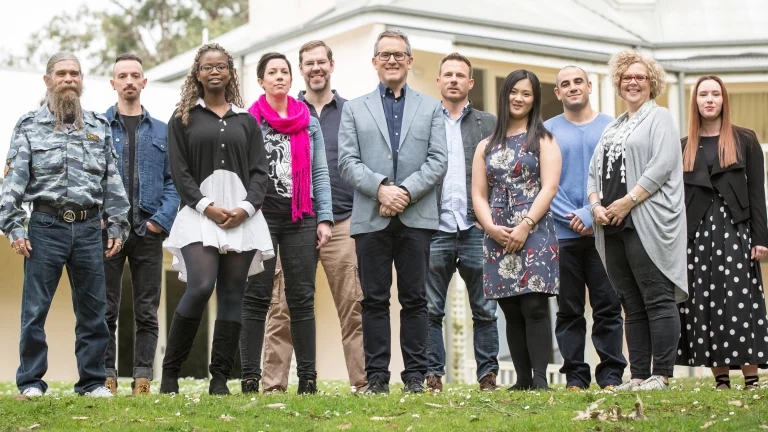
What Skills & Abilities are Required for Peer Support?

Introduction

Peer support is an important element in an individual’s journey as they cope/manage/live with their mental health condition.

Although there is currently only a small research base on the value and effectiveness of peer support, this research is generally positive regarding its impact on the individual (Gillard et al., 2013; Gillard & Holley, 2018):

  • Receiving the peer support (helpee); and
  • Providing the peer support (helper).

Look here for an overview of Peer Support.

This article refers to peer support within the UK, and particularly Scotland (where I live).

Background

Peer support roles are still relatively new in the UK and these exciting new(ish) roles have been developed specifically for individuals who have lived experience of recovery from mental distress.

“An increasing number of organisations and services are developing peer support roles. There are now around 80 paid posts in mental health services and a far higher number of unpaid roles.” (Christie, 2016, p.3).

Within the public sector (i.e. NHS), peer support is a paid role and within the third (charity) sector the role may be paid (i.e. member of staff) or unpaid (i.e. volunteer).

Titles vary also, for example peer worker, peer support worker, peer support specialist, and community support worker.

For administrative purposes, individuals are referred to as Service Users by charities and as Patients by the NHS.

The Role of Peer Support

The overarching purpose of the role is to provide support and assistance to individuals to promote independence and self responsibility. And, as such, you will work alongside existing mental health services to promote and deliver support which facilitates recovery for the individual (it is important to note that recovery means different things to different individuals, i.e. it is a unique process).

Within the role you may be expected to:

  • Use the knowledge gained through your own lived experience to inspire hope and belief that recovery is possible in others.
  • Work with a Community Mental Health Team alongside a clinical team to help patients/service users achieve their recovery goals.
    • To assist individuals to create their own outcomes focused recovery plans.
  • Work with people with complex psychological needs, meaning you will need to be emotionally and mentally resilient.
  • Provide 1:1 and/or group support, exploring the individual’s hopes for moving out of social isolation and towards meaningful opportunities, relationships and community engagement.
  • Draw upon your experiences of recovery and attend training on the most effective way to so this.
  • Be involved in contributing to the development of the peer support role, within mental health services.
  • Develop (and within) a relationship of mutuality and information sharing, promote recovery, self-management and opportunities for improved health and wellbeing.
    • Develop relationships with people based on the principals of peer support.
  • To share ideas about ways of achieving recovery goals, drawing on personal experiences and a range of coping, self help and self-management techniques.
  • Make a positive contribution to the reduction in stigma associated with mental health issues.
  • To model personal responsibility, self-awareness, self-belief, self advocacy and hopefulness.
  • Maintain a working knowledge of current trends in mental health, recovery and peer support through a variety of sources.
    • For example, by reading books, journals and accessing peer support networks.
  • Deal with sensitive and confidential information, and take account of safeguarding and child safety issues.
    • The peer supported should be wary of issues that may bring them into conflict with the patient/service user.
    • Maintain a positive therapeutic relationship and maintain child protection standards.
  • Work in partnership with other organisations.

Purpose of the Role

The exact provision of support will vary between organisations, and the following examples are for illustration only.

Example 01

  • Building supportive and respectful relationships with patients on the ward/service users in the charity.
  • Supporting others using the personal experience and confidence you have gained having overcome similar challenges.
  • Assisting clinical/charity staff to help people identify their own recovery goals.
  • Providing information and support to family and friends of patients/service users.
  • Developing the peer support worker programme and role within organisation.
  • Modelling personal responsibility, self-awareness, self-belief, self-advocacy and hopefulness.

Example 02

  • Wellbeing mentors will take a lead in delivering all one to one therapeutic and group work activity. They will also provide one to one support and key-working interventions using Wellness Recovery Action Plans.
  • Building and developing service users’ personal strengths, social networks and recovery capital (social, physical, human and cultural).
  • Provide practical support and supervision to volunteers/ Peer Workers as required.
  • Develop effective relationships with other groups and agencies in our area and take opportunities to promote mental health awareness in the wider community.
  • Effectively and proactively connecting service users into a range of health and social care services that support their recovery.
  • To assist the Lead Practitioner in addressing clients support needs and to review progress with clients at regular intervals.
  • To participate in effective team work and establish good channels of communication to all local organisations.
  • To promote peer and volunteering opportunities within the service.
  • To provide an efficient and welcoming reception service to visitors to the unit.

From the above two examples, we can see that peer support may offer a range of services that provide practical, emotional and social support. And, these services should be focused on improving health and wellbeing and aim to ensure that all the services are flexible, personalised and recovery focused.

What Attitude/Skills/Knowledge Do You Need for the Role of Peer Support?

  • A background of personally recovering from mental health issues.
  • Past and lived experience of using mental health services or awareness of mental health issues.
  • An understanding of the impact of mental health issues on individuals, families, and communities.
  • Resilience and to be able to know when to ask for help.
  • Demonstrate an awareness of mental health interventions and commitment to supporting recovery.
  • An understanding of factors which can affect recovery in mental health.
  • IT literacy including Microsoft Office and Internet or a willingness to learn.
  • Strong verbal and written communication skills.
  • The ability to work well in a multi-disciplinary team.
  • Empathy, good listening skills, approach-ability and common sense.
  • Enthusiastic, motivated, and positive in outlook.

Support for the Peer Support Role

For those in the NHS, they will receive formal/structured induction, training and on-going supervision, including a network of other peer support workers employed within the NHS.

Within the charity sector, induction, training, and ongoing supervision varies between organisations.

What is the Most Challenging/Difficult Part of the Role

Experience of what is challenging or difficult will depend on the background of the peer supporter, and below are some examples.

  • Aspects of the role can prove to be mentally demanding and stressful.
  • The peer supporter is required to provide mental effort and concentration due to confidentiality and the sensitivity of information, which is being given and sought.
  • There are emotional demands when communicating with distressed, anxious, worried individuals or relatives.
    • It is necessary to maintain a non-judgemental approach when discussing sensitive issues.
  • The peer supporter will have lived experience of mental health issues.
    • It is necessary for the peer supporter to demonstrate the ability to take personal responsibility with regards to their own personal recovery needs, limitations and support needs.
  • To assist members of staff/volunteers in providing comprehensive recovery focussed support to individuals who have a range of physical, mental and emotional issues and who may display verbal and/or physical aggression.
  • To work with individuals who may have negative preconceptions of health and social care, having had experience of discrimination from other services/organisations/people due to their mental health issue(s).
  • Responding to acute symptoms of relapse and challenging behaviour of individuals in isolated or public locations while unsupervised in the community.
  • Using initiative when alone with individuals in crisis and instigating emergency procedures in conjunction with trained staff.

Useful Courses

There are a number of optional/mandatory courses which a potential peer supporter can attend.

  • Individual Recovery Outcomes Counter (I.ROC).
  • Recovery in Practice.
  • Wellness Recovery Action Planning (WRAP).
  • Recovery & WRAP.
  • Coaching.
  • Personal Planning.
  • Managing Risk.
  • Managing Actual and Potential Aggression.
  • Scottish Mental Health First Aid.
  • Applied Suicide Intervention Skills Training.
  • Mental Health Awareness.
  • Self Harm Awareness.
  • HOPE Toolkit (Home, Opportunity, People, and Empowerment).
  • SVQ 3 in Healthcare (superseded by SVQ 3 Social Services and Healthcare at SCQF Level 7).
    • To work in the NHS you must have a recognised healthcare qualification.
    • This is a work-based course.
    • Can have an equivalent as defined by the Scottish Social Services Council (SSSC).
    • Mandatory to apply for role in some organisations, others state willingness to work towards, and some state relevant previous experience working with individuals who have mental health issues.
  • PDA in Mental Health Peer Support or a relevant course in peer support.
    • Mandatory to apply for role in some organisations, others state willingness to work towards.

Co-Workers

In peer support you will work with a variety of volunteers and professionals in a mix of roles, including:

  • Clinical staff (psychiatrists, psychologists, nurses etc.).
  • Recovery Worker.
  • Recovery Practitioner.
  • Peer Worker.
  • Community Addiction Worker.

Further Reading

References

Christie, L. (2016) Peer Support Roles in Mental Health Services. Available from World Wide Web: https://www.iriss.org.uk/sites/default/files/2016-06/insights-31.pdf. [Accessed: 21 January, 2021].