The Duplessis Orphans (French: les Orphelins de Duplessis) were a population of Canadian children wrongly certified as mentally ill by the provincial government of Quebec and confined to psychiatric institutions in the 1940s and 1950s. Many of these children were deliberately miscertified in order to acquire additional subsidies from the federal government. They are named for Maurice Duplessis, who served as Premier of Quebec for five non-consecutive terms between 1936 and 1959. The controversies associated with Duplessis, and particularly the corruption and abuse concerning the Duplessis orphans, have led to the popular historic conception of his term as Premier as La Grande Noirceur (“The Great Darkness”) by its critics.
The Duplessis Orphans have accused both the government of Quebec and the Roman Catholic Church of wrongdoing. The Catholic Church has denied involvement in the scandal, and disputes the claims of those seeking financial compensation for harm done.
It is believed to be the largest case of child abuse in Canadian history outside of the Canadian Indian residential school system.
Background
During the 1940s and 1950s, limited social services were available to residents of Quebec. Before the Quiet Revolution of the 1960s, most of the social services available were provided through the Roman Catholic Church. Among their charges were people considered to be socially vulnerable: those living in poverty, alcoholics or other individuals deemed unable to retain work, unwed mothers, and orphans.
The Catholic Church urged many mothers to admit children to orphanages despite not having been formally orphaned due to their “bastard” status (being born to unwed mothers). Some of these orphanages were operated by Roman Catholic religious institutions, due to a lack of secular investment in social services; they encouraged unwed mothers to leave their children there, so that they might be raised in the Roman Catholic church. Maternity homes for unwed mothers, too, then prevalent, often encouraged the giving up of these “bastard” children.
The Loi sur les Asiles d’aliénés (Lunatic Asylum Act) of 1909 governed mental institution admissions until 1950. The law stated the mentally ill could be committed for three reasons: to care for them, to help them, or as a measure to maintain social order in public and private life. However, the act did not define what a disruption of social order was, leaving the decision to admit patients up to psychiatrists.
The provincial government of Union Nationale Premier Maurice Duplessis received subsidies from the federal government for building hospitals, but received substantially fewer subsidies to support orphanages. Government contributions were only $1.25 a day for orphans, but $2.75 a day for psychiatric patients. This disparity in funding provided a strong financial incentive for reclassification. Under Duplessis, the provincial government was responsible for a significant number of healthy older children being deliberately classified as mentally ill and sent to psychiatric hospitals, based on diagnoses made for fiscal reasons. Duplessis also signed an order-in-council which changed the classification of orphanages into hospitals in order to provide them with federal subsidies.
A commission in the early 1960s investigating mental institutions after Duplessis’ death revealed one-third of the 22,000 patients classified as “mentally ill” were classified as such for the province’s financial benefit, and not due to any real psychiatric deficit. Following the publication of the Bédard report in 1962, the province ceased retaining the institutional notion of “asylum”. When many of the orphans reached adulthood, in light of these institutional changes, they were permitted to leave the facilities.
Impacts on Orphans
Years later, long after these institutions were closed, survivors of the asylums began to speak out about child abuse which they endured at the hands of some staff and medical personnel. Many who have spoken publicly about their experiences claim that they had been abused physically and sexually, and were subjected to lobotomies, electroshock and straitjackets.
In a psychiatric study completed by one of the involved hospitals, middle-aged Duplessis Orphans reported more physical and mental impairments than the control group. In addition, the orphans were less likely to be married or to have a healthy social life. 80% reported they had suffered a traumatic experience between the ages of 7 and 18. Over 50% said they had undergone physical, mental, or sexual abuse. About 78% reported difficulty functioning socially or emotionally in their adult life.
Legal Recourse in the 1990s
By the 1990s, about 3,000 survivors and a large group of supporters formed the Duplessis Orphans Committee, seeking damages from the Quebec provincial government. In March 1999, the provincial government made an offer of approximately CAD$15,000 as full compensation to each of the victims. The offer was rejected and the provincial government was harshly criticised, with Quebec’s ombudsman at the time, Daniel Jacoby, saying that the government’s handling of the affair trivialised the abuse alleged by the victims. In 2001, the claimants received an increased offer from the provincial government for a flat payment of $10,000 per person, plus an additional $1,000 for each year of wrongful confinement to a mental institution. The offer amounted to approximately $25,000 per orphan, but did not include any compensation for alleged victims of sexual or other abuse.
After the offer was accepted by representatives of the Duplessis Orphans Committee, the result was bitterly contested by other members upon learning that under the terms of the settlement, the committee’s lawyer, president, and former public relations official would receive six- to seven-figure payments, in comparison with the paltry amount given to the actual victims. The committee subsequently voted to replace both the president and the public relations official. Critics of the judgment pointed out that three of the bureaucrats running the government’s compensation program were being paid over $1,000 per day for work, whereas the orphans themselves received the same amount of money for an entire year of their confinement.
Seven religious communities were involved in operating some of the facilities: the Sisters of Providence, the Sisters of Mercy, the Grey Nuns of Montreal, the Sisters of Charity of Quebec, the Little Franciscans of Mary, the Brothers of Notre-Dame-de-la-Misericorde, and the Brothers of Charity. When the settlement with the provincial government was reached, the orphans agreed to drop any further legal action against the Catholic Church. This offended some survivors; in 2006, one of the Orphans, Martin Lécuyer, stated:
“It’s important for me, that the Church, the priests, that they recognize they were responsible for the sexual abuse, and the aggression. It’s not for the government to set that peace… It’s an insult, and it’s the biggest proof that the government is an accomplice of the Church.”
Aftermath
In 1999, researchers Léo-Paul Lauzon and Martin Poirier issued a report arguing that both the Quebec provincial government and the Catholic Church made substantial profits by falsely certifying thousands of Quebec orphans as mentally ill during Duplessis’ premiership. The authors made a conservative estimate that religious groups received $70 million in subsidies (measured in 1999 dollars) by claiming the children as “mentally deficient”, while the government saved $37 million simply by having one of its orphanages redesignated from an educational institution to a psychiatric hospital. A representative of a religious order involved with the orphanages accused the authors of making “false assertions”. In 2010, it was estimated that approximately 300–400 of the original Duplessis orphans were still alive.
On 04 March 1999, after a criminal investigation where 240 Duplessis orphans alleged 321 criminal accusations against those in charge of the hospitals, former Quebec Premier Lucien Bouchard declared a public apology to the orphans, but “without blaming or imputing legal responsibility to anyone.”
Fate of Human Remains
In 2004, some Duplessis orphans asked the Quebec government to unearth an abandoned cemetery in the east end of Montreal, which they believed to have held the remains of orphans who may have been the subject of human experimentation. According to testimony by individuals who were at the Cité de St-Jean-de-Dieu insane asylum, the orphans in the asylum’s care were routinely used as non-consensual experimental subjects, and many died as a consequence. The group wanted the government to exhume the bodies so that autopsies may be performed. In November 2010, the Duplessis orphans made their case before the United Nations Human Rights Council. In 2021, preliminary ground-penetrating radar analyses on grounds around former Canadian Indian residential schools allegedly indicated the presence of unmarked graves that could include the remains of Indigenous children that were also mainly administered by Christian churches. This has spurred further calls for the Quebec government and the Catholic Church to excavate former psychiatric hospital sites where the orphans were committed, with a class action lawsuit launched in 2018 denouncing the earlier settlement as “an insult” and not a “true apology” by the government and religious organisations.
This page is based on the copyrighted Wikipedia article < https://en.wikipedia.org/wiki/Duplessis_Orphans >; it is used under the Creative Commons Attribution-ShareAlike 3.0 Unported License (CC-BY-SA). You may redistribute it, verbatim or modified, providing that you comply with the terms of the CC-BY-SA.
The psychiatric survivors movement (more broadly consumer/survivor/ex-patient movement) is a diverse association of individuals who either currently access mental health services (known as consumers or service users), or who have experienced interventions by psychiatry that were unhelpful, harmful, abusive, or illegal.
The psychiatric survivors movement arose out of the civil rights movement of the late 1960s and early 1970s and the personal histories of psychiatric abuse experienced by patients. The key text in the intellectual development of the survivor movement, at least in the US, was Judi Chamberlin’s 1978 text On Our Own: Patient Controlled Alternatives to the Mental Health System. Chamberlin was an ex-patient and co-founder of the Mental Patients’ Liberation Front. Coalescing around the ex-patient newsletter Dendron, in late 1988 leaders from several of the main national and grassroots psychiatric survivor groups felt that an independent, human rights coalition focused on problems in the mental health system was needed. That year the Support Coalition International (SCI) was formed. SCI’s first public action was to stage a counter-conference and protest in New York City, in May, 1990, at the same time as (and directly outside of) the American Psychiatric Association’s annual meeting. In 2005, the SCI changed its name to MindFreedom International with David W. Oaks as its director.
Common themes are “talking back to the power of psychiatry”, rights protection and advocacy, self-determination, and building capacity for lived experience leadership. While activists in the movement may share a collective identity to some extent, views range along a continuum from conservative to radical in relation to psychiatric treatment and levels of resistance or patienthood.
Brief History
Precursors
The modern self-help and advocacy movement in the field of mental health services developed in the 1970s, but former psychiatric patients have been campaigning for centuries to change laws, treatments, services and public policies. “The most persistent critics of psychiatry have always been former mental hospital patients”, although few were able to tell their stories publicly or to openly confront the psychiatric establishment, and those who did so were commonly considered so extreme in their charges that they could seldom gain credibility. In 1620 in England, patients of the notoriously harsh Bethlem Hospital banded together and sent a “Petition of the Poor Distracted People in the House of Bedlam (concerned with conditions for inmates)” to the House of Lords. A number of ex-patients published pamphlets against the system in the 18th century, such as Samuel Bruckshaw (1774), on the “iniquitous abuse of private madhouses”, and William Belcher (1796) with his “Address to humanity, Containing a letter to Dr Munro, a receipt to make a lunatic, and a sketch of a true smiling hyena”. Such reformist efforts were generally opposed by madhouse keepers and medics.
In the late 18th century, moral treatment reforms developed which were originally based in part on the approach of French ex-patient turned hospital-superintendent Jean-Baptiste Pussin and his wife Margueritte. From 1848 in England, the Alleged Lunatics’ Friend Society campaigned for sweeping reforms to the asylum system and abuses of the moral treatment approach. In the United States, The Opal (1851–1860) was a ten volume Journal produced by patients of Utica State Lunatic Asylum in New York, which has been viewed in part as an early liberation movement. Beginning in 1868, Elizabeth Packard, founder of the Anti-Insane Asylum Society, published a series of books and pamphlets describing her experiences in the Illinois insane asylum to which her husband had her committed.
Early 20th Century
A few decades later, another former psychiatric patient, Clifford W. Beers, founded the National Committee on Mental Hygiene, which eventually became the National Mental Health Association. Beers sought to improve the plight of individuals receiving public psychiatric care, particularly those committed to state institutions. His book, A Mind that Found Itself (1908), described his experience with mental illness and the treatment he encountered in mental hospitals. Beers’ work stimulated public interest in more responsible care and treatment. However, while Beers initially blamed psychiatrists for tolerating mistreatment of patients, and envisioned more ex-patient involvement in the movement, he was influenced by Adolf Meyer and the psychiatric establishment, and toned down his hostility as he needed their support for reforms. His reliance on rich donors and his need for approval from experts led him to hand over to psychiatrists the organization he helped establish. In the UK, the National Society for Lunacy Law Reform was established in 1920 by angry ex-patients sick of their experiences and complaints being patronisingly discounted by the authorities who were using medical “window dressing” for essentially custodial and punitive practices. In 1922, ex-patient Rachel Grant-Smith added to calls for reform of the system of neglect and abuse she had suffered by publishing “The Experiences of an Asylum Patient”.
We Are Not Alone (WANA) was founded by a group of patients at Rockland State Hospital in New York (now the Rockland Psychiatric Centre) in the mid to late 1940s, and continued to meet as an ex-patient group. Their goal was to provide support and advice and help others make the difficult transition from hospital to community. At this same time, a young social worker in Detroit, Michigan, was doing some pioneering work with psychiatric patients from the “back wards” of Wayne County Hospital. Prior to the advent of psychotropic medication, patients on the “back wards” were generally considered to be “hopelessly sick.” John H. Beard began his work on these wards with the conviction that these patients were not totally consumed by illness but retained areas of health. This insight led him to involve the patients in such normal activities as picnics, attending a baseball game, dining at a fine restaurant, and then employment. Fountain House had, by now, recognised that the experience of the illness, together with a poor or interrupted work history often denied members the opportunity to obtain employment. Many lived in poverty and never got the chance to even try working on a job.
The hiring of John H. Beard as executive director in 1955 changed all of that. The creation of what we now know to be Transitional Employment transformed Fountain House as many members began venturing from the clubhouse into real jobs for real wages in the community. Importantly, these work opportunities were in integrated settings and not just with other persons with disabilities. The concept of what was normal was pervasive in all of what Fountain House set out to do. Thus, Fountain House became a place of both social and vocational rehabilitation, addressing the disabilities that so often accompany having a serious mental illness and setting the wheels in motion for a life of recovery and not disability.
Originated by crusaders in periods of liberal social change, and appealing not so much to other sufferers as to elite groups with power, when the early reformer’s energy or influence waned, mental patients were again mostly friendless and forgotten.
1950s to 1970s
The 1950s saw the reduction in the use of lobotomy and shock therapy. These used to be associated with concerns and much opposition on grounds of basic morality, harmful effects, or misuse. Towards the 1960s, psychiatric medications came into widespread use and also caused controversy relating to adverse effects and misuse. There were also associated moves away from large psychiatric institutions to community-based services (later to become a full-scale deinstitutionalisation), which sometimes empowered service users, although community-based services were often deficient. There has been some discussion within the field about the usefulness of antipsychotic medications in a world with a decreasing tolerance for institutionalisation:
“With the advent of the modern antipsychotic medications and psychosocial treatments, the great majority are able to live in a range of open settings in the community—with family, in their own apartments, in board-and-care homes, and in halfway houses.”
Coming to the fore in the 1960s, an anti-psychiatry movement challenged the fundamental claims and practices of mainstream psychiatry. The ex-patient movement of this time contributed to, and derived much from, antipsychiatry ideology, but has also been described as having its own agenda, described as humanistic socialism. For a time, the movement shared aims and practices with “radical therapists”, who tended to be Marxist. However, the consumer/survivor/ex-patients gradually felt that the radical therapists did not necessarily share the same goals and were taking over, and they broke away from them in order to maintain independence.
By the 1970s, the women’s movement, gay rights movement, and disability rights movements had emerged. It was in this context that former mental patients began to organize groups with the common goals of fighting for patients’ rights and against forced treatment, stigma and discrimination, and often to promote peer-run services as an alternative to the traditional mental health system. Unlike professional mental health services, which were usually based on the medical model, peer-run services were based on the principle that individuals who have shared similar experiences can help themselves and each other through self-help and mutual support. Many of the individuals who organized these early groups identified themselves as psychiatric survivors. Their groups had names such as Insane Liberation Front and the Network Against Psychiatric Assault. NAPA co-founder Leonard Roy Frank founded (with colleague Wade Hudson) Madness Network News in San Francisco in 1972.
In 1971 the Scottish Union of Mental Patients was founded. In 1973 some of those involved founded the Mental Patients’ Union in London.
Dorothy Weiner and about 10 others, including Tom Wittick, established the Insane Liberation Front in the spring of 1970 in Portland, Oregon. Though it only lasted six months, it had a notable influence in the history of North American ex-patients groups. News that former inmates of mental institutions were organising was carried to other parts of North America. Individuals such as Howard Geld, known as Howie the Harp for his harmonica playing, left Portland where he been involved in ILF to return to his native New York to help found the Mental Patients Liberation Project in 1971. During the early 1970s, groups spread to California, New York, and Boston, which were primarily antipsychiatry, opposed to forced treatment including forced drugging, shock treatment and involuntary committal. In 1972, the first organised group in Canada, the Mental Patients Association, started to publish In A Nutshell, while in the US the first edition of the first national publication by ex-mental patients, Madness Network News, was published in Oakland, continuing until 1986.
Some all-women groups developed around this time such as Women Against Psychiatric Assault, begun in 1975 in San Francisco.
In 1978 Judi Chamberlin’s book On Our Own: Patient Controlled Alternatives to the Mental Health System was published. It became the standard text of the psychiatric survivors movement, and in it Chamberlin coined the word “mentalism.”
The major spokespeople of the movement have been described in generalities as largely white, middle-class and well-educated. It has been suggested that other activists were often more anarchistic and anti-capitalist, felt more cut off from society and more like a minority with more in common with the poor, ethnic minorities, feminists, prisoners & gay rights than with the white middle classes. The leaders were sometimes considered to be merely reformist and, because of their “stratified position” within society, to be uncomprehending of the problems of the poor. The “radicals” saw no sense in seeking solutions within a capitalist system that creates mental problems. However, they were united in considering society and psychiatric domination to be the problem, rather than people designated mentally ill.
Some activists condemned psychiatry under any conditions, voluntary or involuntary, while others believed in the right of people to undergo psychiatric treatment on a voluntary basis. Voluntary psychotherapy, at the time mainly psychoanalysis, did not therefore come under the same severe attack as the somatic therapies. The ex-patients emphasized individual support from other patients; they espoused assertiveness, liberation, and equality; and they advocated user-controlled services as part of a totally voluntary continuum. However, although the movement espoused egalitarianism and opposed the concept of leadership, it is said to have developed a cadre of known, articulate, and literate men and women who did the writing, talking, organizing, and contacting. Very much the product of the rebellious, populist, anti-elitist mood of the 1960s, they strived above all for self-determination and self-reliance. In general, the work of some psychiatrists, as well as the lack of criticism by the psychiatric establishment, was interpreted as an abandonment of a moral commitment to do no harm. There was anger and resentment toward a profession that had the authority to label them as mentally disabled and was perceived as infantilising them and disregarding their wishes.
1980s and 1990s
By the 1980s, individuals who considered themselves “consumers” of mental health services rather than passive “patients” had begun to organise self-help/advocacy groups and peer-run services. While sharing some of the goals of the earlier movement, consumer groups did not seek to abolish the traditional mental health system, which they believed was necessary. Instead, they wanted to reform it and have more choice. Consumer groups encouraged their members to learn as much as possible about the mental health system so that they could gain access to the best services and treatments available. In 1985, the National Mental Health Consumers’ Association was formed in the United States.
A 1986 report on developments in the United States noted that “there are now three national organizations … The ‘conservatives’ have created the National Mental Health Consumers’ Association … The ‘moderates’ have formed the National Alliance of Mental Patients … The ‘radical’ group is called the Network to Abolish Psychiatry”. Many, however, felt that they had survived the psychiatric system and its “treatments” and resented being called consumers. The National Association of Mental Patients in the United States became the National Association of Psychiatric Survivors. “Phoenix Rising: The Voice of the Psychiatrized” was published by ex-inmates (of psychiatric hospitals) in Toronto from 1980 to 1990, known across Canada for its antipsychiatry stance.
In late 1988, leaders from several of the main national and grassroots psychiatric survivor groups decided an independent coalition was needed, and Support Coalition International (SCI) was formed in 1988, later to become MindFreedom International. In addition, the World Network of Users and Survivors of Psychiatry (WNUSP), was founded in 1991 as the World Federation of Psychiatric Users (WFPU), an international organisation of recipients of mental health services.
An emphasis on voluntary involvement in services is said to have presented problems to the movement since, especially in the wake of deinstitutionalisation, community services were fragmented and many individuals in distressed states of mind were being put in prisons or re-institutionalised in community services, or became homeless, often distrusting and resisting any help.
Science journalist Robert Whitaker has concluded that patients rights groups have been speaking out against psychiatric abuses for decades – the torturous treatments, the loss of freedom and dignity, the misuse of seclusion and restraints, the neurological damage caused by drugs – but have been condemned and dismissed by the psychiatric establishment and others. Recipients of mental health services demanded control over their own treatment and sought to influence the mental health system and society’s views.
The Movement Today
In the United States, the number of mental health mutual support groups (MSG), self-help organisations (SHO) (run by and for mental health consumers and/or family members) and consumer-operated services (COS) was estimated in 2002 to be 7,467. In Canada, CSI’s (Consumer Survivor Initiatives) are the preferred term. “In 1991 Ontario led the world in its formal recognition of CSI’s as part of the core services offered within the mental health sector when it began to formally fund CSI’s across the province. Consumer Survivor Initiatives in Ontario Building an Equitable Future’ (2009, p.7). The movement may express a preference for the “survivor” label over the “consumer” label, with more than 60% of ex-patient groups reported to support anti-psychiatry beliefs and considering themselves to be “psychiatric survivors.” There is some variation between the perspective on the consumer/survivor movement coming from psychiatry, anti-psychiatry or consumers/survivors themselves.
The most common terms in Germany are “Psychiatrie-Betroffene” (people afflicted by/confronted with psychiatry) and “Psychiatrie-Erfahrene” (people who have experienced psychiatry). Sometimes the terms are considered as synonymous but sometimes the former emphasizes the violence and negative aspects of psychiatry. The German national association of (ex-)users and survivors of psychiatry is called the Bundesverband Psychiatrie-Erfahrener (BPE).
There are many grassroots self-help groups of consumers/survivors, local and national, all over the world, which are an important cornerstone of empowerment. A considerable obstacle to realising more consumer/survivor alternatives is lack of funding. Alternative consumer/survivor groups like the National Empowerment Centre in the US which receive public funds but question orthodox psychiatric treatment, have often come under attack for receiving public funding[14] and been subject to funding cuts.
As well as advocacy and reform campaigns, the development of self-help and user/survivor controlled services is a central issue. The Runaway-House in Berlin, Germany, is an example. Run by the Organisation for the Protection from Psychiatric Violence, it is an antipsychiatric crisis centre for homeless survivors of psychiatry where the residents can live for a limited amount of time and where half the staff members are survivors of psychiatry themselves. In Helsingborg, Sweden, the Hotel Magnus Stenbock is run by a user/survivor organization “RSMH” that gives users/survivors a possibility to live in their own apartments. It is financed by the Swedish government and run entirely by users. Voice of Soul is a user/survivor organization in Hungary. Creative Routes is a user/survivor organization in London, England, that among other support and advocacy activities puts on an annual “Bonkersfest”.
WNUSP is a consultant organization for the United Nations. After a “long and difficult discussion”, ENUSP and WNUSP (European and World Networks of Users and Survivors of Psychiatry) decided to employ the term (ex-)users and survivors of psychiatry in order to include the identities of the different groups and positions represented in these international NGOs. WNUSP contributed to the development of the UN’s Convention on the Rights of Persons with Disabilities and produced a manual to help people use it entitled “Implementation Manual for the United Nations Convention on the Rights of Persons with Disabilities”, edited by Myra Kovary. ENUSP is consulted by the European Union and World Health Organisation.
In 2007 at a Conference held in Dresden on “Coercive Treatment in Psychiatry: A Comprehensive Review”, the president and other leaders of the World Psychiatric Association met, following a formal request from the World Health Organisation, with four representatives from leading consumer/survivor groups.
The National Coalition for Mental Health Recovery (formerly known as National Coalition for Mental Health Consumer/Survivor Organisations) campaigns in the United States to ensure that consumer/survivors have a major voice in the development and implementation of health care, mental health, and social policies at the state and national levels, empowering people to recover and lead a full life in the community.
The United States Massachusetts-based Freedom Centre provides and promotes alternative and holistic approaches and takes a stand for greater choice and options in treatments and care. The centre and the New York-based Icarus Project (which does not self-identify as a consumer/survivor organisation but has participants that identify as such) have published a Harm Reduction Guide To Coming Off Psychiatric Drugs and were recently a featured charity in Forbes business magazine.
Mad pride events, organised by loosely connected groups in at least seven countries including Australia, South Africa, the United States, Canada, the United Kingdom and Ghana, draw thousands of participants. For some, the objective is to continue the destigmatisation of mental illness. Another wing rejects the need to treat mental afflictions with psychotropic drugs and seeks alternatives to the “care” of the medical establishment. Many members of the movement say they are publicly discussing their own struggles to help those with similar conditions and to inform the general public.
Survivor David Oaks, director of MindFreedom, hosted a monthly radio show and the Freedom Centre initiated a weekly FM radio show now syndicated on the Pacifica Network, Madness Radio, hosted by Freedom Centre co-founder Will Hall.
A new International Coalition of National Consumer/User Organisations was launched in Canada in 2007, called Interrelate.
Impact
Research into consumer/survivor initiatives (CSIs) suggests they can help with social support, empowerment, mental wellbeing, self-management and reduced service use, identity transformation and enhanced quality of life. However, studies have focused on the support and self-help aspects of CSIs, neglecting that many organisations locate the causes of members’ problems in political and social institutions and are involved in activities to address issues of social justice.
A 2006 series of studies in Canada compared individuals who participated in CSIs with those who did not. The two groups were comparable at baseline on a wide range of demographic variables, self-reported psychiatric diagnosis, service use, and outcome measures. After a year and a half, those who had participated in CSIs showed significant improvement in social support and quality of life (daily activities), less days of psychiatric hospitalization, and more were likely to have stayed in employment (paid or volunteer) and/or education. There was no significant difference on measures of community integration and personal empowerment, however. There were some limitations to the findings; although the active and nonactive groups did not differ significantly at baseline on measures of distress or hospitalisation, the active group did have a higher mean score and there may have been a natural pattern of recovery over time for that group (regression to the mean). The authors noted that the apparent positive impacts of consumer-run organisations were achieved at a fraction of the cost of professional community programmes.
Further qualitative studies indicated that CSIs can provide safe environments that are a positive, welcoming place to go; social arenas that provide opportunities to meet and talk with peers; an alternative worldview that provides opportunities for members to participate and contribute; and effective facilitators of community integration that provide opportunities to connect members to the community at large. System-level activism was perceived to result in changes in perceptions by the public and mental health professionals (about mental health or mental illness, the lived experience of consumer/survivors, the legitimacy of their opinions, and the perceived value of CSIs) and in concrete changes in service delivery practice, service planning, public policy, or funding allocations. The authors noted that the evidence indicated that the work benefits other consumers/survivors (present and future), other service providers, the general public, and communities. They also noted that there were various barriers to this, most notably lack of funding, and also that the range of views represented by the CSIs appeared less narrow and more nuanced and complex than previously, and that perhaps the consumer/survivor social movement is at a different place than it was 25 years ago.
A significant theme that has emerged from consumer/survivor work, as well as from some psychiatrists and other mental health professionals, has been a recovery model which seeks to overturn therapeutic pessimism and to support sufferers to forge their own personal journey towards the life they want to live; some argue, however, that it has been used as a cover to blame people for not recovering or to cut public services.
There has also been criticism of the movement. Organised psychiatry often views radical consumerist groups as extremist, as having little scientific foundation and no defined leadership, as “continually trying to restrict the work of psychiatrists and care for the seriously mentally ill”, and as promoting disinformation on the use of involuntary commitment, electroconvulsive therapy, stimulants and antidepressants among children, and neuroleptics among adults. However, opponents consistently argue that psychiatry is territorial and profit-driven and stigmatizes and undermines the self-determination of patients and ex-patients. The movement has also argued against social stigma or mentalism by wider society.
People in the US, led by figures such as psychiatrists E. Fuller Torrey and Sally Satel, and some leaders of the National Alliance on Mental Illness, have lobbied against the funding of consumer/survivor groups that promote antipsychiatry views or promote social and experiential recovery rather than a biomedical model, or who protest against outpatient commitment. Torrey has said the term “psychiatric survivor” used by ex-patients to describe themselves is just political correctness and has blamed them, along with civil rights lawyers, for the deaths of half a million people due to suicides and deaths on the street. His accusations have been described as inflammatory and completely unsubstantiated, however, and issues of self-determination and self-identity has been said to be more complex than that.
This page is based on the copyrighted Wikipedia article < https://en.wikipedia.org/wiki/Psychiatric_survivors_movement >; it is used under the Creative Commons Attribution-ShareAlike 3.0 Unported License (CC-BY-SA). You may redistribute it, verbatim or modified, providing that you comply with the terms of the CC-BY-SA.
AH vs West London Mental Health Trust was a landmark case in England, which established a legal precedent in 2011 when Albert Laszlo Haines (AH), a patient in Broadmoor Hospital, a high security psychiatric hospital, was able to exercise a right to a fully open public mental health review tribunal to hear his appeal for release. The case and the legal principles it affirmed have been described as opening up the secret world of tribunals and National Health Service secure units, and as having substantial ramifications for mental health professionals and solicitors, though how frequently patients will be willing or able to exercise the right is not yet clear.
The detention of Haines under the Mental Health Act 1983 had been continuous since 1986, mainly at Broadmoor Hospital run by West London Mental Health NHS Trust. The tribunal panel ultimately decided there were sufficient grounds for continued psychiatric detention but recommended better collaborative work towards psychiatric rehabilitation and gradual supported pathways to lower security then release to community mental health services.
Legal Process
Gaining the Right
Haines’s request for his mental health tribunal to be fully open to the public was first made in 2009 but was turned down twice by the First-tier Tribunal. The justification for the refusal included claims that: Haines’s primary intention was to air ‘subjective grievances’; his evidence would not be ‘objectively sensible’; he would be more difficult to control; the public would not be accurately informed; and the cost and the risk to the patient’s health and conduct were disproportionate to any possible benefits.
In 2010 the Upper Tribunal ruled that the First Tier had erred in law, having not correctly identified or applied the principles it should have. In effect it had failed to uphold the fundamental principle that open justice is a right and it is the exceptions that must be justified, rather than vice versa. In addition to such a principle in common law, under Article 6 of the European Convention on Human Rights (Right to a fair trial), reinforced by the Convention on the Rights of Persons with Disabilities (Article 13 Access to justice), detained psychiatric patients have the same right as non-disabled detainees to have their case heard in public, provided they are mentally capable of giving informed consent for their right to patient confidentiality to be waived.
The Upper Tribunal therefore set aside the First Tier’s decision, and was then at liberty to substitute its own decision. A short hearing was held for that purpose in February 2011, taking testimony from Broadmoor staff and Haines by video link. The panel concluded there was a sufficient rationale in Haines’s case to grant an open appeal hearing, and that this was not offset by possible risks or extra costs. Broadmoor Hospital, run by West London Mental Health NHS Trust since 2001, had fought the decision.
Engaging in the Hearing
The appeal hearing itself, the first ever to be open to the public and media, commenced in September 2011 in central London and lasted for two days. Mr Haines’s consultant psychiatrist, Dr Jose Romero-Urcelay, was cross-examined for one day. Haines’s ward clinical nurse manager, social worker and hospital ‘independent’ patient advocate also testified. Haines himself submitted a written report and testified for 20 minutes. Evidence was also heard from an independent social worker and from Albert Haines’s brother Leigh, who was offering to house and support him should he be released.
The decision was that Haines should not yet be released, even conditionally to a lower security facility. The reasons for the decision were published two weeks later, for the first time ever and contrary to a written representation submitted on behalf of Haines. The three-member panel headed by Judge McGregor-Johnson, Honorary Recorder, concluded that under the Mental Health Act Mr Haines was still considered to have a mental disorder of a nature or degree to justify detention in hospital for treatment, and that he still presented a sufficient risk to others and himself. However, Broadmoor Hospital staff were urged to find a way to better engage with Haines, even if that meant starting treatment on his own terms, and to put a clear pathway in place so that Haines could see an acceptable way to progress to lower security facilities and eventual release.
Haines’s solicitor, Kate Luscombe of the firm Duncan Lewis, said her client had received fair public support, had been able to air his grievances, and had followed the proceedings appropriately throughout; however she said Haines was disappointed at the final judgements and questioned whether his treatment over 25 years had promoted his rehabilitation. A spokesperson for West London NHS stated they were pleased the hearing was over due to the burden it being public put on the hospital’s resources, that they thought the verdict agreed that Broadmoor was the best treatment environment presently, but that they would continue to seek ways to engage Haines in treatment. Albert Haines’s sister Denise, however, stated that she believed Albert could not get the kind of help he needs at Broadmoor and fears he would not come out alive.
Personal Background
The legal process made extensive reference to Haines’s life as a child and adult, and he was the focus of some national press coverage which included personal interviews. Born in 1959 in Hammersmith, London, Albert Haines suffered neglect and abuse from a young age. He was put in residential care for many years, as were his three sisters and two brothers. A mental health assessment at just five years of age described him as ’emotionally maladjusted’. He was sexually and physically abused. After leaving residential homes once an adult, Haines stayed in hostels, bedsits or on the streets. He drank alcohol and took cannabis, cocaine and amphetamines. He was convicted of criminal damage in 1979 and in 1980 for possession of an offensive weapon. He was in and out of psychiatric hospitals.
In May 1986 while a patient of the Maudsley Hospital run by South London and Maudsley NHS Trust, Haines went in carrying a machete and a small knife. There is some disagreement between media reports as to whether he threatened staff and gave himself up, or tried to attack a member of staff but was prevented. No one was physically hurt. Later that year he pleaded guilty to attempted wounding. Rather than being sentenced to prison, he was sent to Broadmoor high-security psychiatric hospital for treatment under the Mental Health Act.
In 1992 Haines was transferred to the medium secure Three Bridges Unit in Ealing, London, also now run by West London Mental Health NHS Trust. While there he made successful visits out of hospital and worked in catering without incident, but after a confrontation with hospital staff involving being put in seclusion after brandishing a fire extinguisher and climbing onto the roof, he was returned to Broadmoor in 2008.
Psychiatric Context
According to the tribunal, Albert Haines was long diagnosed with a personality disorder – meaning an enduring and pervasive difficulty that developed by at least adolescence/early adulthood and which especially affects social interaction. The panel noted that several psychiatric reports have concluded that Haines demonstrates features of either emotionally unstable personality disorder and/or antisocial personality disorder. They also referred to childhood conduct disorder being demonstrated by his historical records. References were also made to ‘psychopathic disorder’, a legal category in the Mental Health Act 1983 which could cover any persistent mental disorder if it appeared to lead (in the individual case) to abnormally aggressive or irresponsible conduct; the category was abolished by amendments in the Mental Health Act 2007 which came into force in 2008. A separate political-administrative category of “Dangerous and Severe Personality Disorder” had been introduced in the UK from the turn of the 21st century, and one of four DSPD units nationwide was at Broadmoor Hospital although it is not clear whether Haines was considered under this category.
According to the tribunal, Mr Haines was also long found to have a mental illness in addition to underlying personality disorder, but in 2008 was rediagnosed as having a personality disorder only. Dr Romero-Urcelay of Broadmoor testified that Haines does suffer from a psychotic illness with specific persecutory delusions, at least since he was returned to Broadmoor from Three Bridges in 2008 and refused to accept any treatment from them. Other psychiatrists have not concluded that he has a psychotic illness at all, while others have gone further in concluding that he has a generalised psychosis which meets the criteria for schizoaffective disorder.
At his hearing, Haines disputed the diagnoses of personality disorder and psychosis, although he accepted that he had difficulties. He refused to accept the type of treatment offered by Broadmoor even if any release or step-down in security was conditional on it. He said that as a vulnerable young man he had looked to the experts for help but had been given multiple diagnoses, forced medication and incarceration. He said that trauma from his childhood abuse had not been properly recognised or reported for 25 years and that non-directive counselling had never been offered despite his asking for it ever since he could remember.
This page is based on the copyrighted Wikipedia article < https://en.wikipedia.org/wiki/AH_v_West_London_Mental_Health_Trust >; it is used under the Creative Commons Attribution-ShareAlike 3.0 Unported License (CC-BY-SA). You may redistribute it, verbatim or modified, providing that you comply with the terms of the CC-BY-SA.
South London and Maudsley NHS Foundation Trust (also known as SLaM), is an NHS foundation trust based in London, England, which specialises in mental health. It comprises:
The Ladywell Unit Unit based at University Hospital Lewisham.
Over 100 community sites and 300 clinical teams.
SLaM forms part of the institutions that make up King’s Health Partners, an academic health science centre. In its most recent inspection of the Trust, the CQC gave SLaM a ‘good’ rating overall, but a ‘requires improvement’ rating in area of safety. In 2019, Southwark Coroner’s Court ruled that SLaM was guilty of “neglect and serious failures” in relation to the death of a patient in 2018. In 2020, a further investigation into the Trust’s conduct was opened following the death of a patient in its care.
Overview
Each year the South London and Maudsley NHS Foundation Trust provides about 5,000 people with hospital treatment and about 40,000 people with community services. In partnership with King’s College London, the Trust has major research activities. This academic partnership enables the Trust to develop new treatments and to provide specialist services to people from across the UK such as the National Psychosis Unit at Bethlem Royal Hospital. The Trust forms part of the King’s Health Partners academic health science centre and together with the Institute of Psychiatry, Psychology and Neuroscience at King’s College London and University College London is host to the UK’s only specialist National Institute for Health Research Biomedical Research Centre for mental health. In 2009/10 the Trust had a turnover of £370 million.
The Trust’s work on promoting mental health and well-being, developed in partnership with the new economics foundation, has featured in the national media.
It was named by the Health Service Journal as one of the top hundred NHS trusts to work for in 2015. At that time it had 4218 full-time equivalent staff and a sickness absence rate of 3.74%. 58% of staff recommend it as a place for treatment and 59% recommended it as a place to work.
As of 2018, the trust employed 5,328 staff.
Select Chronology
The following are some important historical dates:
The Priory of St Mary of Bethlehem, Bishopsgate, was founded on land given by Alderman Simon Fitzmary. It later became a place of refuge for the sick and infirm. The names ‘Bethlem’ and ‘Bedlam’, by which it came to be known, are early variants of ‘Bethlehem’. It is first referred to as a hospital for ‘insane’ patients in 1403, after which it has a continuous history of caring for people with mental distress.
In 1867, the Southern Districts Hospital (or Stockwell Fever Hospital as it became known) opened on the site which is today known as Lambeth Hospital.
Henry Maudsley wrote to the London County Council offering to contribute £30k towards the costs of establishing a “fitly equipped hospital for mental diseases.” The Maudsley initially opened as a military hospital in 1915 to treat cases of shell shock and became a psychiatric hospital for the people of London in 1923.
Bethlem Royal Hospital moved to a new site at Monks Orchard, where it has been situated to this day.
With the introduction of the National Health Service in 1948, the Bethlem Royal Hospital and Maudsley Hospital were merged to form a postgraduate psychiatric teaching hospital. The Maudsley’s medical school became the Institute of Psychiatry.
Sister Lena Peat and Reginald Bowen became the first community psychiatric nurses, following up patients at home who had been discharged from Warlingham Park Hospital in Croydon.
The Ladywell Unit, located at University Hospital Lewisham, was refurbished for use by adult inpatient mental health services. The development brought together inpatient services which had previously been spread across other hospital sites (Hither Green, Guy’s and Bexley).
South London and Maudsley NHS Trust was formed – providing mental health and substance misuse services across Croydon, Lambeth, Lewisham and Southwark; substance misuse services in Bexley Greenwich and Bromley; and national specialist services for people from across the UK.
South London and Maudsley became the 50th NHS Foundation Trust in the UK under the Health and Social Care [Community Health and Standards] Act 2003. 2007 The Maudsley Hospital closed its 24-hour emergency mental health clinic, amidst protest from patient groups and politicians who continued campaigning for several years for a promised replacement at nearby KCL Hospital.
South London and Maudsley is part of one of the five Academic Health Sciences Centres (AHSCs) in the UK to be accredited by the Department of Health. King’s Health Partners AHSC consists of SLaM, King’s College London, and Guy’s and St Thomas’ and King’s College Hospital NHS Foundation Trusts.
South London and Maudsley is fined by the Parliamentary and Health Service Ombudsman for its failure to properly assess mental capacity.
Governance
The Chief Executive appointed in 2013 is Matthew Patrick, a psychiatrist with a background in psychoanalysis who was formerly head of the Tavistock and Portman NHS Foundation Trust.
Former Member of Parliament Sir Norman Lamb was appointed chair of the trust in December 2019.
Services
The Trust provides a wide range of mental health and substance misuse services. The Trust provides care and treatment for a local population of 1.3 million people in south London, as well as specialist services for people from across the country. The Trust provides mental health services for people of all ages from over 100 community sites in south London, three psychiatric hospitals (the Bethlem Royal Hospital, Lambeth Hospital and the Maudsley Hospital) and specialist units based at other hospitals.
In March 2016 it established a joint venture with the Macani Medical Centre in Abu Dhabi to provide child and adolescent services with specialisms in autism, Obsessive Compulsive Disorder and eating disorders. Maudsley International also signed an agreement with the Ministry of Public Health in Qatar for expert advice to help advance Qatar’s national mental health strategy.
It established a joint venture limited liability partnership with Northumbria Healthcare Facilities Management, run by Northumbria Healthcare NHS Foundation Trust in 2019. This will run its private and international work, develop its capital assets and employ its facilities staff. It will initially employ 192 existing staff. It plans rapid growth in the United Arab Emirates (UAE) and China.
Performance
255 patients were injured in 2016-17 through use of restraints on psychiatric patients in South London and Maudsley NHS Foundation Trust. This was the third largest number in England, There were more injuries in Southern Health NHS Foundation Trust and Mersey Care NHS Foundation Trust. Critics say restraints are potentially traumatic even life threatening for patients.
Research
The Trust’s research activities take place in close partnership with the Institute of Psychiatry, King’s College London and University College London. In the 2008 Research Assessment Exercise the Institute was judged to have the highest research power of any UK institution within the areas of psychiatry, neuroscience and clinical psychology.
Biomedical Research Centre
The Trust manages the NIHR Maudsley Biomedical Research Centre, the UK’s only Specialist Mental Health Biomedical Research Centre, in partnership with the Institute of Psychiatry at King’s College London. The Centre, which is based on the Maudsley Hospital campus, is funded by the National Institute for Health and Care Research (NIHR). Its aim is to speed up the pace that latest medical research findings are turned into improved clinical care and services.
The team at the Centre are working towards ‘personalised medicine’ – developing treatments based on individual need. The aim is to diagnose illness more effectively and much earlier, assess which treatments will work best for an individual and then tailor the care they receive accordingly.
The BRC’s development of an advanced computer programme to accurately detect the early signs of Alzheimer’s disease from a routine clinical brain scan was reported in the media in 2011. The ‘Automated MRI’ software automatically compares or benchmarks someone’s brain scan image against 1200 others, each showing varying stages of Alzheimer’s disease. Another study has concerned the reduced life expectancies of people diagnosed with different mental illnesses.
In 2011 the Department of Health announced that the Trust and the Institute of Psychiatry, King’s College London would receive a further £48.8m to continue running the Biomedical Research Centre for Mental Health for a further five years from 01 April 2012. An additional £4.5m was awarded to the Trust to launch for a new NIHR Biomedical Research Unit for Dementia.
King’s Health Partners
The Trust is a member of the King’s Health Partners academic health sciences centre, together with King’s College London, Guy’s and St Thomas’ NHS Foundation Trust and King’s College Hospital NHS Foundation Trust.
In December 2013 it was announced that a proposed merger with Guy’s and St Thomas’ and King’s College Hospitals had been suspended because of doubts about the reaction of the Competition Commission.
National Addiction Centre
In partnership with the Institute of Psychiatry, Psychology and Neuroscience, King’s College London, the Trust runs the National Addiction Centre (NAC), which aims to develop new treatment services for alcohol, smoking and drug problems. This work ranges from trials of new therapies and preventative treatments, to studies seeking to understand the genetic and biological basis of addictive behaviour. An example of research conducted is the Randomised Injecting Opioid Treatment Trial (RIOTT).
Media
The services provided by the Trust feature in a four-part observational television documentary to be broadcast on Channel Four in Autumn 2013. Produced by the makers of 24 Hours in A&E, Bedlam focuses on the work of the Anxiety Disorders Residential Unit at Bethlem Royal Hospital, the Triage ward at Lambeth Hospital, adult community mental health services in Lewisham and services for people over the age of 65.
This page is based on the copyrighted Wikipedia article < https://en.wikipedia.org/wiki/South_London_and_Maudsley_NHS_Foundation_Trust >; it is used under the Creative Commons Attribution-ShareAlike 3.0 Unported License (CC-BY-SA). You may redistribute it, verbatim or modified, providing that you comply with the terms of the CC-BY-SA.
Claybury Hospital was a psychiatric hospital in Woodford Bridge, London. It was built to a design by the English architect George Thomas Hine who was a prolific Victorian architect of hospital buildings. It was opened in 1893 making it the Fifth Middlesex County Asylum. Historic England identified the hospital as being “the most important asylum built in England after 1875”.
Since the closure of the hospital, the site was redeveloped as housing and a gymnasium under the name Repton Park. The hospital block, tower, and chapel, which is now a swimming complex, were designated as a Grade II listed building in 1990.
Brief History
The Project
The building of Claybury Hospital was commissioned by the Middlesex Court of Magistrates in 1887 and would eventually become the fifth Middlesex County Asylum. It was built to a design by the English architect George Thomas Hine who was a prolific, late-Victorian architect of mainly hospital buildings and asylums for the mentally insane. It was the first asylum to successfully use the echelon plan upon which all later asylums were based.
The site was situated on the brow of a hill and was surrounded by 50 acres (200,000 m2) of ancient woodland and 95 acres (380,000 m2) of open parkland, ponds, pasture and historic gardens. These had been designed in 1789 by the landscape architect Humphry Repton.
Early Years
In 1889 the uncompleted building passed to the newly created London County Council which opened it in 1893 as the Claybury Lunatic Asylum.
By 1896, the hospital had 2,500 patients. The first Medical Superintendent and directing genius was Robert Armstrong-Jones. By the first decade of the twentieth century, Claybury had become a major centre of psychiatric learning. It was internationally admired for its research, its pioneering work in introducing new forms of treatment and the high standard of care provided for the mentally ill. Armstrong-Jones was knighted in 1917 for his exceptional work at Claybury and his general service to psychiatry.
Armstrong-Jones held progressive views on community care, advocating in 1906 that city hospitals should have out-patient departments where patients could seek help for mental symptoms without loss of liberty. Each asylum should be a centre for clinical instruction where all medical practitioners could refresh their understanding of insanity. People showing early signs of insanity should be free to seek advice and if necessary be admitted on a voluntary basis and not have to wait until they became certifiable. The first voluntary patients could not admitted until 1930 when the Mental Treatment Act was passed.
In 1895, the London County Council appointed Frederick Mott as director for their new research laboratory at Claybury. Over the next 19 years he carried out vast research, documented in his Archives of Neurology and Psychiatry published between 1903 and 1922. He was knighted in 1919 and is particularly remembered for helping to establish that ‘general paralysis of the insane (GPI) was due to syphilis.
Helen Boyle was appointed as an Assistant Medical Officer in 1895, one of the first women to be employed as a doctor in an asylum. She became a pioneer of early treatment for the mentally ill and went on to found the Lady Chichester Hospital. In 1939 she became the first female president of the Royal Medico-Psychological Association (now the Royal College of Psychiatrists). In Pryor’s words: “The work of this ‘lady doctor’ formed part of the pale new dawn of community care for the mentally ill.”
The asylum was renamed Claybury Mental Hospital in 1930 and simplified to Claybury Hospital in 1959
A Patient Experience in the 1930s
The English artist, Thomas Hennell, published an account of his personal experience of schizophrenia in his book, The Witnesses, in 1938. Sectioned and detained at St John’s Hospital, Stone, Buckinghamshire in 1935, he was then moved to the Maudsley Hospital in London, and finally, to Claybury. He disliked his treatment at the first two, and satirised the Maudsley psychiatrists, but he enjoyed the humane therapy at Claybury (though there is a signed drawing by him in the Tate of staff stealing from a patient in Claybury). In the course of his illness he produced several pictures that depicted his mental state. Before leaving Claybury in 1938, the medical superintendent, Guy Barham, agreed to him painting a large mural covering three walls of the canteen. A photograph of this painting was rediscovered circa 2015. He became an official war artist during World War II.
Post-War Years
Claybury became part of the National Health Service in 1948. The introduction of new drugs, the phenothiazines in 1955 and 1956, and the anti-depressant drugs in 1959, dramatically altered the treatment of the major psychoses, reducing the severity and duration of many conditions and creating a setting where normalisation could flourish.
From the mid-1950s Claybury again attracted widespread attention as, led by consultants Denis Martin and John Pippard, it pioneered a controversial therapeutic community approach to an entire institution of over 2,700 people. In 1968, Martin described the development of Claybury’s therapeutic community in Adventure in Psychiatry. In 1972 a collection of essays by staff members and edited by Elizabeth Shoenberg were published under the title, A Hospital Looks at Itself:
The three pronged attack of therapeutic community techniques, use of new drugs and minimal use of the physical treatments, led to a reduction of the patient population from 2,332 in 1950 to 1,537 in 1970. However, lack of community care resulted in the ‘revolving door syndrome’ with over half admissions being re-admissions.
From the late 1940s it became increasingly difficult to recruit student nurses and other support staff from the UK. Many, with little English, were recruited from Europe and given English language tuition. In 1962, Enoch Powell, then Minister of Health, proposed that hospitals should seek recruits from the West Indies and Pakistan. By 1968 there were 47 nationalities represented at Claybury with different ethnic, religious and linguistic backgrounds, all part of the therapeutic community diversity.
Developments in Community Care
Enoch Powell had predicted in 1961 that all psychiatric hospitals would be closed within 15 years. In reality, the first, Banstead, closed in 1986. In 1983 the North East Thames Regional Health Authority (NETRHA) committed itself to a 10-year plan for the re-provision of care currently provided by Friern and Claybury hospitals. The number of patients on Claybury’s statuary books at the year end in 1980 was 1,057 and in 1990 was 429.
For some long-stay patients, thoroughly institutionalised, Claybury had been both home and local village for decades, in some cases for over 40 years. The challenge to manage their rehabilitation in a new environment, that they had never experienced and might well treat them with suspicion, was immense. In 1988 the Health and Social Services Research Unit at South Bank Polytechnic published a research paper detailing the post-discharge experience of a group of former long-stay Claybury patients.
Closure
To mark its centenary in 1993, the Forest Healthcare Trust published a comprehensive and well documented history of the hospital entitled, Claybury, A Century of Caring, written by Eric Pryor who had been a member of the nursing staff since 1948.
With the Care in the Community Programme and the planned decline in patient numbers, the Claybury site faced a difficult future. The NHS pressed for extensive demolition and maximum new build, whereas the Local Planning Authority and English Heritage argued for maximum retention of the historic buildings and restriction of new build to the existing footprint, in accordance with the Green Belt allocation in the Unitary Development Plan. The hospital was closed in 1997.
Historic England identified the hospital as being “the most important asylum built in England after 1875… [it was] the first asylum to successfully use the echelon plan, upon which all later asylums were based.” The hospital block was designated as a Grade II listed building in 1990, as was the stable block, which is located to the north west of the main building.
Repton Park
After the hospital was shut down in 1997 it was converted into gated housing by Crest Nicholson (working closely with English Heritage and the London Wildlife Trust) and renamed Repton Park.
The hospital chapel was converted into a swimming pool and health centre for the use of Repton Park residents. Former residents of Repton Park include singers V V Brown and Simon Webbe and actress Patsy Palmer. Properties have also attracted professional footballers from Arsenal and Spurs.
This page is based on the copyrighted Wikipedia article < https://en.wikipedia.org/wiki/Claybury_Hospital >; it is used under the Creative Commons Attribution-ShareAlike 3.0 Unported License (CC-BY-SA). You may redistribute it, verbatim or modified, providing that you comply with the terms of the CC-BY-SA.
The Cassel Hospital is a psychiatric facility in a Grade II listed building at 1 Ham Common, Richmond, Ham in the London Borough of Richmond upon Thames. It is run by the West London NHS Trust.
Brief History
The Hospital
The hospital was founded and endowed by Ernest Cassel in England in 1919. It was initially for the treatment of “shell shock” victims (aka combat stress reaction). Originally at Swaylands in Penshurst, Kent, it moved to Stoke-on-Trent during the Second World War. In 1948 it relocated to its present site at No. 1 Ham Common, Ham.
The Building
The present hospital was originally a late 18th-century house known as Morgan House after its owner, philanthropist and writer, John Minter Morgan. Morgan died in 1854 and is buried in nearby St Andrew’s Church, Ham. In 1863 it became home to the newly married Duc de Chartres. In 1879 it became West Heath Girls’ School. The school moved to its present site in Sevenoaks, Kent in the 1930s, and the building became the Lawrence Hall Hotel until its purchase by the Cassel Foundation in 1947. The building was Grade II listed in 1950.
Facilities
The hospital developed approaches informed by psychoanalytic thinking alongside medicinal interventions, techniques of group and individual psychotherapy. It was here that Tom Main along with Doreen Wedell pioneered the concept of a therapeutic community in the late 1940s. Together they pioneered & developed the concept of psychosocial nursing. By promoting and being proud of the role of the nurse – rather than try to imitate therapists; working alongside the patient in everyday activities, Weddell & Main developed a whole new way of working that reduced dependence upon services and fostered patient’s working collaboratively. Nurses were supported and taught to understand their reparative need, to challenge their sense of omnipotence and to rely on the patient group as the most useful resource. In 1948 Eileen Skellern came for her training and joined the staff in 1949.
The hospital formally established a research department in 1995 and has collaborative relationships with University College London, Imperial College and the Centre for the Economics of Mental Health at the Institute of Psychiatry, London. It is now a psychotherapeutic community which provides day, residential, and outreach services for young people and adults with severe and enduring personality disorders.
This page is based on the copyrighted Wikipedia article < https://en.wikipedia.org/wiki/Cassel_Hospital >; it is used under the Creative Commons Attribution-ShareAlike 3.0 Unported License (CC-BY-SA). You may redistribute it, verbatim or modified, providing that you comply with the terms of the CC-BY-SA.
Hollymoor Hospital was a psychiatric hospital located at Tessall Lane, Northfield in Birmingham, England, and is famous primarily for the work on group psychotherapy that took place there in the years of the Second World War. It closed in 1994.
The hospital, which was designed by William Martin and Frederick Martin using a Compact Arrow layout, was built as an annexe to Rubery Lunatic Asylum by Birmingham Corporation and opened 06 May 1905. During the First World War, Hollymoor was commandeered and became known as the 2nd Birmingham War Hospital.
The Northfield Experiments
During the Second World War, the hospital was again converted to a military hospital in 1940. In April 1942 it became a military psychiatric hospital and became known as Northfield Military Hospital. In 1942, while Northfield was serving as a military hospital, psychoanalysts Wilfred Bion and John Rickman set up the first Northfield experiment. Bion and Rickman were in charge of the training and rehabilitation wing of Northfield, and ran the unit along the principles of group dynamics. Their aim was to improve morale by creating a “good group spirit” (esprit de corps). Though he sounded like a traditional army officer Bion’s means were very unconventional. He was in charge of around one hundred men. He told them that they had to do an hour’s exercise every day and that each had to join a group: “handicrafts, Army courses, carpentry, map-reading, sand-tabling etc…. or form a fresh group if he wanted to do so”. While this may have looked like traditional occupational therapy, the real therapy was the struggle to manage the interpersonal strain of organising things together, rather than simply weaving baskets. Those unable to join a group would have to go to the rest-room, where a nursing orderly would supervise a quiet regime of “reading, writing or games such as draughts… any men who felt unfit for any activity whatever could lie down”. The focus of every day was a meeting of all the men, referred to as a parade.
“.. a parade would be held every day at 12.10 p.m. for making announcements and conducting other business of the training wing. Unknown to the patients, it was intended that this meeting, strictly limited to 30 minutes, should provide an occasion for the men to step outside their framework and look upon its working with the detachment of spectators. In short it was intended to be the first step towards the elaboration of therapeutic seminars. For the first few days little happened; but it was evident that amongst patients a great deal of discussion and thinking was taking place”
The experiment had to close after six weeks as the military authorities did not approve of it and ordered the transfer of Bion and Rickman (who were members of the Royal Army Medical Corps). The second Northfield experiment, which was based on the ideas of Bion and Rickman and used group psychotherapy, was started the following year by Siegmund Foulkes, who was more successful at gaining the support of the military authorities. One of the military psychiatrists involved in the project was Lieutenant Colonel T.F. Main, who coined the term therapeutic community, and saw the potential of the experiments in the development of future therapeutic communities.
Northfield Military Hospital was the setting for Sheila Llewellyn’s novel Walking Wounded, published in 2018.
Decline and Closure
Poet Vernon Scannell was a patient at the hospital in 1947. By 1949 Hollymoor Hospital was recognisably distinct from Rubery Hill Hospital. It held 590 patients, falling slowly to 490 by 1984, and then dropping rapidly to 139 by 1994. After the introduction of Care in the Community in the early 1980s, the hospital went into a period of decline and closed in July 1994. It was subsequently largely demolished.
This page is based on the copyrighted Wikipedia article < https://en.wikipedia.org/wiki/Hollymoor_Hospital >; it is used under the Creative Commons Attribution-ShareAlike 3.0 Unported License (CC-BY-SA). You may redistribute it, verbatim or modified, providing that you comply with the terms of the CC-BY-SA.
1925 – Denis Lazure, Canadian psychiatrist and politician (d. 2008).
1929 – Robert Coles, American psychologist, author, and academic.
People (Deaths)
1948 – Susan Sutherland Isaacs, English psychologist and psychoanalyst (b. 1885).
Eastern State Hospital (Virginia)
Eastern State Hospital is a psychiatric hospital in Williamsburg, Virginia. Built in 1773, it was the first public facility in the present-day United States constructed solely for the care and treatment of the mentally ill. The original building had burned but was reconstructed in 1985.
Denis Lazure
Denis Lazure (12 October 1925 to 23 February 2008) was a Canadian psychiatrist and politician. Lazure was a Member of the National Assembly of Quebec (MNA) from 1976 to 1984 and from 1989 to 1996. He is the father of actress Gabrielle Lazure.
Robert Coles
Robert Coles (born 12 October 1929) is an American author, child psychiatrist, and professor emeritus at Harvard University.
Coles originally intended to become a teacher or professor, but as part of his senior honours thesis, he interviewed the poet and physician William Carlos Williams, who promptly persuaded him to go into medicine. He studied medicine at Columbia University College of Physicians and Surgeons, graduating in 1954. After residency training at the University of Chicago in Chicago, Illinois (the University of Chicago Pritzker School of Medicine), Coles moved on to psychiatric residencies at Massachusetts General Hospital in Boston, Massachusetts, and McLean Hospital in Belmont, Massachusetts (the two hospitals are affiliates of Harvard University and the Harvard University Medical School in Cambridge, Massachusetts).
Knowing that he was to be called into the US Armed Forces under the Doctor Draft, Coles joined the Air Force in 1958 and was assigned the rank of captain. His field of specialisation was psychiatry, his intention eventually to sub-specialise in child psychiatry. He served as chief of neuropsychiatric services at Keesler Air Force Base in Biloxi, Mississippi, and was honorably discharged in 1960. He returned to Boston and finished his child psychiatry training at the Children’s Hospital. In July 1960, he was married to Jane Hollowell, and the couple moved to New Orleans.
Susan Sutherland Isaacs
Susan Sutherland Isaacs, CBE (née Fairhurst; 24 May 1885 to 12 October 1948; also known as Ursula Wise) was a Lancashire-born educational psychologist and psychoanalyst. She published studies on the intellectual and social development of children and promoted the nursery school movement. For Isaacs, the best way for children to learn was by developing their independence. She believed that the most effective way to achieve this was through play, and that the role of adults and early educators was to guide children’s play.
1817 – Opening of the first private mental health hospital in the United States, the Asylum for the Relief of Persons Deprived of the Use of Their Reason (now Friends Hospital, Philadelphia, Pennsylvania).
Friends Hospital (Philadelphia)
Friends Hospital is a psychiatric hospital located in Philadelphia, Pennsylvania, United States.
Founded in 1813 by Quakers as The Asylum for the Relief of Persons Deprived of the Use of Their Reason, the institution was later renamed the Frankford Asylum for the Insane. It was the first private mental hospital in the nation, and is the oldest such institution with a continuous history of operation. Its campus, which dates to its founding, is a National Historic Landmark.
Friends Hospital is accredited by the Joint Commission on Accreditation of Healthcare Organisations and licensed by the Commonwealth of Pennsylvania.
Friends Hospital is a psychiatric hospital located in Philadelphia, Pennsylvania, United States.
Founded in 1813 by Quakers as The Asylum for the Relief of Persons Deprived of the Use of Their Reason, the institution was later renamed the Frankford Asylum for the Insane. It was the first private mental hospital in the nation, and is the oldest such institution with a continuous history of operation. Its campus, which dates to its founding, is a National Historic Landmark.
Friends Hospital is accredited by the Joint Commission on Accreditation of Healthcare Organisations and licensed by the Commonwealth of Pennsylvania.
Brief History
The Quakers established Friends Hospital in 1813, drawing on a belief that all persons could live a “moral, ordered existence if treated with kindness, dignity, and respect”, despite disabilities. The influential minister Thomas Scattergood decried what he considered the harsh conditions faced by patients in mental asylums; Scattergood instead called for the “moral treatment” of patients. This model served as an inspiration for the establishment of the Friends Asylum for Persons Deprived of the Use of Their Reason; it was the nation’s first privately run psychiatric hospital.
Mission
The 1813 mission statement of the hospital was “To provide for the suitable accommodation of persons who are or may be deprived of the use of their reason, and the maintenance of an asylum for their reception, which is intended to furnish, besides requisite medical aid, such tender, sympathetic attention as may soothe their agitated minds, and under the Divine Blessing, facilitate their recovery.”
Services
Adolescent Programmes
A dedicated treatment program specifically design for young people 13-17 years of age.
24 bed acute care psychiatric unit with separate wings for male and female patients (12 for males, 12 for females).
Private bedrooms with unit access to an enclosed outside courtyard.
Treatment of all major psychiatric disorders and co-occurring substance issues.
Holistic and patient centred approach, including regular group and family therapy, as well as individual therapy when indicated.
Individualised treatment, wellness and safety and discharge plans.
Academic support including an educational assessment and daily education instruction provide by a certified teacher.
Adult Programmes
Dedicated Adult Units offering a rand of programming design for the varied needs of patients ages 18 to 65.
Private patient bedrooms with unit access to an enclosed outside courtyard.
Treatment for all major psychiatric disorders and co-occurring substance issues.
Recovery-oriented approach emphasizing each patient’s own support systems, strength and community connections in collaboration in professional treatment.
Individualised treatment, wellness, and safety, and discharge plans.
Older Adult Programmes
A dedicated treatment programme specifically design for older adults.
Private patient bedrooms with unit access to an enclosed outside courtyard.
Treatment for all major psychiatric disorders, including behavioural symptoms related to dementia.
Treatment for co-occurring substance issues.
Holistic and patient centred approach, including regular group and family therapy, as well as individual therapy when indicated.
Age sensitive, individualised treatment, wellness, and safety, and discharge plans.
Greystone Programme at Friends Hospital Located on the grounds of the Friends Hospital, the Greystone Programme is a long-term community residence designed to meet the special needs for individuals with severe and persistent mental illnesses. Consisting of two houses, Greystone House and Hillside House, the program is dedicated to helping its residents move toward recovery, greater independence, and an enhanced quality of life. The Greystone Program emphasizes the development of skills of daily living, socialisation, purposeful activity, and recovery enables residents to realize their dignity, worth and highest individual potential. Many residents have chosen to make the Greystone Programme their permanent home while other will successfully transition to a less structured environment.
This page is based on the copyrighted Wikipedia article <https://en.wikipedia.org/wiki/Friends_Hospital >; it is used under the Creative Commons Attribution-ShareAlike 3.0 Unported License (CC-BY-SA). You may redistribute it, verbatim or modified, providing that you comply with the terms of the CC-BY-SA.





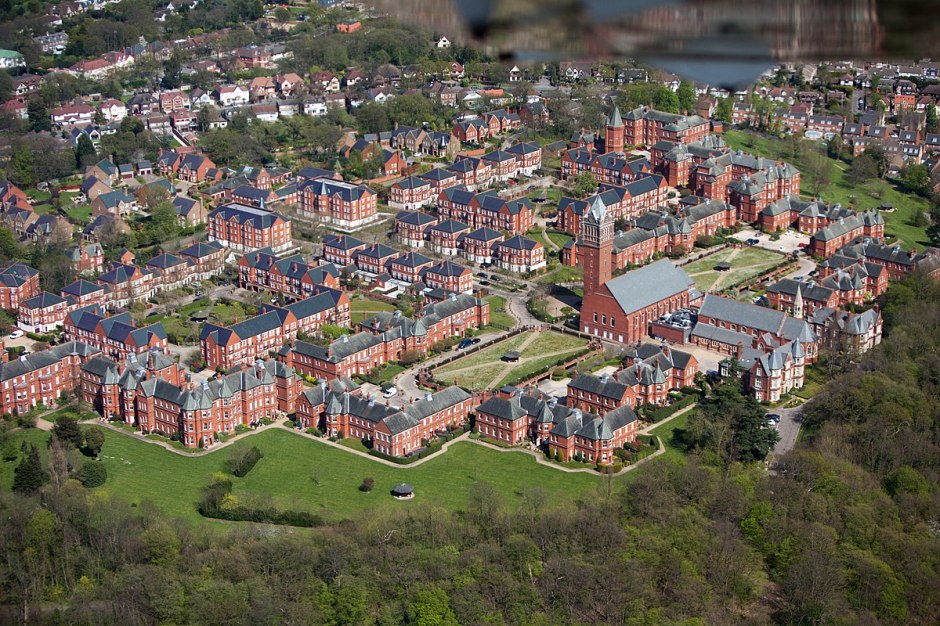


 Mental Health Matters
You must be logged in to post a comment.