On This Day … 11 June

People (Births)

  • 1914 – Jan Hendrik van den Berg, Dutch psychiatrist and academic (d. 2012).

People (Deaths)

  • 1934 – Lev Vygotsky, Belarusian-Russian psychologist and theorist (b. 1896).

Jan Hendrik van den Berg

Jan Hendrik van den Berg (11 June 1914 to 22 September 2012) was a Dutch psychiatrist notable for his work in phenomenological psychotherapy (cf. phenomenology) and metabletics, or “psychology of historical change.” He is the author of numerous articles and books, including A different existence and The changing nature of man.

Between 1933 and 1936, he earned diplomas in primary school and high school education, the latter with a focus on mathematics. He also published papers on entomology. He then entered medical school at Utrecht University specialising in psychiatry and neurology. He completed his doctoral dissertation in 1946. One year later, after studying in both France and Switzerland, Dr. Van den Berg was appointed to Head of Department at the psychiatry clinic at Utrecht. At Utrecht, he lectured in psychopathology in the medical school and was also appointed to Professor of Pastoral Psychology in the theology department. In 1954, Dr. van den Berg took a position of Professor of Psychology at Leiden University. Since 1967, he has been a visiting professor at many universities and conducted lecture tours internationally.

Having lived most of his later life in a monumental house at the market in the historical centre of Woudrichem, he died in nearby Gorinchem.

Lev Vygotsky

Lev Semyonovich Vygotsky (Russian: Лев Семёнович Выго́тский; Belarusian: Леў Сямёнавіч Выго́цкі; 17 November 1896 to 11 June 1934) was a Soviet psychologist, known for his work on psychological development in children. He published on a diverse range of subjects, and from multiple views as his perspective changed over the years. Among his students was Alexander Luria.

He is known for his concept of the zone of proximal development (ZPD): the distance between what a student (apprentice, new employee, etc.) can do on their own, and what they can accomplish with the support of someone more knowledgeable about the activity. Vygotsky saw the ZPD as a measure of skills that are in the process of maturing, as supplement to measures of development that only look at a learner’s independent ability.

Also influential are his works on the relationship between language and thought, the development of language, and a general theory of development through actions and relationships in a socio-cultural environment.

Vygotsky is the subject of great scholarly dispute. There is a group of scholars who see parts of Vygotsky’s current legacy as distortions and who are going back to Vygotsky’s manuscripts in an attempt to make Vygotsky’s legacy more true to his actual ideas.

What is Child and Adolescent Psychiatry?

Introduction

Child and adolescent psychiatry (or paediatric psychiatry) is a branch of psychiatry that focuses on the diagnosis, treatment, and prevention of mental disorders in children, adolescents, and their families.

It investigates the biopsychosocial factors that influence the development and course of psychiatric disorders and treatment responses to various interventions. Child and adolescent psychiatrists primarily use psychotherapy and/or medication to treat mental disorders in the paediatric population.

Brief History

When psychiatrists and paediatricians first began to recognise and discuss childhood psychiatric disorders in the 19th century, they were largely influenced by literary works of the Victorian era. Authors like the Brontë sisters, George Eliot, and Charles Dickens, introduced new ways of thinking about the child mind and the potential influence early childhood experiences could have on child development and the subsequent adult mind. When the Journal of Psychological Medicine and Mental Pathology, the first psychiatric journal in English, was published in 1848, child psychiatry didn’t exist as its own field yet. However, some of the earliest works on the possibility of nervous disorders and “insanity” in children were published in the Journal and several medical writers directly referenced works such as Jane Eyre (1847), Wuthering Heights (1847), Dombey and Son (1848), and David Copperfield (1850), to illustrate this new conceptualisation of the child mind. Until that time, it was generally accepted that children were free from nervous disorders and the “passions” that affected the adult mind.

As early as 1899, the term “child psychiatry” (in French) was used as a subtitle in Manheimer’s monograph Les Troubles Mentaux de l’Enfance. However, the Swiss psychiatrist Moritz Tramer (1882-1963) was probably the first to define the parameters of child psychiatry in terms of diagnosis, treatment, and prognosis within the discipline of medicine, in 1933. In 1934, Tramer founded the Zeitschrift für Kinderpsychiatrie (Journal of Child Psychiatry), which later became Acta Paedopsychiatria. The first academic child psychiatry department in the world was founded in 1930 by Leo Kanner (1894-1981), an Austrian émigré and medical graduate of the University of Berlin, under the direction of Adolf Meyer at the Johns Hopkins Hospital in Baltimore. Kanner was the very first physician to be identified as a child psychiatrist in the US and his textbook, Child Psychiatry (1935), is credited with introducing both the specialty and the term to the anglophone academic community. In 1936, Kanner established the first formal elective course in child psychiatry at the Johns Hopkins Hospital. In 1944 he provided the first clinical description of early infantile autism, otherwise known as Kanner Syndrome.

Maria Montessori together with It:Giuseppe Ferruccio Montesano and Clodomiro Bonfigli, two distinguished child psychiatrists, created in 1901 in Italy the “Lega Nazionale per la Protezione del Fanciullo” (National League for the Protection of Children). She gradually developed her own pedagogic method, initially based on the “intuition that the question of the ‘mentally deficient’ was more pedagogic than medical”. In 1909, Jane Addams and her female colleagues established the Juvenile Psychopathic Institute (JPI) in Chicago, later renamed as the Institute for Juvenile Research (IJR), the world’s first child guidance clinic. Neurologist William Healy, M.D., its first director, was charged with not only studying the delinquent’s biological aspects of brain functioning and IQ, but also the delinquent’s social factors, attitudes, and motivations, thus it was the birthplace of American child psychiatry.

From its establishment in February 1923, the Maudsley Hospital, a South London-based postgraduate teaching and research psychiatric hospital, contained a small children’s department. Similar overall early developments took place in many other countries during the late 1920s and 1930s. In the United States, child and adolescent psychiatry was established as a recognised medical speciality in 1953 with the founding of the American Academy of Child Psychiatry, but was not established as a legitimate, board-certifiable medical speciality until 1959.

The use of medication in the treatment of children also began in the 1930s, when Charles Bradley opened a neuropsychiatric unit and was the first to use amphetamine for brain-damaged and hyperactive children. But it was not until the 1960s that the first NIH grant to study paediatric psychopharmacology was awarded. It went to one of Kanner’s students, Leon Eisenberg, the second director of the division.

The discipline has relatively flourished since the 1980s, in large part, because of contributions made in the 1970s, even if the outcomes for patients have been disappointing at times. It was a decade during which child psychiatry witnessed a major evolution as a result of the work carried out by, Eva Frommer, Douglas Haldane, Michael Rutter, Robin Skynner and Sula Wolff, among others. The first comprehensive population survey of 9- to 11-year-olds, carried out in London and the Isle of Wight, which appeared in 1970, addressed questions that have continued to be of importance for child psychiatry; for example, rates of psychiatric disorders, the role of intellectual development and physical impairment, and specific concern for potential social influences on children’s adjustment. This work was influential, especially since the investigators demonstrated specific continuities of psychopathology over time, and the influence of social and contextual factors in children’s mental health, in their subsequent re-evaluation of the original cohort of children. These studies described the prevalence of ADHD (relatively low as compared to the US), identified the onset and prevalence of depression in mid-adolescence and the frequent co-morbidity with conduct disorder, and explored the relationship between various mental disorders and scholastic achievement.

It was paralleled similarly by work on the epidemiology of autism that was to enormously increase the number of children diagnosed with autism in future years. Although attention had been given in the 1960s and ’70s to the classification of childhood psychiatric disorders, and some issues had then been delineated, such as the distinction between neurotic and conduct disorders, the nomenclature did not parallel the growing clinical knowledge. It was claimed that this situation was altered in the late 1970s with the development of the DSM-III system of classification, although research has shown that this system of classification has problems of validity and reliability. Since then, the DSM-IV and DSM-IVR have altered some of the parsing of psychiatric disorders into “childhood” and “adult” disorders, on the basis that while many psychiatric disorders are not diagnosed until adulthood, they may present in childhood or adolescence (DSM-IV). The American Psychiatric Association’s DSM is now on its fifth edition (DSM-5).

People in the field are sometimes referred to as “neurodevelopmentalists”. As of 2005 there was debate in the field as to whether “neurodevelopmentalist” should be made a new speciality.

In terms of patient outcomes, there is evidence that, in the United Kingdom at least on the 70th anniversary of the NHS, mental health remains a medical “Cinderella” (low priority) and the more so Child and Adolescent Health services which have been through repeated reorganisations and underinvestment all of which leads to disruption and loss of adequate provision.

“Modern neuroscience, genetics, epigenetics, and public health research has presented the tantalizing possibility that it can now be said with relative certainty that much (certainly not all) is understood about why some children struggle and others soar. Although it is an oversimplification, it can now be suggested that it is possible to understand how environmental factors, both negative and positive, influence the genome or epigenome, which in turn influence the structure and function of the brain and thus human thoughts, actions, and behaviors.”

Classification of Disorders

Not an exhaustive list:

  • Developmental disorders:
    • Autism spectrum disorder.
    • Learning disorders.
  • Disorders of attention and behaviour:
    • Attention deficit hyperactivity disorder.
    • Oppositional defiant disorder.
    • Conduct disorder.
  • Psychotic disorders:
    • Childhood schizophrenia.
  • Mood disorders:
    • Major depressive disorder.
    • Bipolar disorder.
    • Persistent Depressive Disorder.
    • Disruptive Mood Dysregulation Disorder.
  • Anxiety disorders:
    • Panic disorder.
    • Phobias.
  • Eating disorders:
    • Anorexia nervosa.
    • Bulimia nervosa.
  • Gender identity disorder:
    • Gender identity disorder in children.

Disorders are often comorbid. For example, an adolescent can be diagnosed with both major depressive disorder and generalised anxiety disorder. The incidence of psychiatric comorbidities during adolescence may vary by race, ethnicity and socioeconomic status, among other variables.

Clinical Practice

Assessment

The psychiatric assessment of a child or adolescent starts with obtaining a psychiatric history by interviewing the young person and their parents or caregivers. The assessment includes a detailed exploration of the current concerns about the child’s emotional or behavioural problems, the child’s physical health and development, history of parental care (including possible abuse and neglect), family relationships and history of parental mental illness. It is regarded as desirable to obtain information from multiple sources (for example both parents, or a parent and a grandparent) as informants may give widely differing accounts of the child’s problems. Collateral information is usually obtained from the child’s school with regards to academic performance, peer relationships, and behaviour in the school environment.

Psychiatric assessment always includes a mental state examination of the child or adolescent which consists of a careful behavioural observation and a first-hand account of the young person’s subjective experiences. The assessment also includes an observation of the interactions within the family, especially the interactions between the child and his/her parents.

The assessment may be supplemented by the use of behaviour or symptom rating scales such as the Achenbach Child Behaviour Checklist or CBCL, the Behavioural Assessment System for Children or BASC, Connors Rating Scales (used for diagnosis of ADHD), Millon Adolescent Clinical Inventory or MACI, and the Strengths and Difficulties Questionnaire or SDQ. These instruments bring a degree of objectivity and consistency to the clinical assessment. More specialised psychometric testing may be carried out by a psychologist, for example using the Wechsler Intelligence Scale for Children, to detect intellectual impairment or other cognitive problems which may be contributing to the child’s difficulties.

Diagnosis and Formulation

The child and adolescent psychiatrist makes a diagnosis based on the pattern of behaviour and emotional symptoms, using a standardized set of diagnostic criteria such as the Diagnostic and Statistical Manual (DSM-IV-TR) or the International Classification of Diseases (ICD-10). While the DSM system is widely used, it may not adequately take into account social, cultural and contextual factors and it has been suggested that an individualized clinical formulation may be more useful. A case formulation is standard practice for child and adolescent psychiatrists and can be defined as a process of integrating and summarising all the relevant factors implicated in the development of the patient’s problem, including biological, psychological, social and cultural perspectives (the “biopsychosocial model”). The applicability of DSM diagnoses have also been questioned with regard to the assessment of very young children: it is argued that very young children are developing too rapidly to be adequately described by a fixed diagnosis, and furthermore that a diagnosis unhelpfully locates the problem within the child when the parent-child relationship is a more appropriate focus of assessment.

The child and adolescent psychiatrist then designs a treatment plan which considers all the components and discusses these recommendations with the child or adolescent and family.

Treatment

Treatment will usually involve one or more of the following elements: behaviour therapy, cognitive behaviour therapy (CBT), problem-solving therapies, psychodynamic therapy, parent training programmes, family therapy, and/or the use of medication. The intervention can also include consultation with paediatricians, primary care physicians or professionals from schools, juvenile courts, social agencies or other community organisations.

In a review of existing meta-analyses and disorders on the four most frequent childhood and adolescent psychiatric disorders (anxiety disorder, depression, ADHD, conduct disorder), only for ADHD was the use of medication (stimulants) considered to be the most efficacious treatment option available. For the remaining three disorders, psychotherapy is recommended as the most effective treatment of choice. A combination of psychological and pharmacological treatments is an important option in ADHD and depressive disorders. Treatments for ADHD and anxiety disorders produce higher effect-sizes than do interventions for depressive and conduct disorders.

Training

In the United States, Child and adolescent psychiatric training requires 4 years of medical school, at least 4 years of approved residency training in medicine, neurology, and general psychiatry with adults, and 2 years of additional specialised training in psychiatric work with children, adolescents, and their families in an accredited residency in child and adolescent psychiatry. Child and adolescent sub-speciality training is similar in other Western countries (such as the UK, New Zealand, and Australia), in that trainees must generally demonstrate competency in general adult psychiatry prior to commencing sub-speciality training.

Certification and Continuing Education

In the US, having completed the child and adolescent psychiatry residency, the child and adolescent psychiatrist is eligible to take the additional certification examination in the subspecialty of child and adolescent psychiatry from the American Board of Psychiatry and Neurology (ABPN) or the American Osteopathic Board of Neurology and Psychiatry (AOBNP). Although the ABPN and AOBNP examinations are not required for practice, they are a further assurance that the child and adolescent psychiatrist with these certifications can be expected to diagnose and treat all psychiatric conditions in patients of any age competently. Training requirements are listed on the web site of The American Academy of Child & Adolescent Psychiatry.

Shortage of Child and Adolescent Psychiatrists in the United States

The demand for child and adolescent psychiatrists continues to far outstrip the supply worldwide. There is also a severe maldistribution of child and adolescent psychiatrists, especially in rural and poor, urban areas where access is significantly reduced. As of 2016, there are 7991 child and adolescent psychiatrists in the United States. A report by the US Bureau of Health Professions (2000) projected a need by the year 2020 for 12,624 child and adolescent psychiatrists, but a supply of only 8,312. In its 1998 report, the Centre for Mental Health Services estimated that 9-13% of 9- to 17-year-olds had serious emotional disturbances, and 5-9% had extreme functional impairments. In 1999, however, the Surgeon General reported that “there is a dearth of child psychiatrists.” Only 20% of emotionally disturbed children and adolescents received any mental health treatment, a small percentage of which was performed by child and adolescent psychiatrists. Furthermore, the US Bureau of Health Professions projects that the demand for child and adolescent psychiatry services will increase by 100% between 1995 and 2020.

Cross-Cultural Considerations

Steady growth in migration of immigrants to higher-income regions and countries has contributed to the growth and interest in cross-cultural psychiatry. Families of immigrants whose child has a psychiatric illness must come to understand the disorder while navigating an unfamiliar health care system.

Criticisms

Subjective Diagnoses

One criticism against psychiatry is that psychiatric diagnoses lack complete “objectivity,” particularly when compared with diagnoses in other medical specialties. However, for several major psychiatric disorders interrater reliability, which shows the degree to which psychiatrists agree on the diagnosis, is generally similar to those in other medical specialties. In 2013, Allen Frances said that “psychiatric diagnosis still relies exclusively on fallible subjective judgements rather than objective biological tests.”

Traditional deficit and disease models of child psychiatry have been criticised as rooted in the medical model which conceptualises adjustment problems in terms of disease states. It is said by these critics that these normative models explicitly characterise problematic behaviour as representing a disorder within the child or young person and these commentators assert that the role of environmental influences on behaviour has become increasingly neglected, leading to a decrease in the popularity of, for example, family therapy. There are criticisms of the medical model approach from within and without the psychiatric profession: it is said to neglect the role of environmental, family, and cultural influences, to discount the psychological meaning of behaviour and symptoms, to promote a view of the “patient” as dependent and needing to be cured or cared for and therefore undermines a sense of personal responsibility for conduct and behaviour, to promote a normative conception based on adaptation to the norms of society (the ill person must adapt to society), and to be based on the shaky foundations of reliance on a classificatory system that has been shown to have problems of validity and reliability.

Prescription of Psychotropic Medications

Since the late 1990s, use of psychiatric medication has become increasingly common for children and adolescents. In 2004 the US Food and Drug Administration (FDA) issued the Black Box Warning on antidepressant prescriptions to alert patients of a research link between use of medication and apparent increased risk of suicidal thoughts, hostility, and agitation in paediatric patients. The most common diagnoses for which children receive psychiatric medication are ADHD, ODD, and conduct disorder.

Some research suggests that children and adolescents are sometimes given antipsychotic drugs as a first-line treatment for mental health problems or behavioural issues other than a psychotic disorder. In the United States, the usage of these drugs in young people has greatly increased since 2000, especially among children from low-income families. More research is needed to specifically assess the efficacy and tolerability of antipsychotic medications in paediatric populations. Because of the risk of metabolic syndrome and cardiovascular events with long-term antipsychotic use, use in paediatric populations is highly scrutinized and recommended in combination with psychotherapy and effective parent-training interventions.

Electroconvulsive Therapy

In 1947, child neuropsychiatrist Lauretta Bender published a study on 98 children aged between four and eleven years old who had been treated in the previous five years with intensive courses of electroconvulsive therapy (ECT). These children received ECT daily for a typical course of approximately twenty treatments. This formed part of an experimental trend amongst a cadre of psychiatrists to explore the therapeutic impact of intensive regimes of ECT, which is also known as either regressive ECT or annihilation therapy. In the 1950s Bender abandoned ECT as a therapeutic practice for the treatment of children. In the same decade the results of her published work on the use of ECT in children was discredited after a study showing that the condition of the children so treated had either not improved or deteriorated. Commenting on his experience as part of Bender’s therapeutic program, Ted Chabasinski said that, “It really made a mess of me … I went from being a shy kid who read a lot to a terrified kid who cried all the time.” Following his treatment, he spent ten years as an inmate of Rockland State Hospital, a psychiatric facility now known as the Rockland Psychiatric Centre.

On This Day … 08 June

People (Births)

  • 1929 – Nada Inada, Japanese psychiatrist and author (d. 2013).
  • 1956 – Jonathan Potter, English psychologist, sociolinguist, and academic.

People (Deaths)

  • 1970 – Abraham Maslow, American psychologist and academic (b. 1908).

Nada Inada

Nada Inada (なだ いなだ, 08 June 1929 to 06 June 2013) was the pen-name of a Japanese psychiatrist, writer and literary critic active in late Shōwa period and early Heisei period Japan. His pen name is from the Spanish language phrase “nada y nada”.

Biography

Nada was born in the Magome district of Tokyo, but was raised for part of his youth in Sendai. He graduated from the Medical School of Keio University. One of his fellow students was Kita Morio, who encouraged his interest in literature and in the French language. He later travelled to France on a government scholarship. His wife was French.

Nada’s medical specialty was psychiatry, particularly in the treatment of alcoholism, and he was head of the Substance Abuse Department of National Hospital located in Yokosuka, Kanagawa.

One of his early novels, Retort, was nominated for the prestigious Akutagawa Prize.

Jonathan Potter

Jonathan Potter (born 08 June 1956) is Dean of the School of Communication and Information at Rutgers University and one of the originators of discursive psychology.

Jonathan Potter was born in Ashford, Kent, and spent most of his childhood in the village of Laughton, East Sussex; his father was a school teacher and his mother was a batik artist. He went to School in Lewes and then on to a degree in Psychology at the University of Liverpool in 1974 where he was exposed to the radical politics of the city, became (briefly) interested in alternative therapies, and responded to the traditional British empirical psychology that was the mainstay of the Liverpool psychology degree programme at the time. He read the work of John Shotter, Kenneth Gergen and Rom Harré and became excited by the so-called crisis in social psychology. This critical work led him to a master’s degree in philosophy of science at the University of Surrey where he worked on speech act theory and had a first exposure to post structuralism and in particular the work of Roland Barthes. He read and wrote about Thomas Kuhn, Paul Feyerabend and Imre Lakatos. At the same time, philosophy of science provided a pathway to the new sociology of scientific knowledge and in particular to the work of Harry Collins, Michael Mulkay and Steve Woolgar.

In 1979 he applied for a PhD funding at the University of Bath to work with Harry Collins. He was offered a place but in the summer of 1979 the offer was withdrawn after the incoming Thatcher government cut the budget for social science. He started a part-time PhD with Peter Stringer in Psychology at the University of Surrey, while also working on a project on overseas tourists’ experiences of Bath’s bed and breakfast hotels. In this period he met and started to live with Margaret Wetherell, who was doing a PhD with John Turner and was, with Howard Giles and Henri Tajfel, one of the key figures in British social psychology. He took part in the vibrant intellectual culture of social psychology in Bristol at the time although he was a lone voice against the broadly experimental focus of Bristol tradition of so-called European Social Psychology.

When Peter Stringer left Surrey to move to a Chair in the Netherlands Potter applied for DPhil funding again and started to work with Michael Mulkay at the University of York. He worked within the sociology of scientific knowledge tradition, focusing on recordings of psychologists debating with one another at conferences. Increasingly that work evolved into an analysis of scientific discourse.

When Margaret Wetherell was appointed to a post in St Andrews University in 1980 he moved to Scotland, doing his PhD long distance. In 1983 he gained his DPhil and started a temporary job whose primary duty was to teach statistics in the Psychological Laboratory (as the department was called at the time). Covering the statistics allowed him a lot of flexibility in other teaching and he developed a course simply called Discourse which covered speech act theory, implicature, semiotics, post-structuralism, critical linguistics and conversation analysis. The intensive engagement with this range of thinking influenced much of his later work.

After 4 years of temporary contracts at St Andrews he was offered a post at Loughborough University where he taught until July 2015, first as lecturer, then Reader in Discourse Analysis from 1992, then Professor of Discourse Analysis from 1996, and Head of Department from February 2010. At Loughborough he worked with and was influenced by Derek Edwards, Michael Billig, Charles Antaki and, more recently, Elizabeth Stokoe. Since 1996 he has lived with, and collaborated with, Alexa Hepburn. In the last decade he has taught workshops and short courses in Norway, Finland, Sweden, Denmark, Spain, Venezuela, New Zealand, Australia, US and the UK.

In 2005 his book Cognition and Conversation (jointly edited with Hedwig te Molder) received the inaugural prize of the American Sociological Association Ethnomethodology and Conversation Analysis section in 2007. In 2008 he was elected to UK Academy of Social Sciences.

Abraham Maslow

Abraham Harold Maslow (01 April 1908 to 08 June 1970) was an American psychologist who was best known for creating Maslow’s hierarchy of needs, a theory of psychological health predicated on fulfilling innate human needs in priority, culminating in self-actualisation.

Maslow was a psychology professor at Brandeis University, Brooklyn College, New School for Social Research, and Columbia University. He stressed the importance of focusing on the positive qualities in people, as opposed to treating them as a “bag of symptoms”.

A Review of General Psychology survey, published in 2002, ranked Maslow as the tenth most cited psychologist of the 20th century.

On This Day … 06 June

People (Births)

  • 1900 – Manfred Sakel, Ukrainian-American psychiatrist and physician (d. 1957).

People (Deaths)

  • 1961 – Carl Gustav Jung, Swiss psychiatrist and psychotherapist (b. 1875).

Manfred Sakel

Manfred Joshua Sakel (06 June 1900 to 02 December 1957) was an Austrian-Jewish (later Austrian-American) neurophysiologist and psychiatrist, credited with developing insulin shock therapy in 1927.

Sakel was born in Nadvirna (Nadwórna), in the former Austria-Hungary Empire (now Ukraine), which was part of Poland between the world wars. Sakel studied Medicine at the University of Vienna from 1919 to 1925, specializing in neurology and neuropsychiatry. From 1927 until 1933 Sakel worked in hospitals in Berlin. In 1933 he became a researcher at the University of Vienna’s Neuropsychiatric Clinic. In 1936, after receiving an invitation from Frederick Parsons, the state commissioner of mental hygiene, he chose to emigrate from Austria to the United States of America. In the US, he became an attending physician and researcher at the Harlem Valley State Hospital.

Dr. Sakel was the developer of insulin shock therapy from 1927 while a young doctor in Vienna, starting to practice it in 1933. It would become widely used on individuals with schizophrenia and other mental patients. He noted that insulin-induced coma and convulsions, due to the low level of glucose attained in the blood (hypoglycaemic crisis), had a short-term appearance of changing the mental state of drug addicts and psychotics, sometimes dramatically so. He reported that up to 88% of his patients improved with insulin shock therapy, but most other people reported more mixed results and it was eventually shown that patient selection had been biased and that it didn’t really have any specific benefits and had many risks, adverse effects and fatalities. However, his method became widely applied for many years in mental institutions worldwide. In the USA and other countries it was gradually dropped after the introduction of the electroconvulsive therapy in the 1940s and the first neuroleptics in the 1950s.

Dr. Sakel died from a heart attack on 02 December 1957, in New York City, NY, USA.

Carl Jung

Carl Gustav Jung (born Karl Gustav Jung, 26 July 1875 to 06 June 1961), was a Swiss psychiatrist and psychoanalyst who founded analytical psychology. Jung’s work has been influential in the fields of psychiatry, anthropology, archaeology, literature, philosophy, psychology and religious studies. Jung worked as a research scientist at the famous Burghölzli hospital, under Eugen Bleuler. During this time, he came to the attention of Sigmund Freud, the founder of psychoanalysis. The two men conducted a lengthy correspondence and collaborated, for a while, on a joint vision of human psychology.

Freud saw the younger Jung as the heir he had been seeking to take forward his “new science” of psychoanalysis and to this end secured his appointment as President of his newly founded International Psychoanalytical Association. Jung’s research and personal vision, however, made it impossible for him to follow his older colleague’s doctrine and a schism became inevitable. This division was personally painful for Jung and resulted in the establishment of Jung’s analytical psychology as a comprehensive system separate from psychoanalysis.

Among the central concepts of analytical psychology is individuation – the lifelong psychological process of differentiation of the self out of each individual’s conscious and unconscious elements. Jung considered it to be the main task of human development. He created some of the best known psychological concepts, including synchronicity, archetypal phenomena, the collective unconscious, the psychological complex and extraversion and introversion.

Jung was also an artist, craftsman, builder and a prolific writer. Many of his works were not published until after his death and some are still awaiting publication.

On This Day … 04 June

People (Deaths)

  • 1922 – W.H.R. Rivers, English anthropologist, neurologist, ethnologist, and psychiatrist (b. 1864).

W.H.R. Rivers

William Halse Rivers Rivers (12 March 1864 to 4 June 1922) was an English anthropologist, neurologist, ethnologist and psychiatrist, best known for his work treating First World War officers who were suffering from shell shock in order to return them to combat. Rivers’ most famous patient was the poet Siegfried Sassoon, with whom he remained close friends until his own sudden death.

During the early years of the 20th century, Rivers developed many new lines of psychological research. In addition, he was the first to use a type of double-blind procedure in investigating physical and psychological effects of consumption of tea, coffee, alcohol, and drugs. For a time he directed centres for psychological studies at two colleges, and he was made a Fellow of St John’s College, Cambridge. He is also notable for having participated in the Torres Strait Islands expedition of 1898 and his consequent seminal work on the subject of kinship.

What was the Kirkbride Plan?

Introduction

The Kirkbride Plan was a system of mental asylum design advocated by Philadelphia psychiatrist Thomas Story Kirkbride (1809-1883) in the mid-19th century.

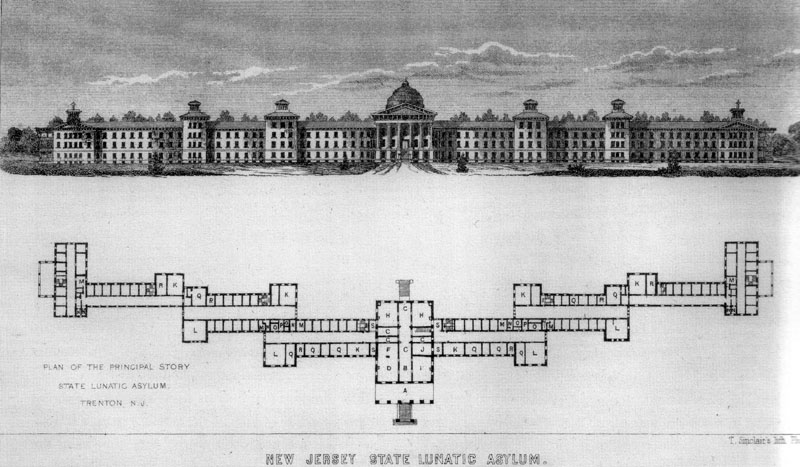
The asylums built in the Kirkbride design, often referred to as Kirkbride Buildings (or simply Kirkbrides), were constructed during the mid-to-late-19th century in the United States. The structural features of the hospitals as designated by Dr. Kirkbride were contingent on his theories regarding the healing of the mentally ill, in which environment and exposure to natural light and air circulation were crucial. The hospitals built according to the Kirkbride Plan would adopt various architectural styles, but had in common the “bat wing” style floor plan, housing numerous wings that sprawl outward from the centre.

1848 lithograph of the Kirkbride design of the Trenton State Hospital.

The first hospital designed under the Kirkbride Plan was the Trenton State Hospital in Trenton, New Jersey, constructed in 1848. Throughout the remainder of the nineteenth century, numerous psychiatric hospitals were designed under the Kirkbride Plan across the United States. By the twentieth century, popularity of the design had waned, largely due to the economic pressures of maintaining the immense facilities, as well as contestation of Dr. Kirkbride’s theories amongst the medical community.

Numerous Kirkbride structures still exist today, though many have been demolished or partially-demolished and repurposed. At least 30 of the original Kirkbride buildings have been registered with the National Register of Historic Places in the United States, either directly or through their location on hospital campuses or in historic districts.

Background

Basis and Philosophy

The establishment of state mental hospitals in the US is partly due to reformer Dorothea Dix, who testified to the New Jersey legislature in 1844, vividly describing the state’s treatment of lunatics; they were being housed in county jails, private homes, and the basements of public buildings. Dix’s effort led to the construction of the New Jersey State Lunatic Asylum, the first complete asylum built on the Kirkbride Plan.

Thomas Story Kirkbride (1809-1883), a psychiatrist from Philadelphia, Pennsylvania, developed his requirements of asylum design based on a philosophy of Moral Treatment and environmental determinism. The typical floor plan, with long rambling wings arranged en echelon (staggered, so each connected wing received sunlight and fresh air), was meant to promote privacy and comfort for patients. The building form itself was meant to have a curative effect, “a special apparatus for the care of lunacy, [whose grounds should be] highly improved and tastefully ornamented.” The idea of institutionalisation was thus central to Kirkbride’s plan for effectively treating the insane.

Design and Architectural Features

The Kirkbride Plan asylums tended to be large, imposing institutional buildings, with the defining feature being their “narrow, stepped, linear building footprint” featuring staggered wings extending outward from the centre, resembling the wingspan of a bat. The standard number of wings for a Kirkbride Plan hospital was eight, with an accommodation of 250 patients. Kirkbride’s philosophy behind the staggered wings was to allow individual corridors open to sunlight and air ventilation through both ends, which he believed aided in healing the mentally ill. Each wing, according to Kirkbride’s original guidelines, would house a separate ward, which would contain its own “comfortably furnished” parlour, bathroom, clothes room, and infirmary, as well as a speaking tube and dumbwaiter to allow open communication and movement of materials between floors. The furthest wings from the centre complex of the building were reserved for the “most excitable,” or most physically dangerous and volatile patients. Patient rooms were suggested to be spacious, with ceilings “at least 12 feet (3.7 m) high,” but only large enough to room a single person. The centre complexes of the Kirkbride Plan buildings were designed to house administration, kitchens, public and reception areas, and apartments for the superintendent’s family. Architectural styles of Kirkbride Plan buildings varied depending on the appointed architect, and ranged from Richardsonian Romanesque to Neo-Gothic.

In addition to the intricate building design, Dr. Kirkbride also advocated the importance of “fertile” and spacious landscapes on which the hospitals would be built, with views that “if possible, should exhibit life in its active forms.” Kirkbride also suggested the hospital grounds be a minimum of 100 acres (40 ha) in size. The foliage and farmlands on the hospital grounds were sometimes maintained by patients as part of physical exercise and/or therapy. Over the course of the nineteenth and twentieth centuries, the campuses of these hospitals often evolved into sprawling, expansive grounds with numerous buildings.

Operations and Staffing

In his proposal, Dr. Kirkbride outlined specific guidelines as to how a Kirkbride Plan hospital should be staffed and operate on a daily basis. Dr. Kirkbride suggested a total of 71, all of whom were required to live within, or in the immediate vicinity of, the hospital. The superintending physician, or physician-in-chief, was required to live in the main hospital or in a building contiguous to it, while his family had the option of residing at the hospital or seeking private lodging. The staff was also to have a balanced gender distribution, with approximately 36 female and 35 male staff members.

Among the staff of a Kirkbride Plan hospital were the superintending physician, an assisting physician and nurses, supervisors and teachers of each sex, a chaplain, matron, and a nightwatchman. Kirkbride urged that at least two attendants be working in each ward at any given time, and stressed the importance of the superintendent’s “proper selection” of attendants, given the extent of their management responsibilities: “The duties of attendants, when faithfully performed, are often harassing, and in many wards, among excited patients, are peculiarly so. On this account pains should always be taken to give them a reasonable amount of relaxation and their position should, in every respect, be made as comfortable as possible.” For general labour at the hospital, he suggested that the able-minded patients help maintain the hospital grounds and assist in duties in their respective wards.

Dr. Kirkbride’s estimation of the number of staff as well as their respective compensations was outlined in an 1854 publication on the Kirkbride Plan design. He proposed a living wage for all employees of the hospital, noting that “although in a few institutions a liberal compensation is given, in many, the salaries are quite too low, and entirely inadequate to be depended on, to secure and retain the best kind of talent for the different positions. The services required about the insane, when faithfully performed, are peculiarly trying to the mental and physical powers of any individual, and ought to be liberally paid for.” Salary for the superintending physician according to the 1854 guideline was to be USD$1,500 (equivalent to $43,206 in 2020) if the physician’s family resided at the hospital, and $2,500 (equivalent to $72,009 in 2020) if they found lodging at a private residence. In addition to the medical staff and attendants, the Kirkbride Plan hospitals also employed labourers of various trades, including resident engineers, carpenters, cooks and dairymaids, gardeners, seamstresses, ironworkers, clothing launderers, and a carriage driver.

Decline and Phasing Out

By the late-nineteenth century, the Kirkbride design had begun to wane in popularity, largely because the hospitals (which were state-funded), had received significant budget cuts that rendered them difficult to maintain. General psychiatric and medical opinion of Kirkbride’s theories regarding the “curability” of mental illness were also questioned by the medical community.

Future

Status

A total of 73 known Kirkbride Plan hospitals were constructed throughout the United States between 1845 and 1910. As of 2016, approximately 33 of these identified Kirkbride Plan hospital buildings still exist in their original form to some degree: 24 have been preserved indicating that the building is still standing and still in use, at least, in part. 11 of the 24 preserved properties received secondary condition codes of deteriorating, vacant, partial demolition or a combination, while the remaining nine have been adaptively reused. Of the 40 hospital buildings that no longer exist (either via demolition or destruction from natural occurrences, such as earthquakes), 26 were demolished to be replaced with new facilities.

The highest concentrations of Kirkbride Plan hospitals were in the Northeast and Midwestern states. Fewer Kirkbride Plan hospitals were constructed on the West Coast: In California, the Napa State Hospital was a notable Kirkbride Plan hospital, though the original structure was severely damaged during the 1906 San Francisco earthquake, and was ultimately demolished. The two surviving Kirkbride structures on the West Coast are both located in the state of Oregon, at the Oregon State Hospital, and the Eastern Oregon State Hospital, the latter of which now houses the Eastern Oregon Correctional Institution. While the vast majority of Kirkbride hospitals were located in the United States, similar facilities were built in Canada, and the Callan Park Hospital for the Insane in Sydney, Australia (constructed in 1885) was also influenced by Kirkbride’s design.

Preservation Efforts

Due to their intricate architectural features and historical significance, Kirkbride Plan hospitals have attracted conservation efforts from local and national groups, and (as of 2016) approximately 30 of the buildings have been registered with National Register of Historic Places. Local conservation groups and historical societies have made attempts to save numerous Kirkbrides from demolition: The Danvers State Hospital in Danvers, Massachusetts is one example, in which a local historical society filed a lawsuit in 2005 to stall demolition of the building. The majority of the Danvers State Hospital was demolished in 2007 in spite of the lawsuit, with only the centre portion of the building receiving restoration and conversion into apartments. The Northampton State Hospital in Northampton, Massachusetts, was demolished in 2006.

Many of the surviving Kirkbride Plan buildings in the United States have undergone at least partial demolition and have been repurposed, often with the centre portions of the buildings being most commonly preserved. The centre complexes of the Hudson River State Hospital in Poughkeepsie, New York, and the Oregon State Hospital in Salem, Oregon, for example, have been retained in spite of the majority of the outermost wings being demolished. One such Kirkbride Plan facility that has survived in its entirety is the Trans-Allegheny Lunatic Asylum, though does not contemporarily function as an active hospital. As of 2017, Trans-Allegheny Lunatic Asylum has not undergone demolition.

Several facilities originally established as Kirkbride Plan hospitals are still active in the 21st century, though not all have retained the original Kirkbride buildings on their campuses. The Oregon State Hospital, the longest continuously-operated psychiatric hospital on the West Coast, retained the majority of its original Kirkbride building during a 2008 demolition, seismically retrofitting and repurposing it as a mental health museum in 2013.

In Popular Culture

Numerous Kirkbride Plan hospitals and buildings have been featured in the arts: the Danvers State Hospital in Danvers, Massachusetts was both the setting and primary filming location for the 2001 psychological horror film Session 9. It has also been suggested by historians as an inspiration on H.P. Lovecraft, and in turn an inspiration for the fictional setting Arkham Asylum in the various Batman series. The Oregon State Hospital was also featured as the primary filming location for the film One Flew Over the Cuckoo’s Nest (1975), and was also the setting of “Ward 81,” a 1976 series of photographs by photographer Mary Ellen Mark.

The Trans-Allegheny Lunatic Asylum in West Virginia was featured on the Travel Channel reality series Ghost Adventures.

What is a Psychiatric Hospital?

Introduction

Psychiatric hospitals, also known as mental health units or behavioural health units, are hospitals or wards specialising in the treatment of serious mental disorders, such as major depressive disorder, schizophrenia and bipolar disorder.

Psychiatric hospitals vary widely in their size and grading. Some hospitals may specialise only in short-term or outpatient therapy for low-risk patients. Others may specialise in the temporary or permanent containment of patients who need routine assistance, treatment, or a specialised and controlled environment due to a psychological disorder. Patients often choose voluntary commitment, but those whom psychiatrists believe to pose significant danger to themselves or others may be subject to involuntary commitment and involuntary treatment.

Psychiatric hospitals may also be called psychiatric wards/units (or “psych” wards/units) when they are a subunit of a regular hospital.

The modern psychiatric hospital evolved from and eventually replaced the older lunatic asylum. The treatment of inmates in early lunatic asylums was sometimes brutal and focused on containment and restraint. With successive waves of reform, and the introduction of effective evidence-based treatments, most modern psychiatric hospitals emphasize treatment, and attempt where possible to help patients control their lives in the outside world, with the use of a combination of psychiatric drugs and psychotherapy. Exceptions include Japan, where many psychiatric hospitals still use physical restraints on patients, tying them to their beds for days or even months at a time, and India, where the use of restraint and seclusion is endemic.

Brief History

Modern psychiatric hospitals evolved from, and eventually replaced, the older lunatic asylum. Their development also entails the rise of organised institutional psychiatry.

Hospitals known as bimaristans were built in Persia (old name of Iran) beginning around the early 9th century, with the first in Baghdad under the leadership of the Abbasid Caliph Harun al-Rashid. While not devoted solely to patients with psychiatric disorders, they often contained wards for patients exhibiting mania or other psychological distress. Because of cultural taboos against refusing to care for one’s family members, mentally ill patients would be surrendered to a bimaristan only if the patient demonstrated violence, incurable chronic illness, or some other extremely debilitating ailment. Psychological wards were typically enclosed by iron bars owing to the aggression of some of the patients.

Western Europe would later adopt these views with the advances of physicians like Philippe Pinel at the Bicêtre Hospital in France and William Tuke at the York Retreat in England. They advocated the viewing of mental illness as a disorder that required compassionate treatment that would aid in the rehabilitation of the victim. In the Western world, the arrival of institutionalisation as a solution to the problem of madness was very much an advent of the nineteenth century. The first public mental asylums were established in Britain; the passing of the County Asylums Act 1808 empowered magistrates to build rate-supported asylums in every county to house the many ‘pauper lunatics’. Nine counties first applied, the first public asylum opening in 1812 in Nottinghamshire. In 1828, the newly appointed Commissioners in Lunacy were empowered to license and supervise private asylums. The Lunacy Act 1845 made the construction of asylums in every county compulsory with regular inspections on behalf of the Home Secretary, and required asylums to have written regulations and a resident physician.

At the beginning of the nineteenth century there were a few thousand “sick people” housed in a variety of disparate institutions throughout England, but by 1900 that figure had grown to about 100,000. This growth coincided with the growth of alienism, later known as psychiatry, as a medical specialism. The treatment of inmates in early lunatic asylums was sometimes very brutal and focused on containment and restraint.

In the late 19th and early 20th centuries, terms such as “madness”, “lunacy” or “insanity” – all of which assumed a unitary psychosis – were split into numerous “mental diseases”, of which catatonia, melancholia and dementia praecox (modern day schizophrenia) were the most common in psychiatric institutions.

In 1961 sociologist Erving Goffman described a theory of the “total institution” and the process by which it takes efforts to maintain predictable and regular behaviour on the part of both “guard” and “captor”, suggesting that many of the features of such institutions serve the ritual function of ensuring that both classes of people know their function and social role, in other words of “institutionalising” them. Asylums was a key text in the development of deinstitutionalisation.

With successive waves of reform and the introduction of effective evidence-based treatments, modern psychiatric hospitals provide a primary emphasis on treatment; and further, they attempt – where possible – to help patients control their own lives in the outside world with the use of a combination of psychiatric drugs and psychotherapy. These treatments can be involuntary. Involuntary treatments are among the many psychiatric practices which are questioned by the mental patient liberation movement. Most psychiatric hospitals now restrict internet access and any device that can take photos. In the US state of Connecticut, involuntary patients must be examined annually by a court-appointed psychiatrist. Patients may also apply for release at any time and receive a full hearing on the application.

Types

There are a number of different types of modern psychiatric hospitals, but all of them house people with mental illnesses of widely variable severity. In the United Kingdom, both crisis admissions and medium-term care are usually provided on acute admissions wards. Juvenile or youth wards in psychiatric hospitals or psychiatric wards are set aside for children or youth with mental illness. Long-term care facilities have the goal of treatment and rehabilitation within a short time-frame (two or three years). Another institution for the mentally ill is a community-based halfway house.

Crisis Stabilisation

The crisis stabilisation unit is effectively an emergency department for psychiatry, often treating suicidal, violent, or otherwise critical individuals.

Open Units

Open psychiatric units are not as secure as crisis stabilisation units. They are not used for acutely suicidal persons; instead, the focus in these units is to make life as normal as possible for patients while continuing treatment to the point where they can be discharged. However, patients are usually still not allowed to hold their own medications in their rooms because of the risk of an impulsive overdose. While some open units are physically unlocked, other open units still use locked entrances and exits, depending on the type of patients admitted.

Medium Term

Another type of psychiatric hospital is medium term, which provides care lasting several weeks. Most drugs used for psychiatric purposes take several weeks to take effect, and the main purpose of these hospitals is to monitor the patient for the first few weeks of therapy to ensure the treatment is effective.

Juvenile Wards

Juvenile wards are sections of psychiatric hospitals or psychiatric wards set aside for children or adolescents with mental illness. However, there are a number of institutions specialising only in the treatment of juveniles, particularly when dealing with drug abuse, self-harm, eating disorders, anxiety, depression or other mental illness.

Long-Term Care Facilities

In the UK, long-term care facilities are now being replaced with smaller secure units (some within the hospitals listed above). Modern buildings, modern security, and being locally situated to help with reintegration into society once medication has stabilised the condition are often features of such units. Examples of this include the Three Bridges Unit, in the grounds of St Bernard’s Hospital in West London and the John Munroe Hospital in Staffordshire. However, these modern units have the goal of treatment and rehabilitation to allow for transition back into society within a short time-frame (two or three years). However, not all patients’ treatment can meet this criterion, so the large hospitals mentioned above often retain this role.

These hospitals provide stabilisation and rehabilitation for those who are actively experiencing uncontrolled symptoms of mental disorders such as depression, bipolar disorders, eating disorders, and so on.

Halfway Houses

One type of institution for the mentally ill is a community-based halfway house. These facilities provide assisted living for an extended period of time for patients with mental illnesses, and they often aid in the transition to self-sufficiency. These institutions are considered to be one of the most important parts of a mental health system by many psychiatrists, although some localities lack sufficient funding.

Political Imprisonment

In some countries, the mental institution may be used for the incarceration of political prisoners as a form of punishment. A notable historical example was the use of punitive psychiatry in the Soviet Union and China.

Secure Units

In the UK, criminal courts or the Home Secretary can, under various sections of the Mental Health Act, order the admission of offenders for detainment in a psychiatric hospital, but the term “criminally insane” is no longer legally or medically recognised. Secure psychiatric units exist in all regions of the UK for this purpose; in addition, there are a few specialist hospitals which offer treatment with high levels of security. These facilities are divided into three main categories: High, Medium and Low Secure. Although the phrase “Maximum Secure” is often used in the media, there is no such classification. “Local Secure” is a common misnomer for Low Secure units, as patients are often detained there by local criminal courts for psychiatric assessment before sentencing.

Run by the National Health Service, these facilities which provide psychiatric assessments can also provide treatment and accommodation in a safe hospital environment which prevents absconding. Thus there is far less risk of patients harming themselves or others. The Central Mental Hospital in Dublin performs a similar function

Community Hospital Utilisation

Community hospitals across the United States regularly see mental health discharges. A study of community hospital discharge data from 2003-2011 showed that mental health hospitalisations were increasing for both children (patients aged 0-17 years) and adults (patients aged 18-64). Compared to other hospital utilisation, mental health discharges for children were the lowest while the most rapidly increasing hospitalisations were for adults under 64. Some units have been opened to provide “Therapeutically Enhanced Treatment” and so form a subcategory to the three main unit types.

The general public in the UK are familiar with the names of the High Secure Hospitals due to the frequency that they are mentioned in the news reports about the people who are sent there. Those in the UK include Ashworth Hospital in Merseyside, Broadmoor Hospital in Crowthorne, Berkshire, Rampton Secure Hospital in Retford, Nottinghamshire, and Scotland’s The State Hospital in Carstairs. Northern Ireland and the Isle of Man have their own Medium and Low Secure units but use the mainland facilities for High Secure, to which smaller Channel Islands also transfer their patients as Out of Area (Off-Island Placements) Referrals under the Mental Health Act 1983. Of the three unit types, Medium Secure is most prevalent throughout the UK. As of 2009, there were 27 women-only units in England alone. Irish units include those at prisons in Portlaise, Castelrea and Cork.

Criticism

Hungarian-born psychiatrist Thomas Szasz argued that psychiatric hospitals are like prisons unlike other kinds of hospitals, and that psychiatrists who coerce people (into treatment or involuntary commitment) function as judges and jailers, not physicians. Historian Michel Foucault is widely known for his comprehensive critique of the use and abuse of the mental hospital system in Madness and Civilisation. He argued that Tuke and Pinel’s asylum was a symbolic recreation of the condition of a child under a bourgeois family. It was a microcosm symbolizing the massive structures of bourgeois society and its values: relations of Family-Children (paternal authority), Fault–Punishment (immediate justice), Madness-Disorder (social and moral order).

Erving Goffman coined the term “Total Institution” for mental hospitals and similar places which took over and confined a person’s whole life. Goffman placed psychiatric hospitals in the same category as concentration camps, prisons, military organisations, orphanages, and monasteries. In his book Asylums Goffman describes how the institutionalisation process socialises people into the role of a good patient, someone “dull, harmless and inconspicuous”; in turn, it reinforces notions of chronicity in severe mental illness. The Rosenhan experiment of 1973 demonstrated the difficulty of distinguishing sane patients from insane patients.

Franco Basaglia, a leading psychiatrist who inspired and planned the psychiatric reform in Italy, also defined the mental hospital as an oppressive, locked and total institution in which prison-like, punitive rules are applied, in order to gradually eliminate its own contents. Patients, doctors and nurses are all subjected (at different levels) to the same process of institutionalism. American psychiatrist Loren Mosher noticed that the psychiatric institution itself gave him master classes in the art of the “total institution”: labelling, unnecessary dependency, the induction and perpetuation of powerlessness, the degradation ceremony, authoritarianism, and the primacy of institutional needs over those of the persons whom it was ostensibly there to serve: the patients.

The anti-psychiatry movement coming to the fore in the 1960s has opposed many of the practices, conditions, or existence of mental hospitals; due to the extreme conditions in them. The psychiatric consumer/survivor movement has often objected to or campaigned against conditions in mental hospitals or their use, voluntarily or involuntarily. The mental patient liberation movement emphatically opposes involuntary treatment but it generally does not object to any psychiatric treatments that are consensual, provided that both parties can withdraw consent at any time.

On This Day … 22 May

People (Births)

  • 1932 – Robert Spitzer, American psychiatrist and academic (d. 2015).

Robert Spitzer

Robert Leopold Spitzer (22 May 1932 to 25 December 2015) was a psychiatrist and professor of psychiatry at Columbia University in New York City. He was a major force in the development of the Diagnostic and Statistical Manual of Mental Disorders (DSM).

Education

He received his bachelor’s degree in psychology from Cornell University in 1953 and his M.D. from New York University School of Medicine in 1957. He completed his psychiatric residency at New York State Psychiatric Institute in 1961 and graduated from Columbia University Centre for Psychoanalytic Training and Research in 1966.

Spitzer wrote an article on Wilhelm Reich’s theories in 1953 which the American Journal of Psychiatry declined to publish.

Career

Spitzer spent most of his career at Columbia University in New York City as a Professor of Psychiatry until he retired in 2003. He was on the research faculty of the Columbia University Centre for Psychoanalytic Training and Research where he retired after 49 years in December 2010. He has been called one of the most influential psychiatrists of the 20th century. The Lancet’s obituary described him as “Stubborn, sometimes abrasive, and always eager, Spitzer’s work was guided by a strong sense of ethical fairness”. A colleague at Columbia has described him as an “iconoclast” who “looked for injustice”.

Screening and Diagnostic Tools

Spitzer was a major architect of the modern classification of mental disorders. In 1968, he co-developed a computer program, Diagno I, based on a logical decision tree, that could derive a diagnosis from the scores on a Psychiatric Status Schedule which he co-published in 1970 and that the United States Steering Committee for the United States-United Kingdom Diagnostic Project used to check the consistency of its results.

Spitzer was a member on the four-person United States Steering Committee for the United States-United Kingdom Diagnostic Project, which published their results in 1972. They found the most important difference between countries was that the concept of schizophrenia used in New York was much broader than the one used in London, and included patients who would have been termed manic-depressive or bipolar.

He developed psychiatric methods that focused on asking specific interview questions to get at a diagnosis as opposed to the open-ended questioning of psychoanalysis, which was the predominant technique of mental health. He codeveloped the Mood Disorder Questionnaire (MDQ), a screening technique used for diagnosing bipolar disorder. He also co-developed the Patient Health Questionnaire (PRIME-MD) which can be self-administered to find out if one has a mental illness. The portions of PRIME-MD directed at depression (PHQ2 and PHQ9) have since become accepted in primary care medicine for screening and diagnosis of major depression as well as for monitoring response to treatment.

Position on the Diagnostic and Statistical Manual of Mental Disorders

In 1974, Spitzer became the chair of the American Psychiatric Association’s task force of the third edition of the Diagnostic and Statistical Manual of Mental Disorders the so-called, DSM-III which was released in 1980. Spitzer is a major architect of the modern classification of mental disorders which involves classifying mental disorders in discrete categories with specified diagnostic criteria but later criticised what he saw as errors and excesses in the DSM’s later versions, although he maintained his position that the DSM is still better than the alternatives.

In 2003, Spitzer co-authored a position paper with DSM-IV editor Michael First, stating that the “DSM is generally viewed as clinically useful” based on surveys from practicing professionals and feedback from medical students and residents, but that primary care physicians find the DSM too complicated for their use. The authors emphasized that given then-current limitations in understanding psychiatric disorders, a multitude of DSM codes/diagnoses might apply to some patients, but that it would be a “total speculation” to assign a single diagnosis to a patient. The authors rejected calls to adopt the ICD-9 because it lacked diagnostic criteria and would “[set] psychiatry back 30 years,” while the ICD-10, closely resembled the DSM-III-R classification.[14] In 2013, a definitive autobiography of Spitzer, The Making of DSM-III®: A Diagnostic Manual’s Conquest of American Psychiatry, was published by author and historian Hannah S. Decker.

Spitzer was briefly featured in the 2007 BBC TV series The Trap, in which he stated that the DSM, by operationalising the definitions of mental disorders while paying little attention to the context in which the symptoms occur, may have medicalised the normal human experiences of a significant number of people.

In 2008, Spitzer had criticised the revision process of the DSM-5 for lacking transparency. He has also criticised specific proposals, like the proposed introduction of the psychosis risk syndrome for people who have mild symptoms found in psychotic disorders.

On Homosexuality

Spitzer led a successful effort, in 1973, to stop treating homosexuality as a mental illness.

It was partly due to Spitzer’s efforts that homosexuality was “removed” (i.e. renamed as Sexual Orientation Disturbance) in 1974 DSM-II: “By withdrawing it from the manual, homosexuality was legitimized as a normal difference rather than a psychiatric behavior. This early powerful statement by institutional psychiatry that this is normal sped up the confidence of people in the movement.”

In 2001, Spitzer delivered a controversial paper, “Can Some Gay Men and Lesbians Change Their Sexual Orientation?” at the 2001 annual APA meeting; he argued that it is possible that some highly motivated individuals could successfully change their sexual orientation from homosexual to heterosexual.

Awards

Spitzer received the Thomas William Salmon Medal from the New York Academy of Medicine for his contributions to psychiatry.

What is the American Academy of Psychoanalysis and Dynamic Psychiatry?

Introduction

The American Academy of Psychodynamic Psychiatry and Psychoanalysis (AAPDPP)is a scholarly society including psychiatrists interested in all aspects of psychodynamic psychiatry.

Origins

The American Academy of Psychoanalysis was founded in 1956. At that time, the American Psychoanalytic Association, which was the dominant psychoanalytic organisation in North America, set standards for training psychoanalytic candidates at psychoanalytic institutes and certified individual psychoanalysts and institutes as well. The seventy-six Charter members who founded the Academy were concerned that focus on certification associated with a rigid Freudian framework inhibited free and open discourse about basic psychoanalytic concepts. They wanted to establish a forum for open discussion and debate but not an organisation that would certify psychoanalysts or psychoanalytic institutes. The guiding philosophy of this new organisation was expressed by its first President, Janet Rioch:

“The process of communication by forum is of value to encourage honest exchange of scientific opinion and observations; to build upon and expand those basic premises which survive critical scrutiny; to have the courage to discard that which cannot be regarded as scientifically valid in light of our present knowledge.”

Psychoanalysis and Psychiatry

Since the inception of the Academy, great changes have taken place in the practice of psychoanalysis and in the application of depth psychology (from the German term Tiefenpsychologie and commonly termed “psychoanalytic psychology”) to psychiatric symptoms, syndromes and disorders. The Academy changed its name to The American Academy of Psychoanalysis and Dynamic Psychiatry and became an Affiliate organisation of the American Psychiatric Association in 1998. From originally being an organisation of medical psychoanalysts, the Academy became an organisation of psychiatrists interested in all aspects of psychodynamic psychiatry. Psychoanalysis as a treatment technique remains one of its many interests. The membership of The Academy consists of psychiatrists, psychiatric residents, and medical students. Researchers and scholars who are not psychiatrists are welcomed as Scientific Associates.

Psychodynamic Psychiatry

Psychodynamic psychiatry is a new discipline that has emerged from a fusion of psychoanalytic and extra-psychoanalytic psychology, neuroscience and academic psychiatry.

Psychodynamic treatments are based on assessment that is carried out from a developmental perspective. Particular attention is paid to the person’s present and past psychiatric illnesses, experiences of trauma, and family history. The patient’s behaviour is reported both descriptively using established psychiatric diagnostic criteria from the current edition of the Diagnostic and Statistical Manual of Mental Disorders (DSM) and from the International Classification of Diseases (ICD). The patient’s behaviour is in addition understood in terms of subjectively constructed narratives.

Psychodynamic psychiatry accepts concepts that are clinically useful and/or scientifically important but discards those that have not stood the test of time. Although it enthusiastically endorses research, it also recognises that much knowledge about normal and abnormal behaviour (however these terms are defined) is based on clinical experience. Thus, for example, the official journal of the American Academy of Psychoanalysis and Dynamic Psychiatry is entitled Psychodynamic Psychiatry and publishes clinical case discussions as well as scholarly reviews and research investigations. As time goes on, psychodynamic psychiatry as a body of knowledge will change as more is learned about the relationships between neuroscience, psychopathology, and individual feelings and behaviour.

All psychodynamic treatments are organised around a therapeutic alliance forged by both participants. They include psychoanalysis, briefer therapies and combinations of therapies including, for example, individual and group psychotherapy, family therapy and/or pharmacotherapy. Psychodynamically oriented treatments may be of any duration from a single meeting to weeks to years. They may take place anywhere the practitioner meets with a patient – not only in the outpatient setting but in inpatient psychiatric services, the emergency ward, and general hospital medical and surgical settings where consultation-liaison psychiatrists use developmental principles and alliance with the patient to render care. In other words, wherever the psychodynamically trained psychiatrist interacts with a patient, the practitioner uses a developmental approach to understand that person and help him or her get better.

Activities

All activities of the Academy foster communication and discussion of psychodynamic concepts as expressed in clinical treatment, research, psychological development and diverse other ways as well. A major priority of The Academy is to teach the principles of psychodynamic psychiatry to medical students, psychiatric residents and other mental health professionals and students. The specific activities include:

  • Annual Meeting Of The Academy The meetings take place immediately prior to the annual meeting of The American Psychiatric Association (APA) and are usually organised around a central theme for example, the meeting in 2013 was focused on the suicidal patient.
    • The meeting in 2016 was focused on play.
  • Symposia and workshops at the American Psychiatric Association and the Institute on Psychiatric Services (IPS)
  • Annual meeting in Italy co-sponsored with OPIFER (Organizzazione Psicoanalisti Italiania Federazione e Registro).
  • Past meetings in Washington DC co-sponsored with the Consortium for Psychoanalytic Research.

Publications and Out-Reach Activities

Psychodynamic Psychiatry (The Journal)

Psychodynamic Psychiatry, the official journal of The American Academy of Psychoanalysis and Dynamic Psychiatry, published by Guilford Press, was created in response to the need for the continued study and teaching of psychodynamic concepts in organised psychiatry. Psychodynamic Psychiatry is the only English-language psychiatric journal exclusively devoted to the study and discussion of these issues.

The central tenet of the journal is that psychodynamic principles are necessary for adequately understanding and treating people with psychiatric symptoms, syndromes and disorders. Its guiding framework is developmental and bio-psycho-social.

The journal publishes review articles, clinical discussions and research. Psychodynamic Psychiatry is edited by Richard C. Friedman MD. The Deputy Editors are Jennifer Downey, MD and Cesar Alfonso, MD.

From 1958 to 1972 the Academy published its proceedings in monograph form under the rubric “Science and Psychoanalysis” edited by Jules Masserman. In 1973 Silvano Arieti became the first editor of the Journal which was entitled Journal of The American Academy of Psychoanalysis. Subsequent Editors- in Chief included Morton Cantor, Jules Bemporad and Douglas Ingram. When Richard C. Friedman became Editor in Chief in 2012, the journal’s name was changed to Psychodynamic Psychiatry.

The Academy Forum

The Academy Forum is a magazine that is published twice yearly and focuses on psychoanalytic and psychodynamically oriented articles about art and culture.

The Academy Newsletter

The Academy Newsletter is published electronically 4 times a year and gives information about the organisation and its members.

Teichner Scholars Programme

The late Victor J Teichner was a former President of the AAPDPP. A grateful patient established a fund making it possible to impart the spirit of Teichner’s creative therapeutic perspective to psychiatric clinicians in training. The Victor J. Teichner Award is made annually to one psychiatric residency programme on the basis of an application to the Award Committee, composed of representatives of the AAPDPP and the AADPRT (American Association of Directors of Psychiatric Residency Training). Its focus is to promote the teaching of psychodynamic principles to psychiatrists-in-training. The Programme Awardee receives a one- to three-day visit from a Visiting Scholar chosen from a list maintained by the AAPDP. The choice of the Visiting Scholar and structure of the visit are made by the Programme. The visit must take place during the academic year beginning 01 July, after the announcement of the Awardee.

On This Day … 19 May

People (Births)

  • 1920 – Tina Strobos, Dutch psychiatrist known for rescuing Jews during World War II (d. 2012).

People (Deaths)

  • 1987 – James Tiptree, Jr., American psychologist and author (b. 1915).

Tina Strobos

Tina Strobos, née Tineke Buchter (19 May 1920 to 27 February 2012), was a Dutch physician and psychiatrist from Amsterdam, known for her resistance work during World War II. While a young medical student, she worked with her mother and grandmother to rescue more than 100 Jewish refugees as part of the Dutch resistance during the Nazi occupation of the Netherlands. Strobos provided her house as a hiding place for Jews on the run, using a secret attic compartment and warning bell system to keep them safe from sudden police raids. In addition, Strobos smuggled guns and radios for the resistance and forged passports to help refugees escape the country. Despite being arrested and interrogated nine times by the Gestapo, she never betrayed the whereabouts of a Jew.

After the war, Strobos completed her medical degree and became a psychiatrist. She studied under Anna Freud in England. Strobos later emigrated to the United States to study psychiatry under a Fulbright scholarship, and she subsequently settled in New York. She married twice and had three children. Strobos built a career as a family psychiatrist, receiving the Elizabeth Blackwell Medal in 1998 for her medical work, and finally retired from active practice in 2009.

In 1989, Strobos was honoured as Righteous Among the Nations by Yad Vashem for her rescue work. In 2009, she was recognised for her efforts by the Holocaust and Human Rights Education Centre of New York City.

James Tiptree Jr

Alice Bradley Sheldon (born Alice Hastings Bradley; 24 August 1915 to 19 May 1987) was an American science fiction author better known as James Tiptree Jr., a pen name she used from 1967 to her death. It was not publicly known until 1977 that James Tiptree Jr. was a woman. From 1974 to 1977 she also used the pen name Raccoona Sheldon. Sheldon was inducted by the Science Fiction Hall of Fame in 2012.

She studied for her bachelor of arts degree at American University (1957-1959), going on to achieve a doctorate at George Washington University in Experimental Psychology in 1967. She wrote her doctoral dissertation on the responses of animals to novel stimuli in differing environments. During this time, she wrote and submitted a few science fiction stories under the name James Tiptree Jr., in order to protect her academic reputation.