What is Amoxapine?

Introduction

Amoxapine, sold under the brand name Asendin among others, is a tricyclic antidepressant (TCAs). It is the N-demethylated metabolite of loxapine. Amoxapine first received marketing approval in the United States in 1992 (approximately 30 to 40 years after most of the other TCAs were introduced in the United States).

Medical Uses

Moxapine is used in the treatment of major depressive disorder (MDD). Compared to other antidepressants it is believed to have a faster onset of action, with therapeutic effects seen within four to seven days. In excess of 80% of patients that do respond to amoxapine are reported to respond within two weeks of the beginning of treatment. It also has properties similar to those of the atypical antipsychotics, and may behave as one and may be used in the treatment of schizophrenia off-label. Despite its apparent lack of extrapyramidal side effects in patients with schizophrenia it has been found to exacerbate motor symptoms in patients with Parkinson’s disease and psychosis.

Contraindications

As with all US Food and Drug Administration (FDA)-approved antidepressants it carries a black-box warning about the potential of an increase in suicidal thoughts or behaviour in children, adolescents and young adults under the age of 25. Its use is also advised against in individuals with known hypersensitivities to either amoxapine or other ingredients in its oral formulations. Its use is also recommended against in the following disease states:

  • Severe cardiovascular disorders (potential of cardiotoxic adverse effects such as QT interval prolongation).
  • Uncorrected narrow angle glaucoma.
  • Acute recovery post-myocardial infarction.

Its use is also advised against in individuals concurrently on monoamine oxidase inhibitors or if they have been on one in the past 14 days and in individuals on drugs that are known to prolong the QT interval (e.g. ondansetron, citalopram, pimozide, sertindole, ziprasidone, haloperidol, chlorpromazine, thioridazine, etc.).

Lactation

Its use in breastfeeding mothers not recommended as it is excreted in breast milk and the concentration found in breast milk is approximately a quarter that of the maternal serum level.

Side Effects

Very Common (>10% Incidence) Adverse Effects Include:

  • Constipation.
  • Dry mouth.
  • Sedation.

Common (1–10% Incidence) Adverse Effects Include:

  • Anxiety.
  • Ataxia.
  • Blurred vision.
  • Confusion.
  • Dizziness.
  • Headache.
  • Fatigue.
  • Nausea.
  • Nervousness/restlessness.
  • Excessive appetite.
  • Rash.
  • Increased perspiration (sweating).
  • Tremor.
  • Palpitations.
  • Nightmares.
  • Excitement.
  • Weakness.
  • ECG changes.
  • Oedema.
    • An abnormal accumulation of fluids in the tissues of the body leading to swelling.
  • Prolactin levels increased.
    • Prolactin is a hormone that regulates the generation of breast milk.
    • Prolactin elevation is not as significant as with risperidone or haloperidol.

Uncommon/Rare (<1% Incidence) Adverse Effects Include:

  • Diarrhoea.
  • Flatulence.
  • Hypertension (high blood pressure).
  • Hypotension (low blood pressure).
  • Syncope (fainting).
  • Tachycardia (high heart rate).
  • Menstrual irregularity.
  • Disturbance of accommodation.
  • Mydriasis (pupil dilation).
  • Orthostatic hypotension (a drop in blood pressure that occurs upon standing up).
  • Seizure.
  • Urinary retention (being unable to pass urine).
  • Urticaria (hives).
  • Vomiting.
  • Nasal congestion.
  • Photosensitisation
  • Hypomania (a dangerously elated/irritable mood).
  • Tingling.
  • Paresthaesias of the extremities.
  • Tinnitus.
  • Disorientation.
  • Numbness.
  • Incoordination.
  • Disturbed concentration.
  • Epigastric distress.
  • Peculiar taste in the mouth.
  • Increased or decreased libido.
  • Impotence (difficulty achieving an erection).
  • Painful ejaculation.
  • Lacrimation (crying without an emotional cause).
  • Weight gain.
  • Altered liver function.
  • Breast enlargement.
  • Drug fever.
  • Pruritus (itchiness).
  • Vasculitis a disorder where blood vessels are destroyed by inflammation.
    • Can be life-threatening if it affects the right blood vessels.
  • Galactorrhoea:
    • Lactation that is not associated with pregnancy or breast feeding.
  • Delayed micturition:
    • That is, delays in urination from when a conscious effort to urinate is made.
  • Hyperthermia:
    • Elevation of body temperature; its seriousness depends on the extent of the hyperthermia.
  • Syndrome of inappropriate secretion of antidiuretic hormone (SIADH) this is basically when the body’s level of the hormone, antidiuretic hormone, which regulates the conservation of water and the restriction of blood vessels, is elevated.
    • This is potentially fatal as it can cause electrolyte abnormalities including hyponatraemia (low blood sodium), hypokalaemia (low blood potassium) and hypocalcaemia (low blood calcium) which can be life-threatening.
  • Agranulocytosis a drop in white blood cell counts.
    • The white blood cells are the cells of the immune system that fight off foreign invaders.
    • Hence agranulocytosis leaves an individual open to life-threatening infections.
  • Leukopaenia the same as agranulocytosis but less severe.
  • Neuroleptic malignant syndrome (a potentially fatal reaction to antidopaminergic agents, most often antipsychotics.
    • It is characterised by hyperthermia, diarrhoea, tachycardia, mental status changes [e.g. confusion], rigidity, extrapyramidal side effects)
  • Tardive dyskinesia a most often irreversible neurologic reaction to antidopaminergic treatment, characterised by involuntary movements of facial muscles, tongue, lips, and other muscles.
    • It develops most often only after prolonged (months, years or even decades) exposure to antidopaminergics.
  • Extrapyramidal side effects.
    • Motor symptoms such as tremor, parkinsonism, involuntary movements, reduced ability to move one’s voluntary muscles, etc.

Unknown Incidence or Relationship to Drug Treatment Adverse Effects Include:

  • Paralytic ileus (paralysed bowel).
  • Atrial arrhythmias including atrial fibrillation.
  • Myocardial infarction (heart attack).
  • Stroke.
  • Heart block.
  • Hallucinations.
  • Purpura.
  • Petechiae.
  • Parotid swelling.
  • Changes in blood glucose levels.
  • Pancreatitis swelling of the pancreas.
  • Hepatitis swelling of the liver.
  • Urinary frequency.
  • Testicular swelling.
  • Anorexia (weight loss).
  • Alopecia (hair loss).
  • Thrombocytopenia:
    • A significant drop in platelet count that leaves one open to life-threatening bleeds.
  • Eosinophilia an elevated level of the eosinophils of the body.
    • Eosinophils are the type of immune cell that’s job is to fight off parasitic invaders.
  • Jaundice:
    • yellowing of the skin, eyes and mucous membranes due to an impaired ability of the body to clear the by product of haem breakdown, bilirubin, most often the result of liver damage as it is the liver’s responsibility to clear bilirubin.

It tends to produce less anticholinergic effects, sedation and weight gain than some of the earlier TCAs (e.g. amitriptyline, clomipramine, doxepin, imipramine, trimipramine). It may also be less cardiotoxic than its predecessors.

Overdose

Refer to Tricyclic Antidepressant Overdose.

It is considered particularly toxic in overdose, with a high rate of renal failure (which usually takes 2-5 days), rhabdomyolysis, coma, seizures and even status epilepticus. Some believe it to be less cardiotoxic than other TCAs in overdose, although reports of cardiotoxic overdoses have been made.

Pharmacology

Pharmacodynamics

Amoxapine possesses a wide array of pharmacological effects. It is a moderate and strong reuptake inhibitor of serotonin and norepinephrine, respectively, and binds to the 5-HT2A, 5-HT2B, 5-HT2C, 5-HT3, 5-HT6, 5-HT7, D2, α1-adrenergic, D3, D4, and H1 receptors with varying but significant affinity, where it acts as an antagonist (or inverse agonist depending on the receptor in question) at all sites. It has weak but negligible affinity for the dopamine transporter and the 5-HT1A, 5-HT1B, D1, α2-adrenergic, H4, mACh, and GABAA receptors, and no affinity for the β-adrenergic receptors or the allosteric benzodiazepine site on the GABAA receptor. Amoxapine is also a weak GlyT2 blocker, as well as a weak (Ki = 2.5 μM, EC50 = 0.98 μM) δ-opioid receptor partial agonist.

7-Hydroxyamoxapine, a major active metabolite of amoxapine, is a more potent dopamine receptor antagonist and contributes to its neuroleptic efficacy, whereas 8-hydroxyamoxapine is a norepinephrine reuptake inhibitor but a stronger serotonin reuptake inhibitor and helps to balance amoxapine’s ratio of serotonin to norepinephrine transporter blockade

Pharmacokinetics

Amoxapine is metabolised into two main active metabolites: 7-hydroxyamoxapine and 8-hydroxyamoxapine.

Society and Culture

Brand Names

Brand names for amoxapine include (where † denotes discontinued brands):

  • Adisen (KR).
  • Amolife (IN).
  • Amoxan (JP).
  • Asendin† (previously marketed in CA, NZ, US).
  • Asendis† (previously marketed in IE, UK).
  • Défanyl (FR).
  • Demolox (DK†, IN, ES†).
  • Oxamine (IN).
  • Oxcap.

This page is based on the copyrighted Wikipedia article < https://en.wikipedia.org/wiki/Amoxapine >; it is used under the Creative Commons Attribution-ShareAlike 3.0 Unported License (CC-BY-SA). You may redistribute it, verbatim or modified, providing that you comply with the terms of the CC-BY-SA.

What is Amitriptyline?

Introduction

Amitriptyline, sold under the brand name Elavil among others, is a tricyclic antidepressant (TCA) primarily used to treat cyclic vomiting syndrome (CVS), major depressive disorder (MDD) and a variety of pain syndromes from neuropathic pain to fibromyalgia to migraine and tension headaches. Due to the frequency and prominence of side effects, amitriptyline is generally considered a second-line therapy for these indications.

The most common side effects are dry mouth, drowsiness, dizziness, constipation, and weight gain. Of note is sexual dysfunction, observed primarily in males. Glaucoma, liver toxicity and abnormal heart rhythms are rare but serious side effects. Blood levels of amitriptyline vary significantly from one person to another, and amitriptyline interacts with many other medications potentially aggravating its side effects.

Amitriptyline was discovered in the late 1950s by scientists at Merck and approved by the US Food and Drug Administration (FDA) in 1961. It is on the World Health Organisation’s List of Essential Medicines. It is available as a generic medication. In 2019, it was the 94th most commonly prescribed medication in the United States, with more than 8 million prescriptions.

Brief History

Amitriptyline was first developed by the American pharmaceutical company Merck in the late 1950s. In 1958, Merck approached a number of clinical investigators proposing to conduct clinical trials of amitriptyline for schizophrenia. One of these researchers, Frank Ayd, instead, suggested using amitriptyline for depression. Ayd treated 130 patients and, in 1960, reported that amitriptyline had antidepressant properties similar to another, and the only known at the time, tricyclic antidepressant imipramine. Following this, the FDA approved amitriptyline for depression in 1961.

In Europe, due to a quirk of the patent law at the time allowing patents only on the chemical synthesis but not on the drug itself, Roche and Lundbeck were able to independently develop and market amitriptyline in the early 1960s.

According to research by the historian of psychopharmacology David Healy, amitriptyline became a much bigger selling drug than its precursor imipramine because of two factors. First, amitriptyline has much stronger anxiolytic effect. Second, Merck conducted a marketing campaign raising clinicians’ awareness of depression as a clinical entity.

Medical Uses

Amitriptyline is indicated for the treatment of major depressive disorder and neuropathic pain and for the prevention of migraine and chronic tension headache. It can be used for the treatment of nocturnal enuresis in children older than 6 after other treatments have failed.

Depression

Amitriptyline is effective for depression, but it is rarely used as a first-line antidepressant due to its higher toxicity in overdose and generally poorer tolerability. It can be tried for depression as a second-line therapy, after the failure of other treatments. For treatment-resistant adolescent depression or for cancer-related depression amitriptyline is no better than placebo. It is sometimes used for the treatment of depression in Parkinson’s disease, but supporting evidence for that is lacking.

Pain

Amitriptyline alleviates painful diabetic neuropathy. It is recommended by a variety of guidelines as a first or second line treatment. It is as effective for this indication as gabapentin or pregabalin but less well tolerated.

Low doses of amitriptyline moderately improve sleep disturbances and reduce pain and fatigue associated with fibromyalgia. It is recommended for fibromyalgia accompanied by depression by Association of the Scientific Medical Societies in Germany and as a second-line option for fibromyalgia, with exercise being the first line option, by European League Against Rheumatism. Combinations of amitriptyline and fluoxetine or melatonin may reduce fibromyalgia pain better than either medication alone.

There is some (low-quality) evidence that amitriptyline may reduce pain in cancer patients. It is recommended only as a second line therapy for non-chemotherapy-induced neuropathic or mixed neuropathic pain, if opioids did not provide the desired effect.

Moderate evidence exists in favour of amitriptyline use for atypical facial pain. Amitriptyline is ineffective for HIV-associated neuropathy.

Headache

Amitriptyline is probably effective for the prevention of periodic migraine in adults. Amitriptyline is similar in efficacy to venlafaxine and topiramate but carries a higher burden of adverse effects than topiramate. For many patients, even very small doses of amitriptyline are helpful, which may allow for minimization of side effects. Amitriptyline is not significantly different from placebo when used for the prevention of migraine in children.

Amitriptyline may reduce the frequency and duration of chronic tension headache, but it is associated with worse adverse effects than mirtazapine. Overall, amitriptyline is recommended for tension headache prophylaxis, along with lifestyle advice, which should include avoidance of analgesia and caffeine.

Other Indications

Amitriptyline is effective for the treatment of irritable bowel syndrome; however, because of its side effects, it should be reserved for select patients for whom other agents do not work. There is insufficient evidence to support its use for abdominal pain in children with functional gastrointestinal disorders.

Tricyclic antidepressants decrease the frequency, severity, and duration of cyclic vomiting syndrome episodes. Amitriptyline, as the most commonly used of them, is recommended as a first-line agent for its therapy.

Amitriptyline may improve pain and urgency intensity associated with bladder pain syndrome and can be used in the management of this syndrome. Amitriptyline can be used in the treatment of nocturnal enuresis in children. However, its effect is not sustained after the treatment ends. Alarm therapy gives better short- and long-term results.

In the US, amitriptyline is commonly used in children with ADHD as an adjunct to stimulant medications without any evidence or guideline supporting this practice. Many physicians in the UK (and the US also) commonly prescribe amitriptyline for insomnia; however, Cochrane reviewers were not able to find any randomised controlled studies that would support or refute this practice.

Contraindications and Precautions

The known contraindications of amitriptyline are:

  • History of myocardial infarction.
  • History of arrhythmias, particularly any degree of heart block.
  • Coronary artery disease.
  • Porphyria.
  • Severe liver disease (such as cirrhosis).
  • Being under six years of age.
  • Patients who are taking monoamine oxidase inhibitors (MAOIs) or have taken them within the last 14 days.

Amitriptyline should be used with caution in patients with epilepsy, impaired liver function, pheochromocytoma, urinary retention, prostate enlargement, hyperthyroidism, and pyloric stenosis.

In patients with the rare condition of shallow anterior chamber of eyeball and narrow anterior chamber angle, amitriptyline may provoke attacks of acute glaucoma due to dilation of the pupil. It may aggravate psychosis, if used for depression with schizophrenia, or precipitate the switch to mania in those with bipolar disorder.

CYP2D6 poor metabolisers should avoid amitriptyline due to increased side effects. If it is necessary to use it, half dose is recommended. Amitriptyline can be used during pregnancy and lactation, in the cases when SSRI do not work.

Side Effects

The most frequent side effects, occurring in 20% or more of users, are dry mouth, drowsiness, dizziness, constipation, and weight gain (on average 1.8 kg). Other common side effects (in 10% or more) are vision problems (amblyopia, blurred vision), tachycardia, increased appetite, tremor, fatigue/asthenia/feeling slowed down, and dyspepsia.

A literature review about abnormal movements and amitriptyline found that this drug is associated with various movement disorders, particularly dyskinesia, dystonia, and myoclonus. Stuttering and restless legs syndrome are some of the less common associations.

A less common side effect of amitriptyline is urination problems (8.7%).

Amitriptyline-associated sexual dysfunction (occurring at a frequency of 6.9%) seems to be mostly confined to males with depression and is expressed predominantly as erectile dysfunction and low libido disorder, with lesser frequency of ejaculatory and orgasmic problems. The rate of sexual dysfunction in males treated for indications other than depression and in females is not significantly different from placebo.

Liver tests abnormalities occur in 10-12% of patients on amitriptyline, but are usually mild, asymptomatic and transient, with consistently elevated alanine transaminase in 3% of all patients. The increases of the enzymes above the 3-fold threshold of liver toxicity are uncommon, and cases of clinically apparent liver toxicity are rare; nevertheless, amitriptyline is placed in the group of antidepressants with greater risks of hepatic toxicity.

Amitriptyline prolongs the QT interval. This prolongation is relatively small at therapeutic doses but becomes severe in overdose.

Overdose

Refer to Tricyclic Antidepressant Overdose.

The symptoms and the treatment of an overdose are largely the same as for the other TCAs, including the presentation of serotonin syndrome and adverse cardiac effects. The British National Formulary notes that amitriptyline can be particularly dangerous in overdose, thus it and other TCAs are no longer recommended as first-line therapy for depression. The treatment of overdose is mostly supportive as no specific antidote for amitriptyline overdose is available. Activated charcoal may reduce absorption if given within 1-2 hours of ingestion. If the affected person is unconscious or has an impaired gag reflex, a nasogastric tube may be used to deliver the activated charcoal into the stomach. ECG monitoring for cardiac conduction abnormalities is essential and if one is found close monitoring of cardiac function is advised. Body temperature should be regulated with measures such as heating blankets if necessary. Cardiac monitoring is advised for at least five days after the overdose. Benzodiazepines are recommended to control seizures. Dialysis is of no use due to the high degree of protein binding with amitriptyline.

Interactions

Since amitriptyline and its active metabolite nortriptyline are primarily metabolised by cytochromes CYP2D6 and CYP2C19, the inhibitors of these enzymes are expected to exhibit pharmacokinetic interactions with amitriptyline. According to the prescribing information, the interaction with CYP2D6 inhibitors may increase the plasma level of amitriptyline. However, the results in the other literature are inconsistent: the co-administration of amitriptyline with a potent CYP2D6 inhibitor paroxetine does increase the plasma levels of amitriptyline two-fold and of the main active metabolite nortriptyline 1.5-fold, but combination with less potent CYP2D6 inhibitors thioridazine or levomepromazine does not affect the levels of amitriptyline and increases nortriptyline by about 1.5-fold; a moderate CYP2D6 inhibitor fluoxetine does not seem to have a significant effect on the levels of amitriptyline or nortriptyline. A case of clinically significant interaction with potent CYP2D6 inhibitor terbinafine has been reported.

A potent inhibitor of CYP2C19 and other cytochromes fluvoxamine increases the level of amitriptyline two-fold while slightly decreasing the level of nortriptyline. Similar changes occur with a moderate inhibitor of CYP2C19 and other cytochromes cimetidine: amitriptyline level increases by about 70%, while nortriptyline decreases by 50%. CYP3A4 inhibitor ketoconazole elevates amitriptyline level by about a quarter. On the other hand, cytochrome P450 inducers such as carbamazepine and St. John’s Wort decrease the levels of both amitriptyline and nortriptyline.

Oral contraceptives may increase the blood level of amitriptyline by as high as 90%. Valproate moderately increases the levels of amitriptyline and nortriptyline through an unclear mechanism.

The prescribing information warns that the combination of amitriptyline with monoamine oxidase inhibitors may cause potentially lethal serotonin syndrome; however, this has been disputed. The prescribing information cautions that some patients may experience a large increase in amitriptyline concentration in the presence of topiramate. However, other literature states that there is little or no interaction: in a pharmacokinetic study topiramate only increased the level of amitriptyline by 20% and nortriptyline by 33%.

Amitriptiline counteracts the antihypertensive action of guanethidine. When given with amitriptyline, other anticholinergic agents may result in hyperpyrexia or paralytic ileus. Co-administration of amitriptyline and disulfiram is not recommended due to the potential for the development of toxic delirium. Amitriptyline causes an unusual type of interaction with the anticoagulant phenprocoumon during which great fluctuations of the prothrombin time have been observed.

Pharmacology

Pharmacodynamics

Amitriptyline inhibits serotonin transporter (SERT) and norepinephrine transporter (NET). It is metabolised to nortriptyline, a stronger norepinephrine reuptake inhibitor, further augmenting amitriptyline’s effects on norepinephrine reuptake.

Amitriptyline additionally acts as a potent inhibitor of the serotonin 5-HT2A, 5-HT2C, the α1A-adrenergic, the histamine H1 and the M1-M5 muscarinic acetylcholine receptors.

Amitriptyline is a non-selective blocker of multiple ion channels, in particular, voltage-gated sodium channels Nav1.3, Nav1.5, Nav1.6, Nav1.7, and Nav1.8, voltage-gated potassium channels Kv7.2/ Kv7.3, Kv7.1, Kv7.1/KCNE1, and hERG.

Mechanism of Action

Inhibition of serotonin and norepinephrine transporters by amitriptyline results in interference with neuronal reuptake of serotonin and norepinephrine. Since the reuptake process is important physiologically in terminating transmitting activity, this action may potentiate or prolong activity of serotonergic and adrenergic neurons and is believed to underlie the antidepressant activity of amitriptyline.

Inhibition of norepinephrine reuptake leading to increased concentration of norepinephrine in the posterior grey column of the spinal cord appears to be mostly responsible for the analgesic action of amitriptyline. Increased level of norepinephrine increases the basal activity of alpha-2 adrenergic receptors, which mediate an analgesic effect by increasing gamma-aminobutyric acid transmission among spinal interneurons. The blocking effect of amitriptyline on sodium channels may also contribute to its efficacy in pain conditions.

Pharmacokinetics

Amitriptyline is readily absorbed from the gastrointestinal tract (90-95%). Absorption is gradual with the peak concentration in blood plasma reached after about 4 hours. Extensive metabolism on the first pass through the liver leads to average bioavailability of about 50% (45%-53%). Amitriptyline is metabolized mostly by CYP2C19 into nortriptyline and by CYP2D6 leading to a variety of hydroxylated metabolites, with the principal one among them being (E)-10-hydroxynortriptyline, and to a lesser degree, by CYP3A4.

Nortriptyline, the main active metabolite of amitriptyline, is an antidepressant on its own right. Nortriptyline reaches 10% higher level in the blood plasma than the parent drug amitriptyline and 40% greater area under the curve, and its action is an important part of the overall action of amitriptyline.

Another active metabolite is (E)-10-hydroxynortriptyline, which is a norepinephrine uptake inhibitor four times weaker than nortriptyline. (E)-10-hydroxynortiptyline blood level is comparable to that of nortriptyline, but its cerebrospinal fluid level, which is a close proxy of the brain concentration of a drug, is twice higher than nortriptyline’s. Based on this, (E)-10-hydroxynortriptyline was suggested to significantly contribute to antidepressant effects of amitriptyline.

Blood levels of amitriptyline and nortriptyline and pharmacokinetics of amitriptyline in general, with clearance difference of up to 10-fold, vary widely between individuals. Variability of the area under the curve in steady state is also high, which makes a slow upward titration of the dose necessary.

In the blood, amitriptyline is 96% bound to plasma proteins; nortriptyline is 93-95% bound, and (E)-10-hydroxynortiptyline is about 60% bound. Amitriptyline has an elimination half life of 21 hours, nortriptyline – 23-31 hours, and (E)-10-hydroxynortiptyline – 8-10 hours. Within 48 hours, 12-80% of amitriptyline is eliminated in the urine, mostly as metabolites. 2% of the unchanged drug is excreted in the urine. Elimination in the faeces, apparently, have not been studied.

Therapeutic levels of amitriptyline range from 75 to 175 ng/mL (270-631 nM), or 80-250 ng/mL of both amitriptyline and its metabolite nortriptyline.

Pharmacogenetics

Since amitriptyline is primarily metabolised by CYP2D6 and CYP2C19, genetic variations within the genes coding for these enzymes can affect its metabolism, leading to changes in the concentrations of the drug in the body. Increased concentrations of amitriptyline may increase the risk for side effects, including anticholinergic and nervous system adverse effects, while decreased concentrations may reduce the drug’s efficacy.

Individuals can be categorised into different types of CYP2D6 or CYP2C19 metabolisers depending on which genetic variations they carry. These metaboliser types include poor, intermediate, extensive, and ultrarapid metabolisers. Most individuals (about 77-92%) are extensive metabolisers, and have “normal” metabolism of amitriptyline. Poor and intermediate metabolisers have reduced metabolism of the drug as compared to extensive metabolisers; patients with these metaboliser types may have an increased probability of experiencing side effects. Ultrarapid metabolisers use amitriptyline much faster than extensive metabolisers; patients with this metaboliser type may have a greater chance of experiencing pharmacological failure.

The Clinical Pharmacogenetics Implementation Consortium recommends avoiding amitriptyline in patients who are CYP2D6 ultrarapid or poor metabolizers, due to the risk for a lack of efficacy and side effects, respectively. The consortium also recommends considering an alternative drug not metabolised by CYP2C19 in patients who are CYP2C19 ultrarapid metabolisers. A reduction in starting dose is recommended for patients who are CYP2D6 intermediate metabolisers and CYP2C19 poor metabolisers. If use of amitriptyline is warranted, therapeutic drug monitoring is recommended to guide dose adjustments. The Dutch Pharmacogenetics Working Group also recommends selecting an alternative drug or monitoring plasma concentrations of amitriptyline in patients who are CYP2D6 poor or ultrarapid metabolisers, and selecting an alternative drug or reducing initial dose in patients who are CYP2D6 intermediate metabolisers.

Chemistry

Amitriptyline is a highly lipophilic molecule having an octanol-water partition coefficient (pH 7.4) of 3.0, while the log P of the free base was reported as 4.92. Solubility of the free base amitriptyline in water is 14 mg/L. Amitriptyline is prepared by reacting dibenzosuberone with 3-(dimethylamino)propylmagnesium chloride and then heating the resulting intermediate product with hydrochloric acid to eliminate water.

Society and Culture

English folk singer Nick Drake died from an overdose of Tryptizol in 1974.

Senteni Masango, wife of Swaziland King Mswati, died on 6 April 2018 after committing suicide by overdosing on amytriptyline capsules.

In the 2021 film The Many Saints of Newark, amitriptyline (referred to by the brand name Elavil) is part of the plot line of the movie.

Generic Names

Amitriptyline is the English and French generic name of the drug and its INN, BAN, and DCF, while amitriptyline hydrochloride is its USAN, USP, BANM, and JAN. Its generic name in Spanish and Italian and its DCIT are amitriptilina, in German is Amitriptylin, and in Latin is amitriptylinum. The embonate salt is known as amitriptyline embonate, which is its BANM, or as amitriptyline pamoate unofficially.

This page is based on the copyrighted Wikipedia article < https://en.wikipedia.org/wiki/Amitriptyline >; it is used under the Creative Commons Attribution-ShareAlike 3.0 Unported License (CC-BY-SA). You may redistribute it, verbatim or modified, providing that you comply with the terms of the CC-BY-SA.
What is Sertraline?

Introduction

Sertraline, sold under the brand name Zoloft among others, is an antidepressant of the selective serotonin reuptake inhibitor (SSRI) class.

The efficacy of sertraline for depression is similar to that of other antidepressants, and the differences are mostly confined to side effects. Sertraline is better tolerated than the older tricyclic antidepressants, and it may work better than fluoxetine for some subtypes of depression. Sertraline is effective for panic disorder, social anxiety disorder, generalised anxiety disorder (GAD), and obsessive-compulsive disorder (OCD). However, for OCD, cognitive behavioural therapy (CBT), particularly in combination with sertraline, is a better treatment. Although approved for post-traumatic stress disorder, sertraline leads to only modest improvement in this condition. Sertraline also alleviates the symptoms of premenstrual dysphoric disorder and can be used in sub-therapeutic doses or intermittently for its treatment.

Sertraline shares the common side effects and contraindications of other SSRIs, with high rates of nausea, diarrhoea, insomnia, and sexual side effects, but it appears not to lead to much weight gain, and its effects on cognitive performance are mild. Similar to other antidepressants, the use of sertraline for depression may be associated with a higher rate of suicidal thoughts and behaviour in people under the age of 25. It should not be used together with MAO inhibitor medication: this combination causes serotonin syndrome. Sertraline taken during pregnancy is associated with a significant increase in congenital heart defects in newborns.

Sertraline was invented and developed by scientists at Pfizer and approved for medical use in the United States in 1991. It is on the World Health Organisation’s List of Essential Medicines. It is available as a generic medication. In 2016, sertraline was the most commonly prescribed psychiatric medication in the US and in 2019, it was the twelfth most commonly prescribed medication in the US, with over 37 million prescriptions.

Brief History

The history of sertraline dates back to the early 1970s, when Pfizer chemist Reinhard Sarges invented a novel series of psychoactive compounds, including lometraline, based on the structures of the neuroleptics thiothixene and pinoxepin. Further work on these compounds led to tametraline, a norepinephrine and weaker dopamine reuptake inhibitor. Development of tametraline was soon stopped because of undesired stimulant effects observed in animals. A few years later, in 1977, pharmacologist Kenneth Koe, after comparing the structural features of a variety of reuptake inhibitors, became interested in the tametraline series. He asked another Pfizer chemist, Willard Welch, to synthesize some previously unexplored tametraline derivatives. Welch generated a number of potent norepinephrine and triple reuptake inhibitors, but to the surprise of the scientists, one representative of the generally inactive cis-analogues was a serotonin reuptake inhibitor. Welch then prepared stereoisomers of this compound, which were tested in vivo by animal behavioural scientist Albert Weissman. The most potent and selective (+)-isomer was taken into further development and eventually named sertraline. Weissman and Koe recalled that the group did not set up to produce an antidepressant of the SSRI type – in that sense their inquiry was not “very goal driven”, and the discovery of the sertraline molecule was serendipitous. According to Welch, they worked outside the mainstream at Pfizer, and even “did not have a formal project team”. The group had to overcome initial bureaucratic reluctance to pursue sertraline development, as Pfizer was considering licensing an antidepressant candidate from another company.

Sertraline was approved by the US Food and Drug Administration (FDA) in 1991 based on the recommendation of the Psychopharmacological Drugs Advisory Committee; it had already become available in the United Kingdom the previous year. The FDA committee achieved a consensus that sertraline was safe and effective for the treatment of major depression. During the discussion, Paul Leber, the director of the FDA Division of Neuropharmacological Drug Products, noted that granting approval was a “tough decision”, since the treatment effect on outpatients with depression had been “modest to minimal”. Other experts emphasized that the drug’s effect on inpatients had not differed from placebo and criticised poor design of the clinical trials by Pfizer. For example, 40% of participants dropped out of the trials, significantly decreasing their validity.

Until 2002, sertraline was only approved for use in adults ages 18 and over; that year, it was approved by the FDA for use in treating children aged 6 or older with severe OCD. In 2003, the UK Medicines and Healthcare products Regulatory Agency issued a guidance that, apart from fluoxetine (Prozac), SSRIs are not suitable for the treatment of depression in patients under 18. However, sertraline can still be used in the UK for the treatment of OCD in children and adolescents. In 2005, the FDA added a boxed warning concerning paediatric suicidal behaviour to all antidepressants, including sertraline. In 2007, labelling was again changed to add a warning regarding suicidal behaviour in young adults ages 18 to 24.

Medical Uses

Sertraline has been approved for major depressive disorder (MDD), obsessive-compulsive disorder (OCD), posttraumatic stress disorder (PTSD), premenstrual dysphoric disorder (PMDD), panic disorder, and social anxiety disorder (SAD). Sertraline is not approved for use in children except for those with OCD.

Depression

Multiple controlled clinical trials established efficacy of sertraline for the treatment of depression. Sertraline is also an effective antidepressant in the routine clinical practice. Continued treatment with sertraline prevents both a relapse of the current depressive episode and future episodes (recurrence of depression).

In several double-blind studies, sertraline was consistently more effective than placebo for dysthymia, a more chronic variety of depression, and comparable to imipramine in that respect. Sertraline also improves the depression of dysthymic patients to a greater degree than psychotherapy.

Limited paediatric data also demonstrates reduction in depressive symptoms in the paediatric population though remains a second line therapy after fluoxetine.

Comparison with Other Antidepressants

In general, sertraline efficacy is similar to that of other antidepressants. For example, a meta-analysis of 12 new-generation antidepressants showed that sertraline and escitalopram are the best in terms of efficacy and acceptability in the acute-phase treatment of adults with depression. Comparative clinical trials demonstrated that sertraline is similar in efficacy against depression to moclobemide, nefazodone, escitalopram, bupropion, citalopram, fluvoxamine, paroxetine, venlafaxine, and mirtazapine. Sertraline may be more efficacious for the treatment of depression in the acute phase (first 4 weeks) than fluoxetine.

There are differences between sertraline and some other antidepressants in their efficacy in the treatment of different subtypes of depression and in their adverse effects. For severe depression, sertraline is as good as clomipramine but is better tolerated. Sertraline appears to work better in melancholic depression than fluoxetine, paroxetine, and mianserin and is similar to the tricyclic antidepressants such as amitriptyline and clomipramine. In the treatment of depression accompanied by OCD, sertraline performs significantly better than desipramine on the measures of both OCD and depression. Sertraline is equivalent to imipramine for the treatment of depression with co-morbid panic disorder, but it is better tolerated. Compared with amitriptyline, sertraline offered a greater overall improvement in quality of life of depressed patients.

Depression in Elderly

Sertraline used for the treatment of depression in elderly (older than 60) patients is superior to placebo and comparable to another SSRI fluoxetine, and tricyclic antidepressants (TCAs) amitriptyline, nortriptyline and imipramine. Sertraline has much lower rates of adverse effects than these TCAs, with the exception of nausea, which occurs more frequently with sertraline. In addition, sertraline appears to be more effective than fluoxetine or nortriptyline in the older-than-70 subgroup. Accordingly, a meta-analysis of antidepressants in older adults found that sertraline, paroxetine and duloxetine were better than placebo. On the other hand, in a 2003 trial the effect size was modest, and there was no improvement in quality of life as compared to placebo. With depression in dementia, there is no benefit of sertraline treatment compared to either placebo or mirtazapine.

Obsessive-Compulsive Disorder

Sertraline is effective for the treatment of OCD in adults and children. It was better tolerated and, based on intention-to-treat analysis, performed better than the gold standard of OCD treatment clomipramine. Continuing sertraline treatment helps prevent relapses of OCD with long-term data supporting its use for up to 24 months. It is generally accepted that the sertraline dosages necessary for the effective treatment of OCD are higher than the usual dosage for depression. The onset of action is also slower for OCD than for depression. The treatment recommendation is to start treatment with a half of maximal recommended dose for at least two months. After that, the dose can be raised to the maximal recommended in the cases of unsatisfactory response.

CBT alone was superior to sertraline in both adults and children; however, the best results were achieved using a combination of these treatments.

Panic Disorder

Sertraline is superior to placebo for the treatment of panic disorder. The response rate was independent of the dose. In addition to decreasing the frequency of panic attacks by about 80% (vs. 45% for placebo) and decreasing general anxiety, sertraline resulted in improvement of quality of life on most parameters. The patients rated as “improved” on sertraline reported better quality of life than the ones who “improved” on placebo. The authors of the study argued that the improvement achieved with sertraline is different and of a better quality than the improvement achieved with placebo. Sertraline is equally effective for men and women, and for patients with or without agoraphobia. Previous unsuccessful treatment with benzodiazepines does not diminish its efficacy. However, the response rate was lower for the patients with more severe panic. Starting treatment simultaneously with sertraline and clonazepam, with subsequent gradual discontinuation of clonazepam, may accelerate the response.

Double-blind comparative studies found sertraline to have the same effect on panic disorder as paroxetine or imipramine. While imprecise, comparison of the results of trials of sertraline with separate trials of other anti-panic agents (clomipramine, imipramine, clonazepam, alprazolam, and fluvoxamine) indicates approximate equivalence of these medications.

Other Anxiety Disorders

Sertraline has been successfully used for the treatment of social anxiety disorder. All three major domains of the disorder (fear, avoidance, and physiological symptoms) respond to sertraline. Maintenance treatment, after the response is achieved, prevents the return of the symptoms. The improvement is greater among the patients with later, adult onset of the disorder. In a comparison trial, sertraline was superior to exposure therapy, but patients treated with the psychological intervention continued to improve during a year-long follow-up, while those treated with sertraline deteriorated after treatment termination. The combination of sertraline and CBT appears to be more effective in children and young people than either treatment alone.

Sertraline has not been approved for the treatment of generalised anxiety disorder; however, several guidelines recommend it as a first-line medication referring to good quality controlled clinical trials.

Premenstrual Dysphoric Disorder

Sertraline is effective in alleviating the symptoms of premenstrual dysphoric disorder (PMDD), a severe form of premenstrual syndrome. Significant improvement was observed in 50-60% of cases treated with sertraline vs. 20-30% of cases on placebo. The improvement began during the first week of treatment, and in addition to mood, irritability, and anxiety, improvement was reflected in better family functioning, social activity and general quality of life. Work functioning and physical symptoms, such as swelling, bloating and breast tenderness, were less responsive to sertraline. Taking sertraline only during the luteal phase, that is, the 12-14 days before menses, was shown to work as well as continuous treatment. Continuous treatment with sub-therapeutic doses of sertraline (25 mg vs. usual 50-100 mg) is also effective.

Other Indications

Sertraline is approved for the treatment of post-traumatic stress disorder (PTSD). National Institute of Clinical Excellence recommends it for patients who prefer drug treatment to a psychological one. Other guidelines also suggest sertraline as a first-line option for pharmacological therapy. When necessary, long-term pharmacotherapy can be beneficial. There are both negative and positive clinical trial results for sertraline, which may be explained by the types of psychological traumas, symptoms, and comorbidities included in the various studies. Positive results were obtained in trials that included predominantly women (75%) with a majority (60%) having physical or sexual assault as the traumatic event. Contrary to the above suggestions, a meta-analysis of sertraline clinical trials for PTSD found it to be not significantly better than placebo. Another meta-analysis relegated sertraline to the second line, proposing trauma focused psychotherapy as a first-line intervention. The authors noted that Pfizer had declined to submit the results of a negative trial for the inclusion into the meta-analysis making the results unreliable.

Sertraline when taken daily can be useful for the treatment of premature ejaculation. A disadvantage of sertraline is that it requires continuous daily treatment to delay ejaculation significantly.

A 2019 systematic review suggested that sertraline may be a good way to control anger, irritability and hostility in depressed patients and patients with other comorbidities.

Contraindications

Sertraline is contraindicated in individuals taking monoamine oxidase inhibitors or the antipsychotic pimozide. Sertraline concentrate contains alcohol and is therefore contraindicated with disulfiram. The prescribing information recommends that treatment of the elderly and patients with liver impairment “must be approached with caution”. Due to the slower elimination of sertraline in these groups, their exposure to sertraline may be as high as three times the average exposure for the same dose.

Side Effects

Nausea, ejaculation failure, insomnia, diarrhoea, dry mouth, somnolence, dizziness, tremor, headache, excessive sweating, fatigue, and decreased libido are the common adverse effects associated with sertraline with the greatest difference from placebo. Those that most often resulted in interruption of the treatment are nausea, diarrhoea and insomnia. The incidence of diarrhoea is higher with sertraline – especially when prescribed at higher doses – in comparison with other SSRIs.

Over more than six months of sertraline therapy for depression, people showed a nonsignificant weight increase of 0.1%. Similarly, a 30-month-long treatment with sertraline for OCD resulted in a mean weight gain of 1.5% (1 kg). Although the difference did not reach statistical significance, the average weight gain was lower for fluoxetine (1%) but higher for citalopram, fluvoxamine and paroxetine (2.5%). Of the sertraline group, 4.5% gained a large amount of weight (defined as more than 7% gain). This result compares favourably with placebo, where, according to the literature, 3-6% of patients gained more than 7% of their initial weight. The large weight gain was observed only among female members of the sertraline group; the significance of this finding is unclear because of the small size of the group.

Over a two-week treatment of healthy volunteers, sertraline slightly improved verbal fluency but did not affect word learning, short-term memory, vigilance, flicker fusion time, choice reaction time, memory span, or psychomotor coordination. In spite of lower subjective rating, that is, feeling that they performed worse, no clinically relevant differences were observed in the objective cognitive performance in a group of people treated for depression with sertraline for 1.5 years as compared to healthy controls. In children and adolescents taking sertraline for six weeks for anxiety disorders, 18 out of 20 measures of memory, attention and alertness stayed unchanged. Divided attention was improved and verbal memory under interference conditions decreased marginally. Because of the large number of measures taken, it is possible that these changes were still due to chance. The unique effect of sertraline on dopaminergic neurotransmission may be related to these effects on cognition and vigilance.

Sertraline has a low level of exposure of an infant through the breast milk and is recommended as the preferred option for the antidepressant therapy of breast-feeding mothers. There is 29-42% increase in congenital heart defects among children whose mothers were prescribed sertraline during pregnancy, with sertraline use in the first trimester associated with 2.7-fold increase in septal heart defects.

Abrupt interruption of sertraline treatment may result in withdrawal or discontinuation syndrome. Dizziness, insomnia, anxiety, agitation, and irritability are its common symptoms. It typically occurs within a few days from drug discontinuation and lasts a few weeks. The withdrawal symptoms for sertraline are less severe and frequent than for paroxetine, and more frequent than for fluoxetine. In most cases symptoms are mild, short-lived, and resolve without treatment. More severe cases are often successfully treated by temporary reintroduction of the drug with a slower tapering off rate.

Sertraline and SSRI antidepressants in general may be associated with bruxism and other movement disorders. Sertraline appears to be associated with microscopic colitis, a rare condition of unknown aetiology.

Sexual

Like other SSRIs, sertraline is associated with sexual side effects, including sexual arousal disorder, erectile dysfunction and difficulty achieving orgasm. While nefazodone and bupropion do not have negative effects on sexual functioning, 67% of men on sertraline experienced ejaculation difficulties versus 18% before the treatment. Sexual arousal disorder, defined as “inadequate lubrication and swelling for women and erectile difficulties for men”, occurred in 12% of people on sertraline as compared with 1% of patients on placebo. The mood improvement resulting from the treatment with sertraline sometimes counteracted these side effects, so that sexual desire and overall satisfaction with sex stayed the same as before the sertraline treatment. However, under the action of placebo the desire and satisfaction slightly improved. Some people continue experiencing sexual side effects after they stop taking SSRIs.

Suicide

The US Food and Drug Administration (FDA) requires all antidepressants, including sertraline, to carry a boxed warning stating that antidepressants increase the risk of suicide in persons younger than 25 years. This warning is based on statistical analyses conducted by two independent groups of FDA experts that found a 100% increase of suicidal thoughts and behaviour in children and adolescents, and a 50% increase – in the 18-24 age group.

Suicidal ideation and behaviour in clinical trials are rare. For the above analysis, the FDA combined the results of 295 trials of 11 antidepressants for psychiatric indications in order to obtain statistically significant results. Considered separately, sertraline use in adults decreased the odds of suicidal behaviour with a marginal statistical significance by 37% or 50% depending on the statistical technique used. The authors of the FDA analysis note that “given the large number of comparisons made in this review, chance is a very plausible explanation for this difference”. The more complete data submitted later by the sertraline manufacturer Pfizer indicated increased suicidal behaviour. Similarly, the analysis conducted by the UK Medicines and Healthcare Products Regulatory Agency (MHRA) found a 50% increase of odds of suicide-related events, not reaching statistical significance, in the patients on sertraline as compared to the ones on placebo.

Overdose

Acute overdosage is often manifested by emesis, lethargy, ataxia, tachycardia and seizures. Plasma, serum or blood concentrations of sertraline and norsertraline, its major active metabolite, may be measured to confirm a diagnosis of poisoning in hospitalised patients or to aid in the medicolegal investigation of fatalities. As with most other SSRIs its toxicity in overdose is considered relatively low.

Interactions

As with other SSRIs, sertraline may increase the risk of bleeding with NSAIDs (non-steroidal anti-inflammatory drugs such as ibuprofen, naproxen, mefenamic acid), antiplatelet drugs, anticoagulants, omega-3 fatty acids, vitamin E, and garlic supplements due to sertraline’s inhibitory effects on platelet aggregation via blocking serotonin transporters on platelets. Sertraline, in particular, may potentially diminish the efficacy of levothyroxine.

Sertraline is a moderate inhibitor of CYP2D6 and CYP2B6 in vitro. Accordingly, in human trials it caused increased blood levels of CYP2D6 substrates such as metoprolol, dextromethorphan, desipramine, imipramine and nortriptyline, as well as the CYP3A4/CYP2D6 substrate haloperidol. This effect is dose-dependent; for example, co-administration with 50 mg of sertraline resulted in 20% greater exposure to desipramine, while 150 mg of sertraline led to a 70% increase. In a placebo-controlled study, the concomitant administration of sertraline and methadone caused a 40% increase in blood levels of the latter, which is primarily metabolized by CYP2B6.

Sertraline had a slight inhibitory effect on the metabolism of diazepam, tolbutamide and warfarin, which are CYP2C9 or CYP2C19 substrates; the clinical relevance of this effect was unclear. As expected from in vitro data, sertraline did not alter the human metabolism of the CYP3A4 substrates erythromycin, alprazolam, carbamazepine, clonazepam, and terfenadine; neither did it affect metabolism of the CYP1A2 substrate clozapine.

Sertraline had no effect on the actions of digoxin and atenolol, which are not metabolised in the liver. Case reports suggest that taking sertraline with phenytoin or zolpidem may induce sertraline metabolism and decrease its efficacy, and that taking sertraline with lamotrigine may increase the blood level of lamotrigine, possibly by inhibition of glucuronidation.

CYP2C19 inhibitor esomeprazole increased sertraline concentrations in blood plasma by approximately 40%.

Clinical reports indicate that interaction between sertraline and the MAOIs isocarboxazid and tranylcypromine may cause serotonin syndrome. In a placebo-controlled study in which sertraline was co-administered with lithium, 35% of the subjects experienced tremors, while none of those taking placebo did.

Sertraline may interact with grapefruit juice.

Pharmacology

Pharmacodynamics

Sertraline is a selective serotonin reuptake inhibitor (SSRI). By binding serotonin transporter (SERT) it inhibits neuronal reuptake of serotonin and potentiates serotonergic activity in the central nervous system. Over time, this leads to a downregulation of pre-synaptic 5-HT1A receptors, which is associated with an improvement in passive stress tolerance, and delayed downstream increase in expression of brain-derived neurotrophic factor (BDNF), which may contribute to a reduction in negative affective biases. It does not significantly affect norepinephrine transporter (NET), serotonin, dopamine, adrenergic, histamine, acetylcholine, GABA or benzodiazepine receptors.

Sertraline also shows relatively high activity as an inhibitor of the dopamine transporter (DAT) and antagonist of the sigma σ1 receptor (but not the σ2 receptor). However, sertraline affinity for its main target (SERT) is much greater than its affinity for σ1 receptor and DAT. Although there could be a role for the σ1 receptor in the pharmacology of sertraline, the significance of this receptor in its actions is unclear. Similarly, the clinical relevance of sertraline’s blockade of the dopamine transporter is uncertain.

Pharmacokinetics

Absorption

Following a single oral dose of sertraline, mean peak blood levels of sertraline occur between 4.5 and 8.4 hours. Bioavailability is likely linear and dose-proportional over a dose range of 150 to 200 mg. Concomitant intake of sertraline with food slightly increases sertraline peak levels and total exposure. There is an approximate 2-fold accumulation of sertraline with continuous administration and steady-state levels are reached within one week.

Distribution

Sertraline is highly plasma protein bound (98.5%) across a concentration range of 20 to 500 ng/mL. Despite the high plasma protein binding, sertraline and its metabolite desmethylsertraline at respective tested concentrations of 300 ng/mL and 200 ng/mL were found not to interfere with the plasma protein binding of warfarin and propranolol, two other highly plasma protein-bound drugs.

Metabolism

Sertraline is subject to extensive first-pass metabolism, as indicated by a small study of radiolabelled sertraline in which less than 5% of plasma radioactivity was unchanged sertraline in two males. The principal metabolic pathway for sertraline is N-demethylation into desmethylsertraline (N-desmethylsertraline) mainly by CYP2B6. Reduction, hydroxylation, and glucuronide conjugation of both sertraline and desmethylsertraline also occur. Desmethylsertraline, while pharmacologically active, is substantially (50-fold) weaker than sertraline as a serotonin reuptake inhibitor and its influence on the clinical effects of sertraline is thought to be negligible. Based on in vitro studies, sertraline is metabolized by multiple cytochrome 450 isoforms; however, it appears that in the human body CYP2C19 plays the most important role, followed by CYP2B6. In addition to the cytochrome P450 system, sertraline can be oxidatively deaminated in vitro by monoamine oxidases; however, this metabolic pathway has never been studied in vivo.

Elimination

The elimination half-life of sertraline is on average 26 hours, with a range of 13 to 45 hours. The half-life of sertraline is longer in women (32 hours) than in men (22 hours), which leads to 1.5-fold higher exposure to sertraline in women compared to men. The elimination half-life of desmethylsertraline is 62 to 104 hours.

In a small study of two males, sertraline was excreted to similar degrees in urine and faeces (40 to 45% each within 9 days). Unchanged sertraline was not detectable in urine, whereas 12 to 14% unchanged sertraline was present in faeces.

Pharmacogenomics

CYP2C19 and CYP2B6 are thought to be the key cytochrome P450 enzymes involved in the metabolism of sertraline. Relative to CYP2C19 normal (extensive) metabolisers, poor metabolisers have 2.7-fold higher levels of sertraline and intermediate metabolisers have 1.4-fold higher levels. In contrast, CYP2B6 poor metabolisers have 1.6-fold higher levels of sertraline and intermediate metabolisers have 1.2-fold higher levels.

Society and Culture

Generic Availability

The US patent for Zoloft expired in 2006, and sertraline is available in generic form and is marketed under many brand names worldwide.

In May 2020, the FDA placed Zoloft on the list of drugs currently facing a shortage.

Other Uses

Lass-Flörl et al., 2003 finds sertraline significantly inhibits phospholipase B in the fungal genus Candida, reducing virulence. It is also a very effective leishmanicide. Specifically, Palit & Ali 2008 find that sertraline kills almost all promastigotes of Leishmania donovani.

This page is based on the copyrighted Wikipedia article < https://en.wikipedia.org/wiki/Sertraline >; it is used under the Creative Commons Attribution-ShareAlike 3.0 Unported License (CC-BY-SA). You may redistribute it, verbatim or modified, providing that you comply with the terms of the CC-BY-SA.
What are Drug Therapy Problems?

Introduction

Drug therapy problems (DTPs) (or drug related problems, DRPs) represent the categorisation and definition of clinical problems related to the use of medications or “drugs” in the field of pharmaceutical care. In the course of clinical practice, DTPs are often identified, prevented, and/or resolved by pharmacists in the course of medication therapy management, as experts on the safety and efficacy of medications, but other healthcare professionals may also manage DTPs.

A drug-therapy (related) problem can be defined as an event or circumstance involving drug treatment (pharmacotherapy) that interferes with the optimal provision of medical care. In 1990, Strand and colleagues (based on previous work of Mikeal et al. (1975) and Brodie et al. (1980)) classified the DTPs into eight different categories. According to these categories, pharmacists generated a list of the DTPs for each patient. As a result, pharmacists had a cleaner picture of the patient’s drug therapy and medical conditions. A second publication of Cipolle et al. (1998; 2004; 2012) changed the eight categories into seven, grouped in four Pharmacotherapy needs: indication, effectiveness, safety and adherence.

Examples

Patients who have chronic pain that are prescribed opioid painkillers (such as morphine) may build up a tolerance to the effect of the painkillers, requiring higher doses to achieve the same pain reducing effect. This risky practice of dose escalation can lead to drug overdoses.
Some drugs reduce the body’s absorption of essential nutrients from food, which could lead to nutritional deficiencies.

The Original Eight Problems

According to page 73 in Introduction to Health Care Delivery: A Primer for Pharmacists, drug therapy problems (DTP) originated from Strand et al. (1990) who defined eight problems that could result in poorer health outcomes in an attempt to categorise DTP. Helper and Strand later in 1990 stated the mission statement or raison d’être of pharmacists should be to correct these drug therapy problems.

The original eight problems have now been condensed into seven categories of problems. As given by Shargel, they are:

  1. Unnecessary drug therapy: This could occur when the patient has been placed on too many medications for their condition and the drug is simply not needed.
  2. Wrong drug: This could occur when a patient is given medication that does not treat the patient’s condition, e.g. heart medication to treat an infection.
  3. Dose too low: This could occur when a patient is given medication that is not strong enough to get beneficial or therapeutic effects.
  4. Dose too high: This could occur when a patient is given medication that is too strong and is causing detrimental effects or is simply not necessary.
  5. Adverse drug reaction: This could occur when a patient has an allergic response to a medication.
  6. Inappropriate adherence: This could occur when a patient chooses not to or forgets to take a medication.
  7. Needs additional drug therapy: This could occur when a patient needs more medication to treat their condition.

Further Breakdown of Categories

DRPs can be broken down further into the following categories (or four pharmacotherapy needs):

Indication

  • Requires Additional Drug Therapy:
    • Untreated condition.
    • Preventative / prophylactic.
    • Synergistic / potentiating.
  • Unnecessary Drug Therapy:
    • No medical indication.
    • Duplicate therapy.
    • Non-drug therapy indicated.
    • Treating avoidable ADR.

Effectiveness

Requires Different Drug Product

  • More effective drug available:
    • Condition refractory to drug.
    • Dosage form inappropriate.
    • Not effective for condition.
  • Dosage Too Low:
    • Wrong dose.
    • Frequency inappropriate.
    • Duration inappropriate.
    • Drug interaction.

Safety

Adverse Drug Reaction

  • Undesirable effect:
    • Unsafe drug for patient.
    • Dose changed too quickly.
    • Allergic reaction.
    • Contraindications present.
  • Dosage Too High:
    • Wrong dose.
    • Frequency inappropriate.
    • Incorrect administration.
    • Drug interaction.

Adherence

  • Non-adherence:
    • Directions not understood.
    • Patient prefers not to take.
    • Patient forgets to take.
    • Drug product too expensive.
    • Cannot swallow/administer.
    • Drug product not available.

Reference

Brodie, D.C., Parish, P.A. & Poston, J.W. (1980) Societal Needs for Drugs and Drug-Related Services. American Journal of Pharmaceutical Education. 44(3): pp.276-278.

Cipolle, R.J, Strand, L.M. & Morley, P.C. (1998) Pharmaceutical Care Practice. Illustrated Edition. New York: McGraw Hill.

Cipolle, R.J., Strand, L.M. & Morley, P.C. (2012) Pharmaceutical Care Practice: The Patient-Centred Approach to Medication Management Services. Third Edition. New York: McGraw Hill.

Cipolle, R.J., Strand, L.M. & Morley, P.C. (2004) Pharmaceutical Care Practice: The Patient-Centred Approach to Medication Management Services. Second Edition. New York: McGraw Hill.

Mikeal, R.L., Brown, T.R., Lazarus, H.L. & Vinson, M.C. (1975) Quality of Pharmaceutical Care in Hospitals. American Journal of Hospital Pharmacy. 32(6), pp.567-574.

Strand, L.M., Morley, P.C., Cipolle, R.J., Ramsey, R. & Lamsam, G.D. (1990) Drug-Related Problems: Their Structure and Function. DICP. 24(11), pp.1093-1097. doi:10.1177/106002809002401114.

This page is based on the copyrighted Wikipedia article < https://en.wikipedia.org/wiki/Drug_therapy_problems >; it is used under the Creative Commons Attribution-ShareAlike 3.0 Unported License (CC-BY-SA). You may redistribute it, verbatim or modified, providing that you comply with the terms of the CC-BY-SA.
What is Pharmaceutical Care?

Introduction

Pharmaceutical care is the direct, responsible provision of medication-related care for the purpose of achieving definite outcomes that improve a patient’s quality of life.

Definition

Hepler and Linda Strand’s definition is the most well-known definition for pharmaceutical care, coming from their article ‘Opportunities and responsibilities in pharmaceutical care’ from 1990. This was a landmark paper because it marked the start of the international movement to make pharmaceutical care more visible, and get the term and the type of care implemented in hospital and community pharmacy practice. During the following years both authors worked to make the concept applicable in practice.

Another definition reads: Pharmaceutical care is the direct or indirect responsible provision of drug therapy for the purpose of achieving the elimination or reduction of a patient’s symptoms; arresting or slowing of a disease process; or preventing a disease.

In 2013, a European organisation, the Pharmaceutical Care Network Europe (PCNE), created a new definition that could satisfy experts from a multitude of countries. After a review of existing definitions, a number of options were presented to the participants and in a one-day meeting consensus on a definition was reached:

Pharmaceutical Care is the pharmacologist/pharmacist’s contribution to the care of individuals in order to optimise medicines use and improve health outcomes.

Goal

The ultimate goal of pharmaceutical care (optimise medicines use and improving health outcomes) exists in all practice settings and in all cultures where medicines are used. It involves two major functions:

  • Identifying potential and manifest problems in the pharmacotherapy (DRPs); and then
  • Resolving the problems and preventing the potential problems from becoming real for the patient and their therapy outcomes.

This should preferably be done together with other health care professionals and the patient through a review of the medication (and diseases) and subsequent counselling and discussions.

Refer To

This page is based on the copyrighted Wikipedia article < https://en.wikipedia.org/wiki/Pharmaceutical_care >; it is used under the Creative Commons Attribution-ShareAlike 3.0 Unported License (CC-BY-SA). You may redistribute it, verbatim or modified, providing that you comply with the terms of the CC-BY-SA.
An Overview of Outpatient Treatment for Mental Health?

Introduction

If an individual is struggling with their mental health there are various ways to help, however, if the individual is facing serious issues then it may be time to consider accessing professional treatment options.

Previously, ‘treatment’ may have elicited memories of facilities where locked doors, restricted movement, and visiting hours being restricted was the norm. While this type of treatment still exists (usually for the most seriously ill individuals and can be helpful in certain circumstances) there are also less restrictive therapeutic environments that can be helpful as well.

Outpatient mental health programmes, also known as structured outpatient, offer the same quality of treatment as inpatient mental health programmes, but generally with more freedom and flexibility – but what is the difference?

Inpatient versus Outpatient

Mental health treatment programmes generally fall into one of the below categories and, while equally focused on treatment, each type has unique attributes and benefits to offer.

ProgrammeOutline
Inpatient1. Also known as residential treatment programmes (and other names).
2. These are intensive, residential treatment programmes designed to treat serious mental health issues.
3. They require individuals to check themselves into a controlled environment to treat their mental health issues.
4. Individuals stay at a clinic/facility with 24-hour medical and emotional support.
5. May last days, weeks, or even months (in extreme cases years).
Day Care1. Also known as Intensive Day Care.
2. Can be used as a step-down from inpatient treatment or step-up from outpatient treatment.
3. Characterised by an individual attending a clinic/facility for a set number of full or half-days each week.
4. Particularly useful for individuals who do not need intensive 24-hour care for their mental health concerns, but still require some level of structured, ongoing support.
Outpatient1. Also known as non-residential treatment programmes (and other names).
2. These are part-time programmes designed to enable the individual to keep going to work or school during the day.
3. Less restrictive than inpatient programmes.
4. Usually require several hours per week visiting the clinic/facility.
5. Sessions can include mental health education (for the individual and family/friends) and individual/group counselling.
6. Can be a useful standalone option for individual’s with mild mental health issues, or part of a longer-term treatment programme.
7. May last several months or longer (e.g. more than one year).
Mixed1. Some clinics/facilities offer mixed treatment.
2. For example, a stay as an inpatient when a mental health crisis occurs, followed by outpatient treatment when this passes.

What is Outpatient Treatment for Mental Health?

Outpatient treatment refers to non-residential treatment, in which the individual spends structured time in treatment during the day or evening and returns home each night. Individuals who choose to participate in outpatient mental health treatment do so for a variety of reasons, including:

  • They may have small children at home or businesses to run and cannot take weeks or months out of their lives to live in a residential facility.
  • They may be transitioning out of an inpatient programme but still require the support and structure that outpatient treatment provides.

Outpatient treatment programmes are most beneficial for those with mild to moderate symptoms who have a strong support system at home.

Is It The Same As Outpatient Therapy?

Outpatient therapy is defined as “any psychotherapy service offered when the client is not admitted to a hospital, residential program, or other inpatient settings.”

  • Outpatient treatment usually provides:
    • A more comprehensive treatment experience.
    • More treatment hours.
  • Outpatient therapy can be part of outpatient treatment.

Who is Outpatient Treatment For?

Outpatient care is the most common treatment for many mental health problems due to:

  • Its lower cost;
  • Better flexibility to the individual’s needs and schedules; and
  • A larger selection of providers.

Outpatient care should only be applied when constant (professional) support is unnecessary and it is healthier for the individual to remain in their environment to experience stressors and learn to cope with professional guidance. This approach is often the best course of action for individuals with problems like eating disorders, depression, and anxiety.

For individual dealing with substance abuse, both inpatient and outpatient treatment plans are an option. The best choice depends on factors like mental health history, relapse history, and commitment to change. For any cases where the health or safety of the individual or those close to them is in question, inpatient care is likely necessary.

For many who undergo inpatient treatment, a long-term outpatient treatment plan is an important part of maintaining healthy habits and learning how to cope with daily life.

If an individual is at immediate risk of harming themselves or others, outpatient treatment is not the right level of care. Generally, individuals are a good fit for outpatient treatment if they are:

  • Motivated to participate in programming;
  • Able to learn and apply recovery skills;
  • Comfortable in a group setting;
  • Driven to improve their condition and work towards recovery; and
  • Willing to verbally express their thoughts and feelings.

Which Mental Health Conditions?

Outpatient treatment can be used to treat a wide variety of mental health concerns including:

  • Addictions (some providers state their addiction service is for adults only).
  • Attention deficit hyperactivity disorder (ADHD).
  • Alcohol use disorders.
  • Anxiety disorders.
  • Anorexia nervosa.
  • Autistic spectrum disorders (ASDs).
  • Bulimia nervosa.
  • Depressive disorders.
  • Dietetics.
  • Early identification of medically unexplained symptoms (MUS).
  • Obsessive compulsive disorder (OCD).
  • Post-traumatic stress disorder (PTSD).

This form of treatment can be beneficial for individuals who require ongoing therapeutic input for their mental health difficulties, but their challenges are not severe enough to require more intensive day care or inpatient treatment.

What Types of Outpatient Treatment are Available?

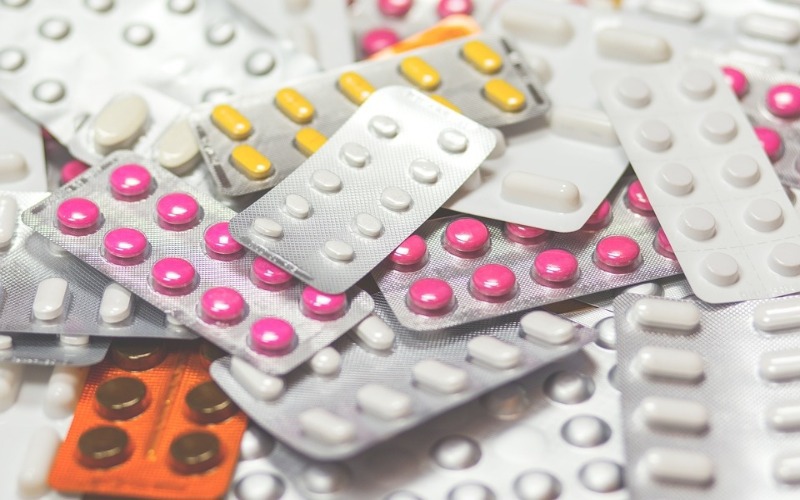
Outpatient treatment is not a one-size-fits-all programme and, therefore, should be tailored to the needs of the individual. However, programmes generally include some combination of:

  • Individual, group, and/or family/friend therapy.
  • Mental health education.
  • Managing symptoms.
  • Identifying triggers.
  • Overcoming fears.
  • Developing communication skills.
  • Establishing healthy social norms.
  • Coping skills/strategies.
  • Helping the individual to learn to thrive, rather than survive, outside the therapeutic environment.
  • Medication management.
  • Aftercare.
  • Counselling.
  • Psychoeducation.
  • Psychiatric care.
  • Personalised treatment/care plan.
  • Complementary therapies, for example: art therapy, yoga, and music therapy.

The exact combination will depend on the needs of the individual, and can change as the individual’s circumstances change.

With this in mind, an important element to consider is which type of outpatient treatment programme will be most beneficial to the individual. Broadly speaking, there are three main types of outpatient programmes, each with varying levels of structure, to consider. Further, while one individual may be able to manage their symptoms with an hour or two of mental health treatment per month, another individual may need more support and structure.

ProgrammeOutline
Standard Outpatient Treatment (SOT)1. This involves regular visits to the outpatient clinic, treatment centre, or hospital, as outlined by the individual’s personalised care plan.
2. Therapy sessions are scheduled around the individual’s work, school, and other responsibilities.
3. Treatment may be weekly or more frequent, and may continue for a year or more.
Intensive Outpatient Programme (IOP)1. At least six hours per week for adolescents and nine hour per week for adults, and this typically involves 3 to 4 hours of treatment for up to 5 days per week [1].
2. IOPs are designed to provide more structure and support than SOT while still allowing individuals the time and flexibility to tend to outside responsibilities.
3. The length of an IOP can be anywhere from a few weeks to a year – 90 days is usually the recommended minimum.
Partial Hospitalisation Programme (PHP)1. At least 20 hours per week, and this typically involves 6 or more hours of treatment per day, for up to 7 days per week [1].
2. Highly structured and supervised, PHPs provide the most intensive level of non-residential care, and are often beneficial for individuals reintegrating into their lives after an inpatient stay.
3. PHPs typically last around 30 days before the individual transitions to a more flexible level of care.

Notes

  1. The number of hours and days of treatment will vary between providers and clinics/facilities.

While traditional outpatient sessions may take place once a week and last around an hour, structured outpatient lasts anywhere from 6 to 35 hours per week. Individuals will often attend structured outpatient programmes three to five days per week.

Multidisciplinary Teams

Various professionals will make up a multidisciplinary team who will be involved in an individual’s outpatient treatment, and can include:

  • General practitioner (GP)/primary care physician.
  • District/mental health nurse.
  • Psychologist.
  • Psychiatrist.
  • Social worker.
  • Counsellor.

What are the Benefits of Outpatient Treatment?

For individuals with mild to moderate symptoms, (and preferably) strong support systems at home, and the ability to function independently, outpatient treatment is usually a good choice. With this in mind, individuals can benefit because they can:

  • Receive an intense level of programming (much like inpatient treatment) without entirely disrupting their current situation in life, such as work, school or family responsibilities;
  • Turn to outpatient treatment after completing an inpatient programme as part of their continued recovery journey;
  • Return home each night (the home environment can be beneficial for recovery provided that it is a healthy, stable environment);
  • Stay connected with family and friends ones while still receiving the treatment they need;
  • Maintain commitments and responsibilities, such as work and school;
  • Receive extra support from healthcare professionals and fellow participants;
  • Spend more time at the treatment centre, which enables them to focus their attention on recovery;
  • Apply the skills and strategies they learn in treatment to real life situations;
  • Stay connected with their treatment team and remain accountable to their personalised care plan; and
  • Transition slowly back into everyday situations, equipped with tools to help optimise their independence and live a meaningful life.

Outpatient treatment can also be conducted via telehealth, so individuals (for example) living in rural areas or with transport issues do not (always) have to travel to receive services (although telehealth provision varies between countries and providers).

Depending on the country the individual resides in, most outpatient treatment programmes also have the added benefit of being less expensive than inpatient programmes. The on-hand medical care and psychotherapy available as an inpatient increases treatment costs, however, the price difference should not encourage or discourage an individual from choosing the most appropriate treatment for them.

Summary

Mental health treatment can be thought of as a continuum, with individuals moving up or down in levels of care as needed. However, it is important that both the individual (with a mental health issue) and their family/friends understand the differences before selecting a treatment programme. Exploring all options prior to making a decision can put you or a loved one on their journey to better long-term mental health.

No matter which treatment option an individual may choose, mental health treatment programmes can help change their life for the better. Mental health issues can be chronic and recovery a lifelong process.

What is a Maintenance Dose?

Introduction

In pharmacokinetics, a maintenance dose is the maintenance rate [mg/h] of drug administration equal to the rate of elimination at steady state.

Refer to Defined Daily Dose, Prescribed Daily Dose, and Average Daily Quantity.

Outline

This is not to be confused with dose regimen, which is a type of drug therapy in which the dose [mg] of a drug is given at a regular dosing interval on a repetitive basis. Continuing the maintenance dose for about 4 to 5 half lives (t½) of the drug will approximate the steady state level. One or more doses higher than the maintenance dose can be given together at the beginning of therapy with a loading dose.

A loading dose is most useful for drugs that are eliminated from the body relatively slowly. Such drugs need only a low maintenance dose in order to keep the amount of the drug in the body at the appropriate level, but this also means that, without an initial higher dose, it would take a long time for the amount of the drug in the body to reach that level.

Calculating the Maintenance Dose

The required maintenance dose may be calculated as:

Cp CL divided by F = MD

Where:

  • MD = the maintenance dose rate [mg/h].
  • Cp = desired peak concentration of drug [mg/L].
  • CL = clearance of drug in body [L/h].
  • F = bioavailability.

For an intravenously administered drug, the bioavailability (F) will equal 1, since the drug is directly introduced to the bloodstream. If the patient requires an oral dose, bioavailability will be less than 1 (depending upon absorption, first pass metabolism etc.), requiring a larger loading dose.

This page is based on the copyrighted Wikipedia article < https://en.wikipedia.org/wiki/Maintenance_dose >; it is used under the Creative Commons Attribution-ShareAlike 3.0 Unported License (CC-BY-SA). You may redistribute it, verbatim or modified, providing that you comply with the terms of the CC-BY-SA.

What is Prescribed Daily Dose?

Introduction

Prescribed daily dose (PDD) is the usual dose of medication calculated by looking at a group of prescriptions for the medication in question.

At times the PDD needs to be related to the condition being treated.

Refer to Defined Daily Dose, Average Daily Quantity, and Maintenance Dose.

What are Expressive Therapies?

Introduction

The expressive therapies are the use of the creative arts as a form of therapy, including the distinct disciplines expressive arts therapy and the creative arts therapies (art therapy, dance/movement therapy, drama therapy, music therapy, writing therapy, poetry therapy, and psychodrama).

Unlike traditional arts expression, the process of creation is emphasized rather than the final product. The expressive therapies are based on the assumption that people can heal through the various forms of creative expression. Expressive therapists share the belief that through creative expression and the tapping of the imagination, people can examine their body, feelings, emotions, and thought process.

Brief History

Margaret Namburg, Edith Kramer, Hanna Kwiatkowska and Elinor Ulman have been credited with being the pioneers of the field of sensory art therapy. While all of these scientists made significant contributions, Margaret Namburg has been hailed the “Mother of Art Therapy”. Her work focused on the use of art, mainly as a psychoanalytic diagnostic tool. It followed closely other psychoanalytic practices of the time, and was viewed as the communication of unconscious ideas and emotions that were being expressed by the patient.

Modern Approaches

Today’s art therapy is broken down into three different approaches:

ApproachOutline
PsychodynamicThe psychodynamic approach uses terms such as “transference” and defence mechanism to describe why individuals express the art in the way they do, and why this is an expression of the subconscious.
HumanisticThe humanistic approach is more of a positive psychology approach, and is defined by an optimistic view of humans, and how expression through their art allows them to take control over these emotions.
Learning and DevelopmentThe learning and developmental approach focuses on the art therapy as a method to assist children who have emotional and developmental disabilities.

Definition and Credentialing

Expressive arts therapy is the practice of using imagery, storytelling, dance, music, drama, poetry, movement, horticulture, dreamwork, and visual arts together, in an integrated way, to foster human growth, development, and healing. Expressive arts therapy is its own distinct therapeutic discipline, an inter-modal discipline where the therapist and client move freely between drawing, dancing, music, drama, and poetry.

According to the National Organisation for Arts in Health (NOAH), what distinguishes the six creative arts therapies – art, dance/movement, drama, music and poetry therapy as well as psychodrama – from expressive arts therapy is that expressive arts therapy interventions are designed to include more than one of the “expressive” art forms (art, dance, drama, music, poetry), whereas creative arts therapists, such as art, dance/movement, drama, music, poetry and psychodrama therapists, are often intensively trained and educated to use only one modality in their practice. However, NOAH also acknowledged that the terms “are often used interchangeably in the field”, and that in any case all such professionals should collaborate closely. 

The International Expressive Arts Therapy Association (IEATA) is the responsible organisation handling the credentialing of expressive arts therapists.

The National Coalition of Creative Arts Therapies Association (NCCATA) connects all six modalities of the creative arts therapies. However, each modality of the creative arts therapies has its own national association that regulates professional credentials, establishes educational standards and hosts annual conferences for the purpose of exchanging new ideas and research.

Education

Each national association of the different modalities of expressive therapies sets its own educational standards. In the United States, there are a fair number of colleges that offer approved programmes in compliance with the national associations’ credentialing requirements.

There are 37 universities for music therapy, 34 universities for art therapy, seven universities for dance/movement therapy, and five universities for drama therapy, as well as 5 universities for expressive arts therapy, that have approved master’s degree programmes in the United States. In addition, the American Music Therapy Association (AMTA) has 75 undergraduate music therapy programmes approved. Once finished with an academic degree, potential therapists have to apply for credentialing at the responsible national association.

Creative Arts Therapies Modalities

There are six creative arts therapy modalities, recognised by the NCCATA, including art therapy, dance therapy, drama therapy, music therapy, poetry therapy and psychodrama. In some areas, the terms Creative Arts Therapy and Creative Arts Therapist may only be used by those who are properly licensed, as is the case in the State of New York.

Art Therapy

Created in the 1940s, Art therapy consists of the combination of psychotherapy and art. The creative process as well as the created art piece serves as a foundation for self-exploration, understanding, acceptance and eventually healing and personal growth. The creative act in therapy therefore can be seen as a means of re-experiencing inner conflict connected to resolution. The four main types are expression, imagination, active participation, and mind-body connection. Assisting in those with depression, breast cancer, and asthma, art therapy can be done at any age and does not require and skill set. Art Therapy has undergone extensive research which revealed that it decreases anxiety, increases self-concept and quality of life, and reduces negative thoughts. With two main goals in mind, Art Therapy strives to enhance personal and relational goals for those in need. Self-esteem, social skills, and cognitive functions are also said to be an area of importance. A certified art therapist is essential in order for the therapy to ensure improvement, however common art therapy using even a friend to discuss trauma can be enough to help someone.

Dance/Movement Therapy

Like other creative arts therapy modalities, dance/movement therapy is based on the assumption that “mind, body and spirit are inseparable and interconnected” (ADTA). Movement is the primary tool of intervention in a therapy session, but dance/movement therapy also uses the art of play in therapy. Like other creative art therapies it uses primarily nonverbal communication. Dance and movement therapy has shown to be the most beneficial in those who enjoy exercises that involve less talking an expression through movements.

Drama Therapy

Drama therapy refers to the combination of the two disciplines drama/theatre and psychotherapy. Drama Therapy, as a hybrid of both disciplines, uses theatre techniques to treat individuals with mental health, cognitive, and developmental disorders. Through the art of play and pretend, patients gain perspective in therapy to their life experiences, which in the field is referred to as “aesthetic distance”.

Music Therapy

Music Therapy is the use of music, music-making, or other music-related interventions within a therapeutic relationship. Music therapy is a broad field with many areas and populations to specialize in. A holistic practice, music therapy can address emotional/psychological, cognitive, communication, motor, sensory, pain, social, behavioural, end of life, and even spiritual needs. This is due in part to music being processed in many areas of the brain. Music therapy helps patients “communicate, process difficult experiences, and improve motor or cognitive functioning” (Jenni Rook, MT-BC, LCPC, 2016). When used as psychotherapy, at its core, music therapy may use music as a symbolic representation and expression of the psychological world of the individual.

Music Therapy also benefits a variety of disorders, like cardiac and mental disorders. It aids those who suffer from depression, anxiety, autism, substance abuse, and Alzheimer’s. In cases where a person is suffering from mental disorders, music relieves stress, improves self-esteem, etc. Evidence has shown that people who have used Music Therapy in the past have improved in several aspects of life that do not concern just those suffering from mental illness. In music therapy people may improve their singing which may then impact their ability to speak. Therefore, it can change several aspects of life, not just those of helping mental illness.

Poetry Therapy

Poetry therapy (also referred to using the broader term bibliotherapy) stands out from other creative arts therapies, which are all based on the assumption of the existence of a language that functions without words. Poetry therapy, however, is the use of the written word to bring healing and personal growth.

Psychodrama

Psychodrama is a distinct form of psychotherapy developed by Jacob L. Moreno in the early 20th century. Moreno, a trained psychoanalyst himself, had the goal of creating a more effective, action-based form of psychoanalysis as developed by Sigmund Freud and Carl Jung. He developed a clear three phase structure (warm up, action, sharing) to his therapy as well as multiple intervention-methods that are still used by psychodrama therapists today.

Although related, psychodrama and drama therapy describe different modalities within the field of creative arts therapies. Whereas psychodrama uses real-life experience of the patients in therapy to “practice new and more effective roles and behaviors” (ASGPP), drama therapy lets the patients explore more fictional stories, such as improvised scenes, myths or fairy tales.

Benefits

BenefitOutline
Self-DiscoveryThis discovery often leads to a relief of emotional tension caused by past events, and can be used as a coping mechanism.
EmpowermentArt therapy gives individuals the ability to articulate their fears and stresses in a non-conventional way, and often leads to sense of control over these emotions.
Stress ReliefEffective for stress relief by itself, but can provide even better results if paired with other relaxation devices such as guided imagery.
Physical Pain Relief and RehabilitationArt therapy has been shown to help decrease pain in patients who are recovering from illness and injury. It has also been used in patients who are chronically or terminally ill, to provide relief and pain control.

Empirical Evidence

Ball (2002)

Ball conducted long-term research on five children who were considered to be severely emotionally disturbed. These children participated in 50 art therapy sessions, and the results suggested that the art therapy was successful, and the children showed marked progress in their treatment over the course of the 50 sessions.

Pifalo (2006)

In this study, 41 girls or young women who had been sexually abused were given structured group art therapy for eight weeks, and were measured before treatment using the Briere’s Trauma Symptom Checklist for Children (TSCC). They were given the test again after the treatment, and for 9 out of 10 of the girls, a statistically significant reduction in scores on the test were observed.

Bar-Sela, Atid, Danos, Gabay & Epelbaum (2007)

This study worked with 60 adults who had cancer. These adults attended weekly individual art therapy, in addition to watercolour painting classes. After just four sessions, the experimental group saw marked and significant improvement in depression and fatigue, as measured by the Hospital Anxiety and Depression Scale and a brief fatigue inventory. While they showed a decrease in depression, there was no significant difference in the levels of anxiety of the patients.

Gusak (2006)

In this study, the researcher worked with 29 incarcerated men. The men attended eight sessions of group art therapy, and were tested before and after the treatment using the Beck Depression Inventory Short Form. After the eight sessions, all of the men showed significant improvement in the symptoms of depression and their score on the Beck Depression Inventory reflected these improvements.

Bulfone et al. (2009)

In this study Bulfone et al. utilised music therapy as their treatment. 60 women who had been diagnosed with stage 1 or 2 breast cancer were randomly assigned to a control or experimental group. The control group received standard assistance before chemotherapy, while the experimental group had the chance to listen to music before the chemotherapy began. The results showed that the anxiety levels of the experimental group were significantly lower than those of the control group, and also showed a significantly lower level of depression.

This page is based on the copyrighted Wikipedia article <https://en.wikipedia.org/wiki/Expressive_therapies >; it is used under the Creative Commons Attribution-ShareAlike 3.0 Unported License (CC-BY-SA). You may redistribute it, verbatim or modified, providing that you comply with the terms of the CC-BY-SA.