Erwadi fire incident is an accident that occurred on 06 August 2001, when 28 inmates of a faith-based mental asylum died in the fire. All these inmates were bound by chains at Moideen Badusha Mental Home in Erwadi Village in Tamil Nadu.
Large number of mental homes existed in Erwadi which was famous for the dargah of Quthbus Sultan Syed Ibrahim Shaheed Valiyullah, from Medina, Saudi Arabia who came to India to propagate Islam. Various people believe that holy water from the dargah and oil from the lamp burning there have the power to cure all illnesses, especially mental problems. The treatment also included frequent caning, beatings supposedly to “drive away the evil”. During the day, patients were tied to trees with thick ropes. At night, they were tied to their beds with iron chains. The patients awaited a divine command in their dreams to go back home. For the command to come, it was expected to take anything from two months to several years.
As the number of people seeking cure at dargah increased, homes were set up by individuals to reportedly take care of the patients. Most of these homes were set up by people who themselves had come to Erwadi seeking cure for their relatives.
The origins of the fire are unknown, but once it spread, there was little hope of saving most of the 45 inmates, who were chained to their beds in the ramshackle shelter in which they slept, though such shackling was against Indian law. Some inmates whose shackles were not as tight escaped, and five people were hospitalised for severe burns. The bodies of the dead were not identifiable.
Aftermath and Legacy
All mental homes of this type were closed on 13 August 2001, and more than 500 inmates were placed under government’s care. As per Supreme Court directions, a commission headed by N. Ramdas was set up to enquire into these deaths. The commission recommended that care of mentally ill people is to be improved, that anybody wishing to set up a mental home to acquire a license, and that all inmates be unchained.
In 2007, the owner of the Badsha Home for the Mentally Challenged, his wife and two relatives were sentenced to seven years imprisonment by a magistrate Court.
It is not a diagnosis, but is a symptom of some mental disorders and can also occur in response to adverse events without the presence of a mental disorder.
On suicide risk scales, the range of suicidal ideation varies from fleeting thoughts to detailed planning. Passive suicidal ideation is thinking about not wanting to live or imagining being dead. Active suicidal ideation is thinking about different ways to die or forming a plan to die.
Most people who have suicidal thoughts do not go on to make suicide attempts, but suicidal thoughts are considered a risk factor. During 2008-2009, an estimated 8.3 million adults aged 18 and over in the United States, or 3.7% of the adult US population, reported having suicidal thoughts in the previous year. An estimated 2.2 million in the US reported having made suicide plans in 2014. Suicidal thoughts are also common among teenagers.
Suicidal ideation is generally associated with depression and other mood disorders; however, it seems to have associations with many other mental disorders, life events, and family events, all of which may increase the risk of suicidal ideation. Mental health researchers indicate that healthcare systems should provide treatment for individuals with suicidal ideation, regardless of diagnosis, because of the risk for suicidal acts and repeated problems associated with suicidal thoughts. There are a number of treatment options for people who experience suicidal ideation.
Definitions
The ICD-11 describes suicidal ideation as “thoughts, ideas, or ruminations about the possibility of ending one’s life, ranging from thinking that one would be better off dead to formulation of elaborate plans”.
The DSM-5 defines it as “thoughts about self-harm, with deliberate consideration or planning of possible techniques of causing one’s own death”.
The CDC defines suicidal ideation “as thinking about, considering, or planning suicide”.
Terminology
Another term for suicidal ideation is suicidal thoughts.
When someone who has not shown a history of suicidal ideation experiences a sudden and pronounced thought of performing an act which would necessarily lead to their own death, psychologists call this an intrusive thought. A commonly experienced example of this is the high place phenomenon, also referred to as the call of the void. The urge to jump is called “mountain fever” in Brian Biggs’ book Dear Julia.
Euphemisms related to mortal contemplation include internal struggle, voluntary death, and eating one’s gun.
Risk Factors
The risk factors for suicidal ideation can be divided into three categories:
Psychiatric disorders;
Life events; and
Family history.
Psychiatric Disorders
Suicidal ideation is a symptom for many mental disorders and can occur in response to adverse life events without the presence of a mental disorder.
There are several psychiatric disorders that appear to be comorbid with suicidal ideation or considerably increase the risk of suicidal ideation. For example, many individuals with borderline personality disorder exhibit recurrent suicidal behaviour and suicidal thoughts. One study found that 73% of patients with borderline personality disorder have attempted suicide, with the average patient having 3.4 attempts. The following list includes the disorders that have been shown to be the strongest predictors of suicidal ideation. These are not the only disorders that can increase risk of suicidal ideation. The disorders in which risk is increased the greatest include:
Antidepressant medications are commonly used to decrease the symptoms in patients with moderate to severe clinical depression, and some studies indicate a connection between suicidal thoughts and tendencies and taking antidepressants, increasing the risk of suicidal thoughts in some patients.
Some medications, such as selective serotonin re-uptake inhibitors (SSRIs), can have suicidal ideation as a side effect. Moreover, these drugs’ intended effects, can themselves have unintended consequence of an increased individual risk and collective rate of suicidal behaviour: Among the set of persons taking the medication, a subset feel bad enough to want to attempt suicide (or to desire the perceived results of suicide) but are inhibited by depression-induced symptoms, such as lack of energy and motivation, from following through with an attempt. Among this subset, a “sub-subset” may find that the medication alleviates their physiological symptoms (such as lack of energy) and secondary psychological symptoms (e.g. lack of motivation) before or at lower doses than it alleviates their primary psychological symptom of depressed mood. Among this group of persons, the desire for suicide or its effects persists even as major obstacles to suicidal action are removed, with the effect that the incidences of suicide attempt and of completed suicide increase.
In 2003, the US Food and Drug Administration (FDA) issued the agency’s strictest warning for manufacturers of all antidepressants (including tricyclic antidepressants (TCAs) and monoamine oxidase inhibitors (MAOIs) due to their association with suicidal thoughts and behaviours. Further studies disagree with the warning, especially when prescribed for adults, claiming more recent studies are inconclusive in the connection between the drugs and suicidal ideation.
Individuals with anxiety disorders who self-medicate with drugs or alcohol may also have an increased likelihood of suicidal ideation.
Life Events
Life events are strong predictors of increased risk for suicidal ideation. Furthermore, life events can also lead to or be comorbid with the previous listed psychiatric disorders and predict suicidal ideation through those means. Life events that adults and children face can be dissimilar and for this reason, the list of events that increase risk can vary in adults and children. The life events that have been shown to increase risk most significantly are:
Alcohol use disorder.
Studies have shown that individuals who binge drink, rather than drink socially, tend to have higher rates of suicidal ideation.
Certain studies associate those who experience suicidal ideation with higher alcohol consumption.
Not only do some studies show that solitary binge drinking can increase suicidal ideation, but there is a positive feedback relationship causing those who have more suicidal ideation to have more drinks per day in a solitary environment.
Minoritised gender expression and/or sexuality.
Unemployment.
Chronic illness or pain.
Death of family members or friends.
End of a relationship or being rejected by a romantic interest.
Major change in life standard (e.g. relocation abroad).
Other studies have found that tobacco use is correlated with depression and suicidal ideation.
Unplanned pregnancy.
Bullying, including cyberbullying and workplace bullying.
Previous suicide attempts.
Having previously attempted suicide is one of the strongest indicators of future suicidal ideation or suicide attempts.
Women: increased BMI increases chance of suicidal ideation.
Men: severe decrease in BMI increases chance of suicidal ideation.
In general, the obese population has increased odds of suicidal ideation in relation to individuals that are of average-weight.
Exposure and attention to suicide related images or words.
Family History
Parents with a history of depression.
Valenstein et al. studied 340 adult offspring whose parents had depression in the past.
They found that 7% of the offspring had suicidal ideation in the previous month alone.
Abuse.
Childhood: physical, emotional and sexual abuse.
Adolescence: physical, emotional and sexual abuse.
Family violence.
Childhood residential instability.
Certain studies associate those who experience suicidal ideation with family disruption.
Relationships with Parents and Friends
According to a study conducted by Ruth X. Liu of San Diego State University, a significant connection was found between the parent-child relationships of adolescents in early, middle and late adolescence and their likelihood of suicidal ideation. The study consisted of measuring relationships between mothers and daughters, fathers and sons, mothers and sons, and fathers and daughters. The relationships between fathers and sons during early and middle adolescence show an inverse relationship to suicidal ideation. Closeness with the father in late adolescence is “significantly related to suicidal ideation”. Liu goes on to explain the relationship found between closeness with the opposite sex parent and the child’s risk of suicidal thoughts. It was found that boys are better protected from suicidal ideation if they are close to their mothers through early and late adolescence; whereas girls are better protected by having a close relationship with their father during middle adolescence.
An article published in 2010 by Zappulla and Pace found that suicidal ideation in adolescent boys is exacerbated by detachment from the parents when depression is already present in the child. Lifetime prevalence estimates of suicidal ideation among nonclinical populations of adolescents generally range from 60% and in many cases its severity increases the risk of completed suicide.
Early detection and treatment are the best ways to prevent suicidal ideation and suicide attempts.[citation needed] If signs, symptoms, or risk factors are detected early then the individual might seek treatment and help before attempting to take their own life. In a study of individuals who did commit suicide, 91% of them likely suffered from one or more mental illnesses. However, only 35% of those individuals were treated or being treated for a mental illness. This emphasizes the importance of early detection; if a mental illness is detected, it can be treated and controlled to help prevent suicide attempts. Another study investigated strictly suicidal ideation in adolescents. This study found that depression symptoms in adolescents early as 9th grade is a predictor of suicidal ideation. Most people with long-term suicidal ideation do not seek professional help.
The previously mentioned studies point out the difficulty that mental health professionals have in motivating individuals to seek and continue treatment. Ways to increase the number of individuals who seek treatment may include:
Increasing the availability of therapy treatment in early stage.
Increasing the public’s knowledge on when psychiatric help may be beneficial to them.
Those who have adverse life conditions seem to have just as much risk of suicide as those with mental illness.
A study conducted by researchers in Australia set out to determine a course of early detection for suicidal ideation in teens stating that “risks associated with suicidality require an immediate focus on diminishing self-harming cognitions so as to ensure safety before attending to the underlying etiology of the behavior”. A Psychological Distress scale known as the K10 was administered monthly to a random sample of individuals. According to the results among the 9.9% of individuals who reported “psychological distress (all categories)” 5.1% of the same participants reported suicidal ideation. Participants who scored “very high” on the Psychological Distress scale “were 77 times more likely to report suicidal ideation than those in the low category”.
In a one-year study conducted in Finland, 41% of the patients who later committed suicide saw a health care professional, most seeing a psychiatrist. Of those, only 22% discussed suicidal intent on their last office visit. In most of the cases, the office visit took place within a week of the suicide, and most of the victims had a diagnosed depressive disorder.
There are many centers where one can receive aid in the fight against suicidal ideation and suicide. Hemelrijk et al. (2012) found evidence that assisting people with suicidal ideation via the internet versus more direct forms such as phone conversations has a greater effect. In a 2021 research study, Nguyen et al. (2021) propose that maybe the premise that suicidal ideation is a kind of illness has been an obstacle to dealing with suicidal ideation. They use a Bayesian statistical investigation, in conjunction with the mindsponge theory, to explore the processes where mental disorders have played a very minor role and conclude that there are many cases where the suicidal ideation represents a type of cost-benefit analysis for a life/death consideration, and these people may not be called “patients”.
Assessment
Assessment seeks to understand an individual by integrating information from multiple sources such as clinical interviews; medical exams and physiological measures; standardised psychometric tests and questionnaires; structured diagnostic interviews; review of records; and collateral interviews.
Interviews
Psychologists, psychiatrists, and other mental health professionals conduct clinical interviews to ascertain the nature of a patient or client’s difficulties, including any signs or symptoms of illness the person might exhibit.
Clinical interviews are “unstructured” in the sense that each clinician develops a particular approach to asking questions, without necessarily following a predefined format.
Structured (or semi-structured) interviews prescribe the questions, their order of presentation, “probes” (queries) if a patient’s response is not clear or specific enough, and a method to rate the frequency and intensity of symptoms.
Treatment of suicidal ideation can be problematic due to the fact that several medications have actually been linked to increasing or causing suicidal ideation in patients. Therefore, several alternative means of treating suicidal ideation are often used. The main treatments include:
Therapy;
Hospitalisation;
Outpatient treatment; and
Medication or other modalities.
Therapy
In psychotherapy a person explores the issues that make them feel suicidal and learns skills to help manage emotions more effectively.
Hospitalisation
Hospitalisation allows the patient to be in a secure, supervised environment to prevent the suicidal ideation from turning into suicide attempts. In most cases, individuals have the freedom to choose which treatment they see fit for themselves. However, there are several circumstances in which individuals can be hospitalised involuntarily. These circumstances are:
If an individual poses danger to self or others; and/or
If an individual is unable to care for oneself.
Hospitalisation may also be a treatment option if an individual:
Has access to lethal means (e.g. a firearm or a stockpile of pills).
Does not have social support or people to supervise them.
Has a suicide plan.
Has symptoms of a psychiatric disorder (e.g. psychosis, mania, etc.).
Outpatient Treatment
Outpatient treatment allows individuals to remain at their place of residence and receive treatment when needed or on a scheduled basis. Being at home may improve quality of life for some patients, because they will have access to their personal belongings, and be able to come and go freely. Before allowing patients the freedom that comes with outpatient treatment, physicians evaluate several factors of the patient. These factors include the patient’s level of social support, impulse control and quality of judgment. After the patient passes the evaluation, they are often asked to consent to a “no-harm contract”. This is a contract formulated by the physician and the family of the patient. Within the contract, the patient agrees not to harm themselves, to continue their visits with the physician, and to contact the physician in times of need. There is some debate as to whether “no-harm” contracts are effective. These patients are then checked on routinely to assure they are maintaining their contract and avoiding dangerous activities (drinking alcohol, driving fast, and not wearing a seat belt, etc.).
Medication
Prescribing medication to treat suicidal ideation can be difficult. One reason for this is that many medications lift patients’ energy levels before lifting their mood. This puts them at greater risk of following through with attempting suicide. Additionally, if a person has a comorbid psychiatric disorder, it may be difficult to find a medication that addresses both the psychiatric disorder and suicidal ideation.
Antidepressants may be effective. Often, SSRIs are used instead of TCAs as the latter typically have greater harm in overdose.
Antidepressants have been shown to be a very effective means of treating suicidal ideation. One correlational study compared mortality rates due to suicide to the use of SSRI antidepressants within certain counties. The counties which had higher SSRI use had a significantly lower number of deaths caused by suicide. Additionally, an experimental study followed depressed patients for one year. During the first six months of that year, the patients were examined for suicidal behaviour including suicidal ideation. The patients were then prescribed antidepressants for the six months following the first six observatory months. During the six months of treatment, experimenters found suicide ideation reduced from 47% of patients down to 14% of patients. Thus, it appears from current research that antidepressants have a helpful effect on the reduction of suicidal ideation.
Although research is largely in favour of the use of antidepressants for the treatment of suicidal ideation, in some cases antidepressants are claimed to be the cause of suicidal ideation. Upon the start of using antidepressants, many clinicians will note that sometimes the sudden onset of suicidal ideation may accompany treatment. This has caused the FDA to issue a warning stating that sometimes the use of antidepressants may actually increase the thoughts of suicidal ideation. Medical studies have found antidepressants help treat cases of suicidal ideation and work especially well with psychological therapy. Lithium reduces the risk of suicide in people with mood disorders. Tentative evidence finds clozapine in people with schizophrenia reduces the risk of suicide.
It is focused on reducing social stigmas and ambiguity, by bringing attention to suicide statistically and sociologically, and encouraging positive dialogue and engagement as a means to prevent suicide. Suicide awareness is linked to suicide prevention as both address suicide education and the dissemination of information to ultimately decrease the rate of suicide. Awareness is a first stage that can ease the need for prevention.
Awareness signifies a fundamental consciousness of the threat, while prevention focuses on stopping the act. Suicide awareness is not a medical engagement, but a combination of medical, social, emotional and financial counselling. Suicide awareness in adolescents focuses on the age group between 10-24 years, beginning with the onset of puberty.
Stigma and Ambiguity
Stigma is a negative impact that society can often attribute to the suicidal condition, and which can hinder and prevent positive engagement with those demonstrating suicidal behaviour. It can be experienced as self-stigma or cultural, public stigma. Self-stigma is the adverse effect of internalised prejudice, manifesting itself in reduced self-esteem, decreased self-efficacy, and a feeling of “why try” or self-deprecation (undervaluing any attempts to get a job, be social, etc. because of lack of self-worth). It is experienced not only by those facing suicidal thoughts, but also by those directly and indirectly affected such as family members and friends. Public stigma is experienced by prejudice and discrimination through public misuse of stereotypes associated with suicide.
Stigma can create a detrimental barrier for some seeking help. Research has consistently illustrated the physical link between suicide and mental illness, but ignorance and outdated beliefs can sometimes lead to these disorders being identified as a weakness or a lack of willpower. Stigma can prevent survivors of suicide attempts, and those affected by suicide deaths, from reaching out for support from professionals and advocates to make positive change.
Historical Stigma
Historically, suicide has not always been considered a societal taboo. It is critical to understand the historical context in order to raise awareness of suicide’s impact on our current culture.
Suicide was embraced as a philosophical escape by the followers of the Greek philosopher Epicurus when life’s happiness seemed lost. It has been glorified in self-immolation as an act of martyrdom as in the case of Thich Quang Duc who burned himself to death in protest of South Vietnam’s religious policy. Assisted suicide as a release from suffering can be traced back to ancient Roman society. In Jewish culture, there is a reverence for the mass suicide at Masada in the face of attack by the Roman empire, showing how suicide has sometimes had a contradictory relationship with established religion. This indicates a tension between the presentation of suicide in this historical context, and its associations in our current society with personal anguish. Today, suicide is generally perceived as an act of despair or hopelessness, or a criminal act of terrorism (suicide attack). This negative backdrop was seen in Colonial America, where suicides were considered criminal and brought to trial, even if mental illness had been present.
Suicide was identified in Roman Catholicism as a sinful act, with religious burial prohibited until 1983, when the Catholic Church altered the canon law to allow funerals and burials within the church of those who died by suicide. Today, many current societies and religious traditions condemn suicide, especially in Western culture. Public consideration of suicide in our culture is further complicated by society’s struggle to rationalize such cult events as the Jonestown mass suicide. In light of these mixed historical messages, it can be confusing for youth, presented with an academic and historical profile for suicide. The ambiguity of accepted suicide and suicidal behaviour definitions impedes progress with its utilisation of variable terminology.
Public and Cultural Stigma
Today, even though suicide is considered a public health issue by advocates, the general public often still consider it a private shame; a final desperate solution for the emotionally weak. It is stigmatised in the public perception by being associated with weakness, a “cry for attention,” shame, and depression, without understanding the contributing factors. There can be a visceral and emotional reaction to suicide rather than an attempt to understand it. This reaction is based on stereotypes (overgeneralisations about a group: weak or crazy), prejudices (agreement with stereotypical beliefs and related emotional reactions: Sue attempted suicide; ‘I’m afraid of her’), and discrimination (unfair behaviour towards the suicidal individual or group: avoidance; ‘suicidal persons should be locked up’). Erving Goffman defined courtesy stigma as the discrimination, prejudice and stereotypes which family and friends experience as suicide survivors. Public stigma is felt by medical professionals whose clients die by suicide and whose treatment is then questioned by colleagues and in lawsuits, often contributing to their being less inclined to work with suicidal patients. Property can also be stigmatized by suicide: property sellers in certain jurisdictions in the United States, in California for example, are required by law to reveal if a suicide or murder occurred on the premises in the past three years, putting suicide in the same category as homicide. These issues compound and perpetuate the public stigma of suicide, exacerbating the inclination for suicidal individuals, and their family and friends, to bury their experiences, creating a barrier to care.
Emotional Stigma
Emotionally, the negative stigma of suicide is a powerful force creating isolation and exclusion for those in suicidal crisis. The use of stereotypes, discrimination and prejudices can strip the dignity of those experiencing suicidal behaviour. It also has the potential to inhibit compassion from others and to diminish hope. Fear of being socially rejected and labelled suicidal can prevent communication and support. Distress and reduced life satisfaction are directly affected by subjective feelings of being devalued and marginalised. This develops into an internalized stigma; it creates self-stigmatised emotions, self-deprecation and self-actualisation of negative stereotypes, causing further withdrawal, reduction in quality of life and the inhibiting access to care.
This emotional stigma also affects suicide survivors: those suffering a loved one’s loss, stirring up guilt, self-blame, isolation, depression and post-traumatic stress. Subjective experiences of feeling shunned or blamed for an incident can cause those close to the victim to bury the truth of what transpired.
Awareness Factors
Suicide awareness expresses the need for open constructive dialogue as an initial step towards preventing incidents of adolescent suicide. Once the stigmas have been overcome, there is an increased possibility that education, medical care and support can provide a critical framework for those at risk. Lack of information, awareness of professional services, judgement and insensitivity from religious groups, and financial strain have all been identified as barriers to support access for those youth in suicidal crisis. The critical framework is a necessary component to implementing suicide awareness and suicide prevention, and breaking down these barriers.
Protective Factors
Protective factors are characteristics or conditions that may have a positive effect on youth and reduce the possibility of suicide attempts. These factors have not been studied in as much depth as risk factors, so there is less research. They include:
Receiving effective mental health care.
Positive social connections and support with family and peers provides coping skills.
Participation in community and social groups (i.e. religious) that foster resilience.
Optimism enables youth to engage and acquire adaptive skills in reinterpreting adverse experiences to find meaning and benefit.
Life satisfaction, spiritual wellbeing and belief that a person can survive beyond their pain is protective against suicide.
Resiliency based on adaptive coping skills has can reduce suicide risk, and research suggests these skills can be taught.
Finding hope can be a key protective factor and a catalyst for the recovery process.
It is important to note, however, that in-depth training is paramount for those involved in any service that looks to the awareness and needs of those touched by suicide.
Social Media
Suicide awareness and prevention have in the past only relied on research from clinical observation. In bringing insights, intimate experience, and real-world wisdom of suicide attempt survivors to the table, professionals, educators, other survivors and suicide attempt survivors can learn firsthand from their “lived experience.”
Media and journalism, when reporting on suicide, have moved forward in their discussion of suicide. The Recommendations for Reporting on Suicide discovered the powerful impact media coverage, newspapers and journalists can have on the perpetuating stigma of suicide, and that it can lead to greater risk of occurrence. The specific rules that media representatives should follow are:
Don’t sensationalise the suicide.
Don’t talk about the contents of the suicide note, if there is one.
Don’t describe the suicide method.
Report on suicide as a public health issue.
Don’t speculate why the person might have done it.
Don’t quote or interview police or first responders about the causes of suicide.
Describe suicide as “died by suicide” or “completed” or “killed themselves,” rather than “committed suicide.”
Don’t glamorise suicide.
This is to prevent certain types of messaging around suicide that could increase the chances of at-risk youth considering or attempting suicide. This initiative brought awareness to the sensitivity of reporting on suicide in a constructive, destigmatised method of messaging.
Social Agency
Education in a non-threatening environment is critical to a growth in awareness among adolescents. Health education is closely related to health awareness. School can be the best place to implement a suicide education program because it is the pivotal location that brings together the major influences in an adolescent’s life. Pilot programmes for awareness, and coping and resiliency training should be put into place for all adolescent school-aged children to combat life stressors and to encourage healthy communication.
Suicide prevention is a collection of efforts to reduce the risk of suicide. These efforts may occur at the individual, relationship, community, and society level. Suicide is often preventable.
Beyond direct interventions to stop an impending suicide, methods may include:
Treating mental illness.
Improving coping strategies of people who are at risk.
Reducing risk factors for suicide, such as poverty and social vulnerability.
Giving people hope for a better life after current problems are resolved.
Call a suicide hotline number.
General efforts include measures within the realms of medicine, mental health, and public health. Because protective factors such as social support and social engagement – as well as environmental risk factors such as access to lethal means – play a role in suicide, suicide is not solely a medical or mental-health issue.
Suicide prevention measures suggested by the US Centres for Disease Control and Prevention.
Interventions
Lethal Mean Reduction
Means reduction - reducing the odds that a suicide attempter will use highly lethal means -— is an important component of suicide prevention. This practice is also called “means restriction”.
It has been demonstrated that restricting lethal means can help reduce suicide rates, as delaying action until the desire to die has passed. In general, strong evidence supports the effectiveness of means restriction in preventing suicides. There is also strong evidence that restricted access at so-called suicide hotspots, such as bridges and cliffs, reduces suicides, whereas other interventions such as placing signs or increasing surveillance at these sites appears less effective. One of the most famous historical examples of means reduction is that of coal gas in the United Kingdom. Until the 1950s, the most common means of suicide in the UK was poisoning by gas inhalation. In 1958, natural gas (virtually free of carbon monoxide) was introduced, and over the next decade, comprised over 50% of gas used. As carbon monoxide in gas decreased, suicides also decreased. The decrease was driven entirely by dramatic decreases in the number of suicides by carbon monoxide poisoning. A 2020 Cochrane review on means restrictions for jumping found tentative evidence of reductions in frequency.
In the United States, firearm access is associated with increased suicide completion. About 85% of attempts with a gun result in death while most other widely used suicide attempt methods result in death less than 5% of the time. Although restrictions on access to firearms have reduced firearm suicide rates in other countries, such restrictions are difficult in the United States because the Second Amendment to the United States Constitution limits restrictions on weapons.
Crises Hotline
Crisis hotlines connect a person in distress to either a volunteer or staff member. This may occur via telephone, text messaging, online chat, or in person. Even though crisis hotlines are common, they have not been well studied. One study found a decrease in psychological pain, hopelessness, and desire to die from the beginning of the call through the next few weeks; however, the desire to die did not decrease long term.
Tromsø Bridge suicide prevention fence
As a suicide prevention initiative, signs on the Golden Gate Bridge promote special telephones that connect to a crisis hotline, as well as a 24/7 crisis text line.
Social Intervention
In the United States, the 2012 National Strategy for Suicide Prevention promotes various specific suicide prevention efforts including:
Developing groups led by professionally trained individuals for broad-based support for suicide prevention.
Screening and reducing at-risk behaviour through psychological resilience programs that promotes optimism and connectedness.
Education about suicide, including risk factors, warning signs, stigma related issues and the availability of help through social campaigns.
Increasing the proficiency of health and welfare services at responding to people in need. e.g. sponsored training for helping professionals, increased access to community linkages, employing crisis counselling organisations.
Reducing domestic violence and substance abuse through legal and empowerment means are long-term strategies.
Reducing access to convenient means of suicide and methods of self-harm. e.g. toxic substances, poisons, handguns.
Reducing the quantity of dosages supplied in packages of non-prescription medicines e.g. aspirin.
School-based competency promoting and skill enhancing programmes.
Interventions and usage of ethical surveillance systems targeted at high-risk groups.
Improving reporting and portrayals of negative behaviour, suicidal behaviour, mental illness and substance abuse in the entertainment and news media.
Research on protective factors & development of effective clinical and professional practices.
Media Guidelines
Recommendations around media reporting of suicide include not sensationalizing the event or attributing it to a single cause. It is also recommended that media messages include suicide prevention messages such as stories of hope and links to further resources. Particular care is recommended when the person who died is famous. Specific details of the method or the location are not recommended.
There; however, is little evidence regarding the benefit of providing resources for those looking for help and the evidence for media guidelines generally is mixed at best.
TV shows and news media may also be able to help prevent suicide by linking suicide with negative outcomes such as pain for the person who has attempted suicide and their survivors, conveying that the majority of people choose something other than suicide in order to solve their problems, avoiding mentioning suicide epidemics, and avoiding presenting authorities or sympathetic, ordinary people as spokespersons for the reasonableness of suicide.
Medication
The medication lithium may be useful in certain situations to reduce the risk of suicide. Specifically it is effective at lowering the risk of suicide in those with bipolar disorder and major depressive disorder. Some antidepressant medications may increase suicidal ideation in some patients under certain conditions.
Counselling
There are multiple talk therapies that reduce suicidal thoughts and behaviours including dialectical behaviour therapy (DBT). Cognitive behaviour therapy for suicide prevention (CBT-SP) is a form of DBT adapted for adolescents at high risk for repeated suicide attempts. The brief intervention and contact technique developed by the World Health Organisation (WHO) also has shown benefit.
The WHO recommends “specific skills should be available in the education system to prevent bullying and violence in and around the school”.
Coping Planning
Coping planning is an strengths-based intervention that aims to meet the needs of people who ask for help, including those experiencing suicidal ideation. By addressing why someone asks for help, the risk assessment and management stays on what the person needs, and the needs assessment focuses on the individual needs of each person. The coping planning approach to suicide prevention draws on the health-focused theory of coping. Coping is normalised as a normal and universal human response to unpleasant emotions and interventions are considered a change continuum of low intensity (e.g. self-soothing) to high intensity support (e.g. professional help). By planning for coping, it supports people who are distressed and provides a sense of belongingness and resilience in treatment of illness. The proactive coping planning approach overcomes implications of ironic process theory. The biopsychosocial strategy of training people in healthy coping improves emotional regulation and decreases memories of unpleasant emotions. A good coping planning strategically reduces the inattentional blindness for a person while developing resilience and regulation strengths.
Strategies
The traditional approach has been to identify the risk factors that increase suicide or self-harm, though meta-analysis studies suggest that suicide risk assessment might not be useful and recommend immediate hospitalization of the person with suicidal feelings as the healthy choice. In 2001, the US Department of Health and Human Services, published the National Strategy for Suicide Prevention, establishing a framework for suicide prevention in the US The document, and its 2012 revision, calls for a public health approach to suicide prevention, focusing on identifying patterns of suicide and suicidal ideation throughout a group or population (as opposed to exploring the history and health conditions that could lead to suicide in a single individual). The ability to recognise warning signs of suicide allows individuals who may be concerned about someone they know to direct them to help.
Suicide gesture and suicidal desire (a vague wish for death without any actual intent to kill oneself) are potentially self-injurious behaviours that a person may use to attain some other ends, like to seek help, punish others, or to receive attention. This behaviour has the potential to aid an individual’s capability for suicide and can be considered as a suicide warning, when the person shows intent through verbal and behavioural signs.
A United States Army suicide prevention poster.
Specific Strategies
Suicide prevention strategies focus on reducing the risk factors and intervening strategically to reduce the level of risk. Risk and protective factors, unique to the individual can be assessed by a qualified mental health professional.
Some of the specific strategies used to address are:
Crisis intervention.
Structured counselling and psychotherapy.
Hospitalisation for those with low adherence to collaboration for help and those who require monitoring and secondary symptom treatment.
Supportive therapy like substance abuse treatment, psychotropic medication, Family psychoeducation and Access to emergency phone call care with emergency rooms, suicide prevention hotlines, etc.
Restricting access to lethality of suicide means through policies and laws.
Creating and using crisis cards, an easy-to-read uncluttered card that describes a list of activities one should follow in crisis until the positive behaviour responses settles in the personality.
Person-centred life skills training. e.g. problem solving.
Registering with support groups like Alcoholics Anonymous, Suicide Bereavement Support Group, a religious group with flow rituals, etc.
Therapeutic recreational therapy that improves mood.
Motivating self-care activities like physical exercise’s and meditative relaxation.
Psychotherapies that have shown most successful or evidence based are dialectical behaviour therapy (DBT), which has shown to be helpful in reducing suicide attempts and reducing hospitalisations for suicidal ideation and cognitive behavioural therapy (CBT), which has shown to improve problem-solving and coping abilities.
After a Suicide
Postvention is for people affected by an individual’s suicide. This intervention facilitates grieving, guides to reduce guilt, anxiety, and depression and to decrease the effects of trauma. Bereavement is ruled out and promoted for catharsis and supporting their adaptive capacities before intervening depression and any psychiatric disorders. Postvention is also provided to minimise the risk of imitative or copycat suicides, but there is a lack of evidence based standard protocol. But the general goal of the mental health practitioner is to decrease the likelihood of others identifying with the suicidal behaviour of the deceased as a coping strategy in dealing with adversity.
Risk Assessment
Warning Signs
Warning signs of suicide can allow individuals to direct people who may be considering suicide to get help.
Behaviours that may be warning signs include:
Talking about wanting to die or wanting to kill themselves.
Suicidal ideation: thinking, talking, or writing about suicide, planning for suicide.
Substance abuse.
Feelings of purposelessness.
Anxiety, agitation, being unable to sleep, or sleeping all the time.
Feelings of being trapped.
Feelings of hopelessness.
Social withdrawal.
Displaying extreme mood swings, suddenly changing from sad to very calm or happy.
Recklessness or impulsiveness, taking risks that could lead to death, such as driving extremely fast.
Mood changes including depression.
Feelings of uselessness.
Settling outstanding affairs, giving away prized or valuable possessions, or making amends when they are otherwise not expected to die (as an example, this behaviour would be typical in a terminal cancer patient but not a healthy young adult).
Strong feelings of pain, either emotional or physical considering oneself burdensome.
Increased use of drugs or alcohol.
Additionally, the National Institute for Mental Health includes feeling burdensome, and strong feelings of pain – either emotional or physical – as warning signs that someone may attempt suicide.
Direct Talks
An effective way to assess suicidal thoughts is to talk with the person directly, to ask about depression, and assess suicide plans as to how and when it might be attempted. Contrary to popular misconceptions, talking with people about suicide does not plant the idea in their heads. However, such discussions and questions should be asked with care, concern and compassion. The tactic is to reduce sadness and provide assurance that other people care. The WHO advises to not say everything will be all right nor make the problem seem trivial, nor give false assurances about serious issues. The discussions should be gradual and specifically executed when the person is comfortable about discussing their feelings. ICARE (Identify the thought, Connect with it, Assess evidences for it, Restructure the thought in positive light, Express or provide room for expressing feelings from the restructured thought) is a model of approach used here.
Screening
The US Surgeon General has suggested that screening to detect those at risk of suicide may be one of the most effective means of preventing suicide in children and adolescents. There are various screening tools in the form of self-report questionnaires to help identify those at risk such as the Beck Hopelessness Scale and Is Path Warm?. A number of these self-report questionnaires have been tested and found to be effective for use among adolescents and young adults. There is however a high rate of false-positive identification and those deemed to be at risk should ideally have a follow-up clinical interview. The predictive quality of these screening questionnaires has not been conclusively validated so it is not possible to determine if those identified at risk of suicide will actually die by suicide. Asking about or screening for suicide does not create or increase the risk.
In approximately 75% of completed suicides, the individuals had seen a physician within the year before their death, including 45 to 66% within the prior month. Approximately 33 to 41% of those who completed suicide had contact with mental health services in the prior year, including 20 percent within the prior month. These studies suggest an increased need for effective screening. Many suicide risk assessment measures are not sufficiently validated, and do not include all three core suicidality attributes (i.e. suicidal affect, behaviour, and cognition). A study published by the University of New South Wales has concluded that asking about suicidal thoughts cannot be used as a reliable predictor of suicide risk.
Underlying Condition
The conservative estimate is that 10% of individuals with psychiatric disorders may have an undiagnosed medical condition causing their symptoms, with some estimates stating that upwards of 50% may have an undiagnosed medical condition which if not causing is exacerbating their psychiatric symptoms. Illegal drugs and prescribed medications may also produce psychiatric symptoms. Effective diagnosis and if necessary medical testing which may include neuroimaging to diagnose and treat any such medical conditions or medication side effects may reduce the risk of suicidal ideation as a result of psychiatric symptoms, most often including depression, which are present in up to 90-95% of cases.
Risk Factors
All people can be at risk of suicide. Risk factors that contribute to someone feeling suicidal or making a suicide attempt may include:
Depression, other mental disorders, or substance abuse disorder.
Certain medical conditions.
Chronic pain.
A prior suicide attempt.
Family history of a mental disorder or substance abuse.
Family history of suicide.
Family violence, including physical or sexual abuse.
Having guns or other firearms in the home.
Having recently been released from prison or jail.
Being exposed to others’ suicidal behaviour, such as that of family members, peers, or celebrities.
Being male.
Support Organisations
Many non-profit organisations exist, such as the American Foundation for Suicide Prevention in the United States, which serve as crisis hotlines; it has benefited from at least one crowd-sourced campaign. The first documented programme aimed at preventing suicide was initiated in 1906 in both New York, the National Save-A-Life League and in London, the Suicide Prevention Department of the Salvation Army.
Suicide prevention interventions fall into two broad categories: prevention targeted at the level of the individual and prevention targeted at the level of the population. To identify, review, and disseminate information about best practices to address specific objectives of the National Strategy Best Practices Registry (BPR) was initiated. The Best Practices Registry of Suicide Prevention Resource Centre is a registry of various suicide intervention programmes maintained by the American Association of Suicide Prevention. The programs are divided, with those in Section I listing evidence-based programmes: interventions which have been subjected to in depth review and for which evidence has demonstrated positive outcomes. Section III programmes have been subjected to review.
If you or someone you know displays sign or symptoms of suicidal thoughts or actions these prevention organisations are available:
Befrienders Worldwide.
American Foundation for Suicide Prevention.
Campaign Against Living Miserably.
Crisis Text Line.
International Association for Suicide Prevention.
The Jed Foundation.
National Suicide Prevention Lifeline.
Samaritans.
SOSAD Ireland.
Suicide Prevention Action Network USA.
The Trevor Project.
Trans Lifeline.
Economics
In the United States it is estimated that an episode of suicide results in costs of about $1.3 million. Money spending on appropriated interventions is estimated to result in a decrease in economic losses that are 2.5 fold greater than the amount spent.
Substance dependence, also known as drug dependence, is a biopsychological situation where-by an individual’s functionality is dependent on the necessitated re-consumption of a psychoactive substance, because of an adaptive state that has developed with the individual from psychoactive substance consumption, which results in the experience of withdrawal, which necessitates the re-consumption of the drug.
A drug addiction, a distinct concept from substance dependence, is defined as compulsive, out-of-control drug use, despite negative consequences. An addictive drug is a drug which is both rewarding and reinforcing. ΔFosB, a gene transcription factor, is now known to be a critical component and common factor in the development of virtually all forms of behavioural and drug addictions, but not dependence.
The International Classification of Diseases classifies substance dependence as a mental and behavioural disorder. Within the framework of the 4th edition of the Diagnostic and Statistical Manual of Mental Disorders (DSM-IV), substance dependence is redefined as a drug addiction, and can be diagnosed without the occurrence of a withdrawal syndrome. It was described accordingly: “When an individual persists in use of alcohol or other drugs despite problems related to use of the substance, substance dependence may be diagnosed. Compulsive and repetitive use may result in tolerance to the effect of the drug and withdrawal symptoms when use is reduced or stopped. This, along with Substance Abuse are considered Substance Use Disorders.” In the DSM-5 (released in 2013), substance abuse and substance dependence have been merged into the category of substance use disorders and they no longer exist as individual diagnoses.
Brief History
The phenomenon of drug addiction has occurred to some degree throughout recorded history (see “Opium”). Modern agricultural practices, improvements in access to drugs, advancements in biochemistry, and dramatic increases in the recommendation of drug usage by clinical practitioners have exacerbated the problem significantly in the 20th century. Improved means of active biological agent manufacture and the introduction of synthetic compounds, such as fentanyl and methamphetamine, are also factors contributing to drug addiction.
For the entirety of US history, drugs have been used by some members of the population. In the country’s early years, most drug use by the settlers was of alcohol or tobacco.
The 19th century saw opium usage in the US become much more common and popular. Morphine was isolated in the early 19th century, and came to be prescribed commonly by doctors, both as a painkiller and as an intended cure for opium addiction. At the time, the prevailing medical opinion was that the addiction process occurred in the stomach, and thus it was hypothesized that patients would not become addicted to morphine if it was injected into them via a hypodermic needle, and it was further hypothesized that this might potentially be able to cure opium addiction. However, many people did become addicted to morphine. In particular, addiction to opium became widespread among soldiers fighting in the Civil War, who very often required painkillers and thus were very often prescribed morphine. Women were also very frequently prescribed opiates, and opiates were advertised as being able to relieve “female troubles”.
Many soldiers in the Vietnam War were introduced to heroin and developed a dependency on the substance which survived even when they returned to the US. Technological advances in travel meant that this increased demand for heroin in the US could now be met. Furthermore, as technology advanced, more drugs were synthesized and discovered, opening up new avenues to substance dependency.
Terms
Addiction: A biopsychosocial disorder characterised by persistent use of drugs (including alcohol) despite substantial harm and adverse consequences.
Addictive drug: Psychoactive substances that with repeated use are associated with significantly higher rates of substance use disorders, due in large part to the drug’s effect on brain reward systems.
Dependence: An adaptive state associated with a withdrawal syndrome upon cessation of repeated exposure to a stimulus (e.g. drug intake).
Drug sensitisation or reverse tolerance: The escalating effect of a drug resulting from repeated administration at a given dose.
Drug withdrawal: Symptoms that occur upon cessation of repeated drug use.
Physical dependence: Dependence that involves persistent physical-somatic withdrawal symptoms (e.g. fatigue and delirium tremens).
Psychological dependence: Dependence that involves emotional-motivational withdrawal symptoms (e.g. dysphoria and anhedonia).
Reinforcing stimuli: Stimuli that increase the probability of repeating behaviours paired with them.
Rewarding stimuli: Stimuli that the brain interprets as intrinsically positive and desirable or as something to approach.
Sensitisation: An amplified response to a stimulus resulting from repeated exposure to it.
Substance use disorder: A condition in which the use of substances leads to clinically and functionally significant impairment or distress.
Tolerance: The diminishing effect of a drug resulting from repeated administration at a given dose.
Withdrawal
Withdrawal is the body’s reaction to abstaining from a substance upon which a person has developed a dependence syndrome. When dependence has developed, cessation of substance-use produces an unpleasant state, which promotes continued drug use through negative reinforcement; i.e. the drug is used to escape or avoid re-entering the associated withdrawal state. The withdrawal state may include physical-somatic symptoms (physical dependence), emotional-motivational symptoms (psychological dependence), or both. Chemical and hormonal imbalances may arise if the substance is not re-introduced. Psychological stress may also result if the substance is not re-introduced.
Infants also suffer from substance withdrawal, known as neonatal abstinence syndrome (NAS), which can have severe and life-threatening effects. Addiction to drugs such as alcohol in expectant mothers not only causes NAS, but also an array of other issues which can continually affect the infant throughout their lifetime.
Risk Factors
Dependence Potential
The dependence potential of a drug varies from substance to substance, and from individual to individual. Dose, frequency, pharmacokinetics of a particular substance, route of administration, and time are critical factors for developing a drug dependence.
An article in The Lancet compared the harm and dependence liability of 20 drugs, using a scale from zero to three for physical dependence, psychological dependence, and pleasure to create a mean score for dependence. Selected results can be seen in the chart below.
Mental health as a risk factor for illicit drug dependency or abuse.
Capture rates enumerate the percentage of users who reported that they had become dependent to their respective drug at some point (Drug/% users):
Cannabis: 9%.
Alcohol: 15.4%.
Cocaine: 16.7%.
Heroin: 23.1%.
Tobacco: 31.9%.
Biomolecular Mechanisms
Psychological Dependence
Two factors have been identified as playing pivotal roles in psychological dependence: the neuropeptide “corticotropin-releasing factor” (CRF) and the gene transcription factor “cAMP response element binding protein” (CREB). The nucleus accumbens (NAcc) is one brain structure that has been implicated in the psychological component of drug dependence. In the NAcc, CREB is activated by cyclic adenosine monophosphate (cAMP) immediately after a high and triggers changes in gene expression that affect proteins such as dynorphin; dynorphin peptides reduce dopamine release into the NAcc by temporarily inhibiting the reward pathway. A sustained activation of CREB thus forces a larger dose to be taken to reach the same effect. In addition, it leaves the user feeling generally depressed and dissatisfied, and unable to find pleasure in previously enjoyable activities, often leading to a return to the drug for another dose.
In addition to CREB, it is hypothesized that stress mechanisms play a role in dependence. Koob and Kreek have hypothesized that during drug use, CRF activates the hypothalamic-pituitary-adrenal axis (HPA axis) and other stress systems in the extended amygdala. This activation influences the dysregulated emotional state associated with psychological dependence. They found that as drug use escalates, so does the presence of CRF in human cerebrospinal fluid. In rat models, the separate use of CRF inhibitors and CRF receptor antagonists both decreased self-administration of the drug of study. Other studies in this review showed dysregulation of other neuropeptides that affect the HPA axis, including enkephalin which is an endogenous opioid peptide that regulates pain. It also appears that µ-opioid receptors, which enkephalin acts upon, is influential in the reward system and can regulate the expression of stress hormones.
Increased expression of AMPA receptors in nucleus accumbens MSNs is a potential mechanism of aversion produced by drug withdrawal.
Physical Dependence
Upregulation of the cAMP signal transduction pathway in the locus coeruleus by CREB has been implicated as the mechanism responsible for certain aspects of opioid-induced physical dependence. The temporal course of withdrawal correlates with LC firing, and administration of α2 agonists into the locus coeruleus leads to a decrease in LC firing and norepinephrine release during withdrawal. A possible mechanism involves upregulation of NMDA receptors, which is supported by the attenuation of withdraw by NMDA receptor antagonists. Physical dependence on opioids has been observed to produce an elevation of extracellular glutamate, an increase in NMDA receptor subunits NR1 and NR2A, phosphorylated CaMKII, and c-fos. Expression of CaMKII and c-fos is attenuated by NMDA receptor antagonists, which is associated with blunted withdrawal in adult rats, but not neonatal rats While acute administration of opioids decreases AMPA receptor expression and depresses both NMDA and non-NMDA excitatory postsynaptic potentials in the NAC, withdrawal involves a lowered threshold for LTP and an increase in spontaneous firing in the NAc.
Diagnosis
DSM Classification
“Substance dependence”, as defined in the DSM-IV, can be diagnosed with physiological dependence, evidence of tolerance or withdrawal, or without physiological dependence. DSM-IV substance dependencies include:
303.90 Alcohol dependence.
304.00 Opioid dependence.
304.10 Sedative, hypnotic, or anxiolytic dependence (including benzodiazepine dependence and barbiturate dependence).
Addiction is a complex but treatable condition. It is characterized by compulsive drug craving, seeking, and use that persists even if the user is aware of severe adverse consequences. For some people, addiction becomes chronic, with periodic relapses even after long periods of abstinence. As a chronic, relapsing disease, addiction may require continued treatments to increase the intervals between relapses and diminish their intensity. While some with substance issues recover and lead fulfilling lives, others require ongoing additional support. The ultimate goal of addiction treatment is to enable an individual to manage their substance misuse; for some this may mean abstinence. Immediate goals are often to reduce substance abuse, improve the patient’s ability to function, and minimise the medical and social complications of substance abuse and their addiction; this is called “harm reduction”.
Treatments for addiction vary widely according to the types of drugs involved, amount of drugs used, duration of the drug addiction, medical complications and the social needs of the individual. Determining the best type of recovery programme for an addicted person depends on a number of factors, including: personality, drugs of choice, concept of spirituality or religion, mental or physical illness, and local availability and affordability of programmes.
Many different ideas circulate regarding what is considered a successful outcome in the recovery from addiction. Programs that emphasize controlled drinking exist for alcohol addiction. Opiate replacement therapy has been a medical standard of treatment for opioid addiction for many years.
Treatments and attitudes toward addiction vary widely among different countries. In the US and developing countries, the goal of commissioners of treatment for drug dependence is generally total abstinence from all drugs. Other countries, particularly in Europe, argue the aims of treatment for drug dependence are more complex, with treatment aims including reduction in use to the point that drug use no longer interferes with normal activities such as work and family commitments; shifting the addict away from more dangerous routes of drug administration such as injecting to safer routes such as oral administration; reduction in crime committed by drug addicts; and treatment of other comorbid conditions such as AIDS, hepatitis and mental health disorders. These kinds of outcomes can be achieved without eliminating drug use completely. Drug treatment programmes in Europe often report more favourable outcomes than those in the US because the criteria for measuring success are functional rather than abstinence-based. The supporters of programmes with total abstinence from drugs as a goal believe that enabling further drug use means prolonged drug use and risks an increase in addiction and complications from addiction.
Residential
Residential drug treatment can be broadly divided into two camps: 12-step programs and therapeutic communities. 12-step programs are a nonclinical support-group and spiritual-based approach to treating addiction. Therapy typically involves the use of cognitive-behavioural therapy, an approach that looks at the relationship between thoughts, feelings and behaviours, addressing the root cause of maladaptive behaviour. Cognitive-behavioural therapy treats addiction as a behaviour rather than a disease, and so is subsequently curable, or rather, unlearnable. Cognitive-behavioural therapy programmes recognise that, for some individuals, controlled use is a more realistic possibility.
One of many recovery methods are 12-step recovery programs, with prominent examples including Alcoholics Anonymous, Narcotics Anonymous, Drug Addicts Anonymous and Pills Anonymous. They are commonly known and used for a variety of addictions for the individual addicted and the family of the individual. Substance-abuse rehabilitation (rehab) centres offer a residential treatment programme for some of the more seriously addicted, in order to isolate the patient from drugs and interactions with other users and dealers. Outpatient clinics usually offer a combination of individual counselling and group counselling. Frequently, a physician or psychiatrist will prescribe medications in order to help patients cope with the side effects of their addiction. Medications can help immensely with anxiety and insomnia, can treat underlying mental disorders (cf. self-medication hypothesis, Khantzian 1997) such as depression, and can help reduce or eliminate withdrawal symptomology when withdrawing from physiologically addictive drugs. Some examples are using benzodiazepines for alcohol detoxification, which prevents delirium tremens and complications; using a slow taper of benzodiazepines or a taper of phenobarbital, sometimes including another antiepileptic agent such as gabapentin, pregabalin, or valproate, for withdrawal from barbiturates or benzodiazepines; using drugs such as baclofen to reduce cravings and propensity for relapse amongst addicts to any drug, especially effective in stimulant users, and alcoholics (in which it is nearly as effective as benzodiazepines in preventing complications); using clonidine, an alpha-agonist, and loperamide for opioid detoxification, for first-time users or those who wish to attempt an abstinence-based recovery (90% of opioid users relapse to active addiction within eight months or are multiple relapse patients); or replacing an opioid that is interfering with or destructive to a user’s life, such as illicitly-obtained heroin, dilaudid, or oxycodone, with an opioid that can be administered legally, reduces or eliminates drug cravings, and does not produce a high, such as methadone or buprenorphine – opioid replacement therapy – which is the gold standard for treatment of opioid dependence in developed countries, reducing the risk and cost to both user and society more effectively than any other treatment modality (for opioid dependence), and shows the best short-term and long-term gains for the user, with the greatest longevity, least risk of fatality, greatest quality of life, and lowest risk of relapse and legal issues including arrest and incarceration.
In a survey of treatment providers from three separate institutions, the National Association of Alcoholism and Drug Abuse Counsellors, Rational Recovery Systems and the Society of Psychologists in Addictive Behaviours, measuring the treatment provider’s responses on the “Spiritual Belief Scale” (a scale measuring belief in the four spiritual characteristics of AA identified by Ernest Kurtz); the scores were found to explain 41% of the variance in the treatment provider’s responses on the “Addiction Belief Scale” (a scale measuring adherence to the disease model or the free-will model of addiction).
Behavioural Programming
Behavioural programming is considered critical in helping those with addictions achieve abstinence. From the applied behaviour analysis literature and the behavioural psychology literature, several evidence based intervention programmes have emerged:
Behavioural marital therapy;
Community reinforcement approach;
Cue exposure therapy; and
Contingency management strategies.
In addition, the same author suggests that social skills training adjunctive to inpatient treatment of alcohol dependence is probably efficacious. Community reinforcement has both efficacy and effectiveness data. In addition, behavioural treatment such as community reinforcement and family training (CRAFT) have helped family members to get their loved ones into treatment. Motivational intervention has also shown to be an effective treatment for substance dependence.
Alternative Therapies
Alternative therapies, such as acupuncture, are used by some practitioners to alleviate the symptoms of drug addiction. In 1997, the American Medical Association (AMA) adopted, as policy, the following statement after a report on a number of alternative therapies including acupuncture:
There is little evidence to confirm the safety or efficacy of most alternative therapies. Much of the information currently known about these therapies makes it clear that many have not been shown to be efficacious. Well-designed, stringently controlled research should be done to evaluate the efficacy of alternative therapies.
Treatment and Issues
Medical professionals need to apply many techniques and approaches to help patients with substance related disorders. Using a psychodynamic approach is one of the techniques that psychologists use to solve addiction problems. In psychodynamic therapy, psychologists need to understand the conflicts and the needs of the addicted person, and also need to locate the defects of their ego and defence mechanisms. Using this approach alone has proven to be ineffective in solving addiction problems. Cognitive and behavioural techniques should be integrated with psychodynamic approaches to achieve effective treatment for substance related disorders. Cognitive treatment requires psychologists to think deeply about what is happening in the brain of an addicted person. Cognitive psychologists should zoom in to neural functions of the brain and understand that drugs have been manipulating the dopamine reward centre of the brain. From this particular state of thinking, cognitive psychologists need to find ways to change the thought process of the addicted person.
Cognitive Approach
There are two routes typically applied to a cognitive approach to substance abuse: tracking the thoughts that pull patients to addiction and tracking the thoughts that prevent them from relapsing. Behavioural techniques have the widest application in treating substance related disorders. Behavioural psychologists can use the techniques of “aversion therapy”, based on the findings of Pavlov’s classical conditioning. It uses the principle of pairing abused substances with unpleasant stimuli or conditions; for example, pairing pain, electrical shock, or nausea with alcohol consumption. The use of medications may also be used in this approach, such as using disulfiram to pair unpleasant effects with the thought of alcohol use. Psychologists tend to use an integration of all these approaches to produce reliable and effective treatment. With the advanced clinical use of medications, biological treatment is now considered to be one of the most efficient interventions that psychologists may use as treatment for those with substance dependence.
Medicinal Approach
Another approach is to use medicines that interfere with the functions of the drugs in the brain. Similarly, one can also substitute the misused substance with a weaker, safer version to slowly taper the patient off of their dependence. Such is the case with Suboxone in the context of opioid dependence. These approaches are aimed at the process of detoxification. Medical professionals weigh the consequences of withdrawal symptoms against the risk of staying dependent on these substances. These withdrawal symptoms can be very difficult and painful times for patients. Most will have steps in place to handle severe withdrawal symptoms, either through behavioural therapy or other medications. Biological intervention should be combined with behavioural therapy approaches and other non-pharmacological techniques. Group therapies including anonymity, teamwork and sharing concerns of daily life among people who also suffer from substance dependence issues can have a great impact on outcomes. However, these programs proved to be more effective and influential on persons who did not reach levels of serious dependence.
Society and Culture
Demographics
Internationally, the US and Eastern Europe contain the countries with the highest substance abuse disorder occurrence (5-6%). Africa, Asia, and the Middle East contain countries with the lowest worldwide occurrence (1-2%). Across the globe, those that tended to have a higher prevalence of substance dependence were in their twenties, unemployed, and men. The National Survey on Drug Use and Health (NSDUH) reports on substance dependence/abuse rates in various population demographics across the US When surveying populations based on race and ethnicity in those ages 12 and older, it was observed that American Indian/Alaskan Natives were among the highest rates and Asians were among the lowest rates in comparison to other racial/ethnic groups.
When surveying populations based on gender in those ages 12 and older, it was observed that males had a higher substance dependence rate than females. However, the difference in the rates are not apparent until after age 17. Drug and Alcohol Dependence reports that older adults abuse drugs including alcohol at a rate of 15-20%. It’s estimated that 52 million Americans beyond 12 years old have abused a substance.
Alcohol dependence or abuse rates were shown to have no correspondence with any person’s education level when populations were surveyed in varying degrees of education from ages 26 and older. However, when it came to illicit drug use there was a correlation, in which those that graduated from college had the lowest rates. Furthermore, dependence rates were greater in unemployed populations ages 18 and older and in metropolitan-residing populations ages 12 and older.
The National Opinion Research Centre at the University of Chicago reported an analysis on disparities within admissions for substance abuse treatment in the Appalachian region, which comprises 13 states and 410 counties in the Eastern part of the US While their findings for most demographic categories were similar to the national findings by NSDUH, they had different results for racial/ethnic groups which varied by sub-regions. Overall, Whites were the demographic with the largest admission rate (83%), while Alaskan Native, American Indian, Pacific Islander, and Asian populations had the lowest admissions (1.8%).
Legislation
Depending on the jurisdiction, addictive drugs may be legal, legal only as part of a government sponsored study, illegal to use for any purpose, illegal to sell, or even illegal to merely possess.
Most countries have legislation which brings various drugs and drug-like substances under the control of licensing systems. Typically this legislation covers any or all of the opiates, amphetamines, cannabinoids, cocaine, barbiturates, benzodiazepines, anaesthetics, hallucinogenics, derivatives and a variety of more modern synthetic drugs. Unlicensed production, supply or possession is a criminal offence.
Usually, however, drug classification under such legislation is not related simply to addictiveness. The substances covered often have very different addictive properties. Some are highly prone to cause physical dependency, while others rarely cause any form of compulsive need whatsoever. Also, under legislation specifically about drugs, alcohol and nicotine are not usually included.
Although the legislation may be justifiable on moral or public health grounds, it can make addiction or dependency a much more serious issue for the individual: reliable supplies of a drug become difficult to secure, and the individual becomes vulnerable to both criminal abuse and legal punishment.
It is unclear whether laws against illegal drug use do anything to stem usage and dependency. In jurisdictions where addictive drugs are illegal, they are generally supplied by drug dealers, who are often involved with organized crime. Even though the cost of producing most illegal addictive substances is very low, their illegality combined with the addict’s need permits the seller to command a premium price, often hundreds of times the production cost. As a result, addicts sometimes turn to crime to support their habit.
United States
In the United States, drug policy is primarily controlled by the federal government. The Department of Justice’s Drug Enforcement Administration (DEA) enforces controlled substances laws and regulations. The Department of Health and Human Services’ Food and Drug Administration (FDA) serve to protect and promote public health by controlling the manufacturing, marketing, and distribution of products, like medications.
The United States’ approach to substance abuse has shifted over the last decade, and is continuing to change. The federal government was minimally involved in the 19th century. The federal government transitioned from using taxation of drugs in the early 20th century to criminalising drug abuse with legislations and agencies like the Federal Bureau of Narcotics (FBN) mid-20th century in response to the nation’s growing substance abuse issue. These strict punishments for drug offenses shined light on the fact that drug abuse was a multi-faceted problem. The President’s Advisory Commission on Narcotics and Drug Abuse of 1963 addressed the need for a medical solution to drug abuse. However, drug abuse continued to be enforced by the federal government through agencies such as the DEA and further legislations such as The Controlled Substances Act (CSA), the Comprehensive Crime Control Act of 1984, and Anti-Drug Abuse Acts.
In the past decade, there have been growing efforts through state and local legislations to shift from criminalizing drug abuse to treating it as a health condition requiring medical intervention. 28 states currently allow for the establishment of needle exchanges. Florida, Iowa, Missouri and Arizona all introduced bills to allow for the establishment of needle exchanges in 2019. These bills have grown in popularity across party lines since needle exchanges were first introduced in Amsterdam in 1983. In addition, AB-186 Controlled substances: overdose prevention program was introduced to operate safe injection sites in the City and County of San Francisco. The bill was vetoed on 30 September 2018 by California Governor Jerry Brown. The legality of these sites are still in discussion, so there are no such sites in the United States yet. However, there is growing international evidence for successful safe injection facilities.
Neurotransmitters are chemical messengers that transmit a signal from a neuron across the synapse to a target cell, which can be a different neuron, muscle cell, or gland cell. Neurotransmitters are chemical substances made by the neuron specifically to transmit a message.
Neurotransmitters are released from synaptic vesicles in synapses into the synaptic cleft, where they are received by neurotransmitter receptors on the target cell. Many neurotransmitters are synthesized from simple and plentiful precursors such as amino acids, which are readily available and only require a small number of biosynthetic steps for conversion. Neurotransmitters are essential to the function of complex neural systems. The exact number of unique neurotransmitters in humans is unknown, but more than 500 have been identified.
Structure of a typical chemical synapse.
Mechanism
Neurotransmitters are stored in synaptic vesicles, clustered close to the cell membrane at the axon terminal of the presynaptic neuron. Neurotransmitters are released into and diffuse across the synaptic cleft, where they bind to specific receptors on the membrane of the postsynaptic neuron. Binding of neurotransmitters may influence the postsynaptic neuron in either an excitation or inhibitory way, depolarising or repolarising it respectively.
Most of the neurotransmitters are about the size of a single amino acid; however, some neurotransmitters may be the size of larger proteins or peptides. A released neurotransmitter is typically available in the synaptic cleft for a short time before it is metabolised by enzymes, pulled back into the presynaptic neuron through reuptake, or bound to a postsynaptic receptor. Nevertheless, short-term exposure of the receptor to a neurotransmitter is typically sufficient for causing a postsynaptic response by way of synaptic transmission.
Generally, a neurotransmitter is released at the presynaptic terminal in response to a threshold action potential or graded electrical potential in the presynaptic neuron. However, low level ‘baseline’ release also occurs without electrical stimulation.
Discovery
Until the early 20th century, scientists assumed that the majority of synaptic communication in the brain was electrical. However, through histological examinations by Ramón y Cajal, a 20 to 40 nm gap between neurons, known today as the synaptic cleft, was discovered. The presence of such a gap suggested communication via chemical messengers traversing the synaptic cleft, and in 1921 German pharmacologist Otto Loewi confirmed that neurons can communicate by releasing chemicals. Through a series of experiments involving the vagus nerves of frogs, Loewi was able to manually slow the heart rate of frogs by controlling the amount of saline solution present around the vagus nerve. Upon completion of this experiment, Loewi asserted that sympathetic regulation of cardiac function can be mediated through changes in chemical concentrations. Furthermore, Otto Loewi is credited with discovering acetylcholine (ACh) – the first known neurotransmitter.
Identification
There are four main criteria for identifying neurotransmitters:
The chemical must be synthesized in the neuron or otherwise be present in it.
When the neuron is active, the chemical must be released and produce a response in some targets.
The same response must be obtained when the chemical is experimentally placed on the target.
A mechanism must exist for removing the chemical from its site of activation after its work is done.
However, given advances in pharmacology, genetics, and chemical neuroanatomy, the term “neurotransmitter” can be applied to chemicals that:
Carry messages between neurons via influence on the postsynaptic membrane.
Have little or no effect on membrane voltage, but have a common carrying function such as changing the structure of the synapse.
Communicate by sending reverse-direction messages that affect the release or reuptake of transmitters.
The anatomical localisation of neurotransmitters is typically determined using immunocytochemical techniques, which identify the location of either the transmitter substances themselves or of the enzymes that are involved in their synthesis. Immunocytochemical techniques have also revealed that many transmitters, particularly the neuropeptides, are co-localised, that is, a neuron may release more than one transmitter from its synaptic terminal. Various techniques and experiments such as staining, stimulating, and collecting can be used to identify neurotransmitters throughout the central nervous system.
Types
There are many different ways to classify neurotransmitters. Dividing them into amino acids, peptides, and monoamines is sufficient for some classification purposes.
Major neurotransmitters:
Amino acids: glutamate, aspartate, D-serine, gamma-Aminobutyric acid (GABA), and glycine.
Catecholamines: dopamine, norepinephrine (noradrenaline), and epinephrine (adrenaline).
Trace amines: phenethylamine, N-methylphenethylamine, tyramine, 3-iodothyronamine, octopamine, tryptamine, etc.
Peptides: oxytocin, somatostatin, substance P, cocaine and amphetamine regulated transcript, and opioid peptides.
Purines: adenosine triphosphate (ATP) and adenosine.
Others: acetylcholine (ACh), anandamide, etc.
In addition, over 50 neuroactive peptides have been found, and new ones are discovered regularly. Many of these are co-released along with a small-molecule transmitter. Nevertheless, in some cases, a peptide is the primary transmitter at a synapse. Beta-Endorphin is a relatively well-known example of a peptide neurotransmitter because it engages in highly specific interactions with opioid receptors in the central nervous system.
Single ions (such as synaptically released zinc) are also considered neurotransmitters by some, as well as some gaseous molecules such as nitric oxide (NO), carbon monoxide (CO), and hydrogen sulfide (H2S). The gases are produced in the neural cytoplasm and are immediately diffused through the cell membrane into the extracellular fluid and into nearby cells to stimulate production of second messengers. Soluble gas neurotransmitters are difficult to study, as they act rapidly and are immediately broken down, existing for only a few seconds.
The most prevalent transmitter is glutamate, which is excitatory at well over 90% of the synapses in the human brain. The next most prevalent is gamma-Aminobutyric Acid (GABA) which is inhibitory at more than 90% of the synapses that do not use glutamate. Although other transmitters are used in fewer synapses, they may be very important functionally: the great majority of psychoactive drugs exert their effects by altering the actions of some neurotransmitter systems, often acting through transmitters other than glutamate or GABA. Addictive drugs such as cocaine and amphetamines exert their effects primarily on the dopamine system. The addictive opiate drugs exert their effects primarily as functional analogues of opioid peptides, which, in turn, regulate dopamine levels.
Actions
Neurons form elaborate networks through which nerve impulses – action potentials – travel. Each neuron has as many as 15,000 connections with neighbouring neurons.
Neurons do not touch each other (except in the case of an electrical synapse through a gap junction); instead, neurons interact at contact points called synapses: a junction within two nerve cells, consisting of a miniature gap within which impulses are carried by a neurotransmitter. A neuron transports its information by way of a nerve impulse called an action potential. When an action potential arrives at the synapse’s presynaptic terminal button, it may stimulate the release of neurotransmitters. These neurotransmitters are released into the synaptic cleft to bind onto the receptors of the postsynaptic membrane and influence another cell, either in an inhibitory or excitatory way. The next neuron may be connected to many more neurons, and if the total of excitatory influences minus inhibitory influences is great enough, it will also “fire”. That is to say, it will create a new action potential at its axon hillock, releasing neurotransmitters and passing on the information to yet another neighbouring neuron.
Excitatory and Inhibitory
A neurotransmitter can influence the function of a neuron through a remarkable number of mechanisms. In its direct actions in influencing a neuron’s electrical excitability, however, a neurotransmitter acts in only one of two ways: excitatory or inhibitory. A neurotransmitter influences trans-membrane ion flow either to increase (excitatory) or to decrease (inhibitory) the probability that the cell with which it comes in contact will produce an action potential. Thus, despite the wide variety of synapses, they all convey messages of only these two types, and they are labelled as such. Type I synapses are excitatory in their actions, whereas type II synapses are inhibitory. Each type has a different appearance and is located on different parts of the neurons under its influence.
Type I (excitatory) synapses are typically located on the shafts or the spines of dendrites, whereas type II (inhibitory) synapses are typically located on a cell body. In addition, Type I synapses have round synaptic vesicles, whereas the vesicles of type II synapses are flattened. The material on the presynaptic and post-synaptic membranes is denser in a Type I synapse than it is in a type II, and the type I synaptic cleft is wider. Finally, the active zone on a Type I synapse is larger than that on a Type II synapse.
The different locations of type I and type II synapses divide a neuron into two zones: an excitatory dendritic tree and an inhibitory cell body. From an inhibitory perspective, excitation comes in over the dendrites and spreads to the axon hillock to trigger an action potential. If the message is to be stopped, it is best stopped by applying inhibition on the cell body, close to the axon hillock where the action potential originates. Another way to conceptualize excitatory-inhibitory interaction is to picture excitation overcoming inhibition. If the cell body is normally in an inhibited state, the only way to generate an action potential at the axon hillock is to reduce the cell body’s inhibition. In this “open the gates” strategy, the excitatory message is like a racehorse ready to run down the track, but first, the inhibitory starting gate must be removed.
Examples of Important Neurotransmitter Actions
As explained above, the only direct action of a neurotransmitter is to activate a receptor. Therefore, the effects of a neurotransmitter system depend on the connections of the neurons that use the transmitter, and the chemical properties of the receptors that the transmitter binds to.
Here are a few examples of important neurotransmitter actions:
Glutamate is used at the great majority of fast excitatory synapses in the brain and spinal cord. It is also used at most synapses that are “modifiable”, i.e. capable of increasing or decreasing in strength.
Modifiable synapses are thought to be the main memory-storage elements in the brain.
Excessive glutamate release can overstimulate the brain and lead to excitotoxicity causing cell death resulting in seizures or strokes.
Excitotoxicity has been implicated in certain chronic diseases including ischemic stroke, epilepsy, amyotrophic lateral sclerosis, Alzheimer’s disease, Huntington disease, and Parkinson’s disease.
GABA is used at the great majority of fast inhibitory synapses in virtually every part of the brain.
Many sedative/tranquilizing drugs act by enhancing the effects of GABA.
Correspondingly, glycine is the inhibitory transmitter in the spinal cord.
Acetylcholine was the first neurotransmitter discovered in the peripheral and central nervous systems.
It activates skeletal muscles in the somatic nervous system and may either excite or inhibit internal organs in the autonomic system.
It is distinguished as the transmitter at the neuromuscular junction connecting motor nerves to muscles.
The paralytic arrow-poison curare acts by blocking transmission at these synapses.
Acetylcholine also operates in many regions of the brain, but using different types of receptors, including nicotinic and muscarinic receptors.
Dopamine has a number of important functions in the brain; this includes regulation of motor behaviour, pleasures related to motivation and also emotional arousal.
It plays a critical role in the reward system; Parkinson’s disease has been linked to low levels of dopamine and schizophrenia has been linked to high levels of dopamine.
Serotonin is a monoamine neurotransmitter.
Most is produced by and found in the intestine (approximately 90%), and the remainder in central nervous system neurons.
It functions to regulate appetite, sleep, memory and learning, temperature, mood, behaviour, muscle contraction, and function of the cardiovascular system and endocrine system.
It is speculated to have a role in depression, as some depressed patients are seen to have lower concentrations of metabolites of serotonin in their cerebrospinal fluid and brain tissue.
Norepinephrine which is synthesized in the central nervous system and sympathetic nerves, modulates the responses of the autonomic nervous system, the sleep patterns, focus and alertness.
It is synthesized from tyrosine.
Epinephrine which is also synthesized from tyrosine is released in the adrenal glands and the brainstem.
It plays a role in sleep, with one’s ability to become and stay alert, and the fight-or-flight response.
Histamine works with the central nervous system (CNS), specifically the hypothalamus (tuberomammillary nucleus) and CNS mast cells.
Brain Neurotransmitter Systems
Neurons expressing certain types of neurotransmitters sometimes form distinct systems, where activation of the system affects large volumes of the brain, called volume transmission. Major neurotransmitter systems include the noradrenaline (norepinephrine) system, the dopamine system, the serotonin system, and the cholinergic system, among others. Trace amines have a modulatory effect on neurotransmission in monoamine pathways (i.e. dopamine, norepinephrine, and serotonin pathways) throughout the brain via signalling through trace amine-associated receptor 1.
Drug Effects
Understanding the effects of drugs on neurotransmitters comprises a significant portion of research initiatives in the field of neuroscience. Most neuroscientists involved in this field of research believe that such efforts may further advance our understanding of the circuits responsible for various neurological diseases and disorders, as well as ways to effectively treat and someday possibly prevent or cure such illnesses.
Drugs can influence behaviour by altering neurotransmitter activity. For instance, drugs can decrease the rate of synthesis of neurotransmitters by affecting the synthetic enzyme(s) for that neurotransmitter. When neurotransmitter syntheses are blocked, the amount of neurotransmitters available for release becomes substantially lower, resulting in a decrease in neurotransmitter activity. Some drugs block or stimulate the release of specific neurotransmitters. Alternatively, drugs can prevent neurotransmitter storage in synaptic vesicles by causing the synaptic vesicle membranes to leak. Drugs that prevent a neurotransmitter from binding to its receptor are called receptor antagonists. For example, drugs used to treat patients with schizophrenia such as haloperidol, chlorpromazine, and clozapine are antagonists at receptors in the brain for dopamine. Other drugs act by binding to a receptor and mimicking the normal neurotransmitter. Such drugs are called receptor agonists. An example of a receptor agonist is morphine, an opiate that mimics effects of the endogenous neurotransmitter β-endorphin to relieve pain. Other drugs interfere with the deactivation of a neurotransmitter after it has been released, thereby prolonging the action of a neurotransmitter. This can be accomplished by blocking re-uptake or inhibiting degradative enzymes. Lastly, drugs can also prevent an action potential from occurring, blocking neuronal activity throughout the central and peripheral nervous system. Drugs such as tetrodotoxin that block neural activity are typically lethal.
Drugs targeting the neurotransmitter of major systems affect the whole system, which can explain the complexity of action of some drugs. Cocaine, for example, blocks the re-uptake of dopamine back into the presynaptic neuron, leaving the neurotransmitter molecules in the synaptic gap for an extended period of time. Since the dopamine remains in the synapse longer, the neurotransmitter continues to bind to the receptors on the postsynaptic neuron, eliciting a pleasurable emotional response. Physical addiction to cocaine may result from prolonged exposure to excess dopamine in the synapses, which leads to the downregulation of some post-synaptic receptors. After the effects of the drug wear off, an individual can become depressed due to decreased probability of the neurotransmitter binding to a receptor. Fluoxetine is a selective serotonin re-uptake inhibitor (SSRI), which blocks re-uptake of serotonin by the presynaptic cell which increases the amount of serotonin present at the synapse and furthermore allows it to remain there longer, providing potential for the effect of naturally released serotonin. AMPT prevents the conversion of tyrosine to L-DOPA, the precursor to dopamine; reserpine prevents dopamine storage within vesicles; and deprenyl inhibits monoamine oxidase (MAO)-B and thus increases dopamine levels.
Agonists
An agonist is a chemical capable of binding to a receptor, such as a neurotransmitter receptor, and initiating the same reaction typically produced by the binding of the endogenous substance. An agonist of a neurotransmitter will thus initiate the same receptor response as the transmitter. In neurons, an agonist drug may activate neurotransmitter receptors either directly or indirectly. Direct-binding agonists can be further characterized as full agonists, partial agonists, inverse agonists.
Direct agonists act similar to a neurotransmitter by binding directly to its associated receptor site(s), which may be located on the presynaptic neuron or postsynaptic neuron, or both. Typically, neurotransmitter receptors are located on the postsynaptic neuron, while neurotransmitter autoreceptors are located on the presynaptic neuron, as is the case for monoamine neurotransmitters; in some cases, a neurotransmitter utilises retrograde neurotransmission, a type of feedback signalling in neurons where the neurotransmitter is released postsynaptically and binds to target receptors located on the presynaptic neuron. Nicotine, a compound found in tobacco, is a direct agonist of most nicotinic acetylcholine receptors, mainly located in cholinergic neurons. Opiates, such as morphine, heroin, hydrocodone, oxycodone, codeine, and methadone, are μ-opioid receptor agonists; this action mediates their euphoriant and pain relieving properties.
Indirect agonists increase the binding of neurotransmitters at their target receptors by stimulating the release or preventing the reuptake of neurotransmitters. Some indirect agonists trigger neurotransmitter release and prevent neurotransmitter reuptake. Amphetamine, for example, is an indirect agonist of postsynaptic dopamine, norepinephrine, and serotonin receptors in each their respective neurons; it produces both neurotransmitter release into the presynaptic neuron and subsequently the synaptic cleft and prevents their reuptake from the synaptic cleft by activating TAAR1, a presynaptic G protein-coupled receptor, and binding to a site on VMAT2, a type of monoamine transporter located on synaptic vesicles within monoamine neurons.
Antagonists
An antagonist is a chemical that acts within the body to reduce the physiological activity of another chemical substance (as an opiate); especially one that opposes the action on the nervous system of a drug or a substance occurring naturally in the body by combining with and blocking its nervous receptor.
There are two main types of antagonist: direct-acting Antagonist and indirect-acting Antagonists:
Direct-acting antagonist- which takes up space present on receptors which are otherwise taken up by neurotransmitters themselves.
This results in neurotransmitters being blocked from binding to the receptors. The most common is called Atropine.
Indirect-acting antagonist- drugs that inhibit the release/production of neurotransmitters (e.g., Reserpine).
Drug Antagonists
An antagonist drug is one that attaches (or binds) to a site called a receptor without activating that receptor to produce a biological response. It is therefore said to have no intrinsic activity. An antagonist may also be called a receptor “blocker” because they block the effect of an agonist at the site. The pharmacological effects of an antagonist, therefore, result in preventing the corresponding receptor site’s agonists (e.g. drugs, hormones, neurotransmitters) from binding to and activating it. Antagonists may be “competitive” or “irreversible”.
A competitive antagonist competes with an agonist for binding to the receptor. As the concentration of antagonist increases, the binding of the agonist is progressively inhibited, resulting in a decrease in the physiological response. High concentration of an antagonist can completely inhibit the response. This inhibition can be reversed, however, by an increase of the concentration of the agonist, since the agonist and antagonist compete for binding to the receptor. Competitive antagonists, therefore, can be characterised as shifting the dose–response relationship for the agonist to the right. In the presence of a competitive antagonist, it takes an increased concentration of the agonist to produce the same response observed in the absence of the antagonist.
An irreversible antagonist binds so strongly to the receptor as to render the receptor unavailable for binding to the agonist. Irreversible antagonists may even form covalent chemical bonds with the receptor. In either case, if the concentration of the irreversible antagonist is high enough, the number of unbound receptors remaining for agonist binding may be so low that even high concentrations of the agonist do not produce the maximum biological response.
Precursors
While intake of neurotransmitter precursors does increase neurotransmitter synthesis, evidence is mixed as to whether neurotransmitter release and postsynaptic receptor firing is increased. Even with increased neurotransmitter release, it is unclear whether this will result in a long-term increase in neurotransmitter signal strength, since the nervous system can adapt to changes such as increased neurotransmitter synthesis and may therefore maintain constant firing. Some neurotransmitters may have a role in depression and there is some evidence to suggest that intake of precursors of these neurotransmitters may be useful in the treatment of mild and moderate depression.
Catecholamine and Trace Amine Precursors
L-DOPA, a precursor of dopamine that crosses the blood–brain barrier, is used in the treatment of Parkinson’s disease. For depressed patients where low activity of the neurotransmitter norepinephrine is implicated, there is only little evidence for benefit of neurotransmitter precursor administration. L-phenylalanine and L-tyrosine are both precursors for dopamine, norepinephrine, and epinephrine. These conversions require vitamin B6, vitamin C, and S-adenosylmethionine. A few studies suggest potential antidepressant effects of L-phenylalanine and L-tyrosine, but there is much room for further research in this area.
Serotonin Precursors
Administration of L-tryptophan, a precursor for serotonin, is seen to double the production of serotonin in the brain. It is significantly more effective than a placebo in the treatment of mild and moderate depression. This conversion requires vitamin C.[24] 5-hydroxytryptophan (5-HTP), also a precursor for serotonin, is more effective than a placebo.
Diseases and Disorders
Diseases and disorders may also affect specific neurotransmitter systems. The following are disorders involved in either an increase, decrease, or imbalance of certain neurotransmitters.
Dopamine
For example, problems in producing dopamine (mainly in the substantia nigra) can result in Parkinson’s disease, a disorder that affects a person’s ability to move as they want to, resulting in stiffness, tremors or shaking, and other symptoms. Some studies suggest that having too little or too much dopamine or problems using dopamine in the thinking and feeling regions of the brain may play a role in disorders like schizophrenia or attention deficit hyperactivity disorder (ADHD). Dopamine is also involved in addiction and drug use, as most recreational drugs cause an influx of dopamine in the brain (especially opioid and methamphetamines) that produces a pleasurable feeling, which is why users constantly crave drugs.
Serotonin
Similarly, after some research suggested that drugs that block the recycling, or reuptake, of serotonin seemed to help some people diagnosed with depression, it was theorized that people with depression might have lower-than-normal serotonin levels. Though widely popularized, this theory was not borne out in subsequent research. Therefore, selective serotonin reuptake inhibitors (SSRIs) are used to increase the amounts of serotonin in synapses.
Glutamate
Furthermore, problems with producing or using glutamate have been suggestively and tentatively linked to many mental disorders, including autism, obsessive compulsive disorder (OCD), schizophrenia, and depression. Having too much glutamate has been linked to neurological diseases such as Parkinson’s disease, multiple sclerosis, Alzheimer’s disease, stroke, and ALS (amyotrophic lateral sclerosis).
Neurotransmitter Imbalance
Generally, there are no scientifically established “norms” for appropriate levels or “balances” of different neurotransmitters. It is in most cases pragmatically impossible to even measure levels of neurotransmitters in a brain or body at any distinct moments in time. Neurotransmitters regulate each other’s release, and weak consistent imbalances in this mutual regulation were linked to temperament in healthy people. Strong imbalances or disruptions to neurotransmitter systems have been associated with many diseases and mental disorders. These include Parkinson’s, depression, insomnia, Attention Deficit Hyperactivity Disorder (ADHD), anxiety, memory loss, dramatic changes in weight and addictions. Chronic physical or emotional stress can be a contributor to neurotransmitter system changes. Genetics also plays a role in neurotransmitter activities. Apart from recreational use, medications that directly and indirectly interact with one or more transmitter or its receptor are commonly prescribed for psychiatric and psychological issues. Notably, drugs interacting with serotonin and norepinephrine are prescribed to patients with problems such as depression and anxiety – though the notion that there is much solid medical evidence to support such interventions has been widely criticised. Studies shown that dopamine imbalance has an influence on multiple sclerosis and other neurological disorders
A neurotransmitter must be broken down once it reaches the post-synaptic cell to prevent further excitatory or inhibitory signal transduction. This allows new signals to be produced from the adjacent nerve cells. When the neurotransmitter has been secreted into the synaptic cleft, it binds to specific receptors on the postsynaptic cell, thereby generating a postsynaptic electrical signal. The transmitter must then be removed rapidly to enable the postsynaptic cell to engage in another cycle of neurotransmitter release, binding, and signal generation. Neurotransmitters are terminated in three different ways:
Diffusion:
The neurotransmitter detaches from receptor, drifting out of the synaptic cleft, here it becomes absorbed by glial cells.
Enzyme degradation:
Special chemicals called enzymes break it down.
Usually, astrocytes absorb the excess neurotransmitters and pass them on to enzymes or pump them directly into the presynaptic neuron.
Reuptake:
Re-absorption of a neurotransmitter into the neuron.
Transporters, or membrane transport proteins, pump neurotransmitters from the synaptic cleft back into axon terminals (the presynaptic neuron) where they are stored.
For example, choline is taken up and recycled by the pre-synaptic neuron to synthesize more ACh. Other neurotransmitters such as dopamine are able to diffuse away from their targeted synaptic junctions and are eliminated from the body via the kidneys, or destroyed in the liver. Each neurotransmitter has very specific degradation pathways at regulatory points, which may be targeted by the body’s regulatory system or drugs.
gamma-Aminobutyric acid (or γ-aminobutyric acid or GABA), is the chief inhibitory neurotransmitter in the developmentally mature mammalian central nervous system. Its principal role is reducing neuronal excitability throughout the nervous system.
GABA is sold as a dietary supplement in many countries. It has been traditionally thought that exogenous GABA (i.e. taken as a supplement) does not cross the blood-brain barrier, however data obtained from more current research indicates that it may be possible.
Brief History
In 1883, GABA was first synthesized, and it was first known only as a plant and microbe metabolic product.
In 1950, GABA was discovered as an integral part of the mammalian central nervous system.
In 1959, it was shown that at an inhibitory synapse on crayfish muscle fibres GABA acts like stimulation of the inhibitory nerve. Both inhibition by nerve stimulation and by applied GABA are blocked by picrotoxin.
GABAA in which the receptor is part of a ligand-gated ion channel complex; and
GABAB metabotropic receptors, which are G protein-coupled receptors that open or close ion channels via intermediaries (G proteins).
Neurons that produce GABA as their output are called GABAergic neurons, and have chiefly inhibitory action at receptors in the adult vertebrate. Medium spiny cells are a typical example of inhibitory central nervous system GABAergic cells. In contrast, GABA exhibits both excitatory and inhibitory actions in insects, mediating muscle activation at synapses between nerves and muscle cells, and also the stimulation of certain glands. In mammals, some GABAergic neurons, such as chandelier cells, are also able to excite their glutamatergic counterparts.
Release, Reuptake, and Metabolism Cycle of GABA.
GABAA receptors are ligand-activated chloride channels: when activated by GABA, they allow the flow of chloride ions across the membrane of the cell. Whether this chloride flow is depolarising (makes the voltage across the cell’s membrane less negative), shunting (has no effect on the cell’s membrane potential), or inhibitory/hyperpolarising (makes the cell’s membrane more negative) depends on the direction of the flow of chloride. When net chloride flows out of the cell, GABA is depolarising; when chloride flows into the cell, GABA is inhibitory or hyperpolarising. When the net flow of chloride is close to zero, the action of GABA is shunting. Shunting inhibition has no direct effect on the membrane potential of the cell; however, it reduces the effect of any coincident synaptic input by reducing the electrical resistance of the cell’s membrane. Shunting inhibition can “override” the excitatory effect of depolarising GABA, resulting in overall inhibition even if the membrane potential becomes less negative. It was thought that a developmental switch in the molecular machinery controlling the concentration of chloride inside the cell changes the functional role of GABA between neonatal and adult stages. As the brain develops into adulthood, GABA’s role changes from excitatory to inhibitory.
Brain Development
While GABA is an inhibitory transmitter in the mature brain, its actions were thought to be primarily excitatory in the developing brain. The gradient of chloride was reported to be reversed in immature neurons, with its reversal potential higher than the resting membrane potential of the cell; activation of a GABA-A receptor thus leads to efflux of Cl− ions from the cell (that is, a depolarising current). The differential gradient of chloride in immature neurons was shown to be primarily due to the higher concentration of NKCC1 co-transporters relative to KCC2 co-transporters in immature cells. GABAergic interneurons mature faster in the hippocampus and the GABA signalling machinery appears earlier than glutamatergic transmission. Thus, GABA is considered the major excitatory neurotransmitter in many regions of the brain before the maturation of glutamatergic synapses.
In the developmental stages preceding the formation of synaptic contacts, GABA is synthesized by neurons and acts both as an autocrine (acting on the same cell) and paracrine (acting on nearby cells) signalling mediator. The ganglionic eminences also contribute greatly to building up the GABAergic cortical cell population.
GABA regulates the proliferation of neural progenitor cells, the migration and differentiation the elongation of neurites and the formation of synapses.
GABA also regulates the growth of embryonic and neural stem cells. GABA can influence the development of neural progenitor cells via brain-derived neurotrophic factor (BDNF) expression. GABA activates the GABAA receptor, causing cell cycle arrest in the S-phase, limiting growth.
Beyond the Nervous System
Besides the nervous system, GABA is also produced at relatively high levels in the insulin-producing β-cells of the pancreas. The β-cells secrete GABA along with insulin and the GABA binds to GABA receptors on the neighbouring islet α-cells and inhibits them from secreting glucagon (which would counteract insulin’s effects).
GABA can promote the replication and survival of β-cells and also promote the conversion of α-cells to β-cells, which may lead to new treatments for diabetes.
Alongside GABAergic mechanisms, GABA has also been detected in other peripheral tissues including intestines, stomach, Fallopian tubes, uterus, ovaries, testes, kidneys, urinary bladder, the lungs and liver, albeit at much lower levels than in neurons or β-cells.
Experiments on mice have shown that hypothyroidism induced by fluoride poisoning can be halted by administering GABA. The test also found that the thyroid recovered naturally without further assistance after the Fluoride had been expelled by the GABA.
Immune cells express receptors for GABA and administration of GABA can suppress inflammatory immune responses and promote “regulatory” immune responses, such that GABA administration has been shown to inhibit autoimmune diseases in several animal models.
In 2018, GABA has shown to regulate secretion of a greater number of cytokines. In plasma of T1D patients, levels of 26 cytokines are increased and of those, 16 are inhibited by GABA in the cell assays.
In 2007, an excitatory GABAergic system was described in the airway epithelium. The system is activated by exposure to allergens and may participate in the mechanisms of asthma. GABAergic systems have also been found in the testis and in the eye lens.
GABA occurs in plants.
Structure and Conformation
GABA is found mostly as a zwitterion (i.e. with the carboxyl group deprotonated and the amino group protonated). Its conformation depends on its environment. In the gas phase, a highly folded conformation is strongly favoured due to the electrostatic attraction between the two functional groups. The stabilisation is about 50 kcal/mol, according to quantum chemistry calculations. In the solid state, an extended conformation is found, with a trans conformation at the amino end and a gauche conformation at the carboxyl end. This is due to the packing interactions with the neighbouring molecules. In solution, five different conformations, some folded and some extended, are found as a result of solvation effects. The conformational flexibility of GABA is important for its biological function, as it has been found to bind to different receptors with different conformations. Many GABA analogues with pharmaceutical applications have more rigid structures in order to control the binding better.
Biosynthesis
GABA is primarily synthesized from glutamate via the enzyme glutamate decarboxylase (GAD) with pyridoxal phosphate (the active form of vitamin B6) as a cofactor. This process converts glutamate (the principal excitatory neurotransmitter) into GABA (the principal inhibitory neurotransmitter).
GABA can also be synthesized from putrescine by diamine oxidase and aldehyde dehydrogenase.
Traditionally it was thought that exogenous GABA did not penetrate the blood–brain barrier, however more current research indicates that it may be possible, or that exogenous GABA (i.e. in the form of nutritional supplements) could exert GABAergic effects on the enteric nervous system which in turn stimulate endogenous GABA production. The direct involvement of GABA in the glutamate-glutamine cycle makes the question of whether GABA can penetrate the blood-brain barrier somewhat misleading, because both glutamate and glutamine can freely cross the barrier and convert to GABA within the brain.
Metabolism
GABA transaminase enzymes catalyse the conversion of 4-aminobutanoic acid (GABA) and 2-oxoglutarate (α-ketoglutarate) into succinic semialdehyde and glutamate. Succinic semialdehyde is then oxidized into succinic acid by succinic semialdehyde dehydrogenase and as such enters the citric acid cycle as a usable source of energy.
Pharmacology
Drugs that act as allosteric modulators of GABA receptors (known as GABA analogues or GABAergic drugs), or increase the available amount of GABA, typically have relaxing, anti-anxiety, and anti-convulsive effects. Many of the substances below are known to cause anterograde amnesia and retrograde amnesia.
In general, GABA does not cross the blood-brain barrier, although certain areas of the brain that have no effective blood–brain barrier, such as the periventricular nucleus, can be reached by drugs such as systemically injected GABA. At least one study suggests that orally administered GABA increases the amount of human growth hormone (HGH). GABA directly injected to the brain has been reported to have both stimulatory and inhibitory effects on the production of growth hormone, depending on the physiology of the individual. Certain pro-drugs of GABA (e.g. picamilon) have been developed to permeate the blood-brain barrier, then separate into GABA and the carrier molecule once inside the brain. Prodrugs allow for a direct increase of GABA levels throughout all areas of the brain, in a manner following the distribution pattern of the pro-drug prior to metabolism.
GABA enhanced the catabolism of serotonin into N-acetylserotonin (the precursor of melatonin) in rats. It is thus suspected that GABA is involved in the synthesis of melatonin and thus might exert regulatory effects on sleep and reproductive functions.
Chemistry
Although in chemical terms, GABA is an amino acid (as it has both a primary amine and a carboxylic acid functional group), it is rarely referred to as such in the professional, scientific, or medical community. By convention the term “amino acid”, when used without a qualifier, refers specifically to an alpha amino acid. GABA is not an alpha amino acid, meaning the amino group is not attached to the alpha carbon. Nor is it incorporated into proteins as are many alpha-amino acids.
GABAergic Drugs
GABAA receptor ligands are shown in the following table.
Neuroactive steroids (Pregnenolone sulfate), furosemide, oenanthotoxin, and amentoflavone.
Additionally, carisoprodol is an enhancer of GABAA activity. Ro15-4513 is a reducer of GABAA activity
GABAergic pro-drugs include chloral hydrate, which is metabolised to trichloroethanol, which then acts via the GABAA receptor.
Skullcap and valerian are plants containing GABAergic substances[citation needed]. Furthermore, the plant kava contains GABAergic compounds, including kavain, dihydrokavain, methysticin, dihydromethysticin and yangonin.
Other GABAergic modulators include:
GABAB receptor ligands.
Agonists: baclofen, propofol, GHB, and phenibut.
Antagonists: phaclofen and saclofen.
GABA reuptake inhibitors: deramciclane, hyperforin, and tiagabine.
GABA analogues: pregabalin, gabapentin, picamilon, and progabide.
In Plants
GABA is also found in plants. It is the most abundant amino acid in the apoplast of tomatoes. Evidence also suggests a role in cell signalling in plants.
Friendship Day (also International Friendship Day or Friend’s Day) is a day in several countries for celebrating friendship.
It was first proposed in 1958 in Paraguay as the “International Friendship Day”.
It was initially promoted by the greeting cards’ industry, evidence from social networking sites shows a revival of interest in the holiday that may have grown with the spread of the Internet, particularly in India, Bangladesh, and Malaysia. Mobile phones, digital communication and social media have contributed to popularise the custom.
Those who promote the holiday in South Asia attribute the tradition of dedicating a day in the honour of friends to have originated in the United States in 1935 but it actually dates back to 1919. The exchange of Friendship Day gifts like flowers, cards and wrist bands is a popular tradition on this occasion.
Friendship Day celebrations occur on different dates in different countries. The first World Friendship Day was proposed for 30 July in 1958, by the World Friendship Crusade. On 27 April 2011 the General Assembly of the United Nations declared 30 July as official International Friendship Day. However, some countries, like India, celebrate Friendship Day on the first Sunday of August. In Nepal, Friendship day is celebrated on 30 July each year. In Oberlin, Ohio, Friendship Day is celebrated on 09 April each year.
Brief History
Friendship Day was originated by Joyce Hall, the founder of Hallmark cards in 1930, intended to be 02 August and a day when people celebrated their friendships by holiday celebrations. Friendship Day was promoted by the greeting card National Association during the 1920s but met with consumer resistance – given that it was too obviously a commercial gimmick to promote greetings cards. In the 1940s the number of Friendship Day cards available in the US by had dwindled and the holiday largely died out there. There is no evidence to date for its uptake in Europe; however, it has been kept alive and revitalised in Asia, where several countries have adopted it.
In honour of Friendship Day in 1998, Nane Annan, wife of UN Secretary-General Kofi Annan, named Winnie the Pooh as the world’s Ambassador of Friendship at the United Nations. The event was co-sponsored by the UN Department of Public Information and Disney Enterprises, and was co-hosted by Kathy Lee Gifford.
Some friends acknowledge each other with exchanges of gifts and cards on this day. Friendship bands are very popular in India, Nepal, Bangladesh, and parts of South America. With the advent of social networking sites, Friendship Day is also being celebrated online. The commercialisation of the Friendship Day celebrations has led to some dismissing it as a “marketing gimmick”. But nowadays it is celebrated on the first Sunday of August rather than 30 July. However, on 27 July 2011 the 65th Session of the United Nations General Assembly declared 30 July as “International Day of Friendship”.
The idea of a World Friendship Day was first proposed on 20 July 1958 by Dr. Ramon Artemio Bracho during a dinner with friends in Puerto Pinasco, a town on the River Paraguay about 200 miles north of Asuncion, Paraguay.
Out of this humble meeting of friends, the World Friendship Crusade was born. The World Friendship Crusade is a foundation that promotes friendship and fellowship among all human beings, regardless of race, colour or religion. Since then, 30 July has been faithfully celebrated as Friendship Day in Paraguay every year and has also been adopted by several other countries.
The World Friendship Crusade has lobbied the United Nations for many years to recognise 30 July as World Friendship Day and finally on 20 May, General Assembly of the United Nations decided to designate 30 July as the International Day of Friendship; and to invite all Member States to observe the International Day of Friendship in accordance with the culture and customs of their local, national and regional communities, including through education and public awareness-raising activities.
Argentina, Brazil, Spain and Uruguay
In Argentina, Brazil, Spain and Uruguay, Friendship Day (or Friend’s Day) is celebrated on 20 July.
It is a reason for a friendly gathering and greeting both current and old friends.
It became a popular celebration thanks to Enrique Ernesto Febbraro, an Argentinian dentist and Rotarian who had the idea to commemorate International Friendship inspired by the day Neil Armstrong stepped on the Moon, as an unifying gesture of friendship among nations. He sent 1,000 letters to contacts from the Rotary Club around the world while the Apollo 11 was still in space and received 700 responses that kickstarted the celebration.
In Argentina, Friend’s Day has turned into a very popular mass phenomenon. For instance, in 2005, the amount of well-wishing messages and calls led to a breakdown of the mobile phone network in the cities of Buenos Aires, Mendoza, Córdoba and Rosario, comparable to the one experienced in 2004 on Christmas and New Year’s Day.
Seats in most restaurants, bars, and other establishments are often completely booked a week before the celebration.
Bangladesh, Malaysia, India, Singapore, UAE, USA and Pakistan
In Bangladesh, India, Malaysia and the United Arab Emirates Friendship Day is celebrated on the first Sunday of August every year. In Pakistan, this event is celebrated on July 19 every year.
Youngsters celebrate by exchanging greetings/text messages and tying friendship bands.
Bolivia
In Bolivia Friendship Day is celebrated on 23 July.
Ecuador, Mexico and Venezuela
In Ecuador, Mexico, Venezuela, and Dominican Republic Friendship Day is celebrated on 14 February, same as Valentine’s Day.
Estonia and Finland
In Finland and Estonia Valentine’s Day on 14 February is celebrated as Friend’s Day.
Paraguay
In Paraguay, the eve of 30 July is used for giving presents to close friends and loved ones, and celebrations often take place in bars and nightclubs. The game of the Invisible Friend (Amigo Invisible) is considered a tradition, in which small sheets of paper with names are given to all members of a group, each of them secretly selects one, and on 30 July gives a present to the person on the paper. This custom is practiced in both schools and workplaces in Asunción and other Paraguayan cities.
Peru
Since 2009, Peru celebrates “El dia del Amigo” on the first Saturday in July. This day was proposed by the beer brand Pilsen Callao. The objective was to recognize true friendship and differentiate its celebration from Valentine’s Day.
United States
The US celebrates Friendship Day on the first Sunday of August.
Body-centred countertransference involves a psychotherapist‘s experiencing the physical state of the patient in a clinical context.
Also known as somatic countertransference, it can incorporate the therapist’s gut feelings, as well as changes to breathing, to heart rate and to tension in muscles.
Dance therapy has understandably given much weight to the concept of somatic countertransference. Jungian James Hillman also emphasised the importance of the therapist using the body as a sounding-board in the clinical context.
Post-Reichian therapies like bioenergetic analysis have also stressed the role of the body-centred countertransference.
There is some evidence that narcissistic patients and those suffering from borderline personality disorder create more intense embodied countertransferences in their therapists, their personalities favouring such non-verbal communication by impact over more verbalised, less somatic interactions.
Orbach
Susie Orbach has written emotively of what she described as “wildcat sensations in my own body…a wildcat countertransference” in the context of body countertransference. She details her role responsiveness to one patient who evoked in her what she called “an unfamiliar body experience…this purring, reliable and solid body” to counterbalance the fragmented body image of the patient herself.
The Irish Experience
In Female Trauma Therapists
Irish psychologists at NUI Galway and University College Dublin have recently begun to measure body-centred countertransference in female trauma therapists using their recently developed ‘Egan and Carr Body-Centred Countertransference Scale’ (2005), a sixteen symptom measure.
Their research was influenced by developments in the psychotherapy world which was beginning to see a therapist’s role in a therapeutic dyad as reflexive; that a therapist uses their bodies and ‘self’ as a tuning fork to understand their client’s internal experience and to use this attunement as another way of being empathic with a client’s internal world. Pearlman and Saakvitne’s seminal book on vicarious traumatisation and the effect of trauma work on therapists has also been an important directional model for all researchers studying the physical effects of trauma work on a therapist.
High levels of body-centred countertransference have since been found in both Irish female trauma therapists and clinical psychologists.[16] This phenomenon is also known as ‘somatic countertransference’ or ’embodied countertransference’ and it links to how mirror neurons might lead to ‘unconscious automatic somatic countertransference’ as a result of postural mirroring by the therapist. Hamilton et al (2020) revisited BCT in a larger sample of 175 therapists (122 females) and that the a similar pattern of body-centred countertransference was reported as in the previous two studies. The most common being:
Muscle Tension: 81%;
Tearfulness: 78%;
Sleepiness: 72%;
Yawning: 69%;
Throat constriction: 46%;
Headache: 43%;
Stomach disturbance: 43%;
Unexpectedly shifting in body: 29%;
Sexual arousal: 29%;
Raised voice: 28%;
Aches in joints: 26%;
Nausea: 24%;
Dizziness: 20%; and
Genital pain: 7.5%.
The authors reported how previous researchers did not find BCT because surveys have previously failed to ask specifically about it, and have focused on emotional and cognitive and relational CT. The authors finally called for larger longitudinal studies and also larger sample sizes to allow a comparison of gender and orientation effects as well as whether higher levels affect levels of burnout and therapeutic engagement and treatment outcomes 26. Hamilton, L., Hannigan, B., Egan, J., Trimble, T., Donaghey, C., & Osborn, K. (2020). An exploration of body-centred countertransference in Irish Therapists. Clinical Psychology Today, 4(2), 26-38.
Loughran (2002) found that 38 therapists out of 40 who had responded to a questionnaire (which was distributed to a sample of 124 therapists) on a therapist’s use of body as a medium for transference and countertransference communication reported that they had experienced bodily sensations (nausea or churning stomach, sleepiness, shakiness, heart palpitations, sexual excitement, etc.) while in session with patients.
Frequency of Symptom Occurrence
A list of the frequency of occurrence of body-centred countertransference symptoms reported by trauma therapists (Sample A: 35 Female Irish Trauma therapists[20]) and Irish clinical psychologists (Sample B: 87 Irish Clinical Psychologists[21]) in the previous six months ‘when in-session with a client’ is given below in order of frequency:
Sleepiness (A; 92%, B; 76%).
Muscle Tension (A; 83%, B; 79%).
Yawning (A; 65%, B; 77%).
Unexpected shift in body (A; 77%, B; 57%).
Tearfulness (A; 71%, B; 61%).
Headache (A; 54%, B; 53%).
Stomach Disturbance (A; 41%, B; 46%).
Throat Constriction (A; 34%, B; 36%).
Raised Voice (A; 29%, B; 33%).
Dizziness (A; 26%, B; 19%).
Loss of voice (A; 32%, B; 18%).
Aches in joints (A; 37%, B; 18%).
Nausea (A; 23%, B; 18%).
Numbness (A; 29%, B; 15%).
Sexual Arousal (A; 26%, B; 11%).
Genital pain (A; 6%, B; 2%).
Somatisation
A small but significant relationship was found between female trauma therapists’ level of body-centred countertransference and number of sick leave days taken, suggesting a possible relationship between uncensored body-centred countertransference and somatization. This relationship was not however found in clinical psychologists who were working mainly with a non-trauma population. Therapists have noted the connection between a tendency for some clients to express emotional discomfort by focusing on bodily symptoms rather than being able to put their emotional distress into words. It is thought that such processes are more common in people who have experienced childhood abuse and trauma.
Recent research which measured female genital arousal in response to rape cues found that women when listening to rape, consent or violence developed genital arousal more frequently than men. It also might explain the relatively frequent reported experience of sexual arousal amongst Irish female trauma therapists. Further validation of body-centred countertransference in psychologists and therapists is on-going in both NUI Galway and Trinity College Dublin.
Cautions
Therapists have been warned against assuming too automatically that their body-feelings always involve somatic resonance to the client, as opposed to being produced from their own feelings/experiences – the same problem appearing with countertransference generally.
Countertransference is defined as redirection of a psychotherapist‘s feelings toward a client – or, more generally, as a therapist’s emotional entanglement with a client.
The phenomenon of countertransference (German: Gegenübertragung) was first defined publicly by Sigmund Freud in 1910 (The Future Prospects of Psycho-Analytic Therapy) as being “a result of the patient’s influence on [the physician’s] unconscious feelings”; although Freud had been aware of it privately for some time, writing to Carl Jung for example in 1909 of the need “to dominate ‘counter-transference’, which is after all a permanent problem for us”. Freud stated that since an analyst is a human himself he can easily let his emotions into the client. Because Freud saw the countertransference as a purely personal problem for the analyst, he rarely referred to it publicly, and did so almost invariably in terms of a “warning against any countertransference lying in wait” for the analyst, who “must recognize this countertransference in himself and master it”. However, analysis of Freud’s letters shows that he was intrigued by countertransference and did not see it as purely a problem.
The potential danger of the analyst’s countertransference – “In such cases, the patient represents for the analyst an object of the past on to whom past feelings and wishes are projected” – became widely accepted in psychodynamic circles, both within and without the psychoanalytic mainstream. Thus, for example, Jung warned against “cases of counter-transference when the analyst really cannot let go of the patient…both fall into the same dark hole of unconsciousness”. Similarly Eric Berne stressed that “Countertransference means that not only does the analyst play a role in the patient’s script, but she plays a part in his…the result is the ‘chaotic situation’ which analysts speak of”. Lacan acknowledged of the analyst’s “countertransference…if he is re-animated the game will proceed without anyone knowing who is leading”.
In this sense, the term includes unconscious reactions to a patient that are determined by the psychoanalyst’s own life history and unconscious content; it was later expanded to include unconscious hostile and/or erotic feelings toward a patient that interfere with objectivity and limit the therapist’s effectiveness. For example, a therapist might have a strong desire for a client to get good grades in university because the client reminds her of her children at that stage in life, and the anxieties that the therapist experienced during that time. Even in its most benign form, such an attitude could lead at best to “a ‘countertransference cure’…achieved through compliance and a ‘false self’ suppression of the patient’s more difficult feelings”.
Another example would be a therapist who did not receive enough attention from her father perceiving her client as being too distant and resenting him for it. In essence, this describes the transference of the treater to the patient, which is referred to as the “narrow perspective”.
Middle Years
As the 20th century progressed, however, other, more positive views of countertransference began to emerge, approaching a definition of countertransference as the entire body of feelings that the therapist has toward the patient. Jung explored the importance of the therapist’s reaction to the patient through the image of the wounded physician: “it is his own hurt that gives the measure of his power to heal”. Heinrich Racker emphasised the threat that “the repression of countertransference…is prolonged in the mythology of the analytic situation”. Paula Heimann highlighted how the “analyst’s countertransference is not only part and parcel of the analytic relationship, but it is the patient’s creation, it is part of the patient’s personality”. As a result, “counter-transference was thus reversed from being an interference to becoming a potential source of vital confirmation”. The change of fortune “was highly controversial. Melanie Klein disapproved on the grounds that poorly analysed psycho-analysts could excuse their own emotional difficulties” thereby; but among her younger followers “the trend within the Kleinian group was to take seriously the new view of counter-transference” – Hanna Segal warning in typically pragmatic fashion however that “Countertransference can be the best of servants but is the most awful of masters”.
Late Twentieth-Century Paradigm
By the last third of the century, a growing consensus appeared on the importance of “a distinction between ‘personal countertransference’ (which has to do with the therapist) and ‘diagnostic response’ – that indicates something about the patient…diagnostic countertransference”. A new belief had come into being that “countertransference can be of such enormous clinical usefulness….You have to distinguish between what your reactions to the patient are telling you about his psychology and what they are merely expressing about your own”. A distinction between “neurotic countertransference” (or “illusory countertransference”) and “countertransference proper” had come (despite a wide range of terminological variation) to transcend individual schools. The main exception is that for “most psychoanalysts who follow Lacan’s teaching…counter-transference is not simply one form of resistance, it is the ultimate resistance of the analyst”.
The contemporary understanding of countertransference is thus generally to regard countertransference as a “jointly created” phenomenon between the treater and the patient. The patient pressures the treater through transference into playing a role congruent with the patient’s internal world. However, the specific dimensions of that role are coloured by treater’s own personality. Countertransference can be a therapeutic tool when examined by the treater to sort out who is doing what, and the meaning behind those interpersonal roles (The differentiation of the object’s interpersonal world between self and other). Nothing in the new understanding alters of course the need for continuing awareness of the dangers in the narrow perspective – of “serious risks of unresolved countertransference difficulties being acted out within what is meant to be a therapeutic relationship”; but “from that point on, transference and counter-transference were looked upon as an inseparable couple…’total situation'”.
Twenty-First-Century Developments
Further developments in the current century might be said to be the increased recognition that “Most countertransference reactions are a blend of the two aspects”, personal and diagnostic, which require careful disentanglement in their interaction; and the possibility that nowadays psychodynamic counsellors use countertransference much more than transference – “another interesting shift in perspective over the years”. One explanation of the latter point might be that because “in object relations therapy…the relationship is so central, ‘countertransference’ reactions are considered key in helping the therapist to understand the transference”, something appearing in “the post-Kleinian perspective…[as] Indivisible transferencecountertransference”.
Body-Centred Countertransference
Psychologists at NUI Galway and University College Dublin have recently begun to measure body-centred countertransference in female trauma therapists using their recently developed “Egan and Carr Body Centred Countertransference Scale”, a sixteen symptom measure. High levels of body-centred countertransference have since been found in both Irish female trauma therapists and clinical psychologists. This phenomenon is also known as “somatic countertransference” or “embodied countertransference” and links to mirror neurons and automatic somatic empathy for others due to the actions of these neurons have been hypothesised.



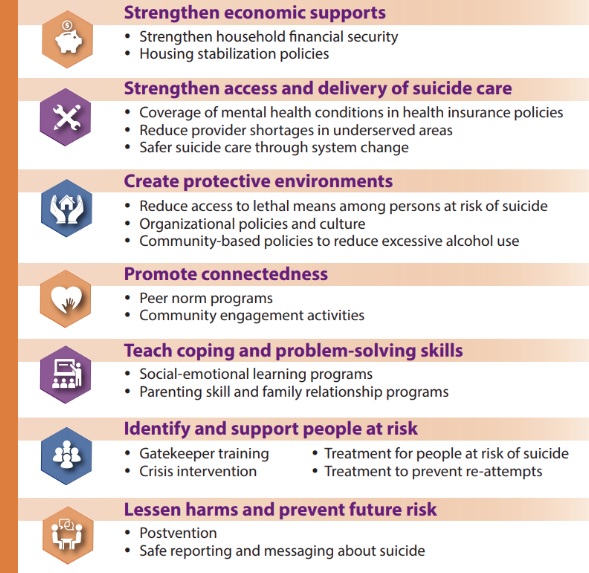


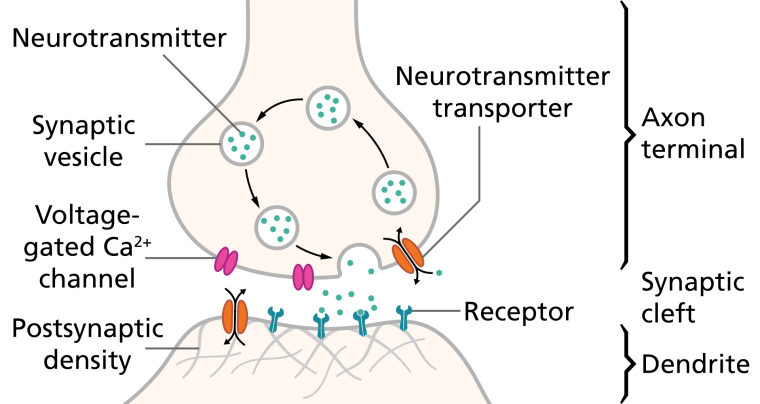
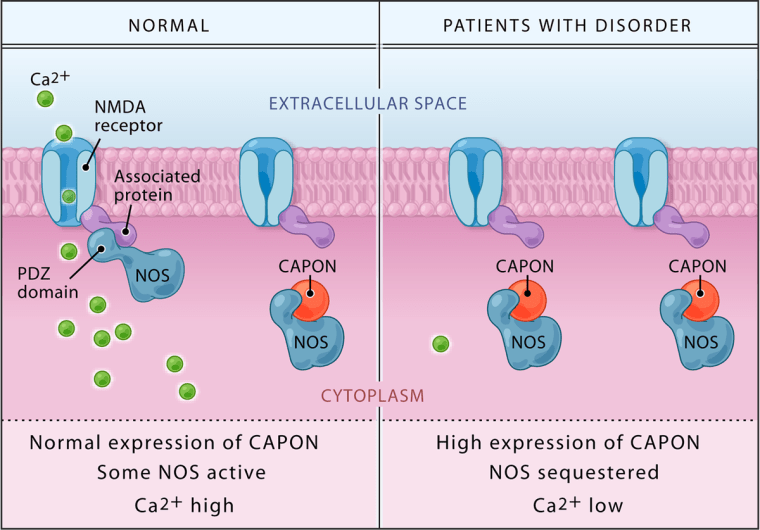
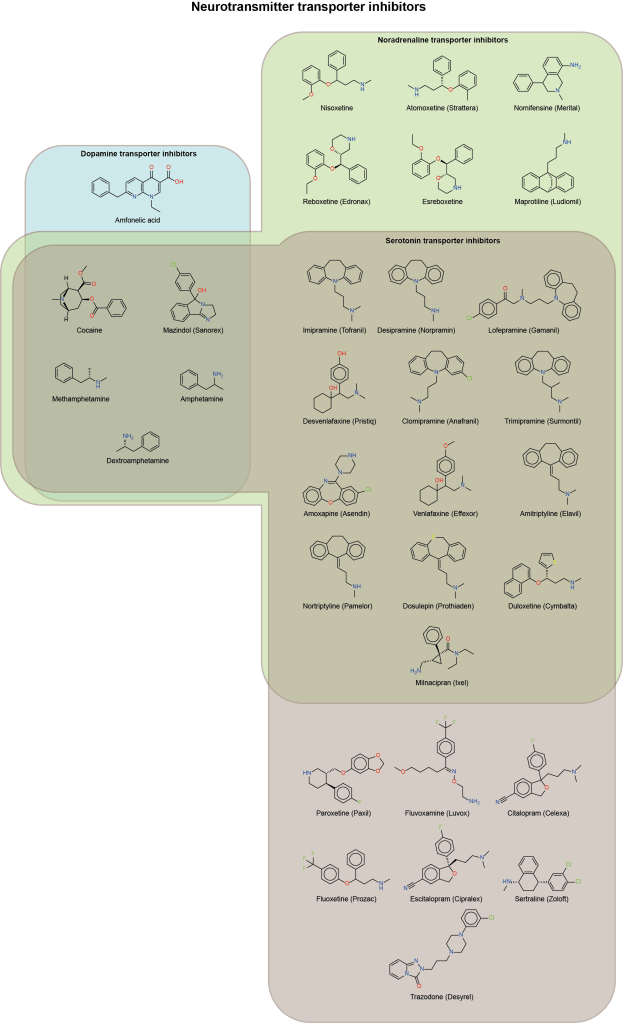



 Mental Health Matters
You must be logged in to post a comment.