Posts

What is Emotional Self-Regulation?

Introduction

Emotional self-regulation or emotion regulation is the ability to respond to the ongoing demands of experience with the range of emotions in a manner that is socially tolerable and sufficiently flexible to permit spontaneous reactions as well as the ability to delay spontaneous reactions as needed.

Refer to Emotional Dysregulation.
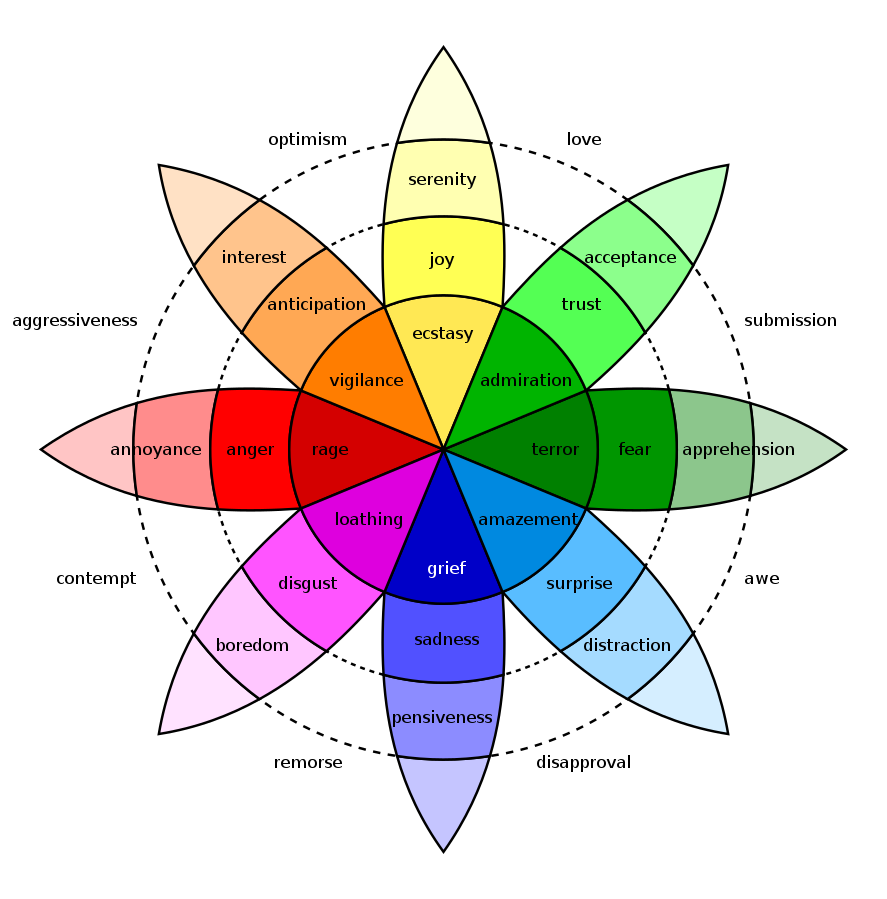
It can also be defined as extrinsic and intrinsic processes responsible for monitoring, evaluating, and modifying emotional reactions. Emotional self-regulation belongs to the broader set of emotion regulation processes, which includes both the regulation of one’s own feelings and the regulation of other people’s feelings.

Emotion regulation is a complex process that involves initiating, inhibiting, or modulating one’s state or behaviour in a given situation – for example, the subjective experience (feelings), cognitive responses (thoughts), emotion-related physiological responses (for example heart rate or hormonal activity), and emotion-related behaviour (bodily actions or expressions). Functionally, emotion regulation can also refer to processes such as the tendency to focus one’s attention to a task and the ability to suppress inappropriate behaviour under instruction. Emotion regulation is a highly significant function in human life.

Every day, people are continually exposed to a wide variety of potentially arousing stimuli. Inappropriate, extreme or unchecked emotional reactions to such stimuli could impede functional fit within society; therefore, people must engage in some form of emotion regulation almost all of the time. Generally speaking, emotion dysregulation has been defined as difficulties in controlling the influence of emotional arousal on the organisation and quality of thoughts, actions, and interactions. Individuals who are emotionally dysregulated exhibit patterns of responding in which there is a mismatch between their goals, responses, and/or modes of expression, and the demands of the social environment. For example, there is a significant association between emotion dysregulation and symptoms of depression, anxiety, eating pathology, and substance abuse. Higher levels of emotion regulation are likely to be related to both high levels of social competence and the expression of socially appropriate emotions.

Theory

Process Model

The process model of emotion regulation is based upon the modal model of emotion. The modal model of emotion suggests that the emotion generation process occurs in a particular sequence over time. This sequence occurs as follows:

  1. Situation: the sequence begins with a situation (real or imagined) that is emotionally relevant.
  2. Attention: attention is directed towards the emotional situation.
  3. Appraisal: the emotional situation is evaluated and interpreted.
  4. Response: an emotional response is generated, giving rise to loosely coordinated changes in experiential, behavioural, and physiological response systems.

Because an emotional response (4.) can cause changes to a situation (1.), this model involves a feedback loop from (4.) Response to (1.) Situation. This feedback loop suggests that the emotion generation process can occur recursively, is ongoing, and dynamic.

The process model contends that each of these four points in the emotion generation process can be subjected to regulation. From this conceptualisation, the process model posits five different families of emotion regulation that correspond to the regulation of a particular point in the emotion generation process. They occur in the following order:

  1. Situation selection.
  2. Situation modification.
  3. Attentional deployment.
  4. Cognitive change.
  5. Response modulation.

The process model also divides these emotion regulation strategies into two categories:

  • Antecedent-focused strategies (i.e. situation selection, situation modification, attentional deployment, and cognitive change) occur before an emotional response is fully generated.
  • Response-focused strategies (i.e. response modulation) occur after an emotional response is fully generated.

Strategies

Situation Selection

Situation selection involves choosing to avoid or approach an emotionally relevant situation. If a person selects to avoid or disengage from an emotionally relevant situation, he or she is decreasing the likelihood of experiencing an emotion. Alternatively, if a person selects to approach or engage with an emotionally relevant situation, he or she is increasing the likelihood of experiencing an emotion.

Typical examples of situation selection may be seen interpersonally, such as when a parent removes his or her child from an emotionally unpleasant situation. Use of situation selection may also be seen in psychopathology. For example, avoidance of social situations to regulate emotions is particularly pronounced for those with social anxiety disorder and avoidant personality disorder.

Effective situation selection is not always an easy task. For instance, humans display difficulties predicting their emotional responses to future events. Therefore, they may have trouble making accurate and appropriate decisions about which emotionally relevant situations to approach or to avoid.

Situation Modification

Situation modification involves efforts to modify a situation so as to change its emotional impact. Situation modification refers specifically to altering one’s external, physical environment. Altering one’s “internal” environment to regulate emotion is called cognitive change.

Examples of situation modification may include injecting humour into a speech to elicit laughter or extending the physical distance between oneself and another person.

Attentional Deployment

Attentional deployment involves directing one’s attention towards or away from an emotional situation.

Distraction

Distraction, an example of attentional deployment, is an early selection strategy, which involves diverting one’s attention away from an emotional stimulus and towards other content. Distraction has been shown to reduce the intensity of painful and emotional experiences, to decrease facial responding and neural activation in the amygdala associated with emotion, as well as to alleviate emotional distress. As opposed to reappraisal, individuals show a relative preference to engage in distraction when facing stimuli of high negative emotional intensity. This is because distraction easily filters out high-intensity emotional content, which would otherwise be relatively difficult to appraise and process.

Rumination

Rumination, an example of attentional deployment, is defined as the passive and repetitive focusing of one’s attention on one’s symptoms of distress and the causes and consequences of these symptoms. Rumination is generally considered a maladaptive emotion regulation strategy, as it tends to exacerbate emotional distress. It has also been implicated in a host of disorders including major depression.

Worry

Worry, an example of attentional deployment, involves directing attention to thoughts and images concerned with potentially negative events in the future. By focusing on these events, worrying serves to aid in the down-regulation of intense negative emotion and physiological activity. While worry may sometimes involve problem solving, incessant worry is generally considered maladaptive, being a common feature of anxiety disorders, particularly generalised anxiety disorder.

Thought Suppression

Thought suppression, an example of attentional deployment, involves efforts to redirect one’s attention from specific thoughts and mental images to other content so as to modify one’s emotional state. Although thought suppression may provide temporary relief from undesirable thoughts, it may ironically end up spurring the production of even more unwanted thoughts. This strategy is generally considered maladaptive, being most associated with obsessive-compulsive disorder.

Cognitive Change

Cognitive change involves changing how one appraises a situation so as to alter its emotional meaning.

Reappraisal

Reappraisal, an example of cognitive change, is a late selection strategy, which involves a change of the meaning of an event that alters its emotional impact. It encompasses different substrategies, such as positive reappraisal (creating and focusing on a positive aspect of the stimulus), decentring (reinterpreting an event by broadening one’s perspective to see “the bigger picture”), or fictional reappraisal (adopting or emphasizing the belief that event is not real, that it is for instance “just a movie” or “just my imagination”). Reappraisal has been shown to effectively reduce physiological, subjective, and neural emotional responding. As opposed to distraction, individuals show a relative preference to engage in reappraisal when facing stimuli of low negative emotional intensity because these stimuli are relatively easy to appraise and process.

Reappraisal is generally considered to be an adaptive emotion regulation strategy. Compared to suppression (including both thought suppression and expressive suppression), which is positively correlated with many psychological disorders, reappraisal can be associated with better interpersonal outcomes, and can be positively related to well-being. However, some researchers argue that context is important when evaluating the adaptiveness of a strategy, suggesting that in some contexts reappraisal may be maladaptive. Furthermore, some research has shown reappraisal does not influence affect or physiological responses to recurrent stress.

Distancing

Distancing, an example of cognitive change, involves taking on an independent, third-person perspective when evaluating an emotional event. Distancing has been shown to be an adaptive form of self-reflection, facilitating the emotional processing of negatively valenced stimuli, reducing emotional and cardiovascular reactivity to negative stimuli, and increasing problem-solving behaviour.

Humour

Humour, an example of cognitive change, has been shown to be an effective emotion regulation strategy. Specifically, positive, good-natured humour has been shown to effectively up-regulate positive emotion and down-regulate negative emotion. On the other hand, negative, mean-spirited humour is less effective in this regard.

Response Modulation

Response modulation involves attempts to directly influence experiential, behavioural, and physiological response systems.

Expressive Suppression

Expressive suppression, an example of response modulation, involves inhibiting emotional expressions. It has been shown to effectively reduce facial expressivity, subjective feelings of positive emotion, heart rate, and sympathetic activation. However, the research findings are mixed regarding whether this strategy is effective for down-regulating negative emotion. Research has also shown that expressive suppression may have negative social consequences, correlating with reduced personal connections and greater difficulties forming relationships.

Expressive suppression is generally considered to be a maladaptive emotion regulation strategy. Compared to reappraisal, it is positively correlated with many psychological disorders, associated with worse interpersonal outcomes, is negatively related to well-being, and requires the mobilization of a relatively substantial amount of cognitive resources. However, some researchers argue that context is important when evaluating the adaptiveness of a strategy, suggesting that in some contexts suppression may be adaptive.

Drug Use

Drug use, an example of response modulation, can be used to alter emotion-associated physiological responses. For example, alcohol can produce sedative and anxiolytic effects and beta blockers can affect sympathetic activation.

Exercise

Exercise, an example of response modulation, can be used to down-regulate the physiological and experiential effects of negative emotions. Regular physical activity has also been shown to reduce emotional distress and improve emotional control.

Sleep

Sleep plays a role in emotion regulation, although stress and worry can also interfere with sleep. Studies have shown that sleep, specifically REM (rapid eye movement) sleep, down-regulates reactivity of the amygdala, a brain structure known to be involved in the processing of emotions, in response to previous emotional experiences. On the flip side, sleep deprivation is associated with greater emotional reactivity or overreaction to negative and stressful stimuli. This is a result of both increased amygdala activity and a disconnect between the amygdala and the prefrontal cortex, which regulates the amygdala through inhibition, together resulting in an overactive emotional brain. Due to the subsequent lack of emotional control, sleep deprivation may be associated with depression, impulsivity, and mood swings. Additionally, there is some evidence that sleep deprivation may reduce emotional reactivity to positive stimuli and events and impair emotion recognition in others.

In Psychotherapy

Emotion regulation strategies are taught, and emotion regulation problems are treated, in a variety of counselling and psychotherapy approaches, including Cognitive Behavioural Therapy (CBT), Dialectical Behaviour Therapy (DBT), Emotion-Focused Therapy (EFT), and Mindfulness-Based Cognitive Therapy (MBCT).

For example, a relevant mnemonic formulated in DBT is “ABC PLEASE”:

  • Accumulate positive experiences.
  • Build mastery by being active in activities that make one feel competent and effective to combat helplessness.
  • Cope ahead, preparing an action plan, researching, and rehearsing (with a skilled helper if necessary).
  • Physical illness treatment and prevention through checkups.
  • Low vulnerability to diseases, managed with health care professionals.
  • Eating healthy.
  • Avoiding (non-prescribed) mood-altering drugs.
  • Sleep healthy.
  • Exercise regularly.

Developmental Process

Infancy

Intrinsic emotion regulation efforts during infancy are believed to be guided primarily by innate physiological response systems. These systems usually manifest as an approach towards and an avoidance of pleasant or unpleasant stimuli. At three months, infants can engage in self-soothing behaviours like sucking and can reflexively respond to and signal feelings of distress. For instance, infants have been observed attempting to suppress anger or sadness by knitting their brow or compressing their lips. Between three and six months, basic motor functioning and attentional mechanisms begin to play a role in emotion regulation, allowing infants to more effectively approach or avoid emotionally relevant situations. Infants may also engage in self-distraction and help-seeking behaviours for regulatory purposes. At one year, infants are able to navigate their surroundings more actively and respond to emotional stimuli with greater flexibility due to improved motor skills. They also begin to appreciate their caregivers’ abilities to provide them regulatory support. For instance, infants generally have difficulties regulating fear. As a result, they often find ways to express fear in ways that attract the comfort and attention of caregivers.

Extrinsic emotion regulation efforts by caregivers, including situation selection, modification, and distraction, are particularly important for infants. The emotion regulation strategies employed by caregivers to attenuate distress or to up-regulate positive affect in infants can impact the infants’ emotional and behavioural development, teaching them particular strategies and methods of regulation. The type of attachment style between caregiver and infant can therefore play a meaningful role in the regulatory strategies infants may learn to use.

Recent evidence supports the idea that maternal singing has a positive effect on affect regulation in infants. Singing play-songs, such as “The Wheels on the Bus” or “She’ll Be Comin’ Round the Mountain” have a visible affect-regulatory consequence of prolonged positive affect and even alleviation of distress. In addition to proven facilitation of social bonding, when combined with movement and/or rhythmic touch, maternal singing for affect regulation has possible applications for infants in the NICU (neo-natal intensive care unit) and for adult caregivers with serious personality or adjustment difficulties.

Toddler-Hood

By the end of the first year, toddlers begin to adopt new strategies to decrease negative arousal. These strategies can include rocking themselves, chewing on objects, or moving away from things that upset them. At two years, toddlers become more capable of actively employing emotion regulation strategies. They can apply certain emotion regulation tactics to influence various emotional states. Additionally, maturation of brain functioning and language and motor skills permits toddlers to manage their emotional responses and levels of arousal more effectively.

Extrinsic emotion regulation remains important to emotional development in toddlerhood. Toddlers can learn ways from their caregivers to control their emotions and behaviours. For example, caregivers help teach self-regulation methods by distracting children from unpleasant events (like a vaccination shot) or helping them understand frightening events.

Childhood

Emotion regulation knowledge becomes more substantial during childhood. For example, children aged six to ten begin to understand display rules. They come to appreciate the contexts in which certain emotional expressions are socially most appropriate and therefore ought to be regulated. For example, children may understand that upon receiving a gift they should display a smile, irrespective of their actual feelings about the gift. During childhood, there is also a trend towards the use of more cognitive emotion regulation strategies, taking the place of more basic distraction, approach, and avoidance tactics.

Regarding the development of emotion dysregulation in children, one robust finding suggests that children who are frequently exposed to negative emotion at home will be more likely to display, and have difficulties regulating, high levels of negative emotion.

Adolescence

Adolescents show a marked increase in their capacities to regulate their emotions, and emotion regulation decision making becomes more complex, depending on multiple factors. In particular, the significance of interpersonal outcomes increases for adolescents. When regulating their emotions, adolescents are therefore likely to take into account their social context. For instance, adolescents show a tendency to display more emotion if they expect a sympathetic response from their peers.

Additionally, spontaneous use of cognitive emotion regulation strategies increases during adolescence, which is evidenced both by self-report data and neural markers.

Adulthood

Social losses increase and health tends to decrease as people age. As people get older their motivation to seek emotional meaning in life through social ties tends to increase. Autonomic responsiveness decreases with age, and emotion regulation skill tends to increase.

Emotional regulation in adulthood can also be examined in terms of positive and negative affectivity. Positive and negative affectivity refers to the types of emotions felt by an individual as well as the way those emotions are expressed. With adulthood comes an increased ability to maintain both high positive affectivity and low negative affectivity “more rapidly than adolescents.” This response to life’s challenges seems to become “automatised” as people progress throughout adulthood. Thus, as individuals age, their capability of self-regulating emotions and responding to their emotions in healthy ways improves.

Additionally, emotional regulation may vary between young adults and older adults. Younger adults have been found to be more successful than older adults in practicing “cognitive reappraisal” to decrease negative internal emotions. On the other hand, older adults have been found to be more successful in the following emotional regulation areas:

  • Predicting the level of “emotional arousal” in possible situations.
  • Having a higher focus on positive information rather than negative.
  • Maintaining healthy levels of “hedonic well-being” (subjective well-being based on increased pleasure and decreased pain).

Overview of Perspectives

Neuropsychological Perspective

Affective

As people age, their affect – the way they react to emotions – changes, either positively or negatively. Studies show that positive affect increases as a person grows from adolescence to their mid 70s. Negative affect, on the other hand, decreases until the mid 70s. Studies also show that emotions differ in adulthood, particularly affect (positive or negative). Although some studies found that individuals experience less affect as they grow older, other studies have concluded that adults in their middle age experience more positive affect and less negative affect than younger adults. Positive affect was also higher for men than women while the negative affect was higher for women than it was for men and also for single people. A reason that older people – middle adulthood – might have less negative affect is because they have overcome, “the trials and vicissitudes of youth, they may increasingly experience a more pleasant balance of affect, at least up until their mid-70s”. Positive affect might rise during middle age but towards the later years of life – the 70s – it begins to decline while negative affect also does the same. This might be due to failing health, reaching the end of their lives and the death of friends and relatives.

In addition to baseline levels of positive and negative affect, studies have found individual differences in the time-course of emotional responses to stimuli. The temporal dynamics of emotion regulation, also known as affective chronometry, include two key variables in the emotional response process: rise time to peak emotional response, and recovery time to baseline levels of emotion. Studies of affective chronometry typically separate positive and negative affect into distinct categories, as previous research has shown (despite some correlation) the ability of humans to experience changes in these categories independently of one another. Affective chronometry research has been conducted on clinical populations with anxiety, mood, and personality disorders, but is also utilised as a measurement to test the effectiveness of different therapeutic techniques (including mindfulness training) on emotional dysregulation.

Neurological

The development of functional magnetic resonance imaging has allowed for the study of emotion regulation on a biological level. Specifically, research over the last decade strongly suggests that there is a neural basis. Sufficient evidence has correlated emotion regulation to particular patterns of prefrontal activation. These regions include the orbital prefrontal cortex, the ventromedial prefrontal cortex, and the dorsolateral prefrontal cortex. Two additional brain structures that have been found to contribute are the amygdala and the anterior cingulate cortex. Each of these structures are involved in various facets of emotion regulation and irregularities in one or more regions and/or interconnections among them are affiliated with failures of emotion regulation. An implication to these findings is that individual differences in prefrontal activation predict the ability to perform various tasks in aspects of emotion regulation.

Sociological

People intuitively mimic facial expressions; it is a fundamental part of healthy functioning. Similarities across cultures in regards to nonverbal communication has prompted the debate that it is in fact a universal language. It can be argued that emotion regulation plays a key role in the ability to generate the correct responses in social situations. Humans have control over facial expressions both consciously and unconsciously: an intrinsic emotion programme is generated as the result of a transaction with the world, which immediately results in an emotional response and usually a facial reaction. It is a well documented phenomenon that emotions have an effect on facial expression, but recent research has provided evidence that the opposite may also be true.

This notion would give rise to the belief that a person may not only control his emotion but in fact influence them as well. Emotion regulation focuses on providing the appropriate emotion in the appropriate circumstances. Some theories allude to the thought that each emotion serves a specific purpose in coordinating organismic needs with environmental demands. This skill, although apparent throughout all nationalities, has been shown to vary in successful application at different age groups. In experiments done comparing younger and older adults to the same unpleasant stimuli, older adults were able to regulate their emotional reactions in a way that seemed to avoid negative confrontation. These findings support the theory that with time people develop a better ability to regulate their emotions. This ability found in adults seems to better allow individuals to react in what would be considered a more appropriate manner in some social situations, permitting them to avoid adverse situations that could be seen as detrimental.

Expressive Regulation (In Solitary Conditions)

In solitary conditions, emotion regulation can include a minimisation-miniaturisation effect, in which common outward expressive patterns are replaced with toned down versions of expression. Unlike other situations, in which physical expression (and its regulation) serve a social purpose (i.e. conforming to display rules or revealing emotion to outsiders), solitary conditions require no reason for emotions to be outwardly expressed (although intense levels of emotion can bring out noticeable expression anyway). The idea behind this is that as people get older, they learn that the purpose of outward expression (to appeal to other people), is not necessary in situations in which there is no one to appeal to. As a result, the level of emotional expression can be lower in these solitary situations.

Stress

The way an individual reacts to stress can directly overlap with their ability to regulate emotion. Although the two concepts differ in a multitude of ways, “both coping [with stress] and emotion regulation involve affect modulation and appraisal processes” that are necessary for healthy relationships and self-identity.

According to Yu. V. Shcherbatykh, emotional stress in situations like school examinations can be reduced by engaging in self-regulating activities prior to the task being performed. To study the influence of self-regulation on mental and physiological processes under exam stress, Shcherbatykh conducted a test with an experimental group of 28 students (of both sexes) and a control group of 102 students (also of both sexes).

In the moments before the examination, situational stress levels were raised in both groups from what they were in quiet states. In the experimental group, participants engaged in three self-regulating techniques (concentration on respiration, general body relaxation, and the creation of a mental image of successfully passing the examination). During the examination, the anxiety levels of the experimental group were lower than that of the control group. Also, the percent of unsatisfactory marks in the experimental group was 1.7 times less than in the control group. From this data, Shcherbatykh concluded that the application of self-regulating actions before examinations helps to significantly reduce levels of emotional strain, which can help lead to better performance results.

Decision Making

Identification of our emotional self-regulating process can facilitate in the decision making process. Current literature on emotion regulation identifies that humans characteristically make efforts in controlling emotion experiences. There is then a possibility that our present state emotions can be altered by emotion regulation strategies resulting in the possibility that different regulation strategies could have different decision implications.

Effects of Low Self-Regulation

With a failure in emotion regulation, there is a rise in psychosocial and emotional dysfunctions caused by traumatic experiences due to an inability to regulate emotions. These traumatic experiences typically happen in grade school and are sometimes associated with bullying. Children who can not properly self-regulate express their volatile emotions in a variety of ways, including screaming if they don’t have their way, lashing out with their fists, throwing objects (such as chairs), or bullying other children. Such behaviours often elicit negative reactions from the social environment, which, in turn, can exacerbate or maintain the original regulation problems over time, a process termed cumulative continuity.

These children are more likely to have conflict-based relationships with their teachers and other children. This can lead to more severe problems such as an impaired ability to adjust to school and predicts school dropout many years later. Children who fail to properly self-regulate grow as teenagers with more emerging problems. Their peers begin to notice this “immaturity”, and these children are often excluded from social groups and teased and harassed by their peers. This “immaturity” certainly causes some teenagers to become social outcasts in their respective social groups, causing them to lash out in angry and potentially violent ways. Being teased or being an outcast in childhood is especially damaging because it could lead to psychological symptoms such as depression and anxiety (in which dysregulated emotions play a central role), which, in turn, could lead to more peer victimisation. This is why it is recommended to foster emotional self-regulation in children as early as possible.


On This Day … 06 February

People (Births)

  • 1839 – Eduard Hitzig, German neurologist and psychiatrist (d. 1907).
  • 1852 – C. Lloyd Morgan, English zoologist and psychologist (d. 1936).

People (Deaths)

  • 2012 – David Rosenhan, American psychologist and academic (b. 1929).

Eduard Hitzig

Eduard Hitzig (06 February 1838 to 20 August 1907) was a German neurologist and neuropsychiatrist of Jewish ancestry born in Berlin.

He studied medicine at the Universities of Berlin and Würzburg under the instruction of famous men such as Emil Du Bois-Reymond (1818-1896), Rudolf Virchow (1821-1902), Moritz Heinrich Romberg (1795-1873), and Karl Friedrich Otto Westphal (1833-1890). He received his doctorate in 1862 and subsequently worked in Berlin and Würzburg. In 1875, he became director of the Burghölzli asylum, as well as professor of psychiatry at the University of Zurich. In 1885, Hitzig became a professor at the University of Halle where he remained until his retirement in 1903.

Hitzig is remembered for his work concerning the interaction between electric current and the brain. In 1870, Hitzig, assisted by anatomist Gustav Fritsch (1837-1927), applied electricity via a thin probe to the exposed cerebral cortex of a dog without anaesthesia. They performed these studies at the home of Fritsch because the University of Berlin would not allow such experimentation in their laboratories. What Hitzig and Fritsch had discovered is that electrical stimulation of different areas of the cerebrum caused involuntary muscular contractions of specific parts of the dog’s body. They identified the brain’s “motor strip”, a vertical strip of brain tissue on the cerebrum in the back of the frontal lobe, which controls different muscles in the body. In 1870, Hitzig published his findings in an essay called Ueber die elektrische Erregbarkeit des Grosshirns (On the Electrical Excitability of the Cerebrum). This experimentation was considered the first time anyone had done any localized study regarding the brain and electric current.

However this was not the first time Hitzig had experienced the interaction between the brain and electricity; earlier in his career as a physician working with the Prussian Army, he experimented on wounded soldiers whose skulls were fractured by bullets. Hitzig noticed that applying a small electric current to the brains of these soldiers caused involuntary muscular movement.

Hitzig and Fritsch’s work opened the door to further localised testing of the brain by many others including Scottish neurologist, David Ferrier.

C. Lloyd Morgan

Conwy Lloyd Morgan, FRS (06 February 1852 to 06 March 1936) was a British ethologist and psychologist.

He is remembered for his theory of emergent evolution, and for the experimental approach to animal psychology now known as Morgan’s Canon, a principle that played a major role in behaviourism, insisting that higher mental faculties should only be considered as explanations if lower faculties could not explain a behaviour.

David Rosenhan

David L. Rosenhan (22 November 1929 to 06 February 2012) was an American psychologist.

He is best known for the Rosenhan experiment, a study challenging the validity of psychiatry diagnoses.

On This Day … 05 February

People (Deaths)

  • 1937 – Lou Andreas-Salomé, Russian-German psychoanalyst and author (b. 1861).

Lou Andreas-Salome

Lou Andreas-Salomé (born either Louise von Salomé or Luíza Gustavovna Salomé or Lioulia von Salomé, Russian: Луиза Густавовна Саломе; 12 February 1861 to 05 February 1937) was a Russian-born psychoanalyst and a well-travelled author, narrator, and essayist from a Russian-German family.

Her diverse intellectual interests led to friendships with a broad array of distinguished thinkers, including Friedrich Nietzsche, Sigmund Freud, Paul Rée, and Rainer Maria Rilke.

What is the Dialogical Self?

Introduction

The dialogical self is a psychological concept which describes the mind’s ability to imagine the different positions of participants in an internal dialogue, in close connection with external dialogue.

The “dialogical self” is the central concept in the dialogical self theory (DST), as created and developed by the Dutch psychologist Hubert Hermans since the 1990s.

Overview

Dialogical Self Theory (DST) weaves two concepts, self and dialogue, together in such a way that a more profound understanding of the interconnection of self and society is achieved. Usually, the concept of self refers to something “internal,” something that takes place within the mind of the individual person, while dialogue is typically associated with something “external,” that is, processes that take place between people involved in communication.

The composite concept “dialogical self” goes beyond the self-other dichotomy by infusing the external to the internal and, in reverse, to introduce the internal into the external. As functioning as a “society of mind”, the self is populated by a multiplicity of “self-positions” that have the possibility to entertain dialogical relationships with each other.

In Dialogical Self Theory (DST) the self is considered as “extended,” that is, individuals and groups in the society at large are incorporated as positions in the mini-society of the self. As a result of this extension, the self does not only include internal positions (e.g. I as the son of my mother, I as a teacher, I as a lover of jazz), but also external positions (e.g. my father, my pupils, the groups to which I belong).

Given the basic assumption of the extended self, the other is not simply outside the self but rather an intrinsic part of it. There is not only the actual other outside the self, but also the imagined other who is entrenched as the other-in-the-self. An important theoretical implication is that basic processes, like self-conflicts, self-criticism, self-agreements, and self-consultancy, are taking place in different domains in the self:

  • Within the internal domain (e.g. “As an enjoyer of life I disagree with myself as an ambitious worker”);
  • Between the internal and external (extended) domain (e.g. “I want to do this but the voice of my mother in myself criticises me”); and
  • Within the external domain (e.g. “The way my colleagues interact with each other has led me to decide for another job”).

As these examples show, there is not always a sharp separation between the inside of the self and the outside world, but rather a gradual transition. DST assumes that the self as a society of mind is populated by internal and external self-positions. When some positions in the self silence or suppress other positions, monological relationships prevail. When, in contrast, positions are recognized and accepted in their differences and alterity (both within and between the internal and external domains of the self), dialogical relationships emerge with the possibility to further develop and renew the self and the other as central parts of the society at large.

Historical Background

DST is inspired by two thinkers in particular, William James and Mikhail Bakhtin, who worked in different countries (US and Russia, respectively), in different disciplines (psychology and literary sciences), and in different theoretical traditions (pragmatism and dialogism). As the composite term dialogical self suggests, the present theory finds itself not exclusively in one of these traditions but explicitly at their intersection. As a theory about the self it is inspired by William James, as a theory about dialogue it elaborates on some insights of Mikhail Bakhtin. The purpose of the present theory is to profit from the insights of founding fathers like William James, George Herbert Mead and Mikhail Bakhtin and, at the same time, to go beyond them.

William James (1890) proposed a distinction between the I and the Me, which, according to Morris Rosenberg, is a classic distinction in the psychology of the self. According to James the I is equated with the self-as-knower and has three features: continuity, distinctness, and volition. The continuity of the self-as-knower is expressed in a sense of personal identity, that is, a sense of sameness through time. A feeling of distinctness from others, or individuality, is also characteristic of the self-as-knower. Finally, a sense of personal volition is reflected in the continuous appropriation and rejection of thoughts by which the self-as-knower manifests itself as an active processor of experience.

Of particular relevance to DST is James’s view that the Me, equated with the self-as-known, is composed of the empirical elements considered as belonging to oneself. James was aware that there is a gradual transition between Me and mine and concluded that the empirical self is composed of all that the person can call his or her own, “not only his body and his psychic powers, but his clothes and his house, his wife and children, his ancestors and friends, his reputation and works, his lands and horses, and yacht and bank-account”. According to this view, people and things in the environment belong to the self, as far as they are felt as “mine”. This means that not only “my mother” belongs to the self but even “my enemy”. In this way, James proposed a view in which the self is ‘extended’ to the environment. This proposal contrasts with a Cartesian view of the self which is based on a dualistic conception, not only between self and body but also between self and other. With his conception of the extended self, that defined as going beyond the skin, James has paved the way for later theoretical developments in which other people and groups, defined as “mine” are part of a dynamic multi-voiced self.

In the above quotation from William James, we see a constellation of characters (or self-positions) which he sees as belonging to the Me/mine: my wife and children, my ancestors and friends. Such characters are more explicitly elaborated in Mikhail Bakhtin’s metaphor of the polyphonic novel, which became a source of inspiration for later dialogical approaches to the self. In proposing this metaphor, he draws on the idea that in Dostoevsky’s works there is not a single author at work – Dostoevsky himself – but several authors or thinkers, portrayed as characters such as Ivan Karamazov, Myshkin, Raskolnikov, Stavrogin, and the Grand Inquisitor.

These characters are not presented as obedient slaves in the service of one author-thinker, Dostoevsky, but treated as independent thinkers, each with their own view of the world. Each hero is put forward as the author of his own ideology, and not as the object of Dostoevsky’s finalizing artistic vision. Rather than a multiplicity of characters within a unified world, there is a plurality of consciousnesses located in different worlds. As in a polyphonic musical composition, multiple voices accompany and oppose one another in dialogical ways. In bringing together different characters in a polyphonic construction, Dostoevsky creates a multiplicity of perspectives, portraying characters conversing with the Devil (Ivan and the Devil), with their alter egos (Ivan and Smerdyakov), and even with caricatures of themselves (Raskolnikov and Svidrigailov).

Inspired by the original ideas of William James and Mikhail Bakhtin, Hubert Hermans, Harry Kempen and Rens van Loon wrote the first psychological publication on the “dialogical self” in which they conceptualised the self in terms of a dynamic multiplicity of relatively autonomous I-positions in the (extended) landscape of the mind. In this conception, the I has the possibility to move from one spatial position to another in accordance with changes in situation and time. The I fluctuates among different and even opposed positions, and has the capacity to imaginatively endow each position with a voice so that dialogical relations between positions can be established. The voices function like interacting characters in a story, involved in processes of question and answer, agreement and disagreement. Each of them have a story to tell about their own experiences from their own stance. As different voices, these characters exchange information about their respective Me’s and mines, resulting in a complex, narratively structured self.

Construction of Assessment and Research Procedures

The theory has led to the construction of different assessment and research procedures for investigating central aspects of the dialogical self. Hubert Hermans has constructed the Personal Position Repertoire (PPR) method, an idiographic procedure for assessing the internal and external domains of the self in terms of an organised position repertoire.

This is done by offering the participant a list of internal and external self-positions. The participants mark those positions that they feel as relevant in their lives. They are allowed to add extra internal and external positions to the list and phrase them in their own terms. The relationship between internal and external positions is then established by inviting the participants to fill out a matrix with the rows representing the internal positions and the columns the external positions. In the entries of the matrix, the participant fills in, on a scale from 0 to 5 the extent to which an internal position is prominent in the relation to an external position. The scores in the matrix allow for the calculation of a number of indices, such as sum scores representing the overall prominence of particular internal or external positions and correlations showing the extent to which internal (or external) positions have similar profiles. On the basis of the results of the quantitative analysis, some positions can be selected, by the client or assessor, for closer examination.

From the selected positions the client can tell a story that reflects the specific experiences associated with that position and, moreover, assessor and client can explore which positions can be considered as a dialogical response to one or more other positions. In this way, the method combines both qualitative and quantitative analyses.

Psychometric Aspects of the PPR Method

The psychometric aspects of the PPR method was refined a procedure proposed by A. Kluger, Nir, & Y. Kluger. The authors analyse clients’ Personal Position Repertoires by creating a bi-plot of the factors underlying their internal and external positions. A bi-plot provides a clear and comprehensible visual map of the relations between all the meaningful internal and external positions within the self in such a way that both types of positions are simultaneously visible. Through this procedure clusters of internal and external positions and dominant patterns can be easily observed and analysed.

The method allows researchers or practitioners to study the general deep structures of the self. There are multiple bi-plots technologies available today. The simplest approach, however, is to perform a standard principal component analysis (PCA). To obtain a bi-plot, a PCA is once performed on the external positions and once on the internal positions, with the number of components in both PCA’s restricted to two. Next, a scatter of the two PCAs is plotted on the same plane, where results of the first components are projected to the X-axis and of the second components to Y-axis. In this way, an overview of the organisation of the internal and external positions together is realised.

The Personality Web Assessment Method

Another assessment method, the Personality Web, is devised by Raggatt. This semi-structured method starts from the assumption that the self is populated by a number of opposing narrative voices, with each voice having its own life story. Each voice competes with other voices for dominance in thought and action and each is constituted by a different set of affectively-charged attachments, to people, events, objects and one’s own body.

The assessment comprises two phases:

  • In the first phase, 24 attachments are elicited in four categories: people, events, places and objects, and orientations to body parts. In an interview, the history and meaning of each attachment is explored.
  • In the second phase, participants are invited to group their attachments by strength of association into cluster analysis and multidimensional scaling is used to map the individual’s web of attachments.

This method represents a combination of qualitative and quantitative procedures that provide insight in the content and organisation of a multi-voiced self.

Self-Confrontation Method

Dialogical relationships are also studied with an adapted version of the Self-Confrontation Method (SCM).

Take the following example. A client, Mary, reported that she sometimes experienced herself as a witch, eager to murder her husband, particularly when he was drunk. She did a self-investigation in two parts, one from her ordinary position as Mary and another from the position of the witch. Then, she told from each of the positions a story about her past, present, and future. These stories were summarized in the form of a number of sentences. It appeared that Mary formulated sentences that were much more acceptable from a societal point of view than those from the witch. Mary formulated sentences like “I want to try to see what my mother gives me: there’s only one of me” or “For the first time in my life, I’m engaged in making a home (“home” is also coming at home, entering into myself)”, whereas the witch produced statements like “With my bland, pussycat qualities I have vulnerable things in hand, from which I derive power at a later moment (somebody tells me things that I can use so that I get what I want)” or “I enjoy when I have broken him [husband]: from a power position entering the battlefield.”

It was found that the sentences of the two positions were very different in content, style, and affective meaning. Moreover, the relationship between Mary and the witch seemed to be more monological than dialogical, that is, either the one or the other was in control of the self and the situation and there was not no exchange between them. After the investigation, Mary received a therapeutic supervision during which she started to keep a diary in which she learned to make fine discriminations between her own experiences as Mary and those of the witch. She became not only aware of the needs of the witch but learned also to give an adequate response as soon as she noticed that the energy of the witch was upcoming. In a second investigation, one year later, the intensely conflicting relationship between Mary and the witch was significantly reduced and, as a result, there was less tension and stress in the self. She reported that in some situations, she even could make good use of the energy of the witch (e.g. when applying for a job). Whereas in some situations she was in control of the witch, in other situations she could even cooperate with her. The changes that took place between investigation 1 and investigation 2 suggested that the initial monological relationship between the two positions changed clearly into a more dialogical direction.

The Initial Questionnaire Method

Under the supervision of the Polish psychologist Piotr Oleś, a group of researchers constructed a questionnaire method, called the Initial Questionnaire, for the measurement of three types of “internal activity”:

  1. Change of perspective;
  2. Internal monologue; and
  3. Internal dialogue.

The purpose of this questionnaire is to induce the subject’s self-reflection and determine which I-positions are reflected by the participant’s interlocutors and which of them give new and different points of view to the person.

The method includes a list of potential positions. The participants are invited to choose some of them and can add their own to the list. The selected positions, both internal and external ones, are then assessed as belonging to the dialogue, monologue of perspective categories. Such a questionnaire is well-suited for the investigation of correlations with other questionnaires.

For example, correlating the Initial Questionnaire with the Revised NEO Personality Inventory (NEO PI-R), the researchers found that persons having inner dialogues scored significantly lower on Assertiveness and higher on Self-Consciousness, Fantasy, Aesthetics, Feelings and Openness than people having internal monologues. They concluded that “people entering into imaginary dialogues in comparison with ones having mainly monologues are characterised by:

  • A more vivid and creative imagination (Fantasy).
  • A deep appreciation of art and beauty (Aesthetics) and receptivity to inner feelings and emotions (Feelings).
  • They are curious about both inner and outer worlds and their lives are experientially richer.
  • They are willing to entertain novel ideas and unconventional values and they experience positive as well as negative emotions more keenly (Openness).
  • At the same time these persons are more disturbed by awkward social situations, uncomfortable around others, sensitive to ridicule, and prone to feelings of inferiority (Self-Consciousness).
  • They prefer to stay in the background and let others do the talking (Assertiveness)”.

Other Methods

Other methods are developed in fields related to DST. Based on Stiles’ assimilation model, “Osatuke et al.”, describes a method that enables the researcher to compare what is said by a client (verbal content) and how it is said (speech sounds). With this method the authors are able to assess to what extent the vocal manifestations (how it is said) of different internal voices of the same client parallel, contradict or complement their written manifestations (what is said). This method can be used to study the non-verbal characteristics of different voices in the self in connection with verbal content.

Dialogical Sequence Analysis

On the basis of Mikhail Bakhtin’s theory of utterances, Leiman devised a dialogical sequence analysis. This method starts from the assumption that every utterance has an addressee. The central question is: To whom is the person speaking?

Usually, we think of one listener as the immediately observable addressee. However, the addressee is rather a multiplicity of others, a complex web of invisible others, whose presence can be traced in the content, flow and expressive elements of the utterance (e.g. I’m directly addressing you but while speaking I’m protesting to a third person who is invisibly present in the conversation). When there are more than one addressees present in the conversation, the utterance positions the author/speaker into more (metaphorical) locations. Usually, these locations form sequences, that can be examined and made explicit when one listens carefully not only to the content but also the expressive elements in the conversation. Leiman’s method, which analyses a conversation in terms of “chains of dialogical patterns”, is theory-guided, qualitative and sensitive to the verbal and the non-verbal aspects of utterances.

Fields of Application

It is not the main purpose of the presented theory to formulate testable hypotheses, but to generate new ideas. It is certainly possible to perform theory-guided research on the basis of the theory, as exemplified by a special issue on dialogical self research in the Journal of Constructivist Psychology (2008) and in other publications (further on in the present section). Yet, the primary purpose is the generation of new ideas that lead to continued theory, research, and practice on the basis of links between the central concepts of the theory.

Theoretical advances, empirical research, and practical applications are discussed in the International Journal for Dialogical Science and at the biennial International Conferences on the Dialogical Self as they are held in different countries and continents: Nijmegen, Netherlands (2000), Ghent, Belgium (2002), Warsaw, Poland (2004), Braga, Portugal (2006), Cambridge, United Kingdom (2008), Athens, Greece (2010), Athens, Georgia, United States (2012), and The Hague, Netherlands (2014).The aim of the journal and the conferences is to transcend the boundaries of (sub)disciplines, countries, and continents and create fertile interfaces where theorists, researchers and practitioners meet in order to engage in innovative dialogue.

After initial publication on DST, the theory has been applied in a variety of fields: cultural psychology psychotherapy; personality psychology; psychopathology; developmental psychology; experimental social psychology; autobiography; social work; educational psychology; brain science; Jungian psychoanalysis; history; cultural anthropology; constructivism; social constructionism; philosophy; the psychology of globalisation; cyberpsychology; media psychology; vocational psychology; and literary sciences.

Fields of applications are also reflected by several special issues that appeared in psychological journals. In Culture & Psychology (2001), DST, as a theory of personal and cultural positioning, was exposed and commented on by researchers from different cultures. In Theory & Psychology (2002) the potential contribution of the theory for a variety of fields was discussed: developmental psychology, personality psychology, psychotherapy, psychopathology, brain sciences, cultural psychology, Jungian psychoanalysis, and semiotic dialogism. A second issue of this journal published in 2010 was also devoted to DST. In the Journal of Constructivist Psychology (2003) researchers and practitioners focused on the implications of the dialogical self for personal construct psychology, on the philosophy of Martin Buber, on the rewriting of narratives in psychotherapy, and on a psycho-dramatic approach in psychotherapy. The topic of mediated dialogue in a global and digital age was at the heart of a special issue in Identity: An International Journal of Theory and Research (2004). In Counselling Psychology Quarterly (2006), the dialogical self was applied to a variety of topics, such as, the relationship between adult attachment and working models of emotion, paranoid personality disorder, narrative impoverishment in schizophrenia, and the significance of social power in psychotherapy. In the Journal of Constructivist Psychology (2008) and in Studia Psychologica, groups of researchers addressed the question of how empirical research can be performed on the basis of DST. The relevance of the dialogical self to developmental psychology was discussed in a special issue of New Directions for Child and Adolescent Development (2012). The application of the dialogical self in educational settings was presented in a special issue of the Journal of Constructivist Psychology (2013).

Evaluation

Since its first inception in 1992, DST is discussed and evaluated, particularly at the biennial International Conferences on the Dialogical Self and in the International Journal for Dialogical Science. Some of the main positive evaluations and main criticisms are summarised here. On the positive side, many researchers appreciate the breadth and the integrative character of the theory. As the above review of applications demonstrates, there is a broad range of fields in psychology and other disciplines in which the theory has received interests from thinkers, researchers and practitioners. The breadth of interest is also reflected by the range of scientific journals that have devoted special issues to the theory and its implications.

The theory has the potential to bring together scientists and practitioners from a variety of countries, continents and cultures. The Fifth International Conference on the Dialogical Self in Cambridge, United Kingdom attracted 300 participants from 43 countries. The conference focused primarily on DST, and dialogism as a related field. However, by focusing on dialogue, dialogical self goes beyond the post-modernism idea of the decentralisation of the self and the notion of fragmentation. Recent work by John Rowan has resulted in the publication of a book by him entitled – ‘Personification: Using the Dialogical Self in Psychotherapy and Counselling’ published by Routledge. The book shows how to apply the concepts by those working in the therapeutic field.

Criticism

The theory and its applications have also received several criticism. Many researchers have noted a discrepancy between theory and research. Certainly, more than most post-modernist approaches, the theory has instigated a variety of empirical studies and some of its main tenets are confirmed in experimental social-psychological research. Yet, the gap between theory and research still exists.

Closely related to this gap, there is the lack of connection between dialogical self research and mainstream psychology. Although the theory and its applications have been published in mainstream journals like Psychological Bulletin and the American Psychologist, it has not yet led to the adoption of the theory as a significant development in mainstream (American) psychology. Apart from the theory-research gap, one of the additional reasons for the lacking connection with mainstream research may be the fact that interest in the notion of dialogue, central in the history of philosophy since Plato, is largely neglected in psychology and other social sciences. Another disadvantage of the theory is that it lacks a research procedure that is sufficiently common to allow for the exchange of research data among investigators. Although different research tools have been developed (see the above review of assessment and research methods), none of them are used by a majority of researchers in the field.

Investigators often use different research tools which lead to a considerable richness of information but, at the same time, create a stumbling block for the comparison of research data. It seems that the breadth of the theory and the richness of its applications have a shadowy side in the relative isolation of research in the DST subfields. Other researchers find the scientific work done thus far to be of a too verbal nature. While the theory explicitly acknowledges the importance of pre-linguistic, non-linguistic forms of dialogue, the actual research is typically taking place on the verbal level with the simultaneous neglect of the non-verbal level (for a notable exception cultural-anthropological research on shape-shifting). Finally, some researchers would like to see more emphasis on the bodily aspects of dialogue. Up till now the theory has focused almost exclusively on the transcendence of the self-other dualism, as typical of the modern model of the self. More work should be done on the embodied nature of the dialogical self (for the role of the body in connection with emotions).

What is Delorazepam?

Introduction

Delorazepam, also known as chlordesmethyldiazepam and nordiclazepam, is a drug which is a benzodiazepine and a derivative of desmethyldiazepam.

It is marketed in Italy, where it is available under the trade name EN and Dadumir. Delorazepam (chlordesmethyldiazepam) is also an active metabolite of the benzodiazepine drugs diclazepam and cloxazolam. Adverse effects may include hangover type effects, drowsiness, behavioural impairments and short-term memory impairments. Similar to other benzodiazepines delorazepam has anxiolytic, skeletal muscle relaxant, hypnotic and anticonvulsant properties.

Indications

Delorazepam is mainly used as an anxiolytic because of its long elimination half-life; showing superiority over the short-acting drug lorazepam. In comparison with the antidepressant drugs, paroxetine and imipramine, delorazepam was found to be more effective in the short-term but after 4 weeks the antidepressants showed superior anti-anxiety effects.

Delorazepam is also used as a premedication for dental phobia for its anxiolytic properties. High doses of Delorazepam may be administered the night before a dental (or other medical) procedure in order to provide relief from anxiety-associated insomnia that night with the effects persisting long enough to sufficiently treat anxiety the next day.

Delorazepam has also demonstrated effectiveness in treating alcohol withdrawal.

Availability

Delorazepam is available in tablet and liquid drop formulations. The liquid drop formulation is absorbed more quickly and has improved bioavailibility.

Pharmacology

Delorazepam is well absorbed after administration, reaching peak plasma levels within 1-2 hours. It has a very long elimination half-life and can still be detected 72 hours after dosing. Bioavailability is about 77%. Peak plasma levels occur at just over one hour after administration. Significant accumulation occurs of delorazepam due to its slow metabolism; the elderly metabolise delorazepam and its active metabolite slower than younger individuals, resulting in a dose of delorazepam accumulating faster and peaking at a higher plasma concentration than an equal dose administered to a younger individual. The elderly also have a poorer response to the therapeutic effects and a higher rate of adverse effects. The elimination half-life of delorazepam is 80-115 hours. The active metabolite of delorazepam is lorazepam and represents about 15-24% of the parent drug (delorazepam). The pharmacokinetics of delorazepam are not altered if it is taken with food, except for some slowing of absorption. Delorazepams potency is approximately equal to that of lorazepam, being ten times more potent by weight than diazepam (1 mg delorazepam = 1 mg lorazepam = 5 mg diazepam), typical doses range from 0.5 mg-2 mg. Treatment is generally initiated at 1 mg for healthy adults and 0.5 mg in paediatric and geriatric patients and patients with mild renal impairment, treatment is contraindicated in patients with moderate or severe renal impairment.

Side Effects and Contraindications

Delorazepam hosts all the classic side-effects of GABAA full agonists (such as most benzodiazepines). These include sedation/somnolence, dizziness/ataxia, amnesia, reduced inhibition, increased talkativeness/sociability, euphoria, impaired judgement, hallucinations, and respiratory depression. Paradoxical reactions including increased anxiety, excitation, and aggression may occur and are more common in elderly, paediatric, and schizophrenic patients. In rare instances, delorazepam may cause suicidal ideation and actions.

Long term use of delorazepam (as well as all other benzodiazepines) has been found to increase long term cognitive deficits (persisting longer than sixth months) which some researchers claim to be permanent. Short term use may occasionally cause depression and the risk of depressive symptoms occurring increases considerably with longer terms of use, delorazepam is not intended to be used for more than 2-4 weeks unless it used only occasionally on an as-needed basis. When being used on an as-needed basis the need for delorazepam therapy should be re-evaluated each time a new prescription for delorazepam is issued, and alternative medications should be considered if patients begin to take delorazepam habitually (many days in a row).

The most serious effect of long term delorazepam use is dependence, with withdrawal symptoms which mimic delirium tremens presenting when delorazepam use is discontinued. Although the withdrawal effects from delorazepam are generally less severe than its shorter-acting counterparts, they can be life-threatening. Slow de-titration of delorazepam over a period of weeks or months is generally suggested to minimise the severity of withdrawal. Psychological effects of withdrawal such as rebound anxiety and insomnia have been known to persist for months after physical dependence has been successfully treated.

Delorazepam is contraindicated in those with severe schizophrenia or schizo-affective disorders, those with a known allergy or hypersensitivity to delorazepam or related benzodiazepines, and those with moderate to severe renal impairment (delorazepam is sometimes administered at a reduced dose to patients with mild renal impairment). Delorazepam is generally considered to be contraindicated in patients with severe acute or chronic illnesses but is occasionally used in the palliative care of terminal patients during their last days/weeks of life.

Patients with a history of substance and/or alcohol use are believed to have an increased risk of abusing delorazepam (as well as all other benzodiazepines), this must be considered when a physician prescribes delorazepam to such patients. Although all patients being treated with delorazepam should be routinely monitored for signs of use and diversion of medication, increased monitoring of patients with a history of substance and/or alcohol use is always warranted. Non-medical benzodiazepine use in patients who have them prescribed on an as-needed basis for chronic/refractory anxiety, insomnia, and intermittent muscle spasms has occurred and generally occurs very slowly, becoming evident only after months or years since the initiation of therapy. Monitoring of patients actively using delorazepam should never be discontinued even if the patients has been stable on the medication for many months or years.

Caution must be used when delorazepam is administered alongside other sedative medications (ex. opiates, barbiturates, z-drugs, and phenothiazines) due to an increased risk of sedation, ataxia, and (potentially fatal) respiratory depression. Although overdoses of benzodiazepines alone rarely result in death, the combination of benzodiazepines and other sedatives (particularly other gabaminergic drugs such as barbiturates and alcohol) is far more likely to result in death.

Special Cautions

People with renal failure on haemodialysis have a slow elimination rate and a reduced volume of distribution of the drug. Liver disease has a profound effect on the elimination rate of delorazepam, resulting in the half-life almost doubling to 395 hours, whereas healthy patients showed an elimination half-life of 204 hours on average. Caution is recommended when using delorazepam in patients with liver disease.

On This Day … 04 February

People (Deaths)

  • 1987 – Carl Rogers, American psychologist and academic (b. 1902).

Carl Rogers

Carl Ransom Rogers (08 January 1902 to 04 February 1987) was an American psychologist and among the founders of the humanistic approach (and client-centred approach) in psychology. Rogers is widely considered to be one of the founding fathers of psychotherapy research and was honoured for his pioneering research with the Award for Distinguished Scientific Contributions by the American Psychological Association (APA) in 1956.

The person-centred approach, his own unique approach to understanding personality and human relationships, found wide application in various domains such as psychotherapy and counselling (client-centred therapy), education (student-centred learning), organisations, and other group settings. For his professional work he was bestowed the Award for Distinguished Professional Contributions to Psychology by the APA in 1972. In a study by Steven J. Haggbloom and colleagues using six criteria such as citations and recognition, Rogers was found to be the sixth most eminent psychologist of the 20th century and second, among clinicians, only to Sigmund Freud. Based on a 1982 survey among 422 respondents of US and Canadian psychologists, he was considered the most influential psychotherapist in history (Sigmund Freud was ranked third).

What is a Caregiver?

Introduction

A caregiver is a paid or unpaid member of a person’s social network who helps them with activities of daily living.

Refer to Caregiver Stress and Dignity of Risk.

Since they have no specific professional training, they are often described as informal caregivers. Caregivers most commonly assist with impairments related to old age, disability, a disease, or a mental disorder.

Typical duties of a caregiver might include taking care of someone who has a chronic illness or disease; managing medications or talking to doctors and nurses on someone’s behalf; helping to bathe or dress someone who is frail or disabled; or taking care of household chores, meals, or processes both formal and informal documentation related to health for someone who cannot do these things alone.

With an aging population in all developed societies, the role of caregiver has been increasingly recognised as an important one, both functionally and economically. Many organisations that provide support for persons with disabilities have developed various forms of support for carers as well.

Uses

A primary caregiver is the person who takes primary responsibility for someone who cannot care fully for themselves. The primary caregiver may be a family member, a trained professional or another individual. Depending on culture there may be various members of the family engaged in care. The concept can be important in attachment theory as well as in family law, for example in guardianship and child custody.

A person may need care due to loss of health, loss of memory, the onset of illness, an incident (or risk) of falling, anxiety or depression, grief, or a disabling condition.

Technique

Basic Principles

A fundamental part of giving care is being a good communicator with the person getting care. Care is given with respect for the dignity of the person receiving care. The carer remains in contact with the primary health care provider, often a doctor or nurse, and helps the person receiving care make decisions about their health and matters affecting their daily life.

In the course of giving care, the caregiver is responsible for managing hygiene of themselves, the person receiving care, and the living environment. Hand washing for both caregivers and persons receiving care happen often. If the person receiving care is producing sharps waste from regular injections, then the caregiver should manage that. Surfaces of the living area should be regularly cleaned and wiped and laundry managed.

The caregiver manages organisation of the person’s agenda. Of special importance is helping the person meet medical appointments. Also routine daily living functions are scheduled, like managing hygiene tasks and keeping health care products available.

Monitoring

The caregiver is in close contact with the person receiving care and should monitor their health in a reasonable way.

Some people receiving care require that someone take notice of their breathing. It is expected that a caregiver would notice changes in breathing, and that if a doctor advised a caregiver to watch for something, then the caregiver should be able to follow the doctor’s instructions in monitoring the person.

Some people receiving care require that the caregiver monitor their body temperature. If this needs to be done, a doctor will advise the caregiver on how to use a thermometer. For people who need blood pressure monitoring, blood glucose monitoring, or other specific health monitoring, then a doctor will advise the care giver on how to do this. The caregiver should watch for changes in a person’s mental condition, including becoming unhappy, withdrawn, less interested, confused, or otherwise not as healthy as they have been. In all monitoring, the caregiver’s duty is to take notes of anything unusual and share it with the doctor.

Keeping the Person Mentally Alert

There is a link between mental health and physical health and mind–body interventions may increase physical health by improving mental health. These practices seek to improve a person’s quality of life by helping them socialise with others, keep friendships, do hobbies, and enjoy whatever physical exercise is appropriate.

Caregivers encourage people to leave their homes for the health benefits of the resulting physical and mental activity. Depending on a person’s situation, a walk through their own neighbourhood or a visit to a park may require planning or have risks, but it is good to do when possible.

Depending on a person’s situation, it may be useful for them to meet others also getting similar care services. Many places offer exercise groups to join. Social clubs may host hobby groups for art classes, social outings, or to play games. For elderly people there may be senior clubs which organise day trips.

Eating Assistance

Caregivers help people have a healthy diet. This help might include giving nutrition suggestions based on the recommendations of dietitians, monitoring body weight, addressing difficulty swallowing or eating, complying with dietary restrictions, assisting with the use of any dietary supplements, and arranging for pleasant mealtimes.

A healthy diet includes everything to meet a person’s food energy and nutritional needs. People become at risk for not having a healthy diet when they are inactive or bedbound; living alone; sick; having difficulty eating; affected by medication; depressed; having difficulty hearing, seeing, or tasting; unable to get food they enjoy; or are having communication problems. A poor diet contributes to many health problems, including increased risk of infection, poor recovery time from surgery or wound healing, skin problems, difficulty in activities of daily living, fatigue, and irritability. Older people are less likely to recognize thirst and may benefit from being offered water.

Difficulty eating is most often caused by difficulty swallowing. This symptom is common in people after a stroke, people with Parkinson’s disease or who have multiple sclerosis, and people with dementia. The most common way to help people with trouble swallowing is to change the texture of their food to be softer. Another way is to use special eating equipment to make it easier for the person to eat. In some situations, caregivers can be supportive by providing assisted feeding in which the person’s independence is respected while the caregiver helps them take food in their mouth by placing it there and being patient with them.

Support with Managing Medications

Caregivers have a vital role in supporting people with managing their medications at home. A person living with chronic illness may have a complex medication regimen with multiple medications and doses at different times of the day. Caregivers may assist in managing medications in many ways. This may range from going to the pharmacy to collect medications, helping with devices such as a Webster-pak or a dosette box, or actually administering the medications at home. These medications might include tablets, but also cremes, injections or liquid medications. It is important that the healthcare providers in the clinic help educate caregivers since those caregivers will often be the ones that manage medications over the long term for an individual living with a chronic condition at home.

Changes to the Home

Living Arrangements

To have a caregiver, a person may have to decide on changes on where they live and with whom they live. When someone needs a caregiver, the two must meet, and this typically happens either in the person’s own home or the caregiver’s home. Consequently, this could mean that a person moves to live with the caregiver, or the caregiver moves to live with the person. It is also possible that the caregiver only visits occasionally or is able to provide support remotely, or that the person who needs care is able to travel to the caregiver to get it.

A common example of this is when a parent gets older and has previously lived alone. If the parent’s children are to be caregivers, then they may move in with the parent or have the parent move in with them.

Safety in the Home

Persons who need care are also frequently people who need homes that are accessible in a way that matches their needs. If the caregiving plan calls for a check on the home, then typically this includes checking that the floor is free from hazards which could cause a falling, has temperature control which suits the person getting care, and has faucets and knobs which suit the users. To reduce risk of any major problem, smoke detectors should be put in place and appropriate physical security measures taken for home safety.

Complications

Discontinuing Unnecessary Treatment

For some diseases, such as advanced cancer, there may be no treatment of the disease which can prolong the life of the patient or improve the patient’s quality of life. In such cases, standard medical advice would be for the caregiver and patient to have conversations with the doctor about the risks and benefits of treatment and to seek options for palliative care or hospice.

During end-of-life care the caregiver can assist in discussions about screening which is no longer necessary. Screenings which would be indicated at other times of life, like colonoscopy, breast cancer screening, prostate cancer screening, bone density screening, and other tests may not be reasonable to have for a person at the end of life who would not take treatment for these conditions and who would only be disturbed to learn they had them. It can be the caregivers place to have conversations about the potential benefits for screenings and to participate in discussions about their usefulness. An example of a need for caregiver intervention is to talk with people on dialysis who cannot have cancer treatment and can have no benefit from cancer screening, but who consider getting the screening.

People with diabetes who use caregiving services, like those in a nursing home, frequently have problems using sliding-scale insulin therapy, which is the use of varying amounts of insulin depending on the person’s blood sugar. For people receiving caregiving services, long-acting insulin doses are indicated with varying doses of insulin being less preferable treatment. If exceptions must be made, then use the long-acting insulin and correct with small doses of sliding scale insulin before the biggest meal of the day.

Advance care planning should note if a patient is using an implantable cardioverter-defibrillator (ICD) and give instructions about the circumstances in which leaving it activated would be contrary to the patient’s goals. An ICD is a device designed to prevent cardiac arrhythmia in heart patients. This is a life saving device for people who have a goal to live for a long time, but at the end of life it is recommended that the caregiver discuss deactivating this device with the patient and health care provider. For patients at the end of life, the device rarely prevents death as intended. Using the device at the end of life can cause pain to the patient and distress to anyone who sees the patient experience this. Likewise, ICDs should not be implanted in anyone who is unlikely to live for more than a year.

Responding to Dementia

People with dementia need support from their caregivers, yet caregivers do no always have sufficient guidance for using multiple patient interventions. Findings from a 2021 systematic review of the literature found caregivers of patients in nursing homes with dementia do not have sufficient tools or clinical guidance for behavioural and psychological symptoms of dementia (BPSD) along with medication use.

People with dementia can become restless or aggressive but treating these behaviour changes with antipsychotic drugs is not a preferable option unless the person seems likely to harm themselves or others. Antipsychotic drugs have undesirable side effects, including increasing risk of diabetes, pneumonia, stroke, disruption of cognitive skill, and confusion, and consequently are better avoided when possible. Alternatives to using these drugs is trying to identify and treat underlying causing of irritability and anger, perhaps by arranging for the person to spend more time socializing or exercising. Antidepressants may also help. A caregiver who can try other options can improve the patient’s quality of life.

People with dementia are likely to lose memories and cognitive skill. Drugs such as donepezil and memantine can slow the loss of function but the benefits to the patient’s quality of life are few and in some cases there may not be any. Such drugs also have many undesirable side effects. Before using these drugs, the caregiver should discuss and consider treatment goals for the patient. If the drugs are used, then after twelve weeks, if the caregiver finds that goals are not being met, then use of the drugs should be discontinued.

People with dementia are likely to have difficulty eating and swallowing. Sometimes feeding tubes are used to give food to people with dementia, especially when they are in the hospital or a nursing home. While feeding tubes can help people gain weight, they carry risks including bleeding, infection, pressure ulcers, and nausea. Whenever possible, use assisted feeding in preference. Besides being a safer alternative to the feeding tube, it creates an opportunity for social interaction which can also be comforting to the person being fed.

Behaviour Changes

Caregivers can help people understand and respond to changes in their behaviour.

Caregivers are recommended to help people find alternatives to using sleep medication when possible. Sleeping medications do not provide a lot of benefit to most people and have side effects including causing memory problems and confusion, increasing risk of blood clots, and bringing weight gain. Caregivers can help people improve their sleep hygiene in other ways, such as getting regular exercise, keeping to a sleep schedule, and arranging for a quiet place to sleep.

Caregivers are recommended to help people find alternatives to using appetite stimulants or food supplements high in food energy. These treatments are not proven to provide benefit over alternatives but they do increase the risk of various health problems. One alternative to using appetite stimulants is to provide social support, as many people are more comfortable eating when sharing a meal with others. People who have trouble eating may appreciate assisted feeding from their caregiver. Depending on the situation, a caregiver, patient, and physician may decide to forgo any dietary restrictions such as a low sodium diet and feed the person what they enjoy eating despite the health consequences if that seems preferable to avoiding appetite stimulants

Promoting Self-Care

Self-care has been defined as “a process of maintaining health through health promoting practices and managing illness”. Self-care may be performed for several reasons, whether in response to disease or injury, to manage chronic conditions, to maintain health, or for the preservation of self. There are many different factors that may influence self-care, including knowledge and educational background, physical limitations, economic status, culture, and social support, to name a few. Additionally, the process of self-care can be performed individually or with the assistance of a caregiver.

Caregiver-patient interactions form dynamic relationships that vary based on multiple factors, including disease, comorbid conditions, dependence level, and personal relationship, among others. The term “caregiver” can refer to people who take care of someone with a chronic illness or a supporter who influences the self-care behaviours of another person. Couples often form an interdependent relationship that is linked to their health. The close dynamics of these relationships can influence self-care behaviour and transform it from a self-centred behaviour to a relationship-centred behaviour. Adopting a relationship-centred mindset can lead to enhanced motivation for both partners to carry out self-care behaviours and support one another in the process.

Multiple studies have demonstrated the significant role that caregivers play in promoting self-care in persons with an illness. A study observing the effects of a supportive intervention for caregivers of patients with heart failure found higher and statistically significant self-care behaviour scores in the intervention group. Another research study conducted by Chen et al. identified higher social support as one of the main factors associated with improved functioning and a higher quality of life in patients with chronic obstructive pulmonary disease (COPD). The presence of higher social support also had positive effects on the physical and mental health of these persons. COPD patients with a caregiver were found to have lower rates of depression and increased participation in pulmonary rehabilitation, indicating the critical role a caregiver plays in influencing patient success.

As mentioned, caregivers can promote self-care in a variety of ways. A research study performed in Lebanon found that family-centred self-care has the potential to reduce the risk of hospital readmission in patients diagnosed with heart failure. Additionally, having the support of a family member can motivate patients to perform adequate self-care and increase adherence to their treatment plan. The environment surrounding a patient and disease has proved to be an important factor in improving clinical outcomes. Specifically, family-focused caregivers providing supportive interventions can help to improve the self-care behaviours of patients with various different diseases. When patients were asked to describe the influence of family or caregiver support, they stressed the critical role these supporters played in remaining on track with their medications, dietary choices, and exercise behaviours.

Clinical Decision-Making

Despite the evidence of self-care promotion, caregivers are consistently underused during clinical encounters. Caregivers can contribute significantly to promoting patient wellness, including promoting patient independence and self-care. However, despite studies demonstrating caregivers’ daily and positive contributions to patients’ self-care, and their ability to offer perceptions, insights, and concerns, providers are not meaningfully engaging caregivers during the decision-making process for chronic care management. Ignoring the caregiver not only leaves the burden of illness on patients’ shoulders but may also prevent caregivers from obtaining the knowledge they need to provide clinically effective care and promote self-care.

The perceptions and needs of caregivers are inconsistently and seldom incorporated in designing and implementing interventions. Supporting research concludes that when caregivers are engaged in provider-patient encounters, patients report higher satisfaction with the clinical experience. The benefits of engaging caregivers during the clinical decision-making process include – and are not limited to – better patient understanding of provider advice, enhancement of patient-provider communication, better prioritisation of patient concerns, and emotional support for the patient. These benefits are essential to the performance of self-care.

Caregiver Stress

Refer to Caregiver Stress.

The stress associated with caring for chronically ill family members may result in stress for the caregiver. This caregiver stress has been associated with higher risk of mental, and physical health problems, poorer immunity and higher blood pressure.

Home care providers i.e. spouses, children of elderly parents and parents themselves contribute a huge sum in the national economy. In most parts, the economic contribution or quantification of home care providers is not accounted for. However, along with the unseen/unaccounted for economic contribution, the work toll and the loss of opportunity and the physical and mental burnout is also substantial. Sometimes to provide for the sickly and the ailing proves to be both a huge physical and mental strain. In the case of professional caregivers, it has been well researched and documented in last few decades that this mental strain is much higher than those providing care for family members. Care provided for family members- especially partners who are mentally challenged/with non-physical disorders, the degree of mental strain are high to the point of the caregivers themselves at risk of being psychologically broken due to the high demanding situations both of physical toll complicated with non-professional work environment (lack of institutional care-giving equipment – both in terms of work-safety equipment and care providing equipment), safety concerns and behavioural issue.

The physical, emotional and financial consequences for the family caregiver can be overwhelming. Caregivers responsible for an individual with a psychiatric disorder can be subject to violence. Elderly caregivers appear to be at particular risk. Respite can provide a much needed temporary break from the often exhausting challenges faced by the family caregiver.

Respite is the service most often requested by family caregivers, yet it is in critically short supply, inaccessible, or unaffordable regardless of the age or disability of the individual needing assistance. While the focus has been on making sure families have the option of providing care at home, little attention has been paid to the needs of the family caregivers who make this possible.

Without respite, not only can families suffer economically and emotionally, caregivers themselves may face serious health and social risks as a result of stress associated with continuous care-giving. Three fifths of family caregivers age 19-64 surveyed recently by the Commonwealth Fund reported fair or poor health, one or more chronic conditions, or a disability, compared with only one-third of non-caregivers.

In the United States today there are approximately 61.6 million people (referenced above) who are caring at home for family members including elderly parents, and spouses and children with disabilities and/or chronic illnesses. Without this home-care, most of these cared for loved ones would require permanent placement in institutions or health care facilities at great cost to society.

A 2021 Cochrane review found that remotely delivered interventions including support, training and information may reduce the burden for the informal caregiver and improve their depressive symptoms. However, there is no certain evidence that they improve health-related quality of life. The findings are based on moderate certainty evidence from 26 studies.

Caregivers and Occupational Therapy

Non-Paid Caregivers’ Health

Non-paid caregivers, such as adult children or spouses, are particularly at risk for increased stress. Caregiving tasks may require 24/7 attention and supervision, which reduces the amount of time participating in other meaningful occupations such as paid work and leisure activities. In a study examining the role of spousal caregivers for stroke survivors, many non-paid caregivers reported their experience as immensely exhausting and challenging. Furthermore, spouses and other non-paid caregivers have a higher risk of developing physical and mental health problems than the general population. The British GP Patient Survey shows that the health of unpaid carers is significantly poorer than that of their non-carer peers.

Guidance from social workers and occupational therapists has proven beneficial in reducing anxiety and a lower sense of burden among non-paid caregivers. Occupational therapists provide caregiver training to promote self care and holistic wellness, fall prevention, home modification, and aging in place. The goal of occupational therapy intervention is to reduce the burden of care on the caregiver. A typical plan of care begins with a questionnaire (Caregiver Burden Scale), an at-home environmental risk assessment, and determination of patient independence level to identify resources to reduce caregiver stress. Occupational therapy’s underlying framework is based upon participation in meaningful tasks to promote mental, physical and emotional health.

Occupational Therapists can also conduct evaluations, conduct certain interventions and consultations services remotely via telehealth. For caregivers living remotely, working from home, or otherwise have limited access to healthcare this is a vital service. Other health providers are increasingly providing services to caregivers, such as psychologists and social workers.

Society and Culture

Caregiving Certification

Some agencies, such as nursing homes and assisted living communities, require caregiver certification as a condition for employment. Most US states have caregiver resource centres that can assist in locating a reputable training class. In many cases, training is available at local colleges, vocational schools, organisations such as the American Red Cross, and at local and national caregiver organisations. National organisations include the National Association for Home Care and Hospice, the Family Caregiver Alliance and the National Family Caregivers Association. To become a certified home care aide in the state of Washington, the candidate will need to: Complete a home care aide application, including the Employment Verification form. Undergo a Washington State Department of Social and Health Services (DSHS) criminal background check. Complete a 75-hour basic training course approved by DSHS. Pass the home care aide knowledge and skills certification examinations.

The Social Psychology of Caregiving

Informal caregiving for someone with an acquired disability entails role changes that can be difficult. The person with the disability becomes a care-receiver, often struggling for independence and at risk of stigmatisation. Simultaneously, family and friends become informal caregivers, a demanding and usually unfamiliar role. Adaptation to these role changes is complex. Caregivers and care-receivers often work together to avoid stigma and compensate for the disability. However, each side experiences divergent practical, social and emotional demands which can also fracture the relationship, creating disagreements and misunderstandings.

Caregivers and care-receivers have been found to disagree about many things, including, care needs, risks and stress, and level of knowledge. it has also been found that caregivers rate care-receivers as more disabled than care-receivers rated themselves. Noble and Douglas found that family members wanted intensive interventions which were support focused, whereas care-receivers placed emphasis on interventions that fostered independence. Many disagreements centre on caregivers’ identity, particularly their overprotectiveness, embarrassment, independence, and confidence.

These disagreements and misunderstandings, it has been argued, stem in part from caregivers concealing the demands of care. Caregivers often conceal the demands of care in order to make the person receiving care feel more independent. But, this can result in the person receiving care feeling more independent than they are, and subsequently a range of misunderstandings. It has also been argued that caregivers concealing the burden of care may end up undermining their own identity, because they do not get the social recognition necessary to create a positive identity – their toil becomes invisible. This has been termed ‘the caregiving bind,’ namely, that caregivers concealing the demands of care to protect and support the identity of the care-receiver, may end up undermining their own caregiving identity.

Economics

The amount of caregiving which is done as unpaid work exceeds the amount done as work for hire. In the United States, for example, a 1997 study estimated the labour value of unpaid caregiving at US$196 billion, while the formal home health care work sector generated US$32 billion and nursing home care generated US$83 billion. The implication is that since so much personal investment is made in this sector, social programmes to increase the efficiency and efficacy of caregivers would bring great benefit to society if they were easy to access and use.

Terminology

The term “caregiver” is used more in the United States, Canada, and China, while “carer” is more commonly used in the United Kingdom, New Zealand, and Australia.

The term “caregiver” may be prefixed with “live-in”, “family”, “spousal”, “child”, “parent”, “young” or “adult” to distinguish between different care situations, and also to distinguish them definitively from the paid version of a caregiver, a Personal Care Assistant or Personal Care Attendant (PCA). Around half of all carers are effectively excluded from other paid employment through the heavy demands and responsibilities of caring for a vulnerable relative or friend. The term “carer” may also be used to refer to a paid, employed, contracted PCA.

The general term dependent care (i.e. care of a dependent) is also used for the provided help. Terms such as “voluntary caregiver” and “informal carer” are also used occasionally, but these terms have been criticised by carers as misnomers because they are perceived as belittling the huge impact that caring may have on an individual’s life, the lack of realistic alternatives, and the degree of perceived duty of care felt by many relatives.

More recently, Carers UK has defined carers as people who “provide unpaid care by looking after an ill, frail or disabled family member, friend or partner”. Adults who act as carers for both their children and their parents are frequently called the Sandwich Generation. The sandwich generation is the generation of people who care for their aging parents while supporting their own children.

What is Caregiver Stress?

Introduction

Caregiver syndrome or caregiver stress is a condition that strongly manifests exhaustion, anger, rage, or guilt resulting from unrelieved caring for a chronically ill patient. This condition is not listed in the Diagnostic and Statistical Manual of Mental Disorders, although the term is often used by many healthcare professionals in that country. The equivalent used in many other countries, the ICD-11, does include the condition.

Refer to Caregiver and Dignity of Risk.

Over 1 in 5 Americans are providing care to those who are ill, aged, and/or disabled. Over 13 million caregivers provide care for their own children as well. Caregiver syndrome is acute when caring for an individual with behavioural difficulties, such as: faecal incontinence, memory issues, sleep problems, wandering, impulse control problems , executive dysfunction, and/or aggression. Typical symptoms of the caregiver syndrome include fatigue, insomnia and stomach complaints with the most common symptom being depression.

Signs and Symptoms

Those who are providing care for a friend or family member with a long-term illness undergo what is known as chronic stress. Caregiving has been shown to affect the immune system. It was found that caregivers to persons with Dementia particularly Frontal temporal patients were more depressed, and they showed lower life satisfaction than the comparison samples. The caregivers also had higher EBV antibody titres and lower percentages of T cells and TH cells. Caregiving has also been shown to have adverse effects on wound repair. Further, these biological vulnerabilities are also evident in younger caregivers, implying that it is not an age and caregiver stress interaction. For example, caregivers of children with developmental disabilities have been found to have lower antibody responses to vaccination compared to age and gender matched non-caregiver controls. Further, a higher level of blood pressure has also been observed in those younger caregivers compared to a control group of parents and this particularly strong for those without social support.

Symptoms include depression, anxiety, and anger. Chronic stress can create medical problems including high blood pressure, diabetes, and a compromised immune system. The impact may reduce the care-giver’s life expectancy.

Caregiver syndrome affects people at any age. For example, elderly caregivers are at a 63% higher risk of mortality than non-caregivers who are in the same age group. This trend may be due to elevated levels of stress hormones circulating throughout the body. These levels are similar to someone with PTSD. Because caregivers have to be so immersed in their roles, with day/night hours, they often have to neglect their own health. They are experiencing high amounts of stress along with grief since the health of their loved one is declining. Since their roles are changing from a partnership or mother/daughter, mother/son, etc. relationship to a caregiver and patient relationship, caregivers are turning to online forums such as the Alzheimer’s Association for support. This role change is difficult for many people to make, causing them to experience anger, resentment, and guilt. It is difficult to provide quality care in this state of stress.

The health of caregivers should be monitored in various ways. There are tests for measuring the amount of stress on a caregiver.

Caregivers are at risk for adverse effects on their health, due to emotional distress. Even after caregiving has terminated, these stressors can have long-lasting effects on the caregiver’s body due to these immune alterations.

Since caregiving can further erode the caregiver’s own health, many studies are being done to assess the risks that a caregiver poses when they assume this job and its effects on their immune functioning, endocrine functioning, risk for depression, poor quality of sleep, long-term changes in stress responses, Cardiovascular diseases, an increased risk of infectious disease, and even death. Resentment from the patient is what may lead to the depression and distress typically seen in caregivers. This anxiety and depression can then lead back into the health of the caregiver.

The World Health Organisation’s categorisation of health conditions, the ICD-11, has a category of “QF27 Difficulty or need for assistance at home and no other household member able to render care”. Its browser and coding tool also associate this condition with the term “caregiver burnout”, connecting it to occupational burnout.

Caregiver Burnout

Bodies such as the United States government’s Centres for Disease Control and Prevention, the American Diabetes Association, and Diabetes Singapore identify and promote the phenomenon of “diabetes burnout.” This relates to the self-care of people with diabetes, particularly those with type-2 diabetes. “Diabetes burnout speaks to the physical and emotional exhaustion that people with diabetes experience when they have to deal with caring for themselves on a day-to-day basis. When you have to do so many things to stay in control then it does take a toll on your emotions… Once they get frustrated, some of them give up and stop (maintaining) a healthy diet, taking their medications regularly, going for exercises and this will result in poor diabetes control.”

Causes

Caregiver syndrome is caused by the overwhelming duty of caring for a disabled or chronically ill person. Caregiver stress is caused by an increased stress hormone level for an extended period of time. Caregivers also suffer the grief of a declining loved one, as causing a depressive exhaustive state, deteriorating emotional and mental health. “Double-duty caregivers” are those already working in the healthcare field who feel obligated to also care for their loved ones at home. This over-exhaustion and constant caregiving role can cause an increase in physical and mental health deterioration. It is actually being thought that a part of the stress of being a caregiver is from how they feel about the job. In other words, if a caregiver does not like or want to be a caregiver, they will inflict more stress on themselves by accepting the role. Support from the religious community is directly and negatively associated with anger.

Risks

The American Academy of Geriatric Psychiatrists reports one out of four American families provide care for a family member over the age of 50. By 2030, the US Census Bureau estimates a population of 71 million Americans over 65. In the UK, over 450,000 dementia patients are cared for at home. Nevertheless, over half of the caregivers (52.6%) indicated that they had some desire to institutionalize their relatives with dementia.

The American Academy of Family Physicians and the National Centre on Caregiving both believe all caregivers should be screened for stress and depression and recommend providing caregivers with their own resources to help them cope.

Since family and more often one member most assumes the primary caregiver role, these strains fall upon them. Care for those who are chronically ill is irregular, so there are not many facilities that can provide adequate care. This caregiving role is more commonly assumed by women than men. Since there are some illnesses that create a more intense need for caregiving, the caregiver is responsible for almost every aspect in the patient’s life. One of the positive aspects of caregiving for a loved one is that it can improve their quality of life, but when the caregiver is depleted of confidence, the recovery may be fostered.

Parents of children with CHD experience psychological distress such as high levels of caregiver stress, anxiety and depression.

Caregiving for military service members who have experienced a traumatic brain injury or PTSD can be very challenging as well. On 21 April 2010, the U.S. Congress passed what is known as the “Caregivers and Veterans Omnibus Health Services Act of 2010”. This act recognises the importance of caregivers who are caring for Veterans, and established a programme of assistance for them with benefits including covering counselling and mental health services under the benefits of Department of Veterans Affairs.

Issues in Health Care

Since this term, “Caregiver syndrome” is widely used among physicians, but is not mentioned in the DSM or in medical literature, physicians are not always sure how to approach the issues that arise with this syndrome. Therefore, this is not addressed frequently. In a survey given by the American Academy of Family Physicians, they found that fewer than 50% of caregivers were asked by their doctors whether or not they were experiencing caregiver stress. If this were listed in the DSM with an official diagnosis, it could possibly stigmatise those who have it. Many believe it would be beneficial for this to receive a clinical name though, so caregivers would be able to receive the appropriate resources they need. This would encourage health care professionals to develop better strategies for treatment of Caregiver Syndrome, as well as requiring health insurance agencies to pay for appropriate treatment. Some ways to improve this syndrome have been agreed upon by experts and include the following suggestions:

  • Expanding the support system for the caregiver.
  • Finding help in various sources for caregiver tasks.
  • Educating caregivers.
  • Paying caregivers salaries competitive with those paid to professional healthcare providers doing similar tasks, thus allowing them to retire from salaried jobs for companies where management is wilfully ignorant of or unsympathetic to their workers’ family caregiving burdens.
  • Encouraging the growth of telecommuting jobs that enable caregivers to work at home while caring for their patients.
  • Providing full medical benefits for caregivers and their patients.
  • Providing nursing and medical advice when needed, including home visits.
  • Providing respite services on demand.
  • Providing psychological counselling or psychiatric intervention for stress management.
  • Collecting data documenting savings for the national healthcare system made possible by home caregivers.

Although previous studies indicate a negative association between caregivers’ anger and health, the potential mechanisms linking this relationship are not yet fully understood.

Prevention

Effective coping strategies such as sleep, exercise and relaxation can help prevent stress. Caregivers fare better when they have active coping skills, such as these coping interventions:

  • Mindfulness-based stress reduction.
  • Writing therapy.
  • Coping effectiveness training.
  • Stress management.
  • Relaxation training.
  • Assistive Technology.

Nearly 15 million Americans provide care that is unpaid to a person living with Dementia. Alzheimer’s disease is the most commonly diagnosed type but research says that caring for a person with Frontal Temporal Dementia is more burdensome on carers. Early onset Dementia has even greater difficulties for carers. In many cases carers are overburdened and not supported and their health suffers. In order to maintain their own well-being, caregivers need to focus on their own needs. They need to take time for their own health, and get the appropriate support that they need such as respite from their care-giving duties. Through training, caregivers can learn how to handle the behaviours that are challenging them, and improve their own communication skills. The most important thing the caregiver can do is keep the person with Alzheimer’s safe. Research has shown that caregivers experience lower stress and better health when they learn skills through this caregiving training and participate in support groups. Participating in these groups allows caregivers to care for their family members longer in their homes.

Support

A 2014 Cochrane review found that telephone counselling can reduce symptoms of depression for caregivers and address other important caregiver needs.

Services that may be helpful to caregivers include:

  • Health services in the home.
  • Companion or chore services.
  • Day care centres for adults.
  • Respite care, time out at nursing homes, or assisted living facilities.
  • Counselling.
  • Legal advice.
  • Money management.
  • Support groups.
  • Psychotherapeutic programmes.
  • Educational programmes.

Remotely Delivered Information for Caregivers

A 2021 Cochrane review found that remotely delivered interventions including support, training and information may reduce the burden for the informal caregiver and improve their depressive symptoms. However, there is no certain evidence that they improve health-related quality of life. The findings are based on moderate certainty evidence from 26 studies.

REACH Programme

The Resources for Enhancing Alzheimer’s Caregiver Health (REACH) Project was created in 1995. This project was designed to enhance family caregiving for those who were taking care of relatives that have Alzheimer’s disease and other related dementia (ADRD). This programme includes:

  • Support groups.
  • Behavioural skills training programmes.
  • Family-based systems interventions.

This programme was designed specifically for people who are caring for a loved one with Alzheimer’s Disease or Dementia at home, and makes it possible for those with dementia to live in the own homes longer by addressing these problems of caregiver health that force the caregiver to move their loved ones to assisted-living facilities. If they can manage the challenges that come along with caregiving better, both will benefit from this. Special one-on-one training is provided for the caregiver, as well as counselling. This allows them to be more effective in their caregiving roles. They receive help directly from dementia care specialists who work with the client on an individual basis to find solutions to problems such as:

  • Caregiver stress.
  • Challenging behaviours.
  • Home safety.
  • Depression.
  • Self care.
  • Social support.

Benefits of Caregiving

Caregiving can actually provide a health advantage as well for some caregivers. Caregivers maintained higher physical performance when compared to non-caregivers. They declined less in tasks than the low-intensity caregivers and non-caregivers such as: walking pace, grip strength, and the speed with which they could rise from a chair. Caregivers also did significantly better on memory tasks than did non-caregivers over a 2-year time frame. Caregivers scored at the level of someone 10 years younger than them, although both groups (caregivers vs. non-caregivers) were both in their eighties.

While this role brings with it high costs, high rewards are also there too. This is known as “Caregiver gain”. These rewards are emotional, psychological, and spiritual such as:

  • Growing confidence in one’s ability.
  • Feelings of personal satisfaction.
  • Increased family closeness.

Women who become caregivers are healthy enough to take on the task, therefore it makes sense that they would be stronger than their non-caregiver counterparts, and remain stronger than them. The demands of caregiving cause caregivers to move around a lot, and stay on their feet. Therefore, exercise can improve both physical health and cognition. The complex thought as required by caregiving can ward off cognitive decline. This includes activities such as:

  • Monitoring medications.
  • Scheduling.
  • Financial responsibilities.

Other benefits mentioned by caregivers are that it gives their life meaning, and produces pride in their success as a caregiver. They are also able to give back to someone else. It has also been noted that psychological benefit finding can be an important way of dealing with stress. The Perceived Benefits of Caregiving scale includes 11 items with questions such as, “Has caregiving given more meaning to your life?” and “Has caregiving made you feel important?” There was an alpha coefficient of 0.7 for this scale. These benefits of caregiving have been found to be associated with improved caregiver adaptation to those who are caring for someone with dementia, end of life caregiving, and bereavement. A study done with dementia caregivers showed that finding the benefits in caregiving predicted a better response to a caregiver intervention over a time period of 12 months.

What is Dignity of Risk?

Introduction

Dignity of risk is the idea that self-determination and the right to take reasonable risks are essential for dignity and self esteem and so should not be impeded by excessively-cautious caregivers, concerned about their duty of care.

The concept is applicable to adults who are under care such as elderly people, people living with disability, and people with mental health problems. It has also been applied to children, including those living with disabilities.

Refer to Caregiver and Caregiver Stress.

Brief History

The concept was first articulated in a 1972 article The dignity of risk and the mentally retarded by Robert Perske:

Overprotection may appear on the surface to be kind, but it can be really evil. An oversupply can smother people emotionally, squeeze the life out of their hopes and expectations, and strip them of their dignity. Overprotection can keep people from becoming all they could become. Many of our best achievements came the hard way: We took risks, fell flat, suffered, picked ourselves up, and tried again. Sometimes we made it and sometimes we did not. Even so, we were given the chance to try. Persons with special needs need these chances, too. Of course, we are talking about prudent risks. People should not be expected to blindly face challenges that, without a doubt, will explode in their faces. Knowing which chances are prudent and which are not – this is a new skill that needs to be acquired. On the other hand, a risk is really only when it is not known beforehand whether a person can succeed. The real world is not always safe, secure, and predictable, it does not always say “please,” “excuse me”, or “I’m sorry”. Every day we face the possibility of being thrown into situations where we will have to risk everything … In the past, we found clever ways to build avoidance of risk into the lives of persons living with disabilities. Now we must work equally hard to help find the proper amount of risk these people have the right to take. We have learned that there can be healthy development in risk taking and there can be crippling indignity in safety!

In 1980, the concept was relied upon by Julian Wolpert, Professor of Geography, Public Affairs, and Urban Planning at Princeton University, to support his argument in a paper, “The Dignity of Risk”, which has since been described as “seminal”. Wolpert’s argument was that a paternalistic approach to people living with disability, prioritising safeguarding over the rights of individuals to independent decision-making, is a limitation on personal freedom.

Conflict with Duty of Care

Allowing people under care to take risks is often perceived to be in conflict with the caregivers’ duty of care. Finding a balance between these competing considerations can be difficult when formulating policies and guidelines for caregiving.

Problems of Overprotection

Overprotection of people with disabilities causes low self-esteem and underachievement because of lowered expectations that come with overprotection. Internalisation of low expectations causes the person with a disability to believe that they are less capable than others in similar situations.

In elderly people, overprotection can result in learned dependency and a decreased ability for self-care:

“It is possible to deliver physical care that has positive outcomes and returns a person to full function, yet, if during that care they have not been involved, allowed to make choices and respectfully assisted with activities of daily living, it may be possible to cause psychological damage through undermining that person’s dignity.”

Independent Living

The right to fail and the dignity of risk are basic tenets of the philosophy of the independent living movement.

Convention on the Rights of Persons with Disabilities

The first of eight “guiding principles” of the United Nations’ Convention on the Rights of Persons with Disabilities states: “Respect for inherent dignity, individual autonomy including the freedom to make one’s own choices, and independence of persons.”

What is Body Dysmorphic Disorder?

Introduction

Body dysmorphic disorder (BDD), occasionally still called dysmorphophobia, is a mental disorder characterized by the obsessive idea that some aspect of one’s own body part or appearance is severely flawed and therefore warrants exceptional measures to hide or fix it.

A cartoon of a patient with body dysmorphia looking in a mirror, seeing a distorted image of himself.

In BDD’s delusional variant, the flaw is imagined. If the flaw is actual, its importance is severely exaggerated. Either way, thoughts about it are pervasive and intrusive, and may occupy several hours a day, causing severe distress and impairing one’s otherwise normal activities. BDD is classified as a somatoform disorder, and the DSM-5 categorises BDD in the obsessive-compulsive spectrum, and distinguishes it from anorexia nervosa.

BDD is estimated to affect from 0.7% to 2.4% of the population. It usually starts during adolescence and affects both men and women. The BDD subtype muscle dysmorphia, perceiving the body as too small, affects mostly males. Besides thinking about it, one repetitively checks and compares the perceived flaw, and can adopt unusual routines to avoid social contact that exposes it. Fearing the stigma of vanity, one usually hides the preoccupation. Commonly unsuspected even by psychiatrists, BDD has been underdiagnosed. Severely impairing quality of life via educational and occupational dysfunction and social isolation, BDD has high rates of suicidal thoughts and attempts at suicide.

Brief History

In 1886, Enrico Morselli reported a disorder that he termed dysmorphophobia, which described the disorder as a feeling of being ugly even though there does not appear to be anything wrong with the person’s appearance. In 1980, the American Psychiatric Association recognised the disorder, while categorising it as an atypical somatoform disorder, in the third edition of its Diagnostic and Statistical Manual of Mental Disorders (DSM). Classifying it as a distinct somatoform disorder, the DSM-III’s 1987 revision switched the term to body dysmorphic disorder.

Published in 1994, DSM-IV defines BDD as a preoccupation with an imagined or trivial defect in appearance, a preoccupation causing social or occupational dysfunction, and not better explained as another disorder, such as anorexia nervosa. Published in 2013, the DSM-5 shifts BDD to a new category (obsessive-compulsive spectrum), adds operational criteria (such as repetitive behaviours or intrusive thoughts), and notes the subtype muscle dysmorphia (preoccupation that one’s body is too small or insufficiently muscular or lean).

Signs and Symptoms

Dislike of one’s appearance is common, but individuals who suffer from BDD have extreme misperceptions about their physical appearance. Whereas vanity involves a quest to aggrandise the appearance, BDD is experienced as a quest to normalise the appearance merely. Although delusional in about one of three cases, the appearance concern is usually non-delusional, an overvalued idea.

The bodily area of focus can be nearly any and is commonly face, hair, and skin. In addition, multiple areas can be focused on simultaneously. A subtype of body dysmorphic disorder is bigorexia (anorexia reverse or muscle dysphoria). In muscular dysphoria, patients perceive their body as excessively thin despite being muscular and trained. Many seek dermatological treatment or cosmetic surgery, which typically do not resolve the distress. On the other hand, attempts at self-treatment, as by skin picking, can create lesions where none previously existed.

BDD is an obsessive-compulsive disorder but involves more depression and social avoidance despite DOC. BDD often associates with social anxiety disorder. Some experience delusions that others are covertly pointing out their flaws. Cognitive testing and neuroimaging suggest both a bias toward detailed visual analysis and a tendency toward emotional hyper-arousal.

Most generally, one experiencing BDD ruminates over the perceived bodily defect several hours daily or longer, uses either social avoidance or camouflaging with cosmetics or apparel, repetitively checks the appearance, compares it to that of other people, and might often seek verbal reassurances. One might sometimes avoid mirrors, repetitively change outfits, groom excessively, or restrict eating.

BDD’s severity can wax and wane, and flareups tend to yield absences from school, work, or socializing, sometimes leading to protracted social isolation, with some becoming housebound for extended periods. Social impairment is usually greatest, sometimes approaching avoidance of all social activities. Poor concentration and motivation impair academic and occupational performance. The distress of BDD tends to exceed that of either major depressive disorder or diabetes, and rates of suicidal ideation and attempts are especially high.

Causal Factors

As with most mental disorders, BDD’s cause is likely intricate, altogether biopsychosocial, through an interaction of multiple factors, including genetic, developmental, psychological, social, and cultural. BDD usually develops during early adolescence, although many patients note earlier trauma, abuse, neglect, teasing, or bullying. In many cases, social anxiety earlier in life precedes BDD. Though twin studies on BDD are few, one estimated its heritability at 43%. Yet other factors may be introversion, negative body image, perfectionism, heightened aesthetic sensitivity, and childhood abuse and neglect.

Social Media

Constant use of social media and “selfie taking” may translate into low self-esteem and body dysmorphic tendencies. The sociocultural theory of self-esteem states that the messages given by media and peers about the importance of appearance are internalised by individuals who adopt others’ standards of beauty as their own. Due to excessive social media use and selfie taking, individuals may become preoccupied about presenting an ideal photograph for the public. Specifically, females’ mental health has been the most affected by persistent exposure to social media. Girls with BDD present symptoms of low self-esteem and negative self-evaluation. Researchers in Istanbul Bilgi University and Bogazici University in Turkey found that individuals who have low self-esteem participate more often in trends of taking selfies along with using social media to mediate their interpersonal interaction in order to fulfil their self-esteem needs. The self-verification theory, explains how individuals use selfies to gain verification from others through likes and comments. Social media may therefore trigger one’s misconception about their physical look. Similar to those with body dysmorphic tendencies, such behaviour may lead to constant seeking of approval, self-evaluation and even depression.

In 2019 systematic review using Web of Science, PsycINFO, and PubMed databases was used to identify social networking site patterns. In particular appearance focused social media use was found to be significantly associated with greater body image dissatisfaction. It is highlighted that comparisons appear between body image dissatisfaction and BDD symptomatology. They concluded that heavy social media use may mediate the onset of sub-threshold BDD.

Individuals with BDD tend to engage in heavy plastic surgery use. Mayank Vats from Rashid Hospital in the UAE, indicated that selfies may be the reason why young people seek plastic surgery with a 10% increase in nose jobs, a 7% increase in hair transplants and a 6% increase in eyelid surgery in 2013. In 2018, the term “Snapchat Dysmorphia” was brought to life after several plastic surgeons reported that some of their patients were seeking plastic surgeries to mimic “filtered” pictures. Filtered photos, such as those on Instagram and Snapchat, often present unrealistic and unattainable looks that may be a causal factor in triggering BDD.

Diagnosis

Estimates of prevalence and gender distribution have varied widely via discrepancies in diagnosis and reporting. In American psychiatry, BDD gained diagnostic criteria in the DSM-IV, having been historically unrecognised, only making its first appearance in the DSM in 1987, but clinicians’ knowledge of it, especially among general practitioners, is constricted. Meanwhile, shame about having the bodily concern, and fear of the stigma of vanity, makes many hide even having the concern.

Via shared symptoms, BDD is commonly misdiagnosed as social anxiety disorder, obsessive-compulsive disorder, major depressive disorder, or social phobia. Social anxiety disorder and BDD are highly comorbid (within those with BDD, 12-68.8% also have SAD; within those with SAD, 4.8-12% also have BDD), developing similarly in patients -BDD is even classified as a subset of SAD by some researchers. Correct diagnosis can depend on specialized questioning and correlation with emotional distress or social dysfunction. Estimates place the Body Dysmorphic Disorder Questionnaire’s sensitivity at 100% (0% false negatives) and specificity at 92.5% (7.5% false positives). BDD is also comorbid with eating disorders, up to 12% comorbidity in one study. Both eating and body dysmorphic disorders are concerned with physical appearance, but eating disorders tend to focus more on weight rather than one’s general appearance.

BDD is classified as an obsessive-compulsive disorder in DSM-5. It is important to treat people suffering from BDD as soon as possible because the person may have already been suffering for an extended period of time and as BDD has a high suicide rate, at 2-12 times higher than the national average.

Treatment

Medication and Psychotherapy

Antidepressant medication, such as selective serotonin reuptake inhibitors (SSRIs), and cognitive-behavioural therapy (CBT) are considered effective. SSRIs can help relieve obsessive-compulsive and delusional traits, while CBT can help patients recognise faulty thought patterns. Before treatment, it can help to provide psychoeducation, as with self-help books and support websites.

Self-Improvement

For many people with BDD cosmetic surgery does not work to alleviate the symptoms of BDD as their opinion of their appearance is not grounded in reality. It is recommended that cosmetic surgeons and psychiatrists work together in order to screen surgery patients to see if they suffer from BDD, as the results of the surgery could be harmful for them.