Posts

What is the WHO Model List of Essential Medicines?

Introduction

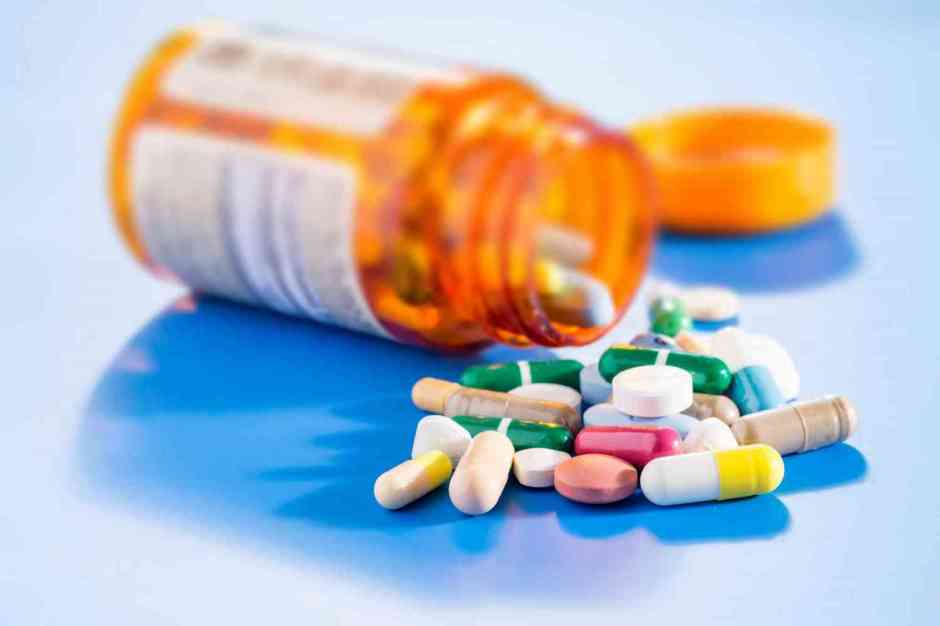
The WHO Model List of Essential Medicines (aka Essential Medicines List or EML), published by the World Health Organisation (WHO), contains the medications considered to be most effective and safe to meet the most important needs in a health system.

The list is frequently used by countries to help develop their own local lists of essential medicines. As of 2016, more than 155 countries have created national lists of essential medicines based on the WHO’s model list. This includes countries in both the developed and developing world.

40 years of the WHO Model List of Essential Medicines was celebrated in 2017.

The list is divided into core items and complementary items. The core items are deemed to be the most cost-effective options for key health problems and are usable with little additional health care resources. The complementary items either require additional infrastructure such as specially trained health care providers or diagnostic equipment or have a lower cost–benefit ratio. About 25% of items are in the complementary list. Some medications are listed as both core and complementary. While most medications on the list are available as generic products, being under patent does not preclude inclusion.

The first list was published in 1977 and included 208 medications. The WHO updates the list every two years. The 14th list was published in 2005 and contained 306 medications. In 2015, the 19th edition of the list was published and contains around 410 medications. The 20th edition was published in 2017, and contains 433 medications. The 21st list was published in 2019 and contains 460 medications. The 22nd list was published in 2021 and contains 479 medications. Various national lists contain between 334 and 580 medications.

A separate list for children up to 12 years of age, known as the WHO Model List of Essential Medicines for Children (EMLc), was created in 2007 and is in its 8th edition. It was created to make sure that the needs of children were systematically considered such as availability of proper formulations. Everything in the children’s list is also included in the main list. The list and notes are based on the 19th to 22nd edition of the main list. An α indicates a medicine is only on the complementary list. Therapeutic alternatives with similar clinical performance are listed for some medicines and they may be considered for national essential medicines lists.

Anaesthetics, Preoperative Medicines and Medical Gases

  • General anaesthetics and oxygen:
    • Inhalational medicines.
      • Halothane.
      • Isoflurane.
      • Nitrous oxide.
      • Oxygen.
    • Injectable medicines.
      • Ketamine.
      • Propofol.
  • Local anaesthetics:
    • Bupivacaine.
    • Lidocaine.
    • Lidocaine/epinephrine (lidocaine + epinephrine).
    • Ephedrineα.
  • Preoperative medication and sedation for short-term procedures:
    • Atropine
    • Midazolam
    • Morphine
  • Medical gases:
    • Oxygen.

Medicines for Pain and Palliative Care

  • Non-opioids and non-steroidal anti-inflammatory medicines (NSAIMs):
    • Acetylsalicylic acid (aspirin).
    • Ibuprofen.
    • Paracetamol.
  • Opioid analgesics:
    • Codeine.
    • Fentanyl.
    • Morphine.
    • Methadoneα.
  • Medicines for other common symptoms in palliative care:
    • Amitriptyline.
    • Cyclizine.
    • Dexamethasone.
    • Diazepam.
    • Docusate sodium.
    • Fluoxetine.
    • Haloperidol.
    • Hyoscine butylbromide.
    • Hyoscine hydrobromide.
    • Lactulose.
    • Loperamide.
    • Metoclopramide.
    • Midazolam.
    • Ondansetron.
    • Senna.

Antiallergics and Medicines used in Anaphylaxis

  • Dexamethasone.
  • Epinephrine (adrenaline).
  • Hydrocortisone.
  • Loratadine.
  • Prednisolone.

Antidotes and Other Substances used in Poisonings

  • Non-specific:
    • Charcoal, activated.
  • Specific.
    • Acetylcysteine.
    • Atropine.
    • Calcium gluconate.
    • Methylthioninium chloride (methylene blue).
    • Naloxone.
    • Penicillamine.
    • Prussian blue.
    • Sodium nitrite.
    • Sodium thiosulfate.
    • Deferoxamineα.
    • Dimercaprolα.
    • Fomepizoleα.
    • Sodium calcium edetateα.
    • Succimerα.

Anticonvulsants/Antiepileptics

Anti-Infective Medicines

  • Anthelminthics:
    • Intestinal anthelminthics.
      • Albendazole.
      • Ivermectin.
      • Levamisole.
      • Mebendazole.
      • Niclosamide.
      • Praziquantel.
      • Pyrantel.
    • Antifilarials.
      • Albendazole.
      • Diethylcarbamazine.
      • Ivermectin.
    • Antischistosomals and other antinematode medicines.
      • Praziquantel.
      • Triclabendazole.
      • Oxamniquineα.
    • Cysticidal medicines.
      • Albendazoleα.
      • Mebendazoleα.
      • Praziquantelα.
  • Antibacterials:
    • Access group antibiotics.
      • Amikacin
      • Amoxicillin.
      • Amoxicillin/clavulanic acid (amoxicillin + clavulanic acid).
      • Ampicillin.
      • Benzathine benzylpenicillin.
      • Benzylpenicillin.
      • Cefalexin.
      • Cefazolin.
      • Chloramphenicol.
      • Clindamycin.
      • Cloxacillin.
      • Doxycycline.
      • Gentamicin.
      • Metronidazole.
      • Nitrofurantoin.
      • Phenoxymethylpenicillin (penicillin V).
      • Procaine benzylpenicillin.
      • Spectinomycin.
      • Sulfamethoxazole/trimethoprim (sulfamethoxazole + trimethoprim).
      • Trimethoprim.
    • Watch group antibiotics.
      • Azithromycin.
      • Cefixime.
      • Cefotaxime.
      • Ceftriaxone.
      • Cefuroxime.
      • Ciprofloxacin.
      • Clarithromycin.
      • Piperacillin/tazobactam (piperacillin + tazobactam).
      • Vancomycin.
      • Ceftazidimeα.
      • Meropenemα.
      • Vancomycinα.
    • Reserve group antibiotics.
      • Cefiderocolα.
      • Ceftazidime/avibactam (ceftazidime + avibactam)α.
      • Colistinα.
      • Fosfomycinα.
      • Linezolidα.
      • Meropenem/vaborbactam (meropenem + vaborbactam)α.
      • Plazomicinα.
      • Polymyxin Bα.
    • Antileprosy medicines.
      • Clofazimine.
      • Dapsone.
      • Rifampicin.
    • Antituberculosis medicines.
      • Ethambutol.
      • Ethambutol/isoniazid/pyrazinamide/rifampicin (ethambutol + isoniazid + pyrazinamide + rifampicin).
      • Ethambutol/isoniazid/rifampicin (ethambutol + isoniazid + rifampicin).
      • Isoniazid.
      • Isoniazid/pyrazinamide/rifampicin (isoniazid + pyrazinamide + rifampicin).
      • Isoniazid/rifampicin (isoniazid + rifampicin).
      • Isoniazid/rifapentine (isoniazid + rifapentine).
      • Moxifloxacin.
      • Pyrazinamide.
      • Rifabutin.
      • Rifampicin.
      • Rifapentine.
      • Amikacinα.
      • Amoxicillin/clavulanic acid (amoxicillin + clavulanic acid)α.
      • Bedaquilineα.
      • Clofazimineα.
      • Cycloserineα.
      • Delamanidα.
      • Ethionamideα.
      • Levofloxacinα.
      • Linezolidα.
      • Meropenemα.
      • Moxifloxacinα.
      • P-aminosalicylic acidα.
      • Streptomycinα.
  • Antifungal medicines.
    • Amphotericin B.
    • Clotrimazole.
    • Fluconazole.
    • Flucytosine.
    • Griseofulvin.
    • Itraconazole.
    • Nystatin.
    • Voriconazole.
    • Micafunginα.
    • Potassium iodideα.
  • Antiviral medicines
    • Antiherpes medicines.
      • Aciclovir.
    • Antiretrovirals.
    • Nucleoside/nucleotide reverse transcriptase inhibitors.
      • Abacavir.
      • Lamivudine.
      • Tenofovir disoproxil fumarate.
      • Zidovudine.
    • Non-nucleoside reverse transcriptase inhibitors.
      • Efavirenz.
      • [[Nevirapine].
    • Protease inhibitors.
      • Atazanavir/ritonavir (atazanavir + ritonavir).
      • Darunavir.
      • Lopinavir/ritonavir (lopinavir + ritonavir).
      • Ritonavir.
    • Integrase inhibitors.
      • Dolutegravir.
      • Raltegravir.
    • Fixed-dose combinations of antiretroviral medicines.
      • Abacavir/lamivudine (abacavir + lamivudine).
      • Dolutegravir/lamivudine/tenofovir (dolutegravir + lamivudine + tenofovir.
      • Efavirenz/emtricitabine/tenofovir.
      • Efavirenz/lamivudine/tenofovir (efavirenz + lamivudine + tenofovir).
      • Emtricitabine/tenofovir (emtricitabine + tenofovir).
      • Lamivudine/zidovudine (lamivudine + zidovudine).
    • Medicines for prevention of HIV-related opportunistic infections.
      • Isoniazid/pyridoxine/sulfamethoxazole/trimethoprim (isoniazid + pyridoxine + sulfamethoxazole + trimethoprim).
    • Other antivirals.
      • Ribavirin.
      • Valganciclovir.
      • Oseltamivirα.
      • Valganciclovirα.
    • Antihepatitis medicines.
    • Medicines for hepatitis B.
    • Nucleoside/Nucleotide reverse transcriptase inhibitors.
      • Entecavir.
      • Tenofovir disoproxil fumarate.
    • Medicines for hepatitis C.
    • Pangenotypic direct-acting antiviral combinations
      • Daclatasvir.
      • Daclatasvir/sofosbuvir (daclatasvir + sofosbuvir).
      • Glecaprevir/pibrentasvir (glecaprevir + pibrentasvir).
      • Sofosbuvir.
      • Sofosbuvir/velpatasvir (sofosbuvir + velpatasvir).
    • Non-pangenotypic direct-acting antiviral combinations
      • Dasabuvir.
      • Ledipasvir/sofosbuvir (ledipasvir + sofosbuvir).
      • Ombitasvir/paritaprevir/ritonavir (ombitasvir + paritaprevir + ritonavir).
    • Other antivirals for hepatitis C.
      • Ribavirin.
      • Pegylated interferon-alpha-2a or pegylated interferon-alpha-2bα.
  • Antiprotozoal medicines:
    • Antiamoebic and antigiardiasis medicines
      • Diloxanide.
      • Metronidazole.
    • Antileishmaniasis medicines
      • Amphotericin B.
      • Miltefosine.
      • Paromomycin.
      • Sodium stibogluconate or meglumine antimoniate.
    • Antimalarial medicines.
    • For curative treatment.
      • Amodiaquine.
      • Artemether.
      • Artemether/lumefantrine (artemether + lumefantrine).
      • Artesunate.
      • Artesunate/amodiaquine (artesunate + amodiaquine).
      • Artesunate/mefloquine (artesunate + mefloquine).
      • Artesunate/pyronaridine tetraphosphate (artesunate + pyronaridine tetraphosphate).
      • Chloroquine.
      • Dihydroartemisinin/piperaquine phosphate (dihydroartemisinin + piperaquine phosphate).
      • Doxycycline.
      • Mefloquine.
      • Primaquine.
      • Quinine.
      • Sulfadoxine/pyrimethamine (sulfadoxine + pyrimethamine).
    • For chemoprevention.
      • Amodiaquine + sulfadoxine/pyrimethamine (Co-packaged).
      • Chloroquine.
      • Doxycycline.
      • Mefloquine.
      • Proguanil.
      • Sulfadoxine/pyrimethamine (sulfadoxine + pyrimethamine).
    • Antipneumocystosis and antitoxoplasmosis medicines.
      • Pyrimethamine.
      • Sulfadiazine.
      • Sulfamethoxazole/trimethoprim (sulfamethoxazole + trimethoprim).
      • Pentamidineα.
    • Antitrypanosomal medicines.
    • African trypanosomiasis.
      • Fexinidazole.
    • Medicines for the treatment of 1st stage African trypanosomiasis.
      • Pentamidine.
      • Suramin sodium.
    • Medicines for the treatment of 2nd stage African trypanosomiasis.
      • Eflornithine.
      • Melarsoprol.
      • Nifurtimox.
      • Melarsoprolα.
    • American trypanosomiasis.
      • Benznidazole.
      • Nifurtimox.
  • Medicines for ectoparasitic infections.
    • Ivermectin.

Antimigraine Medicines

  • For treatment of acute attack:
    • Acetylsalicylic acid (aspirin).
    • Ibuprofen.
    • Paracetamol (acetaminophen).
    • Sumatriptan.
  • For prophylaxis:
    • Propranolol.

Immunomodulators and Antineoplastics

  • Immunomodulators for non-malignant disease:
    • Adalimumabα.
    • Azathioprineα.
    • Ciclosporinα.
    • Tacrolimusα.
  • Antineoplastics and supportive medicines:
    • Cytotoxic medicines.
      • Arsenic trioxideα.
      • Asparaginaseα.
      • Bendamustineα.
      • Bleomycinα.
      • Calcium folinateα.
      • Capecitabineα.
      • Carboplatinα.
      • Chlorambucilα.
      • Cisplatinα.
      • Cyclophosphamideα.
      • Cytarabineα.
      • Dacarbazineα.
      • Dactinomycinα.
      • Daunorubicinα.
      • Docetaxelα.
      • Doxorubicinα.
      • Etoposideα.
      • Fludarabineα.
      • Fluorouracilα.
      • Gemcitabineα.
      • Hydroxycarbamideα.
      • Ifosfamideα.
      • Irinotecanα.
      • Melphalanα.
      • Mercaptopurineα.
      • Methotrexateα.
      • Oxaliplatinα.
      • Paclitaxelα.
      • Pegaspargaseα.
      • Procarbazineα.
      • Realgar Indigo naturalis formulationα.
      • Tioguanineα.
      • Vinblastineα.
      • Vincristineα.
      • Vinorelbineα.
    • Targeted therapies.
      • All-trans retinoic acid (tretinoin) (ATRA)α.
      • Bortezomibα.
      • Dasatinibα.
      • Erlotinibα.
      • Everolimusα.
      • Ibrutinibα.
      • Imatinibα.
      • Nilotinibα.
      • Rituximabα.
      • Trastuzumabα.
    • Immunomodulators.
      • Filgrastimα.
      • Lenalidomideα.
      • Nivolumabα.
      • Thalidomideα.
    • Hormones and antihormones.
      • Abirateroneα.
      • Anastrozoleα.
      • Bicalutamideα.
      • Dexamethasoneα.
      • Hydrocortisoneα.
      • Leuprorelinα.
      • Methylprednisoloneα.
      • Prednisoloneα.
      • Tamoxifenα.
    • Supportive medicines.
      • Allopurinolα.
      • Mesnaα.
      • Rasburicaseα.
      • Zoledronic acidα.

Antiparkinsonism Medicines

  • Biperiden.
  • Levodopa/carbidopa (levodopa + carbidopa).

Medicines Affecting the Blood

  • Antianaemia medicines:
    • Ferrous salt.
    • Ferrous salt/folic acid (ferrous salt + folic acid).
    • Folic acid.
    • Hydroxocobalamin.
    • Erythropoiesis-stimulating agentsα.
  • Medicines affecting coagulation:
    • Dabigatran.
    • Enoxaparin.
    • Heparin sodium.
    • Phytomenadione.
    • Protamine sulfate.
    • Tranexamic acid.
    • Warfarin.
    • Desmopressinα.
    • Heparin sodiumα.
    • Protamine sulfateα.
    • Warfarinα.
  • Other medicines for haemoglobinopathies:
    • Deferoxamineα.
    • Hydroxycarbamideα.

Blood Products of Human Origin and Plasma Substitutes

  • Blood and blood components:
    • Fresh frozen plasma.
    • Platelets.
    • Red blood cells.
    • Whole blood.
  • Plasma-derived medicines:
    • Human immunoglobulins.
      • Rho(D) immune globulin (anti-D immunoglobulin).
      • Anti-rabies immunoglobulin.
      • Anti-tetanus immunoglobulin.
      • Normal immunoglobulinα.
    • Blood coagulation factors.
      • Coagulation factor VIIIα.
      • Coagulation factor IXα.
    • Plasma substitutes.
      • Dextran 70.

Cardiovascular Medicines

  • Antianginal medicines:
    • Bisoprolol.
    • Glyceryl trinitrate.
    • Isosorbide dinitrate.
    • Verapamil.
  • Antiarrhythmic medicines:
    • Bisoprolol.
    • Digoxin.
    • Epinephrine (adrenaline).
    • Lidocaine.
    • Verapamil.
    • Amiodaroneα.
  • Antihypertensive medicines:
    • Amlodipine.
    • Bisoprolol.
    • Enalapril.
    • Hydralazine.
    • Hydrochlorothiazide.
    • Lisinopril/amlodipine (lisinopril + amlodipine).
    • Lisinopril/hydrochlorothiazide (lisinopril + hydrochlorothiazide).
    • Losartan.
    • Methyldopa.
    • Telmisartan/amlodipine (telmisartan + amlodipine).
    • Telmisartan/hydrochlorothiazide (telmisartan + hydrochlorothiazide).
    • Sodium nitroprussideα.
  • Medicines used in heart failure:
    • Bisoprolol.
    • Digoxin.
    • Enalapril.
    • Furosemide.
    • Hydrochlorothiazide.
    • Losartan.
    • Spironolactone.
    • Dopamineα.
  • Antithrombotic medicines:
    • Anti-platelet medicines.
      • Acetylsalicylic acid (aspirin).
      • Clopidogrel.
    • Thrombolytic medicines.
      • Alteplaseα.
      • Streptokinaseα.
    • Lipid-lowering agents.
      • Simvastatin.

Dermatological Medicines (Topical)

  • Antifungal medicines:
    • Miconazole.
    • Selenium sulfide.
    • Sodium thiosulfate.
    • Terbinafine.
  • Anti-infective medicines:
    • Mupirocin.
    • Potassium permanganate.
    • Silver sulfadiazine.
  • Anti-inflammatory and antipruritic medicines:
    • Betamethasone.
    • Calamine.
    • Hydrocortisone.
  • Medicines affecting skin differentiation and proliferation:
    • Benzoyl peroxide.
    • Calcipotriol.
    • Coal tar.
    • Fluorouracil.
    • Podophyllum resin.
    • Salicylic acid.
    • Urea.
  • Scabicides and pediculicides:
    • Benzyl benzoate.
    • Permethrin.

Diagnostic Agents

  • Ophthalmic medicines:
    • Fluorescein.
    • Tropicamide.
  • Radiocontrast media:
    • Amidotrizoate.
    • Barium sulfate.
    • Iohexol.
    • Barium sulfateα.
    • Meglumine iotroxateα.

Antiseptics and Disinfectants

  • Antiseptics:
    • Chlorhexidine.
    • Ethanol.
    • Povidone iodine.
  • Disinfectants:
    • Alcohol based hand rub.
    • Chlorine base compound.
    • Chloroxylenol.
    • Glutaral.

Diuretics

  • Amiloride.
  • Furosemide.
  • Hydrochlorothiazide.
  • Mannitol.
  • Spironolactone.
  • Hydrochlorothiazideα.
  • Mannitolα.
  • Spironolactoneα.

Gastrointestinal Medicines

  • Pancreatic enzymesα.
  • Antiulcer medicines:
    • Omeprazole.
    • Ranitidine.
  • Antiemetic medicines:
    • Dexamethasone.
    • Metoclopramide.
    • Ondansetron.
    • Aprepitantα.
  • Anti-inflammatory medicines:
    • Sulfasalazine.
    • Hydrocortisoneα.
    • Prednisoloneα.
  • Laxatives:
    • Senna.
  • Medicines used in diarrhoea:
    • Oral rehydration salts + zinc sulfate (Co-packaged).
    • Oral rehydration.
      • Oral rehydration salts.
    • Medicines for diarrhoea.
      • Zinc sulfate.

Medicines for Endocrine Disorders

  • Adrenal hormones and synthetic substitutes:
    • Fludrocortisone.
    • Hydrocortisone.
  • Androgens:
    • Testosteroneα.
  • Estrogens:
    • No listings in this section.
  • Progestogens:
    • Medroxyprogesterone acetate.
  • Medicines for diabetes:
    • Insulins.
      • Insulin injection (soluble).
      • Intermediate-acting insulin.
      • Long-acting insulin analogues.
    • Oral hypoglycaemic agents.
      • Empagliflozin.
      • Gliclazide.
      • Metformin.
      • Metforminα.
    • Medicines for hypoglycaemia.
      • Glucagon.
      • Diazoxideα.
  • Thyroid hormones and antithyroid medicines:
    • Levothyroxine.
    • Potassium iodide.
    • Methimazole.
    • Propylthiouracil.
    • Lugol’s solutionα.
    • Methimazoleα.
    • Potassium iodideα.
    • Propylthiouracilα.

Immunologicals

  • Diagnostic agents:
    • Tuberculin, purified protein derivative (PPD).
  • Sera, immunoglobulins and monoclonal antibodies:
    • Anti-rabies virus monoclonal antibodies.
    • Antivenom immunoglobulin.
    • Diphtheria antitoxin.
    • Equine rabies immunoglobulin.
  • Vaccines:
    • Recommendations for all.
      • BCG vaccine.
      • Diphtheria vaccine.
      • Haemophilus influenzae type b vaccine.
      • Hepatitis B vaccine.
      • Human papilloma virus (HPV) vaccine.
      • Measles vaccine.
      • Pertussis vaccine.
      • Pneumococcal vaccine.
      • Poliomyelitis vaccine.
      • Rotavirus vaccine.
      • Rubella vaccine.
      • Tetanus vaccine.
    • Recommendations for certain regions.
      • Japanese encephalitis vaccine.
      • Tick-borne encephalitis vaccine.
      • Yellow fever vaccine.
      • Recommendations for some high-risk populations.
      • Cholera vaccine.
      • Dengue vaccine.
      • Hepatitis A vaccine.
      • Meningococcal meningitis vaccine.
      • Rabies vaccine.
      • Typhoid vaccine.
    • Recommendations for immunisation programmes with certain characteristics.
      • Influenza vaccine (seasonal).
      • Mumps vaccine.
      • Varicella vaccine.

Muscle Relaxants (Peripherally-Acting) and Cholinesterase Inhibitors

  • Atracurium.
  • Neostigmine.
  • Suxamethonium.
  • Vecuronium.
  • Pyridostigmineα.
  • Vecuroniumα.

Ophthalmological Preparations

  • Anti-infective agents:
    • Aciclovir.
    • Azithromycin.
    • Erythromycin.
    • Gentamicin.
    • Natamycin.
    • Ofloxacin.
    • Tetracycline.
  • Anti-inflammatory agents:
    • Prednisolone.
  • Local anaesthetics:
    • Tetracaine.
  • Miotics and antiglaucoma medicines:
    • Acetazolamide.
    • Latanoprost.
    • Pilocarpine.
    • Timolol.
  • Mydriatics:
    • Atropine.
    • Epinephrine (adrenaline)α.
  • Anti-vascular endothelial growth factor (VEGF):
    • Bevacizumabα.

Medicines for Reproductive Health and Perinatal Care

  • Contraceptives:
    • Oral hormonal contraceptives.
      • Ethinylestradiol/levonorgestrel (ethinylestradiol + levonorgestrel).
      • Ethinylestradiol/norethisterone (ethinylestradiol + norethisterone).
      • Levonorgestrel.
      • Ulipristal.
    • Injectable hormonal contraceptives.
      • Estradiol cypionate/medroxyprogesterone acetate (estradiol cypionate + medroxyprogesterone acetate).
      • Medroxyprogesterone acetate.
      • Norethisterone enantate.
    • Intrauterine devices.
      • IUD with copper.
      • IUD with progestogen.
    • Barrier methods.
      • Condoms.
      • Diaphragms.
    • Implantable contraceptives.
      • Etonogestrel-releasing implant.
      • Levonorgestrel-releasing implant.
    • Intravaginal contraceptives.
      • Ethinylestradiol/etonogestrel (ethinylestradiol + etonogestrel).
      • Progesterone vaginal ring.
  • Ovulation inducers:
    • Clomifeneα.
  • Uterotonics:
    • Carbetocin.
    • Ergometrine.
    • Mifepristone + misoprostol (Co-packaged).
    • Misoprostol.
    • Oxytocin.
  • Antioxytocics (tocolytics):
    • Nifedipine.
  • Medicines administered to the mother:
    • Dexamethasone.
    • Multiple micronutrient supplement.
    • Tranexamic acid.
  • Medicines administered to the neonate:
    • Caffeine citrate.
    • Chlorhexidine.
    • Ibuprofenα.
    • Prostaglandin E1α.
    • Surfactantα.

Peritoneal Dialysis Solution

  • Intraperitoneal dialysis solution (of appropriate composition)α.

Medicines for Mental and Behavioural Disorders

  • Medicines used in psychotic disorders:
  • Medicines used in mood disorders:
    • Medicines used in depressive disorders.
    • Medicines used in bipolar disorders.
      • Carbamazepine.
      • Lithium carbonate.
      • Valproic acid (sodium valproate).
  • Medicines for anxiety disorders:
  • Medicines used for obsessive compulsive disorders:
    • Clomipramine.
  • Medicines for disorders due to psychoactive substance use:
    • Bupropion.
    • Nicotine replacement therapy.
    • Varenicline.
    • Methadoneα.

Medicines Acting on the Respiratory Tract

  • Antiasthmatics and medicines for chronic obstructive pulmonary disease:
    • Budesonide.
    • Budesonide/formoterol (budesonide + formoterol).
    • Epinephrine (adrenaline).
    • Ipratropium bromide.
    • Salbutamol.
    • Tiotropium.

Solutions Correcting Water, Electrolyte and Acid-Base Disturbances

  • Oral:
    • Oral rehydration salts.
    • Potassium chloride.
  • Parenteral:
    • Glucose.
    • Glucose with sodium chloride.
    • Potassium chloride.
    • Sodium chloride.
    • Sodium hydrogen carbonate.
    • Sodium lactate, compound solution.
  • Miscellaneous:
    • Water for injection.

Vitamins and Minerals

  • Ascorbic acid.
  • Calcium.
  • Colecalciferol.
  • Ergocalciferol.
  • Iodine.
  • Multiple micronutrient powder.
  • Nicotinamide.
  • Pyridoxine.
  • Retinol.
  • Riboflavin.
  • Thiamine.
  • Calcium gluconateα.

Ear, Nose and Throat Medicines

  • Acetic acid.
  • Budesonide.
  • Ciprofloxacin.
  • Xylometazoline.

Medicines for Diseases of Joints

  • Medicines used to treat gout:
    • Allopurinol.
  • Disease-modifying agents used in rheumatoid disorders (DMARDs):
    • Chloroquine.
    • Azathioprineα.
    • Hydroxychloroquineα.
    • Methotrexateα.
    • Penicillamineα.
    • Sulfasalazineα.
  • Juvenile joint diseases:
    • Acetylsalicylic acid (aspirin).
  • Dental preparations:
    • Fluoride.
    • Glass ionomer cement.
    • Silver diamine fluoride.

What is True Self and False Self?

Introduction

True self (also known as real self, authentic self, original self and vulnerable self) and false self (also known as fake self, idealised self, superficial self and pseudo self) are psychological concepts, originally introduced into psychoanalysis in 1960 by Donald Winnicott.

Winnicott used true self to describe a sense of self based on spontaneous authentic experience and a feeling of being alive, having a real self. The false self, by contrast, Winnicott saw as a defensive façade, which in extreme cases could leave its holders lacking spontaneity and feeling dead and empty, behind a mere appearance of being real.

The concepts are often used in connection with narcissism.

Characteristics

Winnicott saw the true self as rooted from early infancy in the experience of being alive, including blood pumping and lungs breathing – what Winnicott called simply being. Out of this, the baby creates the experience of a sense of reality, a sense that life is worth living. The baby’s spontaneous, nonverbal gestures derive from that instinctual sense, and if responded to by the parents, become the basis for the continuing development of the true self.

However, when what Winnicott was careful to describe as good enough parenting – i.e., not necessarily perfect – was not in place, the infant’s spontaneity was in danger of being encroached on by the need for compliance with the parents’ wishes/expectations. The result for Winnicott could be the creation of what he called the false self, where “Other people’s expectations can become of overriding importance, overlaying or contradicting the original sense of self, the one connected to the very roots of one’s being”. The danger he saw was that “through this false self, the infant builds up a false set of relationships, and by means of introjections even attains a show of being real”, while, in fact, merely concealing a barren emptiness behind an independent-seeming façade.

The danger was particularly acute where the baby had to provide attunement for the mother/parents, rather than vice versa, building up a sort of dissociated recognition of the object on an impersonal, not personal and spontaneous basis. But while such a pathological false self stifled the spontaneous gestures of the true self in favour of a lifeless imitation, Winnicott nevertheless considered it of vital importance in preventing something worse: the annihilating experience of the exploitation of the hidden true self itself.

Precursors

There was much in psychoanalytic theory on which Winnicott could draw for his concept of the false self. Helene Deutsch had described the “as if” personalities, with their pseudo relationships substituting for real ones. Winnicott’s analyst, Joan Riviere, had explored the concept of the narcissist’s masquerade – superficial assent concealing a subtle hidden struggle for control. Freud’s own late theory of the ego as the product of identifications came close to viewing it only as a false self; while Winnicott’s true/false distinction has also been compared to Michael Balint’s “basic fault” and to Ronald Fairbairn’s notion of the “compromised ego”.

Erich Fromm, in his book The Fear of Freedom distinguished between original self and pseudo self – the inauthenticality of the latter being a way to escape the loneliness of freedom; while much earlier the existentialist like Kierkegaard had claimed that “to will to be that self which one truly is, is indeed the opposite of despair” – the despair of choosing “to be another than himself”.

Karen Horney, in her 1950 book, Neurosis and Human Growth, based her idea of “true self” and “false self” through the view of self-improvement, interpreting it as real self and ideal self, with the real self being what one currently is and the ideal self being what one could become.

Later Developments

The second half of the twentieth century has seen Winnicott’s ideas extended and applied in a variety of contexts, both in psychoanalysis and beyond.

Kohut

Heinz Kohut extended Winnicott’s work in his investigation of narcissism, seeing narcissists as evolving a defensive armour around their damaged inner selves. He considered it less pathological to identify with the damaged remnants of the self, than to achieve coherence through identification with an external personality at the cost of one’s own autonomous creativity.

Lowen

Alexander Lowen identified narcissists as having a true and a false, or superficial, self. The false self rests on the surface, as the self presented to the world. It stands in contrast to the true self, which resides behind the façade or image. This true self is the feeling self, but for the narcissist the feeling self must be hidden and denied. Since the superficial self represents submission and conformity, the inner or true self is rebellious and angry. This underlying rebellion and anger can never be fully suppressed since it is an expression of the life force in that person. But because of the denial, it cannot be expressed directly. Instead it shows up in the narcissist’s acting out. And it can become a perverse force.

Masterson

James F. Masterson argued that all the personality disorders crucially involve the conflict between a person’s two selves: the false self, which the very young child constructs to please the mother, and the true self. The psychotherapy of personality disorders is an attempt to put people back in touch with their real selves.

Symington

Neville Symington developed Winnicott’s contrast between true and false self to cover the sources of personal action, contrasting an autonomous and a discordant source of action – the latter drawn from the internalisation of external influences and pressures. Thus for example parental dreams of self-glorification by way of their child’s achievements can be internalised as an alien discordant source of action. Symington stressed however the intentional element in the individual’s abandoning the autonomous self in favour of a false self or narcissistic mask – something he considered Winnicott to have overlooked.

Vaknin

As part of what has been described as a personal mission to raise the profile of the condition, psychology professor (and self-confessed narcissist) Sam Vaknin has highlighted the role of the false self in narcissism. The false self replaces the narcissist’s true self and is intended to shield him from hurt and narcissistic injury by self-imputing omnipotence. The narcissist pretends that his false self is real and demands that others affirm this confabulation, meanwhile keeping his real imperfect true self under wraps.

For Vaknin, the false self is by far more important to the narcissist than his dilapidated, dysfunctional true self; and he does not subscribe to the view that the true self can be resuscitated through therapy.

Miller

Alice Miller cautiously warns that a child/patient may not have any formed true self, waiting behind the false self façade; and that as a result freeing the true self is not as simple as the Winnicottian image of the butterfly emerging from its cocoon. If a true self can be developed, however, she considered that the empty grandiosity of the false self could give way to a new sense of autonomous vitality.

Orbach (False Bodies)

Susie Orbach saw the false self as an overdevelopment (under parental pressure) of certain aspects of the self at the expense of other aspects – of the full potential of the self – producing thereby an abiding distrust of what emerges spontaneously from the individual himself or herself. Orbach went on to extend Winnicott’s account of how environmental failure can lead to an inner splitting of mind and body, so as to cover the idea of the false body – falsified sense of one’s own body. Orbach saw the female false body in particular as built upon identifications with others, at the cost of an inner sense of authenticity and reliability. Breaking up a monolithic but false body-sense in the process of therapy could allow for the emergence of a range of authentic (even if often painful) body feelings in the patient.

Jungian Persona

Jungians have explored the overlap between Carl Jung’s concept of the persona and Winnicott’s false self; but, while noting similarities, consider that only the most rigidly defensive persona approximates to the pathological status of the false self.

Stern’s Tripartite Self

Daniel Stern considered Winnicott’s sense of “going on being” as constitutive of the core, pre-verbal self. He also explored how language could be used to reinforce a false sense of self, leaving the true self linguistically opaque and disavowed. He ended, however, by proposing a three-fold division of social, private, and of disavowed self.

Criticisms

Neville Symington criticised Winnicott for failing to integrate his false self insight with the theory of ego and id. Similarly, continental analysts like Jean-Bertrand Pontalis have made use of true/false self as a clinical distinction, while having reservations about its theoretical status.

The philosopher Michel Foucault took issue more broadly with the concept of a true self on the anti-essentialist grounds that the self was a construct – something one had to evolve through a process of subjectification, an aesthetics of self-formation, not something simply waiting to be uncovered: “we have to create ourselves as a work of art”.

Literary Examples

  • Wuthering Heights has been interpreted in terms of the true self’s struggle to break through the conventional overlay.
  • In the novel, I Never Promised You a Rose Garden, the heroine saw her outward personality as a mere ghost of a Semblance, behind which her true self hid ever more completely.
  • Sylvia Plath’s poetry has been interpreted in terms of the conflict of the true and false selves.

What is Turning Point (Charity)?

Introduction

Turning Point is a health and social care organisation that works across mental health, learning disability, substance misuse, primary care, the criminal justice system and employment.

In 2017, Turning Point won the contract to deliver sexual health services across 3 London boroughs and Autism Plus joined the Turning Point group. Many of Turning Point services are regulated by the Care Quality Commission.

Brief History

Turning Point developed out of The Camberwell Alcohol Project in South East London and was founded by Barry Richards, a London businessman, in 1964.

The charity was described as “one of Princess Diana’s favourite charities”; she acted as its patron from 1985 to 1997.

In 2001, Lord Victor Adebowale became Chief Executive.

In 2015 the charity denied accusations of “black on black racism” in its appeal against the decision of an earlier employment tribunal that Adebowale had unfairly dismissed the charity’s IT director, Ibukun Adebayo. The tribunal did find that Adebayo’s actions in accessing lewd emails about her from the charity’s deputy chief executive to Adebowale, constituted gross misconduct, but ruled that this did not justify Adebowale’s actions. Adebayo’s lawyers said that the actions were unfair because the deputy chief executive’s behaviour “was more serious than the claimant’s by way of his seniority and position as sponsor of Turning Point’s equal opportunities policy.”

Organisation

Turning Point is a social enterprise and registered charity based in the United Kingdom that runs projects in more than 240 locations across England and Wales, making contact with 130,000 people, on average, each year. In addition to providing direct services, Turning Point also campaigns on behalf of those with social care needs.

It has a turnover of £111m, £60m of which is for the delivery of substance misuse services, £18m for the delivery of mental health services and £34m for the delivery of support to people with a Learning Disability.

The organisation provides services support for a range of people, including those with mental health issues, learning disabilities and/or substance-related disorders.

What is Troparil?

Introduction

Troparil (also known as (–)-2β-Carbomethoxy-3β-phenyltropane, WIN 35,065-2, or β-CPT) is a stimulant drug used in scientific research.

Troparil is a phenyltropane-based dopamine reuptake inhibitor (DRI) that is derived from methylecgonidine. Troparil is a few times more potent than cocaine as a dopamine reuptake inhibitor, but is less potent as a serotonin reuptake inhibitor, and has a duration spanning a few times longer, since the phenyl ring is directly connected to the tropane ring through a non-hydrolysable carbon-carbon bond. The lack of an ester linkage removes the local anaesthetic action from the drug, so troparil is a pure stimulant. This change in activity also makes troparil slightly less cardiotoxic than cocaine. The most commonly used form of troparil is the tartrate salt, but the hydrochloride and naphthalenedisulfonate salts are also available, as well as the free base.

Background

The first known published synthesis of troparil and the related compound WIN 35428 is by Clarke and co-workers during the 1970s. Apparently, it was their intention to separate the stimulant actions of cocaine from its toxicity and dependence liability. Troparil is the only regular phenyltropane having a NET (Norepinephrine transporter) affinity that exceeds the DAT (dopamine transporter) affinity.

Application

Phenyltropanes are likely to have less abuse and dependency compared with cocaine.

Troparil is used in scientific research into the dopamine reuptake transporter. 3H-radiolabelled forms of troparil have been used in humans and animals to map the distribution of dopamine transporters in the brain. It is also used for animal research into stimulant drugs as an alternative to cocaine which produces similar effects, but avoids the stringent licensing requirements for the use of cocaine itself.

Troparil has similar effects to cocaine in animal studies, but recreational use of this compound to date has proven extremely rare. Despite being easily made by the reaction of methylecgonidine with phenylmagnesium bromide, the relative scarcity of methylecgonidine and the demanding reaction conditions required for the synthesis put production of this compound beyond the capacity of most illicit drug manufacturers, and legitimate supplies of troparil are available only in very small quantities for a very high price.

Legality

The legal status of troparil is unclear, but it may be considered a controlled substance analogue of cocaine in the United States on the grounds of its related chemical structure. The legal status of troparil and many other cocaine analogues in Canada, is dependent on if ecgonine, coca, or cocaine were derivatives of the compound, according to the wording on the entry of coca in Schedule 1 of the Controlled Drugs and Substances Act.

On This Day … 29 November

People (Births)

  • 1825 – Jean-Martin Charcot, French neurologist and psychologist (d. 1893).
  • 1945 – Csaba Pléh, Hungarian psychologist and linguist.

Jean-Martin Charcot

Jean-Martin Charcot (29 November 1825 to 16 August 1893) was a French neurologist and professor of anatomical pathology. He is best known today for his work on hypnosis and hysteria, in particular his work with his hysteria patient Louise Augustine Gleizes. Charcot is known as “the founder of modern neurology”, and his name has been associated with at least 15 medical eponyms, including various conditions sometimes referred to as Charcot diseases.

Charcot has been referred to as “the father of French neurology and one of the world’s pioneers of neurology”. His work greatly influenced the developing fields of neurology and psychology; modern psychiatry owes much to the work of Charcot and his direct followers. He was the “foremost neurologist of late nineteenth-century France” and has been called “the Napoleon of the neuroses”.

Csaba Pleh

Csaba Pléh (born 29 November 1945) is a Hungarian psychologist and linguist, professor at the Department of Cognitive Science, Budapest University of Technology and Economics.

He graduated from the Eötvös Loránd University where he earned his degrees in psychology (1969) and linguistics (1973). In 1970 he received his PhD in psychology. He became Candidate of Psychological Science in 1984 and Doctor of Psychological Science in 1997. He obtained his habilitation in 1998. He became a corresponding member of the Hungarian Academy of Sciences is 1998, a full member in 2004.

What is Together for Mental Wellbeing?

Introduction

Together for Mental Wellbeing is a UK charity working in mental health. Until 2005 it was known as the Mental After Care Association (Maca).

Brief History

Together was founded in 1879 by Rev Henry Hawkins, then chaplain of Colney Hatch asylum, who wanted to find ways to support people leaving the institution once they returned to the community.

The charity changed its name in 2005 from the Mental After Care Association. Key to the change was the incorporation of wellbeing, now a foundational concept in the charity’s work.

Background

Together is the United Kingdom’s oldest mental health charity working to support people with mental health needs. It supports more than 3,500 people who experience mental distress, through 100 different projects across the country.

Together is led by a professional management and board of trustees. The CEO is Linda Bryant, a registered Forensic Psychologist who first joined the organisation as a frontline Forensic Mental Health Practitioner and became Director of Criminal Justice Services. The charity has a core principle of Service User Leadership.

Together works with people of all ages from 18 upwards, both sexes and many different ethnic origins. Many of them have been diagnosed with severe and enduring mental health needs such as schizophrenia or severe depression. The charity provides mental health services by working in partnership with many other organisations, including housing associations, health trusts, local authorities, criminal-justice agencies and private- and other voluntary-sector bodies.

Wellbeing Week

In 2008, Together held its first Wellbeing Week, a series of events taking place in Projects and offices across the United Kingdom. Wellbeing Week’s goal is to raise awareness of mental health and reduce stigma. In March 2009, Wellbeing Week took place for the second consecutive year.

Funding

Together reported a total income of over £23 million for 2008/2009, and £17.9m for 2015/2016. The vast majority of funding is from governmental health and social care agencies, mainly for its supported housing projects.

What is SANE (Charity)?

Introduction

SANE is a UK mental health charity working to improve quality of life for people affected by mental illness.

Brief History

SANE was established in 1986 to improve the quality of life for people affected by mental illness, following the overwhelming public response to a series of articles published in The Times entitled “The Forgotten Illness”. Written by the charity’s founder and Chief Executive, Marjorie Wallace, the articles exposed the neglect of people suffering from mental illness and the poverty of services and information for individuals and families. From its initial focus on schizophrenia (the name started as an acronym for “Schizophrenia: A National Emergency”), SANE expanded and is now concerned with all mental illnesses. SANE’s vision has been to raise public awareness, instigate research, and bring more effective professional treatment and compassionate care to everyone affected by mental illness.

During the COVID-19 pandemic lockdowns, SANE’s hotline received a 200% increase in calls.

Aims and Outcomes

SANE uses the Charities Evaluation Services framework to assess its work. They have three organisational aims:

  • Reducing the impact of mental illness.
  • Improving treatment and care by increasing knowledge about mental illness.
  • Influencing policy and public attitudes by increasing understanding of mental illness.

These aims are connected to a number of specific outcomes which are used to monitor and evaluate SANE’s work.

Objectives

SANE works to:

  • Raise awareness and combat stigma about mental illness, educating and campaigning to improve mental health services.
  • Provide care and emotional support for people with mental health problems, their families and carers as well as information for other organisations and the public.
  • Initiate research into the causes and treatments of serious mental illness such as schizophrenia and depression and the psychological and social impact of mental illness.

Online Forum

One of the many features of SANE’s website is the Support Forum – a peer to peer community, moderated by SANE. The Support Forum provides a space where people affected by mental illness, family, friends and carers can offer and receive mutual support at any time of day or night 365 days a year. Users of the Support Forum share thoughts, feelings and experiences of the difficulties and challenges that can arise from living with mental illness. The forum has several different discussion rooms including:

  • Newbies.
  • Family, Friends and Carers.
  • Information Exchange.
  • Creative Corner.
  • Rant Room.

Marie talked about her experience of using the Support Forum: “I was scared to tell anyone how I was feeling, so I used the Support Forum at first. There I found a community of other sufferers and realised I wasn’t alone. I can’t express how pleased I was – I had felt so isolated up until that point.”

Emotional Support

SANE offers emotional support and information to anyone affected by mental health problems through helpline (SANEline) and text (Textcare) services and an online Support Forum where people share their feelings and experiences.

These services are led by SANE’s team of mental health professionals and delivered by a force of over 140 volunteers who undergo rigorous training and in many cases give hundreds of hours of their free time each year. SANE’s Caller Care programme provides call-back to give on-going support and help people alleviate a crisis phase or get through difficult circumstances.

Research

SANE undertakes neuroscience research to understand the causes of serious mental illness. SANE opened the Prince of Wales International Centre (POWIC) for SANE Research in 2003 to focus this work and establish a home for multi-disciplinary research. SANE provides space within POWIC to the Oxford Mindfulness Centre, which provides Mindfulness-based cognitive therapy training, integrating brain research with meditation techniques, and Professor Daniel Freeman.

SANE’s psychosocial research team focuses on the social and psychological aspects of mental illness impacting service users, carers and mental health professionals.

Campaigns

SANE campaigns to influence mental health policy and improve services, as well as combating the stigma and ignorance, which all too often exacerbate the distress that people experience. Previous work includes; campaigning for reform of mental health law, campaigning for better access to psychological therapies and campaigning about the unacceptable standard of care on many psychiatric wards.

Black Dog Campaign

In 2011, to mark its 25th anniversary, SANE launched the Black Dog Campaign. The campaign aimed to increase awareness and understanding of depression and other mental illness, to introduce new emotional support services, and encourage more people to seek help.

The Black Dog has been used as a metaphor for depression from antiquity to the present day. To bring the campaign to life SANE designed Black Dog statues that were placed across London and other major UK cities to raise awareness, reduce stigma and misunderstanding of mental health problems and to encourage more people to seek help.

It was hoped that the physical presence of a Black Dog would help people define their experience of the “invisible” condition that characterises mental illness, as well as promoting more open discussion, understanding and acceptance. In order to deliver a positive message of support each of the black dogs had a “collar of hope” and all of them wore coats designed by celebrities, artists or members of the public.

Celebrity Support

SANE have a distinguished group of high-profile patrons. Over the years they have lent their time and energy to publicising services, backing campaigns and fundraising for continued growth and success of the charity.

Celebrity supporters include:

  • Ruby Wax.
  • Bradley Walsh.
  • Rory Bremner.
  • Ian Hislop.
  • James Arthur.
  • Joanna Lumley.
  • Michael Palin.
  • Trevor Phillips.
  • Adam Ant.

What is Sadistic Personality Disorder?

Introduction

Sadistic personality disorder (SPD) is a personality disorder involving sadomasochism which appeared in an appendix of the Diagnostic and Statistical Manual of Mental Disorders (DSM-III-R). The later versions of the DSM (DSM-IV, DSM-IV-TR and DSM-5) do not include it.

The words sadism and sadist are derived from Marquis de Sade.

Definition

Sadism involves deriving pleasure through others undergoing discomfort or pain. The opponent-process theory is one way to help explain how an individual may come to not only display, but also enjoy committing sadistic acts. Individuals possessing sadistic personalities tend to display recurrent aggression and cruel behaviour. Sadism can also include the use of emotional cruelty, purposefully manipulating others through the use of fear, and a preoccupation with violence.

Theodore Millon claimed there were four subtypes of sadism, which he termed enforcing sadism, explosive sadism, spineless sadism, and tyrannical sadism.

SubtypeDescriptionPersonality Traits
Spineless SadismIncluding avoidant featuresInsecure, bogus, and cowardly; venomous dominance and cruelty is counterphobic; weakness counteracted by group support; public swaggering; selects powerless scapegoats.
Tyrannical SadismIncluding negativistic featuresRelishes menacing and brutalising others, forcing them to cower and submit; verbally cutting and scathing, accusatory and destructive; intentionally surly, abusive, inhumane, unmerciful.
Enforcing SadismIncluding compulsive featuresHostility sublimated in the “public interest,” cops, “bossy” supervisors, deans, judges; possesses the “right” to be pitiless, merciless, coarse, and barbarous; task is to control and punish, to search out rule breakers.
Explosive SadismIncluding borderline featuresUnpredictably precipitous outbursts and fury; uncontrollable rage and fearsome attacks; feelings of humiliation are pent-up and discharged; subsequently contrite.

Comorbidity with other Personality Disorders

Sadistic personality disorder has been found to occur frequently in unison with other personality disorders. Studies have also found that sadistic personality disorder is the personality disorder with the highest level of comorbidity to other types of psychopathological disorders. In contrast, sadism has also been found in patients who do not display any or other forms of psychopathic disorders. One personality disorder that is often found to occur alongside sadistic personality disorder is conduct disorder, not an adult disorder but one of childhood and adolescence. Studies have found other types of illnesses, such as alcoholism, to have a high rate of comorbidity with sadistic personality disorder.

Researchers have had some level of difficulty distinguishing sadistic personality disorder from other forms of personality disorders due to its high level of comorbidity with other disorders.

Removal from the DSM

Numerous theorists and clinicians introduced sadistic personality disorder to the DSM in 1987 and it was placed in the DSM-III-R as a way to facilitate further systematic clinical study and research. It was proposed to be included because of adults who possessed sadistic personality traits but were not being labelled, even though their victims were being labelled with a self-defeating personality disorder. Theorists like Theodore Millon wanted to generate further study on SPD, and so proposed it to the DSM-IV Personality Disorder Work Group, who rejected it. Millon writes that “Physically abusive, sadistic personalities are most often male, and it was felt that any such diagnosis might have the paradoxical effect of legally excusing cruel behavior.”

Sub-Clinical Sadism in Personality Psychology

There is renewed interest in studying sadism as a personality trait. Sadism joins with subclinical psychopathy, narcissism, and Machiavellianism to form the so-called “dark tetrad” of personality.

On This Day … 26 November

People (Deaths)

  • 1987 – J.P. Guilford, American psychologist and academic (b. 1897).

J.P. Guilford

Joy Paul Guilford (07 March 1897 to 26 November 1987) was an American psychologist best remembered for his psychometric study of human intelligence, including the distinction between convergent and divergent production.

Developing the views of L.L. Thurstone, Guilford rejected Charles Spearman’s view that intelligence could be characterised in a single numerical parameter. He proposed that three dimensions were necessary for accurate description: operations, content, and products. A Review of General Psychology survey, published in 2002, ranked Guilford as the 27th most cited psychologist of the 20th century.

Career

Guilford graduated from the University of Nebraska before studying under Edward Titchener at Cornell. Guilford was elected a member of the Society of Experimental Psychologists in 1937, and in 1938 he became the third president of the Psychometric Society, following in the footsteps of its founder Louis Leon Thurstone and of Edward Thorndike, who held the position in 1937. Guilford held a number of posts at Nebraska and briefly at the University of Southern California. In 1941 he entered the US Army as a Lieutenant Colonel and served as Director of Psychological Research Unit No. 3 at Santa Ana Army Air Base. There he worked on the selection and ranking of aircrew trainees as the Army Air Force investigated why a sizable proportion of trainees were not graduating.

Promoted to Chief of the Psychological Research Unit at the US Army Air Forces Training Command Headquarters in Fort Worth, Guilford oversaw the Stanine (Standard Nine) Project in 1943, which identified nine specific intellectual abilities crucial to flying a plane. (Stanines, now a common term in educational psychology, was coined during Guilford’s project). Over the course of World War II, Guilford’s use of these factors in the development of the two-day Classification Test Battery was significant in increasing graduation rates for aircrew trainees.

Discharged as a full colonel after the war, Guilford joined the Education faculty at the University of Southern California and continued to research the factors of intelligence. He published widely on what he ultimately named the Structure of Intellect theory, and his post-War research identified a total of 90 discrete intellectual abilities and 30 behavioural abilities.

Guilford’s 20 years of research at Southern California were funded by the National Science Foundation, the Office of Education of the former Health, Education and Welfare Department, and the Office of Naval Research. Although Guilford’s subjects were recruits at the Air Force Training Command at Randolph Air Force Base in San Antonio, the Office of Naval Research managed this research.

Guilford’s post-war research led to the development of classification testing that, modified in different ways, entered into the various personnel assessments administered by all branches of the US Armed Services. So generally speaking, all US Military qualifying exams of the 1950s, 1960s, and 1970s descended from Guilford’s research.

Structure of Intellect Theory

According to Guilford’s Structure of Intellect (SI) theory (1955), an individual’s performance on intelligence tests can be traced back to the underlying mental abilities or factors of intelligence. SI theory comprises up to 180 different intellectual abilities organised along three dimensions: operations, content, and products.

The Structure of Intellect Theory advanced by Guilford was applied by Mary N. Meeker for educational purposes.

Operations Dimension

SI includes six operations or general intellectual processes:

  • Cognition – The ability to understand, comprehend, discover, and become aware of information.
  • Memory recording – The ability to encode information.
  • Memory retention – The ability to recall information.
  • Divergent production – The ability to generate multiple solutions to a problem; creativity.
  • Convergent production – The ability to deduce a single solution to a problem; rule-following or problem-solving.
  • Evaluation – The ability to judge whether or not information is accurate, consistent, or valid.

Content Dimension

SI includes four broad areas of information to which the human intellect applies the six operations:

  • Figural – Concrete, real world information, tangible objects, things in the environment – It includes A. visual: information perceived through sight, B. auditory: information perceived through hearing, and C. kinaesthetic: information perceived through one’s own physical actions.
  • Symbolic – Information perceived as symbols or signs that stand for something else, e.g. Arabic numerals, the letters of an alphabet, or musical and scientific notations.
  • Semantic – Concerned with verbal meaning and ideas – Generally considered to be abstract in nature.
  • Behavioural – Information perceived as acts of people (This dimension was not fully researched in Guilford’s project. It remains theoretical and is generally not included in the final model that he proposed for describing human intelligence).

Product Dimension

As the name suggests, this dimension contains results of applying particular operations to specific contents. The SI model includes six products in increasing complexity:

  • Units – Single items of knowledge.
  • Classes – Sets of units sharing common attributes.
  • Relations – Units linked as opposites or in associations, sequences, or analogies.
  • Systems – Multiple relations interrelated to comprise structures or networks.
  • Transformations – Changes, perspectives, conversions, or mutations to knowledge.
  • Implications – Predictions, inferences, consequences, or anticipations of knowledge.

Therefore, according to Guilford there are 5 x 6 x 6 = 180 intellectual abilities or factors (his research only confirmed about three behavioural abilities, so it is generally not included in the model). Each ability stands for a particular operation in a particular content area and results in a specific product, such as Comprehension of Figural Units or Evaluation of Semantic Implications.

Guilford’s original model was composed of 120 components (when the behavioural component is included) because he had not separated Figural Content into separate Auditory and Visual contents, nor had he separated Memory into Memory Recording and Memory Retention. When he separated Figural into Auditory and Visual contents, his model increased to 5 x 5 x 6 = 150 categories. When Guilford separated the memory functions, his model finally increased to 180 factors.

Criticism

Various researchers have criticized the statistical techniques used by Guilford. According to Jensen (1998), Guilford’s contention that a g-factor was untenable was influenced by his observation that cognitive tests of US Air Force personnel did not show correlations significantly different from zero. According to one reanalysis, this resulted from artefacts and methodological errors. Applying more robust methodologies, the correlations in Guilford’s data sets are positive.[6] In another reanalysis, randomly generated models were found to be as well supported as Guilford’s own theory.

Guilford’s Structure of Intellect model of human abilities has few supporters today. Carroll (1993) summarized the view of later researchers:

“Guilford’s SOI model must, therefore, be marked down as a somewhat eccentric aberration in the history of intelligence models. The fact that so much attention has been paid to it is disturbing to the extent that textbooks and other treatments of it have given the impression that the model is valid and widely accepted, when clearly it is not.”

What is Rethink Mental Illness?

Introduction

Rethink Mental Illness is a mental health charity in England.

The organisation was founded in 1972 by John Pringle whose son was diagnosed with schizophrenia. The operating name of ‘Rethink’ was adopted in 2002, and expanded to ‘Rethink’ Mental Illness’ (to be more self-explanatory) in 2011, but the charity remains registered as the National Schizophrenia Fellowship, although it no longer focuses only on schizophrenia.

Rethink Mental Illness now has over 8,300 members, who receive a regular magazine called Your Voice. The charity states that it helps 48,000 people every year, and is for caregivers as well as those with a mental disorders. It provides services (mainly community support, including supported housing projects), support groups, and information through a helpline and publications. The Rethink Mental Illness website receives almost 300,000 visitors every year. Rethink Mental Illness carries out some survey research which informs both their own and national mental health policy, and it actively campaigns against stigma and for change through greater awareness and understanding. It is a member organisation of EUFAMI, the European Federation of Families of People with Mental Illness.

Brief History

John Pringle published an anonymous article in The Times on 09 May 1970, describing the ways that his son’s schizophrenia diagnosis had affected his family, and what his experience caring for his son was like. This article and the support it gathered was the starting point for the National Schizophrenia Fellowship, which was founded by Pringle in 1972.

In its early days, the National Schizophrenia Fellowship acted as a support group and charity for individuals caring for loved ones diagnosed with schizophrenia. The organisation was more robust than previous charities and support organisations, because of its emphasis on helping its constituents understand more about mental health, seek out community for people affected by schizophrenia, and look after their own mental health while caring for loved ones affected by mental illness.

The National Schizophrenia Fellowship was instrumental in promoting the new early psychosis paradigm in 1995 when they linked with an early psychosis network in the West Midlands, called IRIS (Initiative to reduce impact of schizophrenia). This then led to the Early Psychosis Declaration by the World Health Organisation (WHO) and the subsequent formation of early psychosis services as part of mainstream health policy.

In 2002, the organisation rebranded itself as Rethink to reflect its expanded focus on mental health, before later rebranding to Rethink Mental Illness in 2011.

Rethink commissioned a controversial statue of Sir Winston Churchill in a straitjacket, which was unveiled in The Forum building in Norwich on 11 March 2006, to a mixture of praise and criticism. This was part of Rethink’s first anti-stigma regional campaign. The statue was intended to show how people in today’s society are stigmatised by mental illness, based on claims that Churchill suffered from depression and perhaps bipolar disorder. However, the statue was condemned by Churchill’s family, and described by Sir Patrick Cormack as an insult both to the former prime minister and to people with mental health problems. Although straitjackets have not been used in UK psychiatric hospitals for decades, a sufferer from bipolar disorder identified with “the straitjacket of mental illness” and commended the image. Nevertheless, in response to the complaints, the statue was removed.

Mark Winstanley succeeded Paul Jenkins as chief executive officer of Rethink Mental Illness in March 2014.

Campaigns

Amongst its recent campaigns Rethink has urged the government to look at the mental health risks of cannabis, rather than “fiddle with its legal status”. Cannabis was downgraded from a Class B to a Class C drug in 2004, making most cases of possession non-arrestable. However, Rethink wants government support for new research into the relationship between severe mental illness and cannabis. They have publicly stated, in response to George Michael’s advocacy of the drug, that cannabis is the drug “most likely to cause mental illness”.

In 2009, Rethink launched Time to Change, a campaign to reduce mental health discrimination in England, in collaboration with MIND. and aims to empower people to challenge stigma and speak openly about their own mental health experiences, as well as changing the attitudes and behaviour of the public towards those of us with mental health problems.

In January 2014, Rethink Mental Illness launched a campaign to “Find Mike”, a stranger who talked a 20-year-old man, Jonny Benjamin, out of taking his life in 2008. The campaign aimed to reunite the two men, with Benjamin seeking to “thank the man who saved my life” after talking him down from Waterloo Bridge, and raise awareness of mental health issues. The campaign spread quickly on social media, and within two days, the stranger’s fiancée spotted it on Facebook and knew instantly that “Mike” was her partner Neil Laybourn. The two arranged to meet, with the moment captured on Channel 4 documentary The Stranger on the Bridge, which explored the issues of the campaign. In March 2016, the Duke and Duchess of Cambridge hosted a screening of The Stranger on the Bridge at Kensington Palace, and a discussion alongside Jonny Benjamin.

Rethink Mental Illness, represented by their CEO Mark Winstanley, is a member of the independent Mental Health Taskforce. The Taskforce was responsible for developing a comprehensive five year strategy for mental health in England. It was the first time that a strategic approach has been taken to improving mental health outcomes across England’s health and social care system. NHS England welcomed the Taskforce’s recommendations, and pledged to invest more than a billion pounds a year by 2021. Health Secretary Jeremy Hunt commented on the report’s publication, saying: “We will work across Government and with the NHS to make the recommendations in this landmark report a reality, so that we truly deliver equality between mental and physical health.”

Rethink Mental Illness provides part of the secretariat for the All Party Parliamentary Group on Mental Health. They help shape the group’s agenda and organise meetings of MPs and Peers with an interest in mental health. This work has included leading enquiries on topics such as:

  • Reducing premature mortality for people with mental health problems.
  • Improving the quality of mental health emergency care.
  • Mental wellbeing as a public health priority.

Funding

Rethink Mental Illness has an annual income of approximately £32.7 million, according to its Directors, Trustees and Consolidated Financial Statements Report for the year ended 31 March 2019.

The vast majority of this income comes from contracts to provide a wide range of mental health services commissioned by statutory sources including local governmental health and social care bodies. Currently around £1.5 million of its income derives from individual donations, membership and corporate relationships.

Rethink Mental Illness says it protects its independent voice by making clear with funders that no donation can challenge its independence in any way, and its corporate partners sign up to a written agreement stating this position. The organisation accepts funding from pharmaceutical companies on the basis that, as with its other funders, these gifts can support its work without compromising it. It says that its discussions with pharmaceutical companies about medication and treatments will always be unrelated to any funds received from them, and that it does not endorse particular drugs or treatments. There are statements on its site about its recent funding from pharmaceutical companies – these contributions account for less than 0.1% of the charity’s overall funding.