Posts

What is the International Psychoanalytical Association?

Introduction

The International Psychoanalytical Association (IPA) is an association including 12,000 psychoanalysts as members and works with 70 constituent organisations.

It was founded in 1910 by Sigmund Freud, from an idea proposed by Sándor Ferenczi.

Brief History

In 1902, Sigmund Freud started to meet every week with colleagues to discuss his work, thus establishing the Psychological Wednesday Society. By 1908 there were 14 regular members and some guests including Max Eitingon, Carl Jung, Karl Abraham, and Ernest Jones, all future Presidents of the IPA. The Society became the Vienna Psychoanalytical Society.

In 1907 Jones suggested to Jung that an international meeting should be arranged. Freud welcomed the proposal. The meeting took place in Salzburg on April 27, 1908. Jung named it the “First Congress for Freudian Psychology”. It is later reckoned to be the first International Psychoanalytical Congress. Even so, the IPA had not yet been founded.

The IPA was established at the next Congress held at Nuremberg in March 1910. Its first President was Carl Jung, and its first Secretary was Otto Rank. Sigmund Freud considered an international organisation to be essential to advance his ideas. In 1914 Freud published a paper entitled The History of the Psychoanalytic Movement.

The IPA is the international accrediting and regulatory body for member organisations. The IPA’s aims include creating new psychoanalytic groups, conducting research, developing training policies and establishing links with other bodies. It organises a biennial Congress.

Regional Organisations

There is a Regional Organisation for each of the IPA’s 3 regions:

  • Europe:
    • European Psychoanalytical Federation (or EPF), which also includes Australia, India, Israel, Lebanon, South Africa and Turkey.
    • The IPA is incorporated in England, where it is a company limited by guarantee and also a registered charity.
    • Its administrative offices are at The Lexicon in Central London.
  • Latin America:
    • Federation of Psychoanalytic Societies of Latin America (or FEPAL).
  • North America:
    • North American Psychoanalytic Confederation (or NAPSAC), which also includes Japan and Korea.

Each of these three bodies consists of Constituent Organisations and Study Groups that are part of that IPA region. The IPA has a close working relationship with each of these independent organisations, but they are not officially or legally part of the IPA.

Constituent Organisations

The IPA’s members qualify for membership by being a member of a “constituent organisation” (or the sole regional association).

  • Argentine Psychoanalytic Association.
  • Argentine Psychoanalytic Society.
  • Australian Psychoanalytical Society.
  • Belgian Psychoanalytical Society.
  • Belgrade Psychoanalytical Society.
  • Brasília Psychoanalytic Society.
  • Brazilian Psychoanalytic Society of Rio de Janeiro.
  • Brazilian Psychoanalytic Society of São Paulo.
  • Brazilian Psychoanalytical Society of Porto Alegre.
  • Brazilian Psychoanalytical Society of Ribeirão Preto.
  • British Psychoanalytic Association.
  • British Psychoanalytical Society.
  • Buenos Aires Psychoanalytic Association.
  • Canadian Psychoanalytic Society.
  • Caracas Psychoanalytic Society.
  • Chilean Psychoanalytic Association.
  • Colombian Psychoanalytic Association.
  • Colombian Psychoanalytic Society.
  • Contemporary Freudian Society.
  • Cordoba Psychoanalytic Society.
  • Croatian Psychoanalytic Society.
  • Czech Psychoanalytical Society.
  • Danish Psychoanalytical Society.
  • Dutch Psychoanalytical Association.
  • Dutch Psychoanalytical Group.
  • Dutch Psychoanalytical Society.
  • Finnish Psychoanalytical Society.
  • French Psychoanalytical Association.
  • Freudian Psychoanalytical Society of Colombia.
  • German Psychoanalytical Association.
  • German Psychoanalytical Society.
  • Hellenic Psycho-Analytical Society.
  • Hungarian Psychoanalytical Society.
  • Indian Psychoanalytical Society.
  • Institute for Psychoanalytic Training and Research.
  • Israel Psychoanalytic Society.
  • Italian Psychoanalytical Association.
  • Italian Psychoanalytical Society.
  • Japan Psychoanalytic Society.
  • Los Angeles Institute and Society for Psychoanalytic Studies.
  • Madrid Psychoanalytical Association.
  • Mato Grosso do Sul Psychoanalytical Society.
  • Mendoza Psychoanalytic Society.
  • Mexican Assn for Psychoanalytic Practice, Training & Research.
  • Mexican Psychoanalytic Association.
  • Monterrey Psychoanalytic Association.
  • Northwestern Psychoanalytic Society.
  • Norwegian Psychoanalytic Society.
  • Paris Psychoanalytical Society.
  • Pelotas Psychoanalytic Society.
  • Peru Psychoanalytic Society.
  • Polish Psychoanalytical Society.
  • Porto Alegre Psychoanalytical Society.
  • Portuguese Psychoanalytical Society.
  • Psychoanalytic Centre of California.
  • Psychoanalytic Institute of Northern California.
  • Psychoanalytic Society of Mexico.
  • Psychoanalytical Association of The State of Rio de Janeiro.
  • Recife Psychoanalytic Society.
  • Rio de Janeiro Psychoanalytic Society.
  • Romanian Psychoanalytic Society.
  • Rosario Psychoanalytic Association.
  • Spanish Psychoanalytical Society.
  • Swedish Psychoanalytical Association.
  • Swiss Psychoanalytical Society.
  • Uruguayan Psychoanalytical Association.
  • Venezuelan Psychoanalytic Association.
  • Vienna Psychoanalytic Society.

Provisional Societies

  • Guadalajara Psychoanalytic Association (Provisional Society).
  • Moscow Psychoanalytic Society (Provisional Society).
  • Psychoanalytic Society for Research and Training (Provisional Society).
  • Vienna Psychoanalytic Association.

Regional Associations

  • American Psychoanalytic Association (“APsaA”):
    • This is a body which has in membership societies which cover around 75% of psychoanalysts in the United States of America.
    • The remainder are members of “independent” societies which are in direct relationship with the IPA.

IPA Study Groups

“Study Groups” are bodies of analysts which have not yet developed sufficiently to be a freestanding society, but that is their aim.

  • Campinas Psychoanalytical Study Group.
  • Centre for Psychoanalytic Education and Research.
  • Croatian Psychoanalytic Study Group.
  • Fortaleza Psychoanalytic Group.
  • Goiania Psychoanalytic Nucleus.
  • Korean Psychoanalytic Study Group.
  • Latvia and Estonia Psychoanalytic Study Group.
  • Lebanese Association for the Development of Psychoanalysis.
  • Minas Gerais Psychoanalytical Study Group.
  • Portuguese Nucleus of Psychoanalysis.
  • Psychoanalytical Association of Asuncion SG.
  • South African Psychoanalytic Association.
  • Study Group of Turkey: Psike Istanbul.
  • Turkish Psychoanalytical Group.
  • Vermont Psychoanalytic Study Group.
  • Vilnius Society of Psychoanalysts.

Allied Centres

“Allied Centres” are groups of people with an interest in psychoanalysis, in places where there are not already societies or study groups.

  • Korean Psychoanalytic Allied Centre.
  • Psychoanalysis Studying Centre in China.
  • Taiwan Centre for The Development of Psychoanalysis.
  • The Centre for Psychoanalytic Studies of Panama.

International Congresses

The first 23 Congresses of IPA did not have a specific theme.

  • 1965: Psychoanalytic Treatment of the Obsessional Neurosis.
  • 1967: On Acting Out and its Role in the Psychoanalytic Process.
  • 1969: New Developments in Psychoanalysis.
  • 1971: The Psychoanalytical Concept of Aggression.
  • 1973: Transference and Hysteria Today.
  • 1975: Changes in Psychoanalytic Practice and Experience.
  • 1977: Affects and the Psychoanalytic Situation.
  • 1979: Clinical Issues in Psychoanalysis.
  • 1981: Early Psychic Development as Reflected in the Psychoanalytic Process.
  • 1983: The Psychoanalyst at Work.
  • 1985: Identification and its Vicissitudes.
  • 1987: Analysis Terminable and Interminable – 50 Years Later.
  • 1989: Common Ground in Psychoanalysis.
  • 1991: Psychic Change.
  • 1993: The Psychoanalyst’s Mind – From Listening to Interpretation.
  • 1995: Psychic Reality – Its Impact on the Analyst and Patient Today.
  • 1997: Psychoanalysis and Sexuality.
  • 1999: Affect in Theory and Practice.
  • 2001: Psychoanalysis – Method and Application.
  • 2003: Working at the Frontiers.
  • 2005: Trauma: New Developments in Psychoanalysis.
  • 2007: Remembering, Repeating and Working Through in Psychoanalysis & Culture Today.
  • 2009: Psychoanalytic Practice – Convergences and Divergences.
  • 2011: Exploring Core Concepts: Sexuality, Dreams and the Unconscious.
  • 2013: Facing the Pain: Clinical Experience and the Development of Psychoanalytic Knowledge.
  • 2015: Changing World: the shape and use of psychoanalytic tools today.
  • 2017: Intimacy.
  • 2019: The Feminine.
  • 2021: The Infantile: Its Multiple Dimensions.

Criticism

In 1975, Erich Fromm questioned this organization and found that the psychoanalytic association was “organized according to standards rather dictatorial”.

In 1999, Elisabeth Roudinesco noted that the IPA’s attempts to professionalize psychoanalysis had become “a machine to manufacture significance”. She also said that in France, “Lacanian colleagues looked upon the IPA as bureaucrats who had betrayed psychoanalysis in favour of an adaptive psychology in the service of triumphant capitalism”. She wrote of the “IPA[‘s] Legitimist Freudianism, as mistakenly called “orthodox” “. Among Roudinesco’s other criticisms, was her reference to “homophobia” in the IPA, considered a “disgrace of psychoanalysis.

On the other hand, most criticisms laid against the IPA tend to come from a 1950s Lacanian point of view, unaware of recent developments, and of the variety of schools and training models within the association in recent decades. One of the three training models in the IPA (the French Model), is mostly due to Lacan’s ideas and their perspectives regarding the training.

Is there an Association between Metabolic Disorder & Cognitive Impairment in Patients with Early-Stage Schizophrenia?

Research Paper Title

The Association Between Metabolic Disturbance and Cognitive Impairments in Early-Stage Schizophrenia.

Background

Cognitive impairment is one of the core symptoms of schizophrenia, which is considered to be significantly correlated to prognosis. In recent years, many studies have suggested that metabolic disorders could be related to a higher risk of cognitive defects in a general setting. However, there has been limited evidence on the association between metabolism and cognitive function in patients with early-stage schizophrenia.

Methods

In this study, the researchers recruited 172 patients with early-stage schizophrenia. Relevant metabolic parameters were examined and cognitive function was evaluated by using the MATRICS Consensus Cognitive Battery (MCCB) to investigate the relationship between metabolic disorder and cognitive impairment.

Results

Generally, the prevalence of cognitive impairment among patients in our study was 84.7% (144/170), which was much higher than that in the general population. Compared with the general Chinese setting, the study population presented a higher proportion of metabolic disturbance. Patients who had metabolic disturbance showed no significant differences on cognitive function compared with the other patients. Correlation analysis showed that metabolic status was significantly correlated with cognitive function as assessed by the cognitive domain scores (p < 0.05), while such association was not found in further multiple regression analysis.

Conclusions

Therefore, there may be no association between metabolic disorder and cognitive impairment in patients with early-stage schizophrenia.

Reference

Peng, X-J., Hei, G-R., Li, R-R., Yang, Y., Liu, C-C., Xiao, J-M., Long, Y-J., Shao, P., Huang, J., Zhao, J-P. & Wu, R-R. (2021) The Association Between Metabolic Disturbance and Cognitive Impairments in Early-Stage Schizophrenia. Frontiers in Human Neuroscience. doi: 10.3389/fnhum.2020.599720. eCollection 2020.

On This Day … 09 April

People (Births)

  • 1930 – Nathaniel Branden, Canadian-American psychotherapist and author (d. 2014).

Nathaniel Branden

Nathaniel Branden (born Nathan Blumenthal; 09 April 1930 to 03 December 2014) was a Canadian-American psychotherapist and writer known for his work in the psychology of self-esteem. A former associate and romantic partner of Ayn Rand, Branden also played a prominent role in the 1960s in promoting Rand’s philosophy, Objectivism. Rand and Branden split acrimoniously in 1968, after which Branden focused on developing his own psychological theories and modes of therapy.

Early Life and Education

Nathaniel Branden was born Nathan Blumenthal in Brampton, Ontario, and grew up alongside three sisters, two older and one younger. A gifted student, he became impatient with his studies during his first year of high school and skipped school often in favour of the library. After getting failing grades as a result, he convinced his mother to send him to a special accelerated high school for adults, and subsequently did well in that environment.

After graduating from high school, Branden went on to earn his BA in psychology from the University of California Los Angeles, an MA from New York University, and in 1973, a Ph.D. in psychology from the California Graduate Institute (CGI), then an unaccredited, state-approved school whose graduates may be licensed by the state to practice psychology (Graduates of unaccredited state-approved schools such as CGI are limited to associate membership in the American Psychological Association).

Objectivist Movement

In 1950, after he had read The Fountainhead and exchanged letters and phone calls with Ayn Rand, Branden and his then-girlfriend Barbara Weidman visited Rand and her husband Frank O’Connor at their Los Angeles home. The four became close friends, with Branden and Rand in particular sharing a vivid interest in philosophical exploration and development. After the publication of Rand’s novel Atlas Shrugged, Branden sensed an interest on the part of Rand’s readers in further philosophic education. In 1958 he created the Nathaniel Branden Lectures, later renamed the Nathaniel Branden Institute (NBI). The organization disseminated Rand’s philosophy of Objectivism by offering live and taped lecture courses by a variety of Objectivist intellectuals, including Rand, Branden, and Alan Greenspan, whom Branden had brought into Rand’s fold. During this time, Branden also contributed articles to Rand’s newsletters on subjects ranging from economics to politics to psychology. Branden’s work at NBI included translating the principles expressed by Rand in her fiction and non-fiction writing into a systematised construct that became known as Objectivism.

NBI expanded considerably over the course of its existence, ultimately offering courses in 80 cities and establishing an office in the Empire State Building. In 1968, Rand publicly broke with Branden and published an article denouncing him and accusing him of a variety of offenses, such as philosophic irrationality and unresolved psychological problems. In response, Branden sent out a letter to the NBI mailing list denying Rand’s accusations and suggesting that the actual cause of Rand’s denunciation of him was his unwillingness to engage in a romantic relationship with her (Branden later explained in his memoir that he and Rand had in fact been romantically intimate for a period of time in the late 1950s; see personal life).

After the break, Branden went on to publish The Psychology of Self-Esteem (many chapters of which he had published originally in Rand’s newsletter), and then to develop his theory and mode of therapy more independently of Rand’s influence. Though he remained supportive of the broad essentials of Rand’s philosophy, he eventually offered criticisms of aspects of her work, naming as problems a tendency to encourage emotional repression and moralizing, a failure to understand psychology beyond its cognitive aspects, and a failure to appreciate adequately the importance of kindness in human relationships. He also apologised in an interview to “every student of Objectivism” for “perpetuating the Ayn Rand mystique” and for “contributing to that dreadful atmosphere of intellectual repressiveness that pervades the Objectivist movement.”

Psychology of Self-Esteem

Branden argued that self-esteem is a human psychological need and that to the extent this need remains unmet, pathology (defensiveness, anxiety, depression, difficulty in relationships, etc.) tends to result. He defined self-esteem formally as “the disposition to experience oneself as competent to cope with the basic challenges of life and as worthy of happiness”, and proposed that, while others (parents, teachers, friends) can nurture and support self-esteem in an individual, self-esteem also relies upon various internally generated practices. These consisted, in Branden’s framework, of six “pillars” of self-esteem:

  • Living consciously: the practice of being aware of what one is doing while one is doing it, i.e. the practice of mindfulness.
  • Self-acceptance: the practice of owning truths regarding one’s thoughts, emotions, and behaviours; of being kind toward oneself with respect to them; and of being “for” oneself in a basic sense.
  • Self-responsibility: the practice of owning one’s authorship of one’s actions and of owning one’s capacity to be the cause of the effects one desires.
  • Self-assertiveness: the practice of treating one’s needs and interests with respect and of expressing them in appropriate ways.
  • Living purposefully: the practice of formulating goals and of formulating and implementing action plans to achieve them.
  • Personal integrity: the practice of maintaining alignment between one’s behaviours and convictions.

In his book Taking Responsibility Branden defended voluntarism as a moral concept and libertarianism as a political one; likewise, individualism and personal autonomy are seen as essential to human freedom.

Branden distinguished his approach to self-esteem from that of many others by his inclusion of both confidence and worth in his definition of self-esteem, and by his emphasis on the importance of internally generated practices for the improvement and maintenance of self-esteem. For this reason, he at times expressed lack of enthusiasm about the teachings of the “self-esteem movement”, which he is sometimes credited with having spawned (he was sometimes referred to as “the father of the self-esteem movement”).

Mode of Therapy

While Branden began his practice of therapy as, primarily, a cognitivist, starting in the 1970s he rapidly shifted toward a decidedly technically eclectic stance, utilising techniques from gestalt therapy, psychodrama, neo-Reichian breathwork, Ericksonian hypnosis, as well as original techniques such as his sentence completion method, which he favoured. In a piece from 1973, he characterised his mode of therapy as consisting of four aspects: education, emotional unblocking, stimulation of insight, and encouragement of behaviour change. In contrast to the exclusively experiential or exclusively cognitive (insight-oriented) methods of the day, Branden saw his mode of therapy as distinguished in part by “the integration of the emotional and the cognitive, the practice of constantly moving back and forth between the experiential and the conceptual.”

Sentence completion, a method that figured prominently in Branden’s mode of therapy, is an example of this dual focus. In its most common variation, it consists of a therapist giving a client an incomplete sentence – a sentence stem – and having the client repeat the sentence stem over and over, each time adding a new ending, going quickly, without thinking or censoring, and inventing endings when stuck. In this way, a therapist can facilitate the generation of awareness and insight (for example, with a stem such as, “If my fear could speak, it might say—”), and shifts in cognitive-motivational structure (for example, with a stem such as, “If I were to be kinder to myself when I’m afraid—”). By improvising a succession of such stems, many based on endings generated by a previous stem, a therapist can, according to Branden, lead a client on a sometimes dramatically emotional journey of self exploration and self-discovery.

Eventually, Branden integrated techniques from the field of energy psychology, such as Thought Field Therapy and Seemorg Matrix work, into his practice, viewing psychological trauma (which such techniques target) as a significant barrier to growth and development. He has described human problems as occurring both “above the line” – that is, in the realm of cognition and volitional behaviour – and “below the line” – that is, in the realm of unconscious trauma stored in the body.

What is Hallucination?

Introduction

A hallucination is a perception in the absence of external stimulus that has qualities of real perceptions.

Hallucinations are vivid, substantial, and are perceived to be located in external objective space. They are distinguishable from several related phenomena, such as dreaming, which does not involve wakefulness; pseudohallucination, which does not mimic real perception, and is accurately perceived as unreal; illusion, which involves distorted or misinterpreted real perception; and imagery (imagination), which does not mimic real perception, and is under voluntary control. Hallucinations also differ from “delusional perceptions”, in which a correctly sensed and interpreted stimulus (i.e. a real perception) is given some additional (and typically absurd) significance.

Hallucinations can occur in any sensory modality – visual, auditory, olfactory, gustatory, tactile, proprioceptive, equilibrioceptive, nociceptive, thermoceptive and chronoceptive.

A mild form of hallucination is known as a disturbance, and can occur in most of the senses above. These may be things like seeing movement in peripheral vision, or hearing faint noises or voices. Auditory hallucinations are very common in schizophrenia. They may be benevolent (telling the subject good things about themselves) or malicious, cursing the subject, etc. 55% of auditory hallucinations are malicious in content, for example, people talking about the subject behind their back, etc. Like auditory hallucinations, the source of the visual counterpart can also be behind the subject’s back. This can produce a feeling of being looked or stared at, usually with malicious intent. Frequently, auditory hallucinations and their visual counterpart are experienced by the subject together.

Hypnagogic hallucinations and hypnopompic hallucinations are considered normal phenomena. Hypnagogic hallucinations can occur as one is falling asleep and hypnopompic hallucinations occur when one is waking up. Hallucinations can be associated with drug use (particularly deliriants), sleep deprivation, psychosis, neurological disorders, and delirium tremens.

The word “hallucination” itself was introduced into the English language by the 17th-century physician Sir Thomas Browne in 1646 from the derivation of the Latin word alucinari meaning to wander in the mind. For Browne, hallucination means a sort of vision that is “depraved and receive[s] its objects erroneously”.

Classification

Hallucinations may be manifested in a variety of forms. Various forms of hallucinations affect different senses, sometimes occurring simultaneously, creating multiple sensory hallucinations for those experiencing them.

Visual

A visual hallucination is “the perception of an external visual stimulus where none exists”. A separate but related phenomenon is a visual illusion, which is a distortion of a real external stimulus. Visual hallucinations are classified as simple or complex:

  • Simple visual hallucinations (SVH) are also referred to as non-formed visual hallucinations and elementary visual hallucinations.
    • These terms refer to lights, colours, geometric shapes, and indiscrete objects.
    • These can be further subdivided into phosphenes which are SVH without structure, and photopsias which are SVH with geometric structures.
  • Complex visual hallucinations (CVH) are also referred to as formed visual hallucinations.
    • CVHs are clear, lifelike images or scenes such as people, animals, objects, places, etc.

For example, one may report hallucinating a giraffe. A simple visual hallucination is an amorphous figure that may have a similar shape or colour to a giraffe (looks like a giraffe), while a complex visual hallucination is a discrete, lifelike image that is, unmistakably, a giraffe.

Auditory

Auditory hallucinations (also known as paracusia) are the perception of sound without outside stimulus. These hallucinations are the most common type of hallucination. Auditory hallucinations can be divided into two categories: elementary and complex. Elementary hallucinations are the perception of sounds such as hissing, whistling, an extended tone, and more. In many cases, tinnitus is an elementary auditory hallucination. However, some people who experience certain types of tinnitus, especially pulsatile tinnitus, are actually hearing the blood rushing through vessels near the ear. Because the auditory stimulus is present in this situation, it does not qualify it as a hallucination.

Complex hallucinations are those of voices, music, or other sounds that may or may not be clear, may or may not be familiar, and may be friendly, aggressive, or among other possibilities. A hallucination of a single individual person of one or more talking voices is particularly associated with psychotic disorders such as schizophrenia, and hold special significance in diagnosing these conditions.

Another typical disorder where auditory hallucinations are very common is dissociative identity disorder. In schizophrenia voices are normally perceived coming from outside the person but in dissociative disorders they are perceived as originating from within the person, commenting in their head instead of behind their back. Differential diagnosis between schizophrenia and dissociative disorders is challenging due to many overlapping symptoms, especially Schneiderian first rank symptoms such as hallucinations. However, many people not suffering from diagnosable mental illness may sometimes hear voices as well. One important example to consider when forming a differential diagnosis for a patient with paracusia is lateral temporal lobe epilepsy. Despite the tendency to associate hearing voices, or otherwise hallucinating, and psychosis with schizophrenia or other psychiatric illnesses, it is crucial to take into consideration that, even if a person does exhibit psychotic features, he/she does not necessarily suffer from a psychiatric disorder on its own. Disorders such as Wilson’s disease, various endocrine diseases, numerous metabolic disturbances, multiple sclerosis, systemic lupus erythematosus, porphyria, sarcoidosis, and many others can present with psychosis.

Musical hallucinations are also relatively common in terms of complex auditory hallucinations and may be the result of a wide range of causes ranging from hearing-loss (such as in musical ear syndrome, the auditory version of Charles Bonnet syndrome), lateral temporal lobe epilepsy, arteriovenous malformation, stroke, lesion, abscess, or tumour.

The Hearing Voices Movement is a support and advocacy group for people who hallucinate voices, but do not otherwise show signs of mental illness or impairment.

High caffeine consumption has been linked to an increase in likelihood of one experiencing auditory hallucinations. A study conducted by the La Trobe University School of Psychological Sciences revealed that as few as five cups of coffee a day (approximately 500 mg of caffeine) could trigger the phenomenon.

Command

Command hallucinations are hallucinations in the form of commands; they can be auditory or inside of the person’s mind or consciousness. The contents of the hallucinations can range from the innocuous to commands to cause harm to the self or others. Command hallucinations are often associated with schizophrenia. People experiencing command hallucinations may or may not comply with the hallucinated commands, depending on the circumstances. Compliance is more common for non-violent commands.

Command hallucinations are sometimes used to defend a crime that has been committed, often homicides. In essence, it is a voice that one hears and it tells the listener what to do. Sometimes the commands are quite benign directives such as “Stand up” or “Shut the door.” Whether it is a command for something simple or something that is a threat, it is still considered a “command hallucination.” Some helpful questions that can assist one in figuring out if they may be suffering from this includes: “What are the voices telling you to do?”, “When did your voices first start telling you to do things?”, “Do you recognize the person who is telling you to harm yourself (or others)?”, “Do you think you can resist doing what the voices are telling you to do?”

Olfactory

Phantosmia (olfactory hallucinations), smelling an odour that is not actually there, and parosmia (olfactory illusions), inhaling a real odour but perceiving it as different scent than remembered, are distortions to the sense of smell (olfactory system), and in most cases, are not caused by anything serious and will usually go away on their own in time. It can result from a range of conditions such as nasal infections, nasal polyps, dental problems, migraines, head injuries, seizures, strokes, or brain tumours. Environmental exposures can sometimes cause it as well, such as smoking, exposure to certain types of chemicals (e.g. insecticides or solvents), or radiation treatment for head or neck cancer. It can also be a symptom of certain mental disorders such as depression, bipolar disorder, intoxication or withdrawal from drugs and alcohol, or psychotic disorders (e.g. schizophrenia). The perceived odours are usually unpleasant and commonly described as smelling burned, foul spoiled, or rotten.

Tactile

Tactile hallucinations are the illusion of tactile sensory input, simulating various types of pressure to the skin or other organs. One subtype of tactile hallucination, formication, is the sensation of insects crawling underneath the skin and is frequently associated with prolonged cocaine use. However, formication may also be the result of normal hormonal changes such as menopause, or disorders such as peripheral neuropathy, high fevers, Lyme disease, skin cancer, and more.

Gustatory

This type of hallucination is the perception of taste without a stimulus. These hallucinations, which are typically strange or unpleasant, are relatively common among individuals who have certain types of focal epilepsy, especially temporal lobe epilepsy. The regions of the brain responsible for gustatory hallucination in this case are the insula and the superior bank of the sylvian fissure.

General Somatic Sensations

General somatic sensations of a hallucinatory nature are experienced when an individual feels that their body is being mutilated, i.e. twisted, torn, or disembowelled. Other reported cases are invasion by animals in the person’s internal organs, such as snakes in the stomach or frogs in the rectum. The general feeling that one’s flesh is decomposing is also classified under this type of hallucination.

Cause

Hallucinations can be caused by a number of factors.

Hypnagogic Hallucination

These hallucinations occur just before falling asleep and affect a high proportion of the population: in one survey 37% of the respondents experienced them twice a week. The hallucinations can last from seconds to minutes; all the while, the subject usually remains aware of the true nature of the images. These may be associated with narcolepsy. Hypnagogic hallucinations are sometimes associated with brainstem abnormalities, but this is rare.

Peduncular Hallucinosis

Peduncular means pertaining to the peduncle, which is a neural tract running to and from the pons on the brain stem. These hallucinations usually occur in the evenings, but not during drowsiness, as in the case of hypnagogic hallucination. The subject is usually fully conscious and then can interact with the hallucinatory characters for extended periods of time. As in the case of hypnagogic hallucinations, insight into the nature of the images remains intact. The false images can occur in any part of the visual field, and are rarely polymodal.

Delirium Tremens

One of the more enigmatic forms of visual hallucination is the highly variable, possibly polymodal delirium tremens. Individuals suffering from delirium tremens may be agitated and confused, especially in the later stages of this disease. Insight is gradually reduced with the progression of this disorder. Sleep is disturbed and occurs for a shorter period of time, with rapid eye movement sleep.

Parkinson’s Disease and Lewy Body Dementia

Parkinson’s disease is linked with Lewy body dementia for their similar hallucinatory symptoms. The symptoms strike during the evening in any part of the visual field, and are rarely polymodal. The segue into hallucination may begin with illusions where sensory perception is greatly distorted, but no novel sensory information is present. These typically last for several minutes, during which time the subject may be either conscious and normal or drowsy/inaccessible. Insight into these hallucinations is usually preserved and REM sleep is usually reduced. Parkinson’s disease is usually associated with a degraded substantia nigra pars compacta, but recent evidence suggests that PD affects a number of sites in the brain. Some places of noted degradation include the median raphe nuclei, the noradrenergic parts of the locus coeruleus, and the cholinergic neurons in the parabrachial area and pedunculopontine nuclei of the tegmentum.

Migraine Coma

This type of hallucination is usually experienced during the recovery from a comatose state. The migraine coma can last for up to two days, and a state of depression is sometimes comorbid. The hallucinations occur during states of full consciousness, and insight into the hallucinatory nature of the images is preserved. It has been noted that ataxic lesions accompany the migraine coma.

Charles Bonnet Syndrome

Charles Bonnet syndrome is the name given to visual hallucinations experienced by a partially or severely sight impaired person. The hallucinations can occur at any time and can distress people of any age, as they may not initially be aware that they are hallucinating. They may fear for their own mental health initially, which may delay them sharing with carers until they start to understand it themselves. The hallucinations can frighten and disconcert as to what is real and what is not. The hallucinations can sometimes be dispersed by eye movements, or by reasoned logic such as, “I can see fire but there is no smoke and there is no heat from it” or perhaps, “We have an infestation of rats but they have pink ribbons with a bell tied on their necks.” Over elapsed months and years, the manifestation of the hallucinations may change, becoming more or less frequent with changes in ability to see. The length of time that the sight impaired person can suffer from these hallucinations varies according to the underlying speed of eye deterioration. A differential diagnosis are ophthalmopathic hallucinations.

Focal Epilepsy

Visual hallucinations due to focal seizures differ depending on the region of the brain where the seizure occurs. For example, visual hallucinations during occipital lobe seizures are typically visions of brightly coloured, geometric shapes that may move across the visual field, multiply, or form concentric rings and generally persist from a few seconds to a few minutes. They are usually unilateral and localised to one part of the visual field on the contralateral side of the seizure focus, typically the temporal field. However, unilateral visions moving horizontally across the visual field begin on the contralateral side and move toward the ipsilateral side.

Temporal lobe seizures, on the other hand, can produce complex visual hallucinations of people, scenes, animals, and more as well as distortions of visual perception. Complex hallucinations may appear to be real or unreal, may or may not be distorted with respect to size, and may seem disturbing or affable, among other variables. One rare but notable type of hallucination is heautoscopy, a hallucination of a mirror image of one’s self. These “other selves” may be perfectly still or performing complex tasks, may be an image of a younger self or the present self, and tend to be briefly present. Complex hallucinations are a relatively uncommon finding in temporal lobe epilepsy patients. Rarely, they may occur during occipital focal seizures or in parietal lobe seizures.

Distortions in visual perception during a temporal lobe seizure may include size distortion (micropsia or macropsia), distorted perception of movement (where moving objects may appear to be moving very slowly or to be perfectly still), a sense that surfaces such as ceilings and even entire horizons are moving farther away in a fashion similar to the dolly zoom effect, and other illusions. Even when consciousness is impaired, insight into the hallucination or illusion is typically preserved.

Drug-Induced Hallucination

Drug-induced hallucinations are caused by hallucinogens, dissociatives, and deliriants, including many drugs with anticholinergic actions and certain stimulants, which are known to cause visual and auditory hallucinations. Some psychedelics such as lysergic acid diethylamide (LSD) and psilocybin can cause hallucinations that range in the spectrum of mild to intense.

Hallucinations, pseudohallucinations, or intensification of pareidolia, particularly auditory, are known side effects of opioids to different degrees – it may be associated with the absolute degree of agonism or antagonism of especially the kappa opioid receptor, sigma receptors, delta opioid receptor and the NMDA receptors or the overall receptor activation profile as synthetic opioids like those of the pentazocine, levorphanol, fentanyl, pethidine, methadone and some other families are more associated with this side effect than natural opioids like morphine and codeine and semi-synthetics like hydromorphone, amongst which there also appears to be a stronger correlation with the relative analgesic strength. Three opioids, Cyclazocine (a benzormorphan opioid/pentazocine relative) and two levorphanol-related morphinan opioids, Cyclorphan and Dextrorphan are classified as hallucinogens, and Dextromethorphan as a dissociative. These drugs also can induce sleep (relating to hypnagogic hallucinations) and especially the pethidines have atropine-like anticholinergic activity, which was possibly also a limiting factor in the use, the psychotomometic side effects of potentiating morphine, oxycodone, and other opioids with scopolamine (respectively in the Twilight Sleep technique and the combination drug Skophedal, which was eukodal (oxycodone), scopolamine and ephedrine, called the “wonder drug of the 1930s” after its invention in Germany in 1928, but only rarely specially compounded today) (q.q.v.).

Sensory Deprivation Hallucination

Hallucinations can be caused by sensory deprivation when it occurs for prolonged periods of time, and almost always occurs in the modality being deprived (visual for blindfolded/darkness, auditory for muffled conditions, etc).

Experimentally-Induced Hallucinations

Anomalous experiences, such as so-called benign hallucinations, may occur in a person in a state of good mental and physical health, even in the apparent absence of a transient trigger factor such as fatigue, intoxication or sensory deprivation.

The evidence for this statement has been accumulating for more than a century. Studies of benign hallucinatory experiences go back to 1886 and the early work of the Society for Psychical Research, which suggested approximately 10% of the population had experienced at least one hallucinatory episode in the course of their life. More recent studies have validated these findings; the precise incidence found varies with the nature of the episode and the criteria of “hallucination” adopted, but the basic finding is now well-supported.

Non-Celiac Gluten Sensitivity

There is tentative evidence of a relationship with non-celiac gluten sensitivity, the so-called “gluten psychosis”.

Pathophysiology

Dopaminergic and Serotoninergic Hallucinations

It has been reported that in serotoninergic hallucinations, the person maintains an awareness that they is hallucinating, unlike dopaminergic hallucinations.

Neuroanatomy

Hallucinations are associated with structural and functional abnormalities in primary and secondary sensory cortices. Reduced grey matter in regions of the superior temporal gyrus/middle temporal gyrus, including Broca’s area, is associated with auditory hallucinations as a trait, while acute hallucinations are associated with increased activity in the same regions along with the hippocampus, parahippocampus, and the right hemispheric homologue of Broca’s area in the inferior frontal gyrus. Grey and white matter abnormalities in visual regions are associated with visual hallucinations in diseases such as Alzheimer’s disease, further supporting the notion of dysfunction in sensory regions underlying hallucinations.

One proposed model of hallucinations posits that over-activity in sensory regions, which is normally attributed to internal sources via feedforward networks to the inferior frontal gyrus, is interpreted as originating externally due to abnormal connectivity or functionality of the feedforward network. This is supported by cognitive studies those with hallucinations, who have demonstrated abnormal attribution of self generated stimuli.

Disruptions in thalamocortical circuitry may underlie the observed top down and bottom up dysfunction. Thalamocortical circuits, composed of projections between thalamic and cortical neurons and adjacent interneurons, underlie certain electrophysical characteristics (gamma oscillations) that are underlie sensory processing. Cortical inputs to thalamic neurons enable attentional modulation of sensory neurons. Dysfunction in sensory afferents, and abnormal cortical input may result in pre-existing expectations modulating sensory experience, potentially resulting in the generation of hallucinations. Hallucinations are associated with less accurate sensory processing, and more intense stimuli with less interference are necessary for accurate processing and the appearance of gamma oscillations (called “gamma synchrony”). Hallucinations are also associated with the absence of reduction in P50 amplitude in response to the presentation of a second stimuli after an initial stimulus; this is thought to represent failure to gate sensory stimuli, and can be exacerbated by dopamine release agents.

Abnormal assignment of salience to stimuli may be one mechanism of hallucinations. Dysfunctional dopamine signalling may lead to abnormal top down regulation of sensory processing, allowing expectations to distort sensory input.

Treatments

There are few treatments for many types of hallucinations. However, for those hallucinations caused by mental disease, a psychologist or psychiatrist should be consulted, and treatment will be based on the observations of those doctors. Antipsychotic and atypical antipsychotic medication may also be utilised to treat the illness if the symptoms are severe and cause significant distress. For other causes of hallucinations there is no factual evidence to support any one treatment is scientifically tested and proven. However, abstaining from hallucinogenic drugs, stimulant drugs, managing stress levels, living healthily, and getting plenty of sleep can help reduce the prevalence of hallucinations. In all cases of hallucinations, medical attention should be sought out and informed of one’s specific symptoms.

Epidemiology

Several recent studies on the prevalence of hallucinations in the general population have appeared. A 2020 US study indicated a lifetime prevalence of 10-15% for vivid sensory hallucinations. Compared with the English Sidgewick Study of 1894, relative frequencies of sensory modalities differed in the US with fewer visual hallucinations.

Developing a Longitudinal Trajectory-Based Approach to Investigating Relapse Trend Differences in Mental Health Patients

Research Paper Title

Differences in Temporal Relapse Characteristics Between Affective and Non-affective Psychotic Disorders: Longitudinal Analysis.

Background

Multiple relapses over time are common in both affective and non-affective psychotic disorders. Characterizing the temporal nature of these relapses may be crucial to understanding the underlying neurobiology of relapse.

Methods

Anonymised records of patients with affective and non-affective psychotic disorders were collected from SA Mental Health Data Universe and retrospectively analysed. To characterise the temporal characteristic of their relapses, a relapse trend score was computed using a symbolic series-based approach. A higher score suggests that relapse follows a trend and a lower score suggests relapses are random. Regression models were built to investigate if this score was significantly different between affective and non-affective psychotic disorders.

Results

Logistic regression models showed a significant group difference in relapse trend score between the patient groups. For example, in patients who were hospitalized six or more times, relapse score in affective disorders were 2.6 times higher than non-affective psychotic disorders [OR 2.6, 95% CI (1.8-3.7), p < 0.001].

Discussion

The results imply that the odds of a patient with affective disorder exhibiting a predictable trend in time to relapse were much higher than a patient with recurrent non-affective psychotic disorder. In other words, within recurrent non-affective psychosis group, time to relapse is random.

Conclusions

This study is an initial attempt to develop a longitudinal trajectory-based approach to investigate relapse trend differences in mental health patients. Further investigations using this approach may reflect differences in underlying biological processes between illnesses.

Reference

Immanuel, S.A., Schrader, G. & Bidargaddi, N. (2021) Differences in Temporal Relapse Characteristics Between Affective and Non-affective Psychotic Disorders: Longitudinal Analysis. Frontiers in Psychiatry. doi: 10.3389/fpsyt.2021.558056. eCollection 2021.

On This Day … 07 April

People (Deaths)

  • 1999 – Heinz Lehmann, German-Canadian psychiatrist and academic (b. 1911).

Heinz Lehmann

Heinz Edgar Lehmann, OC FRSC (17 July 17 1911 to 07 April 1999) was a German-born Canadian psychiatrist best known for his use of chlorpromazine for the treatment of schizophrenia in 1950s and “truly the father of modern psychopharmacology.”

Early Life

Born in Berlin, Germany, he was educated at the University of Freiburg, the University of Marburg, the University of Vienna, and the University of Berlin. He emigrated to Canada in 1937.

Hospital Work in Canada

In 1947, he was appointed the clinical director of Montreal’s Douglas Hospital. From 1971 to 1975, he was the chair of the McGill University Department of Psychiatry. He was also a humane lecturer in psychiatry in 1952, and was able to give empathetic lectures on the plight of people suffering from anxiety, depression obsessions, paranoia etc. No one to that time had been able to understand or help schizophrenic patients, who filled mental hospitals around the world, so when chlorpromazine showed some promise he helped to promote it in North America and start the drug revolution. He was ahead of his time in that he supported research in the use of the active ingredient psilocybin to alleviate anxiety.

Le Dain Commission

From 1969 to 1972, he was one of the five members of the Le Dain Commission, a royal commission appointed in Canada to study the non-medical use of drugs. He was an advocate for decriminalisation of marijuana.

DSM Work

In 1973, he was a member of the Nomenclature Committee of the American Psychiatric Association that decided to drop homosexuality from the Diagnostic and Statistical Manual of Mental Disorders, i.e. to depathologise it.

Honours and Awards

In 1970 he was made a Fellow of the Royal Society of Canada and, in 1976, he was made an Officer of the Order of Canada. He was inducted into the Canadian Medical Hall of Fame in 1998.

Heinz Lehmann Award

In 1999, the Canadian College of Neuropsychopharmacology established the Heinz Lehmann Award in his honour, given in recognition of outstanding contributions to research in neuropsychopharmacology in Canada.

Book: Avoiding Anxiety in Autistic Children: A Guide for Autistic Wellbeing

Book Title:

Avoiding Anxiety in Autistic Children: A Guide for Autistic Wellbeing.

Author(s): Luke Beardon.

Year: 2020.

Edition: First (1st)

Publisher: Sheldon Press.

Type(s): Paperback and Kindle.

Synopsis:

One of the biggest challenges for the parent of any autistic child is how best to support and guide them through the situations in life which might cause them greater stress, anxiety and worry than if they were neurotypical.

Dr Luke Beardon has put together an optimistic, upbeat and readable guide that will be essential reading for any parent to an autistic child, whether they are of preschool age or teenagers. Emphasising that autism is not behaviour, but at the same time acknowledging that there are risks of increased anxiety specific to autism, this practical book gives insight into the nature of the anxiety experienced by autistic people, as well as covering every likely situation in which your child might feel anxious or worried. It will help you to prepare your child for school, to monitor their anxiety around school, and also to be informed about the educational choices available to your child. It will give you support to help make breaktimes less stressful for them and how to help them navigate things like eating at school and out of the house.

Educationally, this book will take you and your child right up to the point of taking exams and leaving school; socially and emotionally it will cover all the challenges from bullying, friendships, relationships, puberty and sex education. It will give suggestions for alternatives in the scenarios that might cause anxiety or confusion in your child; it will also give a full understanding of your child’s sensory responses and such behaviours as masking, or echopraxia.

As the parent of an autistic child, you may find their path to adulthood different to the one you had expected to take, but as this book makes clear, autism should be celebrated and affirmed. Avoiding Anxiety in Autistic Children helps you to do just that, with practical strategies that will help happiness, not anxiety, remain the over-riding emotion that colours your child’s memories of their early years.

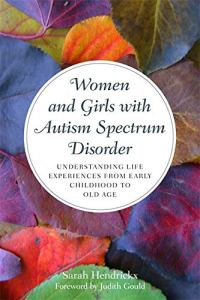
Book: Women and Girls with Autism Spectrum Disorder: Understanding Life Experiences from Early Childhood to Old Age

Book Title:

Women and Girls with Autism Spectrum Disorder: Understanding Life Experiences from Early Childhood to Old Age.

Author(s): Sarah Hendrickx.

Year: 2015.

Edition: First (1st)

Publisher: Jessica Kingsley Publishers.

Type(s): Paperback and Kindle.

Synopsis:

The difference that being female makes to the diagnosis, life and experiences of a person with an Autism Spectrum Disorder (ASD) has largely gone unresearched and unreported until recently. In this book Sarah Hendrickx has collected both academic research and personal stories about girls and women on the autism spectrum to present a picture of their feelings, thoughts and experiences at each stage of their lives.

Outlining how autism presents differently and can hide itself in females and what the likely impact will be for them throughout their lifespan, the book looks at how females with ASD experience diagnosis, childhood, education, adolescence, friendships, sexuality, employment, pregnancy and parenting, and aging. It will provide invaluable guidance for the professionals who support these girls and women and it will offer women with autism a guiding light in interpreting and understanding their own life experiences through the experiences of others.

Book: Odd Girl Out: An Autistic Woman in a Neurotypical World

Book Title:

Odd Girl Out: An Autistic Woman in a Neurotypical World.

Author(s): Laura James.

Year: 2018.

Edition: First (1st), Main Market Edition.

Publisher: Bluebird.

Type(s): Hardcover, Paperback, Audiobook, and Kindle.

Synopsis:

What do you do when you wake up in your mid-forties and realize you’ve been living a lie your whole life? Do you tell? Or do you keep it to yourself?

Laura James found out that she was autistic as an adult, after she had forged a career for herself, married twice and raised four children. This book tracks the year of Laura’s life after she receives a definitive diagnosis from her doctor, as she learns that ‘different’ doesn’t need to mean ‘less’ and how there is a place for all of us, and it’s never too late to find it.

Laura draws on her professional and personal experiences and reflects on her life in the light of her diagnosis, which for her explains some of her differences; why, as a child, she felt happier spinning in circles than standing still and why she has always found it difficult to work in places with a lot of ambient noise.

Although this is a personal story, the book has a wider focus too, exploring reasons for the lower rate of diagnosed autism in women and a wide range of topics including eating disorders and autism, marriage and motherhood.

Odd Girl Out gives a timely account from a woman negotiating the autistic spectrum, from a poignant and personal perspective.

Book: Aspergirls: Empowering Females with Asperger Syndrome

Book Title:

Aspergirls: Empowering Females with Asperger Syndrome.

Author(s): Rudy Simone.

Year: 2010.

Edition: First (1st).

Publisher: Jessica Kingsley Publishers Ltd.

Type(s): Paperback and Kindle.

Synopsis:

Girls with Asperger’s Syndrome are less frequently diagnosed than boys, and even once symptoms have been recognised, help is often not readily available. The image of coping well presented by AS females of any age can often mask difficulties, deficits, challenges, and loneliness.

This is a must-have handbook written by an Aspergirl for Aspergirls, young and old. Rudy Simone guides you through every aspect of both personal and professional life, from early recollections of blame, guilt, and savant skills, to friendships, romance and marriage. Employment, career, rituals and routines are also covered, along with depression, meltdowns and being misunderstood. Including the reflections of over thirty-five women diagnosed as on the spectrum, as well as some partners and parents, Rudy identifies recurring struggles and areas where Aspergirls need validation, information and advice. As they recount their stories, anecdotes, and wisdom, she highlights how differences between males and females on the spectrum are mostly a matter of perception, rejecting negative views of Aspergirls and empowering them to lead happy and fulfilled lives.

This book will be essential reading for females of any age diagnosed with AS, and those who think they might be on the spectrum. It will also be of interest to partners and loved ones of Aspergirls, and anybody interested either professionally or academically in Asperger’s Syndrome.