Posts

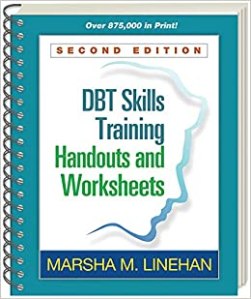
Book: DBT Skills Training Handouts and Worksheets

Book Title:

DBT Skills Training Handouts and Worksheets.

Author(s): Marsha M Linehan.

Year: 2014.

Edition: Second (2nd).

Publisher: Guildford Press.

Type(s): Paperback and Kindle.

Synopsis:

Featuring more than 225 user-friendly handouts and worksheets, this is an essential resource for clients learning dialectical behaviour therapy (DBT) skills, and those who treat them. All of the handouts and worksheets discussed in Marsha M. Linehan’s DBT Skills Training Manual, Second Edition, are provided, together with brief introductions to each module written expressly for clients.

Originally developed to treat borderline personality disorder, DBT has been demonstrated effective in treatment of a wide range of psychological and emotional problems. No single skills training programme will include all of the handouts and worksheets in this book; clients get quick, easy access to the tools recommended to meet their particular needs. The 8 1/2″ x 11″ format and spiral binding facilitate photocopying. Purchasers also get access to a Web page where they can download and print additional copies of the handouts and worksheets.

Mental health professionals, see also the author’s DBT Skills Training Manual, Second Edition, which provides complete instructions for teaching the skills. Also available: Cognitive-Behavioural Treatment of Borderline Personality Disorder, the authoritative presentation of DBT, and Linehan’s instructive skills training videos for clients – Crisis Survival Skills: Part One, Crisis Survival Skills: Part Two, From Suffering to Freedom, This One Moment, and Opposite Action.

Refer to DBT Skills Training book.

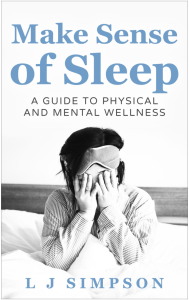
Book: Make Sense of Sleep: A Guide to Physical and Mental Wellness

Book Title:

Make Sense of Sleep: A Guide to Physical and Mental Wellness

Author(s): L.J. Simpson.

Year: 2021.

Edition: First (1st).

Publisher: ?.

Type(s): Kindle.

Synopsis:

This book focuses on the importance of achieving a good nights sleep. The book focuses on all of those factors and variables that may impact your sleep, as well as those considerations that can help pave the way for a better nights rest.

This book also focuses on how to achieve and maintain good mental and physical health, while drilling into the impacts this can have on our sleep.

Book: Cognitive-Behavioural Treatment of Borderline Personality Disorder

Book Title:

Cognitive-Behavioural Treatment of Borderline Personality Disorder (Diagnosis and Treatment of Mental Disorders).

Author(s): Marsha M. Linehan.

Year: 1993.

Edition: First (1st).

Publisher: Guildford Press.

Type(s): Hardcover and Kindle.

Synopsis:

For the average clinician, individuals with borderline personality disorder (BPD) often represent the most challenging, seemingly insoluble cases. This volume is the authoritative presentation of dialectical behaviour therapy (DBT), Marsha M. Linehan’s comprehensive, integrated approach to treating individuals with BPD. DBT was the first psychotherapy shown in controlled trials to be effective with BPD. It has since been adapted and tested for a wide range of other difficult-to-treat disorders involving emotion dysregulation. While focusing on BPD, this book is essential reading for clinicians delivering DBT to any clients with complex, multiple problems.

Companion volumes: The latest developments in DBT skills training, together with essential materials for teaching the full range of mindfulness, interpersonal effectiveness, emotion regulation, and distress tolerance skills, are presented in Linehan’s DBT Skills Training Manual, Second Edition, and DBT Skills Training Handouts and Worksheets, Second Edition. Also available: Linehan’s instructive skills training videos for clients – Crisis Survival Skills: Part One, Crisis Survival Skills: Part Two, From Suffering to Freedom, This One Moment, and Opposite Action.

What is Health Psychology?

Introduction

Health psychology is the study of psychological and behavioral processes in health, illness, and healthcare.

It is concerned with understanding how psychological, behavioural, and cultural factors contribute to physical health and illness. Psychological factors can affect health directly. For example, chronically occurring environmental stressors affecting the hypothalamic-pituitary-adrenal axis, cumulatively, can harm health. Behavioural factors can also affect a person’s health. For example, certain behaviours can, over time, harm (smoking or consuming excessive amounts of alcohol) or enhance health (engaging in exercise). Health psychologists take a biopsychosocial approach. In other words, health psychologists understand health to be the product not only of biological processes (e.g. a virus, tumour, etc.) but also of psychological (e.g. thoughts and beliefs), behavioural (e.g. habits), and social processes (e.g. socioeconomic status and ethnicity).

By understanding psychological factors that influence health, and constructively applying that knowledge, health psychologists can improve health by working directly with individual patients or indirectly in large-scale public health programs. In addition, health psychologists can help train other healthcare professionals (e.g. physicians and nurses) to apply the knowledge the discipline has generated, when treating patients. Health psychologists work in a variety of settings: alongside other medical professionals in hospitals and clinics, in public health departments working on large-scale behaviour change and health promotion programs, and in universities and medical schools where they teach and conduct research.

Although its early beginnings can be traced to the field of clinical psychology, four different divisions within health psychology and one related field, occupational health psychology (OHP), have developed over time. The four divisions include clinical health psychology, public health psychology, community health psychology, and critical health psychology Professional organisations for the field of health psychology include Division 38 of the American Psychological Association (APA), the Division of Health Psychology of the British Psychological Society (BPS), the European Health Psychology Society, and the College of Health Psychologists of the Australian Psychological Society (APS). Advanced credentialing in the US as a clinical health psychologist is provided through the American Board of Professional Psychology.

Overview

Recent advances in psychological, medical, and physiological research have led to a new way of thinking about health and illness. This conceptualisation, which has been labelled the biopsychosocial model, views health and illness as the product of a combination of factors including biological characteristics (e.g. genetic predisposition), behavioural factors (e.g. lifestyle, stress, health beliefs), and social conditions (e.g. cultural influences, family relationships, social support).

Psychologists who strive to understand how biological, behavioural, and social factors influence health and illness are called health psychologists. Health psychologists use their knowledge of psychology and health to promote general well-being and understand physical illness. They are specially trained to help people deal with the psychological and emotional aspects of health and illness. Health psychologists work with many different health care professionals (e.g. physicians, dentists, nurses, physician’s assistants, dietitians, social workers, pharmacists, physical and occupational therapists, and chaplains) to conduct research and provide clinical assessments and treatment services. Many health psychologists focus on prevention research and interventions designed to promote healthier lifestyles and try to find ways to encourage people to improve their health. For example, they may help people to lose weight or stop smoking. Health psychologists also use their skills to try to improve the healthcare system. For example, they may advise doctors about better ways to communicate with their patients. Health psychologists work in many different settings including the UK’s National Health Service (NHS), private practice, universities, communities, schools and organisations. While many health psychologists provide clinical services as part of their duties, others function in non-clinical roles, primarily involving teaching and research. Leading journals include Health Psychology, the Journal of Health Psychology, the British Journal of Health Psychology, and Applied Psychology: Health and Well-Being. Health psychologists can work with people on a one-to-one basis, in groups, as a family, or at a larger population level.

Clinical Health Psychology (ClHP)

ClHP is the application of scientific knowledge, derived from the field of health psychology, to clinical questions that may arise across the spectrum of health care. ClHP is one of the specialty practice areas for clinical psychologists. It is also a major contributor to the prevention-focused field of behavioural health and the treatment-oriented field of behavioural medicine. Clinical practice includes education, the techniques of behaviour change, and psychotherapy. In some countries, a clinical health psychologist, with additional training, can become a medical psychologist and, thereby, obtain prescription privileges.

Public Health Psychology (PHP)

PHP is population oriented. A major aim of PHP is to investigate potential causal links between psychosocial factors and health at the population level. Public health psychologists present research results to educators, policy makers, and health care providers in order to promote better public health. PHP is allied to other public health disciplines including epidemiology, nutrition, genetics and biostatistics. Some PHP interventions are targeted toward at-risk population groups (e.g., undereducated, single pregnant women who smoke) and not the population as a whole (e.g. all pregnant women).

Community Health Psychology (CoHP)

CoHP investigates community factors that contribute to the health and well-being of individuals who live in communities. CoHP also develops community-level interventions that are designed to combat disease and promote physical and mental health. The community often serves as the level of analysis, and is frequently sought as a partner in health-related interventions.

Critical Health Psychology (CrHP)

CrHP is concerned with the distribution of power and the impact of power differentials on health experience and behaviour, health care systems, and health policy. CrHP prioritises social justice and the universal right to health for people of all races, genders, ages, and socioeconomic positions. A major concern is health inequalities. The critical health psychologist is an agent of change, not simply an analyst or cataloguer. A leading organisation in this area is the International Society of Critical Health Psychology.

Health psychology, like other areas of applied psychology, is both a theoretical and applied field. Health psychologists employ diverse research methods. These methods include controlled randomised experiments, quasi-experiments, longitudinal studies, time-series designs, cross-sectional studies, case-control studies, qualitative research as well as action research. Health psychologists study a broad range of health phenomena including cardiovascular disease, (cardiac psychology), smoking habits, the relation of religious beliefs to health, alcohol use, social support, living conditions, emotional state, social class, and more. Some health psychologists treat individuals with sleep problems, headaches, alcohol problems, etc. Other health psychologists work to empower community members by helping community members gain control over their health and improve quality of life of entire communities.

Occupational Health Psychology

Pickren and Degni and Sanderson observed that in Europe and North America occupational health psychology (OHP) emerged as a specialty with its own organisations. The authors noted that OHP owes some of that emergence to health psychology as well as other disciplines (e.g. industrial/organisational psychology, occupational medicine). Sanderson underlined examples in which OHP aligns with health psychology, including Adkins’s research. Adkins documented the application of behavioural principles to improve working conditions, mitigate job stress, and improve worker health in a complex organisation.

Origins and Development

Health psychology developed in different forms in different societies. Psychological factors in health had been studied since the early 20th century by disciplines such as psychosomatic medicine and later behavioural medicine, but these were primarily branches of medicine, not psychology.

United States In 1969, William Schofield prepared a report for the APA entitled The Role of Psychology in the Delivery of Health Services. While there were exceptions, he found that the psychological research of the time frequently regarded mental health and physical health as separate, and devoted very little attention to psychology’s impact upon physical health. One of the few psychologists working in this area at the time, Schofield proposed new forms of education and training for future psychologists. The APA, responding to his proposal, in 1973 established a task force to consider how psychologists could:

  • Help people to manage their health-related behaviours;
  • Help patients manage their physical health problems; and
  • Train healthcare staff to work more effectively with patients.

Health psychology began to emerge as a distinct discipline of psychology in the United States in the 1970s. In the mid-20th century there was a growing understanding in medicine of the effect of behaviour on health. For example, the Alameda County Study, which began in the 1960s, showed that people who ate regular meals (e.g. breakfast), maintained a healthy weight, received adequate sleep, did not smoke, drank little alcohol, and exercised regularly were in better health and lived longer. In addition, psychologists and other scientists were discovering relationships between psychological processes and physiological ones. These discoveries include a better understanding of the impact of psychosocial stress on the cardiovascular and immune systems, and the early finding that the functioning of the immune system could be altered by learning.

Led by Joseph Matarazzo, in 1977, APA added a division devoted to health psychology. At the first divisional conference, Matarazzo delivered a speech that played an important role in defining health psychology. He defined the new field in this way, “Health psychology is the aggregate of the specific educational, scientific and professional contributions of the discipline of psychology to the promotion and maintenance of health, the prevention and treatment of illness, the identification of diagnostic and etiologic correlates of health, illness and related dysfunction, and the analysis and improvement of the healthcare system and health policy formation.” In the 1980s, similar organizations were established elsewhere. In 1986, the BPS established a Division of Health Psychology. The European Health Psychology Society was also established in 1986. Similar organisations were established in other countries, including Australia and Japan. Universities began to develop doctoral level training programmes in health psychology. In the US, post-doctoral level health psychology training programmes were established for individuals who completed a doctoral degree in clinical psychology.

United Kingdom Psychologists have been working in medical settings for many years (in the UK sometimes the field was termed medical psychology). Medical psychology, however, was a relatively small field, primarily aimed at helping patients adjust to illness. The BPS’s reconsideration of the role of the Medical Section prompted the emergence of health psychology as a distinct field. Marie Johnston and John Weinman argued in a letter to the BPS Bulletin that there was a great need for a Health Psychology Section. In December 1986 the section was established at the BPS London Conference, with Marie Johnston as chair. At the Annual BPS Conference in 1993 a review of “Current Trends in Health Psychology” was organized, and a definition of health psychology as “the study of psychological and behavioural processes in health, illness and healthcare” was proposed.

The Health Psychology Section became a Special Group in 1993 and was awarded divisional status within the UK in 1997. The awarding of divisional status meant that the individual training needs and professional practice of health psychologists were recognised, and members were able to obtain chartered status with the BPS. The BPS went on to regulate training and practice in health psychology until the regulation of professional standards and qualifications was taken over by statutory registration with the Health Professions Council in 2010.

A number of relevant trends coincided with the emergence of health psychology, including:

  • Epidemiological evidence linking behaviour and health.
  • The addition of behavioural science to medical school curricula, with courses often taught by psychologists.
  • The training of health professionals in communication skills, with the aim of improving patient satisfaction and adherence to medical treatment.
  • Increasing numbers of interventions based on psychological theory (e.g. behaviour modification).
  • An increased understanding of the interaction between psychological and physiological factors leading to the emergence of psychophysiology and psychoneuroimmunology (PNI).
  • The health domain having become a target of research by social psychologists interested in testing theoretical models linking beliefs, attitudes, and behaviour.

The emergence of AIDS/HIV, and the increase in funding for behavioural research the epidemic provoked.
The emergence of academic /professional bodies to promote research and practice in health psychology was followed by the publication of a series of textbooks which began to lay out the interests of the discipline.

Objectives

Understanding Behavioural and Contextual Factors

Health psychologists conduct research to identify behaviours and experiences that promote health, give rise to illness, and influence the effectiveness of health care. They also recommend ways to improve health care policy. Health psychologists have worked on developing ways to reduce smoking and improve daily nutrition in order to promote health and prevent illness. They have also studied the association between illness and individual characteristics. For example, health psychology has found a relation between the personality characteristics of thrill seeking, impulsiveness, hostility/anger, emotional instability, and depression, on one hand, and high-risk driving, on the other.

Health psychology is also concerned with contextual factors, including economic, cultural, community, social, and lifestyle factors that influence health. Physical addiction impedes smoking cessation. Some research suggests that seductive advertising also contributes to psychological dependency on tobacco, although other research has found no relationship between media exposure and smoking in youth. OHP research indicates that people in jobs that combine little decision latitude with a high psychological workload are at increased risk for cardiovascular disease. Other research reveals a relation between unemployment and elevations in blood pressure. Epidemiologic research documents a relation between social class and cardiovascular disease.

Health psychologists also aim to change health behaviours for the dual purpose of helping people stay healthy and helping patients adhere to disease treatment regimens (also see health action process approach). Health psychologists employ cognitive behavioural therapy and applied behaviour analysis (also see behaviour modification) for that purpose.

Preventing Illness

Health psychologists promote health through behavioural change, as mentioned above; however, they attempt to prevent illness in other ways as well. Health psychologists try to help people to lead a healthy life by developing and running programmes which can help people to make changes in their lives such as stopping smoking, reducing the amount of alcohol they consume, eating more healthily, and exercising regularly. Campaigns informed by health psychology have targeted tobacco use. Those least able to afford tobacco products consume them most. Tobacco provides individuals with a way of controlling aversive emotional states accompanying daily experiences of stress that characterize the lives of deprived and vulnerable individuals. Practitioners emphasize education and effective communication as a part of illness prevention because many people do not recognise, or minimise, the risk of illness present in their lives. Moreover, many individuals are often unable to apply their knowledge of health practices owing to everyday pressures and stresses. A common example of population-based attempts to motivate the smoking public to reduce its dependence on cigarettes is anti-smoking campaigns.

Health psychologists help to promote health and well-being by preventing illness. Some illnesses can be more effectively treated if caught early. Health psychologists have worked to understand why some people do not seek early screenings or immunisations, and have used that knowledge to develop ways to encourage people to have early health checks for illnesses such as cancer and heart disease. Health psychologists are also finding ways to help people to avoid risky behaviours (e.g. engaging in unprotected sex) and encourage health-enhancing behaviours (e.g. regular tooth brushing or hand washing).

Health psychologists also aim at educating health professionals, including physicians and nurses, in communicating effectively with patients in ways that overcome barriers to understanding, remembering, and implementing effective strategies for reducing exposures to risk factors and making health-enhancing behaviour changes.

There is also evidence from OHP that stress-reduction interventions at the workplace can be effective. For example, Kompier and his colleagues have shown that a number of interventions aimed at reducing stress in bus drivers has had beneficial effects for employees and bus companies.

The Effects of Disease

Health psychologists investigate how disease affects individuals’ psychological well-being. An individual who becomes seriously ill or injured faces many different practical stressors. These stressors include problems meeting medical and other bills, problems obtaining proper care when home from the hospital, obstacles to caring for dependents, the experience of having one’s sense of self-reliance compromised, gaining a new, unwanted identity as that of a sick person, and so on. These stressors can lead to depression, reduced self-esteem, etc.

Health psychology also concerns itself with bettering the lives of individuals with terminal illness. When there is little hope of recovery, health psychologist therapists can improve the quality of life of the patient by helping the patient recover at least some of his or her psychological well-being. Health psychologists are also concerned with providing therapeutic services for the bereaved.

Critical Analysis of Health Policy

Critical health psychologists explore how health policy can influence inequities, inequalities and social injustice. These avenues of research expand the scope of health psychology beyond the level of individual health to an examination of the social and economic determinants of health both within and between regions and nations. The individualism of mainstream health psychology has been critiqued and deconstructed by critical health psychologists using qualitative methods that zero in on the health experience.

Conducting Research

Like psychologists in the other main psychology disciplines, health psychologists have advanced knowledge of research methods. Health psychologists apply this knowledge to conduct research on a variety of questions. For example, health psychologists carry out research to answer questions such as:

  • What influences healthy eating?
  • How is stress linked to heart disease?
  • What are the emotional effects of genetic testing?
  • How can we change people’s health behaviour to improve their health?

Teaching and Communication

Health psychologists can also be responsible for training other health professionals on how to deliver interventions to help promote healthy eating, stopping smoking, weight loss, etc. Health psychologists also train other health professionals in communication skills such as how to break bad news or support behaviour change for the purpose of improving adherence to treatment.

Applications

Improving Doctor-Patient Communication

Health psychologists aid the process of communication between physicians and patients during medical consultations. There are many problems in this process, with patients showing a considerable lack of understanding of many medical terms, particularly anatomical terms (e.g. intestines). One area of research on this topic involves “doctor-centred” or “patient-centred” consultations. Doctor-centred consultations are generally directive, with the patient answering questions and playing less of a role in decision-making. Although this style is preferred by elderly people and others, many people dislike the sense of hierarchy or ignorance that it inspires. They prefer patient-centred consultations, which focus on the patient’s needs, involve the doctor listening to the patient completely before making a decision, and involving the patient in the process of choosing treatment and finding a diagnosis.

Improving Adherence to Medical Advice

Health psychologists engage in research and practice aimed at getting people to follow medical advice and adhere to their treatment regimens. Patients often forget to take their pills or consciously opt not to take their prescribed medications because of side effects. Failing to take prescribed medication is costly and wastes millions of usable medicines that could otherwise help other people. Estimated adherence rates are difficult to measure (see below); there is, however, evidence that adherence could be improved by tailoring treatment programs to individuals’ daily lives. Additionally, traditional cognitive-behavioural therapies have been adapted for people suffering from chronic illnesses and comorbid psychological distress to include modules that encourage, support and reinforce adherence to medical advice as part of the larger treatment approach.

Ways of Measuring Adherence

Health psychologists have identified a number of ways of measuring patients’ adherence to medical regimens:

  • Counting the number of pills in the medicine bottle.
  • Using self-reports.
  • Using “Trackcap” bottles, which track the number of times the bottle is opened.

Managing Pain

Health psychology attempts to find treatments to reduce or eliminate pain, as well as understand pain anomalies such as episodic analgesia, causalgia, neuralgia, and phantom limb pain. Although the task of measuring and describing pain has been problematic, the development of the McGill Pain Questionnaire has helped make progress in this area. Treatments for pain involve patient-administered analgesia, acupuncture (found to be effective in reducing pain for osteoarthritis of the knee), biofeedback, and cognitive behaviour therapy.

Health Psychologist Roles

Below are some examples of the types of positions held by health psychologists within applied settings such as the UK’s NHS and private practice.

  • Consultant health psychologist:
    • A consultant health psychologist will take a lead for health psychology within public health, including managing tobacco control and smoking cessation services and providing professional leadership in the management of health trainers.
  • Principal health psychologist:
    • A principal health psychologist could, for example lead the health psychology service within one of the UK’s leading heart and lung hospitals, providing a clinical service to patients and advising all members of the multidisciplinary team.
  • Health psychologist:
    • An example of a health psychologist’s role would be to provide health psychology input to a centre for weight management.
    • Psychological assessment of treatment, development and delivery of a tailored weight management programme, and advising on approaches to improve adherence to health advice and medical treatment.
  • Research psychologist:
    • Research health psychologists carry out health psychology research, for example, exploring the psychological impact of receiving a diagnosis of dementia, or evaluating ways of providing psychological support for people with burn injuries.
    • Research can also be in the area of health promotion, for example investigating the determinants of healthy eating or physical activity or understanding why people misuse substances.
  • Health psychologist in training/assistant health psychologist:
    • As an assistant/in training, a health psychologist will gain experience assessing patients, delivering psychological interventions to change health behaviours, and conducting research, whilst being supervised by a qualified health psychologist.

Training

In the UK, health psychologists are registered by the Health Professions Council (HPC) and have trained to a level to be eligible for full membership of the Division of Health Psychology within the BPS. Registered health psychologists who are chartered with the BPS will have undertaken a minimum of six years of training and will have specialised in health psychology for a minimum of three years. Health psychologists in training must have completed BPS stage 1 training and be registered with the BPS Stage 2 training route or with a BPS-accredited university doctoral health psychology program. Once qualified, health psychologists can work in a range of settings, for example the NHS, universities, schools, private healthcare, and research and charitable organisations. A health psychologist in training might be working within applied settings while working towards registration and chartered status. A health psychologist will have demonstrated competencies in all of the following areas:

  • Professional skills (including implementing ethical and legal standards, communication, and teamwork).
  • Research skills (including designing, conducting, and analysing psychological research in numerous areas).
  • Consultancy skills (including planning and evaluation).
  • Teaching and training skills (including knowledge of designing, delivering, and evaluating large and small scale training programme).
  • Intervention skills (including delivery and evaluation of behaviour change interventions).

All qualified health psychologists must also engage in and record their continuing professional development (CPD) for psychology each year throughout their career.

In Australia, health psychologists are registered by the Psychology Board of Australia. The standard pathway to becoming an endorsed health psychologists involves a minimum of six years training and a two-year registrar programme. Health psychologists must also undertake continuing professional development (CPD) each year.

Are Those With Serious Mental Illness More or Less Likely to Receive Cancer Screening?

Research Paper Title

Cancer Screening Among Adults With and Without Serious Mental Illness: A Mixed Methods Study.

Background

Persons with serious mental illness (SMI) die 10-20 years earlier than the general population; cancer is the second leading cause of death. Differences in cancer screening between SMI and the general population are not well understood.

Therefore the aim of this study was to describe receipt of cancer screening among individuals with versus without SMI and to explore clinicians’ perceptions around cancer screening for people with SMI.

Methods

Mixed-methods study using 2010-2017 MarketScan commercial insurance administrative claims data and semi-structured clinician interviews. In the quantitative analyses, we used multivariate logistic regression analyses to calculate the likelihood of receiving cervical, breast, colorectal, or prostate cancer screening among people with versus without SMI, defined as schizophrenia or bipolar disorder. We conducted semi-structured interviews with 17 primary care physicians and 15 psychiatrists. Interview transcripts were coded using a hybrid deductive/inductive approach.

Results

Relative to those without SMI, individuals with SMI were less likely to receive screening for cervical cancer [adjusted odds ratio (aOR): 0.80; 95% confidence interval (CI): 0.80-0.81], breast cancer (aOR: 0.79; 95% CI: 0.78-0.80), colorectal cancer (aOR: 0.90; 95% CI: 0.89-0.91), and prostate cancer (aOR: 0.85; 95% CI: 0.84-0.87). Clinicians identified 5 themes that may help explain the lower rates of cancer screening in persons with SMI: access to care, available support, prioritization of other issues, communication, and patient concerns.

Conclusions

People with SMI were less likely to receive 4 common types of cancer screening. Improving cancer screening rates in the SMI population will likely require a multidisciplinary approach to overcome barriers to screening.

Reference

Murphy, K.A., Stone, E.M., Presskreischer, R., McGinty, E.E., Daumit, G.L. & Pollack, C.E. (2021) Cancer Screening Among Adults With and Without Serious Mental Illness: A Mixed Methods Study. Medical Care. 59(4), pp.327-333. doi: 10.1097/MLR.0000000000001499.

On This Day … 19 March

People (Deaths)

  • 1996 – Lise Østergaard, Danish psychologist and politician (b. 1924).

Lise Ostergaard

Anna Elisabeth “Lise” Østergaard (18 November 1924 to 19 March 1996) was a Danish psychologist and a politician in the social-democratic party. Under Anker Jørgensen’s leadership, she was Minister without Portfolio (1977-1980) and Minister of Culture (February 1980 to September 1982). As a psychologist, she was head of psychology in Copenhagen’s Rigshospitalet (1958) as well as the first woman to become professor of clinical psychology at Copenhagen University (1963), a position she resumed after her political career ended in the mid-1980s.

Psychology

After graduating in 1947, Østergaard worked as a psychologist in Norrtulls sjukhus, a children’s hospital in Stockholm. In 1949, she returned to Denmark, first spending a year in Dronning Louises Børnehospital (Queen Louise’s Children’s Hospital) before moving to the newly established children’s psychology clinic at Copenhagen University where she remained until 1954. She then entered the Rigshospitalet’s psychology department where she was appointed head psychologist in 1958, expanding her experience in clinical psychology. As a result, from 1955 to 1960 she headed a course in clinical psychology for the Dansk Psychologforening (Danish Psychologists Association) while teaching as the first woman psychologist at the university. She also took up assignments as a guest lecturer in Lund, Sweden, and Bergen, Norway.

Published in 1961, her Den psykologiske testmetode og dens relation til klinisk psykiatri (The Psychological Test Method and its Relationship to Clinical Psychiatry) raised considerable interest among psychiatrists. While working at Rigshospitalet, Østergaard treated a number of schizophrenic patients. In 1962, this led to her En psykologisk analyse af de formelle schizofrene tankeforstyrrelser (A Psychological Analysis of Formal Schizophrenic Thought Disorders), paving the way for research on the borderline between psychology and psychiatry in collaboration with the National Institute of Mental Health in the United States.

In 1963, Østergaard became the first female professor of psychology at Copenhagen University. After heading the Studenterrådgivningsklinikken (Student Advisory Clinic, 1964-1968), she established the Institut for Klinisk Psykologi (Clinical Psychology Institute) in 1968. From 1970 to 1973, she was a member of Denmark’s Unesco committee and from 1973 a member of Akademiet for de Tekniske Videnskaber (The Danish Academy of Technical Sciences).

What is Medical Psychology?

Introduction

Medical psychology, or Medicopsychology, is the application of psychological principles to the practice of medicine, primarily drug-oriented, for both physical and mental disorders.

The American Society for the Advancement of Pharmacotherapy defines medical psychology as “that branch of psychology integrating somatic and psychotherapeutic modalities into the management of mental illness and emotional, cognitive, behavioral and substance use disorders”.

A medical psychologist who holds prescriptive authority for specific psychiatric medications and other pharmaceutical drugs must first obtain specific qualifications in Psychopharmacology. A trained medical psychologist, or psychopharmacologist who has prescriptive authority is equated with a mid-level provider who has the authority to prescribe psychotropic medication such as antidepressants for neurotic disorders. However, a medical psychologist does not automatically equate with a psychologist who has the authority to prescribe medication. In fact, most medical psychologists do not prescribe medication and do not have the authority to do so.

Medical psychologists apply psychological theories, scientific psychological findings, and techniques of psychotherapy, behaviour modification, cognitive, interpersonal, family, and life-style therapy to improve the psychological and physical health of the patient. Psychologists with post doctoral specialty training as medical psychologists are the practitioners with refined skills in clinical psychology, health psychology, behavioural medicine, psychopharmacology, and medical science. Highly qualified and post graduate specialised doctors are trained for service in primary care centres, hospitals, residential care centres, and long-term care facilities and in multidisciplinary collaboration and team treatment.

Medical Psychology Specialty

The field of medical psychology may include pre-doctoral training in the disciplines of health psychology, rehabilitation psychology, pediatric psychology, neuropsychology, and clinical psychopharmacology, as well as sub-specialties in pain management, primary care psychology, and hospital-based (or medical school-based) psychology as the foundation psychological training to qualify for proceeding to required post-doctoral specialty training to qualify to become a Diplomate/Specialist in Medical Psychology. To be a Specialist in Medical Psychology a psychologist must hold Board Certification from the American Board of Medical Psychology which requires a doctorate degree in psychology, a license to practice psychology, a post doctorate graduate degree or acceptable post doctoral didactic training, a residency in medical psychology, submission of a work product for examination, a written and oral examination by the American Board of Medical Psychology. The American Board of Medical Psychology maintains a distinction between specialists and psychopharmacological psychologists or those interested in practicing one of the related psychological disciplines in primary care centres. The term Medical Psychologists is not an umbrella term, and many other specialties in psychology such as healthcare psychology, embracing the biopsychosocial paradigm of mental/physical health and extending that paradigm to clinical practice through research and the application of evidenced-based diagnostic and treatment procedures are akin to the specialty and are prepared to practice in Integrated and Primary Care Settings.

Adopting the biopsychosocial paradigm, the field of medical psychology has recognised the Cartesian assumption that the body and mind are separate entities is inadequate, representing as it does an arbitrary dichotomy that works to the detriment of healthcare. The biopsychosocial approach reflects the concept that the psychology of an individual cannot be understood without reference to that individual’s social environment. For the medical psychologist, the medical model of disease cannot in itself explain complex health concerns any more than a strict psychosocial explanation of mental and physical health can in itself be comprehensive.

Duties

Medical psychologists and some psychopharmacologists are trained and equipped to modify physical disease states and the actual cytoarchitecture and functioning of the central nervous and related systems using psychological and pharmacological techniques (when allowed by statute), and to provide prevention for the progression of disease having to do with poor personal and life-style choices and conceptualisation, behavioural patterns, and chronic exposure to the effects of negative thinking, choosing, attitudes, and negative contexts. The specialty of medical psychology includes training in psychopharmacology and in states providing statutory authority may prescribe psychoactive substances as one technique in a larger treatment plan which includes psychological interventions. The medical psychologists and psychopharmacologists who serve in states that have not yet modernised their psychology prescribing laws may evaluate patients and recommend appropriate psychopharmacological techniques in collaboration with a state authorised prescriber. Medical psychologists and psychopharmacologists who are not Board Certified strive to integrate the major components of an individual’s psychological, biological, and social functioning and are designed to contribute to that person’s well-being in a way that respects the natural interface among these components. The whole is greater than the sum of its parts when it comes to providing comprehensive and sensible behavioural healthcare and the medical psychologist is uniquely qualified to collaborate with physicians that are treating the patients physical illnesses.

Certifications

The Academy of Medical Psychology defines medical psychology as a specialty trained at the post doctoral level and designed to deliver advanced diagnostic and clinical interventions in Medical and Healthcare Facilities utilising the knowledge and skills of clinical psychology, health psychology, behavioural medicine, psychopharmacology and basic medical science. The Academy of Medical Psychology makes a distinction between the Psychopharmacologist who is a psychologist with advanced training in psychopharmacology and may prescribe medicine or consult with physician or nurse practitioner prescribers to diagnose mental illness and select and recommend appropriate psychoactive medicines, and the Medical Psychologists who are prepared to do the psychopharmacology consulting or prescribing, but also must have training which prepares them for functioning with Behavioural and Lifestyle components of physical disease and functioning in or in consultation with multidisciplinary healthcare teams in Primary Care Centres or Community Hospitals in addition to traditional roles in the treatment of mental illness and substance abuse disorders. The specialty of Medical Psychology and this distinction from Psychopharmacologist is recognised by the National Alliance of Professional Psychology Providers (the psychology national practitioner association; see http://www.nappp.org).

A specialty of medical psychology has established a specialty board certification, American Board of Medical Psychology and an Academy of Medical Psychology (www.amphome.org) requiring a doctorate degree in psychology and extensive post doctoral training in the specialty and the passage of an oral or written examination.

Although the Academy of Medical Psychology defines medical psychology as a “specialty” and has established a “specialty board certification,” and is recognised by the national psychology practitioner association (www.nappp.org) there is a split in national psychology associations between NAPPP and APA and the American Psychological Association and the National Alliance of Professional Psychology Providers do not currently recognise the same specialties with the APA being a group that represents scientists, academics, and practitioners (as a minority) and NAPPP being an organization that represents only practitioners. However, Louisiana, having a unique to that state definition of medical psychology does recognise the national distinction between Medical Psychology as a Specialty and a psychopharmacology proficiency (See APA proficiency in psychopharmacology) and restricts the term and practice of medical psychology by statute (the Medical Psychology Practice Act) as a “profession of the health sciences” with prescriptive authority. It is equally important to note than the American Psychological Association does not recognise that the term medical psychology has, as a prerequisite, nor should the term be equated with having, prescriptive authority and has established psychology post doctoral prescribing medicines as “a proficiency in psychopharmacology”.

In 2006, the American Psychological Association (APA) recommended that the education and training of psychologists, who are specifically pursuing one of several prerequisites for prescribing medication, integrate instruction in the biological sciences, clinical medicine and pharmacology into a formalised programme of postdoctoral education. In 2009, the National Alliance of Professional Providers in Psychology recognised the education and training specified by the American Board of Medical Psychology (www.amphome.org; ABMP) and the Academy of Medical Psychology as the approved standards for post graduate training and examination and qualifications in the nationally recognised specialty in Medical Psychology. Since then numerous hospitals, primary care centres, and other health facilities have recognised the ABMP standards and qualifications for privileges in healthcare facilities and verification of specialty status.

The following Clinical Competencies are identified as essential in the education and training of psychologists, wishing to pursue prescriptive authority. These recommended prerequisites are not required or specifically recommended by APA for the training and education of medical psychologists not pursuing prerequisites for prescribing medication:

  • Basic Science: anatomy, & physiology, biochemistry.
  • Neurosciences: neuroanatomy, neurophysiology, neurochemistry.
  • Physical Assessment and Laboratory Exams: physical assessment, laboratory and radiological assessment, medical terminology.
  • Clinical Medicine and Pathophysiology: pathophysiology with emphasis on the principal physiological systems, clinical medicine, differential diagnosis, clinical correlation and case studies, chemical dependency, chronic pain management.
  • Clinical and Research Pharmacology and Psychopharmacology: pharmacology, clinical pharmacology, pharmacogenetics, psychopharmacology, developmental psychopharmacology.
  • Clinical Pharmacotherapeutics: professional, ethical and legal issues, combined therapies and their interactions, computer-based aids to practice, pharmacoepidemiology.
  • Research: methodology and design of psychopharmacology research, interpretation and evaluation, FDA drug development and other regulatory processes.

The 2006 APA recommendations also include supervised clinical experience intended to integrate the above seven knowledge domains and assess competencies in skills and applied knowledge.

The national psychology practitioner association (NAPPP; http://www.nappp.org) and top national certifying body (Academy of Medical Psychology; http://www.amphome.org) have established the national training, examination, and specialty practice criterion and guidelines in the specialty of Medical Psychology and have established a national journal in the specialty. Such certifying bodies, view psychopharmacology training (either to prescribe or consult) as one component of the training of a specialist in Medical Psychology, but recognise that training and specialised skills in other aspects of the treatment of behavioural aspects of medical illness, and mental illness affecting physical illness is essential to practice at the specialty level in Medical Psychology. The Louisiana Academy of Medical Psychology (LAMP), currently the largest organisation of psychologists with prescriptive authority in the world and the only organization representing practitioners of medical psychology in Louisiana as defined by Louisiana statute within any jurisdiction in the United States, no longer recognises the Academy of Medical Psychology as an adequate certifying body for its practitioners, and its members have resigned from the Academy of Medical Psychology en masse. Similarly, virtually all members of LAMP have also resigned from the Louisiana Psychological Association (LPA) after many LPA members uncovered that the LAMP’s prescriptive authority movement covertly came to an agreement with Louisiana’s medical board to transfer the entire practice of psychology for psychologists with prescriptive authority to the medical board. Louisiana is the only state in which the practice of psychology, including psychological testing, psychotherapy, diagnosis, and treatment for some psychologists (i.e. medical psychologists) is regulated by a medical board.

What is Neurodiversity?

Introduction

The term neurodiversity refers to variation in the human brain regarding sociability, learning, attention, mood and other mental functions.

It was coined in 1998 by sociologist Judy Singer, who helped popularise the concept along with journalist Harvey Blume. It emerged as a challenge to prevailing views that certain neurodevelopmental disorders are inherently pathological and instead adopts the social model of disability, in which societal barriers are the main contributing factor that disables people. This view is especially popular within the autism rights movement. The subsequent neurodiversity paradigm has been controversial among disability advocates, with opponents saying that its conceptualisation does not reflect the realities of individuals who have high support needs.

Brief History

The word neurodiversity is attributed to Judy Singer, a social scientist who has described herself as “likely somewhere on the autistic spectrum” and used the term in her sociology honours thesis published in 1999. The term represented a move away from previous “mother-blaming” theories about the cause of autism. Singer had been in correspondence with Blume as a result of their mutual interest in autism, and though he did not credit Singer, the word first appeared in print in an article by Blume in The Atlantic on 30 September 1998.

Some authors also credit the earlier work of autistic advocate Jim Sinclair in advancing the concept of neurodiversity. Sinclair was a principal early organiser of the international online autism community. Sinclair’s 1993 speech, “Don’t Mourn For Us”, emphasized autism as a way of being: “It is not possible to separate the person from the autism.” In a New York Times piece written by American journalist and writer Harvey Blume on 30 June 1997, Blume described the foundation of neurodiversity using the term “neurological pluralism”. Blume was an early advocate who predicted the role the Internet would play in fostering the international neurodiversity movement.

The term “neurodiversity” has since been applied to other conditions and has taken on a more general meaning; for example, the Developmental Adult Neurodiversity Association (DANDA) in the UK encompasses developmental coordination disorder, ADHD, Asperger’s syndrome, and related conditions.

Within Disability Rights Movements

The neurodiversity paradigm was taken up first by individuals on the autism spectrum. Subsequently, it was applied to other neurodevelopmental conditions such as ADHD, developmental speech disorders, dyslexia, dyspraxia, dyscalculia, dysnomia, intellectual disability and Tourette syndrome, as well as schizophrenia, and some mental health conditions such as bipolarity, schizoaffective disorder, antisocial personality disorder, dissociative disorders, and obsessive-compulsive disorder. Neurodiversity advocates denounce the framing of autism, ADHD, dyslexia, and other neurodevelopmental disorders as requiring medical intervention to “cure” or “fix” them, and instead promote support systems such as inclusion-focused services, accommodations, communication and assistive technologies, occupational training, and independent living support. The intention is for individuals to receive support that honours authentic forms of human diversity, self-expression, and being, rather than treatment which coerces or forces them to adopt normative ideas of normality, or to conform to a clinical ideal.

Proponents of neurodiversity strive to reconceptualize autism and related conditions in society by the following measures: acknowledging that neurodiversity does not require a cure; changing the language from the current “condition, disease, disorder, or illness”-based nomenclature and “broaden[ing] the understanding of healthy or independent living”; acknowledging new types of autonomy; and giving non-neurotypical individuals more control over their treatment, including the type, timing, and whether there should be treatment at all.

A 2009 study separated 27 students (with autism, dyslexia, developmental coordination disorder, ADHD, and stroke), into two categories of self-view: “a ‘difference’ view—where neurodiversity was seen as a difference incorporating a set of strengths and weaknesses, or a ‘medical/deficit’ view—where neurodiversity was seen as a disadvantageous medical condition.” They found that, although all of the students reported uniformly difficult schooling careers involving exclusion, abuse, and bullying, those who viewed themselves from a difference view (41% of the study cohort) “indicated higher academic self-esteem and confidence in their abilities and many (73%) expressed considerable career ambitions with positive and clear goals.” Many of these students reported gaining this view of themselves through contact with neurodiversity advocates in online support groups.

A 2013 online survey, which aimed to assess conceptions of autism and neurodiversity, found that “a deficit-as-difference conception of autism suggests the importance of harnessing autistic traits in developmentally beneficial ways, transcending a false dichotomy between celebrating differences and ameliorating deficit.”

Neurodiversity advocates point out that neurodiverse people often have exceptional abilities such as hyperfocus alongside their deficits. In particular, autistic people may have exceptional memory or even savant skills. In the autistic population, even those without savant skills are more likely than those in the general population to have exceptional knowledge or abilities in narrow domains.

Controversy

The neurodiversity paradigm is controversial in autism advocacy. The dominant paradigm is one which pathologizes human brains that diverge from those considered typical. From this perspective, these brains have medical conditions which should be treated.

A common criticism is that the neurodiversity paradigm is too widely encompassing and that its conception should exclude those whose functioning is more severely impaired. Autistic advocate and interdisciplinary educator Nick Walker offers the distinction that neurodivergencies refer specifically to “pervasive neurocognitive differences” that are “intimately related to the formation and constitution of the self,” in contrast to medical conditions such as epilepsy.

Neurodiversity advocate John Elder Robison agrees that neurological difference may sometimes produce disability, but at the same time he argues that the disability caused by neurological difference may be inseparable from the strengths it provides. “99 neurologically identical people fail to solve a problem, it’s often the 1% fellow who’s different who holds the key. Yet that person may be disabled or disadvantaged most or all of the time. To neurodiversity proponents, people are disabled because they are at the edges of the bell curve; not because they are sick or broken.” He therefore argues for the accommodation of neurological difference, while also recognising that it can produce disability.

What is the Practitioner-Scholar Model?

Introduction

The practitioner-scholar model is an advanced educational and operational model that is focused on practical application of scholarly knowledge.

It was initially developed to train clinical psychologists but has since been adapted by other specialty programmes such as business, public health, and law.

Refer to the Scientist-Practitioner Model.

Model

Creation

In 1973, a new clinical psychology training model was proposed at the historic Vail Conference on Professional Training in Psychology in Vail, Colorado – the practitioner-scholar model – providing yet another path of training for those primarily interested in clinical practice.

Prior to this, in 1949, a ground breaking conference was held in Boulder, Colorado, endorsing a model of study for clinicians that to this day has dominated clinical programs at most University based institutions: the scientist-practitioner model, designed to provide a rigorous grounding in research methods and a breadth of exposure to clinical psychology.

Before this, research scientists had dominated the field of psychological work, and this second, new model, known as the ‘Vail’ model, called for more practitioner-oriented course work.

Features

Several features differentiate the practitioner-scholar model from the other two:

  • Training in this model is more strongly focused on clinical practice than either of the other two.
  • Many (but not all) of these training programs grant a Psy.D. degree rather than a Ph.D. or Ed.D.
  • Admissions criteria may place more of an emphasis on personal qualities of the applicants or clinically related work experience.
  • Accepts a much larger number of students than the typical Ph.D. degree.
  • These programs are typically housed in a greater variety of institutional settings than are research scientist or scientist-practitioner programmes.

Like scientist-practitioner training, practitioner-scholar training is characterised by core courses in both basic and applied psychology, supervision during extensive clinical experience, and research consumption. Both require predoctoral internships that are usually full-time appointments in universities, medical centres, community mental health centres, or hospitals.

What is Recovery Coaching?

Introduction

Recovery coaching is a form of strengths-based support for people with addictions or in recovery from alcohol, other drugs, co-dependency, or other addictive behaviours. They work with people who have active addictions, as well as those already in recovery. Recovery coaches are helpful for making decisions about what to do with one’s life and the part addiction or recovery plays in it. They help clients find ways to stop addiction (abstinence), or reduce harm associated with addictive behaviours. These coaches can help a client find resources for harm reduction, detox, treatment, family support and education, local or online support groups; or help a client create a change plan to recover on their own.

Recovery coaches do not offer primary treatment for addiction, do not diagnose, and are not associated with any particular method or means of recovery. They support any positive change, helping persons coming home from treatment to avoid relapse, build community support for recovery, or work on life goals not related to addiction such as relationships, work, or education. Recovery coaching is action-oriented with an emphasis on improving present life and reaching future goals.

Recovery coaching is unlike most therapy because coaches do not address the past, do not work to heal trauma, and put little emphasis on feelings. Recovery coaches are unlike licensed addiction counsellors in that they are non-clinical and do not diagnose or treat addiction or any mental health issues.

Refer to Recovery Model.

Relationship to Life Coaching

Similar to life and business coaching, recovery coaching uses a partnership model wherein the client is considered to be the expert on his or her life, the one who decides what is worth doing, and the coach provides expertise in supporting successful change. Recovery coaching focuses on achieving goals important to the client, not just recovery-related goals. The coach asks questions and offers reflections to help the client reach clarity and decide what steps to take. Recovery coaching emphasizes honouring values and making principle-based decisions, creating a clear plan of action, and using current strengths to reach future goals. The coach provides accountability to help the client stay on track.

Other Similar Terms

The moniker “recovery coach” is used for a variety of specific addiction support roles. The main distinction is between the professional or highly compensated recovery coach and the volunteer or agency-employed peer recovery support specialist. Recovery support roles include the following:

Sober Escort

A sober escort, or travel escort, is a paid sober travel companion or travel escort that accompanies a client to an event, to treatment, or to court, to ensure the client maintains sobriety. Transportation can be a significant challenge to a newly abstinent person. Whether the client is interested in maintaining an ongoing recovery or just needs to stay abstinent for a period of time, getting from point A to point B can be difficult. This version of a recovery coach may be required to transport a person in recovery across town, across the state, or across the county.

Sober Companion

A sober companion or sober coach works full-time with the client: full work days, nights, weekends or extended periods where the coach is by the client’s side 24 hours a day. This long-term option can begin with treatment discharge and may develop into a coaching relationship that continues for several weeks, months or longer.

When returning home from treatment, the client trades a secure, drug-free environment for a situation where they know there are problems. The sober companion may provide the symbolic and functional safety of the treatment centre. This coach will introduce the client to 12-step meetings, guide them past former triggers for their addiction, and support them in developing a recovery plan. The sober companion helps the client make lifestyle changes in order to experience a better quality of life in the first crucial days after discharge from a treatment centre. Sometimes a recovery coach is necessary to keep a client sober in order to regain custody of a child.

Recovery Support Specialist

A recovery support specialist (RSS) or a peer recovery support specialist (PRSS) is a non-clinical person who meets with clients in a recovery community organisation or goes off-site to visit a client. They may volunteer for these coaching services, or be employed by a recovery community organisation for a low wage. The recovery support specialist ensures there is a contract for engagement, called a personal recovery plan. This is a key component of the recovery management model, which all RSSs follow. These specialists are sometimes also called “recovery coaches”. William L. White, researcher and original author of the recovery management model, uses the term “recovery support specialist”. This is referenced in the paper titled “Recovery Oriented System of Care (ROSC) Substance Use Disorder (SUD) Glossary of Terms”, compiled by the Bureau of Substance Abuse and Addiction Services (BSAAS). Another term for a peer recovery support specialist is “peer mentor“.

Family Recovery Coach

The family plays an important role for a person in recovery but is often neglected by traditional models of recovery. Specially trained family recovery coaches strive to create a calm, objective, non-judgmental environment for the family of a recovering addict. They are knowledgeable in specific models that help the family cope with the changes that they have gone through living with an active addict or living with a recovering addict. Regardless of an addict’s choices, working with a family recovery coach may help a spouse, partner, or loved ones avoid the mental obsession that plagues many families affected by addiction and learn to lead sane and productive lives.

Phone or Virtual Recovery Coach

A phone or virtual recovery coaching relationship may be established to continue beyond the face-to-face meeting of a client and a recovery coach. Today, many treatment centres are embracing virtual recovery coaching, and linking phone or virtual recovery coaches with clients prior to leaving treatment, as a way to continue the connection to the treatment centre, as well as meeting the guidelines of an aftercare programme. Online virtual coaching programmes also exist, either fee-based or for free, that will help anyone apply the methods of recovery (e.g. developing a recovery plan and building recovery capital), whether the client has completed a stay at a treatment centre or has relapsed many months after treatment.

Legal Support Specialist

Lawyers dealing with criminal drug cases or drug courts sometimes request a type of recovery coaching to ensure a client (perhaps under house arrest, enrolled in a drug court outpatient programme or pending trial) stays sober as per the law’s mandate. Recovery coaches with the required certification and legal knowledge are contracted for this purpose. Certified Peer Recovery Support Specialists, Licensed clinical social workers or certified alcohol and drug counsellors with training in assessments can perform these tasks. The court will request them to perform a client assessment and work with the client on a continuing basis and re-assess after a period of time. The coach will then draft a letter to the court and offer suggested placement in a residential alcohol/drug treatment centre, an outpatient treatment programme, or a sober living facility. A legal support specialist can also appear in court with the client and provide transportation to or from the courthouse.

In the Emergency Departments of Hospitals

The AnchorED programme, developed in 2014 with a group of Rhode Island hospitals and the Anchor Community Recovery Centre in Providence RI, was launched in an attempt to reduce the instance of accidental opioid overdose by connecting overdose patients with Certified Recovery Coaches in the emergency departments of regional hospitals. The AnchorED programme is now a benchmark in this field and is used nationwide. This programme is meant to connect people experiencing an overdose, or revived from an overdose in the ED in the hospital emergency departments with peer-to-peer recovery support. Specially trained ED Peer Recovery Specialists are on call to all Emergency Departments 24/7 and called in when individuals are transported to a hospital emergency department having survived an opiate overdose. The hours immediately after an overdose are medically risky, but they also present a unique opportunity. The AnchorED trained recovery coaches will make sure that patients and their families know that substance use disorder is a medical condition and that recovery is possible. Recovery Coaches engage with those who have survived an opiate overdose, listen and be present to answer questions patients may have about recovery supports or treatment options. These coaches also provide recovery and treatment information to family members. These same coaches offer post-discharge recovery contact and support to the revived patients for a period of weeks.

Brief History

Alida Schuyler, a coach credentialed by the International Coach Federation (ICF), who was in recovery from addiction, wrote the first recovery coach certification training programme specifically aimed at training students to coach people with addictions. She also created the first special interest group for recovery coaches, and she co-founded the non-profit Recovery Coaches International with Andrew Susskind.

William L. White used the term “recovery coach” in his 2006 paper “Sponsor, Recovery Coach, Addiction Counselor”, but later adopted the term “peer recovery support specialist” to emphasize a community-based peer model of addiction support.

White’s Recovery Management model, adapted from the Minnesota Model, includes recovery coaching (peer recovery support specialist) and was developed in 2006. Many recovery coaches use different recovery approaches adapted from the Minnesota Model. Schuyler developed a professional model of life coaching for addiction recovery by blending the Minnesota Model and Harm Reduction model with the core competencies of the ICF.

Through the research of White, David Loveland, Ernest Kurtz, and Mark Saunders, and the efforts funded through Faces and Voices of Recovery, the Fayette Companies, Great Lakes Addiction Technology Transfer Centre, the Chestnut Health Systems and many other universities, research on recovery coaching is progressing rapidly. The theory has been developed that recovery coaching reduces relapse by providing ongoing support developing healthy problem-solving skills and self efficacy (reaching worthwhile goals), as well as connecting with the local recovery community for additional support. In other words, recovery coaching helps the client develop the cognitive skills necessary for considering options and consequences, making clear choices, planning, and taking actions toward a healthier life and recovery goals.

Recovery coaching is currently offered by some notable 12-step treatment centres as well as several private “academies” and “institutes” with certifications that are usually country and/or state specific. Be sure to check local laws for compliance.

Addiction Recovery Support Groups

Recovery coaches encourage (but most do not require) participation in groups such as Alcoholics Anonymous, Narcotics Anonymous, Al-Anon, or non 12-step groups such as LifeRing Secular Recovery, SMART Recovery, Moderation Management, and Women for Sobriety. They also work with individuals who dislike groups to help them find their own path to recovery.

Niches within Recovery Coaching

Recovery coaches may work with any type of addict. There are also niches within recovery coaching such as those who work exclusively with families of recovering individuals, or a financial coach who works on rebuilding an overspender’s credit rating. Many peer recovery support specialists work with individuals who have left the prison system and are attempting to rebuild their lives. Some recovery coaches specialise in emotional and financial recovery after divorce.

A few recovery coaches specialise in merging the characteristics of recovery coaching within a life coaching framework. This concept takes into account the often overlooked reality that those in early recovery tend to have unique difficulties in applying the realities of day-to-day living within their new sober lifestyle. Such unique coaching styles are able to span far beyond the recovery component and properly introduce outside influencers, such as family relationships, employment, schooling, and relationships.

For those requiring a higher level of care, such as medical detoxification for heroin or opiate withdrawal, or 24/7 sober companion and oversight services, there exist recovery coaching firms which specialise in providing what could often be described as an alternative to inpatient or outpatient treatment. Companies like The Addictions Coach and others which have nationwide credentials are able to essentially bring the addiction treatment component to the client, no matter where he or she may be located.

What Recovery Coaches Do

Recovery coaches support the client in achieving and maintaining a solid foundation in recovery, and building upon recovery to achieve other life goals that make recovery worthwhile. David Loveland and Michael Boyle wrote a lengthy manual on recovery coaching and how to guide an individual through creating their recovery plan. William White, preeminent scholar on addictions, worked closely with the Philadelphia community-based recovery centre PRO-ACT to prepare a document outlining the “Ethical Guidelines for the Delivery of Peer-Based Recovery Support Services”. These documents provide a discussion of what a recovery coach does. Also included in these guidelines are the definition of coaching roles as they relate to others in the realm of personal conduct and conduct in service relationships with the community service provider or treatment team. White’s document presents a simple statement of core competencies.