
Posts

What is Biological Psychiatry?

Introduction

Biological psychiatry or biopsychiatry is an approach to psychiatry that aims to understand mental disorder in terms of the biological function of the nervous system. It is interdisciplinary in its approach and draws on sciences such as neuroscience, psychopharmacology, biochemistry, genetics, epigenetics and physiology to investigate the biological bases of behaviour and psychopathology. Biopsychiatry is the branch of medicine which deals with the study of the biological function of the nervous system in mental disorders.

There is some overlap with neurology, which focuses on disorders where gross or visible pathology of the nervous system is apparent, such as epilepsy, cerebral palsy, encephalitis, neuritis, Parkinson’s disease and multiple sclerosis. There is also some overlap with neuropsychiatry, which typically deals with behavioural disturbances in the context of apparent brain disorder. In contrast biological psychiatry describes the basic principles and then delves deeper into various disorders. It is structured to follow the organisation of the DSM-IV, psychiatry’s primary diagnostic and classification guide. The contributions of this field explore functional neuroanatomy, imaging, and neuropsychology and pharmacotherapeutic possibilities for depression, anxiety and mood disorders, substance abuse and eating disorders, schizophrenia and psychotic disorders, and cognitive and personality disorders.

Biological psychiatry and other approaches to mental illness are not mutually exclusive, but may simply attempt to deal with the phenomena at different levels of explanation. Because of the focus on the biological function of the nervous system, however, biological psychiatry has been particularly important in developing and prescribing drug-based treatments for mental disorders.

In practice, however, psychiatrists may advocate both medication and psychological therapies when treating mental illness. The therapy is more likely to be conducted by clinical psychologists, psychotherapists, occupational therapists or other mental health workers who are more specialised and trained in non-drug approaches.

The history of the field extends back to the ancient Greek physician Hippocrates, but the phrase biological psychiatry was first used in peer-reviewed scientific literature in 1953. The phrase is more commonly used in the United States than in some other countries such as the UK. However the term “biological psychiatry” is sometimes used as a phrase of disparagement in controversial dispute.

Brief History

Early 20th Century

Sigmund Freud was originally focused on the biological causes of mental illness. Freud’s professor and mentor, Ernst Wilhelm von Brücke, strongly believed that thought and behaviour were determined by purely biological factors. Freud initially accepted this and was convinced that certain drugs (particularly cocaine) functioned as antidepressants. He spent many years trying to “reduce” personality to neurology, a cause he later gave up on before developing his now well-known psychoanalytic theories.

Nearly 100 years ago, Harvey Cushing, the father of neurosurgery, noted that pituitary gland problems often cause mental health disorders. He wondered whether the depression and anxiety he observed in patients with pituitary disorders were caused by hormonal abnormalities, the physical tumour itself, or both.

Mid 20th Century

An important point in modern history of biological psychiatry was the discovery of modern antipsychotic and antidepressant drugs. Chlorpromazine (also known as Thorazine), an antipsychotic, was first synthesized in 1950. In 1952, iproniazid, a drug being trialled against tuberculosis, was serendipitously discovered to have anti-depressant effects, leading to the development of MAOIs as the first class of antidepressants. In 1959 imipramine, the first tricyclic antidepressant, was developed. Research into the action of these drugs led to the first modern biological theory of mental health disorders called the catecholamine theory, later broadened to the monoamine theory, which included serotonin. These were popularly called the “chemical imbalance” theory of mental health disorders.

Late 20th Century

Starting with fluoxetine (marketed as Prozac) in 1988, a series of monoamine-based antidepressant medications belonging to the class of selective serotonin reuptake inhibitors were approved. These were no more effective than earlier antidepressants, but generally had fewer side effects. Most operate on the same principle, which is modulation of monoamines (neurotransmitters) in the neuronal synapse. Some drugs modulate a single neurotransmitter (typically serotonin). Others affect multiple neurotransmitters, called dual action or multiple action drugs. They are no more effective clinically than single action versions. That most antidepressants invoke the same biochemical method of action may explain why they are each similarly effective in rough terms. Recent research indicates antidepressants often work but are less effective than previously thought.

Problems with Catecholamine/Monoamine Hypotheses

The monoamine hypothesis was compelling, especially based on apparently successful clinical results with early antidepressant drugs, but even at the time there were discrepant findings. Only a minority of patients given the serotonin-depleting drug reserpine became depressed; in fact reserpine even acted as an antidepressant in many cases. This was inconsistent with the initial monoamine theory which said depression was caused by neurotransmitter deficiency.

Another problem was the time lag between antidepressant biological action and therapeutic benefit. Studies showed the neurotransmitter changes occurred within hours, yet therapeutic benefit took weeks.

To explain these behaviours, more recent modifications of the monoamine theory describe a synaptic adaptation process which takes place over several weeks. Yet this alone does not appear to explain all of the therapeutic effects.

Scope and Detailed Definition

Biological psychiatry is a branch of psychiatry where the focus is chiefly on researching and understanding the biological basis of major mental disorders such as unipolar and bipolar affective (mood) disorders, schizophrenia and organic mental disorders such as Alzheimer’s disease. This knowledge has been gained using imaging techniques, psychopharmacology, neuroimmunochemistry and so on. Discovering the detailed interplay between neurotransmitters and the understanding of the neurotransmitter fingerprint of psychiatric drugs such as clozapine has been a helpful result of the research.

On a research level, it includes all possible biological bases of behaviour – biochemical, genetic, physiological, neurological and anatomical. On a clinical level, it includes various therapies, such as drugs, diet, avoidance of environmental contaminants, exercise, and alleviation of the adverse effects of life stress, all of which can cause measurable biochemical changes. The biological psychiatrist views all of these as possible aetiologies of or remedies for mental health disorders.

However, the biological psychiatrist typically does not discount talk therapies. Medical psychiatric training generally includes psychotherapy and biological approaches. Accordingly, psychiatrists are usually comfortable with a dual approach:

“psychotherapeutic methods […] are as indispensable as psychopharmacotherapy in a modern psychiatric clinic”.

Basis for Biological Psychiatry

Sigmund Freud developed psychotherapy in the early 1900s, and through the 1950s this technique was prominent in treating mental health disorders.

However, in the late 1950s, the first modern antipsychotic and antidepressant drugs were developed: chlorpromazine (also known as Thorazine), the first widely used antipsychotic, was synthesized in 1950, and iproniazid, one of the first antidepressants, was first synthesized in 1957. In 1959 imipramine, the first tricyclic antidepressant, was developed.

Based significantly on clinical observations of the above drug results, in 1965 the seminal paper “The catecholamine hypothesis of affective disorders” was published. It articulated the “chemical imbalance” hypothesis of mental health disorders, especially depression. It formed much of the conceptual basis for the modern era in biological psychiatry.

The hypothesis has been extensively revised since its advent in 1965. More recent research points to deeper underlying biological mechanisms as the possible basis for several mental health disorders.

Modern brain imaging techniques allow non-invasive examination of neural function in patients with mental health disorders, however this is currently experimental. With some disorders it appears the proper imaging equipment can reliably detect certain neurobiological problems associated with a specific disorder. If further studies corroborate these experimental results, future diagnosis of certain mental health disorders could be expedited using such methods.

Another source of data indicating a significant biological aspect of some mental health disorders is twin studies. Identical twins have the same nuclear DNA, so carefully constructed studies may indicate the relative importance of environmental and genetic factors on the development of a particular mental health disorder.

The results from this research and the associated hypotheses form the basis for biological psychiatry and the treatment approaches in a clinical setting.

Scope of Clinical Biological Psychiatric Treatment

Since various biological factors can affect mood and behaviour, psychiatrists often evaluate these before initiating further treatment. For example, dysfunction of the thyroid gland may mimic a major depressive episode, or hypoglycaemia (low blood sugar) may mimic psychosis.

While pharmacological treatments are used to treat many mental disorders, other non-drug biological treatments are used as well, ranging from changes in diet and exercise to transcranial magnetic stimulation and electroconvulsive therapy. Types of non-biological treatments such as cognitive therapy, behavioural therapy, and psychodynamic psychotherapy are often used in conjunction with biological therapies. Biopsychosocial models of mental illness are widely in use, and psychological and social factors play a large role in mental disorders, even those with an organic basis such as schizophrenia.

Diagnostic Process

Correct diagnosis is important for mental health disorders, otherwise the condition could worsen, resulting in a negative impact on both the patient and the healthcare system. Another problem with misdiagnosis is that a treatment for one condition might exacerbate other conditions. In other cases apparent mental health disorders could be a side effect of a serious biological problem such as concussion, brain tumour, or hormonal abnormality, which could require medical or surgical intervention.

Examples of Biologic Treatments

Latest Biological Hypotheses of Mental Health Disorders

New research indicates different biological mechanisms may underlie some mental health disorders, only indirectly related to neurotransmitters and the monoamine chemical imbalance hypothesis.

Recent research indicates a biological “final common pathway” may exist which both electroconvulsive therapy and most current antidepressant drugs have in common. These investigations show recurrent depression may be a neurodegenerative disorder, disrupting the structure and function of brain cells, destroying nerve cell connections, even killing certain brain cells, and precipitating a decline in overall cognitive function.

In this new biological psychiatry viewpoint, neuronal plasticity is a key element. Increasing evidence points to various mental health disorders as a neurophysiological problem which inhibits neuronal plasticity.

This is called the neurogenic hypothesis of depression. It promises to explain pharmacological antidepressant action, including the time lag from taking the drug to therapeutic onset, why downregulation (not just upregulation) of neurotransmitters can help depression, why stress often precipitates mood disorders, and why selective modulation of different neurotransmitters can help depression. It may also explain the neurobiological mechanism of other non-drug effects on mood, including exercise, diet and metabolism. By identifying the neurobiological “final common pathway” into which most antidepressants funnel, it may allow rational design of new medications which target only that pathway. This could yield drugs which have fewer side effects, are more effective and have quicker therapeutic onset.

There is significant evidence that oxidative stress plays a role in schizophrenia.

Criticism

Refer to Biopsychiatry Controversy.

A number of patients, activists, and psychiatrists dispute biological psychiatry as a scientific concept or as having a proper empirical basis, for example arguing that there are no known biomarkers for recognized psychiatric conditions. This position has been represented in academic journals such as The Journal of Mind and Behaviour and Ethical Human Psychology and Psychiatry, which publishes material specifically countering “the idea that emotional distress is due to an underlying organic disease.” Alternative theories and models instead view mental disorders as non-biomedical and might explain it in terms of, for example, emotional reactions to negative life circumstances or to acute trauma.

Fields such as social psychiatry, clinical psychology, and sociology may offer non-biomedical accounts of mental distress and disorder for certain ailments and are sometimes critical of biopsychiatry. Social critics believe biopsychiatry fails to satisfy the scientific method because they believe there is no testable biological evidence of mental disorders. Thus, these critics view biological psychiatry as a pseudoscience attempting to portray psychiatry as a biological science.

R.D. Laing argued that attributing mental disorders to biophysical factors was often flawed due to the diagnostic procedure. The “complaint” is often made by a family member, not the patient, the “history” provided by someone other than patient, and the “examination” consists of observing strange, incomprehensible behaviour. Ancillary tests (EEG, PET) are often done after diagnosis, when treatment has begun, which makes the tests non-blind and incurs possible confirmation bias. The psychiatrist Thomas Szasz commented frequently on the limitations of the medical approach to psychiatry and argued that mental illnesses are medicalized problems in living.

Silvano Arieti, while approving of the use of medication in some cases of schizophrenia, preferred intensive psychotherapy without medication if possible. He was also known for approving the use of electroconvulsive therapy on those with disorganised schizophrenia in order to make them reachable by psychotherapy. The views he expressed in Interpretation of Schizophrenia are nowadays known as the trauma model of mental disorders, an alternative to the biopsychiatric model.

This page is based on the copyrighted Wikipedia article < https://en.wikipedia.org/wiki/Biological_psychiatry >; it is used under the Creative Commons Attribution-ShareAlike 3.0 Unported License (CC-BY-SA). You may redistribute it, verbatim or modified, providing that you comply with the terms of the CC-BY-SA.
What is General Paresis of the Insane?

Introduction

General paresis, also known as general paralysis of the insane (GPI), paralytic dementia, or syphilitic paresis is a severe neuropsychiatric disorder, classified as an organic mental disorder and is caused by late-stage syphilis and the chronic meningoencephalitis and cerebral atrophy that are associated with this late stage of the disease when left untreated. GPI differs from mere paresis, as mere paresis can result from multiple other causes and usually does not affect cognitive function. Degenerative changes caused by GPI are associated primarily with the frontal and temporal lobar cortex. The disease affects approximately 7% of individuals infected with syphilis, and is far more common in third world countries where fewer options for timely treatment are available. It is more common among men.

GPI was originally considered to be a type of madness due to a dissolute character, when first identified in the early 19th century. The condition’s connection with syphilis was discovered in the late 1880s. Progressively, with the discovery of organic arsenicals such as Salvarsan and Neosalvarsan (1910s), the development of pyrotherapy (1920s; a method of raising body temperature or sustaining an elevated body temperature using a fever), and the widespread availability and use of penicillin in the treatment of syphilis (1940s), the condition was rendered avoidable and curable. Prior to this, GPI was inevitably fatal, and it accounted for as much as 25% of the primary diagnoses for residents in public psychiatric hospitals.

Brief History

While retrospective studies have found earlier instances of what may have been the same disorder, the first clearly identified examples of paresis among the insane were described in Paris after the Napoleonic Wars. General paresis of the insane was first described as a distinct disease in 1822 by Antoine Laurent Jesse Bayle. General paresis most often struck people (men far more frequently than women) between 20 and 40 years of age. By 1877, for example, the superintendent of an asylum for men in New York reported that in his institution this disorder accounted for more than 12% of admissions and more than 2% of deaths.

Originally, the cause was believed to be an inherent weakness of character or constitution. While Friedrich von Esmarch and the psychiatrist Peter Willers Jessen (junior) had asserted as early as 1857 that syphilis caused general paresis (progressive Paralyse), progress toward the general acceptance by the medical community of this idea was only accomplished later by the eminent 19th Century syphilographer Jean Alfred Fournier (1832—1914). In 1913 all doubt about the syphilitic nature of paresis was finally eliminated when Hideyo Noguchi and J. W. Moore demonstrated the syphilitic spirochaetes in the brains of paretics.

In 1917 Julius Wagner-Jauregg discovered that malaria therapy (in this case, medical induction of a fever) involving infecting paretic patients with malaria could halt the progression of general paresis. He won a Nobel Prize for this discovery in 1927. After World War II the use of penicillin to treat syphilis made general paresis a rarity: even patients manifesting early symptoms of actual general paresis were capable of full recovery with a course of penicillin. The disorder is now virtually unknown outside developing countries, and even there the epidemiology is substantially reduced.

Some notable cases of general paresis:

  • General Ranald S. Mackenzie was retired from the US Army in 1884 for “general paresis of the insane” 5 years before his death in 1889.
  • Theo Van Gogh, brother of painter Vincent van Gogh, died six months after Vincent in 1891 from “dementia parylitica” or what is now called syphilitic paresis.
  • The Chicago gangster Al Capone died of syphilitic paresis, having contracted syphilis in a brothel in 1919, and not having been properly treated for it in time to prevent his later onset of syphilitic paresis.

Signs and Symptoms

Symptoms of the disease first appear from 10 to 30 years after infection. Incipient GPI is usually manifested by neurasthenic difficulties, such as fatigue, headaches, insomnia, dizziness, etc. As the disease progresses, mental deterioration and personality changes occur. Typical symptoms include loss of social inhibitions, asocial behaviour, gradual impairment of judgment, concentration and short-term memory, euphoria, mania, depression, or apathy. Subtle shivering, minor defects in speech and Argyll Robertson pupil may become noticeable.

Delusions, common as the illness progresses, tend to be poorly systematized and absurd. They can be grandiose, melancholic, or paranoid. These delusions include ideas of great wealth, immortality, thousands of lovers, unfathomable power, apocalypsis, nihilism, self-guilt, self-blame, or bizarre hypochondriacal complaints. Later, the patient experiences dysarthria, intention tremors, hyperreflexia, myoclonic jerks, confusion, seizures and severe muscular deterioration. Eventually, the paretic dies bedridden, cachectic and completely disoriented, frequently in a state of status epilepticus.

Diagnosis

The diagnosis could be differentiated from other known psychoses and dementias by a characteristic abnormality in eye pupil reflexes (Argyll Robertson pupil), and, eventually, the development of muscular reflex abnormalities, seizures, memory impairment (dementia) and other signs of relatively pervasive neurocerebral deterioration. Definitive diagnosis is based on the analysis of cerebrospinal fluid and tests for syphilis.

Prognosis

Although there were recorded cases of remission of the symptoms, especially if they had not passed beyond the stage of psychosis, these individuals almost invariably experienced relapse within a few months to a few years. Otherwise, the patient was seldom able to return home because of the complexity, severity and unmanageability of the evolving symptom picture. Eventually, the patient would become completely incapacitated, bed ridden, and would die, the process taking about three to five years on average.

This page is based on the copyrighted Wikipedia article < https://en.wikipedia.org/wiki/General_paresis_of_the_insane >; it is used under the Creative Commons Attribution-ShareAlike 3.0 Unported License (CC-BY-SA). You may redistribute it, verbatim or modified, providing that you comply with the terms of the CC-BY-SA.

On This Day … 26 February [2023]

People (Births)

People (Deaths)

  • 1969 – Karl Jaspers, German-Swiss psychiatrist and philosopher (b. 1883)

Emile Coue

Émile Coué de la Châtaigneraie (26 February 1857 to 02 July 1926) was a French psychologist and pharmacist who introduced a popular method of psychotherapy and self-improvement based on optimistic autosuggestion.

Considered by Charles Baudouin to represent a second Nancy School, Coué treated many patients in groups and free of charge.

Sandie Shaw

Sandie Shaw, MBE (born Sandra Ann Goodrich; 26 February 1947) is a retired English singer. One of the most successful British female singers of the 1960s, she had three UK number one singles with “(There’s) Always Something There to Remind Me” (1964), “Long Live Love” (1965) and “Puppet on a String” (1967). With the latter, she became the first British entry to win the Eurovision Song Contest. She returned to the UK Top 40, for the first time in 15 years, with her 1984 cover of the Smiths song “Hand in Glove”. Shaw retired from the music industry in 2013.

Concentrating on a new career as a psychotherapist, Shaw opened the Arts Clinic in 1997 with her husband, to provide psychological healthcare and creative development to those in the creative industries.[6]: 387  The clinic is now styled Barefoot Therapy: The Arts Clinic and continues to provide psychological support for those in the fields of entertainment, media and sports. In 1998 she was invited to join the Royal Society of Musicians as an Honorary Professor of Music.

Karl Jaspers

Karl Theodor Jaspers (23 February 1883 to 26 February 1969) was a German-Swiss psychiatrist and philosopher who had a strong influence on modern theology, psychiatry, and philosophy. After being trained in and practicing psychiatry, Jaspers turned to philosophical inquiry and attempted to discover an innovative philosophical system. He was often viewed as a major exponent of existentialism in Germany, though he did not accept the label.

On This Day … 24 February [2023]

People (Births)

  • 1900 – Irmgard Bartenieff, German-American dancer and physical therapist, leading pioneer of dance therapy (d. 1981)

Irmgard Bartenieff

Irmgard Bartenieff (24 February 1900 to 27 August 1981) was a dance theorist, dancer, choreographer, physical therapist, and a leading pioneer of dance therapy. A student of Rudolf Laban, she pursued cross-cultural dance analysis, and generated a new vision of possibilities for human movement and movement training. From her experiences applying Laban’s concepts of dynamism, three-dimensional movement and mobilisation to the rehabilitation of people affected by polio in the 1940s, she went on to develop her own set of movement methods and exercises, known as Bartenieff Fundamentals.

Bartenieff incorporated Laban’s spatial concepts into the mechanical anatomical activity of physical therapy, in order to enhance maximal functioning. In physical therapy, that meant thinking in terms of movement in space, rather than by strengthening muscle groups alone. The introduction of spatial concepts required an awareness of intent on the part of the patient as well, that activated the patient’s will and thus connected the patient’s independent participation to his or her own recovery. “There is no such thing as pure “physical therapy” or pure “mental” therapy. They are continuously interrelated.”

Bartenieff’s presentation of herself was quiet and, according to herself, she did not feel comfortable marketing her skills and knowledge. Not until June 1981, a few months before she died, did her name appear in the institute’s title: Laban/Bartenieff Institute of Movement Studies (LIMS), a change initiated by the Board of Directors in her honour.

Dance Therapy

Dance/movement therapy (DMT) in US/ Australia or dance movement psychotherapy (DMP) in the UK is the psychotherapeutic use of movement and dance to support intellectual, emotional, and motor functions of the body. As a modality of the creative arts therapies, DMT looks at the correlation between movement and emotion.

An Overview of the Ladywell Unit

Introduction

University Hospital Lewisham (formerly known as Lewisham Hospital) is a teaching hospital run by Lewisham and Greenwich NHS Trust and serving the London Borough of Lewisham. It is now affiliated with King’s College London and forms part of the King’s Health Partners academic health science centre. It is situated on Lewisham High Street between Lewisham and Catford.

Facilities at University Hospital Lewisham

The hospital offers a wide range of services including adult and children’s Emergency departments and specialist services including neonatology, paediatric surgery, cystic fibrosis treatment, haemophilia treatment and Ear Nose and Throat (ENT) services. The hospital provides teaching and training for medical staff and gained university status in 1997.

The Ladywell Unit is an inpatient unit of South London and Maudsley NHS Foundation Trust but physically located at University Hospital Lewisham and managed by Lewisham and Greenwich NHS Trust.

Overview of the Ladywell Unit

Departments

  • Adult mental illness.
  • Community mental health services.
  • Inpatient mental health services.
  • Old age psychiatry.
  • Older people’s services.
  • Perinatal community mental health service.
  • Psychiatric intensive care unit.

This page is based on the copyrighted Wikipedia article < https://en.wikipedia.org/wiki/University_Hospital_Lewisham >; it is used under the Creative Commons Attribution-ShareAlike 3.0 Unported License (CC-BY-SA). You may redistribute it, verbatim or modified, providing that you comply with the terms of the CC-BY-SA.

An Overview of the National Psychosis Unit

Introduction

The National Psychosis Unit is a national treatment centre for patients with schizophrenia and other psychotic disorders, in the United Kingdom. The unit is a tertiary referral centre in the National Health Service. It is located at the Bethlem Royal Hospital, part of the South London and Maudsley NHS Foundation Trust. It is closely affiliated to the Institute of Psychiatry, King’s College London, and forms part of the Psychosis Clinical Academic Group of King’s Health Partners.

Brief History

The Unit was set up in the early 1990s. It was one of the first units in the UK to offer the antipsychotic drug clozapine, following its reintroduction in the UK in 1990.

Staff

The service has a multidisciplinary team of doctors, nurses, pharmacists and psychologists, many of whom work part of their time as clinical scientists and researchers, investigating the causes of psychotic disorders, and the effectiveness of both existing and new treatments.

Sir Robin Murray, Professor of Psychiatric Research at the Institute of Psychiatry at King’s College London, is a prominent member of staff at National Psychosis Unit.

Treatment

The National Psychosis Unit specialises in evidence-based treatment for people with schizophrenia, bipolar disorder and other similar disorders, particularly where local treatment has been unsuccessful or only partially successful in relieving symptoms. Anyone receiving NHS treatment can access the service free of charge following a referral by the person’s psychiatrist or general practitioner

The service provides second opinions on medication, diagnosis or any other aspect of care. The service has an outpatient clinic and 24-bedded inpatient facility. As well as pharmaceutical treatments, there is a strong focus on psychological treatments, rehabilitation and recovery, and reducing the risk of readmission through exploring what has led to breakdowns in the past and how to avoid this happening in future. The Unit also hosts research into the treatment of psychosis, including clinical trials of new treatments for psychosis. The National Psychosis Carers’ Group, which meets monthly, supports the carers and families of people with psychosis and allows them a forum for discussion.

Links with Other Organisations

The National Psychosis Unit has strong links with the Department of Psychosis Studies at the Institute of Psychiatry, King’s College London. The Unit also has longstanding links with mental health charities, including Rethink and SANE.

Awards

The Unit won the Hospital Doctor Psychiatric Team of the Year Award in 1997.

This page is based on the copyrighted Wikipedia article < https://en.wikipedia.org/wiki/National_Psychosis_Unit >; it is used under the Creative Commons Attribution-ShareAlike 3.0 Unported License (CC-BY-SA). You may redistribute it, verbatim or modified, providing that you comply with the terms of the CC-BY-SA.

An Overview of Lambeth Hospital

Introduction

Lambeth Hospital is a mental health facility in Landor Road, South London. It was previously known as the “Landor Road hospital” and is now operated by the South London and Maudsley NHS Foundation Trust and is affiliated with King’s College London’s Institute of Psychiatry. It is also part of the King’s Health Partners academic health science centre and the National Institute for Health and Care Research (NIHR) Biomedical Research Centre for Mental Health.

Brief History

There were originally two hospitals on the site:

  • The Stockwell Smallpox Hospital, which opened in 1871; and
  • The Stockwell Fever Hospital, which opened shortly thereafter.

These two hospitals combined in 1884 to form the South Western Fever Hospital.

It joined the National Health Service in 1948 as the South Western Hospital and contained an out-patient facility, known as the “Landor Road Day Hospital” for psychiatric patients. It closed in the early 1990s and, following demolition in 1996, was replaced by a new mental health facility known as Lambeth Hospital. The new mental health facility was named after a previous Lambeth Hospital, which had opened on the site of Lambeth Workhouse in Renfrew Road, in 1922.

In 2014, the Triage ward of the new hospital was featured in an episode of the Channel 4 documentary series Bedlam.

The NHS South East London Clinical Commissioning Group announced in May 2020 that Lambeth hospital would close with the services moved to a new building on the Maudsley Hospital site. South London and Maudsley NHS Foundation Trust announced a consultation in July 2020 on proposals to sell land so that 570 houses could be built on the site.

Services

Lambeth Hospital is situated in Stockwell, within walking distance of Clapham High Street railway station and Clapham North tube station. The hospital site includes the following buildings:

  • Bridge House: Spring Ward (Female Forensic, Medium Secure Service)
  • Oak House: Luther King Ward (Male Acute), Nelson Ward (Female Acute), Rosa Parks Ward (Mixed Acute) and Eden Psychiatric Intensive Care Unit (Male PICU)
  • Reay House: Early Intervention in Psychosis Unit and Tony Hillis Unit
  • Mckenzie House (Ward in the Community)
  • Orchard House (Outpatient Services)
  • Landor House

This page is based on the copyrighted Wikipedia article < https://en.wikipedia.org/wiki/Lambeth_Hospital >; it is used under the Creative Commons Attribution-ShareAlike 3.0 Unported License (CC-BY-SA). You may redistribute it, verbatim or modified, providing that you comply with the terms of the CC-BY-SA.

An Overview of the Institute of Psychiatry, Psychology and Neuroscience

Introduction

The Institute of Psychiatry, Psychology and Neuroscience (IoPPN) is a research institution dedicated to discovering what causes mental illness and diseases of the brain. In addition, its aim is to help identify new treatments for them and ways to prevent them in the first place. The IoPPN is a faculty of King’s College London, England, previously known as the Institute of Psychiatry (IoP).

The institute works closely with South London and Maudsley NHS Foundation Trust. Many senior academic staff also work as honorary consultants for the trust in clinical services such as the National Psychosis Unit at Bethlem Royal Hospital.

The impact of the institute’s work was judged to be 100% ‘world-leading’ or ‘internationally-excellent’ in the Research Excellence Framework (REF 2014). The research environment of the institute was also rated 100% ‘world-leading’. King’s College London was rated the second for research in Psychology, Psychiatry and Neuroscience in REF 2014. According to the 2021 US News Ranking, King’s College London was ranked second in the world in Psychiatry and Psychology.

Brief History

The IoPPN shares a great deal of its history with the Maudsley Hospital, with which it shares the location of its main building. It was part of the original plans of Frederick Mott and Henry Maudsley – inspired by the Munich institute of Emil Kraepelin – that the hospital would include facilities for teaching and research in 1896. In 1914, London County Council agreed to establish a hospital in Denmark Hill and Mott’s plan began to take shape. The Maudsley Hospital was opened in 1923 as a result of a donation by Henry Maudsley.

Originally established as the “Maudsley Hospital Medical School” in 1924, it changed its name to the Institute of Psychiatry in 1948, with Aubrey Lewis appointed to the inaugural Chair of Psychiatry (which he held until his retirement in 1966). The main Institute building was opened in 1967 and contains lecture theatres, administrative offices, library and canteen.

In 1959 a group of genetic researchers led by Eliot Slater were given Medical Research Council funding to establish themselves as the ‘MRC Psychiatric Genetics Unit’. Although this closed down in 1969, psychiatric genetics continued, eventually as the MRC Social, Genetic and Developmental Psychiatry Centre (SGDP Centre) which moved into new purpose-built building in 2002.

In 1997, the institute had split from the Maudsley and become instead a school of King’s College London. The Henry Wellcome building was opened in 2001 and houses most of the IoPPN’s psychology department. In 2004, a new Centre for Neuroimaging Sciences (CNS) was opened which provides offices, lab space, and access to two MRI scanners for neuroimaging research. In 2014 the institute was renamed to the Institute of Psychiatry, Psychology and Neuroscience (IoPPN), as the remit of the institute was broadened to include all brain and behavioural sciences.

Departments

Addictions

The Addictions Department specialises in research into tobacco, alcohol and opiate addiction policy and treatment. In March 2010 the addiction research unit and the sections of alcohol research, tobacco research and behavioural pharmacology were brought together to form the current The Addictions Department, also known as the National Addiction Centre (NAC).

Biostatistics

This department provides advice in the interpretation and use of statistical techniques in psychological research. They work closely with members of the Neuroimaging section in their work using brain scanners.

The Biostatistics department opened in 1964, then as the Biometrics Unit. The department holds particular expertise in multivariate statistical methods for measurement, life-course epidemiology and the analysis of experimental, genetic and neuropsychiatric data.

The department provides both introductory and advanced training in applied statistical methodology, collaborate on studies of mental health based here and internationally, and undertake research in relevant applied methodology.

The department also hosts the UKCRN accredited King’s Clinical Trials Unit which provides randomisation, data management, analysis and trial management – all of which are available to researchers across King’s Health Partners. The CTU provides support to both medicinal and non-medicinal clinical trials assisting researchers in the conduct of carrying out clinical trials.

Child and Adolescent Psychiatry

The department is dedicated to the study of developmental disorders such as ADHD, clinical depression, autism and learning difficulties. The department has close links with the Michael Rutter Centre for Children and Young People at the Maudsley Hospital which has a number of specialist services for children and adolescents.

Forensic Mental Health Science

Forensic Mental Health Science is the study of antisocial, violent, and criminal behaviours among people with mental disorders. The department’s research focuses on antisocial behaviour as it appears in people with either major mental disorders or personality disorders. The department is closely allied to the Forensic Psychiatry Teaching Unit.

Neuroscience

Researchers in this department carry out a range of studies into diseases such as Alzheimer’s disease and motor neuron disease. The Institute of Psychiatry now houses the Medical Research Council Centre for Neurodegeneration Research, where pioneering research is conducted investigating disease of the CNS. The Department of Clinical Neuroscience in Windsor Walk also contains the MRC London Neurodegenerative Disease Brain Bank.

Department of Neuroimaging and Centre for Neuroimaging Sciences

The Centre for Neuroimaging Sciences (CNS) is a joint venture of the King’s College London Institute of Psychiatry and the South London and Maudsley NHS Trust (SLAM). Completed in early 2004, the centre provides an interdisciplinary research environment.

The Clinical Neuroimaging Department, situated at the Maudsley Hospital, provides a full range of neuroradiographic imaging services, including Magnetic Resonance Imaging (MRI). Within the CNS, the academic Department of Neuroimaging’s Major Research Facility (MRF) manages a range of MRI facilities for research studies. The Department of Neuroimaging also runs an EEG laboratory, re-launched in 2010.

Psychology

The IoPPN Psychology department was founded in 1950. The department conducts research in neuropsychology, forensic psychology, and cognitive behavioural therapy. Hans Eysenck set up the UK’s first qualification in clinical psychology in the department, which has now evolved into a three-year doctoral ‘DClinPsych’ qualification.

Clinically, members of the department offer expert services to the Maudsley Hospital, Bethlem Royal Hospital, King’s College Hospital, Guy’s Hospital and community mental health teams in the South London area. Members of the department also teach psychology to undergraduate medical students from the United Medical and Dental Schools of Guy’s and St Thomas’ Hospitals. Psychiatric geneticist Peter McGuffin was awarded a fellowship at the institute.

Psychological Medicine

The Department of Psychological Medicine, chaired by Professor Ulrike Schmidt, addresses many of the commonest mental disorders which affect adults including depression, anxiety, post traumatic stress disorder, eating disorders, somatoform disorders, and medically unexplained symptoms and syndromes. Its research spans basic science, experimental medicine, epidemiology and public policy. It includes the King’s Centre for Military Health Research, led by the department’s former chair, Professor Simon Wessely, and is responsible for studying the psychological impacts of the 2003 Iraq War. The department also contains a programme of work on liaison psychiatry and studies the many complex interactions between mental and physical illness.

Social, Genetic and Developmental Psychiatry

The SGDP centre is a multi-disciplinary research centre devoted to the study of the interplay between “nature” (genetics) and “nurture” (environment) as they interact in the development of complex human behaviour. Research at the SGDP acknowledges that there is no simple solution to the “nature versus nurture” debate; instead, expertise is combined across fields such as social epidemiology, child and adult psychiatry, developmental psychopathology, development in the family, personality traits, cognitive abilities, statistical genetics, and molecular genetics. In this way it is hoped that a greater understanding can be achieved in risk factors that might predispose an individual to depression, ADHD, or autism.

Brief History

The MRC Social, Genetic and Developmental Psychiatry (SGDP) Centre was founded in 1994 by the Medical Research Council, in partnership with the Institute of Psychiatry (now a school of King’s College London).

The research in social, genetic and developmental psychiatry have already existed at the Institute of Psychiatry since its establishment in 1948. However, the streams of research were not integrated and there have even been times when genetic researchers and social psychiatrists were in a state of hostility. The intellectual warfare between nature and nurture reached its peak in the 1960s and 1970s.

Aubrey Lewis, who was the first Professor of Psychiatry at the institute and the director of the MRC Social Psychiatry Research Unit (first MRC unit at the institute), noticed that social psychiatry was a broad field that included both biological substrate of disorders and social causes. Eliot Slater, the ‘founding father’ of psychiatric genetics in the United Kingdom, was encouraged by Lewis to study genetics in 1930s. In 1959, Slater established another MRC unit at the institute (MRC Psychiatric Genetics Unit), but the unit was closed in 1969 on Slater’s retirement. In 1984, MRC Child Psychiatry Unit was established at the Institute of Psychiatry by Michael Rutter, a member in the MRC Social Psychiatry Research Unit led by Lewis. The unit brought together experts in many overlapping fields, and the mix proved highly successful as the unit had a major impact on child psychiatric research throughout the world.

The MRC Social Psychiatry Research Unit was closed in 1993. The MRC and the institute found that there was a need for refocusing and reintegration with other strands of research including psychiatric genetics and disorders of adult life. Rutter and David Goldberg discussed with the MRC about the establishment of an interdisciplinary research centre that could comprehensively study the interplay of nature and nurture in the development of psychiatric disorders. In 1994, MRC SGDP Centre was established in Denmark Hill, and Rutter was appointed as the first director of the centre. The SGDP Centre has moved into its new purpose-built building in 2002.

Psychosis Studies

The department is the most highly cited group of scientists working on schizophrenia and related disorders. Work focuses on integrating cognitive measures and multimodal neuroimaging techniques, with perinatal, genetic and developmental data. The central aim is to characterise the core pathophysiological dimensions of schizophrenia and bipolar disorder. The section has initiated or participated a number of such treatment studies of new atypical antipsychotics and potential mood stabilising medication and is also developing computerised and web-based applications for disease self-management.

Maurice Wohl Clinical Neuroscience Institute

The Maurice Wohl Clinical Neuroscience Institute is a centre for neuroscience research opened by The Princess Royal in 2015. It is one of the leading neuroscience institutes in the world. The centre is named after British philanthropist Maurice Wohl, who supported many medical projects and had a long association with King’s College London, and was funded by several philanthropic donors, organisations and King’s Health Partners.

The Maurice Wohl Clinical Neuroscience Institute focuses on the development of new treatments to patients affected by neurodegenerative diseases (such as Alzheimer’s disease, Parkinson’s disease and motor neurone disease), mental disorders (depression, schizophrenia) and neurological diseases (including epilepsy and stroke), and the understanding of disease mechanisms. The research institute has 250 clinicians and research scientists from neuroimaging, neurology, psychiatry, genetics, molecular and cellular biology and drug discovery.

The current three major goals of the institute is to determine the underlying genetic and environmental risk factors for disease, to identify tests for early diagnosis and biomarkers that measure disease progression, and to develop informative cellular and animal disease models of disease to accelerate drug discovery.

Funding

Approximately 70% of the IoPPN’s income comes from the research it conducts. Approximately 20% is from clinical work performed for the South London and Maudsley NHS Foundation Trust. Approximately 10% of gross income is from taught courses offered to postgraduate students.

Sources include the government’s National Institute for Health and Care Research (NIHR) and Higher Education Funding Council for England, grant-giving bodies such as the Medical Research Council (UK) and the Wellcome Trust, as well as other governmental, charitable and private-sector organisations. Individual research teams secure around £130 million of funds for their projects each year. Many projects are carried out in partnership with other university and health services, charities and private companies.

The IoPPN and the pharmaceutical company Lundbeck are led one of the largest ever academic-industry collaborations in research, known as NEWMEDS – Novel Methods leading to New Medications in Depression and Schizophrenia. The project is part of the Innovative Medicines Initiative developed by the European Federation of Pharmaceutical Industries and Associations and the European Commission. NEWMEDS aims to facilitate the development of new psychiatric medications by bringing top scientists and academics together in partnership with nearly every major global drug company.

Another key project is the KCL and Janssen led pre competitive public private consortium RADAR-CNS (Remote Measurement of Disease and Relapse in Central Nervous System Disorders), which uses smartphones and wearable devices to track clinical outcomes in disorders like depression, multiple sclerosis and epilepsy.

This page is based on the copyrighted Wikipedia article < https://en.wikipedia.org/wiki/Institute_of_Psychiatry,_Psychology_and_Neuroscience >; it is used under the Creative Commons Attribution-ShareAlike 3.0 Unported License (CC-BY-SA). You may redistribute it, verbatim or modified, providing that you comply with the terms of the CC-BY-SA.

An Overview of South London and Maudsley NHS Foundation Trust

Introduction

South London and Maudsley NHS Foundation Trust (also known as SLaM), is an NHS foundation trust based in London, England, which specialises in mental health. It comprises:

SLaM forms part of the institutions that make up King’s Health Partners, an academic health science centre. In its most recent inspection of the Trust, the CQC gave SLaM a ‘good’ rating overall, but a ‘requires improvement’ rating in area of safety. In 2019, Southwark Coroner’s Court ruled that SLaM was guilty of “neglect and serious failures” in relation to the death of a patient in 2018. In 2020, a further investigation into the Trust’s conduct was opened following the death of a patient in its care.

Overview

Each year the South London and Maudsley NHS Foundation Trust provides about 5,000 people with hospital treatment and about 40,000 people with community services. In partnership with King’s College London, the Trust has major research activities. This academic partnership enables the Trust to develop new treatments and to provide specialist services to people from across the UK such as the National Psychosis Unit at Bethlem Royal Hospital. The Trust forms part of the King’s Health Partners academic health science centre and together with the Institute of Psychiatry, Psychology and Neuroscience at King’s College London and University College London is host to the UK’s only specialist National Institute for Health Research Biomedical Research Centre for mental health. In 2009/10 the Trust had a turnover of £370 million.

The Trust’s work on promoting mental health and well-being, developed in partnership with the new economics foundation, has featured in the national media.

It was named by the Health Service Journal as one of the top hundred NHS trusts to work for in 2015. At that time it had 4218 full-time equivalent staff and a sickness absence rate of 3.74%. 58% of staff recommend it as a place for treatment and 59% recommended it as a place to work.

As of 2018, the trust employed 5,328 staff.

Select Chronology

The following are some important historical dates:

  1. The Priory of St Mary of Bethlehem, Bishopsgate, was founded on land given by Alderman Simon Fitzmary. It later became a place of refuge for the sick and infirm. The names ‘Bethlem’ and ‘Bedlam’, by which it came to be known, are early variants of ‘Bethlehem’. It is first referred to as a hospital for ‘insane’ patients in 1403, after which it has a continuous history of caring for people with mental distress.
  2. In 1867, the Southern Districts Hospital (or Stockwell Fever Hospital as it became known) opened on the site which is today known as Lambeth Hospital.
  3. Henry Maudsley wrote to the London County Council offering to contribute £30k towards the costs of establishing a “fitly equipped hospital for mental diseases.” The Maudsley initially opened as a military hospital in 1915 to treat cases of shell shock and became a psychiatric hospital for the people of London in 1923.
  4. Bethlem Royal Hospital moved to a new site at Monks Orchard, where it has been situated to this day.
  5. With the introduction of the National Health Service in 1948, the Bethlem Royal Hospital and Maudsley Hospital were merged to form a postgraduate psychiatric teaching hospital. The Maudsley’s medical school became the Institute of Psychiatry.
  6. Sister Lena Peat and Reginald Bowen became the first community psychiatric nurses, following up patients at home who had been discharged from Warlingham Park Hospital in Croydon.
  7. The Ladywell Unit, located at University Hospital Lewisham, was refurbished for use by adult inpatient mental health services. The development brought together inpatient services which had previously been spread across other hospital sites (Hither Green, Guy’s and Bexley).
  8. South London and Maudsley NHS Trust was formed – providing mental health and substance misuse services across Croydon, Lambeth, Lewisham and Southwark; substance misuse services in Bexley Greenwich and Bromley; and national specialist services for people from across the UK.
  9. South London and Maudsley became the 50th NHS Foundation Trust in the UK under the Health and Social Care [Community Health and Standards] Act 2003.
    2007 The Maudsley Hospital closed its 24-hour emergency mental health clinic, amidst protest from patient groups and politicians who continued campaigning for several years for a promised replacement at nearby KCL Hospital.
  10. South London and Maudsley is part of one of the five Academic Health Sciences Centres (AHSCs) in the UK to be accredited by the Department of Health. King’s Health Partners AHSC consists of SLaM, King’s College London, and Guy’s and St Thomas’ and King’s College Hospital NHS Foundation Trusts.
  11. South London and Maudsley is fined by the Parliamentary and Health Service Ombudsman for its failure to properly assess mental capacity.

Governance

The Chief Executive appointed in 2013 is Matthew Patrick, a psychiatrist with a background in psychoanalysis who was formerly head of the Tavistock and Portman NHS Foundation Trust.

Former Member of Parliament Sir Norman Lamb was appointed chair of the trust in December 2019.

Services

The Trust provides a wide range of mental health and substance misuse services. The Trust provides care and treatment for a local population of 1.3 million people in south London, as well as specialist services for people from across the country. The Trust provides mental health services for people of all ages from over 100 community sites in south London, three psychiatric hospitals (the Bethlem Royal Hospital, Lambeth Hospital and the Maudsley Hospital) and specialist units based at other hospitals.

In March 2016 it established a joint venture with the Macani Medical Centre in Abu Dhabi to provide child and adolescent services with specialisms in autism, Obsessive Compulsive Disorder and eating disorders. Maudsley International also signed an agreement with the Ministry of Public Health in Qatar for expert advice to help advance Qatar’s national mental health strategy.

It established a joint venture limited liability partnership with Northumbria Healthcare Facilities Management, run by Northumbria Healthcare NHS Foundation Trust in 2019. This will run its private and international work, develop its capital assets and employ its facilities staff. It will initially employ 192 existing staff. It plans rapid growth in the United Arab Emirates (UAE) and China.

Performance

255 patients were injured in 2016-17 through use of restraints on psychiatric patients in South London and Maudsley NHS Foundation Trust. This was the third largest number in England, There were more injuries in Southern Health NHS Foundation Trust and Mersey Care NHS Foundation Trust. Critics say restraints are potentially traumatic even life threatening for patients.

Research

The Trust’s research activities take place in close partnership with the Institute of Psychiatry, King’s College London and University College London. In the 2008 Research Assessment Exercise the Institute was judged to have the highest research power of any UK institution within the areas of psychiatry, neuroscience and clinical psychology.

Biomedical Research Centre

The Trust manages the NIHR Maudsley Biomedical Research Centre, the UK’s only Specialist Mental Health Biomedical Research Centre, in partnership with the Institute of Psychiatry at King’s College London. The Centre, which is based on the Maudsley Hospital campus, is funded by the National Institute for Health and Care Research (NIHR). Its aim is to speed up the pace that latest medical research findings are turned into improved clinical care and services.

The team at the Centre are working towards ‘personalised medicine’ – developing treatments based on individual need. The aim is to diagnose illness more effectively and much earlier, assess which treatments will work best for an individual and then tailor the care they receive accordingly.

The BRC’s development of an advanced computer programme to accurately detect the early signs of Alzheimer’s disease from a routine clinical brain scan was reported in the media in 2011. The ‘Automated MRI’ software automatically compares or benchmarks someone’s brain scan image against 1200 others, each showing varying stages of Alzheimer’s disease. Another study has concerned the reduced life expectancies of people diagnosed with different mental illnesses.

In 2011 the Department of Health announced that the Trust and the Institute of Psychiatry, King’s College London would receive a further £48.8m to continue running the Biomedical Research Centre for Mental Health for a further five years from 01 April 2012. An additional £4.5m was awarded to the Trust to launch for a new NIHR Biomedical Research Unit for Dementia.

King’s Health Partners

The Trust is a member of the King’s Health Partners academic health sciences centre, together with King’s College London, Guy’s and St Thomas’ NHS Foundation Trust and King’s College Hospital NHS Foundation Trust.

In December 2013 it was announced that a proposed merger with Guy’s and St Thomas’ and King’s College Hospitals had been suspended because of doubts about the reaction of the Competition Commission.

National Addiction Centre

In partnership with the Institute of Psychiatry, Psychology and Neuroscience, King’s College London, the Trust runs the National Addiction Centre (NAC), which aims to develop new treatment services for alcohol, smoking and drug problems. This work ranges from trials of new therapies and preventative treatments, to studies seeking to understand the genetic and biological basis of addictive behaviour. An example of research conducted is the Randomised Injecting Opioid Treatment Trial (RIOTT).

Media

The services provided by the Trust feature in a four-part observational television documentary to be broadcast on Channel Four in Autumn 2013. Produced by the makers of 24 Hours in A&E, Bedlam focuses on the work of the Anxiety Disorders Residential Unit at Bethlem Royal Hospital, the Triage ward at Lambeth Hospital, adult community mental health services in Lewisham and services for people over the age of 65.

This page is based on the copyrighted Wikipedia article < https://en.wikipedia.org/wiki/South_London_and_Maudsley_NHS_Foundation_Trust >; it is used under the Creative Commons Attribution-ShareAlike 3.0 Unported License (CC-BY-SA). You may redistribute it, verbatim or modified, providing that you comply with the terms of the CC-BY-SA.

An Overview of Claybury Hospital

Introduction

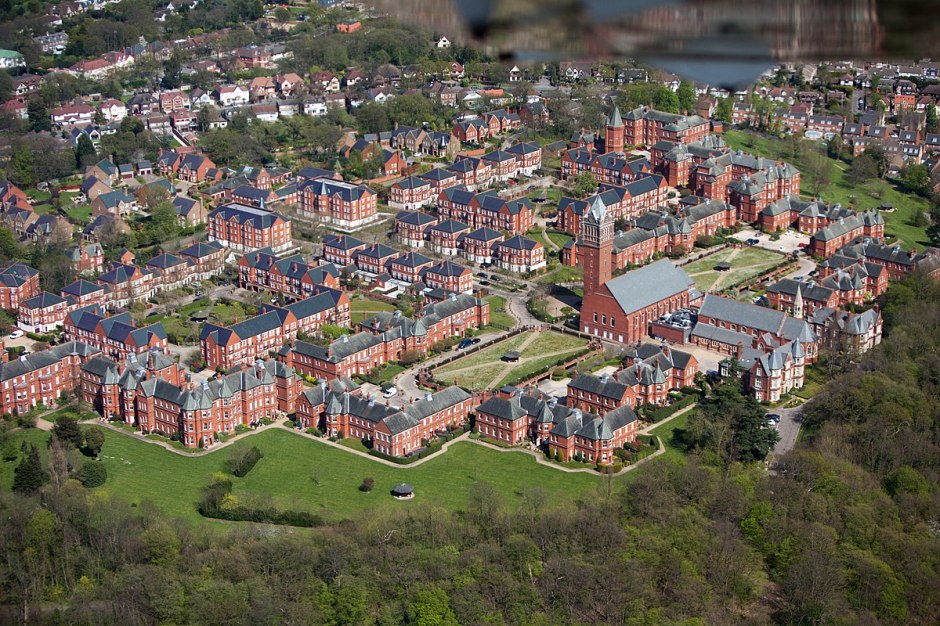
Claybury Hospital was a psychiatric hospital in Woodford Bridge, London. It was built to a design by the English architect George Thomas Hine who was a prolific Victorian architect of hospital buildings. It was opened in 1893 making it the Fifth Middlesex County Asylum. Historic England identified the hospital as being “the most important asylum built in England after 1875”.

Since the closure of the hospital, the site was redeveloped as housing and a gymnasium under the name Repton Park. The hospital block, tower, and chapel, which is now a swimming complex, were designated as a Grade II listed building in 1990.

Brief History

The Project

The building of Claybury Hospital was commissioned by the Middlesex Court of Magistrates in 1887 and would eventually become the fifth Middlesex County Asylum. It was built to a design by the English architect George Thomas Hine who was a prolific, late-Victorian architect of mainly hospital buildings and asylums for the mentally insane. It was the first asylum to successfully use the echelon plan upon which all later asylums were based.

The site was situated on the brow of a hill and was surrounded by 50 acres (200,000 m2) of ancient woodland and 95 acres (380,000 m2) of open parkland, ponds, pasture and historic gardens. These had been designed in 1789 by the landscape architect Humphry Repton.

Early Years

In 1889 the uncompleted building passed to the newly created London County Council which opened it in 1893 as the Claybury Lunatic Asylum.

By 1896, the hospital had 2,500 patients. The first Medical Superintendent and directing genius was Robert Armstrong-Jones. By the first decade of the twentieth century, Claybury had become a major centre of psychiatric learning. It was internationally admired for its research, its pioneering work in introducing new forms of treatment and the high standard of care provided for the mentally ill. Armstrong-Jones was knighted in 1917 for his exceptional work at Claybury and his general service to psychiatry.

Armstrong-Jones held progressive views on community care, advocating in 1906 that city hospitals should have out-patient departments where patients could seek help for mental symptoms without loss of liberty. Each asylum should be a centre for clinical instruction where all medical practitioners could refresh their understanding of insanity. People showing early signs of insanity should be free to seek advice and if necessary be admitted on a voluntary basis and not have to wait until they became certifiable. The first voluntary patients could not admitted until 1930 when the Mental Treatment Act was passed.

In 1895, the London County Council appointed Frederick Mott as director for their new research laboratory at Claybury. Over the next 19 years he carried out vast research, documented in his Archives of Neurology and Psychiatry published between 1903 and 1922. He was knighted in 1919 and is particularly remembered for helping to establish that ‘general paralysis of the insane (GPI) was due to syphilis.

Helen Boyle was appointed as an Assistant Medical Officer in 1895, one of the first women to be employed as a doctor in an asylum. She became a pioneer of early treatment for the mentally ill and went on to found the Lady Chichester Hospital. In 1939 she became the first female president of the Royal Medico-Psychological Association (now the Royal College of Psychiatrists). In Pryor’s words: “The work of this ‘lady doctor’ formed part of the pale new dawn of community care for the mentally ill.”

The asylum was renamed Claybury Mental Hospital in 1930 and simplified to Claybury Hospital in 1959

A Patient Experience in the 1930s

The English artist, Thomas Hennell, published an account of his personal experience of schizophrenia in his book, The Witnesses, in 1938. Sectioned and detained at St John’s Hospital, Stone, Buckinghamshire in 1935, he was then moved to the Maudsley Hospital in London, and finally, to Claybury. He disliked his treatment at the first two, and satirised the Maudsley psychiatrists, but he enjoyed the humane therapy at Claybury (though there is a signed drawing by him in the Tate of staff stealing from a patient in Claybury). In the course of his illness he produced several pictures that depicted his mental state. Before leaving Claybury in 1938, the medical superintendent, Guy Barham, agreed to him painting a large mural covering three walls of the canteen. A photograph of this painting was rediscovered circa 2015. He became an official war artist during World War II.

Post-War Years

Claybury became part of the National Health Service in 1948. The introduction of new drugs, the phenothiazines in 1955 and 1956, and the anti-depressant drugs in 1959, dramatically altered the treatment of the major psychoses, reducing the severity and duration of many conditions and creating a setting where normalisation could flourish.

From the mid-1950s Claybury again attracted widespread attention as, led by consultants Denis Martin and John Pippard, it pioneered a controversial therapeutic community approach to an entire institution of over 2,700 people. In 1968, Martin described the development of Claybury’s therapeutic community in Adventure in Psychiatry. In 1972 a collection of essays by staff members and edited by Elizabeth Shoenberg were published under the title, A Hospital Looks at Itself:

The three pronged attack of therapeutic community techniques, use of new drugs and minimal use of the physical treatments, led to a reduction of the patient population from 2,332 in 1950 to 1,537 in 1970. However, lack of community care resulted in the ‘revolving door syndrome’ with over half admissions being re-admissions.

From the late 1940s it became increasingly difficult to recruit student nurses and other support staff from the UK. Many, with little English, were recruited from Europe and given English language tuition. In 1962, Enoch Powell, then Minister of Health, proposed that hospitals should seek recruits from the West Indies and Pakistan. By 1968 there were 47 nationalities represented at Claybury with different ethnic, religious and linguistic backgrounds, all part of the therapeutic community diversity.

Developments in Community Care

Enoch Powell had predicted in 1961 that all psychiatric hospitals would be closed within 15 years. In reality, the first, Banstead, closed in 1986. In 1983 the North East Thames Regional Health Authority (NETRHA) committed itself to a 10-year plan for the re-provision of care currently provided by Friern and Claybury hospitals. The number of patients on Claybury’s statuary books at the year end in 1980 was 1,057 and in 1990 was 429.

For some long-stay patients, thoroughly institutionalised, Claybury had been both home and local village for decades, in some cases for over 40 years. The challenge to manage their rehabilitation in a new environment, that they had never experienced and might well treat them with suspicion, was immense. In 1988 the Health and Social Services Research Unit at South Bank Polytechnic published a research paper detailing the post-discharge experience of a group of former long-stay Claybury patients.

Closure

To mark its centenary in 1993, the Forest Healthcare Trust published a comprehensive and well documented history of the hospital entitled, Claybury, A Century of Caring, written by Eric Pryor who had been a member of the nursing staff since 1948.

With the Care in the Community Programme and the planned decline in patient numbers, the Claybury site faced a difficult future. The NHS pressed for extensive demolition and maximum new build, whereas the Local Planning Authority and English Heritage argued for maximum retention of the historic buildings and restriction of new build to the existing footprint, in accordance with the Green Belt allocation in the Unitary Development Plan. The hospital was closed in 1997.

Historic England identified the hospital as being “the most important asylum built in England after 1875… [it was] the first asylum to successfully use the echelon plan, upon which all later asylums were based.” The hospital block was designated as a Grade II listed building in 1990, as was the stable block, which is located to the north west of the main building.

Repton Park

After the hospital was shut down in 1997 it was converted into gated housing by Crest Nicholson (working closely with English Heritage and the London Wildlife Trust) and renamed Repton Park.

The hospital chapel was converted into a swimming pool and health centre for the use of Repton Park residents. Former residents of Repton Park include singers V V Brown and Simon Webbe and actress Patsy Palmer. Properties have also attracted professional footballers from Arsenal and Spurs.

This page is based on the copyrighted Wikipedia article < https://en.wikipedia.org/wiki/Claybury_Hospital >; it is used under the Creative Commons Attribution-ShareAlike 3.0 Unported License (CC-BY-SA). You may redistribute it, verbatim or modified, providing that you comply with the terms of the CC-BY-SA.