Alice Miller, born as Alicija Englard (12 January 1923 to 14 April 2010), was a Polish-Swiss psychologist, psychoanalyst and philosopher of Jewish origin, who is noted for her books on parental child abuse, translated into several languages. She was also a noted public intellectual.
Her book The Drama of the Gifted Child caused a sensation and became an international bestseller upon the English publication in 1981. Her views on the consequences of child abuse became highly influential. In her books she departed from psychoanalysis, charging it with being similar to the poisonous pedagogies.
Life
Miller was born in Piotrków Trybunalski, Poland into a Jewish family. She was the oldest daughter of Gutta and Meylech Englard and had a sister, Irena, who was five years younger. From 1931 to 1933 the family lived in Berlin, where nine-year-old Alicija learned the German language. Due to the National Socialists’ seizure of power in Germany in 1933 the family turned back to Piotrków Trybunalski. As a young woman, Miller managed to escape the Jewish Ghetto in Piotrków Trybunalski, where all Jewish inhabitants were interned since October 1939, and survived World War II in Warsaw under the assumed name of Alicja Rostowska. While she was able to smuggle her mother and sister out, in 1941, her father died in the ghetto.
She retained her assumed name Alice Rostovska when she moved to Switzerland in 1946, where she had won a scholarship to the University of Basel.
In 1949 she married Swiss sociologist Andreas Miller, originally a Polish Catholic, with whom she had moved from Poland to Switzerland as students. They divorced in 1973. They had two children, Martin (born 1950) and Julika (born 1956). Shortly after his mother’s death Martin Miller stated in an interview with Der Spiegel that he had been beaten by his authoritarian father during his childhood – in the presence of his mother. Miller first stated that his mother did not intervene and was emotionally abusive. These events happened decades before Alice Miller’s awakening about the dangers of such childrearing methods. Martin also mentioned that his mother was unable to talk with him, despite numerous lengthy conversations, about her wartime experiences, as she was severely burdened by them.
In 1953 Miller gained her doctorate in philosophy, psychology and sociology. Between 1953 and 1960, Miller studied psychoanalysis and practiced it between 1960 and 1980 in Zürich.
In 1980, after having worked as a psychoanalyst and an analyst trainer for 20 years, Miller “stopped practicing and teaching psychoanalysis in order to explore childhood systematically.” She became critical of both Sigmund Freud and Carl Jung. Her first three books originated from research she took upon herself as a response to what she felt were major blind spots in her field. However, by the time her fourth book was published, she no longer believed that psychoanalysis was viable in any respect.[11]
In 1985 Miller wrote about the research from her time as a psychoanalyst: “For twenty years I observed people denying their childhood traumas, idealising their parents and resisting the truth about their childhood by any means.” In 1985 she left Switzerland and moved to Saint-Rémy-de-Provence in Southern France.
In 1986, she was awarded the Janusz Korczak Literary Award for her book Thou Shalt Not Be Aware: Society’s Betrayal of the Child.
In April 1987 Miller announced in an interview with the German magazine Psychologie Heute (Psychology Today) her rejection of psychoanalysis. The following year she cancelled her memberships in both the Swiss Psychoanalytic Society and the International Psychoanalytic Association, because she felt that psychoanalytic theory and practice made it impossible for former victims of child abuse to recognise the violations inflicted on them and to resolve the consequences of the abuse, as they “remained in the old tradition of blaming the child and protecting the parents”.
One of Miller’s last books, Bilder meines Lebens (“Pictures of My Life”), was published in 2006. It is an informal autobiography in which the writer explores her emotional process from painful childhood, through the development of her theories and later insights, told via the display and discussion of 66 of her original paintings, painted in the years 1973-2005.
Between 2005 and her death in 2010, she answered hundreds of readers’ letters on her website, where there are also published articles, flyers and interviews in three languages. Days before her death Alice Miller wrote: “These letters will stay as an important witness also after my death under my copyright”.
Miller died on 14 April 2010, at the age of 87, at her home in Saint-Rémy-de-Provence by suicide after severe illness and diagnosis of advanced-stage pancreatic cancer.
Work
Miller extended the trauma model to include all forms of child abuse, including those that were commonly accepted (such as spanking), which she called poisonous pedagogy, a non-literal translation of Katharina Rutschky’s Schwarze Pädagogik (black or dark pedagogy/imprinting).
Drawing upon the work of psychohistory, Miller analyzed writers Virginia Woolf, Franz Kafka and others to find links between their childhood traumas and the course and outcome of their lives.
The introduction of Miller’s first book, The Drama of the Gifted Child, first published in 1979, contains a line that summarises her core views. In it, she writes:
Experience has taught us that we have only one enduring weapon in our struggle against mental illness: the emotional discovery and emotional acceptance of the truth in the individual and unique history of our childhood.
In the 1990s, Miller strongly supported a new method developed by Konrad Stettbacher, who himself was later charged with incidents of sexual abuse. Miller came to know about Stettbacher and his method from a book by Mariella Mehr titled Steinzeit (Stone Age). Having been strongly impressed by the book, Miller contacted Mehr in order to get the name of the therapist. From that time forward, Miller refused to make therapist or method recommendations. In open letters, Miller explained her decision and how she originally became Stettbacher’s disciple, but in the end she distanced herself from him and his regressive therapies.
In her writings, Miller is careful to clarify that by “abuse” she does not only mean physical violence or sexual abuse, she is also concerned with psychological abuse perpetrated by one or both parents on their child; this is difficult to identify and deal with because the abused person is likely to conceal it from themselves and may not be aware of it until some event, or the onset of depression, requires it to be treated. Miller blamed psychologically abusive parents for the majority of neuroses and psychoses. She maintained that all instances of mental illness, addiction, crime and cultism were ultimately caused by suppressed rage and pain as a result of subconscious childhood trauma that was not resolved emotionally, assisted by a helper, which she came to term an “enlightened witness.” In all cultures, “sparing the parents is our supreme law,” wrote Miller. Even psychiatrists, psychoanalysts and clinical psychologists were unconsciously afraid to blame parents for the mental disorders of their clients, she contended. According to Miller, mental health professionals were also creatures of the poisonous pedagogy internalised in their own childhood. This explained why the Commandment “Honour thy parents” was one of the main targets in Miller’s school of psychology.
Miller called electroconvulsive therapy “a campaign against the act of remembering”. In her book Abbruch der Schweigemauer (The Demolition of Silence), she also criticised psychotherapists’ advice to clients to forgive their abusive parents, arguing that this could only hinder recovery through remembering and feeling childhood pain. It was her contention that the majority of therapists fear this truth and that they work under the influence of interpretations culled from both Western and Oriental religions, which preach forgiveness by the once-mistreated child. She believed that forgiveness did not resolve hatred, but covered it in a dangerous way in the grown adult: displacement on scapegoats, as she discussed in her psycho-biographies of Adolf Hitler and Jürgen Bartsch, both of whom she described as having suffered severe parental abuse.
A common denominator in Miller’s writings is her explanation of why human beings prefer not to know about their own victimisation during childhood: to avoid unbearable pain. She believed that the unconscious command of the individual, not to be aware of how he or she was treated in childhood, led to displacement: the irresistible drive to repeat abusive parenting in the next generation of children or direct unconsciously the unresolved trauma against others (war, terrorism, delinquency), or against him or herself (eating disorders, drug addiction, depression).
The Roots of Violence
According to Alice Miller, worldwide violence has its roots in the fact that children are beaten all over the world, especially during their first years of life, when their brains become structured. She said that the damage caused by this practice is devastating, but unfortunately hardly noticed by society. She argued that as children are forbidden to defend themselves against the violence inflicted on them, they must suppress the natural reactions like rage and fear, and they discharge these strong emotions later as adults against their own children or whole peoples: “child abuse like beating and humiliating not only produces unhappy and confused children, not only destructive teenagers and abusive parents, but thus also a confused, irrationally functioning society”. Miller stated that only through becoming aware of this dynamic can we break the chain of violence.
Jacques Marie Émile Lacan (13 April 1901 to 09 September 1981) was a French psychoanalyst and psychiatrist who has been called “the most controversial psycho-analyst since Freud“. Giving yearly seminars in Paris from 1953 to 1981, Lacan’s work has marked the French and international intellectual landscape, having made a significant impact on continental philosophy and cultural theory in areas such as post-structuralism, critical theory, feminist theory and film theory as well as on psychoanalysis itself.
Lacan took up and discussed the whole range of Freudian concepts emphasising the philosophical dimension of Freud’s thought and applying concepts derived from structuralism in linguistics and anthropology to its development in his own work which he would further augment by employing formulae from predicate logic and topology. Taking this new direction, and introducing controversial innovations in clinical practice, led to expulsion for Lacan and his followers from the International Psychoanalytic Association. In consequence Lacan went on to establish new psychoanalytic institutions to promote and develop his work which he declared to be a “return to Freud” in opposition to prevalent trends in psychoanalysis collusive of adaptation to social norms.
Biography
Early Life
Lacan was born in Paris, the eldest of Émilie and Alfred Lacan’s three children. His father was a successful soap and oils salesman. His mother was ardently Catholic – his younger brother entered a monastery in 1929. Lacan attended the Collège Stanislas between 1907 and 1918. An interest in philosophy led him to a preoccupation with the work of Spinoza, one outcome of which was his abandonment of religious faith for atheism. There were tensions in the family around this issue, and he regretted not persuading his brother to take a different path, but by 1924 his parents had moved to Boulogne and he was living in rooms in Montmartre.
During the early 1920s, Lacan actively engaged with the Parisian literary and artistic avant-garde. Having met James Joyce, he was present at the Parisian bookshop where the first readings of passages from Ulysses in French and English took place, shortly before it was published in 1922. He also had meetings with Charles Maurras, whom he admired as a literary stylist, and he occasionally attended meetings of Action Française (of which Maurras was a leading ideologue), of which he would later be highly critical.
In 1920, after being rejected for military service on the grounds that he was too thin, Lacan entered medical school. Between 1927 and 1931, after completing his studies at the faculty of medicine of the University of Paris, he specialised in psychiatry under the direction of Henri Claude at the Sainte-Anne Hospital, the major psychiatric hospital serving central Paris, at the Infirmary for the Insane of the Police Prefecture under Gaëtan Gatian de Clérambault and also at the Hospital Henri-Rousselle.
1930s
Lacan was involved with the Parisian surrealist movement of the 1930s, associating with André Breton, Georges Bataille, Salvador Dalí, and Pablo Picasso. For a time, he served as Picasso’s personal therapist. He attended the mouvement Psyché that Maryse Choisy founded and published in the Surrealist journal Minotaure. “[Lacan’s] interest in surrealism predated his interest in psychoanalysis,” former Lacanian analyst and biographer Dylan Evans explains, speculating that “perhaps Lacan never really abandoned his early surrealist sympathies, its neo-Romantic view of madness as ‘convulsive beauty’, its celebration of irrationality.” Translator and historian David Macey writes that “the importance of surrealism can hardly be over-stated… to the young Lacan… [who] also shared the surrealists’ taste for scandal and provocation, and viewed provocation as an important element in psycho-analysis itself”.
In 1931, after a second year at the Sainte-Anne Hospital, Lacan was awarded his Diplôme de médecin légiste (a medical examiner’s qualification) and became a licensed forensic psychiatrist. The following year he was awarded his Diplôme d’État de docteur en médecine (roughly equivalent to an M.D. degree) for his thesis “On Paranoiac Psychosis in its Relations to the Personality” (“De la Psychose paranoïaque dans ses rapports avec la personnalité”. Its publication had little immediate impact on French psychoanalysis but it did meet with acclaim amongst Lacan’s circle of surrealist writers and artists. In their only recorded instance of direct communication, Lacan sent a copy of his thesis to Sigmund Freud who acknowledged its receipt with a postcard.
Lacan’s thesis was based on observations of several patients with a primary focus on one female patient whom he called Aimée. Its exhaustive reconstruction of her family history and social relations, on which he based his analysis of her paranoid state of mind, demonstrated his dissatisfaction with traditional psychiatry and the growing influence of Freud on his ideas. Also in 1932, Lacan published a translation of Freud’s 1922 text, “Über einige neurotische Mechanismen bei Eifersucht, Paranoia und Homosexualität” (“Some Neurotic Mechanisms in Jealousy, Paranoia and Homosexuality”) as “De quelques mécanismes névrotiques dans la jalousie, la paranoïa et l’homosexualité” in the Revue française de psychanalyse. In Autumn 1932, Lacan began his training analysis with Rudolph Loewenstein, which was to last until 1938.
In 1934 Lacan became a candidate member of the Société psychanalytique de Paris (SPP). He began his private psychoanalytic practice in 1936 whilst still seeing patients at the Sainte-Anne Hospital, and the same year presented his first analytic report at the Congress of the International Psychoanalytical Association (IPA) in Marienbad on the “Mirror Phase”. The congress chairman, Ernest Jones, terminated the lecture before its conclusion, since he was unwilling to extend Lacan’s stated presentation time. Insulted, Lacan left the congress to witness the Berlin Olympic Games. No copy of the original lecture remains, Lacan having decided not to hand in his text for publication in the conference proceedings.
Lacan’s attendance at Kojève’s lectures on Hegel, given between 1933 and 1939, and which focused on the Phenomenology and the master-slave dialectic in particular, was formative for his subsequent work, initially in his formulation of his theory of the mirror phase, for which he was also indebted to the experimental work on child development of Henri Wallon.
It was Wallon who commissioned from Lacan the last major text of his pre-war period, a contribution to the 1938 Encyclopédie française entitled “La Famille” (reprinted in 1984 as “Les Complexes familiaux dans la formation de l’individu”, Paris: Navarin). 1938 was also the year of Lacan’s accession to full membership (membre titulaire) of the SPP, notwithstanding considerable opposition from many of its senior members who were unimpressed by his recasting of Freudian theory in philosophical terms.
Lacan married Marie-Louise Blondin in January 1934 and in January 1937 they had the first of their three children, a daughter named Caroline. A son, Thibaut, was born in August 1939 and a daughter, Sybille, in November 1940.
1940s
The SPP was disbanded due to Nazi Germany’s occupation of France in 1940. Lacan was called up for military service which he undertook in periods of duty at the Val-de-Grâce military hospital in Paris, whilst at the same time continuing his private psychoanalytic practice. In 1942 he moved into apartments at 5 rue de Lille, which he would occupy until his death. During the war he did not publish any work, turning instead to a study of Chinese for which he obtained a degree from the École spéciale des langues orientales.
In a relationship they formed before the war, Sylvia Bataille (née Maklès), the estranged wife of his friend Georges Bataille, became Lacan’s mistress and, in 1953, his second wife. During the war their relationship was complicated by the threat of deportation for Sylvia, who was Jewish, since this required her to live in the unoccupied territories. Lacan intervened personally with the authorities to obtain papers detailing her family origins, which he destroyed. In 1941 they had a child, Judith. She kept the name Bataille because Lacan wished to delay the announcement of his planned separation and divorce until after the war.
After the war, the SPP recommenced their meetings. In 1945 Lacan visited England for a five-week study trip, where he met the British analysts Ernest Jones, Wilfred Bion and John Rickman. Bion’s analytic work with groups influenced Lacan, contributing to his own subsequent emphasis on study groups as a structure within which to advance theoretical work in psychoanalysis. He published a report of his visit as ‘La Psychiatrique anglaise et la guerre’ (Evolution psychiatrique 1, 1947, pp.293-318).
In 1949, Lacan presented a new paper on the mirror stage, ‘The Mirror-Stage, as Formative of the I, as Revealed in Psychoanalytic Experience’, to the sixteenth IPA congress in Zurich. The same year he set out in the Doctrine de la Commission de l’Enseignement, produced for the Training Commission of the SPP, the protocols for the training of candidates.
1950s
With the purchase in 1951 of a country mansion at Guitrancourt, Lacan established a base for weekend retreats for work, leisure – including extravagant social occasions – and for the accommodation of his vast library. His art collection included Courbet’s L’Origine du monde, which he had concealed in his study by a removable wooden screen on which an abstract representation of the Courbet by the artist André Masson was portrayed.
In 1951, Lacan started to hold a private weekly seminar in Paris in which he inaugurated what he described as “a return to Freud,” whose doctrines were to be re-articulated through a reading of Saussure’s linguistics and Levi-Strauss’s structuralist anthropology. Becoming public in 1953, Lacan’s 27-year-long seminar was highly influential in Parisian cultural life, as well as in psychoanalytic theory and clinical practice.
In January 1953 Lacan was elected president of the SPP. When, at a meeting the following June, a formal motion was passed against him criticising his abandonment of the standard analytic training session for the variable-length session, he immediately resigned his presidency. He and a number of colleagues then resigned from the SPP to form the Société Française de Psychanalyse (SFP). One consequence of this was to eventually deprive the new group of membership of the International Psychoanalytical Association.
Encouraged by the reception of “the return to Freud” and of his report “The Function and Field of Speech and Language in Psychoanalysis,” Lacan began to re-read Freud’s works in relation to contemporary philosophy, linguistics, ethnology, biology, and topology. From 1953 to 1964 at the Sainte-Anne Hospital, he held his Seminars and presented case histories of patients. During this period he wrote the texts that are found in the collection Écrits, which was first published in 1966. In his seventh seminar “The Ethics of Psychoanalysis” (1959-1960), which according to Lewis A. Kirshner “arguably represents the most far-reaching attempt to derive a comprehensive ethical position from psychoanalysis,” Lacan defined the ethical foundations of psychoanalysis and presented his “ethics for our time” – one that would, in the words of Freud, prove to be equal to the tragedy of modern man and to the “discontent of civilization.” At the roots of the ethics is desire: the only promise of analysis is austere, it is the entrance-into-the-I (in French a play on words between l’entrée en je and l’entrée en jeu). “I must come to the place where the id was,” where the analysand discovers, in its absolute nakedness, the truth of his desire. The end of psychoanalysis entails “the purification of desire.” He defended three assertions: that psychoanalysis must have a scientific status; that Freudian ideas have radically changed the concepts of subject, of knowledge, and of desire; and that the analytic field is the only place from which it is possible to question the insufficiencies of science and philosophy.
1960s
Starting in 1962, a complex negotiation took place to determine the status of the SFP within the IPA. Lacan’s practice (with its controversial indeterminate-length sessions) and his critical stance towards psychoanalytic orthodoxy led, in August 1963, to the IPA setting the condition that registration of the SFP was dependent upon the removal of Lacan from the list of SFP analysts. With the SFP’s decision to honour this request in November 1963, Lacan had effectively been stripped of the right to conduct training analyses and thus was constrained to form his own institution in order to accommodate the many candidates who desired to continue their analyses with him. This he did, on 21 June 1964, in the “Founding Act”[20] of what became known as the École Freudienne de Paris (EFP), taking “many representatives of the third generation with him: among them were Maud and Octave Mannoni, Serge Leclaire … and Jean Clavreul”.
With the support of Claude Lévi-Strauss and Louis Althusser, Lacan was appointed lecturer at the École Pratique des Hautes Études. He started with a seminar on The Four Fundamental Concepts of Psychoanalysis in January 1964 in the Dussane room at the École Normale Supérieure. Lacan began to set forth his own approach to psychoanalysis to an audience of colleagues that had joined him from the SFP. His lectures also attracted many of the École Normale’s students. He divided the École Freudienne de Paris into three sections: the section of pure psychoanalysis (training and elaboration of the theory, where members who have been analysed but have not become analysts can participate); the section for applied psychoanalysis (therapeutic and clinical, physicians who either have not started or have not yet completed analysis are welcome); and the section for taking inventory of the Freudian field (concerning the critique of psychoanalytic literature and the analysis of the theoretical relations with related or affiliated sciences). In 1967 he invented the procedure of the Pass, which was added to the statutes after being voted in by the members of the EFP the following year.
1966 saw the publication of Lacan’s collected writings, the Écrits, compiled with an index of concepts by Jacques-Alain Miller. Printed by the prestigious publishing house Éditions du Seuil, the Écrits did much to establish Lacan’s reputation to a wider public. The success of the publication led to a subsequent two-volume edition in 1969.
By the 1960s, Lacan was associated, at least in the public mind, with the far left in France. In May 1968, Lacan voiced his sympathy for the student protests and as a corollary his followers set up a Department of Psychology at the University of Vincennes (Paris VIII). However, Lacan’s unequivocal comments in 1971 on revolutionary ideals in politics draw a sharp line between the actions of some of his followers and his own style of “revolt.”
In 1969, Lacan moved his public seminars to the Faculté de Droit (Panthéon), where he continued to deliver his expositions of analytic theory and practice until the dissolution of his school in 1980.
1970s
Throughout the final decade of his life, Lacan continued his widely followed seminars. During this period, he developed his concepts of masculine and feminine jouissance and placed an increased emphasis on the concept of “the Real” as a point of impossible contradiction in the “symbolic order”. Lacan continued to draw widely on various disciplines, working closely on classical Chinese literature with François Cheng and on the life and work of James Joyce with Jacques Aubert. The growing success of the Écrits, which was translated (in abridged form) into German and English, led to invitations to lecture in Italy, Japan and the United States. He gave lectures in 1975 at Yale, Columbia and MIT.
Last Years
Lacan’s failing health made it difficult for him to meet the demands of the year-long Seminars he had been delivering since the fifties, but his teaching continued into the first year of the eighties. After dissolving his School, the EFP, in January 1980, Lacan travelled to Caracas to found the Freudian Field Institute on 12 July.
The Overture to the Caracas Encounter was to be Lacan’s final public address. His last texts from the spring of 1981 are brief institutional documents pertaining to the newly formed Freudian Field Institute.
Lacan died on 09 September 1981.
Major Concepts
Return to Freud
Lacan’s “return to Freud” emphasizes a renewed attention to the original texts of Freud, and included a radical critique of ego psychology, whereas “Lacan’s quarrel with Object Relations psychoanalysis” was a more muted affair. Here he attempted “to restore to the notion of the Object Relation… the capital of experience that legitimately belongs to it”, building upon what he termed “the hesitant, but controlled work of Melanie Klein… Through her we know the function of the imaginary primordial enclosure formed by the imago of the mother’s body”, as well as upon “the notion of the transitional object, introduced by D.W. Winnicott… a key-point for the explanation of the genesis of fetishism”. Nevertheless, “Lacan systematically questioned those psychoanalytic developments from the 1930s to the 1970s, which were increasingly and almost exclusively focused on the child’s early relations with the mother… the pre-Oedipal or Kleinian mother”; and Lacan’s rereading of Freud – “characteristically, Lacan insists that his return to Freud supplies the only valid model” – formed a basic conceptual starting-point in that oppositional strategy.
Lacan thought that Freud’s ideas of “slips of the tongue”, jokes, and the interpretation of dreams all emphasized the agency of language in subjects’ own constitution of themselves. In “The Instance of the Letter in the Unconscious, or Reason Since Freud,” he proposes that “the unconscious is structured like a language.” The unconscious is not a primitive or archetypal part of the mind separate from the conscious, linguistic ego, he explained, but rather a formation as complex and structurally sophisticated as consciousness itself. One consequence of his idea that the unconscious is structured like a language is that the self is denied any point of reference to which to be “restored” following trauma or a crisis of identity.
André Green objected that “when you read Freud, it is obvious that this proposition doesn’t work for a minute. Freud very clearly opposes the unconscious (which he says is constituted by thing-presentations and nothing else) to the pre-conscious. What is related to language can only belong to the pre-conscious”. Freud certainly contrasted “the presentation of the word and the presentation of the thing… the unconscious presentation is the presentation of the thing alone” in his metapsychology. Dylan Evans, however, in his Dictionary of Lacanian Psychoanalysis, “… takes issue with those who, like André Green, question the linguistic aspect of the unconscious, emphasizing Lacan’s distinction between das Ding and die Sache in Freud’s account of thing-presentation”. Green’s criticism of Lacan also included accusations of intellectual dishonesty, he said, “[He] cheated everybody… the return to Freud was an excuse, it just meant going to Lacan.”
Mirror Stage
Lacan’s first official contribution to psychoanalysis was the mirror stage, which he described as “formative of the function of the ‘I’ as revealed in psychoanalytic experience.” By the early 1950s, he came to regard the mirror stage as more than a moment in the life of the infant; instead, it formed part of the permanent structure of subjectivity. In the “imaginary order”, the subject’s own image permanently catches and captivates the subject. Lacan explains that “the mirror stage is a phenomenon to which I assign a twofold value. In the first place, it has historical value as it marks a decisive turning-point in the mental development of the child. In the second place, it typifies an essential libidinal relationship with the body-image”.
As this concept developed further, the stress fell less on its historical value and more on its structural value. In his fourth seminar, “La relation d’objet”, Lacan states that “the mirror stage is far from a mere phenomenon which occurs in the development of the child. It illustrates the conflictual nature of the dual relationship. “
The mirror stage describes the formation of the ego via the process of objectification, the ego being the result of a conflict between one’s perceived visual appearance and one’s emotional experience. This identification is what Lacan called “alienation”. At six months, the baby still lacks physical co-ordination. The child is able to recognize themselves in a mirror prior to the attainment of control over their bodily movements. The child sees their image as a whole and the synthesis of this image produces a sense of contrast with the lack of co-ordination of the body, which is perceived as a fragmented body. The child experiences this contrast initially as a rivalry with their image, because the wholeness of the image threatens the child with fragmentation – thus the mirror stage gives rise to an aggressive tension between the subject and the image. To resolve this aggressive tension, the child identifies with the image: this primary identification with the counterpart forms the ego. Lacan understood this moment of identification as a moment of jubilation, since it leads to an imaginary sense of mastery; yet when the child compares their own precarious sense of mastery with the omnipotence of the mother, a depressive reaction may accompany the jubilation.
Lacan calls the specular image “orthopaedic”, since it leads the child to anticipate the overcoming of its “real specific prematurity of birth”. The vision of the body as integrated and contained, in opposition to the child’s actual experience of motor incapacity and the sense of his or her body as fragmented, induces a movement from “insufficiency to anticipation”. In other words, the mirror image initiates and then aids, like a crutch, the process of the formation of an integrated sense of self.
In the mirror stage a “misunderstanding” (méconnaissance) constitutes the ego – the “me” (moi) becomes alienated from itself through the introduction of an imaginary dimension to the subject. The mirror stage also has a significant symbolic dimension, due to the presence of the figure of the adult who carries the infant. Having jubilantly assumed the image as their own, the child turns their head towards this adult, who represents the big other, as if to call on the adult to ratify this image.
Other
While Freud uses the term “other”, referring to der Andere (the other person) and das Andere (otherness), Lacan (influenced by the seminar of Alexandre Kojève) theorizes alterity in a manner more closely resembling Hegel’s philosophy.
Lacan often used an algebraic symbology for his concepts: the big other (l’Autre) is designated A, and the little other (l’autre) is designated a. He asserts that an awareness of this distinction is fundamental to analytic practice: “the analyst must be imbued with the difference between A and a, so he can situate himself in the place of Other, and not the other”. Dylan Evans explains that:
The little other is the other who is not really other, but a reflection and projection of the ego. Evans adds that for this reason the symbol a can represent both the little other and the ego in the schema L. It is simultaneously the counterpart and the specular image. The little other is thus entirely inscribed in the imaginary order.
The big other designates radical alterity, an other-ness which transcends the illusory otherness of the imaginary because it cannot be assimilated through identification. Lacan equates this radical alterity with language and the law, and hence the big other is inscribed in the order of the symbolic. Indeed, the big other is the symbolic insofar as it is particularized for each subject. The other is thus both another subject, in its radical alterity and unassimilable uniqueness, and also the symbolic order which mediates the relationship with that other subject.”
For Lacan “the Other must first of all be considered a locus in which speech is constituted,” so that the other as another subject is secondary to the other as symbolic order.[48] We can speak of the other as a subject in a secondary sense only when a subject occupies this position and thereby embodies the other for another subject.
In arguing that speech originates in neither the ego nor in the subject but rather in the other, Lacan stresses that speech and language are beyond the subject’s conscious control. They come from another place, outside of consciousness – “the unconscious is the discourse of the Other”. When conceiving the other as a place, Lacan refers to Freud’s concept of psychical locality, in which the unconscious is described as “the other scene”.
“It is the mother who first occupies the position of the big Other for the child”, Dylan Evans explains, “it is she who receives the child’s primitive cries and retroactively sanctions them as a particular message”. The castration complex is formed when the child discovers that this other is not complete because there is a “lack (manque)” in the other. This means that there is always a signifier missing from the trove of signifiers constituted by the other. Lacan illustrates this incomplete other graphically by striking a bar through the symbol A; hence another name for the castrated, incomplete other is the “barred other”.
Phallus
Feminist thinkers have both utilised and criticised Lacan’s concepts of castration and the phallus. Feminists such as Avital Ronell, Jane Gallop, and Elizabeth Grosz, have interpreted Lacan’s work as opening up new possibilities for feminist theory.
Some feminists have argued that Lacan’s phallocentric analysis provides a useful means of understanding gender biases and imposed roles, while others, most notably Luce Irigaray, accuse Lacan of maintaining the sexist tradition in psychoanalysis. For Irigaray, the phallus does not define a single axis of gender by its presence or absence; instead, gender has two positive poles. Like Irigaray, French philosopher Jacques Derrida, in criticising Lacan’s concept of castration, discusses the phallus in a chiasmus with the hymen, as both one and other.
Three Orders (Plus One)
Lacan considered psychic functions to occur within a universal matrix. The Real, Imaginary and Symbolic are properties of this matrix, which make up part of every psychic function. This is not analogous to Freud’s concept of id, ego and superego since in Freud’s model certain functions takes place within components of the psyche while Lacan thought that all three orders were part of every function. Lacan refined the concept of the orders over decades, resulting in inconsistencies in his writings. He eventually added a fourth component, the sinthome.
The Imaginary
The Imaginary is the field of images and imagination. The main illusions of this order are synthesis, autonomy, duality, and resemblance. Lacan thought that the relationship created within the mirror stage between the ego and the reflected image means that the ego and the Imaginary order itself are places of radical alienation: “alienation is constitutive of the Imaginary order”. This relationship is also narcissistic.
In The Four Fundamental Concepts of Psychoanalysis, Lacan argues that the Symbolic order structures the visual field of the Imaginary, which means that it involves a linguistic dimension. If the signifier is the foundation of the symbolic, the signified and signification are part of the Imaginary order. Language has symbolic and Imaginary connotations – in its Imaginary aspect, language is the “wall of language” that inverts and distorts the discourse of the Other. The Imaginary, however, is rooted in the subject’s relationship with his or her own body (the image of the body). In Fetishism: the Symbolic, the Imaginary and the Real, Lacan argues that in the sexual plane the Imaginary appears as sexual display and courtship love.
Insofar as identification with the analyst is the objective of analysis, Lacan accused major psychoanalytic schools of reducing the practice of psychoanalysis to the Imaginary order. Instead, Lacan proposes the use of the symbolic to dislodge the disabling fixations of the Imaginary – the analyst transforms the images into words. “The use of the Symbolic”, he argued, “is the only way for the analytic process to cross the plane of identification.”
The Symbolic
In his Seminar IV, “La relation d’objet”, Lacan argues that the concepts of “Law” and “Structure” are unthinkable without language – thus the Symbolic is a linguistic dimension. This order is not equivalent to language, however, since language involves the Imaginary and the Real as well. The dimension proper to language in the Symbolic is that of the signifier – that is, a dimension in which elements have no positive existence, but which are constituted by virtue of their mutual differences.
The Symbolic is also the field of radical alterity – that is, the Other; the unconscious is the discourse of this Other. It is the realm of the Law that regulates desire in the Oedipus complex. The Symbolic is the domain of culture as opposed to the Imaginary order of nature. As important elements in the Symbolic, the concepts of death and lack (manque) connive to make of the pleasure principle the regulator of the distance from the Thing (in German, “das Ding an sich”) and the death drive that goes “beyond the pleasure principle by means of repetition” – “the death drive is only a mask of the Symbolic order”.
By working in the Symbolic order, the analyst is able to produce changes in the subjective position of the person undergoing psychoanalysis. These changes will produce imaginary effects because the Imaginary is structured by the Symbolic.
The Real
Lacan’s concept of the Real dates back to 1936 and his doctoral thesis on psychosis. It was a term that was popular at the time, particularly with Émile Meyerson, who referred to it as “an ontological absolute, a true being-in-itself”. Lacan returned to the theme of the Real in 1953 and continued to develop it until his death. The Real, for Lacan, is not synonymous with reality. Not only opposed to the Imaginary, the Real is also exterior to the Symbolic. Unlike the latter, which is constituted in terms of oppositions (i.e. presence/absence), “there is no absence in the Real”. Whereas the Symbolic opposition “presence/absence” implies the possibility that something may be missing from the Symbolic, “the Real is always in its place”. If the Symbolic is a set of differentiated elements (signifiers), the Real in itself is undifferentiated – it bears no fissure. The Symbolic introduces “a cut in the real” in the process of signification: “it is the world of words that creates the world of things – things originally confused in the ‘here and now’ of the all in the process of coming into being”. The Real is that which is outside language and that resists symbolization absolutely. In Seminar XI Lacan defines the Real as “the impossible” because it is impossible to imagine, impossible to integrate into the Symbolic, and impossible to attain. It is this resistance to symbolization that lends the Real its traumatic quality. Finally, the Real is the object of anxiety, insofar as it lacks any possible mediation and is “the essential object which is not an object any longer, but this something faced with which all words cease and all categories fail, the object of anxiety par excellence.”
The Sinthome
The term “sinthome” (French: [sɛ̃tom]) was introduced by Jacques Lacan in his seminar Le sinthome (1975-1976). According to Lacan, sinthome is the Latin way (1495 Rabelais, IV,63) of spelling the Greek origin of the French word symptôme, meaning symptom. The seminar is a continuing elaboration of his topology, extending the previous seminar’s focus (RSI) on the Borromean Knot and an exploration of the writings of James Joyce. Lacan redefines the psychoanalytic symptom in terms of his topology of the subject.
In “Psychoanalysis and its Teachings” (Écrits) Lacan views the symptom as inscribed in a writing process, not as ciphered message which was the traditional notion. In his seminar “L’angoisse” (1962-1963) he states that the symptom does not call for interpretation: in itself it is not a call to the Other but a pure jouissance addressed to no-one. This is a shift from the linguistic definition of the symptom – as a signifier – to his assertion that “the symptom can only be defined as the way in which each subject enjoys (jouit) the unconscious in so far as the unconscious determines the subject”. He goes from conceiving the symptom as a message which can be deciphered by reference to the unconscious structured like a language to seeing it as the trace of the particular modality of the subject’s jouissance.
Desire
Lacan’s concept of desire is related to Hegel’s Begierde, a term that implies a continuous force, and therefore somehow differs from Freud’s concept of Wunsch. Lacan’s desire refers always to unconscious desire because it is unconscious desire that forms the central concern of psychoanalysis.
The aim of psychoanalysis is to lead the analysand to recognize his/her desire and by doing so to uncover the truth about his/her desire. However this is possible only if desire is articulated in speech: “It is only once it is formulated, named in the presence of the other, that desire appears in the full sense of the term.” And again in The Ego in Freud’s Theory and in the Technique of Psychoanalysis: “what is important is to teach the subject to name, to articulate, to bring desire into existence. The subject should come to recognize and to name her/his desire. But it isn’t a question of recognizing something that could be entirely given. In naming it, the subject creates, brings forth, a new presence in the world.” The truth about desire is somehow present in discourse, although discourse is never able to articulate the entire truth about desire; whenever discourse attempts to articulate desire, there is always a leftover or surplus.
Lacan distinguishes desire from need and from demand. Need is a biological instinct where the subject depends on the Other to satisfy its own needs: in order to get the Other’s help, “need” must be articulated in “demand”. But the presence of the Other not only ensures the satisfaction of the “need”, it also represents the Other’s love. Consequently, “demand” acquires a double function: on the one hand, it articulates “need”, and on the other, acts as a “demand for love”. Even after the “need” articulated in demand is satisfied, the “demand for love” remains unsatisfied since the Other cannot provide the unconditional love that the subject seeks. “Desire is neither the appetite for satisfaction, nor the demand for love, but the difference that results from the subtraction of the first from the second.” Desire is a surplus, a leftover, produced by the articulation of need in demand: “desire begins to take shape in the margin in which demand becomes separated from need”. Unlike need, which can be satisfied, desire can never be satisfied: it is constant in its pressure and eternal. The attainment of desire does not consist in being fulfilled but in its reproduction as such. As Slavoj Žižek puts it, “desire’s raison d’être is not to realize its goal, to find full satisfaction, but to reproduce itself as desire”.
Lacan also distinguishes between desire and the drives: desire is one and drives are many. The drives are the partial manifestations of a single force called desire. Lacan’s concept of “objet petit a” is the object of desire, although this object is not that towards which desire tends, but rather the cause of desire. Desire is not a relation to an object but a relation to a lack (manque).
In The Four Fundamental Concepts of Psychoanalysis Lacan argues that “man’s desire is the desire of the Other.” This entails the following:
Desire is the desire of the Other’s desire, meaning that desire is the object of another’s desire and that desire is also desire for recognition. Here Lacan follows Alexandre Kojève, who follows Hegel: for Kojève the subject must risk his own life if he wants to achieve the desired prestige. This desire to be the object of another’s desire is best exemplified in the Oedipus complex, when the subject desires to be the phallus of the mother.
In “The Subversion of the Subject and the Dialectic of Desire in the Freudian Unconscious”, Lacan contends that the subject desires from the point of view of another whereby the object of someone’s desire is an object desired by another one: what makes the object desirable is that it is precisely desired by someone else. Again Lacan follows Kojève. who follows Hegel. This aspect of desire is present in hysteria, for the hysteric is someone who converts another’s desire into his/her own (see Sigmund Freud’s “Fragment of an Analysis of a Case of Hysteria” in SE VII, where Dora desires Frau K because she identifies with Herr K). What matters then in the analysis of a hysteric is not to find out the object of her desire but to discover the subject with whom she identifies.
Désir de l’Autre, which is translated as “desire for the Other” (though it could also be “desire of the Other”). The fundamental desire is the incestuous desire for the mother, the primordial Other.
Desire is “the desire for something else”, since it is impossible to desire what one already has. The object of desire is continually deferred, which is why desire is a metonymy.
Desire appears in the field of the Other – that is, in the unconscious.
Last but not least for Lacan, the first person who occupies the place of the Other is the mother and at first the child is at her mercy. Only when the father articulates desire with the Law by castrating the mother is the subject liberated from desire for the mother.
Drive
Lacan maintains Freud’s distinction between drive (Trieb) and instinct (Instinkt). Drives differ from biological needs because they can never be satisfied and do not aim at an object but rather circle perpetually around it. He argues that the purpose of the drive (Triebziel) is not to reach a goal but to follow its aim, meaning “the way itself” instead of “the final destination” – that is, to circle around the object. The purpose of the drive is to return to its circular path and the true source of jouissance is the repetitive movement of this closed circuit. Lacan posits drives as both cultural and symbolic constructs: to him, “the drive is not a given, something archaic, primordial”. He incorporates the four elements of drives as defined by Freud (pressure, end, object and source) to his theory of the drive’s circuit: the drive originates in the erogenous zone, circles round the object, and returns to the erogenous zone. Three grammatical voices structure this circuit:
The active voice (to see).
The reflexive voice (to see oneself).
The passive voice (to be seen).
The active and reflexive voices are autoerotic – they lack a subject. It is only when the drive completes its circuit with the passive voice that a new subject appears, implying that, prior to that instance, there was no subject. Despite being the “passive” voice, the drive is essentially active: “to make oneself be seen” rather than “to be seen”. The circuit of the drive is the only way for the subject to transgress the pleasure principle.
To Freud sexuality is composed of partial drives (i.e. the oral or the anal drives) each specified by a different erotogenic zone. At first these partial drives function independently (i.e. the polymorphous perversity of children), it is only in puberty that they become organised under the aegis of the genital organs. Lacan accepts the partial nature of drives, but:
He rejects the notion that partial drives can ever attain any complete organisation – the primacy of the genital zone, if achieved, is always precarious; and
He argues that drives are partial in that they represent sexuality only partially and not in the sense that they are a part of the whole. Drives do not represent the reproductive function of sexuality but only the dimension of jouissance.
Lacan identifies four partial drives: the oral drive (the erogenous zones are the lips (the partial object the breast – the verb is “to suck”), the anal drive (the anus and the faeces, “to shit”), the scopic drive (the eyes and the gaze, “to see”) and the invocatory drive (the ears and the voice, “to hear”). The first two drives relate to demand and the last two to desire.
The notion of dualism is maintained throughout Freud’s various reformulations of the drive-theory. From the initial opposition between sexual drives and ego-drives (self-preservation) to the final opposition between the life drives (Lebenstriebe) and the death drives (Todestriebe). Lacan retains Freud’s dualism, but in terms of an opposition between the symbolic and the imaginary and not referred to different kinds of drives. For Lacan all drives are sexual drives, and every drive is a death drive (pulsion de mort) since every drive is excessive, repetitive and destructive.
The drives are closely related to desire, since both originate in the field of the subject. But they are not to be confused: drives are the partial aspects in which desire is realised – desire is one and undivided, whereas the drives are its partial manifestations. A drive is a demand that is not caught up in the dialectical mediation of desire; drive is a “mechanical” insistence that is not ensnared in demand’s dialectical mediation.
Building on Freud’s The Psychopathology of Everyday Life, Lacan long argued that “every unsuccessful act is a successful, not to say ‘well-turned’, discourse”, highlighting as well “sudden transformations of errors into truths, which seemed to be due to nothing more than perseverance”. In a late seminar, he generalised more fully the psychoanalytic discovery of “truth—arising from misunderstanding”, so as to maintain that “the subject is naturally erring… discourse structures alone give him his moorings and reference points, signs identify and orient him; if he neglects, forgets, or loses them, he is condemned to err anew”.
Because of “the alienation to which speaking beings are subjected due to their being in language”, to survive “one must let oneself be taken in by signs and become the dupe of a discourse… [of] fictions organized in to a discourse”. For Lacan, with “masculine knowledge irredeemably an erring”, the individual “must thus allow himself to be fooled by these signs to have a chance of getting his bearings amidst them; he must place and maintain himself in the wake of a discourse… become the dupe of a discourse… les non-dupes errent”.
Lacan comes close here to one of the points where “very occasionally he sounds like Thomas Kuhn (whom he never mentions)”, with Lacan’s “discourse” resembling Kuhn’s “paradigm” seen as “the entire constellation of beliefs, values, techniques, and so on shared by the members of a given community”.
Clinical Contributions
Variable-Length Session
The “variable-length psychoanalytic session” was one of Lacan’s crucial clinical innovations,[88] and a key element in his conflicts with the IPA, to whom his “innovation of reducing the fifty-minute analytic hour to a Delphic seven or eight minutes (or sometimes even to a single oracular parole murmured in the waiting-room)” was unacceptable. Lacan’s variable-length sessions lasted anywhere from a few minutes (or even, if deemed appropriate by the analyst, a few seconds) to several hours.[citation needed] This practice replaced the classical Freudian “fifty minute hour”.
With respect to what he called “the cutting up of the ‘timing'”, Lacan asked the question: “Why make an intervention impossible at this point, which is consequently privileged in this way?” By allowing the analyst’s intervention on timing, the variable-length session removed the patient’s—or, technically, “the analysand’s”—former certainty as to the length of time that they would be on the couch. When Lacan adopted the practice, “the psychoanalytic establishment were scandalized” – and, given that “between 1979 and 1980 he saw an average of ten patients an hour”, it is perhaps not hard to see why: “psychoanalysis reduced to zero”, if no less lucrative.
At the time of his original innovation, Lacan described the issue as concerning “the systematic use of shorter sessions in certain analyses, and in particular in training analyses”; and in practice it was certainly a shortening of the session around the so-called “critical moment” which took place, so that critics wrote that ‘everyone is well aware what is meant by the deceptive phrase “variable length”… sessions systematically reduced to just a few minutes’. Irrespective of the theoretical merits of breaking up patients’ expectations, it was clear that “the Lacanian analyst never wants to ‘shake up’ the routine by keeping them for more rather than less time”. Lacan’s shorter sessions enabled him to take many more clients than therapists using orthodox Freudian methods, and this growth continued as Lacan’s students and followers adopted the same practice.
Accepting the importance of “the critical moment when insight arises”, object relations theory would nonetheless quietly suggest that “if the analyst does not provide the patient with space in which nothing needs to happen there is no space in which something can happen”. Julia Kristeva, if in very different language, would concur that “Lacan, alert to the scandal of the timeless intrinsic to the analytic experience, was mistaken in wanting to ritualize it as a technique of scansion (short sessions)”.
Writings and Writing Style
Most of Lacan’s psychoanalytic writings from the 1940s through to the early 1960s were compiled with an index of concepts by Jacques-Alain Miller in the 1966 collection, titled simply Écrits. Published in French by Éditions du Seuil, they were later issued as a two-volume set (1970/1) with a new “Preface”. A selection of the writings (chosen by Lacan himself) were translated by Alan Sheridan and published by Tavistock Press in 1977. The full 35-text volume appeared for the first time in English in Bruce Fink’s translation published by Norton & Co. (2006). The Écrits were included on the list of 100 most influential books of the 20th century compiled and polled by the broadsheet Le Monde.
Lacan’s writings from the late sixties and seventies (thus subsequent to the 1966 collection) were collected posthumously, along with some early texts from the nineteen thirties, in the Éditions du Seuil volume Autres écrits (2001).
Although most of the texts in Écrits and Autres écrits are closely related to Lacan’s lectures or lessons from his Seminar, more often than not the style is denser than Lacan’s oral delivery, and a clear distinction between the writings and the transcriptions of the oral teaching is evident to the reader.
Jacques-Alain Miller is the sole editor of Lacan’s seminars, which contain the majority of his life’s work. “There has been considerable controversy over the accuracy or otherwise of the transcription and editing”, as well as over “Miller’s refusal to allow any critical or annotated edition to be published”. Despite Lacan’s status as a major figure in the history of psychoanalysis, some of his seminars remain unpublished. Since 1984, Miller has been regularly conducting a series of lectures, “L’orientation lacanienne.” Miller’s teachings have been published in the US by the journal Lacanian Ink.
Lacan’s writing is notoriously difficult, due in part to the repeated Hegelian/Kojèvean allusions, wide theoretical divergences from other psychoanalytic and philosophical theory, and an obscure prose style. For some, “the impenetrability of Lacan’s prose… [is] too often regarded as profundity precisely because it cannot be understood”. Arguably at least, “the imitation of his style by other ‘Lacanian’ commentators” has resulted in “an obscurantist antisystematic tradition in Lacanian literature”.
Although Lacan is a major influence on psychoanalysis in France and parts of Latin America, in the English-speaking world his influence on clinical psychology has been far less and his ideas are best known in the arts and humanities. However, there are Lacanian psychoanalytic societies in both North America and the United Kingdom that carry on his work.
One example of Lacan’s work being practiced in the United States is found in the works of Annie G. Rogers (A Shining Affliction; The Unsayable: The Hidden Language of Trauma), which credit Lacanian theory for many therapeutic insights in successfully treating sexually abused young women. Lacan’s work has also reached Quebec, where The Interdisciplinary Freudian Group for Research and Clinical and Cultural Interventions (GIFRIC) claims that it has used a modified form of Lacanian psychoanalysis in successfully treating psychosis in many of its patients, a task once thought to be unsuited for psychoanalysis, even by psychoanalysts themselves.
Legacy and Criticism
In his introduction to the 1994 Penguin edition of Lacan’s The Four Fundamental Concepts of Psycho-Analysis, translator and historian David Macey describes Lacan as “the most controversial psycho-analyst since Freud”. His ideas had a significant impact on post-structuralism, critical theory, 20th-century French philosophy, film theory, and clinical psychoanalysis.
In Fashionable Nonsense (1997), Alan Sokal and Jean Bricmont criticize Lacan’s use of terms from mathematical fields such as topology, accusing him of “superficial erudition” and of abusing scientific concepts that he does not understand, accusing him of producing statements that are not even wrong. However, they note that they do not want to enter into the debate over the purely psychoanalytic part of Lacan’s work.
Other critics have dismissed Lacan’s work wholesale. François Roustang called it an “incoherent system of pseudo-scientific gibberish”, and quoted linguist Noam Chomsky’s opinion that Lacan was an “amusing and perfectly self-conscious charlatan”. The former Lacanian analyst Dylan Evans (who published a dictionary of Lacanian terms in 1996) eventually dismissed Lacanianism as lacking a sound scientific basis and as harming rather than helping patients, and has criticized Lacan’s followers for treating his writings as “holy writ”. Richard Webster has decried what he sees as Lacan’s obscurity, arrogance, and the resultant “Cult of Lacan”. Others have been more forceful still, describing him as “The Shrink from Hell” and listing the many associates – from lovers and family to colleagues, patients, and editors – left damaged in his wake. Roger Scruton included Lacan in his book Fools, Frauds and Firebrands: Thinkers of the New Left, and named him as the only ‘fool’ included in the book – his other targets merely being misguided or frauds.
His type of charismatic authority has been linked to the many conflicts among his followers and in the analytic schools he was involved with. His intellectual style has also come in for much criticism. Eclectic in his use of sources, Lacan has been seen as concealing his own thought behind the apparent explication of that of others. Thus his “return to Freud” was called by Malcolm Bowie “a complete pattern of dissenting assent to the ideas of Freud . . . Lacan’s argument is conducted on Freud’s behalf and, at the same time, against him”. Bowie has also suggested that Lacan suffered from both a love of system and a deep-seated opposition to all forms of system.
Many feminist thinkers have criticised Lacan’s thought. Philosopher and psychoanalyst Luce Irigaray accuses Lacan of perpetuating phallocentric mastery in philosophical and psychoanalytic discourse. Others have echoed this accusation, seeing Lacan as trapped in the very phallocentric mastery his language ostensibly sought to undermine. The result – Castoriadis would maintain – was to make all thought depend upon himself, and thus to stifle the capacity for independent thought among all those around him.
Their difficulties were only reinforced by what Didier Anzieu described as a kind of teasing lure in Lacan’s discourse; “fundamental truths to be revealed . . . but always at some further point”. This was perhaps an aspect of the sadistic narcissism that feminists especially accused Lacan of. Claims surrounding misogynistic tendencies were further fuelled when his wife Sylvia Lacan referred to her late husband as a “domestic tyrant” during a series of interviews conducted by anthropologist Jamer Hunt.
In a 2012 interview with Veterans Unplugged, Noam Chomsky said: “quite frankly I thought he was a total charlatan. He was just posturing for the television cameras in the way many Paris intellectuals do. Why this is influential, I haven’t the slightest idea. I don’t see anything there that should be influential.”
Works
Selected works published in English listed below. More complete listings can be found at Lacan.com.
Écrits: A Selection, transl. by Alan Sheridan, New York: W.W. Norton & Co., 1977, ISBN 0393300471.
Écrits: The First Complete Edition in English, transl. by Bruce Fink, New York: W.W. Norton & Co., 2006, ISBN 0393329259.
Feminine Sexuality: Jacques Lacan and the école freudienne, edited by Juliet Mitchell and Jacqueline Rose, transl. by Jacqueline Rose, W.W. Norton & Co., New York, 1983, ISBN 0393016331.
My Teaching, transl. by David Macey, Verso, London, 2008, ISBN 9781844672714
The Seminar, Book I. Freud’s Papers on Technique, 1953–1954, edited by Jacques-Alain Miller, transl. by John Forrester, W.W. Norton & Co., New York, 1988, ISBN 0393306976.
The Seminar, Book II. The Ego in Freud’s Theory and in the Technique of Psychoanalysis, 1954–1955, ed. by Jacques-Alain Miller, transl. by Sylvana Tomaselli, W.W. Norton & Co., New York, 1988, ISBN 0393307093.
The Seminar, Book III. The Psychoses, edited by Jacques-Alain Miller, transl. by Russell Grigg, W.W. Norton & Co., New York, 1993, ISBN 0393316122.
The Seminar, Book V. Formations of the Unconscious, edited by Jacques-Alain Miller, transl. by Russell Grigg, Polity Press, New York, 2017, ISBN 0745660371.
The Seminar, Book VII. The Ethics of Psychoanalysis, 1959–1960, ed. by Jacques-Alain Miller, transl. by Dennis Porter, W.W. Norton & Co., New York, 1992, ISBN 0393316130.
The Seminar, Book VIII. Transference, ed. by Jacques-Alain Miller, transl. by Bruce Fink, Polity Press, New York, 2015, ISBN 0745660398.
The Seminar, Book X. Anxiety, 1962–1963, ed. by Jacques-Alain Miller, transl. by A. R. Price, Polity Press, New York, 2014, ISBN 074566041X.
The Seminar, Book XI. The Four Fundamental Concepts of Psychoanalysis, 1964, ed. by Jacques-Alain Miller, transl. by Alan Sheridan, W.W. Norton & Co., New York, 1977, ISBN 0393317757.
The Seminar, Book XVII. The Other Side of Psychoanalysis, ed. by Jacques-Alain Miller, transl. by Russell Grigg, W.W. Norton & Co., New York, 2007, ISBN 0393330400.
The Seminar, Book XIX. …or Worse, ed. by Jacques-Alain Miller, Polity Press, New York, 2018, ISBN 0745682448.
The Seminar, Book XX. Encore: On Feminine Sexuality, the Limits of Love and Knowledge, ed. by Jacques-Alain Miller, transl. by Bruce Fink, W.W. Norton & Co., New York, 1998, ISBN 0393319164.
The Seminar, Book XXIII. The Sinthome, ed. by Jacques-Alain Miller, transl. by A.R. Price, Polity Press, New York, 2016, ISBN 1509510001.
Television/ A Challenge to the Psychoanalytic Establishment, ed. Joan Copjec, trans. Rosalind Krauss, Jeffrey Mehlman, et al., W.W. Norton & Co., New York, 1990, ISBN 0393335674.
Informed consent is a principle in medical ethics and medical law that a patient should have sufficient information before making their own free decisions about their medical care.
A healthcare provider is often held to have a responsibility to ensure that the consent that a patient gives is informed, and informed consent can apply to a health care intervention on a person, conducting some form of research on a person, or for disclosing a person’s information. Informed consent is, in fact, a fundamental principle in the field of health protection, obviously wanting to mark the very close and unavoidable connection between the need for consent and the inviolability of the right to health. A health care provider may ask a patient to consent to receive therapy before providing it, a clinical researcher may ask a research participant before enrolling that person into a clinical trial, and a researcher may ask a research participant before starting some form of controlled experiment. Informed consent is collected according to guidelines from the fields of medical ethics and research ethics.
Free consent is a cognate term enshrined in the International Covenant on Civil and Political Rights. The covenant was adopted in 1966 by the United Nations, and intended to be in force by 23 March 1976. Article seven prohibits experiments conducted without the “free consent to medical or scientific experimentation” of the subject. As of September 2019, the covenant has 173 parties and six more signatories without ratification.
Informed consent can be said to have been given based upon a clear appreciation and understanding of the facts, implications, and consequences of an action. To give informed consent, the individual concerned must have adequate reasoning faculties and be in possession of all relevant facts. Impairments to reasoning and judgement that may prevent informed consent include basic intellectual or emotional immaturity, high levels of stress such as post-traumatic stress disorder or a severe intellectual disability, severe mental disorder, intoxication, severe sleep deprivation, Alzheimer’s disease, or coma.
Obtaining informed consent is not always required. If an individual is considered unable to give informed consent, another person is generally authorised to give consent on his behalf, e.g., parents or legal guardians of a child (though in this circumstance the child may be required to provide informed assent) and conservators for the mentally disordered, or consent can be assumed through the doctrine of implied consent, e.g. when an unconscious person will die without immediate medical treatment.
In cases where an individual is provided insufficient information to form a reasoned decision, serious ethical issues arise. Such cases in a clinical trial in medical research are anticipated and prevented by an ethics committee or institutional review board.
Informed consent form templates can be found on the website of the World Health Organisation (WHO).
Informed consent is a technical term first used by attorney, Paul G. Gebhard, in a medical malpractice United States court case in 1957. In tracing its history, some scholars have suggested tracing the history of checking for any of these practices:
A patient agrees to a health intervention based on an understanding of it.
The patient has multiple choices and is not compelled to choose a particular one.
The consent includes giving permission.
These practices are part of what constitutes informed consent, and their history is the history of informed consent. They combine to form the modern concept of informed consent – which rose in response to particular incidents in modern research. Whereas various cultures in various places practiced informed consent, the modern concept of informed consent was developed by people who drew influence from Western tradition.
Medical History
Historians cite a series of medical guidelines to trace the history of informed consent in medical practice.
The Hippocratic Oath, a Greek text dating to 500 B.C.E., was the first set of Western writings giving guidelines for the conduct of medical professionals. It advises that physicians conceal most information from patients to give the patients the best care. The rationale is a beneficence model for care – the doctor knows better than the patient, and therefore should direct the patient’s care, because the patient is not likely to have better ideas than the doctor.
Henri de Mondeville, a French surgeon who in the 14th century, wrote about medical practice. He traced his ideas to the Hippocratic Oath. Among his recommendations were that doctors “promise a cure to every patient” in hopes that the good prognosis would inspire a good outcome to treatment. Mondeville never mentioned getting consent, but did emphasize the need for the patient to have confidence in the doctor. He also advised that when deciding therapeutically unimportant details the doctor should meet the patients’ requests “so far as they do not interfere with treatment”.
In Ottoman Empire records there exists an agreement from 1539 in which negotiates details of a surgery, including fee and a commitment not to sue in case of death. This is the oldest identified written document in which a patient acknowledges risk of medical treatment and writes to express their willingness to proceed.
Benjamin Rush was an 18th-century United States physician who was influenced by the Age of Enlightenment cultural movement. Because of this, he advised that doctors ought to share as much information as possible with patients. He recommended that doctors educate the public and respect a patient’s informed decision to accept therapy. There is no evidence that he supported seeking a consent from patients. In a lecture titled “On the duties of patients to their physicians”, he stated that patients should be strictly obedient to the physician’s orders; this was representative of much of his writings. John Gregory, Rush’s teacher, wrote similar views that a doctor could best practice beneficence by making decisions for the patients without their consent.
Thomas Percival was a British physician who published a book called Medical Ethics in 1803. Percival was a student of the works of Gregory and various earlier Hippocratic physicians. Like all previous works, Percival’s Medical Ethics makes no mention of soliciting for the consent of patients or respecting their decisions. Percival said that patients have a right to truth, but when the physician could provide better treatment by lying or withholding information, he advised that the physician do as he thought best.
When the American Medical Association was founded they in 1847 produced a work called the first edition of the American Medical Association Code of Medical Ethics. Many sections of this book are verbatim copies of passages from Percival’s Medical Ethics. A new concept in this book was the idea that physicians should fully disclose all patient details truthfully when talking to other physicians, but the text does not also apply this idea to disclosing information to patients. Through this text, Percival’s ideas became pervasive guidelines throughout the United States as other texts were derived from them.
Worthington Hooker was an American physician who in 1849 published Physician and Patient. This medical ethics book was radical demonstrating understanding of the AMA’s guidelines and Percival’s philosophy and soundly rejecting all directives that a doctor should lie to patients. In Hooker’s view, benevolent deception is not fair to the patient, and he lectured widely on this topic. Hooker’s ideas were not broadly influential.
Research History
Historians cite a series of human subject research experiments to trace the history of informed consent in research.
The US Army Yellow Fever Commission “is considered the first research group in history to use consent forms.” In 1900, Major Walter Reed was appointed head of the four man US Army Yellow Fever Commission in Cuba that determined mosquitoes were the vector for yellow fever transmission. His earliest experiments were probably done without formal documentation of informed consent. In later experiments he obtained support from appropriate military and administrative authorities. He then drafted what is now “one of the oldest series of extant informed consent documents.” The three surviving examples are in Spanish with English translations; two have an individual’s signature and one is marked with an X.
Tearoom Trade is the name of a book by American psychologist Laud Humphreys. In it he describes his research into male homosexual acts. In conducting this research he never sought consent from his research subjects and other researchers raised concerns that he violated the right to privacy for research participants.
Henrietta Lacks On 29 January 1951, shortly after the birth of her son Joseph, Lacks entered Johns Hopkins Hospital in Baltimore with profuse bleeding. She was diagnosed with cervical cancer and was treated with inserts of radium tubes. During her radiation treatments for the tumour, two samples – one of healthy cells, the other of malignant cells – were removed from her cervix without her permission. Later that year, 31-year-old Henrietta Lacks succumbed to the cancer. Her cells were cultured creating Hela cells, but the family was not informed until 1973, the family learned the truth when scientists asked for DNA samples after finding that HeLa had contaminated other samples. In 2013 researchers published the genome without the Lacks family consent.
The Milgram experiment is the name of a 1961 experiment conducted by American psychologist Stanley Milgram. In the experiment Milgram had an authority figure order research participants to commit a disturbing act of harming another person. After the experiment he would reveal that he had deceived the participants and that they had not hurt anyone, but the research participants were upset at the experience of having participated in the research. The experiment raised broad discussion on the ethics of recruiting participants for research without giving them full information about the nature of the research.
Chester M. Southam used HeLa cells to inject into cancer patients and Ohio State Penitentiary inmates without informed consent to determine if people could become immune to cancer and if cancer could be transmitted.
Assessment
Informed consent can be complex to evaluate, because neither expressions of consent, nor expressions of understanding of implications, necessarily mean that full adult consent was in fact given, nor that full comprehension of relevant issues is internally digested. Consent may be implied within the usual subtleties of human communication, rather than explicitly negotiated verbally or in writing. In some cases consent cannot legally be possible, even if the person protests he does indeed understand and wish. There are also structured instruments for evaluating capacity to give informed consent, although no ideal instrument presently exists.
Thus, there is always a degree to which informed consent must be assumed or inferred based upon observation, or knowledge, or legal reliance. This especially is the case in sexual or relational issues. In medical or formal circumstances, explicit agreement by means of signature – normally relied on legally – regardless of actual consent, is the norm. This is the case with certain procedures, such as a “do not resuscitate” directive that a patient signed before onset of their illness.
Brief examples of each of the above:
A person may verbally agree to something from fear, perceived social pressure, or psychological difficulty in asserting true feelings.
The person requesting the action may honestly be unaware of this and believe the consent is genuine, and rely on it.
Consent is expressed, but not internally given.
A person may claim to understand the implications of some action, as part of consent, but in fact has failed to appreciate the possible consequences fully and may later deny the validity of the consent for this reason.
Understanding needed for informed consent is present but is, in fact (through ignorance), not present.
A person signs a legal release form for a medical procedure, and later feels they did not really consent.
Unless the individual can show actual misinformation, the release is usually persuasive or conclusive in law, in that the clinician may rely legally upon it for consent.
In formal circumstances, a written consent usually legally overrides later denial of informed consent (unless obtained by misrepresentation).
Informed consent in the US can be overridden in emergency medical situations pursuant to 21CFR50.24, which was first brought to the general public’s attention via the controversy surrounding the study of Polyheme (a temporary oxygen-carrying blood substitute made from human haemoglobin).
Valid Elements
For an individual to give valid informed consent, three components must be present: disclosure, capacity and voluntariness.
Component
Outline
Disclosure
This requires the researcher to supply each prospective subject with the information necessary to make an autonomous decision and also to ensure that the subject adequately understands the information provided. This latter requirement implies that a written consent form be written in lay language suited for the comprehension skills of subject population, as well as assessing the level of understanding through conversation (to be informed).
Capacity
This pertains to the ability of the subject to both understand the information provided and form a reasonable judgement based on the potential consequences of their decision.
Voluntariness
This refers to the subject’s right to freely exercise their decision making without being subjected to external pressure such as coercion, manipulation, or undue influence.
Waiver of Requirement
Waiver of the consent requirement may be applied in certain circumstances where no foreseeable harm is expected to result from the study or when permitted by law, federal regulations, or if an ethical review committee has approved the non-disclosure of certain information.
Besides studies with minimal risk, waivers of consent may be obtained in a military setting. According to 10 USC 980, the United States Code for the Armed Forces, Limitations on the Use of Humans as Experimental Subjects, a waiver of advanced informed consent may be granted by the Secretary of Defence if a research project would:
Directly benefit subjects.
Advance the development of a medical product necessary to the military.
Be carried out under all laws and regulations (i.e. Emergency Research Consent Waiver) including those pertinent to the US Food and Drug Administration (FDA).
While informed consent is a basic right and should be carried out effectively, if a patient is incapacitated due to injury or illness, it is still important that patients benefit from emergency experimentation. FDA and the Department of Health and Human Services (DHHS) joined to create federal guidelines to permit emergency research, without informed consent. However, they can only proceed with the research if they obtain:
A waiver of informed consent (WIC); or
An emergency exception from informed consent (EFIC).
21st Century Cures Act
The 21st Century Cures Act enacted by the 114th United States Congress in December 2016 allows researchers to waive the requirement for informed consent when clinical testing “poses no more than minimal risk” and “includes appropriate safeguards to protect the rights, safety, and welfare of the human subject.”
Medical Sociology
Medical sociologists have studied informed consent as well bioethics more generally. Oonagh Corrigan, looking at informed consent for research in patients, argues that much of the conceptualization of informed consent comes from research ethics and bioethics with a focus on patient autonomy, and notes that this aligns with a neoliberal worldview. Corrigan argues that a model based solely around individual decision making does not accurately describe the reality of consent because of social processes: a view that has started to be acknowledged in bioethics. She feels that the liberal principles of informed consent are often in opposition with autocratic medical practices such that norms values and systems of expertise often shape and individuals ability to apply choice.
Patients who agree to participate in trials often do so because they feel that the trial was suggested by a doctor as the best intervention. Patients may find being asked to consent within a limited time frame a burdensome intrusion on their care when it arises because a patient has to deal with a new condition. Patients involved in trials may not be fully aware of the alternative treatments, and an awareness that there is uncertainty in the best treatment can help make patients more aware of this. Corrigan notes that patients generally expect that doctors are acting exclusively in their interest in interactions and that this combined with “clinical equipose” where a healthcare practitioner does not know which treatment is better in a randomised control trial can be harmful to the doctor-patient relationship.
Medical Procedures
The doctrine of informed consent relates to professional negligence and establishes a breach of the duty of care owed to the patient (see duty of care, breach of the duty, and respect for persons). The doctrine of informed consent also has significant implications for medical trials of medications, devices, or procedures.
Requirements of the Professional
Until 2015 in the United Kingdom and in countries such as Malaysia and Singapore, informed consent in medical procedures requires proof as to the standard of care to expect as a recognised standard of acceptable professional practice (the Bolam Test: Bolam v Friern Hospital Management Committee [1957] 1 WLR 582), that is, what risks would a medical professional usually disclose in the circumstances (see Loss of right in English law). Arguably, this is “sufficient consent” rather than “informed consent.” The UK has since departed from the Bolam test for judging standards of informed consent, due to the landmark ruling in Montgomery v Lanarkshire Health Board [2015] UKSC 11. This moves away from the concept of a reasonable physician and instead uses the standard of a reasonable patient, and what risks an individual would attach significance to.
Medicine in the United States, Australia, and Canada also takes this patient-centric approach to “informed consent.” Informed consent in these jurisdictions requires healthcare providers to disclose significant risks, as well as risks of particular importance to that patient. This approach combines an objective (a hypothetical reasonable patient) and subjective (this particular patient) approach.
The doctrine of informed consent should be contrasted with the general doctrine of medical consent, which applies to assault or battery. The consent standard here is only that the person understands, in general terms, the nature of and purpose of the intended intervention. As the higher standard of informed consent applies to negligence, not battery, the other elements of negligence must be made out. Significantly, causation must be shown: That had the individual been made aware of the risk he would not have proceeded with the operation (or perhaps with that surgeon).
Optimal establishment of an informed consent requires adaptation to cultural or other individual factors of the patient. For example, people from Mediterranean and Arab appear to rely more on the context of the delivery of the information, with the information being carried more by who is saying it and where, when, and how it is being said, rather than what is said, which is of relatively more importance in typical “Western” countries.
The informed consent doctrine is generally implemented through good healthcare practice: pre-operation discussions with patients and the use of medical consent forms in hospitals. However, reliance on a signed form should not undermine the basis of the doctrine in giving the patient an opportunity to weigh and respond to the risk. In one British case, a doctor performing routine surgery on a woman noticed that she had cancerous tissue in her womb. He took the initiative to remove the woman’s womb; however, as she had not given informed consent for this operation, the doctor was judged by the General Medical Council to have acted negligently. The council stated that the woman should have been informed of her condition, and allowed to make her own decision.
Obtaining Informed Consent
To document that informed consent has been given for a procedure, healthcare organisations have traditionally used paper-based consent forms on which the procedure and its risks and benefits are noted, and is signed by both patient and clinician. In a number of healthcare organisations consent forms are scanned and maintained in an electronic document store. The paper consent process has been demonstrated to be associated with significant errors of omission, and therefore increasing numbers of organisations are using digital consent applications where the risk of errors can be minimised, a patient’s decision making and comprehension can be supported by additional lay-friendly and accessible information, consent can be completed remotely, and the process can become paperless. One form of digital consent is dynamic consent, which invites participants to provide consent in a granular way, and makes it easier for them to withdraw consent if they wish.
Electronic consent methods have been used to support indexing and retrieval of consent data, thus enhancing the ability to honour to patient intent and identify willing research participants. More recently, Health Sciences South Carolina, a statewide research collaborative focused on transforming healthcare quality, health information systems and patient outcomes, developed an open-source system called Research Permissions Management System (RPMS).
Competency of the Patient
The ability to give informed consent is governed by a general requirement of competency. In common law jurisdictions, adults are presumed competent to consent. This presumption can be rebutted, for instance, in circumstances of mental illness or other incompetence. This may be prescribed in legislation or based on a common-law standard of inability to understand the nature of the procedure. In cases of incompetent adults, a health care proxy makes medical decisions. In the absence of a proxy, the medical practitioner is expected to act in the patient’s best interests until a proxy can be found.
By contrast, ‘minors’ (which may be defined differently in different jurisdictions) are generally presumed incompetent to consent, but depending on their age and other factors may be required to provide Informed assent. In some jurisdictions (e.g. much of the US), this is a strict standard. In other jurisdictions (e.g. England, Australia, Canada), this presumption may be rebutted through proof that the minor is ‘mature’ (the ‘Gillick standard‘). In cases of incompetent minors, informed consent is usually required from the parent (rather than the ‘best interests standard’) although a parens patriae order may apply, allowing the court to dispense with parental consent in cases of refusal (In law, parens patriae refers the public policy power of the state to intervene against an abusive or negligent parent, legal guardian, or informal caretaker, and to act as the parent of any child, individual or animal who is in need of protection).
Deception
Research involving deception is controversial given the requirement for informed consent. Deception typically arises in social psychology, when researching a particular psychological process requires that investigators deceive subjects. For example, in the Milgram experiment, researchers wanted to determine the willingness of participants to obey authority figures despite their personal conscientious objections. They had authority figures demand that participants deliver what they thought was an electric shock to another research participant. For the study to succeed, it was necessary to deceive the participants so they believed that the subject was a peer and that their electric shocks caused the peer actual pain.
Nonetheless, research involving deception prevents subjects from exercising their basic right of autonomous informed decision-making and conflicts with the ethical principle of respect for persons.
The Ethical Principles of Psychologists and Code of Conduct set by the American Psychological Association says that psychologists may conduct research that includes a deceptive compartment only if they can both justify the act by the value and importance of the study’s results and show they could not obtain the results by some other way. Moreover, the research should bear no potential harm to the subject as an outcome of deception, either physical pain or emotional distress. Finally, the code requires a debriefing session in which the experimenter both tells the subject about the deception and gives subject the option of withdrawing the data.
Abortion
In some US states, informed consent laws (sometimes called “right to know” laws) require that a woman seeking an elective abortion receive information from the abortion provider about her legal rights, alternatives to abortion (such as adoption), available public and private assistance, and other information specified in the law, before the abortion is performed. Other countries with such laws (e.g. Germany) require that the information giver be properly certified to make sure that no abortion is carried out for the financial gain of the abortion provider and to ensure that the decision to have an abortion is not swayed by any form of incentive.
Some informed consent laws have been criticised for allegedly using “loaded language in an apparently deliberate attempt to ‘personify’ the fetus,” but those critics acknowledge that “most of the information in the [legally mandated] materials about abortion comports with recent scientific findings and the principles of informed consent”, although “some content is either misleading or altogether incorrect.”
From Children
As children often lack the decision making ability or legal power (competence) to provide true informed consent for medical decisions, it often falls on parents or legal guardians to provide informed permission for medical decisions. This “consent by proxy” usually works reasonably well, but can lead to ethical dilemmas when the judgment of the parents or guardians and the medical professional differ with regard to what constitutes appropriate decisions “in the best interest of the child”. Children who are legally emancipated, and certain situations such as decisions regarding sexually transmitted diseases or pregnancy, or for unemancipated minors who are deemed to have medical decision making capacity, may be able to provide consent without the need for parental permission depending on the laws of the jurisdiction the child lives in. The American Academy of Paediatrics encourages medical professionals also to seek the assent of older children and adolescents by providing age appropriate information to these children to help empower them in the decision making process.
Research on children has benefited society in many ways. The only effective way to establish normal patterns of growth and metabolism is to do research on infants and young children. When addressing the issue of informed consent with children, the primary response is parental consent. This is valid, although only legal guardians are able to consent for a child, not adult siblings.[41] Additionally, parents may not order the termination of a treatment that is required to keep a child alive, even if they feel it is in the best interest.[41] Guardians are typically involved in the consent of children, however a number of doctrines have developed that allow children to receive health treatments without parental consent. For example, emancipated minors may consent to medical treatment, and minors can also consent in an emergency.
Consent to Research
Informed consent is part of the ethical clinical research as well, in which a human subject voluntarily confirms his or her willingness to participate in a particular clinical trial, after having been informed of all aspects of the trial that are relevant to the subject’s decision to participate. Informed consent is documented by means of a written, signed, and dated informed consent form. In medical research, the Nuremberg Code set a base international standard in 1947, which continued to develop, for example in response to the ethical violation in the Holocaust. Nowadays, medical research is overseen by an ethics committee that also oversees the informed consent process.
As the medical guidelines established in the Nuremberg Code were imported into the ethical guidelines for the social sciences, informed consent became a common part of the research procedure. However, while informed consent is the default in medical settings, it is not always required in the social science. Here, research often involves low or no risk for participants, unlike in many medical experiments. Second, the mere knowledge that they participate in a study can cause people to alter their behaviour, as in the Hawthorne Effect:
“In the typical lab experiment, subjects enter an environment in which they are keenly aware that their behavior is being monitored, recorded, and subsequently scrutinized.”
In such cases, seeking informed consent directly interferes with the ability to conduct the research, because the very act of revealing that a study is being conducted is likely to alter the behaviour studied. List exemplifies the potential dilemma that can result:
“if one were interested in exploring whether, and to what extent, race or gender influences the prices that buyers pay for used cars, it would be difficult to measure accurately the degree of discrimination among used car dealers who know that they are taking part in an experiment.”
In cases where such interference is likely, and after careful consideration, a researcher may forgo the informed consent process. This is commonly done after weighting the risk to study participants versus the benefit to society and whether participants are present in the study out of their own wish and treated fairly. Researchers often consult with an ethics committee or institutional review board to render a decision.
The birth of new online media, such as social media, has complicated the idea of informed consent. In an online environment people pay little attention to Terms of Use agreements and can subject themselves to research without thorough knowledge. This issue came to the public light following a study conducted by Facebook Inc. in 2014, and published by that company and Cornell University. Facebook conducted a study where they altered the Facebook News Feeds of roughly 700,000 users to reduce either the amount of positive or negative posts they saw for a week. The study then analysed if the users status updates changed during the different conditions. The study was published in the Proceedings of the National Academy of Sciences.
The lack of informed consent led to outrage among many researchers and users. Many believed that by potentially altering the mood of users by altering what posts they see, Facebook put at-risk individuals at higher dangers for depression and suicide. However, supports of Facebook claim that Facebook details that they have the right to use information for research in their terms of use. Others say the experiment is just a part of Facebook’s current work, which alters News Feeds algorithms continually to keep people interested and coming back to the site. Others pointed out that this specific study is not along but that news organizations constantly try out different headlines using algorithms to elicit emotions and garner clicks or Facebook shares. They say this Facebook study is no different from things people already accept. Still, others say that Facebook broke the law when conducting the experiment on user that didn’t give informed consent.
The Facebook study controversy raises numerous questions about informed consent and the differences in the ethical review process between publicly and privately funded research. Some say Facebook was within its limits and others see the need for more informed consent and/or the establishment of in-house private review boards.
Conflicts of Interest
Other, long-standing controversies underscore the role for conflicts of interest among medical school faculty and researchers. For example, coverage of University of California (UC) medical school faculty members has included news of ongoing corporate payments to researchers and practitioners from companies that market and produce the very devices and treatments they recommend to patients.
Robert Pedowitz, the former chairman of UCLA’s orthopaedic surgery department, reported concern that his colleague’s financial conflicts of interest could negatively affect patient care or research into new treatments. In a subsequent lawsuit about whistleblower retaliation, the university provided a $10 million settlement to Pedowitz while acknowledging no wrongdoing. Consumer Watchdog, an oversight group, observed that University of California policies were “either inadequate or unenforced…Patients in UC hospitals deserve the most reliable surgical devices and medication…and they shouldn’t be treated as subjects in expensive experiments.” Other UC incidents include taking the eggs of women for implantation into other women without consent and injecting live bacteria into human brains, resulting in potentially premature deaths.
Inner peace (or peace of mind) refers to a deliberate state of psychological or spiritual calm despite the potential presence of stressors such as the burden arising from pretending to be someone.
Being “at peace” is considered by many to be healthy (homeostasis) and the opposite of being stressed or anxious, and is considered to be a state where our mind performs at an optimal level with a positive outcome. Peace of mind is thus generally associated with bliss, happiness and contentment.
Peace of mind, serenity, and calmness are descriptions of a disposition free from the effects of stress. In some cultures, inner peace is considered a state of consciousness or enlightenment that may be cultivated by various forms of training, such as breathing exercises, prayer, meditation, tai chi or yoga, for example. Many spiritual practices refer to this peace as an experience of knowing oneself.
People have difficulties embracing their inner spirituality because everyday stressors get the best of them; finding peace and happiness in the little joys of life can seem difficult, and results do not seem all that gratifying. Achieving spirituality is a step-by-step process; there are ways through which one can become more spiritual every day.
Tenzin Gyatso, the 14th Dalai Lama, emphasizes the importance of inner peace in the world:
The question of real, lasting world peace concerns human beings, so basic human feelings are also at its roots. Through inner peace, genuine world peace can be achieved. In this the importance of individual responsibility is quite clear; an atmosphere of peace must first be created within ourselves, then gradually expanded to include our families, our communities, and ultimately the whole planet.
Inner Relationship Focusing (IRF) is a psychotherapeutic system and process developed by Ann Weiser Cornell and Barbara McGavin, as a refinement and expansion of the Focusing process discovered and developed by Eugene Gendlin in the late 1960s.
IRF is a process for emotional healing, and for accessing positive energy and insights for forward movement in one’s life.
Cornell, while a graduate student in Linguistics at the University of Chicago, met Gendlin in 1972 and learned his technique. In 1980 she began collaborating with him in teaching his Focusing workshops. Using her capacity for linguistics, Cornell helped develop the concept of Focusing guiding, and in the early 1980s she offered the first seminars on Focusing guiding. Her continuation of this process led to her development, with Barbara McGavin, of Inner Relationship Focusing.
Brief History
IRF took shape when Ann Weiser Cornell moved from Chicago to California in 1983 and began teaching Focusing to people who knew nothing about it. She discovered that many people who were not automatically adept at it needed new techniques and new language to draw out their ability to learn the process. Eventually her discoveries of what worked best for the majority of people, combined with the input, inspiration, and insights of her British collaborator Barbara McGavin, evolved into IRF in the 1990s. Cornell incorporated her new techniques and insights into her first books, The Focusing Student’s Manual (1993) and The Focusing Guide’s Manual (1994) – both later revised with Barbara McGavin and published in 2002 as The Focusing Student’s and Companion’s Manual – and in all of her subsequent books, which have become classic textbooks on Focusing.
Description
IRF is a refined and expanded form of Eugene Gendlin’s original six-step process of Focusing, which he had detailed in his 1978 book of the same title. IRF emphasizes being in gentle, allowing relationship with all parts of one’s being, including parts that are in conflict, parts often denied or pushed away as unacceptable or demeaning, parts that are overwhelming, and parts that are so buried or subtle they need to be drawn out with patience and gentleness. In allowing all aspects of the personality to be held in acceptance and awareness, new insights and shifts can emerge and healing can occur. IRF therefore emphasizes the relationship of the Self with the various inner aspects, however painful, and it relies specifically on a quality of Presence, or the ability of the Self to be present with these aspects in a quality of friendliness, gentle curiosity, and nonjudgement. A major feature of IRF is gently finding out how a specific aspect or felt experience feels from its point of view. Another feature is giving awareness to parts of oneself that are opposing – either afraid of or objecting to – a difficult or troublesome part. IRF radically allows and accepts all parts or inner experiences. It also avoids the extremes of denial/”exile” and merging/identification/overwhelm, through using the quality of Presence to gently experience and navigate one’s inner world in a calm, detached, but gently curious and inviting way.
Differences from Gendlin’s Original Focusing
Eugene Gendlin’s original Focusing process, described in his 1978 book, is a process that he generalises as having six steps:
Clearing a space;
Allowing a “felt sense” to form;
Finding a handle;
Resonating;
Asking; and
Receiving.
IRF, developed in the late 1980s through the late 1990s, is a more fluid process, and eschews or modifies certain aspects of Gendlin’s. For instance, rather than clearing a space, IRF uses a mental scan of the body for what feels open and alive, and what needs acknowledging – without moving any issue “out” – in order to more fully accept or find what may be wanting attention.
Rather than “asking”, the Focuser uses the quality of Presence to allow what wants to be expressed – hidden feelings, thoughts, and incipient information – to come forth. The guide, if used, gives gentle suggestions rather than asking questions in order not to intrude on the process or deflect attention away from the inner experience. This stage, which includes the stage called “resonating” in Gendlin’s format, is an important and lengthy one in IRF, and includes settling down with “it” (the felt experience or the partial self), keeping it company, and sensing its point of view, including what it wants and what it does not want.
An important principle in IRF is not denying or exiling any thoughts, feelings, or partial selves – not even the inner critic – but rather empathising with all parts and aspects and sensing what they want to communicate and why. Cornell calls this “the radical acceptance of everything”. Another central principle is the aspect of Presence, or “Self-in-Presence”: gentle listening, with equanimity, to everything that comes up in the Focusing process. In addition, specific language and language/thought patterns are encouraged, which Cornell calls “Presence language”, in order to facilitate this process. And as indicated by its name, IRF gives high priority to the relationship of the Focuser to his inwardly felt experience or aspects of his inner life. The role of the guide, if one is used, is to support this relationship.
Influence
Since the early 1990s Cornell has taught IRF throughout the US at venues including Esalen, the National Institute for the Clinical Application of Behavioural Medicine, and the American Psychological Association, and also around the world. IRF is now used and taught all over the world, including in Afghanistan and Pakistan.
Psychologist and self-help author Helene Brenner calls IRF “one of the most powerful techniques I know for emotional healing”. CC Leigh, whose Inseeing Process of self-healing and spiritual growth is largely based on IRF, calls IRF a “highly refined technology for getting in touch with the inner dynamics that typically lie beneath the threshold of awareness, and befriending them from a state of Presence so they can open up and organically evolve”. IRF has been recommended in several 21st-century psychology textbooks, stress-reduction manuals, and other self-improvement texts, and it is the commonest adaptation of the Focusing form used today.
Benjamin Libet (12 April 1916 to 23 July 2007) was an American neuroscientist who was a pioneer in the field of human consciousness.
Libet was a researcher in the physiology department of the University of California, San Francisco. In 2003, he was the first recipient of the Virtual Nobel Prize in Psychology from the University of Klagenfurt, “for his pioneering achievements in the experimental investigation of consciousness, initiation of action, and free will”.
Life
Benjamin Libet, Neuroscientist.
He was the son of Ukrainian Jewish immigrants. Gamer Libitsky, his paternal grandfather, came to America in 1865 from a town called Brusilov in Ukraine. His mother, Anna Charovsky, emigrated from Kiev in 1913. His parents first met in Chicago. They were married in 1915, and somewhat over nine months later Benjamin was born. He had a brother Meyer, and a sister Dorothy. Libet attended a public elementary school and John Marshall High School. Libet graduated from the University of Chicago, where he studied with Ralph Gerard.
In the 1970s, Libet was involved in research into neural activity and sensation thresholds. His initial investigations involved determining how much activation at specific sites in the brain was required to trigger artificial somatic sensations, relying on routine psychophysical procedures. This work soon crossed into an investigation into human consciousness; his most famous experiment was meant to demonstrate that the unconscious electrical processes in the brain called Bereitschaftspotential (or readiness potential) discovered by Lüder Deecke and Hans Helmut Kornhuber in 1964 precede conscious decisions to perform volitional, spontaneous acts, implying that unconscious neuronal processes precede and potentially cause volitional acts which are retrospectively felt to be consciously motivated by the subject. The experiment has caused controversy not only because it challenges the belief in free will, but also due to a criticism of its implicit assumptions. It has also inspired further study of the neuroscience of free will.
Volitional Acts and Readiness Potential
Equipment
To gauge the relation between unconscious readiness potential and subjective feelings of volition and action, Libet required an objective method of marking the subject’s conscious experience of the will to perform an action in time, and afterward comparing this information with data recording the brain’s electrical activity during the same interval. For this, Libet required specialised pieces of equipment.
The first of these was the cathode ray oscilloscope, an instrument typically used to graph the amplitude and frequency of electrical signals. With a few adjustments, however, the oscilloscope could be made to act as a timer: instead of displaying a series of waves, the output was a single dot that could be made to travel in a circular motion, similar to the movements of a second hand around a clock face. This timer was set so that the time it took for the dot to travel between intervals marked on the oscilloscope was approximately forty-three milliseconds. As the angular velocity of the dot remained constant, any change in distance could easily be converted into the time it took to travel that distance.
To monitor brain activity during the same period, Libet used an electroencephalogram (EEG). The EEG uses small electrodes placed at various points on the scalp that measure neuronal activity in the cortex, the outermost portion of the brain, which is associated with higher cognition. The transmission of electrical signals across regions of the cortex causes differences in measured voltage across EEG electrodes. These differences in voltage reflect changes in neuronal activity in specific areas of the cortex.
To measure the actual time of the voluntary motor act, an electromyograph (EMG) recorded the muscle movement using electrodes on the skin over the activated muscle of the forearm. The EMG time was taken as the zero time relative to which all other times were calculated.
Methods
Researchers carrying out Libet’s procedure would ask each participant to sit at a desk in front of the oscilloscope timer. They would affix the EEG electrodes to the participant’s scalp, and would then instruct the subject to carry out some small, simple motor activity, such as pressing a button, or flexing a finger or wrist, within a certain time frame. No limits were placed on the number of times the subject could perform the action within this period.
During the experiment, the subject would be asked to note the position of the dot on the oscilloscope timer when “he/she was first aware of the wish or urge to act” (control tests with Libet’s equipment demonstrated a comfortable margin of error of only -50 milliseconds). Pressing the button also recorded the position of the dot on the oscillator, this time electronically. By comparing the marked time of the button’s pushing and the subject’s conscious decision to act, researchers were able to calculate the total time of the trial from the subject’s initial volition through to the resultant action. On average, approximately two hundred milliseconds elapsed between the first appearance of conscious will to press the button and the act of pressing it.
Researchers also analysed EEG recordings for each trial with respect to the timing of the action. It was noted that brain activity involved in the initiation of the action, primarily centred in the secondary motor cortex, occurred, on average, approximately five hundred milliseconds before the trial ended with the pushing of the button. That is to say, researchers recorded mounting brain activity related to the resultant action as many as three hundred milliseconds before subjects reported the first awareness of conscious will to act. In other words, apparently conscious decisions to act were preceded by an unconscious buildup of electrical activity within the brain – the change in EEG signals reflecting this buildup came to be called Bereitschaftspotential or readiness potential. As of 2008, the upcoming outcome of a decision could be found in study of the brain activity in the prefrontal and parietal cortex up to 7 seconds before the subject was aware of their decision.
Implications of Libet’s Experiments
There is no majority agreement about the interpretation or the significance of Libet’s experiments. However, Libet’s experiments suggest to some that unconscious processes in the brain are the true initiator of volitional acts, and free will therefore plays no part in their initiation. If unconscious brain processes have already taken steps to initiate an action before consciousness is aware of any desire to perform it, the causal role of consciousness in volition is all but eliminated, according to this interpretation. For instance, Susan Blackmore’s interpretation is “that conscious experience takes some time to build up and is much too slow to be responsible for making things happen.”
Such a conclusion would be overdrawn as in a subsequent run of experiments, Libet found that even after the awareness of the decision to push the button had happened, people still had the capability to veto the decision and not to push the button. So they still had the capability to refrain from the decision that had earlier been made. Some therefore take this brain impulse to push the button to suggest just a readiness potential which the subject may either then go along with or may veto. So the person still has power over his or her decision.
For this reason, Libet himself regards his experimental results to be entirely compatible with the notion of free will. He finds that conscious volition is exercised in the form of ‘the power of veto’ (sometimes called “free won’t”); the idea that conscious acquiescence is required to allow the unconscious buildup of the readiness potential to be actualized as a movement. While consciousness plays no part in the instigation of volitional acts, Libet suggested that it may still have a part to play in suppressing or withholding certain acts instigated by the unconscious. Libet noted that everyone has experienced the withholding from performing an unconscious urge. Since the subjective experience of the conscious will to act preceded the action by only 200 milliseconds, this leaves consciousness only 100-150 milliseconds to veto an action (this is because the final 20 milliseconds prior to an act are occupied by the activation of the spinal motor neurones by the primary motor cortex, and the margin of error indicated by tests utilising the oscillator must also be considered). However, Max Velmans has argued: “Libet has shown that the experienced intention to perform an act is preceded by cerebral initiation. Why should the experienced decision to veto that intention, or to actively or passively promote its completion, be any different?”
In a study published in 2012, Aaron Schurger, Jacobo D. Sitt, and Stanislas Dehaene proposed that the occurrence of the readiness potentials observed in Libet-type experiments is stochastically occasioned by ongoing spontaneous subthreshold fluctuations in neural activity, rather than an unconscious goal-directed operation.
Libet’s experiments have received support from other research related to the Neuroscience of free will.
Reactions by Dualist Philosophers
The German philosopher Uwe Meixner commented:
“For making an informed decision, the self needs to be conscious of the facts relevant to the decision prior to making the decision; but…the self certainly does not need to be conscious of making the decision at the very same time it makes it…the consciousness of a state of affairs P being (presently) the case is always somewhat later than the actual fact of P’s being the case…”
When one is speaking to another individual, as a result of the limited velocity of light signals and the limited velocity of sound waves and the limited velocity of nerve signals, what one is experiencing as now is always slightly in the past. No person ever has a definite present awareness of what is occurring around them. There is a small time delay due to the limited velocity of these many different signals that is indiscernible to people because it is extremely short. Meixner also says, “it is hardly surprising that the consciousness of making a decision is no exception to this general rule, which is due to the dependence of consciousness on neurophysiology.”
Just as nothing that is actually presently there can be observed because of the limited velocity of light but events as they are just a little in the past can be observed, in the same way people do not have a consciousness of their own decisions simultaneously with their making them but they have it undetectedly afterwards.
If the mind has the power to think without being causally determined, then all it requires to do in order to make accountable, knowledgeable, free decisions is consciousness of the pertinent facts before its decision making. However, the mind does not require to be aware or conscious of the decision itself at the same it makes that decision.
It has been suggested that consciousness is merely a side-effect of neuronal functions, an epiphenomenon of brain states. Libet’s experiments are proffered in support of this theory; our reports of conscious instigation of our own acts are, in this view, a mistake of retrospection. However, some dualist philosophers have disputed this conclusion:
In short, the [neuronal] causes and correlates of conscious experience should not be confused with their ontology … the only evidence about what conscious experiences are like comes from first-person sources, which consistently suggest consciousness to be something other than or additional to neuronal activity.
A more general criticism from a dualist-interactionist perspective has been raised by Alexander Batthyany who points out that Libet asked his subjects to merely “let the urge [to move] appear on its own at any time without any pre-planning or concentration on when to act”. According to Batthyany, neither reductionist nor non-reductionist agency theories claim that urges which appear on their own are suitable examples of (allegedly) consciously caused events because one cannot passively wait for an urge to occur while at the same time being the one who is consciously bringing it about. Libet’s results thus cannot be interpreted to provide empirical evidence in favour of agency reductionism, since non-reductionist theories, even including dualist interactionism, would predict the very same experimental results.
Timing Issues
Daniel Dennett argues that no clear conclusion about volition can be derived from Libet’s experiment because of ambiguities in the timings of the different events involved. Libet tells when the readiness potential occurs objectively, using electrodes, but relies on the subject reporting the position of the hand of a clock to determine when the conscious decision was made. As Dennett points out, this is only a report of where it seems to the subject that various things come together, not of the objective time at which they actually occur.
Suppose Libet knows that your readiness potential peaked at millisecond 6,810 of the experimental trial, and the clock dot was straight down (which is what you reported you saw) at millisecond 7,005. How many milliseconds should he have to add to this number to get the time you were conscious of it? The light gets from your clock face to your eyeball almost instantaneously, but the path of the signals from retina through lateral geniculate nucleus to striate cortex takes 5 to 10 milliseconds – a paltry fraction of the 300 milliseconds offset, but how much longer does it take them to get to you (Or are you located in the striate cortex?). The visual signals have to be processed before they arrive at wherever they need to arrive for you to make a conscious decision of simultaneity. Libet’s method presupposes, in short, that we can locate the intersection of two trajectories:
The rising-to-consciousness of signals representing the decision to flick.
The rising to consciousness of signals representing successive clock-face orientations.
So that these events occur side-by-side as it were in place where their simultaneity can be noted.
Subjective Backward Referral or “Antedating” of Sensory Experience
Libet’s early theory, resting on study of stimuli and sensation, was found bizarre by some commentators, including Patricia Churchland, due to the apparent idea of backward causation. Libet argued that data suggested that we retrospectively “antedate” the beginning of a sensation to the moment of the primary neuronal response. People interpreted Libet’s work on stimulus and sensation in a number of different ways. John Eccles presented Libet’s work as suggesting a backward step in time made by a non-physical mind. Edoardo Bisiach (1988) described Eccles as tendentious, but commented:
This is indeed the conclusion that the authors (Libet, et al.) themselves seem to be willing to force upon the reader. … They dispute an alternative explanation, suggested by Mackay in a discussion with Libet (1979, p. 219) to the effect that ‘the subjective referral backwards in time may be due to an illusory judgment made by the subject when he reports the timings’, and more significant, Libet, et al. (1979, p. 220) hint at ‘serious though not insurmountable difficulties’ for the identity theory (of mind and matter) caused by their data.
Libet later concluded that there appeared to be no neural mechanism that could be viewed as directly mediating or accounting for the subjective sensory referrals backward in time [emphasis Libet’s]. Libet postulated that the primary evoked potential (EP) serves as a “time marker”. The EP is a sharp positive potential appearing in the appropriate sensory region of the brain about 25 milliseconds after a skin stimulus. Libet’s experiments demonstrated that there is an automatic subjective referral of the conscious experience backwards in time to this time marker. The skin sensation does not enter our conscious awareness until about 500 milliseconds after the skin stimulus, but we subjectively feel that the sensation occurred at the time of the stimulus.
For Libet, these subjective referrals would appear to be purely a mental function with no corresponding neural basis in the brain. Indeed, this suggestion can be more broadly generalized:
The transformation from neuronal patterns to a subjective representation would appear to develop in a mental sphere that has emerged from that neuronal pattern. … My view of mental subjective function is that it is an emergent property of appropriate brain functions. The conscious mental cannot exist without the brain processes that give rise to it. However, having emerged from brain activities as a unique ‘property’ of that physical system, the mental can exhibit phenomena not evident in the neural brain that produced it.
Conscious Mental Field Theory
In the later part of his career, Libet proposed a theory of the conscious mental field (CMF) to explain how the mental arises from the physical brain. The two main motivations prompting this proposal were:
The phenomenon of the unity of subjective conscious experience; and
The phenomenon that conscious mental function appears to influence nerve cell activity.
Regarding the unity of conscious experience, it was increasingly evident to Libet that many functions of the cortex are localised, even to a microscopic level in a region of the brain, and yet the conscious experiences related to these areas are integrated and unified. We do not experience an infinite array of individual events but rather a unitary integrated consciousness, for example, with no gaps in spatial and coloured images. For Libet, some unifying process or phenomenon likely mediates the transformation of localised, particularised neuronal representations into our unified conscious experience. This process seemed to be best accountable in a mental sphere that appears to emerge from the neural events, namely, the conscious mental field.
The CMF is the mediator between the physical activities of nerve cells and the emergence of subjective experience. Thus the CMF is the entity in which unified subjective experience is present and provides the causal ability to affect or alter some neuronal functions. Libet proposed the CMF as a “property” of an emergent phenomenon of the brain; it does not exist without the brain but emerges from the appropriate system of neural activity. This proposal is related to electromagnetic theories of consciousness.
To test the proposed causal ability of the CMF to affect or alter neuronal functions, Libet proposed an experimental design, which would surgically isolate a slab of cerebral cortex (in a patient for whom such a procedure was therapeutically required). If electrical stimulation of the isolated cortex can elicit an introspective report by the subject, the CMF must be able to activate appropriate cerebral areas in order to produce the verbal report. This result would demonstrate directly that a conscious mental field could affect neuronal functions in a way that would account for the activity of the conscious will. Detailed description of the proposed experimental test is as follows:
A small slab of sensory cortex (subserving any modality) is neuronally isolated but kept viable by making all the cortical cuts subpially. This allows the blood vessels in the pia to project into the isolated slab and provide blood flow from the arterial branches that dip vertically into the cortex. The prediction is that electrical stimulation of the sensory slab will produce a subjective response reportable by the subject. That is, activity in the isolated slab can contribute by producing its own portion of the CMF.
Libet further elaborated on CMF:
The CMF is not a Cartesian dualistic phenomenon; it is not separable from the brain. Rather, it is proposed to be a localizable system property produced by appropriate neuronal activities, and it cannot exist without them. Again, it is not a ghost in the machine. But, as a system produced by billions of nerve cell actions, it can have properties not directly predictable from these neuronal activities. It is a non-physical phenomenon, like the subjective experience that it represents. The process by which the CMF arises from its contributing elements is not describable. It must simply be regarded as a new fundamental given phenomenon in nature, which is different from other fundamental givens, like gravity or electromagnetism.
Tributes
Dr. Robert W. Doty, professor of Neurobiology and Anatomy at the University of Rochester:
Benjamin Libet’s discoveries are of extraordinary interest. His is almost the only approach yet to yield any credible evidence of how conscious awareness is produced by the brain. Libet’s work is unique, and speaks to questions asked by all humankind.
Dr. Susan J. Blackmore, visiting lecturer at the University of the West of England, Bristol:
Many philosophers and scientists have argued that free will is an illusion. Unlike all of them, Benjamin Libet found a way to test it.
In Popular Culture
Libet and his research into the delay is referenced several times in song titles by musical artist the Caretaker, who was influenced by some of his work. The 2011 album An Empty Bliss Beyond This World contains a song called “Libet’s Delay”, which went on to be one of the more popular tracks from it. The Caretaker’s final release, Everywhere at the End of Time, contains the songs “Back There Benjamin,” (Referring to his first name) “Libet’s All Joyful Camaraderie” and “Libet Delay”, with the latter being a far more twisted, distorted version of the original “Libet’s Delay”. Also, the 2019 extra album Everywhere, an Empty Bliss includes a track named “Benjamin Beyond Bliss”.
David Ian Perrett FBA FRSE (born 11 April 1954) is a professor of psychology at the University of St Andrews in Scotland, where he leads the Perception Lab.
Background
The main focus in his team’s research is on face perception, including facial cues to health, effects of physiological conditions on facial appearance, and facial preferences in social settings such as trust games and mate choice. He has published over 400 peer-reviewed articles, many of which appearing in leading scientific journals such as the Proceedings of the Royal Society of London Series B – Biological Sciences, Psychological Science, and Nature.
Perrett received the British Psychological Society President’s Award for Distinguished Contributions to Psychological Knowledge in 2000, the Golden Brain Award of Minerva Foundation in 2002,[9] the Experimental Psychology Society Mid-Career prize (2008), and a British Academy Wolfson Research Professorship (2009-2012).
GROW is a peer support and mutual-aid organisation for recovery from, and prevention of, serious mental illness. GROW was founded in Sydney, Australia in 1957 by Father Cornelius B. “Con” Keogh, a Roman Catholic priest, and psychiatric patients who sought help with their mental illness in Alcoholics Anonymous (AA).
Consequently, GROW adapted many of AA’s principles and practices. As the organisation matured, GROW members learned of Recovery International, an organisation also created to help people with serious mental illness, and integrated pieces of its will-training methods. As of 2005 there were more than 800 GROW groups active worldwide. GROW groups are open to anyone who would like to join, though they specifically seek out those who have a history of psychiatric hospitalisation or are socioeconomically disadvantaged. Despite the capitalisation, GROW is not an acronym. Much of GROW’s initial development was made possible with support from Orval Hobart Mowrer, Reuben F. Scarf, W. Clement Stone and Lions Clubs International.
Processes
GROW’s literature includes the Twelve Stages of Decline, which indicate that emotional illness begins with self-centeredness, and the Twelve Steps of Personal Growth, a blend of AA’s Twelve Steps and will-training methods from Recovery International. GROW members view recovery as an ongoing life process rather than an outcome and are expected to continue following the Steps after completing them in order to maintain their mental health.
The Twelve Stages of Decline
We gave too much importance to ourselves and our feelings.
We grew inattentive to God’s presence and providence and God’s natural order in our lives.
We let competitive motives, in our dealings with others, prevail over our common personal welfare.
We expressed our suppressed certain feelings against the better judgement of conscience or sound advice.
We began thinking in isolation from others, following feelings and imagination instead of reason.
We neglected the care and control of our bodies.
We avoided recognising our personal decline and shrank from the task of changing.
We systematically disguised in our imaginations the real nature of our unhealthy conduct.
We became a prey to obsessions, delusions and hallucinations.
We practised irrational habits, under elated feelings of irresponsibility or despairing feelings of inability or compulsion.
We rejected advice and refused to co-operate with help.
We lost all insight into our condition.
The Twelve Steps of Recovery and Personal Growth
We admitted to personal disorder in our lives.
We firmly resolved to restore order in our lives and co-operated with the help that we needed.
We surrendered to the healing power God or We surrendered to the healing power of truth.
We made personal inventory and accepted ourselves.
We made moral inventory and cleaned out our hearts.
We endured until ‘cured’.
We took care and control of our bodies.
We learned to think by reason rather than by feelings and imagination.
We trained our wills to regulate our feelings.
We took our responsible and caring place in the wider community.
We grew daily closer to maturity.
We carried GROW’s hopeful, healing, and transforming message to others in need.
GROW suggests atheists and agnostics use “We became inattentive to objective natural order in our lives” and “We trusted in a health-giving power in our lives as a whole” for the Second Stage of Decline and Third Step of Personal Growth, respectively.
Results of Qualitative Analysis
Statistical evaluations of interviews with GROW members found they identified self-reliance, industriousness, peer support, and gaining a sense of personal value or self-esteem as the essential ingredients of recovery. Similar evaluations of GROW’s literature revealed thirteen core principles of GROW’s program. They are reproduced in the list below by order of relevance, with a quote from GROW’s literature, explaining the principle.
Be Reasonable: “We learned to think by reason rather than by feelings and imagination.”
Decentralize, participate in community: “…decentralization from self and participation in a community of persons is the very process of recovery or personal growth.”
Surrender to the Healing Power of a wise and loving God: “God, who made me and everything connected with me, can overcome any and every evil that affects my life.”
Grow Closer to Maturity: “Maturity is a coming to terms with oneself, with others, and with life as a whole.”
Activate One’s Self to Recover and Grow “Take your fingers off your pulse and start living.”
Become Hopeful: “I can, and ultimately will, become completely well; God who made me can restore me and enable me to do my part. The best in life and love and happiness is ahead of me.”
Settle for Disorder: “Settle for disorder in lesser things for the sake of order in greater things; and therefore be content to be discontent in many things.”
Be Ordinary: “I can do whatever ordinary good people do, and avoid whatever ordinary good people avoid. My special abilities will develop in harmony only if my foremost aim is to be a good ordinary human being.”
Help Others: We carried the GROW message to others in need.
Accept One’s Personal Value: “No matter how bad my physical, mental, social or spiritual condition I am always a human person, loved by God and a connecting link between persons; I am still valuable, my life has a purpose, and I have my unique place and my unique part in my Creator’s own saving, healing and transforming work.”
Use GROW: “Use the hopeful and cheerful language of GROW.”
Gain Insight: “We made moral inventory and cleaned out our hearts.”
Accept Help: “We firmly resolved to get well and co-operated with the help that we needed.”
Effectiveness
Participation in GROW has been shown to decrease the number of hospitalisations per member as well as the duration of hospitalisations when they occur. Members report an increased sense of security and self-esteem, and decreased anxiety. A longitudinal study of GROW membership found time involved in the programme correlated with increased autonomy, environmental mastery, personal growth, self-acceptance and social skills. Women in particular experience positive identity transformation, build friendships and find a sense of community in GROW groups.
Literature
The Programme of Growth to Maturity, generally referred to as the ‘Blue Book’, is the principal literature used in GROW groups. The book is divided into three sections based on the developmental stages of members: ‘Beginning Growers’, ‘Progressing Growers’ and ‘Seasoned Growers’. Additionally, there are three related books written by Cornelius B. Keogh, and one by Anne Waters, used in conjunction with the Blue Book.
GROW (1983). GROW: World Community Mental Health Movement: The Program of Growth to Maturity (the “Blue Book”). Sydney, Australia: GROW Publications. OCLC 66288113.
Keogh, Cornelius B. (1975). Readings for mental health (the “Brown Book”). Sydney, Australia: GROW Publications. ISBN 0-909114-00-5. OCLC 47699449.
Keogh, Cornelius B.; GROW (Australia) (1967). Readings for recovery (the “Red Book”). Sydney Australia: GROW. OCLC 154602570.
Keogh, Cornelius B. (1967). Recovery. Sydney, Australia. OCLC 57499165.
Waters, Anne (2005). GROWing to Maturity: A Potpourri of Readings for Mental Health (the “Lavender Book”). GROW in Ireland Ltd. ISBN 0-9529198-2-6.
The Hearing Voices Movement (HVM) is the name used by organisations and individuals advocating the “hearing voices approach”, an alternative way of understanding the experience of those people who “hear voices”.
In the medical professional literature, ‘voices’ are most often referred to as auditory verbal hallucinations. The movement uses the term ‘hearing voices’, which it feels is a more accurate and ‘user-friendly’ term.
The movement was instigated by Marius Romme, Sandra Escher and Patsy Hage in 1987. It challenges the notion that to hear voices is necessarily a characteristic of mental illness. Instead it regards hearing voices as a meaningful and understandable, although unusual, human variation. It therefore rejects the stigma and pathologisation of hearing voices and advocates human rights, social justice and support for people who hear voices that is empowering and recovery focused. The movement thus challenges the medical model of mental illness, specifically the validity of the schizophrenia construct.
The international Hearing Voices Movement is a prominent mental health service-user/survivor movement that promotes the needs and perspectives of experts by experience in the phenomenon of hearing voices (auditory verbal hallucinations). The main tenet of the Hearing Voices Movement is the notion that hearing voices is a meaningful human experience.
The Hearing Voices Movement regards itself and is regarded by others as being a post-psychiatric organisation. It positions itself outside of the mental health world in recognition that voices are an aspect of human difference, rather than a mental health problem. One of the main issues of concern for the Hearing Voices Movement is empowerment and human rights as outlined in its Melbourne Hearing Voices Declaration 2013 and Thessaloniki Declaration 2014.
The Hearing Voices Movement also seeks holistic health solutions to problematic and overwhelming voices that cause mental distress. Based on their research, the movement espouses that many people successfully live with their voices. In themselves voices are not seen as the problem. Rather it is the relationship the person has with their voices that is regarded as the main issue. Research indicates that mindfulness-based interventions can be beneficial for people distressed by hearing voices.
The Hearing Voices Movement has developed interventions for mental health practitioners to support people who hear voices and are overwhelmed by the experience.
Position
The position of the hearing voices movement can be summarised as follows:
Hearing voices is not in itself a sign of mental illness.
Hearing voices is part of the diversity of being a human, it is a faculty that is common (3-10% of the population will hear a voice or voices in their lifetime) and significant.
Hearing voices is experienced by many people who do not have symptoms that would lead to diagnosis of mental illness.
Hearing voices is often related to problems in life history.
If hearing voices causes distress, the person who hears the voices can learn strategies to cope with the experience.
Coping is often achieved by confronting the past problems that lie behind the experience.
Theoretical Overview
The work of Marius Romme, Sandra Escher and other researchers provides a theoretical framework for the movement. They find that:
Not everyone who hears voices becomes a patient. Over a third of 400 voice hearers in the Netherlands they studied had not had any contact with psychiatric services. These people either described themselves as being able to cope with their voices and/or described their voices as life enhancing.
Demographic (epidemiological) research carried out over the last 120 years provides evidence that there are people who hear voices in the general population (2%-6%) who are not necessarily troubled by them). Only a small minority fulfil the criteria for a psychiatric diagnosis and, of those, only a few seek psychiatric aid indicating that hearing voices in itself is not necessarily a symptom of an illness. Even more (about 8%) have peculiar delusions and do so without being ill.
People who cope well with their voices and those who did not, show clear differences in terms of the nature of the relationship they had with their voices.
People who live well with their voice experience use different strategies to manage their voices than those voice hearers who are overwhelmed by them.
70% of voice hearers reported that their voices had begun after a severe traumatic or intensely emotional event such as an accident, divorce or bereavement, sexual or physical abuse, love affairs, or pregnancy. Romme and colleagues found that the onset of voice hearing amongst a patient group was preceded by either a traumatic event or an event that activated the memory of an earlier trauma.
Specifically, there is a high correlation between voice hearing and abuse. These findings are being substantiated further in on-going studies with voice hearing amongst children.
Some people who hear voices have a deep need to construct a personal understanding for their experiences and to talk to others about it without being designated as mad.
Romme, colleagues and other researchers find that people who hear voices can be helped using methods such as voice dialoguing cognitive behaviour therapy (CBT) and self-help methods.
Romme theorises a three phase model of recovery:
Startling
Initial confusion; emotional chaos, fear, helplessness and psychological turmoil.
Organisation
The need to find meaning, arrive at some understanding and acceptance. The development of ways of coping and accommodating voices in everyday living. This task may take months or years and is marked by the attempt to enter into active negotiation with the voice(s).
Stabilisation
The establishment of equilibrium, and accommodation, with the voice(s), and the consequent re-empowerment of the person.
Alternative to Medical Model of Disability
The Hearing Voices Movement disavows the medical model of disability and disapproves of the practises of mental health services through much of the Western world, such as treatment solely with medication. For example, some service users have reported negative experiences of mental health services because they are discouraged from talking about their voices as these are seen solely as symptoms of psychiatric illness. Slade and Bentall conclude that the failure to attend to hallucinatory experiences and/or have the opportunity for dialogue about them is likely to have the effect of helping to maintain them.
In Voices of Reason, Voices of Insanity, Leudar and Thomas review nearly 3,000 years of voice-hearing history. They argue that the Western World has moved the experience of hearing voices from a socially valued context to a pathologised and denigrated one. Foucault has argued that this process can generally arise when a minority perspective is at odds with dominant social norms and beliefs.
Organisation
The Hearing Voices Movement was established in 1987 by Romme and Escher, both from the Netherlands, with the formation of Stichting Weerklank (Foundation Resonance), a peer led support organisation for people who hear voices. In 1988, the Hearing Voices Network was established in England with the active support of Romme. Since then, networks have been established in 35 countries.
INTERVOICE (The International Network for Training, Education and Research into Hearing Voices) is the organisation that provides coordination and support to the Hearing Voices Movement. It is supported by people who hear voices, relatives, friends and mental health professionals including therapists, social workers, nurses, psychiatrists and psychologists.
INTERVOICE was formed in 1997, at a meeting of voice hearers, family members and mental health workers was held in Maastricht, Netherlands to consider how to organise internationally further research and work about the subject of voice hearing. The meeting decided to create a formal organisational structure to provide administrative and coordinating support to the wide variety of initiatives in the different involved countries.
The organisation is structured as a network and was incorporated in 2007 as a non-profit company and charity under UK law. It operates under the name of International Hearing Voices Projects Ltd. The president is Marius Romme and the governing body is made up of people who hear voices and mental health practitioners.
Activities
Hearing Voices Groups
Hearing Voices Groups are based on an ethos of self-help, mutual respect and empathy. They provide a safe space for people to share their experiences and to support one another. They are peer support groups, involving social support and belonging, not necessarily therapy or treatment. Groups offer an opportunity for people to accept and live with their experiences in a way that helps them regain some power over their lives. There are hundreds of hearing voices groups and networks across the world. In 2014 there were more than 180 groups in the UK. These include groups for young people, people in prison, women and people from Black and Minority Ethnic communities.
World Hearing Voices Congress
INTERVOICE hosts the annual World Hearing Voices Congress. In 2015 the 7th Congress was held in Madrid, Spain, the 2016 Congress will be held in Paris, France. Previous conferences have been held in Maastricht, Netherlands, (2009); Nottingham, England (2010), Savona, Italy (2011), Cardiff, Wales (2012); Melbourne, Australia (2013); Thessaloniki, Greece (2014); Madrid, Spain (2015).
Annual World Hearing Voices Day
This is held on 14 September and celebrates hearing voices as part of the diversity of human experience, It seeks to increase awareness of the fact that you can hear voices and be healthy. It also challenges the negative attitudes towards people who hear voices and the assumption that hearing voices, in itself, is a sign of mental illness.
Website and Social Media Platforms
INTERVOICE maintains several forums on Twitter, Facebook and other social media platforms.
Research Committee
INTERVOICE has an international research committee, that commissions research, encourages and supports exchanges and visits between member countries, the translation and publication of books and other literature on the subject of hearing voices and other related extraordinary experiences.
Impact
Appearances in Media
Hearing Voices, Horizon Documentary, BBC, UK (1995).
Angels and Demons directed by Sonya Pemberton, f2003; produced by ABC Commercial, in Enough Rope, Episode 162.
The Doctor Who Hears Voices, Channel 4, UK.
The voices in my head TED2013, Filmed February 2013.
Hearing Voices Network Cymru (Wales) maintains a media archive of articles and news items about hearing voices for the last seven years.
A study investigating media reports of the experience of hearing voices found that 84% of the articles in the study contained no suggestion that voice-hearing can be ‘normal’. Half of those that did, put voice-hearing in a religious or spiritual context, for example considering the case of Joan of Arc. Most of the articles (81.8%) connected voice-hearing to mental illness. In some cases, auditory verbal hallucinations were simply equated with insanity.
Criticism of the Hearing Voices Movement
The Hearing Voices Movement has been criticised for its stance on medication and schizophrenia and for promoting non-medical and non-evidence-based approaches to severe mental illnesses in articles by Susan Inman from the Huffington Post, such as “People Who Hear Voices Need Science-Based Advice” in 2013, and “What You’re not Hearing About the Hearing Voices Movement” in 2015.
Specific criticisms of the hearing voices approach include:
Using ideas that do not support science-based ways of understanding illness.
Undermines people’s trust in medical help that might be crucial to their wellbeing.
Encourages people to focus on their voices when they may be having a hard time differentiating between what is real and what is not real.
Does not recognise the very different needs of people with severe mental illnesses.
By failing to differentiate between the needs of people who actually have psychotic disorders and those who do not, HVM poses serious risks.
Poses real danger for the substantial number of people who lack insight into their psychotic disorder.
People struggling with psychotic symptoms should not be advised to emphasize the meaning of auditory hallucinations.
Hypervigilance is when the nervous system is inaccurately filtering sensory information and the individual is in an enhanced state of sensory sensitivity.
This appears to be linked to a dysregulated nervous system which can often be caused by traumatic events or post-traumatic stress disorder (PTSD).
Background
Normally, the nervous system releases stress signals in certain situations as a defence mechanism to protect one from perceived dangers. In some cases, the nervous system becomes chronically dysregulated, causing a release of stress signals that are inappropriate to the situation, creating inappropriate and exaggerated responses. Hypervigilance may bring about a state of increased anxiety which can cause exhaustion. Other symptoms include:
Abnormally increased arousal;
A high responsiveness to stimuli; and
A constant scanning of the environment.
In hypervigilance, there is a perpetual scanning of the environment to search for sights, sounds, people, behaviours, smells, or anything else that is reminiscent of activity, threat or trauma. The individual is placed on high alert in order to be certain danger is not near. Hypervigilance can lead to a variety of obsessive behaviour patterns, as well as producing difficulties with social interaction and relationships.
Hypervigilance is differentiated from dysphoric hyperarousal in that the person remains cogent and aware of their surroundings. In dysphoric hyperarousal, a person with PTSD may lose contact with reality and re-experience the traumatic event verbatim. Where there have been multiple traumas, a person may become hypervigilant and suffer severe anxiety attacks intense enough to induce a delusional state where the effects of related traumas overlap. This can result in the thousand-yard stare.
Hypervigilance can be a symptom of PTSD and various types of anxiety disorders. It is distinguished from paranoia. Paranoid diagnoses, such as can occur in schizophrenia, can seem superficially similar, but are characteristically different.
Symptoms
People suffering from hypervigilance may become preoccupied with scanning their environment for possible threats. They might ‘overreact’ to loud and unexpected noises, exhibit an overactive startle response or become agitated in highly crowded or noisy environments. They will often have a difficult time getting to sleep or staying asleep.
Sustained states of hypervigilance, lasting for a decade or more, may lead to higher sensitivity to disturbances in their local environment, and an inability to tolerate large gatherings or groups. After resolution of the situation demanding their attention, people exhibiting hypervigilance may be exhausted and require time to ‘recharge’ before returning to normal activities.


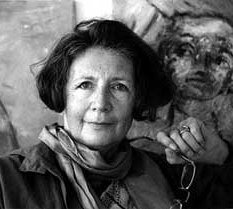
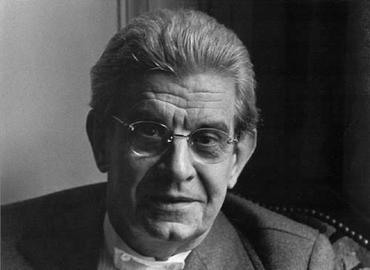


 Mental Health Matters
You must be logged in to post a comment.