Posts

What is Emotionally Focused Therapy?

Introduction

Emotionally focused therapy and emotion-focused therapy (EFT) are a family of related approaches to psychotherapy with individuals, couples, or families.

EFT approaches include elements of experiential therapy (such as person-centred therapy and Gestalt therapy), systemic therapy, and attachment theory. EFT is usually a short-term treatment (8-20 sessions). EFT approaches are based on the premise that human emotions are connected to human needs, and therefore emotions have an innately adaptive potential that, if activated and worked through, can help people change problematic emotional states and interpersonal relationships. Emotion-focused therapy for individuals was originally known as process-experiential therapy, and it is still sometimes called by that name.

EFT should not be confused with emotion-focused coping, a category of coping proposed by some psychologists, although clinicians have used EFT to help improve clients’ emotion-focused coping.

Brief History

EFT began in the mid-1980s as an approach to helping couples. EFT was originally formulated and tested by Sue Johnson and Les Greenberg in 1985, and the first manual for emotionally focused couples therapy was published in 1988.

To develop the approach, Johnson and Greenberg began reviewing videos of sessions of couples therapy to identify, through observation and task analysis, the elements that lead to positive change. They were influenced in their observations by the humanistic experiential psychotherapies of Carl Rogers and Fritz Perls, both of whom valued (in different ways) present-moment emotional experience for its power to create meaning and guide behaviour. Johnson and Greenberg saw the need to combine experiential therapy with the systems theoretical view that meaning-making and behaviour cannot be considered outside of the whole situation in which they occur. In this “experiential–systemic” approach to couples therapy, as in other approaches to systemic therapy, the problem is viewed as belonging not to one partner, but rather to the cyclical reinforcing patterns of interactions between partners. Emotion is viewed not only as a within-individual phenomena, but also as part of the whole system that organises the interactions between partners.

In 1986, Greenberg chose “to refocus his efforts on developing and studying an experiential approach to individual therapy”. Greenberg and colleagues shifted their attention away from couples therapy toward individual psychotherapy. They attended to emotional experiencing and its role in individual self-organisation. Building on the experiential theories of Rogers and Perls and others such as Eugene Gendlin, as well as on their own extensive work on information processing and the adaptive role of emotion in human functioning, Greenberg, Rice & Elliott (1993) created a treatment manual with numerous clearly outlined principles for what they called a process-experiential approach to psychological change. Elliott et al. (2004) and Goldman & Greenberg (2015) have further expanded the process-experiential approach, providing detailed manuals of specific principles and methods of therapeutic intervention. Goldman & Greenberg (2015) presented case formulation maps for this approach.

Johnson continued to develop EFT for couples, integrating attachment theory with systemic and humanistic approaches, and explicitly expanding attachment theory’s understanding of love relationships. Johnson’s model retained the original three stages and nine steps and two sets of interventions that aim to reshape the attachment bond: one set of interventions to track and restructure patterns of interaction and one to access and reprocess emotion (Refer to Stages and Steps below). Johnson’s goal is the creation of positive cycles of interpersonal interaction wherein individuals are able to ask for and offer comfort and support to safe others, facilitating interpersonal emotion regulation.

Greenberg & Goldman (2008) developed a variation of EFT for couples that contains some elements from Greenberg and Johnson’s original formulation but adds several steps and stages. Greenberg and Goldman posit three motivational dimensions that impact emotion regulation in intimate relationships:

  • Attachment;
  • Identity or Power; and
  • Attraction or Liking.

Similar Terminology, Different Meanings

The terms emotion-focused therapy and emotionally focused therapy have different meanings for different therapists.

In Les Greenberg’s approach the term emotion-focused is sometimes used to refer to psychotherapy approaches in general that emphasize emotion. Greenberg “decided that on the basis of the development in emotion theory that treatments such as the process experiential approach, as well as some other approaches that emphasized emotion as the target of change, were sufficiently similar to each other and different from existing approaches to merit being grouped under the general title of emotion-focused approaches.” He and colleague Rhonda Goldman noted their choice to “use the more American phrasing of emotion-focused to refer to therapeutic approaches that focused on emotion, rather than the original, possibly more English term (reflecting both Greenberg’s and Johnson’s backgrounds) emotionally focused.” Greenberg uses the term emotion-focused to suggest assimilative integration of an emotional focus into any approach to psychotherapy. He considers the focus on emotions to be a common factor among various systems of psychotherapy: “The term emotion-focused therapy will, I believe, be used in the future, in its integrative sense, to characterize all therapies that are emotion-focused, be they psychodynamic, cognitive-behavioural, systemic, or humanistic.” Greenberg co-authored a chapter on the importance of research by clinicians and integration of psychotherapy approaches that stated:

In addition to these empirical findings, leaders of major orientations have voiced serious criticisms of their preferred theoretical approaches, while encouraging an open-minded attitude toward other orientations…. Furthermore, clinicians of different orientations recognised that their approaches did not provide them with the clinical repertoire sufficient to address the diversity of clients and their presenting problems.

Sue Johnson’s use of the term emotionally focused therapy refers to a specific model of relationship therapy that explicitly integrates systems and experiential approaches and places prominence upon attachment theory as a theory of emotion regulation. Johnson views attachment needs as a primary motivational system for mammalian survival; her approach to EFT focuses on attachment theory as a theory of adult love wherein attachment, care-giving, and sex are intertwined. Attachment theory is seen to subsume the search for personal autonomy, dependability of the other and a sense of personal and interpersonal attractiveness, love-ability and desire. Johnson’s approach to EFT aims to reshape attachment strategies towards optimal inter-dependency and emotion regulation, for resilience and physical, emotional, and relational health.

Features

Experiential Focus

All EFT approaches have retained emphasis on the importance of Rogerian empathic attunement and communicated understanding. They all focus upon the value of engaging clients in emotional experiencing moment-to-moment in session. Thus, an experiential focus is prominent in all EFT approaches. All EFT theorists have expressed the view that individuals engage with others on the basis of their emotions, and construct a sense of self from the drama of repeated emotionally laden interactions.

The information-processing theory of emotion and emotional appraisal (in accordance with emotion theorists such as Magda B. Arnold, Paul Ekman, Nico Frijda, and James Gross) and the humanistic, experiential emphasis on moment-to-moment emotional expression (developing the earlier psychotherapy approaches of Carl Rogers, Fritz Perls, and Eugene Gendlin) have been strong components of all EFT approaches since their inception. EFT approaches value emotion as the target and agent of change, honouring the intersection of emotion, cognition, and behaviour. EFT approaches posit that emotion is the first, often subconscious response to experience. All EFT approaches also use the framework of primary and secondary (reactive) emotion responses.

Maladaptive Emotion Responses and Negative Patterns of Interaction

Greenberg and some other EFT theorists have categorized emotion responses into four types (refer to Emotion Response Types below) to help therapists decide how to respond to a client at a particular time: primary adaptive, primary maladaptive, secondary reactive, and instrumental. Greenberg has posited six principles of emotion processing:

  1. Awareness of emotion or naming what one feels;
  2. Emotional expressionl;
  3. Regulation of emotion;
  4. Reflection on experience;
  5. Transformation of emotion by emotion; and
  6. Corrective experience of emotion through new lived experiences in therapy and in the world.

While primary adaptive emotion responses are seen as a reliable guide for behaviour in the present situation, primary maladaptive emotion responses are seen as an unreliable guide for behaviour in the present situation (alongside other possible emotional difficulties such as lack of emotional awareness, emotion dysregulation, and problems in meaning-making).

Johnson rarely distinguishes between adaptive and maladaptive primary emotion responses, and rarely distinguishes emotion responses as dysfunctional or functional. Instead, primary emotional responses are usually construed as normal survival reactions in the face of what John Bowlby called “separation distress”. EFT for couples, like other systemic therapies that emphasize interpersonal relationships, presumes that the patterns of interpersonal interaction are the problematic or dysfunctional element. The patterns of interaction are amenable to change after accessing the underlying primary emotion responses that are subconsciously driving the ineffective, negative reinforcing cycles of interaction. Validating reactive emotion responses and reprocessing newly accessed primary emotion responses is part of the change process.

Individual Therapy

Goldman & Greenberg 2015 proposed a 14-step case formulation process that regards emotion-related problems as stemming from at least four different possible causes:

  • Lack of awareness or avoidance of emotion;
  • Dysregulation of emotion;
  • Maladaptive emotion response; or
  • A problem with making meaning of experiences.

The theory features four types of emotion response (refer to Emotion Response Types below), categorizes needs under “attachment” and “identity”, specifies four types of emotional processing difficulties, delineates different types of empathy, has at least a dozen different task markers (refer to Therapeutic tasks below), relies on two interactive tracks of emotion and narrative processes as sources of information about a client, and presumes a dialectical-constructivist model of psychological development and an emotion schematic system.

The emotion schematic system is seen as the central catalyst of self-organisation, often at the base of dysfunction and ultimately the road to cure. For simplicity, we use the term emotion schematic process to refer to the complex synthesis process in which a number of co-activated emotion schemes co-apply, to produce a unified sense of self in relation to the world.

Techniques used in “coaching clients to work through their feelings” may include the Gestalt therapy empty chair technique, frequently used for resolving “unfinished business”, and the two-chair technique, frequently used for self-critical splits.

Emotion Response Types

Emotion-focused theorists have posited that each person’s emotions are organised into idiosyncratic emotion schemes that are highly variable both between people and within the same person over time, but for practical purposes emotional responses can be classified into four broad types:

  • Primary adaptive;
  • Primary maladaptive;
  • Secondary reactive; and
  • Instrumental.
TypeOutline
Primary AdaptativePrimary adaptive emotion responses are initial emotional responses to a given stimulus that have a clear beneficial value in the present situation – for example, sadness at loss, anger at violation, and fear at threat. Sadness is an adaptive response when it motivates people to reconnect with someone or something important that is missing. Anger is an adaptive response when it motivates people to take assertive action to end the violation. Fear is an adaptive response when it motivates people to avoid or escape an overwhelming threat. In addition to emotions that indicate action tendencies (such as the three just mentioned), primary adaptive emotion responses include the feeling of being certain and in control or uncertain and out of control, and/or a general felt sense of emotional pain – these feelings and emotional pain do not provide immediate action tendencies but do provide adaptive information that can be symbolised and worked through in therapy. Primary adaptive emotion responses “are attended to and expressed in therapy in order to access the adaptive information and action tendency to guide problem solving.”
Primary MaladaptivePrimary maladaptive emotion responses are also initial emotional responses to a given stimulus; however, they are based on emotion schemes that are no longer useful (and that may or may not have been useful in the person’s past) and that were often formed through previous traumatic experiences. Examples include sadness at the joy of others, anger at the genuine caring or concern of others, fear at harmless situations, and chronic feelings of insecurity/fear or worthlessness/shame. For example, a person may respond with anger at the genuine caring or concern of others because as a child he or she was offered caring or concern that was usually followed by a violation; as a result, he or she learned to respond to caring or concern with anger even when there is no violation. The person’s angry response is understandable, and needs to be met with empathy and compassion even though his or her angry response is not helpful. Primary maladaptive emotion responses are accessed in therapy with the aim of transforming the emotion scheme through new experiences.
Secondary ReactiveSecondary reactive emotion responses are complex chain reactions where a person reacts to his or her primary adaptive or maladaptive emotional response and then replaces it with another, secondary emotional response. In other words, they are emotional responses to prior emotional responses (“Secondary” means that a different emotion response occurred first). They can include secondary reactions of hopelessness, helplessness, rage, or despair that occur in response to primary emotion responses that are experienced (secondarily) as painful, uncontrollable, or violating. They may be escalations of a primary emotion response, as when people are angry about being angry, afraid of their fear, or sad about their sadness. They may be defences against a primary emotion response, such as feeling anger to avoid sadness or fear to avoid anger; this can include gender role-stereotypical responses such as expressing anger when feeling primarily afraid (stereotypical of men’s gender role), or expressing sadness when primarily angry (stereotypical of women’s gender role). “These are all complex, self-reflexive processes of reacting to one’s emotions and transforming one emotion into another. Crying, for example, is not always true grieving that leads to relief, but rather can be the crying of secondary helplessness or frustration that results in feeling worse.” Secondary reactive emotion responses are accessed and explored in therapy in order to increase awareness of them and to arrive at more primary and adaptive emotion responses.
InstrumentalInstrumental emotion responses are experienced and expressed by a person because the person has learned that the response has an effect on others, “such as getting them to pay attention to us, to go along with something we want them to do for us, to approve of us, or perhaps most often just not to disapprove of us.” Instrumental emotion responses can be consciously intended or unconsciously learned (i.e. through operant conditioning). Examples include crocodile tears (instrumental sadness), bullying (instrumental anger), crying wolf (instrumental fear), and feigned embarrassment (instrumental shame). When a client responds in therapy with instrumental emotion responses, it may feel manipulative or superficial to the therapist. Instrumental emotion responses are explored in therapy in order to increase awareness of their interpersonal function and/or the associated primary and secondary gain.

The Therapeutic Process with different Emotion Responses

Emotion-focused theorists have proposed that each type of emotion response calls for a different intervention process by the therapist. Primary adaptive emotion responses need be more fully allowed and accessed for their adaptive information. Primary maladaptive emotion responses need to be accessed and explored to help the client identify core unmet needs (e.g. for validation, safety, or connection), and then regulated and transformed with new experiences and new adaptive emotions. Secondary reactive emotion responses need empathic exploration in order to discover the sequence of emotions that preceded them. Instrumental emotion responses need to be explored interpersonally in the therapeutic relationship to increase awareness of them and address how they are functioning in the client’s situation.

It is important to note that primary emotion responses are not called “primary” because they are somehow more real than the other responses; all of the responses feel real to a person, but therapists can classify them into these four types in order to help clarify the functions of the response in the client’s situation and how to intervene appropriately.

Therapeutic Tasks

A therapeutic task is an immediate problem that a client needs to resolve in a psychotherapy session. In the 1970s and 1980s, researchers such as Laura North Rice (a former colleague of Carl Rogers) applied task analysis to transcripts of psychotherapy sessions in an attempt to describe in more detail the process of clients’ cognitive and emotional change, so that therapists might more reliably provide optimal conditions for change. This kind of psychotherapy process research eventually led to a standardized (and evolving) set of therapeutic tasks in emotion-focused therapy for individuals.

The following table summarizes the standard set of these therapeutic tasks as of 2012. The tasks are classified into five broad groups:

  • Empathy-based;
  • Relational;
  • Experiencing;
  • Reprocessing; and
  • Action.

The task marker is an observable sign that a client may be ready to work on the associated task. The intervention process is a sequence of actions carried out by therapist and client in working on the task. The end state is the desired resolution of the immediate problem.

In addition to the task markers listed below, other markers and intervention processes for working with emotion and narrative have been specified: same old stories, empty stories, unstoried emotions, and broken stories.

Task(s)Task MarkerIntervention ProcessEnd State
Empath-Based TasksProblem-relevant experience (e.g., interesting, troubling, intense, puzzling)Empathic explorationClear marker, or new meaning explicated
Vulnerability (painful emotion related to self)Empathic affirmationSelf-affirmation (feels understood, hopeful, stronger)
Relational TasksBeginning of therapyAlliance formationProductive working environment
Therapy complaint or withdrawal difficulty (questioning goals or tasks; persistent avoidance of relationship or work)Alliance dialogue (each explores own role in difficulty)Alliance repair (stronger therapeutic bond or investment in therapy; greater self-understanding)
Experiencing TasksAttentional focus difficulty (e.g., confused, overwhelmed, blank)Clearing a spaceTherapeutic focus; ability to work productively with experiencing (working distance)
Unclear feeling (vague, external or abstract)Experiential focusingSymbolisation of felt sense; sense of easing (feeling shift); readiness to apply outside of therapy (carrying forward)
Difficulty expressing feelings (avoiding feelings, difficulty answering feeling questions)Allowing and expressing emotion (also experiential focusing, systematic evocative unfolding, chairwork)Successful, appropriate expression of emotion to therapist and others
Reprocessing Tasks (Situational Perceptual)Difficult/traumatic experiences (narrative pressure to tell painful life stories)Trauma retellingRelief, validation, restoration of narrative gaps, understanding of broader meaning
Problematic reaction point (puzzling over-reaction to specific situation)Systematic evocative unfoldingNew view of self in-the-world-functioning
Meaning protest (life event violates cherished belief)Meaning creation workRevision of cherished belief
Action Tasks (Action Tendency)Self-evaluative split (self-criticism, tornness)Two-chair dialogueSelf-acceptance, integration
Self-interruption split (blocked feelings, resignation)Two-chair enactmentSelf-expression, empowerment
Unfinished business (lingering bad feeling regarding significant other)Empty-chair workLet go of resentments, unmet needs regarding other; affirm self; understand or hold other accountable
Stuck, dysregulated anguishCompassionate self-soothingEmotional/bodily relief, self-empowerment

Experienced therapists can create new tasks; EFT therapist Robert Elliott, in a 2010 interview, noted that “the highest level of mastery of the therapy – EFT included – is to be able to create new structures, new tasks. You haven’t really mastered EFT or some other therapy until you actually can begin to create new tasks.”

Emotion-Focused Therapy for Trauma

Refer to Complex Post Traumatic Stress Disorder.

The interventions and the structure of emotion-focused therapy have been adapted for the specific needs of psychological trauma survivors. A manual of emotion-focused therapy for individuals with complex trauma (EFTT) has been published. For example, modifications of the traditional Gestalt empty chair technique have been developed.

Other Versions of EFT for Individuals

Brubacher (2017) proposed an emotionally focused approach to individual therapy that focuses on attachment, while integrating the experiential focus of empathic attunement for engaging and reprocessing emotional experience and tracking and restructuring the systemic aspects and patterns of emotion regulation. The therapist follows the attachment model by addressing deactivating and hyperactivating strategies. Individual therapy is seen as a process of developing secure connections between therapist and client, between client and past and present relationships, and within the client. Attachment principles guide therapy in the following ways: forming the collaborative therapeutic relationship, shaping the overall goal for therapy to be that of “effective dependency” (following John Bowlby) upon one or two safe others, depathologising emotion by normalizing separation distress responses, and shaping change processes. The change processes are: identifying and strengthening patterns of emotion regulation, and creating corrective emotional experiences to transform negative patterns into secure bonds.

Gayner (2019) integrated EFT principles and methods with mindfulness-based cognitive therapy and mindfulness-based stress reduction.

Couples Therapy

A systemic perspective is important in all approaches to EFT for couples. Tracking conflictual patterns of interaction, often referred to as a “dance” in Johnson’s popular literature, has been a hallmark of the first stage of Johnson and Greenberg’s approach since its inception in 1985. In Goldman and Greenberg’s newer approach, therapists help clients “also work toward self-change and the resolution of pain stemming from unmet childhood needs that affect the couple interaction, in addition to working on interactional change.” Goldman and Greenberg justify their added emphasis on self-change by noting that not all problems in a relationship can be solved only by tracking and changing patterns of interaction:

In addition, in our observations of psychotherapeutic work with couples, we have found that problems or difficulties that can be traced to core identity concerns such as needs for validation or a sense of worth are often best healed through therapeutic methods directed toward the self rather than to the interactions. For example, if a person’s core emotion is one of shame and they feel “rotten at the core” or “simply fundamentally flawed,” soothing or reassuring from one’s partner, while helpful, will not ultimately solve the problem, lead to structural emotional change, or alter the view of oneself.

In Greenberg and Goldman’s approach to EFT for couples, although they “fully endorse” the importance of attachment, attachment is not considered to be the only interpersonal motivation of couples; instead, attachment is considered to be one of three aspects of relational functioning, along with issues of identity/power and attraction/liking. In Johnson’s approach, attachment theory is considered to be the defining theory of adult love, subsuming other motivations, and it guides the therapist in processing and reprocessing emotion.

In Greenberg and Goldman’s approach, the emphasis is on working with core issues related to identity (working models of self and other) and promoting both self-soothing and other-soothing for a better relationship, in addition to interactional change. In Johnson’s approach, the primary goal is to reshape attachment bonds and create “effective dependency” (including secure attachment).

Stages and Steps

EFT for couples features a nine-step model of restructuring the attachment bond between partners. In this approach, the aim is to reshape the attachment bond and create more effective co-regulation and “effective dependency”, increasing individuals’ self-regulation and resilience. In good-outcome cases, the couple is helped to respond and thereby meet each other’s unmet needs and injuries from childhood. The newly shaped secure attachment bond may become the best antidote to a traumatic experience from within and outside of the relationship.

Adding to the original three-stage, nine-step EFT framework developed by Johnson and Greenberg, Greenberg and Goldman’s emotion-focused therapy for couples has five stages and 14 steps. It is structured to work on identity issues and self-regulation prior to changing negative interactions. It is considered necessary, in this approach, to help partners experience and reveal their own underlying vulnerable feelings first, so they are better equipped to do the intense work of attuning to the other partner and to be open to restructuring interactions and the attachment bond.

Johnson (2008) summarizes the nine treatment steps in Johnson’s model of EFT for couples: “The therapist leads the couple through these steps in a spiral fashion, as one step incorporates and leads into the other. In mildly distressed couples, partners usually work quickly through the steps at a parallel rate. In more distressed couples, the more passive or withdrawn partner is usually invited to go through the steps slightly ahead of the other.”

Stage 1. Stabilisation (Assessment and De-Escalation Phase)

  • Step 1: Identify the relational conflict issues between the partners.
  • Step 2: Identify the negative interaction cycle where these issues are expressed.
  • Step 3: Access attachment emotions underlying the position each partner takes in this cycle.
  • Step 4: Reframe the problem in terms of the cycle, unacknowledged emotions, and attachment needs.

During this stage, the therapist creates a comfortable and stable environment for the couple to have an open discussion about any hesitations the couples may have about the therapy, including the trustworthiness of the therapist. The therapist also gets a sense of the couple’s positive and negative interactions from past and present and is able to summarize and present the negative patterns for them. Partners soon no longer view themselves as victims of their negative interaction cycle; they are now allies against it.

Stage 2. Restructuring the Bond (Changing Interactional positions Phase)

  • Step 5: Access disowned or implicit needs (e.g., need for reassurance), emotions (e.g., shame), and models of self.
  • Step 6: Promote each partner’s acceptance of the other’s experience.
  • Step 7: Facilitate each partner’s expression of needs and wants to restructure the interaction based on new understandings and create bonding events.

This stage involves restructuring and widening the emotional experiences of the couple. This is done through couples recognising their attachment needs and then changing their interactions based on those needs. At first, their new way of interacting may be strange and hard to accept, but as they become more aware and in control of their interactions they are able to stop old patterns of behaviour from re-emerging.

Stage 3. Integration and Consolidation

  • Step 8: Facilitate the formulation of new stories and new solutions to old problems.
  • Step 9: Consolidate new cycles of behaviour.

This stage focuses on the reflection of new emotional experiences and self-concepts. It integrates the couple’s new ways of dealing with problems within themselves and in the relationship.

Styles of Attachment

Johnson & Sims (2000) described four attachment styles that affect the therapy process:

  • Secure attachment: People who are secure and trusting perceive themselves as lovable, able to trust others and themselves within a relationship. They give clear emotional signals, and are engaged, resourceful and flexible in unclear relationships. Secure partners express feelings, articulate needs, and allow their own vulnerability to show.
  • Avoidant attachment: People who have a diminished ability to articulate feelings, tend not to acknowledge their need for attachment, and struggle to name their needs in a relationship. They tend to adopt a safe position and solve problems dispassionately without understanding the effect that their safe distance has on their partners.
  • Anxious attachment: People who are psychologically reactive and who exhibit anxious attachment. They tend to demand reassurance in an aggressive way, demand their partner’s attachment and tend to use blame strategies (including emotional blackmail) in order to engage their partner.
  • Fearful-avoidant attachment: People who have been traumatised and have experienced little to no recovery from it vacillate between attachment and hostility. This is sometimes referred to as disorganised attachment.

Family Therapy

The emotionally focused family therapy (EFFT) of Johnson and her colleagues aims to promote secure bonds among distressed family members. It is a therapy approach consistent with the attachment-oriented experiential-systemic emotionally focused model in three stages:

  1. De-escalating negative cycles of interaction that amplify conflict and insecure connections between parents and children;
  2. Restructuring interactions to shape positive cycles of parental accessibility and responsiveness to offer the child or adolescent a safe haven and a secure base;
  3. Consolidation of the new responsive cycles and secure bonds.

Its primary focus is on strengthening parental responsiveness and care-giving, to meet children and adolescents’ attachment needs. It aims to “build stronger families through (1) recruiting and strengthening parental emotional responsiveness to children, (2) accessing and clarifying children’s attachment needs, and (3) facilitating and shaping care-giving interactions from parent to child”. Some clinicians have integrated EFFT with play therapy.

One group of clinicians, inspired in part by Greenberg’s approach to EFT, developed a treatment protocol specifically for families of individuals struggling with an eating disorder. The treatment is based on the principles and techniques of four different approaches: emotion-focused therapy, behavioural family therapy, motivational enhancement therapy, and the New Maudsley family skills-based approach. It aims to help parents “support their child in the processing of emotions, increasing their emotional self-efficacy, deepening the parent–child relationships and thereby making ED [eating disorder] symptoms unnecessary to cope with painful emotional experiences”. The treatment has three main domains of intervention, four core principles, and five steps derived from Greenberg’s emotion-focused approach and influenced by John Gottman:

  1. Attending to the child’s emotional experience;
  2. Naming the emotions;
  3. Validating the emotional experience;
  4. Meeting the emotional need; and
  5. Helping the child to move through the emotional experience, problem solving if necessary.

Efficacy

Johnson, Greenberg, and many of their colleagues have spent their long careers as academic researchers publishing the results of empirical studies of various forms of EFT.

The American Psychological Association considers emotion-focused therapy for individuals to be an empirically supported treatment for depression. Studies have suggested that it is effective in the treatment of depression, interpersonal problems, trauma, and avoidant personality disorder.

Practitioners of EFT have claimed that studies have consistently shown clinically significant improvement post therapy. Studies, again mostly by EFT practitioners, have suggested that emotionally focused therapy for couples is an effective way to restructure distressed couple relationships into safe and secure bonds with long-lasting results. Johnson et al. (1999) conducted a meta-analysis of the four most rigorous outcome studies before 2000 and concluded that the original nine-step, three-stage emotionally focused therapy approach to couples therapy had a larger effect size than any other couple intervention had achieved to date, but this meta-analysis was later harshly criticized by psychologist James C. Coyne, who called it “a poor quality meta-analysis of what should have been left as pilot studies conducted by promoters of a therapy in their own lab”. A study with an fMRI component conducted in collaboration with American neuroscientist Jim Coan suggested that emotionally focused couples therapy reduces the brain’s response to threat in the presence of a romantic partner; this study was also criticised by Coyne.

Strengths

Some of the strengths of EFT approaches can be summarized as follows:

  • EFT aims to be collaborative and respectful of clients, combining experiential person-centred therapy techniques with systemic therapy interventions.
  • Change strategies and interventions are specified through intensive analysis of psychotherapy process.
  • EFT has been validated by 30 years of empirical research. There is also research on the change processes and predictors of success.
  • EFT has been applied to different kinds of problems and populations, although more research on different populations and cultural adaptations is needed.
  • EFT for couples is based on conceptualisations of marital distress and adult love that are supported by empirical research on the nature of adult interpersonal attachment.

Criticism

Psychotherapist Campbell Purton, in his 2014 book The Trouble with Psychotherapy, criticised a variety of approaches to psychotherapy, including behaviour therapy, person-centred therapy, psychodynamic therapy, cognitive behavioural therapy, emotion-focused therapy, and existential therapy; he argued that these psychotherapies have accumulated excessive and/or flawed theoretical baggage that deviates too much from an everyday common-sense understanding of personal troubles. With regard to emotion-focused therapy, Purton argued that “the effectiveness of each of the ‘therapeutic tasks’ can be understood without the theory” and that what clients say “is not well explained in terms of the interaction of emotion schemes; it is better explained in terms of the person’s situation, their response to it, and their having learned the particular language in which they articulate their response.” 

In 2014, psychologist James C. Coyne criticised some EFT research for lack of rigor (for example, being underpowered and having high risk of bias), but he also noted that such problems are common in the field of psychotherapy research.

In a 2015 article in Behavioural and Brain Sciences on “memory reconsolidation, emotional arousal and the process of change in psychotherapy”, Richard D. Lane and colleagues summarized a common claim in the literature on emotion-focused therapy that “emotional arousal is a key ingredient in therapeutic change” and that “emotional arousal is critical to psychotherapeutic success”. In a response accompanying the article, Bruce Ecker and colleagues (creators of coherence therapy) disagreed with this claim and argued that the key ingredient in therapeutic change involving memory reconsolidation is not emotional arousal but instead a perceived mismatch between an expected pattern and an experienced pattern; they wrote:

The brain clearly does not require emotional arousal per se for inducing deconsolidation. That is a fundamental point. If the target learning happens to be emotional, then its reactivation (the first of the two required elements) of course entails an experience of that emotion, but the emotion itself does not inherently play a role in the mismatch that then deconsolidates the target learning, or in the new learning that then rewrites and erases the target learning (discussed at greater length in Ecker 2015). […] The same considerations imply that “changing emotion with emotion” (stated three times by Lane et al.) inaccurately characterizes how learned responses change through reconsolidation. Mismatch consists most fundamentally of a direct, unmistakable perception that the world functions differently from one’s learned model. “Changing model with mismatch” is the core phenomenology.

Other responses to Lane et al. (2015) argued that their emotion-focused approach “would be strengthened by the inclusion of predictions regarding additional factors that might influence treatment response, predictions for improving outcomes for non-responsive patients, and a discussion of how the proposed model might explain individual differences in vulnerability for mental health problems”, and that their model needed further development to account for the diversity of states called “psychopathology” and the relevant maintaining and worsening processes.
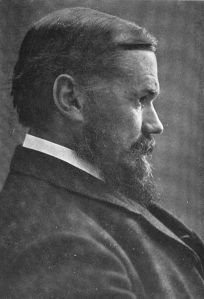

Who was Frederik van Eeden?

Introduction

Frederik Willem van Eeden (03 April 1860, Haarlem to 16 June 1932, Bussum) was a late 19th-century and early 20th-century Dutch writer and psychiatrist.

He was a leading member of the Tachtigers and the Significs Group, and had top billing among the editors of De Nieuwe Gids (The New Guide) during its celebrated first few years of publication, starting in 1885.

Biography

Van Eeden was the son of Frederik Willem Van Eeden, director of the Royal Tropical Institute in Haarlem.

Frederik van Eeden.

In 1880 he studied Medicine in Amsterdam, where he pursued a bohemian lifestyle and wrote poetry. Whilst living in the city, he coined the term lucid dream in the sense of mental clarity, a term that nowadays is a classic term in the Dream literature and study, meaning dreaming while knowing that one is dreaming. In his early writings, he was strongly influenced by Hindu ideas of selfhood, by Boehme’s mysticism, and by Fechner’s panpsychism.

He went on to become a prolific writer, producing many critically acclaimed novels, poetry, plays, and essays. He was widely admired in the Netherlands in his own time for his writings, as well as his status as the first internationally prominent Dutch psychiatrist.

Van Eeden’s psychiatrist practice included treating his fellow Tachtiger Willem Kloos as a patient starting in 1888. His treatment of Kloos was of limited benefit, as Kloos deteriorated into alcoholism and increasing symptoms of mental illness. Van Eeden also incorporated his psychiatric insights into his later writings, such as in a deeply psychological novel called “Van de koele meren des doods” (translated in English as “The Deeps of Deliverance”). Published in 1900, the novel intimately traced the struggle of a woman addicted to morphine as she deteriorated physically and mentally.

His best known written work, “De Kleine Johannes” (“Little Johannes”), which first appeared in the premiere issue of De Nieuwe Gids, was a fantastical adventure of an everyman who grows up to face the harsh realities of the world around him and the emptiness of hopes for a better afterlife, but ultimately finding meaning in serving the good of those around him. This ethic is memorialized in the line “Waar de mensheid is, en haar weedom, daar is mijn weg.” (“Where mankind is, and her woe, there is my path.”)

Van Eeden sought not only to write about, but also to practice, such an ethic. He established a commune named Walden (commune), taking inspiration from Thoreau’s book Walden, in Bussum, North Holland, where the residents tried to produce as much of their needs as they could themselves and to share everything in common, and where he took up a standard of living far below what he was used to. This reflected a trend toward socialism among the Tachtigers; another Tachtiger, Herman Gorter, was a founding member of the world’s first Communist political party, the Dutch Social-Democratic Party, in 1909.

Van Eeden visited the US He had contacts with William James and other psychologists. He met Freud in Vienna, whom he practically introduced in the Netherlands. He corresponded with Hermann Hesse, Charles Lloyd Tuckey (medical hypnotist), Harold Williams (linguist) and was a friend of Peter Kropotkin, the Russian anarchist living in London (UK).

Van Eeden also had a keen interest in Indian philosophy. He translated many of Tagore’s works, including Gitanjali and short stories.

In late years of his life, Van Eeden became a Roman Catholic.

Works

  • (August 1911). “The Quest For A Happy Humanity, First Article: The Essential Injustice Of Society”. The World’s Work: A History of Our Time. XXII: 14702–14713.
  • (September 1911). “The Quest For A Happy Humanity, Second Article: As Poet And Doctor”. The World’s Work: A History of Our Time. XXII: 14873–14881.
  • (October 1911). “The Quest For A Happy Humanity, Last Article: How I Came To See The Essential Wrong Underlying Commercial Life – The Way Out”. The World’s Work: A History of Our Time. XXII: 15006–15010.

What is Dispositional Affect?

Introduction

Dispositional affect, similar to mood, is a personality trait or overall tendency to respond to situations in stable, predictable ways.

This trait is expressed by the tendency to see things in a positive or negative way. People with high positive affectivity tend to perceive things through “pink lens” while people with high negative affectivity tend to perceive things through “black lens”. The level of dispositional affect affects the sensations and behaviour immediately and most of the time in unconscious ways, and its effect can be prolonged (between a few weeks to a few months).

Research shows that there is a correlation between dispositional affect (both positive and negative) and important aspects in psychology and social science, such as personality, culture, decision making, negotiation, psychological resilience, perception of career barriers, and coping with stressful life events. That is why this topic is important both in social psychology research and organiaational psychology research.

Characteristics

Conceptual Distinctions from Emotion and Mood

Besides dispositional affect, there are other concepts for expressions of emotion such as mood or discrete emotions. These concepts are different from dispositional affect though there is a connection among them.

Dispositional affect is different from emotion or affect, by being a personality trait while emotion is a general concept for subjective responses of people to certain situations.Emotion includes both general responses (positive or negative emotion) and specific responses (love, anger, hate, fear, jealousy, sadness etc. The strength of emotions a person feels can stem from his level of dispositional affect.
Dispositional affect is also different from moods since mood relates to general feeling that usually tends to be diffusing and not focused on a specific cause or object.Though mood is specific, it is not a personality trait. Still, positive affectivity can explain why a person has good mood in general, since positive affectivity means viewing the world in a good light. The same thing is true for negative affectivity, which can explain why a person has bad mood in general, since negative affectivity means viewing the world in a dark light.

Dimensions

In general, though emotion researchers disagree about the way that emotions and dispositional affect should be classified, a common classification of emotions assumes that each emotion is a combination of pleasantness (pleasant or unpleasant) and activation (high or low). For example, excitement is a combination of pleasantness and high activation, while calmness is a combination of pleasantness and low activation. Dispositional Affect is also a combination of pleasantness and activation. According to this classification, the different combinations of high or low pleasantness and high or low activation create four Quarters. In line with the classification mentioned above, there is a well-known and common model that is being used in organisational psychology research to analyse and classify dispositional affect, which was developed by Watson and Tellegen. The researchers claim that there are two dimensions of dispositional affect: positive affectivity and negative affectivity and that each person has a certain level of both positive affectivity and negative affectivity. Hence, according to the model and contrary to intuition, positive affectivity does not represent the opposite of negative affectivity, but a different aspect from it. According to Watson & Tellegen one must regard these quarters as two pivots which determine the positive affectivity and negative affectivity of a person. These two dimensions of dispositional affect are bipolar, distinct and independent, relating to different emotion groups, so that each person can be classified with a positive affectivity and negative affectivity grade.

Positive AffectivityDescribes a person’s tendency to be cheerful and energetic, and who experience positive moods, (such as pleasure or well-being), across a variety of situations, perceiving things through a “pink lens”. Individuals who have low levels of positive affectivity tend to be low energy and sluggish or melancholy. High level of positive affectivity represents the extent to which an individual feels energetic and excited, while low level of positive affectivity represents the extent to which an individual feels sadness, sluggishness or weariness”.
Negative AffectivityDescribes a person’s tendency to be distressed and upset, and have a negative view of self over time and across situations, perceiving things through a “black lens”. It is important to explain that low levels of negative affectivity are perceived as positive traits since they represent individuals who are more calm, serene and relaxed. High levels of negative affectivity represents the extent to which an individual feels anger, irritability, fear or nervousness, while low level of negative affectivity represents the extent to which an individual feels calm and serene”.

Relation to Personality Traits

There has been some debate over how closely related affect and some of the Big Five Model of personality traits are related. Some maintain that negative affect and positive affect are should be viewed as the same concept as Neuroticism and Extraversion from the Big Five Model, respectively. However, other researchers maintain that these concepts are related but should remain distinctly separate as they have traditionally had weak to moderate correlations, around.

Measurement

Operationalisations for dispositional affect can be measured by questionnaires. In English researchers use the Positive Affect Negative Affect Scale (PANAS). According to the instructions of this questionnaire, the individual is asked to indicate to what extent he or she feels a certain feeling or emotion such as happy, sad, excited, enthusiastic, guilty, distressed, afraid, etc. An individual has to indicate the most appropriate answer to each item (feeling or emotion) on a scale ranging from 1-5 (1- Very slightly or not at all, 5- Extremely). Early mapping of these emotions by the researchers, helps determine the positive affectivity and negative affectivity of the individual. Another advantage that was discovered while developing this questionnaire is that though it is intended for personality analysis, people can respond to the questions according to specific time frames, for example people can indicate the emotions or sensations they feel at this moment, in the past week, or in general. This way we can learn about dispositional affect to a certain situation and not only about dispositional affect as a general personality trait. By responding to the questions about feelings “in general” we can learn about positive and negative affectivity as a personality trait. By responding to the questions about feelings “at this moment” we can learn about situational dispositional affect as a response to a certain situation. For example, Rafaeli et al. showed in their research that waiting in line cause an increase in negative affectivity levels.

Physical and Mental Aspects

AspectOutline
Physical healthWhen it comes to people with different illness, it is interesting to see that there are differences in the physical health according to the levels of dispositional affect. Individuals who have high levels of positive affectivity, had longer life span, reported fewer pains and illness symptoms (such as blood pressure), and were less likely to develop a cold when exposed to a virus compared with individuals who have high levels of negative affectivity, while both had the same illness. It was also discovered that when it comes to people with chronic diseases that has decent prospects for long-term survival, (such as coronary heart disease), people may benefit from high levels of positive affectivity. However, when it comes to people with chronic diseases that has short-term prognoses (e.g. metastatic breast cancer) and poor survival chances, high levels of positive affectivity may be detrimental to the health of these individuals, possibly as a consequence of underreporting of symptoms resulting in inadequate care, or of a lack of adherence to treatment.
LifestyleEven when it comes to healthy individuals, it seems that there are differences between people’s life style, due to their dispositional affect trait. Individuals who have high levels of positive affectivity tend to attend healthier activities such as improved sleep quality, more physical exercise, and more intake of dietary vitamins, and tend to socialise more often and maintain more and higher-quality social ties. It was also found that high levels of positive affectivity may result in more and closer social contacts because it facilitates approach behaviour, and because others are drawn to form attachments with pleasant individuals.
Psychological ResilienceIndividuals who have high levels of positive affectivity have lower levels of the stress hormones (such as epinephrine, norepinephrine, and cortisol), thus physiology gives one explanation in favour of psychological resilience that provides positive resources to confront stressful life events. On the other hand, the broaden-and-build theory provides a different explanation from the physiological one, and claim that individuals who have high levels of positive affectivity and experience positive events in the present, create a spiral or “snow ball” effect, that may lead to higher probability to experience positive events in the future as well. This means that happiness and well-being sensations in the present, are the ones which creates the likelihood to feel the same in the future, which helps us in building a strong and improved system of coping with stressful life events.
Dispositional Affect and the WorkplaceSome studies have suggested that worker’s perceived career barriers might be due to their dispositional affect.
Positive/Negative AffectNegative affect (NA) is said to have some relation with positive affect (PA), however the actual answer to that is still up in the air. Research of negative affect noted that the contents related to specific-situation in a negative way.
CopingSome studies have found a relationship between Dispositional affect and the coping mechanisms used in attaining ones goals. Those with a positive dispositional affect were more successful in using task-oriented coping methods ( which involve directly addressing the issue at hand), while those with a negative dispositional affect were more successful in using avoidant coping strategies (which involve managing stressful situations in an indirect way).

Culture

Though it is agreed that there are differences between one culture and another, most of the differences that were addressed in researches are related to the comparison between individualism and collectivism. In individualistic cultures, it was found that there is a strong relationship between dispositional affect (either positive or negative) and general life satisfaction (though the relationship was stronger for positive affectivity compared to negative affectivity). On the other hand, in many collectivistic cultures, it was found that there is a no relationship between negative affectivity and general life satisfaction, and it may result from the great variance in the ways that different cultures regulate their positive affectivity compared to negative affectivity.

Decision Making and Negotiation

Decision-MakingIn dealing with interesting and important situations, it was found that individuals who have high levels of positive affectivity make a thorough and efficient cognitive processing, and therefore their decision making process is more efficient, flexible, creative and innovative. It was also found that positive affectivity facilitate creativity, cognitive flexibility, novel responses, openness to new information and dealing with mental problems. This stems from the fact that positive affectivity encourages problem solving approach and searching for variety, in order to achieve a suitable result. At last, it was found that high levels of positive affectivity does not encourage risk taking, though it does facilitates negotiation processes, and improves the results of face to face negotiation processes, in order to reach to agreement.
NegotiationWhen individuals negotiate, it was found that high levels of positive affectivity was related to optimistic view of the upcoming results, planning and using cooperation strategies, and better results regarding the agreements that were made, both in personal (and not formal) negotiation, and group (formal) negotiation. It was also found that positive affectivity increases the likelihood to use cooperation strategies (but not other strategies such as “an eye for an eye”) and improves the results of the negotiation, even if just one of the negotiators has the desired trait of positive affectivity, and increases the likelihood and willingness to agree with counter–arguments, and behaviour changes as a result. Another support for the findings presented above, showed that high levels of positive affectivity was related to willingness to compromise and give up, finding creative solutions, using cooperative strategies, less cheating and better results in negotiation processes. On the contrary to the findings about positive affectivity, it was found that high levels of negative affectivity was related to usage of competitive strategies, and much worse results regarding the agreements that were made. Another support for these finding showed that high levels of negative affectivity was related to competition, lower offers, rejecting ultimatums and lower combined gains, as a result of the negotiation process, and minimum willingness to continue the cooperation strategy in the future.

What are Display Rules?

Introduction

Display rules are a social group or culture’s informal norms that distinguish how one should express themselves.

They can be described as culturally prescribed rules that people learn early on in their lives by interactions and socialisations with other people. They learn these cultural standards at a young age which determine when one would express certain emotions, where and to what extent.

Emotions can be conveyed through both non-verbal interactions such as facial expressions, hand gestures and body language as well as verbal interactions. People are able to intensify emotions in certain situations such as smiling widely even when they receive a gift that they are not happy about or “masking” their negative emotions with a polite smile. As well, people learn to de-intensify emotions in situations such as suppressing the urge to laugh when somebody falls or neutralising their emotions such as maintaining a serious poker face after being dealt a good hand. Display rules determine how we act and to what extent an emotion is expressed in any given situation. They are often used to protect one’s own self-image or those of another person.

The understanding of display rules is a complex, multifaceted task. Display rules are understood differentially depending upon their mode of expression (verbal/facial) and the motivation for their use (prosocial/self-protective).

Emotion

Emotions can be defined as brief, specific, and multidimensional responses to challenges or opportunities that are important to both personal and social goals. Emotions last up to a few seconds or minutes, and not hours or days. Emotions are very specific which suggests that there is a clear reason why a person may be feeling a certain emotion. Emotions are also used to help individuals achieve their social goals. Individuals may respond to certain challenges or opportunities during social interactions with different emotions. The selected emotions can guide a specific goal-directed behaviour that can either support or hinder social relationships.

Concepts of Emotion

Emotions can be broken down into different components. The first component of emotion is the appraisal stage. In this first stage, individuals process an event and its impact on their personal goals. Depending on the outcome, the individual will either go through positive or negative feelings. Next, we have distinct physiological responses such as blushing, increased heart rate or sweating. The next stage of emotion is the expressive behaviour. Vocal or facial expressions follow an emotional state and serve to communicate their reactions or intentions (social). The next component is the subjective feeling. This is the quality that defines the experience of a specific emotion by expressing it by words or other methods. Finally, the last component is action tendencies. This suggests that emotion will motivate or guide specific behaviour and bodily responses.

Theories of Emotion

Emotions can be expressed verbally, with facial expressions, and with gestures. Darwin’s hypothesis concerning emotion stated that the way emotions are expressed is universal, and therefore independent of culture. Ekman and Friesen conducted a study to test this theory. The study included introducing basic emotions found in the western world and introduced them to different cultures around the world (Japan, Brazil, Argentina, Chile, and the United States). Across the 5 cultures they were all able to accurately determine the emotion (success rates of 70-90%). They also introduced these selected emotions to an isolated community in Papua New Guinea that was not in contact with the western world. The results revealed that both the other cultures and isolated communities could effectively match and detect the emotional meaning of the different faces. This became evidence that emotions are expressed facially in the same way across the world.

Culture

Culture can be defined as “shared behaviors, beliefs, attitudes, and values communicated from generation to generation via language or some other means.” Unique individuals within cultures acquire differences affecting displays of emotions emphasized by one’s status, role, and diverse behaviours. Some cultures value certain emotions more over others. The affect theory argues that emotions that promote important cultural ideals will become focal in their social interactions. For example in America, they value the emotion excitement as it represents the cultural idea of independence. In many Asian cultures it is inappropriate to discuss personal enthusiasms. They place greater value on emotions such as calmness and contentedness, representing the ideal harmonious relationships. These different cultural values affect a person’s everyday behaviours, decisions and emotional display.

People learn how to greet one another, how to interact with others, what, where, when and how to display emotions through the people they interact with and the place they grow up in. Everything can be traced back to one’s culture. Gestures is an example of how one may express themselves, however these gestures represent different meanings depending on the culture. For example, in Canada, sticking out one’s tongue is a sign of disgust or disapproval however in Tibet it is a sign of respect when greeting someone. In America, holding one’s middle and index fingers up makes the peace sign, in some countries such as the UK and Australia it a sign of disrespect.

High and low-contact cultures also vary in the amount of physical interaction and direct contact there is during one-on-one communication. High-contact cultures involve people practicing direct eye contact, frequent touching, physical contact, and having close proximity to others. Examples of countries that have a high-contact culture include Mexico, Italy, and Brazil. Low-contact cultures involve people who practice less direct eye contact, little touching, have indirect body orientation, and more physical distance between people. Examples of countries that have a low-contact culture include the United States, Canada, and Japan.

Social Influence

Family and Peers

Ekman and Friesen (1975) have suggested that unwritten codes or “display rules” govern the manner in which emotions may be expressed, and that different rules may be internalized as a function of an individual’s culture, gender or family background. For instance, many different cultures necessitate that particular emotions should be masked and that other emotions should be expressed drastically. Emotions can have significant consequences on the founding of interpersonal relationships.

Children’s understanding and use of display rules is strongly associated with their social competence and surrounding. Many personal display rules are learned in the context of a particular family or experience; many expressive behaviour and rule displays are adopted by copying or adopting similar behaviours than their social and familial surrounding. Parents’ affect and control influence their children’s display rule through both positive and negative responses. Mcdowell and Parke (2005) suggested that parents who exert more control over their children’s emotions/behaviour would deprive them of many opportunities to learn about appropriate vs. inappropriate emotional/rule displays. Hence, by depriving children from learning through control (i.e. not allowing them to learn from their own mistakes), parents are restraining children’s learning of prosocial rule display.

The social environment can influence whether one controls or displays their emotions. There are few factors influencing the children’s decision to either control or express an emotion that they are experiencing including the type of audience. In fact, depending on if children are in the presence of peers or of family (i.e. mother or father), they will report different control over their expression of emotions. Regardless of the type of emotion experienced, children control significantly more their expression of emotion in the presence of peers than when they are with their caregiver or alone.

School Environment

The school environment is also a place where emotions and behaviours are influenced. During a child’s grade school years, they can become increasingly more aware of the accepted display rules that are found in their social environment. They learn more and more about which emotions to express and which emotions not to express in certain social situations at school.

Emotions and Social Relationships

Emotions can serve as a way of communicating with others and can guide social interactions. Being able to express or understand other emotions can help encourage social interactions and help achieve personal goals. When expressing or understanding one’s emotions is difficult, social interactions can be negatively impacted.

Emotional intelligence is a concept that is defined by four skills:

  • The ability to accurately perceive other emotions.
  • The ability to understand one’s own emotions.
  • The ability to use current feelings to help in making decisions.
  • The ability to manage one’s emotions to best match the current situation.

Development

Age plays an important role in the development of display rules, throughout life a person will gain experience and have more social interactions. According to a study by Jones, social interactions are the main factor in the creation and understanding of display rules. It starts at a very young age with family, and continues with peers. By meeting more people, facing more challenges and advancing in life, a person will develop different responses, those responses will depend mostly on the age of the person, this explains why a young person will have different social interactions than someone older.

Infancy

Infancy is a complex period when studying display rules. At a very young age, an infant does not know how to talk, therefore they express themselves in different ways. In order to communicate with others, they use facial and vocal displays that are specific for each age-period. A study conducted by Malatesta and Haviland demonstrated that a baby can have 10 different categories for facial expression:

  • Interest.
  • Enjoyment.
  • Surprise.
  • Sadness/distress.
  • Anger.
  • Knit brow.
  • Discomfort/pain.
  • Brow flash.
  • Fear.
  • Disgusting.

However, fear and disgust will develop progressively during childhood. They are complex facial expressions that require knowledge and understanding, they must be learned and cannot be copied; this is why not everybody is afraid of the same things. Most of the facial expressions will be learned through the parents, mainly from the mother. The mother-infant relationship is key in the development of display rules during infancy, it is the synchrony of mother-infant expressions. To express themselves vocally; babies require the use of “screaming” or “crying”. There is no differentiation for the request of a baby, this is why the relation with the parents is important, they must teach the infant when and for what reason to cry (i.e. need of food).

Childhood

During childhood, the expression of display rules becomes more complex. Children develop the ability to modulate their emotional expressions growing up, this development depends on the level of maturity and the level of social interactions with others. Children growing up start to become aware of oneself and slowly aware of others. At this time, they understand the importance of non-verbal communication, and shape the manner in which emotion may be expressed, with this change in perception, children will internalise different rules. Those rules are relative to two major factors:

  • The environment: The social environment impacts the way someone reacts emotionally. The audience and the context are essential to understand display rules among children.
  • The temperament: According to Leslie Brody, parents that socialise their kids the same way with equal level of nurturance, will observe different responses and reactions.

These two factors will help create “personal display rules” and the development of a sense of empathy toward others (i.e. feeling sad when a friend lost a relative even if one did not know the person).

This process will continue to change and grow until adulthood. During adolescence, a transition period where the person is not a child anymore but not an adult yet, is a test period as they learn to deal with internal conflict. Emotions are more intense and harder to control due to the hormonal changes that come at this period of time.

Adulthood

During adulthood, people are capable of using a lot of different display rules depending on the situation they are facing and the people they are with. Society governs how and when someone should express emotions, however display rules are not something static, they are in a constant evolution. Therefore, even during adulthood, a person will develop new ways to hide, express or cope with emotions. At the same time, adults will develop a greater control of their feelings and this can be seen mostly in the work environment. A study presented by the Journal of Occupational Health Psychology showed that nurses working in the same environment are more likely to share the same display rules in order to achieve an organisational objective. Display rules are not only personal, but they are shared between people and can differ according to the hierarchy of the society.

What is the Depression and Bipolar Support Alliance (Greater Houston)?

Introduction

The Depression and Bipolar Support Alliance (DBSA) Greater Houston is a 501(c)(3) non-profit organisation located in Houston, Texas.

DBSA provides free and confidential support groups for individuals living with, or family and friends affected by, depression or bipolar disorder. Each support group is led by a facilitator trained by the organisation. Select groups target specific populations including veterans, adolescents, and parents of adolescents, young adults, senior citizens, LGBT Community, homeless individuals and Spanish-speaking individuals.

Refer to Depression and Bipolar Support Alliance (DBSA).

Brief History

Established in 1979, the Depressive and Manic Disorder Association (DMDA) of Greater Houston sponsored up to five weekly support groups for those with depressive or manic depressive disorders. In 2003, DMDA Greater Houston changed its name to DBSA Greater Houston and formed its own 501(c) (3) corporation. Currently, DBSA Greater Houston sponsors nearly 70 weekly support groups at 50 different locations throughout the Houston metropolitan area. The Houston organisation is the largest of the nation’s DBSA chapters, serving over 1,000 support group participants annually.

Affiliation

The Depression and Bipolar Support Alliance of Greater Houston is a chapter member of the National Depression and Bipolar Support Alliance organisation based in Chicago, Illinois. Additionally, the organisation has developed collaborations with a number of Houston area mental health and social service providers including the Texas Department of Corrections, the Harris County judicial system, the Michael DeBakey VA Hospital, Mental Health of America, National Alliance on Mental Illness and the AIDS Foundation of Houston. Every group provided by DBSA Greater Houston is a collaboration with another organisation in the community. For a list of collaborations, visit the organisations website.

Statistics

DBSA Greater Houston utilises 75 trained volunteer and professional facilitators to provide nearly 70 weekly support groups. According to an independently conducted demographics study in 2008, 64% of DBSA Greater Houston participants were female, 36% were male; 77% were diagnosed individuals while 23% were family members; 66% reported a diagnosis and/or symptoms of depression, 69% were diagnosed with bipolar disorder; 88% were prescribed psychotropic medications and 65% were in professional therapy.

The Depression and Bipolar Support Alliance of Greater Houston conducts an annual satisfaction survey for participants. In 2013, the results continued to show a high rating of satisfaction with a score of 4.28 out of a possible 5, which represents excellence. Also, it was found that the longer a person attends group, the more satisfied they are with the experience and the more skills they learn to manage their disorder.

In 2006 DBSA Greater received the Chapter of the Year award from the national Depression and Bipolar Support Alliance.

Recent Developments

On 24 September 2013, the Depression and Bipolar Support Alliance of Greater Houston hosted its second annual Help, Hope, and Healing Luncheon with speakers Jessie Close and actress, Glenn Close. Jessie lives with Bipolar Disorder and Glenn talked about the perspective of the family and gave 2 monologues.

The Depression and Bipolar Support Alliance of Greater Houston hosted its first annual Help, Hope, and Healing luncheon at the River Oaks Country Club on 24 September 2012 featuring Jane Pauley as the speaker. Jane Pauley is known for her work on Dateline NBC and the Today Show. Ms. Pauley lives with Bipolar Disorder.

In the fall of 2008, DBSA Greater Houston published an outcome study independently conducted by Dr. Ralph Culler, former Associate Dean of Research at the Hogg Foundation for Mental Health. The outcome study was designed to analyse the effectiveness of the DBSA Greater Houston support group model. The study provided tools for DBSA Greater Houston to:

  • Provide quantitative and qualitative evidence that its support group model is effective;
  • Prove DBSA Greater Houston’s accountability to individuals utilising its services; and
  • Learn how the benefits of DBSA occur.

This study provided evidenced-based results that the DBSA Greater Houston support group model was effective in a number of areas. The study used an outcome questionnaire which asked a broad range of questions regarding demographics, medical data, outcome assessments and satisfaction with the support group experience. On average 89% of group participants experienced an improvement in their quality of life as a direct benefit of their participation in the DBSA groups. 93% of participants reported high or very high satisfaction with their DBSA support group experience.

What is the Depression and Bipolar Support Alliance?

Introduction

The Depression and Bipolar Support Alliance (DBSA), formerly the National Depressive and Manic Depressive Association (NDMDA), is a non-profit organisation providing support groups for people who live with depression or bipolar disorder as well as their friends and family.

Refer to Depression and Bipolar Support Alliance (Greater Houston).

Background

DBSA’s scope, also includes outreach, education and advocacy regarding depression and bipolar disorder. DBSA employs a small staff and operates with the guidance of a Scientific Advisory Board.

DBSA sponsors online and “face to face” support groups. A nonrandomized study found participants in such groups reported their coping skills, medication compliance, and acceptance of their illness correlated with participation. Member hospitalization decreased by 49% (from 82% to 33%). Following an initial meeting, members were found to be 6.8 times more likely to attend subsequent meetings if accompanied by a member the first time.

DBSA is a not-for-profit 501(c)(3) organisation and receives over 21 million hits per year on their combined websites. Each month, DBSA distributes nearly 20,000 educational materials free of charge to anyone requesting information about mood disorders. DBSA reaches nearly five million people through their educational materials and programs, exhibit materials, and media activities.

On This Day … 28 March [2022]

People (Births)

  • 1955 – John Alderdice, Baron Alderdice, Northern Irish psychiatrist and politician, 1st Speaker of the Northern Ireland Assembly.

John Alderdice

John Thomas Alderdice, Baron Alderdice (born 28 March 1955) is a Northern Ireland politician.

He was the Speaker and a Member of the Northern Ireland Assembly (MLA) for East Belfast from 1998 to 2004 and 1998 to 2003, respectively. Alderdice was the leader of the Alliance Party of Northern Ireland from 1987 to 1998, and since 1996 has sat in the House of Lords as a Liberal Democrat.

He was educated at Ballymena Academy and the Queen’s University Belfast (QUB) where he studied medicine and qualified in 1978. In 1977 he married Joan Hill, with whom he has two sons and one daughter. He worked part-time as a consultant psychiatrist in psychotherapy in the NHS from 1988 until he retired from psychiatric practice in 2010. He also lectured at Queen’s University’s Faculty of Medicine between 1991 and 1999.

Alderdice claims a distant relationship to John King, a 19th-century Australian explorer and the sole survivor of the Burke and Wills expedition.

On This Day … 27 March [2022]

People (Deaths)

  • 1946 – Karl Groos, German psychologist and philosopher (b. 1861).
  • 1998 – David McClelland, American psychologist and academic (b. 1917).

Karl Groos

Karl Groos (10 December 1861 to 27 March 1946, in Tübingen) was a philosopher and psychologist who proposed an evolutionary instrumentalist theory of play. His 1898 book on The Play of Animals suggested that play is a preparation for later life.

Groos was full Professor of philosophy in Gießen, Basel and 1911-1929 in Tübingen.

His main idea was that play is basically useful, and so it can be explained by the normal process of evolution by natural selection. When animals ‘play’ they are practising basic instincts, such as fighting, for survival. This is translated from the original as “pre-tuning”. Despite this insight, Groos’ work is seldom read today, and his connection of play with aesthetics has been termed “misguided”. Another area of study was the psychology of literature, including statistical analysis.

Among his scholars is the German philosopher Willy Moog (1888-1935) (doctorate on Goethe supervised by Karl Groos in Gießen 1909).

David McClelland

David Clarence McClelland (20 May 1917 to 27 March 1998) was an American psychologist, noted for his work on motivation Need Theory.

He published a number of works between the 1950s and the 1990s and developed new scoring systems for the Thematic Apperception Test (TAT) and its descendants. McClelland is credited with developing Achievement Motivation Theory, commonly referred to as “need for achievement” or n-achievement theory. A Review of General Psychology survey published in 2002, ranked McClelland as the 15th most cited psychologist of the 20th century.

On This Day … 26 March [2022]

People (Births)

  • 1905 – Viktor Frankl, Austrian neurologist and psychiatrist (d. 1997).

People (Deaths)

  • 2014 – Roger Birkman, American psychologist and author (b. 1919).
  • 2015 – Tomas Tranströmer, Swedish poet, translator, and psychologist Nobel Prize laureate (b. 1931).

Viktor Frankl

Viktor Emil Frankl (26 March 1905 to 02 September 1997) was an Austrian neurologist, psychiatrist, philosopher, author, and Holocaust survivor.

He was the founder of logotherapy, a school of psychotherapy that describes a search for a life’s meaning as the central human motivational force. Logotherapy is part of existential and humanistic psychology theories.

Logotherapy was recognised as the third school of Viennese Psychotherapy; the first school was created by Sigmund Freud, and the second by Alfred Adler.

Frankl published 39 books. The autobiographical Man’s Search for Meaning, a best-selling book, is based on his experiences in various Nazi concentration camps.

Roger Birkman

Roger Winfred Birkman (01 February 1919 to 26 March 2014) was an American organizational psychologist. He was the creator of The Birkman Method, a workplace psychological assessment. Birkman received his Ph.D. in psychology in 1961 from the University of Texas at Austin. He was the founder and chairman of the board of Birkman International, Inc.

Tomas Transtromer

Tomas Gösta Tranströmer (15 April 1931 to 26 March 2015) was a Swedish poet, psychologist and translator. His poems captured the long Swedish winters, the rhythm of the seasons and the palpable, atmospheric beauty of nature. Tranströmer’s work is also characterised by a sense of mystery and wonder underlying the routine of everyday life, a quality which often gives his poems a religious dimension. He has been described as a Christian poet.

Tranströmer is acclaimed as one of the most important Scandinavian writers since the Second World War. Critics praised his poetry for its accessibility, even in translation. His poetry has been translated into over 60 languages. He was the recipient of the 1990 Neustadt International Prize for Literature, the 2004 International Nonino Prize, and the 2011 Nobel Prize in Literature.

What is Citalopram?

Introduction

Citalopram, sold under the brand name Celexa among others, is an antidepressant of the selective serotonin reuptake inhibitor (SSRI) class.

It is used to treat major depressive disorder, obsessive compulsive disorder, panic disorder, and social phobia. The antidepressant effects may take one to four weeks to occur. It is taken by mouth.

Common side effects include nausea, trouble sleeping, sexual problems, shakiness, feeling tired, and sweating. Serious side effects include an increased risk of suicide in those under the age of 25, serotonin syndrome, glaucoma, and QT prolongation. It should not be used in persons who take or have recently taken a MAO inhibitor. Antidepressant discontinuation syndrome may occur when stopped. There are concerns that use during pregnancy may harm the foetus.

Citalopram was approved for medical use in the United States in 1998. It is on the World Health Organisation’s List of Essential Medicines. It is available as a generic medication. In 2019, it was the 30th most commonly prescribed medication in the United States, with more than 21 million prescriptions.

Brief History

Citalopram was first synthesized in 1972 by chemist Klaus Bøgesø and his research group at the pharmaceutical company Lundbeck and was first marketed in 1989 in Denmark. It was first marketed in the US in 1998. The original patent expired in 2003, allowing other companies to legally produce and market generic versions.

Medical Uses

Depression

In the United States, citalopram is approved to treat major depressive disorder. Citalopram appears to have comparable efficacy and superior tolerability relative to other antidepressants. In the National Institute for Health and Clinical Excellence ranking of ten antidepressants for efficacy and cost-effectiveness, citalopram is fifth in effectiveness (after mirtazapine, escitalopram, venlafaxine, and sertraline) and fourth in cost-effectiveness. The ranking results were based on a 2009 meta-analysis by Andrea Cipriani; an update of the analysis in 2018 produced broadly similar results.

Evidence for effectiveness of citalopram for treating depression in children is uncertain.

Panic Disorder

Citalopram is licensed in the UK and other European countries for panic disorder, with or without agoraphobia.

Other

Citalopram may be used off-label to treat anxiety, and dysthymia, premenstrual dysphoric disorder, body dysmorphic disorder, and obsessive-compulsive disorder (OCD).

It appears to be as effective as fluvoxamine and paroxetine in OCD. Some data suggest the effectiveness of intravenous infusion of citalopram in resistant OCD. Citalopram is well tolerated and as effective as moclobemide in social anxiety disorder. There are studies suggesting that citalopram can be useful in reducing aggressive and impulsive behaviour. It appears to be superior to placebo for behavioural disturbances associated with dementia. It has also been used successfully for hypersexuality in early Alzheimer’s disease.

A meta-analysis, including studies with fluoxetine, paroxetine, sertraline, escitalopram, and citalopram versus placebo, showed SSRIs to be effective in reducing symptoms of premenstrual syndrome, whether taken continuously or just in the luteal phase. For alcoholism, citalopram has produced a modest reduction in alcoholic drink intake and increase in drink-free days in studies of alcoholics, possibly by decreasing desire or reducing the reward.

While on its own citalopram is less effective than amitriptyline in the prevention of migraines, in refractory cases, combination therapy may be more effective.

Citalopram and other SSRIs can be used to treat hot flashes.

A 2009 multisite randomised controlled study found no benefit and some adverse effects in autistic children from citalopram, raising doubts whether SSRIs are effective for treating repetitive behaviour in children with autism.

Some research suggests citalopram interacts with cannabinoid protein-couplings in the rat brain, and this is put forward as a potential cause of some of the drug’s antidepressant effect.

Administration

Citalopram is typically taken in one dose, either in the morning or evening. It can be taken with or without food. Its absorption does not increase when taken with food, but doing so can help prevent nausea. Nausea is often caused when the 5HT3 receptors actively absorb free serotonin, as this receptor is present within the digestive tract. The 5HT3 receptors stimulate vomiting. This side effect, if present, should subside as the body adjusts to the medication.

Citalopram is considered safe and well tolerated in the therapeutic dose range. Distinct from some other agents in its class, it exhibits linear pharmacokinetics and minimal drug interaction potential, making it a better choice for the elderly or comorbid patients.

Adverse Effects

Sexual dysfunction is often a side effect with SSRIs.

Citalopram theoretically causes side effects by increasing the concentration of serotonin in other parts of the body (e.g. the intestines). Other side effects, such as increased apathy and emotional flattening, may be caused by the decrease in dopamine release associated with increased serotonin. Citalopram is also a mild antihistamine, which may be responsible for some of its sedating properties.

Other common side effects of citalopram include drowsiness, insomnia, nausea, weight changes (usually weight gain), increase in appetite, vivid dreaming, frequent urination, dry mouth, increased sweating, trembling, diarrhoea, excessive yawning, severe tinnitus, and fatigue. Less common side effects include bruxism, vomiting, cardiac arrhythmia, blood pressure changes, dilated pupils, anxiety, mood swings, headache, hyperactivity and dizziness. Rare side effects include convulsions, hallucinations, severe allergic reactions and photosensitivity. If sedation occurs, the dose may be taken at bedtime rather than in the morning. Some data suggests citalopram may cause nightmares. Citalopram is associated with a higher risk of arrhythmia than other SSRIs.

Withdrawal symptoms can occur when this medicine is suddenly stopped, such as paraesthesia, sleeping problems (difficulty sleeping and intense dreams), feeling dizzy, agitated or anxious, nausea, vomiting, tremors, confusion, sweating, headache, diarrhoea, palpitations, changes in emotions, irritability, and eye or eyesight problems. Treatment with citalopram should be reduced gradually when treatment is finished.

Citalopram and other SSRIs can induce a mixed state, especially in those with undiagnosed bipolar disorder.  According to an article published in 2020, one of the other rare side effects of Citalopram could be triggering visual snow syndrome; which does not resolve after the discontinuation of the medicine.

Sexual Dysfunction

Some people experience persistent sexual side effects after they stop taking SSRIs. This is known as Post-SSRI Sexual Dysfunction (PSSD). Common symptoms in these cases include genital anaesthesia, erectile dysfunction, anhedonia, decreased libido, premature ejaculation, vaginal lubrication issues, and nipple insensitivity in women. The prevalence of PSSD is unknown, and there is no established treatment.

Abnormal Heart Rhythm

In August 2011, the US Food and Drug Administration (FDA) announced, “Citalopram causes dose-dependent QT interval prolongation. Citalopram should no longer be prescribed at doses greater than 40 mg per day”. A further clarification issued in March 2012, restricted the maximum dose to 20 mg for subgroups of patients, including those older than 60 years and those taking an inhibitor of cytochrome P450 2C19.7.

Endocrine Effects

As with other SSRIs, citalopram can cause an increase in serum prolactin level. Citalopram has no significant effect on insulin sensitivity in women of reproductive age and no changes in glycaemic control were seen in another trial.

Exposure in Pregnancy

Antidepressant exposure (including citalopram) during pregnancy is associated with shorter duration of gestation (by three days), increased risk of preterm delivery (by 55%), lower birth weight (by 75 g), and lower Apgar scores (by <0.4 points). Antidepressant exposure is not associated with an increased risk of spontaneous abortion. It is uncertain whether there is an increased prevalence of septal heart defects among children whose mothers were prescribed an SSRI in early pregnancy.

Interactions

Citalopram should not be taken with St John’s wort, tryptophan or 5-HTP as the resulting drug interaction could lead to serotonin syndrome. With St John’s wort, this may be caused by compounds in the plant extract reducing the efficacy of the hepatic cytochrome P450 enzymes that process citalopram. It has also been suggested that such compounds, including hypericin, hyperforin and flavonoids, could have SSRI-mimetic effects on the nervous system, although this is still subject to debate. One study found that Hypericum extracts had similar effects in treating moderate depression as citalopram, with fewer side effects.

Tryptophan and 5-HTP are precursors to serotonin. When taken with an SSRI, such as citalopram, this can lead to levels of serotonin that can be lethal. This may also be the case when SSRIs are taken with SRAs (serotonin releasing agents) such as in the case of MDMA. It is possible that SSRIs could reduce the effects associated due to an SRA, since SSRIs stop the reuptake of Serotonin by blocking SERT. This would allow less serotonin in and out of the transporters, thus decreasing the likelihood of neurotoxic effects. However, these concerns are still disputed as the exact pharmacodynamic effects of citalopram and MDMA have yet to be fully identified.[citation needed]

SSRIs, including citalopram, can increase the risk of bleeding, especially when coupled with aspirin, NSAIDs, warfarin, or other anticoagulants. Citalopram is contraindicated in individuals taking MAOIs, owing to a potential for serotonin syndrome.

Taking citalopram with omeprazole may cause higher blood levels of citalopram. This is a potentially dangerous interaction, so dosage adjustments may be needed or alternatives may be prescribed.

SSRI discontinuation syndrome has been reported when treatment is stopped. It includes sensory, gastrointestinal symptoms, dizziness, lethargy, and sleep disturbances, as well as psychological symptoms such as anxiety/agitation, irritability, and poor concentration. Electric shock-like sensations are typical for SSRI discontinuation. Tapering off citalopram therapy, as opposed to abrupt discontinuation, is recommended in order to diminish the occurrence and severity of discontinuation symptoms. Some doctors choose to switch a patient to Prozac (fluoxetine) when discontinuing citalopram as fluoxetine has a much longer half-life (i.e. stays in the body longer compared to citalopram). This may avoid many of the severe withdrawal symptoms associated with citalopram discontinuation. This can be done either by administering a single 20 mg dose of fluoxetine or by beginning on a low dosage of fluoxetine and slowly tapering down. Either of these prescriptions may be written in liquid form to allow a very slow and gradual tapering down in dosage. Alternatively, a patient wishing to stop taking citalopram may visit a compounding pharmacy where their prescription may be re-arranged into progressively smaller dosages.

Overdose

Overdosage may result in vomiting, sedation, disturbances in heart rhythm, dizziness, sweating, nausea, tremor, and rarely amnesia, confusion, coma, or convulsions.  Overdose deaths have occurred, sometimes involving other drugs, but also with citalopram as the sole agent. Citalopram and N-desmethylcitalopram may be quantified in blood or plasma to confirm a diagnosis of poisoning in hospitalised patients or to assist in a medicolegal death investigation. Blood or plasma citalopram concentrations are usually in a range of 50-400 μg/l in persons receiving the drug therapeutically, 1000-3000 μg/l in patients who survive acute overdosage and 3-30 mg/l in those who do not survive. It is the most dangerous of SSRIs in overdose.

Suicidality

In the United States, citalopram carries a boxed warning stating it may increase suicidal thinking and behaviour in those under age 24.

Stereochemistry

Citalopram has one stereocentre, to which a 4-fluoro phenyl group and an N, N-dimethyl-3-aminopropyl group bind. As a result of this chirality, the molecule exists in (two) enantiomeric forms (mirror images). They are termed S-(+)-citalopram and R-(–)-citalopram.

Citalopram is sold as a racemic mixture, consisting of 50% (R)-(−)-citalopram and 50% (S)-(+)-citalopram. Only the (S)-(+) enantiomer has the desired antidepressant effect. Lundbeck now markets the (S)-(+) enantiomer, the generic name of which is escitalopram. Whereas citalopram is supplied as the hydrobromide, escitalopram is sold as the oxalate salt (hydrooxalate). In both cases, the salt forms of the amine make these otherwise lipophilic compounds water-soluble.

Metabolism

Citalopram is metabolised in the liver mostly by CYP2C19, but also by CYP3A4 and CYP2D6. Metabolites desmethylcitalopram and didesmethylcitalopram are significantly less energetic and their contribution to the overall action of citalopram is negligible. The half-life of citalopram is about 35 hours. Approximately 80% is cleared by the liver and 20% by the kidneys. The elimination process is slower in the elderly and in patients with liver or kidney failure. With once-daily dosing, steady plasma concentrations are achieved in about a week. Potent inhibitors of CYP2C19 and 3A4 might decrease citalopram clearance. Tobacco smoke exposure was found to inhibit the biotransformation of citalopram in animals, suggesting that the elimination rate of citalopram is decreased after tobacco smoke exposure. After intragastric administration, the half-life of the racemic mixture of citalopram was increased by about 287%.

Society and Culture

Brand Names

Citalopram is sold under these brand names:

  • Akarin (Denmark, Nycomed).
  • C Pram S (India).
  • Celapram (Australia and New Zealand).
  • Celexa (US and Canada, Forest Laboratories, Inc.).
  • Celica (Australia).
  • Ciazil (Australia and New Zealand).
  • Cilate (South Africa).
  • Cilift (South Africa).
  • Cimal (South America, by Roemmers and Recalcine).
  • Cipralex (South Africa).
  • Cipram (Denmark and Turkey, H. Lundbeck A/S).
  • Cipramil (Australia, Brazil, Belgium, Chile, Finland, Germany, Netherlands, Iceland, Ireland, Israel, New Zealand, Norway, Russia, South Africa, Sweden, and the United Kingdom).
  • Cipraned, Cinapen (Greece).
  • Ciprapine (Ireland).
  • Ciprotan (Ireland).
  • Citabax, Citaxin (Poland).
  • Cital (Poland).
  • Citalec (Czech Republic and Slovakia).
  • Citalex (Iran and Serbia).
  • Citalo (Australia, Egypt, and Pakistan).
  • Citalopram (Canada, Denmark, Finland, Germany, Ireland, New Zealand, Spain, Sweden, Switzerland, United Kingdom, the US).
  • Citol (Russia).
  • Citox (Mexico).
  • Citrol (Europe and Australia).
  • Citta (Brazil).
  • Dalsan (Eastern Europe).
  • Denyl (Brazil).
  • Elopram (Italy).
  • Estar (Pakistan).
  • Humorup (Argentina).
  • Humorap (Peru, Bolivia).
  • Lopraxer (Greece).
  • Oropram (Iceland, Actavis).
  • Opra (Russia).
  • Pram (Russia).
  • Pramcit (Pakistan).
  • Procimax (Brazil).
  • Recital (Israel, Thrima Inc. for Unipharm Ltd.).
  • Sepram (Finland).
  • Seropram (various European countries, including Czech Republic).
  • Szetalo (India).
  • Talam (Europe and Australia).
  • Temperax (Argentina, Chile, and Peru).
  • Vodelax (Turkey).
  • Zentius (South America, by Roemmers and Recalcine).
  • Zetalo (India).
  • Cipratal (Kuwait, GCC).
  • Zylotex (Portugal).

European Commission Fine

On 19 June 2013, the European Commission imposed a fine of €93.8 million on the Danish pharmaceutical company Lundbeck, plus a total of €52.2 million on several generic pharmaceutical-producing companies. This was in response to Lundbeck entering an agreement with the companies to delay their sales of generic citalopram after Lundbeck’s patent on the drug had expired, thus reducing competition in breach of European antitrust law.