What is Oxazepam?

Introduction

Oxazepam is a short-to-intermediate-acting benzodiazepine. Oxazepam is used for the treatment of anxiety, insomnia, and to control symptoms of alcohol withdrawal syndrome.

It is a metabolite of diazepam, prazepam, and temazepam, and has moderate amnesic, anxiolytic, anticonvulsant, hypnotic, sedative, and skeletal muscle relaxant properties compared to other benzodiazepines.

It was patented in 1962 and approved for medical use in 1964.

Medical Uses

Oxazepam is an intermediate-acting benzodiazepine with a slow onset of action, so it is usually prescribed to individuals who have trouble staying asleep, rather than falling asleep. It is commonly prescribed for anxiety disorders with associated tension, irritability, and agitation. It is also prescribed for drug and alcohol withdrawal, and for anxiety associated with depression. Oxazepam is sometimes prescribed off-label to treat social phobia, post-traumatic stress disorder, insomnia, premenstrual syndrome, and other conditions.

Side Effects

The side effects of oxazepam are similar to those of other benzodiazepines, and may include dizziness, drowsiness, headache, memory impairment, paradoxical excitement, and anterograde amnesia, but does not affect transient global amnesia.[citation needed] Withdrawal effects due to rapid decreases in dosage or abrupt discontinuation of oxazepam may include abdominal and muscle cramps, seizures, depression, insomnia, sweating, tremors, or nausea and vomiting.

In September 2020, the US Food and Drug Administration (FDA) required the boxed warning be updated for all benzodiazepine medicines to describe the risks of abuse, misuse, addiction, physical dependence, and withdrawal reactions consistently across all the medicines in the class.

Tolerance, Dependence and Withdrawal

Oxazepam, as with other benzodiazepine drugs, can cause tolerance, physical dependence, addiction, and benzodiazepine withdrawal syndrome. Withdrawal from oxazepam or other benzodiazepines often leads to withdrawal symptoms which are similar to those seen during alcohol and barbiturate withdrawal. The higher the dose and the longer the drug is taken, the greater the risk of experiencing unpleasant withdrawal symptoms. Withdrawal symptoms can occur, though, at standard dosages and also after short-term use. Benzodiazepine treatment should be discontinued as soon as possible by a slow and gradual dose reduction regimen.

Contraindications

Oxazepam is contraindicated in myasthenia gravis, chronic obstructive pulmonary disease, and limited pulmonary reserve, as well as severe hepatic disease.

Special Precautions

Benzodiazepines require special precautions if used in the elderly, during pregnancy, in children, alcohol- or drug-dependent individuals, and individuals with comorbid psychiatric disorders. Benzodiazepines including oxazepam are lipophilic drugs and rapidly penetrate membranes, so rapidly crosses over into the placenta with significant uptake of the drug. Use of benzodiazepines in late pregnancy, especially high doses, may result in floppy infant syndrome.

Pregnancy

Oxazepam, when taken during the third trimester, causes a definite risk to the neonate, including a severe benzodiazepine withdrawal syndrome including hypotonia, reluctance to suck, apnoeic spells, cyanosis, and impaired metabolic responses to cold stress. Floppy infant syndrome and sedation in the newborn may also occur. Symptoms of floppy infant syndrome and the neonatal benzodiazepine withdrawal syndrome have been reported to persist from hours to months after birth.

Interactions

As oxazepam is an active metabolite of diazepam, an overlap in possible interactions is likely with other drugs or food, with exception of the pharmacokinetic CYP450 interactions (e.g. with cimetidine). Precautions and following the prescription are required when taking oxazepam (or other benzodiazepines) in combinations with antidepressants or opioids. Concurrent use of these medications can interact in a way that is difficult to predict. Drinking alcohol when taking oxazepam is not recommended. Concomitant use of oxazepam and alcohol can lead to increased sedation, memory impairment, ataxia, decreased muscle tone, and, in severe cases or in predisposed patients, respiratory depression and coma.

Overdose

Oxazepam is generally less toxic in overdose than other benzodiazepines. Important factors which affect the severity of a benzodiazepine overdose include the dose ingested, the age of the patient, and health status prior to overdose. Benzodiazepine overdoses can be much more dangerous if a coingestion of other CNS depressants such as opiates or alcohol has occurred. Symptoms of an oxazepam overdose include:

  • Respiratory depression
  • Excessive somnolence
  • Altered consciousness
  • Central nervous system depression
  • Occasionally cardiovascular and pulmonary toxicity
  • Rarely, deep coma

Pharmacology

Oxazepam is an intermediate-acting benzodiazepine of the 3-hydroxy family; it acts on benzodiazepine receptors, resulting in increased effect of GABA to the GABAA receptor which results in inhibitory effects on the central nervous system. The half-life of oxazepam is between 6 and 9 hours. It has been shown to suppress cortisol levels. Oxazepam is the most slowly absorbed and has the slowest onset of action of all the common benzodiazepines according to one British study.

Oxazepam is an active metabolite formed during the breakdown of diazepam, nordazepam, and certain similar drugs. It may be safer than many other benzodiazepines in patients with impaired liver function because it does not require hepatic oxidation, but rather, it is simply metabolised by glucuronidation, so oxazepam is less likely to accumulate and cause adverse reactions in the elderly or people with liver disease. Oxazepam is similar to lorazepam in this respect. Preferential storage of oxazepam occurs in some organs, including the heart of the neonate. Absorption by any administered route and the risk of accumulation is significantly increased in the neonate, and withdrawal of oxazepam during pregnancy and breast feeding is recommended, as oxazepam is excreted in breast milk.

Two milligrams of oxazepam equates to 1 mg of diazepam according to the benzodiazepine equivalency converter, therefore 20 mg of oxazepam according to BZD equivalency equates to 10 mg of diazepam and 15 mg oxazepam to 7.5 mg diazepam (rounded up to 8 mg of diazepam). Some BZD equivalency converters use 3 to 1 (oxazepam to diazepam), 1 to 3 (diazepam to oxazepam) as the ratio (3:1 and 1:3), so 15 mg of oxazepam would equate to 5 mg of diazepam.

Chemistry

Oxazepam exists as a racemic mixture. Early attempts to isolate enantiomers were unsuccessful; the corresponding acetate has been isolated as a single enantiomer. Given the different rates of epimerisation that occur at different pH levels, it was determined that there would be no therapeutic benefit to the administration of a single enantiomer over the racemic mixture.

Frequency of Use

Oxazepam, along with diazepam, nitrazepam, and temazepam, were the four benzodiazepines listed on the pharmaceutical benefits scheme and represented 82% of the benzodiazepine prescriptions in Australia in 1990–1991. It is in several countries the benzodiazepine of choice for novice users, due to a low chance of accumulation and a relatively slow absorption speed.

Society and Culture

Misuse

Oxazepam has the potential for misuse, defined as taking the drug to achieve a high, or continuing to take the drug in the long term against medical advice. Benzodiazepines, including diazepam, oxazepam, nitrazepam, and flunitrazepam, accounted for the largest volume of forged drug prescriptions in Sweden from 1982 to 1986. During this time, a total of 52% of drug forgeries were for benzodiazepines, suggesting they were a major prescription drug class of abuse.

However, due to its slow rate of absorption and its slow onset of action, oxazepam has a relatively low potential for abuse compared to some other benzodiazepines, such as temazepam, flunitrazepam, or triazolam. This is similar to the varied potential for abuse between different drugs of the barbiturate class.

Legal Status

Oxazepam is a Schedule IV drug under the Convention on Psychotropic Substances.

Brand Names

Oxazepam is marketed under many brand names worldwide, including: Alepam, Alepan, Anoxa, Anxiolit, Comedormir, durazepam, Murelax, Nozepam, Oksazepam, Opamox, Ox-Pam, Oxa-CT, Oxabenz, Oxamin, Oxapam, Oxapax, Oxascand, Oxaze, Oxazepam, Oxazépam, Oxazin, Oxepam, Praxiten, Purata, Selars, Serax, Serepax, Seresta, Séresta, Serpax, Sobril, Tazepam, Vaben, and Youfei.

It is also marketed in combination with hyoscine as Novalona and in combination with alanine as Pausafrent T.

Environmental Concerns

In 2013, a laboratory study which exposed European perch to oxazepam concentrations equivalent to those present in European rivers (1.8 μg/L) found that they exhibited increased activity, reduced sociality, and higher feeding rate. In 2016, a follow-up study which exposed salmon smolt to oxazepam for seven days before letting them migrate observed increased intensity of migratory behaviour compared to controls. A 2019 study associated this faster, bolder behaviour in exposed smolt to increased mortality due to a higher likelihood of being predated on.

On the other hand, a 2018 study from the same authors, which kept 480 European perch and 12 northern pikes in 12 ponds over 70 days, half of them control and half spiked with oxazepam, found no significant difference in either perch growth or mortality. However, it suggested that the latter could be explained by the exposed perch and pike being equally hampered by oxazepam, rather than the lack of an overall effect. Lastly, a 2021 study built on these results by comparing two whole lakes filled with perch and pikes – one control while the other was exposed to oxazepam 11 days into experiment, at concentrations between 11 and 24 μg/L, which is 200 times greater than the reported concentrations in the European rivers. Even so, there were no measurable effects on pike behaviour after the addition of oxazepam, while the effects on perch behaviour were found to be negligible. The authors concluded that the effects previously attributed to oxazepam were instead likely caused by a combination of fish being stressed by human handling and small aquaria, followed by being exposed to a novel environment.

This page is based on the copyrighted Wikipedia article < https://en.wikipedia.org/wiki/Oxazepam >; it is used under the Creative Commons Attribution-ShareAlike 3.0 Unported License (CC-BY-SA). You may redistribute it, verbatim or modified, providing that you comply with the terms of the CC-BY-SA.


What is Nortiptyline?

Introduction

Nortriptyline, sold under the brand name Aventyl, among others, is a tricyclic antidepressant (TCA). This medicine is also sometimes used for neuropathic pain, attention deficit hyperactivity disorder (ADHD), smoking cessation and anxiety. Its use for young people with depression and other psychiatric disorders may be limited due to increased suicidality in the 18–24 population initiating treatment. Nortriptyline is not a preferred treatment for ADHD or smoking cessation. It is taken by mouth.

Common side effects include dry mouth, constipation, blurry vision, sleepiness, low blood pressure with standing, and weakness. Serious side effects may include seizures, an increased risk of suicide in those less than 25 years of age, urinary retention, glaucoma, mania, and a number of heart issues. Nortriptyline may cause problems if taken during pregnancy. Use during breastfeeding appears to be relatively safe. It is a TCA and is believed to work by altering levels of serotonin and norepinephrine.

Nortriptyline was approved for medical use in the US in 1964. It is available as a generic medication. In 2022, it was the 191st most commonly prescribed medication in the US, with more than 2 million prescriptions.

Brief History

Nortriptyline was developed by Geigy. It first appeared in the literature in 1962 and was patented the same year. The drug was first introduced for the treatment of depression in 1963.

Medical Uses

Nortriptyline is used to treat depression. A level between 50 and 150 ng/mL of nortriptyline in the blood generally corresponds with an antidepressant effect.

It is also used off-label for the treatment of panic disorder, ADHD, irritable bowel syndrome, tobacco-cessation, migraine prophylaxis and chronic pain or neuralgia modification, particularly temporomandibular joint disorder.

Irritable Bowel Syndrome

Nortriptyline has also been used as an off-label treatment for irritable bowel syndrome (IBS).

Contraindications

Nortriptyline should not be used in the acute recovery phase after myocardial infarction (heart attack). Use of TCAs along with a monoamine oxidase inhibitor (MAOI), linezolid, or IV methylene blue are contraindicated as it can cause an increased risk of developing serotonin syndrome.

Closer monitoring is required for those with a history of cardiovascular disease, stroke, glaucoma, or seizures, as well as in persons with hyperthyroidism or receiving thyroid hormones.

Side Effects

The most common side effects include dry mouth, sedation, constipation, increased appetite, blurred vision and tinnitus. An occasional side effect is a rapid or irregular heartbeat. Alcohol may exacerbate some of its side effects.

Overdose

Refer to Tricyclic Antidepressant Overdose.

The symptoms and the treatment of an overdose are generally the same as for the other TCAs, including anticholinergic effects, serotonin syndrome and adverse cardiac effects. TCAs, particularly nortriptyline, have a relatively narrow therapeutic index, which increase the chance of an overdose (both accidental and intentional). Symptoms of overdose include: irregular heartbeat, seizures, coma, confusion, hallucination, widened pupils, drowsiness, agitation, fever, low body temperature, stiff muscles and vomiting.

Interactions

Excessive consumption of alcohol in combination with nortriptyline therapy may have a potentiating effect, which may lead to the danger of increased suicidal attempts or overdosage, especially in patients with histories of emotional disturbances or suicidal ideation.

It may interact with the following drugs:

  • Heart rhythm medications such as flecainide (Tambocor), propafenone (Rhythmol), or quinidine (Cardioquin, Quinidex, Quinaglute)
  • Cimetidine
  • Guanethidine
  • Reserpine

Pharmacology

Nortriptyline is a strong norepinephrine reuptake inhibitor and a moderate serotonin reuptake inhibitor. Additionally, nortriptyline inhibits the activity of histamine and acetylcholine.

Pharmacodynamics

Nortriptyline is an active metabolite of amitriptyline by demethylation in the liver. Chemically, it is a secondary amine dibenzocycloheptene and pharmacologically it is classed as a first-generation antidepressant.

Nortriptyline may also have a sleep-improving effect due to antagonism of the H1 and 5-HT2A receptors. In the short term, however, nortriptyline may disturb sleep due to its activating effect.

In one study, nortriptyline had the highest affinity for the dopamine transporter among the TCAs (KD = 1,140 nM) besides amineptine (a norepinephrine–dopamine reuptake inhibitor), although its affinity for this transporter was still 261- and 63-fold lower than for the norepinephrine and serotonin transporters (KD = 4.37 and 18 nM, respectively).

Pharmacogenetics

Nortriptyline is metabolised in the liver by the hepatic enzyme CYP2D6, and genetic variations within the gene coding for this enzyme can affect its metabolism, leading to changes in the concentrations of the drug in the body. Increased concentrations of nortriptyline may increase the risk for side effects, including anticholinergic and nervous system adverse effects, while decreased concentrations may reduce the drug’s efficacy.

Individuals can be categorised into different types of CYP2D6 metabolisers depending on which genetic variations they carry. These metaboliser types include poor, intermediate, extensive, and ultrarapid metabolisers. Most individuals (about 77–92%) are extensive metabolisers, and have “normal” metabolism of nortriptyline. Poor and intermediate metabolisers have reduced metabolism of the drug as compared to extensive metabolisers; patients with these metaboliser types may have an increased probability of experiencing side effects. Ultrarapid metabolisers use nortriptyline much faster than extensive metabolisers; patients with this metaboliser type may have a greater chance of experiencing pharmacological failure.

The Clinical Pharmacogenetics Implementation Consortium recommends avoiding nortriptyline in persons who are CYP2D6 ultrarapid or poor metabolisers, due to the risk of a lack of efficacy and side effects, respectively. A reduction in starting dose is recommended for patients who are CYP2D6 intermediate metabolisers. If use of nortriptyline is warranted, therapeutic drug monitoring is recommended to guide dose adjustments. The Dutch Pharmacogenetics Working Group recommends reducing the dose of nortriptyline in CYP2D6 poor or intermediate metabolisers, and selecting an alternative drug or increasing the dose in ultrarapid metabolisers.

Chemistry

Nortriptyline is a tricyclic compound, specifically a dibenzocycloheptadiene, and possesses three rings fused together with a side chain attached in its chemical structure. Other dibenzocycloheptadiene tricyclic antidepressants include amitriptyline (N-methylnortriptyline), protriptyline, and butriptyline. Nortriptyline is a secondary amine tricyclic antidepressant, with its N-methylated parent amitriptyline being a tertiary amine. Other secondary amine tricyclic antidepressants include desipramine and protriptyline. The chemical name of nortriptyline is 3-(10,11-dihydro-5H-dibenzo[a,d]cyclohepten-5-ylidene)-N-methyl-1-propanamine and its free base form has a chemical formula of C19H21N1 with a molecular weight of 263.384 g/mol. The drug is used commercially mostly as the hydrochloride salt; the free base form is used rarely. The CAS Registry Number of the free base is 72-69-5 and of the hydrochloride is 894-71-3.

Society and Culture

Generic Names

Nortriptyline is the generic name of the drug and its INNTooltip International Nonproprietary Name, BANTooltip British Approved Name, and DCFTooltip Dénomination Commune Française, while nortriptyline hydrochloride is its USANTooltip United States Adopted Name, USPTooltip United States Pharmacopeia, BANMTooltip British Approved Name, and JANTooltip Japanese Accepted Name. Its generic name in Spanish and Italian and its DCITTooltip Denominazione Comune Italiana are nortriptilina, in German is nortriptylin, and in Latin is nortriptylinum.

Brand Names

Brand names of nortriptyline include Allegron, Aventyl, Noritren, Norpress, Nortrilen, Norventyl, Norzepine, Pamelor, and Sensival, among many others.

Research

Although not approved by the US Food and Drug Administration (FDA) for neuropathic pain, randomised controlled trials have demonstrated the effectiveness of TCAs for the treatment of this condition in both depressed and non-depressed individuals. In 2010, an evidence-based guideline sponsored by the International Association for the Study of Pain recommended nortriptyline as a first-line medication for neuropathic pain. However, in a 2015 Cochrane systematic review the authors did not recommend nortriptyline as a first-line agent for neuropathic pain.

It may be effective in the treatment of tobacco-cessation.

This page is based on the copyrighted Wikipedia article < https://en.wikipedia.org/wiki/Nortriptyline >; it is used under the Creative Commons Attribution-ShareAlike 3.0 Unported License (CC-BY-SA). You may redistribute it, verbatim or modified, providing that you comply with the terms of the CC-BY-SA.

What is Brofaromine?

Introduction

Brofaromine (proposed brand name Consonar) is a reversible inhibitor of monoamine oxidase A (RIMA) discovered by Ciba-Geigy. The compound was primarily researched in the treatment of depression and anxiety but its development was dropped before it was brought to market.

Brofaromine also acts as a serotonin reuptake inhibitor, and its dual pharmacologic effects offered promise in the treatment of a wide spectrum of depressed patients while producing less severe anticholinergic side effects in comparison with older standard drugs like certain of the tricyclic antidepressants.

Pharmacology

Brofaromine is a reversible inhibitor of monoamine oxidase A (RIMA, a type of monoamine oxidase inhibitor (MAOI)) and acts on epinephrine (adrenaline), norepinephrine (noradrenaline), serotonin, and dopamine. Unlike standard MAOIs, possible side effects do not include cardiovascular complications (hypertension) with encephalopathy, liver toxicity or hyperthermia.

Refer to Moclobemide.

This page is based on the copyrighted Wikipedia article < https://en.wikipedia.org/wiki/Brofaromine >; it is used under the Creative Commons Attribution-ShareAlike 3.0 Unported License (CC-BY-SA). You may redistribute it, verbatim or modified, providing that you comply with the terms of the CC-BY-SA.

What is a ‘Comfort Zone’?

Introduction

A comfort zone is a familiar psychological state where people are at ease and (perceive they are) in control of their environment, experiencing low levels of anxiety and stress.

Description

  • Judith Bardwick defines the term as “a behavioral state where a person operates in an anxiety-neutral position.”
  • Brené Brown describes it as “Where our uncertainty, scarcity and vulnerability are minimized—where we believe we’ll have access to enough love, food, talent, time, admiration. Where we feel we have some control.”

Performance Management

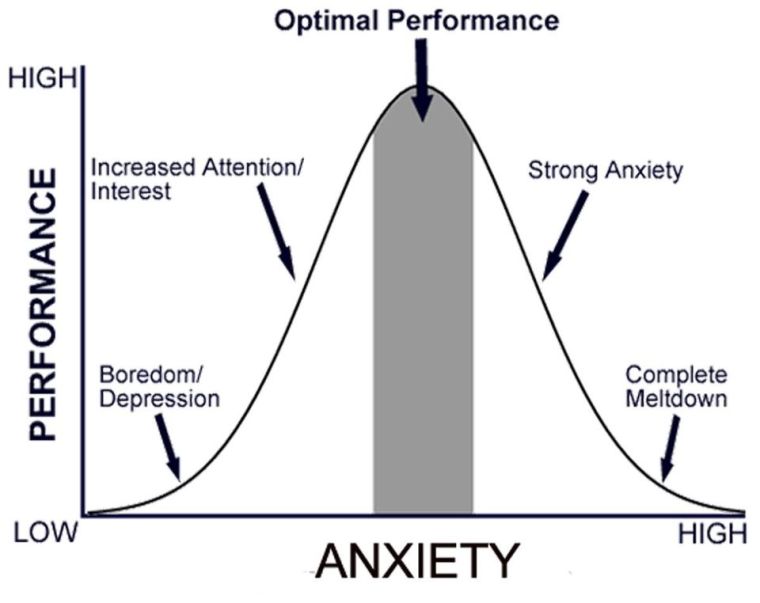
Alasdair White refers to the “optimal performance zone”, in which performance can be enhanced by some amount of stress. Beyond the optimum performance zone, lies the “danger zone” in which performance declines rapidly under the influence of greater anxiety.

However, stress in general can have an adverse effect on decision making: fewer alternatives are tried out and more familiar strategies are used, even if they are not helpful anymore.

Optimal performance management requires maximising time in the optimal performance zone. The main target should be expanding the comfort zone and optimal performance zone.

This page is based on the copyrighted Wikipedia article < https://en.wikipedia.org/wiki/Comfort_zone >; it is used under the Creative Commons Attribution-ShareAlike 3.0 Unported License (CC-BY-SA). You may redistribute it, verbatim or modified, providing that you comply with the terms of the CC-BY-SA.

What is Norepineprhine (Medication)?

Introduction

Norepinephrine, also known as noradrenaline, is a medication used to treat people with very low blood pressure. It is the typical medication used in sepsis if low blood pressure does not improve following intravenous fluids. It is the same molecule as the hormone and neurotransmitter norepinephrine. It is given by slow injection into a vein.

Common side effects include headache, slow heart rate, and anxiety. Other side effects include an irregular heartbeat. If it leaks out of the vein at the site it is being given, norepinephrine can result in limb ischemia. If leakage occurs the use of phentolamine in the area affected may improve outcomes. Norepinephrine works by binding and activating alpha adrenergic receptors.

Norepinephrine was discovered in 1946 and was approved for medical use in the United States in 1950. It is available as a generic medication.

Medical Uses

Norepinephrine is used mainly as a sympathomimetic drug to treat people in vasodilatory shock states such as septic shock and neurogenic shock, while showing fewer adverse side-effects compared to dopamine treatment.

Mechanism of Action

It stimulates α1 and α2 adrenergic receptors to cause blood vessel contraction, thus increases peripheral vascular resistance and resulted in increased blood pressure. This effect also reduces the blood supply to gastrointestinal tract and kidneys. Norepinephrine acts on beta-1 adrenergic receptors, causing increase in heart rate and cardiac output. However, the elevation in heart rate is only transient, as baroreceptor response to the rise in blood pressure as well as enhanced vagal tone ultimately result in a sustained decrease in heart rate. Norepinephrine acts more on alpha receptors than the beta receptors.

Names

Norepinephrine is the INN (or International Nonproprietary Name) while noradrenaline is the BAN (British Approved Name).

This page is based on the copyrighted Wikipedia article < https://en.wikipedia.org/wiki/Norepinephrine_(medication) >; it is used under the Creative Commons Attribution-ShareAlike 3.0 Unported License (CC-BY-SA). You may redistribute it, verbatim or modified, providing that you comply with the terms of the CC-BY-SA.

Just Like You: Anxiety + Depression (2023)

Introduction

Follows the stories of various people as they tackle the fear and stigma plaguing the mental health community.

Outline

10 brave kids, 2 Emmy award winning journalists, 1 clinical psychologist at Columbia University and 1 determined mother take on the fear and stigma plaguing the mental health community.

Production & Filming Details

  • Director(s):
    • Jennifer Greenstreet
  • Producer(s):
    • Karen Arkin … executive producer
    • Jennifer Greenstreet … executive producer
    • Mauria Stonestreet … producer
    • Chad Swenson … producer
  • Writer(s):
    • Jennifer Greenstreet
  • Music:
  • Cinematography:
  • Editor(s):
    • Hugh Ormond
  • Production:
    • Just Like You Films
  • Distributor(s):
    • Gravitas Ventures (world-wide)
  • Release Date: 08 March 2022 (internet).
  • Running Time: 77 minutes.
  • Rating: Not Rated.
  • Country: UK.
  • Language: English.

What is Mindfulness-Based Stress Reduction?

Introduction

Mindfulness-based stress reduction (MBSR) is an eight-week evidence-based programme that offers secular, intensive mindfulness training to assist people with stress, anxiety, depression and pain.

Developed at the University of Massachusetts Medical Centre in the 1970s by Professor Jon Kabat-Zinn, MBSR uses a combination of mindfulness meditation, body awareness, yoga and exploration of patterns of behaviour, thinking, feeling and action. Mindfulness can be understood as the non-judgemental acceptance and investigation of present experience, including body sensations, internal mental states, thoughts, emotions, impulses and memories, in order to reduce suffering or distress and to increase well-being. Mindfulness meditation is a method by which attention skills are cultivated, emotional regulation is developed, and rumination and worry are significantly reduced. During the past decades, mindfulness meditation has been the subject of more controlled clinical research, which suggests its potential beneficial effects for mental health, as well as physical health. While MBSR has its roots in Buddhist wisdom teachings, the programme itself is secular. The MBSR programme is described in detail in Kabat-Zinn’s 1990 book Full Catastrophe Living.

Brief History

In 1979, Jon Kabat-Zinn founded the Mindfulness Based Stress Reduction Clinic at the University of Massachusetts Medical Centre, and nearly twenty years later the Centre for Mindfulness in Medicine, Health Care and Society at the University of Massachusetts Medical School. Both these institutions supported the growth and implementation of MBSR into hospitals worldwide. Kabat-Zinn described the MBSR program in detail in his bestselling 1990 book Full Catastrophe Living, which was reissued in a revised edition in 2013. In 1993, the MBSR course taught by Jon Kabat-Zinn was featured in Bill Moyer’s Healing from Within. In the year 2015, close to 80% of medical schools are reported to offer some element of mindfulness training, and research and education centres dedicated to mindfulness have proliferated.

Programme

A meta-analysis described MBSR as “a group programme that focuses upon the progressive acquisition of mindful awareness, of mindfulness”. The MBSR programme is an eight-week workshop taught by certified trainers that entails weekly group meetings (2.5 hour classes) and a one-day retreat (seven-hour mindfulness practice) between sessions six and seven, homework (45 minutes daily), and instruction in three formal techniques: mindfulness meditation, body scanning and simple yoga postures. Group discussions and exploration – of experience of the meditation practice and its application to life – is a central part of the program. Body scanning is the first prolonged formal mindfulness technique taught during the first four weeks of the course, and entails quietly sitting or lying and systematically focusing one’s attention on various regions of the body, starting with the toes and moving up slowly to the top of the head. MBSR is based on non-judging, non-striving, acceptance, letting go, beginners mind, patience, trust, and non-centring.

According to Kabat-Zinn, the basis of MBSR is mindfulness, which he defined as “moment-to-moment, non-judgmental awareness.” During the programme, participants are asked to focus on informal practice as well by incorporating mindfulness into their daily routines. Focusing on the present is thought to heighten sensitivity to the environment and one’s own reactions to it, consequently enhancing self-management and coping. It also provides an outlet from ruminating on the past or worrying about the future, breaking the cycle of these maladaptive cognitive processes. The validity and reliability of a weekly single-item practice quality assessment have been confirmed by research. Increases in practice quality predicted improvements in self-report mindfulness and psychological symptoms but not behavioural mindfulness, and longer practice sessions were linked to better practice quality.

Scientific evidence of the debilitating effects of stress on human body and its evolutionary origins were pinpointed by the work of Robert Sapolsky, and explored for lay readers in the book Why Zebras Don’t Get Ulcers. Engaging in mindfulness meditation brings about significant reductions in psychological stress, and appears to prevent the associated physiological changes and biological clinical manifestations that happen as a result of psychological stress. According to early neuroimaging studies, MBSR training has an influence on the areas of the brain responsible for attention, introspection, and emotional processing.

Extent of Practice

According to a 2014 article in Time magazine, mindfulness meditation is becoming popular among people who would not normally consider meditation. The curriculum started by Kabat-Zinn at University of Massachusetts Medical Centre has produced nearly 1,000 certified MBSR instructors who are in nearly every state in the US and more than 30 countries. Corporations such as General Mills have made MBSR instruction available to their employees or set aside rooms for meditation. Democratic Congressman Tim Ryan published a book in 2012 titled A Mindful Nation and he has helped organise regular group meditation periods on Capitol Hill.

Methods of Practice

Mindfulness-based stress reduction classes and programs are offered by various facilities including hospitals, retreat centres, and various yoga facilities. Typically the programs focus on teaching

  • mind and body awareness to reduce the physiological effects of stress, pain or illness
  • experiential exploration of experiences of stress and distress to develop less emotional reactivity
  • equanimity in the face of change and loss that is natural to any human life
  • non-judgemental awareness in daily life
  • promote serenity and clarity in each moment
  • to experience more joyful life and access inner resources for healing and stress management
  • mindfulness meditation

Evaluation of Effectiveness

Mindfulness-based approaches have been found to be beneficial for healthy adults for adolescents and children, healthcare professionals, as well as for different health-related outcomes including eating disorders, psychiatric conditions, pain management, sleep disorders, cancer care, psychological distress, and for coping with health-related conditions. As a major subject of increasing research interest, 52 papers were published in 2003, rising to 477 by 2012. Nearly 100 randomised controlled trials had been published by early 2014.

The development of therapies to improve individuals’ flexibility in switching between using and not using emotion regulation (ER) methods is necessary because it is linked to better mental health, wellbeing, and resilience. According to research, those who attended MBSR training exhibited greater regulatory decision flexibility. In post-secondary students, research on mindfulness-based stress reduction has demonstrated that it can reduce psychological distress, which is common in this age range. In one study, the long-term impact of an 8-week Mindfulness-Based Stress Reduction (MBSR) treatment extended to two months after the intervention was completed.

Individuals with eating disorders have benefited from the mindfulness-based approach. MBSR therapy has been found to assist individuals improve the way they view their bodies. Interventions, such as mindfulness-based approaches, which focus on effective coping skills and improving one’s relationship with themselves through increased self-compassion can positively impact a person’s body image and contribute to overall well-being.

Research suggests mindfulness training improves focus, attention, and ability to work under stress. Mindfulness may also have potential benefits for cardiovascular health. Evidence suggests efficacy of mindfulness meditation in the treatment of substance use disorders. Mindfulness training may also be beneficial for people with fibromyalgia.

In addition, recent research has explored the ability of mindfulness-based stress reduction to increase self-compassion and enhance the well-being of those who are caregivers, specifically mothers, for youth struggling with substance use disorders. Mindfulness-based interventions allowed for the mothers to experience a decrease in stress as well as a better relationship with themselves which resulted in improved interpersonal relationships.

It has been demonstrated that mindfulness-based stress reduction has beneficial impacts on healthy individuals as well as suffering individuals and those close to suffering individuals. Roca et al. (2019) conducted an 8-week mindfulness-based stress reduction programme for healthy participants. Five pillars of MBSR, including mindfulness, compassion, psychological well-being, psychological distress, and emotional-cognitive control were identified. Participants psychological functioning were examined and assessed using questionnaires. Mindfulness and overall well-being was significant between the five pillars observed.

Mindfulness-based interventions and their impact have become prevalent in every-day life, especially when rooted in an academic setting. After interviewing children, of the average age of 11, it was apparent that mindfulness had contributed to their ability to regulate their emotions. In addition to these findings, these children expressed that the more mindfulness was incorporated by their school and teachers, the easier it was to apply its principles.

Mindfulness-based stress approaches have been shown to increase self-compassion. Higher levels of self-compassion have been found to greatly reduce stress. In addition, as self-compassion increases it seems as though self-awareness increases as well. This finding has been observed to occur during treatment as well as a result at the conclusion, and even after, treatment. Self-compassion is both a result and an informative factor of the effectiveness of mindfulness-based approaches.

MBIs (mindfulness-based intervations) showed a positive effect on mental and somatic health in social when compared to other active treatments in adults. This effects may be gender dependent. However, the effects seemed independent of duration and compliance with these kind of intervention.

This page is based on the copyrighted Wikipedia article < https://en.wikipedia.org/wiki/Mindfulness-based_stress_reduction >; it is used under the Creative Commons Attribution-ShareAlike 3.0 Unported License (CC-BY-SA). You may redistribute it, verbatim or modified, providing that you comply with the terms of the CC-BY-SA.

What is Clonazepam?

Introduction

Clonazepam, sold under the brand name Klonopin among others, is a medication used to prevent and treat seizures, panic disorder, anxiety, and the movement disorder known as akathisia. It is a tranquiliser of the benzodiazepine class. It is typically taken by mouth. Effects begin within one hour and last between six and twelve hours.

Common side effects include sleepiness, poor coordination, and agitation. Long-term use may result in tolerance, dependence, and withdrawal symptoms if stopped abruptly. Dependence occurs in one-third of people who take clonazepam for longer than four weeks. There is an increased risk of suicide, particularly in people who are already depressed. If used during pregnancy it may result in harm to the foetus. Clonazepam binds to GABAA receptors, thus increasing the effect of the chief inhibitory neurotransmitter γ-aminobutyric acid (GABA).

Clonazepam was patented in 1960 and went on sale in 1975 in the United States from Roche. It is available as a generic medication. In 2019, it was the 46th most commonly prescribed medication in the United States, with more than 15 million prescriptions. In many areas of the world it is commonly used as a recreational drug.

Medical Uses

Clonazepam is prescribed for short term management of epilepsy, anxiety, and panic disorder with or without agoraphobia.

Seizures

Clonazepam, like other benzodiazepines, while being a first-line treatment for acute seizures, is not suitable for the long-term treatment of seizures due to the development of tolerance to the anticonvulsant effects.

Clonazepam has been found effective in treating epilepsy in children, and the inhibition of seizure activity seemed to be achieved at low plasma levels of clonazepam. As a result, clonazepam is sometimes used for certain rare childhood epilepsies; however, it has been found to be ineffective in the control of infantile spasms. Clonazepam is mainly prescribed for the acute management of epilepsies. Clonazepam has been found to be effective in the acute control of non-convulsive status epilepticus; however, the benefits tended to be transient in many people, and the addition of phenytoin for lasting control was required in these patients.

It is also approved for treatment of typical and atypical absences (seizures), infantile myoclonic, myoclonic, and akinetic seizures. A subgroup of people with treatment resistant epilepsy may benefit from long-term use of clonazepam; the benzodiazepine clorazepate may be an alternative due to its slow onset of tolerance.

Anxiety Disorders

  • Panic disorder with or without agoraphobia.
  • Clonazepam has also been found effective in treating other anxiety disorders, such as social phobia, but this is an off-label use.

The effectiveness of clonazepam in the short-term treatment of panic disorder has been demonstrated in controlled clinical trials. Some long-term trials have suggested a benefit of clonazepam for up to three years without the development of tolerance but these trials were not placebo-controlled. Clonazepam is also effective in the management of acute mania.

Muscle Disorders

Restless legs syndrome can be treated using clonazepam as a third-line treatment option as the use of clonazepam is still investigational. Bruxism also responds to clonazepam in the short-term. Rapid eye movement sleep behaviour disorder responds well to low doses of clonazepam.

  • The treatment of acute and chronic akathisia induced by neuroleptics, also called antipsychotics.
  • Spasticity related to amyotrophic lateral sclerosis.
  • Alcohol withdrawal syndrome

Other

  • Benzodiazepines, such as clonazepam, are sometimes used for the treatment of mania or acute psychosis-induced aggression. In this context, benzodiazepines are given either alone, or in combination with other first-line drugs such as lithium, haloperidol, or risperidone. The effectiveness of taking benzodiazepines along with antipsychotic medication is unknown, and more research is needed to determine if benzodiazepines are more effective than antipsychotics when urgent sedation is required.
  • Hyperekplexia: A very rare neurologic disorder classically characterised by pronounced startle responses to tactile or acoustic stimuli and hypertonia.
  • Many forms of parasomnia and other sleep disorders are treated with clonazepam..
  • It is not effective for preventing migraines.

Contraindications

  • Coma.
  • Current alcohol use disorder.
  • Current substance use disorder.
  • Respiratory depression.

Adverse Effects

In September 2020, the US Food and Drug Administration (FDA) required the boxed warning be updated for all benzodiazepine medicines to describe the risks of abuse, misuse, addiction, physical dependence, and withdrawal reactions consistently across all the medicines in the class.

Common

  • Sedation.
  • Motor impairment.

Less Common

  • Confusion.
  • Irritability and aggression.
  • Psychomotor agitation.
  • Lack of motivation.
  • Loss of libido.
  • Impaired motor function.
  • Impaired coordination.
  • Impaired balance.
  • Dizziness.
  • Cognitive impairments.
  • Hallucinations.
  • Short-term memory loss.
  • Anterograde amnesia (common with higher doses).
  • Some users report hangover-like symptoms of drowsiness, headaches, sluggishness, and irritability upon waking up if the medication was taken before sleep.
    • This is likely the result of the medication’s long half-life, which continues to affect the user after waking up.
    • While benzodiazepines induce sleep, they tend to reduce the quality of sleep by suppressing or disrupting REM sleep.
    • After regular use, rebound insomnia may occur when discontinuing clonazepam.
  • Benzodiazepines may cause or worsen depression.

Occasional

  • Dysphoria.
  • Induction of seizures or increased frequency of seizures.
  • Personality changes.
  • Behavioural disturbances.
  • Ataxia.

Rare

  • Cognitive Euphoria.
  • Suicide through disinhibition.
  • Psychosis.
  • Incontinence.
  • Liver damage.
  • Paradoxical behavioural disinhibition (most frequently in children, the elderly, and in persons with developmental disabilities).
  • Rage.
  • Excitement.
  • Impulsivity.
  • The long-term effects of clonazepam can include depression, disinhibition, and sexual dysfunction.

Drowsiness

Clonazepam, like other benzodiazepines, may impair a person’s ability to drive or operate machinery. The central nervous system depressing effects of the drug can be intensified by alcohol consumption, and therefore alcohol should be avoided while taking this medication. Benzodiazepines have been shown to cause dependence. Patients dependent on clonazepam should be slowly titrated off under the supervision of a qualified healthcare professional to reduce the intensity of withdrawal or rebound symptoms.

Withdrawal-Related

  • Anxiety.
  • Irritability.
  • Insomnia.
  • Tremors.
  • Headaches.
  • Stomach pain.
  • Hallucinations.
  • Suicidal thoughts or urges.
  • Depression.
  • Fatigue.
  • Dizziness.
  • Sweating.
  • Confusion.
  • Potential to exacerbate existing panic disorder upon discontinuation.
  • Seizures similar to delirium tremens (with long-term use of excessive doses).

Benzodiazepines such as clonazepam can be very effective in controlling status epilepticus, but, when used for longer periods of time, some potentially serious side-effects may develop, such as interference with cognitive functions and behaviour. Many individuals treated on a long-term basis develop a dependence. Physiological dependence was demonstrated by flumazenil-precipitated withdrawal. Use of alcohol or other central nervous system (CNS)-depressants while taking clonazepam greatly intensifies the effects (and side effects) of the drug.

A recurrence of symptoms of the underlying disease should be separated from withdrawal symptoms.

Tolerance and Withdrawal

Refer to Benzodiazepine Withdrawal Syndrome.

Like all benzodiazepines, clonazepam is a GABA-positive allosteric modulator. One-third of individuals treated with benzodiazepines for longer than four weeks develop a dependence on the drug and experience a withdrawal syndrome upon dose reduction. High dosage and long-term use increase the risk and severity of dependence and withdrawal symptoms. Withdrawal seizures and psychosis can occur in severe cases of withdrawal, and anxiety and insomnia can occur in less severe cases of withdrawal. A gradual reduction in dosage reduces the severity of the benzodiazepine withdrawal syndrome. Due to the risks of tolerance and withdrawal seizures, clonazepam is generally not recommended for the long-term management of epilepsies. Increasing the dose can overcome the effects of tolerance, but tolerance to the higher dose may occur and adverse effects may intensify. The mechanism of tolerance includes receptor desensitisation, down regulation, receptor decoupling, and alterations in subunit composition and in gene transcription coding.

Tolerance to the anticonvulsant effects of clonazepam occurs in both animals and humans. In humans, tolerance to the anticonvulsant effects of clonazepam occurs frequently. Chronic use of benzodiazepines can lead to the development of tolerance with a decrease of benzodiazepine binding sites. The degree of tolerance is more pronounced with clonazepam than with chlordiazepoxide. In general, short-term therapy is more effective than long-term therapy with clonazepam for the treatment of epilepsy. Many studies have found that tolerance develops to the anticonvulsant properties of clonazepam with chronic use, which limits its long-term effectiveness as an anticonvulsant.

Abrupt or over-rapid withdrawal from clonazepam may result in the development of the benzodiazepine withdrawal syndrome, causing psychosis characterised by dysphoric manifestations, irritability, aggressiveness, anxiety, and hallucinations. Sudden withdrawal may also induce the potentially life-threatening condition, status epilepticus. Anti-epileptic drugs, benzodiazepines such as clonazepam in particular, should be reduced in dose slowly and gradually when discontinuing the drug to mitigate withdrawal effects. Carbamazepine has been tested in the treatment of clonazepam withdrawal but was found to be ineffective in preventing clonazepam withdrawal-induced status epilepticus from occurring.

Overdose

Refer to Benzodiazepine Overdose.

Excess doses may result in:

  • Difficulty staying awake.
  • Mental confusion.
  • Impaired motor functions.
  • Impaired reflexes.
  • Impaired coordination.
  • Impaired balance.
  • Dizziness.
  • Respiratory depression.
  • Low blood pressure.
  • Coma.

Coma can be cyclic, with the individual alternating from a comatose state to a hyper-alert state of consciousness, which occurred in a four-year-old boy who overdosed on clonazepam. The combination of clonazepam and certain barbiturates (for example, amobarbital), at prescribed doses has resulted in a synergistic potentiation of the effects of each drug, leading to serious respiratory depression.

Overdose symptoms may include extreme drowsiness, confusion, muscle weakness, and fainting.

Detection in Biological Fluids

Clonazepam and 7-aminoclonazepam may be quantified in plasma, serum, or whole blood in order to monitor compliance in those receiving the drug therapeutically. Results from such tests can be used to confirm the diagnosis in potential poisoning victims or to assist in the forensic investigation in a case of fatal overdosage. Both the parent drug and 7-aminoclonazepam are unstable in biofluids, and therefore specimens should be preserved with sodium fluoride, stored at the lowest possible temperature and analysed quickly to minimise losses.

Special Precautions

The elderly metabolise benzodiazepines more slowly than younger people and are also more sensitive to the effects of benzodiazepines, even at similar blood plasma levels. Doses for the elderly are recommended to be about half of that given to younger adults and are to be administered for no longer than two weeks. Long-acting benzodiazepines such as clonazepam are not generally recommended for the elderly due to the risk of drug accumulation.

The elderly are especially susceptible to increased risk of harm from motor impairments and drug accumulation side effects. Benzodiazepines also require special precaution if used by individuals that may be pregnant, alcohol- or drug-dependent, or may have comorbid psychiatric disorders. Clonazepam is generally not recommended for use in elderly people for insomnia due to its high potency relative to other benzodiazepines.

Clonazepam is not recommended for use in those under 18. Use in very young children may be especially hazardous. Of anticonvulsant drugs, behavioural disturbances occur most frequently with clonazepam and phenobarbital.

Doses higher than 0.5-1 mg per day are associated with significant sedation.

Clonazepam may aggravate hepatic porphyria.

Clonazepam is not recommended for patients with chronic schizophrenia. A 1982 double-blinded, placebo-controlled study found clonazepam increases violent behaviour in individuals with chronic schizophrenia.

Clonazepam has similar effectiveness to other benzodiazepines at often a lower dose.

Interactions

Clonazepam decreases the levels of carbamazepine, and, likewise, clonazepam’s level is reduced by carbamazepine. Azole antifungals, such as ketoconazole, may inhibit the metabolism of clonazepam. Clonazepam may affect levels of phenytoin (diphenylhydantoin). In turn, Phenytoin may lower clonazepam plasma levels by increasing the speed of clonazepam clearance by approximately 50% and decreasing its half-life by 31%. Clonazepam increases the levels of primidone and phenobarbital.

Combined use of clonazepam with certain antidepressants, anticonvulsants (such as phenobarbital, phenytoin, and carbamazepine), sedative antihistamines, opiates, and antipsychotics, nonbenzodiazepines (such as zolpidem), and alcohol may result in enhanced sedative effects.

Pregnancy

There is some medical evidence of various malformations (for example, cardiac or facial deformations when used in early pregnancy); however, the data is not conclusive. The data are also inconclusive on whether benzodiazepines such as clonazepam cause developmental deficits or decreases in IQ in the developing foetus when taken by the mother during pregnancy. Clonazepam, when used late in pregnancy, may result in the development of a severe benzodiazepine withdrawal syndrome in the neonate. Withdrawal symptoms from benzodiazepines in the neonate may include hypotonia, apnoeic spells, cyanosis, and impaired metabolic responses to cold stress.

The safety profile of clonazepam during pregnancy is less clear than that of other benzodiazepines, and if benzodiazepines are indicated during pregnancy, chlordiazepoxide and diazepam may be a safer choice. The use of clonazepam during pregnancy should only occur if the clinical benefits are believed to outweigh the clinical risks to the foetus. Caution is also required if clonazepam is used during breastfeeding. Possible adverse effects of use of benzodiazepines such as clonazepam during pregnancy include: miscarriage, malformation, intrauterine growth retardation, functional deficits, carcinogenesis, and mutagenesis. Neonatal withdrawal syndrome associated with benzodiazepines include hypertonia, hyperreflexia, restlessness, irritability, abnormal sleep patterns, inconsolable crying, tremors, or jerking of the extremities, bradycardia, cyanosis, suckling difficulties, apnoea, risk of aspiration of feeds, diarrhoea and vomiting, and growth retardation. This syndrome can develop between three days to three weeks after birth and can have a duration of up to several months. The pathway by which clonazepam is metabolised is usually impaired in newborns. If clonazepam is used during pregnancy or breastfeeding, it is recommended that serum levels of clonazepam are monitored and that signs of central nervous system depression and apnoea are also checked for. In many cases, non-pharmacological treatments, such as relaxation therapy, psychotherapy, and avoidance of caffeine, can be an effective and safer alternative to the use of benzodiazepines for anxiety in pregnant women.

Pharmacology

Mechanism of Action

Clonazepam enhances the activity of the inhibitory neurotransmitter gamma-aminobutyric acid (GABA) in the central nervous system to give its anticonvulsant, skeletal muscle relaxant, and anxiolytic effects. It acts by binding to the benzodiazepine site of the GABA receptors, which enhances the electric effect of GABA binding on neurons, resulting in an increased influx of chloride ions into the neurons. This further results in an inhibition of synaptic transmission across the central nervous system.

Benzodiazepines do not have any effect on the levels of GABA in the brain. Clonazepam has no effect on GABA levels and has no effect on gamma-aminobutyric acid transaminase. Clonazepam does, however, affect glutamate decarboxylase activity. It differs from other anticonvulsant drugs it was compared to in a study.

Clonazepam’s primary mechanism of action is the modulation of GABA function in the brain, by the benzodiazepine receptor, located on GABAA receptors, which, in turn, leads to enhanced GABAergic inhibition of neuronal firing. Benzodiazepines do not replace GABA, but instead enhance the effect of GABA at the GABAA receptor by increasing the opening frequency of chloride ion channels, which leads to an increase in GABA’s inhibitory effects and resultant central nervous system depression. In addition, clonazepam decreases the utilisation of 5-HT (serotonin) by neurons and has been shown to bind tightly to central-type benzodiazepine receptors. Because clonazepam is effective in low milligram doses (0.5 mg clonazepam = 10 mg diazepam), it is said to be among the class of “highly potent” benzodiazepines. The anticonvulsant properties of benzodiazepines are due to the enhancement of synaptic GABA responses, and the inhibition of sustained, high-frequency repetitive firing.

Benzodiazepines, including clonazepam, bind to mouse glial cell membranes with high affinity. Clonazepam decreases release of acetylcholine in the feline brain and decreases prolactin release in rats. Benzodiazepines inhibit cold-induced thyroid-stimulating hormone (also known as TSH or thyrotropin) release. Benzodiazepines act via micromolar benzodiazepine binding sites as Ca2+ channel blockers and significantly inhibit depolarisation-sensitive calcium uptake in experimentation on rat brain cell components. This has been conjectured as a mechanism for high-dose effects on seizures in the study.

Clonazepam is a 2′-chlorinated derivative of nitrazepam, which increases its potency due to electron-attracting effect of the halogen in the ortho-position.

Pharmacokinetics

Clonazepam is lipid-soluble, rapidly crosses the blood-brain barrier, and penetrates the placenta. It is extensively metabolised into pharmacologically inactive metabolites, with only 2% of the unchanged drug excreted in the urine. Clonazepam is metabolised extensively via nitroreduction by cytochrome P450 enzymes, including CYP3A4. Erythromycin, clarithromycin, ritonavir, itraconazole, ketoconazole, nefazodone, cimetidine, and grapefruit juice are inhibitors of CYP3A4 and can affect the metabolism of benzodiazepines. It has an elimination half-life of 19-60 hours. Peak blood concentrations of 6.5-13.5 ng/mL were usually reached within 1-2 hours following a single 2 mg oral dose of micronized clonazepam in healthy adults. In some individuals, however, peak blood concentrations were reached at 4-8 hours.

Clonazepam passes rapidly into the central nervous system, with levels in the brain corresponding with levels of unbound clonazepam in the blood serum. Clonazepam plasma levels are very unreliable amongst patients. Plasma levels of clonazepam can vary as much as tenfold between different patients.

Clonazepam has plasma protein binding of 85%. Clonazepam passes through the blood-brain barrier easily, with blood and brain levels corresponding equally with each other. The metabolites of clonazepam include 7-aminoclonazepam, 7-acetaminoclonazepam and 3-hydroxy clonazepam. These metabolites are excreted by the kidney.

It is effective for 6-8 hours in children, and 6-12 in adults.

Society and Culture

Recreational Use

Refer to Benzodiazepine Misuse.

A 2006 US government study of hospital emergency department (ED) visits found that sedative-hypnotics were the most frequently implicated pharmaceutical drug in visits, with benzodiazepines accounting for the majority of these. Clonazepam was the second most frequently implicated benzodiazepine in ED visits. Alcohol alone was responsible for over twice as many ED visits as clonazepam in the same study. The study examined the number of times the non-medical use of certain drugs was implicated in an ED visit. The criteria for non-medical use in this study were purposefully broad, and include, for example, drug abuse, accidental or intentional overdose, or adverse reactions resulting from legitimate use of the medication.

Formulations

Clonazepam was approved in the United States as a generic drug in 1997 and is now manufactured and marketed by several companies.

Clonazepam is available as tablets and orally disintegrating tablets (wafers) an oral solution (drops), and as a solution for injection or intravenous infusion.

Brand Names

It is marketed under the trade name Rivotril by Roche in Argentina, Australia, Austria, Bangladesh, Belgium, Brazil, Bulgaria, Canada, Colombia, Costa Rica, Croatia, the Czech Republic, Denmark, Estonia,[136] Germany, Hungary, Iceland, Ireland, Italy, China, Mexico, the Netherlands, Norway, Portugal, Peru, Pakistan, Romania, Serbia, South Africa, South Korea, Spain, Turkey, and the United States; Emcloz, Linotril and Clonotril in India and other parts of Europe; under the name Riklona in Indonesia and Malaysia; and under the trade name Klonopin by Roche in the United States. Other names, such as Clonoten, Ravotril, Rivotril, Iktorivil, Clonex (Israel), Paxam, Petril, Naze, Zilepam and Kriadex, are known throughout the world.

This page is based on the copyrighted Wikipedia article < https://en.wikipedia.org/wiki/Clonazepam >; it is used under the Creative Commons Attribution-ShareAlike 3.0 Unported License (CC-BY-SA). You may redistribute it, verbatim or modified, providing that you comply with the terms of the CC-BY-SA.

What is Bromazepam?

Introduction

Bromazepam, sold under many brand names, is a benzodiazepine. It is mainly an anti-anxiety agent with similar side effects to diazepam (Valium). In addition to being used to treat anxiety or panic states, bromazepam may be used as a premedicant prior to minor surgery. Bromazepam typically comes in doses of 3 mg and 6 mg tablets.

It was patented in 1961 by Roche and approved for medical use in 1974.

Medical Uses

Treatment of severe anxiety. Despite certain side effects and the emergence of alternative products (e.g. pregabalin), benzodiazepine medication remains an effective way of reducing problematic symptoms, and is typically deemed effective by patients and medical professionals. Similarly to other intermediate-acting depressants, it may be used as hypnotic medication or in order to mitigate withdrawal effects of alcohol consumption.

Pharmacology

Bromazepam is a “classical” benzodiazepine; other classical benzodiazepines include: diazepam, clonazepam, oxazepam, lorazepam, nitrazepam, flurazepam, and clorazepate. Its molecular structure is composed of a diazepine connected to a benzene ring and a pyridine ring, the benzene ring having a single nitrogen atom that replaces one of the carbon atoms in the ring structure. It is a 1,4-benzodiazepine, which means that the nitrogens on the seven-sided diazepine ring are in the 1 and 4 positions.

Bromazepam binds to the GABA receptor GABAA, causing a conformational change and increasing the inhibitory effects of GABA. It acts as a positive modulator, increasing the receptors’ response when activated by GABA itself or an agonist (such as alcohol). As opposed to barbital, BZDs are not GABA-receptor activators and rely on increasing the neurotransmitter’s natural activity. Bromazepam is an intermediate-acting benzodiazepine, is moderately lipophilic compared to other substances of its class and metabolised hepatically via oxidative pathways. It does not possess any antidepressant or antipsychotic qualities.

After night time administration of bromazepam a highly significant reduction of gastric acid secretion occurs during sleep followed by a highly significant rebound in gastric acid production the following day.

Bromazepam alters the electrical status of the brain causing an increase in beta activity and a decrease in alpha activity in EEG recordings

Pharmacokinetics

Bromazepam is reported to be metabolised by a hepatic enzyme belonging to the Cytochrome P450 family of enzymes. In 2003, a team led by Oda Manami at Oita Medical University reported that CYP3A4, a member of the Cytochrome P450 family, was not the responsible enzyme since itraconazole, a known inhibitor of CYP3A4, did not affect its metabolism. In 1995, J. van Harten at the Solvay Pharmaceutical Department of Clinical Pharmacology in Weesp reported that fluvoxamine, which is a potent inhibitor of CYP1A2, a less potent CYP3A4 inhibitor, and a negligible inhibitor of CYP2D6, does inhibit its metabolism.

The major metabolite of bromazepam is hydroxybromazepam, which is an active agent too and has a half-life approximately equal to that of bromazepam.

Side-Effects

Bromazepam is similar in side effects to other benzodiazepines. The most common side effects reported are drowsiness, sedation, ataxia, memory impairment, and dizziness. Impairments to memory functions are common with bromazepam and include a reduced working memory and reduced ability to process environmental information. A 1975 experiment on healthy, male college students exploring the effects of four different drugs on learning capacity observed that taking bromazepam alone at 6 mg 3 times daily for 2 weeks impaired learning capacities significantly. In combination with alcohol, impairments in learning capacity became even more pronounced. Various studies report impaired memory, visual information processing and sensory data and impaired psychomotor performance; deterioration of cognition including attention capacity and impaired co-ordinative skills; impaired reactive and attention performance, which can impair driving skills; drowsiness and decrease in libido. Unsteadiness after taking bromazepam is, however, less pronounced than other benzodiazepines such as lorazepam.

On occasion, benzodiazepines can induce extreme alterations in memory such as anterograde amnesia and amnesic automatism, which may have medico-legal consequences. Such reactions occur usually only at the higher dose end of the prescribing spectrum.

Very rarely, dystonia can develop.

Up to 30% treated on a long-term basis develop a form of dependence, i.e. these patients cannot stop the medication without experiencing physical and/or psychological benzodiazepine withdrawal symptoms.

Leukopenia and liver-damage of the cholestatic type with or without jaundice (icterus) have additionally been seen; the original manufacturer Roche recommends regular laboratory examinations to be performed routinely.

Ambulatory patients should be warned that bromazepam may impair the ability to drive vehicles and to operate machinery. The impairment is worsened by consumption of alcohol, because both act as central nervous system depressants. During the course of therapy, tolerance to the sedative effect usually develops.

Frequency and Seriousness of Adverse Effects

As with all medication, the frequency and seriousness of side-effects varies greatly depending on quantities consumed. In a study about bromazepam’s negative effects on psychomotor skills and driving ability, it was noted that 3 mg doses caused minimal impairment. It also appeared that impairment may be tied to methods of testing more so than on the product’s intrinsic activity.

Moreover, side-effects other than drowsiness, dizziness and ataxia seem to be rare and not experienced by more than a few percent of users. The use of other, comparable medication seems to display an identically moderate side-effect profile.

Tolerance, Dependence and Withdrawal

Prolonged use of bromazepam can cause tolerance and may lead to both physical and psychological dependence on the drug, and as a result, it is a medication which is controlled by international law. It is nonetheless important to note that dependence, long-term use and misuse occur in a minority of cases and are not representative of most patients’ experience with this type of medication.

It shares with other benzodiazepines the risk of abuse, misuse, psychological dependence or physical dependence. A withdrawal study demonstrated both psychological dependence and physical dependence on bromazepam including marked rebound anxiety after 4 weeks chronic use. Those whose dose was gradually reduced experienced no withdrawal.

Patients treated with bromazepam for generalised anxiety disorder were found to experience withdrawal symptoms such as a worsening of anxiety, as well as the development of physical withdrawal symptoms when abruptly withdrawn bromazepam. Abrupt or over rapid withdrawal from bromazepam after chronic use even at therapeutic prescribed doses can lead to a severe withdrawal syndrome including status epilepticus and a condition resembling delirium tremens.

Animal studies have shown that chronic administration of diazepam (or bromazepam) causes a decrease in spontaneous locomotor activity, decreased turnover of noradrenaline and dopamine and serotonin, increased activity of tyrosine hydroxylase and increased levels of the catecholamines. During withdrawal of bromazepam or diazepam a fall in tryptophan, serotonin levels occurs as part of the benzodiazepine withdrawal syndrome. Changes in the levels of these chemicals in the brain can cause headaches, anxiety, tension, depression, insomnia, restlessness, confusion, irritability, sweating, dysphoria, dizziness, derealisation, depersonalisation, numbness/tingling of extremities, hypersensitivity to light, sound, and smell, perceptual distortions, nausea, vomiting, diarrhoea, appetite loss, hallucinations, delirium, seizures, tremor, stomach cramps, myalgia, agitation, palpitations, tachycardia, panic attacks, short-term memory loss, and hyperthermia.

Overdose

Refer to Benzodiazepine Overdose.

Bromazepam is commonly involved in drug overdoses. A severe bromazepam benzodiazepine overdose may result in an alpha pattern coma type. The toxicity of bromazepam in overdosage increases when combined with other CNS depressant drugs such as alcohol or sedative hypnotic drugs. Similarly to other benzodiazepines however, being a positive modulator of certain neuroreceptors and not an agonist, the product has reduced overdose potential compared to older products of the barbiturate class. Its consumption alone is very seldom fatal in healthy adults.

Bromazepam was in 2005 the most common benzodiazepine involved in intentional overdoses in France. Bromazepam has also been responsible for accidental poisonings in companion animals. A review of benzodiazepine poisonings in cats and dogs from 1991-1994 found bromazepam to be responsible for significantly more poisonings than any other benzodiazepine.

Contraindications

Benzodiazepines require special precaution if used in elderly, pregnant, child, alcohol- or drug-dependent individuals and individuals with comorbid psychiatric disorders.

Special Populations

  • Globally, bromazepam is contraindicated and should be used with caution in women who are pregnant, the elderly, patients with a history of alcohol or other substance abuse disorders and children.
  • In 1987, a team of scientists led by Ochs reported that the elimination half-life, peak serum concentration, and serum free fraction are significantly elevated and the oral clearance and volume of distribution significantly lowered in elderly subjects. The clinical consequence is that the elderly should be treated with lower doses than younger patients.
  • Bromazepam may affect driving and ability to operate machinery.
  • Bromazepam is pregnancy category D, a classification that means that bromazepam has been shown to cause harm to the unborn child. The Hoffman LaRoche product information leaflet warns against breast feeding while taking bromazepam. There has been at least one report of sudden infant death syndrome linked to breast feeding while consuming bromazepam.

Interactions

Cimetidine, fluvoxamine and propranolol causes a marked increase in the elimination half-life of bromazepam leading to increased accumulation of bromazepam.

Society and Culture

Drug Misuse

Refer to Benzodiazepine Drug Misuse.

Bromazepam has a similar misuse risk as other benzodiazepines such as diazepam. In France car accidents involving psychotropic drugs in combination with alcohol (itself a major contributor) found benzodiazepines, mainly diazepam, nordiazepam, and bromazepam, to be the most common drug present in the blood stream, almost twice that of the next-most-common drug cannabis. Bromazepam has also been used in serious criminal offences including robbery, homicide, and sexual assault.

Brand Names

It is marketed under several brand names, including, Brozam, Lectopam, Lexomil, Lexotan, Lexilium, Lexaurin, Brazepam, Rekotnil, Bromaze, Somalium, Lexatin, Calmepam, Zepam and Lexotanil.

Legal Status

Bromazepam is a Schedule IV drug under the Convention on Psychotropic Substances.

This page is based on the copyrighted Wikipedia article < https://en.wikipedia.org/wiki/Bromazepam >; it is used under the Creative Commons Attribution-ShareAlike 3.0 Unported License (CC-BY-SA). You may redistribute it, verbatim or modified, providing that you comply with the terms of the CC-BY-SA.

What is the Hospital Anxiety and Depression Scale?

Introduction

Hospital Anxiety and Depression Scale (HADS) was originally developed by Zigmond and Snaith (1983) and is commonly used by doctors to determine the levels of anxiety and depression that a person is experiencing.

The HADS is a fourteen item scale that generates: Seven of the items that relate to anxiety and seven that relate to depression. Zigmond and Snaith created this outcome measure specifically to avoid reliance on aspects of these conditions that are also common somatic symptoms of illness, for example fatigue and insomnia or hypersomnia. This, it was hoped, would create a tool for the detection of anxiety and depression in people with physical health problems.

Items on the Questionnaire

The items on the questionnaire that relate to anxiety are

  • I feel tense or wound up.
  • I get a sort of frightened feeling as if something awful is about to happen.
  • Worrying thoughts go through my mind.
  • I can sit at ease and feel relaxed.
  • I get a sort of frightened feeling like ‘butterflies’ in the stomach.
  • I feel restless as I have to be on the move.
  • I get sudden feelings of panic.

The items that relate to depression are:

  • I still enjoy the things I used to enjoy.
  • I can laugh and see the funny side of things.
  • I feel cheerful.
  • I feel as if I am slowed down.
  • I have lost interest in my appearance.
  • I look forward with enjoyment to things.
  • I can enjoy a good book or radio or TV programme.

Scoring the Questionnaire

Each item on the questionnaire is scored from 0-3 and this means that a person can score between 0 and 21 for either anxiety or depression.

Caseness of Anxiety and Depression

A number of researchers have explored HADS data to establish the cut-off points for caseness of anxiety or depression. Bjelland et al. (2002) through a literature review of a large number of studies identified a cut-off point of 8/21 for anxiety or depression. For anxiety (HADS-A) this gave a specificity of 0.78 and a sensitivity of 0.9. For depression (HADS-D) this gave a specificity of 0.79 and a sensitivity of 0.83.

Factor Structure

There are a large number of studies that have explored the underlying factor structure of the HADS. Many support the two-factor structure but there are others that suggest a three or four factor structure. Some argue that the tool is best used as a unidimensional measure of psychological distress.

Criticisms

The factor structure of the HADS has been questioned. Coyne and Sonderen argue in a letter published in the same issue, that Cosco, et al. provides grounds for abandoning HADS altogether. The HADS has also been criticised for its over reliance on anhedonia as being the core symptom of depression, how single-item measures of depression may have the same predictive value as the HADS scale, as well as its use of British colloquial expressions which can be difficult to translate.

This page is based on the copyrighted Wikipedia article <https://en.wikipedia.org/wiki/Hospital_Anxiety_and_Depression_Scale >; it is used under the Creative Commons Attribution-ShareAlike 3.0 Unported License (CC-BY-SA). You may redistribute it, verbatim or modified, providing that you comply with the terms of the CC-BY-SA.