What is the Twelve-Step Programme?

Introduction

Twelve-step programmes are international mutual aid programs supporting recovery from substance addictions, behavioural addictions and compulsions. Developed in the 1930s, the first twelve-step programme, Alcoholics Anonymous (AA), founded by Bill Wilson and Bob Smith, aided its membership to overcome alcoholism. Since that time dozens of other organisations have been derived from AA’s approach to address problems as varied as drug addiction, compulsive gambling, sex, and overeating. All twelve-step programmes utilise a version of AA’s suggested twelve steps first published in the 1939 book Alcoholics Anonymous: The Story of How More Than One Hundred Men Have Recovered from Alcoholism.
As summarised by the American Psychological Association (APA), the process involves the following:

  • Admitting that one cannot control one’s alcoholism, addiction, or compulsion;
  • Coming to believe in a Higher Power that can give strength;
  • Examining past errors with the help of a sponsor (experienced member);
  • Making amends for these errors;
  • Learning to live a new life with a new code of behaviour; and
  • Helping others who suffer from the same alcoholism, addictions, or compulsions.

Overview

Twelve-step methods have been adapted to address a wide range of alcoholism, substance abuse, and dependency problems. Over 200 mutual aid organisations – often known as fellowships—with a worldwide membership of millions have adopted and adapted AA’s 12 Steps and 12 Traditions for recovery. Narcotics Anonymous was formed by addicts who did not relate to the specifics of alcohol dependency.

Demographic preferences related to the addicts’ drug of choice has led to the creation of Cocaine Anonymous, Crystal Meth Anonymous and Marijuana Anonymous. Behavioural issues such as compulsion for or addiction to gambling, crime, food, sex, hoarding, getting into debt and work are addressed in fellowships such as Gamblers Anonymous, Overeaters Anonymous, Sexaholics Anonymous and Debtors Anonymous.

Auxiliary groups such as Al-Anon and Nar-Anon, for friends and family members of alcoholics and addicts, respectively, are part of a response to treating addiction as a disease that is enabled by family systems. Adult Children of Alcoholics (ACA or ACOA) addresses the effects of growing up in an alcoholic or otherwise dysfunctional family. Co-Dependents Anonymous (CoDA) addresses compulsions related to relationships, referred to as co-dependency.

Brief History

Alcoholics Anonymous (AA), the first twelve-step fellowship, was founded in 1935 by Bill Wilson and Dr. Robert Holbrook Smith, known to AA members as “Bill W.” and “Dr. Bob”, in Akron, Ohio. In 1946 they formally established the twelve traditions to help deal with the issues of how various groups could relate and function as membership grew. The practice of remaining anonymous (using only one’s first names) when interacting with the general public was published in the first edition of the AA Big Book.

As AA chapters were increasing in number during the 1930s and 1940s, the guiding principles were gradually defined as the Twelve Traditions. A singleness of purpose emerged as Tradition Five: “Each group has but one primary purpose—to carry its message to the alcoholic who still suffers”. Consequently, drug addicts who do not suffer from the specifics of alcoholism involved in AA hoping for recovery technically are not welcome in “closed” meetings unless they have a desire to stop drinking alcohol.

The principles of AA have been used to form numerous other fellowships specifically designed for those recovering from various pathologies; each emphasizes recovery from the specific malady which brought the sufferer into the fellowship.

The Twelve Steps

The following are the original twelve steps as published by Alcoholics Anonymous:[11]

  1. We admitted we were powerless over alcohol—that our lives had become unmanageable.
  2. Came to believe that a power greater than ourselves could restore us to sanity.
  3. Made a decision to turn our will and our lives over to the care of God as we understood Him.
  4. Made a searching and fearless moral inventory of ourselves.
  5. Admitted to God, to ourselves, and to another human being the exact nature of our wrongs.
  6. Were entirely ready to have God remove all these defects of character.
  7. Humbly asked Him to remove our shortcomings.
  8. Made a list of all persons we had harmed, and became willing to make amends to them all.
  9. Made direct amends to such people wherever possible, except when to do so would injure them or others.
  10. Continued to take personal inventory, and when we were wrong, promptly admitted it.
  11. Sought through prayer and meditation to improve our conscious contact with God as we understood Him, praying only for knowledge of His will for us and the power to carry that out.
  12. Having had a spiritual awakening as the result of these steps, we tried to carry this message to alcoholics and to practice these principles in all our affairs.

Where other twelve-step groups have adapted the AA steps as guiding principles, step one is generally updated to reflect the focus of recovery. For example, in Overeaters Anonymous, the first step reads, “We admitted we were powerless over compulsive overeating—that our lives had become unmanageable.” The third step is also sometimes altered to remove gender-specific pronouns.

The Twelve Traditions

The Twelve Traditions accompany the Twelve Steps. The Traditions provide guidelines for group governance. They were developed in AA in order to help resolve conflicts in the areas of publicity, politics, religion, and finances. Alcoholics Anonymous’ Twelve Traditions are:

  1. Our common welfare should come first; personal recovery depends upon AA unity.
  2. For our group purpose there is but one ultimate authority—a loving God as He may express Himself in our group conscience. Our leaders are but trusted servants; they do not govern.
  3. The only requirement for AA membership is a desire to stop drinking.
  4. Each group should be autonomous except in matters affecting other groups or AA as a whole.
  5. Each group has but one primary purpose—to carry its message to the alcoholic who still suffers.
  6. An AA group ought never endorse, finance, or lend the AA name to any related facility or outside enterprise, lest problems of money, property, and prestige divert us from our primary purpose.
  7. Every AA group ought to be fully self-supporting, declining outside contributions.
  8. Alcoholics Anonymous should remain forever non-professional, but our service centers may employ special workers.
  9. AA, as such, ought never be organised; but we may create service boards or committees directly responsible to those they serve.
  10. Alcoholics Anonymous has no opinion on outside issues; hence the AA name ought never be drawn into public controversy.
  11. Our public relations policy is based on attraction rather than promotion; we need always to maintain personal anonymity at the level of press, radio, and films.
  12. Anonymity is the spiritual foundation of all our traditions, ever reminding us to place principles before personalities.

The Process

In the twelve-step programme, the human structure is symbolically represented in three dimensions: physical, mental, and spiritual. The problems the groups deal with are understood to manifest themselves in each dimension. For addicts and alcoholics, the physical dimension is best described by the allergy-like bodily reaction resulting in the compulsion to continue using substances even when it’s harmful or wanting to quit. The statement in the First Step that the individual is “powerless” over the substance-abuse related behaviour at issue refers to the lack of control over this compulsion, which persists despite any negative consequences that may be endured as a result.

The mental obsession is described as the cognitive processes that cause the individual to repeat the compulsive behaviour after some period of abstinence, either knowing that the result will be an inability to stop or operating under the delusion that the result will be different. The description in the First Step of the life of the alcoholic or addict as “unmanageable” refers to the lack of choice that the mind of the addict or alcoholic affords concerning whether to drink or use again. The illness of the spiritual dimension, or “spiritual malady,” is considered in all twelve-step groups to be self-centeredness. The process of working the steps is intended to replace self-centeredness with a growing moral consciousness and a willingness for self-sacrifice and unselfish constructive action. In twelve-step groups, this is known as a “spiritual awakening.” This should not be confused with abreaction, which produces dramatic, but temporary, changes. As a rule, in twelve-step fellowships, spiritual awakening occurs slowly over a period of time, although there are exceptions where members experience a sudden spiritual awakening.

In accordance with the First Step, twelve-step groups emphasize self-admission by members of the problem they are recovering from. It is in this spirit that members often identify themselves along with an admission of their problem, often as “Hi, I’m [first name only], and I’m an alcoholic”.

Sponsorship

A sponsor is a more experienced person in recovery who guides the less-experienced aspirant (“sponsee”) through the program’s twelve steps. New members in twelve-step programmes are encouraged to secure a relationship with at least one sponsor who both has a sponsor and has taken the twelve steps themselves. Publications from twelve-step fellowships emphasize that sponsorship is a “one on one” non-hierarchical relationship of shared experiences focused on working the Twelve Steps. According to Narcotics Anonymous:

Sponsors share their experience, strength, and hope with their sponsees… A sponsor’s role is not that of a legal adviser, a banker, a parent, a marriage counsellor, or a social worker. Nor is a sponsor a therapist offering some sort of professional advice. A sponsor is simply another addict in recovery who is willing to share his or her journey through the Twelve Steps.

Sponsors and sponsees participate in activities that lead to spiritual growth. Experiences in the programme are often shared by outgoing members with incoming members. This rotation of experience is often considered to have a great spiritual reward. These may include practices such as literature discussion and study, meditation, and writing. Completing the programme usually implies competency to guide newcomers which is often encouraged. Sponsees typically do their Fifth Step, review their moral inventory written as part of the Fourth Step, with their sponsor. The Fifth Step, as well as the Ninth Step, have been compared to confession and penitence. Michel Foucault, a French philosopher, noted such practices produce intrinsic modifications in the person—exonerating, redeeming and purifying them; relieves them of their burden of wrong, liberating them and promising salvation.

The personal nature of the behavioural issues that lead to seeking help in twelve-step fellowships results in a strong relationship between sponsee and sponsor. As the relationship is based on spiritual principles, it is unique and not generally characterised as “friendship”. Fundamentally, the sponsor has the single purpose of helping the sponsee recover from the behavioural problem that brought the sufferer into twelve-step work, which reflexively helps the sponsor recover.

A study of sponsorship as practiced in Alcoholics Anonymous and Narcotics Anonymous found that providing direction and support to other alcoholics and addicts is associated with sustained abstinence for the sponsor, but suggested that there were few short-term benefits for the sponsee’s one-year sustained abstinence rate.

Effectiveness

Alcoholics Anonymous is the largest of all of the twelve-step programmes (from which all other twelve-step programmes are derived), followed by Narcotics Anonymous; the majority of twelve-step members are recovering from addiction to alcohol or other drugs. The majority of twelve-step programmes, however, address illnesses other than substance addiction. For example, the third-largest twelve-step programme, Al-Anon, assists family members and friends of people who have alcoholism and other addictions. About twenty percent of twelve-step programmes are for substance addiction recovery, the other eighty percent address a variety of problems from debt to depression. It would be an error to assume the effectiveness of twelve-step methods at treating problems in one domain translates to all or to another domain.

A 2020 Cochrane review of Alcoholics Anonymous showed that participation in AA resulted in more alcoholics being abstinent from alcohol and for longer periods of time than cognitive behavioural therapy and motivational enhancement therapy, and as effective as these in other measures. The 2020 review did not compare twelve step programmes to the use of disulfiram or naltrexone, though some patients did receive these medications. These medications are considered the standard of care in alcohol use disorder treatment among medical experts and have demonstrated efficacy in randomised controlled trials in promoting alcohol abstinence. A systematic review published in 2017 found that twelve-step programmes for reducing illicit drug use are neither better nor worse than other interventions.

Criticism

In the past, some medical professionals have criticised 12-step programmes as “a cult that relies on God as the mechanism of action” and as lacking any experimental evidence in favour of its efficacy. Ethical and operational issues had prevented robust randomised controlled trials from being conducted comparing 12-step programmes directly to other approaches. More recent studies employing non-randomised and quasi-experimental studies have shown 12-step programmes provide similar benefit compared to motivational enhancement therapy (MET) and cognitive behavioural therapy (CBT), and were more effective in producing continuous abstinence and remission compared to these approaches.

Confidentiality

The Twelve Traditions encourage members to practice the spiritual principle of anonymity in the public media and members are also asked to respect each other’s confidentiality. This is a group norm, however, and not legally mandated; there are no legal consequences to discourage those attending twelve-step groups from revealing information disclosed during meetings. Statutes on group therapy do not encompass those associations that lack a professional therapist or clergyman to whom confidentiality and privilege might apply. Professionals and paraprofessionals who refer patients to these groups, to avoid both civil liability and licensure problems, have been advised that they should alert their patients that, at any time, their statements made in meetings may be disclosed.

Cultural Identity

One review warned of detrimental iatrogenic effects of twelve-step philosophy and labelled the organisations as cults, while another review asserts that these programs bore little semblance to religious cults and that the techniques used appeared beneficial to some. Another study found that a twelve-step program’s focus on self-admission of having a problem increases deviant stigma and strips members of their previous cultural identity, replacing it with the deviant identity. Another study asserts that the prior cultural identity may not be replaced entirely, but rather members found adapted a bicultural identity.

This page is based on the copyrighted Wikipedia article < https://en.wikipedia.org/wiki/Twelve-step_program >; it is used under the Creative Commons Attribution-ShareAlike 3.0 Unported License (CC-BY-SA). You may redistribute it, verbatim or modified, providing that you comply with the terms of the CC-BY-SA.
What is the Cognitive Behavioural Analysis System of Psychotherapy?

Introduction

The cognitive behavioural analysis system of psychotherapy (CBASP) is a talking therapy, a synthesis model of interpersonal and cognitive and behavioural therapies developed by James P. McCullough Jr. of Virginia Commonwealth University specifically for the treatment of all varieties of DSM-IV chronic depression.

McCullough writes that chronic depression (i.e. depressive disorder in adults that lasts continuously for two or more years, or one year continuously in adolescents), particularly the type beginning during adolescence (early-onset), is essentially a refractory mood disorder arising from traumatic experiences or interpersonal psychological insults delivered by the patient’s significant others (nuclear or extended family).

Basic Assumptions

Absence of felt interpersonal safety in patients. Chronic mood (e.g., chronic depression) denotes an absence of felt safety as regards (a) the precipitating (original) trauma event(s) or on a less sudden and violent level, (b) maltreating-hurtful significant others who have inflicted psychological insults on the individual through interpersonal rejection, harsh punishment, censure, or emotional abandonment/neglect. The lack of felt safety (c) has been transferred to a generalized fear of interpersonal relationships.

For patients, more often than not, “people are hell” to borrow a phrase from Jean-Paul Sartre. Whether the aetiology includes sudden trauma or psychological insults, the predominant coping strategy that maintains the dysphoric mood condition is an interpersonal avoidance of persons in the home, at work, or in the social environment. The patient’s successful situational and interpersonal avoidance pattern is the major treatment issue when the chronically depressed individual enters psychotherapy.

No change is possible as long as interpersonal avoidance patterns remain. As noted above, no emotional modification or termination of the chronic depression mood is possible apart from terminating patient interpersonal avoidance by enabling them to encounter the original precipitating trauma (violent/sudden event) or the psychological insults that stem from chronic interpersonal punishment, abuse or emotional neglect. The active arena where change processes are targeted and occur in CBASP psychotherapy involves the current interpersonal milieu within which the patient functions.

Treatment Strategies

In-session focus exercises in an atmosphere of felt safety help patients confront the feared stimuli and modify the Pavlovian fear driving the refractory emotional state. Learning appropriate non-avoidant ways to deal with the fear stimuli also decreases Skinnerian avoidance behaviour and prepares the way for mood change. In the beginning of therapy, it should be remembered that the chronic mood associated with trauma or psychological insults may involve stimulus events that remain tacit knowledge (out of awareness) for patients (i.e. the pain, fear and anxiety are clearly observable but the actual precipitating and maintaining stimuli may not be clearly understood or recognised by the patient). Material derived from the Significant Other History (SOH) often illustrates the tacit knowledge dimension of the patient’s avoidance patterns. In summary, another way to describe what’s going on in the beginning of therapy is to say that patients are avoiding others (including the therapist) and not responding to the interpersonal environment. Interpersonal avoidance always dictates that the patient’s primary focus remains on himself or herself (i.e. patients stay “in their heads”). In such a psychosocial functioning state, these individuals remain helpless and hopeless and continue to respond to themselves in a solitary and never-ending circle of pain, fear, anxiety (and depression); hence, they are unable to connect with their interpersonal world in any informing way.

Therapist Role

A feature of CBASP is the interpersonal role of the psychotherapist. CBASP clinicians enact a “disciplined personal involvement role” to heal the injurious interpersonal traumas and psychological insults patients have received at the hands of harmful significant others.

Outcome Goals of Treatment and Beyond

The goals of CBASP treatment are (1) to connect patients perceptually and behaviourally to the interpersonal world they live in so that their behaviour is informed by environmental (interpersonal) influences; (2) CBASP teaches patients how to make themselves feel better emotionally as well as how to maintain affective control; (3) patients are taught to negotiate interpersonal relationships successfully which means that patients acquire the requisite skills to obtain desirable interpersonal goals; finally, patients learn the crucial importance of “maintaining” the treatment gains after psychotherapy ends. Maintaining the gains requires daily practice of the in-session learning which protects (perpetuates) the extinction of the old pathological patterns of behaviour. Post-therapy practice for the rest of their lives holds in abeyance the ever-present danger of relapse and recurrence.

Combination Treatment

A large-scale study, published in 2000 by Martin Keller of Brown Medical School and others, compared the (then available) antidepressant Serzone (aka Nefazodone) with CBASP. Six hundred and eighty-one patients with severe chronic depression (some with other psychiatric illnesses) were enrolled in the trial, and were assigned to either Serzone, CBASP, or combination Serzone-CBASP for 12 weeks. The response rates to either Serzone or CBASP alone were 55 percent and 52 percent, respectively, for the 76 percent who completed the study. In other words, a little more than half of the completers in those two arms of the trial reduced their depression by 50 percent or better.

The Serzone findings roughly correspond with many other trial results for antidepressants, and underscore a major weakness in these drugs—that while they are effective, the benefit is often marginal and the treatment outcome problematic. Similarly, the CBASP findings validate other studies finding talking therapy about equal in efficacy to taking antidepressants.

The results for the combination drug-therapy group, however, were surprising, with 85% of the completing patients achieving a 50 percent reduction in symptoms or better. 42% in the combination group achieved remission (a virtual elimination of all depressive symptoms) compared to 22% in the Serzone group and 24% in the CBASP group.

The authors of the frequently cited study noted that “the rates of response and remission in the combined-treatment group were substantially higher than those that might have been anticipated on the basis of the outcomes of previous trials in similar patients.” Their figures show that treating depression with a combination of both an anti-depressant drug and a form of cognitive behaviour therapy can be highly effective, giving substantially better results than other methods of dealing with depression.

This page is based on the copyrighted Wikipedia article < https://en.wikipedia.org/wiki/Cognitive_behavioral_analysis_system_of_psychotherapy >; it is used under the Creative Commons Attribution-ShareAlike 3.0 Unported License (CC-BY-SA). You may redistribute it, verbatim or modified, providing that you comply with the terms of the CC-BY-SA.
What is the Strengths and Difficulties Questionnaire?

Introduction

The Strengths and Difficulties Questionnaire (SDQ) is a behavioural screening questionnaire for children and adolescents ages 2 through 17 years old, developed by child psychiatrist Robert N. Goodman in the United Kingdom.

Outline

Versions of it are available for use for no fee. The combination of its brevity and non-commercial distribution have made it popular among clinicians and researchers. There are more than 3000 peer-reviewed articles using it that are indexed in PubMed alone. Overall, the SDQ has proved to have satisfactory construct and concurrent validity across a wide range of settings and samples. It is considered a good general screening measure for attention problems, although the sensitivity and specificity are not both over 0.80 at any single cut score, so it should not be used by itself as the basis for a diagnosis of attention-deficit/hyperactivity disorder.

There are three versions of the SDQ designed for use in different situations: a short form, a longer form with an impact supplement, and a follow-up form designed for use after a behavioural intervention. The questionnaire takes 3–10 minutes to complete. There are now self-report (completed by the youth), parent-report, and teacher-report versions. A version designed for adults (age 18+ years) to fill out about themselves has also been developed. The SDQ has been translated into more than 80 languages, including Spanish, Chinese, Russian, and Portuguese.

General population norms are available for the US and UK for some of the variations of the SDQ.

This page is based on the copyrighted Wikipedia article < https://en.wikipedia.org/wiki/Strengths_and_Difficulties_Questionnaire >; it is used under the Creative Commons Attribution-ShareAlike 3.0 Unported License (CC-BY-SA). You may redistribute it, verbatim or modified, providing that you comply with the terms of the CC-BY-SA.

An Overview of Opponent-Process Theory

Introduction

Opponent-process theory is a psychological and neurological model that accounts for a wide range of behaviours, including colour vision. This model was first proposed in 1878 by Ewald Hering, a German physiologist, and later expanded by Richard Solomon, a 20th-century psychologist.

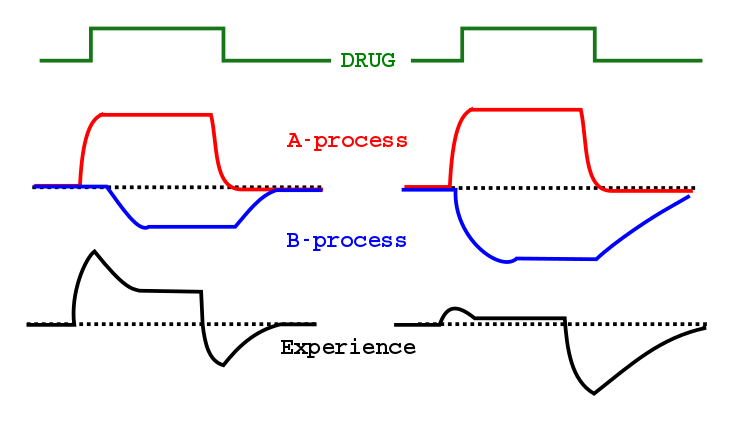
Opponent-process theory of drug addiction.

Visual Perception

The opponent-process theory was first developed by Ewald Hering. He noted that there are colour combinations that we never see, such as reddish-green or bluish-yellow. Opponent-process theory suggests that colour perception is controlled by the activity of three opponent systems. In the theory, he postulated about three independent receptor types which all have opposing pairs: white and black, blue and yellow, and red and green.

These three pairs produce combinations of colours for us through the opponent process. Furthermore, according to this theory, for each of these three pairs, three types of chemicals in the retina exist, in which two types of chemical reactions can occur. These reactions would yield one member of the pair in their building up phase, or anabolic process, whereas they would yield the other member while in a destructive phase, or a catabolic process.

The colours in each pair oppose each other. Red-green receptors cannot send messages about both colours at the same time. This theory also explains negative afterimages; once a stimulus of a certain colour is presented, the opponent colour is perceived after the stimulus is removed because the anabolic and catabolic processes are reversed. For example, red creates a positive (or excitatory) response while green creates a negative (or inhibitory) response. These responses are controlled by opponent neurons, which are neurons that have an excitatory response to some wavelengths and an inhibitory response to wavelengths in the opponent part of the spectrum.

According to this theory, colour blindness is due to the lack of a particular chemical in the eye. The positive after-image occurs after we stare at a brightly illuminated image on a regularly lighted surface and the image varies with increases and decreases in the light intensity of the background.

The veracity of this theory, however, has recently been challenged. The main evidence for this theory derived from recordings of retinal and thalamic (LGN) cells, which were excited by one colour and suppressed by another. Based on these oppositions, the cells were called “Blue-yellow”, “Green-red” and “black-white” opponent cells. In a recent review of the literature, Pridmore notes that the definition of the colour ‘green’ has been very subjective and inconsistent and that most recordings of retinal and thalamic (LGN) neurons were of Red-cyan colour, and some of Green-magenta colour. As these colours are complementary and not opponent, he proposed naming these neurons as complementary cells.

A-Process

A-process refers to the one of the emotional internal processes or responses of the opponent-process theory. The A-process is largely responsible for the initial, usually fast and immediate, emotional reaction to a stimulus. The theory considers it a primary process which may be affectively positive or negative, but never neutral. The theory also proposes that this process automatically causes a B-process, which is subjectively and physiologically opposite in direction to the A-process.

There is a peak response to any emotional stimulus which usually occurs rapidly, usually out of shock, but lasts only as long as the stimulus is present. In a physiological sense, the a-process is where the pupils dilate, the heart rate increases, and the adrenaline rushes.

A- and B-Processes

The A- and B-processes are consequently and temporarily linked but were believed to depend on different neurobiological mechanisms. B-Process, the other part of opponent-process theory, occurs after the initial shock, or emotion and is evoked after a short delay. A-process and B-process overlap in somewhat of an intermediate area. While A-process is still in effect, B-process starts to rise, ultimately levelling out a-process’ initial spike in emotion. A-process ends once the stimulus is terminated, leaves, or ends. Physiologically, this is where breathing returns to normal, pulse slows back to its normal rate, and heart rate starts to drop. The B-process can be thought of as the “after-reaction”. Once B-process has ended, the body returns to homeostasis and emotions return to baseline.

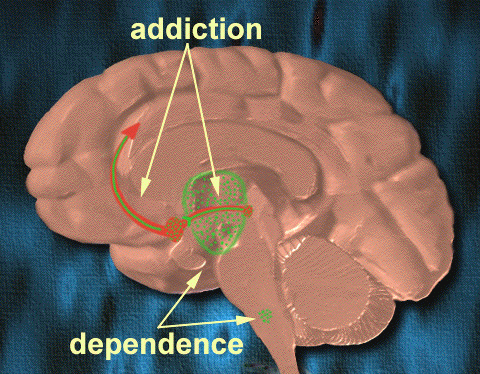
Research on the brain mechanisms of drug addiction showed how the A-process is equated with the pleasure derived from drugs and once it weakens, it is followed by the strengthening of the B-process, which are the withdrawal symptoms.

Motivation and Emotion

Richard Solomon developed a motivational theory based on opponent processes. Basically he states that every process that has an affective balance (i.e. is pleasant or unpleasant) is followed by a secondary, “opponent process”. This opponent process sets in after the primary process is quieted. With repeated exposure, the primary process becomes weaker while the opponent process is strengthened.

The most important contribution is Solomon’s findings on work motivation and addictive behaviour. According to opponent-process theory, drug addiction is the result of an emotional pairing of pleasure and the emotional symptoms associated with withdrawal. At the beginning of drug or any substance use, there are high levels of pleasure and low levels of withdrawal. Over time, however, as the levels of pleasure from using the drug decrease, the levels of withdrawal symptoms increase.

The theory was supported in a study Solomon conducted along with J.D. Corbit in 1974, in which the researchers analysed the emotions of skydivers. It was found that beginners have greater levels of fear than more experienced skydivers, but less pleasure upon landing. However, as the skydivers kept on jumping, there was an increase in pleasure and a decrease in fear. A similar experiment was done with dogs. Dogs were put into a so-called Pavlov harness and were shocked with electricity for 10 seconds. This shock was the stimulus of the experiment. In the initial stage (consisting of the first few stimuli) the dogs experienced terror and panic. Then, when they stopped the stimuli, the dogs became stealthy and cautious. The experiment continued, and after many stimuli, the dogs went from unhappy to joyful and happy after the shocks stopped altogether. In the opponent-process model, this is the result of a shift over time from fear to pleasure in the fear-pleasure emotion pair.

Another example of opponent processes is the use of nicotine. In the terms of Hedonism, one process (the initial process) is a hedonic reaction that is prompted by the use of nicotine. The user gains positive feelings through the inhalation of nicotine. This is then counteracted, or opposed, by the second, drug-opposite effect (the opponent process). The drug-opposite effect holds hedonic properties that are negative, which would be the decrease in positive feelings gained by the inhalation of nicotine. The counteraction takes place after the initial hedonic response as a means to restore homeostasis. In short, the use of nicotine jumpstarts an initial, pleasurable response. It is then counteracted by the opponent process that brings one back to their original level of homeostasis. The negative feelings begin to take hold again, which in this case would be the craving of nicotine. Repeated use of the substance will continue to strengthen the opponent process, but the feelings gained through the initial process will remain constant. This dynamic explains tolerance, which is the increase in the amount of drug/substance that is needed to overcome the opponent process that is increasing in strength. This also explains withdrawal syndrome, which occurs by the negative, drug-opposite effects remaining after the initial, pleasurable process dies out.

Leo Hurvich and Dorothea Jameson proposed a neurological model of a general theory of neurological opponent processing in 1974. This led to Ronald C. Blue & Wanda E. Blue’s general model of Correlational Holographic Opponent Processing. This model proposes that habituation is a neurological holographic wavelet interference of opponent processes that explains learning, vision, hearing, taste, balance, smell, motivation, and emotions.

Beyond addictive behaviour, opponent-process theory can in principle explain why processes (i.e. situations or subjective states) that are aversive and unpleasant can still be rewarding. For instance, after being exposed to a stressful situation (cold pressor test), human participants showed greater physiological signs of well-being than those in the control condition. Self-report measures and subjective ratings show that relief from physical pain can induce pleasant feelings, and a reduction of negative affect. Accordingly, opponent-process theory can also help to explain psychopathological behaviour such as non-suicidal self-injury.

This page is based on the copyrighted Wikipedia article < https://en.wikipedia.org/wiki/Opponent-process_theory#Motivation_and_emotion >; it is used under the Creative Commons Attribution-ShareAlike 3.0 Unported License (CC-BY-SA). You may redistribute it, verbatim or modified, providing that you comply with the terms of the CC-BY-SA.
What is Negativity Bias?

Introduction

The negativity bias, also known as the negativity effect, is a cognitive bias that, even when of equal intensity, things of a more negative nature (e.g. unpleasant thoughts, emotions, or social interactions; harmful/traumatic events) have a greater effect on one’s psychological state and processes than neutral or positive things.

In other words, something very positive will generally have less of an impact on a person’s behaviour and cognition than something equally emotional but negative. The negativity bias has been investigated within many different domains, including the formation of impressions and general evaluations; attention, learning, and memory; and decision-making and risk considerations.

Refer to Positivity Offset.

Explanations

Paul Rozin and Edward Royzman proposed four elements of the negativity bias in order to explain its manifestation: negative potency, steeper negative gradients, negativity dominance, and negative differentiation.

Negative potency refers to the notion that, while possibly of equal magnitude or emotionality, negative and positive items/events/etc. are not equally salient. Rozin and Royzman note that this characteristic of the negativity bias is only empirically demonstrable in situations with inherent measurability, such as comparing how positively or negatively a change in temperature is interpreted.

With respect to positive and negative gradients, it appears to be the case that negative events are thought to be perceived as increasingly more negative than positive events are increasingly positive the closer one gets (spatially or temporally) to the affective event itself. In other words, there is a steeper negative gradient than positive gradient. For example, the negative experience of an impending dental surgery is perceived as increasingly more negative the closer one gets to the date of surgery than the positive experience of an impending party is perceived as increasingly more positive the closer one gets to the date of celebration (assuming for the sake of this example that these events are equally positive and negative). Rozin and Royzman argue that this characteristic is distinct from that of negative potency because there appears to be evidence of steeper negative slopes relative to positive slopes even when potency itself is low.

Negativity dominance describes the tendency for the combination of positive and negative items/events/etc. to skew towards an overall more negative interpretation than would be suggested by the summation of the individual positive and negative components. Phrasing in more Gestalt-friendly terms, the whole is more negative than the sum of its parts.

Negative differentiation is consistent with evidence suggesting that the conceptualization of negativity is more elaborate and complex than that of positivity. For instance, research indicates that negative vocabulary is more richly descriptive of the affective experience than that of positive vocabulary. Furthermore, there appear to be more terms employed to indicate negative emotions than positive emotions. The notion of negative differentiation is consistent with the mobilisation-minimisation hypothesis, which posits that negative events, as a consequence of this complexity, require a greater mobilisation of cognitive resources to deal with the affective experience and a greater effort to minimise the consequences.

Evidence

Social Judgements and Impression Formation

Most of the early evidence suggesting a negativity bias stems from research on social judgments and impression formation, in which it became clear that negative information was typically more heavily weighted when participants were tasked with forming comprehensive evaluations and impressions of other target individuals. Generally speaking, when people are presented with a range of trait information about a target individual, the traits are neither “averaged” nor “summed” to reach a final impression. When these traits differ in terms of their positivity and negativity, negative traits disproportionately impact the final impression. This is specifically in line with the notion of negativity dominance (refer to “Explanations” above).

As an example, a famous study by Leon Festinger and colleagues investigated critical factors in predicting friendship formation; the researchers concluded that whether or not people became friends was most strongly predicted by their proximity to one another. Ebbesen, Kjos, and Konecni, however, demonstrated that proximity itself does not predict friendship formation; rather, proximity serves to amplify the information that is relevant to the decision of either forming or not forming a friendship. Negative information is just as amplified as positive information by proximity. As negative information tends to outweigh positive information, proximity may predict a failure to form friendships even more so than successful friendship formation.

One explanation that has been put forth as to why such a negativity bias is demonstrated in social judgements is that people may generally consider negative information to be more diagnostic of an individual’s character than positive information, that it is more useful than positive information in forming an overall impression. This is supported by indications of higher confidence in the accuracy of one’s formed impression when it was formed more on the basis of negative traits than positive traits. People consider negative information to be more important to impression formation and, when it is available to them, they are subsequently more confident.

An oft-cited paradox, a dishonest person can sometimes act honestly while still being considered to be predominantly dishonest; on the other hand, an honest person who sometimes does dishonest things will likely be reclassified as a dishonest person. It is expected that a dishonest person will occasionally be honest, but this honesty will not counteract the prior demonstrations of dishonesty. Honesty is considered more easily tarnished by acts of dishonesty. Honesty itself would then be not diagnostic of an honest nature, only the absence of dishonesty.

The presumption that negative information has greater diagnostic accuracy is also evident in voting patterns. Voting behaviours have been shown to be more affected or motivated by negative information than positive: people tend to be more motivated to vote against a candidate because of negative information than they are to vote for a candidate because of positive information. As noted by researcher Jill Klein, “character weaknesses were more important than strengths in determining…the ultimate vote”.

This diagnostic preference for negative traits over positive traits is thought to be a consequence of behavioural expectations: there is a general expectation that, owing to social requirements and regulations, people will generally behave positively and exhibit positive traits. Contrastingly, negative behaviours/traits are more unexpected and, thus, more salient when they are exhibited. The relatively greater salience of negative events or information means they ultimately play a greater role in the judgement process.

Attribution of Intentions

Studies reported in a paper in the Journal of Experimental Psychology: General by Carey Morewedge (2009) found that people exhibit a negativity bias in attribution of external agency, such that they are more likely to attribute negative outcomes to the intentions of another person than similar neutral and positive outcomes. In laboratory experiments, Morewedge found that participants were more likely to believe that a partner had influenced the outcome of a gamble in when the participants lost money than won money, even when the probability of winning and losing money was held even. This bias is not limited to adults. Children also appear to be more likely to attribute negative events to intentional causes than similarly positive events.

Cognition

As addressed by negative differentiation, negative information seems to require greater information processing resources and activity than does positive information; people tend to think and reason more about negative events than positive events. Neurological differences also point to greater processing of negative information: participants exhibit greater event-related potentials when reading about, or viewing photographs of, people performing negative acts that were incongruent with their traits than when reading about incongruent positive acts. This additional processing leads to differences between positive and negative information in attention, learning, and memory.

Attention

A number of studies have suggested that negativity is essentially an attention magnet. For example, when tasked with forming an impression of presented target individuals, participants spent longer looking at negative photographs than they did looking at positive photographs. Similarly, participants registered more eye blinks when studying negative words than positive words (blinking rate has been positively linked to cognitive activity). Also, people were found to show greater orienting responses following negative than positive outcomes, including larger increases in pupil diameter, heart rate, and peripheral arterial tone.

Importantly, this preferential attendance to negative information is evident even when the affective nature of the stimuli is irrelevant to the task itself. The automatic vigilance hypothesis has been investigated using a modified Stroop task. Participants were presented with a series of positive and negative personality traits in several different colours; as each trait appeared on the screen, participants were to name the colour as quickly as possible. Even though the positive and negative elements of the words were immaterial to the colour-naming task, participants were slower to name the colour of negative traits than they were positive traits. This difference in response latencies indicates that greater attention was devoted to processing the trait itself when it was negative.

Aside from studies of eye blinks and colour naming, Baumeister and colleagues noted in their review of bad events versus good events that there is also easily accessible, real-world evidence for this attentional bias: bad news sells more papers and the bulk of successful novels are full of negative events and turmoil. When taken in conjunction with the laboratory-based experiments, there is strong support for the notion that negative information generally has a stronger pull on attention than does positive information.

Learning and Memory

Learning and memory are direct consequences of attentional processing: the more attention is directed or devoted toward something, the more likely it is that it will be later learned and remembered. Research concerning the effects of punishment and reward on learning suggests that punishment for incorrect responses is more effective in enhancing learning than are rewards for correct responses—learning occurs more quickly following bad events than good events.

Drs. Pratto and John addressed the effects of affective information on incidental memory as well as attention using their modified Stroop paradigm (see section concerning “Attention”). Not only were participants slower to name the colours of negative traits, they also exhibited better incidental memory for the presented negative traits than they did for the positive traits, regardless of the proportion of negative to positive traits in the stimuli set.

Intentional memory is also impacted by the stimuli’s negative or positive quality. When studying both positive and negative behaviours, participants tend to recall more negative behaviours during a later memory test than they do positive behaviours, even after controlling for serial position effects. There is also evidence that people exhibit better recognition memory and source memory for negative information.

When asked to recall a recent emotional event, people tend to report negative events more often than they report positive events, and this is thought to be because these negative memories are more salient than are the positive memories. People also tend to underestimate how frequently they experience positive affect, in that they more often forget the positively emotional experiences than they forget negatively emotional experiences.

Decision-Making

Studies of the negativity bias have also been related to research within the domain of decision-making, specifically as it relates to risk aversion or loss aversion. When presented with a situation in which a person stands to either gain something or lose something depending on the outcome, potential costs were argued to be more heavily considered than potential gains. The greater consideration of losses (i.e. negative outcomes) is in line with the principle of negative potency as proposed by Rozin and Royzman. This issue of negativity and loss aversion as it relates to decision-making is most notably addressed by Drs. Daniel Kahneman’s and Amos Tversky’s prospect theory.

However, it is worth noting that Rozin and Royzman were never able to find loss aversion in decision making. They wrote, “in particular, strict gain and loss of money does not reliably demonstrate loss aversion”. This is consistent with the findings of a recent review of more than 40 studies of loss aversion focusing on decision problems with equal sized gains and losses. In their review, Yechiam and Hochman (2013) did find a positive effect of losses on performance, autonomic arousal, and response time in decision tasks, which they suggested is due to the effect of losses on attention. This was labelled by them as loss attention.

Politics

Research points to a correlation between political affiliation and negativity bias, where conservatives are more sensitive to negative stimuli and therefore tend to lean towards right-leaning ideology which considers threat reduction and social-order to be its main focus. Individuals with lower negativity bias tend to lean towards liberal political policies such as pluralism and are accepting of diverse social groups which by proxy could threaten social structure and cause greater risk of unrest.

Lifespan Development

Infancy

Although most of the research concerning the negativity bias has been conducted with adults (particularly undergraduate students), there have been a small number of infant studies also suggesting negativity biases.

Infants are thought to interpret ambiguous situations on the basis of how others around them react. When an adult (e.g. experimenter, mother) displays reactions of happiness, fear, or neutrality towards target toys, infants tend to approach the toy associated with the negative reaction significantly less than the neutral and positive toys. Furthermore, there was greater evidence of neural activity when the infants were shown pictures of the “negative” toy than when shown the “positive” and “neutral” toys. Although recent work with 3-month-olds suggests a negativity bias in social evaluations, as well, there is also work suggesting a potential positivity bias in attention to emotional expressions in infants younger than 7 months. A review of the literature conducted by Drs. Amrisha Vaish, Tobias Grossman, and Amanda Woodward suggests the negativity bias may emerge during the second half of an infant’s first year, although the authors also note that research on the negativity bias and affective information has been woefully neglected within the developmental literature.

Aging and Older Adults

Some research indicates that older adults may display, at least in certain situations, a positivity bias or positivity effect. Proposed by Dr. Laura Carstensen and colleagues, the socioemotional selectivity theory outlines a shift in goals and emotion regulation tendencies with advancing age, resulting in a preference for positive information over negative information. Aside from the evidence in favour of a positivity bias, though, there have still been many documented cases of older adults displaying a negativity bias.

This page is based on the copyrighted Wikipedia article < https://en.wikipedia.org/wiki/Negativity_bias >; it is used under the Creative Commons Attribution-ShareAlike 3.0 Unported License (CC-BY-SA). You may redistribute it, verbatim or modified, providing that you comply with the terms of the CC-BY-SA.
A Brief Overview of Agency (Psychology)

Introduction

The first half of the topic of agency deals with the behavioural sense, or outward expressive evidence thereof.

In behavioural psychology, agents are goal-directed entities that are able to monitor their environment to select and perform efficient means-ends actions that are available in a given situation to achieve an intended goal. Behavioural agency, therefore, implies the ability to perceive and to change the environment of the agent. Crucially, it also entails intentionality to represent the goal-state in the future, equifinal variability to be able to achieve the intended goal-state with different actions in different contexts, and rationality of actions in relation to their goal to produce the most efficient action available. Cognitive scientists and Behavioural psychologists have thoroughly investigated agency attribution in humans and non-human animals, since social cognitive mechanisms such as communication, social learning, imitation, or theory of mind presuppose the ability to identify agents and differentiate them from inanimate, non-agentive objects. This ability has also been assumed to have a major effect on inferential and predictive processes of the observers of agents, because agentive entities are expected to perform autonomous behaviour based on their current and previous knowledge and intentions. On the other hand, inanimate objects are supposed to react to external physical forces.

Although the concepts are often confused with one another, sensitivity to agency and the sense of agency are distinct and separate concepts. The sensitivity to agency can be explained as a cognitive ability to identify agentive entities in the environment, while the sense of agency refers to the exertion of control over the environment and sometimes to self-efficacy, which is an individual’s learned belief of how able they are to succeed in specific situations.

The other half of the topic of agency deals with the arguments of determinism typically found in theories of personality and developmental lifespan. Different from philosophical determinism, this determinism encapsulates forms of deterministic principles found within these psychological theories, such as hedonism, developmental stage theory, the law of non-contradiction, consistency, necessity, and others. Capitalising on the first half of agency, these principles of determinism are founded on the test-retest/empirical evidences of observable behaviour. Founding actors of Psychology (such as Sigmund Freud, and B.F. Skinner) defaulted on deterministic principles in order to form their theories. Much of this is due to the scientific consensus of the era, particularly concerning Newtonian principles of linear time and the attempts made by earlier psychologists to have psychology recognised as a serious science.

Refer to Agency (Sociology) and Dignity of Risk.

Theoretical Approaches of Agency

Carey and Spelke’s model of domain-specific cognition explained certain perceptual and representational abilities vital to how humans recognise other humans. They attempted to answer the question of how humans understand “the notion that people are sentient beings who choose their actions”. They identified that even infants appear to be born with the ability to recognise human facial features but noted that there is a body of research that has decently refuted the idea that babies use facial representations “to identify people as entities expected to be capable of perceptions and purposive action”. Instead, Carey and Spelke suggested that humans identify other sentient beings through observation of the actions those beings perform instead of identifying them by their appearances.

According to Carey and Spelke, the cognitive models explaining specific perceptual and representational abilities, for instance the models of agency recognition, can be separated into two different classes:

  • Feature-based models; and
  • Principle-based approaches.

The feature-based models of agency assume that the perception of an observer focuses on featural and behavioural cues that help to identify agents. Previous studies show that even very young human observers are sensitive to

  • Self-propulsion;
  • Non-rigid transformation of the object’s surface;
  • Irregular path movement;
  • causation at a distance; and
  • Contingent turn-taking reactivity.

However, none of these cues alone are necessary or sufficient to identify an agent, since unfamiliar, novel entities like animated figures or robots without human features can elicit agency attribution in humans. Therefore, cognitive models belonging to the principle-based approaches were designed to describe how humans perceive agency assuming that the detection of agency is not a precondition, but a consequence of inferential processes about potentially agentive objects.

The theory of teleological stance proposes that from 12 months of age humans can apply the principle of rational action to determine whether the observed entity is an agent or an inanimate object depending on an agent’s rational behaviour for its own functioning. The theory assumes that the rationality principle makes observers able to relate the action, the represented goal-state and the current situational constraints to decide whether an object is an agent. For instance, if infants had learned that an abstract, unfamiliar agent (an animated circle on a display) approaches another entity by jumping over an obstacle, when the obstacle had been removed, they expected a new, but highly rational behaviour from the agent to approach the other entity via a straight pathway. In contrast, when infants were shown that the unfamiliar entity always made a detour when approaching its goal-object exhibiting non-justifiable behaviour of jumping in the absence of an obstacle, they did not expect rational behaviour when the situational constraints changed.

These results and later empirical studies underpinned that agency recognition in humans can be explained by principle-based models rather than simple perceptual cues. As Gergely and Csibra concluded from 12-month of age humans “can take the teleological stance to interpret actions as means to goals, can evaluate the relative efficiency of means by applying the principle of rational action, and can generate systematic inferences to identify relevant aspects of the situation to justify the action as an efficient means even when these aspects are not directly visible to them”.

Types of Agents

It was proposed that the representation of agency can be based on the sensitivity to different abilities observed in agentive entities probably in humans and perhaps in non-human species as well. In humans, the species-specific social environment allows one to identify agents either based on their intentional behaviour, on their non-communicative, rational, goal-directed actions or by recognising their communicative abilities. Agents identified by their intentional behaviours and goal-directed actions are considered instrumental agents, while agents identified by an action’s communicative properties are considered communicative agents. In non-human species, however, besides these types of input information, unfamiliar potential agents can be identified on the basis of their perceptual abilities. These have context-dependent effects on the behaviour of the non-human observer even in the absence of a visible goal-object that may be required to assess the effectiveness of their goal-approach.

Instrumental Agency

According to Gergely, instrumental agents are intentional agents that exhibit actions in order to realise their goal states in the environment. The recognition of instrumental agents has been investigated by numerous experiments in human infants, and also in non-human apes. These studies reveal that when an agent exhibits an instrumental action it is expected by human infants to achieve its goal in an efficient manner, which is rational in terms of efforts in a given context.

On the other hand, it is also expected by infants that an agent should have a clear goal-state to be achieved. Gergely said, “Before the end of their first year, infants can track others’ subjective motivations.” This suggests that infants understand that humans and other potential agents act in order to achieve some goal whether the goal is seen or unseen. Gergely went on to postulate that infants judge potentially instrumental actions based on how efficiently that action seems to help propel the potential agent towards forward progress in the goal.

In practice, instrumental agency seems to fluctuate with various conditions, or at least the ability to exercise instrumental agency does. One of these conditions appear to be political/social, indicating that lower access to food or undernutrition has a bidirectional influence on women’s agency in East African countries.

Communicative Agency

In contrast to instrumental agents, communicative agents are intentional agents whose actions are performed to bring about a specific change in the mental representations of the addressee, for instance by providing new and relevant information. The recognition of communicative agency may allow for the observer to predict that communicative information transfer can have a relevant effect on the behaviour of the agent, even if the interacting agents and their communicative signals are unfamiliar. Because all communicative agents are, definitionally, intentional agents as well, communicative agents are assumed to be a subset of intentional agents; however, it is not necessary that all intentional agents possess communicative capabilities. Really, the idea here is that one’s intentionality is what a communicative agent would be communicating to others, thus signifying that the agent is performing actions that act in some ways as a means to an end.

Catt connected communication and intentionality in this way, “Communication is that possibility of experiencing consciousness in which phenomenological intentionality is simultaneously realised and actualised. The abductive result is agency, the distinctive human capacity to illuminate meaning in the embodiment of semiosis.” By this one can understand that in many ways an agent’s ability to communicate is fundamental to their agentive nature, and intentionality is a key component of what a communicative agent communicates. Additionally, an intentional agent’s intentions are at least partially achieved through communication.

Communicative agency is also viewed as the rationale behind social and relational communications and shared activities. It is considered “fundamentally interpretive and relational.” Games, especially games with a narrative nature, play with one’s definitions and conceptions of communicative agency and strengthens one’s communicative abilities and relationships. Spracklen and Spracklen investigated social bonding over “dark leisure”, including goth musical culture, and they reasoned that creating bonds with others over dark culture is a method of commiserating over shared struggles. Additionally, they argued that dark culture of such a nature is a means to reducing cognitive dissonance between the ideals of what society could be and the state of society in reality.

Navigational Agency

The construal of navigational agency is based on the assumption that Leslie’s theory on agency implies two different types of distal sensitivity; distal sensitivity in space and distal sensitivity in time. While goal-directed instrumental agents need both of these abilities to represent a goal-state in the future and achieve it in a rational and efficient manner, navigational agents are supposed to have only perceptual abilities, that is a distal sensitivity in space to avoid collision with objects in their environments. A study contrasting the ability of dogs and human infants to attribute agency to unfamiliar self-propelled object showed that dogs – unlike human infants – may lack the capability to recognise instrumental agents, however they can identify navigational agents.

Agency Recognition in Non-Human Animals

The ability to represent the efficiency of goal-directed actions of an instrumental agent may be a phylogenetically ancient core cognitive mechanism that can be found in non-human primates as well. Previous research provided evidence for this assumption showing that this sensitivity affects the expectations of cotton-top tamarins, rhesus macaques, and chimpanzees. Non-human apes are able to make inferences about the goal of an instrumental agent by taking the environmental constraints that can guide the agents’ actions into account. Moreover, it seems that non-human species like dogs can recognise contingent reactivity as an abstract of cue of agency, and respond to contingent agent significantly different in contrast to inanimate objects.

This page is based on the copyrighted Wikipedia article < https://en.wikipedia.org/wiki/Agency_(psychology) >; it is used under the Creative Commons Attribution-ShareAlike 3.0 Unported License (CC-BY-SA). You may redistribute it, verbatim or modified, providing that you comply with the terms of the CC-BY-SA.

An Overview of Interior Design Psychology

Introduction

Interior design psychology is a field within environmental psychology, which concerns the environmental conditions of the interior.

It is a direct study of the relationship between an environment and how that environment affects the behaviour of its inhabitants, intending to maximise the positive effects of this relationship. Through interior design psychology, the performance and efficiency of the space and the well-being of the individual are improved. Figures like Walter Benjamin, Sigmund Freud, John B. Calhoun and Jean Baudrillard have shown that by incorporating this psychology into design one can control an environment and to an extent, the relationship and behaviour of its inhabitants. An example of this is seen through the rat experiments conducted by Calhoun in which he noted the aggression, killing and changed sexual tendencies amongst rats. This experiment created a stark behavioural analogy between the rat’s behaviour and inhabitation in high-rise building projects in the US after WWII, an example of which is the Pruitt-Igoe development in St Louis demolished in 1972 only 21 years after being erected.

Proxemics

Proxemics study the amount of space people feel necessary to have between themselves and others.

Brief Background

A greater awareness into this field has emerged since the 20th century when the function and performance of the interior became of chief importance in designing habitations, the start of user-centred design, for example, La Maison de Verre. This modern idea of the interior-designing for the user from the inside to the outside has coincided with psychological analysis on the effects on inhabitations.

In The Emergence of the Interior, Charles Rice rationalised the implications of the interior:

  • Under the context of modernity;
  • Status of the experience;
  • Presence of history; and
  • Knowledge about subjectivity.

The Importance of the development of this field is evident through the above areas of study

Understanding and implementation of interior design psychology can impact and improve the performance, efficiency and well-being of the individual inhabitant. As illustrated through the above categories this is an important and relevant developing field within design and planning.

Crowding and Personal Space

In this field of study, the phenomenon of territoriality is demonstrated continuously through unwritten indices and behaviours, which communicate, the conscious or subconscious notions of personal space and territoriality. This phenomenon is seen, for example, through the use of public seating and the empty seats on a crowded bus or train. “Crowding occurs when the regulation of social interaction is unsuccessful and our desires for social interaction are exceeded by the actual amount of social interaction experienced.” Studies observing social behaviours and psychology have indicated, such as in the case of commuters that people will seek to maximize personal space whether standing or sitting.

In a study conducted by Gary W. Evans and Richard E. Wene, (who work within the field of environmental design and human development) of 139 adult commuters, commuting between New Jersey and Manhattan, (54% male) saliva samples were taken to measure cortisol levels, a hormonal marker of stress. Their research accounts statistically for other possible stressors such as income and general life stress. “We find that a more proximal index of density is correlated with multiple indices of stress wherein a more distal index of density is not.” Concerns arising from the results of this study suggest that small deviations in increased seat density, controlled against income stress, would elevate the log of cortisol (i.e. stress levels) and diminish task performance and mood.

Smooth and Striated Space

According to Learning Spaces: Creating Opportunities for Knowledge Creation in Academic Life by Savin-Baden, it explored the concept of space in the physical sense when describing smooth and striated cultural spaces. Smooth spaces are described as “nomadic”; that is, in a constant state of movement. For example, the lobby of a hotel, an activity room where the seating directions are towards each other instead of focusing in one line, which provides a sense of relaxation and informality. These spaces are open, flexible, and owned by their inhabitants. Smooth spaces are where knowledge is contested and learning is co-created. They are messy and undisciplined, which often creates tension between stakeholders and users. Striated spaces, on the other hand, are described as bounded spaces, which refers to a certain orientation that focuses primarily in one direction, reflecting the organisational and pedagogical structure of the space. Classrooms and lecture halls are examples of striated spaces.

Relationships between People

Closely related to the proxemics of space, in the area of privacy. In “Perspectives on Privacy” P. Brierley Newell from the department of psychology at the University of Warwick, Coventry defines privacy as “a voluntary and temporary condition of separation from the public domain.” The desire for privacy is often identified as a link between stress and distress. The ability to obtain privacy within an environment allows the individual to separate themselves physically and mentally from others and relax. This notion is of key importance in determining the behaviour and well-being of the individual. As above in the scenario of crowding and density on public transport, privacy dictates the perception of comfort, in relation to crowding and personal space. Dissatisfaction with one’s environment can be related to close proximity with others, leading to stress and as a result, diminish mood and performance behaviours.

Defensible Space

This theory began development in 1962 when John B. Calhoun conducted a series of experiments on rats to study population density and social pathology. From these experiments, a breeding utopia was established for the rats in which they only lacked space. “Unwanted social contact occurred with increasing frequency, leading to increased stress and aggression. Following the work of the physiologist, Hans Selye, it seemed that the adrenal system offered the standard binary solution: fight or flight. But in the sealed enclosure, the flight was impossible. Violence quickly spiralled out of control. Cannibalism and infanticide followed. Males became hypersexual, pansexual and, an increasing proportion, homosexual. Calhoun called this vortex “a behavioural sink”. Their numbers fell into terminal decline and the population tailed off to extinction”

This study linked population growth, environmental degradation and urban violence. Similar behavioural tendencies became apparent within the poor housing conditions at the Pruitt-Igoe development in St Louis. This development is now used as a key study of inhabitation by architects and urban planners, Oscar Newman one of the main developers of this field, references the observations of inhabitation at this establishment in his book Creating Defensible Space. He notes the stark difference between private space, which is clearly defined as personal territory, and the public space in this development. He notes that public spaces shared by relatively few families compared to those shared by many were much more hygienic and well-looked after, whereas those shared by larger numbers were often vandalised and unhygienic. He comments that the anonymity created by these largely shared public corridors and spaces “evoked no feelings of identity or control” This indicates our relationship with space affects our behaviour and use of space. In this example lack of feelings of ownership of the space led to negative behaviour within space and created feedback with negative effects on the well-being of the inhabitants.

The perception of space
This perception can otherwise be termed as awareness between our bodies and the awareness of other bodies, organisms and bodies around us. Perceived beauty and personal involvement within an environment are key factors, which determine our perception of space. As defined in the Measurement of Meaning by Osgood, Suci and Tannebaum the factors influencing the perception of space are these 3 things:

  1. Evaluation: Including the aesthetic, affective and symbolic meaning of space;
  2. Power: The energy requirements to adapt to a space; and
  3. Activity: Links to the noise within a space and the worker’s relationship and satisfaction with job and task.

In “Effects of the self-schema on perception of space at work” by Gustave Nicolas Fischer, Cyril Tarquinio, Jacqueline C. Vischer, the study conducted linking design and psychology in the workplace. In this study, they proposed a theoretical model linking environmental perception, work satisfaction and sense of self in a feedback loop.

There is also something to be said about the way our increasingly popular open office designs may contribute to less productivity and higher distractions, versus traditional cubicle-like workspaces. According to an article from Fortune, “Evidence is mixed on whether open plans actually foster collaboration, and studies have shown that open office plans decrease productivity and employee well-being while increasing the number of sick days workers take. […] A study by the architecture and design firm Gensler found that workers in 2013 spent 54 percent of their time on work requiring individual focus, up from 48 percent in 2008.” In order to combat this, future offices in our next generations will include sound-proof private rooms allowing workers to work solo without distraction, cubicle banks and private offices while continuing to sustain the open floor plan.

The System of Objects

Developed by Jean Baudrillard as part of his sociology doctorate thesis Le Système des objets (The System of Objects). In this he proposed the 4 object valuing criteria, these being:

  1. Function: A pen is used to write;
  2. Exchange or economic value: A piano being worth three chairs;
  3. Symbolic: An amethyst symbolising a birth in February; and
  4. Sign: The branding or prestige of an object, with no added function being valued over another, it may be used to suggest social values such as class.

In this way, the objects and human relationships with objects in the interior environment have significant psychological meaning and impact. In “Social Attributions Based on Domestic Interiors” by M.A. Wilson and N.E. Mackenzie, it is proposed that: “people’s interactions with the environment are determined by the meanings they attribute to it, and both stress the impact of expectations on behaviour within a particular environment.” The study they discuss further developed the theme, that objects and how we classify them, in turn, allows us to classify the social attributes of the owner of the objects, in relation to age and social class according to the object valuing system. This system suggests that our relationship with objects affects both our behaviour as we use objects according to their function, but also how we are perceived in the eyes of others. This makes our relationship with objects and space pivotal to our psychology.

Space-Time Relationships

Charles Rice references the thinking of Walter Benjamin, in The Emergence of the Interior, on the study of interiorisation and experience. He proposes that in our faster-paced modern society experiences are instantaneous and through this, we are missing long experiences such as a connection with tradition and the accumulation of wisdom over time. To reforge a sense of this relationship and address the current lack he demonstrates that we might materially create such a relationship through inanimate objects in our environment. Giving the example: “that the hearth and the mantelpiece might materially encode the mythical fireside and the situation it provided for the telling of stories.” In this way, one’s relationship with objects can embody a sense of experience and fulfil the desire for a connection with tradition.

Space and User Experience

In the article “Storied Spaces: Cultural Accounts of Mobility, Technology, and Environmental Knowing” by Johanna Brewer and Paul Dourish, it mentioned the three themes that are directly related to user-experience in terms of campus planning: legibility, literacy, and legitimacy. Legibility refers to “our understanding of how the place and/or space provide information for us, both socially and culturally”. Spatial Literacy refers to “how we interpret the information provided by the environment around us, the activities we engage in, and the relevance of those activities.” Legitimacy refers to “how we seek information and find relevance within the environment around us.” In the concept of campus design, legibility refers to the campus maps, signposts, as well as the lecture room numbers within the building. Literacy refers to the students’ feelings and behaviours within a certain environment in the building and what an interior promotes students to do and do not, in general user-experience. And legitimacy refers to the method that students use to engage themselves into this environment, as well as the reason that they come in and leave.

Space and Human Behavioural Cognition

The interaction between humans and spaces tends to reach a certain balance by their interaction. When individuals are in a certain interior environment, they not only express their physical behaviour, but also their emotions, thoughts, and willingness are impacted by the interior as well. According to what Ye Wenben mentioned in his article “Interior Design Psychology”, the ultimate goal of interior design is to lead human behavioural cognition in a positive way and reach a relatively harmonious dynamic balance through its impact towards humans in terms of user experience and mental conditions.

Security

Ye mentioned that within a certain space, it does not necessarily mean that the broader the space is, the better it is going to be for the users. The over-broad space tends to cause people a sense of loss and insecurity. The needs of safety and protection of people will make them willing to find certain objects to rely on. For example, in the environment of a train station and subway station, people do not tend to stay in the closest place to broad, instead multiple groups are formed and spread themselves around the waiting space, seats, and pillars, and maintain a certain space with other individuals. This concept of “security” has also prompted people to apply the use of interspersed space in order to provide a more stable and secure mentality within a space.

Self-Congestion

According to the journal: Does Space Matter? Assessing the Undergraduate “Lived Experience” to Enhance Learning, by using time-lapse cameras and three years of observing and measuring the interactions and activities of people within these public spaces, it summarised the notion of “self-congestion”: people tend to attract other people in public spaces even though they indicate that they prefer to get away from crowds. When it applies to interior design, we must also take in consideration gathered spaces instead of an evenly distributed distance with tables and chairs.

Privacy and Interpersonal Distance

Privacy is people’s basic need for the space, ensuring self-integrity, expressing one’s perspective towards life, is the fundamental proven of freedom and respect towards an individual. Private space is the independent interior space that is restricted by the external materials and stabilised by one’s mental awareness. It involves the relative requirements of visions and sounds within the space. Due to the different social scenario and interaction needs, the application for privacy and personal distances also have a clear discipline.

This page is based on the copyrighted Wikipedia article < https://en.wikipedia.org/wiki/Interior_design_psychology >; it is used under the Creative Commons Attribution-ShareAlike 3.0 Unported License (CC-BY-SA). You may redistribute it, verbatim or modified, providing that you comply with the terms of the CC-BY-SA.

What is Codependency?

Introduction

In sociology, codependency is a theory that attempts to explain imbalanced relationships where one person enables another person’s self-destructive behaviour such as addiction, poor mental health, immaturity, irresponsibility, or under-achievement.

Definitions of codependency vary, but typically include high self-sacrifice, a focus on others’ needs, suppression of one’s own emotions, and attempts to control or fix other people’s problems. People who self-identify as codependent exhibit low self-esteem, but it is unclear whether this is a cause or an effect of characteristics associated with codependency. Codependency is not limited to married, partnered, or romantic relationships, as co-workers, friends, and family members can be codependent as well.

Refer to Co-Dependents Anonymous.

Brief History

The term “codependency” most likely developed in Minnesota in the late 1970s from “co-alcoholic”, when alcoholism and other drug dependencies were grouped together as “chemical dependency.” The term is most often identified with Alcoholics Anonymous and the realisation that the alcoholism was not solely about the addict but also about the family and friends who constitute a network for the alcoholic.

The term “codependent” was first used to describe how family members and friends might interfere with the recovery of a person affected by a substance use disorder by “overhelping”. Application of the concept of codependency was driven by the self-help community.

In 1986, Psychiatrist Timmen Cermak wrote Diagnosing and Treating Co-Dependence: A Guide for Professionals. In that book and an article published in the Journal of Psychoactive Drugs, Cermak argued unsuccessfully for the inclusion of codependency as a separate personality disorder in the Diagnostic and Statistical Manual of Mental Disorders, DSM-III-R. He found that the condition could affect people close to people with any mental disorder, not just addiction.

Melody Beattie popularised the concept of codependency in 1986 with the book Codependent No More which sold eight million copies, with updated editions released in 1992 and 2022. Drawing on her personal experience with substance abuse and caring for someone with it, she also interviewed people helped by Al-Anon. Beattie’s work formed the underpinning of a twelve-step organisation called Co-Dependents Anonymous, founded in 1986, although the group does not endorse any definition of or diagnostic criteria for codependency.

Definition

Codependency has no established definition or diagnostic criteria within the mental health community. It has not been included as a condition in any edition of the DSM or ICD.

Codependency carries three potential levels of meaning. First, it can describe a didactic tool that, once explained to families, helps them normalise the feelings that they are experiencing and allows them to shift their focus from the dependent person to their own dysfunctional behaviour patterns. Second, it can describe a psychological concept, a shorthand means of describing and explaining human behaviour. Third, it can describe a psychological disorder, implying that there is a consistent pattern of traits or behaviours across individuals that can create significant dysfunction.

Discussion of codependency tends to focus on the disease model of the term, although there is no agreement that codependency is a disorder at all, or how such a disease entity might be defined or diagnosed.  In an early attempt to define codependency as a diagnosable disorder, Timmen Cermak wrote:

“Co-dependence is a recognisable pattern of personality traits, predictably found within most members of chemically dependent families, which are capable of creating sufficient dysfunction to warrant the diagnosis of Mixed Personality Disorder as outlined in DSM III.”

Timmen proceeded to list the traits he identified in self-suppressing supporting partners of people with chemical dependence or disordered personalities, and to provide a DSM-style set of diagnostic criteria.

In her self-help book, Melody Beattie proposes that, “The obvious definition [of codependency] would be: being a partner in dependency. This definition is close to the truth but still unclear.” Beattie elaborates, “A codependent person is one who has let another person’s behaviour affect him or her, and who is obsessed with controlling that person’s behaviour.” Another self-help author, Darlene Lancer, asserts that “A codependent is a person who can’t function from his or her innate self and instead organizes thinking and behavior around a substance, process, or other person(s).” Lancer includes all addicts in her definition. She believes a “lost self” is the core of codependency.

Co-Dependents Anonymous, a self-help organization for people who seek to develop healthy and functional relationships, “offer[s] no definition or diagnostic criteria for codependence”, but provides a list of “patterns and characteristics of codependence” that can be used by laypeople for self-evaluation. The organisation identifies patterns that may occur in codependency.

The Medical Subject Heading utilised by the United States National Library of Medicine describes codependency as “A relational pattern in which a person attempts to derive a sense of purpose through relationships with others.”

Theories

Under theories of codependency as a psychological disorder, the codependent partner in a relationship is often described as displaying self-perception, attitudes and behaviours that serve to increase problems within the relationship instead of decreasing them. It is often suggested that people who are codependent were raised in dysfunctional families or with early exposure to addiction behaviour, resulting in their allowance of similar patterns of behaviour by their partner.

Relationships

Codependent relationships are often described as being marked by intimacy problems, dependency, control (including caretaking), denial, dysfunctional communication and boundaries, and high reactivity. There may be imbalance within the relationship, where one person is abusive or in control or supports or enables another person’s addiction, poor mental health, immaturity, irresponsibility, or under-achievement.

Under this conception of codependency, the codependent person’s sense of purpose within a relationship is based on making extreme sacrifices to satisfy their partner’s needs. Codependent relationships signify a degree of unhealthy “clinginess” and needy behaviour, where one person does not have self-sufficiency or autonomy. One or both parties depend on their loved one for fulfilment. The mood and emotions of the codependent are often determined by how they think other individuals perceive them (especially loved ones). This perception is self-inflicted and often leads to clingy, needy behaviour which can hurt the health of the relationship.

Personality Disorders

Codependency may occur within the context of relationships with people with diagnosable personality disorders.

  • Borderline personality disorder: There is a tendency for loved ones of people with borderline personality disorder (BPD) to slip into “caretaker” roles, giving priority and focus to problems in the life of the person with BPD rather than to issues in their own lives. The codependent partner may gain a sense of worth by being perceived as “the sane one” or “the responsible one”.
  • Narcissistic personality disorder: Narcissists, with their ability to get others to “buy into their vision” and help them make it a reality, seek and attract partners who will put others’ needs before their own. A codependent person can provide the narcissist with an obedient and attentive audience. Among the reciprocally interlocking interactions of the pair are the narcissist’s overpowering need to feel important and special and the codependent person’s strong need to help others feel that way.

Family Dynamics

In the dysfunctional family the child learns to become attuned to the parent’s needs and feelings instead of the other way around. Parenting is a role that requires a certain amount of self-sacrifice and giving a child’s needs a high priority. A parent can be codependent toward their own child. Generally, a parent who takes care of their own needs (emotional and physical) in a healthy way will be a better caretaker, whereas a codependent parent may be less effective, or may even do harm to a child. Codependent relationships often manifest through enabling behaviours, especially between parents and their children. Another way to look at it is that the needs of an infant are necessary but temporary, whereas the needs of the codependent are constant. Children of codependent parents who ignore or negate their own feelings may become codependent.

Recovery and Prognosis

With no consensus as to how codependency should be defined, and with no recognised diagnostic criteria, mental health professionals hold a range of opinions about the diagnosis and treatment of codependency. Caring for an individual with a physical addiction is not necessarily treating a pathology. The caregiver may only require assertiveness skills and the ability to place responsibility for the addiction on the other. There are various recovery paths for individuals who struggle with codependency. For example, some may choose cognitive-behavioural psychotherapy, sometimes accompanied by chemical therapy for accompanying depression. There also exist support groups for codependency, such as Co-Dependents Anonymous (CoDA), Al-Anon/Alateen, Nar-Anon, and Adult Children of Alcoholics (ACoA), which are based on the twelve-step programme model of Alcoholics Anonymous, Celebrate Recovery and Life Recovery a Christian 12 step Bible-based group. Many self-help guides have been written on the subject of codependency.

It has been proposed that, in attempts to recover from codependency, people may go from being overly passive or overly giving to being overly aggressive or excessively selfish. Therapists may seek to help a client develop a balance through healthy assertiveness, which leaves room for being a caring person and also engaging in healthy caring behaviour, while minimising selfishness, bully, or behaviours that might reflect conflict addiction. Developing a permanent stance of being a victim (having a victim mentality) does not constitute recovery from codependency. A victim mentality could also be seen as a part of one’s original state of codependency (lack of empowerment causing one to feel like the “subject” of events rather than being an empowered actor). Someone truly recovered from codependency would feel empowered and like an author of their life and actions rather than being at the mercy of outside forces. A victim mentality may also occur in combination with passive-aggressive control issues. From the perspective of moving beyond victim-hood, the capacity to forgive and let go (with exception of cases of very severe abuse) could also be signs of real recovery from codependency, but the willingness to endure further abuse would not.

It is theorized that unresolved patterns of codependency may lead to more serious problems like alcoholism, drug addiction, eating disorders, sex addiction, psychosomatic illnesses, and other self-destructive or self-defeating behaviours. People with codependency may be more likely to attract further abuse from aggressive individuals (such as those with BPD or NPD), more likely to stay in stressful jobs or relationships, less likely to seek medical attention when needed and are also less likely to get promotions and tend to earn less money than those without codependency patterns. For some people, the social insecurity caused by codependency may progress into full-blown social anxiety disorders like social phobia, avoidant personality disorder or painful shyness. Other stress-related disorders like panic disorder, depression or PTSD may also be present.

Controversy

Codependency is not a diagnosable mental health condition, there is no medical consensus as to its definition, and there is no evidence that codependency is caused by a disease process. Without clinical definition, the term is easily applicable to many behaviours and has been overused by some self-help authors and support communities. In an article in Psychology Today, clinician Kristi Pikiewicz suggested that the term codependency has been overused to the point of becoming a cliché, and labelling a patient as codependent can shift the focus on how their traumas shaped their current relationships.

Some scholars and treatment providers assert that codependency should be understood as a positive impulse gone awry, and challenge the idea that interpersonal behaviours should be conceptualised as addictions or diseases, as well as the pathologising of personality characteristics associated with women. A study of the characteristics associated with codependency found that non-codependency was associated with masculine character traits, while codependency was associated with negative feminine traits, such as being self-denying, self-sacrificing, or displaying low self-esteem.

This page is based on the copyrighted Wikipedia article < https://en.wikipedia.org/wiki/Codependency >; it is used under the Creative Commons Attribution-ShareAlike 3.0 Unported License (CC-BY-SA). You may redistribute it, verbatim or modified, providing that you comply with the terms of the CC-BY-SA.

What is the Scale of Protective Factors?

Introduction

The Scale of Protective Factors (SPF) is a measure of aspects of social relationships, planning behaviours and confidence. These factors contribute to psychological resilience in emerging adults and adults.

Brief History

The SPF was developed by Dr. Elisabeth Ponce-Garcia at the science of protective factors laboratory (SPF Lab) to capture multiple aspects of adult resilience. A Confirmatory Factor Analysis was subsequently published as collaborative research. The SPF was found to assess resilience effectively in both men and women, across risk and socio-economic status, and ethnic/racial categories.

In order to verify effectiveness in comparison to other measures, Madewell and Ponce-Garcia (2016) analysed the SPF and four other commonly used measures of adult resilience. They found that the SPF was the only measure that assessed social and cognitive aspects and that it outperformed three other measures and performed comparably with a fourth.

The structure of the SPF in comparison to four other adult resilience measures, as well as comparison data, is available as a Data in Brief article. Noticing the absence of research examining the effectiveness of adult resilience measures in child or adult sexual assault, Ponce-Garcia, Madewell and Brown (2016) demonstrated SPF’s effectiveness in that domain. An investigation of the effectiveness of the SPF in the Southern Plains Tribes of the Native American and American Indian community in 2016.

A brief version of the 24 item SPF was developed in 2019 to result in 12 item measure that can be taken as a self-assessment. The SPF-24 and the SPF-12 have been used throughout the United States and in several other countries to include Saudi Arabia, Pakistan, India, Australia, Malesia, Paraguay, Mexico, and Canada. It is listed as a resource by Harvard University, was included in the United States Army Substance Abuse Programme (ASAP-Fort Sill, OK), and is provided by the State of Oklahoma ReEntry Programme.

Contents

The SPF consists of twenty-four statements for which individuals are asked to rate the degree to which each statement describes them. The SPF assesses a wider range of protective factors than other scales. The SPF is the only measure that has been shown to assess social and cognitive protective factors. The SPF includes four sub-scales that indicate the strengths and weaknesses that contribute to overall resilience. The SPF is the only measure to have been used in measuring resilience in sexual assault survivors within the United States.

Properties

The SPF consists of four sub-scales, two social protective factors and two cognitive protective factors.

Social Subscales

Social support measures the availability of social resources in the form of family and/or friends. Social skill measures the ability to make and maintain relationships. The two should be positively correlated. Higher scores on the social sub-scales indicate unity with friends and/or family, friend/family group optimism and general friend/family support.

Cognitive Subscales

The goal efficacy sub-scale measures confidence in the ability to achieve goals. The planning and prioritising behaviour sub-scale measures the ability to recognise the relative importance of tasks, the tendency to approach tasks in order of importance, and the use of lists for organisation.

Scoring

Adding the scores from the four sub-scales results in an overall resilience score. Adding scores from either the two social sub-scales or the two cognitive sub-scales results in a social resilience or cognitive resilience score, respectively. The sub-scale scores can also be viewed as an individual profile of strengths and deficits to indicate priorities for therapeutic plans.

This additive approach could theoretically allow varying subscale scores to cancel each other out and incorrectly indicate low overall resilience. However, research shows that social and cognitive characteristics work together to support resilience. This concern is also not supported by the characteristics of the SPF. Rather than assessing the number of friends or the frequency of social interaction, the SPF assesses the level of comfort in interacting socially. Similarly, rather than assessing the number of goals or tasks, the SPF assesses confidence in reaching goals once set.

The sub-scales are moderately positively correlated and that they all contribute to overall resilience.

This page is based on the copyrighted Wikipedia article < https://en.wikipedia.org/wiki/Scale_of_Protective_Factors >; it is used under the Creative Commons Attribution-ShareAlike 3.0 Unported License (CC-BY-SA). You may redistribute it, verbatim or modified, providing that you comply with the terms of the CC-BY-SA.

What is Neuropsychopharmacology?

Introduction

Neuropsychopharmacology, an interdisciplinary science related to psychopharmacology (study of effects of drugs on the mind) and fundamental neuroscience, is the study of the neural mechanisms that drugs act upon to influence behaviour.

It entails research of mechanisms of neuropathology, pharmacodynamics (drug action), psychiatric illness, and states of consciousness. These studies are instigated at the detailed level involving neurotransmission/receptor activity, bio-chemical processes, and neural circuitry. Neuropsychopharmacology supersedes psychopharmacology in the areas of “how” and “why”, and additionally addresses other issues of brain function. Accordingly, the clinical aspect of the field includes psychiatric (psychoactive) as well as neurologic (non-psychoactive) pharmacology-based treatments. Developments in neuropsychopharmacology may directly impact the studies of anxiety disorders, affective disorders, psychotic disorders, degenerative disorders, eating behaviour, and sleep behaviour.

Brief History

Drugs such as opium, alcohol, and certain plants have been used for millennia by humans to ease suffering or change awareness, but until the modern scientific era knowledge of how the substances actually worked was quite limited, most pharmacological knowledge being more a series of observation than a coherent model. The first half of the 20th century saw psychology and psychiatry as largely phenomenological, in that behaviours or themes which were observed in patients could often be correlated to a limited variety of factors such as childhood experience, inherited tendencies, or injury to specific brain areas. Models of mental function and dysfunction were based on such observations. Indeed, the behavioural branch of psychology dispensed altogether with what actually happened inside the brain, regarding most mental dysfunction as what could be dubbed as “software” errors. In the same era, the nervous system was progressively being studied at the microscopic and chemical level, but there was virtually no mutual benefit with clinical fields – until several developments after World War II began to bring them together. Neuropsychopharmacology may be regarded to have begun in the earlier 1950s with the discovery of drugs such as MAO inhibitors, tricyclic antidepressants, thorazine and lithium which showed some clinical specificity for mental illnesses such as depression and schizophrenia. Until that time, treatments that actually targeted these complex illnesses were practically non-existent. The prominent methods which could directly affect brain circuitry and neurotransmitter levels were the prefrontal lobotomy, and electroconvulsive therapy, the latter of which was conducted without muscle relaxants and both of which often caused the patient great physical and psychological injury.

The field now known as neuropsychopharmacology has resulted from the growth and extension of many previously isolated fields which have met at the core of psychiatric medicine, and engages a broad range of professionals from psychiatrists to researchers in genetics and chemistry. The use of the term has gained popularity since 1990 with the founding of several journals and institutions such as the Hungarian College of Neuropsychopharmacology. This rapidly maturing field shows some degree of flux, as research hypotheses are often restructured based on new information.

Overview

An implicit premise in neuropsychopharmacology with regard to the psychological aspects is that all states of mind, including both normal and drug-induced altered states, and diseases involving mental or cognitive dysfunction, have a neurochemical basis at the fundamental level, and certain circuit pathways in the central nervous system at a higher level. Thus the understanding of nerve cells or neurons in the brain is central to understanding the mind. It is reasoned that the mechanisms involved can be elucidated through modern clinical and research methods such as genetic manipulation in animal subjects, imaging techniques such as functional magnetic resonance imaging (fMRI), and in vitro studies using selective binding agents on live tissue cultures. These allow neural activity to be monitored and measured in response to a variety of test conditions. Other important observational tools include radiological imaging such as positron emission tomography (PET) and single-photon emission computed tomography (SPECT). These imaging techniques are extremely sensitive and can image tiny molecular concentrations on the order of 10-10 M such as found with extrastriatal D1 receptor for dopamine.

One of the ultimate goals is to devise and develop prescriptions of treatment for a variety of neuropathological conditions and psychiatric disorders. More profoundly, though, the knowledge gained may provide insight into the very nature of human thought, mental abilities like learning and memory, and perhaps consciousness itself. A direct product of neuropsychopharmacological research is the knowledge base required to develop drugs which act on very specific receptors within a neurotransmitter system. These “hyperselective-action” drugs would allow the direct targeting of specific sites of relevant neural activity, thereby maximising the efficacy (or technically the potency) of the drug within the clinical target and minimising adverse effects. However, there are some cases when some degree of pharmacological promiscuity is tolerable and even desirable, producing more desirable results than a more selective agent would. An example of this is Vortioxetine, a drug which is not particularly selective as a serotonin reuptake inhibitor, having a significant degree of serotonin modulatory activity, but which has demonstrated reduced discontinuation symptoms (and reduced likelihood of relapse) and greatly reduced incidence of sexual dysfunction, without loss in antidepressant efficacy.

The groundwork is currently being paved for the next generation of pharmacological treatments, which will improve quality of life with increasing efficiency. For example, contrary to previous thought, it is now known that the adult brain does to some extent grow new neurons – the study of which, in addition to neurotrophic factors, may hold hope for neurodegenerative diseases like Alzheimer’s, Parkinson’s, ALS, and types of chorea. All of the proteins involved in neurotransmission are a small fraction of the more than 100,000 proteins in the brain. Thus there are many proteins which are not even in the direct path of signal transduction, any of which may still be a target for specific therapy. At present, novel pharmacological approaches to diseases or conditions are reported at a rate of almost one per week.

Neurotransmission

So far as we know, everything we perceive, feel, think, know, and do are a result of neurons firing and resetting. When a cell in the brain fires, small chemical and electrical swings called the action potential may affect the firing of as many as a thousand other neurons in a process called neurotransmission. In this way signals are generated and carried through networks of neurons, the bulk electrical effect of which can be measured directly on the scalp by an EEG device.

By the last decade of the 20th century, the essential knowledge of all the central features of neurotransmission had been gained. These features are:

  • The synthesis and storage of neurotransmitter substances;
  • The transport of synaptic vesicles and subsequent release into the synapse;
  • Receptor activation and cascade function; and
  • Transport mechanisms (reuptake) and/or enzyme degradation.

The more recent advances involve understanding at the organic molecular level; biochemical action of the endogenous ligands, enzymes, receptor proteins, etc. The critical changes affecting cell firing occur when the signalling neurotransmitters from one neuron, acting as ligands, bind to receptors of another neuron. Many neurotransmitter systems and receptors are well known, and research continues toward the identification and characterisation of a large number of very specific subtypes of receptors. For the six more important neurotransmitters Glu, GABA, Ach, NE, DA, and 5HT (listed at neurotransmitter) there are at least 29 major subtypes of receptor. Further “sub-subtypes” exist together with variants, totalling in the hundreds for just these 6 transmitters (refer to serotonin receptor, for example). It is often found that receptor subtypes have differentiated function, which in principle opens up the possibility of refined intentional control over brain function.

It has previously been known that ultimate control over the membrane voltage or potential of a nerve cell, and thus the firing of the cell, resides with the transmembrane ion channels which control the membrane currents via the ions K+, Na+, and Ca++, and of lesser importance Mg++ and Cl. The concentration differences between the inside and outside of the cell determine the membrane voltage.

Precisely how these currents are controlled has become much clearer with the advances in receptor structure and G-protein coupled processes. Many receptors are found to be pentameric clusters of five transmembrane proteins (not necessarily the same) or receptor subunits, each a chain of many amino acids. Transmitters typically bind at the junction between two of these proteins, on the parts that protrude from the cell membrane. If the receptor is of the ionotropic type, a central pore or channel in the middle of the proteins will be mechanically moved to allow certain ions to flow through, thus altering the ion concentration difference. If the receptor is of the metabotropic type, G-proteins will cause metabolism inside the cell that may eventually change other ion channels. Researchers are better understanding precisely how these changes occur based on the protein structure shapes and chemical properties.

The scope of this activity has been stretched even further to the very blueprint of life since the clarification of the mechanism underlying gene transcription. The synthesis of cellular proteins from nuclear DNA has the same fundamental machinery for all cells; the exploration of which now has a firm basis thanks to the Human Genome Project which has enumerated the entire human DNA sequence, although many of the estimated 35,000 genes remain to be identified. The complete neurotransmission process extends to the genetic level. Gene expression determines protein structures through type II RNA polymerase. So enzymes which synthesize or breakdown neurotransmitters, receptors, and ion channels are each made from mRNA via the DNA transcription of their respective gene or genes. But neurotransmission, in addition to controlling ion channels either directly or otherwise through metabotropic processes, also actually modulates gene expression. This is most prominently achieved through modification of the transcription initiation process by a variety of transcription factors produced from receptor activity.

Aside from the important pharmacological possibilities of gene expression pathways, the correspondence of a gene with its protein allows the important analytical tool of gene knockout. Living specimens can be created using homolog recombination in which a specific gene cannot be expressed. The organism will then be deficient in the associated protein which may be a specific receptor. This method avoids chemical blockade which can produce confusing or ambiguous secondary effects so that the effects of a lack of receptor can be studied in a purer sense.

Drugs

The inception of many classes of drugs is in principle straightforward: any chemical that can enhance or diminish the action of a target protein could be investigated further for such use. The trick is to find such a chemical that is receptor-specific (cf. “dirty drug”) and safe to consume. The 2005 Physicians’ Desk Reference lists twice the number of prescription drugs as the 1990 version. Many people by now are familiar with “selective serotonin reuptake inhibitors“, or SSRIs which exemplify modern pharmaceuticals. These SSRI antidepressant drugs, such as Paxil and Prozac, selectively and therefore primarily inhibit the transport of serotonin which prolongs the activity in the synapse. There are numerous categories of selective drugs, and transport blockage is only one mode of action. The FDA has approved drugs which selectively act on each of the major neurotransmitters such as NE reuptake inhibitor antidepressants, DA blocker anti-psychotics, and GABA agonist tranquilisers (benzodiazepines).

New endogenous chemicals are continually identified. Specific receptors have been found for the drugs THC (cannabis) and GHB, with endogenous transmitters anandamide and GHB. Another recent major discovery occurred in 1999 when orexin, or hypocretin, was found to have a role in arousal, since the lack of orexin receptors mirrors the condition of narcolepsy. Orexin agonism may explain the antinarcoleptic action of the drug modafinil which was already being used only a year prior.

The next step, which major pharmaceutical companies are currently working hard to develop, are receptor subtype-specific drugs and other specific agents. An example is the push for better anti-anxiety agents (anxiolytics) based on GABAA(α2) agonists, CRF1 antagonists, and 5HT2c antagonists. Another is the proposal of new routes of exploration for antipsychotics such as glycine reuptake inhibitors. Although the capabilities exist for receptor-specific drugs, a shortcoming of drug therapy is the lack of ability to provide anatomical specificity. By altering receptor function in one part of the brain, abnormal activity can be induced in other parts of the brain due to the same type of receptor changes. A common example is the effect of D2 altering drugs (neuroleptics) which can help schizophrenia, but cause a variety of dyskinesias by their action on motor cortex.

Modern studies are revealing details of mechanisms of damage to the nervous system such as apoptosis (programmed cell death) and free-radical disruption. Phencyclidine has been found to cause cell death in striatopallidal cells and abnormal vacuolisation in hippocampal and other neurons. The hallucinogen persisting perception disorder (HPPD), also known as post-psychedelic perception disorder, has been observed in patients as long as 26 years after LSD use. The plausible cause of HPPD is damage to the inhibitory GABA circuit in the visual pathway (GABA agonists such as midazolam can decrease some effects of LSD intoxication). The damage may be the result of an excitotoxic response of 5HT2 interneurons (Note: the vast majority of LSD users do not experience HPPD. Its manifestation may be equally dependent on individual brain chemistry as on the drug use itself). As for MDMA, aside from persistent losses of 5HT and SERT, long-lasting reduction of serotonergic axons and terminals is found from short-term use, and regrowth may be of compromised function.

Neural Circuits

It is a not-so-recent discovery that many functions of the brain are somewhat localized to associated areas like motor and speech ability. Functional associations of brain anatomy are now being complemented with clinical, behavioural, and genetic correlates of receptor action, completing the knowledge of neural signalling (refer to Human Cognome Project). The signal paths of neurons are hyperorganised beyond the cellular scale into often complex neural circuit pathways. Knowledge of these pathways is perhaps the easiest to interpret, being most recognizable from a systems analysis point of view, as may be seen in the following abstracts.

Almost all drugs with a known potential for abuse have been found to modulate activity (directly or indirectly) in the mesolimbic dopamine system, which includes and connects the ventral tegmental area in the midbrain to the hippocampus, medial prefrontal cortex, and amygdala in the forebrain; as well as the nucleus accumbens in the ventral striatum of the basal ganglia. In particular, the nucleus accumbens (NAc) plays an important role in integrating experiential memory from the hippocampus, emotion from the amygdala, and contextual information from the PFC to help associate particular stimuli or behaviours with feelings of pleasure and reward; continuous activation of this reward indicator system by an addictive drug can also cause previously neutral stimuli to be encoded as cues that the brain is about to receive a reward. This happens via the selective release of dopamine, a neurotransmitter responsible for feelings of euphoria and pleasure. The use of dopaminergic drugs alters the amount of dopamine released throughout the mesolimbic system, and regular or excessive use of the drug can result in a long-term downregulation of dopamine signalling, even after an individual stops ingesting the drug. This can lead the individual to engage in mild to extreme drug-seeking behaviours as the brain begins to regularly expect the increased presence of dopamine and the accompanying feelings of euphoria, but how problematic this is depends highly on the drug and the situation.

Significant progress has been made on central mechanisms of certain hallucinogenic drugs. It is at this point known with relative certainty that the primary shared effects of a broad pharmacological group of hallucinogens, sometimes called the “classical psychedelics”, can be attributed largely to agonism of serotonin receptors. The 5HT2A receptor, which seems to be the most critical receptor for psychedelic activity, and the 5HT2C receptor, which is a significant target of most psychedelics but which has no clear role in hallucinogenesis, are involved by releasing glutamate in the frontal cortex, while simultaneously in the locus coeruleus sensory information is promoted and spontaneous activity decreases. 5HT2A activity has a net pro-dopaminergic effect, whereas 5HT2C receptor agonism has an inhibitory effect on dopaminergic activity, particularly in the prefrontal cortex. One hypothesis suggests that in the frontal cortex, 5HT2A promotes late asynchronous excitatory postsynaptic potentials, a process antagonised by serotonin itself through 5HT1 receptors, which may explain why SSRIs and other serotonin-affecting drugs do not normally cause a patient to hallucinate. However, the fact that many classical psychedelics do in fact have significant affinity for 5HT1 receptors throws this claim into question. The head twitch response, a test used for assessing classical psychedelic activity in rodents, is produced by serotonin itself only in the presence of beta-Arrestins, but is triggered by classical psychedelics independent of beta-Arrestin recruitment. This may better explain the difference between the pharmacology of serotonergic neurotransmission (even if promoted by drugs such as SSRIs) and that of classical psychedelics. Newer findings, however, indicate that binding to the 5HT2A-mGlu2 heterodimer is also necessary for classical psychedelic activity. This, too, may be relevant to the pharmacological differences between the two. While early in the history of psychedelic drug research it was assumed that these hallucinations were comparable to those produced by psychosis and thus that classical psychedelics could serve as a model of psychosis, it is important to note that modern neuropsychopharmacological knowledge of psychosis has progressed significantly since then, and we now know that psychosis shows little similarity to the effects of classical psychedelics in mechanism, reported experience or most other respects aside from the surface similarity of “hallucination”.

Circadian rhythm, or sleep/wake cycling, is centred in the suprachiasmatic nucleus (SCN) within the hypothalamus, and is marked by melatonin levels 2000-4,000% higher during sleep than in the day. A circuit is known to start with melanopsin cells in the eye which stimulate the SCN through glutamate neurons of the hypothalamic tract. GABAergic neurons from the SCN inhibit the paraventricular nucleus, which signals the superior cervical ganglion (SCG) through sympathetic fibres. The output of the SCG, stimulates NE receptors (β) in the pineal gland which produces N-acetyltransferase, causing production of melatonin from serotonin. Inhibitory melatonin receptors in the SCN then provide a positive feedback pathway. Therefore, light inhibits the production of melatonin which “entrains” the 24-hour cycle of SCN activity. The SCN also receives signals from other parts of the brain, and its (approximately) 24-hour cycle does not only depend on light patterns. In fact, sectioned tissue from the SCN will exhibit daily cycle in vitro for many days. Additionally, (not shown in diagram), the basal nucleus provides GABA-ergic inhibitory input to the pre-optic anterior hypothalamus (PAH). When adenosine builds up from the metabolism of ATP throughout the day, it binds to adenosine receptors, inhibiting the basal nucleus. The PAH is then activated, generating slow-wave sleep activity. Caffeine is known to block adenosine receptors, thereby inhibiting sleep among other things.

Research

Research in the field of neuropsychopharmacology encompasses a wide range of objectives. These might include the study of a new chemical compound for potentially beneficial cognitive or behavioural effects, or the study of an old chemical compound in order to better understand its mechanism of action at the cell and neural circuit levels. For example, the addictive stimulant drug cocaine has long been known to act upon the reward system in the brain, increasing dopamine and norepinephrine levels and inducing euphoria for a short time. More recently published studies however have gone deeper than the circuit level and found that a particular G-protein coupled receptor complex called A2AR-D2R-Sigma1R is formed in the NAc following cocaine usage; this complex reduces D2R signalling in the mesolimbic pathway and may be a contributing factor to cocaine addiction. Other cutting-edge studies have focused on genetics to identify specific biomarkers that may predict an individual’s specific reactions or degree of response to a drug or their tendency to develop addictions in the future. These findings are important because they provide detailed insight into the neural circuitry involved in drug use and help refine old as well as develop new treatment methods for disorders or addictions. Different treatment-related studies are investigating the potential role of peptide nucleic acids in treating Parkinson’s disease and schizophrenia while still others are attempting to establish previously unknown neural correlates underlying certain phenomena.

Research in neuropsychopharmacology comes from a wide range of activities in neuroscience and clinical research. This has motivated organizations such as the American College of Neuropsychopharmacology (ACNP), the European College of Neuropsychopharmacology (ECNP), and the Collegium Internationale Neuro-psychopharmacologicum (CINP) to be established as a measure of focus. The ECNP publishes European Neuropsychopharmacology, and as part of the Reed Elsevier Group, the ACNP publishes the journal Neuropsychopharmacology, and the CINP publishes the journal International Journal of Neuropsychopharmacology with Cambridge University Press. In 2002, a recent comprehensive collected work of the ACNP, “Neuropsychopharmacology: The Fifth Generation of Progress” was compiled. It is one measure of the state of knowledge in 2002, and might be said to represent a landmark in the century-long goal to establish the basic neurobiological principles which govern the actions of the brain.

Many other journals exist which contain relevant information such as Neuroscience. Some of them are listed at Brown University Library.

This page is based on the copyrighted Wikipedia article < https://en.wikipedia.org/wiki/Neuropsychopharmacology >; it is used under the Creative Commons Attribution-ShareAlike 3.0 Unported License (CC-BY-SA). You may redistribute it, verbatim or modified, providing that you comply with the terms of the CC-BY-SA.