

What is Lisdexamfetamine?

Introduction

Lisdexamfetamine, sold under the brand names Vyvanse and Elvanse among others, is a stimulant medication that is used to treat attention deficit hyperactivity disorder (ADHD) in children and adults and for moderate-to-severe binge eating disorder in adults. Lisdexamfetamine is taken by mouth. Its effects generally begin within two hours and last for up to 14 hours.
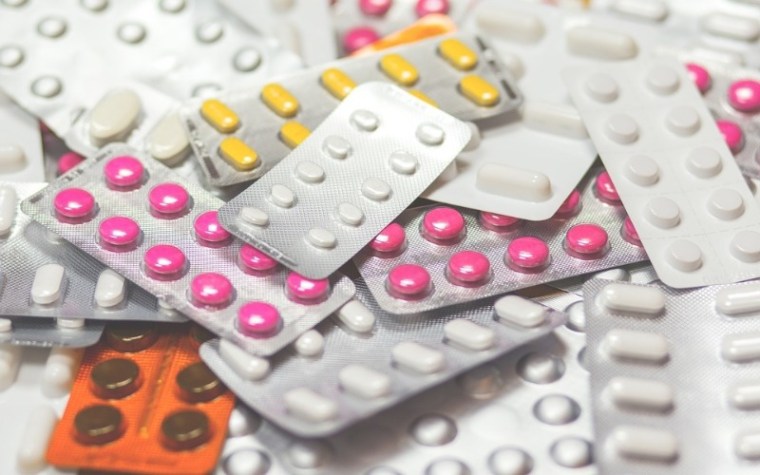
Common side effects of lisdexamfetamine include loss of appetite, anxiety, diarrhoea, trouble sleeping, irritability, and nausea. Rare but serious side effects include mania, sudden cardiac death in those with underlying heart problems, and psychosis. It has a high potential for substance abuse. Serotonin syndrome may occur if used with certain other medications. Its use during pregnancy may result in harm to the baby and use during breastfeeding is not recommended by the manufacturer.

Lisdexamfetamine is an inactive prodrug that works after being converted by the body into dextroamphetamine, a central nervous system (CNS) stimulant. Chemically, lisdexamfetamine is composed of the amino acid L-lysine, attached to dextroamphetamine.

Lisdexamfetamine was approved for medical use in the United States in 2007, and in the European Union in 2012. In 2022, it was the 69th most commonly prescribed medication in the United States, with more than 9 million prescriptions. It is a Class B controlled substance in the United Kingdom, a Schedule 8 controlled drug in Australia, and a Schedule II controlled substance in the United States.

Brief History

Lisdexamfetamine was developed by New River Pharmaceuticals, who were bought by Takeda Pharmaceuticals through its acquisition of Shire Pharmaceuticals, shortly before it began being marketed. It was developed to create a longer-lasting and less-easily abused version of dextroamphetamine, as the requirement of conversion into dextroamphetamine via enzymes in the red blood cells delays its onset of action, regardless of the route of administration.

In February 2007, the US Food and Drug Administration (FDA) approved lisdexamfetamine for the treatment of ADHD. In August 2009, Health Canada approved the marketing of lisdexamfetamine for prescription use.

In January 2015, lisdexamfetamine was approved by the FDA for the treatment of binge eating disorder in adults.

The FDA gave tentative approval to generic formulations of lisdexamfetamine in 2015. The expiration date for patent protection of lisdexamfetamine in the US was 24 February 2023. The Canadian patent expired 20 years from the filing date of 01 June 2004.

Production quotas for 2016 in the United States were 29,750 kg.

Uses

Medical

Lisdexamfetamine is used primarily as a treatment for attention deficit hyperactivity disorder (ADHD) and binge eating disorder; it has similar off-label uses as those of other pharmaceutical amphetamines such as narcolepsy. Individuals over the age of 65 were not commonly tested in clinical trials of lisdexamfetamine for ADHD. According to a 2019 systematic review, lisdexamfetamine was the most effective treatment for adult ADHD.

ADHD

Long-term amphetamine exposure at sufficiently high doses in some animal species is known to produce abnormal dopamine system development or nerve damage, but, in humans with ADHD, long-term use of pharmaceutical amphetamines at therapeutic doses appears to improve brain development and nerve growth. Reviews of magnetic resonance imaging (MRI) studies suggest that long-term treatment with amphetamine decreases abnormalities in brain structure and function found in subjects with ADHD, and improves function in several parts of the brain, such as the right caudate nucleus of the basal ganglia.

Reviews of clinical stimulant research have established the safety and effectiveness of long-term continuous amphetamine use for the treatment of ADHD. Randomised controlled trials of continuous stimulant therapy for the treatment of ADHD spanning 2 years have demonstrated treatment effectiveness and safety. Two reviews have indicated that long-term continuous stimulant therapy for ADHD is effective for reducing the core symptoms of ADHD (i.e. hyperactivity, inattention, and impulsivity), enhancing quality of life and academic achievement, and producing improvements in a large number of functional outcomes across 9 categories of outcomes related to academics, antisocial behaviour, driving, non-medicinal drug use, obesity, occupation, self-esteem, service use (i.e. academic, occupational, health, financial, and legal services), and social function. Additionally, a 2024 meta-analytic systematic review reported moderate improvements in quality of life when amphetamine treatment is used for ADHD. One review highlighted a nine-month randomised controlled trial of amphetamine treatment for ADHD in children that found an average increase of 4.5 IQ points, continued increases in attention, and continued decreases in disruptive behaviours and hyperactivity. Another review indicated that, based upon the longest follow-up studies conducted to date, lifetime stimulant therapy that begins during childhood is continuously effective for controlling ADHD symptoms and reduces the risk of developing a substance use disorder as an adult. A 2025 meta-analytic systematic review of 113 randomized controlled trials demonstrated that stimulant medications significantly improved core ADHD symptoms in adults over a three-month period, with good acceptability compared to other pharmacological and non-pharmacological treatments.

Models of ADHD suggest that it is associated with functional impairments in some of the brain’s neurotransmitter systems; these functional impairments involve impaired dopamine neurotransmission in the mesocorticolimbic projection and norepinephrine neurotransmission in the noradrenergic projections from the locus coeruleus to the prefrontal cortex. Stimulants like methylphenidate and amphetamine are effective in treating ADHD because they increase neurotransmitter activity in these systems. Approximately 80% of those who use these stimulants see improvements in ADHD symptoms. Children with ADHD who use stimulant medications generally have better relationships with peers and family members, perform better in school, are less distractible and impulsive, and have longer attention spans. The Cochrane reviews on the treatment of ADHD in children, adolescents, and adults with pharmaceutical amphetamines stated that short-term studies have demonstrated that these drugs decrease the severity of symptoms, but they have higher discontinuation rates than non-stimulant medications due to their adverse side effects. A Cochrane review on the treatment of ADHD in children with tic disorders such as Tourette syndrome indicated that stimulants in general do not make tics worse, but high doses of dextroamphetamine could exacerbate tics in some individuals.

Binge Eating Disorder

Binge eating disorder (BED) is characterised by recurrent and persistent episodes of compulsive binge eating. These episodes are often accompanied by marked distress and a feeling of loss of control over eating. The pathophysiology of BED is not fully understood, but it is believed to involve dysfunctional dopaminergic reward circuitry along the cortico-striatal-thalamic-cortical loop. As of July 2024, lisdexamfetamine is the only USFDA- and TGA-approved pharmacotherapy for BED. Evidence suggests that lisdexamfetamine’s treatment efficacy in BED is underpinned at least in part by a psychopathological overlap between BED and ADHD, with the latter conceptualised as a cognitive control disorder that also benefits from treatment with lisdexamfetamine.

Lisdexamfetamine’s therapeutic effects for BED primarily involve direct action in the central nervous system after conversion to its pharmacologically active metabolite, dextroamphetamine. Centrally, dextroamphetamine increases neurotransmitter activity of dopamine and norepinephrine in prefrontal cortical regions that regulate cognitive control of behaviour. Similar to its therapeutic effect in ADHD, dextroamphetamine enhances cognitive control and may reduce impulsivity in patients with BED by enhancing the cognitive processes responsible for overriding prepotent feeding responses that precede binge eating episodes. In addition, dextroamphetamine’s actions outside of the central nervous system may also contribute to its treatment effects in BED. Peripherally, dextroamphetamine triggers lipolysis through noradrenergic signalling in adipose fat cells, leading to the release of triglycerides into blood plasma to be utilized as a fuel substrate. Dextroamphetamine also activates TAAR1 in peripheral organs along the gastrointestinal tract that are involved in the regulation of food intake and body weight. Together, these actions confer an anorexigenic effect that promotes satiety in response to feeding and may decrease binge eating as a secondary effect. While lisdexamfetamine’s anorexigenic effects contribute to its efficacy in BED, evidence indicates that the enhancement of cognitive control is necessary and sufficient for addressing the disorder’s underlying psychopathology. This view is supported by the failure of anti-obesity medications and other appetite suppressants to significantly reduce BED symptom severity, despite their capacity to induce weight loss.

Medical reviews of randomised controlled trials have demonstrated that lisdexamfetamine, at doses between 50–70 mg, is safe and effective for the treatment of moderate-to-severe BED in adults. These reviews suggest that lisdexamfetamine is persistently effective at treating BED and is associated with significant reductions in the number of binge eating days and binge eating episodes per week. Furthermore, a meta-analytic systematic review highlighted an open-label, 12-month extension safety and tolerability study that reported lisdexamfetamine remained effective at reducing the number of binge eating days for the duration of the study. In addition, both a review and a meta-analytic systematic review found lisdexamfetamine to be superior to placebo in several secondary outcome measures, including persistent binge eating cessation, reduction of obsessive-compulsive related binge eating symptoms, reduction of body-weight, and reduction of triglycerides. Lisdexamfetamine, like all pharmaceutical amphetamines, has direct appetite suppressant effects that may be therapeutically useful in both BED and its comorbidities. Based on reviews of neuroimaging studies involving BED-diagnosed participants, therapeutic neuroplasticity in dopaminergic and noradrenergic pathways from long-term use of lisdexamfetamine may be implicated in lasting improvements in the regulation of eating behaviours that are observed.

Narcolepsy

Narcolepsy is a chronic sleep-wake disorder that is associated with excessive daytime sleepiness, cataplexy, and sleep paralysis. Patients with narcolepsy are diagnosed as either type 1 or type 2, with only the former presenting cataplexy symptoms. Type 1 narcolepsy results from the loss of approximately 70,000 orexin-releasing neurons in the lateral hypothalamus, leading to significantly reduced cerebrospinal orexin levels; this reduction is a diagnostic biomarker for type 1 narcolepsy. Lateral hypothalamic orexin neurons innervate every component of the ascending reticular activating system (ARAS), which includes noradrenergic, dopaminergic, histaminergic, and serotonergic nuclei that promote wakefulness.

Amphetamine’s therapeutic mode of action in narcolepsy primarily involves increasing monoamine neurotransmitter activity in the ARAS. This includes noradrenergic neurons in the locus coeruleus, dopaminergic neurons in the ventral tegmental area, histaminergic neurons in the tuberomammillary nucleus, and serotonergic neurons in the dorsal raphe nucleus. Dextroamphetamine, the more dopaminergic enantiomer of amphetamine, is particularly effective at promoting wakefulness because dopamine release has the greatest influence on cortical activation and cognitive arousal, relative to other monoamines. In contrast, levoamphetamine may have a greater effect on cataplexy, a symptom more sensitive to the effects of norepinephrine and serotonin. Noradrenergic and serotonergic nuclei in the ARAS are involved in the regulation of the REM sleep cycle and function as “REM-off” cells, with amphetamine’s effect on norepinephrine and serotonin contributing to the suppression of REM sleep and a possible reduction of cataplexy at high doses.

The American Academy of Sleep Medicine (AASM) 2021 clinical practice guideline conditionally recommends dextroamphetamine for the treatment of both type 1 and type 2 narcolepsy. Treatment with pharmaceutical amphetamines is generally less preferred relative to other stimulants (e.g. modafinil) and is considered a third-line treatment option. Medical reviews indicate that amphetamine is safe and effective for the treatment of narcolepsy. Amphetamine appears to be most effective at improving symptoms associated with hypersomnolence, with three reviews finding clinically significant reductions in daytime sleepiness in patients with narcolepsy. Additionally, these reviews suggest that amphetamine may dose-dependently improve cataplexy symptoms. However, the quality of evidence for these findings is low and is consequently reflected in the AASM’s conditional recommendation for dextroamphetamine as a treatment option for narcolepsy.

Enhancing Performance

Cognitive Performance

In 2015, a systematic review and a meta-analysis of high quality clinical trials found that, when used at low (therapeutic) doses, amphetamine produces modest yet unambiguous improvements in cognition, including working memory, long-term episodic memory, inhibitory control, and some aspects of attention, in normal healthy adults; these cognition-enhancing effects of amphetamine are known to be partially mediated through the indirect activation of both dopamine D1 receptor and α2-adrenergic receptor in the prefrontal cortex. A systematic review from 2014 found that low doses of amphetamine also improve memory consolidation, in turn leading to improved recall of information. Therapeutic doses of amphetamine also enhance cortical network efficiency, an effect which mediates improvements in working memory in all individuals. Amphetamine and other ADHD stimulants also improve task saliency (motivation to perform a task) and increase arousal (wakefulness), in turn promoting goal-directed behavior. Stimulants such as amphetamine can improve performance on difficult and boring tasks and are used by some students as a study and test-taking aid. Based upon studies of self-reported illicit stimulant use, 5–35% of college students use diverted ADHD stimulants, which are primarily used for enhancement of academic performance rather than as recreational drugs. However, high amphetamine doses that are above the therapeutic range can interfere with working memory and other aspects of cognitive control.

Physical Performance

Amphetamine is used by some athletes for its psychological and athletic performance-enhancing effects, such as increased endurance and alertness; however, non-medical amphetamine use is prohibited at sporting events that are regulated by collegiate, national, and international anti-doping agencies. In healthy people at oral therapeutic doses, amphetamine has been shown to increase muscle strength, acceleration, athletic performance in anaerobic conditions, and endurance (i.e. it delays the onset of fatigue), while improving reaction time. Amphetamine improves endurance and reaction time primarily through reuptake inhibition and release of dopamine in the central nervous system. Amphetamine and other dopaminergic drugs also increase power output at fixed levels of perceived exertion by overriding a “safety switch”, allowing the core temperature limit to increase in order to access a reserve capacity that is normally off-limits. At therapeutic doses, the adverse effects of amphetamine do not impede athletic performance; however, at much higher doses, amphetamine can induce effects that severely impair performance, such as rapid muscle breakdown and elevated body temperature.

Available Forms

Lisdexamfetamine is available as the dimesylate salt in the form of both oral capsules and chewable tablets. A dose of 50 mg of lisdexamfetamine dimesylate is approximately equimolar to a 20 mg dose of dextroamphetamine sulfate or to 15 mg dextroamphetamine free-base in terms of the amount of dextroamphetamine contained. Lisdexamfetamine capsules can be swallowed intact, or they can be opened and mixed into water, yogurt, or applesauce and consumed in that manner.

Contraindications

Pharmaceutical lisdexamfetamine is contraindicated in people with hypersensitivity to amphetamine products or any of the formulation’s inactive ingredients.[7] It is also contraindicated in patients who have used a monoamine oxidase inhibitor (MAOI) within the last 14 days. Amphetamine products are contraindicated by the United States Food and Drug Administration (USFDA) in people with a history of drug abuse, heart disease, or severe agitation or anxiety, or in those currently experiencing arteriosclerosis, glaucoma, hyperthyroidism, or severe hypertension. However, a European consensus statement on adult ADHD noted that stimulants do not worsen substance misuse in adults with ADHD and comorbid substance use disorder and should not be avoided in these individuals. In any case, the statement noted that immediate-release stimulants should be avoided in those with both ADHD and substance use disorder and that slower-release stimulant formulations like OROSTooltip osmotic-controlled release oral delivery system methylphenidate (Concerta) and lisdexamfetamine should be preferred due to their lower misuse potential. Prescribing information approved by the Australian Therapeutic Goods Administration further contraindicates anorexia.

Adverse Effects

Products containing lisdexamfetamine have a comparable drug safety profile to those containing amphetamine. The major side effects of lisdexamfetamine in short-term clinical trials (≥5% incidence) have included decreased appetite, insomnia, dry mouth, weight loss, irritability, upper abdominal pain, nausea, vomiting, diarrhoea, constipation, increased heart rate, anxiety, dizziness, and feeling jittery. Rates of side effects may vary in adults, adolescents, and children. Rare but serious side effects of lisdexamfetamine may include mania, sudden cardiac death in those with underlying heart problems, stimulant psychosis, and serotonin syndrome.

Interactions

  • Acidifying agents: Drugs or foods that acidify the urine, such as ascorbic acid, increase urinary excretion of dextroamphetamine, thus decreasing the half-life and effectiveness of dextroamphetamine in the body.
  • Alkalinising agents: Drugs or foods that alkalinise the urine, such as sodium bicarbonate, decrease urinary excretion of dextroamphetamine, thus increasing the half-life and effectiveness of dextroamphetamine in the body.
  • CYP2D6 inhibitors: Hydroxylation via the cytochrome P450 enzyme CYP2D6 is the major pathway of metabolism of dextroamphetamine. Potent CYP2D6 inhibitors, such as paroxetine, fluoxetine, bupropion, and duloxetine, among others, may inhibit the metabolism of dextroamphetamine and thereby increase exposure to it. Studies characterising this potential interaction are currently lacking. Concomitant use of lisdexamfetamine with CYP2D6 inhibitors may increase the risk of serotonin syndrome due to greater drug exposure.
  • Monoamine oxidase inhibitors: Concomitant use of MAOIs and central nervous system stimulants such as lisdexamfetamine can cause a hypertensive crisis.
  • Norepinephrine reuptake inhibitors (NRIs) like atomoxetine prevent norepinephrine release induced by amphetamines and have been found to reduce the stimulant, euphoriant, and sympathomimetic effects of dextroamphetamine in humans.

Pharmacology

Mechanism of Action

Lisdexamfetamine is an inactive prodrug that is converted in the body to dextroamphetamine, a pharmacologically active compound that is responsible for the drug’s activity. After oral ingestion, lisdexamfetamine is broken down by enzymes in red blood cells to form L-lysine, a naturally occurring essential amino acid, and dextroamphetamine. The half-life of this conversion is roughly 1 hour. The conversion of lisdexamfetamine to dextroamphetamine is not affected by gastrointestinal pH and is unlikely to be affected by alterations in normal gastrointestinal transit times. Studies show a linear relationship between peak plasma concentration of dextroamphetamine and lisdexamfetamine dose up to lisdexamfetamine doses of 250mg.

The optical isomers of amphetamine, i.e. dextroamphetamine and levoamphetamine, are TAAR1 agonists and vesicular monoamine transporter 2 inhibitors that can enter monoamine neurons; this allows them to release monoamine neurotransmitters (dopamine, norepinephrine, and serotonin, among others) from their storage sites in the presynaptic neuron, as well as prevent the reuptake of these neurotransmitters from the synaptic cleft.

Lisdexamfetamine was developed to provide a long-duration effect that is consistent throughout the day, with reduced potential for abuse. The attachment of the amino acid lysine slows down the relative amount of dextroamphetamine available in the bloodstream. Because no free dextroamphetamine is present in lisdexamfetamine capsules, dextroamphetamine does not become available through mechanical manipulation, such as crushing or simple extraction. A relatively sophisticated biochemical process is needed to produce dextroamphetamine from lisdexamfetamine. As opposed to Adderall, which contains amphetamine salts in a 3:1 dextro:levo ratio, lisdexamfetamine is a single-enantiomer dextroamphetamine formula. Studies conducted show that lisdexamfetamine dimesylate may have less abuse potential than dextroamphetamine and an abuse profile similar to diethylpropion at dosages that are FDA-approved for treatment of ADHD, but still has a high abuse potential when this dosage is exceeded by over 100%.

Pharmacokinetics

The oral bioavailability of amphetamine varies with gastrointestinal pH; it is well absorbed from the gut, and bioavailability is typically 90%. Amphetamine is a weak base with a pKa of 9.9; consequently, when the pH is basic, more of the drug is in its lipid soluble free base form, and more is absorbed through the lipid-rich cell membranes of the gut epithelium. Conversely, an acidic pH means the drug is predominantly in a water-soluble cationic (salt) form, and less is absorbed. Approximately 20% of amphetamine circulating in the bloodstream is bound to plasma proteins. Following absorption, amphetamine readily distributes into most tissues in the body, with high concentrations occurring in cerebrospinal fluid and brain tissue.

The half-lives of amphetamine enantiomers differ and vary with urine pH. At normal urine pH, the half-lives of dextroamphetamine and levoamphetamine are 9–11 hours and 11–14 hours, respectively. Highly acidic urine will reduce the enantiomer half-lives to 7 hours; highly alkaline urine will increase the half-lives up to 34 hours. The immediate-release and extended release variants of salts of both isomers reach peak plasma concentrations at 3 hours and 7 hours post-dose respectively. Amphetamine is eliminated via the kidneys, with 30–40% of the drug being excreted unchanged at normal urinary pH. When the urinary pH is basic, amphetamine is in its free base form, so less is excreted. When urine pH is abnormal, the urinary recovery of amphetamine may range from a low of 1% to a high of 75%, depending mostly upon whether urine is too basic or acidic, respectively. Following oral administration, amphetamine appears in urine within 3 hours. Roughly 90% of ingested amphetamine is eliminated 3 days after the last oral dose.

Lisdexamfetamine is a prodrug of dextroamphetamine. It is not as sensitive to pH as amphetamine when being absorbed in the gastrointestinal tract. Following absorption into the blood stream, lisdexamfetamine is completely converted by red blood cells to dextroamphetamine and the amino acid L-lysine by hydrolysis via undetermined aminopeptidase enzymes. This is the rate-limiting step in the bioactivation of lisdexamfetamine. The elimination half-life of lisdexamfetamine is generally less than 1 hour. Due to the necessary conversion of lisdexamfetamine into dextroamphetamine, levels of dextroamphetamine with lisdexamfetamine peak about one hour later than with an equivalent dose of immediate-release dextroamphetamine. Presumably due to its rate-limited activation by red blood cells, intravenous administration of lisdexamfetamine shows greatly delayed time to peak and reduced peak levels compared to intravenous administration of an equivalent dose of dextroamphetamine. The pharmacokinetics of lisdexamfetamine are similar regardless of whether it is administered orally, intranasally, or intravenously. Hence, in contrast to dextroamphetamine, parenteral use does not enhance the subjective effects of lisdexamfetamine. Because of its behaviour as a prodrug and its pharmacokinetic differences, lisdexamfetamine has a longer duration of therapeutic effect than immediate-release dextroamphetamine and shows reduced misuse potential.

CYP2D6, dopamine β-hydroxylase (DBH), flavin-containing monooxygenase 3 (FMO3), butyrate-CoA ligase (XM-ligase), and glycine N-acyltransferase (GLYAT) are the enzymes known to metabolise amphetamine or its metabolites in humans. Amphetamine has a variety of excreted metabolic products, including 4-hydroxyamphetamine, 4-hydroxynorephedrine, 4-hydroxyphenylacetone, benzoic acid, hippuric acid, norephedrine, and phenylacetone. Among these metabolites, the active sympathomimetics are 4-hydroxyamphetamine, 4-hydroxynorephedrine, and norephedrine. The main metabolic pathways involve aromatic para-hydroxylation, aliphatic alpha- and beta-hydroxylation, N-oxidation, N-dealkylation, and deamination.

Chemistry

Lisdexamfetamine is a substituted amphetamine with an amide linkage formed by the condensation of dextroamphetamine with the carboxylate group of the essential amino acid L-lysine. The reaction occurs with retention of stereochemistry, so the product lisdexamfetamine exists as a single stereoisomer. There are many possible names for lisdexamfetamine based on IUPAC nomenclature, but it is usually named as N-[(2S)-1-phenyl-2-propanyl]-L-lysinamide or (2S)-2,6-diamino-N-[(1S)-1-methyl-2-phenylethyl]hexanamide.

Amine functional groups are vulnerable to oxidation in air and so pharmaceuticals containing them are usually formulated as salts where this moiety has been protonated. This increases stability, water solubility, and, by converting a molecular compound to an ionic compound, increases the melting point and thereby ensures a solid product. In the case of lisdexamfetamine, this is achieved by reacting with two equivalents of methanesulfonic acid to produce the dimesylate salt, a water-soluble (792 mg mL−1) powder with a white to off-white colour.

Comparison to other Formulations

Lisdexamfetamine dimesylate is one marketed formulation delivering dextroamphetamine.

Society and Culture

Name

Lisdexamfetamine is the International Nonproprietary Name (INN) and is a contraction of L-lysine-dextroamphetamine.

As of November 2020, lisdexamfetamine is sold under the following brand names: Aduvanz, Elvanse, Juneve, Samexid, Tyvense, Venvanse, and Vyvanse.

Research

Depression

Amphetamine was used to treat depression starting in the 1930s and has been described as the first antidepressant. In clinical studies in the 1970s and 1980s, psychostimulants, including amphetamine and methylphenidate, were found to transiently improve mood in a majority of people with depression and to increase psychomotor activation in almost all individuals.

Some clinical trials that used lisdexamfetamine as an add-on therapy with a selective serotonin reuptake inhibitor (SSRI) or serotonin-norepinephrine reuptake inhibitor (SNRI) for treatment-resistant depression indicated that this is no more effective than the use of an SSRI or SNRI alone. Other studies indicated that psychostimulants potentiated antidepressants, and were under-prescribed for treatment-resistant depression. In those studies, patients showed significant improvement in energy, mood, and psychomotor activity. Clinical guidelines advise caution in the use of stimulants for depression and advise them only as second- or third-line adjunctive agents.

In February 2014, Shire announced that two late-stage clinical trials had found that Vyvanse was not an effective treatment for depression, and development for this indication was discontinued. A 2018 meta-analysis of randomised controlled trials of lisdexamfetamine for antidepressant augmentation in people with major depressive disorder—the first to be conducted—found that lisdexamfetamine was not significantly better than placebo in improving Montgomery–Åsberg Depression Rating Scale scores, response rates, or remission rates. However, there was indication of a small effect in improving depressive symptoms that approached trend-level significance. Lisdexamfetamine was well-tolerated in the meta-analysis. The quantity of evidence was limited, with only four trials included. In a subsequent 2022 network meta-analysis, lisdexamfetamine was significantly effective as an antidepressant augmentation for treatment-resistant depression.

Although lisdexamfetamine has shown limited effectiveness in the treatment of depression in clinical trials, a phase II clinical study found that the addition of lisdexamfetamine to an antidepressant improved executive dysfunction in people with mild major depressive disorder but persisting executive dysfunction.

This page is based on the copyrighted Wikipedia article < https://en.wikipedia.org/wiki/Lisdexamfetamine >; it is used under the Creative Commons Attribution-ShareAlike 3.0 Unported License (CC-BY-SA). You may redistribute it, verbatim or modified, providing that you comply with the terms of the CC-BY-SA.
What is Ipspirone?

Introduction

Ipsapirone is a selective 5-HT1A receptor partial agonist of the piperazine and azapirone chemical classes.

Outline

It has antidepressant and anxiolytic effects.

Ipsapirone was studied in several placebo-controlled trials for depression and continues to be used in research.

This page is based on the copyrighted Wikipedia article < https://en.wikipedia.org/wiki/Ipsapirone >; it is used under the Creative Commons Attribution-ShareAlike 3.0 Unported License (CC-BY-SA). You may redistribute it, verbatim or modified, providing that you comply with the terms of the CC-BY-SA.
What is F-15,599?

Introduction

F-15,599, also known as NLX-101, is a potent and selective 5-HT1A receptor full agonist. In addition, it displays functional selectivity, or biased agonism, by preferentially activating postsynaptic serotonin 5-HT1A receptors over somatodendritic serotonin 5-HT1A autoreceptors. The drug has been investigated for potential use as a pharmaceutical drug in the treatment of conditions including depression, schizophrenia, cognitive disorders, Rett syndrome, and fragile X syndrome.

Brief History

F-15,599 was first described in the scientific literature by 2006.

Pharmacology

Pharmacodynamics

In terms of its functional selectivity, the drug preferentially activates and phosphorylates ERK1/2 over receptor internalisation or inhibition of adenylyl cyclase. In addition, it preferentially activates the Gαi G protein subtype over the Gαo subtype. As a result of its biased agonism for postsynaptic 5-HT1A receptors, F-15,599 shows regional selectivity in its central effects. It mainly activates the prefrontal cortex, cingulate cortex, retrosplenial cortex, septum, and colliculi. Conversely, the drug does not significantly alter cerebral blood flow in areas characterised by abundance of presynaptic serotonin 5-HT1A receptors, such as the raphe nucleus.

F-15,599 has shown antidepressant-like, anxiolytic-like, antidyskinetic, procognitive, and antiaggressive effects in animals. In cognitive tests in rodents, F-15,599 attenuates memory deficits elicited by the NMDA receptor antagonist phencyclidine (PCP), suggesting that it may improve cognitive function in disorders such as schizophrenia. Another study found that F-15,599 reduces breathing irregularity and apnoeas observed in mice with mutations of the MeCP2 gene, a mouse model of Rett syndrome.

Clinical Trials

F-15,599 was discovered and initially developed by Pierre Fabre Médicament, a French pharmaceuticals company. In September 2013, F-15,599 was out-licensed to Neurolixis, a California-based biotechnology company. Neurolixis announced that it intends to re-purpose F-15,599 for the treatment of Rett syndrome. and obtained orphan drug designation from the United States Food and Drug Administration (FDA) and from the European Commission for this indication.

Researchers at the University of Bristol are investigating the activity of F-15599 in animal models of Rett Syndrome, with support from the International Rett Syndrome Foundation. In June 2015, the Rett Syndrome Research Trust awarded a grant to Neurolixis to advance F-15599 to clinical development.

As of September 2024, F-15,599 is in phase 1 clinical trials for fragile X syndrome. Conversely, no recent development has been reported for depressive disorders or Rett syndrome and development has been discontinued for cognition disorders, mood disorders, and schizophrenia.

This page is based on the copyrighted Wikipedia article < https://en.wikipedia.org/wiki/F-15,599 >; it is used under the Creative Commons Attribution-ShareAlike 3.0 Unported License (CC-BY-SA). You may redistribute it, verbatim or modified, providing that you comply with the terms of the CC-BY-SA.
What is Enciprazine?

Introduction

Enciprazine (INN, BAN; enciprazine hydrochloride (USAN); developmental code names WY-48624, D-3112) is an anxiolytic and antipsychotic of the phenylpiperazine class which was never marketed.

It shows high affinity for the α1-adrenergic receptor and 5-HT1A receptor, among other sites.

The drug was initially anticipated to produce ortho-methoxyphenylpiperazine (oMeOPP), a serotonin receptor agonist with high affinity for the 5-HT1A receptor, as a significant active metabolite, but subsequent research found this not to be the case.

This page is based on the copyrighted Wikipedia article < https://en.wikipedia.org/wiki/Enciprazine >; it is used under the Creative Commons Attribution-ShareAlike 3.0 Unported License (CC-BY-SA). You may redistribute it, verbatim or modified, providing that you comply with the terms of the CC-BY-SA.

What is BMY-14802?

Introduction

BMY-14802, also known as BMS-181100, is a drug with antipsychotic effects which acts as both a sigma receptor antagonist and a 5-HT1A receptor agonist.

It also has affinity for the 5-HT2 and D4 receptors.

The drug reached phase III clinical trials for the treatment of psychosis but was never marketed.

This page is based on the copyrighted Wikipedia article < https://en.wikipedia.org/wiki/BMY-14802 >; it is used under the Creative Commons Attribution-ShareAlike 3.0 Unported License (CC-BY-SA). You may redistribute it, verbatim or modified, providing that you comply with the terms of the CC-BY-SA.

What is Blonanserin?

Introduction

Blonanserin, sold under the brand name Lonasen, is a relatively new atypical antipsychotic (approved by PMDA in January 2008) commercialised by Dainippon Sumitomo Pharma in Japan and Korea for the treatment of schizophrenia. Relative to many other antipsychotics, blonanserin has an improved tolerability profile, lacking side effects such as extrapyramidal symptoms, excessive sedation, or hypotension. As with many second-generation (atypical) antipsychotics it is significantly more efficacious in the treatment of the negative symptoms of schizophrenia compared to first-generation (typical) antipsychotics such as haloperidol.

Medical Uses

Blonanserin is used to treat schizophrenia in Japan and South Korea but not in the US.

Adverse Effects

As with many of the atypical antipsychotics, blonanserin can elicit cardio metabolic risks. While the side effects of blonanserin – such as weight gain, cholesterol and triglyceride levels, glucose levels and other blood lipid levels – do not differ greatly from other atypical antipsychotics, the specificity of blonanserin appears to elicit milder side effects, with less weight gain in particular.

Pharmacology

Pharmacodynamics

Blonanserin acts as a mixed 5-HT2A (Ki = 0.812 nM) and D2 receptor (Ki = 0.142 nM) antagonist and also exerts some blockade of α1-adrenergic receptors (Ki = 26.7 nM). Blonanserin also shows significant affinity for the D3 receptor (Ki = 0.494 nM). It lacks significant affinity for numerous other sites including the 5-HT1A, 5-HT3, D1, α2-adrenergic, β-adrenergic, H1, and mACh receptors and the monoamine transporters, though it does possess low affinity for the sigma receptor (IC50 = 286 nM).

Blonanserin has a relatively high affinity towards the 5-HT6 receptor perhaps underpinning its recently unveiled efficacy in treating the cognitive symptoms of schizophrenia. The efficacy of blonanserin can in part be attributed to its chemical structure, which is unique from those of other atypical antipsychotics. Specifically, the addition of hydroxyl groups to blonanserin’s unique eight membered ring results in the (R) stereoisomer of the compound demonstrating increased affinity for the indicated targets.

Action at the Dopamine-D3 Receptor

Blonanserin has antagonistic action at dopamine-D3 receptors that potentiates phosphorylation levels of Protein kinase A (PKA) and counteracts decreased activity at the dopamine-D1 and/or NMDA receptors, thus potentiating GABA induced Cl- currents. Olanzapine does not appear to affect PKA activity. Many antipsychotics, such as haloperidol, chlorpromazine, risperidone and olanzapine primarily antagonise serotonin 5-HT2A and dopamine-D2 receptors and lack known action at dopamine-D2/3 receptors.

Pharmacokinetics

Blonanserin is administered 4 mg orally twice a day or 8 mg once a day, for an adult male with a body mass index between 19–24 kg/m2 and a body weight equal to or greater than 50 kg. The drug is absorbed by a two compartment (central and peripheral) model with first-order absorption and elimination. The half-life of blonanserin is dependent on the dose. A single dose of 4 mg has a half-life of 7.7 ± 4.63 h and a single dose of 8 mg has a half-life of 11.9 ± 4.3 h. The increase of half-life with dose is possibly attributed to there being more individual concentration per time points below the lower limit necessary for quantification in the lower single dose.

Blonanserin is not a charged compound and exhibits very little chemical polarity. The polar surface area of Blonanserin is 19.7 Å It is commonly accepted that a compound needs to have polar surface area less than 90 Å to cross the blood brain barrier so blonanserin is expected to be quite permeable as is demonstrated by a high brain/ plasma ratio of 3.88.

Due to the good permeability of blonanserin, the volume of distribution in the central nervous system is greater than that in the periphery (Vd central = 9500 L, Vd periphery = 8650 L) although it is slower to absorb into the central compartment.

Blonanserin does not meet the criteria in Lipinski’s rule of five.

Effects of Food Intake

Food intake slows the absorption of blonanserin and increases the bioavailability peripherally relative to centrally. Single fasting doses are safe and the effects of feeding intake are possibly explained by an interaction between blonanserin and cytochrome P450 3A4 in the gut.

This page is based on the copyrighted Wikipedia article < https://en.wikipedia.org/wiki/Blonanserin >; it is used under the Creative Commons Attribution-ShareAlike 3.0 Unported License (CC-BY-SA). You may redistribute it, verbatim or modified, providing that you comply with the terms of the CC-BY-SA.

What is Eptapirone?

Introduction

Eptapirone (F-11,440) is a very potent and highly selective 5-HT1A receptor full agonist of the azapirone family. Its affinity for the 5-HT1A receptor was reported to be 4.8 nM (Ki) (or 8.33 (pKi)), and its intrinsic activity approximately equal to that of serotonin (i.e. 100%).

Eptapirone and related high-efficacy 5-HT1A full and super agonists such as befiradol and F-15,599 were developed under the hypothesis that the maximum exploitable therapeutic benefits of 5-HT1A receptor agonists might not be able to be seen without the drugs employed possessing sufficiently high intrinsic activity at the receptor. As 5-HT1A receptor agonism, based on animal and other research, looked extremely promising for the treatment of depression from a theoretical perspective, this idea was developed as a potential explanation for the relatively modest clinical effectiveness seen with already available 5-HT1A receptor agonists like buspirone and tandospirone, which act merely as weak-to-moderate partial agonists of the receptor.

Animal Studies

In the Porsolt forced swimming test, eptapirone was found to suppress immobility more robustly than buspirone, ipsapirone, flesinoxan, paroxetine, and imipramine, which was suggestive of strong antidepressant-like effects. In this assay, unlike the other drugs screened, buspirone actually increased the immobility time with a single administration, while repeated administration decreased it, an effect that may have been related to buspirone’s relatively weak intrinsic activity (~30%) at the 5-HT1A receptor and/or its preferential activation of 5-HT1A somatodendritic autoreceptors over postsynaptic receptors.

After repeated administration, high dose paroxetine was able to rival the reduction in immobility seen with eptapirone. However, efficacy was seen on the first treatment with eptapirone, which suggested that eptapirone may have the potential for a more rapid onset of antidepressant effectiveness in comparison. Imipramine was unable to match the efficacy of eptapirone or high dose paroxetine, which was probably the result of the fact that higher doses were fatal.

In the conflict procedure, eptapirone produced substantial increases in punished responding without affecting unpunished responding, which was suggestive of marked anxiolytic-like effects. In addition, the efficacy of eptapirone in this assay was more evident than that of buspirone, ipsapirone, and flesinoxan.

This page is based on the copyrighted Wikipedia article < https://en.wikipedia.org/wiki/Eptapirone >; it is used under the Creative Commons Attribution-ShareAlike 3.0 Unported License (CC-BY-SA). You may redistribute it, verbatim or modified, providing that you comply with the terms of the CC-BY-SA.

What is Flesinoxan?

Introduction

Flesinoxan (DU-29,373) is a potent and selective 5-HT1A receptor partial/near-full agonist of the phenylpiperazine class. Originally developed as a potential antihypertensive drug, flesinoxan was later found to possess antidepressant and anxiolytic effects in animal tests.

As a result, it was investigated in several small human pilot studies for the treatment of major depressive disorder, and was found to have robust effectiveness and very good tolerability. However, due to “management decisions”, the development of flesinoxan was stopped and it was not pursued any further.

In patients, flesinoxan enhances REM sleep latency, decreases body temperature, and increases ACTH, cortisol, prolactin, and growth hormone secretion.

This page is based on the copyrighted Wikipedia article < https://en.wikipedia.org/wiki/Flesinoxan >; it is used under the Creative Commons Attribution-ShareAlike 3.0 Unported License (CC-BY-SA). You may redistribute it, verbatim or modified, providing that you comply with the terms of the CC-BY-SA.

What is Befiradol?

Introduction

Befiradol (F-13,640; NLX-112) is an experimental drug being studied for the treatment of levodopa-induced dyskinesia. It is a potent and selective 5-HT1A receptor full agonist.

Brief History

Befiradol was discovered and developed by Pierre Fabre Médicament, a French pharmaceuticals company who initially developed it as a treatment for chronic pain. In September 2013, befiradol was out-licensed to Neurolixis, a US-based biotechnology company. Neurolixis announced that it intended to re-purpose befiradol for the treatment of levodopa-induced dyskinesia in Parkinson’s disease. In support of this indication, Neurolixis received several research grants from the Michael J. Fox Foundation and preclinical data was published describing the activity of befiradol in animal models of Parkinson’s disease. Studies published in 2020 using non-human primate models of Parkinson’s disease, (MPTP-treated marmosets and MPTP-treated macaques), found that befiradol potently reduced Levodopa-induced dyskinesia at oral doses as low as 0.1 to 0.4 mg/kg. In January 2018, the British charity Parkinson’s UK announced that it had awarded Neurolixis a grant to advance development of befiradol up to clinical phase in Parkinson’s disease patients.

Pharmacology

In recombinant cell lines expressing human 5-HT1A receptors, befiradol exhibits high agonist efficacy for a variety of signal transduction read-outs, including ERK phosphorylation, G-protein activation, receptor internalisation and adenylyl cyclase inhibition. In rat hippocampal membranes it preferentially activates GalphaO proteins. In neurochemical experiments, befiradol activated 5-HT1A autoreceptors in rat dorsal Raphe nucleus as well as 5-HT1A heteroreceptors on pyramidal neurons in the frontal cortex. In rat models, it has powerful analgesic and antiallodynic effects comparable to those of high doses of opioid painkillers, but with fewer and less prominent side effects, as well as little or no development of tolerance with repeated use.

A structure–activity relationship (SAR) study revealed that replacement of the dihalophenyl moiety by 3-benzothienyl increases maximal efficacy from 84% to 124% (Ki=2.7 nM).

Clinical Ph2A Trial for Dyskinesia in Parkinson’s Disease

In March 2019, Neurolixis announced that the US Food and Drug Administration (FDA) gave a positive response to Neurolixis’ Investigational New Drug (IND) application for NLX-112 to be tested in a Phase 2 clinical study in Parkinson’s disease patients with troublesome levodopa-induced dyskinesia. On 22 November 2020, The Sunday Times reported that the two charities, Parkinson’s UK and Michael J. Fox Foundation, were jointly investing $2 million to support a clinical trial on befiradol in Parkinson’s disease patients with troublesome Levodopa-induced dyskinesia, a potentially “life changing” drug. On 23 November 2020, Parkinson’s UK and Michael J. Fox Foundation, confirmed their funding in an official announcement. Neurolixis announced on 30 November 2021 the start of patient recruitment in the clinical trial. The trial is listed on the US National Library of Medicine clinical trials register. On 20 March 2023, a joint press release from Neurolixis, Parkinson’s UK and Michael J. Fox Foundation announced that the clinical trial had met its primary endpoint of safety and tolerability, and also the secondary endpoint of efficacy in reducing Levodopa-induced dyskinesia in the patients. Moreover, a later announcement (07 July 2023) disclosed that the clinical trial had also found that befiradol reduced parkinsonism symptoms (such as slowness of movement, tremor and rigidity), as well as Levodopa-induced dyskinesia, raising the prospect of developing a “dual-efficacy therapy” for Parkinson’s disease.

18F-Befiradol as an Agonist PET Radiotracer for Brain Imaging

As well as studies on befiradol for treatment of movement disorders, other researchers have investigated it as a novel radiotracer for brain imaging studies by positron emission tomography. Thus befiradol labeled with [18F] (also known as 18F-F13640) has been used to study the distribution of serotonin 5-HT1A receptors in rat, cat, macaque and human. Because befiradol is an agonist, it enables the detection of 5-HT1A receptors which are specifically in a functionally active state, whereas antagonist radiotracers label the total receptor population.

This page is based on the copyrighted Wikipedia article < https://en.wikipedia.org/wiki/Befiradol >; it is used under the Creative Commons Attribution-ShareAlike 3.0 Unported License (CC-BY-SA). You may redistribute it, verbatim or modified, providing that you comply with the terms of the CC-BY-SA.

What is Atomoxetine?

Introduction

Atomoxetine, formerly sold under the brand name Strattera, is a selective norepinephrine reuptake inhibitor (sNRI) medication used to treat attention deficit hyperactivity disorder (ADHD) and, to a lesser extent, cognitive disengagement syndrome (CDS). It may be used alone or along with stimulant medication. It enhances the executive functions of self-motivation, sustained attention, inhibition, working memory, reaction time, and emotional self-regulation. Use of atomoxetine is only recommended for those who are at least six years old. It is taken orally. The effectiveness of atomoxetine is comparable to the commonly prescribed stimulant medication methylphenidate.

Common side effects of atomoxetine include abdominal pain, decreased appetite, nausea, feeling tired, and dizziness. Serious side effects may include angioedema, liver problems, stroke, psychosis, heart problems, suicide, and aggression. There is a lack of data regarding its safety during pregnancy; as of 2019, its safety during pregnancy and for use during breastfeeding is not certain.

It was approved for medical use in the US in 2002. In 2022, it was the 213th most commonly prescribed medication in the United States, with more than 1 million prescriptions.

Brief History

Atomoxetine is manufactured, marketed, and sold in the United States as the hydrochloride salt (atomoxetine HCl) under the brand name Strattera by Eli Lilly and Company, the original patent-filing company and current US patent owner. Atomoxetine was initially intended to be developed as an antidepressant, but it was found to be insufficiently efficacious for treating depression. It was, however, found to be effective for ADHD and was approved by the US Food and Drug Administration (FDA) in 2002, for the treatment of ADHD. Its patent expired in May 2017. On 12 August 2010, Lilly lost a lawsuit that challenged its patent on Strattera, increasing the likelihood of an earlier entry of a generic into the US market. On 01 September 2010, Sun Pharmaceuticals announced it would begin manufacturing a generic in the US. In a 29 July 2011 conference call, however, Sun Pharmaceutical’s Chairman stated “Lilly won that litigation on appeal so I think [generic Strattera]’s deferred.”

In 2017, the FDA approved the generic production of atomoxetine by four pharmaceutical companies.

Medical Uses

Atomoxetine is indicated for the treatment of ADHD.

Attention Deficit Hyperactivity Disorder

Atomoxetine is approved for use in children, adolescents, and adults. However, its efficacy has not been studied in children under six years old. One of the primary differences with the standard stimulant treatments for ADHD is that it has little known abuse potential. Meta-analyses and systematic reviews have found that atomoxetine has comparable efficacy and equal tolerability to methylphenidate in children and adolescents. In adults, efficacy and tolerability are equivalent.

While its efficacy may be less than that of lisdexamphetamine, there is some evidence that it may be used in combination with stimulants. Doctors may prescribe non-stimulants including atomoxetine when a person has bothersome side effects from stimulants; when a stimulant was not effective; in combination with a stimulant to increase effectiveness; when the cost of stimulants is prohibitive; or when there is concern about the abuse potential of stimulants in a patient with a history of substance use disorder.

Atomoxetine alleviates ADHD symptoms through norepinephrine reuptake inhibition and by indirectly increasing dopamine in the prefrontal cortex, sharing 70-80% of the brain regions with stimulants in their produced effects.

Unlike α2-adrenergic receptor agonists such as guanfacine and clonidine, atomoxetine’s use can be abruptly stopped without significant withdrawal symptoms being observed.

The initial therapeutic effects of atomoxetine usually take 1 to 4 weeks to become apparent. A further 2 to 4 weeks may be required for the full therapeutic effects to be seen. Incrementally increasing response may occur up to 1 year or longer. The maximum recommended total daily dose in children and adolescents is 70 mg and adults is 100 mg.

Other Uses

Cognitive Disengagement Syndrome

Atomoxetine may be used to treat cognitive disengagement syndrome (CDS), as multiple randomised controlled clinical trials (RCTs) have found that it is an effective treatment. In contrast, multiple RCTs have shown that it responds poorly to the stimulant medication methylphenidate.

Traumatic Brain Injury

Atomoxetine is sometimes used in the treatment of cognitive impairment and frontal lobe symptoms due to conditions like traumatic brain injury (TBI). It is used to treat ADHD-like symptoms such as sustained attentional problems, disinhibition, lack of arousal, fatigue, and depression, including symptoms from cognitive disengagement syndrome. A 2015 Cochrane review identified only one study of atomoxetine for TBI and found no positive effects. Aside from TBI, atomoxetine was found to be effective in the treatment of akinetic mutism following subarachnoid haemorrhage in a case report.

Contraindications

Contraindications include:

  • Any cardiovascular disease including:
    • Moderate to severe hypertension
    • Atrial fibrillation
    • Atrial flutter
    • Ventricular tachycardia
    • Ventricular fibrillation
    • Ventricular flutter
    • Advanced arteriosclerosis
  • Severe cardiovascular disorders
  • Uncontrolled hyperthyroidism
  • Pheochromocytoma
  • Concomitant treatment with monoamine oxidase inhibitors (MAOIs)
  • Narrow-angle glaucoma

Adverse Effects

Common side effects include abdominal pain, decreased appetite, nausea, feeling tired, and dizziness. Serious side effects may include angioedema, liver problems, stroke, psychosis, heart problems, suicide, and aggression. A 2020 meta-analysis found that atomoxetine was associated with anorexia, weight loss, and hypertension, rating it as a “potentially least preferred agent based on safety” for treating ADHD. As of 2019, safety in pregnancy and breastfeeding is not clear; a 2018 review stated that, “[b]ecause of lack of data, the treating physician should consider stopping atomoxetine treatment in women with ADHD during pregnancy.”

The US Food and Drug Administration (FDA) has issued a black box warning for suicidal behaviour/ideation. Similar warnings have been issued in Australia. Unlike stimulant medications, atomoxetine does not have abuse liability or the potential to cause withdrawal effects on abrupt discontinuation.

Overdose

Atomoxetine is relatively non-toxic in overdose. Single-drug overdoses involving over 1500 mg of atomoxetine have not resulted in death.

Interactions

Atomoxetine is a substrate for CYP2D6. Concurrent treatment with a CYP2D6 inhibitor such as bupropion, fluoxetine, or paroxetine has been shown to increase plasma atomoxetine by 100% or more, as well as increase N-desmethylatomoxetine levels and decrease plasma 4-hydroxyatomoxetine levels by a similar degree.

Atomoxetine has been found to directly inhibit hERG potassium currents with an IC50 of 6.3 μM, which has the potential to cause arrhythmia. QT prolongation has been reported with atomoxetine at therapeutic doses and in overdose; it is suggested that atomoxetine not be used with other medications that may prolong the QT interval, concomitantly with CYP2D6 inhibitors, and caution to be used in poor metabolisers.

Other notable drug interactions include:

  • Antihypertensive agents, due to atomoxetine acting as an indirect sympathomimetic.
  • Indirect-acting sympathomimetics, such as pseudoephedrine, other norepinephrine reuptake inhibitors (NRIs), or MAOIs.
  • Direct-acting sympathomimetics, such as phenylephrine or other α1-adrenergic receptor agonists, including vasopressors such as dobutamine or isoprenaline and β2-adrenergic receptor agonists.
  • Highly plasma protein-bound drugs: atomoxetine has the potential to displace these drugs from plasma proteins which may potentiate their adverse or toxic effects. In vitro, atomoxetine does not affect the plasma protein binding of aspirin, desipramine, diazepam, paroxetine, phenytoin, or warfarin.

Atomoxetine prevents norepinephrine release induced by amphetamines and has been found to reduce the stimulant, euphoriant, and sympathomimetic effects of dextroamphetamine in humans.

Pharmacology

Pharmacodynamics

Atomoxetine inhibits the presynaptic norepinephrine transporter (NET), preventing the reuptake of norepinephrine throughout the brain along with inhibiting the reuptake of dopamine in specific brain regions such as the prefrontal cortex, where dopamine transporter (DAT) expression is minimal. In rats, atomoxetine increased prefrontal cortex catecholamine concentrations without altering dopamine levels in the striatum or nucleus accumbens; in contrast, methylphenidate, a dopamine reuptake inhibitor, was found to increase prefrontal, striatal, and accumbal dopamine levels to the same degree. In addition to rats, atomoxetine has also been found to induce similar region-specific catecholamine level alteration in mice.

Atomoxetine’s status as a serotonin transporter (SERT) inhibitor at clinical doses in humans is uncertain. A PET imaging study on rhesus monkeys found that atomoxetine occupied >90% and >85% of neural NET and SERT, respectively. However, both mouse and rat microdialysis studies have failed to find an increase in extracellular serotonin in the prefrontal cortex following acute or chronic atomoxetine treatment. Supporting atomoxetine’s selectivity, a human study found no effects on platelet serotonin uptake (a marker of SERT inhibition) and inhibition of the pressor effects of tyramine (a marker of NET inhibition).

Atomoxetine has been found to act as an NMDA receptor antagonist in rat cortical neurons at therapeutic concentrations. It causes a use-dependent open-channel block and its binding site overlaps with the Mg2+ binding site. Atomoxetine’s ability to increase prefrontal cortex firing rate in anaesthetised rats could not be blocked by D1 or α1-adrenergic receptor antagonists, but could be potentiated by NMDA or an α2-adrenergic receptor antagonist, suggesting a glutaminergic mechanism. In Sprague Dawley rats, atomoxetine reduces NR2B protein content without altering transcript levels. Aberrant glutamate and NMDA receptor function have been implicated in the aetiology of ADHD.

Atomoxetine also reversibly inhibits GIRK currents in Xenopus oocytes in a concentration-dependent, voltage-independent, and time-independent manner. Kir3.1/3.2 ion channels are opened downstream of M2, α2, D2, and A1 stimulation, as well as other Gi-coupled receptors. Therapeutic concentrations of atomoxetine are within range of interacting with GIRKs, especially in CYP2D6 poor metabolisers. It is not known whether this contributes to the therapeutic effects of atomoxetine in ADHD.

4-Hydroxyatomoxetine, the major active metabolite of atomoxetine in CYP2D6 extensive metabolizers, has been found to have sub-micromolar affinity for opioid receptors, acting as an antagonist at μ-opioid receptors and a partial agonist at κ-opioid receptors. It is not known whether this action at the kappa-opioid receptor leads to CNS-related adverse effects.

Pharmacokinetics

Orally administered atomoxetine is rapidly and completely absorbed. First-pass metabolism by the liver is dependent on CYP2D6 activity, resulting in an absolute bioavailability of 63% for extensive metabolisers and 94% for poor metabolisers. Maximum plasma concentration is reached in 1–2 hours. If taken with food, the maximum plasma concentration decreases by 10–40% and delays the tmax by 3 hours. Drugs affecting gastric pH have no effect on oral bioavailability.

Following intravenous delivery, atomoxetine has a volume of distribution of 0.85 L/kg (indicating distribution primarily in total body water), with limited partitioning into red blood cells. It is highly bound to plasma proteins (98.7%), mainly albumin, along with α1-acid glycoprotein (77%) and IgG (15%). Its metabolite N-desmethylatomoxetine is 99.1% bound to plasma proteins, while 4-hydroxyatomoxetine is only 66.6% bound.

The half-life of atomoxetine varies widely between individuals, with an average range of 4.5 to 19 hours. As atomoxetine is metabolised by CYP2D6, exposure may be increased 10-fold in CYP2D6 poor metabolisers. Among CYP2D6 extensive metabolisers, the half-life of atomoxetine averaged 5.34 hours and the half-life of the active metabolite N-desmethylatomoxetine was 8.9 hours. By contrast, among CYP2D6 poor metabolisers the half-life of atomoxetine averaged 20.0 hours and the half-life of N-desmethylatomoxetine averaged 33.3 hours. Steady-state levels of atomoxetine are typically achieved at or around day 10 of regular dosing, with trough plasma concentrations (Ctrough) residing around 30–40°ng/mL; however, both the time to steady-state levels and Ctrough are expected to vary based on a patient’s CYP2D6 profile.

Atomoxetine, N-desmethylatomoxetine, and 4-hydroxyatomoxetine produce minimal to no inhibition of CYP1A2 and CYP2C9, but inhibit CYP2D6 in human liver microsomes at concentrations between 3.6 and 17 μmol/L. Plasma concentrations of 4-hydroxyatomoxetine and N-desmethylatomoxetine at steady state are 1.0% and 5% that of atomoxetine in CYP2D6 extensive metabolisers, and are 5% and 45% that of atomoxetine in CYP2D6 poor metabolizers.

Atomoxetine is excreted unchanged in urine at <3% in both extensive and poor CYP2D6 metabolisers, with >96% and 80% of a total dose being excreted in urine, respectively. The fractions excreted in urine as 4-hydroxyatomoxetine and its glucuronide account for 86% of a given dose in extensive metabolisers, but only 40% in poor metabolisers. CYP2D6 poor metabolizers excrete greater amounts of minor metabolites, namely N-desmethylatomoxetine and 2-hydroxymethylatomoxetine and their conjugates.

Pharmacogenomics

Chinese adults homozygous for the hypoactive CYP2D6*10 allele have been found to exhibit two-fold higher area-under-the-curve (AUCs) and 1.5-fold higher maximum plasma concentrations compared to extensive metabolisers.

Japanese men homozygous for CYP2D6*10 have similarly been found to experience two-fold higher AUCs compared to extensive metabolisers.

Chemistry

Atomoxetine, or (−)-methyl[(3R)-3-(2-methylphenoxy)-3-phenylpropylamine, is a white, granular powder that is highly soluble in water.

Detection in Biological Fluids

Atomoxetine may be quantitated in plasma, serum, or whole blood to distinguish extensive versus poor metabolisers in those receiving the drug therapeutically, to confirm the diagnosis in potential poisoning victims, or to assist in the forensic investigation in a case of fatal overdosage.

Society and Culture

The drug was originally known as tomoxetine. It was renamed to avoid medication errors, as the name may be confused with tamoxifen.

Brand Names

In India, atomoxetine is sold under brand names including Axetra, Axepta, Attera, Tomoxetin, and Attentin. In Australia, Canada, Italy, Portugal, Romania, Spain, Switzerland, and the US, atomoxetine is sold under the brand name Strattera. In France, hospitals dispense atomoxetine under the brand name Strattera (it is not marketed in France). In the Czech Republic, it is sold under brand names including Mylan. In Poland, it is sold under the brand name Auroxetyn. In Iran, atomoxetine is sold under brand names including Stramox. In Brazil, it is sold under the brand name Atentah. In Turkey, it is sold under the brand names Attex, Setinox, and Atominex. In 2017, a generic version was approved in the United States.

Research

There has been some suggestion that atomoxetine might be a helpful adjunct in people with major depression, particularly in cases with concomitant ADHD.

Atomoxetine may be used in those with ADHD and bipolar disorder although such use has not been well studied. Some benefit has also been seen in people with ADHD and autism. As with other norepinephrine reuptake inhibitors it appears to reduce anxiety and depression symptoms, although attention has focused mainly on specific patient groups such as those with concurrent ADHD or methamphetamine dependence.

This page is based on the copyrighted Wikipedia article < https://en.wikipedia.org/wiki/Atomoxetine >; it is used under the Creative Commons Attribution-ShareAlike 3.0 Unported License (CC-BY-SA). You may redistribute it, verbatim or modified, providing that you comply with the terms of the CC-BY-SA.