
Introduction
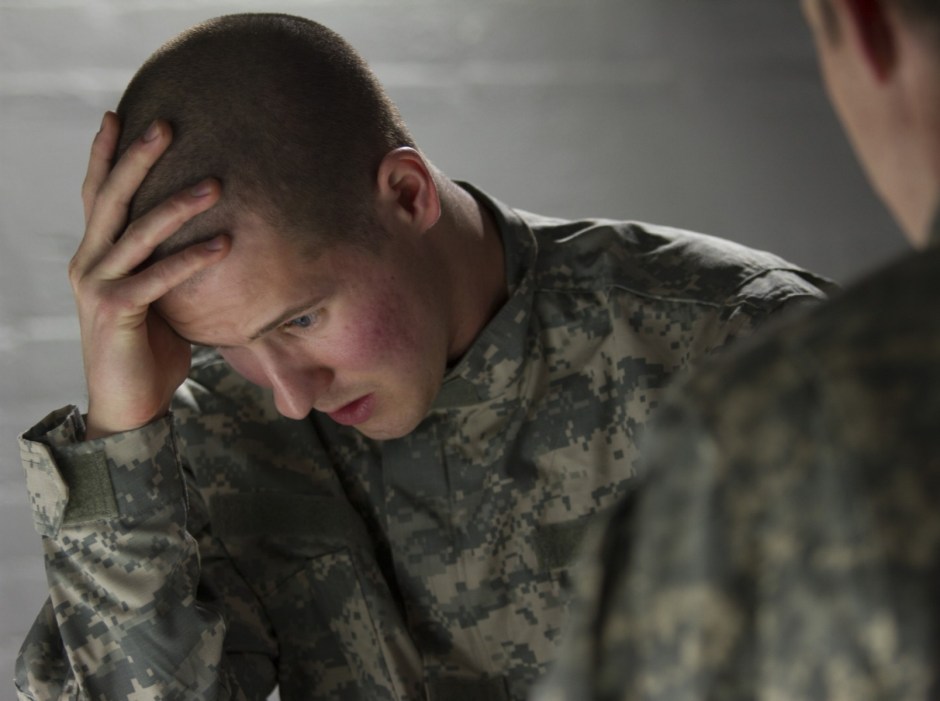
Military psychiatry covers special aspects of psychiatry and mental disorders within the military context. The aim of military psychiatry is to keep as many serving personnel as possible fit for duty and to treat those disabled by psychiatric conditions. Military psychiatry encompasses counselling individuals and families on a variety of life issues, often from the standpoint of life strategy counselling, as well as counselling for mental health issues, substance abuse prevention and substance abuse treatment; and where called for, medical treatment for biologically based mental illness, among other elements.

A military psychiatrist is a psychiatrist—whether uniformed officer or civilian consultant—specialising in the treatment of military personnel and military family members suffering from mental disorders that occur within the statistical norm for any population, as well as those disorders consequent to warfare and also stresses associated with military life.
By Country
Norway
From the 1960s Arne Sund, the chief psychiatrist of the Norwegian Armed Forces medical service, “established Norwegian military psychiatry as leading within NATO” and became the “founder of the research field of disaster psychiatry,” that evolved from military psychiatry.
United States
Active Duty Members
TRICARE is a health programme offered to uniformed service members, national guard or reserve members, survivors, former spouses, Medal of Honour recipients, and their families through the United States Department of Defence Military Health System. Upon enrolment, active duty members and their families gain access to emergency and non-emergency mental health care. In the case of a mental health emergency, members are advised to go to the nearest hospital emergency department. There is no requirement for prior authorization. Admissions must be reported to your regional contractor within 24 hours or the next business day. For non-emergency situations, active duty members must receive a referral and prior authorisation for all mental health care.
Veterans
The United States Department of Veteran Affairs offers mental health care to veterans through enrolment in VA health care. Benefits include emergency and non-emergency care. Emergency mental health care is available 24 hours a day, 7 days a week, through VA medical centres and the Veterans Crisis Line. Non-emergency mental health care services provided include inpatient and outpatient care, rehabilitation treatment and residential (live-in) programmes, and supported work settings. Conditions treated by the VA:
- Posttraumatic stress disorder (PTSD)
- Depression
- Suicide prevention
- Issues related to military sexual trauma (MST)
- Substance use problems
- Bipolar disease
- Schizophrenia
- Anxiety-related conditions
Epidemiology
Psychiatric disorders have been related to the greatest number of casualties and discharges in several wars. Such conditions typically have somatic manifestations. On-site, emergency psychiatric treatment reduces the prevalence of psychiatric morbidity within the military context.
Notable Military Psychiatrists
- W.H.R. Rivers (1864–1922)
- Ernst Rüdin (1874–1952)
- Arne Sund (1925–2012)
- Simon Wessely (1956–present)
- Neil Greenberg (1968–present)
- General William C. Menninger
- Nidal Hasan perpetrator of 2009 Fort Hood shooting
- Yagunov George (1997–present)
This page is based on the copyrighted Wikipedia article < https://en.wikipedia.org/wiki/Military_psychiatry >; it is used under the Creative Commons Attribution-ShareAlike 3.0 Unported License (CC-BY-SA). You may redistribute it, verbatim or modified, providing that you comply with the terms of the CC-BY-SA.

 Mental Health Matters
You must be logged in to post a comment.